Buying guide · Fitness & Sports
What you need for a home plyometric workout area
Short answer
For a home plyometric workout area, focus on a stable jumping surface, clear floor markings for drill patterns, and a way to progress from low-impact footwork to faster hops and jumps. A simple setup with a plyo box or stool, ladder or hurdle work, cones, and a balance tool gives you room to train power, landing control, and coordination without overcomplicating the space.
Choose the core pieces first
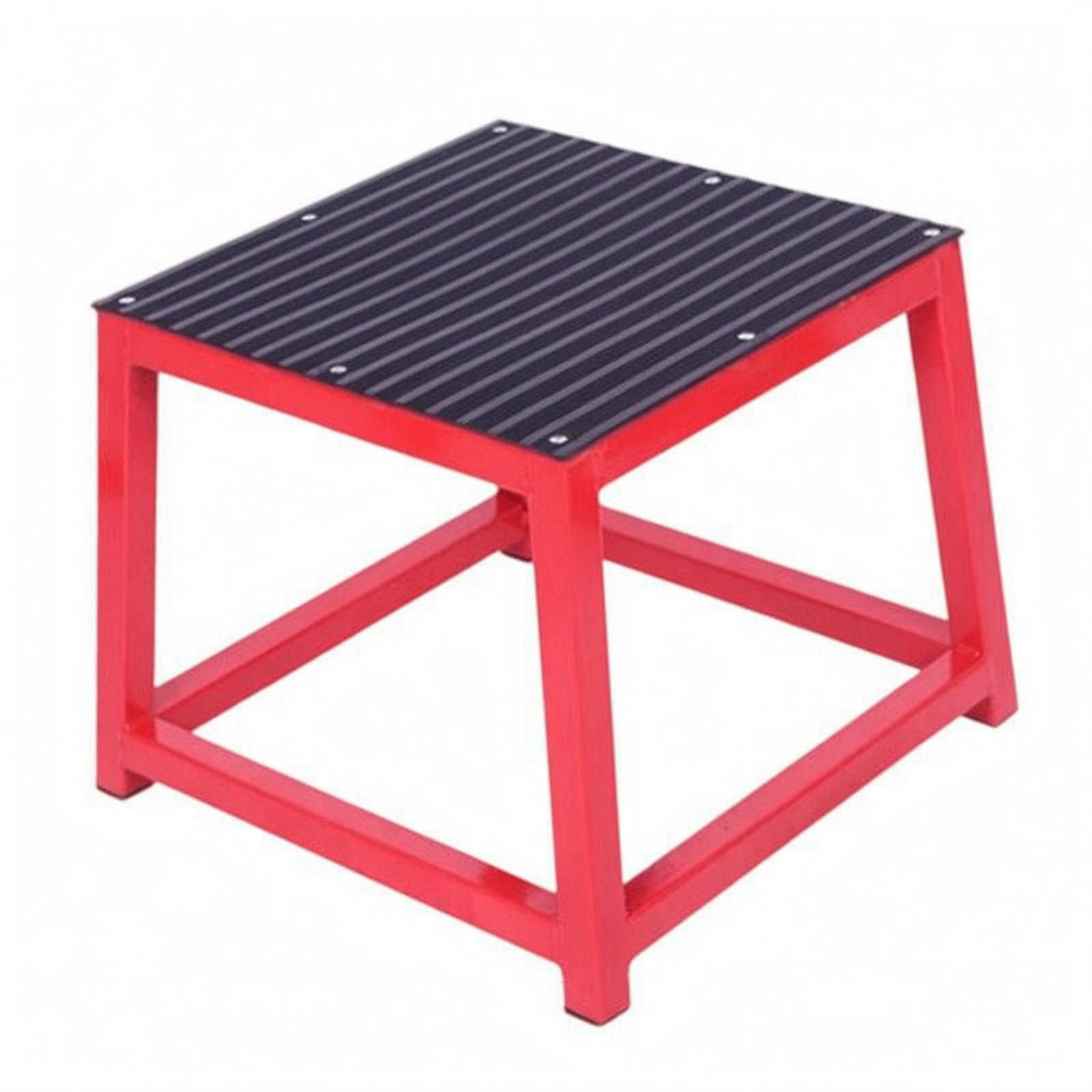
Start with the item that handles your main jump work. A jump platform such as Jump Training Stool gives you a consistent landing and takeoff surface, and the listing notes a 30CM height plus anti-slip feet and a textured top, which are useful details when you want repeatable box jumps, step-ups, and low-impact plyometric progressions at home.
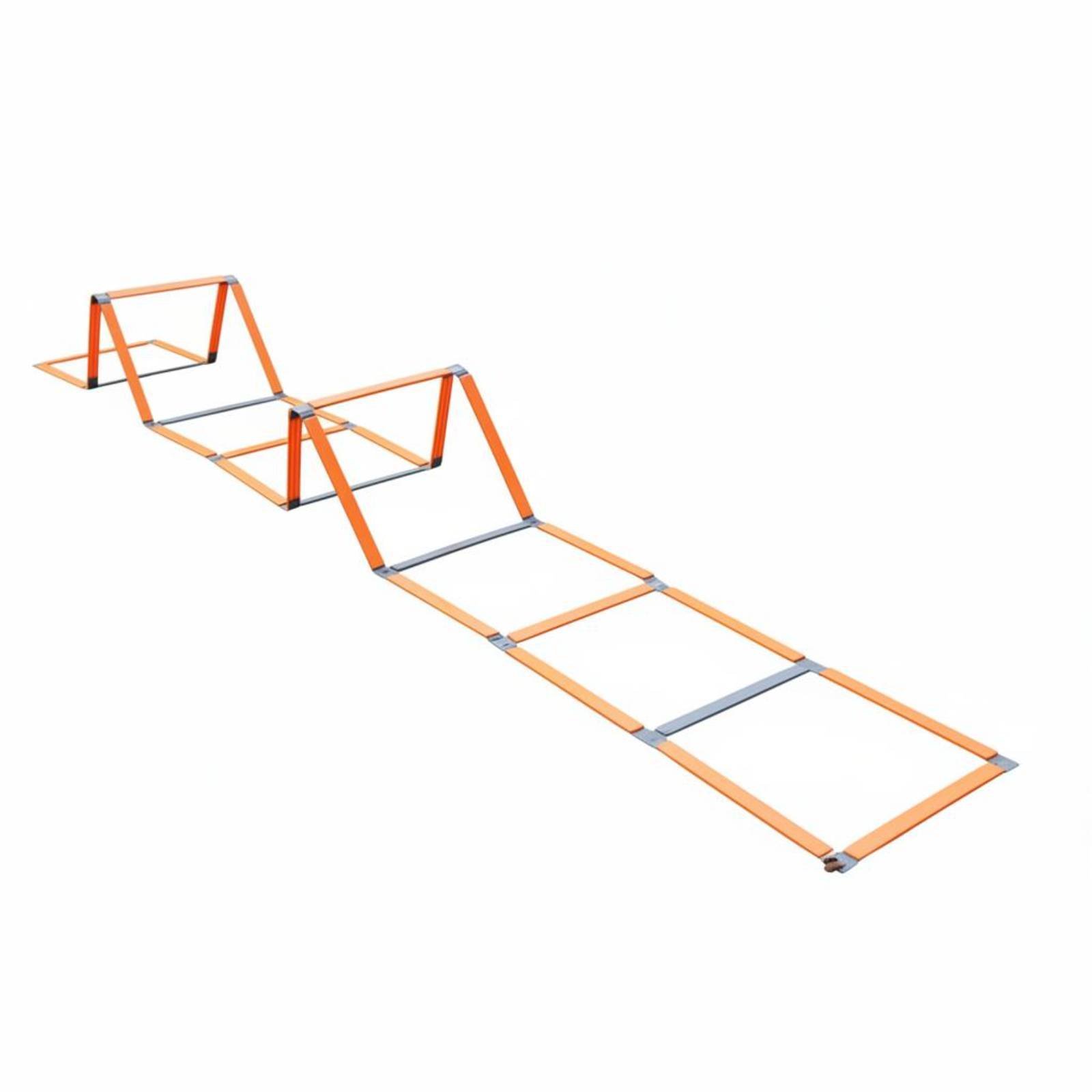
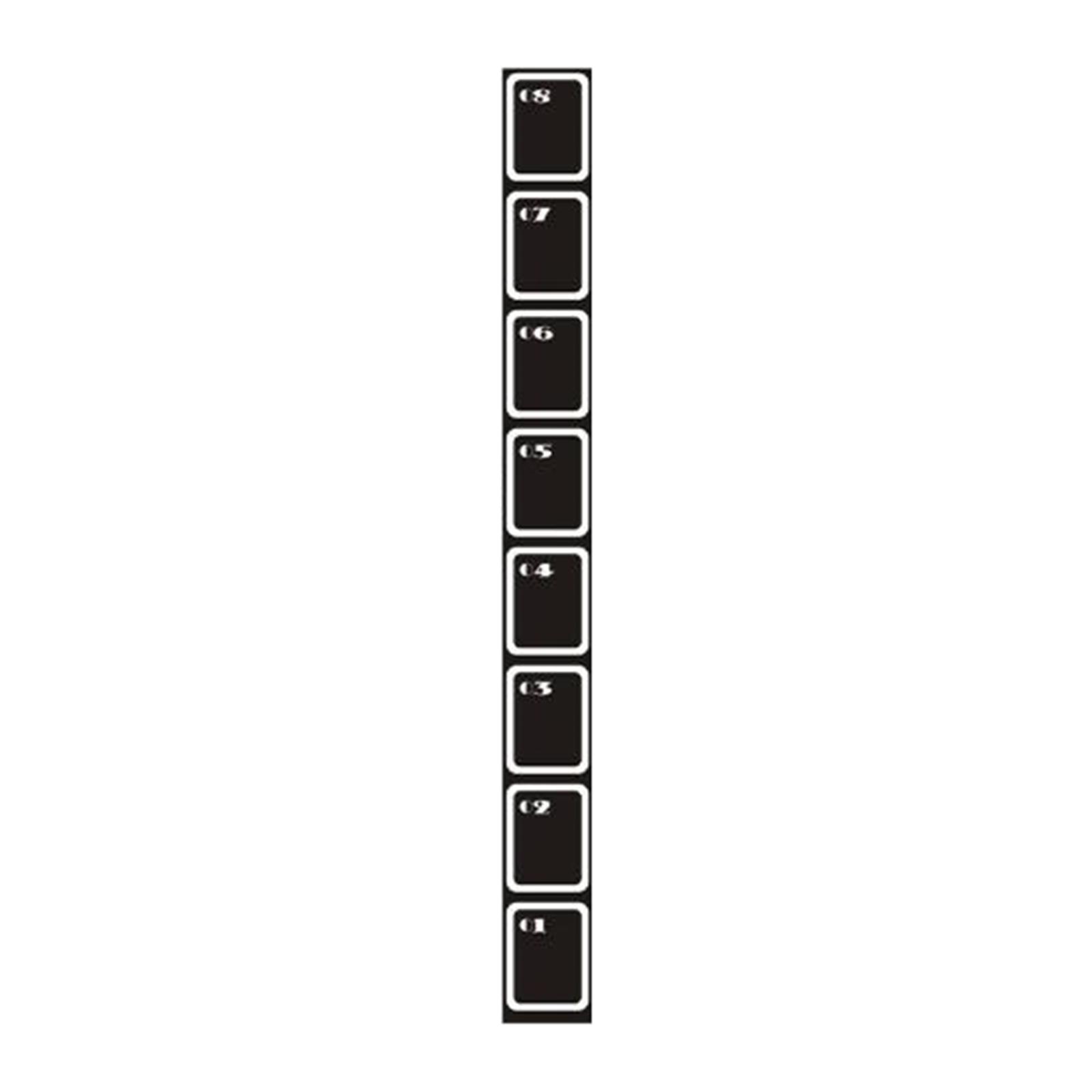
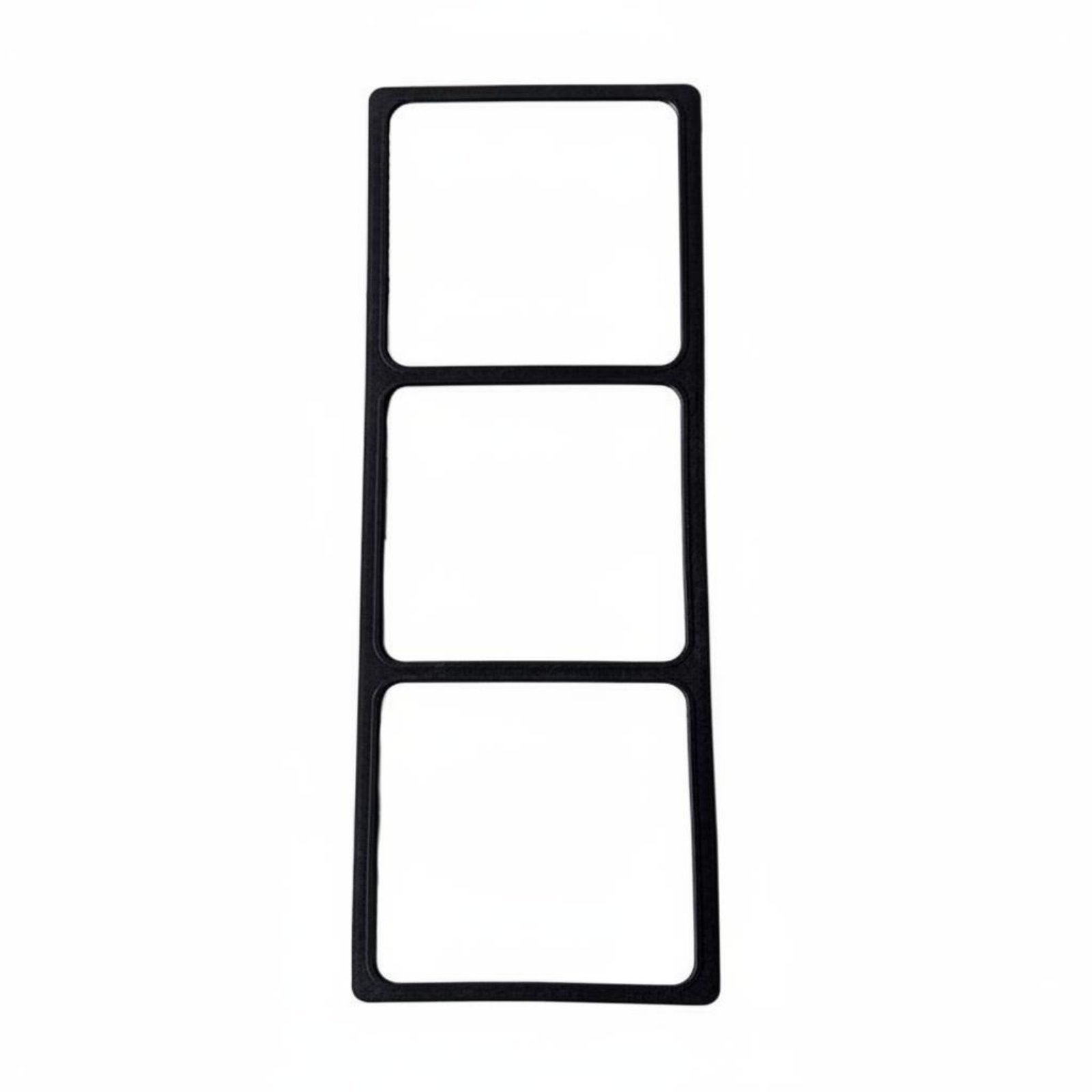
Then add a footwork lane. If you want a longer pattern for traveling drills, Agility Ladder Mat gives you a 350cmx34cm agility ladder mat that helps organize quick feet, lateral steps, and low-amplitude hopping patterns. If you want something compact for tighter rooms, 3-Rung Agility Ladder is a shorter ladder meant for in-and-out steps, rhythm work, and fast transitions.
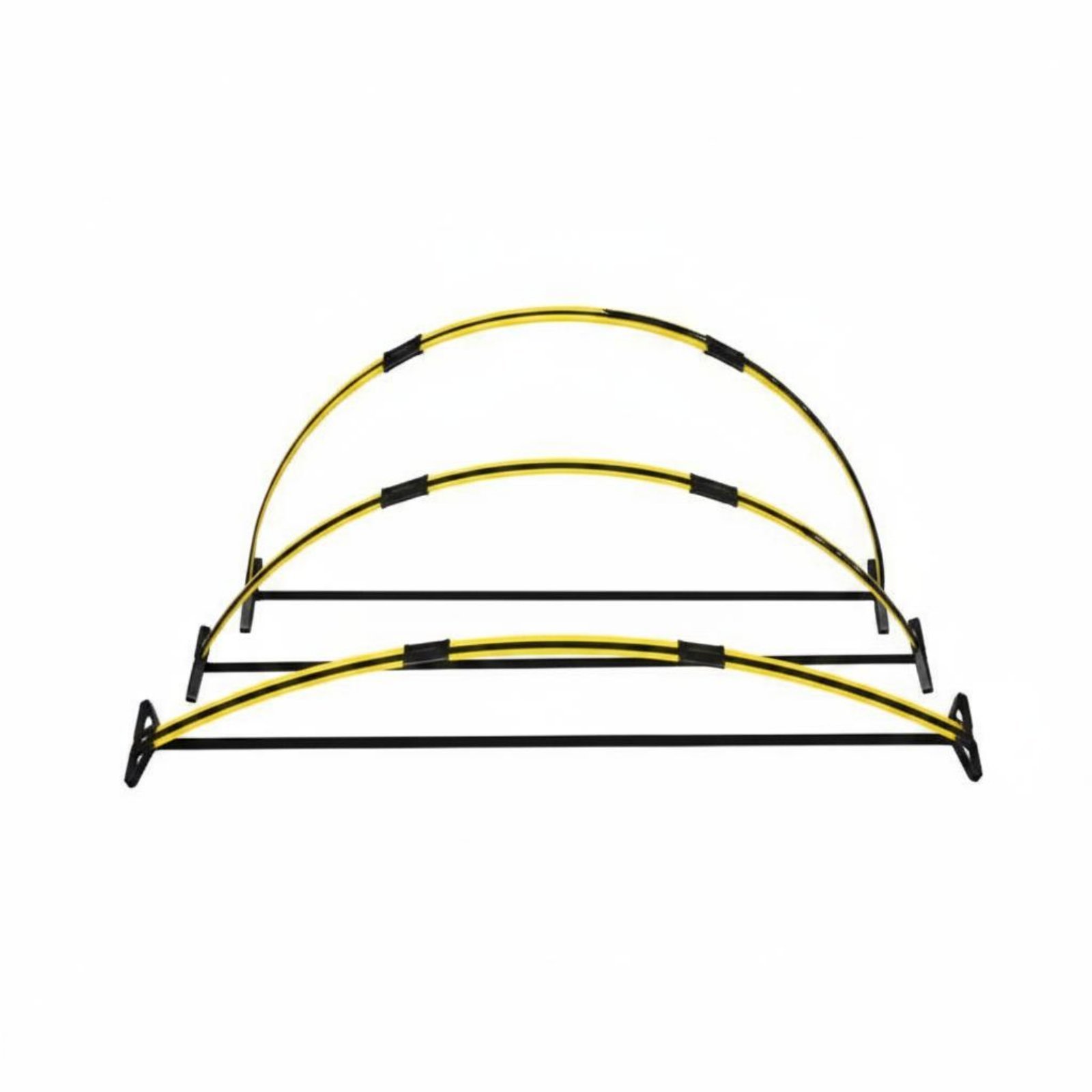
For jump-over drills, an adjustable hurdle such as Adjustable Agility Hurdle is helpful because the listing says it adjusts from about 0 to 35 cm. That matters in a home setup because you can begin with very low step-over drills, then raise the challenge as your landing mechanics improve.
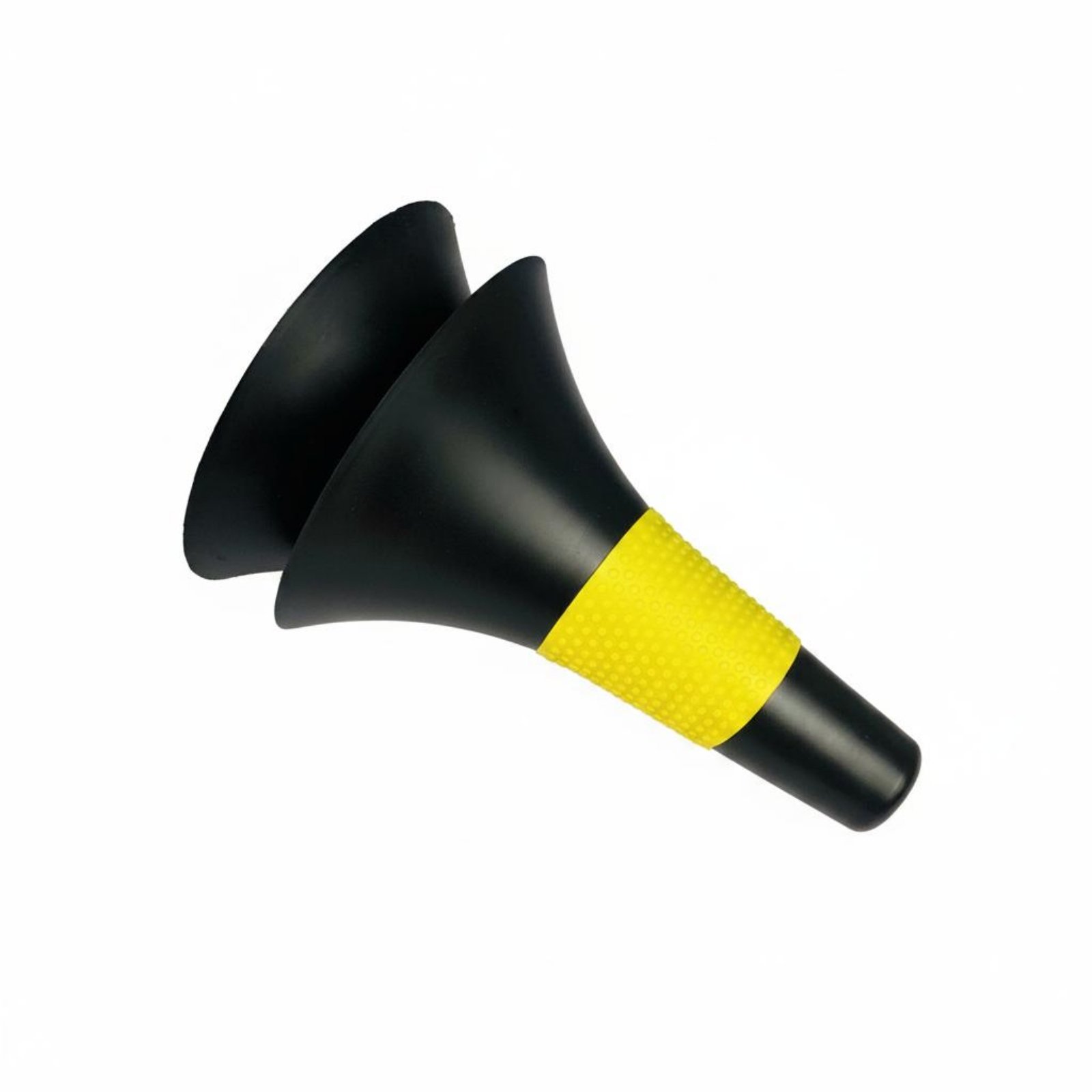
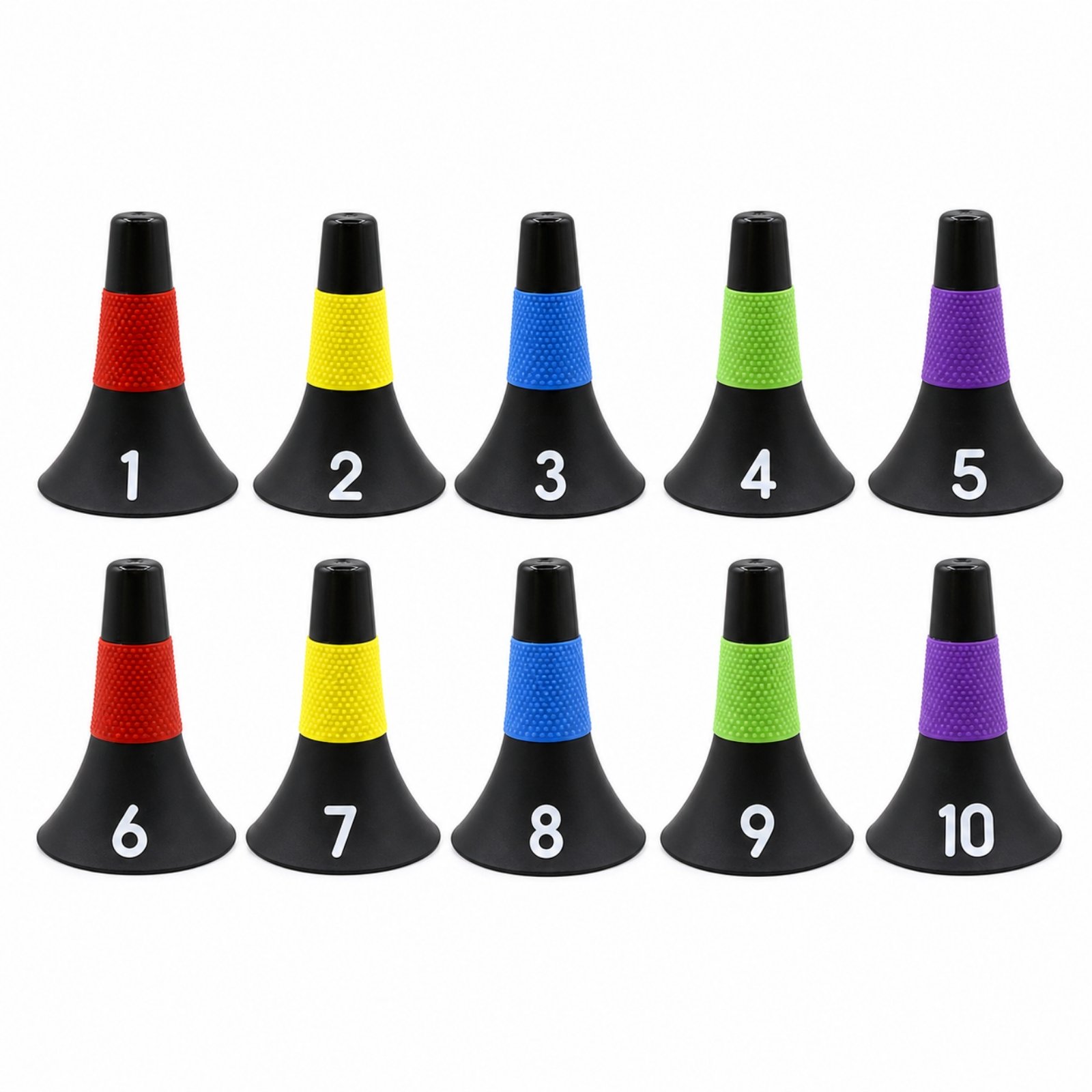
Finish the area with markers. Cones like Thickened Agility Cones or 10-Piece Basketball Training Cones Numbered let you set takeoff spots, shuffle lanes, and safe boundaries so your workouts stay organized instead of turning into random jumping.
Pick features that make home training safer and more useful
The first thing to look for is stability. For jumping tools, prioritize a non-slip base, a top surface with grip, and a shape that does not wobble when you land. Jump Training Stool is a good example because its listing specifically mentions anti-slip feet and a grippy top, both of which matter more than flashy add-ons in a plyometric area.
The next feature is progression. Home plyometric work should let you scale up gradually rather than forcing one hard level from day one. Adjustable Agility Hurdle helps here because its height can be changed, while 3-Rung Agility Ladder and Agility Ladder Mat support lower-impact drills before you move to repeated jumps.
Also think about visibility and layout control. Cones seem simple, but they help define where to start, where to land, and where to turn. 10-Piece Basketball Training Cones Numbered is especially useful if you want preplanned sequences because the cones are numbered, while Thickened Agility Cones works well as a general-purpose marker set.
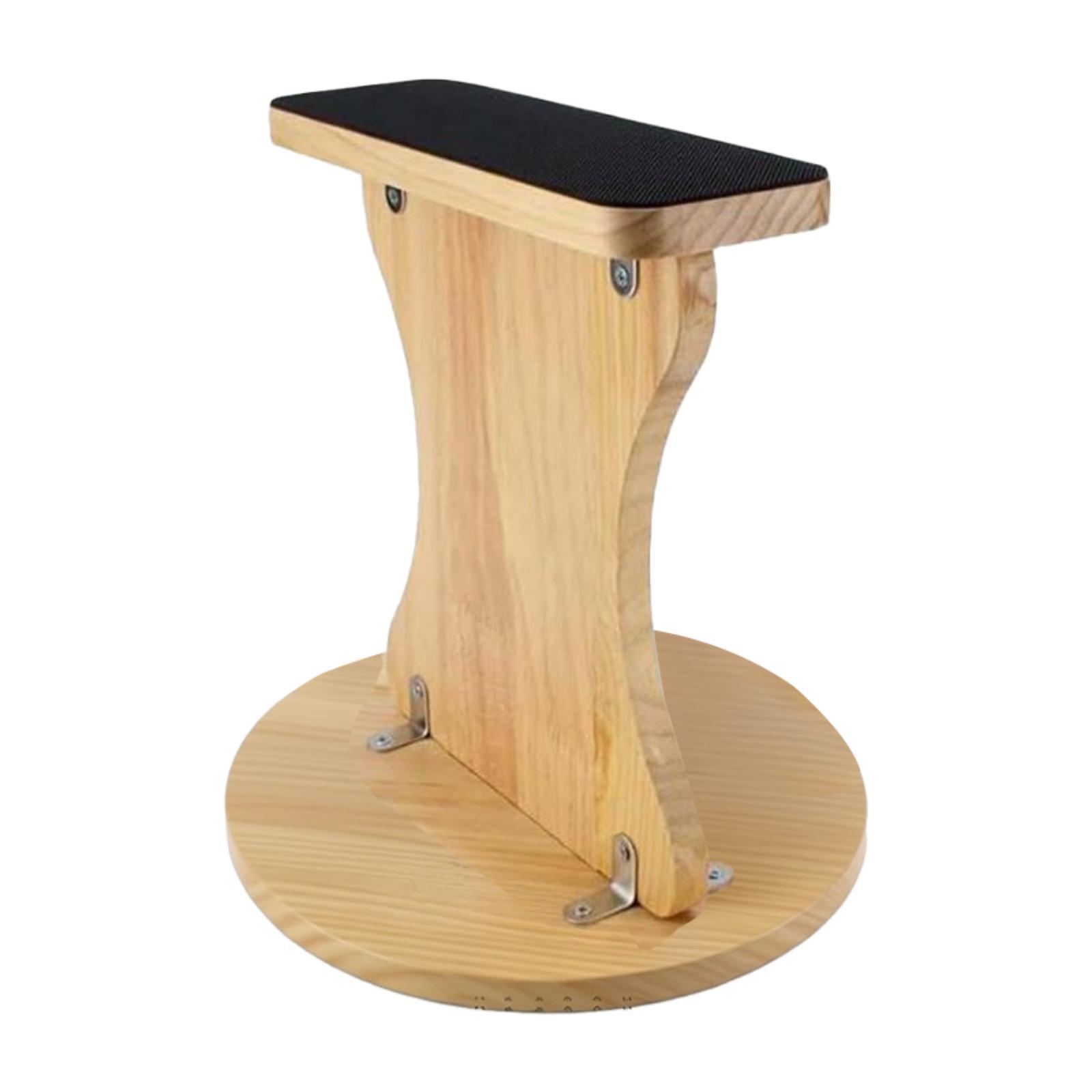
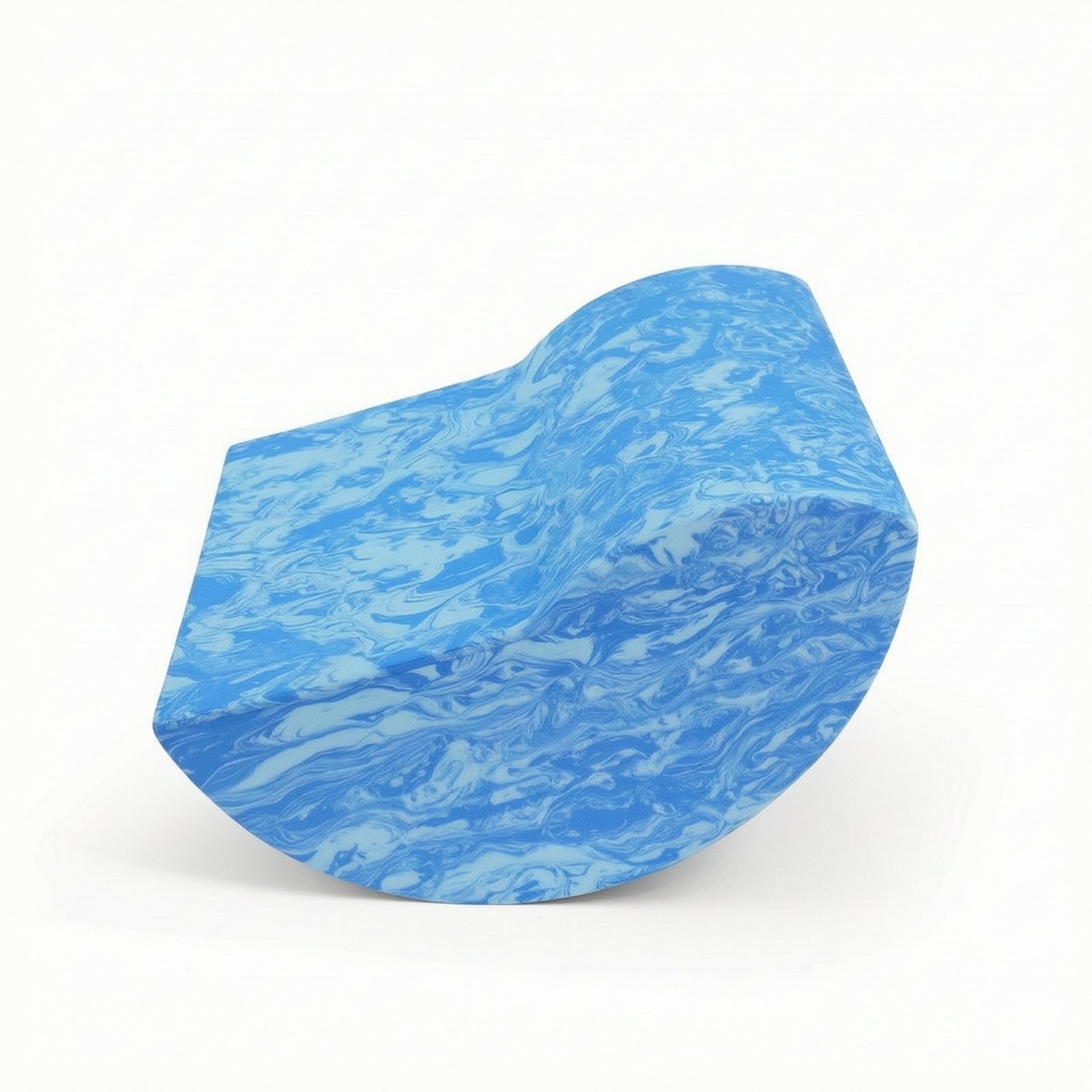
Balance and landing control matter just as much as explosive effort. A balance trainer like Balance Board or a rocker-style option like Foam Balance Board can be used outside the main jump set for ankle stability, body awareness, and controlled holds, which support better takeoffs and quieter landings.
How the pieces work together in one workout space
Think of the area in zones instead of one crowded pile of equipment. Put your main jump station in the center with Jump Training Stool, then use Thickened Agility Cones or 10-Piece Basketball Training Cones Numbered to mark approach points and rest positions. This keeps your landing area clear and gives you visual consistency from rep to rep.
Use the ladder or hurdle as your warm-up and skill zone. Agility Ladder Mat can handle marching, quick feet, and low pogo patterns before box work, while Adjustable Agility Hurdle can be set low for step-overs, line hops, and short reactive jumps. That flow makes sense because it builds rhythm and coordination before higher-force efforts.
Use the balance tool after explosive work or on lighter days. Balance Board can help with single-leg control drills, and Foam Balance Board is a simple option for gentle rocking balance practice. In a home plyometric setup, these pieces are not replacements for jumping; they support landing mechanics, joint control, and recovery-focused sessions.
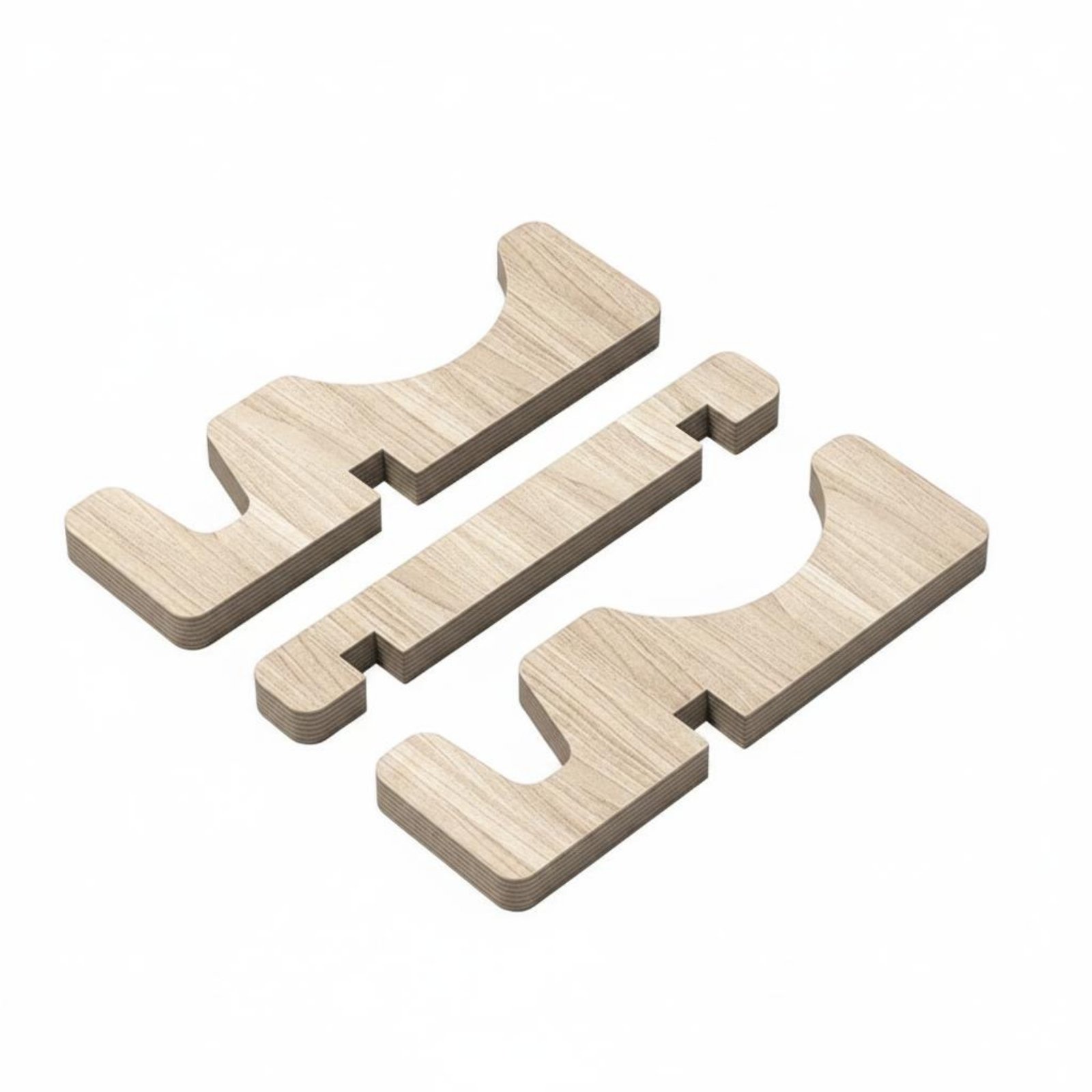
If you want the area to stay tidy, a storage piece like Wooden Balance Board Holder can keep a board upright between sessions. It is not essential for performance, but it can make a small room easier to keep clear and safer to walk through.
Common mistakes to avoid
A common mistake is buying only a jump box and nothing else. Plyometrics are not just about jumping onto something; you also need drill structure, spacing, and lower-intensity movement options, which is why ladders, hurdles, and cones usually make the area more usable.
Another mistake is choosing equipment without checking whether it fits your room. For example, Coordination Training Ladder has a 5.5 m layout with 11 sections, which can be great for longer drill runs, but you should make sure your available floor space actually allows safe movement before ordering. The same idea applies to Agility Ladder Mat, since a longer mat needs enough clear approach and exit space.
Do not skip progression. Starting with maximal depth jumps or repeated high box jumps is a poor match for most home users. It is smarter to begin with low-impact footwork on 3-Rung Agility Ladder, low hurdle patterns on Adjustable Agility Hurdle, and controlled box step work on Jump Training Stool before increasing speed and intensity.
Finally, avoid cluttering the floor with too many pieces at once. Keep only the tools you are actively using in the training lane, and store the rest off to the side so every landing area stays clean and predictable.
A typical kit
- Jump Training StoolThis is the main jumping platform for box jumps, step-ups, and repeatable landing practice.
- Agility Ladder MatThis creates a clear footwork lane for warm-ups, rhythm drills, and low-impact plyometric patterns.
- Adjustable Agility HurdleThis adds adjustable jump-over and step-over drills so you can progress gradually.
- Thickened Agility ConesThese cones mark start points, boundaries, and movement lanes to keep the area organized.
- Balance BoardThis supports balance and landing-control work that complements explosive lower-body training.
- Wooden Balance Board HolderThis keeps a balance board stored upright so a small workout area stays cleaner and safer.
Questions people ask
Do I need a plyo box for a home plyometric setup?
No, but you do need at least one stable tool for controlled jump or step work. Jump Training Stool is useful because it gives you a dedicated landing surface, while ladders and hurdles cover the lower-impact part of plyometric training.
Is a ladder or a hurdle better for beginners?
For most beginners, a ladder is easier to use because it teaches rhythm, foot placement, and coordination without asking for big jumps right away. 3-Rung Agility Ladder works well in compact spaces, while Adjustable Agility Hurdle is helpful once you want adjustable jump-over drills.
How much space should I leave around the equipment?
Leave enough open floor that you can approach, land, and step away without clipping furniture or walls. Before buying longer items like Coordination Training Ladder or Agility Ladder Mat, compare the listed size to your room and make sure you also have clear space at both ends.
Are balance boards actually useful for plyometric training?
Yes, but as a support tool rather than the main event. Balance Board and Foam Balance Board can help with balance, ankle control, and body awareness, which can improve takeoff and landing quality.
What is the easiest way to build a simple setup without overbuying?
Start with one jump surface, one drill lane tool, and one marker set. A combination like Jump Training Stool, Agility Ladder Mat, and Thickened Agility Cones covers jumps, footwork, and layout control, and you can add a balance tool later if you want more landing-focused work.
Shop the list
Everything mentioned above
Prices and delivery windows are live from our catalog.
Jump Training Stool
Agility Ladder Mat
Adjustable Agility Hurdle – Advanced SET 3-sec
Thickened Agility Cones
10-Piece Basketball Training Cones Numbered
Balance Board
Foam Balance Board
Wooden Balance Board Holder
3-Rung Agility Ladder