Buying guide · Fitness & Sports
What gear do I need to start swim training in a pool
Short answer
To start pool swim training, you only need a small core kit: a kickboard for leg work, a pull buoy for arm-focused drills, and one form tool or resistance aid added later as your technique settles. Pick simple gear that matches the kind of practice you will actually do, because beginner progress usually comes from repeatable drills and good body position rather than loading up on too many accessories.
Start with the core pool tools
A new swimmer does not need a huge bag of equipment. The most useful first pieces are aids that isolate one part of the stroke at a time so you can feel what your body is doing and repeat the same drill without guessing.
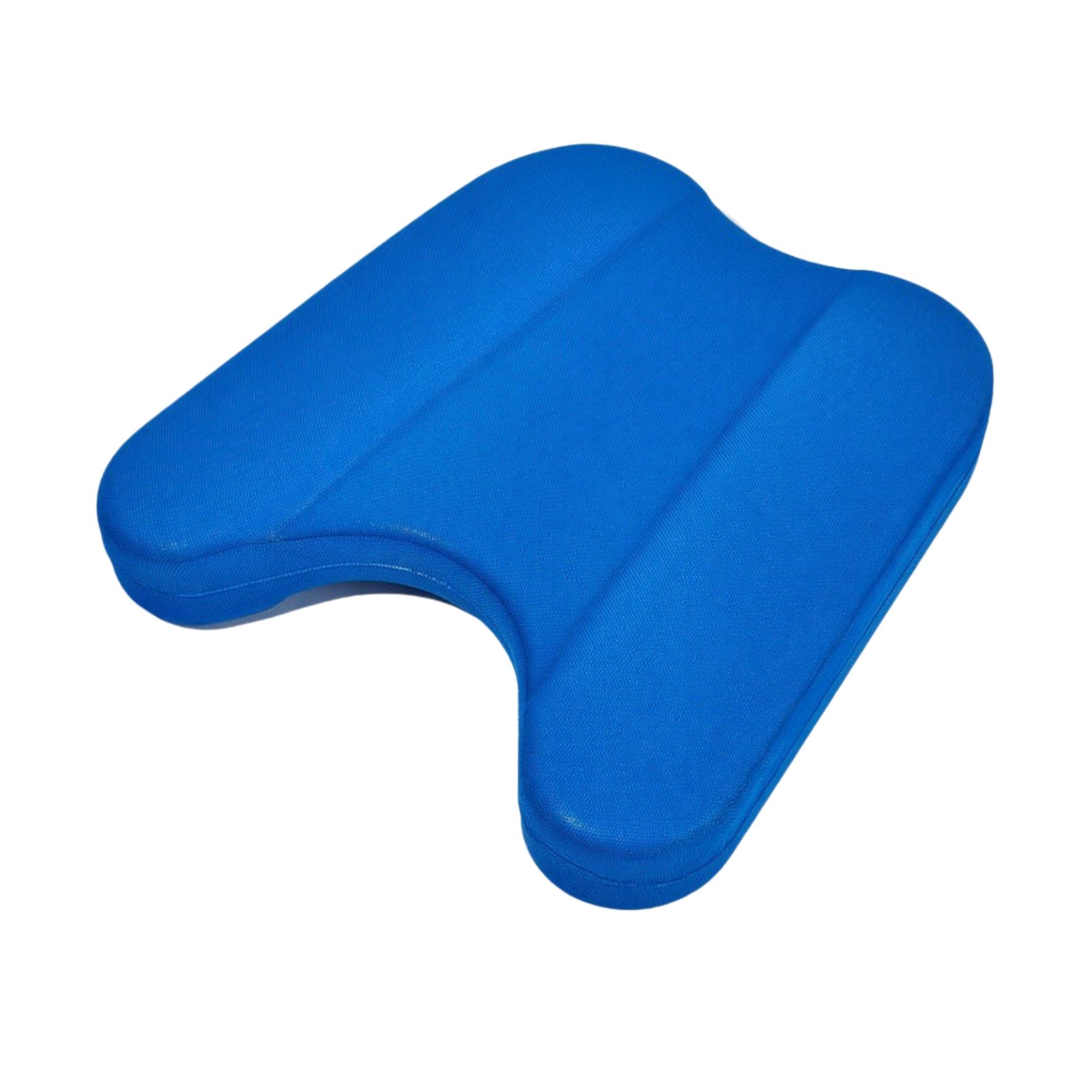
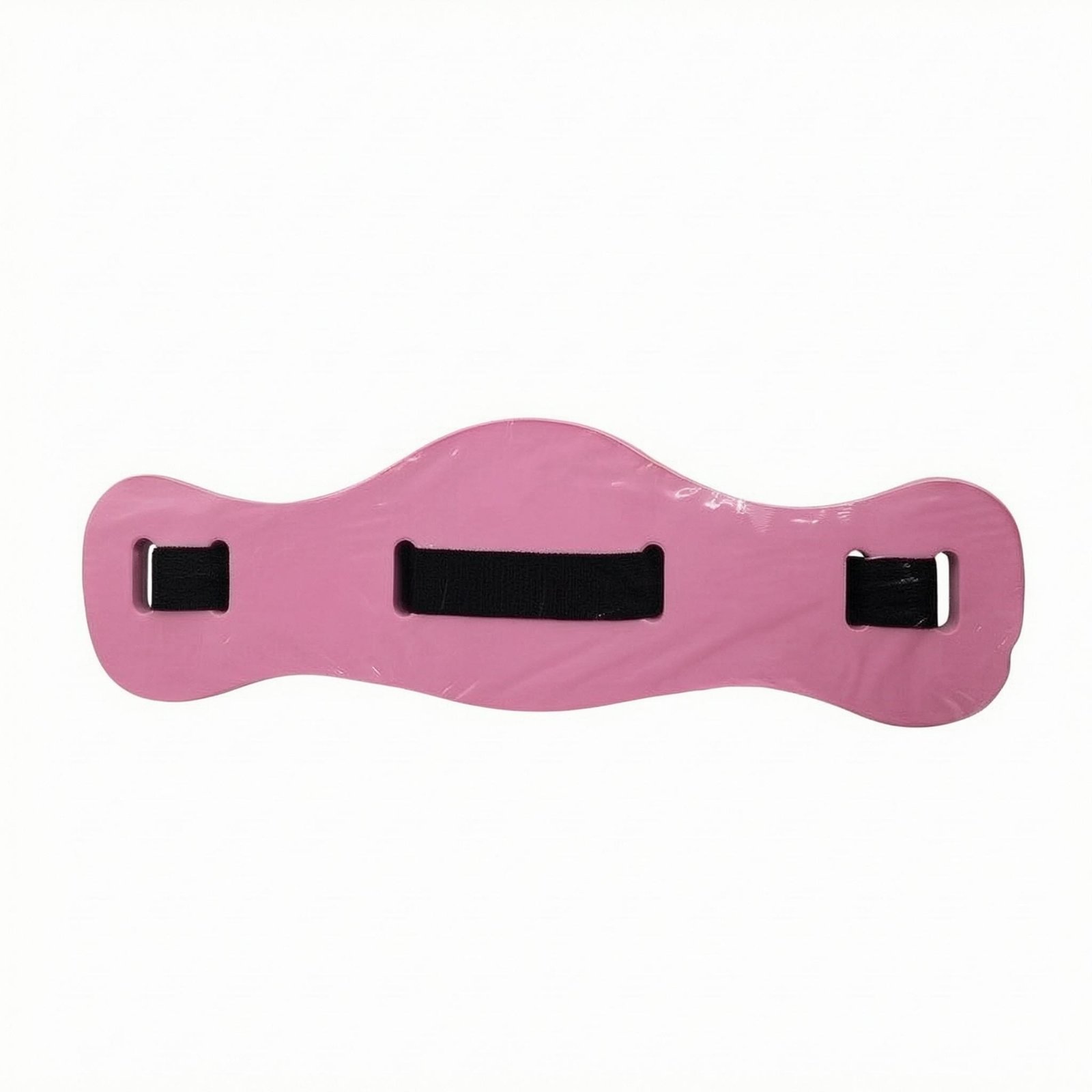
A kickboard supports the upper body so you can focus on kicking, body line, and breathing rhythm. A board like EVA Foam Swimming Kickboard is made for kicking practice and has a contoured shape that helps with secure handling. If you prefer more hand positions, Fishes-Shaped Swim Board adds grip cutouts, and its body is listed at 72 x 22 x 4 cm, which tells you it is a larger board style for supported kick work.
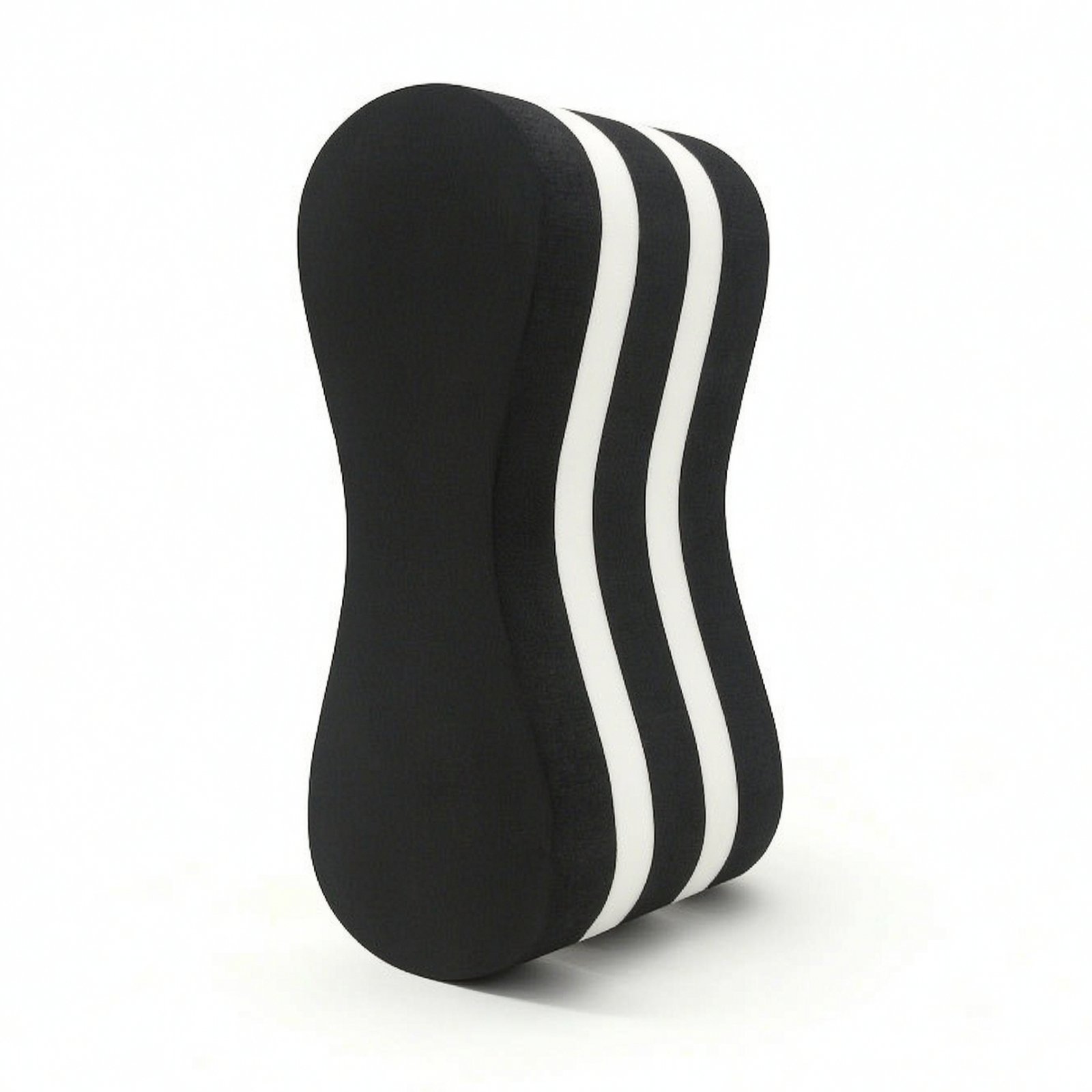
A pull buoy helps with the opposite task: it keeps the legs supported so you can focus on the pull, catch, and arm timing. High-Foam Swim Kickboard is described as a double-loop pull buoy that fits between the legs and is intended to immobilize the legs for arm-focused work. That makes it useful when you want to feel upper-body mechanics without your kick changing the drill.
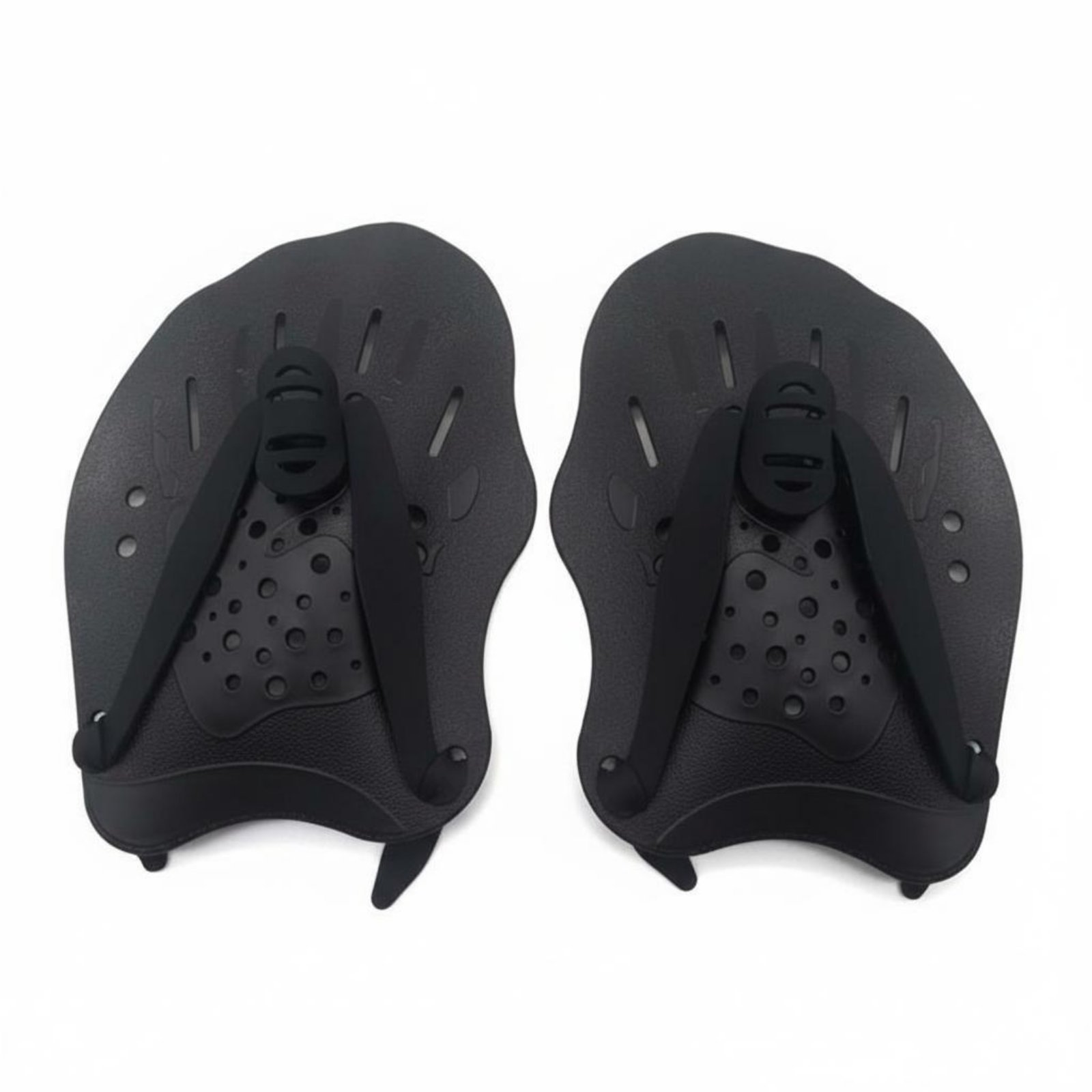
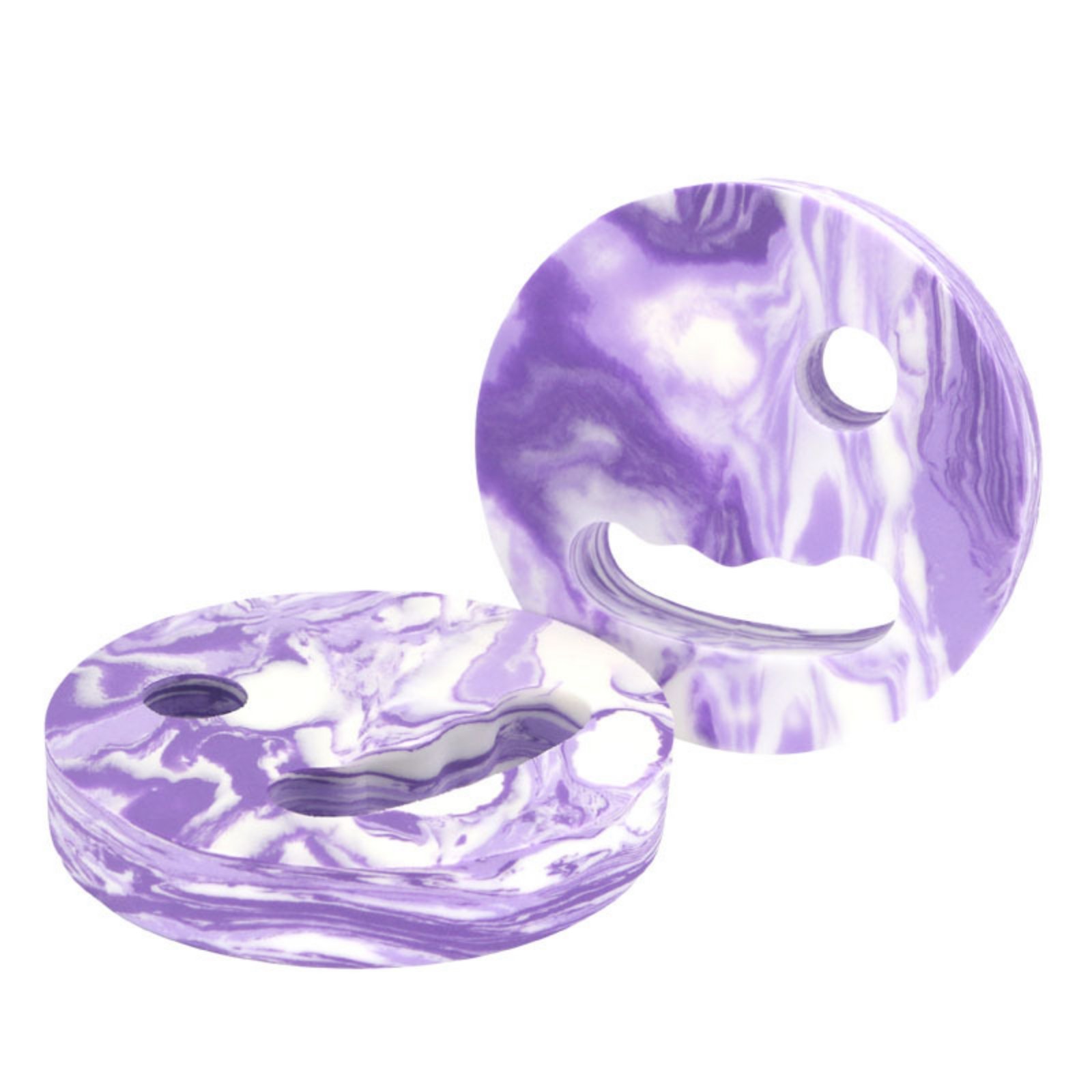
Hand paddles are optional at the beginning, not mandatory. They add resistance and make flaws in the stroke easier to feel, but they also make it easier to overload the shoulders if your technique is rushed. 2-Piece Swimming Hand Paddles is a straightforward stroke-training paddle with adjustable straps and drainage holes, while Swimming Paddles with Hand Grip is a compact palm-style paddle; it measures 180 mm across and 30 mm thick, so it is the smaller style for focused resistance rather than a full large paddle feel.
How to choose the right pieces
Choose gear by training purpose first, not by how advanced it looks. If your goal is to learn balance and kick control, start with a board. If your goal is to clean up the pull and body alignment, add a pull buoy. If your goal is to improve water feel after you already swim clean repeats, then consider paddles.
For kickboards, look at shape and hand placement. EVA Foam Swimming Kickboard has a central lower cutout and raised sections that guide hand and arm placement, which can make basic kick sets easier to repeat. Fishes-Shaped Swim Board uses grip cutouts, which can be helpful if you want a steadier hold during drills or water confidence work.
For pull buoys, the key question is whether the shape will stay in place comfortably. High-Foam Swim Kickboard is specifically described as a double-loop pull buoy with rounded contours for leg placement, so its value is in helping maintain alignment while removing the kick from the drill.
For paddles, pay attention to how they stay on the hand and whether they are meant for full-hand stroke practice or compact resistance work. 2-Piece Swimming Hand Paddles uses adjustable straps and a contoured shape, which is useful when fit matters more than simplicity. Swimming Paddles with Hand Grip uses a hand-grip cutout and finger hole, which makes it a very direct, compact form of resistance for short technique sets.
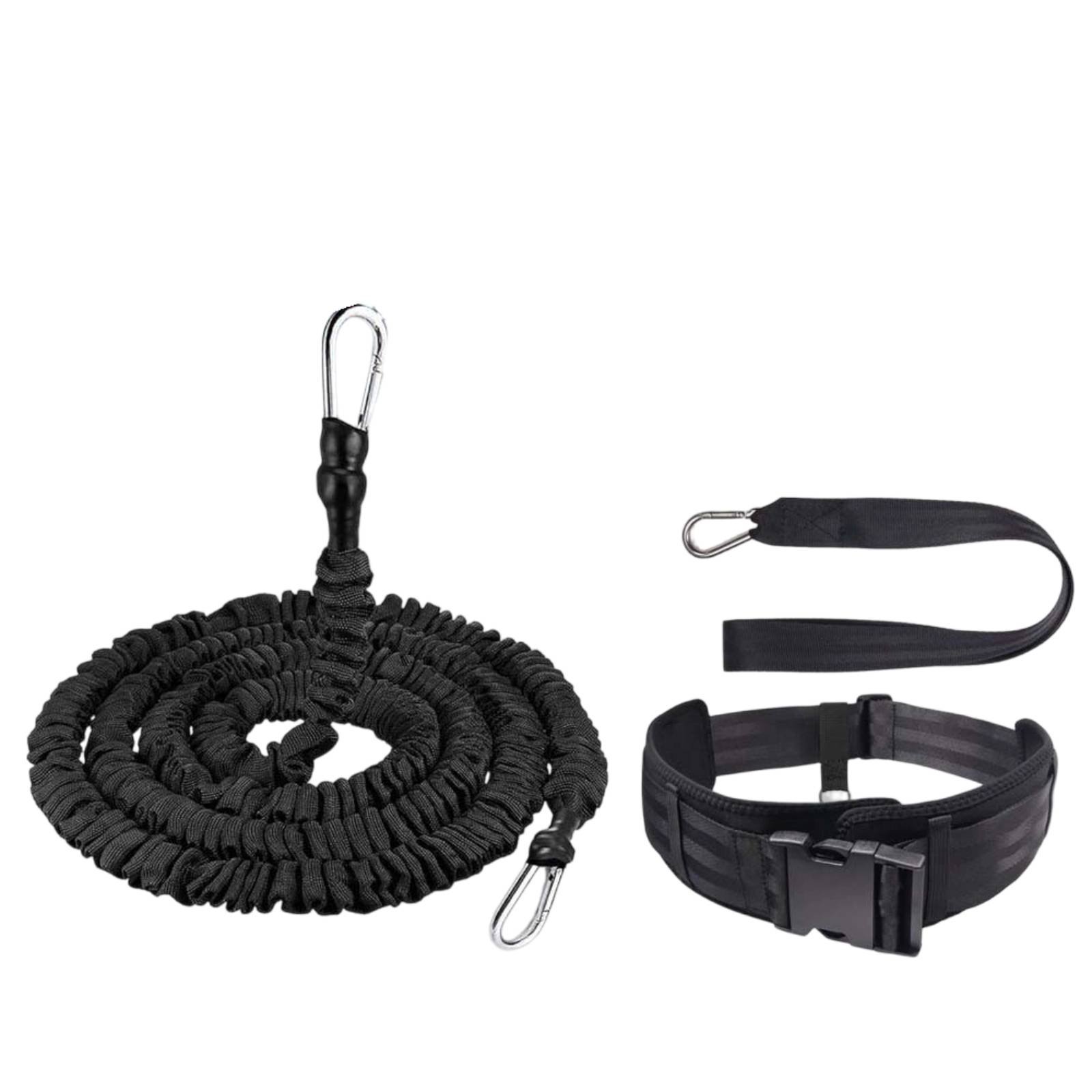
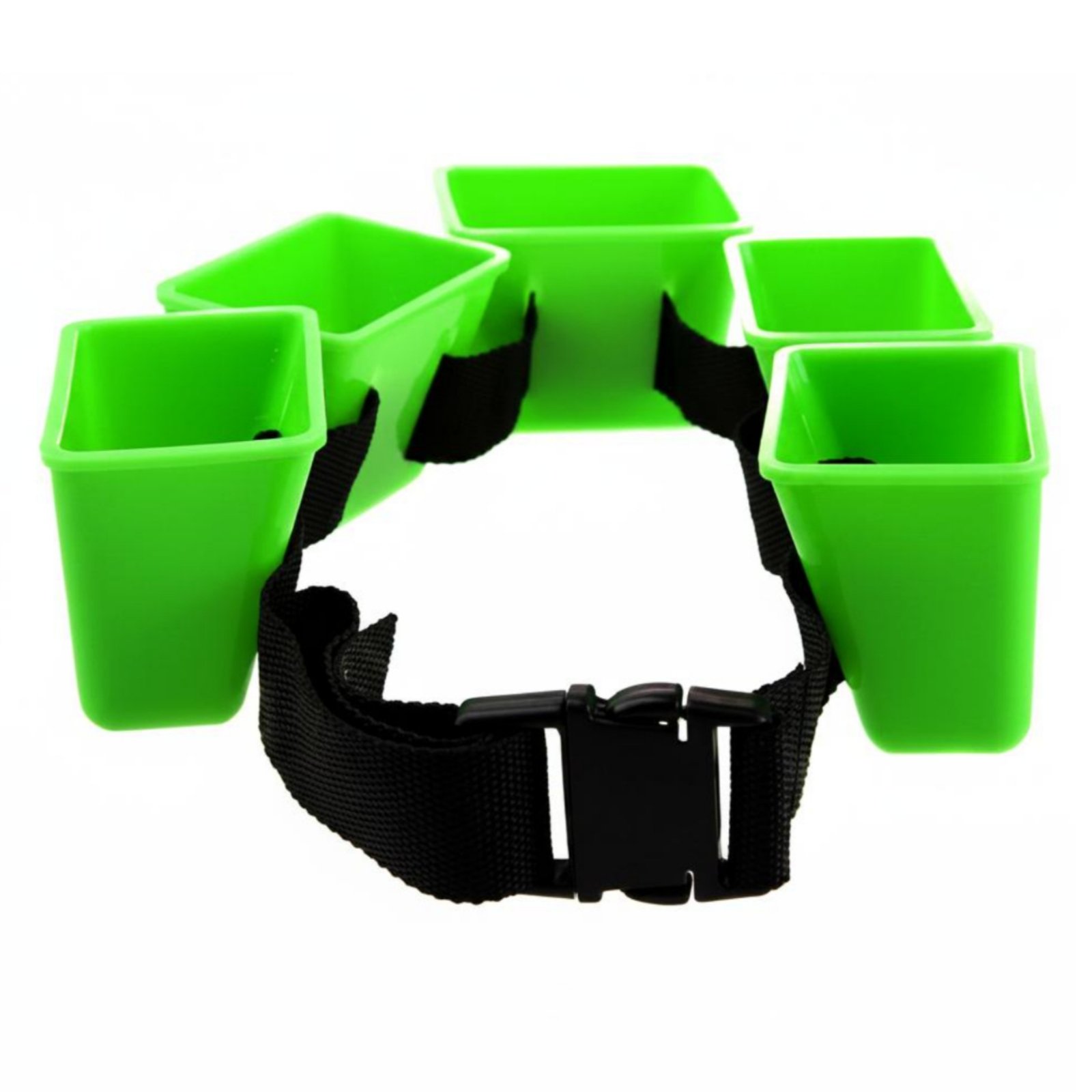
Resistance gear can be useful, but it is usually the next step rather than the first purchase. Swim Resistance Belt is a pool resistance belt that creates drag in the water, while Adjustable Swim Resistance Cord combines an adjustable strap with an elastic cord for poolside-anchored resistance; its unstretched length is about 2.3 m, so it is meant for contained training when lane space is limited. These tools are helpful once you can already hold decent form under easy effort.
How the pieces work together in training
These tools work best when each one has a clear job in the same session. A simple practice might begin with easy swimming, move into kickboard work for body line, switch to pull-buoy work for the catch and pull, and finish with a short form-focused set using paddles only if your shoulders feel good and your stroke stays controlled.
A board such as EVA Foam Swimming Kickboard or Fishes-Shaped Swim Board supports the front of the body so the legs can do the work. That helps you notice kick timing, ankle relaxation, and whether your hips stay near the surface.
A pull buoy such as High-Foam Swim Kickboard does the reverse by supporting the legs. Once the legs are quiet, you can concentrate on entry, pull path, and even left-right balance without the kick distracting you.
Paddles such as 2-Piece Swimming Hand Paddles or Swimming Paddles with Hand Grip magnify what your hands and forearms are doing in the water. Used in short sets, they can make it easier to feel whether you are pressing back cleanly or slipping through the water.
Resistance tools add a different kind of challenge. Swim Resistance Belt makes regular swimming feel heavier through added drag, which can teach controlled effort if used carefully. Adjustable Swim Resistance Cord is better for targeted resistance practice in a smaller space, but it makes the most sense after you already know how to hold your stroke together under mild stress.
Common beginner mistakes to avoid
The biggest mistake is buying every training accessory at once. Too many tools in the first weeks can hide technique problems instead of teaching you to recognize them. It is usually smarter to begin with one board and one pull buoy, then add paddles or resistance only when you know why you want them.
Another common mistake is using paddles too early or for too long. 2-Piece Swimming Hand Paddles and Swimming Paddles with Hand Grip are both training tools, not all-session gear. If your hands start slipping, your stroke shortens, or your shoulders feel strained, go back to easy swimming or basic drills.
Some swimmers also confuse flotation aids with stroke correction. High-Foam Swim Kickboard helps isolate the upper body, but it does not automatically fix a weak catch or crossing arms. A kickboard such as EVA Foam Swimming Kickboard can support leg drills, but it will not correct poor posture unless you pay attention to body position while using it.
Finally, do not jump straight to added drag if you are still learning pacing and form. Swim Resistance Belt and Adjustable Swim Resistance Cord can be productive, but resistance makes flaws show up faster. Use them after you can swim relaxed, repeatable lengths with stable technique.
A typical kit
- EVA Foam Swimming KickboardUse this as the basic kickboard for lower-body drills and body-position practice in regular pool sessions.
- High-Foam Swim KickboardUse this pull buoy to support the legs so you can focus on arm mechanics and alignment.
- 2-Piece Swimming Hand PaddlesAdd these hand paddles later for short technique sets that improve water feel and upper-body engagement.
- Swim Resistance BeltUse this resistance belt once your stroke is consistent and you want controlled drag during pool training.
Questions people ask
What is the minimum gear I need for beginner pool training?
A kickboard and a pull buoy are enough for most beginners. A board helps isolate the kick, and a pull buoy helps isolate the pull, which covers the two main drill categories used in early swim practice.
Do I need hand paddles right away?
No. Paddles like 2-Piece Swimming Hand Paddles or Swimming Paddles with Hand Grip are more useful after you can already hold decent form, because they increase resistance and can make errors or shoulder strain more obvious if you rush into them.
What is the difference between a kickboard and a pull buoy?
A kickboard such as EVA Foam Swimming Kickboard supports the front of your body so you can work on the legs. A pull buoy like High-Foam Swim Kickboard supports the legs so you can focus on the arms and torso alignment.
Is resistance gear necessary for pool training?
Not at the start. Tools like Swim Resistance Belt and Adjustable Swim Resistance Cord are useful for adding drag and controlled resistance, but they are usually better once you have a stable stroke and know how to manage effort without losing form.
How do I choose between different kickboard styles?
Look at how you want to hold the board and how much support you want during drills. EVA Foam Swimming Kickboard has a contoured shape with guided hand placement, while Fishes-Shaped Swim Board has grip cutouts that can feel steadier for some swimmers.
Shop the list
Everything mentioned above
Prices and delivery windows are live from our catalog.
EVA Foam Swimming Kickboard
Fishes-Shaped Swim Board
High-Foam Swim Kickboard
2-Piece Swimming Hand Paddles
Swimming Paddles with Hand Grip
Swim Resistance Belt