Buying guide · Fitness & Sports
How to choose a slant board or calf stretcher for home workouts
Short answer
Choose based on your main goal first: a simple fixed wedge works for heel elevation and light mobility, an adjustable board is better for progressive calf stretching, and a larger steel platform suits loaded calf raises. For home use, prioritize a stable non-slip surface, a shape that matches your exercises, and a size you will actually keep out and use consistently.
Start with the job you want the board to do
The right pick depends on whether you want stretching, squat support, calf raises, or balance help. A slant board changes ankle angle so your calves, feet, and lower legs can work or stretch in a controlled position. A calf raise block lifts the forefoot so you can move through calf raises and similar lower-body drills. A board with a handle adds support if you want help with balance during home sessions.
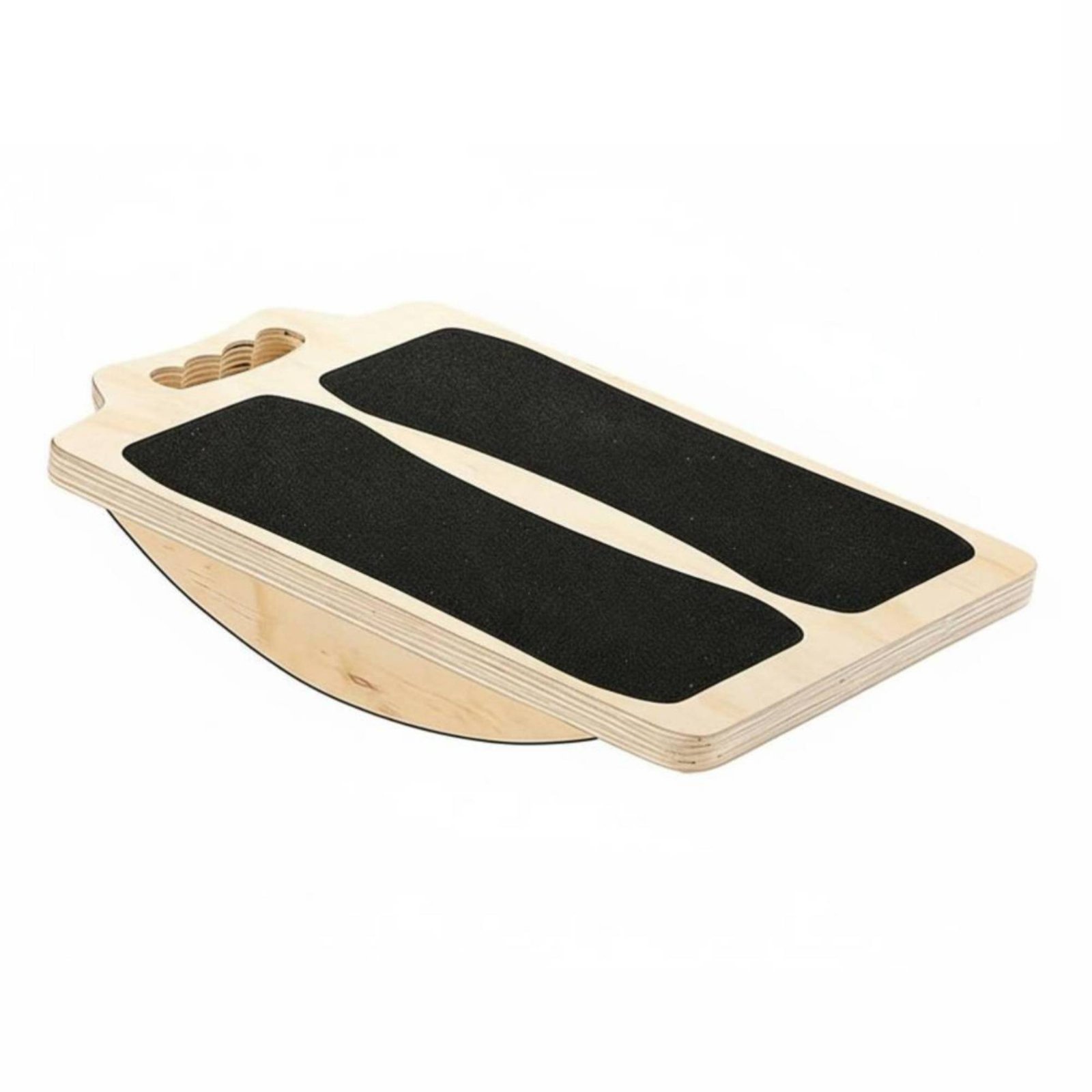
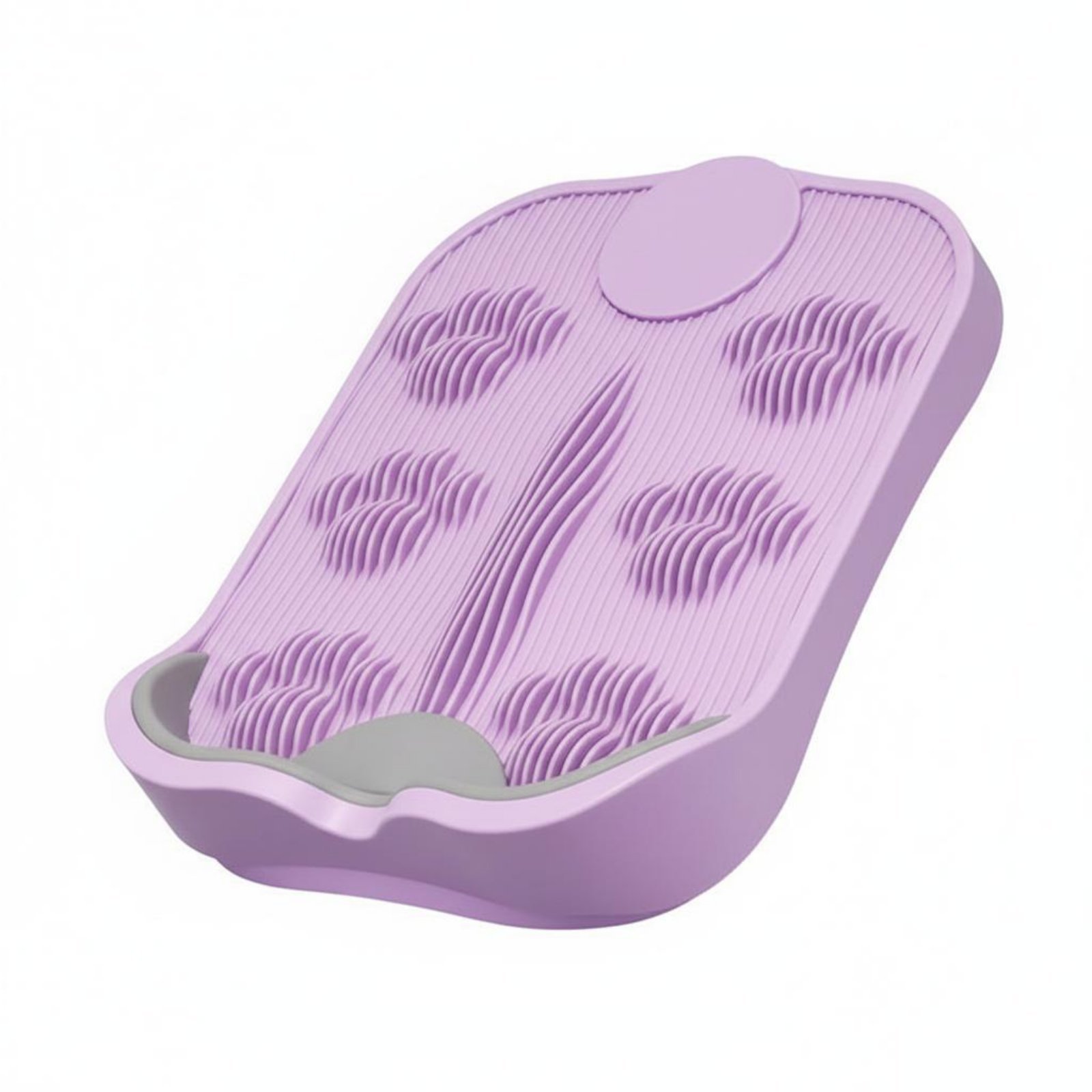
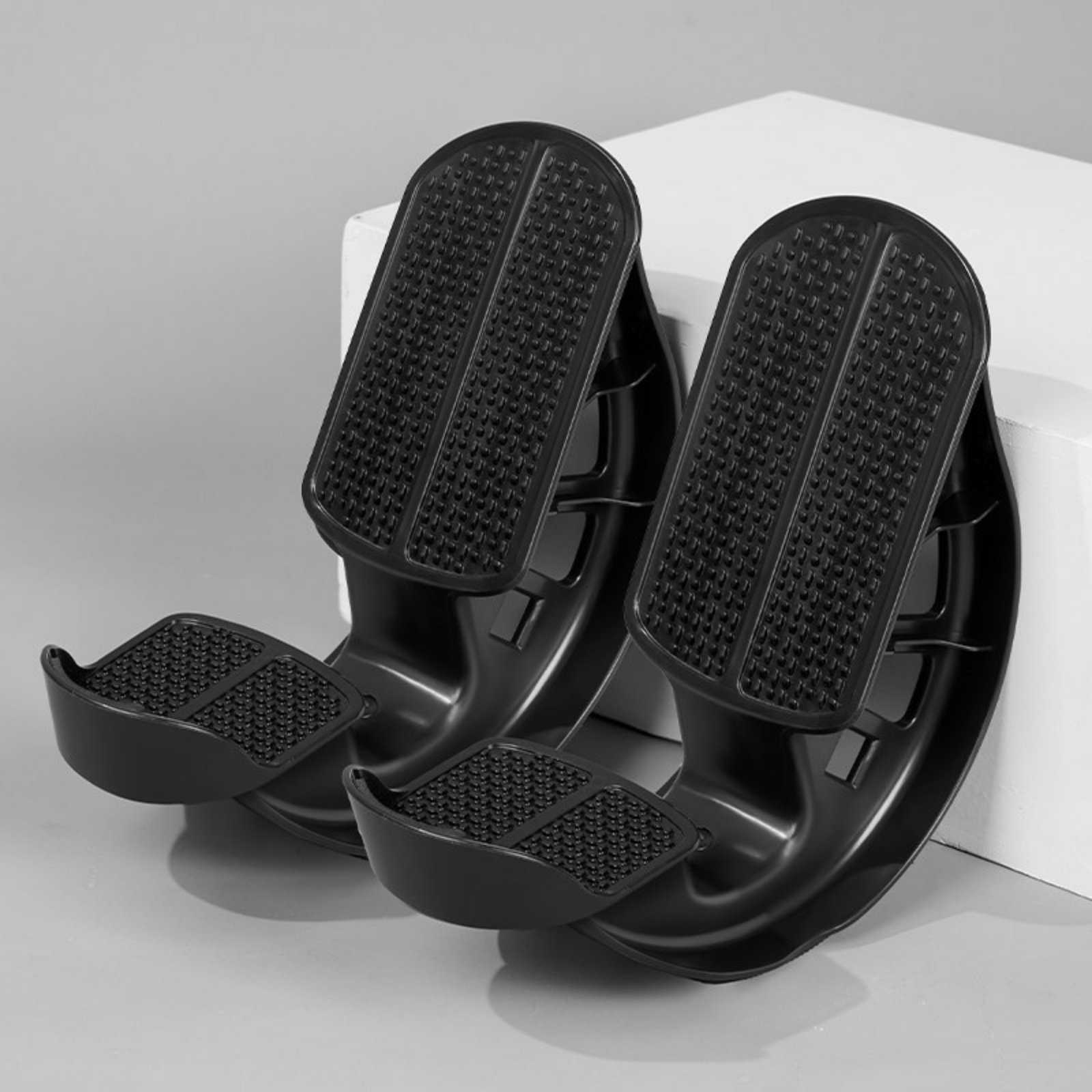
For progressive stretching, an adjustable board is usually the easiest tool to grow with because you can start easy and increase the incline later. Adjustable Calf Muscle Stretcher is built around multiple adjustable angles, while Adjustable Wooden Slant Board gives four angle settings at 25°, 30°, 35°, and 40° for more deliberate progression. If you want many small adjustment steps rather than a few fixed choices, Non-Slip Calf Incline Board offers 18 height levels.
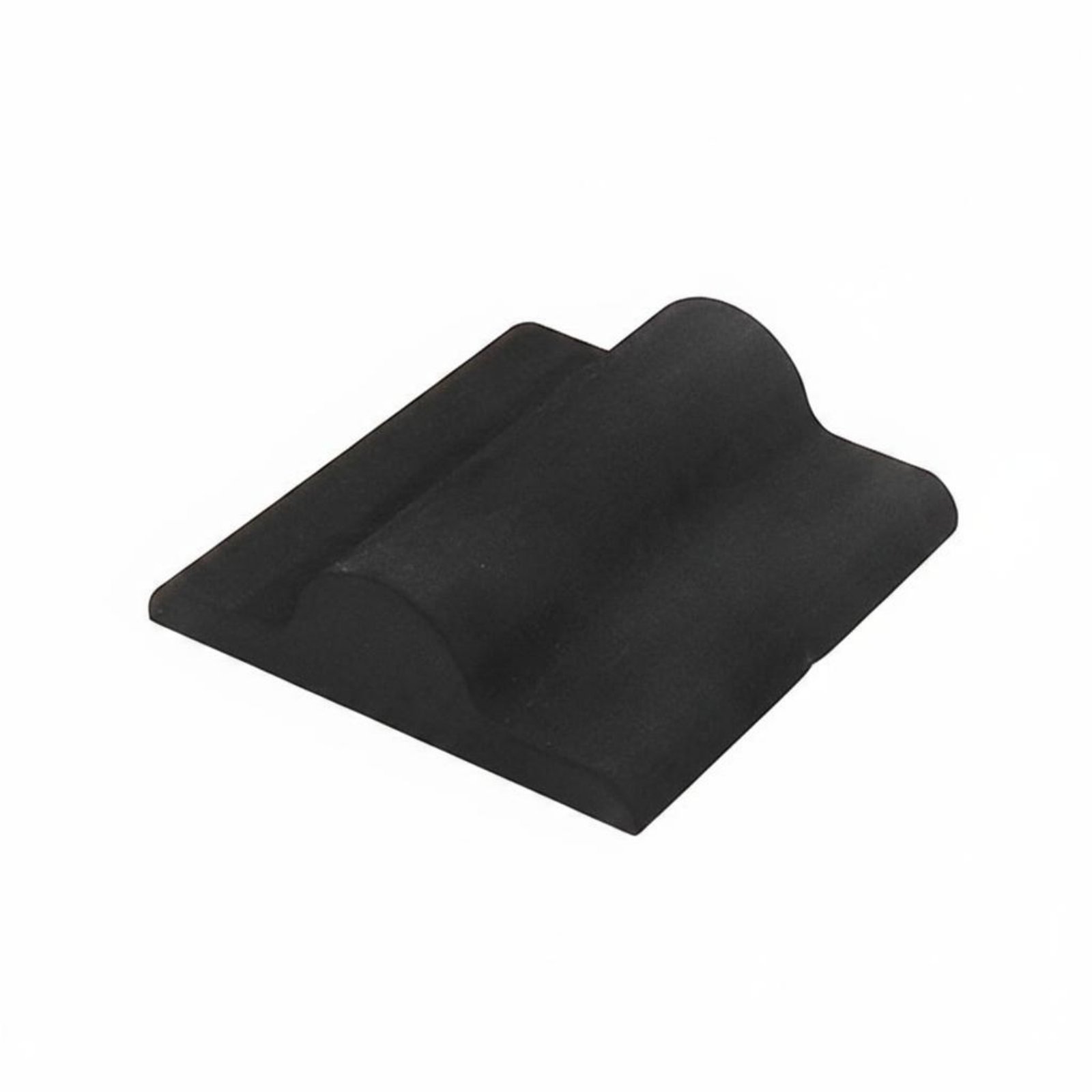
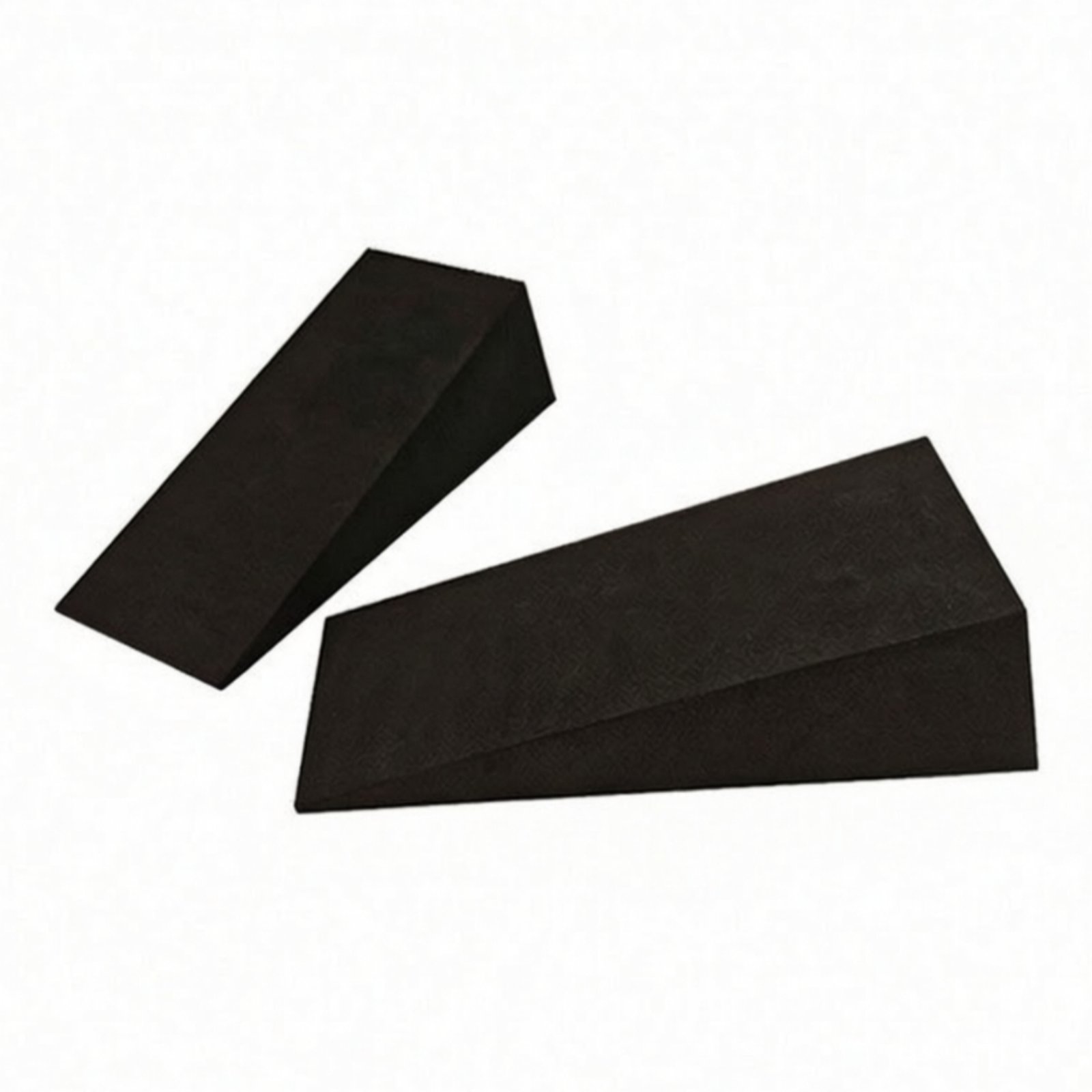
For heel-elevated squats, warmups, and quick mobility work, a compact wedge is often enough. Heel Elevated Squat Board is a heel elevated squat board made from dense EVA foam, and EVA Foam Wedge Block is a small EVA foam wedge support block sized at 15 x 6 x 5 cm, which is useful when you mainly want simple heel lift rather than a full standing stretch platform.
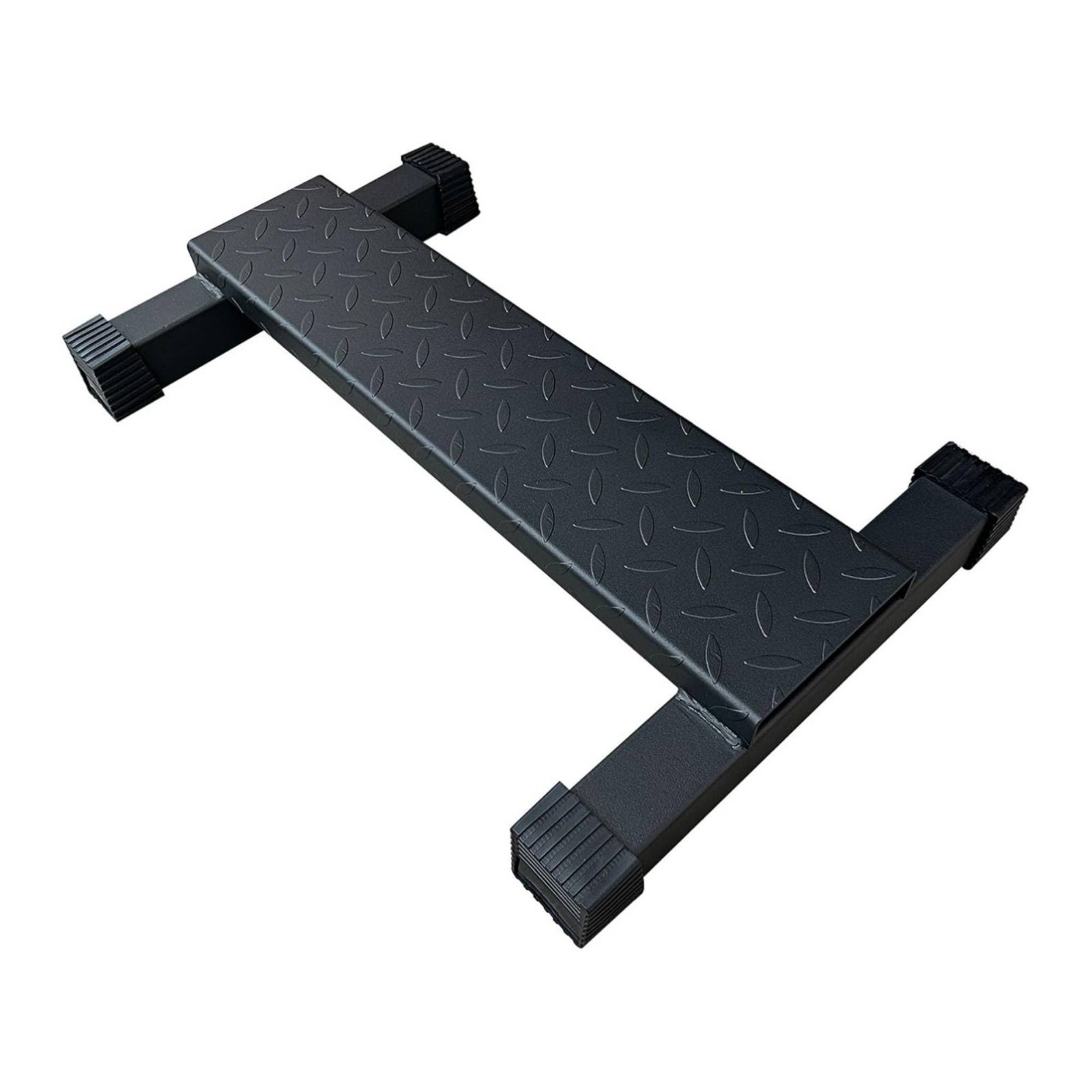
If your main focus is loaded calf raises and deeper lower-leg strength work, look at more rigid platforms. Non-Slip Calf Raise Block is a steel calf raise block with a textured diamond-plate surface and rubber pads underneath, while Standing Calf Raise Slant Board is a standing calf raise board built from steel tubing for repeated strength-focused sessions.
If stability is your main concern, especially for longer holds at home, a larger wood board can feel more planted. Wooden Slant Board is a wooden slant board with a non-slip top and anti-slip bottom, and its stated 1000 lb load capacity may matter for users who want a heavier-duty platform.
Which features matter most and why
Surface grip is the first thing to check because slipping ruins both safety and stretch quality. Textured tops, anti-slip bottoms, foot guards, and cushioned surfaces all help your feet stay put while your ankles move through the angle. Examples include the textured and reinforced setup on Calf and Foot Stretcher, the textured non-slip surface on Adjustable Slant Board, and the cushioned non-slip feel on Non-Slip Calf Incline Board.
Adjustment range matters if more than one person will use the board or if you expect to increase flexibility over time. Beginners often do better with a gentler incline, while experienced users may want more dorsiflexion and a deeper calf stretch. Calf and Foot Stretcher is described as having multiple incline angles with a 9-gear design, and Adjustable Calf Muscle Stretcher is intended for progression across fitness levels.
Material affects feel, portability, and how you will use it. Wood and steel usually feel firmer under load, which can be helpful for squats, standing work, and repeat sessions. EVA foam is lighter and easier to reposition, so it makes sense if you want a simple wedge you can move between rooms or pack away after a short workout.
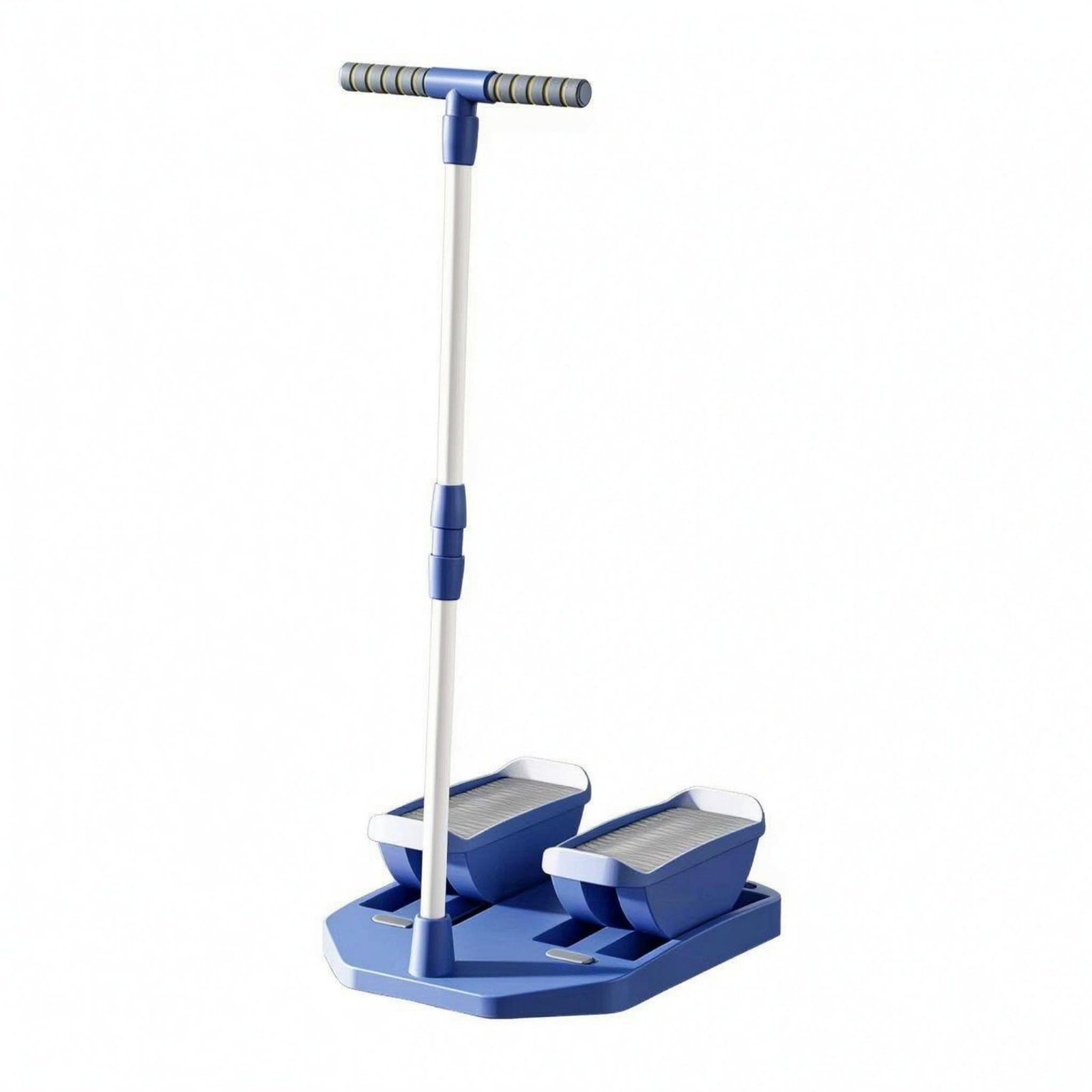
Shape also changes function. A long sloped board supports stretching and standing holds, while a small wedge mainly lifts the heel. A rail-supported design can help if balance is limited. Leg Stretching Board includes a vertical support pole and foam-covered handlebar, and it measures 90.5 x 37 x 47 cm with a 2680 net weight, so it is more of a dedicated station than a tiny accessory.
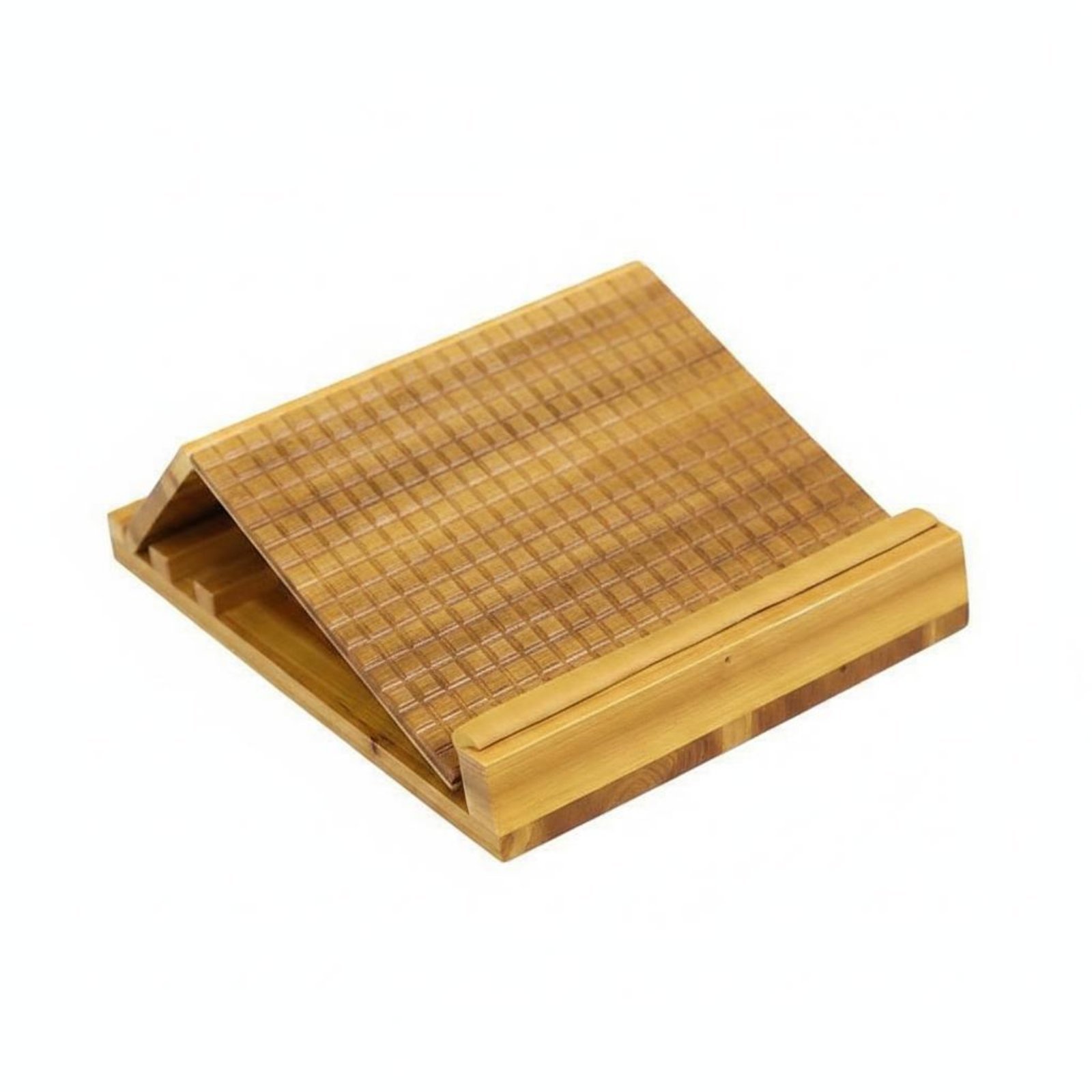
Storage is worth thinking about before you buy. If you need something that can disappear after use, folding or compact options are easier to live with in a home gym corner, office, or closet. Foldable Slant Board is a foldable calf stretcher, and Calf and Foot Stretcher is also described as foldable and portable.
How these pieces work together in a home routine
A home setup works best when you match the tool to the part of the workout. A compact wedge is handy before training to warm ankles and practice heel-elevated squats. An adjustable slant board fits the dedicated mobility part of the session, where you hold stretches or do slow calf and ankle work. A steel raise platform then takes over if you want strength work such as calf raises or toe lifts.
A practical sequence could look like this: start with a light heel lift from Heel Elevated Squat Board or EVA Foam Wedge Block to open the ankles, move to longer calf stretching on Adjustable Wooden Slant Board or Non-Slip Calf Incline Board, then finish with loaded calf raises on Non-Slip Calf Raise Block. That combination keeps each tool doing a clear job instead of asking one piece to cover every exercise.
If you are rebuilding confidence or want extra support, a handrail board can replace part of that setup. Leg Stretching Board gives you something to hold while you work on leg extension, balance, and stepping patterns, which can be more comfortable than free-standing stretching.
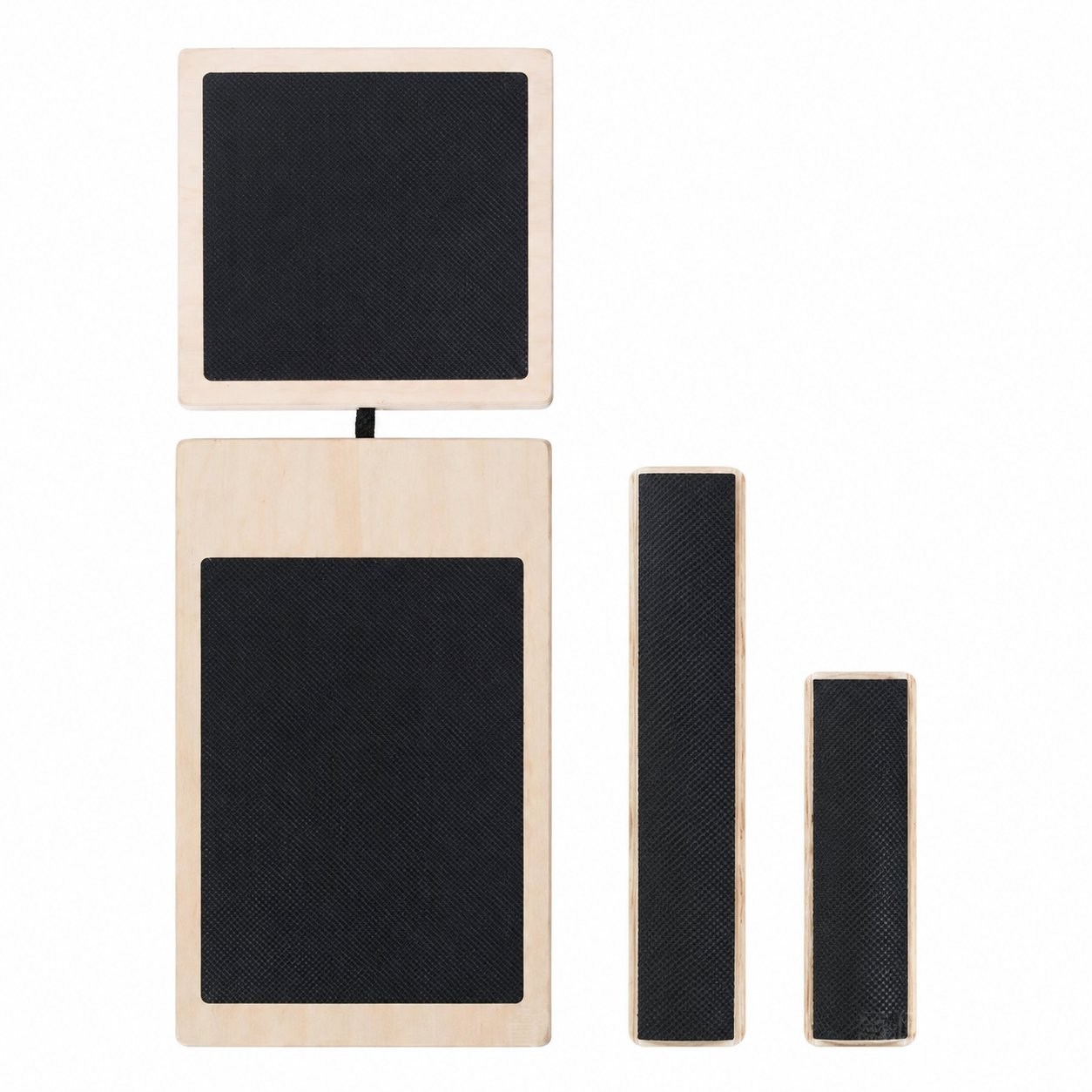
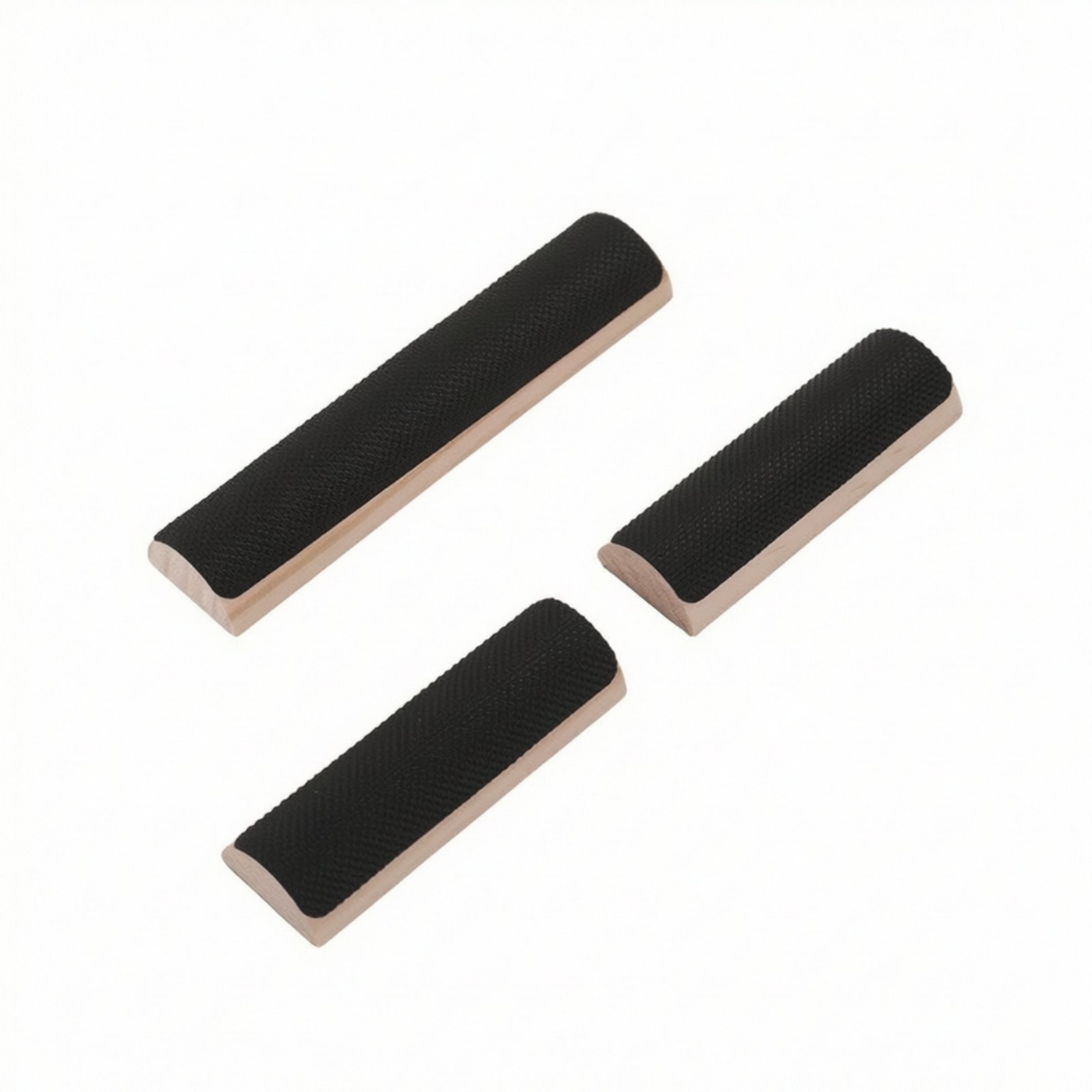
Some buyers also consider foot and ankle focused tools rather than a classic slant board. Anti-Slip Foot Stretcher uses separate wooden strip pads so you can customize standing foot positioning, and Wooden Balance Board focuses more on foot, ankle, balance, and posture work. Those can complement a standard slant board, but they are less direct if your main need is straightforward calf stretching.
Common mistakes to avoid
Do not buy only by material or appearance. A heavy wood or steel board can feel reassuring, but if it does not match your actual use case, it may sit unused. Start with whether you need stretching progression, squat heel lift, supported balance work, or a calf raise platform.
Do not assume every slant product is adjustable. Many home users expect angle changes and then discover they bought a fixed wedge. If progression matters, choose a product that clearly states adjustable settings such as Adjustable Wooden Slant Board, Adjustable Calf Muscle Stretcher, Calf and Foot Stretcher, or Non-Slip Calf Incline Board.
Do not ignore grip and base stability. A smooth floor can make even a useful board frustrating if the base shifts. Look for anti-slip bottoms, textured tops, reinforced bases, or foot guards, especially if you plan to use socks, hold longer stretches, or add weight.
Do not overshoot the angle on day one. A deeper incline is not automatically better; it can make form worse and discourage regular use. Progression is the point, so choose a board that lets you begin at a comfortable level and increase only when your ankles and calves are ready.
Finally, do not expect one small wedge to replace a full training station. A compact foam wedge is great for heel elevation and simple mobility, but it will not feel the same as a full standing board for longer calf stretches or a rigid steel platform for strength work.
A typical kit
- Adjustable Wooden Slant BoardAn adjustable wooden board for progressive calf stretching and ankle mobility work at home.
- Non-Slip Calf Incline BoardA cushioned adjustable incline board for users who want many small progression steps.
- Heel Elevated Squat BoardA lightweight heel wedge for squat support, warmups, and quick lower-body mobility sessions.
- Non-Slip Calf Raise BlockA rigid steel calf raise block for calf raises, toe lifts, and other strength-focused lower-leg work.
- Leg Stretching BoardA supported stretching station with a handrail for users who want extra balance assistance.
- Foldable Slant BoardA foldable slant board for buyers who need a compact calf stretcher that stores easily.
Questions people ask
Should I get an adjustable slant board or a fixed wedge?
Get an adjustable board if calf stretching is your main goal or if more than one person will use it. A fixed wedge is simpler and works well for heel-elevated squats, warmups, and light mobility, but it offers less room to progress.
Is wood, foam, or steel better for home workouts?
It depends on the exercise. Wood and steel usually make more sense for standing stretches, squats, and calf raises because they feel firmer under load, while foam is lighter and easier to move if you mainly want a compact heel wedge.
What should I look for if I am worried about slipping?
Focus on the contact points: the top surface under your feet and the base against the floor. Textured tops, anti-slip bottoms, reinforced bases, foot guards, and cushioned non-slip surfaces all help keep the board steady during use.
Can one board do both stretching and calf raises?
Sometimes, but not always well. A larger rigid board or raise block can overlap with stretching and strength work, while a small wedge is usually better for positioning than for full calf raise training.
Do I need a board with a handle or rail?
Only if balance is a limiting factor or you want support during stepping and longer holds. Most people doing simple calf stretching can use a standard slant board, but a rail-supported option can make training feel more controlled.
Shop the list
Everything mentioned above
Prices and delivery windows are live from our catalog.
Adjustable Wooden Slant Board
Non-Slip Calf Incline Board
Heel Elevated Squat Board
Non-Slip Calf Raise Block
Leg Stretching Board
Foldable Slant Board
Adjustable Calf Muscle Stretcher
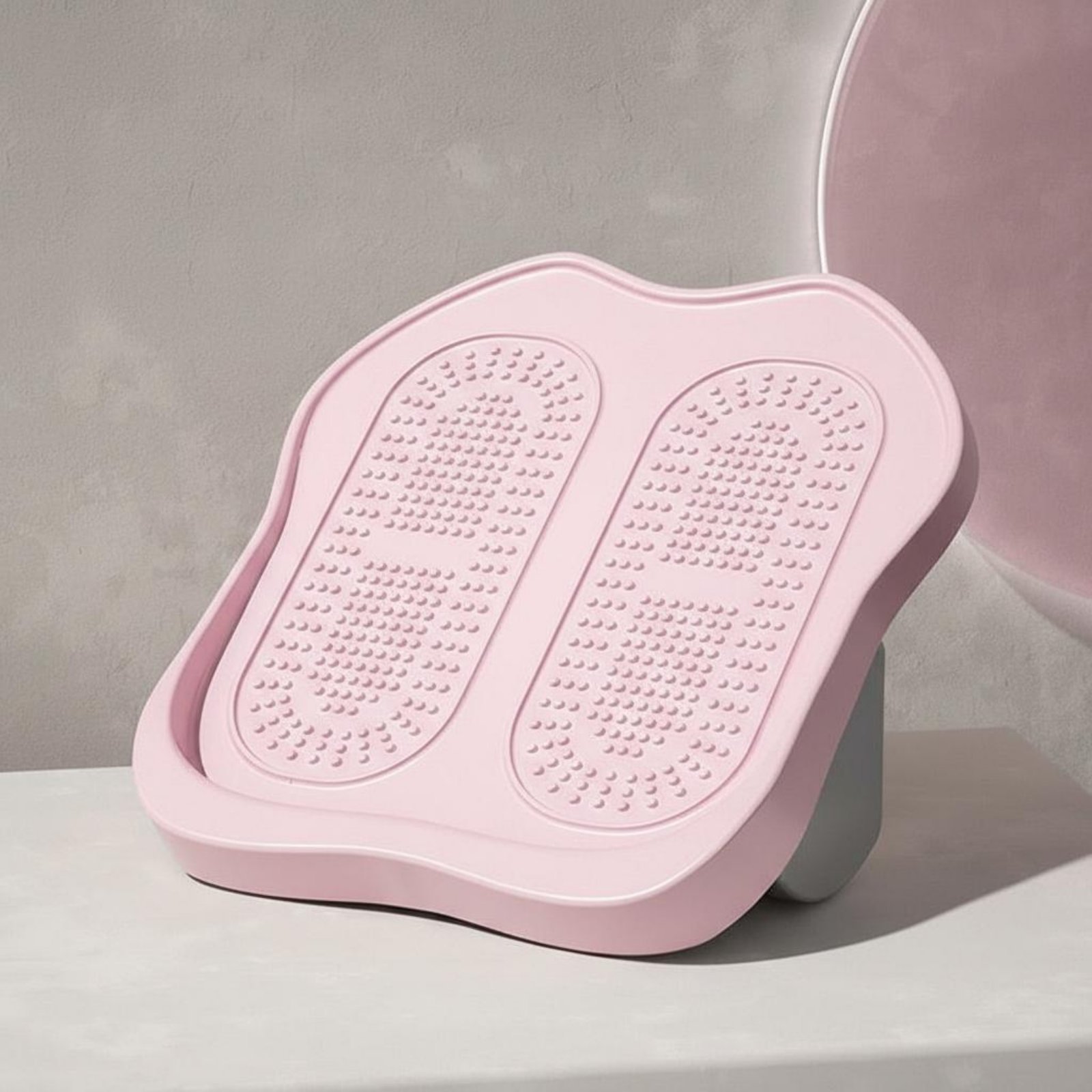
Calf and Foot Stretcher
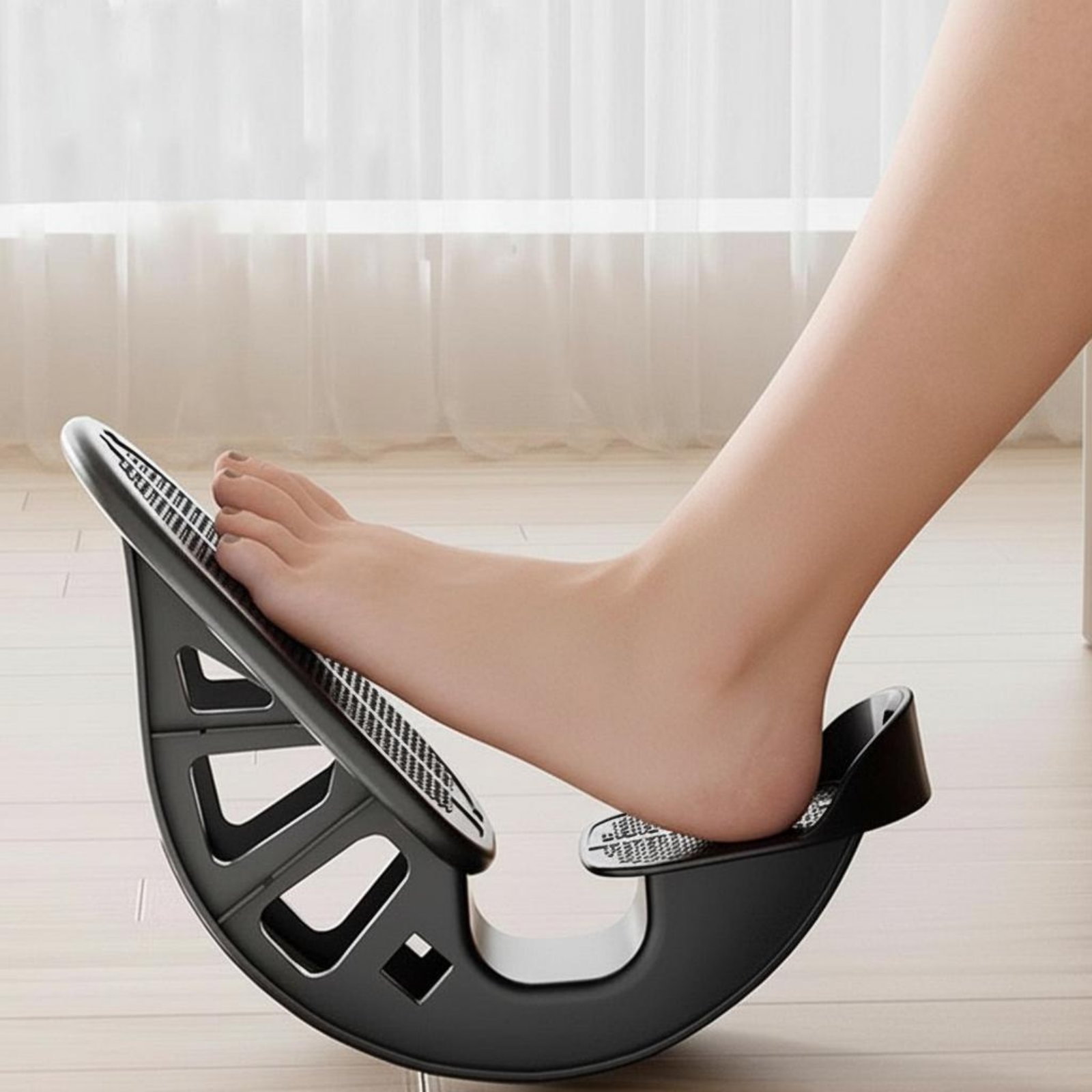
Adjustable Slant Board – Single
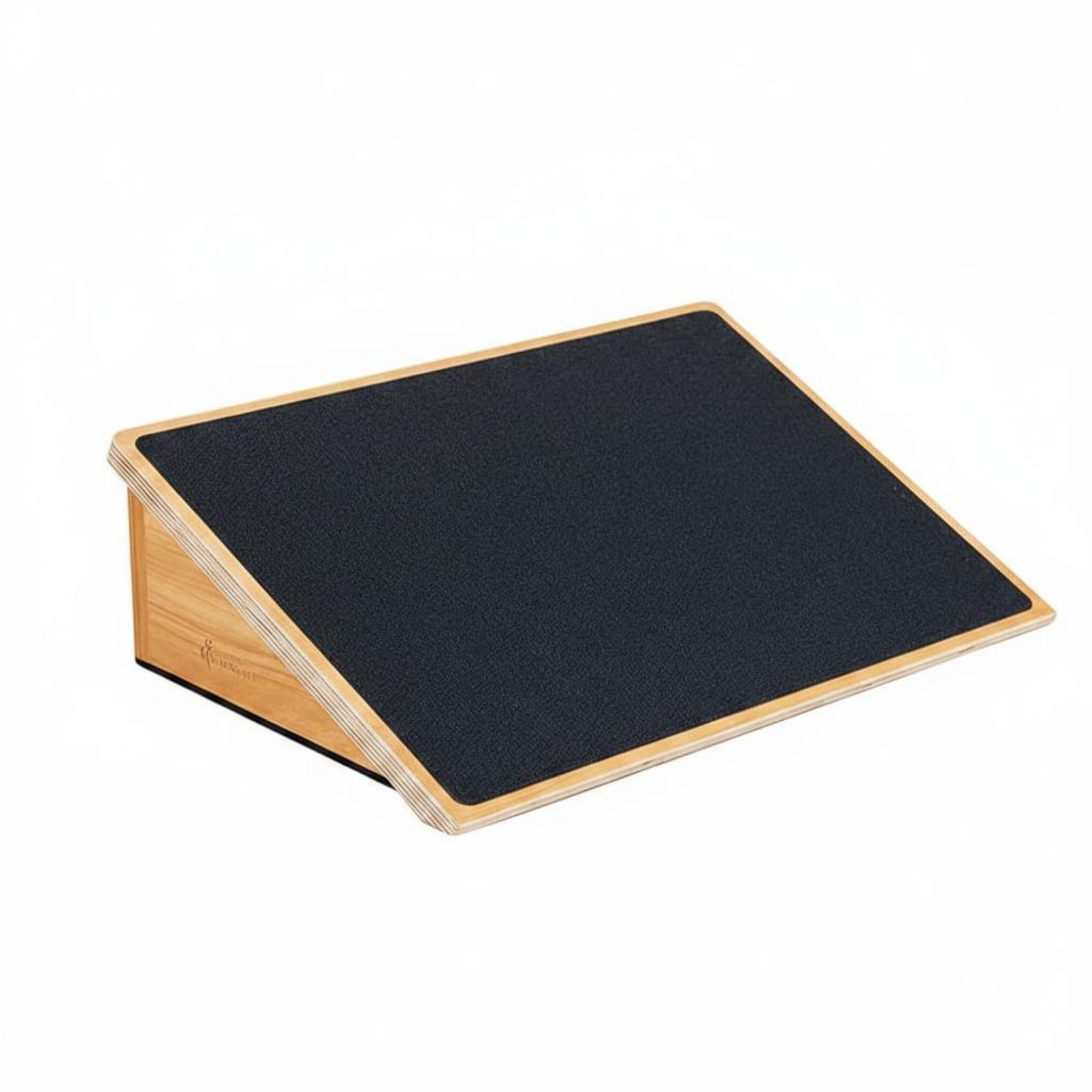
Wooden Slant Board
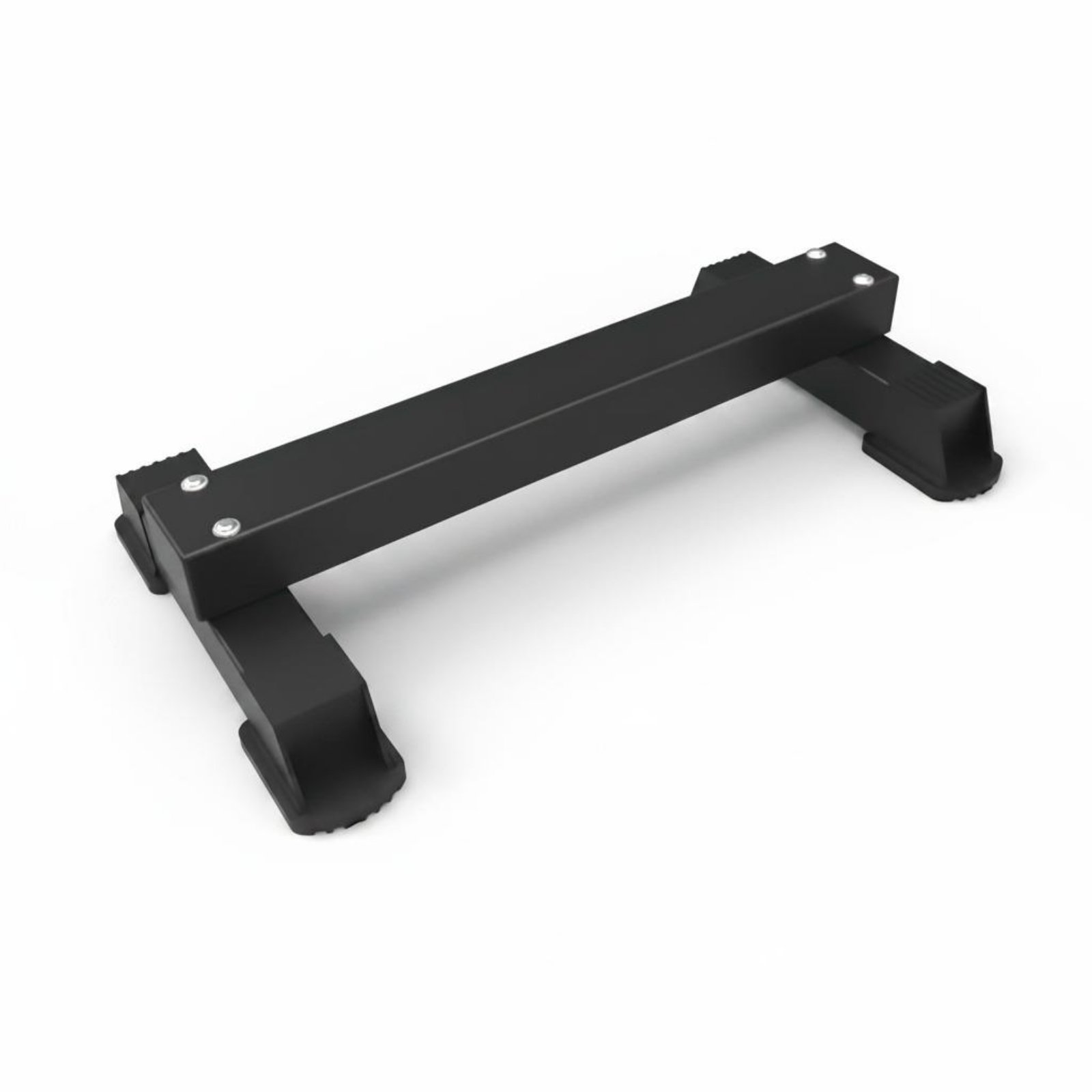
Standing Calf Raise Slant Board
EVA Foam Wedge Block
Anti-Slip Foot Stretcher