Buying guide · Fitness & Sports
What equipment you need to start fencing practice and travel to lessons
Short answer
To start fencing practice and get to lessons smoothly, focus first on basic protective clothing, a glove, and a bag that fits how much gear you will carry. Small repair and scoring accessories become useful once your club expects you to bring your own working setup, so it helps to leave room in your travel kit for upkeep and organization.
Start with safety and easy transport
A beginner setup should solve two jobs: protect you during practice and make it easy to carry your things to class. For most new fencers, the first items to think about are a jacket, a glove for the weapon hand, and a bag that matches your age, travel habits, and how much gear you will eventually bring.
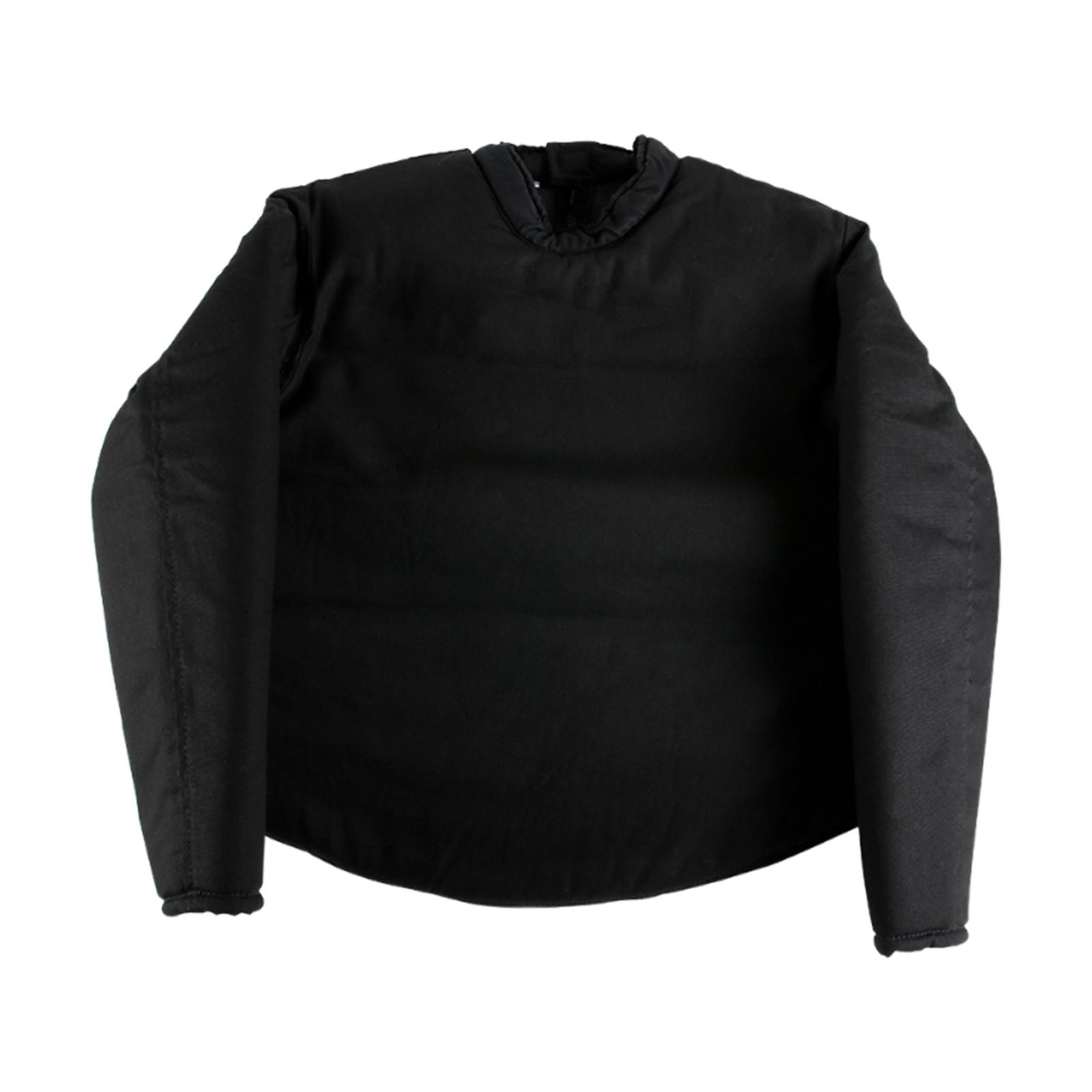
A jacket such as Fencing Jacket Long Sleeve gives you the basic outer layer used for training, and its listing also reminds you to compare the stated size with your intended use before ordering. That size check matters because a fencing jacket should allow free arm movement without feeling loose enough to shift around when you move.
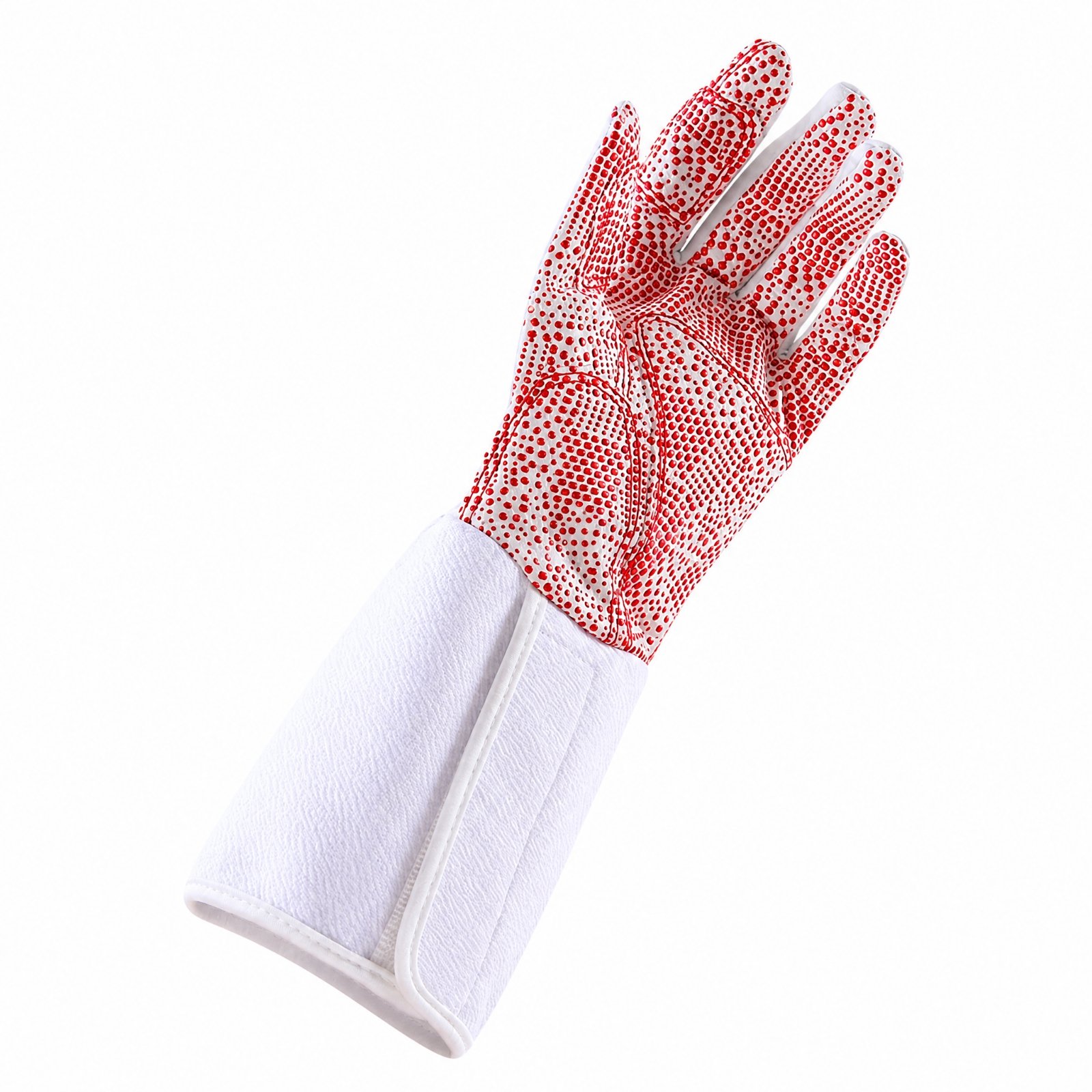
A glove such as Left-Hand Fencing Glove helps you keep a more secure hold and adds wrist coverage through its extended cuff. Before buying, check which hand you need, because this listing is specifically a left-hand glove and that only suits fencers who hold the weapon in the left hand.
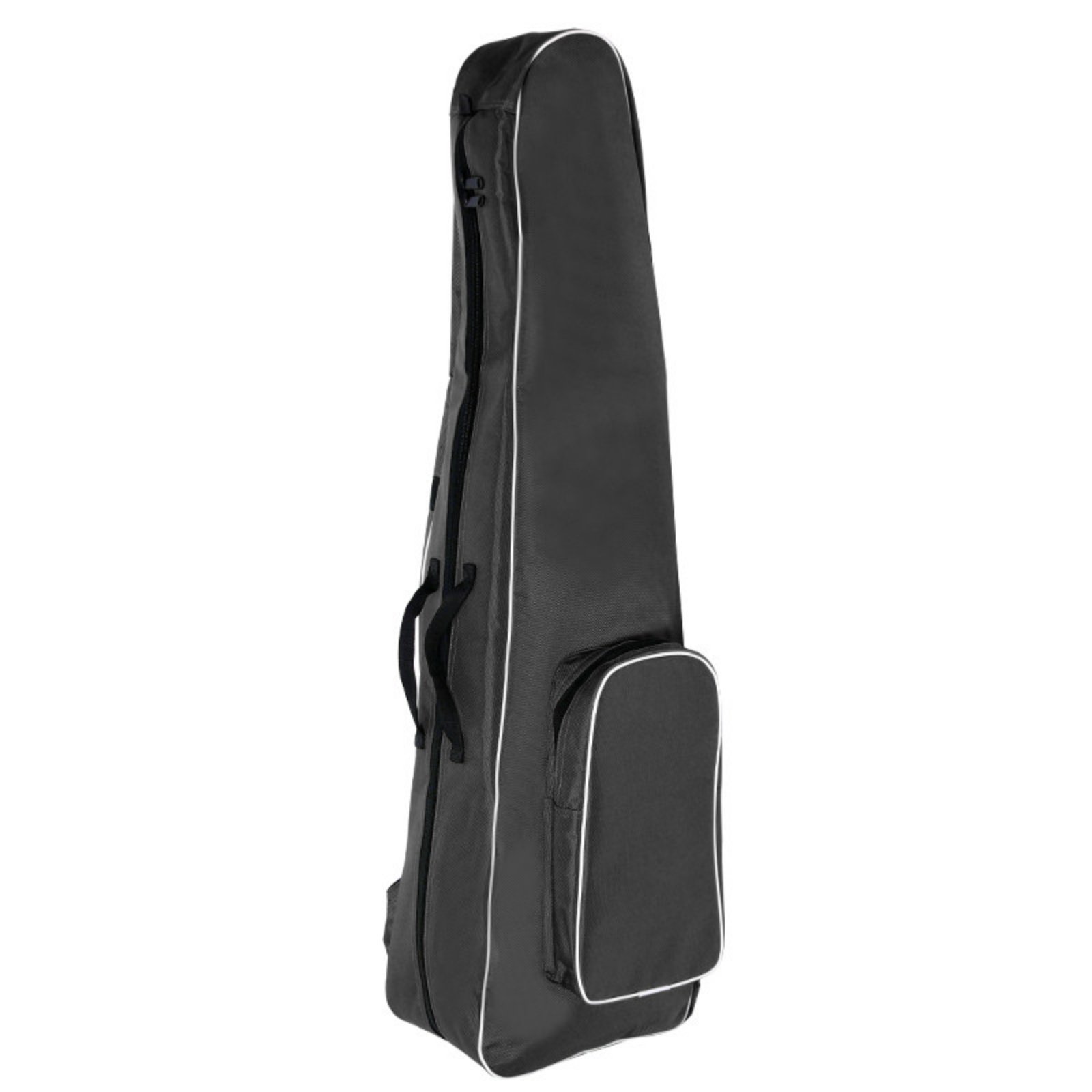
For travel, pick a bag by the amount of gear you expect to carry. Double Layer Fencing Bag is a simple double-layer backpack-style fencing bag for organized transport, while Rolling Fencing Bag is a rolling bag intended to carry a full set of equipment and move more easily through longer walks or travel days.
How to choose bags, storage, and lesson travel gear
Your bag choice affects convenience more than many beginners expect. A backpack-style fencing bag works well when your load is lighter, you walk short distances, or you want hands-free carrying on the way to practice. A wheeled bag makes more sense when you carry more equipment, want easier airport or venue movement, or prefer not to put the load on your shoulders.
If you are shopping for a younger student, Fencing Backpack Thickened Protection is sized at 111 cm in length and is described as a kids fencing bag, so it is the more natural fit when the user is a student carrying standard training gear. For general club travel with separated storage, Two-Tier Fencing Bag uses a two-compartment layout that helps keep weapons and accessories from becoming one tangled pile.
A dedicated pouch can also make a travel setup neater. Double Zipper Fencing Gear Pouch is meant for headgear storage and uses a double zipper with a top handle, which is useful if you want one item isolated from the rest of the bag for easier packing and quicker access.
When you compare bags, look for how the storage is divided, how the bag is carried, and whether the listing clearly says it is intended for fencing gear rather than general sports use. Also think about who will use it: younger students, adults walking into a club, and fencers traveling to events often need different carry styles even when the total gear list looks similar.
What extra pieces matter once you bring your own working setup
After the basic clothing and bag, the next layer is equipment support. These are the items that help you practice without interruptions when a part wears out, a cable is needed, or a quick adjustment keeps the session moving.
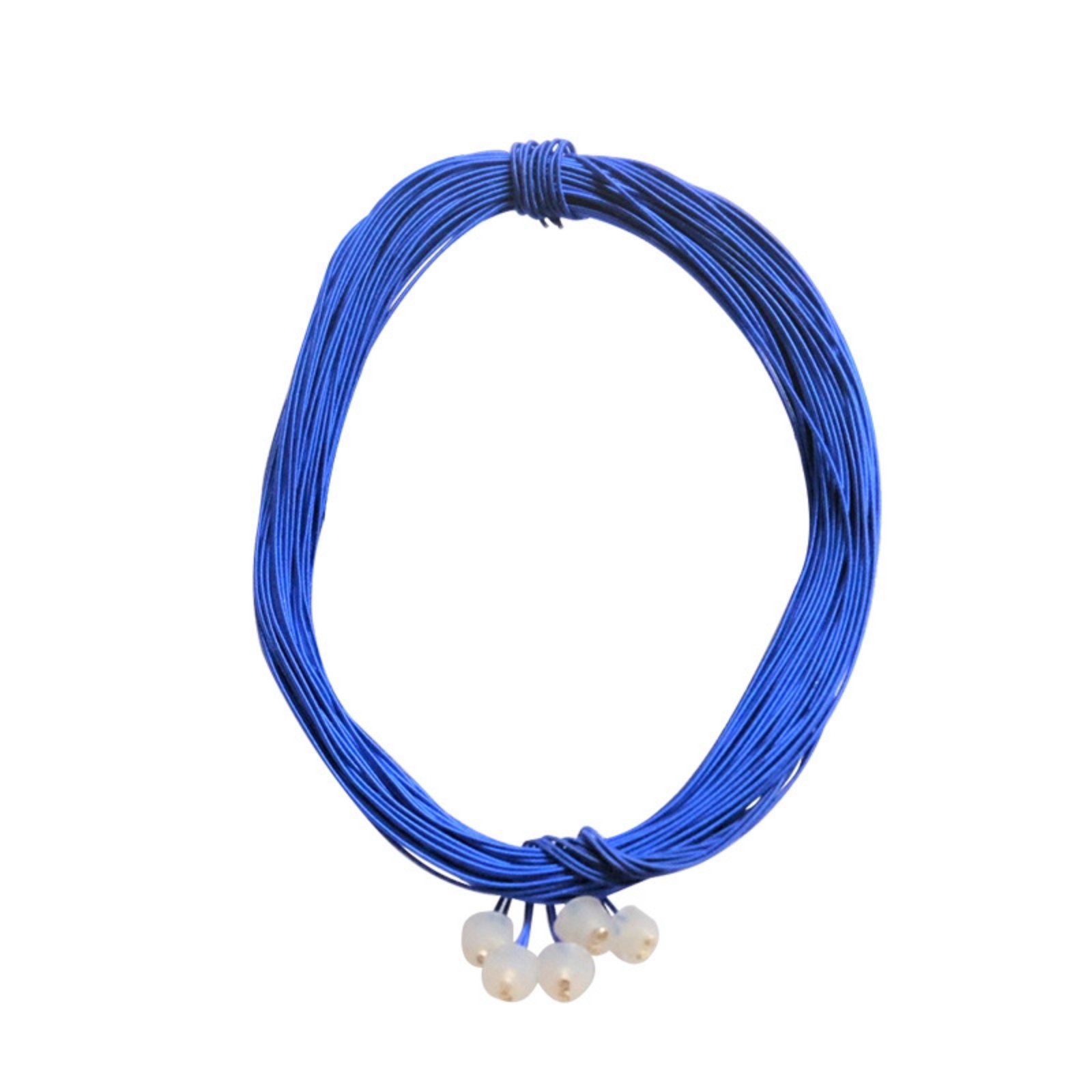
If your club uses electronic scoring and expects personal cords, Fencing Scoring Cord Coiled is the kind of item that connects your weapon setup to a scoring system. Because it is described as a scoring cord for a specific option, check carefully that the version matches your discipline and the club’s equipment before you buy.
A small repair kit is smart because minor issues can stop a lesson faster than beginners realize. Compact Fencing Tool is a compact handheld tool meant for quick adjustments, and Fencing Repair Part is a replacement repair part intended to stay in your bag for upkeep. Together, those items cover the idea of field maintenance without taking much room.
Common buying mistakes to avoid
The most common mistake is buying travel gear before confirming what your club provides. Some clubs lend masks, weapons, and cords at first, while others expect students to bring more of their own kit quickly. Ask your coach what is required for the first few lessons, then buy around that list instead of guessing.
Another mistake is choosing the wrong hand or size. Left-Hand Fencing Glove is only for the left hand, so right-handed fencers should not assume any glove will work. Fencing Jacket Long Sleeve also requires careful size comparison, and that matters more than appearance because comfort and range of motion affect practice quality.
Do not confuse protective travel storage with actual on-strip protection. Double Zipper Fencing Gear Pouch protects and organizes headgear during transport, but it is not protective clothing. In the same way, a repair part like Fencing Repair Part helps keep equipment serviceable, but it does not replace the core items you need to begin training.
Finally, do not overbuy specialized extras before you know your discipline and routine. A scoring cord or rolling tournament bag can be very useful, but only after you know how often you train, what your club asks you to bring, and whether you are walking in with a light lesson kit or traveling with a full personal setup.
A typical kit
- Fencing Jacket Long SleeveUse this as your basic training jacket and confirm the listed size before ordering.
- Left-Hand Fencing GloveChoose this if you need a left-hand glove with grip and extra wrist coverage for practice.
- Double Layer Fencing BagThis is a simple backpack-style fencing bag for carrying core gear to regular lessons.
- Rolling Fencing BagPick this rolling bag when you expect to carry a fuller setup and want easier transport over longer walks.
- Double Zipper Fencing Gear PouchAdd this pouch to keep headgear separate, easier to find, and better protected inside your main bag.
- Compact Fencing ToolKeep this compact tool in your bag for quick adjustments and small gear fixes at the club.
Questions people ask
Do I need a rolling bag right away?
Not always. If you are starting with a light lesson kit and a short walk to practice, a backpack-style fencing bag is usually enough. A rolling bag becomes more useful once you carry a fuller personal setup or travel farther with your gear.
What should I ask my coach before buying anything?
Ask what the club lends to beginners and what you must bring from lesson one. Also ask whether the club uses electronic scoring in beginner sessions, because that affects whether a scoring cord belongs on your first shopping list.
Is a repair tool worth buying as a beginner?
Yes, if you plan to bring your own equipment and want to avoid small problems ending a practice session. A compact tool and a basic spare part take little room in your bag and are practical once you start maintaining your own gear.
How do the travel pieces work together in one kit?
Think of the main bag as the base, with clothing and larger gear inside it. Then use a separate pouch for headgear or small items, and keep repair pieces in an easy-to-reach pocket so you can find them quickly before or after class.
Do I need a separate pouch if I already have a fencing bag?
Not always, but it can make packing simpler. A separate pouch helps isolate headgear or other frequently used items so they are easier to grab and less likely to get mixed in with the rest of the kit.
Shop the list
Everything mentioned above
Prices and delivery windows are live from our catalog.
Fencing Jacket Long Sleeve
Left-Hand Fencing Glove
Double Layer Fencing Bag
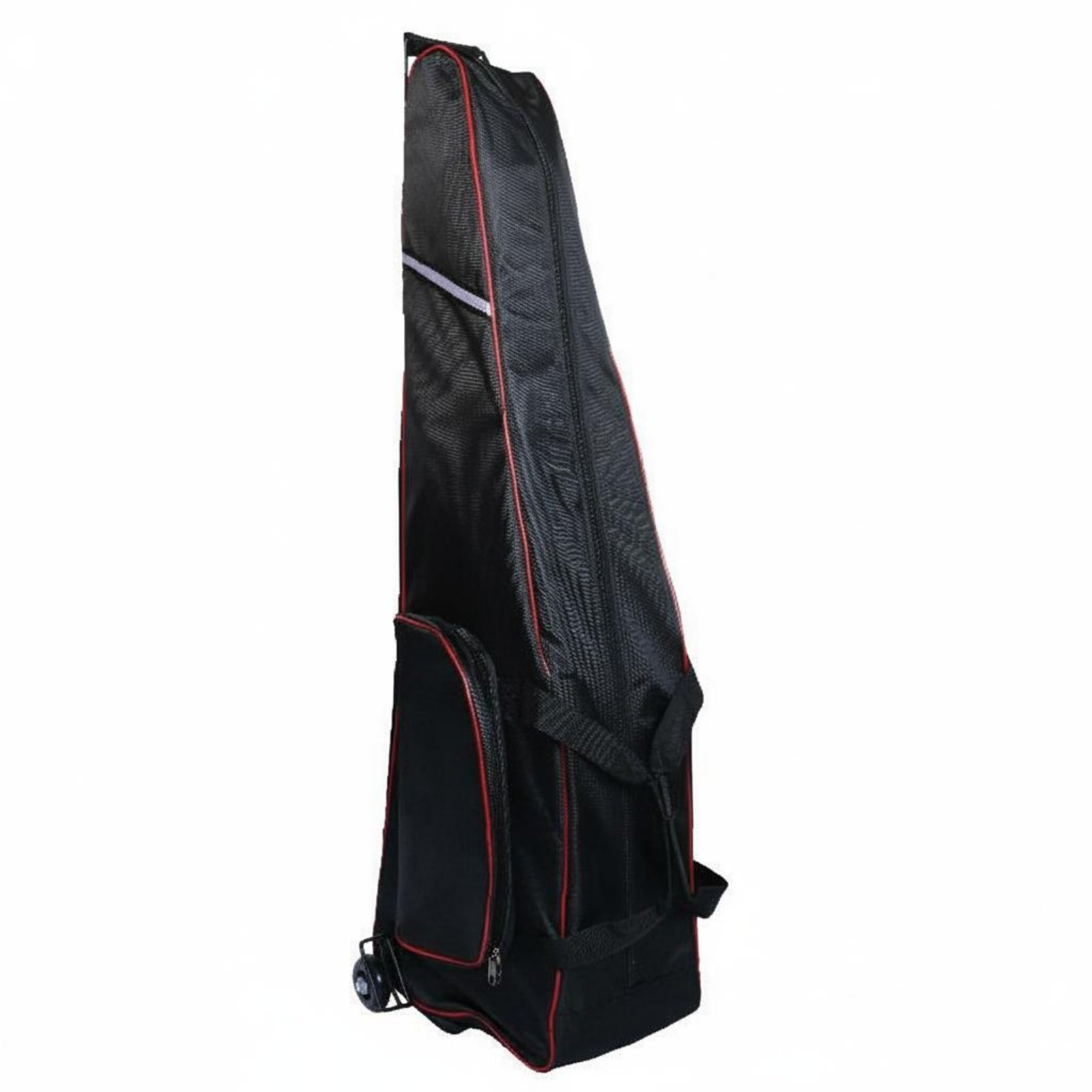
Rolling Fencing Bag
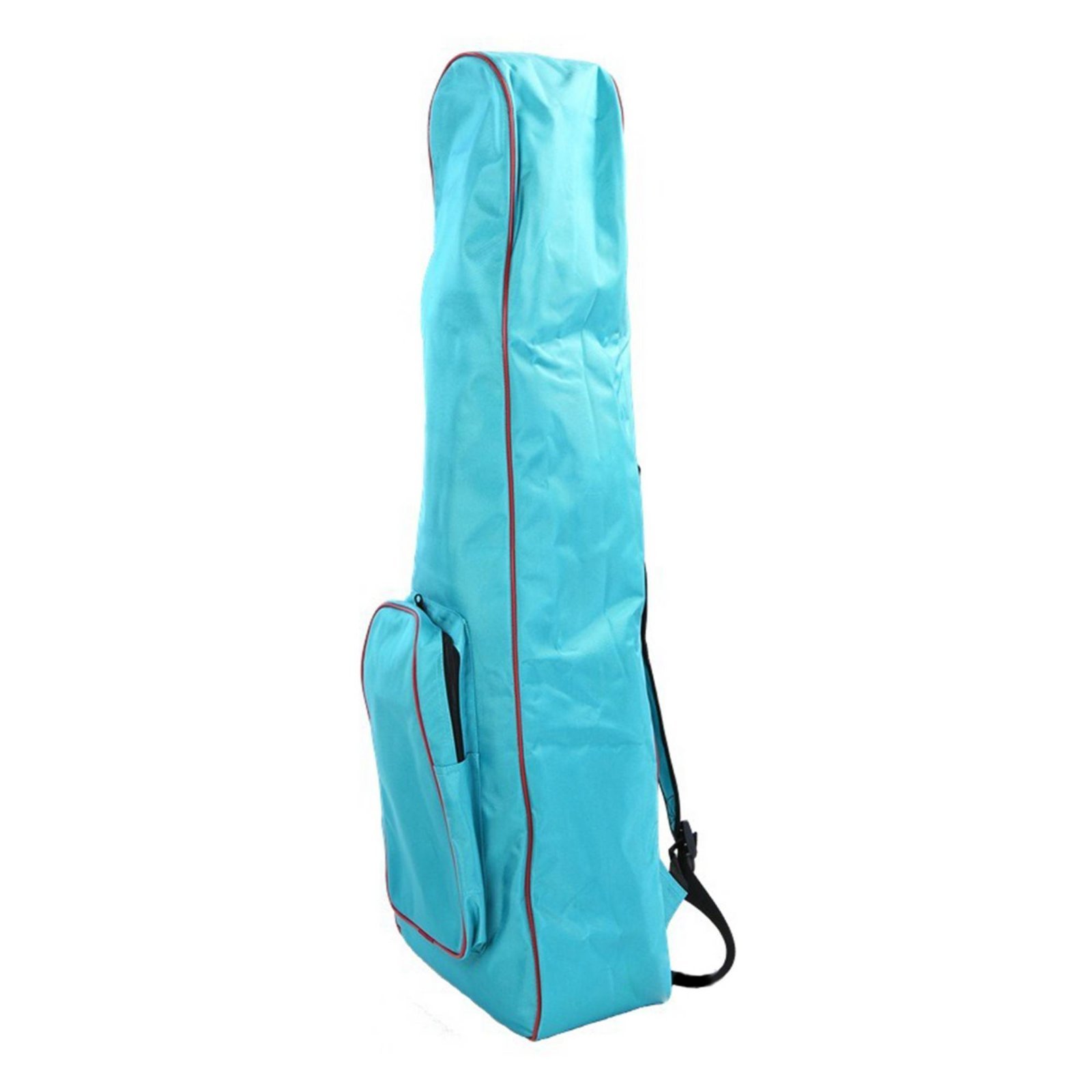
Fencing Backpack Thickened Protection
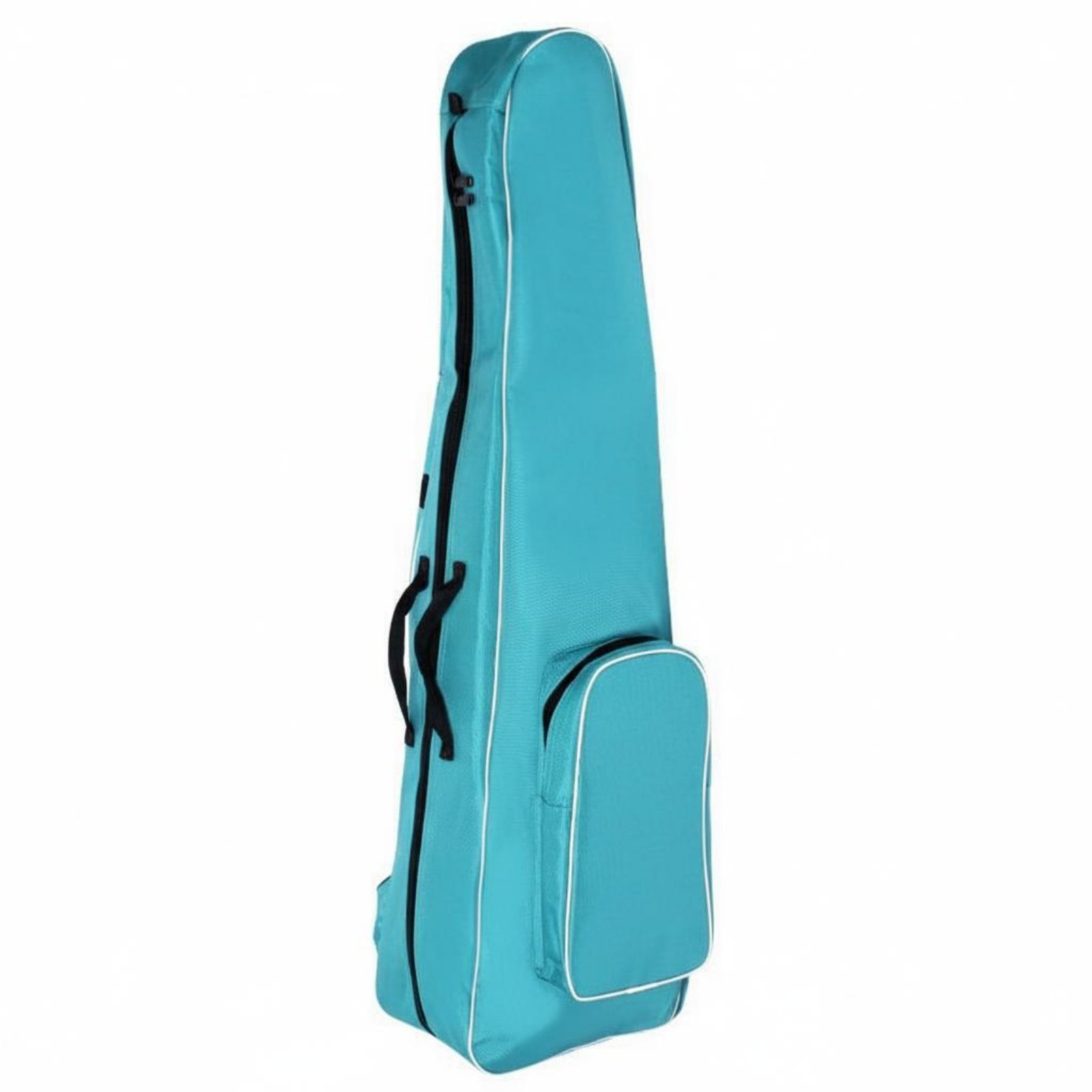
Two-Tier Fencing Bag
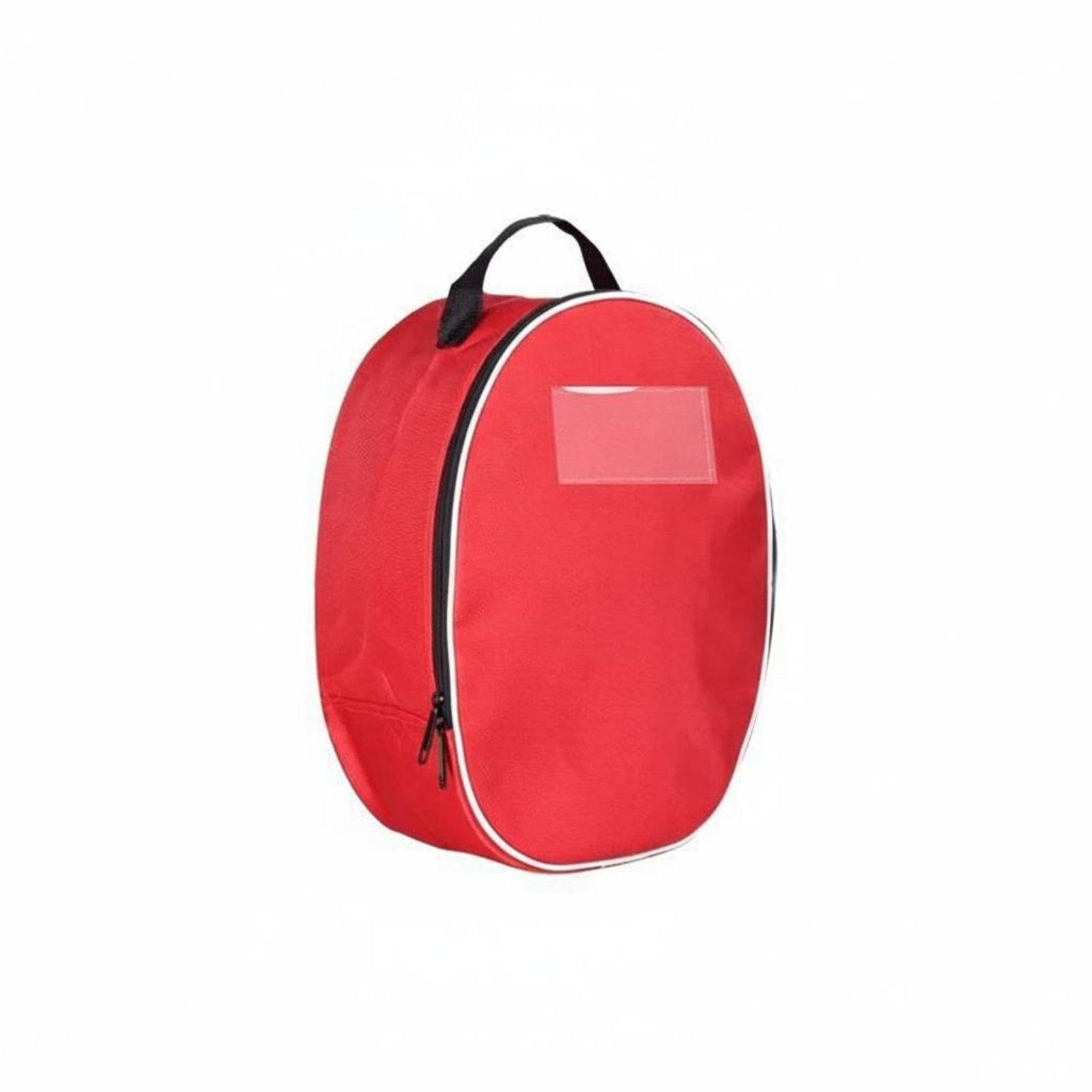
Double Zipper Fencing Gear Pouch
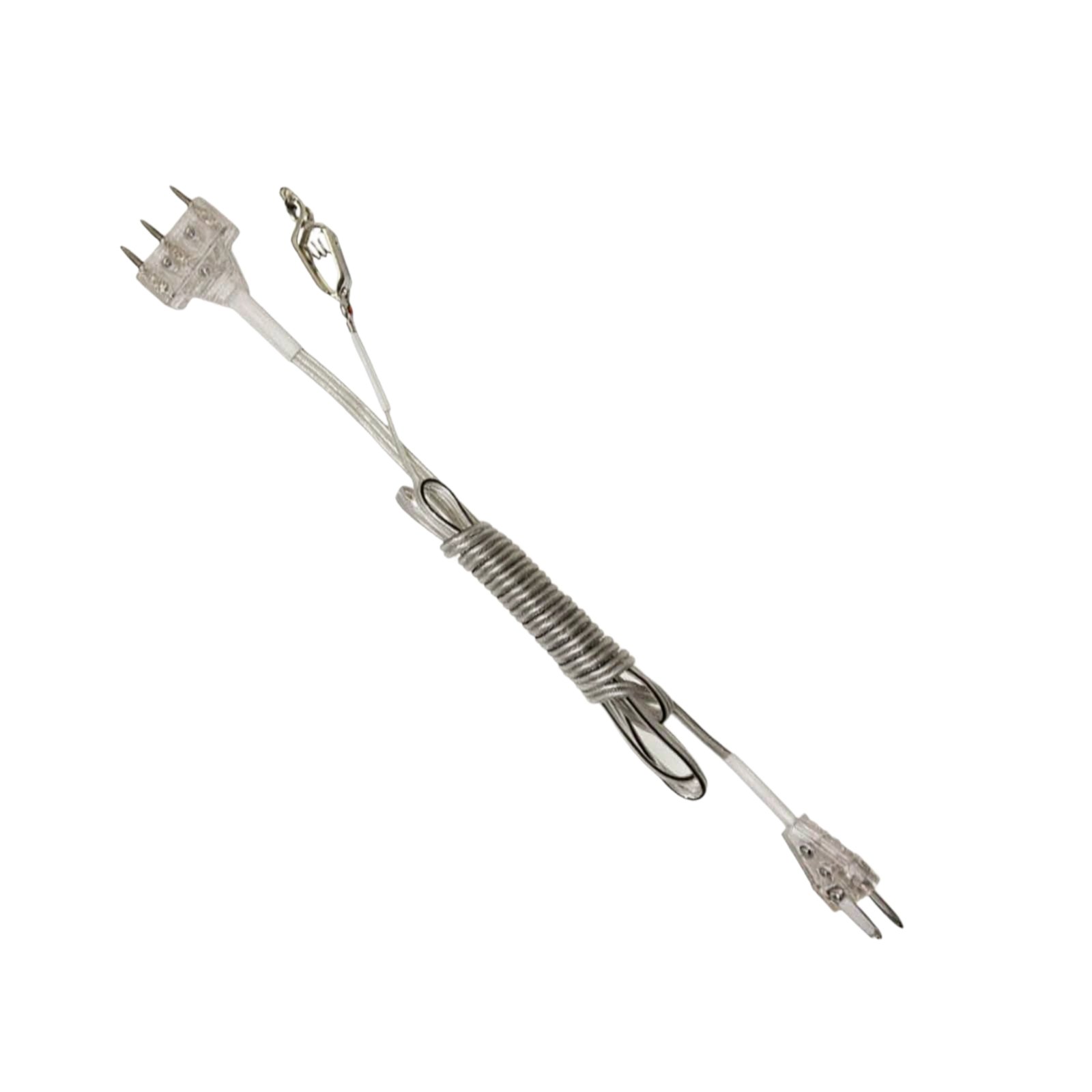
Fencing Scoring Cord Coiled
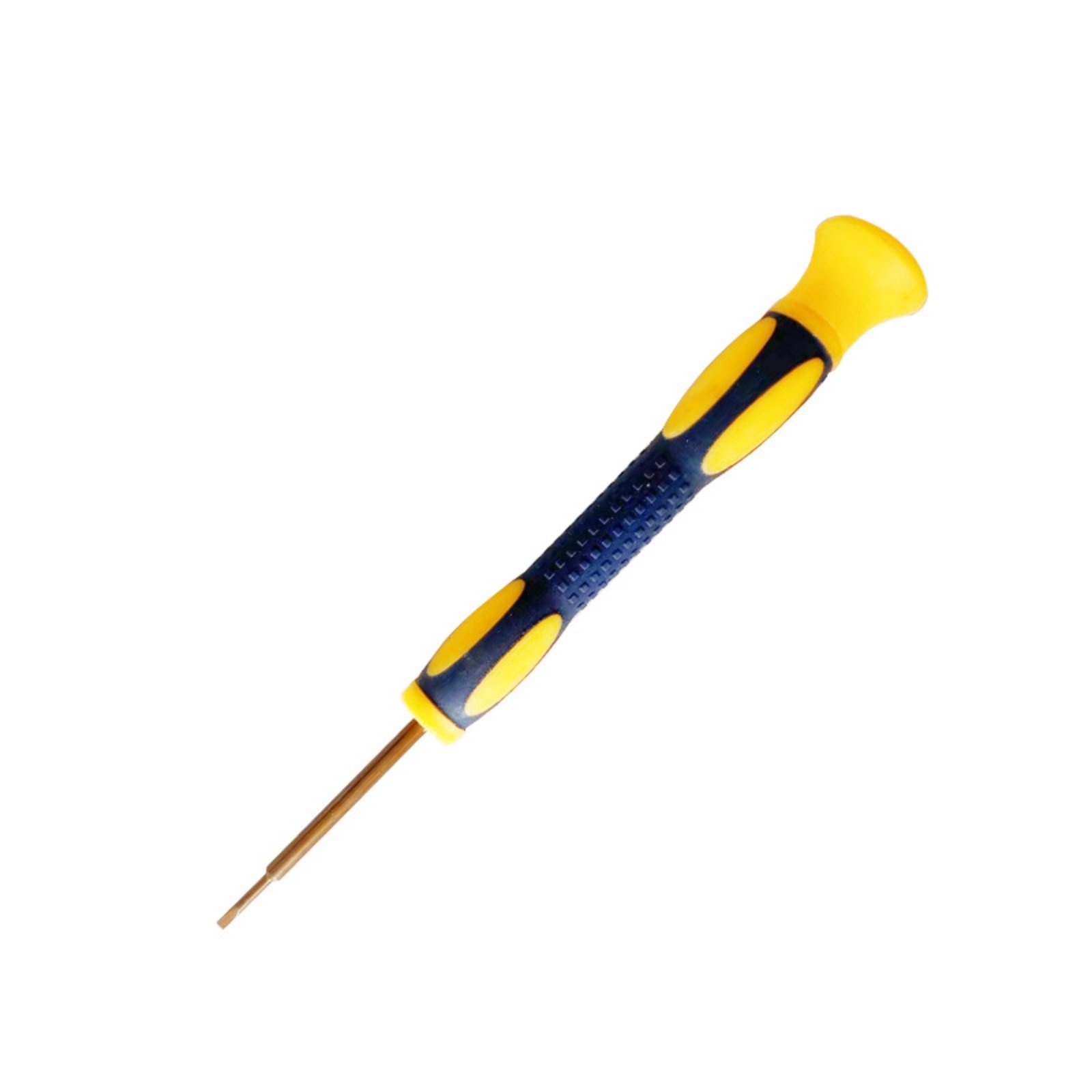
Compact Fencing Tool