Buying guide · Fitness & Sports
Swim training tools for technique and resistance
Short answer
The most useful swim training tools are the ones that isolate one part of the stroke at a time and then add controlled resistance without forcing bad habits. For most swimmers, that means a kickboard or pull buoy style float for body position work, hand paddles for water feel and catch awareness, and a resistance cord or belt for strength and timing drills in or out of the pool.
Choose tools by the job you want to train
Start by deciding whether you need body-position support, stroke feedback, or added resistance. Technique tools work best when they simplify the drill so you can focus on one job at a time instead of trying to fix everything during full-stroke swimming.
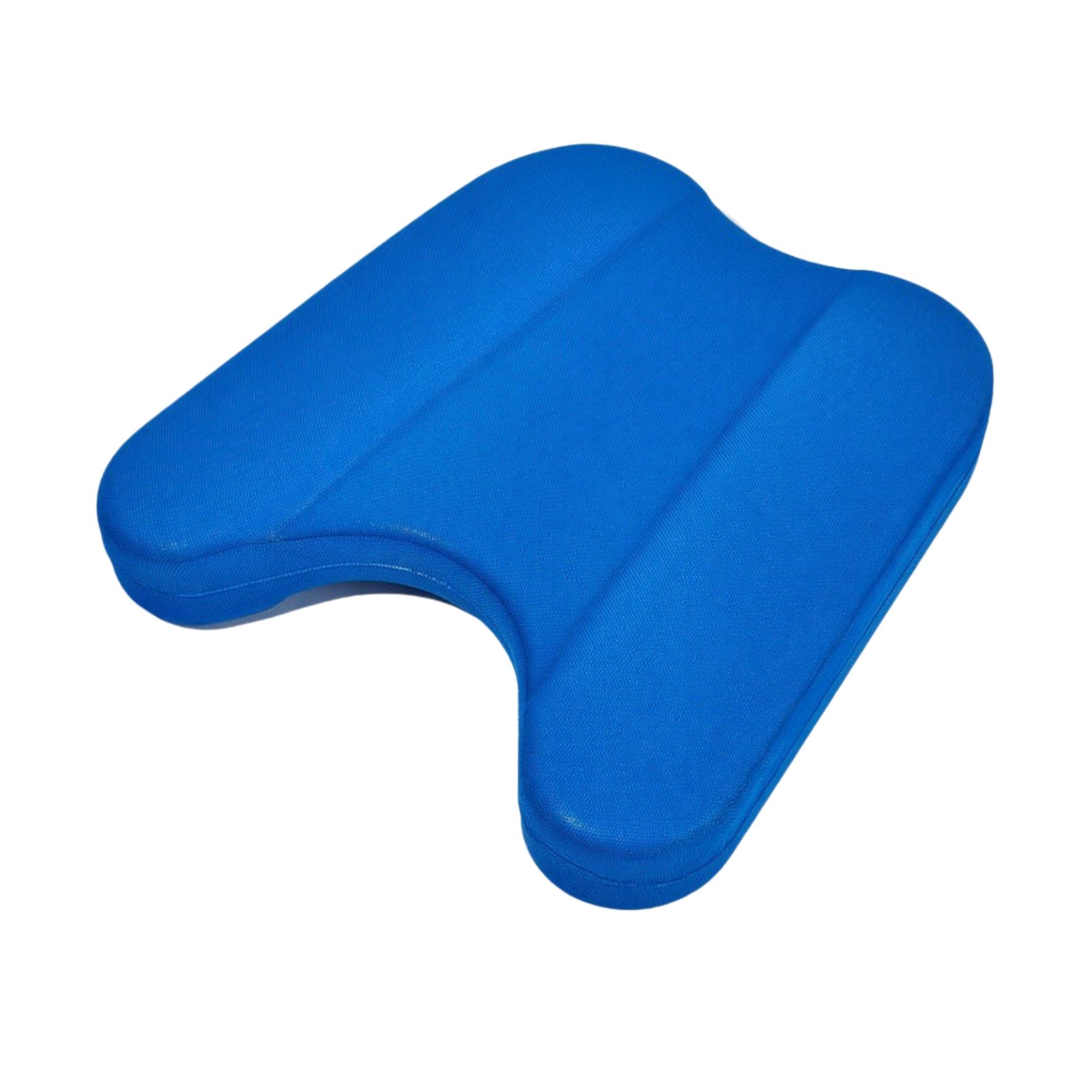
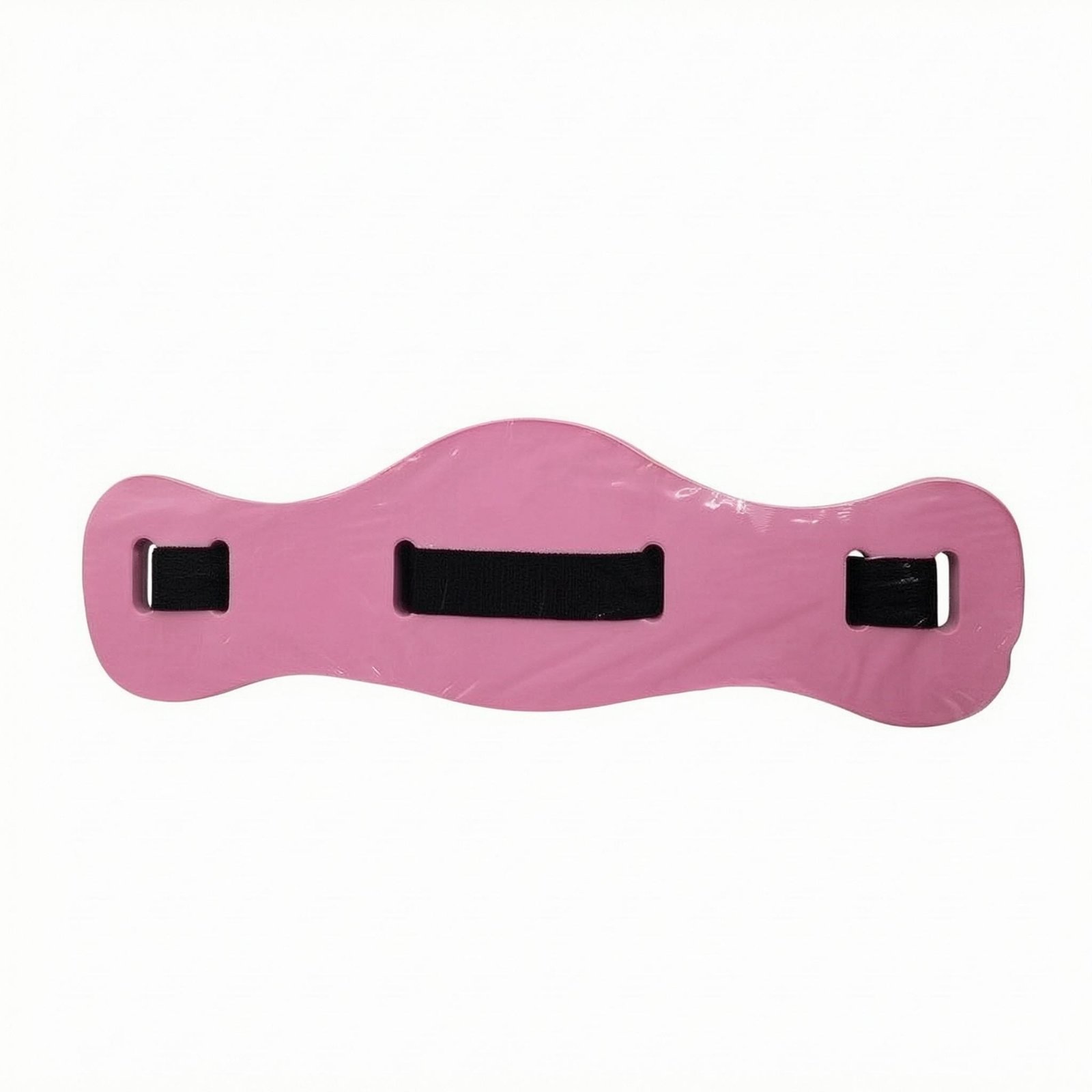
For lower-body drills, a buoyant board helps hold the upper body up while you focus on kick rhythm, balance, and straight travel. EVA Foam Swimming Kickboard is built for kicking exercises and supports the upper body so you can refine lower-body form. If you want more hand positions for stability, Fishes-Shaped Swim Board has grip cutouts that can make it easier to hold a steady position during kick practice.
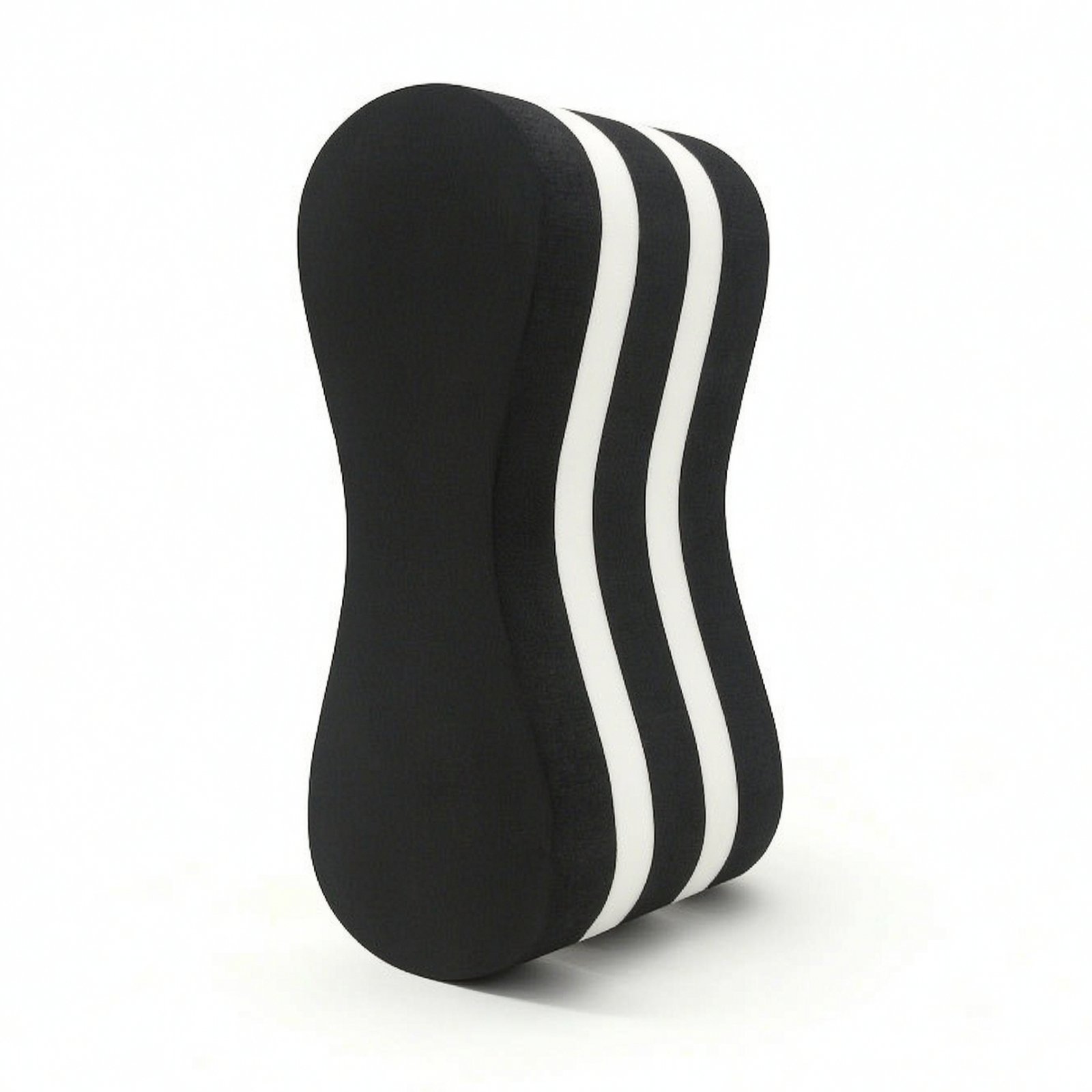
For pull-focused technique, a pull-buoy style float is useful because it removes most leg action and lets you notice entry, catch, and finish. High-Foam Swim Kickboard is described as a double-loop pull buoy shape that fits between the legs to support alignment and keep the legs quiet during upper-body work. That is helpful when your kick distracts from arm timing or when you want cleaner pull mechanics.
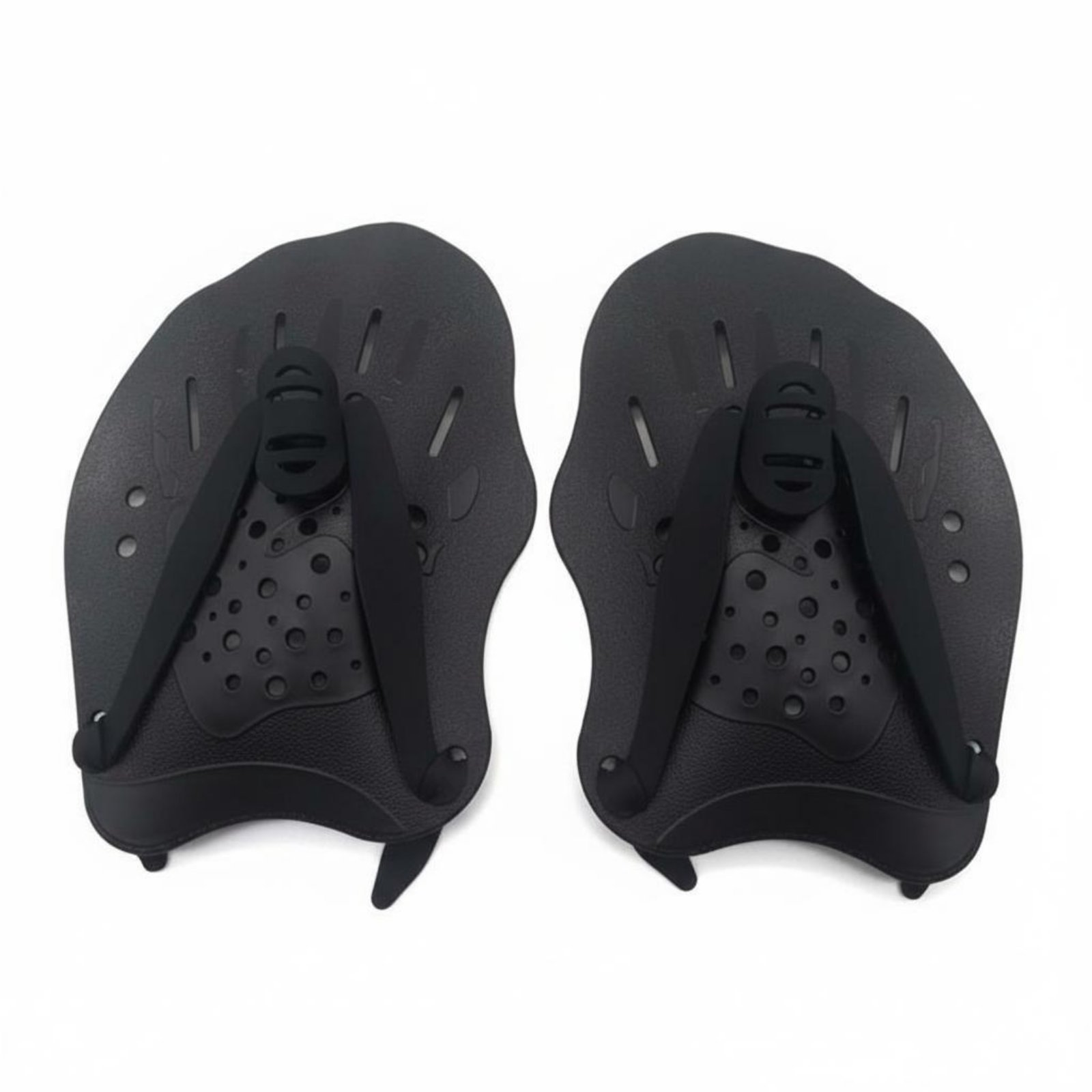
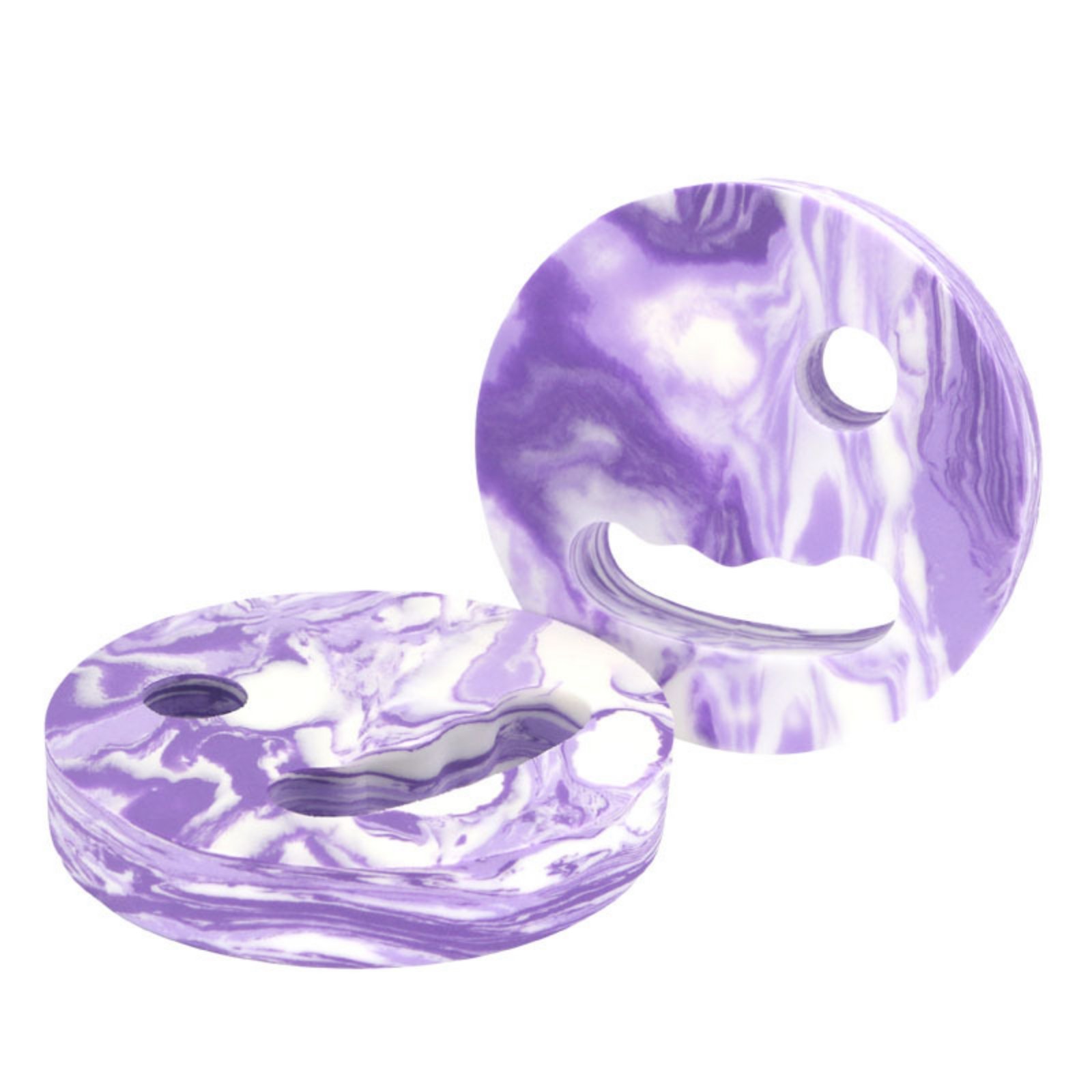
For stroke awareness and upper-body load in the water, hand paddles are the usual next step. 2-Piece Swimming Hand Paddles is designed to help with stroke form, upper-body strength, and water feel. Swimming Paddles with Hand Grip is a compact paddle with a hand grip and finger hole that increases water resistance during the stroke so you can feel whether your hand path is stable and connected.
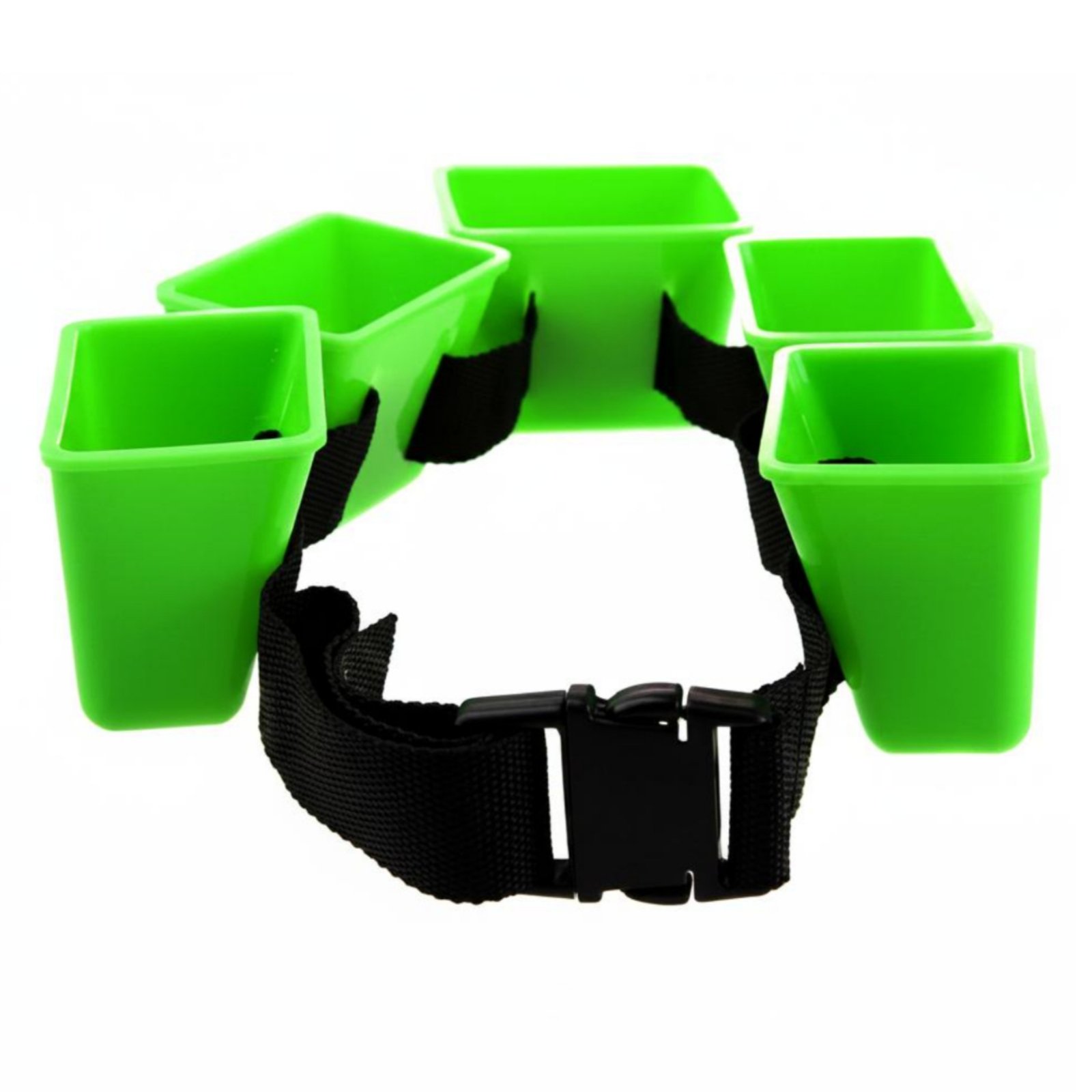
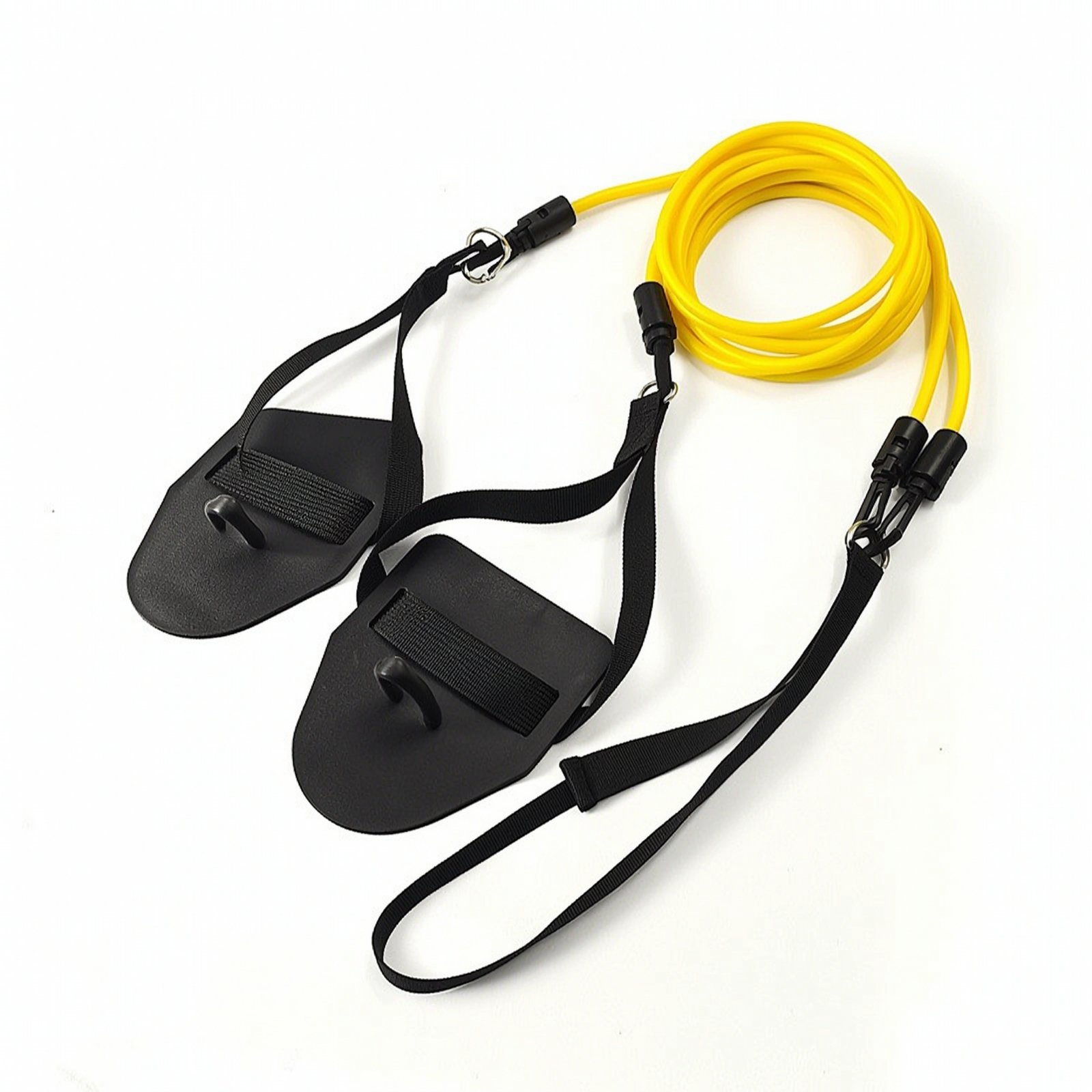
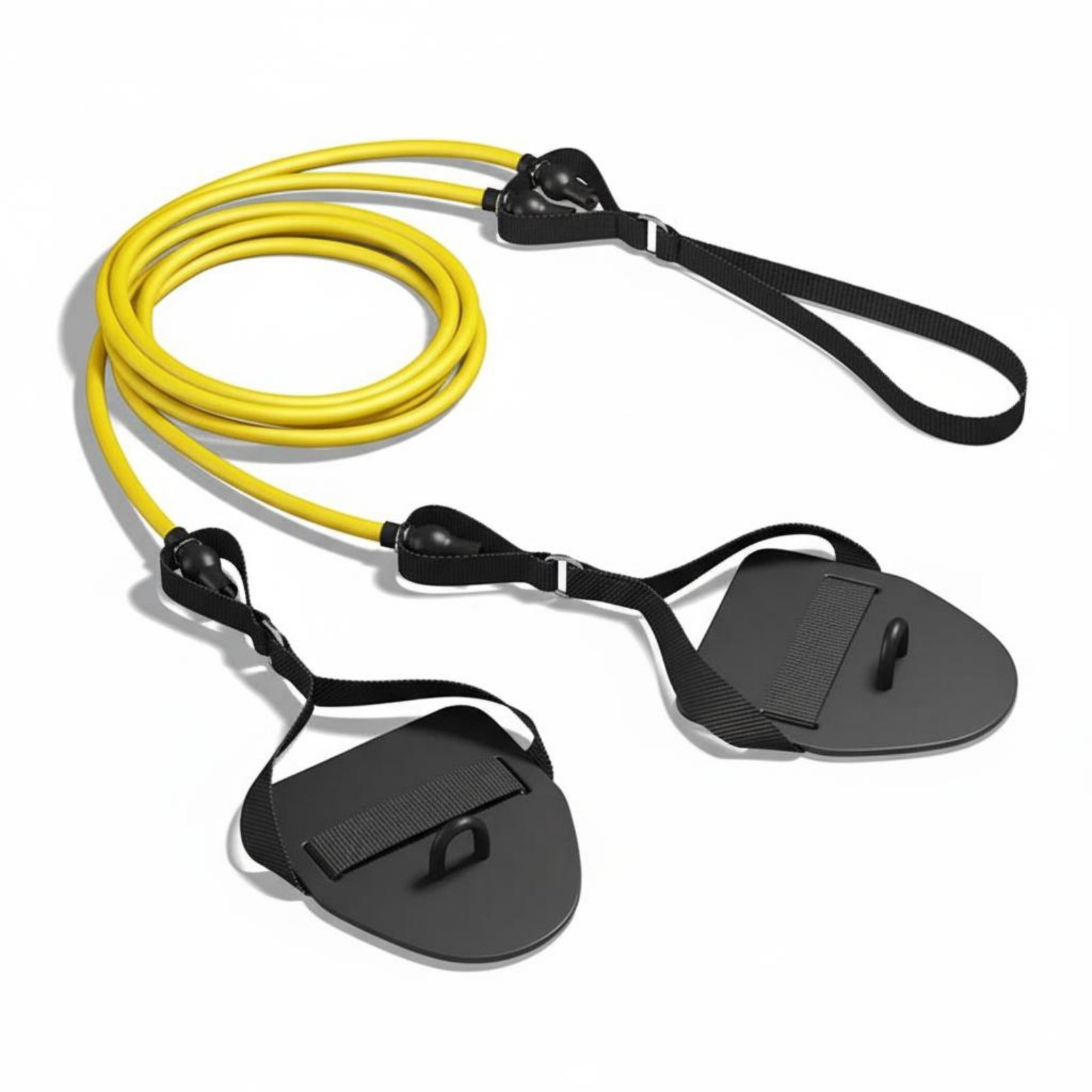
For resistance outside the pool, dryland tools help you repeat pulling mechanics under tension. Swim Resistance Band with Paddles uses elastic tubing and paddle-style hand pieces to simulate the pull and build muscle memory, while Swimming Resistance Bands is a resistance cord with handles for balanced tension and land-based stroke practice. If you want drag while still swimming, Swim Resistance Belt is an in-pool resistance belt that creates consistent drag so you can work on timing and controlled effort during regular practice.
What features matter most
Look for features that improve control, comfort, and drill quality rather than trying to buy the hardest option first. A tool that stays in place and gives clear feedback is usually more helpful than one that only makes the set feel tougher.
With boards and float aids, shape matters because it changes how easy it is to hold a clean line. EVA Foam Swimming Kickboard has a contoured body with a central lower cutout and raised sections to guide hand placement, which can make repeated kick sets easier to hold consistently. Fishes-Shaped Swim Board has three grip cutouts, and that extra hand choice can help newer swimmers feel steadier in the water.
With pull-buoy style tools, comfort between the legs and enough buoyancy to support alignment are the key checks. High-Foam Swim Kickboard uses high-foam EVA and a rounded equal-end shape. If a pull buoy style tool slips or feels awkward, check whether it stays centered without forcing you to clamp too hard.
With hand paddles, secure fit and clear hand position matter more than simply making the paddle larger. 2-Piece Swimming Hand Paddles has flexible straps and drainage holes, which can help the paddle sit securely and move water in a controlled way. Swimming Paddles with Hand Grip has a curved grip cutout and finger hole, so it is aimed at a compact, easy-to-handle feel for focused drills.
With resistance systems, think about where you will use them and how specific the movement feels. Swim Resistance Band with Paddles is a dryland system with elastic tubing and paddle-style hand pieces for stroke rehearsal away from the pool. Swimming Resistance Bands provides balanced tension with handles, while Swim Resistance Belt is for in-pool drag if you want resistance without leaving the water.
How the pieces work together
These tools are most effective when you pair one support tool with one feedback or resistance tool. That lets you learn the movement first and only then make it harder.
A simple progression is board work, then pull work, then resistance. Use EVA Foam Swimming Kickboard for kick sets to organize body line and balance. Then switch to High-Foam Swim Kickboard to quiet the legs and sharpen attention on the pull.
After that, paddles can confirm whether your hand enters and presses the water cleanly. 2-Piece Swimming Hand Paddles works well for in-water stroke drills when you want a secure adjustable fit, and Swimming Paddles with Hand Grip suits short technical sets where a compact paddle helps you notice slipping or uneven pressure. Keep the focus on precision first, because if the stroke falls apart, resistance stops helping.
Resistance tools then extend the same pattern into strength and endurance work. Swim Resistance Band with Paddles and Swimming Resistance Bands let you rehearse the pull on land before a session or on days away from the pool. Swim Resistance Belt fits later in the session when you want added drag while swimming, especially for controlled efforts where rhythm matters as much as force.
Used together, these tools create a clear sequence: support body position, isolate the pull, add water feel, then add tension. That order helps technique stay organized instead of getting messier under load.
Common mistakes to avoid
The most common mistake is adding resistance before the movement is clean. If your hand path crosses over, your head lifts, or your kick becomes uneven, a paddle or resistance tool will often exaggerate the problem instead of fixing it.
Another mistake is choosing tools that solve the wrong problem. A board will not teach catch timing by itself, and paddles will not correct poor balance if your body line is unstable. Use EVA Foam Swimming Kickboard when you need kick and balance practice, use High-Foam Swim Kickboard when you need to isolate arm work, and use 2-Piece Swimming Hand Paddles only after you can maintain a controlled stroke.
Do not treat dryland cords as exact replacements for swimming. Swim Resistance Band with Paddles and Swimming Resistance Bands are helpful for rhythm, pulling pattern, and upper-body engagement, but you still need pool time to check body line, breathing, and timing in real water. They are practice extensions, not complete substitutes.
Finally, avoid overgripping and rushing. If a paddle or cord setup makes you tense through the shoulders or wrists, reduce the drill length and focus on smooth repetitions. Better technique comes from repeatable, controlled movement, not from making every set feel as hard as possible.
A typical kit
- EVA Foam Swimming KickboardUse this kickboard for lower-body drills when you want buoyant support and a clear hand position while practicing kick technique.
- High-Foam Swim KickboardUse this pull-buoy style float to keep the legs quiet and isolate arm mechanics and body alignment.
- 2-Piece Swimming Hand PaddlesUse these hand paddles for in-water stroke drills that build water feel and upper-body engagement with an adjustable fit.
- Swim Resistance Band with PaddlesUse this dryland resistance system to rehearse pulling mechanics and add controlled strength work away from the pool.
- Swim Resistance BeltUse this resistance belt to add drag during pool training so you can work on timing, control, and endurance.
Questions people ask
Should I start with paddles or a kickboard if I am still cleaning up my stroke?
Start with the tool that supports the part of the stroke you cannot yet control. If your balance and kick are inconsistent, EVA Foam Swimming Kickboard is usually the simpler first step. If your body line is fine but your pull is unfocused, then High-Foam Swim Kickboard may help more.
What is the difference between a pull buoy style float and a kickboard?
They isolate different jobs. High-Foam Swim Kickboard goes between the legs to quiet the kick and let you focus on arm mechanics and alignment, while EVA Foam Swimming Kickboard supports the upper body so you can concentrate on kicking and balance. Many swimmers benefit from having both because they solve different technique problems.
Are hand paddles mainly for strength or for technique?
They can do both, but technique should come first. 2-Piece Swimming Hand Paddles and Swimming Paddles with Hand Grip increase resistance, yet their real value is helping you feel whether the hand is holding water cleanly through the stroke. If your form breaks down, shorten the set and return to easier drills.
Do dryland swim cords really help if I already swim in the pool?
Yes, if you use them as a supplement rather than a replacement. Swim Resistance Band with Paddles and Swimming Resistance Bands are useful for rehearsing pulling rhythm, upper-body engagement, and warm-up work on days when pool time is limited. They are especially handy for frequent short sessions that reinforce movement patterns.
How do I know when to add in-pool resistance?
Add it when you can keep a repeatable stroke shape at normal effort. Swim Resistance Belt is more useful once you can maintain timing and posture under steady swimming, because added drag will expose weak spots quickly. If the stroke becomes choppy, go back to technique drills before increasing load.
Shop the list
Everything mentioned above
Prices and delivery windows are live from our catalog.
EVA Foam Swimming Kickboard
Fishes-Shaped Swim Board
High-Foam Swim Kickboard
2-Piece Swimming Hand Paddles
Swimming Paddles with Hand Grip
Swim Resistance Band with Paddles
Swimming Resistance Bands