Buying guide · Fitness & Sports
Gear for baseball fielding and catching practice at home
Short answer
For home fielding and catching practice, the most useful gear is a clear target, a safe way to mark bases, a tool that builds clean catching technique, and something that keeps balls organized so practice moves quickly. Start with a throw-down field layout and a catching trainer, then add a net and a ball collector if you want longer, less interrupted sessions.
What to choose first for home practice
Think about the type of practice you actually want to repeat. If your goal is cleaner hands on grounders, pop-ups, and short throws, start with field markers and a catching trainer so you can rehearse approach, footwork, and receiving the ball in a defined space. If your goal is lots of repetitions without chasing balls, add a net and a collector so every drill resets quickly.
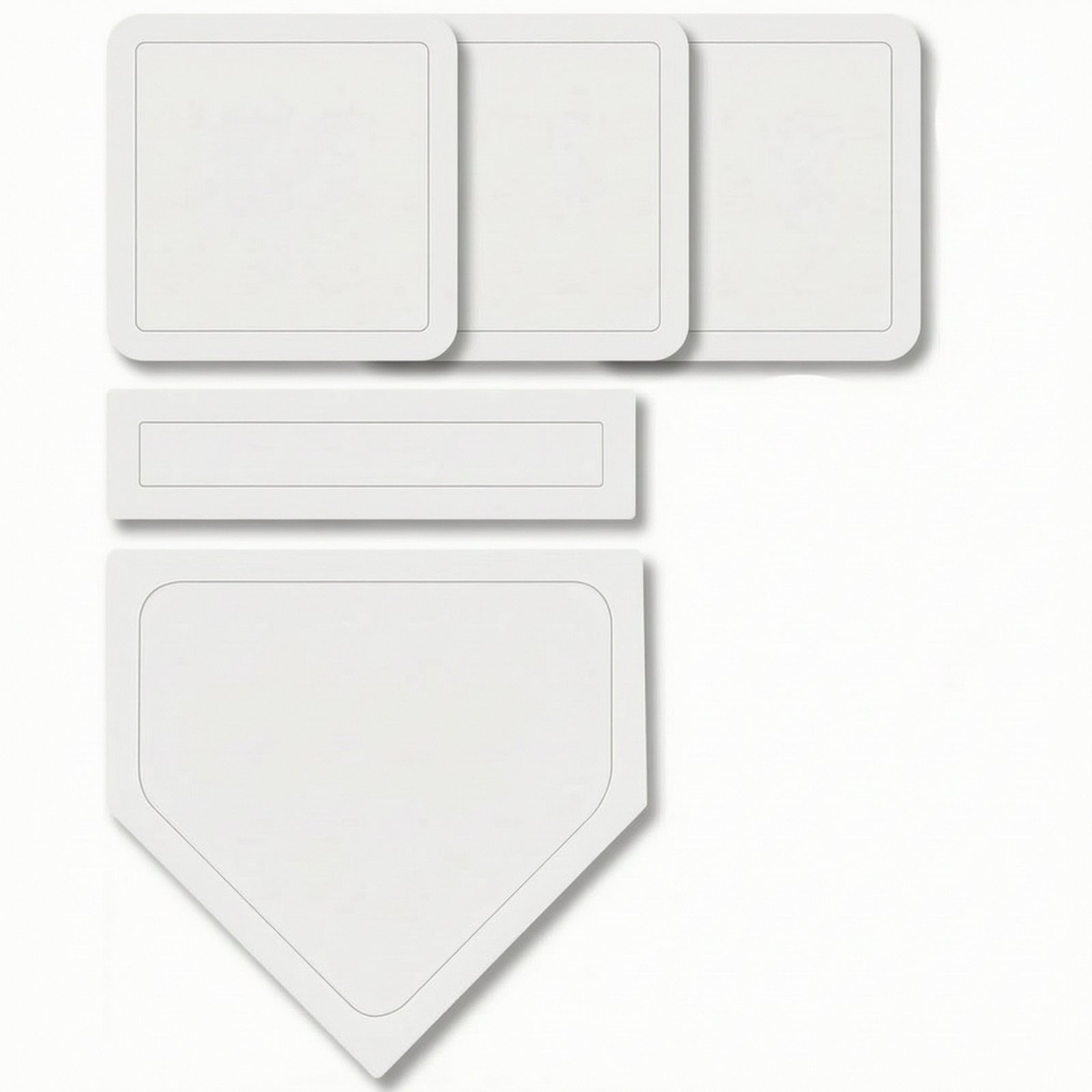
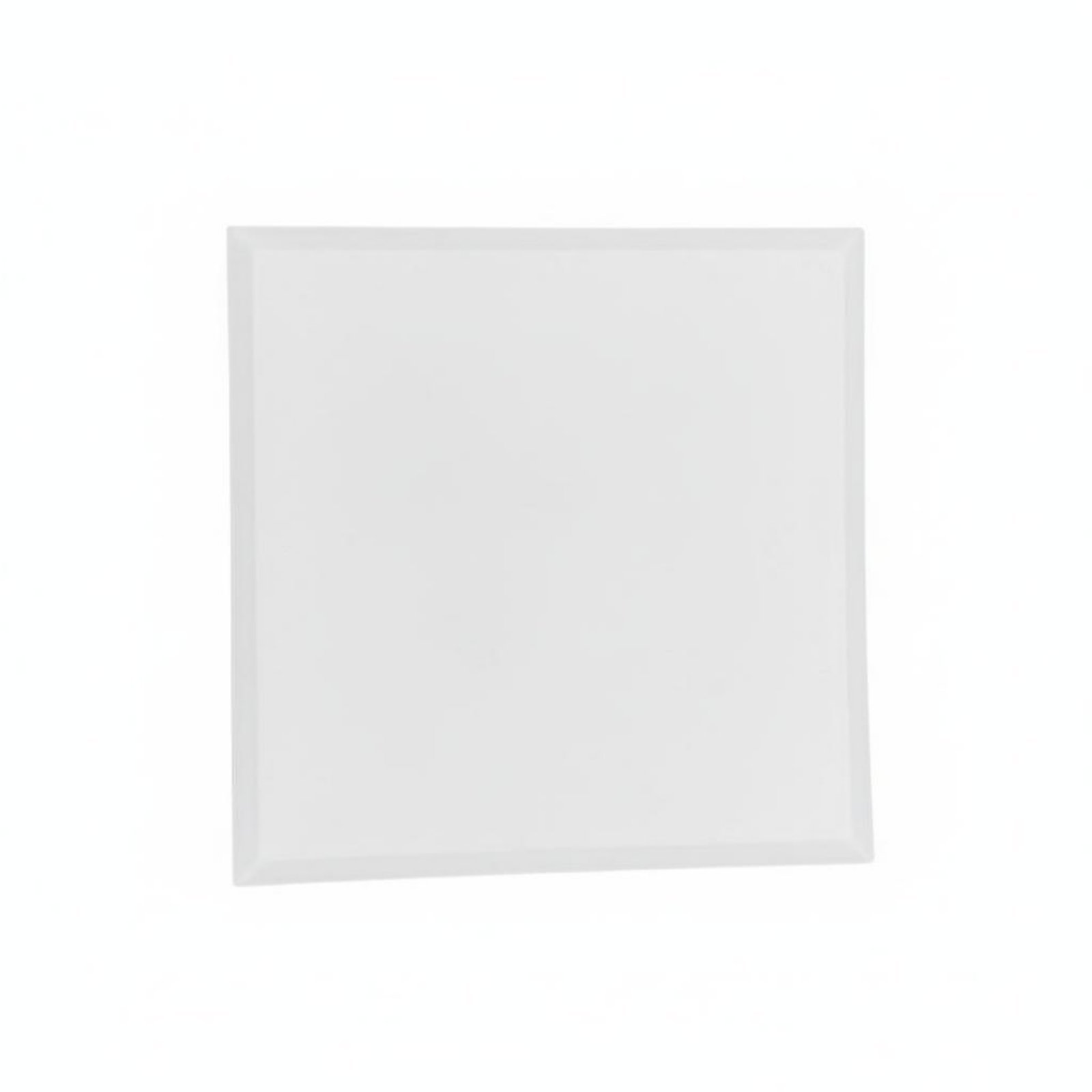
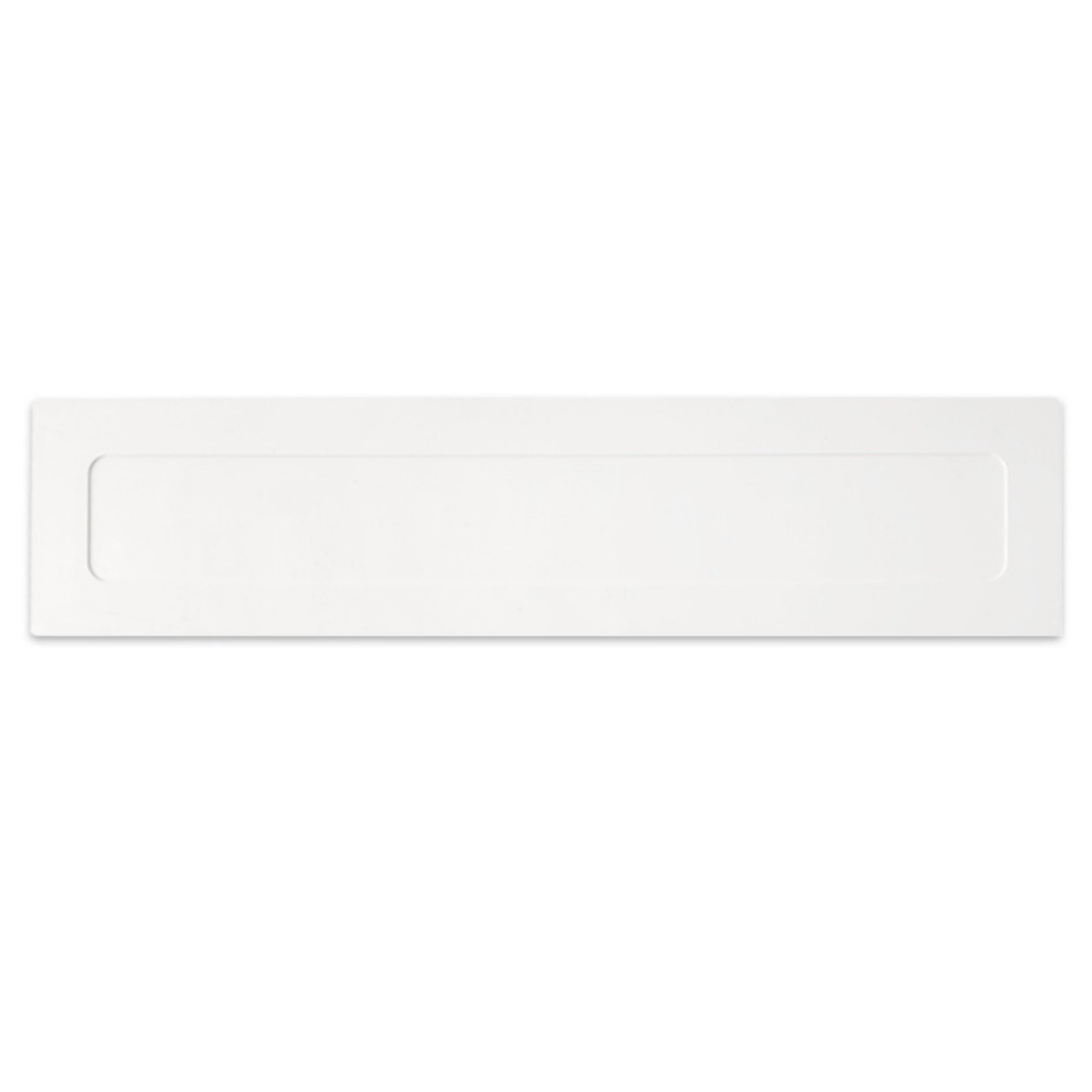
A home setup works best when each piece solves one job. A full base layout such as 5-Piece Rubber Bases with Pitching Rubber Plate gives you a quick practice diamond with home, bases, and a pitching marker, which is useful for fielding routes, force-play drills, and learning where to throw. A single marker such as Rubber Baseball Base is better when you only need one station, like first base on a ground-ball drill or a turn point for lateral movement.
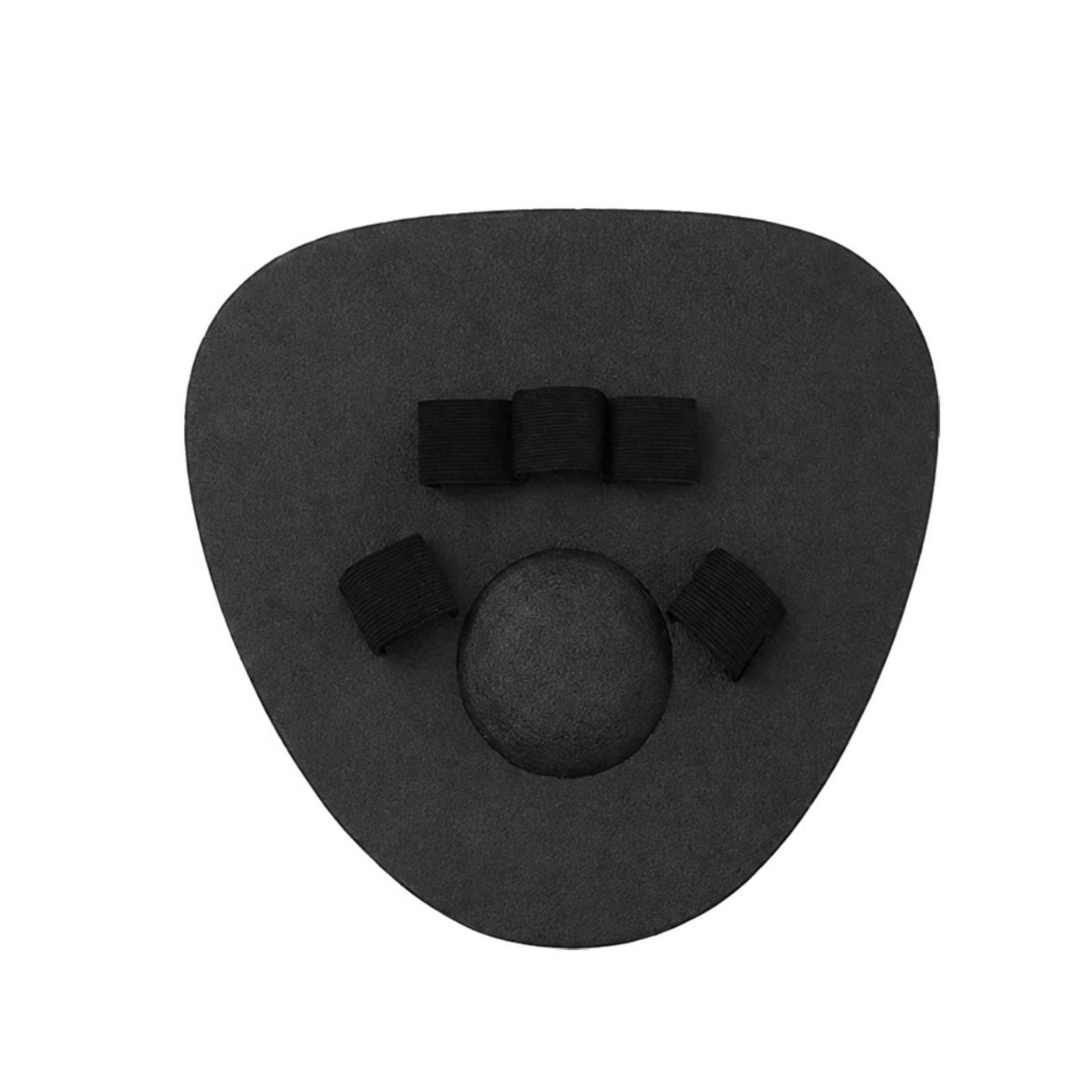
For catching work, a purpose-built trainer matters more than a general glove substitute. Foam Baseball Training Glove is made specifically for catching drills, with a finger support panel and a defined catching area that help you focus on hand position and receiving technique instead of just stopping the ball. For throw-and-catch repetition or target work, a net such as Baseball Practice Net Iron Chassis or Baseball Practice Net helps keep the ball in front of you and gives you a repeatable place to aim.
How the pieces work together in real drills
The easiest home system is to build one station for receiving the ball and one station for resetting the next rep. Put down a base marker or full base set to define where the play ends, use a catching trainer for the receive, and place a net nearby for throwing accuracy work between fielding reps. That way you can practice gathering a ground ball, setting your feet, and making a controlled throw without turning the session into a lot of walking around.
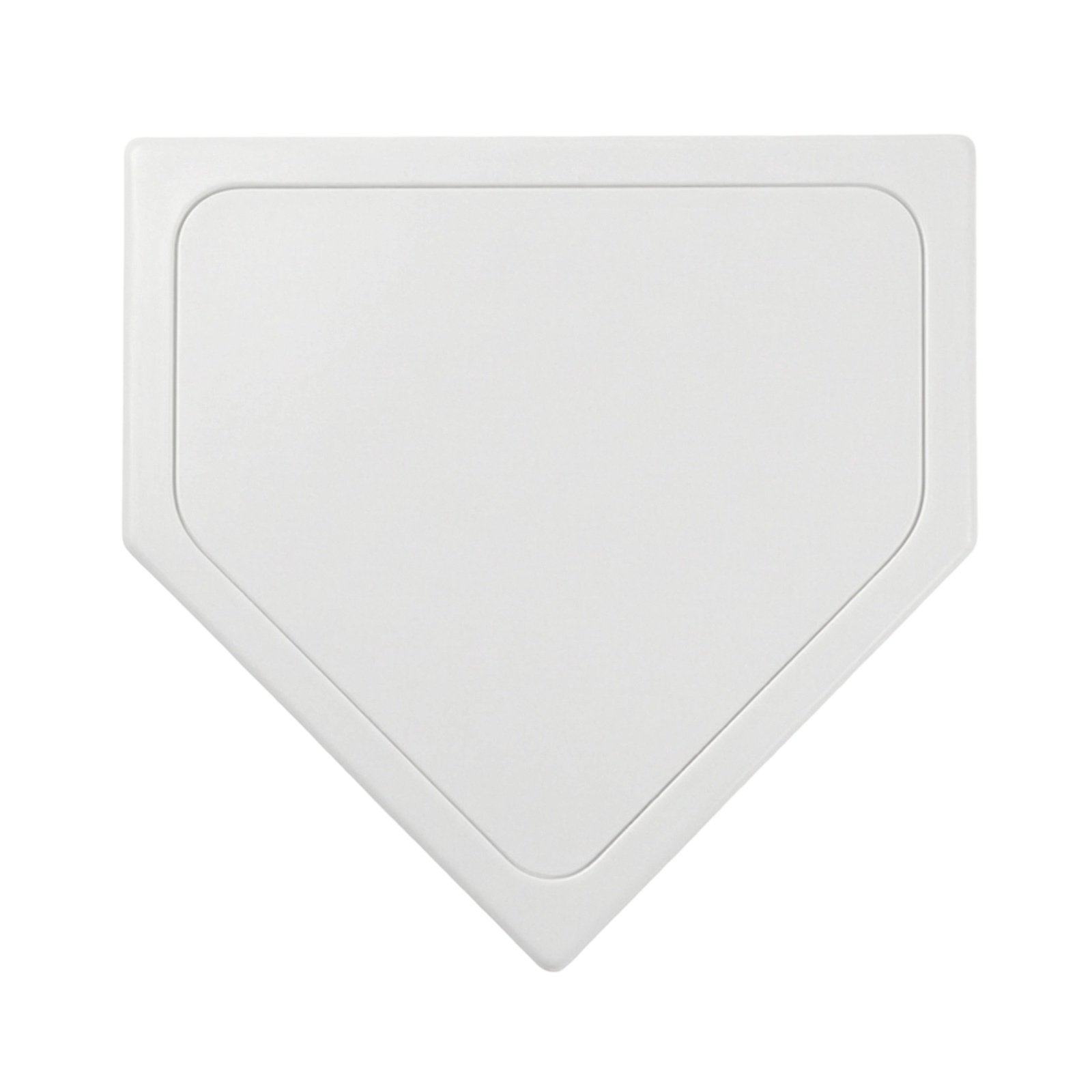
A full field layout using Rubber Baseball Base or 5-Piece Rubber Bases with Pitching Rubber Plate helps with situational practice because the markers show where to move before and after the catch. Home plate markers are useful even when you are not batting, since they create a clear target line for throws from the infield; Baseball Plate Throw Down is a simple way to mark that spot on relatively level ground. If you are practicing alone or in a small space, a net with a collection area like Baseball Practice Net Iron Chassis can shorten the time between reps because balls stay near the target.
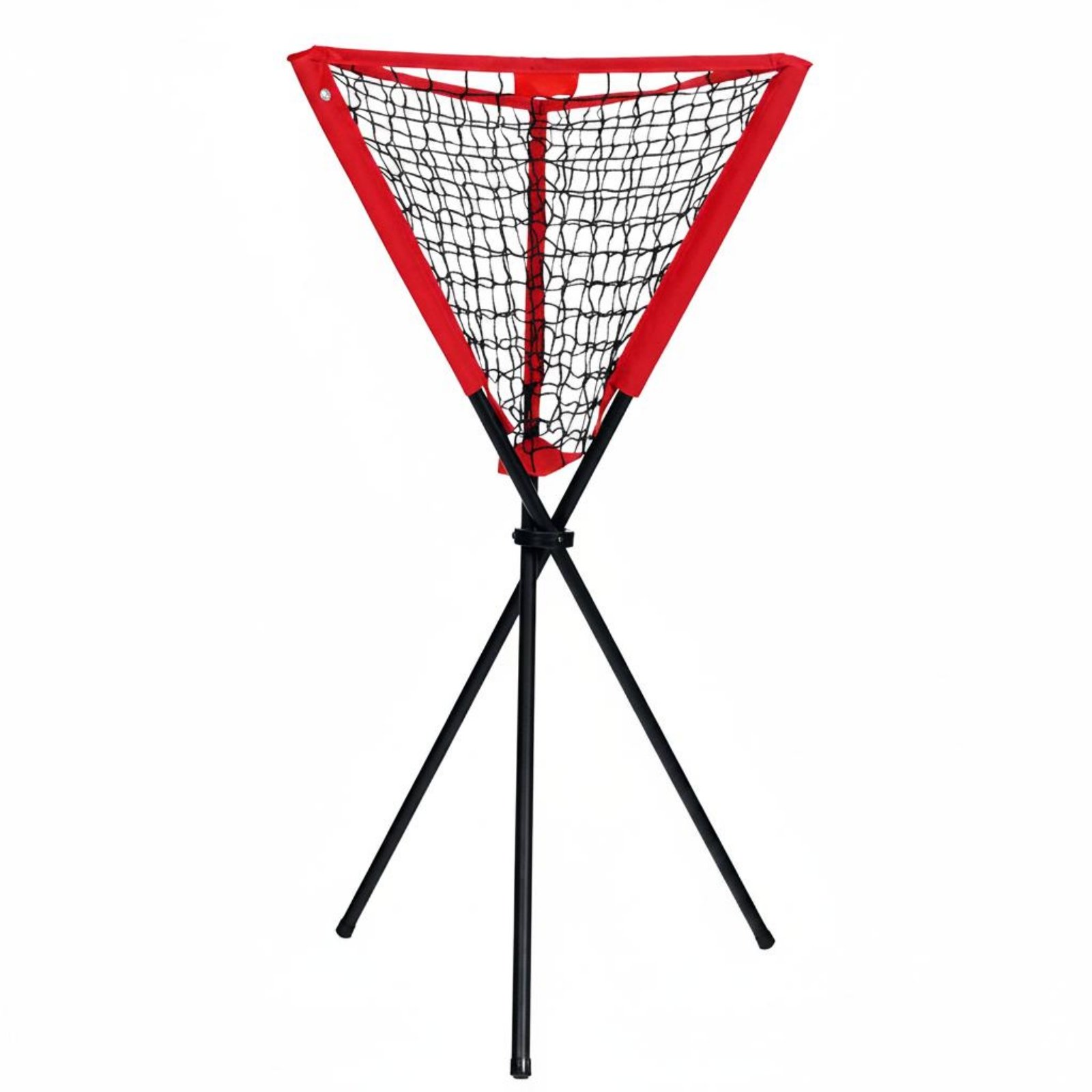
Ball management is what turns a short backyard drill into a steady routine. Foldable Baseball Ball Collector is meant to collect practice balls and hold about 40 to 60 baseballs, softballs, or tennis balls, which is useful when you want many throws or fungo-style feeds in a row. Portable Ball-Collection Net serves the same general purpose in a folding ball-cart style, so you can keep balls accessible instead of scattered across the yard.
Specs and features that matter
Choose flat rubber field markers when you need quick setup and less tripping risk. That is why pieces like Rubber Baseball Base and Baseball Plate Throw Down make sense for home practice: they are designed to lay on relatively level surfaces and clearly mark where the player should run, field, or throw. If you want a more complete practice area, sets like 5-Piece Rubber Bases with Pitching Rubber Plate and Rubber Baseball Base are useful because they include multiple field markers instead of only one point on the ground.
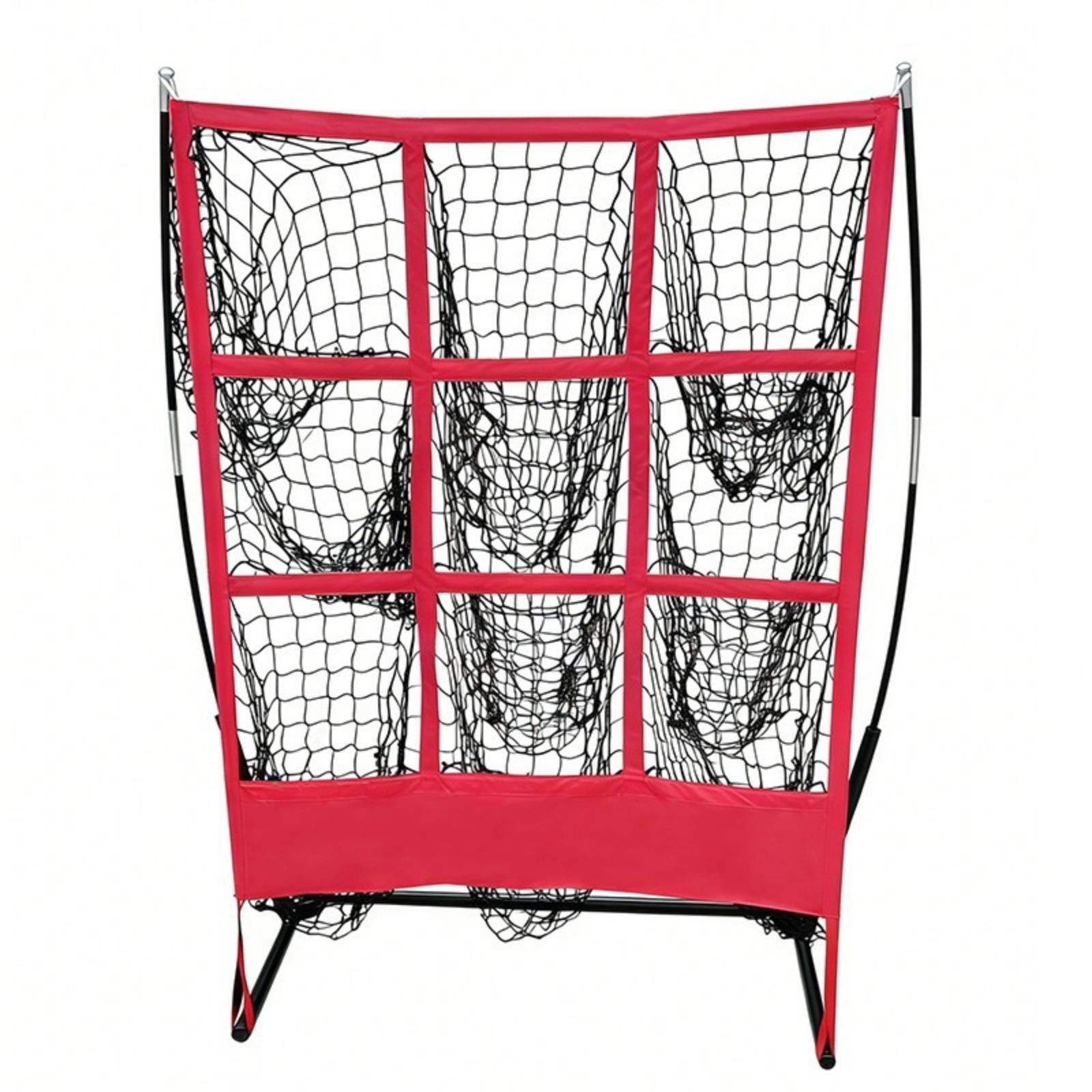
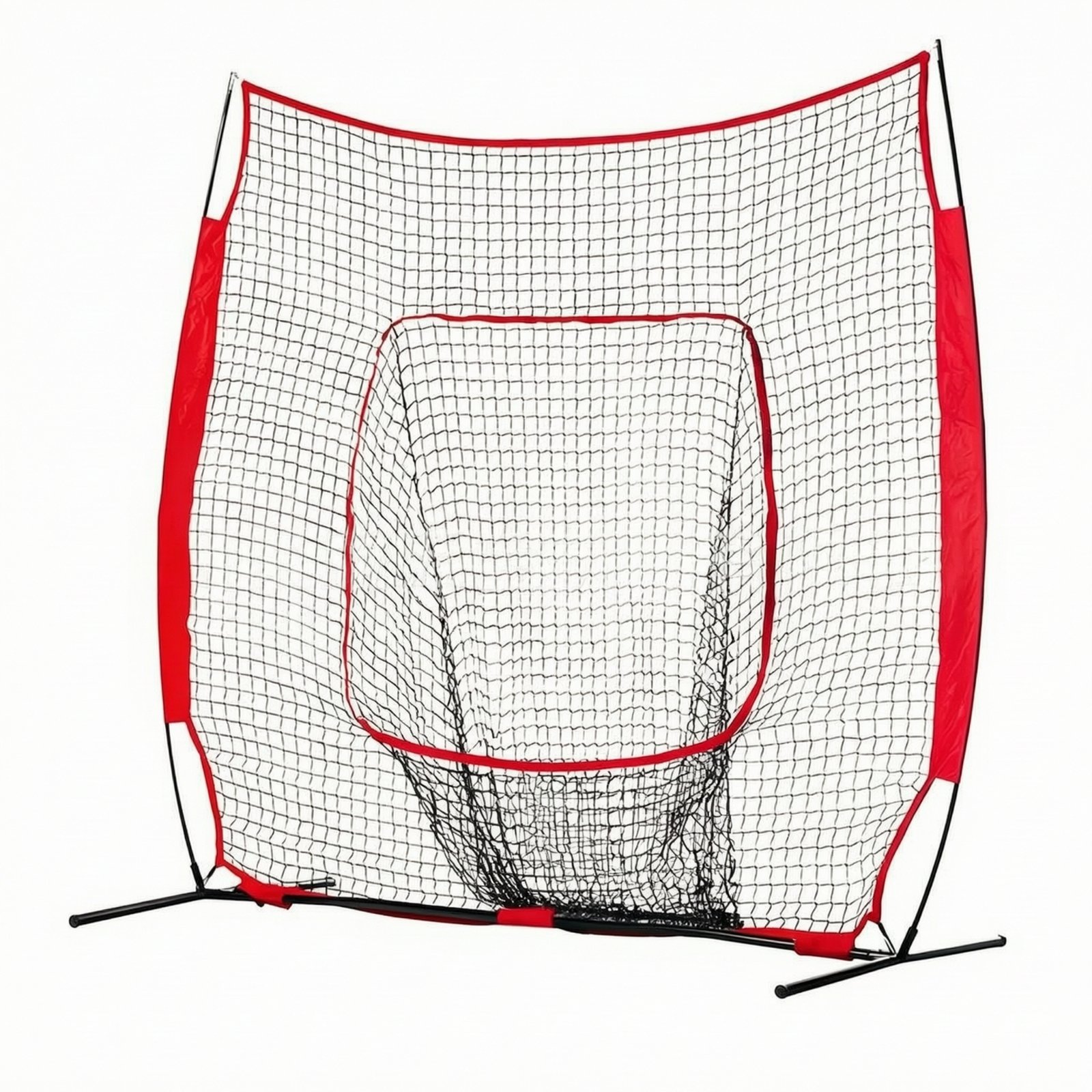
For nets, look at the training purpose first. Baseball Practice Net uses a nine-grid target layout, which is helpful when your fielding drill ends with an accuracy throw and you want visual feedback on where the ball goes. Baseball Practice Net Iron Chassis measures 210 x 210 cm and includes a catch pocket, so it fits buyers who want a larger all-purpose target for throwing, batting, and fielding practice in one spot.
For collectors, think about storage style and session flow. Foldable Baseball Ball Collector works like a ball catcher and organizer, while Portable Ball-Collection Net emphasizes a folding cart format with no-tools assembly and transport-friendly design. If the listing does not state whether a collector comes with balls, check that before buying, because these products are described as holders and collectors rather than ball bundles.
For catching trainers, focus on shape and guidance features rather than trying to match a game glove. Foam Baseball Training Glove is a foam catching trainer with an adjustable back strap and finger support panel, so it is for building receiving habits during drills. If you need a full game glove, check for hand orientation, size, and pocket details elsewhere because those are not given here.
Common mistakes to avoid
A common mistake is buying only a net and expecting it to cover all fielding practice. Nets are helpful targets and backstops, but fielding at home also needs a place to move to and a way to practice the receive. Adding even one field marker such as Rubber Baseball Base or a full set such as 5-Piece Rubber Bases with Pitching Rubber Plate makes drills more realistic because the player has a destination and a throwing reference.
Another mistake is choosing gear without thinking about the surface. Throw-down plates and bases are described for relatively level areas and can be used on places like grass, concrete, or gym floors depending on the item, but uneven ground can still affect hops, footing, and safety. Before buying, check where you will practice most often and whether you need a single plate, a single base, or a complete set.
Buyers also sometimes overlook cleanup time. If every rep ends with chasing balls, practice volume drops fast, especially for solo sessions. A collector like Foldable Baseball Ball Collector or Portable Ball-Collection Net is not flashy, but it often makes the biggest difference in how long and how consistently you practice.
Finally, do not assume any catching trainer replaces normal glove work. Foam Baseball Training Glove is for training method and hand position, so think of it as a drill tool. Use it to sharpen mechanics, then move those mechanics into regular throwing and fielding practice.
A typical kit
- 5-Piece Rubber Bases with Pitching Rubber PlateSets up a temporary diamond with home, bases, and a pitching marker so you can practice fielding routes and throws with clear reference points.
- Foam Baseball Training GloveBuilds cleaner catching mechanics and hand position during receiving drills.
- Baseball Practice Net Iron ChassisProvides a general practice target with a catch pocket for throwing, batting, and fielding sessions at home.
- Foldable Baseball Ball CollectorKeeps practice balls collected and close by so you spend more time repeating drills and less time picking up balls.
- Rubber Baseball BaseAdds a simple single base marker for first-base drills, force plays, or movement stations when you do not need a full set.
Questions people ask
Do I need a full base set for home fielding practice?
Not always. If you mainly work on grounders, short throws, and receiving, one marker like Rubber Baseball Base can be enough for a single drill station. A full set like 5-Piece Rubber Bases with Pitching Rubber Plate makes more sense if you want force-play drills, running paths, or a clearer infield layout.
What is more useful for solo practice, a net or a ball collector?
A net usually changes the drill itself, because it gives you a target and helps stop balls in front of you. A collector improves efficiency by keeping balls together, so it is the better add-on when you already have a throwing partner, a wall alternative, or a target. Many home players end up wanting both because they solve different problems.
Is the catching trainer a replacement for a regular glove?
No. Foam Baseball Training Glove is described as a baseball catching training glove for drills, with features that guide hand position and receiving work. It is best treated as a practice aid, and you should check a separate glove listing if you need game-style glove details.
Which net is better for throws after fielding a ground ball?
If you want visible aim points for accuracy work, Baseball Practice Net is useful because it has a nine-grid target layout. If you want a larger general target area and a catch pocket for mixed drills, Baseball Practice Net Iron Chassis is the more flexible option. Choose based on whether your priority is precision feedback or broad all-purpose use.
Can these field markers be used indoors as well as outdoors?
Some of them are described for use on indoor floors as well as outdoor surfaces. For example, Baseball Plate Throw Down is described for indoor or outdoor throw-down use on relatively level ground, and the base sets also mention multiple surfaces. The main thing to verify is that your space is flat enough for safe footwork and realistic ball movement.
Shop the list
Everything mentioned above
Prices and delivery windows are live from our catalog.
5-Piece Rubber Bases with Pitching Rubber Plate
Rubber Baseball Base – Plate
Foldable Baseball Ball Collector
Rubber Baseball Base – White, Rectangle
Baseball Plate Throw Down
Baseball Practice Net
Baseball Practice Net Iron Chassis
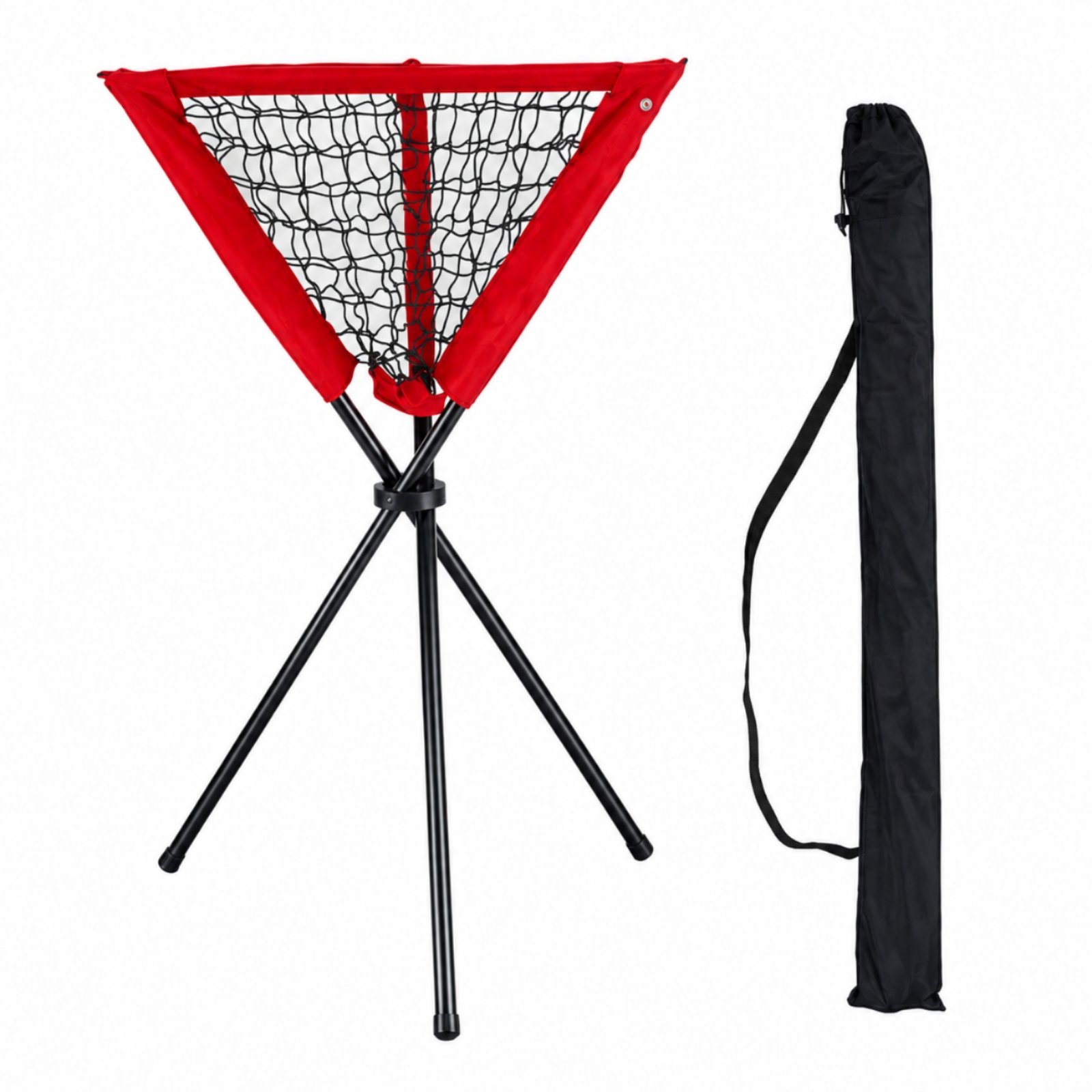
Portable Ball-Collection Net