Buying guide · Fitness & Sports
What you need for putting practice at home
Short answer
For effective putting practice at home, start with a surface that gives you a repeatable roll and a clear target, then add one feedback aid that trains setup or start line. A mat plus a cup or hole target is enough for basic reps, while an alignment mirror or line guide helps you fix the stroke mistakes that simple repetition can hide.
Start with a repeatable practice surface
The first thing to choose is the kind of surface you will actually use often. If your goal is quick daily reps in a small room, a compact mat can be easier to leave out or set up fast; if you want longer putts and more variety, a longer mat gives you more room to work on pace.
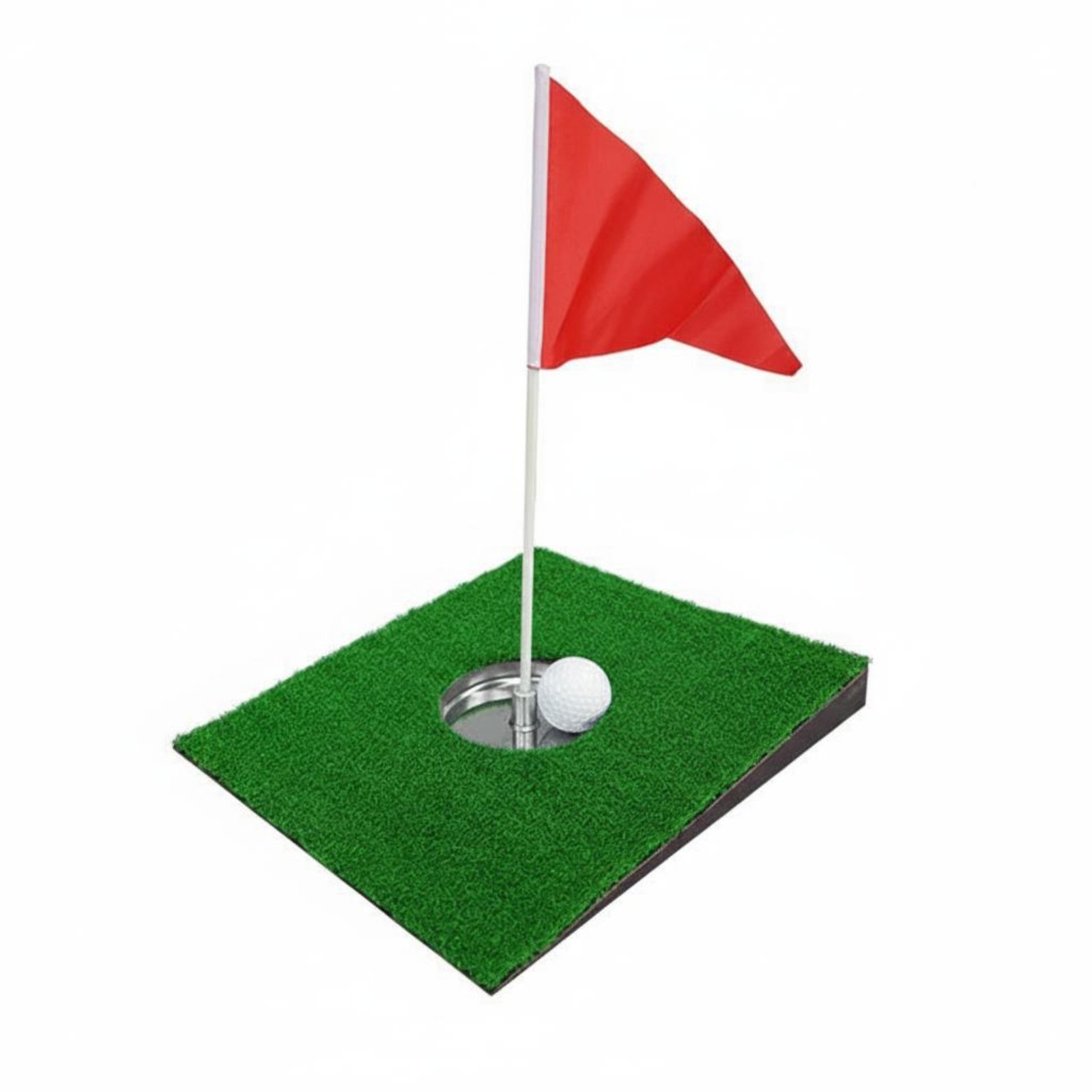
A compact option like Putting Mat Metal Cup gives you a practice surface with a built-in metal cup and a visible flagstick, so you can set down one piece and begin rolling putts right away. Its listed size of 27 x 27 x 2.5 cm makes it suitable for very tight spaces, but because it is compact, it is better for short, repetitive practice than for learning distance control.
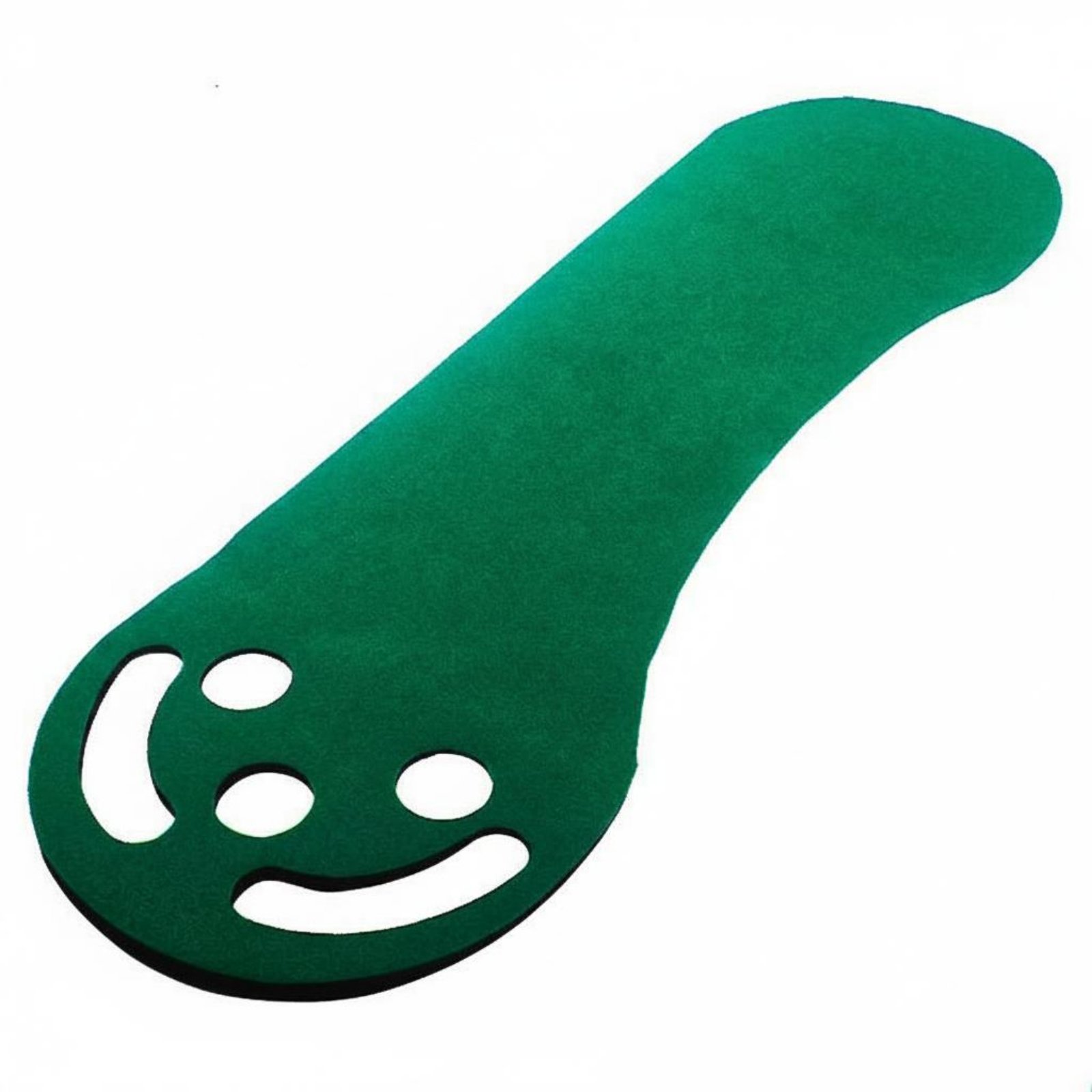
If you want a dedicated indoor lane, Foot-Shaped Golf Putting Mat is a foldable practice surface sized at 61 x 180 cm and made from polyester fiber. That makes more sense for players who want to train aim, pace, and stroke control in one area without needing to build a full setup each time.
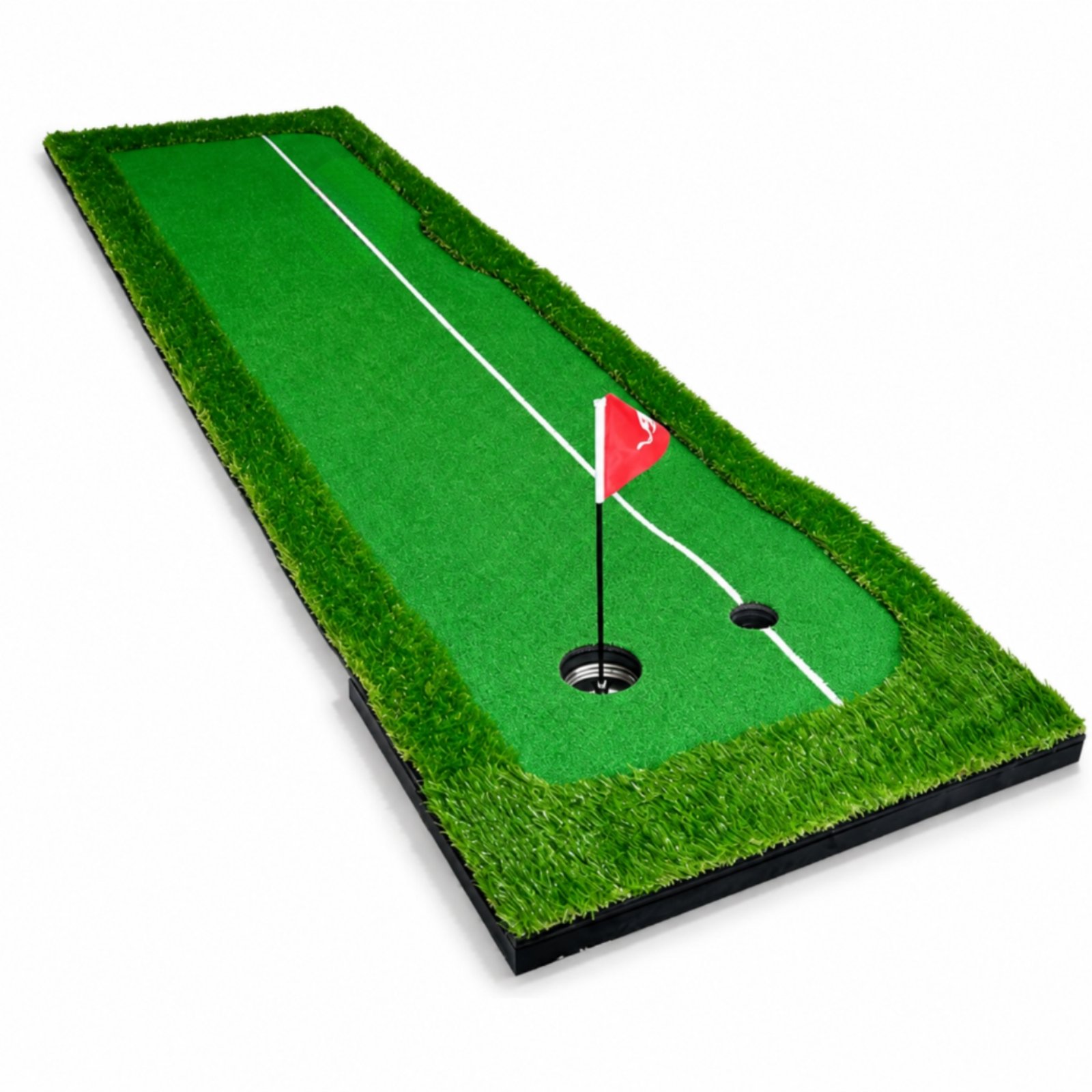
For a more feature-heavy home station, Foldable Golf Putting Mat with Holes provides a 75 x 300 cm foldable mat with double holes, a white guideline, a turf putting lane, a rough surface border, and a 30 mm movable slope surface. That kind of mat is useful when you want one station that can cover straight putts, break practice, and speed awareness, but it also needs more floor space and more commitment to set up.
Pick a target that matches the skill you want to train
Once you have a surface, add a target that tells you whether your putt started on line and arrived with the right pace. Some targets feel like a simple hole replacement, while others are better for skills training because they change the challenge.
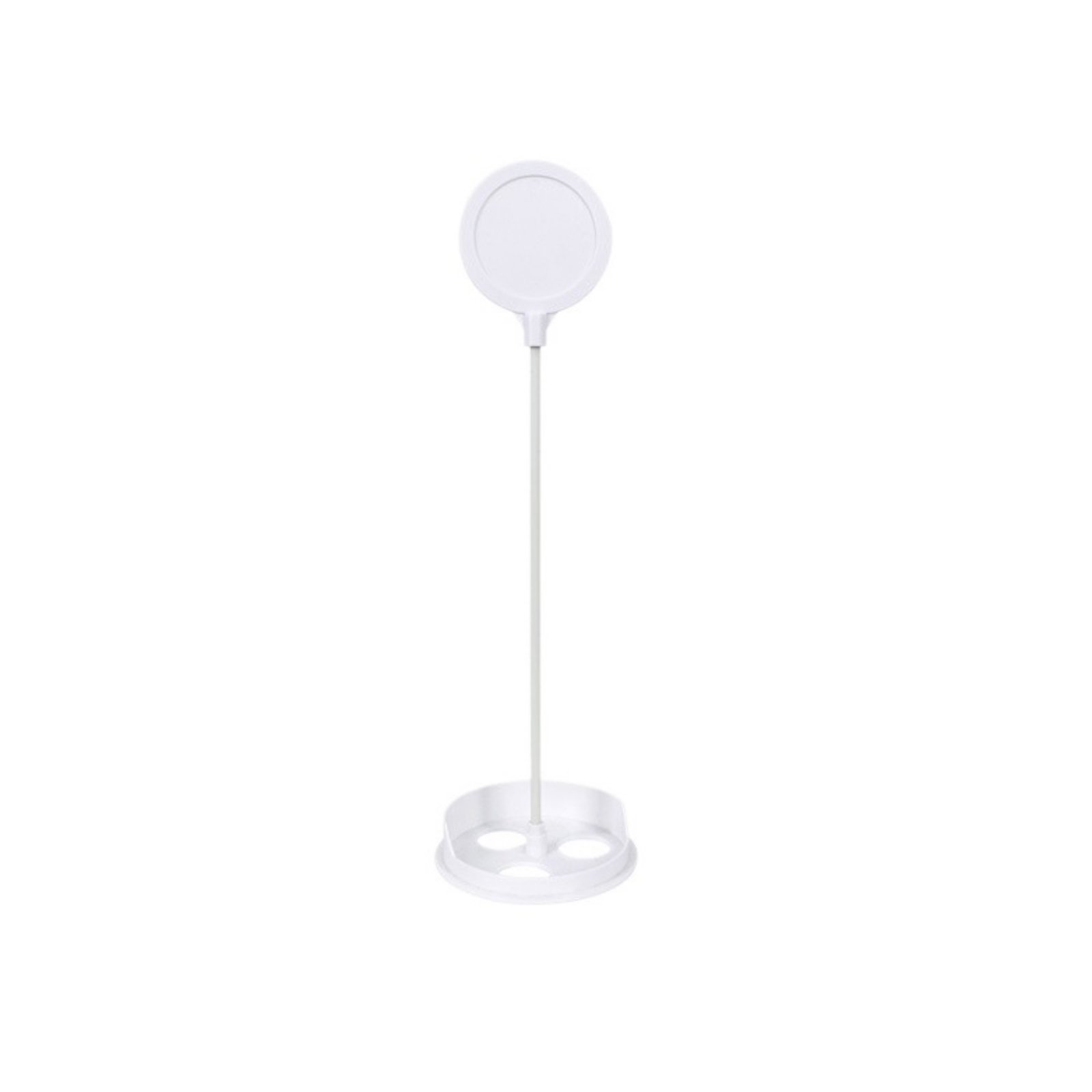
Golf Putting Cup works as a portable indoor cup with a flagstick and three ball openings, which can make practice flow smoothly when you are hitting several putts in a row from slightly different angles. It is a good fit if you want a visible target you can place on turf or carpet without overcomplicating your setup.
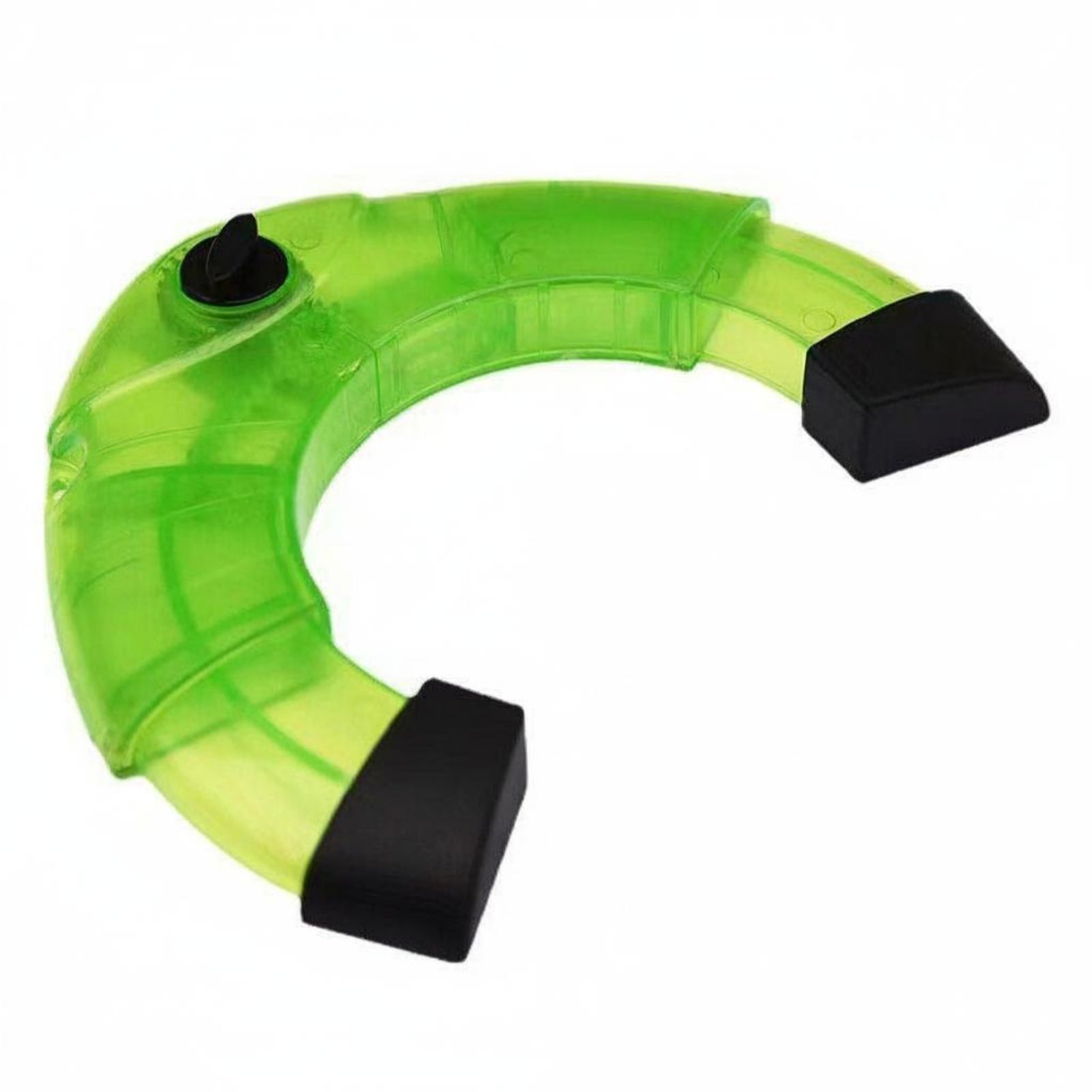
If you want to make accuracy drills harder on purpose, Portable Golf Putting Aid is a portable practice hole with an adjustable opening. A target like that is useful for progressive practice because you can begin with an easier gate and then reduce the opening as your start line improves.
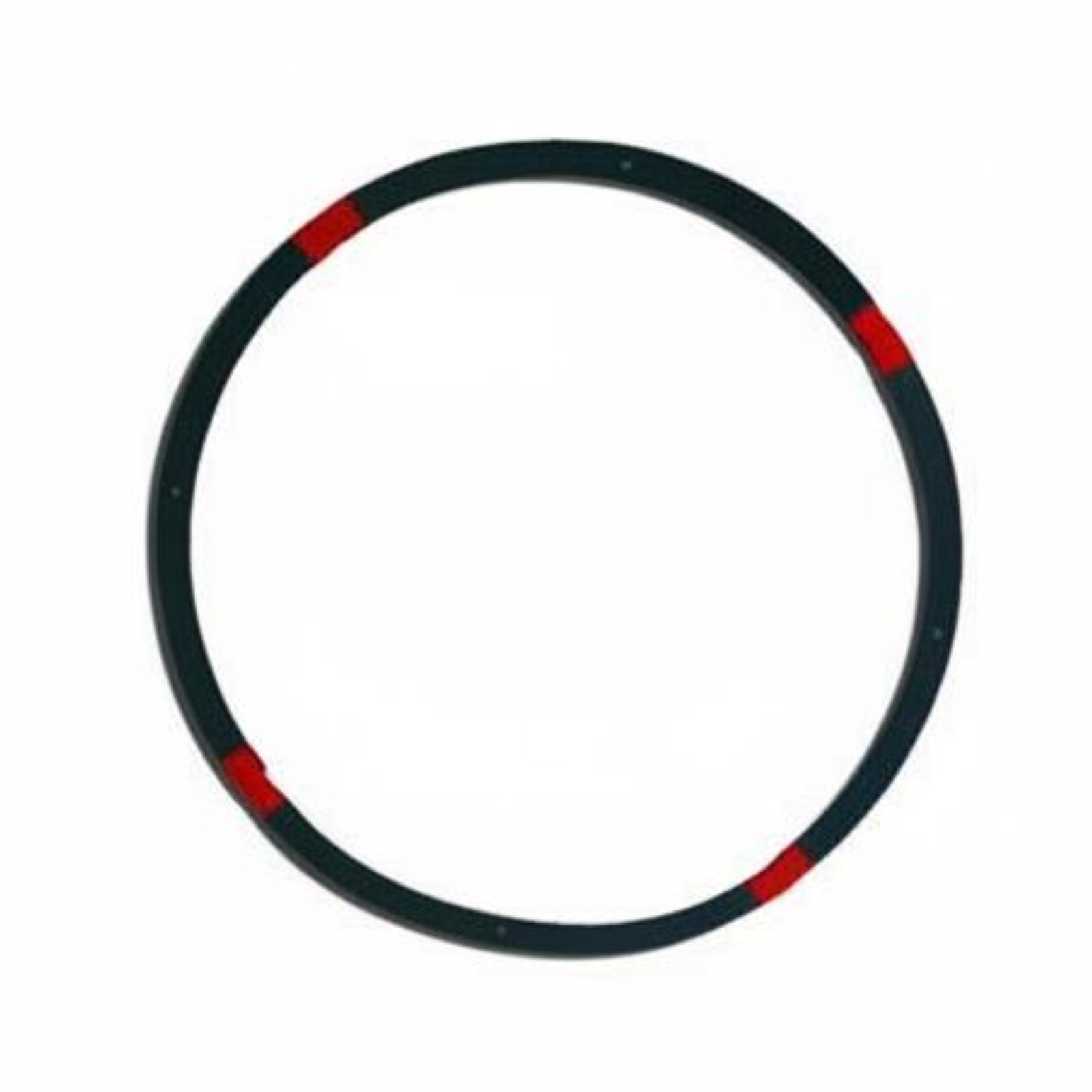
For circle drills, start-line games, or distance zones rather than cup simulation, Golf Putting Target Circle offers target circles in 2 ft, 3 ft, and 6 ft diameters. That makes it helpful when you want to practice landing the ball inside a zone, build confidence from short range, or create stations around a room or yard.
Add one feedback aid so you do not groove bad habits
A common home-practice mistake is hitting lots of putts without checking setup. Repetition helps only when your eyes, shoulders, and putter face are organized the same way each time.
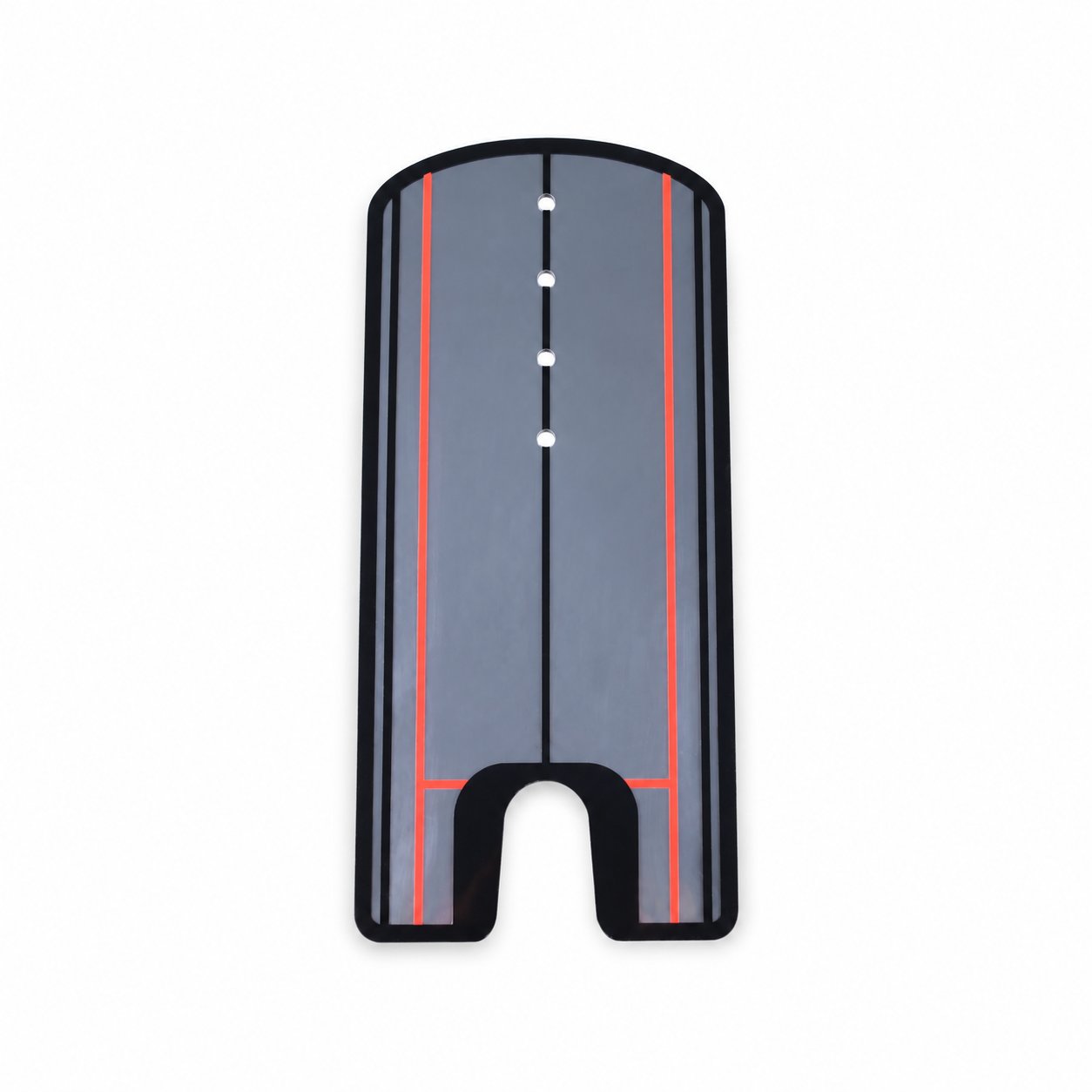
Golf Putting Alignment Mirror is an alignment mirror that gives immediate visual feedback for eye and shoulder alignment while also helping correct putting path. This type of aid is especially useful if your misses tend to come from poor setup rather than poor touch, because it lets you see the problem before and after the stroke.
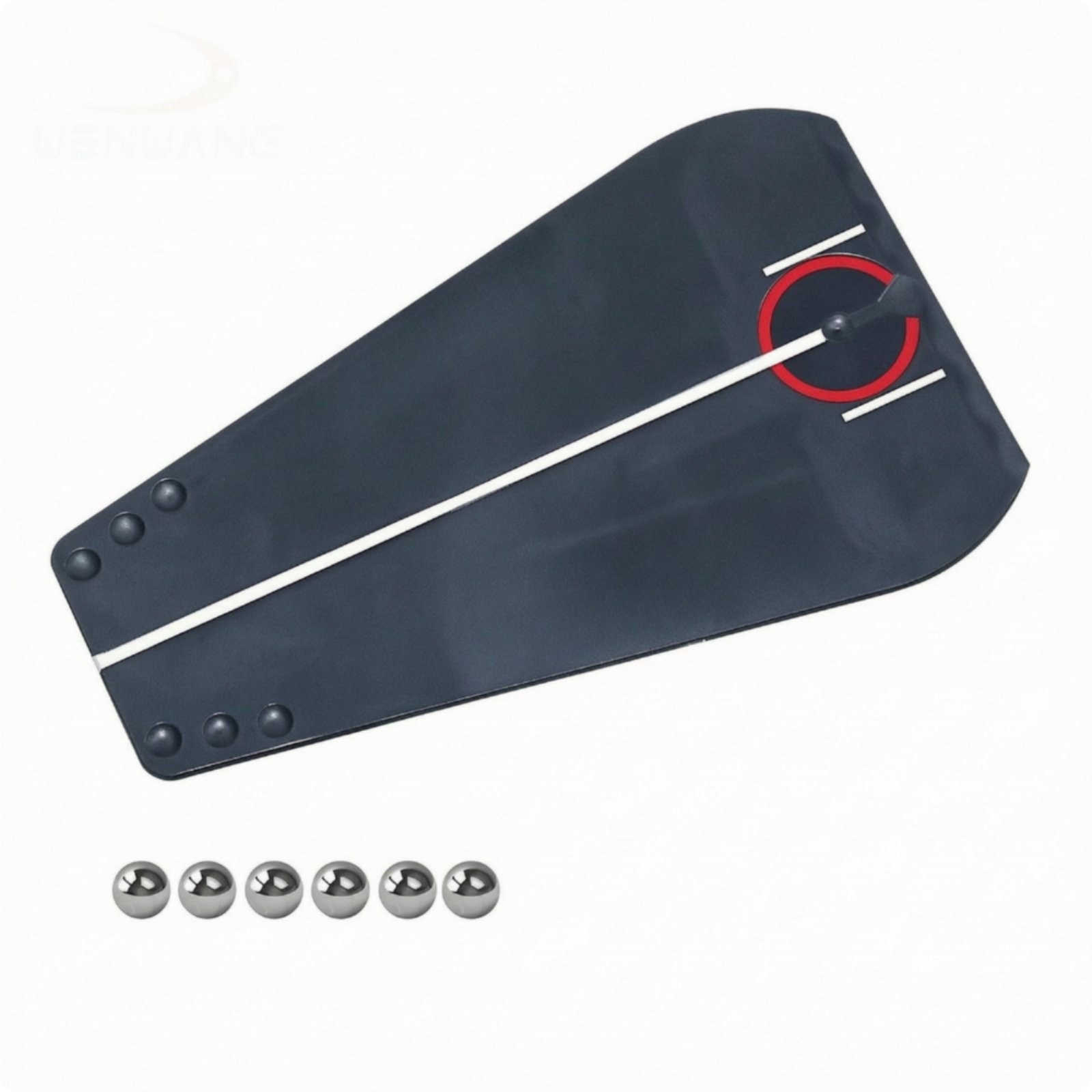
Another simple feedback tool is Golf Putting Practice Board with Alignment Line, a compact practice board measuring 220 mm long, 120 mm at the wide end, and 65 mm at the narrow end. Its central alignment line and target markings help you rehearse aim and face position, so it works well for short practice sessions when you want to focus on setup discipline instead of only rolling balls toward a cup.
The key is not to buy every training aid at once. A mat and target build routine, and one feedback tool gives your routine direction.
How the pieces work together and mistakes to avoid
Think of a home putting station as a simple chain. The mat or surface gives you a predictable roll, the cup or target gives you an objective finish point, and the feedback aid shows why a putt started correctly or incorrectly.
A balanced setup could be a surface like Foot-Shaped Golf Putting Mat or Foldable Golf Putting Mat with Holes, a target such as Golf Putting Cup or Portable Golf Putting Aid, and a setup tool like Golf Putting Alignment Mirror. That combination lets you train three core skills: start line, pace, and setup consistency.
Common mistakes are easy to avoid.
- Buying only a target and assuming any household floor will roll consistently enough for useful feedback.
- Choosing a very large mat when you do not have a regular place to store or use it, which often leads to less practice.
- Practicing only easy, dead-straight putts and never changing target size or challenge.
- Repeating strokes without any alignment check, which can reinforce the same miss pattern.
If you are just beginning, keep the station simple and easy to use every day. If you already practice often, add challenge through a narrower target, a target circle drill, or a mat with more built-in variety rather than adding random accessories.
A typical kit
- Foot-Shaped Golf Putting MatThis is the main home practice surface for repeating putts and working on aim, pace, and stroke control.
- Golf Putting CupThis provides a visible cup-style target that can be placed on an indoor surface for realistic finishing points.
- Golf Putting Alignment MirrorThis gives visual feedback on eye and shoulder alignment so your setup becomes more consistent.
- Portable Golf Putting AidThis adds progressive accuracy training by letting you make the target opening more demanding over time.
- Foldable Golf Putting Mat with HolesThis is the larger all-in-one surface option for buyers who want longer putts, guidelines, and more varied practice.
Questions people ask
Do I need a full putting mat, or can I just buy a target cup?
A target cup alone can work if you already have a smooth, predictable surface at home. If your floor changes speed or bounce from one area to another, a mat is the better starting point because it makes your practice feedback more consistent.
What is the most useful extra aid after I have a mat and cup?
For many golfers, an alignment aid is the next smart addition because setup errors can make every putt start offline. Golf Putting Alignment Mirror is useful when you want immediate visual feedback instead of guessing whether your eyes and shoulders are square.
Is a larger mat always better for home practice?
No. A larger mat gives you more variety and room for pace drills, but it only helps if you have a place where you will use it regularly. Foldable Golf Putting Mat with Holes offers more training variety, while a simpler surface like Foot-Shaped Golf Putting Mat can be the better choice for frequent use in a smaller room.
How can I make home practice harder without changing my whole setup?
Use a target that narrows the acceptable start line or adds a zone challenge. Portable Golf Putting Aid lets you adjust difficulty by changing the opening, and Golf Putting Target Circle can be used for circle drills that train pace and proximity rather than only makes and misses.
What should a beginner buy first?
A beginner should start with a surface and one clear target, then practice short, repeatable putts often. Once that routine feels normal, add one feedback tool so you can improve setup instead of only collecting repetitions.
Shop the list
Everything mentioned above
Prices and delivery windows are live from our catalog.
Putting Mat Metal Cup
Foot-Shaped Golf Putting Mat
Foldable Golf Putting Mat with Holes
Golf Putting Cup – Flagstick Hole
Portable Golf Putting Aid
Golf Putting Target Circle
Golf Putting Alignment Mirror