Buying guide · Fitness & Sports
Golf training aids for improving your swing at home
Short answer
The most helpful golf training aids for home practice are the ones that give clear feedback on one part of the swing, such as arm connection, swing plane, tempo, rotation, or head stability. For most golfers, a simple home setup works well when you combine one aid for positions with one aid for path or rhythm so you can repeat the motion with a clear purpose.
How to choose the right type of home swing aid
Start by deciding what part of your swing needs help, because each aid trains a different pattern. If your elbows separate or your arms lose connection to your body, an arm or torso restraint is usually the most direct choice. If your misses come from an over the top move, slices, hooks, or a wandering club path, a plane guide is more useful. If your motion feels rushed or inconsistent, a tempo aid may help more than a posture aid.
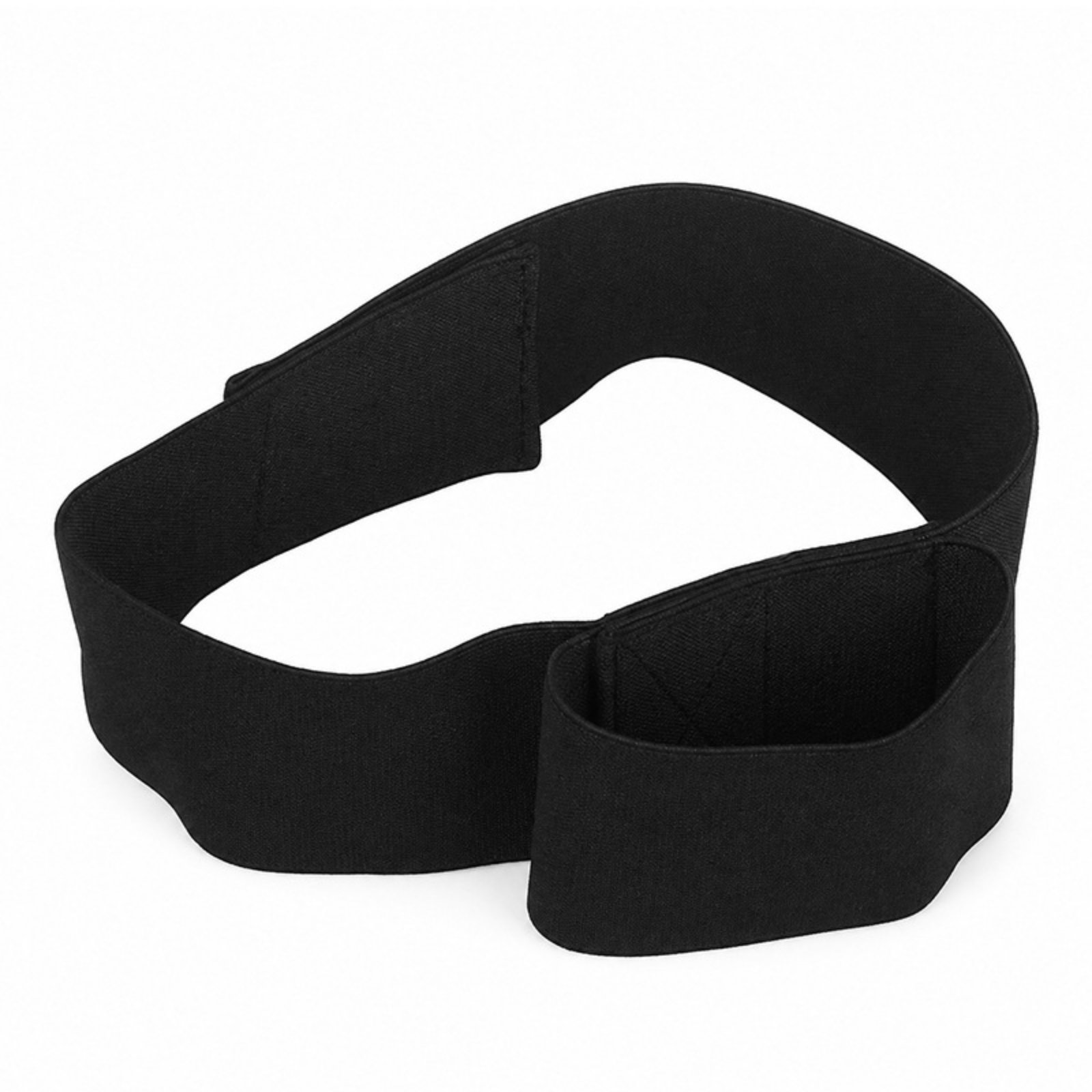
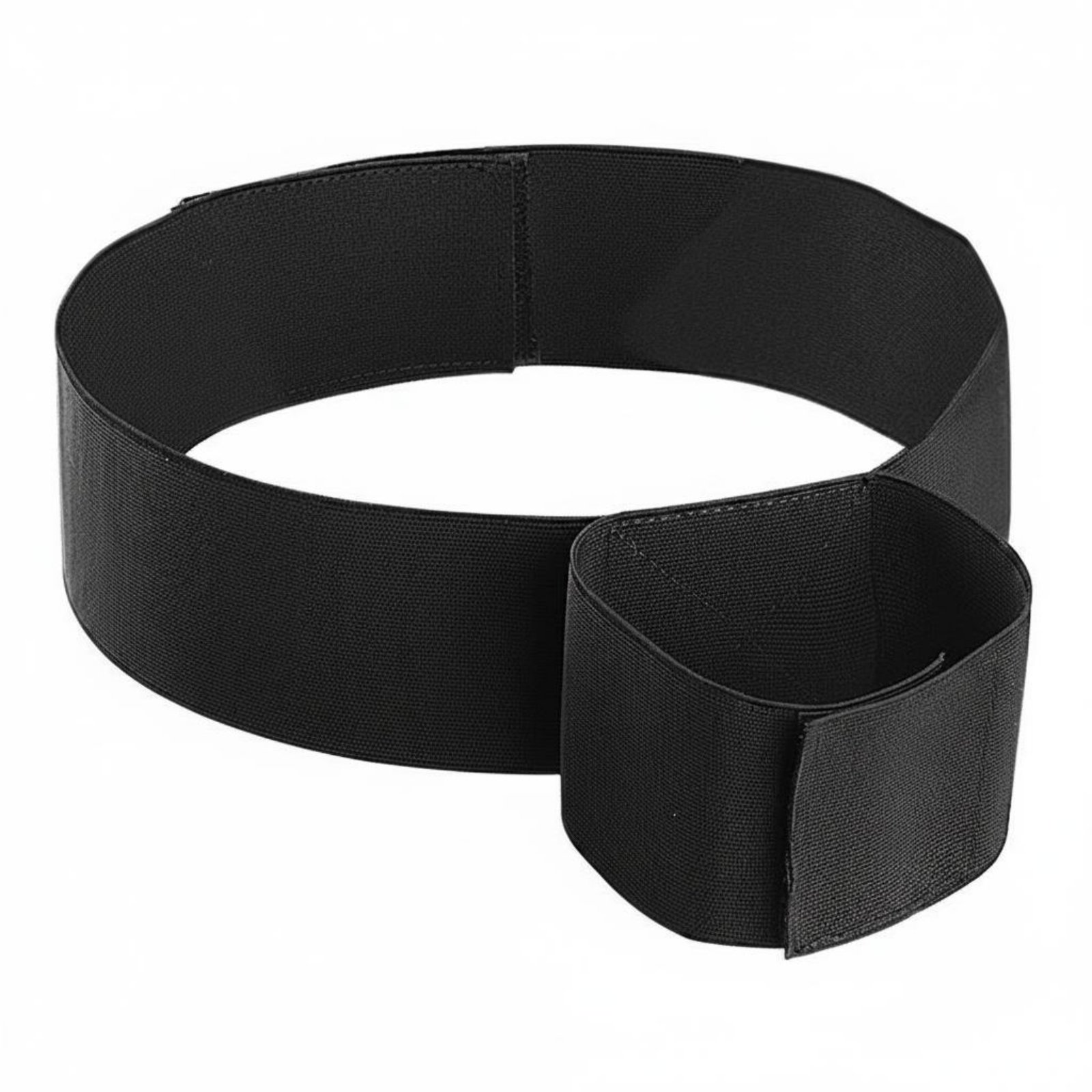
For connection and posture, a strap like Golf Swing Correction Strap is meant to guide arm position and discourage flying elbows while you rehearse the motion. If you prefer a simpler band style trainer, Golf Swing Training Belt is another option built around repeated guided movement with an adjustable fastening design.
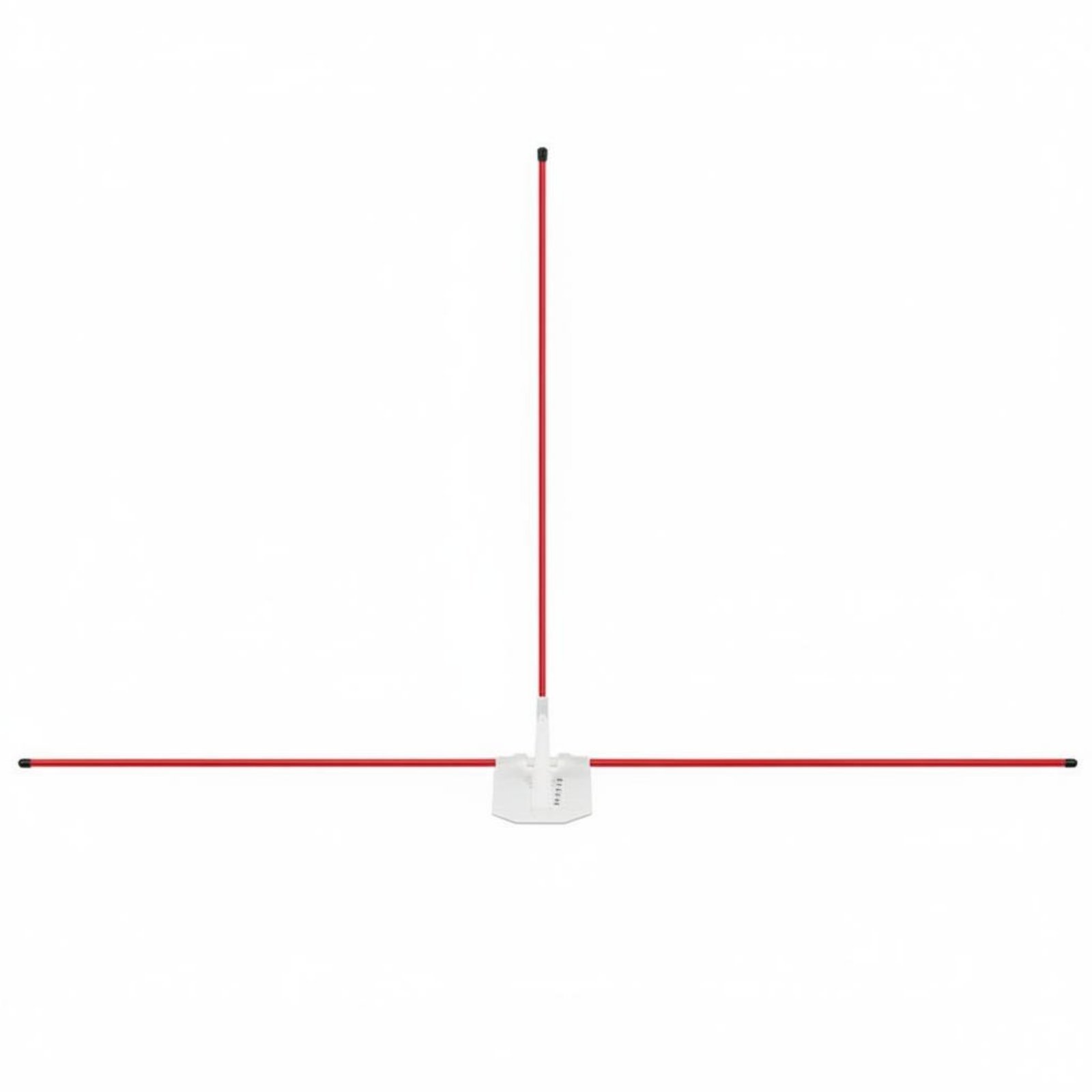
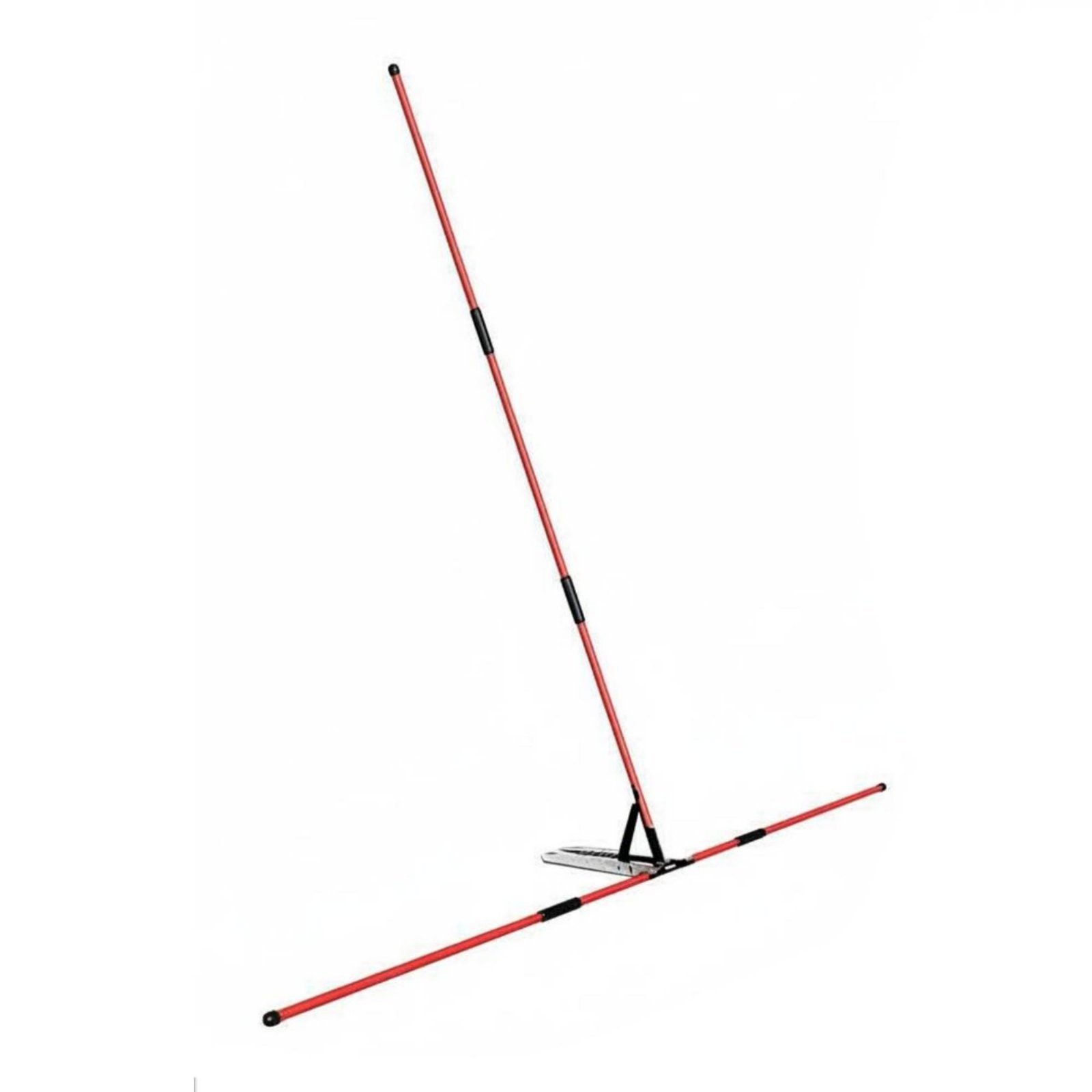
For path control, a guide such as Golf Swing Plane Practice Tool or Golf Swing Plane Corrects Slice and Hook can help you rehearse a more repeatable swing plane instead of guessing where the club should travel. Golf Swing Plane Practice Tool offers seven adjustable angles from 40° to 70°, which is useful when you want to match the setup to your height or the club you are practicing with. Golf Swing Plane Corrects Slice and Hook also has seven angle settings from 40° to 70°, so it fits buyers who want a dedicated plane trainer for structured repetition.
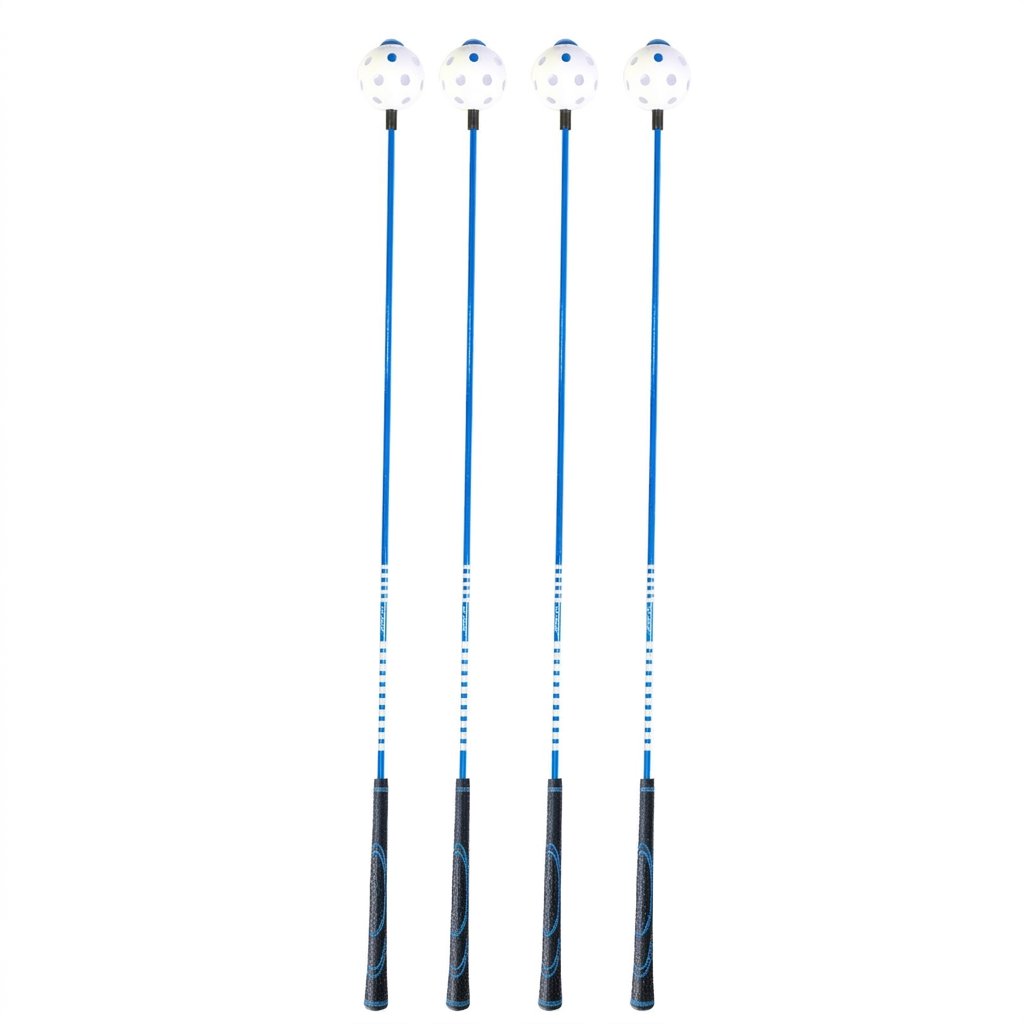
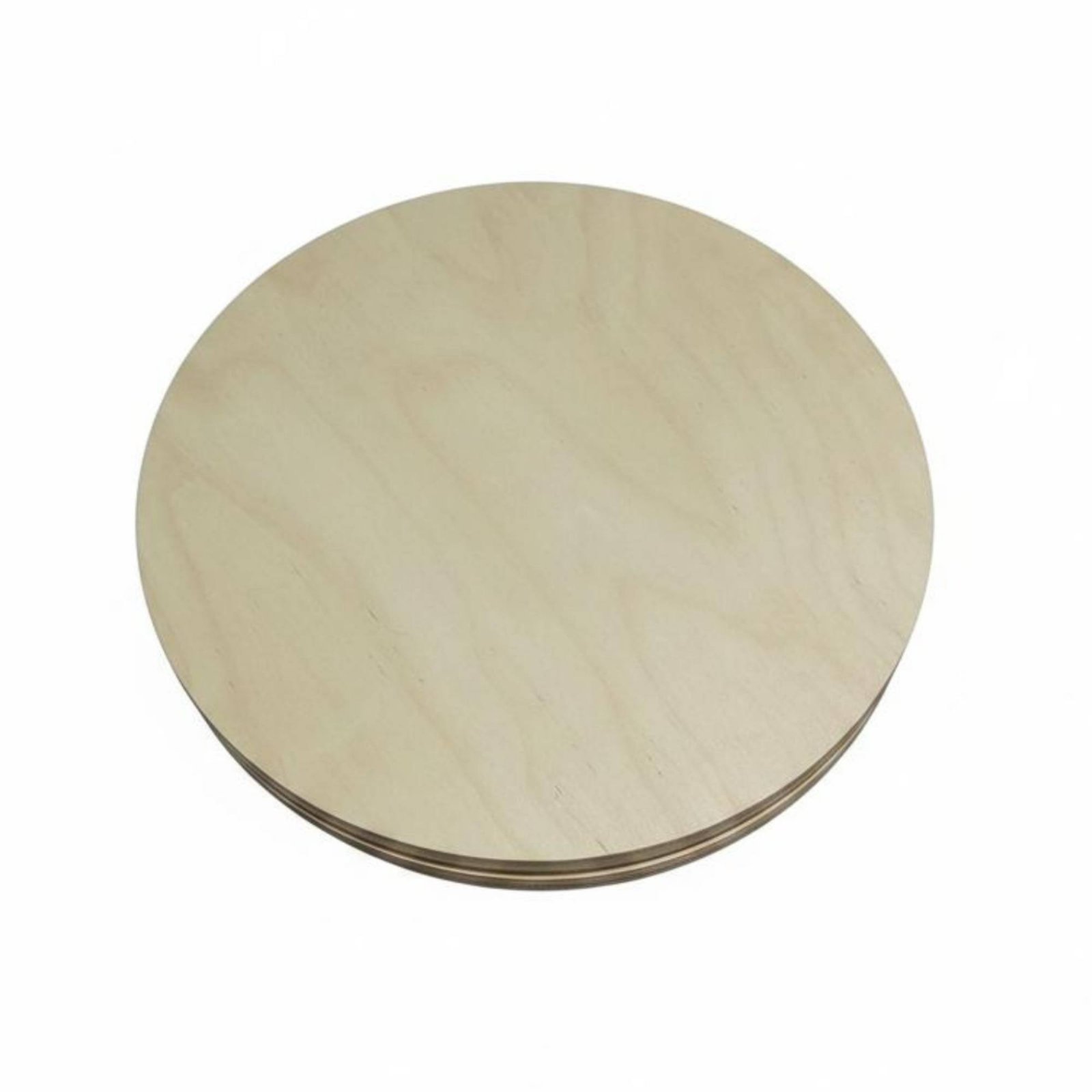
For rhythm and sequencing, choose a tool that gives immediate feedback during motion. Fiberglass Swing Aid adds an audible click to tell you when the swing is moving correctly. If your priority is body turn and balance, Golf Swing Rotation Disk focuses on shoulder and hip coordination so your swing is powered by rotation rather than just hands and arms.
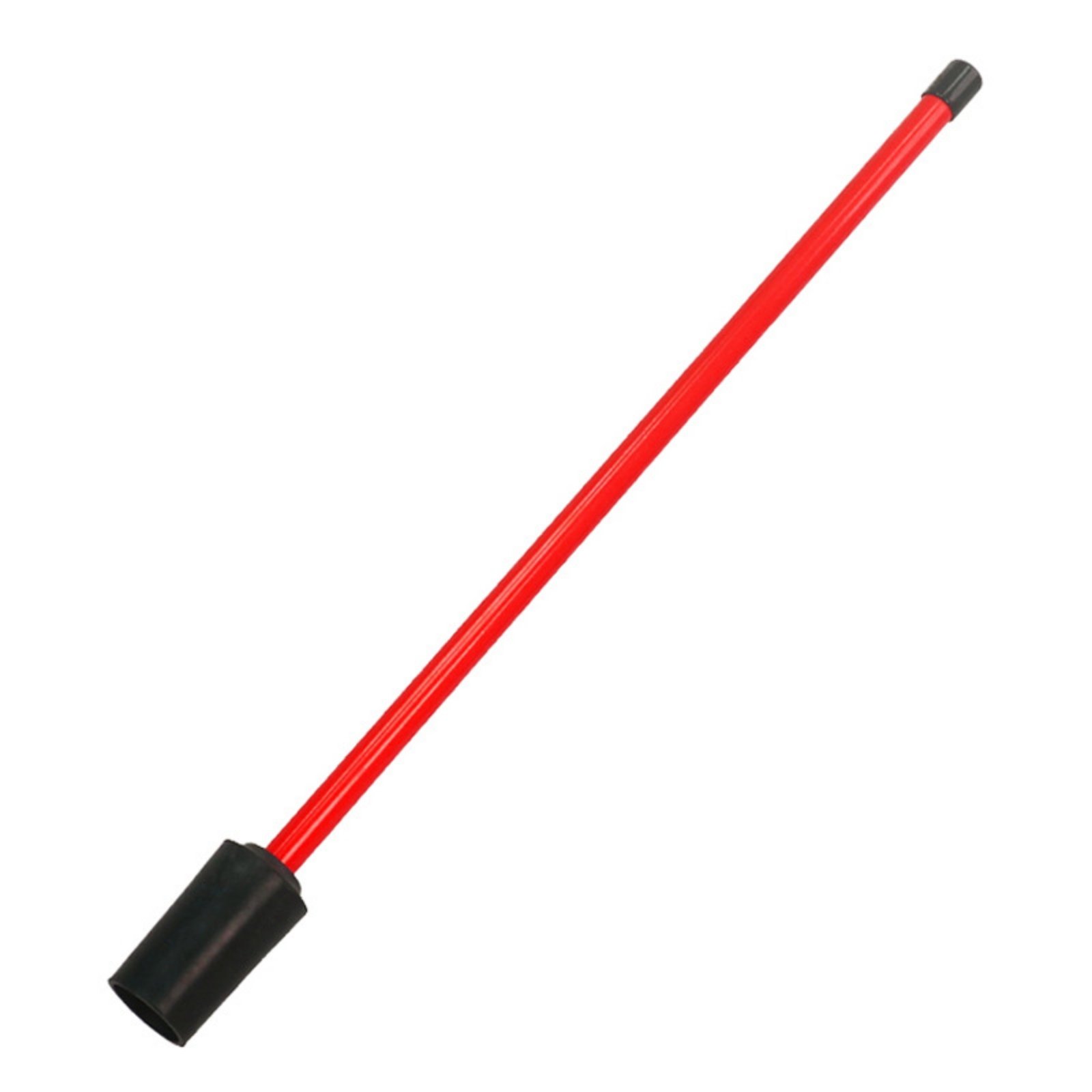
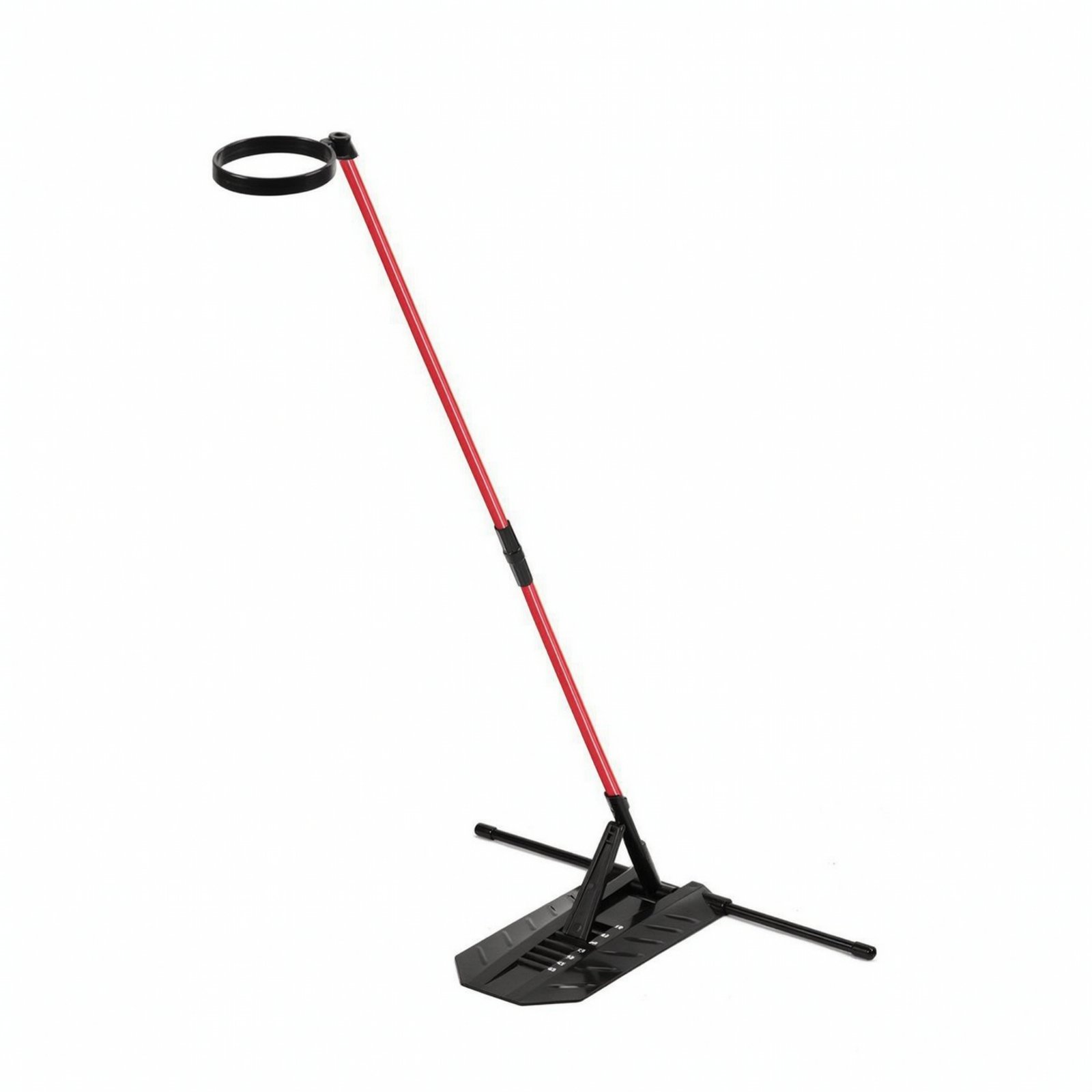
If head movement is your main issue, Fiberglass Golf Practice Aid is designed around head stability and alignment during the swing.
Which features matter most and why
Look first for clear feedback, because home practice works only if the aid tells you when you are right or wrong. Physical guides are useful because they limit a bad motion, while audible or visual guides help you notice timing and path without needing another person to watch.
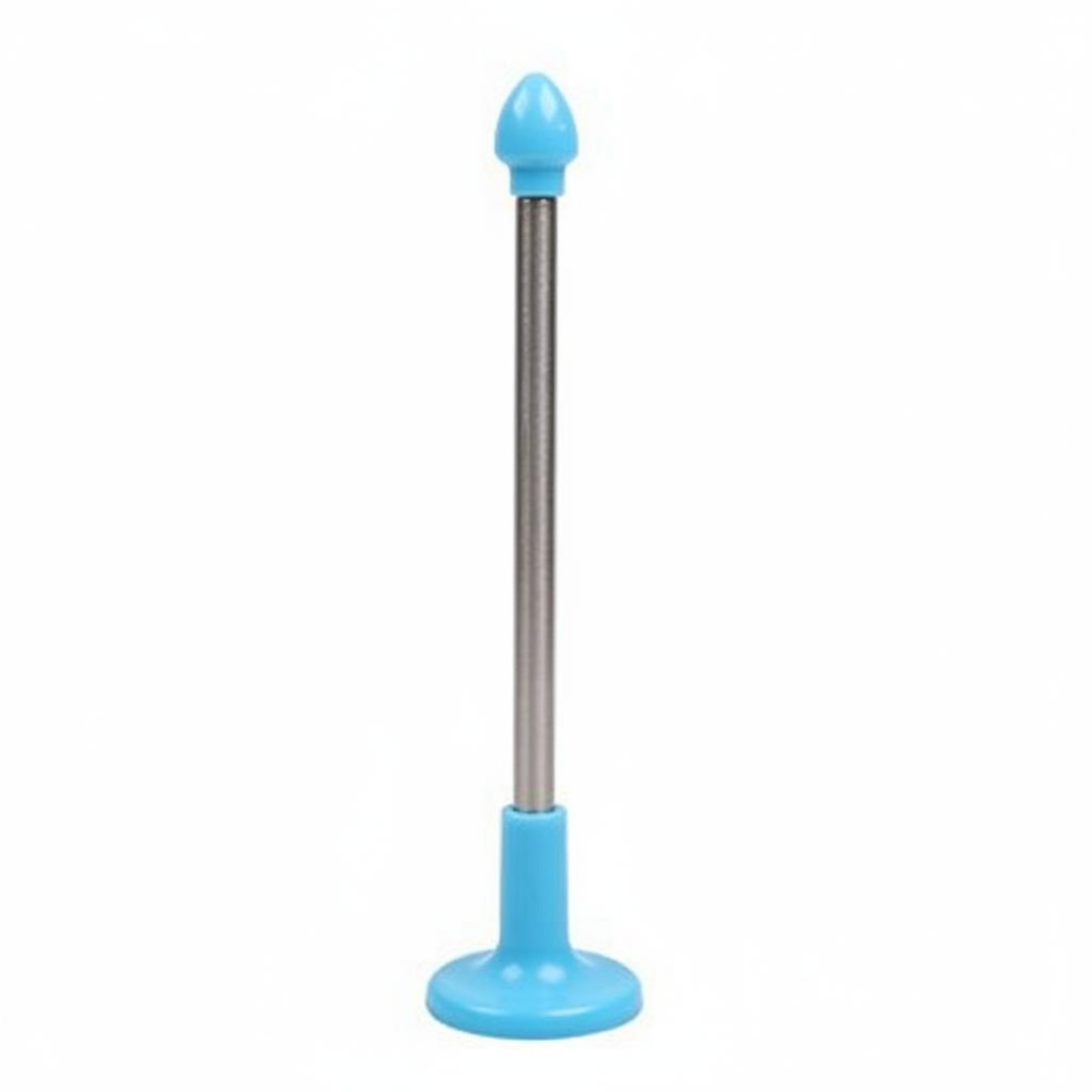
Adjustability matters because the aid has to fit your body and your practice goal. Golf Swing Correction Strap measures 80 cm in length and 7.4 cm in width, and its hook and loop fastening is meant to let you tune the fit for repeated reps. Adjustable Golf Alignment Rod extends from 6.5 inches to 10.24 inches, so it can be adapted for different irons and drills when you want alignment feedback directly from the clubface area.
Portability can matter even for home use, especially if you need to set up and put away your training area after each session. Golf Swing Practice Tool measures 45.5 cm (17.9 in) in length and 2.75 cm (1.1 in) in diameter, so it is easy to store and bring out for short sessions.
Also think about whether you want a guide, a feedback trainer, or a movement platform. A guide teaches positions and path. A feedback trainer such as Fiberglass Swing Aid focuses on rhythm and timing through sound and shaft feel. A movement platform like Golf Swing Rotation Disk teaches how the lower body and shoulders work together.
How the pieces work together in a home practice routine
The easiest way to build a home practice station is to combine tools that teach different parts of the motion without overlapping too much. A connection aid can teach setup and arm structure, a plane aid can teach club path, and a tempo or rotation aid can help your body move in sequence.
A practical pairing is Golf Swing Correction Strap with Golf Swing Plane Practice Tool. The strap helps keep your upper body and arms organized, while the plane trainer gives you a visible path to follow.
Another useful pairing is Fiberglass Swing Aid with Golf Swing Rotation Disk. The flexible shaft trainer focuses on swing rhythm and timing, while the rotation disk teaches smoother turn through the hips and shoulders.
If you struggle with swaying or lifting, add a focused stability aid. Fiberglass Golf Practice Aid works on head position so you can keep your center more stable while practicing. If you need a compact visual tool for setup and iron path awareness, Adjustable Golf Alignment Rod can support short indoor sessions.
At home, shorter sessions usually work well. Pick one main fault, use one or two aids, and repeat slow rehearsals until the motion feels natural before increasing speed.
Common mistakes to avoid when buying and using swing aids
The biggest mistake is buying too many aids that all try to solve the same problem. That usually creates conflicting feels and turns practice into equipment swapping instead of skill building. Start with one primary correction and add a second aid only if it covers a different part of the motion.
Another mistake is choosing a more demanding trainer before you can control basic positions. If your setup, arm structure, or swing plane is inconsistent, adding speed or complexity can make the pattern less reliable instead of more repeatable.
Do not assume adjustability means automatic fit. With aids like Golf Swing Plane Practice Tool or Golf Swing Plane Corrects Slice and Hook, you still need to set the angle so it matches your posture and the club motion you are trying to train. With wearable aids like Golf Swing Training Belt, make sure the strap is secure enough to guide you but not so tight that it forces an unnatural move.
It is also a mistake to practice only at full speed. Most home training aids are most effective when you rehearse slowly, stop at checkpoints, and pay attention to the feedback they give.
Lastly, remember that no aid can diagnose every swing issue by itself. If you are not sure whether your problem is path, face control, posture, or sequencing, start with the aid that gives the clearest feedback and reassess after a few sessions.
A typical kit
- Golf Swing Correction StrapUse this as a connection aid to keep the arms and upper body working together and reduce flying elbows.
- Golf Swing Plane Practice ToolUse this as a swing plane guide when you need a visible path to help reduce slices, hooks, and inconsistent delivery.
- Fiberglass Swing AidUse this for tempo practice because the click feedback helps you hear when the motion is sequenced correctly.
- Golf Swing Rotation DiskUse this to train hip and shoulder rotation so your body turn becomes smoother and easier to repeat.
- Fiberglass Golf Practice AidUse this when head movement is the main issue and you want feedback that keeps your center more stable during the swing.
- Adjustable Golf Alignment RodUse this for compact alignment work on irons when you want quick visual feedback in a small home practice space.
Questions people ask
What type of aid should I start with if I slice the ball?
Start with a swing plane aid because a slice often comes from a path problem rather than effort alone. Golf Swing Plane Practice Tool or Golf Swing Plane Corrects Slice and Hook can help you rehearse a more consistent path.
Can I practice effectively indoors with these aids?
Yes, many of these tools fit indoor practice because they focus on positions, path, or rhythm rather than ball flight. Compact options like Golf Swing Practice Tool, Adjustable Golf Alignment Rod, and Fiberglass Swing Aid make sense when you need something easy to store and quick to set up.
Should a beginner start with a strap, a plane trainer, or a tempo aid?
Many beginners do well with a simple positioning aid first, because it teaches the body where to be before adding more motion cues. A strap like Golf Swing Correction Strap or Golf Swing Training Belt is a sensible starting point if your arms and posture feel disconnected.
Do I need more than one training aid to improve at home?
Not always. One aid can be enough if it matches your main fault and you use it consistently. Two aids can work well when they train different things, such as connection plus tempo or path plus rotation.
How do I know if I need head-stability training?
You may need it if your head drifts, lifts early, or sways during the swing. Fiberglass Golf Practice Aid is designed to give direct feedback on that issue, which can help you keep a steadier center while the rest of the body turns.
Shop the list
Everything mentioned above
Prices and delivery windows are live from our catalog.
Golf Swing Correction Strap – Black
Golf Swing Training Belt – Black
Golf Swing Plane Practice Tool
Golf Swing Plane Corrects Slice and Hook
Fiberglass Swing Aid
Golf Swing Rotation Disk
Fiberglass Golf Practice Aid
Adjustable Golf Alignment Rod