Buying guide · Fitness & Sports
How to choose cable machine handles and bars for different exercises
Short answer
Choose cable handles and bars by matching the attachment shape and grip style to the path of the exercise, then confirm it connects to your machine or rack the way your setup requires. Single handles and cuffs help isolate each side and reduce grip limits, while wider bars and multi-grip attachments are better when you want stable two-hand pulling and easy hand-position changes.
Match the attachment to the exercise path
Start with the movement, not the attachment. For pulldowns, rows, face pulls, triceps pressdowns, and single-arm work, the handle should let your hands follow a natural path without forcing your wrists into an awkward angle. Straight and compact handles usually feel direct and simple for rows and pulldowns, while angled or neutral-grip pieces often make back work more comfortable when you want your elbows to track close to your body.
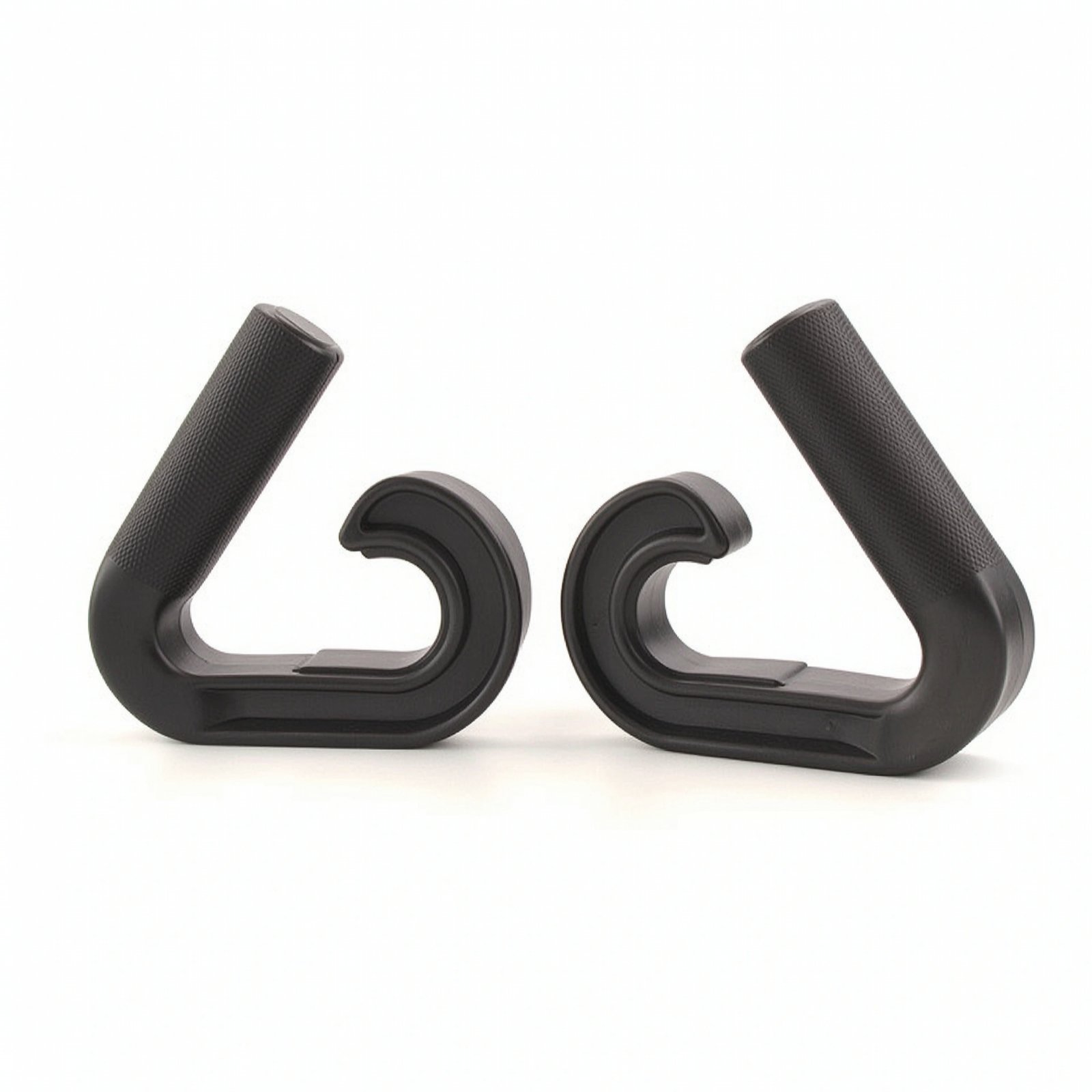
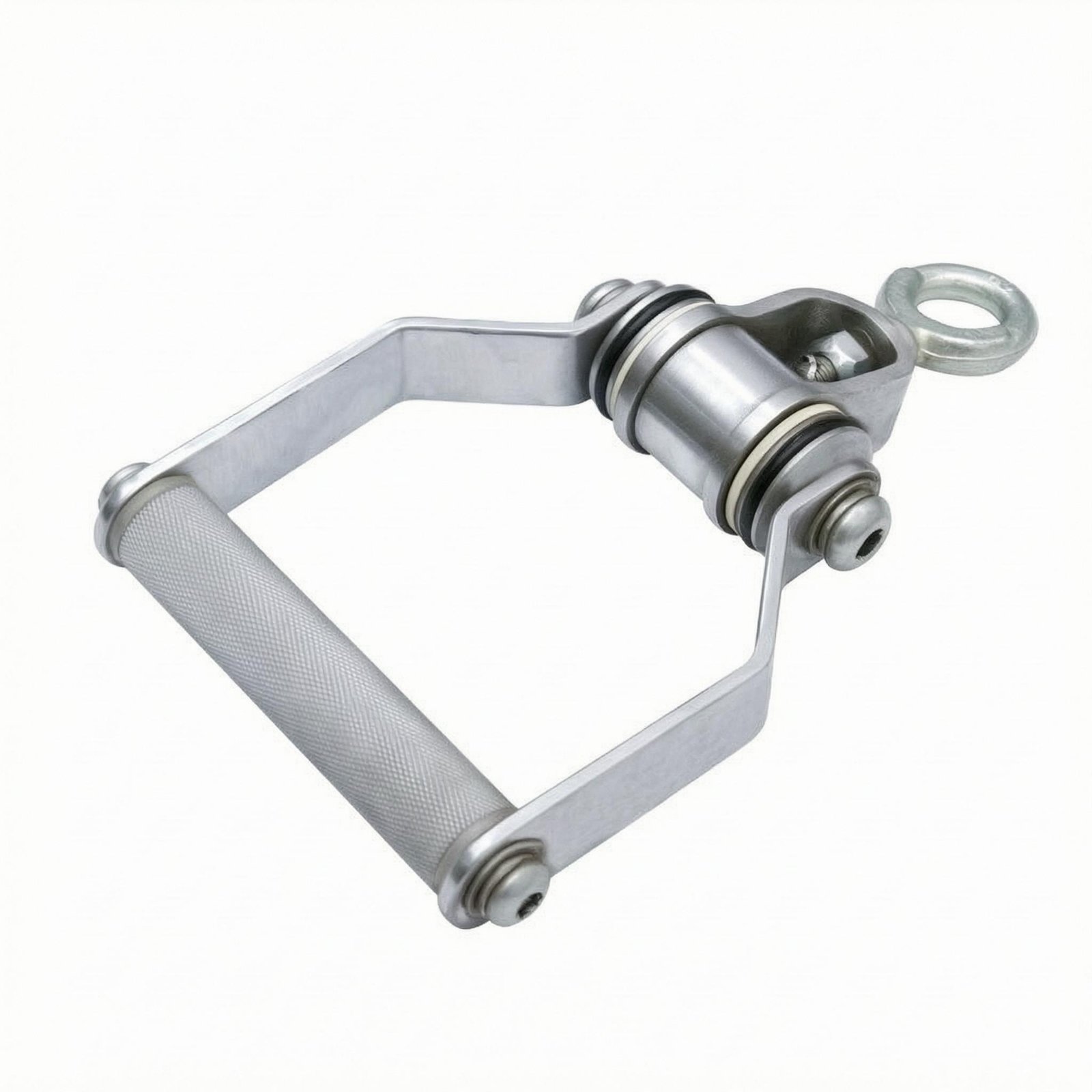
A compact single attachment such as Swivel Cable Handle works well when you want a close, controlled pulling path and a handle that can move freely with the cable. A pair like 90-Degree Vertical Grip Handle is useful for upper-body pulls and rows when you want a more neutral hand position that may reduce wrist strain. For pressdowns and arm work, a rope-style option like Rope Handles Anti Slip is helpful because the split ends let your hands separate at the finish, which can make it easier to change elbow and wrist angle through the rep.
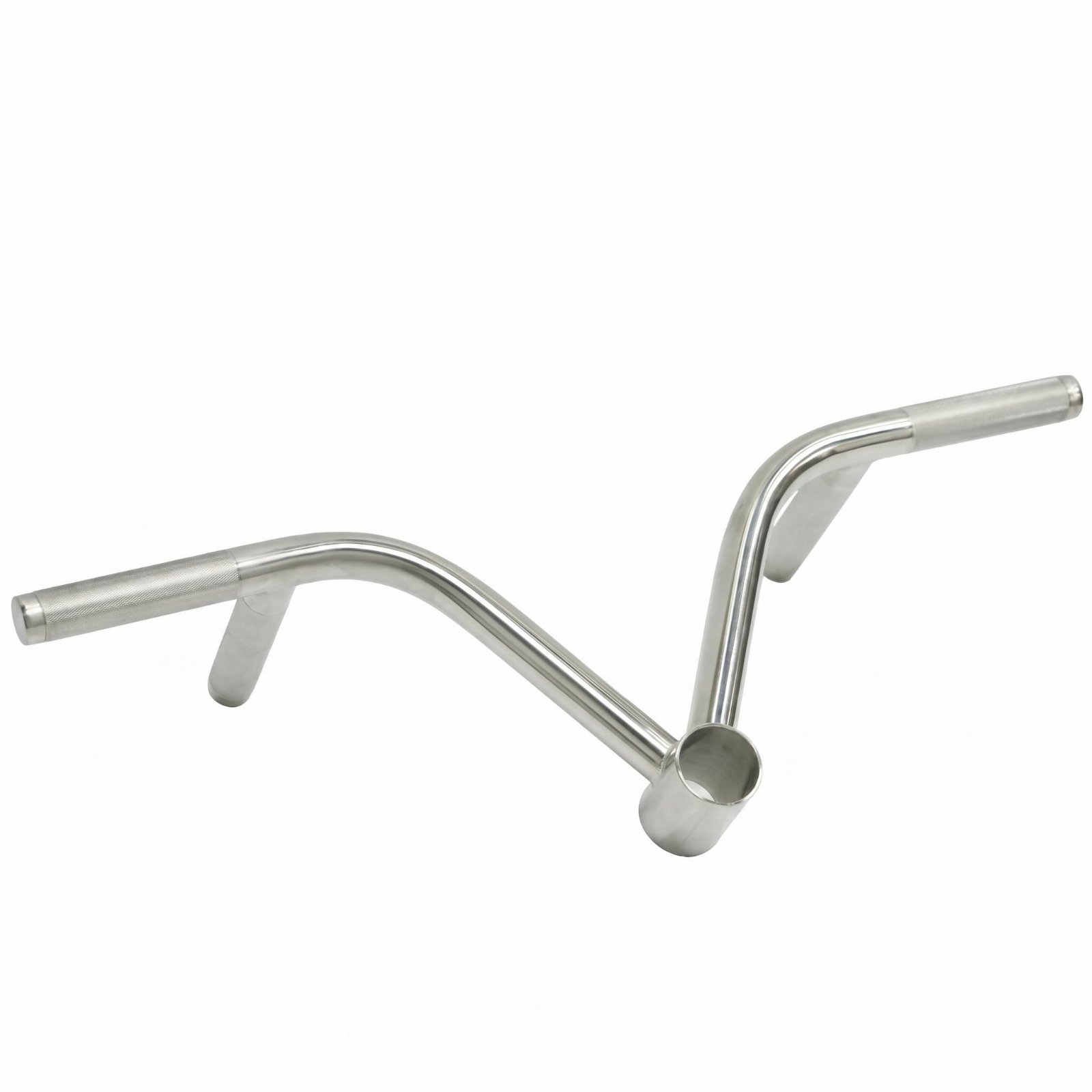
When you want broad back work with both hands fixed on one bar, look for a wider attachment that offers a stable line of pull. Lat Pulldown Bar Electroplated Steel is a wide lat bar with a 118 cm overall length, a 62.5 cm central grip section, and 15 cm end grips, so it gives you several hand placements for pulldowns and similar cable pulls. If you want several grip options on one attachment, Stainless Steel Lat Bar is a multiple-grip lat bar that fits standard 50 mm rods, which is useful for changing emphasis without swapping attachments.
Choose grip style and rotation for comfort and control
Grip texture, handle angle, and whether the connection rotates matter as much as the overall shape. Textured, knurled, or rubberized grip areas help keep your hands from slipping when sets get long or your palms get sweaty. A rotating connection can also make the attachment feel smoother because the handle can follow your arm path instead of twisting against your wrists.
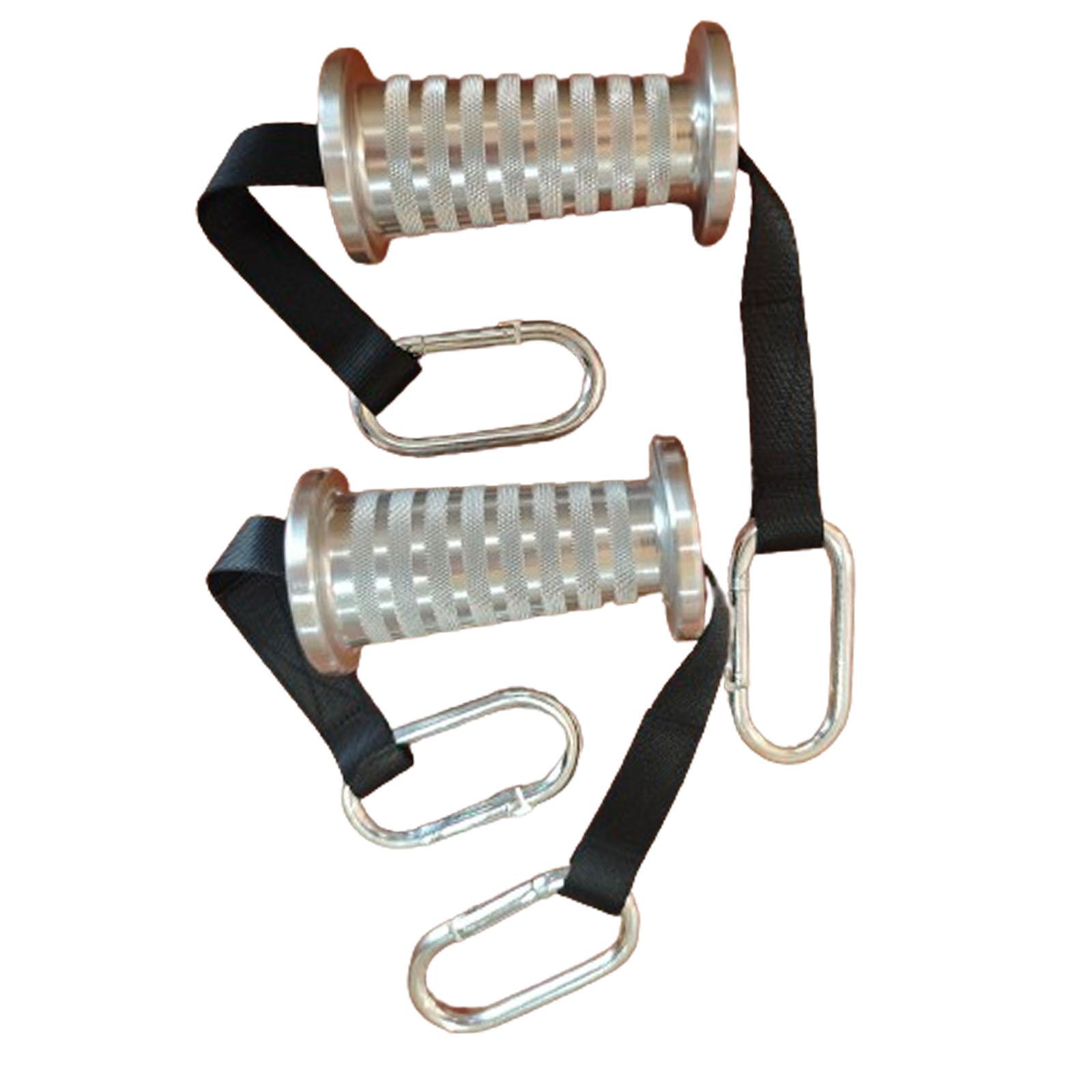
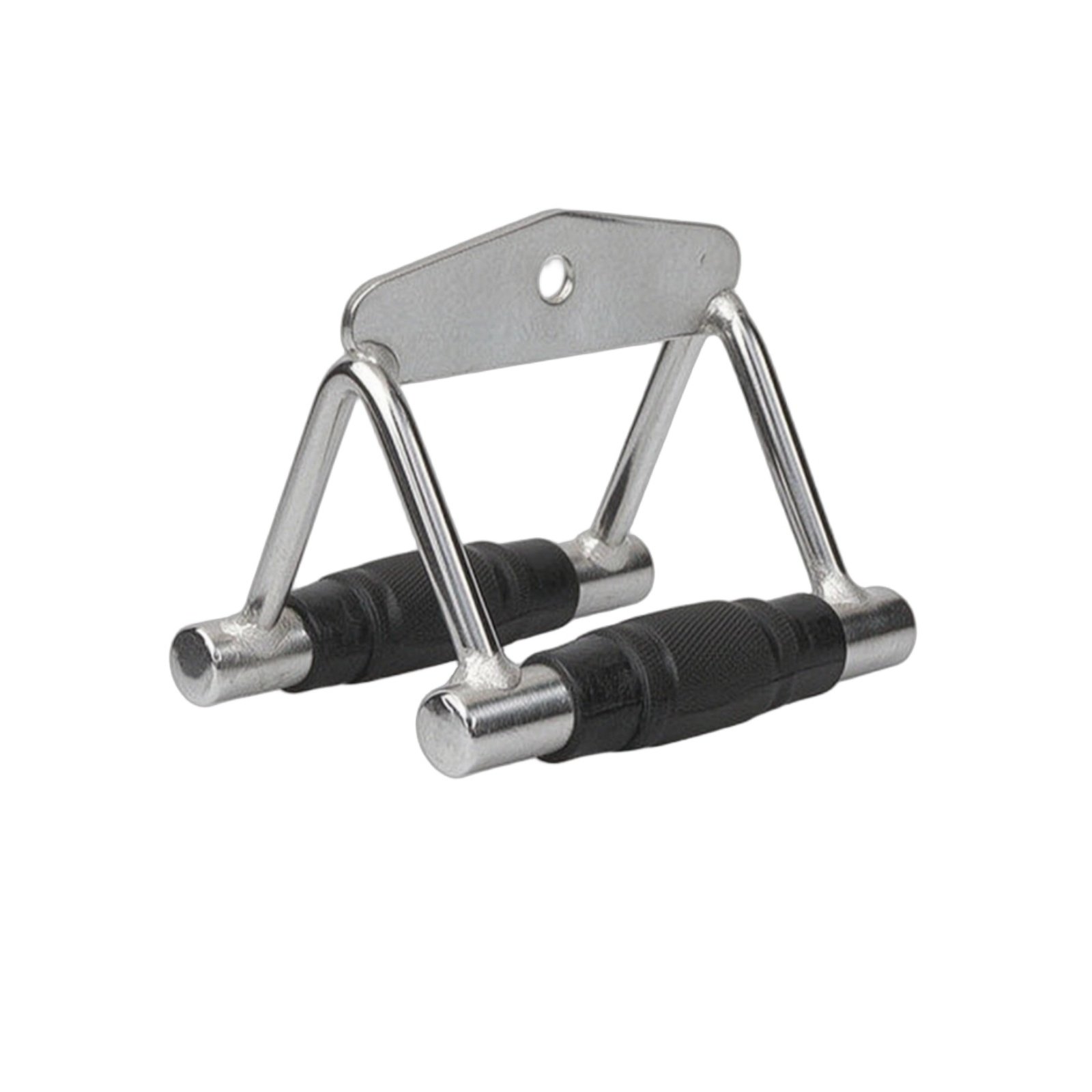
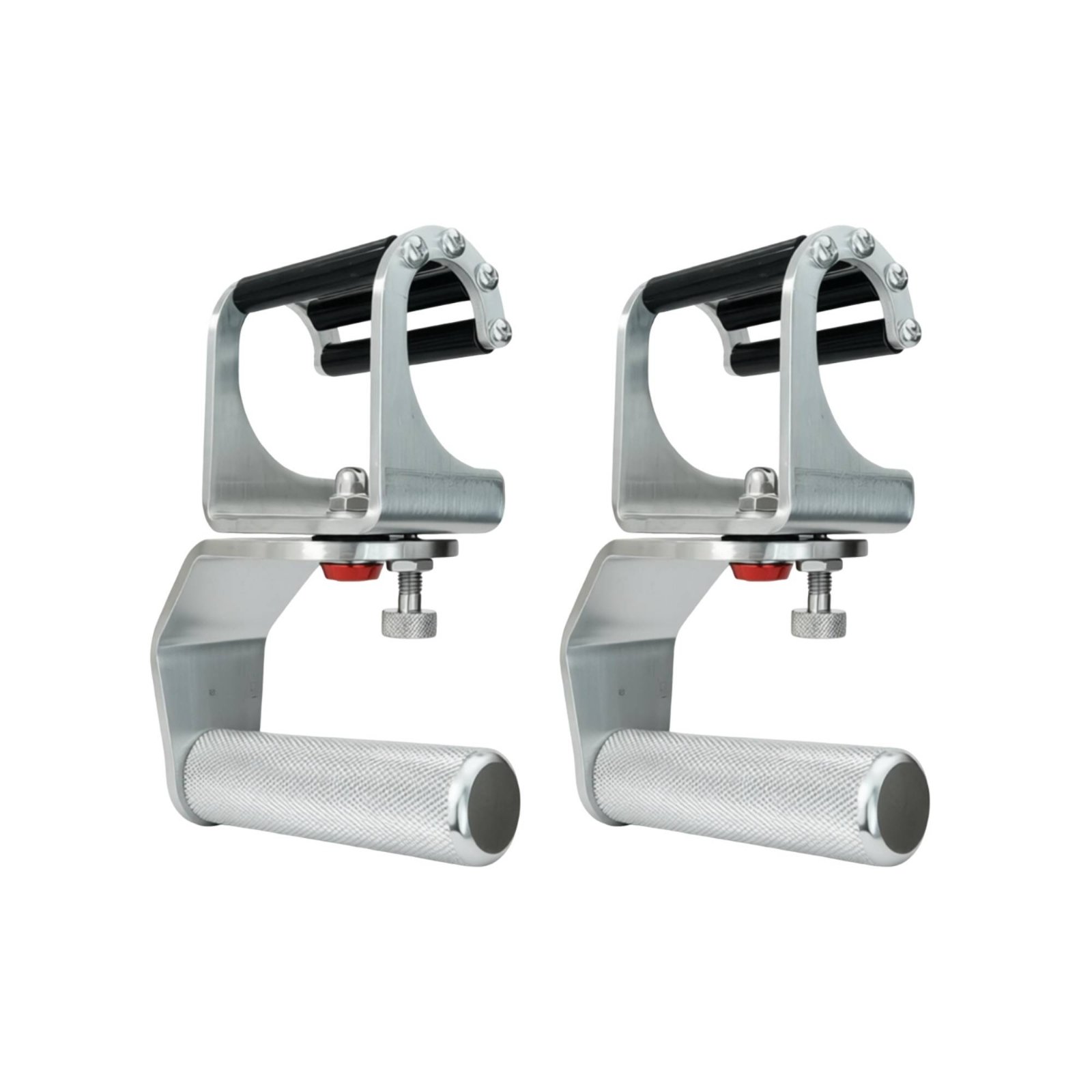
If you want a compact bar with a simple central connection, Cable Machine Handle Textured Grip has textured grip areas and a central eyelet for stable attachment to standard cable systems. If you prefer the attachment to turn with the movement, Rotating Lat Pulldown Bar uses a rotating joint and knurled grip, which can be useful on pulldowns or rows where your hands naturally want to rotate during the rep. For general single-handle use, Cable Machine Handles with Metal Grips combines black straps, metal hanging rings, and embossed metal grips, so it can work on cable machines or resistance bands when you want independent left and right hand movement.
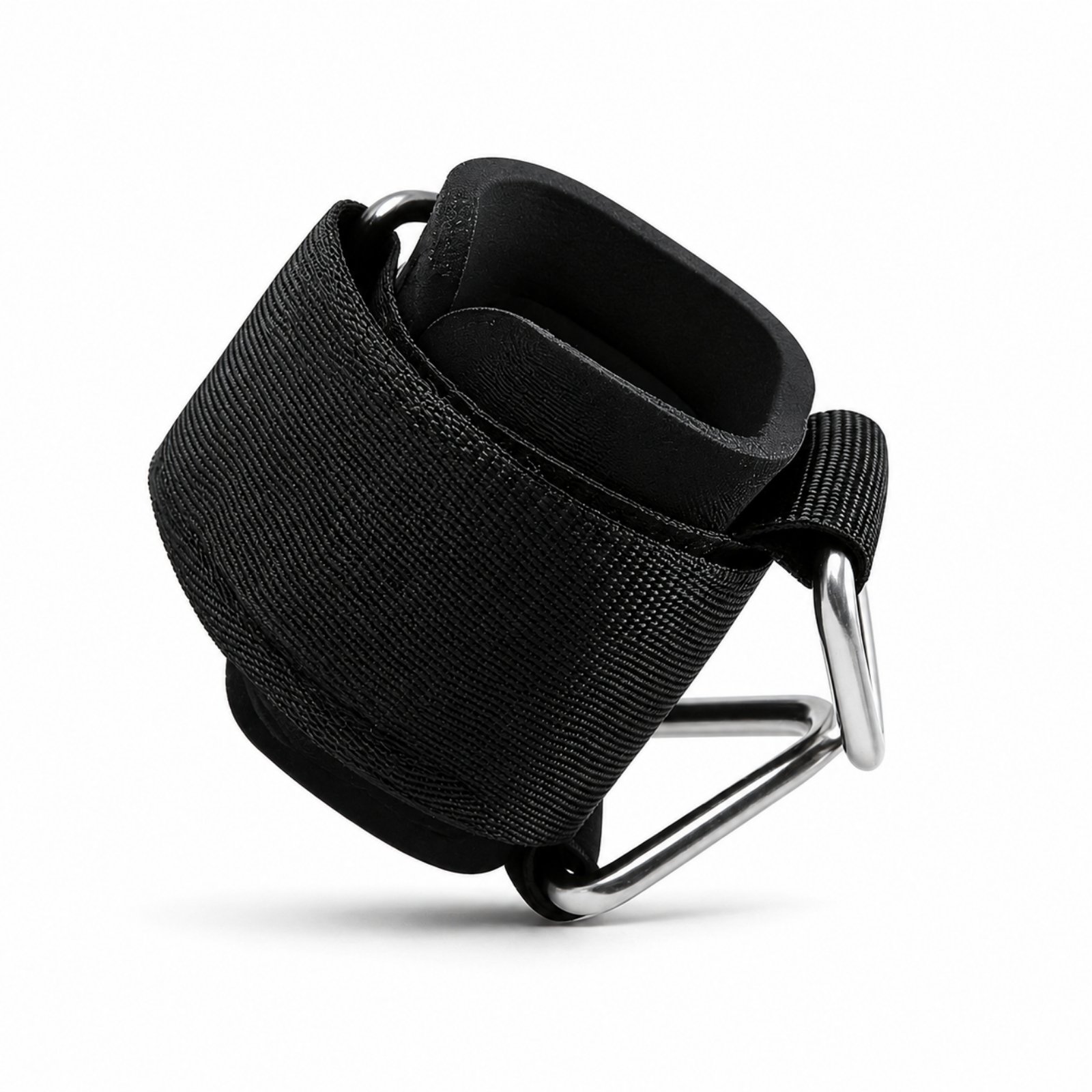
Do not ignore what is actually limiting your exercise. If your forearms tire before the target muscle, a cuff may be smarter than another handle. Adjustable Cable Machine Wrist Cuff is a padded adjustable wrist cuff with a metal loop and triangular connector for standard pulley systems, and it helps shift the challenge away from hand grip so you can focus on the pulling pattern. That is especially useful for some lat, rear-delt, and arm movements where grip fatigue can cut sets short before the intended muscle is fully worked.
Check connection type and how the pieces work together
Most cable setups need the attachment to connect cleanly to a carabiner or pulley eyelet, but not every item mounts the same way. Before ordering, check whether your machine uses a hanging clip, a rod-based mount, or a rack-mounted bracket point. Also look at how much free movement you want at the attachment point, because that affects how natural the rep feels.
A typical cable setup works in layers: the machine provides resistance, the clip or eyelet links the cable to the attachment, and the attachment sets your wrist angle and hand spacing. A bar such as Lat Pulldown Bar Electroplated Steel gives you fixed two-hand spacing for lat work, while a compact handle like Swivel Cable Handle lets each rep track more freely. A pair of independent handles such as Cable Machine Handles with Metal Grips lets each arm move on its own, which is useful for correcting side-to-side differences and for exercises where you want the hands to travel separately.
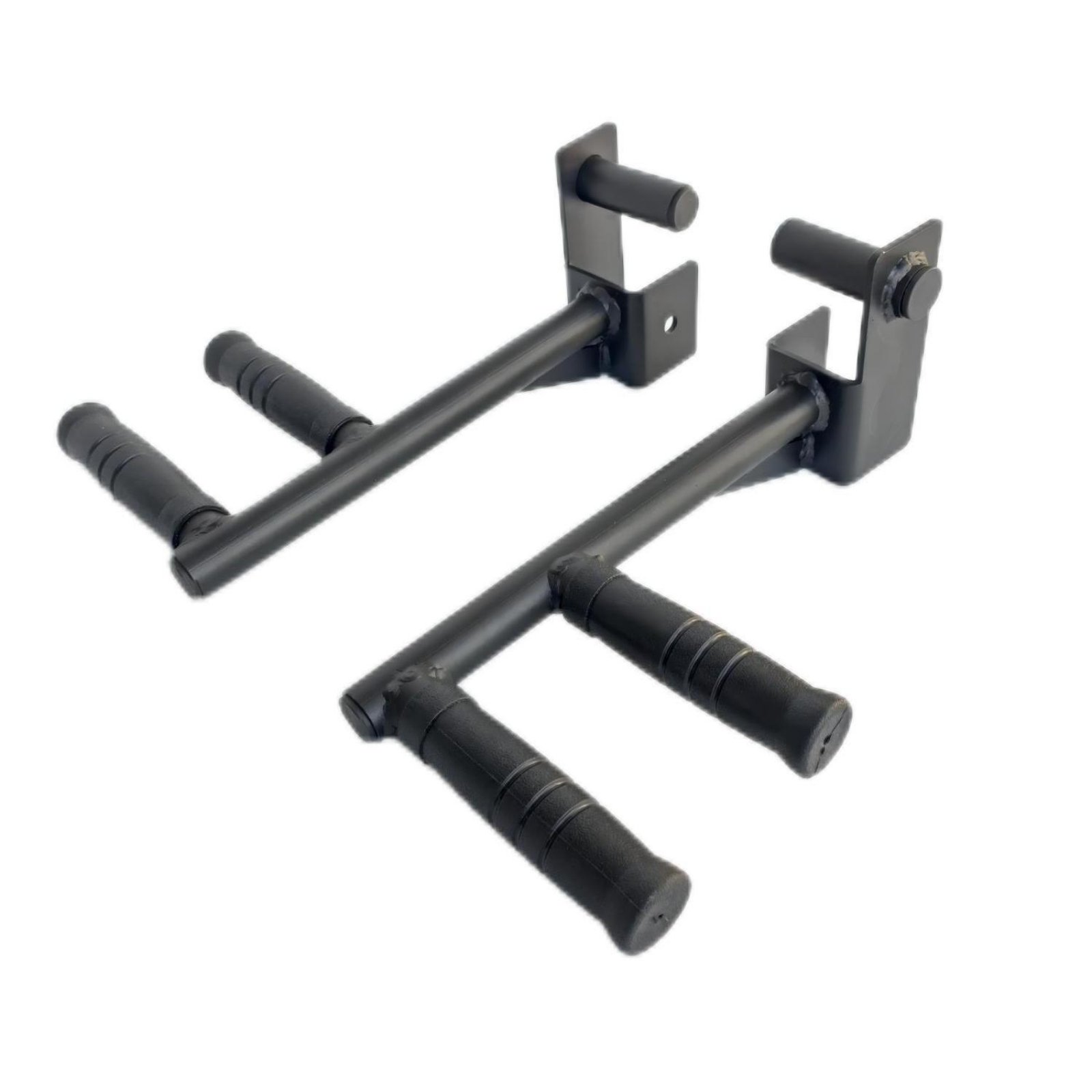
Be careful with attachments that are not standard hanging cable handles. Stainless Steel Lat Bar is described as fitting standard 50 mm rods, so it is best when your station uses that style of mount. Multi-Position Cable Handle is built to fit 50 mm square-tube racks with 25 mm holes via built-in mounting brackets, which is very different from a normal clip-on cable attachment; check your rack first so you do not buy a part that cannot mount to your setup.
Common buying mistakes to avoid
The most common mistake is buying by appearance alone. Two attachments can look similar but place your hands very differently, and that changes comfort, range, and which muscles feel the work first. Decide whether you need single-arm freedom, a fixed bar, a neutral grip, or a rope that lets the hands spread apart.
Another mistake is assuming every attachment fits every machine. Some pieces clip to a standard cable eyelet, some are intended for rod-based mounting, and some are made for rack uprights instead of a cable carabiner. Check the listing for connection details before you choose, especially on items like Stainless Steel Lat Bar and Multi-Position Cable Handle.
Shoppers also overbuy wide bars when a simple handle would serve more exercises. If your routine is mostly single-arm rows, curls, triceps work, or rehab-style pulling, a compact handle, rope, or cuff can be more useful day to day than a large bar. On the other hand, if your goal is stable two-hand pulldowns and easy grip changes, a dedicated bar such as Lat Pulldown Bar Electroplated Steel or a multi-grip piece like Stainless Steel Lat Bar may be the better fit.
Finally, do not assume a stronger-looking attachment will automatically feel better. Comfort comes from the right angle, grip texture, and movement path for your body. When the listing does not state the exact grip spacing or connector style you need, pause and compare the photos and description with your machine and the exercises you actually plan to do.
A typical kit
- Swivel Cable HandleA compact swivel handle for rows and pulldowns when you want smooth rotation and a close grip.
- 90-Degree Vertical Grip HandleA pair of vertical handles for neutral-grip pulls and rows with a wrist-friendly hand position.
- Rope Handles Anti SlipA rope-style attachment for pressdowns, curls, and pull variations that benefit from hand separation at the finish.
- Adjustable Cable Machine Wrist CuffA wrist cuff for cable exercises where grip fatigue gets in the way of targeting the intended muscle.
- Stainless Steel Lat BarA multi-grip lat bar for back work when you want several hand positions on one attachment.
- Lat Pulldown Bar Electroplated SteelA wide lat bar for stable two-hand pulldowns and broad hand-placement options.
Questions people ask
Which attachment is better for lat pulldowns: a wide bar or separate handles?
A wide bar is usually better if you want a fixed two-hand setup and consistent hand spacing from set to set. Separate handles are more flexible and can feel easier on the wrists and shoulders because each hand can find its own path.
When should I use a rope instead of a straight or compact handle?
Use a rope when the exercise benefits from your hands moving apart at the end of the rep, such as many pressdowns, some curls, and some face-pull variations. A fixed handle is usually better when you want a stricter path and more repeatable hand spacing.
Do I need a rotating handle?
Not always, but rotation can make rows and pulldowns feel smoother because the attachment can follow your arm path more naturally. If your wrists often feel twisted or you like the handle to move with you, a swivel design is worth considering.
What if my grip fails before my back or arms do?
That is a sign to look beyond standard handles. A wrist cuff can help remove grip as the limiting factor so you can focus on the target muscle and maintain cleaner form through the set.
How do I know if an attachment will fit my setup?
Check the connection style in the listing before anything else. Some attachments are standard clip-on cable pieces, while others are made for rod mounts or rack uprights, so the right choice depends on how your machine is built.
Shop the list
Everything mentioned above
Prices and delivery windows are live from our catalog.
Rope Handles Anti Slip
Adjustable Cable Machine Wrist Cuff
90-Degree Vertical Grip Handle
Stainless Steel Lat Bar
Swivel Cable Handle
Cable Machine Handle Textured Grip
Rotating Lat Pulldown Bar
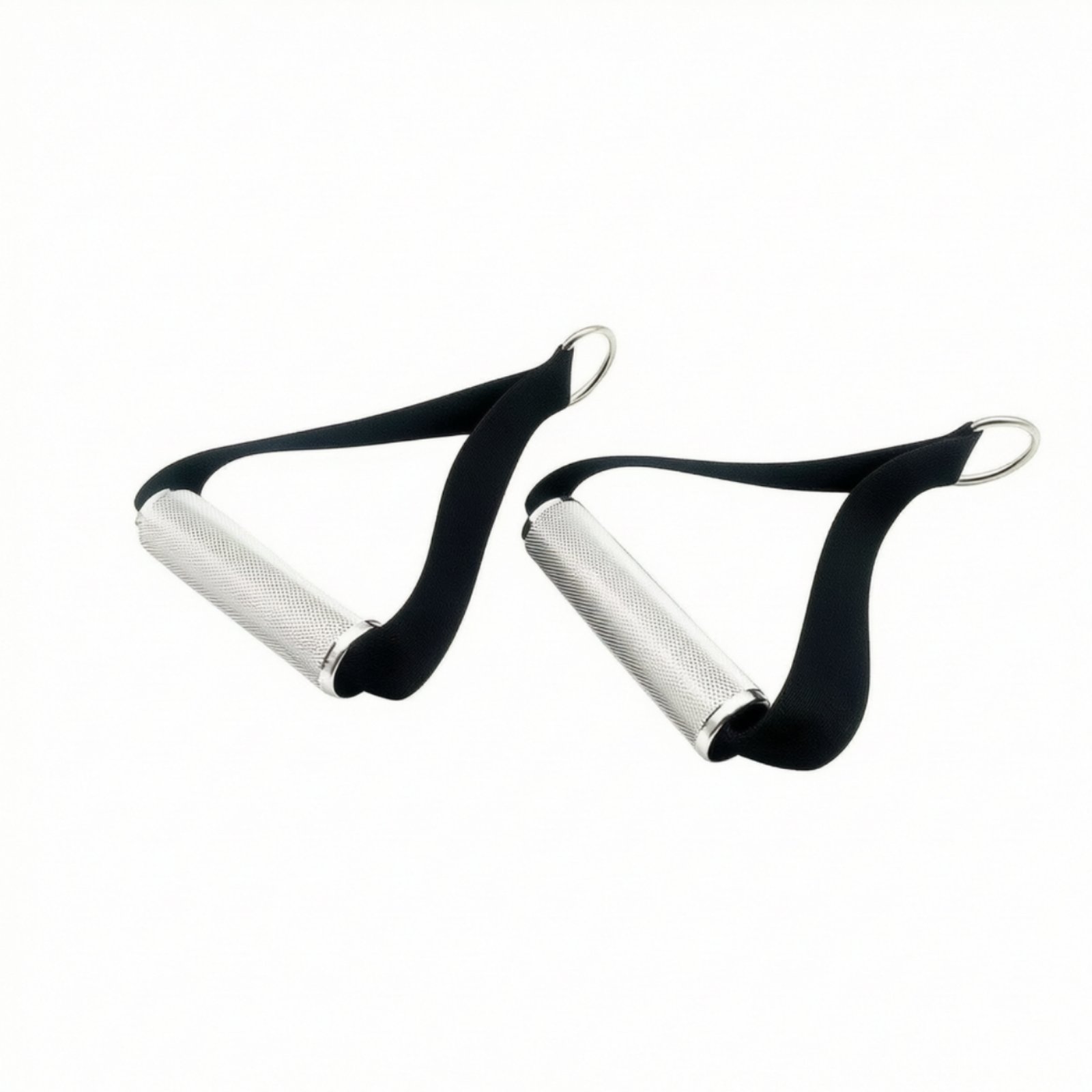
Cable Machine Handles with Metal Grips
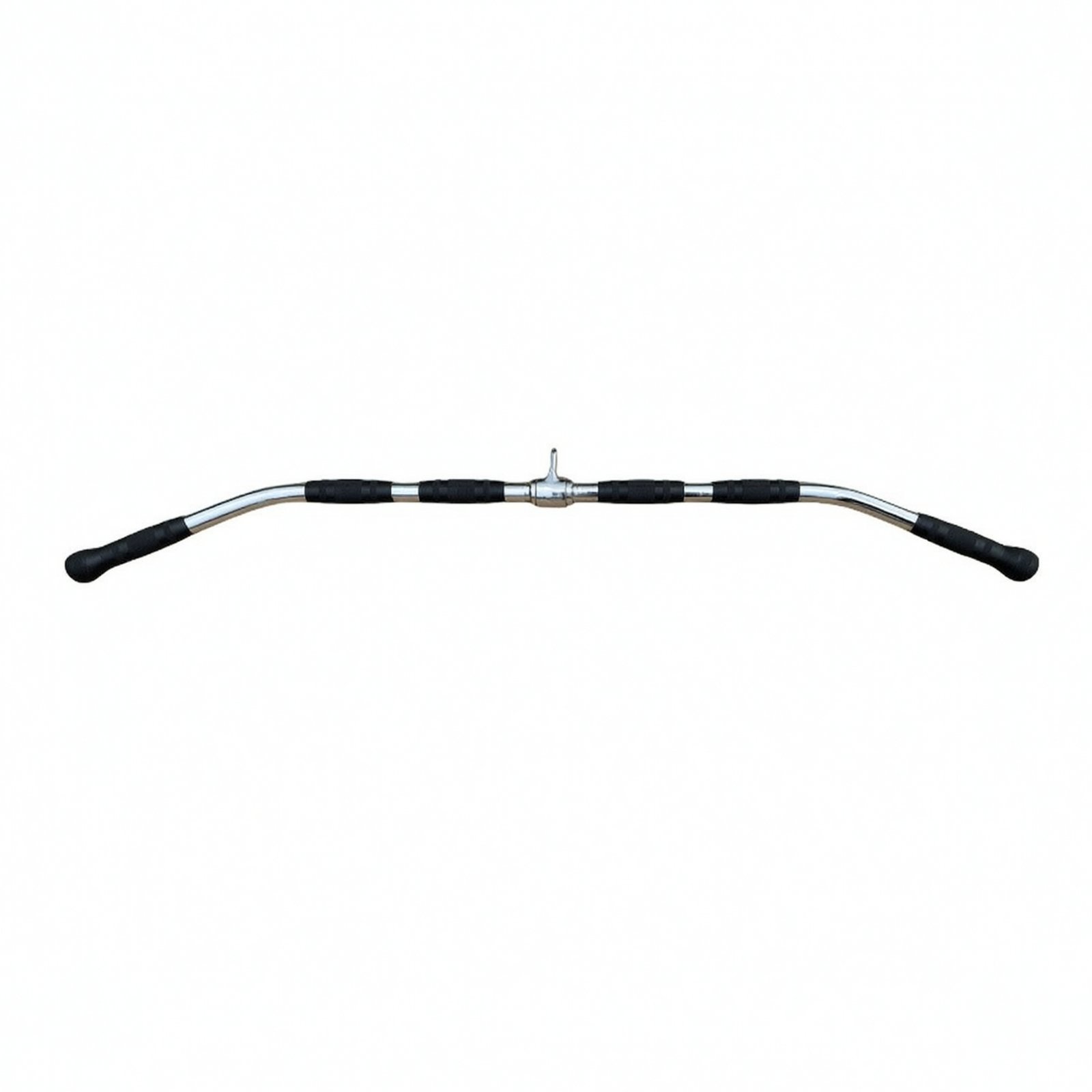
Lat Pulldown Bar Electroplated Steel