Buying guide · Fitness & Sports
What you need for baseball or softball hitting practice at home
Short answer
For solid home hitting practice, start with a safe ball-catching setup and one repeatable way to feed or place balls, then add a target or field layout only if it matches your space and goals. A backstop net such as Baseball Backstop Net 10ftx20ft paired with a batting tee like Rubber Baseball Tee covers the basics for most hitters, while a target net, training tool, or portable bases can make practice more game-like.
Start with safety and repeatable reps
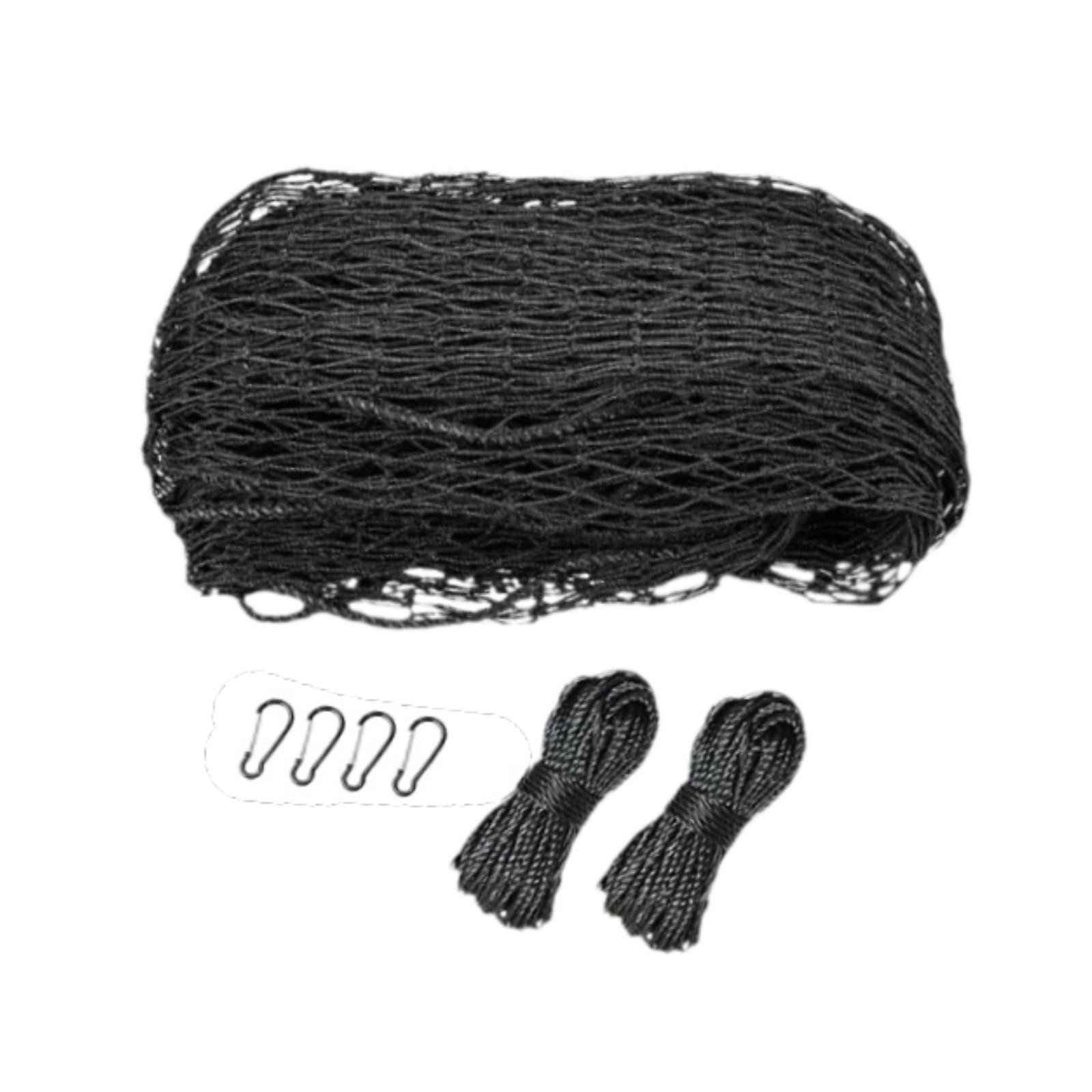
The first job of a home setup is stopping balls reliably and keeping practice contained. A backstop net such as Baseball Backstop Net 10ftx20ft gives you a dedicated hitting area and is the piece that matters most if you are practicing in a yard, driveway edge, or shared space. Before buying, compare the listed net size with the room you actually have and think about where mishits can go if you pull or slice the ball.
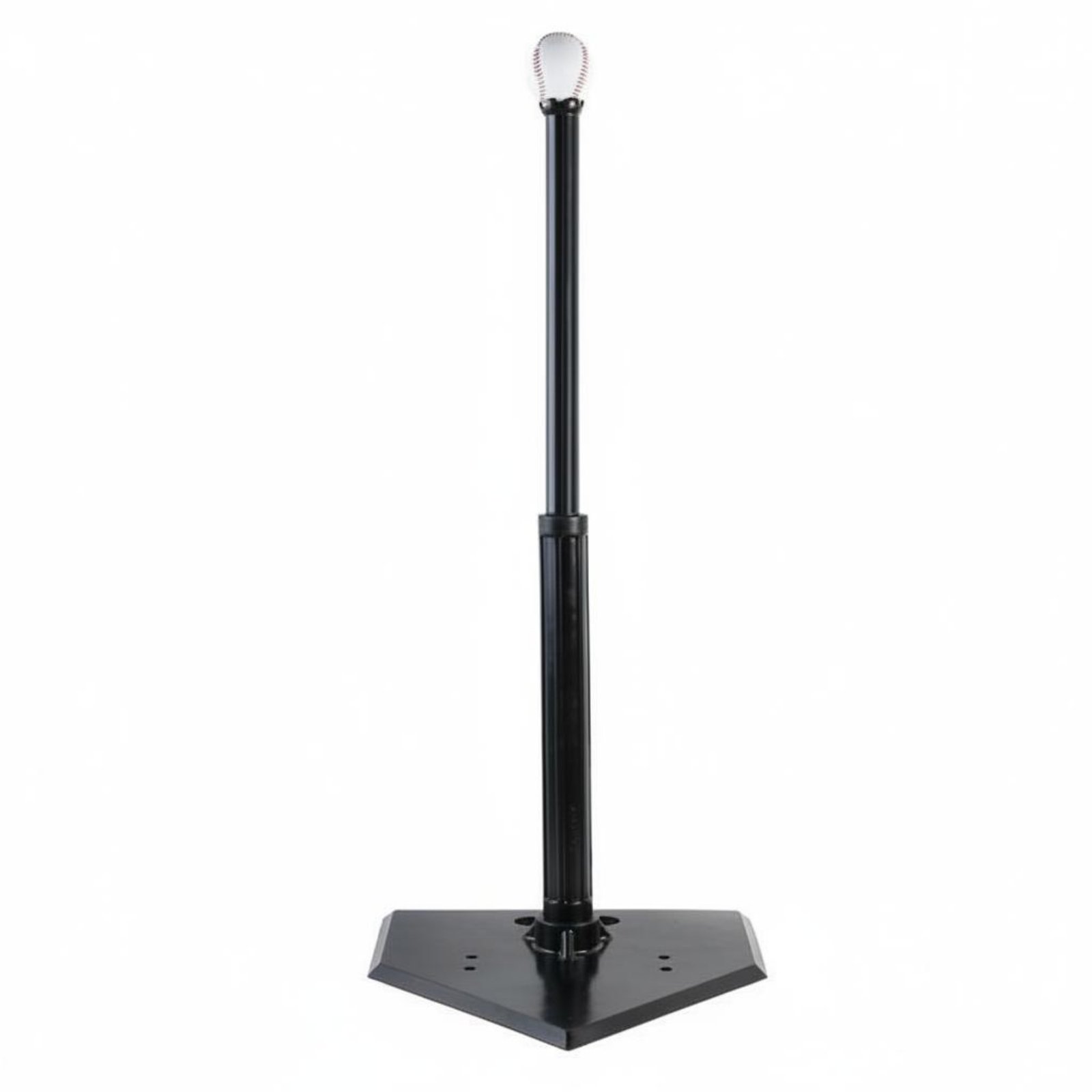
Next, choose a way to get consistent contact. A tee like Rubber Baseball Tee is the simplest choice because it puts the ball in the same place each rep, which helps with swing path, timing, and contact point. If you want coach-led drills instead of tee work, a training implement such as Baseball Training Tool or a coach feeding tool like Lightweight Baseball Coaching Racket can help create repeatable practice without needing full live pitching.
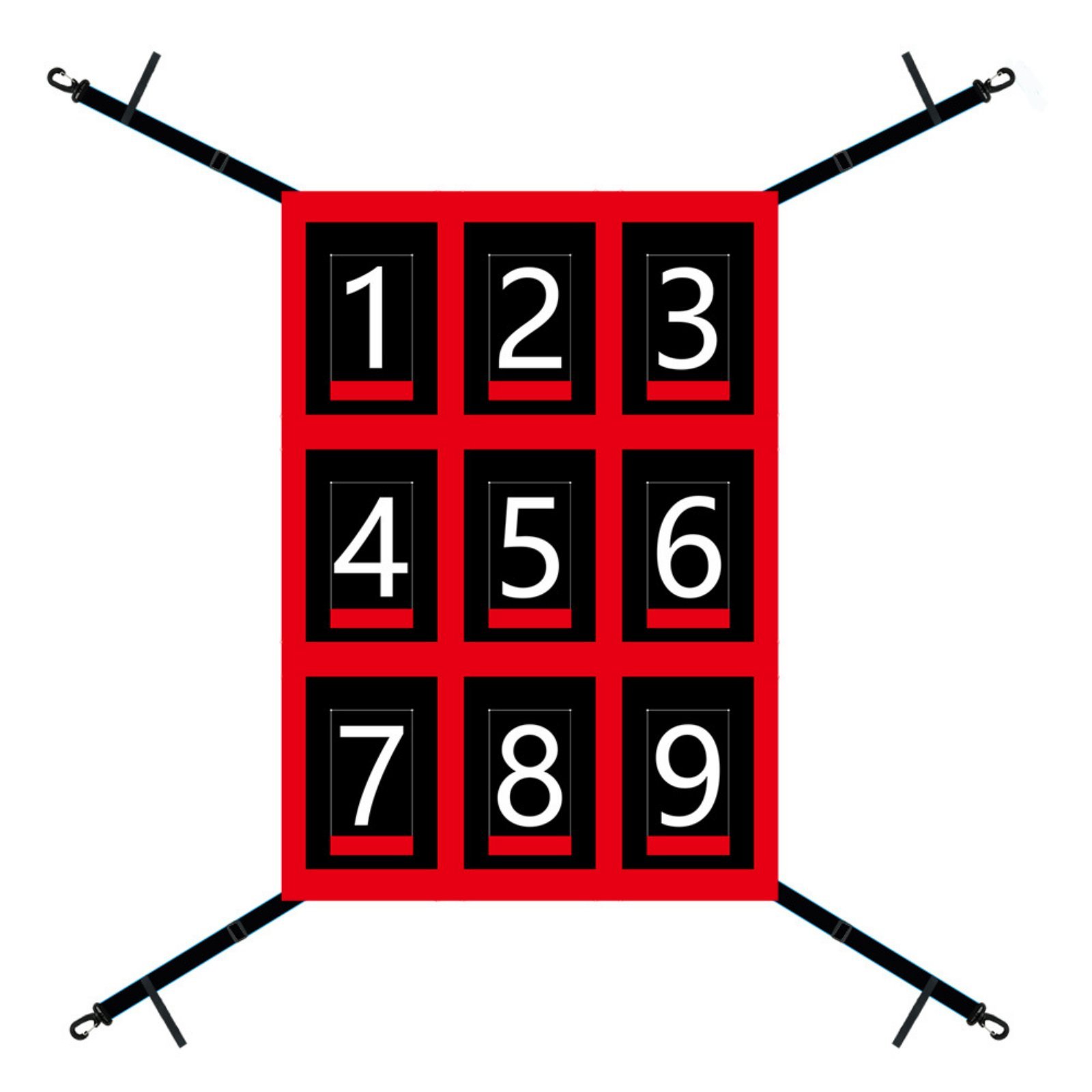
If your main goal is accuracy rather than just contact, add a visual target. Baseball Hitting Target Net attaches to a compatible practice net and turns ordinary swings into location work by giving you marked zones to aim at. That can be useful for hitters who tend to swing hard without paying attention to where the ball is going.
How to choose the right pieces for your space and skill level
Choose the core setup based on who is hitting and how independent the practice needs to be. For younger players or solo practice, Rubber Baseball Tee is usually the easiest starting point because it supports controlled reps with less setup complexity. For a parent, coach, or training partner running drills, Lightweight Baseball Coaching Racket can make it easier to send consistent balls for grounders, line drives, or lofted work, while Baseball Training Tool is aimed more at focused mechanics and connection drills.
Pay attention to the form factor of training tools. Baseball Training Tool has an overall length of 21 in, a 12 x 9.8 in head, and a 6 in handle, so it is compact enough for controlled drill work rather than serving as a full substitute for open-space hitting. That makes it useful when you want feedback on contact quality and hand-eye coordination but do not want to guess whether a full-size hitting area is available.
If you want to practice more than just swinging, portable field layout pieces can make the area more useful. 5-Piece Rubber Bases with Pitching Rubber Plate includes a plate, a pitching rubber, and three bases, which is handy when you want to turn an open patch of grass or a gym floor into a temporary practice diamond. That matters more for soft toss, baserunning exits, or family practice games than for pure tee swings.
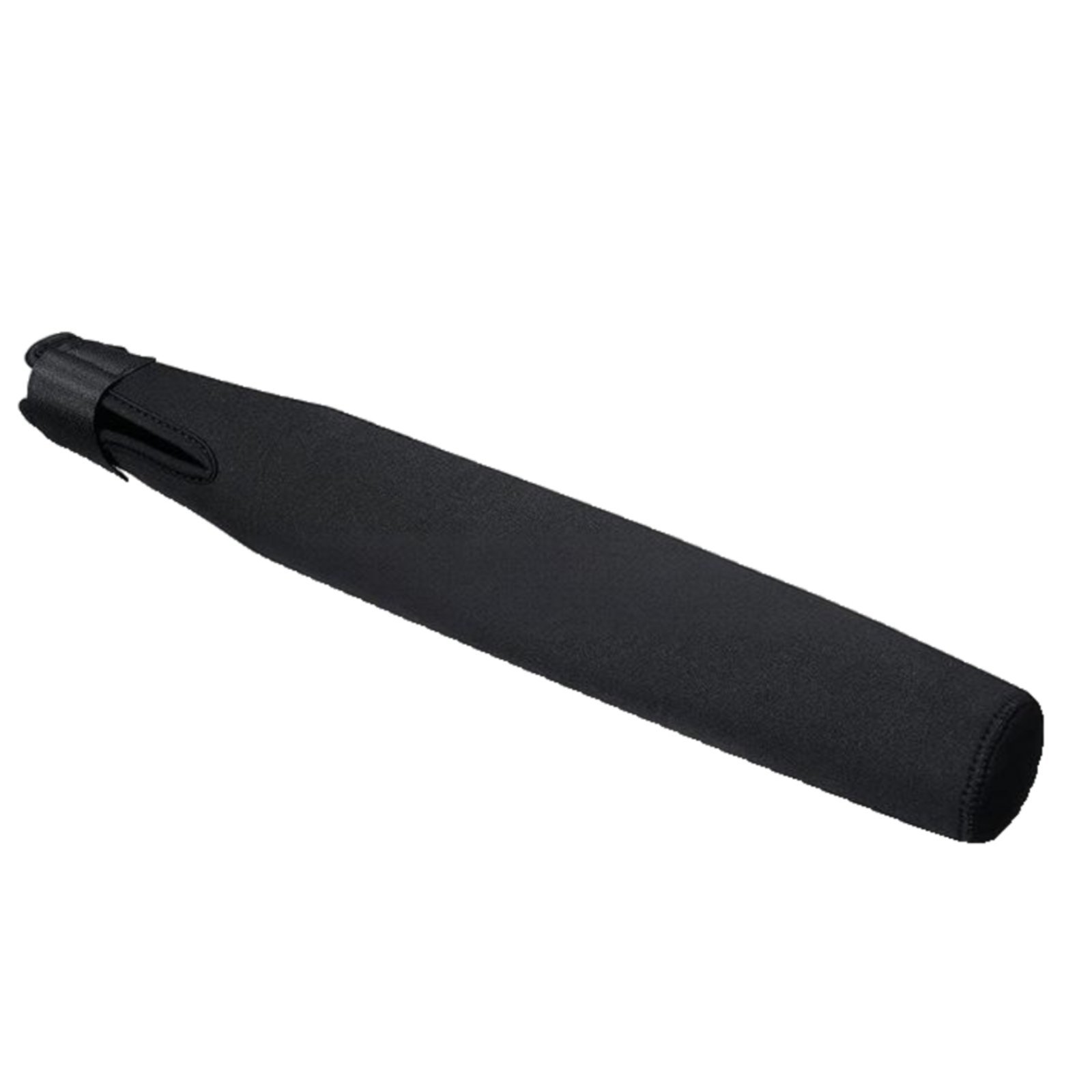
Storage and transport matter if your setup goes in and out each session. If you carry equipment from a garage, car, or park, a rolling organizer such as Wheeled Baseball Equipment Bag keeps the kit together and reduces the hassle that often causes skipped practice. A simple protective sleeve like Neoprene Baseball Rod Sleeve is also worth considering if you want to keep a hitting implement from getting scuffed in storage or transit.
How the pieces work together in a practical home setup
A basic home station works like this: the hitter uses Rubber Baseball Tee for stable ball placement, swings into Baseball Backstop Net 10ftx20ft, and resets quickly for the next rep. That combination is effective because it keeps the ball in front of the hitter, limits chasing, and allows many controlled swings in a short session.
To add more intent, place Baseball Hitting Target Net onto a compatible net so each swing has a location goal. This changes practice from simple contact work into target practice, which can help hitters focus on staying through the middle, driving to a chosen area, or matching the coach's call. It is especially useful when players get bored with ordinary tee rounds.
For partner drills, Lightweight Baseball Coaching Racket can be used by the coach or helper to deliver repeatable balls with less fatigue than a heavy traditional hitting implement. Baseball Training Tool fits a different role: it is a drill tool for refining mechanics and connection, so it makes sense when you want short, focused skill work before or after standard hitting. If you also want movement after contact, 5-Piece Rubber Bases with Pitching Rubber Plate lets you add home-to-first starts or full backyard station work.
Common buying mistakes to avoid
The most common mistake is buying only a hitting aid and forgetting ball containment. A tee or training tool helps create reps, but without a backstop like Baseball Backstop Net 10ftx20ft, home practice can become constant ball retrieval or a safety problem. Start with the piece that protects the space, then build outward.
Another mistake is assuming every item does the same job. Rubber Baseball Tee is for stationary contact work, Lightweight Baseball Coaching Racket is for a coach to feed or hit practice balls with control, and Baseball Training Tool is a specialized training implement for mechanics. Choosing based on your practice style is more important than collecting extra gear.
Buyers also sometimes add extras that do not improve hitting practice. A bag such as Wheeled Baseball Equipment Bag is useful only if you move equipment often, and a sleeve like Neoprene Baseball Rod Sleeve is about storage protection rather than skill development. Keep your first purchase focused on a net, a ball-placement or feeding method, and one optional target or field piece.
Finally, do not guess on fit or setup compatibility. Baseball Hitting Target Net needs a compatible net to attach to, and Baseball Backstop Net 10ftx20ft should be checked against your available practice space before ordering. If a listing does not state a detail you care about, verify it rather than assuming.
A typical kit
- Baseball Backstop Net 10ftx20ftCatches balls behind the hitter so home practice stays safer and more efficient.
- Rubber Baseball TeeProvides stable, repeatable ball placement for swing mechanics, contact point work, and solo practice.
- Baseball Hitting Target NetAdds a visible strike-area style target so each rep has an accuracy goal instead of random contact.
- Lightweight Baseball Coaching RacketHelps a coach or practice partner send controlled balls and run repeatable drills with less fatigue.
- Baseball Training ToolSupports focused swing-mechanics and connection drills when you want a dedicated training implement.
- 5-Piece Rubber Bases with Pitching Rubber PlateCreates a temporary field layout for adding home plate, bases, and movement drills to backyard sessions.
Questions people ask
What is the minimum setup for hitting practice at home?
The minimum useful setup is a way to stop balls and a way to create consistent contact. For most players, that means Baseball Backstop Net 10ftx20ft and Rubber Baseball Tee.
Do I need both a batting tee and a coach training tool?
No, not unless you want two different practice styles. Rubber Baseball Tee is better for solo repetition, while Lightweight Baseball Coaching Racket or Baseball Training Tool makes more sense when a helper is running drills or you want more specialized training.
Is a hitting target net necessary?
It is optional, but it can make practice more focused. Baseball Hitting Target Net is useful when you already have a compatible net and want hitters to aim at specific locations instead of just making contact.
Can I use portable bases for hitting practice?
Yes, if you want to turn simple swings into fuller baseball or softball practice. 5-Piece Rubber Bases with Pitching Rubber Plate is helpful for adding home plate reference, running out of the box, and casual backyard game setups.
What if I need to pack everything away after each session?
Then portability matters more than for a permanent backyard station. A rolling bag like Wheeled Baseball Equipment Bag can keep gear together, and Neoprene Baseball Rod Sleeve can help protect a hitting implement during storage or transport.
Shop the list
Everything mentioned above
Prices and delivery windows are live from our catalog.
Baseball Backstop Net 10ftx20ft
Rubber Baseball Tee
Baseball Hitting Target Net
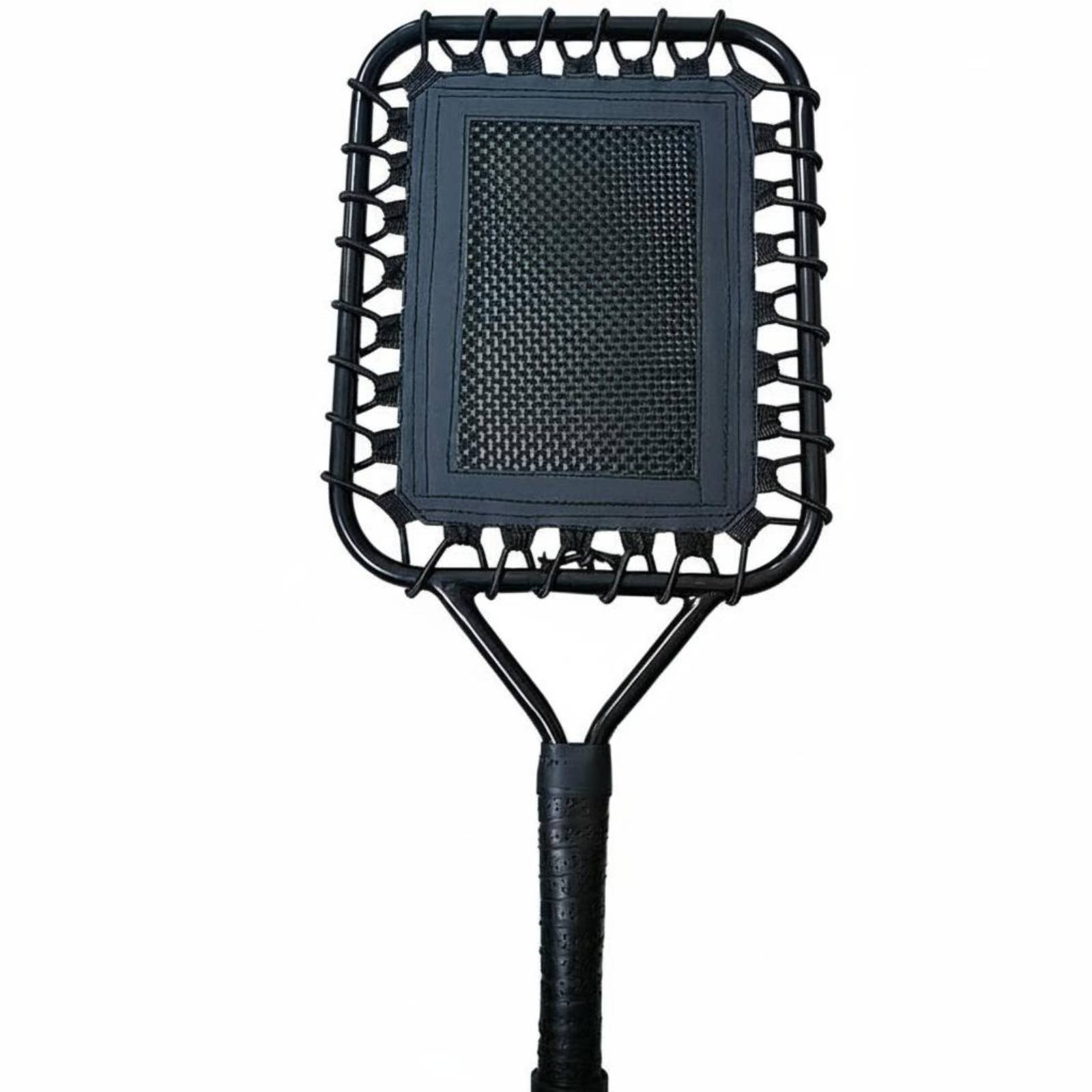
Lightweight Baseball Coaching Racket
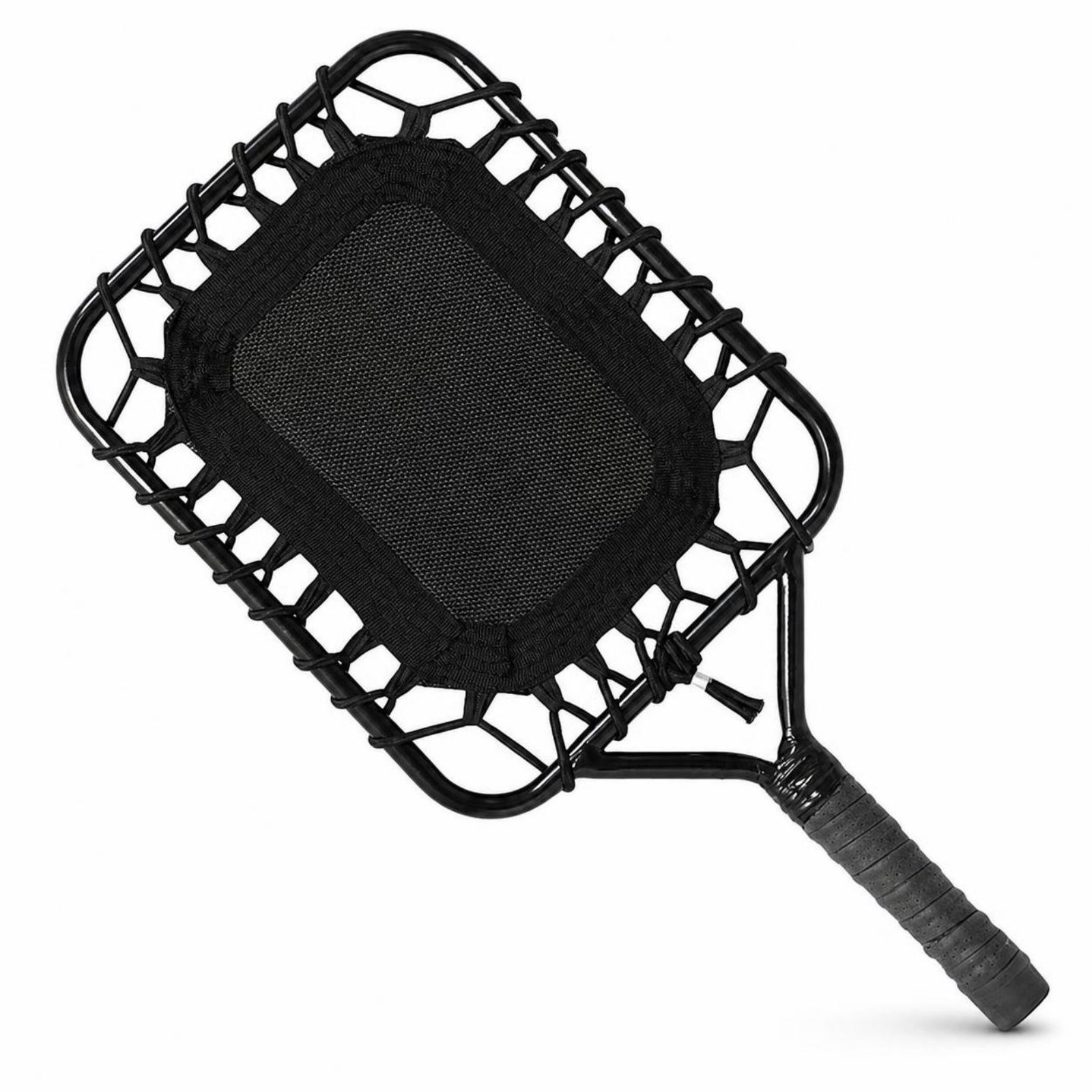
Baseball Training Tool
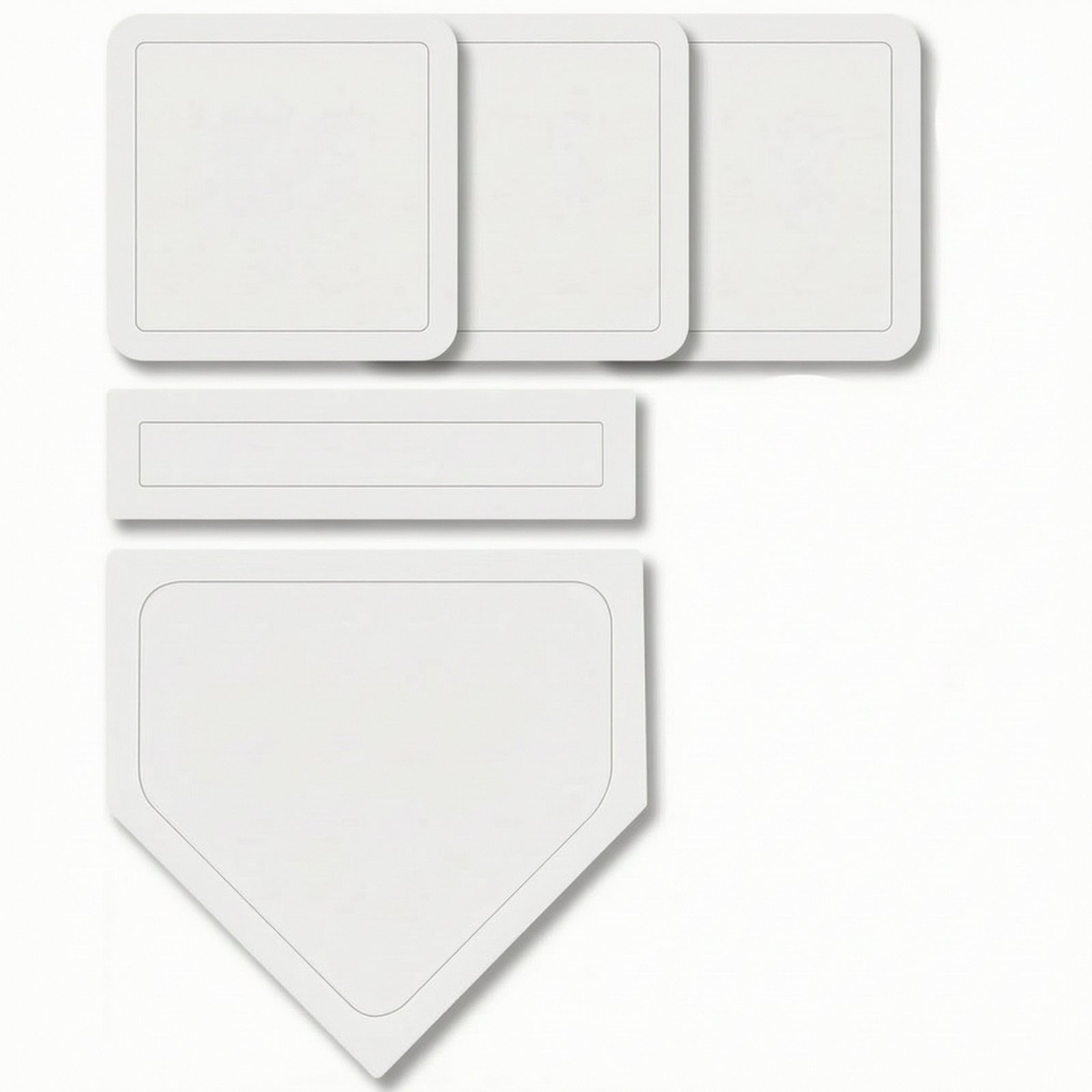
5-Piece Rubber Bases with Pitching Rubber Plate
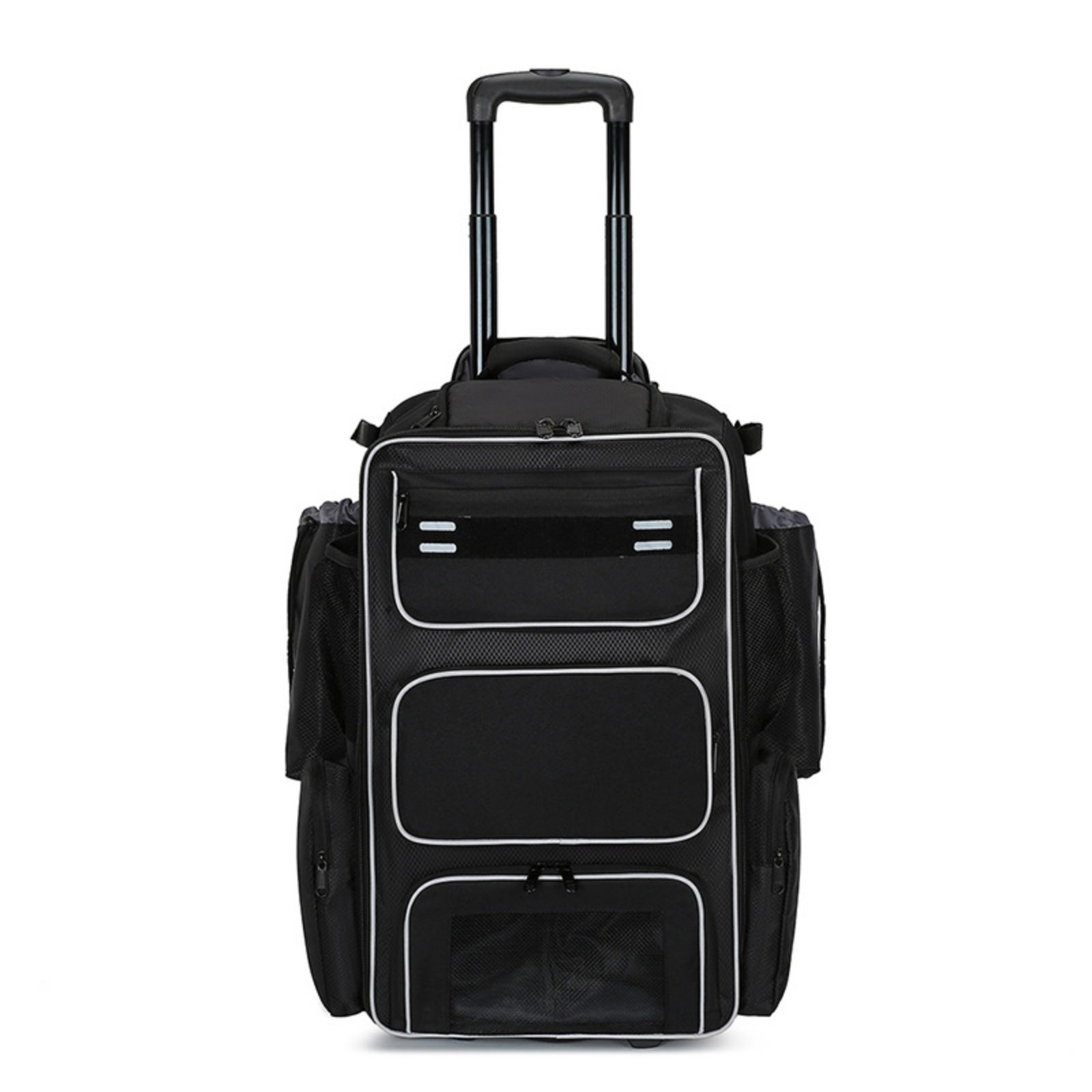
Wheeled Baseball Equipment Bag