Buying guide · Fitness & Sports
How to choose soccer agility equipment for footwork and speed drills
Short answer
Start with a simple mix of lane markers, a ladder or rings for foot speed patterns, and one obstacle type for progression. Choose pieces that match your drill space, skill level, and setup style so you can train clean foot placement, quick direction changes, and controlled acceleration without clutter.
What to buy first for footwork and speed work
The easiest way to choose agility gear is to think in drill jobs instead of shopping by category. Most players do well with three jobs covered: markers to define lanes and turning points, a foot-placement tool for fast steps, and an obstacle for timing, lift, or change of direction.
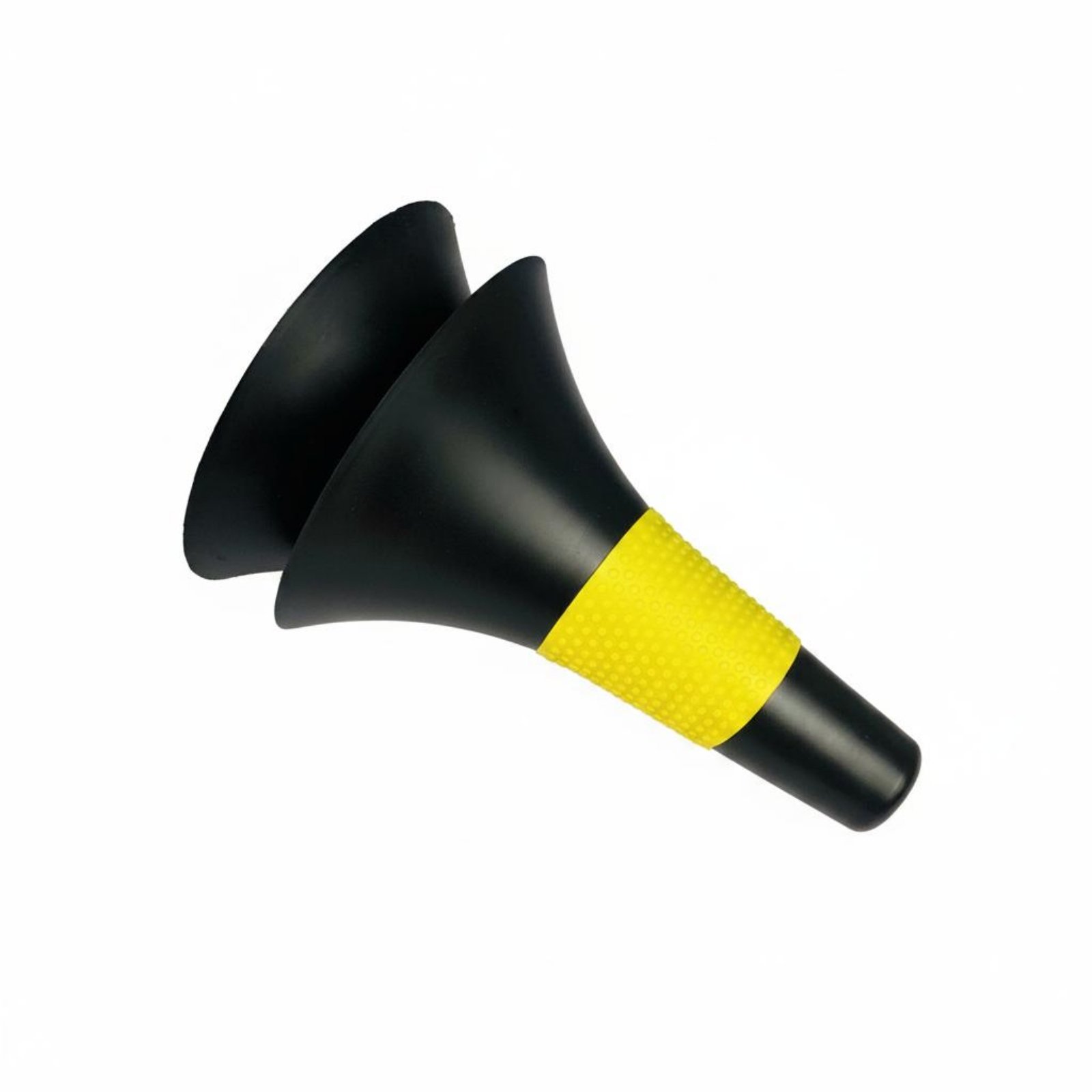
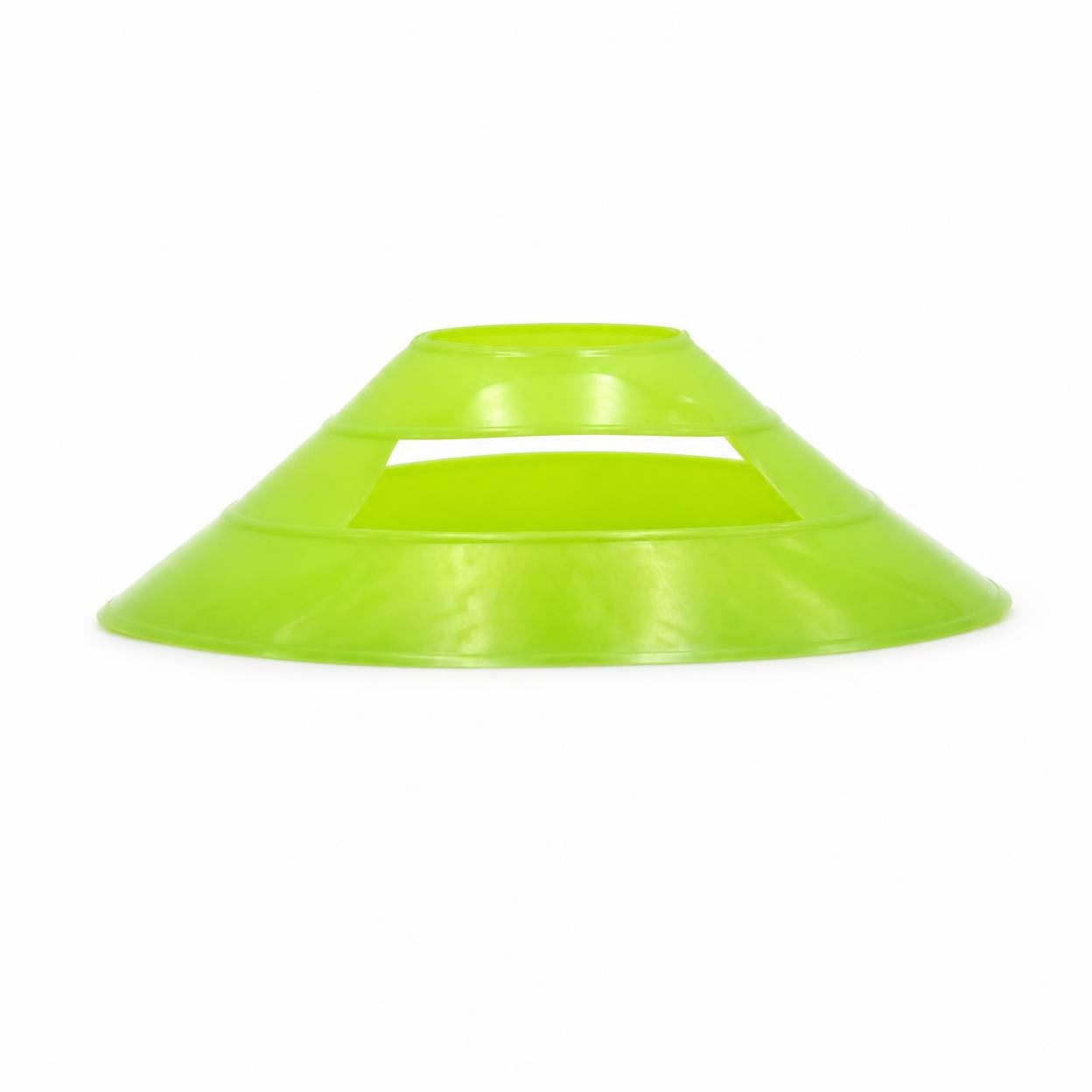
Markers are the base of almost every session. Cones such as Thickened Agility Cones help you build slalom lines, shuttle points, and dribbling gates, while disc-style markers such as Soccer Training Cones are useful when you want low-profile targets that are easy to carry and quick to reset.
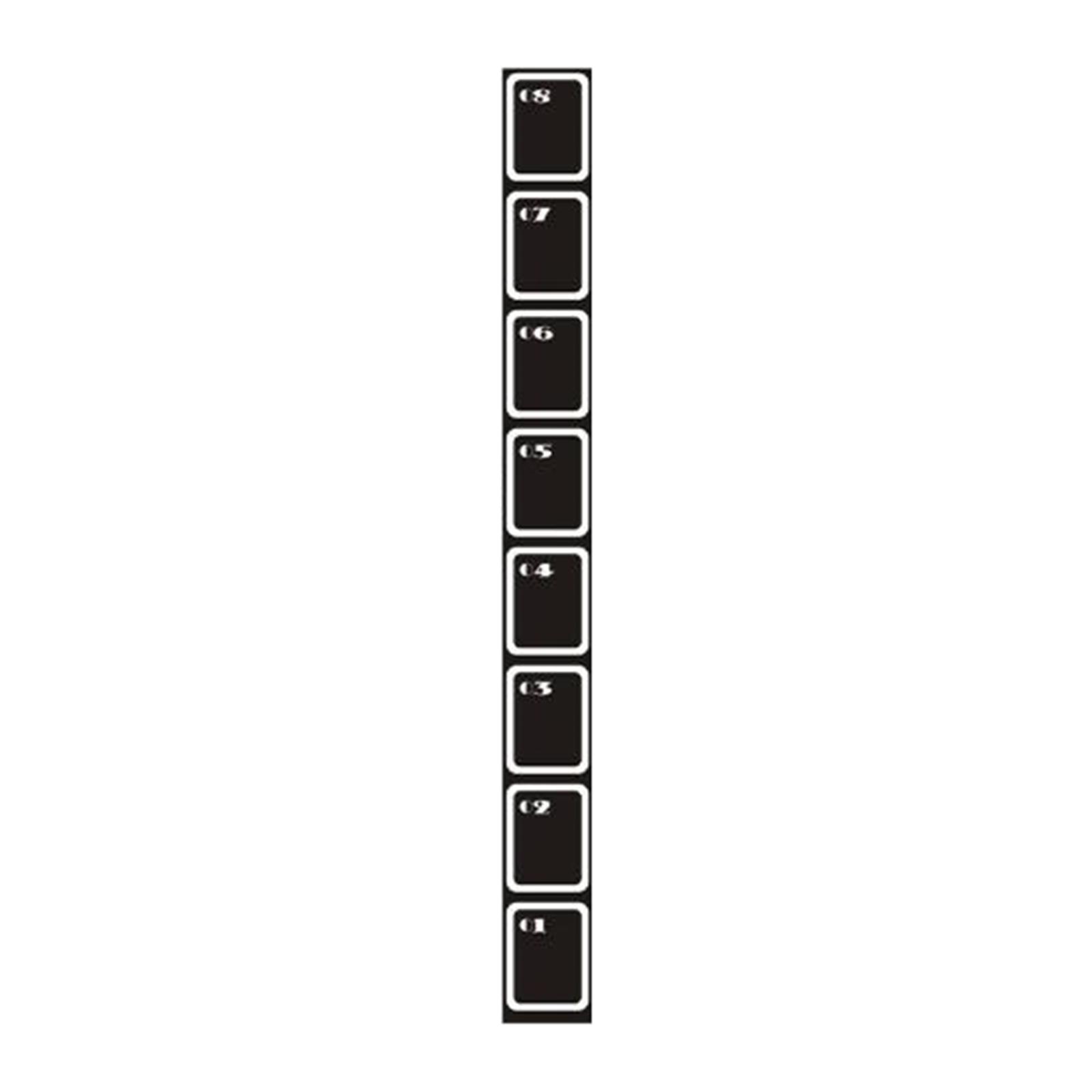
For pure footwork rhythm, a ladder or ring set gives players fixed targets so every rep has the same spacing. Agility Ladder Mat gives you a long ladder layout at 350cmx34cm, which suits repeat in-out steps, lateral patterns, and acceleration entries. If you want more freedom to change shapes, 12-Piece Soccer Training Rings uses 30CM rings that can be arranged in straight lines, zigzags, or staggered patterns for reaction-based drills.
Add one obstacle type after that. Hurdles make players raise their feet and organize posture under speed, while poles make players weave and curve their runs. If your training focuses more on step timing and low jumping actions, hurdles are the better next buy. If it focuses more on dribbling routes and body control around an object, poles are more useful.
Which specs and features matter most
Look first at adjustability and layout flexibility. A hurdle that can change difficulty stays useful longer as players improve. Adjustable Training Hurdle adjusts from 10 centimeters to 60 cm and has a top width of about 67 cm with a base depth of 75 cm, so it suits buyers who want one piece that can cover lower technical steps and higher progression work. If you prefer a hurdle that folds down for easier transport and storage, 5-Piece Foldable Agility Hurdles is a set of 5 foldable hurdles with multiple height positions and a carry bag.
Stability matters because unstable gear changes the drill instead of testing the player. A wide or flared cone base helps markers stay put during quick cuts, which is one reason Thickened Agility Cones is practical for repeated field sessions. For outdoor sessions where light markers can move, Soccer Training Cones has a hollow wind-resistant design that is worth checking if you often train in open areas.
Material and reset speed also matter. 12-Piece Soccer Training Rings is made from PP and is intended to hold shape during repeated workouts, which is helpful when players are stepping in and out quickly. Football Dribbling Pole uses a PVC pole body with steel ground spikes and a removable base, so it fits buyers who need a more fixed weaving target on grass or outdoor ground.
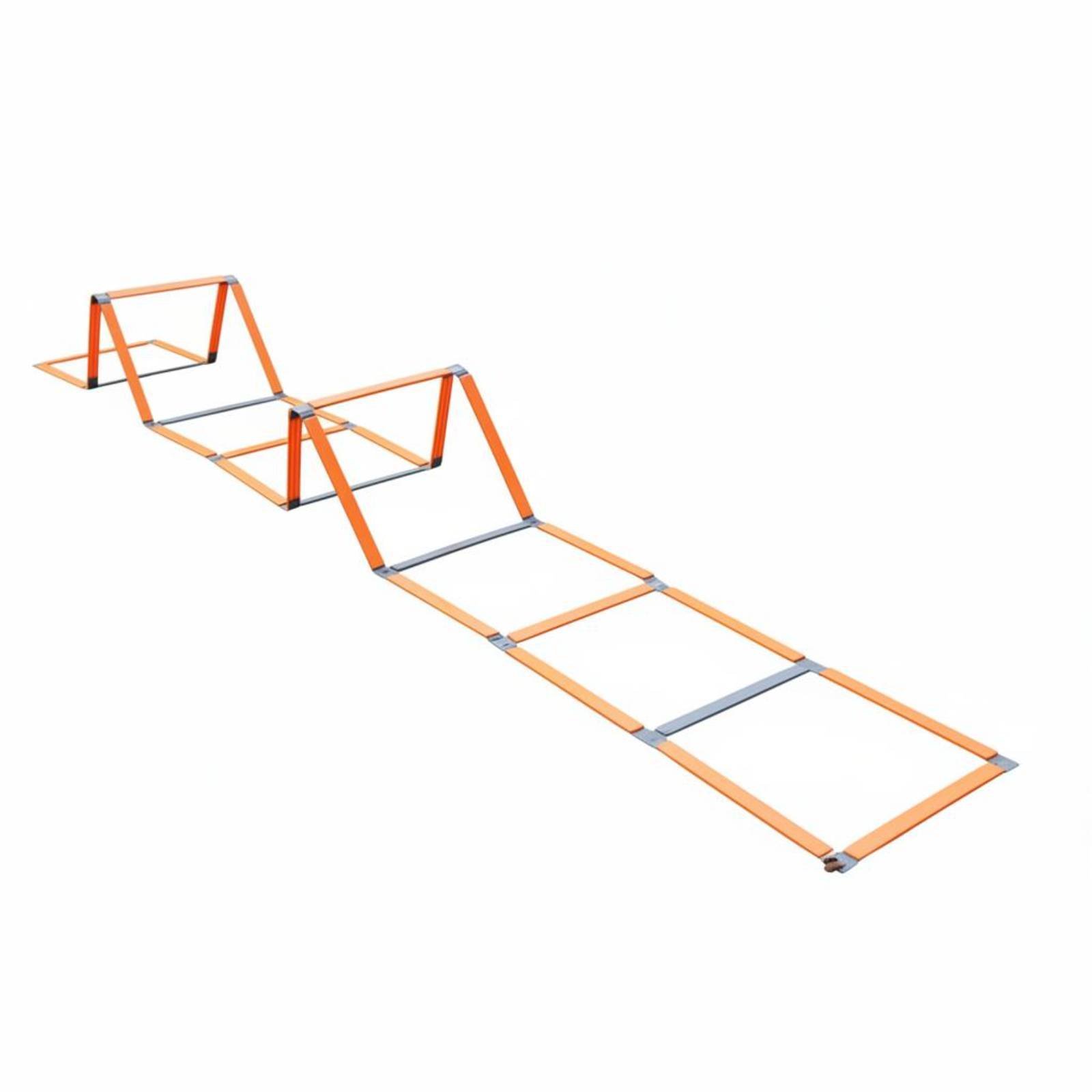
Finally, match the equipment footprint to your space. Coordination Training Ladder combines a ladder and hurdle format in one setup, with a 5.5 m layout and 11 sections, which can save time when you want longer movement patterns without switching gear. In tighter areas, a shorter ladder, a few cones, and one hurdle often make more sense than a large multi-piece course.
How the pieces work together in a drill setup
Good agility sessions usually flow from simple to complex. Start with markers to define where the player begins, changes direction, and finishes. Then place a ladder or rings in the middle to train step accuracy under control. Finish with hurdles or poles so the player has to keep form while reacting to a change in task.
A basic example is cones to mark the lane, then ladder steps, then a short acceleration. Agility Ladder Mat can handle the repeated foot contacts, while Thickened Agility Cones marks the start, exit, and turning points. That kind of setup is useful for warm-ups, young players, and solo sessions because it is easy to understand and repeat.
If you want more variation, swap the ladder for rings and add a weaving object. 12-Piece Soccer Training Rings lets you create curved or offset step patterns, and Football Dribbling Pole can be placed after the rings so the player exits into a dribble weave or body-feint run. This is a good approach when you want footwork to connect directly to soccer movement instead of looking like a track drill.
For progression, hurdles go after the footwork section, not before it. Players should first show clean steps and balanced posture, then add more demanding movements. 5-Piece Foldable Agility Hurdles is useful when several hurdles are needed in sequence, while Adjustable Training Hurdle fits a station where you want to change the challenge level between players without replacing equipment.
Common buying mistakes to avoid
A common mistake is buying too many obstacle types before covering the basics. Most players need clear markers and one repeatable footwork tool first. Without that base, sessions become messy and the extra pieces do not add much value.
Another mistake is choosing only high obstacles for speed work. Footwork and acceleration are often limited more by timing, balance, and body position than by how high someone can step. That is why a simple cone set like Thickened Agility Cones or a ladder such as Agility Ladder Mat is often more useful at the start than a large obstacle course.
Buyers also sometimes ignore the training surface. Poles with spikes, like Football Dribbling Pole, make more sense where the ground can accept them, while low markers and ladders are easier on flat indoor floors or hard outdoor surfaces. If the listing does not clearly state how the item anchors or sits on the ground, check that before ordering.
The last mistake is not thinking about reset time. Drills work better when players can quickly repeat them with little interruption. Cones and disc markers reset fast, rings change pattern fast, and foldable hurdles store more easily than rigid pieces. If you train alone or with a small group, simplicity usually leads to more useful reps.
A typical kit
- Thickened Agility ConesUse these cones to mark lanes, turns, shuttle points, and dribbling gates in almost any footwork session.
- Soccer Training ConesUse these low-profile markers to set targets and boundaries when you want quick setup and less chance of clipping a tall cone.
- Agility Ladder MatUse this ladder mat for repeatable quick-step drills that build rhythm, coordination, and acceleration mechanics.
- 12-Piece Soccer Training RingsUse these rings when you want more flexible foot placement patterns than a fixed ladder provides.
- 5-Piece Foldable Agility HurdlesUse this hurdle set to add progression after basic footwork, especially for repeated step-over and reactive movement stations.
- Football Dribbling PoleUse this pole to build weaving and curved-run drills that connect foot speed with ball control and body positioning.
Questions people ask
Should I buy cones or a ladder first?
If you are starting from scratch, cones are usually the first buy because they can create many different drills and field shapes. Add a ladder next if you want more structured foot placement and repeatable speed patterns.
How do rings compare with a ladder for soccer footwork?
They serve different purposes. A ladder gives fixed spacing for repeatable rhythm drills, while rings let you change angles and patterns more freely, which can feel more game-like for cutting and reacting.
Do I need hurdles for speed drills?
Not always. Hurdles are helpful for progression, but many players can improve footwork and acceleration with markers plus a ladder or rings. Add hurdles when you want to challenge posture, step timing, and controlled leg lift.
What works best for small training spaces?
Low-profile markers, a short ladder layout, and one hurdle station are usually the easiest combination in a tight area. Large multi-piece layouts are useful only if you have enough room to run through them without crowding the setup.
How do I choose gear for outdoor grass versus a hard surface?
For grass, poles with spikes and stable cones are useful because they stay defined in open space. For hard surfaces, ladders, rings, and flat markers are often easier to place and reset, but you should still check the listing for how each item sits on the ground.
Shop the list
Everything mentioned above
Prices and delivery windows are live from our catalog.
Thickened Agility Cones
Soccer Training Cones – Green, 19*5cm
Agility Ladder Mat
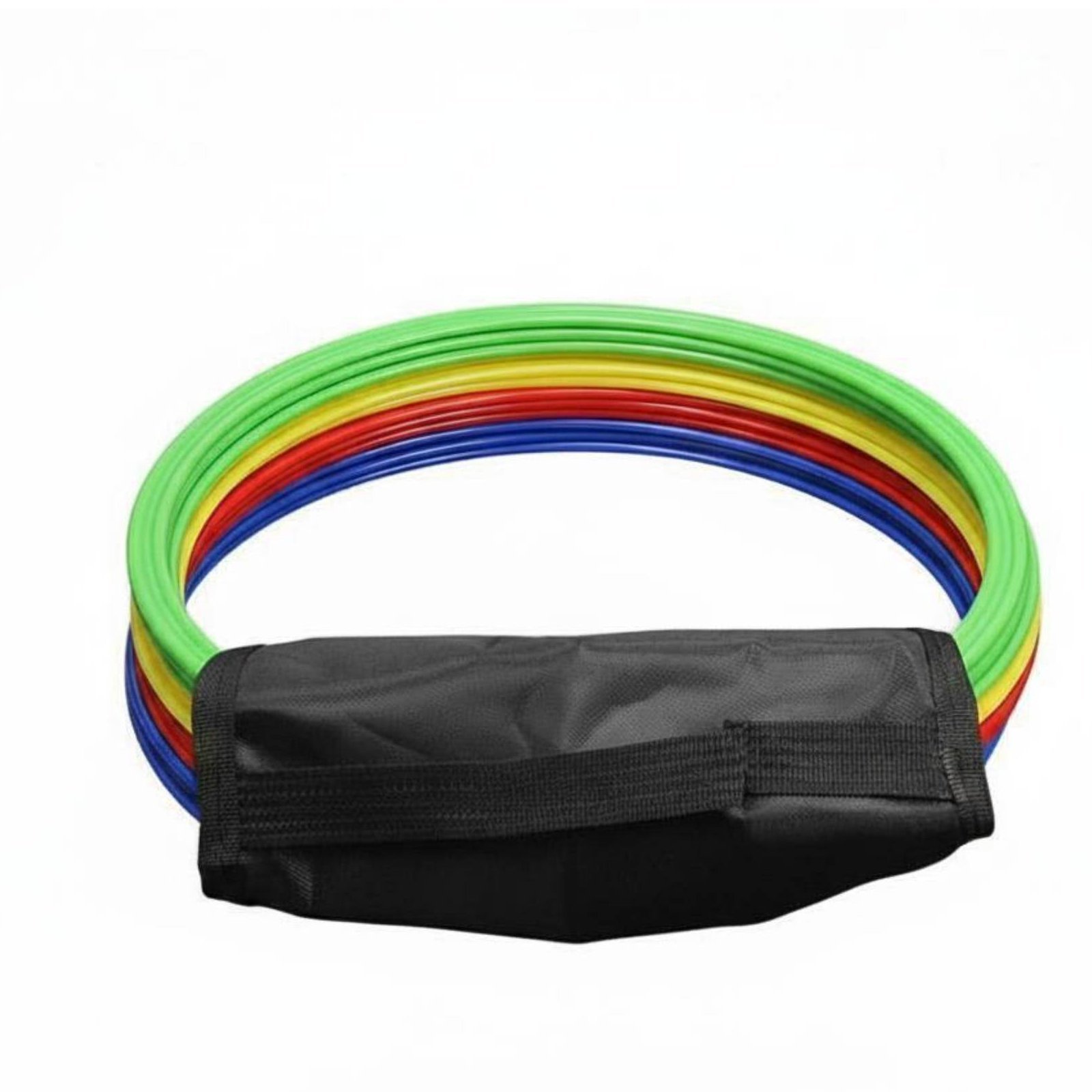
12-Piece Soccer Training Rings
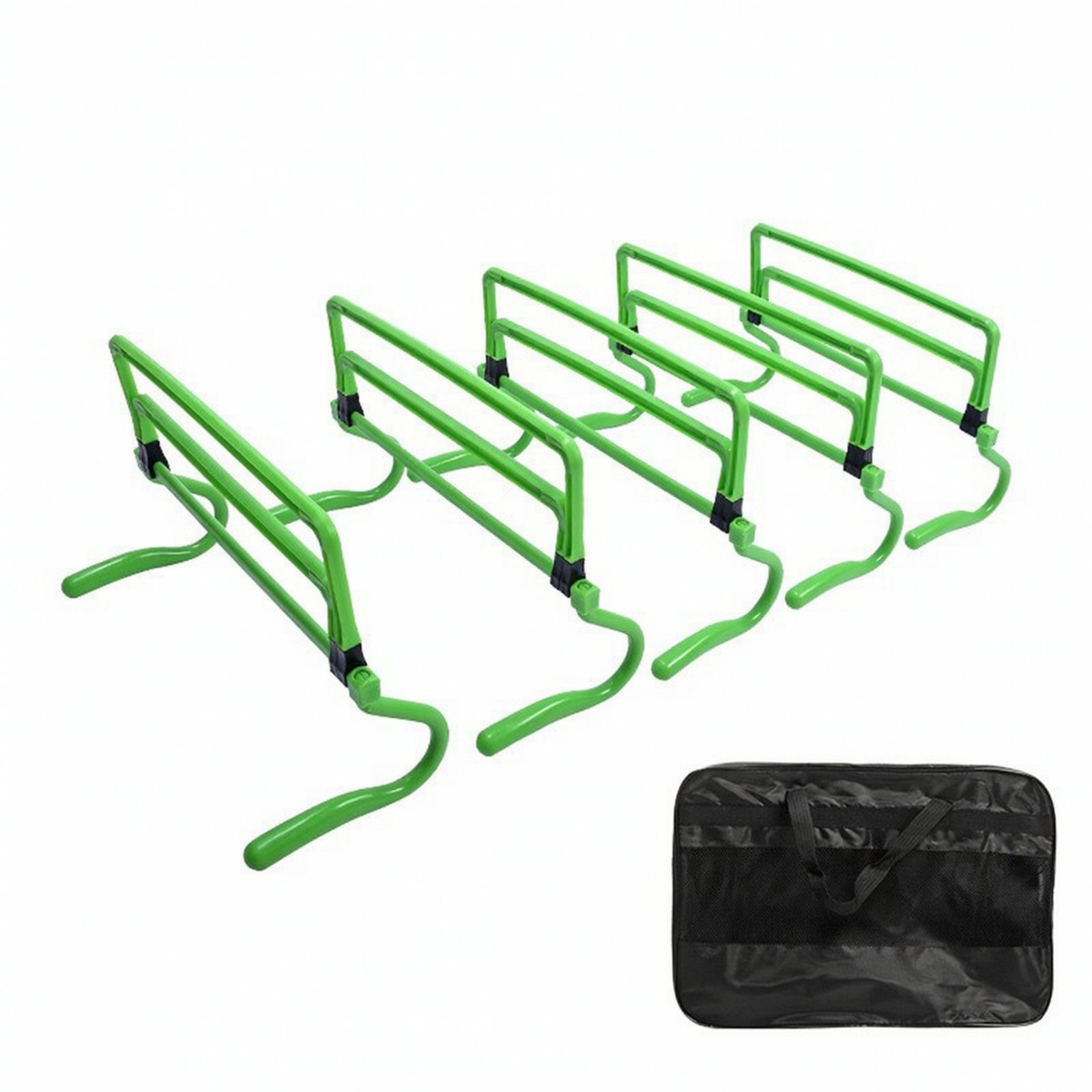
5-Piece Foldable Agility Hurdles
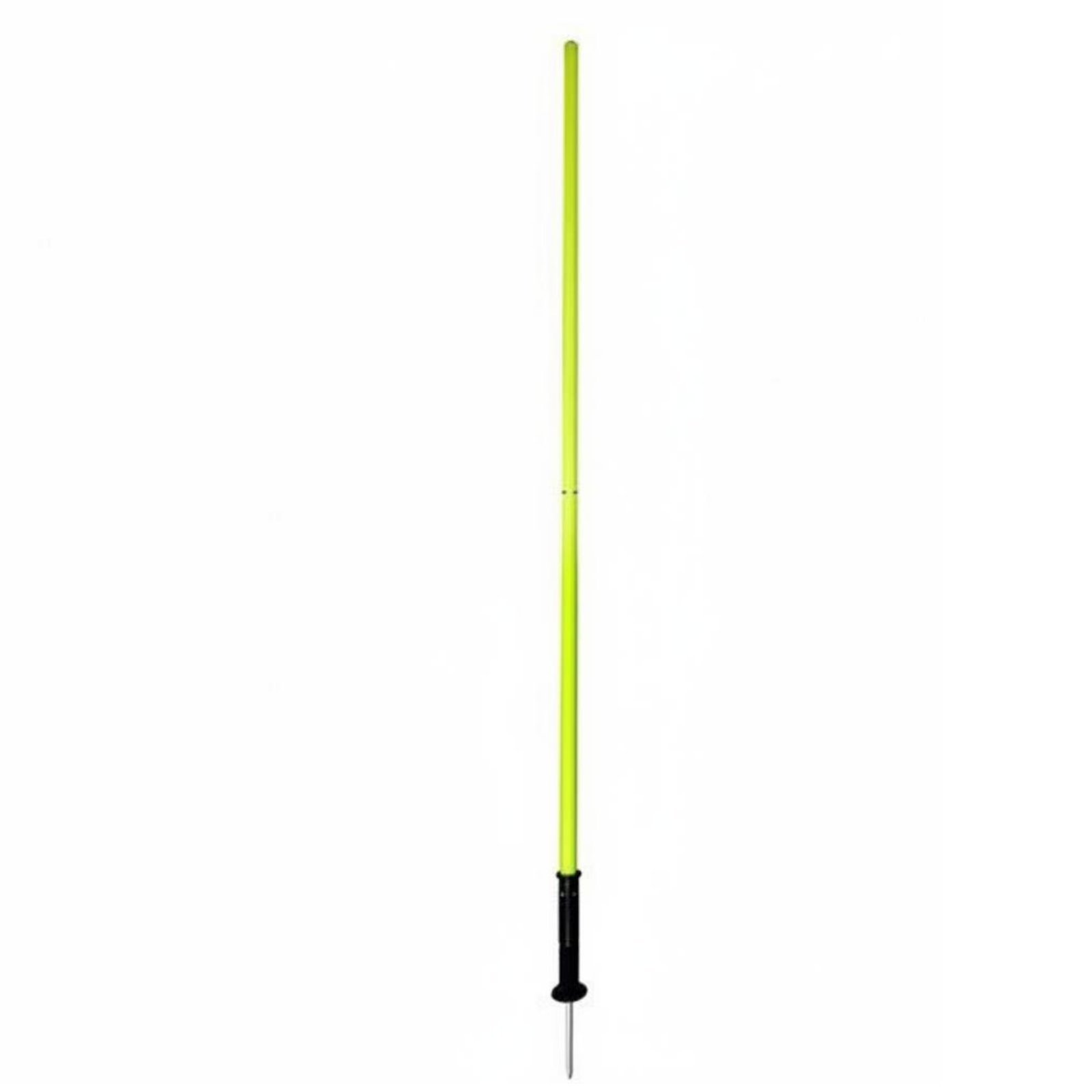
Football Dribbling Pole
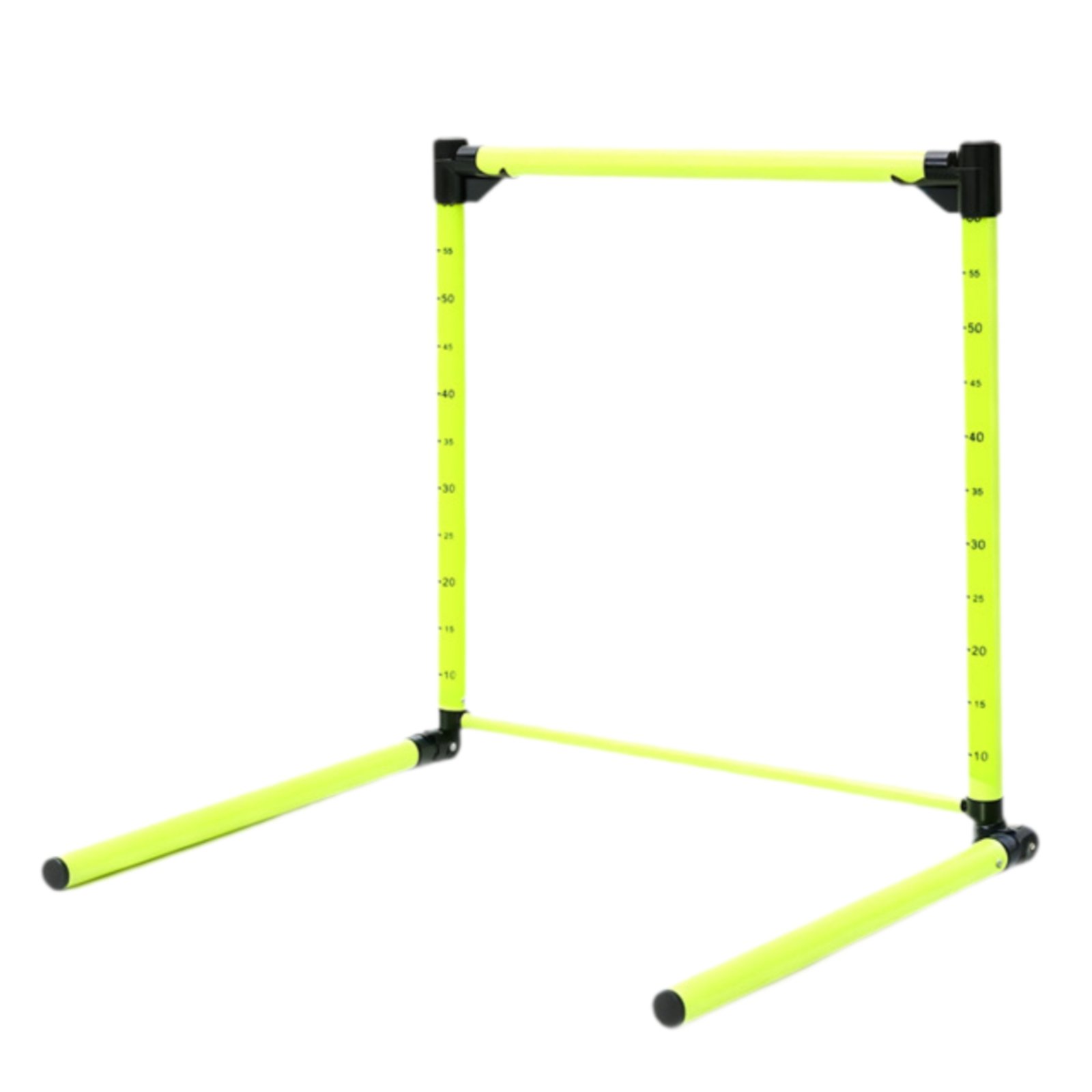
Adjustable Training Hurdle – 1 PIECE