Buying guide · Workshop & Tools
Which sewer jetter nozzle spray pattern to choose for drain cleaning
Short answer
For general drain cleaning, a front-and-rear jet nozzle such as Pressure Drain Jetter Hose Nozzle or Drain Jetter Nozzle 1 Front 8 Rear is the safest default because the front jet helps break into blockage while the rear jets pull the hose forward and flush debris back. Before ordering, check your hose and coupler thread, confirm whether you want a fixed spray pattern or a rotating action, and match the nozzle style to the kind of clog you are actually clearing.
How to choose the spray pattern
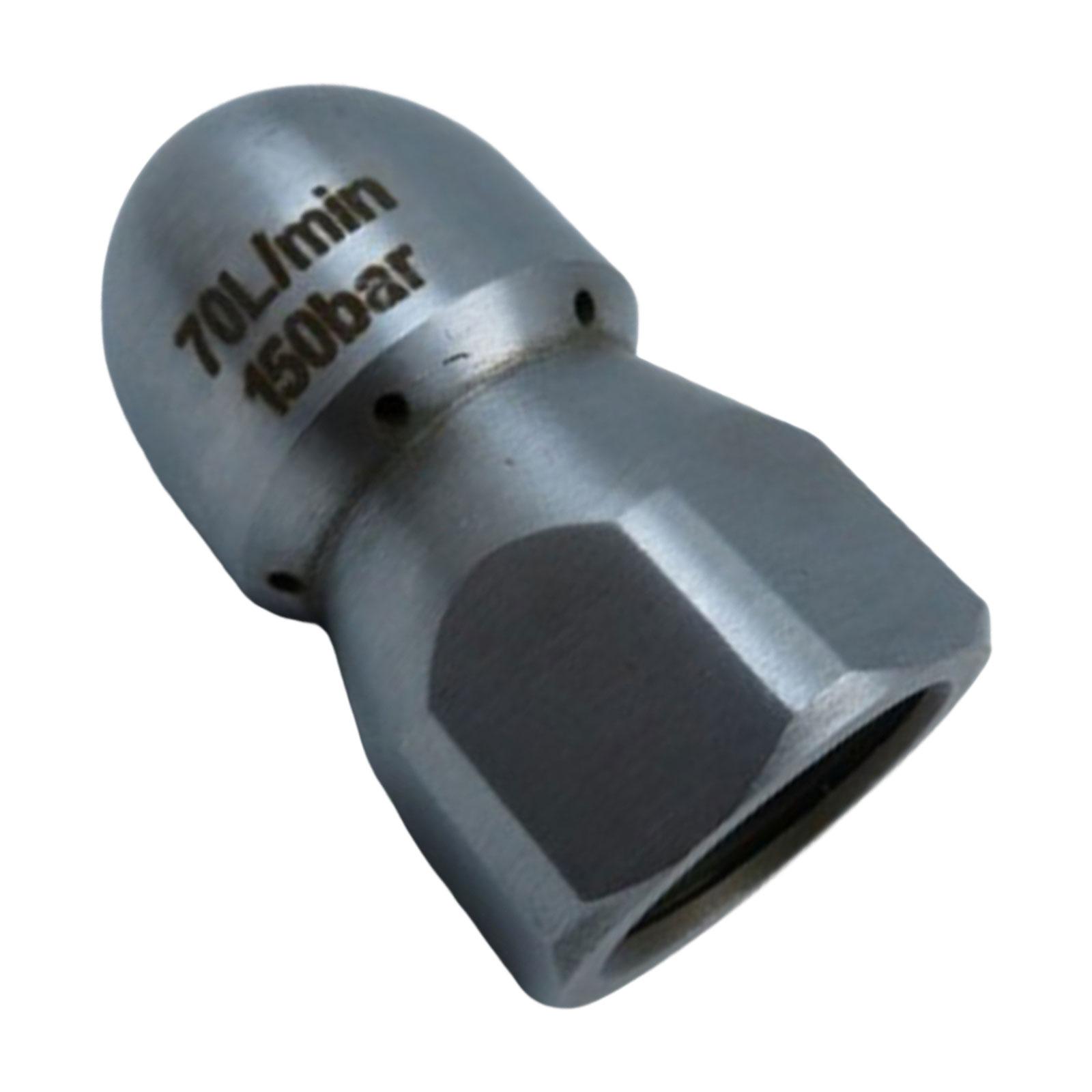
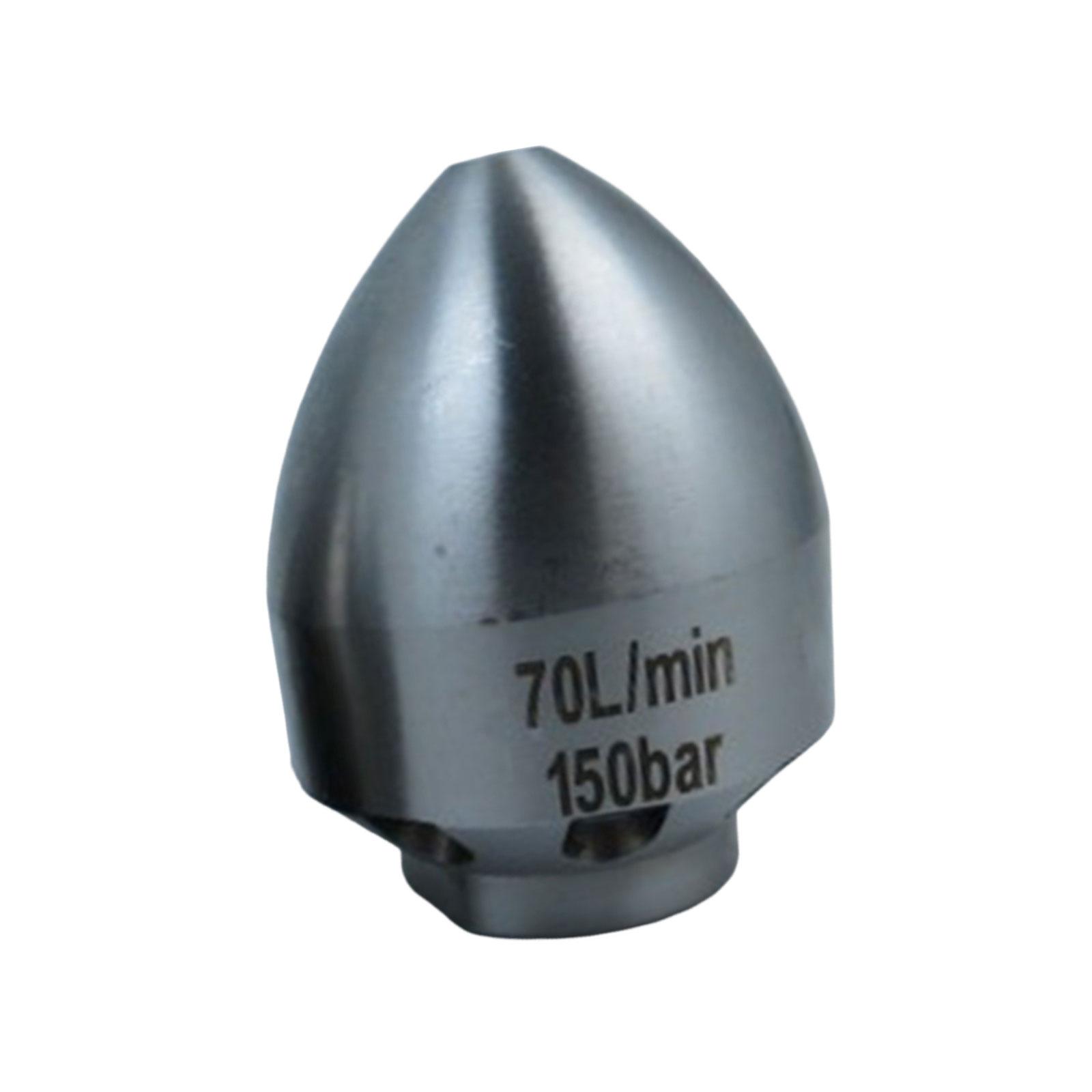
Start with the job, not the nozzle name. A front-and-rear jet nozzle is usually the easiest all-around choice for drain cleaning because it both opens a path ahead and uses rear thrust to move the hose down the line. Examples include Pressure Drain Jetter Hose Nozzle and Drain Jetter Nozzle 1 Front 8 Rear, whose listings clearly state a front jet plus multiple rear jets.
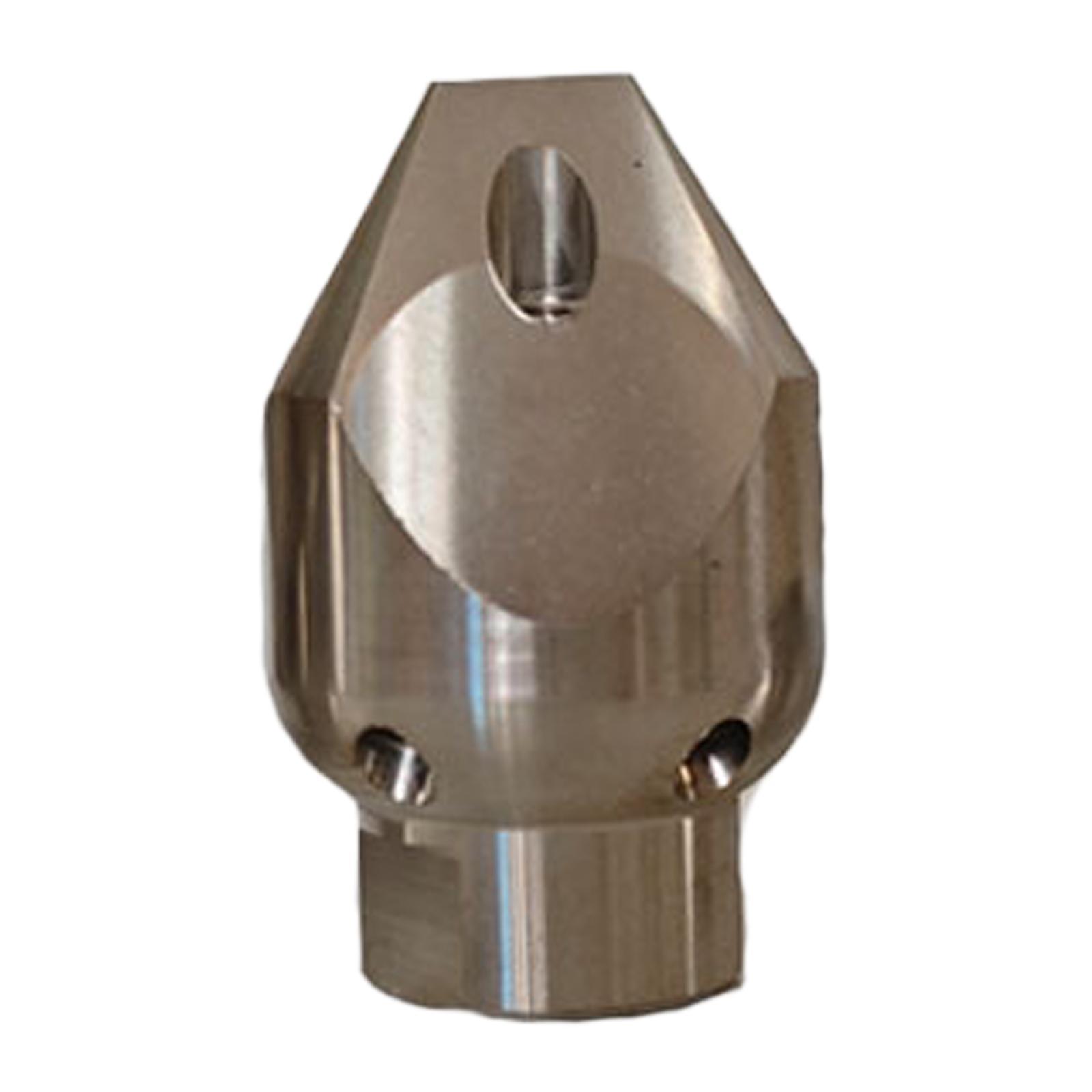
A mouse nozzle style is typically chosen when you want a compact, pointed nozzle body that can travel through bends and keep moving in smaller or more typical household drains. The listings for Sewer Jetter Nozzle M22, Pressure Drain Jetter Hose Nozzle, and Drain Jetter Nozzle 1 Front 8 Rear all use the mouse-nozzle wording, but only Pressure Drain Jetter Hose Nozzle and Drain Jetter Nozzle 1 Front 8 Rear actually spell out the front and rear jet counts.
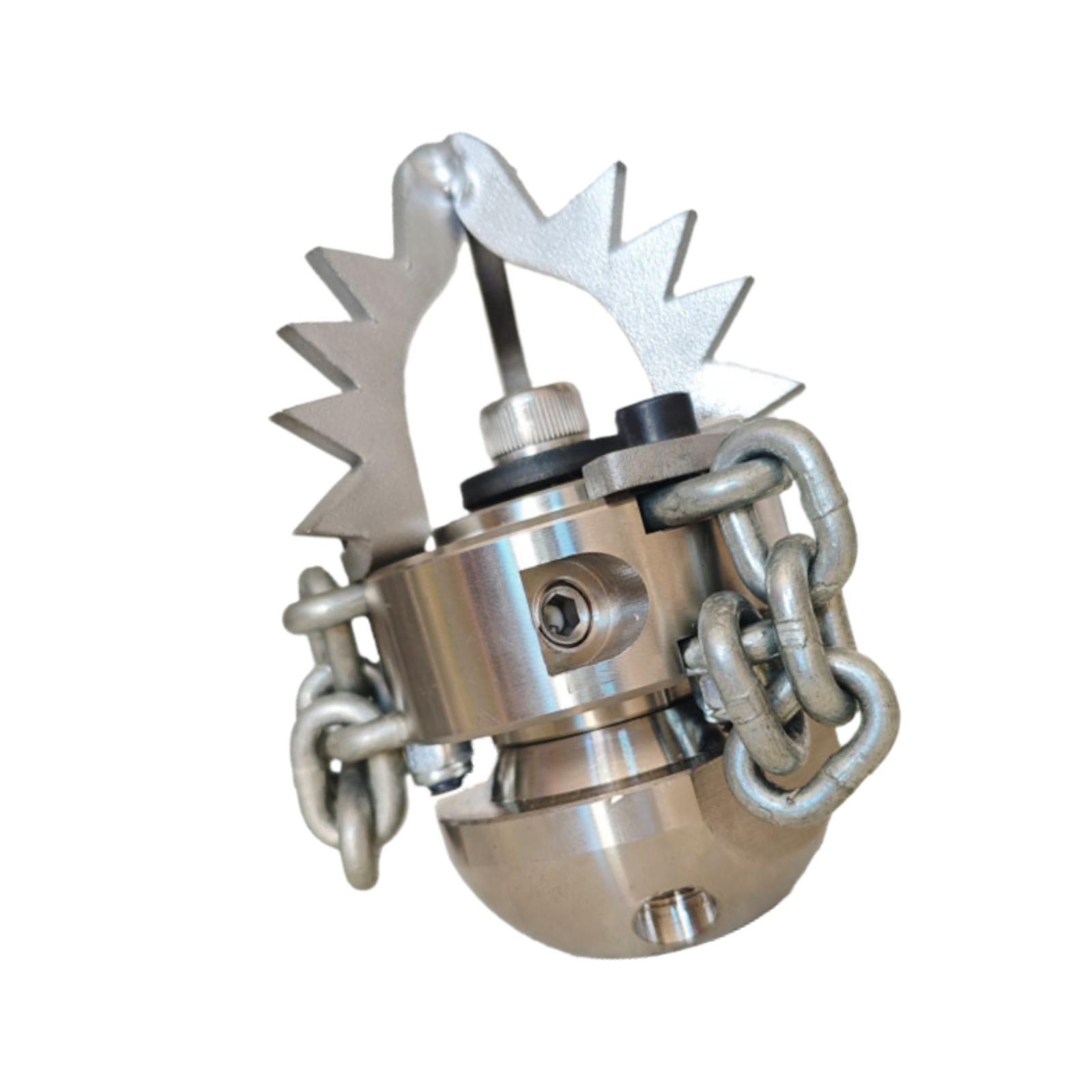
A rotating chain style is a more specialized cleaning head. Sewer Nozzle Connector is described as a rotation connector with a chain design, which suggests a more aggressive mechanical cleaning action than a plain fixed jet nozzle. That can be useful for stubborn buildup, but it is not the first thing to pick when you simply need a basic drain-opening nozzle.
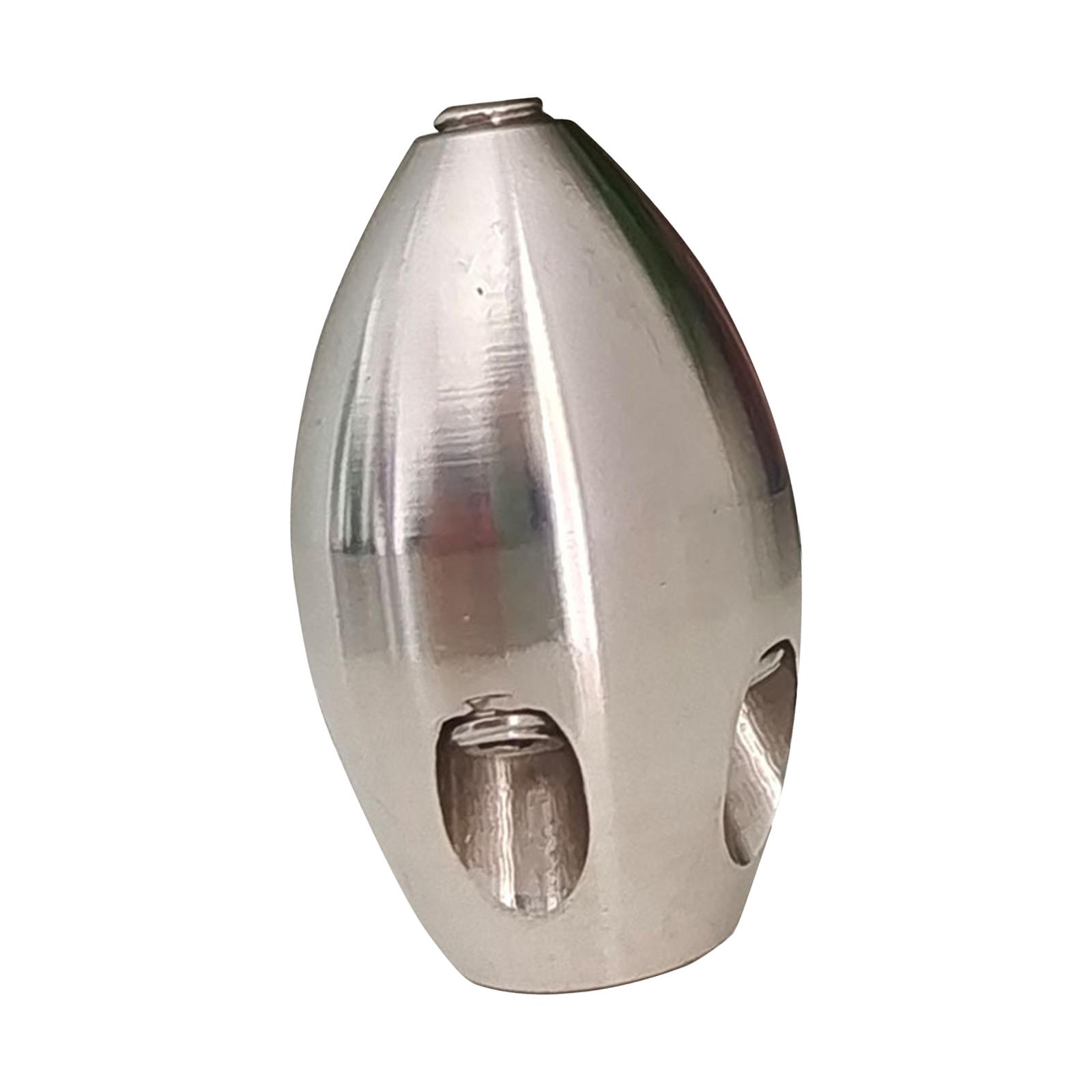
If you mainly need a straightforward fixed jet nozzle and want the listing to tell you the spray layout, Jetter Nozzle is the clearest conventional option because it states first 1 last 6, which plainly means 1 forward jet and 6 rear jets. If you are considering Sewer Jet Nozzle or Sewer Jetter Nozzle 3/8 NPT, the listings identify them as sewer jetter nozzles but do not state the actual hole pattern, so you should ask for the jet layout before treating them as a match for a specific cleaning task.
Fit and size check
- Pressure Drain Jetter Hose Nozzle: mouse nozzle style; listing states 1 front and 6 rear jets; thread size not listed; material not listed; what is included is not listed.
- Drain Jetter Nozzle 1 Front 8 Rear: mouse nozzle style; listing states 1 front and 8 rear jets; thread size not listed; material not listed; what is included is not listed.
- Jetter Nozzle: fixed jetter nozzle; listing states 3/8 in internal thread and 8 in size, with 1 front and 6 rear jets; material not listed; what is included is not listed.
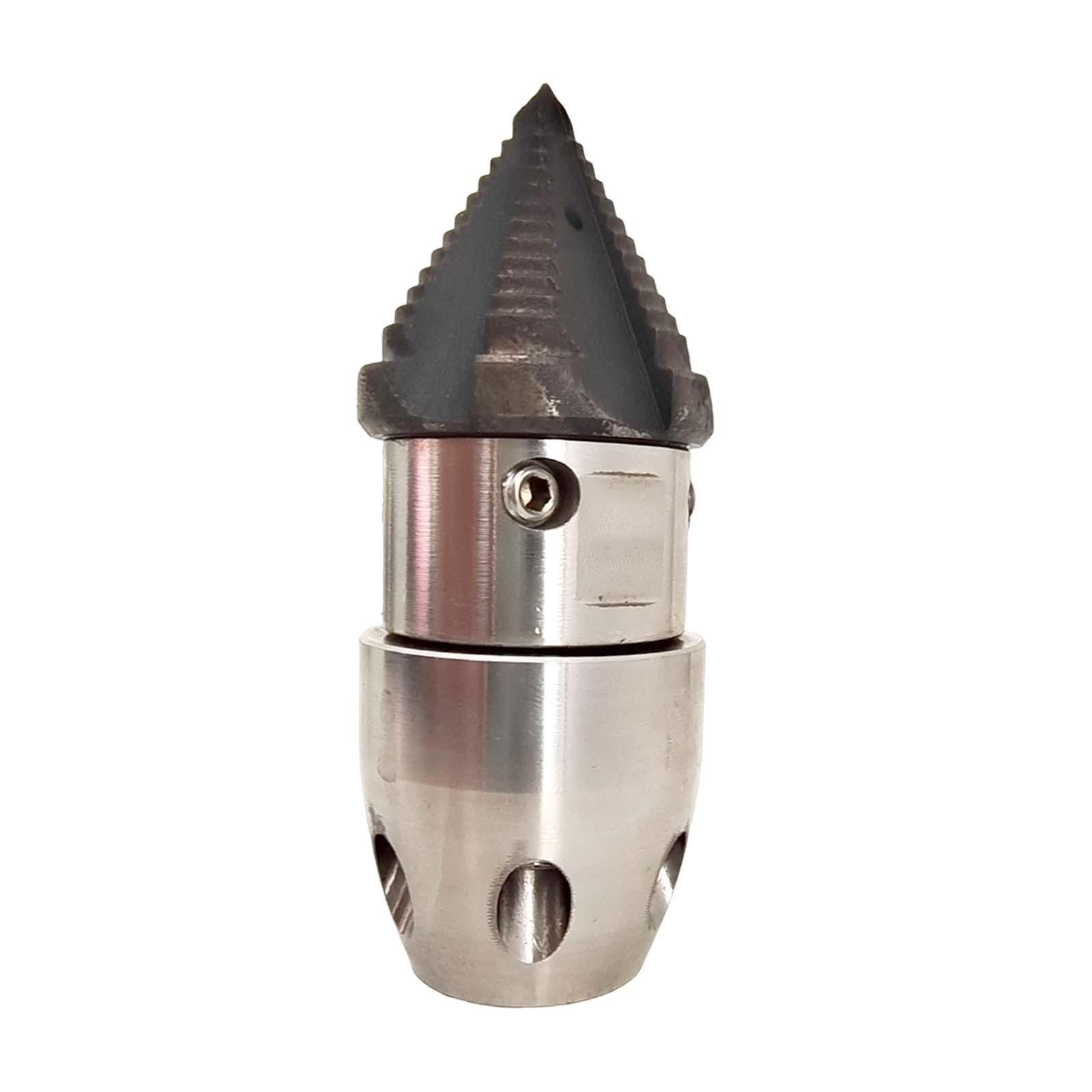
- Sewer Jetter Nozzle M22: mouse nozzle style; listing states 1/2 and M22 in the title; jet count not listed; material not listed; what is included is not listed.
- Sewer Nozzle Connector: rotating chain design; listing states steel and 40L min; exact jet count not listed; connection size not listed; what is included is not listed.
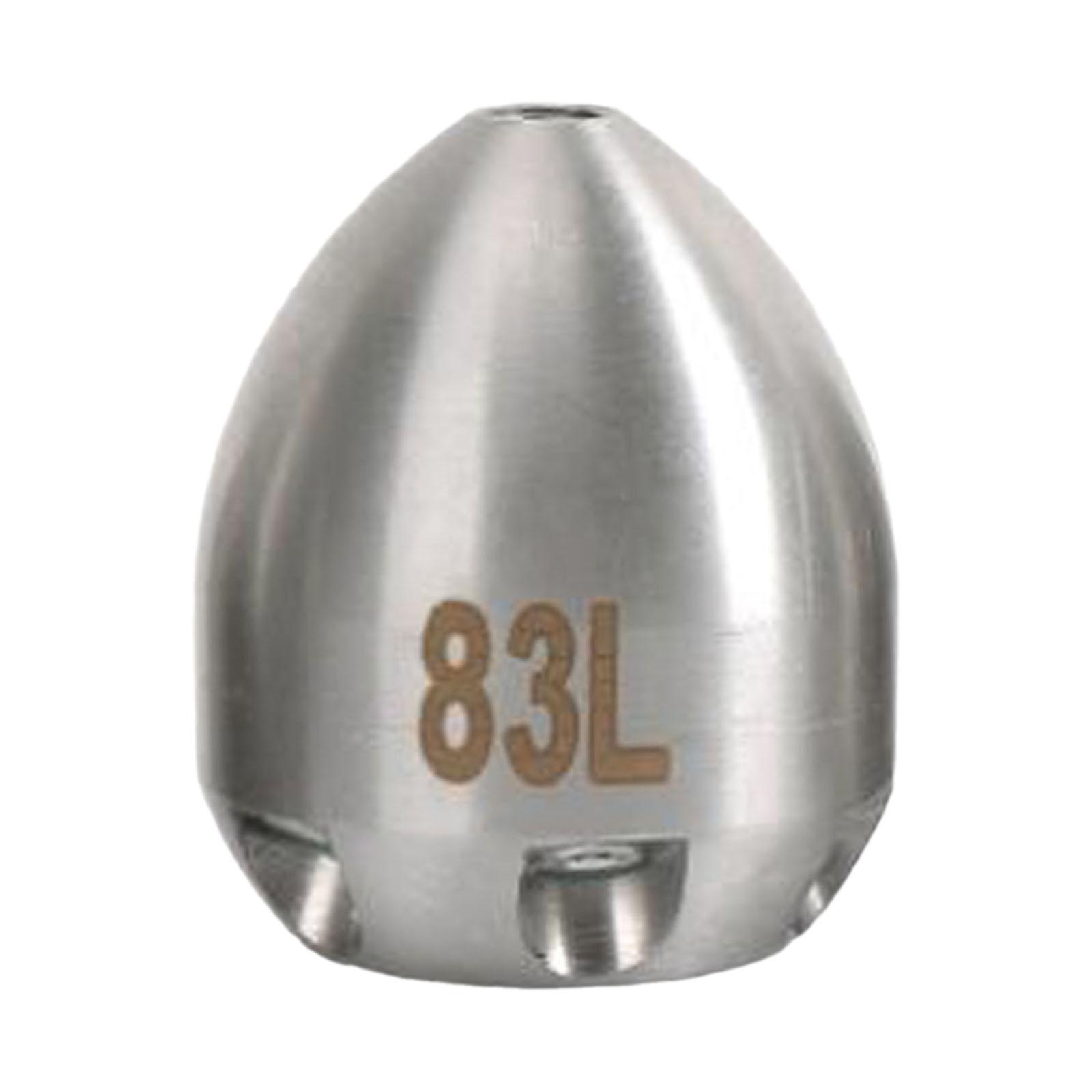
- Sewer Jet Nozzle: rotation cleaning tool; listing states 1/2 in, 2 in size, and 83L; jet count not listed; material not listed; what is included is not listed.
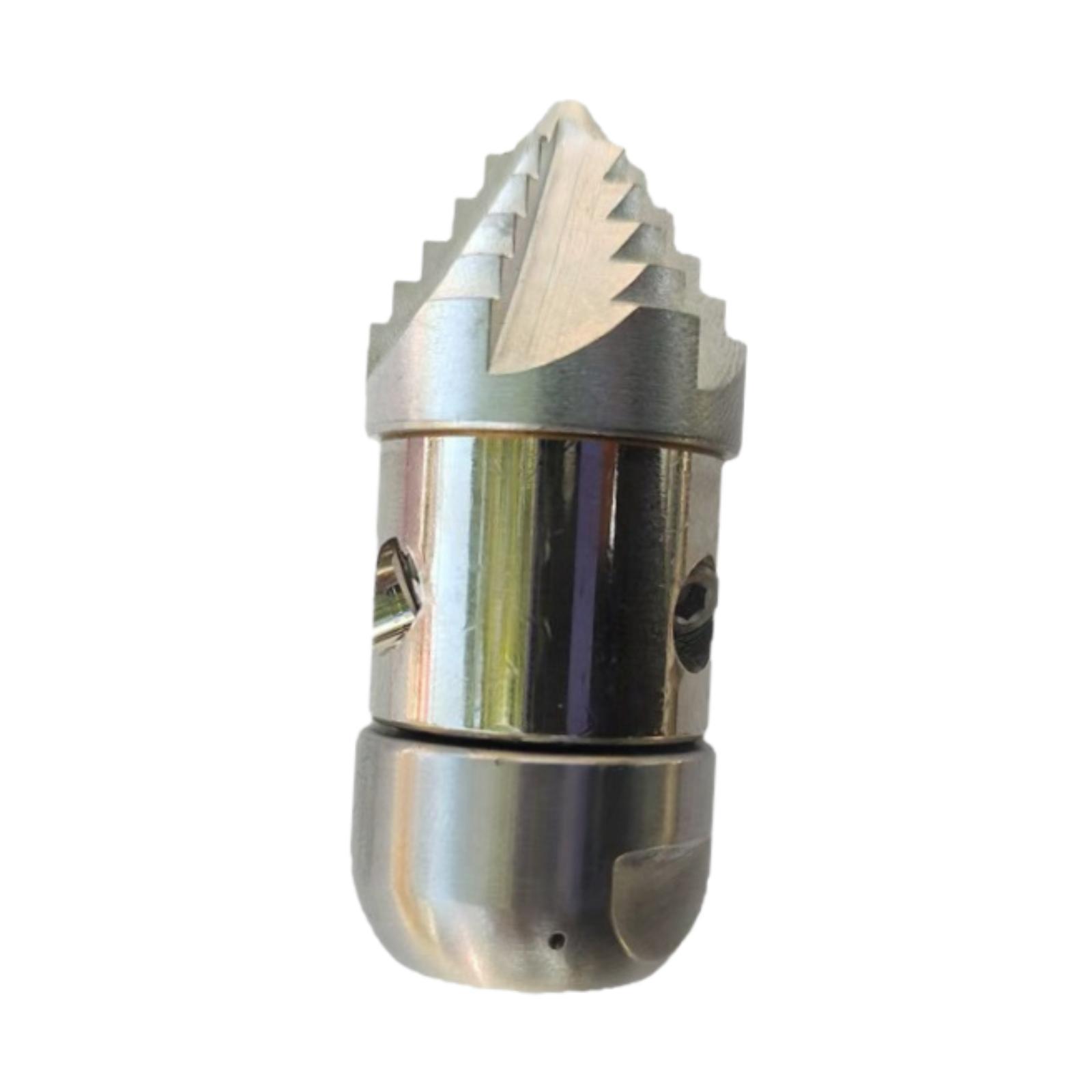
- Sewer Jetter Nozzle 3/8 NPT: multifunction sewer jetter nozzle; listing states 3/8 NPT and 20L; jet count not listed; material not listed; what is included is not listed.
- Drain Jetter Nozzle 7Cm X 4Cm: fixed jetter head; listing states front 3 rear 5 and title size 7 cm x 4 cm; thread size not listed; material not listed; what is included is not listed.
The key fit question is not just whether the nozzle body will go into the pipe. You also need the inlet connection to match your hose, whip line, or adapter, because several listings give connection clues while others do not.
When a listing gives both style and jet count, it is easier to choose correctly. When it only says sewer jetter nozzle or rotation cleaning tool, ask for the inlet thread, body diameter, and jet layout before you buy.
How the pieces work together in the line
Rear jets do most of the pulling. They push water backward, which creates forward thrust that helps the hose advance into the drain while carrying loosened debris toward the cleanout or opening.
A front jet changes the way the nozzle attacks a clog. With a nozzle like Pressure Drain Jetter Hose Nozzle or Drain Jetter Nozzle 1 Front 8 Rear, the forward stream helps break into grease, soap buildup, or soft obstruction before the rear jets wash it away. That is why this pattern is the common starting point for drain cleaning.
A rotating nozzle changes the contact pattern on the pipe wall. Sewer Jet Nozzle is described as a rotation cleaning tool, and Sewer Nozzle Connector is a rotation connector with chain design, so these are better thought of as specialty cleaning heads for deposits on the wall rather than the simplest answer for routine line opening.
Jet count also changes behavior. Drain Jetter Nozzle 7Cm X 4Cm has 3 front and 5 rear, which points to more cutting action up front than the usual single-front pattern, while Drain Jetter Nozzle 1 Front 8 Rear has 1 front and 8 rear, which suggests stronger pulling and flushing emphasis. More rear jets can help with hose drive and rinse-back, but the listing still needs to match your hose connection before any spray pattern matters.
Common mistakes to avoid
Do not assume mouse nozzle and front-and-rear nozzle are different categories every time. In these listings, the mouse wording is often just the body style, while the useful buying detail is the actual jet layout such as 1 front 6 rear on Pressure Drain Jetter Hose Nozzle or 1 front 8 rear on Drain Jetter Nozzle 1 Front 8 Rear.
Do not buy a rotating or chain style just because it sounds stronger. Sewer Nozzle Connector may be the right choice for heavy wall deposits, but for a simple blocked household line a conventional front-and-rear nozzle is usually easier to match and easier to use.
Do not ignore the connection spec. Jetter Nozzle states 3/8 in internal thread, Sewer Jetter Nozzle 3/8 NPT states 3/8 NPT, and Sewer Jetter Nozzle M22 mentions 1/2 and M22 in the title, so they should not be treated as automatically interchangeable.
Do not guess from package size or package weight. Those describe the shipping package, not the working dimensions or the pipe size the nozzle can travel through.
Do not assume an unlabeled nozzle fits your cleaning goal. If a listing does not state front and rear jet count, rotation type, or inlet thread, ask for those details before ordering rather than inferring them from the photo or title.
A typical kit
- Pressure Drain Jetter Hose NozzleGeneral-purpose front-and-rear nozzle for routine drain cleaning where you want one forward jet and rear thrust.
- Drain Jetter Nozzle 1 Front 8 RearSimilar all-around choice with more rear jets stated in the listing, suited to buyers who want stronger pull-and-flush emphasis.
- Jetter NozzleFixed jetter nozzle option with a clearly stated front-and-rear pattern and a stated internal thread in the listing.
- Sewer Nozzle ConnectorSpecialty rotating chain-style head for tougher wall buildup when a standard fixed spray pattern is not enough.
- Sewer Jetter Nozzle M22Mouse-style nozzle option to consider when you want that body shape, but you should confirm the actual jet layout first.
- Sewer Jet NozzleRotating cleaning tool for specialty cleaning jobs where rotational action matters more than a plainly listed front-and-rear pattern.
Questions people ask
Which style should I start with if I only want one nozzle for general drain cleaning?
Start with a front-and-rear nozzle. Pressure Drain Jetter Hose Nozzle and Drain Jetter Nozzle 1 Front 8 Rear are the clearest examples because their listings state the forward and rear jet layout, which is what most buyers need for breaking into a clog and moving down the line.
Is a mouse nozzle the same as a front-and-rear nozzle?
Not always. Mouse nozzle usually describes the nozzle body style, while front-and-rear describes the spray pattern; some mouse-style listings such as Pressure Drain Jetter Hose Nozzle and Drain Jetter Nozzle 1 Front 8 Rear include both pieces of information, but Sewer Jetter Nozzle M22 does not state the jet count.
When should I choose a rotating chain nozzle instead of a standard jet nozzle?
Choose a rotating chain style when you need a more aggressive wall-cleaning action for stubborn buildup and you understand your hose and machine can support that type of head. Sewer Nozzle Connector is the relevant option here, but its listing is less explicit about jet layout, so confirm the intended use before ordering.
What connection detail matters most before I order?
The inlet thread or coupler style matters most. Jetter Nozzle lists 3/8 in internal thread, Sewer Jetter Nozzle 3/8 NPT lists 3/8 NPT, and Sewer Jetter Nozzle M22 mentions 1/2 and M22, so you should match the exact connection on your hose or adapter instead of assuming they will fit each other.
Does more rear jets always mean better cleaning?
Not automatically. More rear jets can improve hose drive and flushing, but the right choice still depends on whether you need stronger forward cutting, easier travel through the line, or a rotating action against the pipe wall.
Shop the list
Everything mentioned above
Prices and delivery windows are live from our catalog.
Pressure Drain Jetter Hose Nozzle
Drain Jetter Nozzle 1 Front 8 Rear
Jetter Nozzle
Sewer Nozzle Connector
Sewer Jetter Nozzle M22
Sewer Jet Nozzle
Sewer Jetter Nozzle 3/8 NPT