Buying guide · Workshop & Tools
Tools that help pull electrical cable through conduit
Short answer
The most useful tools are a puller or threader to get a line through the conduit, plus guide rollers or pulleys that support the cable at the entry, bends, and fixed routing points so the jacket does not scrape or snag. Choose the setup by matching the tool to the path: straight conduit runs need a simple guide, corners and direction changes need multi-roller guides, and the actual pulling force is usually handled by a manual puller or wire threader.
How to choose the right tools
Start by thinking about the path, not just the cable. In a basic conduit run, you usually need one tool to send or pull a line through, and one or more guides to control friction where the cable enters the conduit or changes direction.
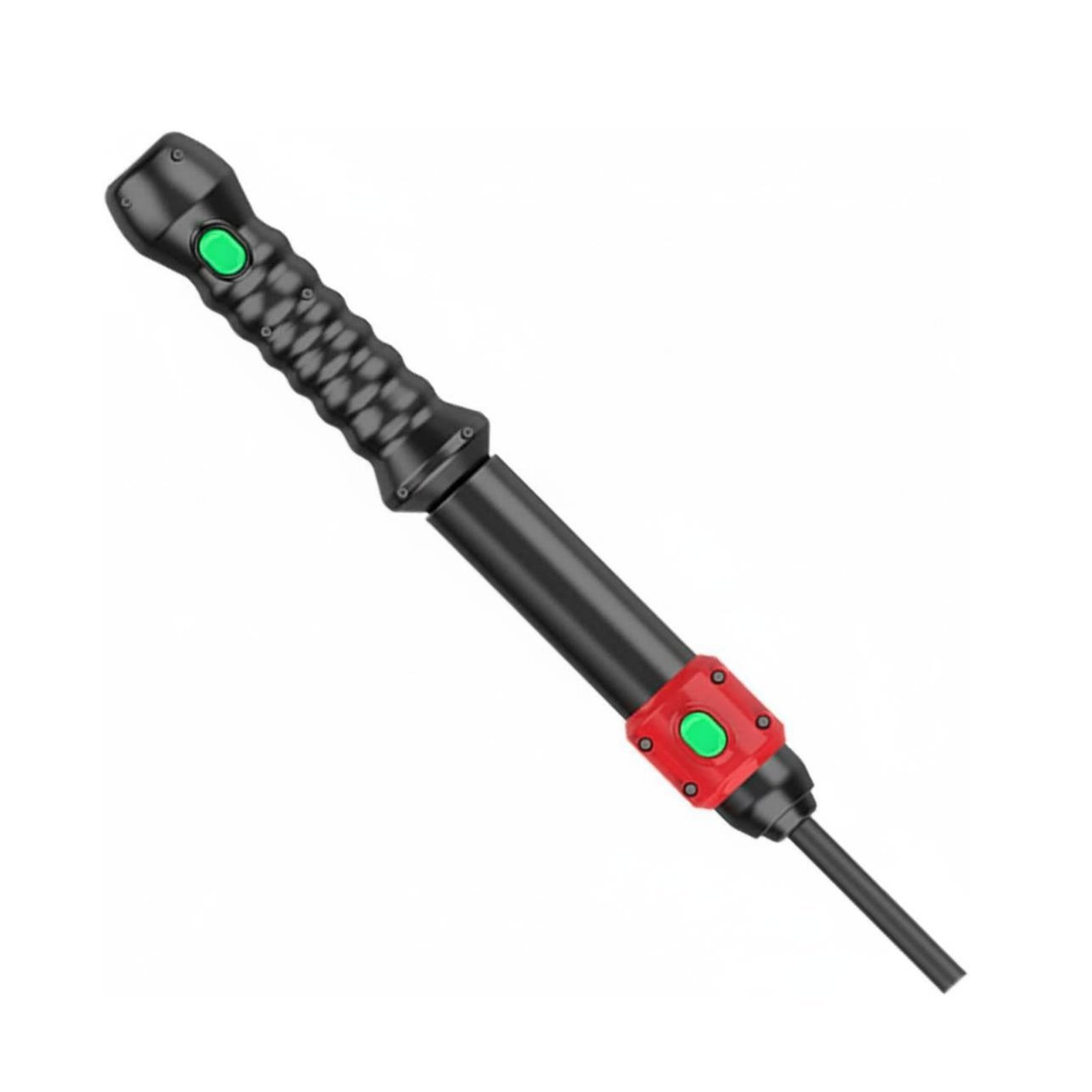
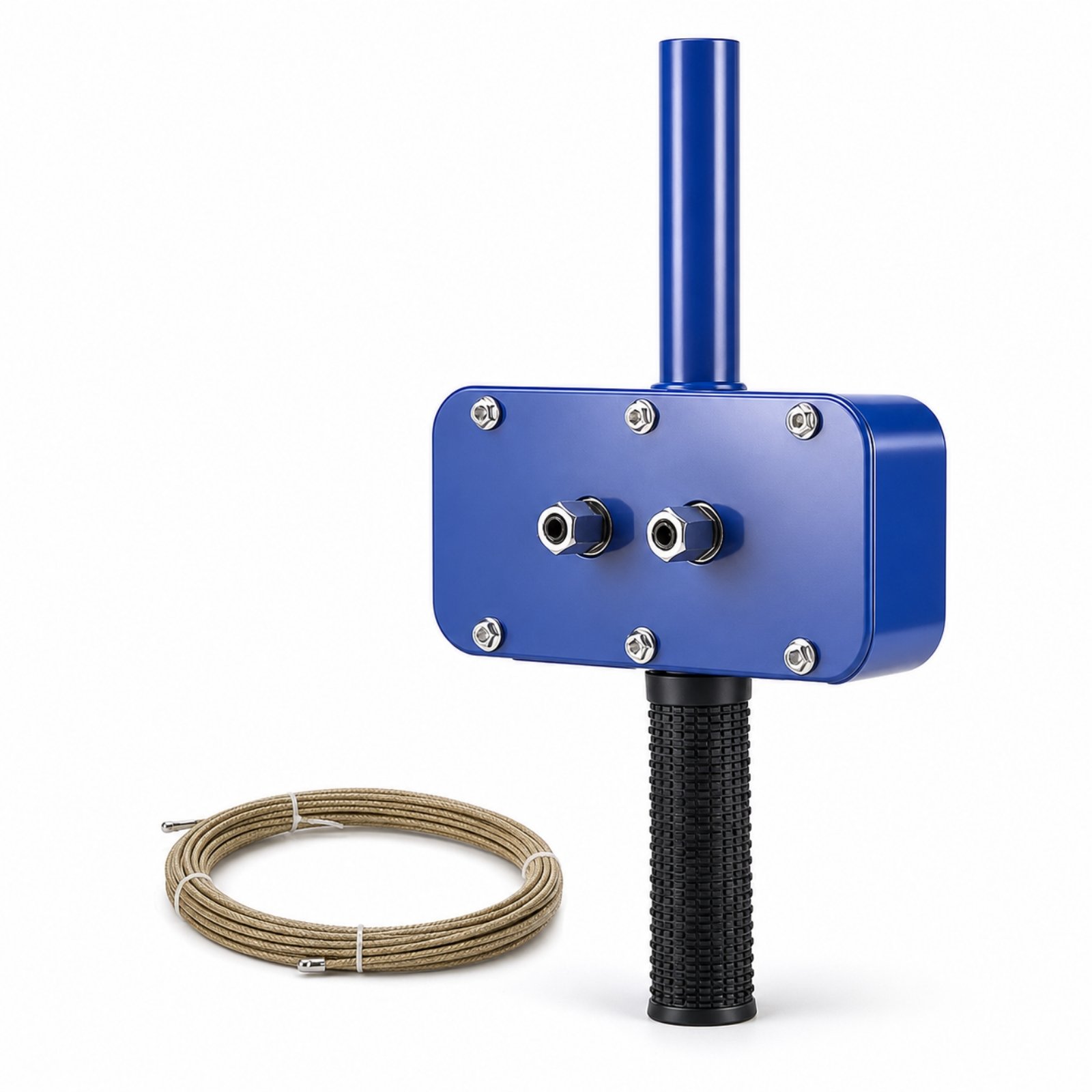
For the actual pull, a manual puller such as Handheld Wire Puller helps when you need hand control through conduit and wall channels. If you want a tool that already includes a line for threading, Portable Wire Pulling Machine is built as a portable wire threader and comes with a 15-meter line, which is useful when you first need to establish the pull path before attaching cable.
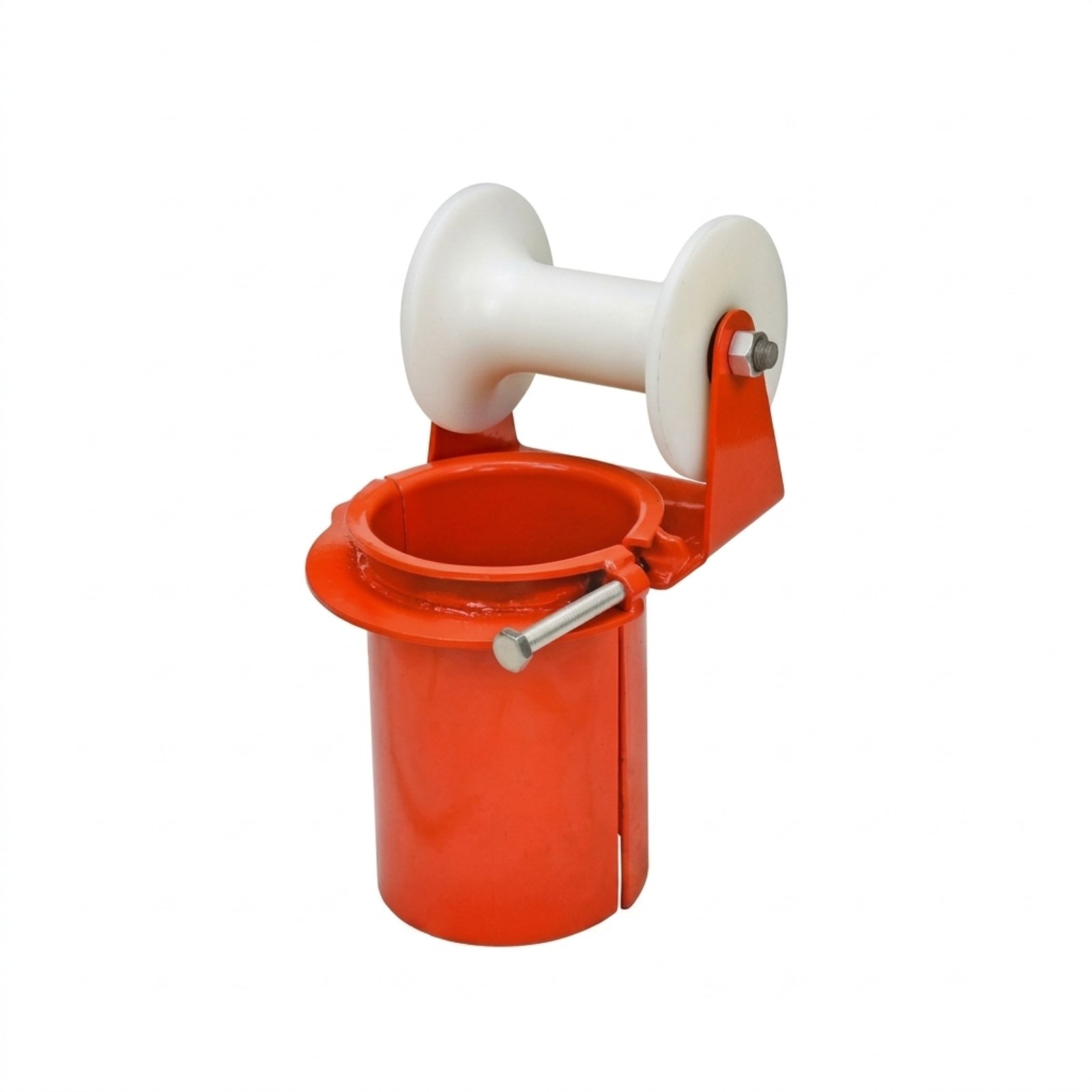
At the conduit mouth, a dedicated entry guide matters because the sharp edge at the opening is where jacket damage often starts. Pipe-Mouth Cable Guide is made to mount at the pipe mouth and uses a nylon wheel to create a smoother entry path.
For straight runs where the cable needs support before it reaches the conduit or tray opening, a single-roller guide is usually enough. Bridge Cable Pulley is aimed at straight-run guiding, while Flat Base Cable Pulley works when you want a fixed guide bolted to a flat surface.
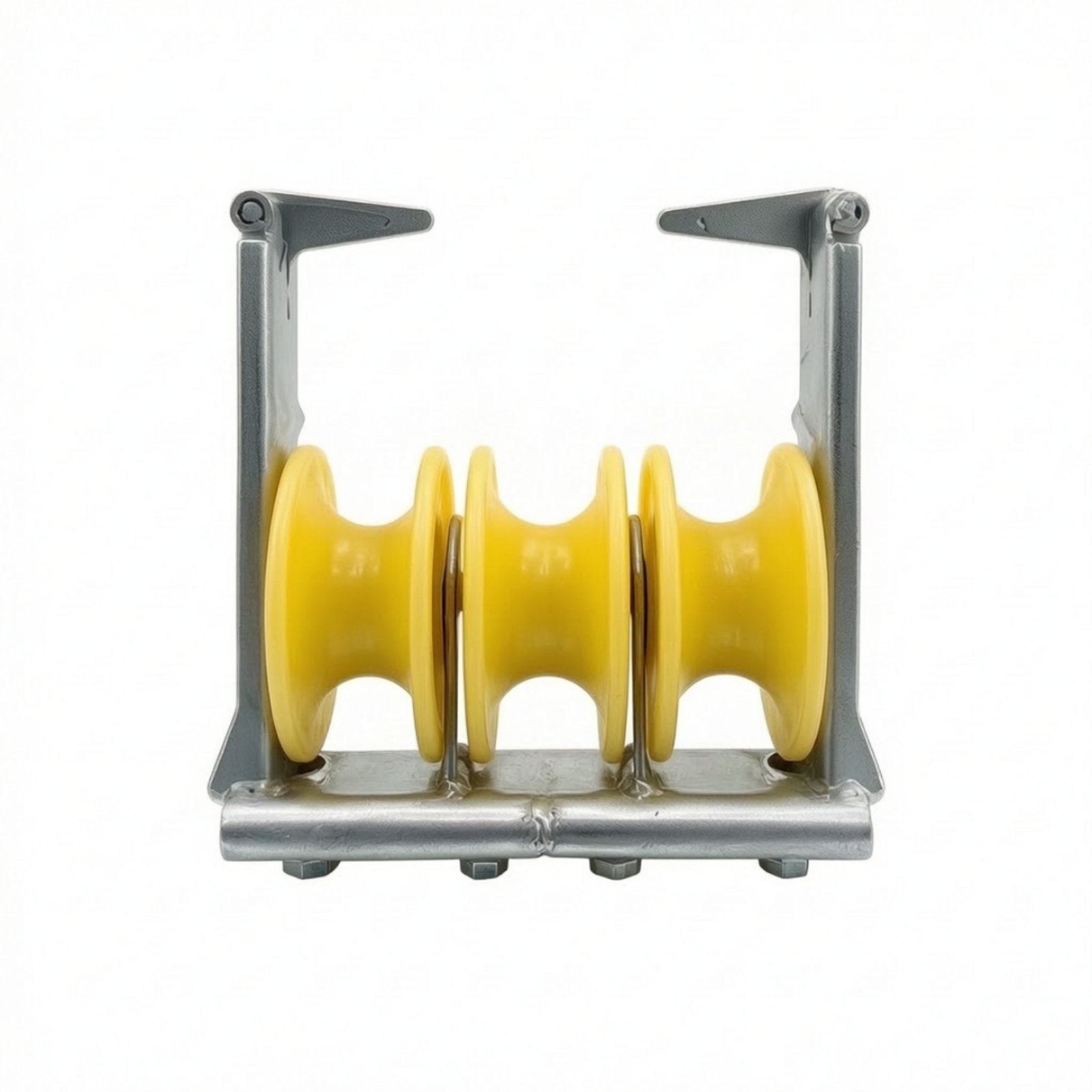
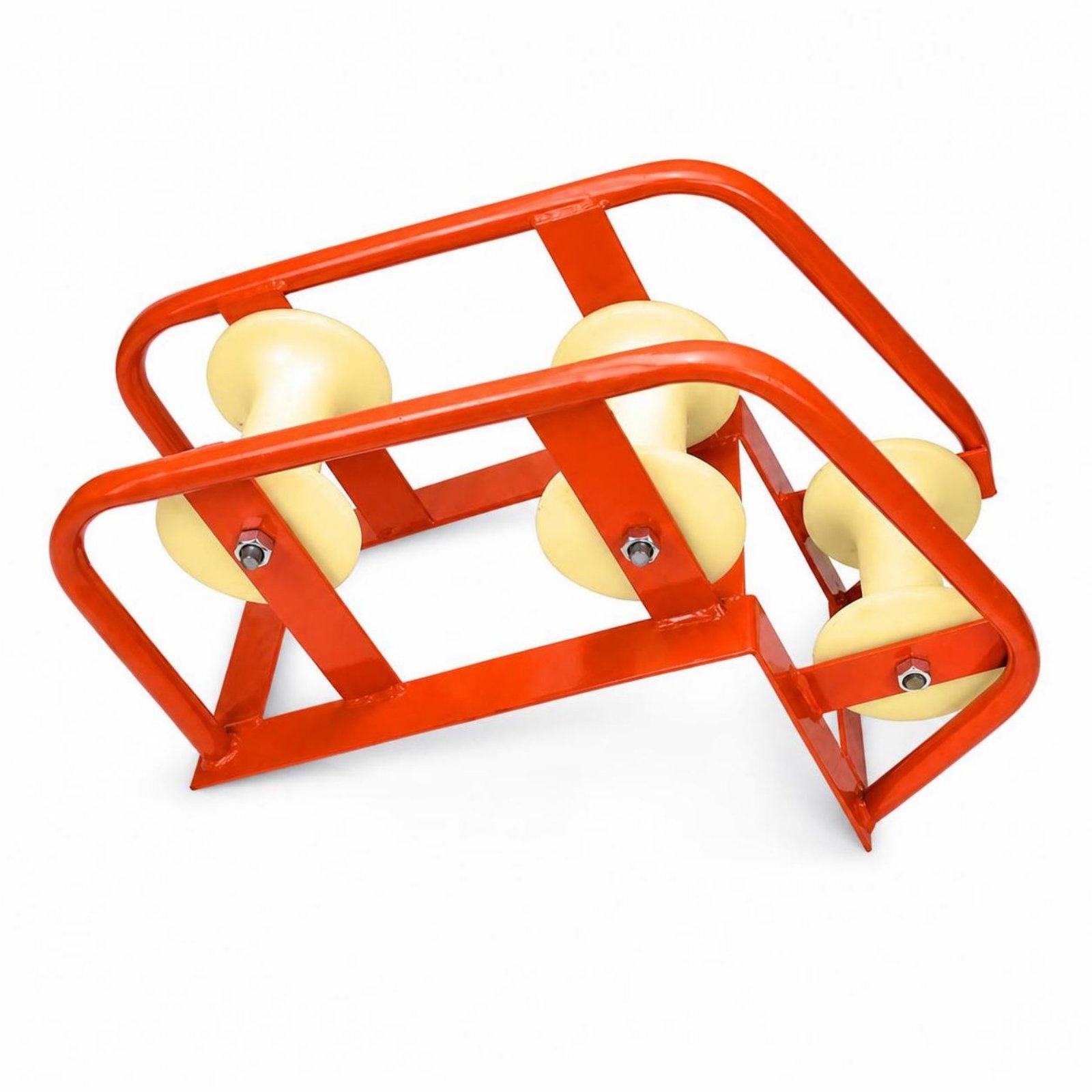
When the route turns a corner or needs a controlled bend, look for more than one roller so the cable is supported across the change in direction instead of rubbing on one point. Cable Roller Guide Heavy-Duty uses two vertically arranged rollers to guide cable through an opening, and Cable Guide Pulley Assembly Metal Rollers uses three polished rollers in a corner-style assembly. For larger bend routing or shaft-mouth style direction changes, Wire-Laying Pulley Three Rollers is built around a triangular three-roller layout.
The key buying idea is simple: pullers create motion, while pulleys and rollers protect the cable and keep that motion controlled.
How the pieces work together in a typical pull
A conduit pull usually starts by getting a line through the path. That is the job of a hand puller or threader. A tool like Portable Wire Pulling Machine can help establish the route first, then the cable is attached and drawn back through.
As the cable begins to move, the first guide should usually be placed where the cable enters the conduit. Pipe-Mouth Cable Guide is designed for that pipe-mouth position, so the cable feeds onto a wheel instead of dragging on the conduit edge.
If the cable approaches the conduit from a floor, wall, tray, or work surface, another guide can keep the approach straight and controlled. Bridge Cable Pulley works for a direct run toward the opening, while Flat Base Cable Pulley makes sense when you want a fixed point on a bench, platform, or other flat area.
If the route includes a corner, bend, or a turn into another opening, use a multi-roller guide at that point. Cable Roller Guide Heavy-Duty helps at an opening where the cable needs bracket protection and rolling support, and Cable Guide Pulley Assembly Metal Rollers is suited to a corner-style routing point. On more awkward direction changes, Wire-Laying Pulley Three Rollers spreads contact across three rollers, which helps the cable change direction with less rubbing.
In practice, these tools are not replacements for each other. A puller such as Handheld Wire Puller provides handling and pulling assistance, while the pulleys and rollers reduce friction, keep alignment, and help prevent outer jacket damage during the pull.
Common mistakes to avoid
One common mistake is trying to do the whole job with only a puller. A puller moves the line, but it does not protect the cable where the run starts or turns. Without a guide at the conduit mouth or bend, the cable can scrape on metal edges and bind.
Another mistake is using the wrong guide for the shape of the route. A straight-run pulley such as Bridge Cable Pulley is helpful when the cable approaches in a direct line, but it is not the same as a corner guide. For direction changes, choose a guide that supports the bend, such as Cable Guide Pulley Assembly Metal Rollers or Wire-Laying Pulley Three Rollers.
Buyers also sometimes overlook mounting. If the guide must stay in one place under tension, a fixed base or bracket matters. Flat Base Cable Pulley has a base with mounting holes, while Cable Roller Guide Heavy-Duty uses a plate-mounted bracket format. If you need attachment right at a pipe opening, Pipe-Mouth Cable Guide is the more relevant style to check.
Do not assume every pulley is meant for conduit pulling. Some items in this category are more general line-routing or suspended-routing tools. If you are choosing for conduit work, confirm that the guide shape matches the opening, the bend, or the support point you actually have.
Finally, do not ignore how bulky the tool is relative to the workspace. Wire-Laying Pulley Three Rollers measures 67 cm long, 50 cm high, and 22 cm wide, so it is better suited to places with room for setup than cramped indoor corners. Flat Base Cable Pulley measures 23 cm by 23 cm by 17 cm, which may be easier to place where space is limited.
What features matter most before you buy
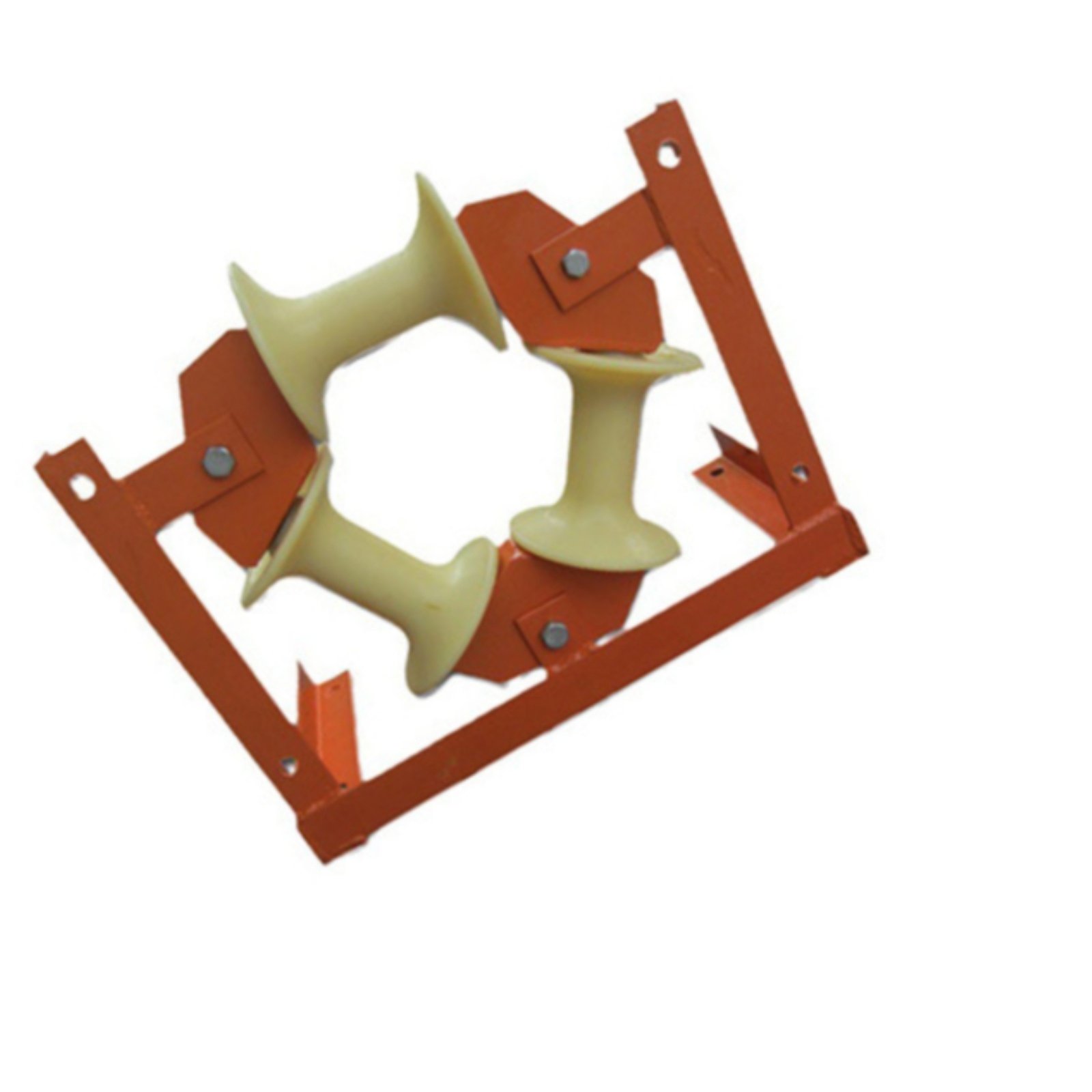
Look first for the wheel or roller arrangement. A single roller is often enough for direct feeding, but multiple rollers are better when the cable must change direction or stay centered through an opening. Cable Guide Pulley Assembly Metal Rollers has three polished rollers measuring 55 x 160 mm, and Grooved Circular Cable Pulley is designed for cable diameters ranging from 50 mm to 150 mm, so those examples show how some guides are built around more demanding routing conditions.
Next, check how the tool mounts. If it needs to attach to a pipe mouth, choose a style made for that position, like Pipe-Mouth Cable Guide. If it needs to sit permanently on a flat point, a bolt-down design like Flat Base Cable Pulley is easier to place securely. If it needs to serve at an opening with a bracketed support, Cable Roller Guide Heavy-Duty is the kind of layout to look for.
Material details are worth noting when they are stated, mainly because they affect how the cable contacts the guide. Pipe-Mouth Cable Guide uses a nylon wheel, and Galvanized Cable Pulley Block uses nylon wheels in a compact hooked block for suspended routing situations. Where material is not stated, the safe approach is to confirm whether the contact surface is smooth and whether the guide shape protects the cable jacket from the frame.
Lastly, match the tool to the job style. For everyday conduit pulling, a practical combination is one threader or hand puller plus one entry guide and one route guide. More complicated runs may need an added corner or bend guide so the pulling effort is spread across several controlled points instead of one rough contact area.
A typical kit
- Portable Wire Pulling MachineUse this as the threader or puller to establish a line through conduit and assist with the actual cable pull.
- Pipe-Mouth Cable GuidePlace this at the conduit or pipe mouth to guide cable onto a wheel instead of against the opening edge.
- Bridge Cable PulleyUse this as a straight-run guide when the cable approaches the conduit in a direct line.
- Cable Roller Guide Heavy-DutyAdd this at an opening or transition point where you want bracketed roller support and less rubbing.
- Cable Guide Pulley Assembly Metal RollersUse this where the route turns a corner and the cable needs controlled support across the bend.
- Flat Base Cable PulleyChoose this when you need a guide pulley fixed down on a flat surface for a stable pulling point.
Questions people ask
Do I need a puller and a pulley, or just one tool?
Usually you need both types. A puller like Handheld Wire Puller or a threader like Portable Wire Pulling Machine helps move the line, while a guide pulley protects the cable and reduces drag at entries and bends.
What tool goes right at the conduit opening?
A pipe-mouth style guide is the most direct fit for that spot. Pipe-Mouth Cable Guide is specifically intended to mount at the pipe mouth so the cable feeds over a wheel instead of scraping the edge.
What should I use for a corner or bend in the route?
Use a multi-roller guide rather than a basic straight-run roller. Cable Guide Pulley Assembly Metal Rollers is a corner-style assembly, and Wire-Laying Pulley Three Rollers is built for bend and shaft-mouth routing where direction control matters.
When does a fixed-base pulley make sense?
It makes sense when you want the guide to stay at one exact point on a flat surface during the pull. Flat Base Cable Pulley is helpful for that kind of setup, while other guides are chosen more for their shape at an opening or bend.
Can these tools prevent cable jacket damage?
They help by reducing friction and keeping the cable aligned, especially at edges and turns. For example, Cable Roller Guide Heavy-Duty is shaped to reduce cable contact with the bracket, and Pipe-Mouth Cable Guide uses a wheel to smooth the conduit entry path.
Shop the list
Everything mentioned above
Prices and delivery windows are live from our catalog.
Handheld Wire Puller
Pipe-Mouth Cable Guide
Portable Wire Pulling Machine
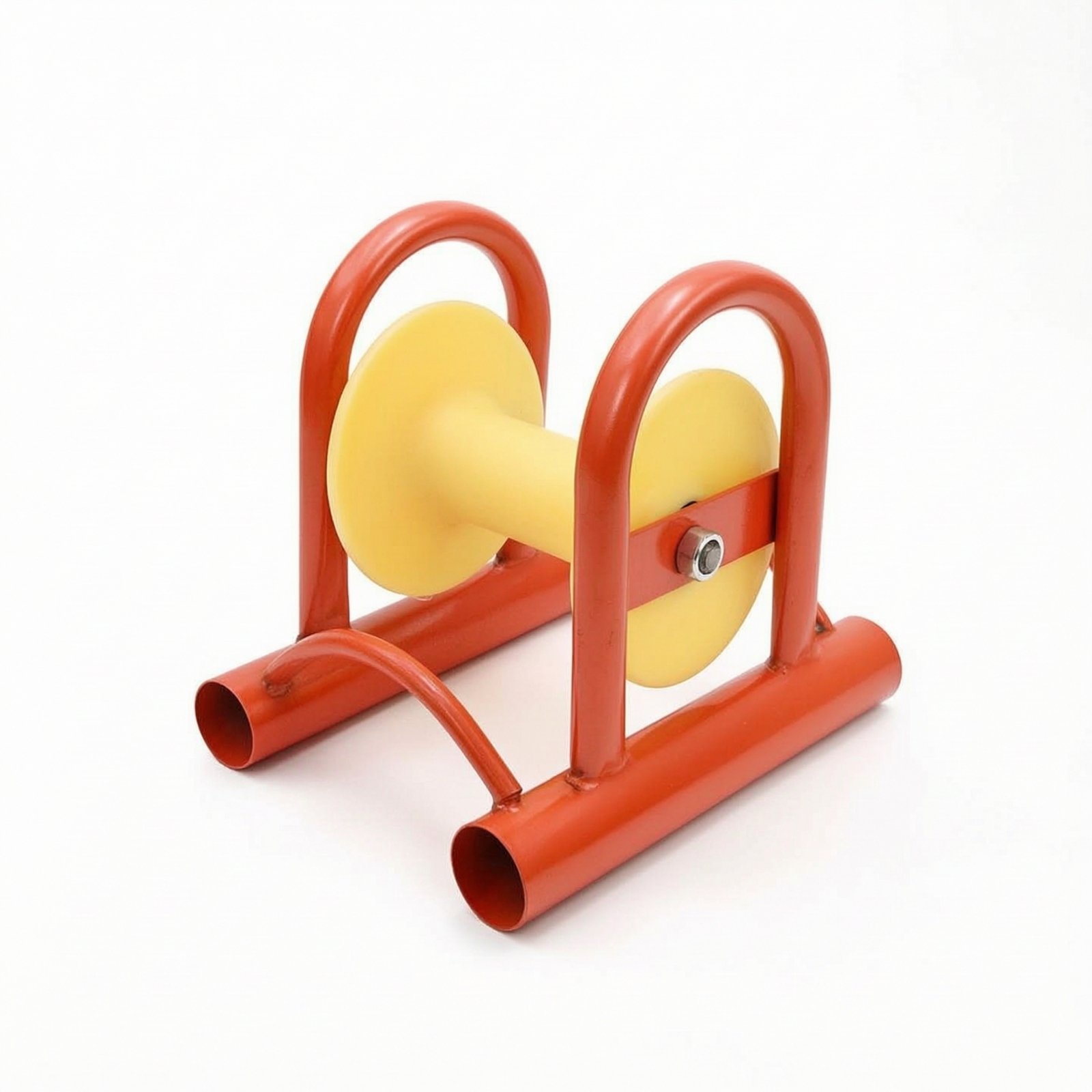
Bridge Cable Pulley
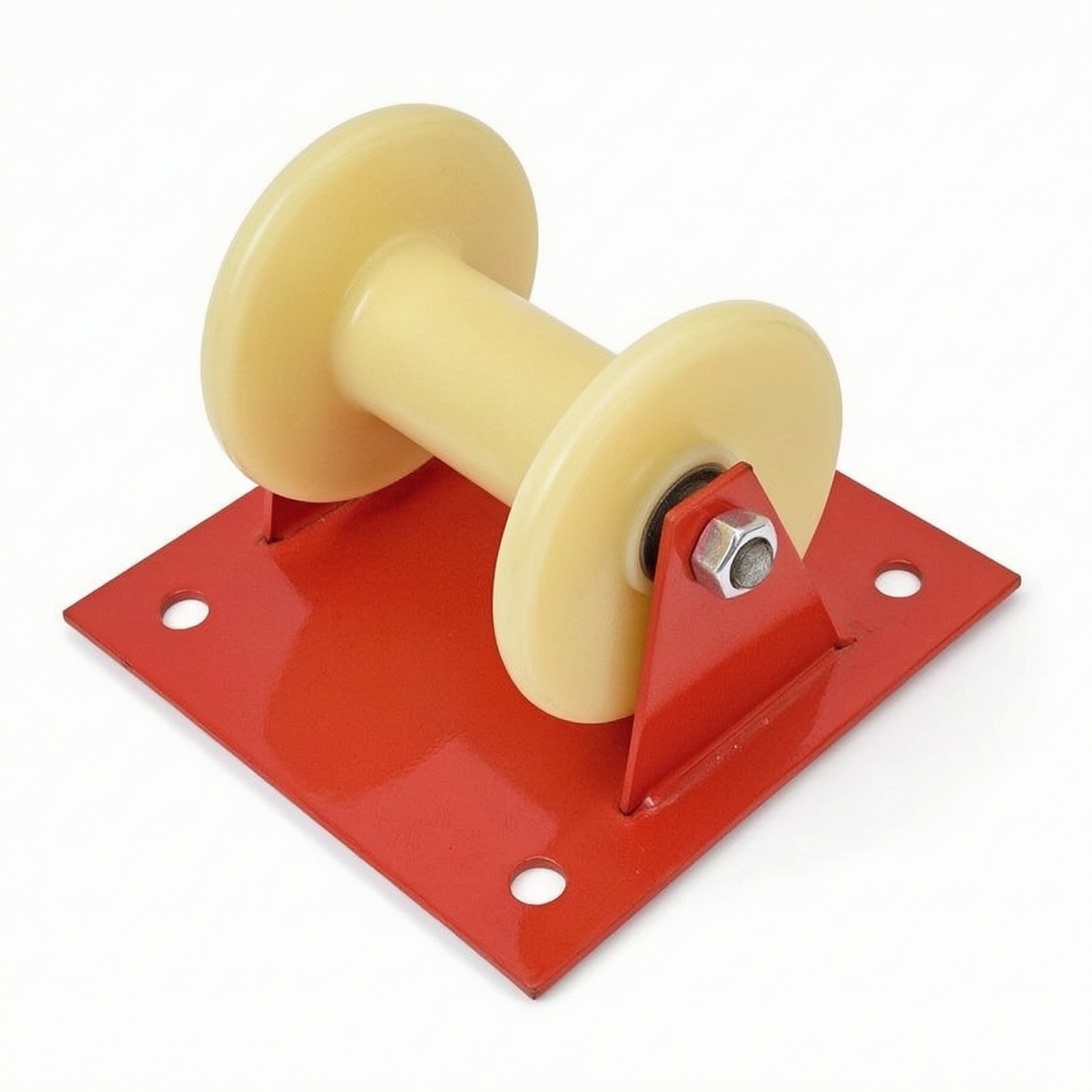
Flat Base Cable Pulley
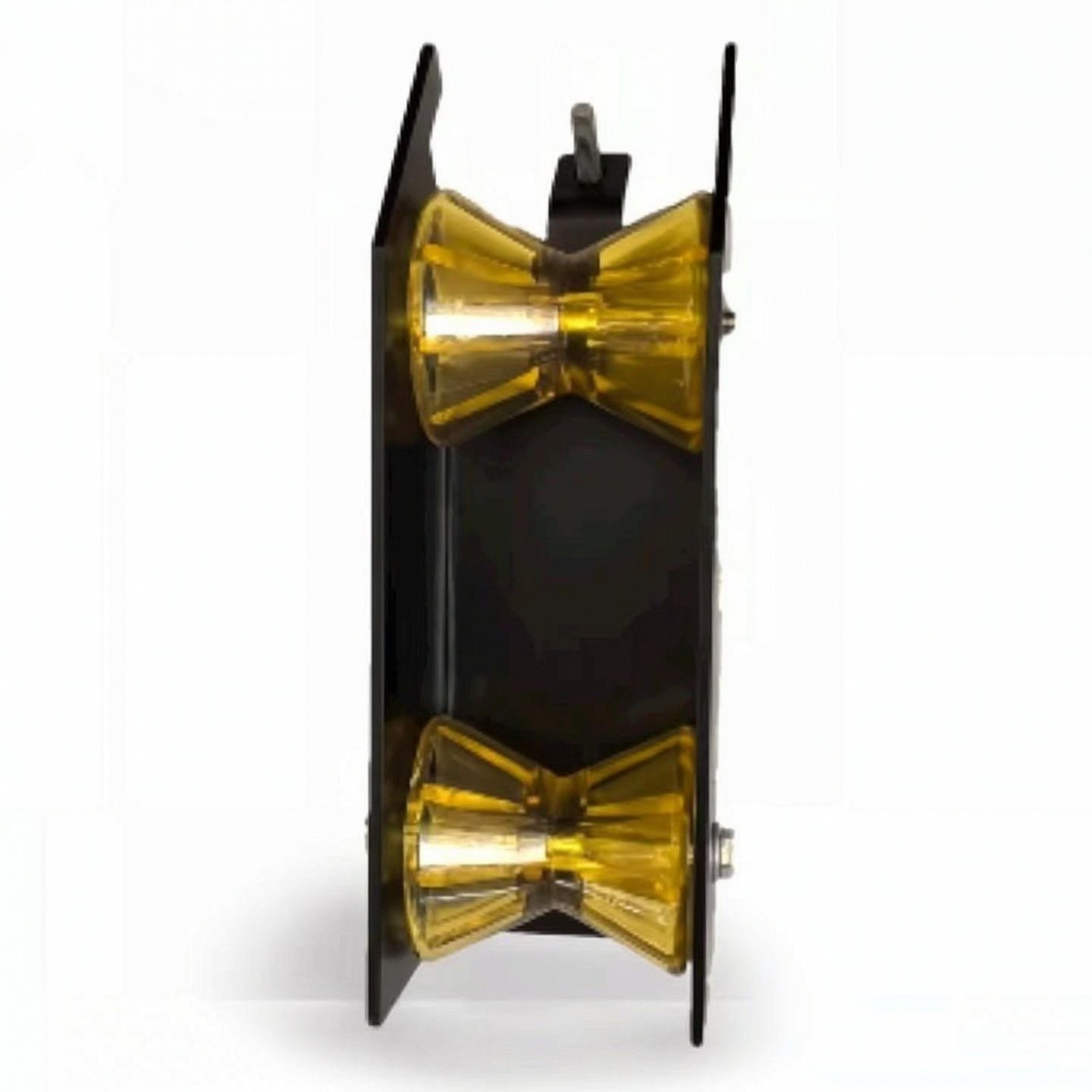
Cable Roller Guide Heavy-Duty
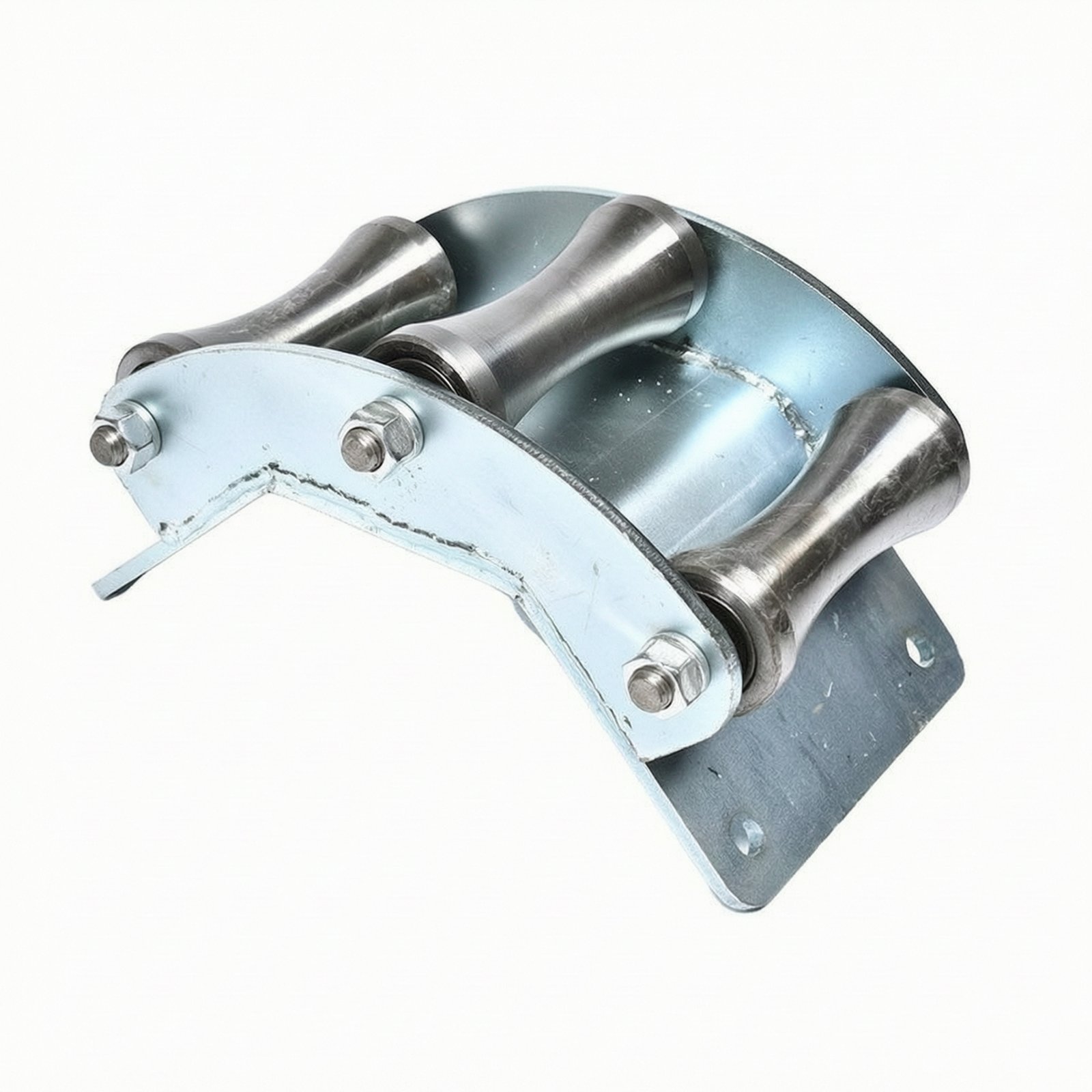
Cable Guide Pulley Assembly Metal Rollers
Wire-Laying Pulley Three Rollers
Grooved Circular Cable Pulley