Buying guide · Workshop & Tools
What measuring tools do I need for accurate shop work
Short answer
For accurate shop work, build your measuring kit around external measurement, internal measurement, clearance checking, and stable setup reference tools. In practice that means a micrometer set, an inside measuring tool, a feeler gauge, and precision parallels or a rigid indicator mount chosen to match the kind of parts and machines you actually use.
Start with the measurements you make most often
The right measuring tools depend on whether you are checking outside sizes, inside sizes, small gaps, or machine setup alignment. Many shop errors happen because a tool is used outside its real purpose, so the first step is to match the tool to the feature on the part.
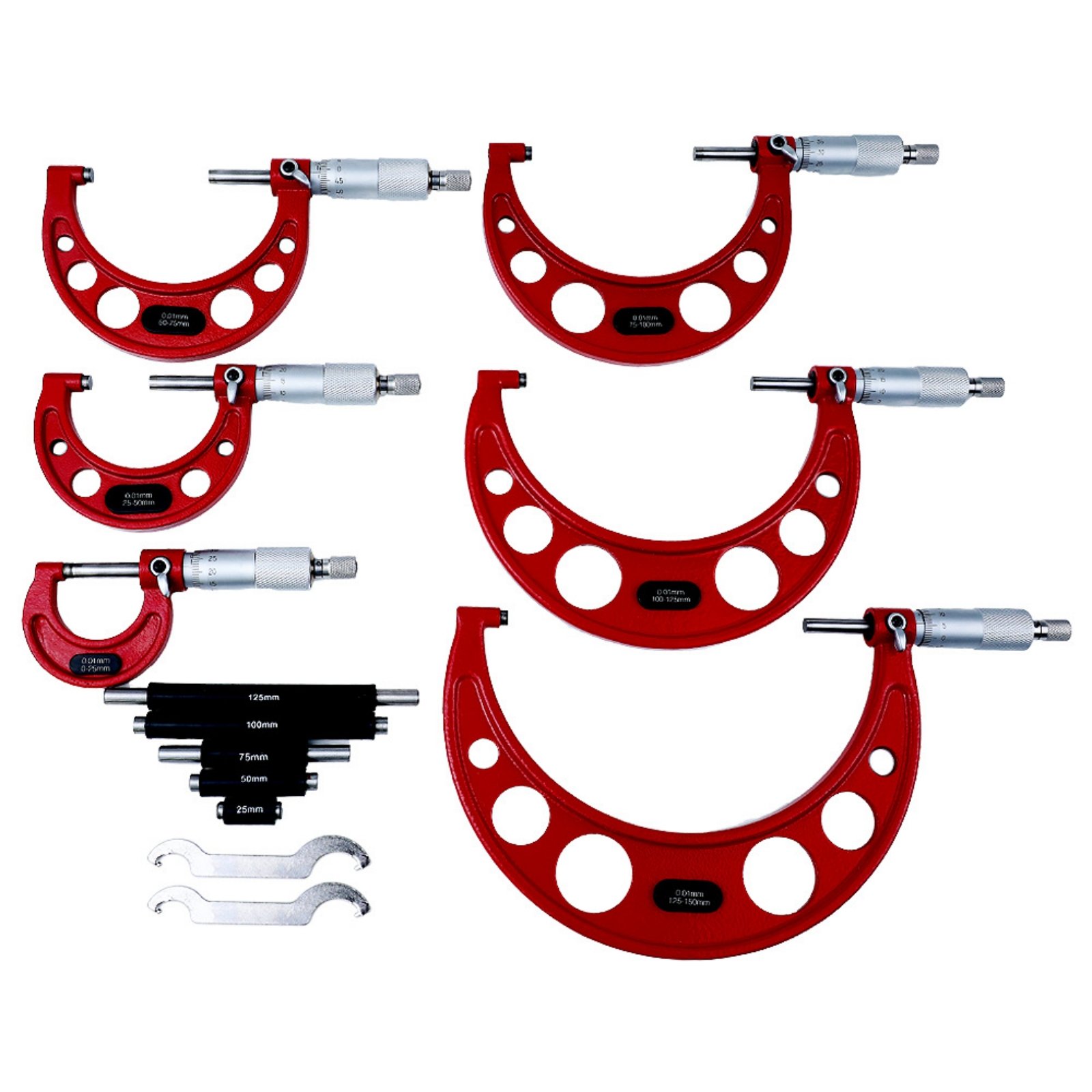
For outside dimensions such as shaft diameters, plate thickness, and turned parts, an outside micrometer set such as Outside Micrometers with Wooden Box is the core tool. Because Outside Micrometers with Wooden Box covers 0-150 mm external measurement work, it suits a general bench where parts vary a lot and repeatability matters.
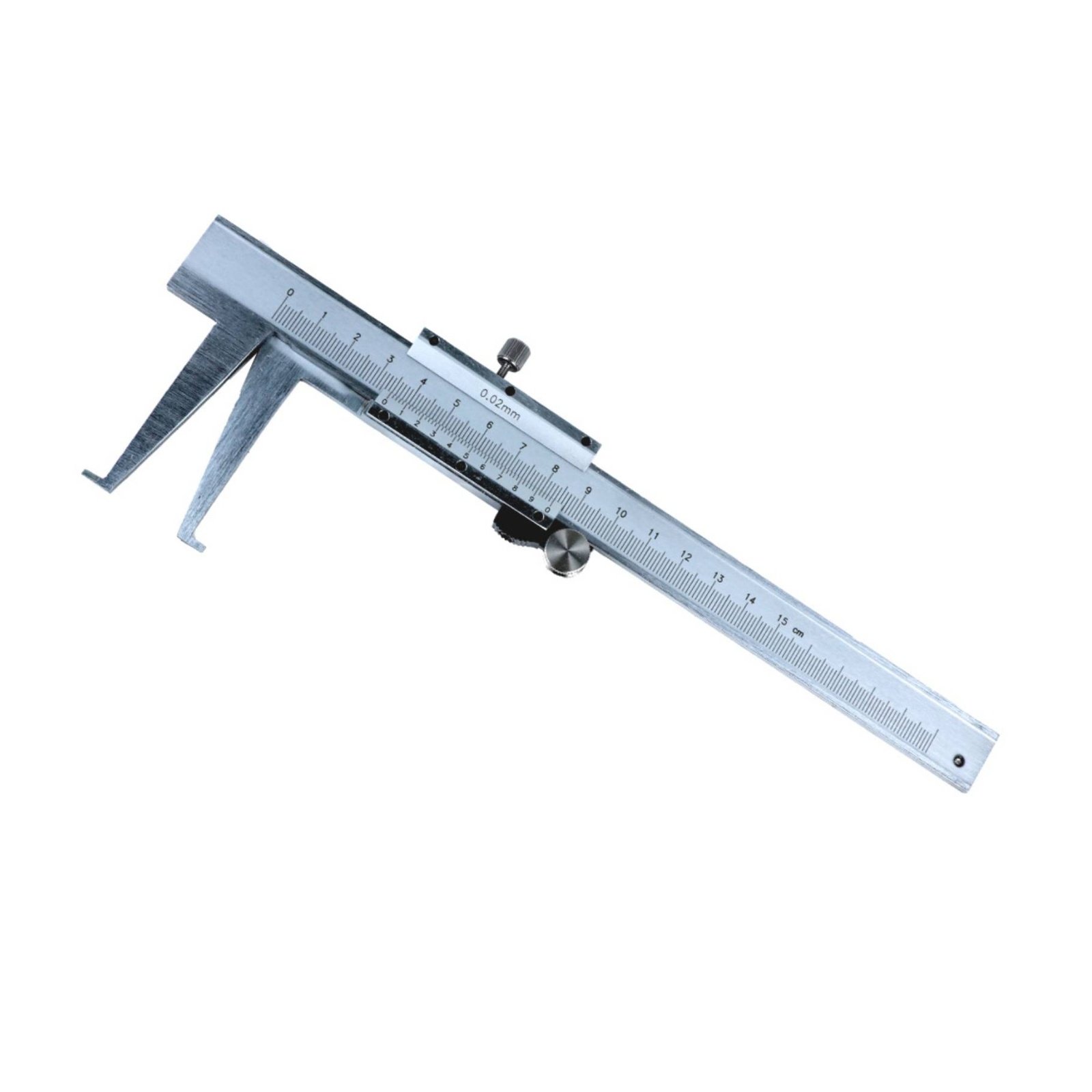
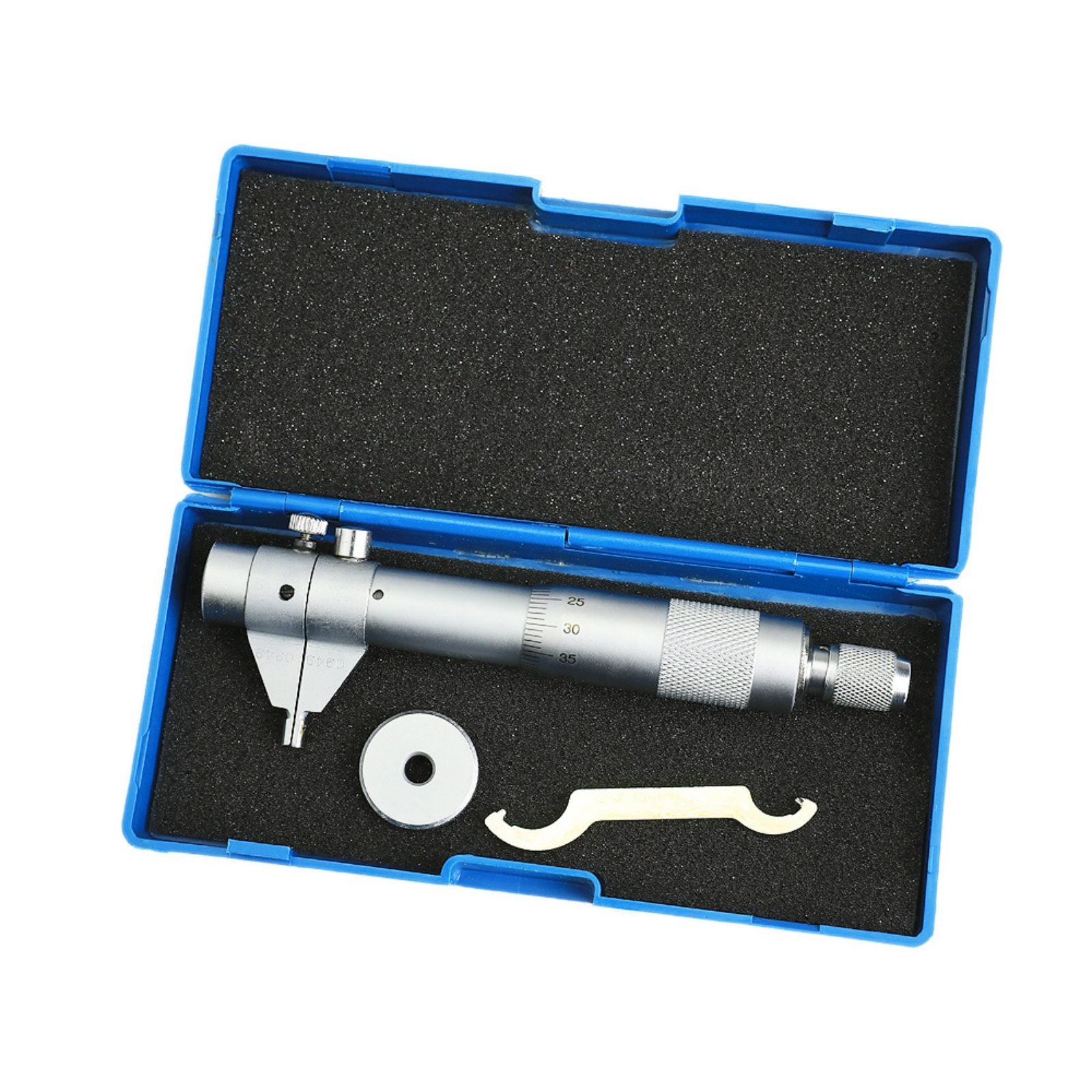
For internal features, choose a tool made for the kind of inside geometry you check. Inside Groove Caliper Metric is intended for internal cylinder bores and recessed channels, and its 9-150 mm range with 0.02 mm resolution makes it useful when you need a direct reading inside a bore or groove. If your work is more about simple bores and hole diameters rather than recessed channels, Stainless Steel Internal Caliper is a straightforward internal caliper for inner dimensions that lets you lock the reading before transferring or confirming it.
For narrow gaps and clearance checks, a feeler gauge is the simple answer. Folding Feeler Gauge measures clearances from 0.02 mm to 1 mm, so it is the tool to reach for when setting spacing, checking fit, or verifying a small mechanical gap that a micrometer or caliper cannot reach cleanly.
Setup tools matter too, because accurate cutting and inspection depend on the work being held at a known, repeatable height. A parallel set such as 12-Piece Parallel Block Set is not a readout measuring tool, but its less than 0.005 mm set accuracy gives you a reliable reference for supporting parts squarely in a vise and reducing setup-related error before you even take a measurement.
Which specs and features actually matter
Look first at the tool’s intended measurement type, then at readability, stability, and how securely it holds a setting. Clear markings help, but they matter only after you know the tool is designed for the feature you need to inspect.
For external measurements, the important points on Outside Micrometers with Wooden Box are that it is a dedicated outside measuring set with clear measurement lines and stable knurled grips. That matters because outside dimensions are often where tolerance stacks begin, and a purpose-built outside tool is easier to repeat accurately than trying to improvise with a less specific instrument.
For internal work, choose between direct inside reading and transfer-style checking. Inside Groove Caliper Metric gives you a finely marked scale, a thumb wheel, and a locking screw, which are helpful when you need to sneak up on a bore size and keep the setting from drifting. Stainless Steel Internal Caliper also has locking hardware and engraved graduations, so it is useful when you want a simpler inside diameter gauge style tool with a secure grip.
For clearance work, the key feature is range coverage in thin increments rather than overall complexity. Folding Feeler Gauge covers 0.02 mm up to 1 mm, and the separate marked leaves let you build a stack or select a single leaf for repeatable checks.
If your shop uses dial indicators, the support hardware matters as much as the indicator itself. Dial Indicator Clamp is a clamp component that holds a measuring tool securely, and its 25 mm opening is the detail to verify against your existing stand or post so you get a rigid setup instead of a mount that slips or vibrates.
For setup reference blocks, focus on declared precision, material stability, and easy identification. 26 Pieces Alloy Steel Parallel Block is built for equal height and alignment during milling and vise work, with declared precision below 0.005 mm and clear engraved size markings, which helps when you need repeatable support rather than guesswork.
How the pieces work together in real shop use
A good measuring workflow starts before the measurement itself. First support the work correctly, then align the setup, then measure the feature with the right dedicated tool.
A typical sequence is to hold the part on parallels, machine or inspect it, and then verify key dimensions. A set like 12-Piece Parallel Block Set or 26 Pieces Alloy Steel Parallel Block supports the workpiece at a consistent height in the vise, which helps keep the part square and accessible. After that, use Outside Micrometers with Wooden Box for outside sizes, Inside Groove Caliper Metric or Stainless Steel Internal Caliper for internal features, and Folding Feeler Gauge for final clearance checks where a rigid measuring head will not fit.
If you inspect runout, flatness, or movement with a dial indicator, the stand has to be solid. Dial Indicator Clamp does the holding job in an indicator setup, reducing movement that can make a good part look bad or hide a real problem.
These tools complement each other instead of replacing one another. Parallels control the setup, the clamp stabilizes the indicator arrangement, micrometers confirm outside size, inside tools check bores or grooves, and feeler gauges verify the small gaps that other tools cannot reach.
When you organize your kit this way, each tool answers a specific question. That is the difference between collecting measuring tools and actually building an accurate shop workflow.
Common buying mistakes to avoid
The biggest mistake is buying only one measuring tool and expecting it to handle every job. Outside, inside, setup, and clearance measurements are different tasks, so accuracy usually comes from using a small group of purpose-built tools rather than forcing one tool to do everything.
Another common mistake is confusing setup blocks with direct-reading gauges. Parallel sets such as 12-Piece Parallel Block Set and 26 Pieces Alloy Steel Parallel Block are precision support tools for holding and aligning work, not substitutes for a micrometer or an inside caliper. They improve accuracy indirectly by improving the setup.
Do not assume an internal tool fits every cavity. Before buying Inside Groove Caliper Metric or Stainless Steel Internal Caliper, check whether your work is mostly simple bores, grooves, recesses, or hard-to-reach internal features, because jaw shape and access matter as much as scale markings.
Avoid overlooking locking features and legibility. A tool that cannot hold its setting, or that has markings you struggle to read quickly, slows work and invites errors during repeated checks.
Finally, verify compatibility when adding mounting parts. Dial Indicator Clamp is useful only if its 25 mm opening matches the post or stand arrangement you already use, so check your measurement stand before treating it as a universal fit.
A typical kit
- Outside Micrometers with Wooden BoxHandles precision external measurements such as diameters and thicknesses across a broad range of general shop parts.
- Inside Groove Caliper MetricChecks internal bores and recessed channels when you need a direct inside measurement with a locking reading.
- Folding Feeler GaugeMeasures narrow clearances and spacing that larger measuring heads cannot reach.
- 12-Piece Parallel Block SetSupports workpieces at a consistent height in a vise so machining and inspection start from a stable setup.
- Dial Indicator ClampProvides a rigid clamping point for an indicator setup so readings are less affected by slipping or vibration.
Questions people ask
Do I need a micrometer if I already have inside measuring tools?
Yes, because inside and outside dimensions are different jobs. Outside Micrometers with Wooden Box is made for external measurement work, while Inside Groove Caliper Metric and Stainless Steel Internal Caliper are for internal features.
Are parallel blocks measuring tools or setup tools?
They are mainly setup tools. Sets like 12-Piece Parallel Block Set and 26 Pieces Alloy Steel Parallel Block improve accuracy by holding the part at a consistent height and alignment, but they do not replace direct-reading tools for checking finished dimensions.
When should I use a feeler gauge instead of a caliper or micrometer?
Use Folding Feeler Gauge when you need to check a very small gap or spacing that a larger measuring head cannot enter cleanly. It is especially useful for fit, adjustment, and clearance work where thin leaves can slip into the space being checked.
Which inside tool is better for general shop work?
If you often measure bores and recessed channels directly, Inside Groove Caliper Metric is a strong general choice because it is made for that geometry and has a locking screw. If your work is more basic inside diameter checking and you prefer a simpler internal caliper style, Stainless Steel Internal Caliper may be easier to integrate into your routine.
Why would I buy an indicator clamp if it does not measure by itself?
Because measurement accuracy depends on stability as much as scale quality. Dial Indicator Clamp holds a measuring tool securely, and that helps prevent movement from affecting your inspection result.
Shop the list
Everything mentioned above
Prices and delivery windows are live from our catalog.
Outside Micrometers with Wooden Box
Inside Groove Caliper Metric
Stainless Steel Internal Caliper
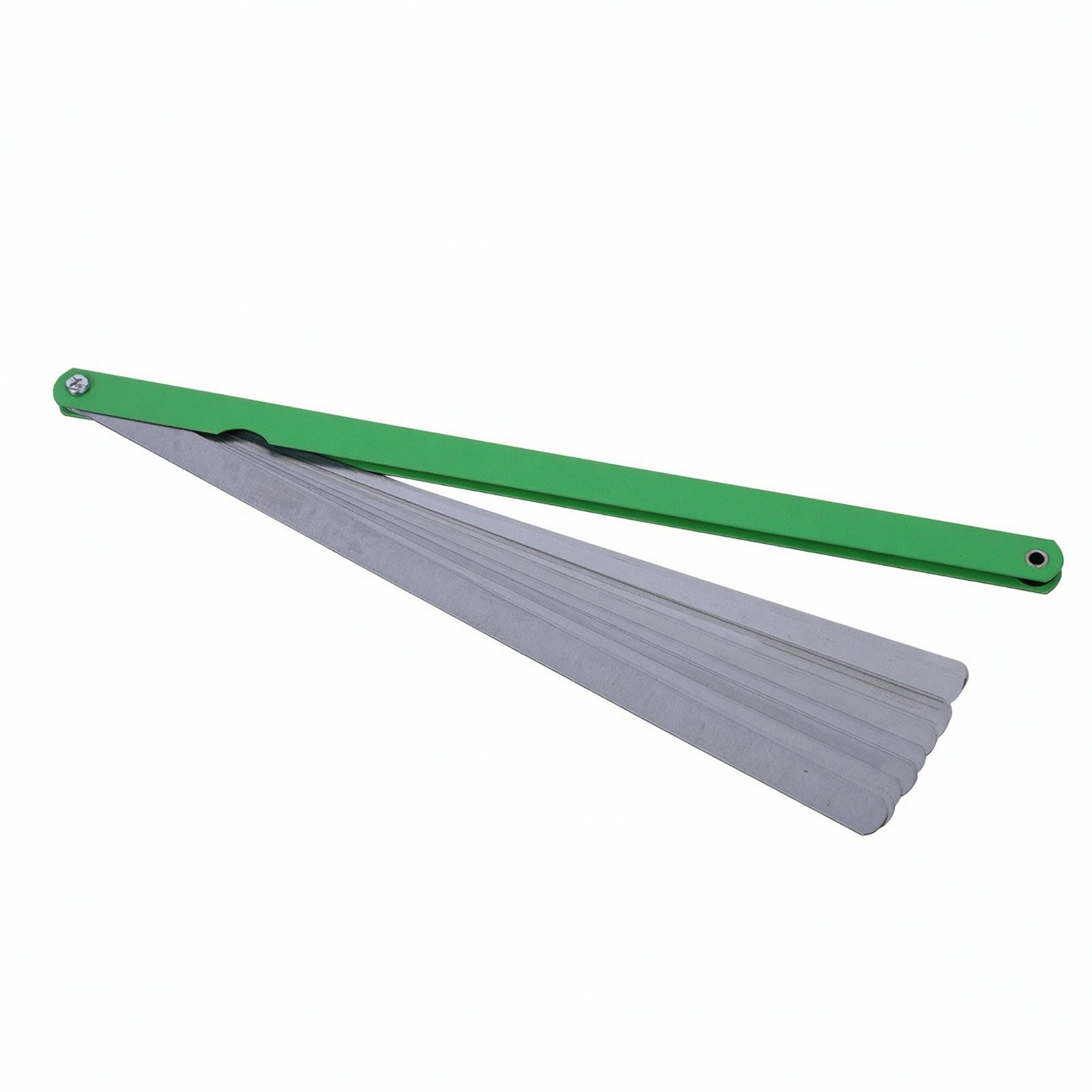
Folding Feeler Gauge
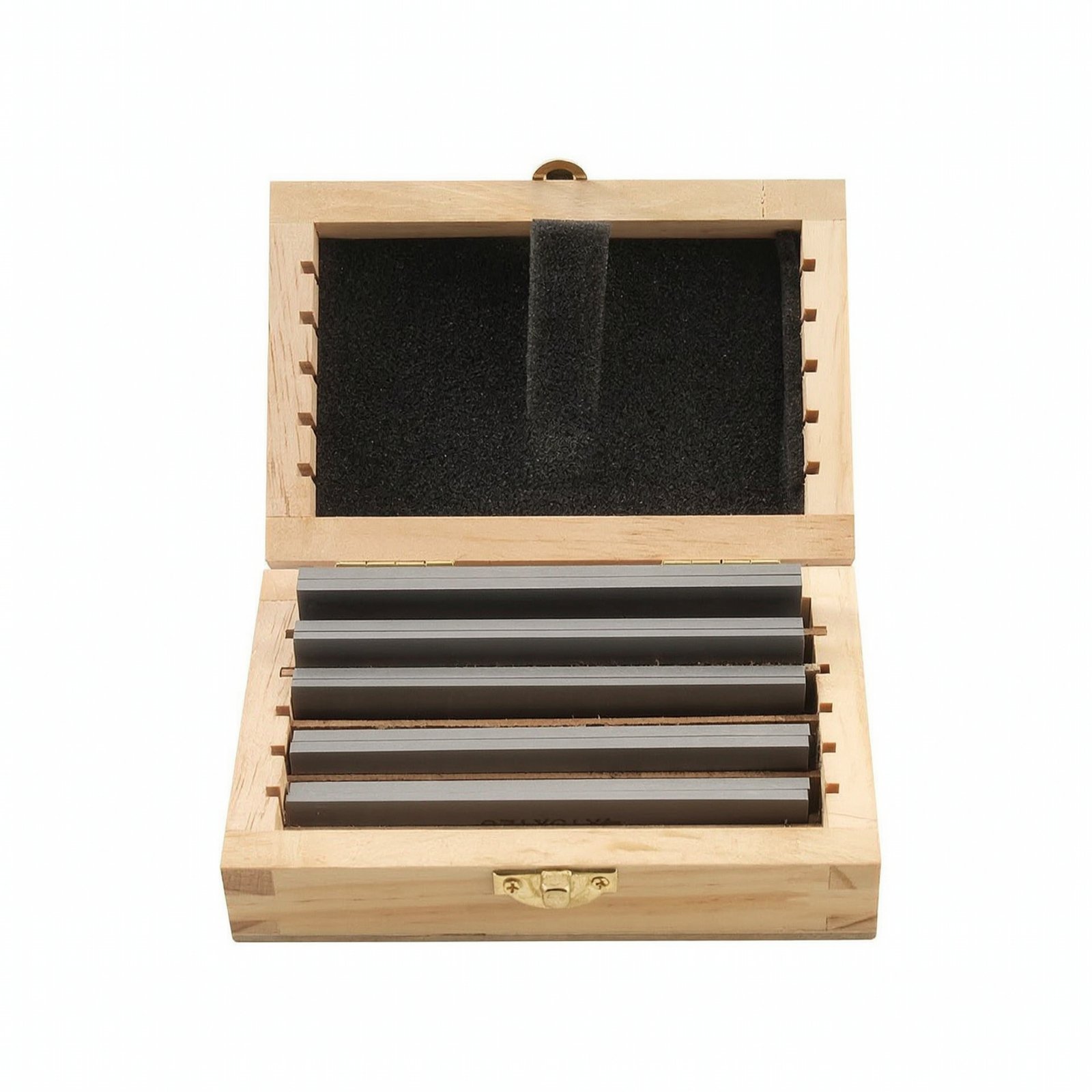
12-Piece Parallel Block Set
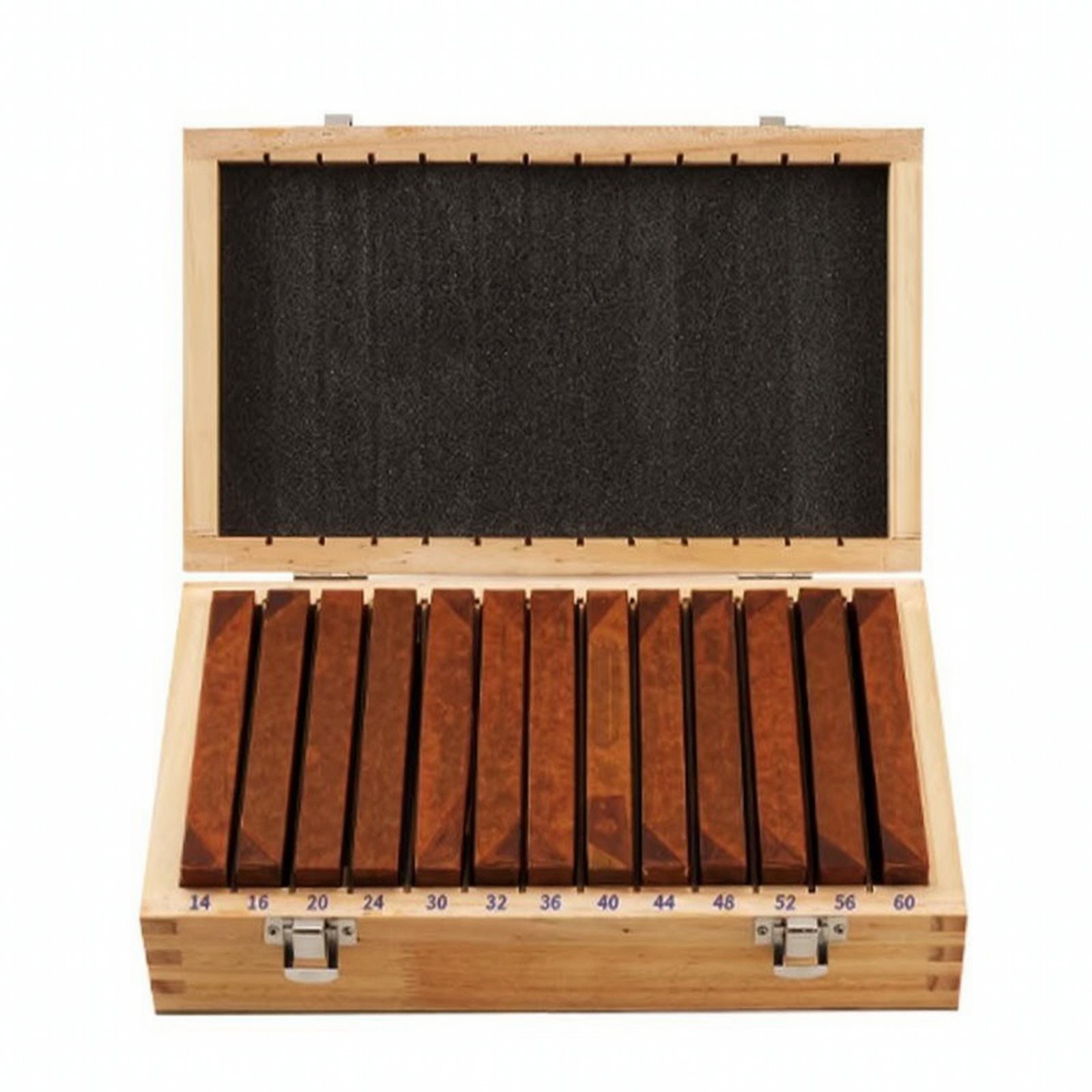
26 Pieces Alloy Steel Parallel Block