Buying guide · Workshop & Tools
How to choose clamps for woodworking
Short answer
Choose woodworking clamps by matching the clamp style to the job first, then checking capacity, pad protection, adjustment method, and whether the clamp is meant for a bench, a corner, or a fixed jig. For most shops, a small mix of F-style clamps, a corner clamp, a compact G clamp, and a dedicated jig clamp covers many tasks without forcing one clamp type into every job.
Start with the kind of work you actually do
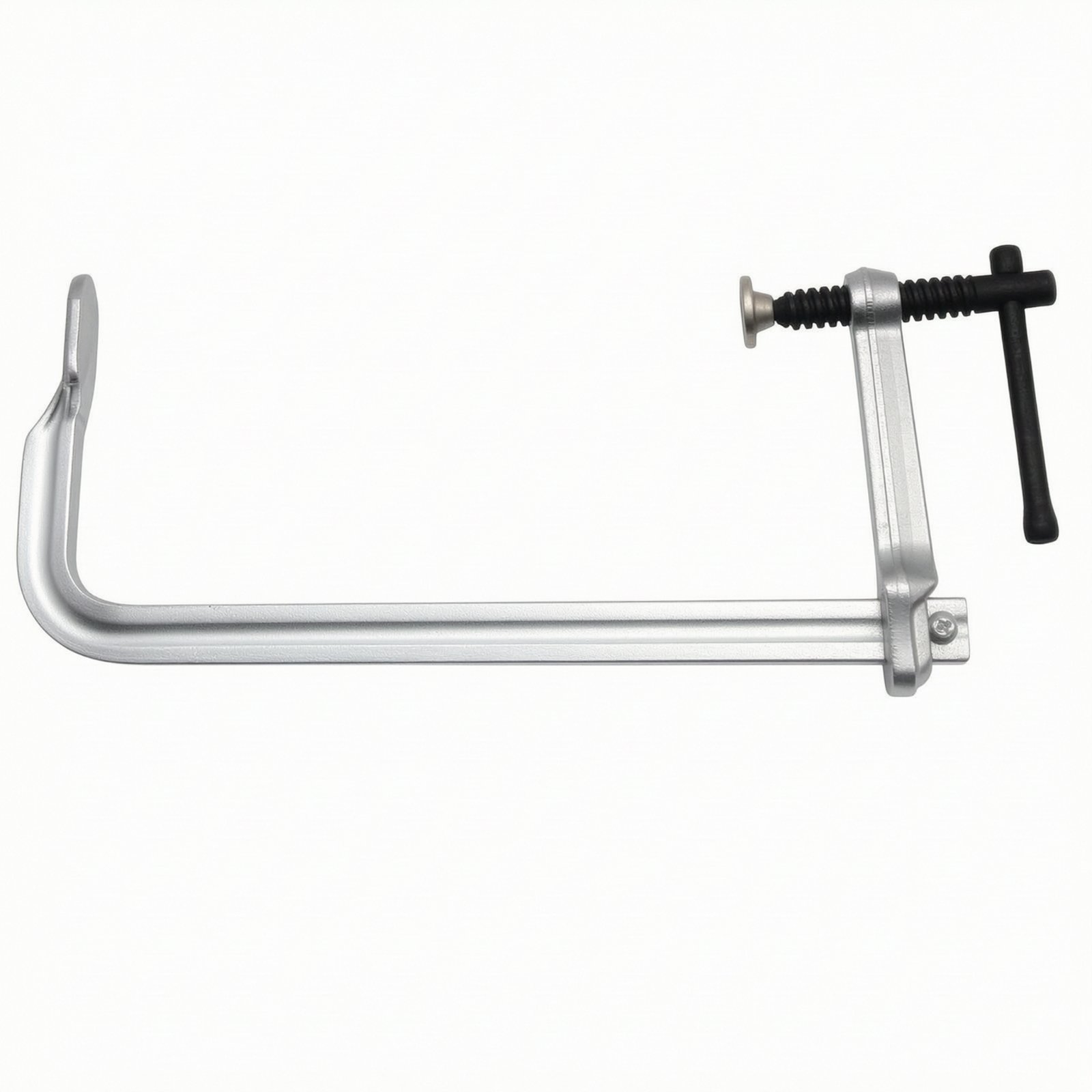
The easiest way to choose clamps is to sort your work into common tasks: edge gluing, holding parts on a bench, squaring frames or boxes, and locking work into a jig. A general bench clamp should tighten securely, stay in place, and protect the wood surface if you work with visible faces. For that role, an F-style clamp such as F Clamp with T-Handle is useful because the sliding arm and screw let you fit a range of parts without changing tools.
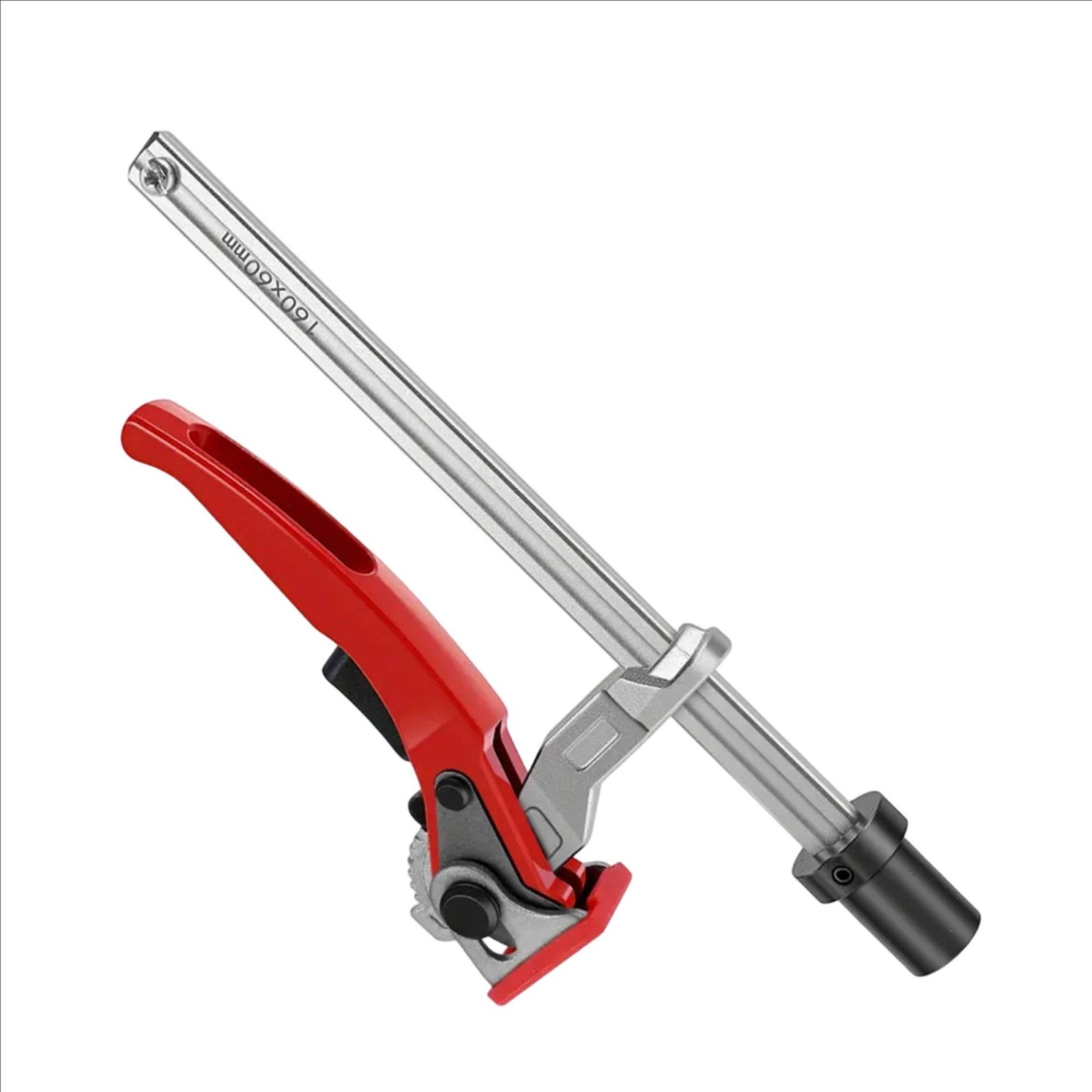
If you often need quick one-handed positioning on a bench or rail setup, a ratcheting style can save time. Quick Release Ratchet F Clamp is built as a ratchet F clamp with quick release, and Ratcheting Table Clamp F Clamp is designed for track or rail-based setups where controlled placement matters. That helps when you are fitting parts repeatedly and do not want to keep spinning a screw in and out.
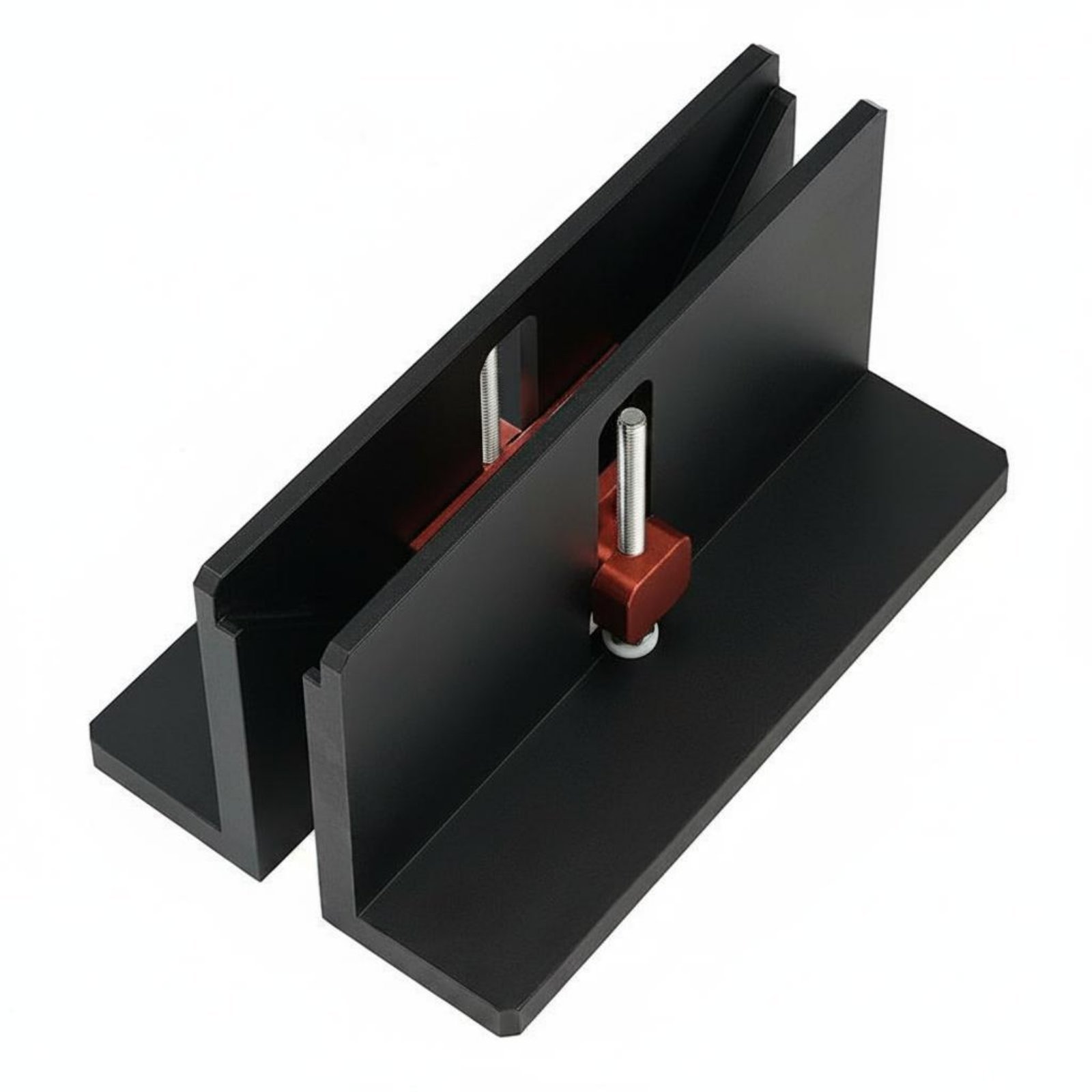
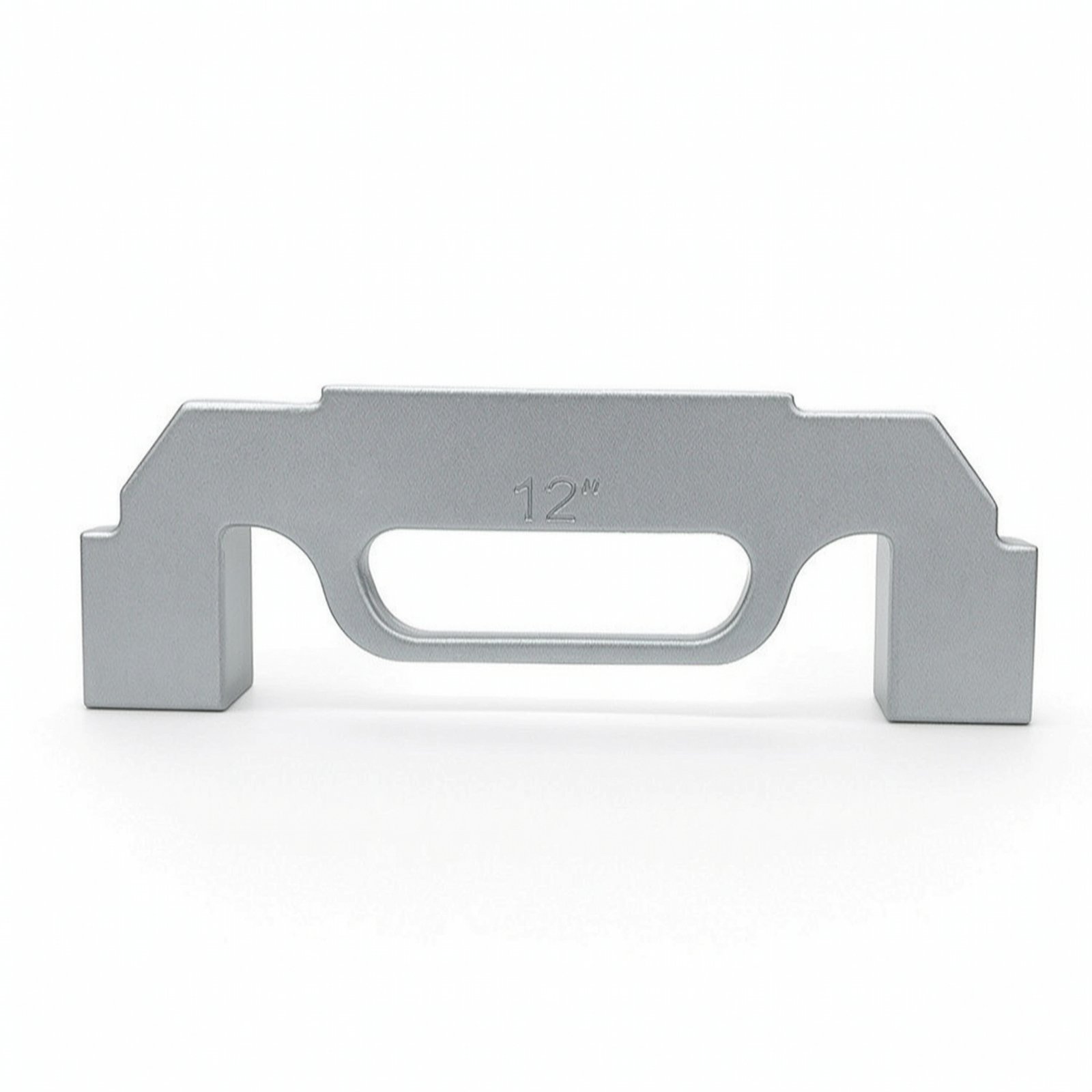
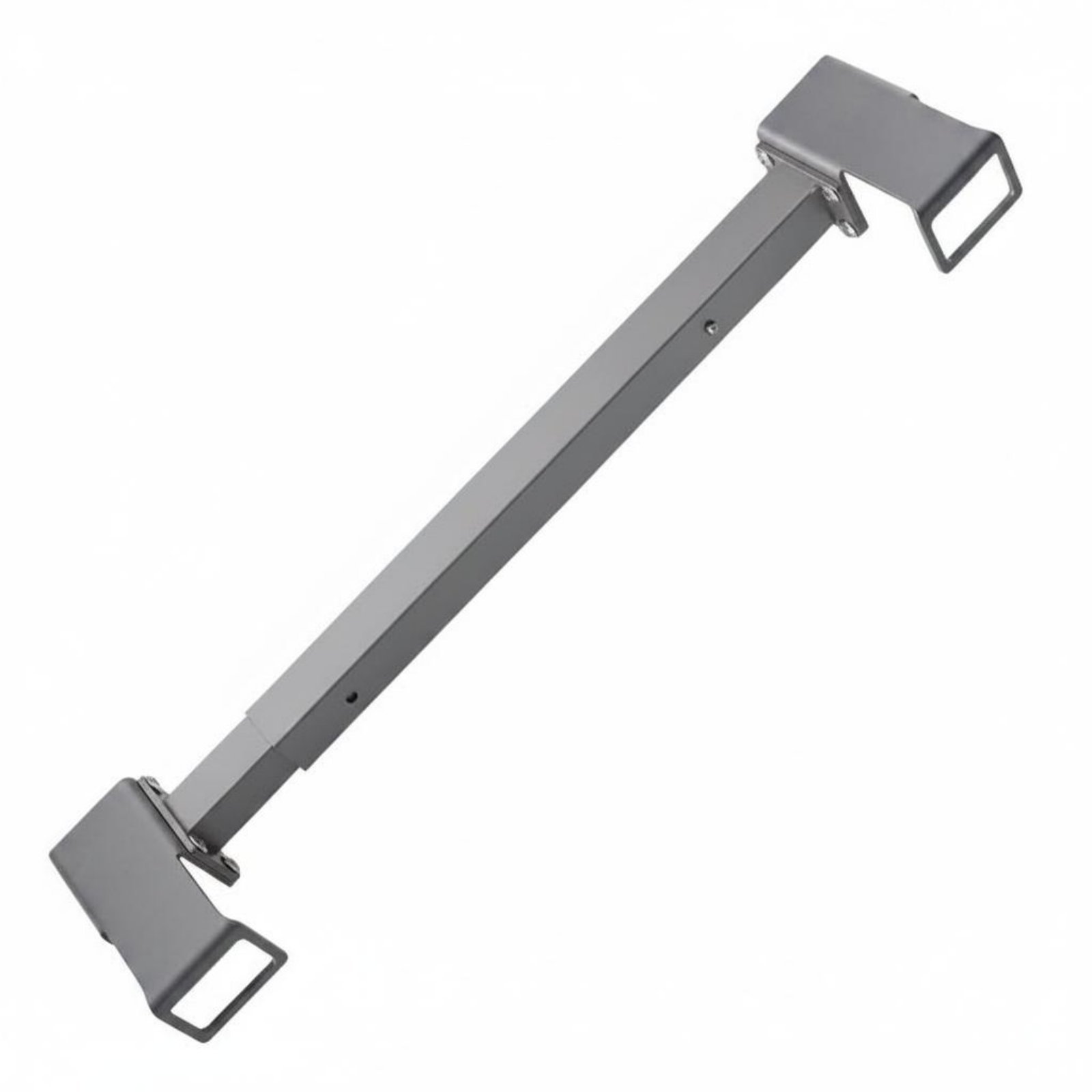
For boxes, frames, and any joint that must stay square while glue sets, use a dedicated corner or framing clamp instead of trying to force square with two ordinary bar clamps. Mortise and Tenon Jig is made to hold picture frame and box corners at a right angle, while 90-Degree Framing Clamp is a rigid framing jig for square alignment during panel assembly. If your work is more like rough framing or holding larger members at a set corner, Adjustable Corner Clamp is an adjustable framing tool with a telescopic range of 16 to 24 in for holding lumber components at 90 degrees.
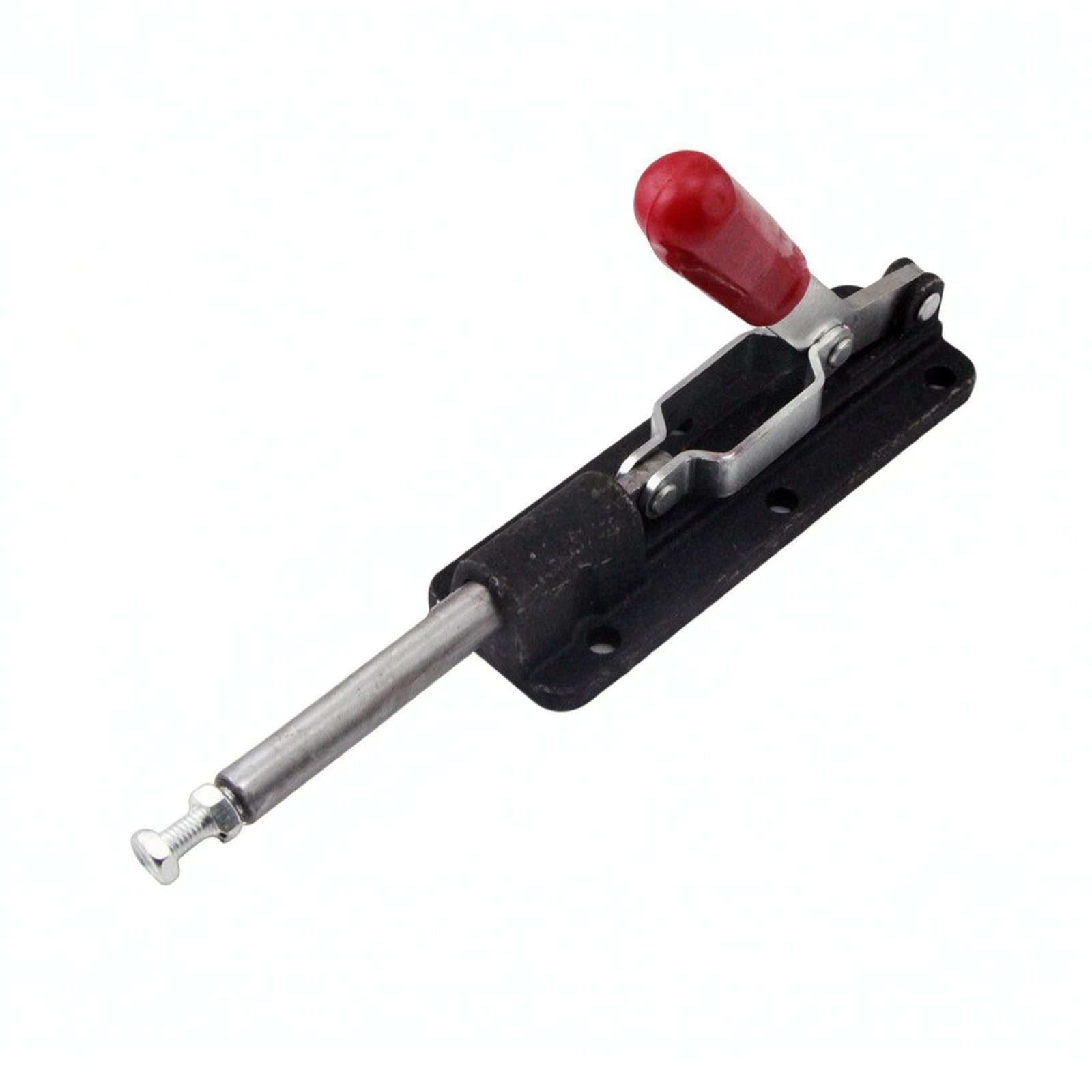
For fixed shop jigs, stop blocks, or fixtures that need repeatable locking, toggle clamps are a different category. Push-Pull Toggle Clamp uses a push-pull action with an 80 mm stroke and 580 kg holding force, so it suits purpose-built jigs where you want fast lock and release.
What specs and features matter most
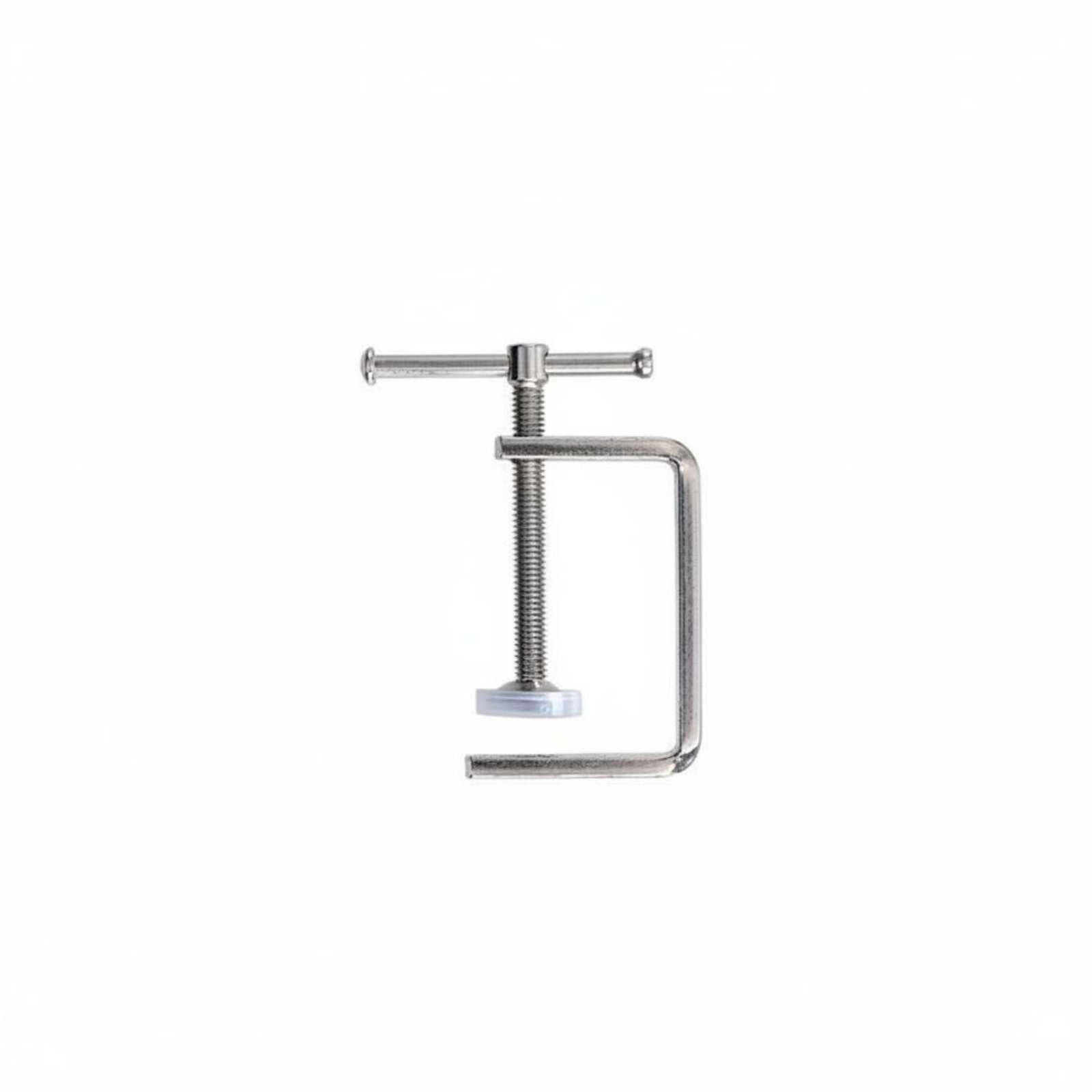
Clamp capacity matters, but only in the context of your stock thickness and the shape of the work. A clamp that fits easily around a joint is usually more useful than one that is bulky for the task. Heavy Duty g Clamp is a good example of a small G clamp to keep around because it comes in versions with a clamping range up to 46 mm, 60 mm, 102 mm, or 147 mm, which helps you match the clamp to thin parts, small laminations, or heavier bench work.
Pad design is easy to overlook, but it affects how much cleanup and sanding you do later. Soft or guarded contact points help reduce dents on finished wood and on delicate species. Ratcheting Table Clamp F Clamp has soft pad ends for surface protection, Heavy Duty g Clamp has a soft cover on the pressure point, and Quick Release Ratchet F Clamp includes a guarding pad, so these are sensible choices when the clamp touches a visible face.
Adjustment speed also matters because some jobs need quick placement while others need gradual pressure. Ratcheting and quick-release styles help with repetitive holding and temporary positioning, while screw and T-handle styles are useful when you want fine control over tightening pressure. F Clamp with T-Handle uses a threaded screw and T-handle for controlled tightening, whereas Quick Release Ratchet F Clamp is meant for rapid adjustment and release.
If you build your own pipe-clamp setup for panel glue-ups, the straight bar is the key reference surface. Threaded Pipe-Clamp Bar is a threaded carpentry pipe-clamp bar with a 60 cm length, 26 mm outer diameter, and 20 mm inner diameter, meant to act as the rigid shaft that carries clamp hardware.
How the pieces work together in a small clamp kit
A balanced clamp kit usually combines one or two general-purpose bench clamps, one square-up solution, and one specialty clamp for repeat work. In practice, that means an F clamp for everyday holding, a compact G clamp for tight spaces, and a corner clamp for assemblies that must stay square. This mix handles most cutting, sanding, dry fitting, and glue-up tasks without asking one clamp style to do everything.
One practical combination is F Clamp with T-Handle for controlled bench pressure, Quick Release Ratchet F Clamp for quick holding during layout or trimming, Heavy Duty g Clamp for small parts and awkward spots, and Mortise and Tenon Jig for frame and box corners. If you build larger square assemblies, swap in 90-Degree Framing Clamp or Adjustable Corner Clamp depending on whether you need a rigid framing guide or an adjustable framing aid.
For repeatable production work, add a jig clamp rather than more hand clamps. A mounted toggle unit like Push-Pull Toggle Clamp can hold a part against stops in the same place every time, which improves consistency and speeds up repetitive drilling, routing, or fitting. That style is less about spanning a joint and more about locking a workpiece into a prepared fixture.
Common buying mistakes to avoid
A common mistake is buying only the strongest clamp you can find and assuming it will suit every job. Extra holding force can help in a fixed jig, but for woodworking it is often more important that the clamp fits the joint, reaches the spot you need, and does not bruise the surface. That is why a small G clamp, an F clamp, and a corner clamp often make a more practical starting mix than a one-style collection.
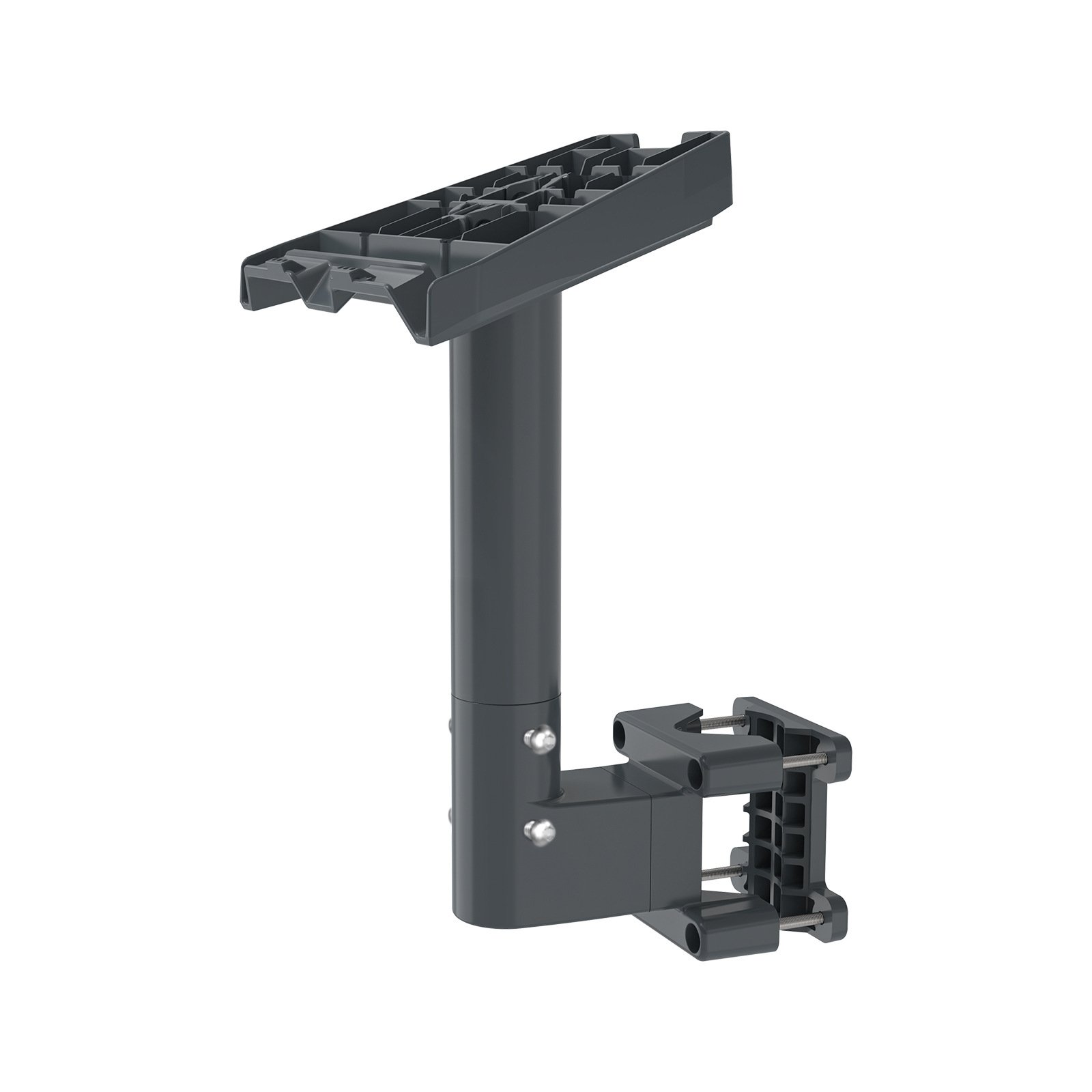
Another mistake is confusing jig hardware with general woodworking clamps. Toggle Clamp with U-Bracket and Self-Locking Toggle Clamp are meant to mount on jigs and fixtures, so they are not direct replacements for clamps you carry to the bench. In the same way, Strapping Clamp Tool is a strapping clamp tool for packing bands, not a woodworking assembly clamp, and Roof Pipe Clamp Heavy Duty is a roof pipe clamp for cylindrical mounting tasks rather than wood joinery.
Buyers also forget to check the contact style and adjustment method. If you work on finished parts, choose padded contact points where possible. If you do repetitive dry fitting, quick release or ratcheting can save frustration, but for careful glue-ups you may still prefer the slower control of a screw clamp.
A typical kit
- F Clamp with T-HandleUse this as a general bench F clamp when you want controlled tightening for assembly, fitting, and everyday holding.
- Quick Release Ratchet F ClampAdd this for quick-release, fast repositioning jobs where temporary holding speed matters more than fine screw adjustment.
- Heavy Duty g ClampKeep this compact G clamp for small parts, tight spaces, and situations where a short, rigid frame is easier to place.
- Mortise and Tenon JigChoose this for picture frames, boxes, and other corner joints that must stay aligned at a right angle during glue-up.
- 90-Degree Framing ClampUse this framing clamp when you need a rigid square guide for panel or corner assembly work.
- Push-Pull Toggle ClampMount this in a jig when you want fast, repeatable locking of workpieces against stops for repeated operations.
Questions people ask
How many clamps do I need to start woodworking?
Start with a small mix rather than a large pile of one type. A few general bench clamps, one compact clamp for small parts, and one corner clamp will cover many beginner and intermediate projects without leaving obvious gaps.
Should I choose F clamps or G clamps first?
Choose F clamps first if you want flexibility for boards, assemblies, and general bench work. Choose a G clamp as a supplement for short reach jobs, small parts, or places where a compact rigid frame is easier to position.
Are toggle clamps good for woodworking glue-ups?
They can be useful, but mostly in jigs and fixtures where the workpiece lands in the same place every time. For ordinary panel glue-ups, box assembly, or edge joining, movable hand clamps are usually the more appropriate first purchase.
Do I need special clamps for frames and boxes?
Yes, if you care about keeping corners square without a lot of fiddling. A right-angle or framing clamp helps hold the joint in position while you glue, fasten, or check fit, which is harder to do with standard bar clamps alone.
What should I check if the listing does not show enough measurements?
Check the clamping range, opening, or supported material thickness, and think about where the clamp pad or jaw will actually touch the work. If the listing is light on details, compare the stated use with your project and avoid assuming reach, throat depth, or compatibility that is not clearly given.
Shop the list
Everything mentioned above
Prices and delivery windows are live from our catalog.
F Clamp with T-Handle
Quick Release Ratchet F Clamp
Heavy Duty g Clamp
Mortise and Tenon Jig
90-Degree Framing Clamp
Adjustable Corner Clamp
Push-Pull Toggle Clamp
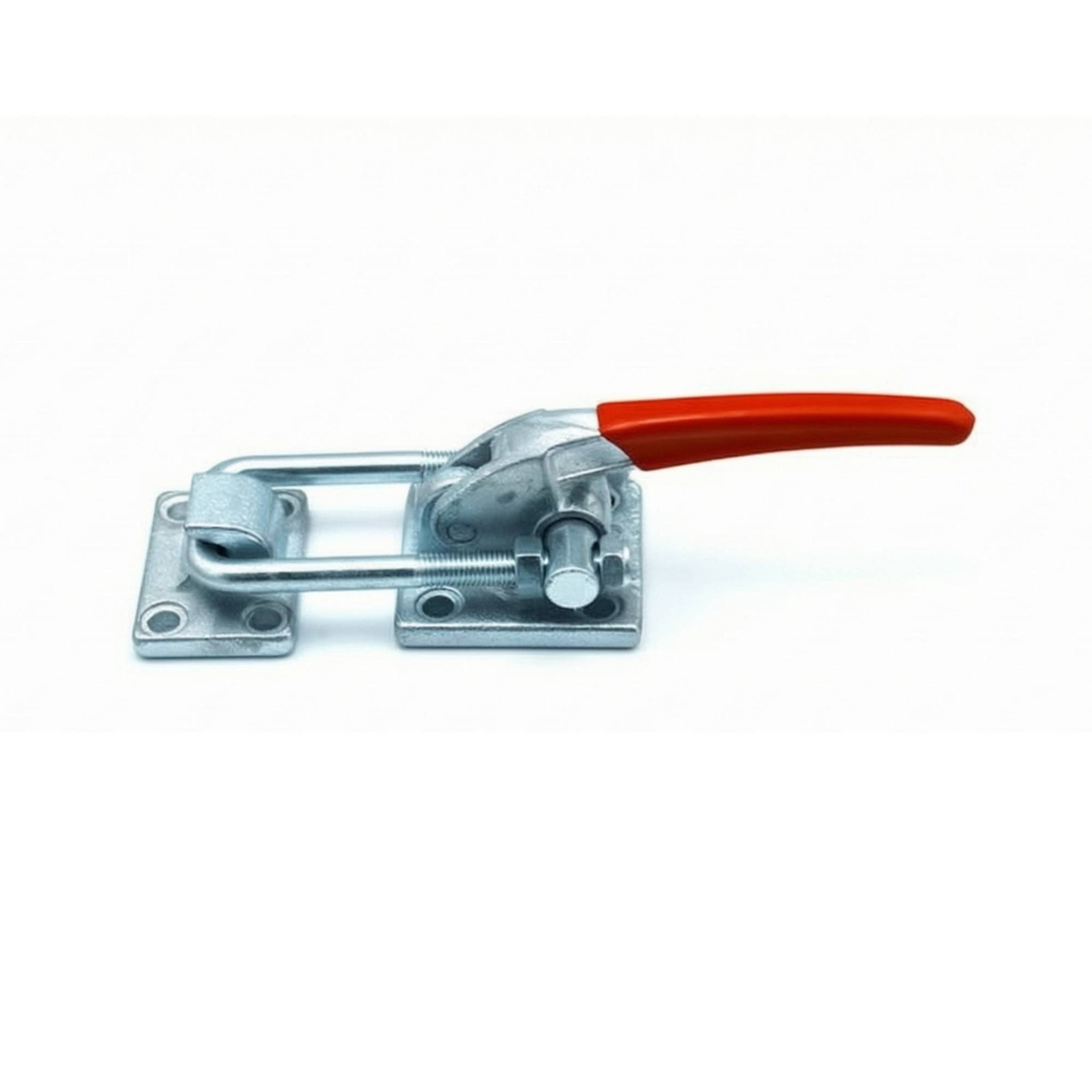
Toggle Clamp with U-Bracket
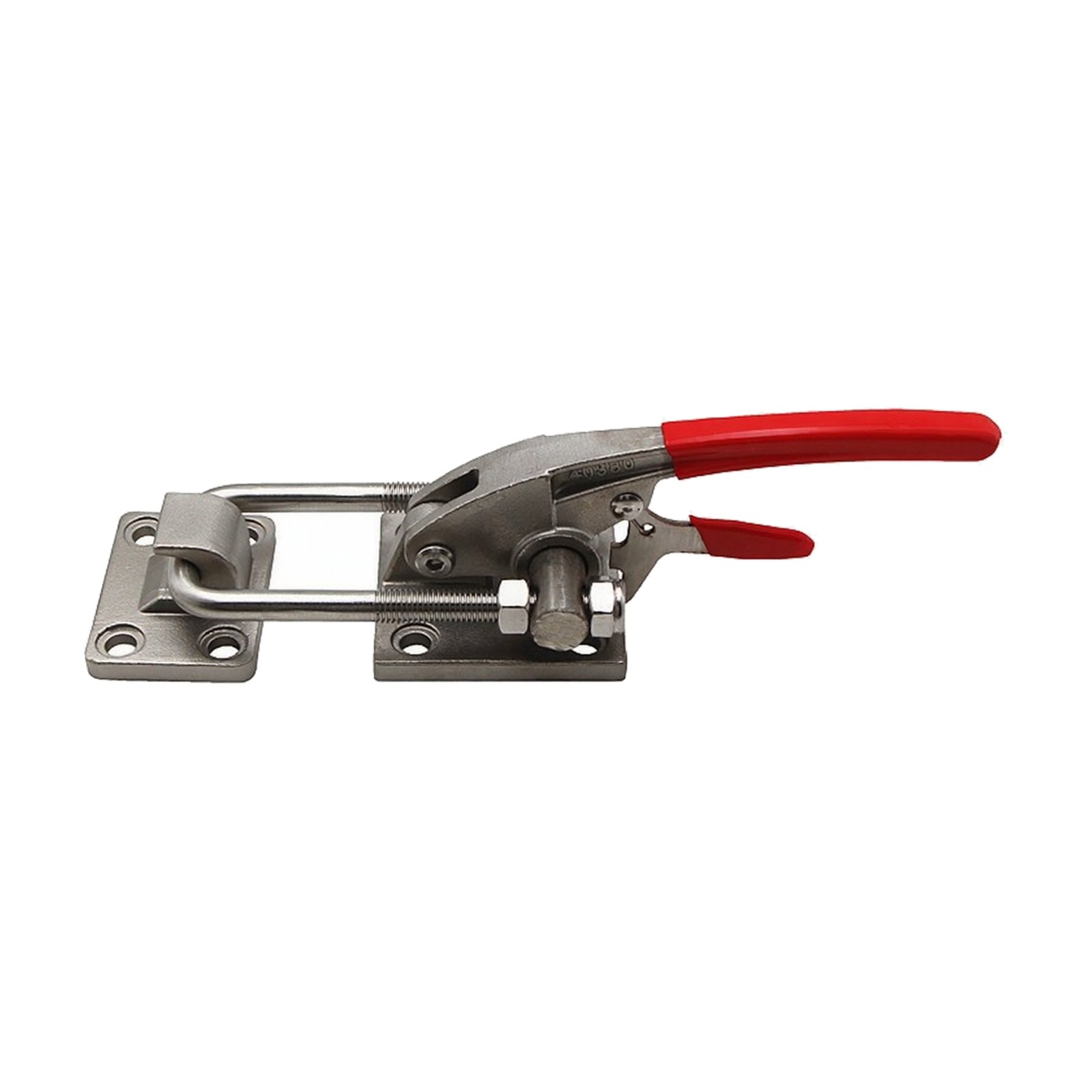
Self-Locking Toggle Clamp
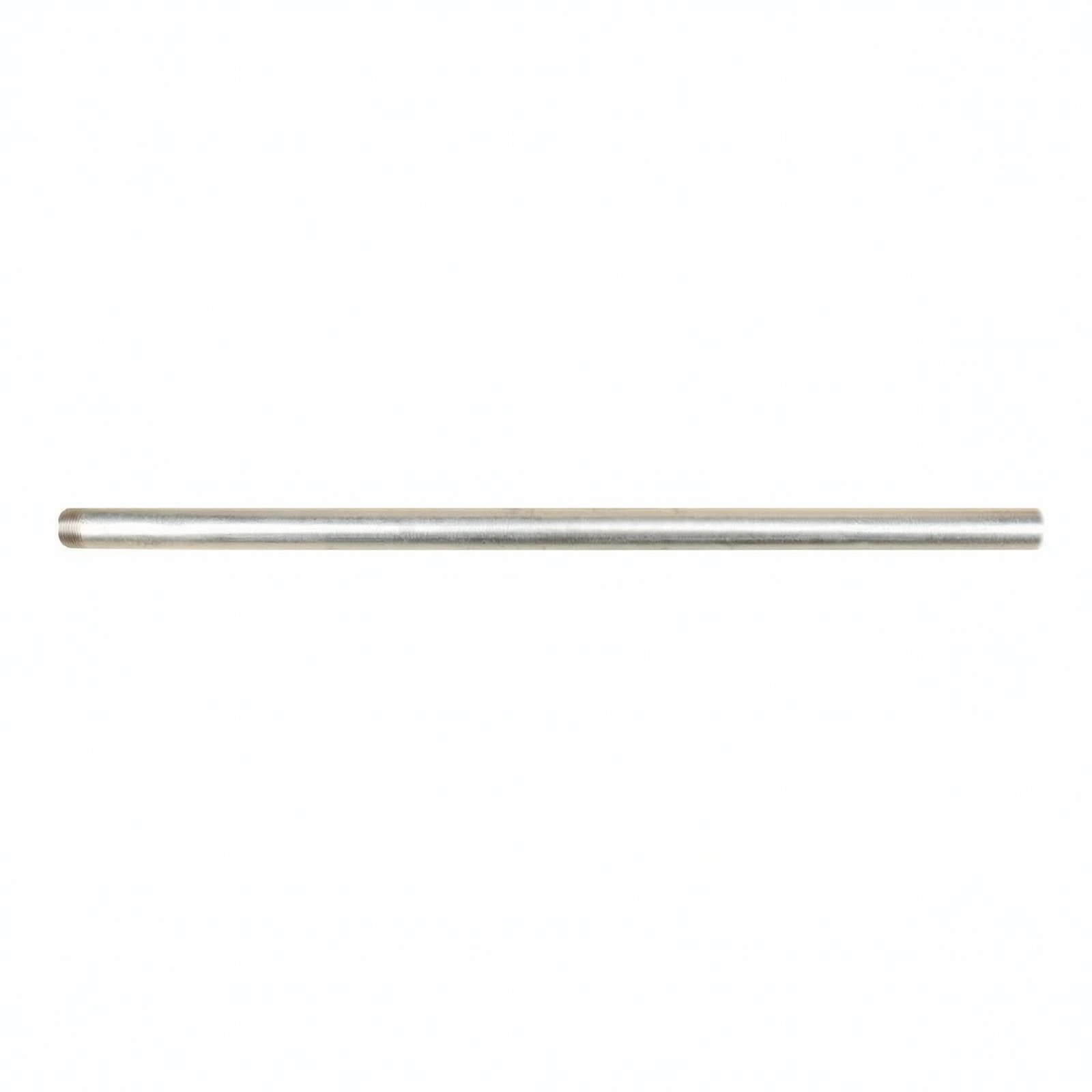
Threaded Pipe-Clamp Bar
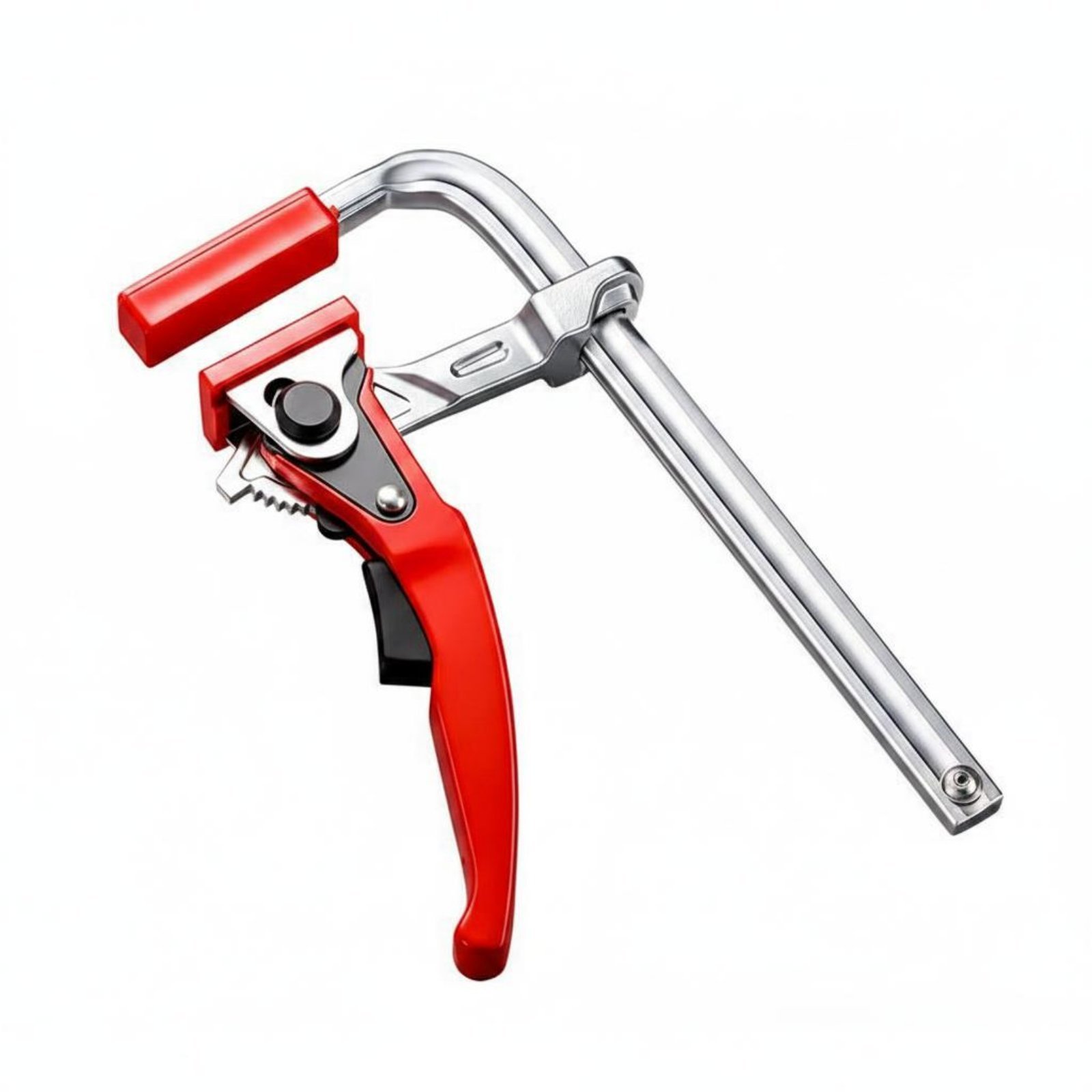
Ratcheting Table Clamp F Clamp
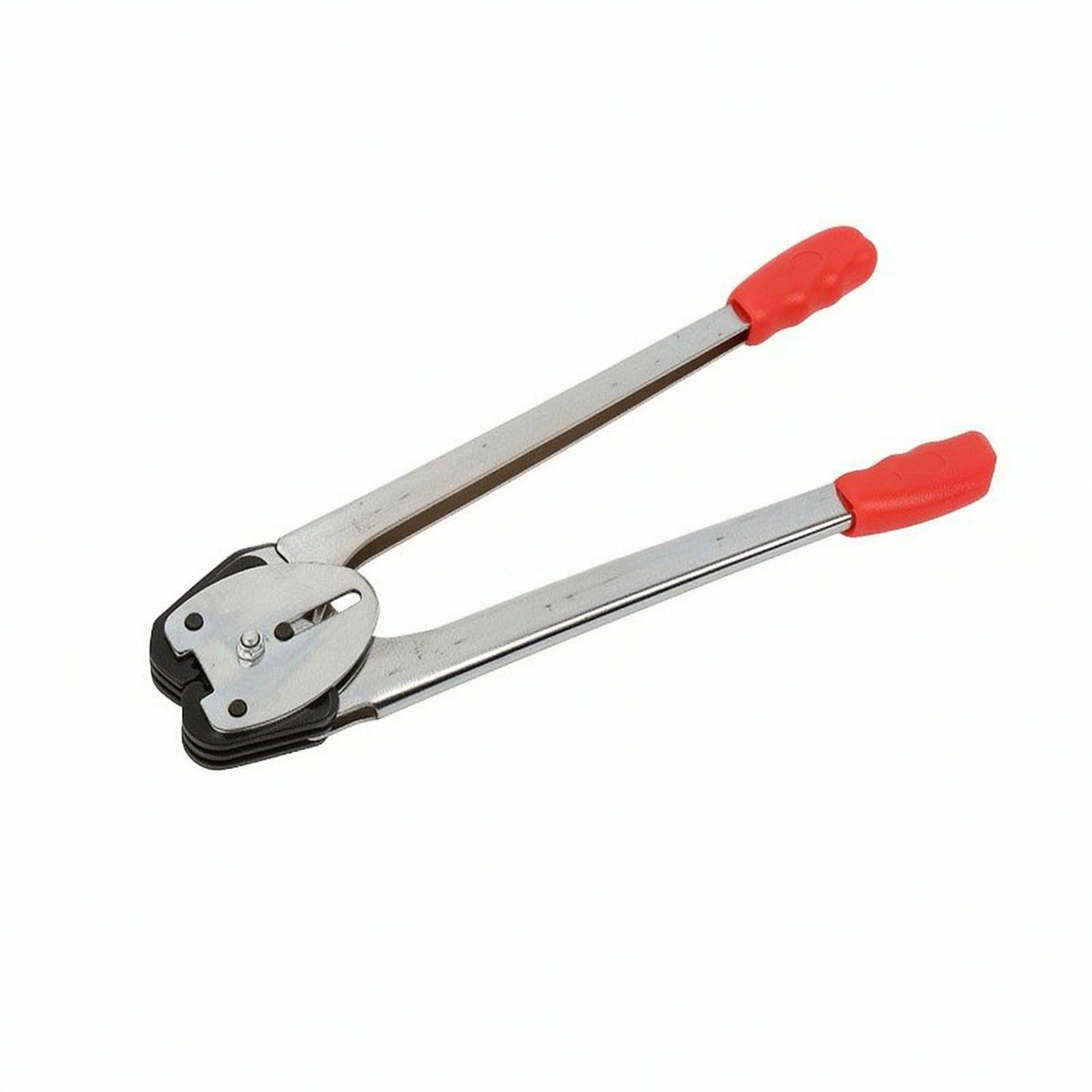
Strapping Clamp Tool