Buying guide · Workshop & Tools
How to choose the right hose clamp or pipe clamp
Short answer
Choose the clamp by matching it to the job first: securing a hose, pinching a hose closed during service, gripping a fixed pipe or tube, or installing a special band clamp. Then match the size range, clamp style, material, and access method to the hose or pipe you actually have, because the wrong style often fits poorly even when the diameter seems close.
Start with the job, not the name
The right choice depends on what you are trying to do. A hose clamp that stays on a line in normal use is different from a shut-off tool that temporarily pinches a flexible hose during maintenance, and both are different from a structural pipe clamp that mounts to a bracket or supports equipment.
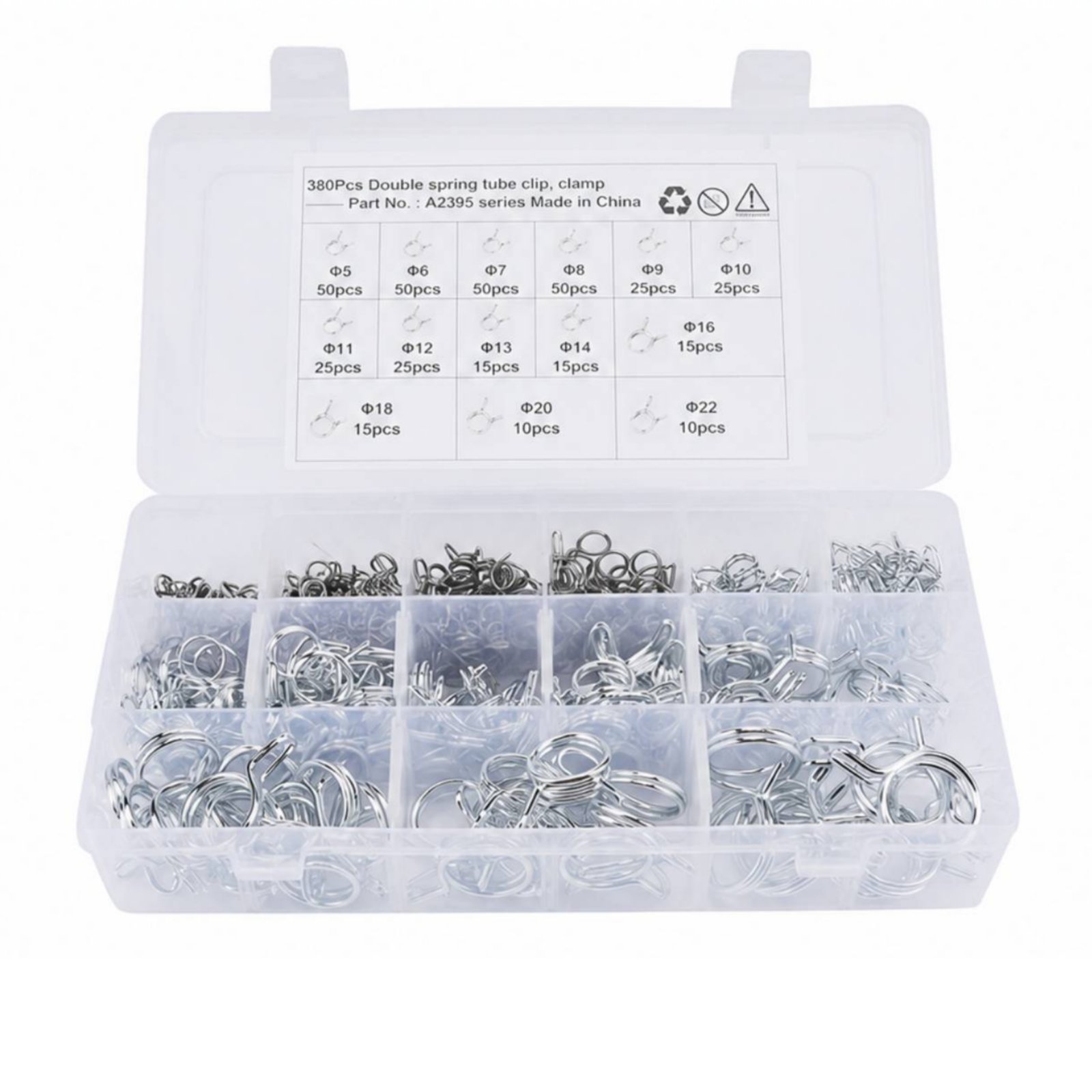
For general hose fastening, spring-style clamps are useful when you want steady tension across a range of hose sizes. An assortment such as 380-Piece Double-Wire Spring Hose Clamps covers nominal diameters from 5 mm to 22 mm, which is helpful when you work on small tubing, water lines, and mixed repair jobs. If the line is part of a dedicated machine with a latch-style closure, a purpose-built clamp like Milking Hose Clamp may make more sense because its hinged and latched fastening section is meant for quick removal and refitting.
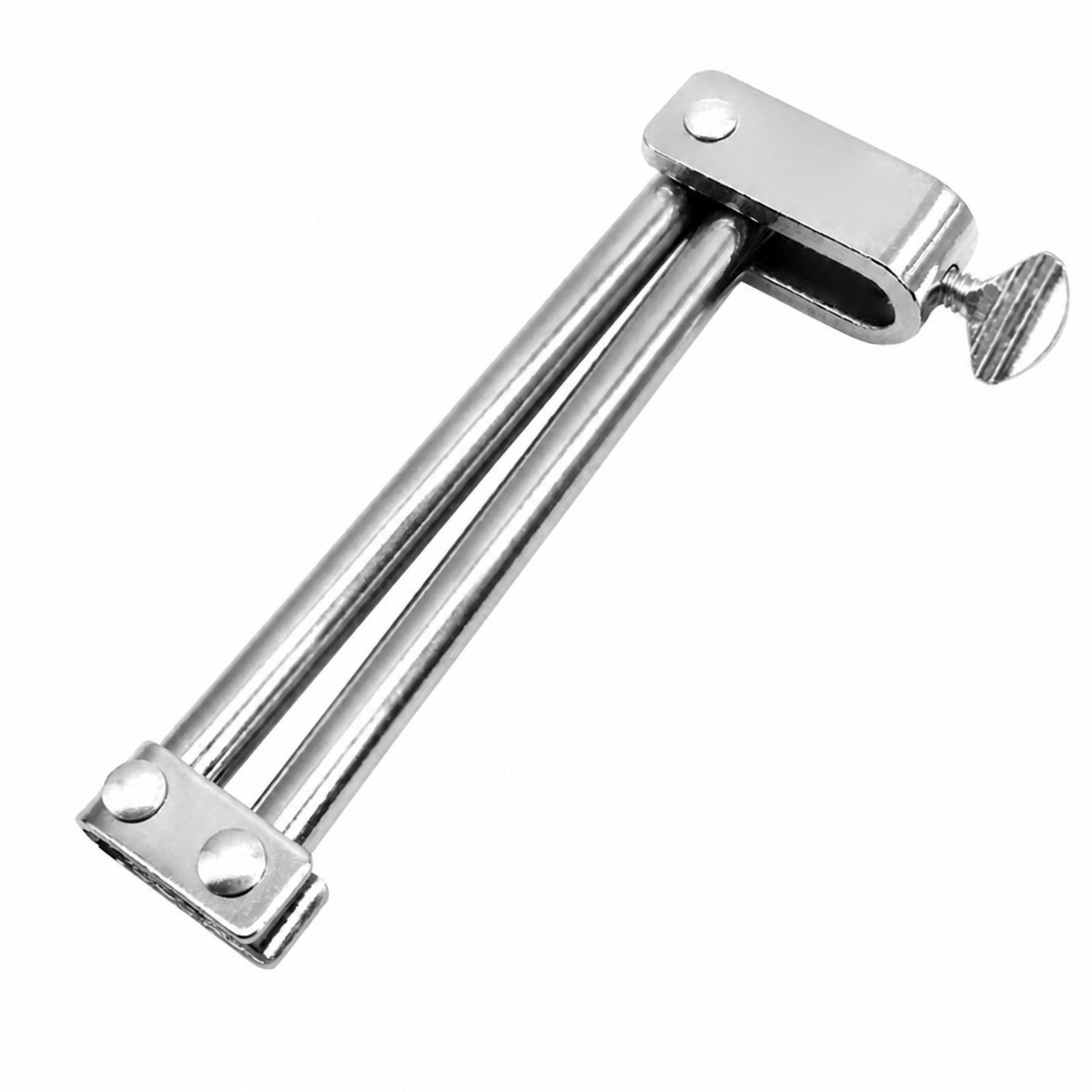
For service work where you need to stop flow without draining a system, use a shut-off tool rather than a permanent clamp. Screw-Adjusted Hose Clamp is meant to pinch brake, petrol, heater, and water hoses so you can work with less mess. If you need several shut-off points at once, Set of 4 Screw-Adjusted Hose Clamp gives the same tool in a multi-piece set.
For fixed pipe or tube support, look for a true mounting clamp. Adjustable Pipe Clamp is designed to grip cylindrical tubing and attach through a flat mounting base, so it suits trailer or guide-wheel support jobs rather than soft hose work. Roof Pipe Clamp Heavy Duty is another specialized pipe clamp, but it is aimed at roof ladder and outdoor utility setups instead of fluid hoses or shop plumbing.
Key specs and features to compare
After you identify the job, compare size coverage and the way the clamp applies force. Size matters, but so does the clamping method. Spring clamps maintain tension automatically, screw-adjusted tools let you fine-tune pressure, and latch or mounting styles are better for repeated opening or structural support.
For hose work, a size assortment can save time if you handle different tubing. 380-Piece Double-Wire Spring Hose Clamps includes 380 pieces and spans 5 mm to 22 mm nominal diameters, which makes it useful for mixed maintenance instead of buying one isolated size. If you are pressing on smaller pneumatic hose openings, Hose Clamp Plier has marked sizes for 5, 6, 8, 10, 11, 13, and 15 mm, and its 225 mm length gives leverage while staying compact in tighter spaces.
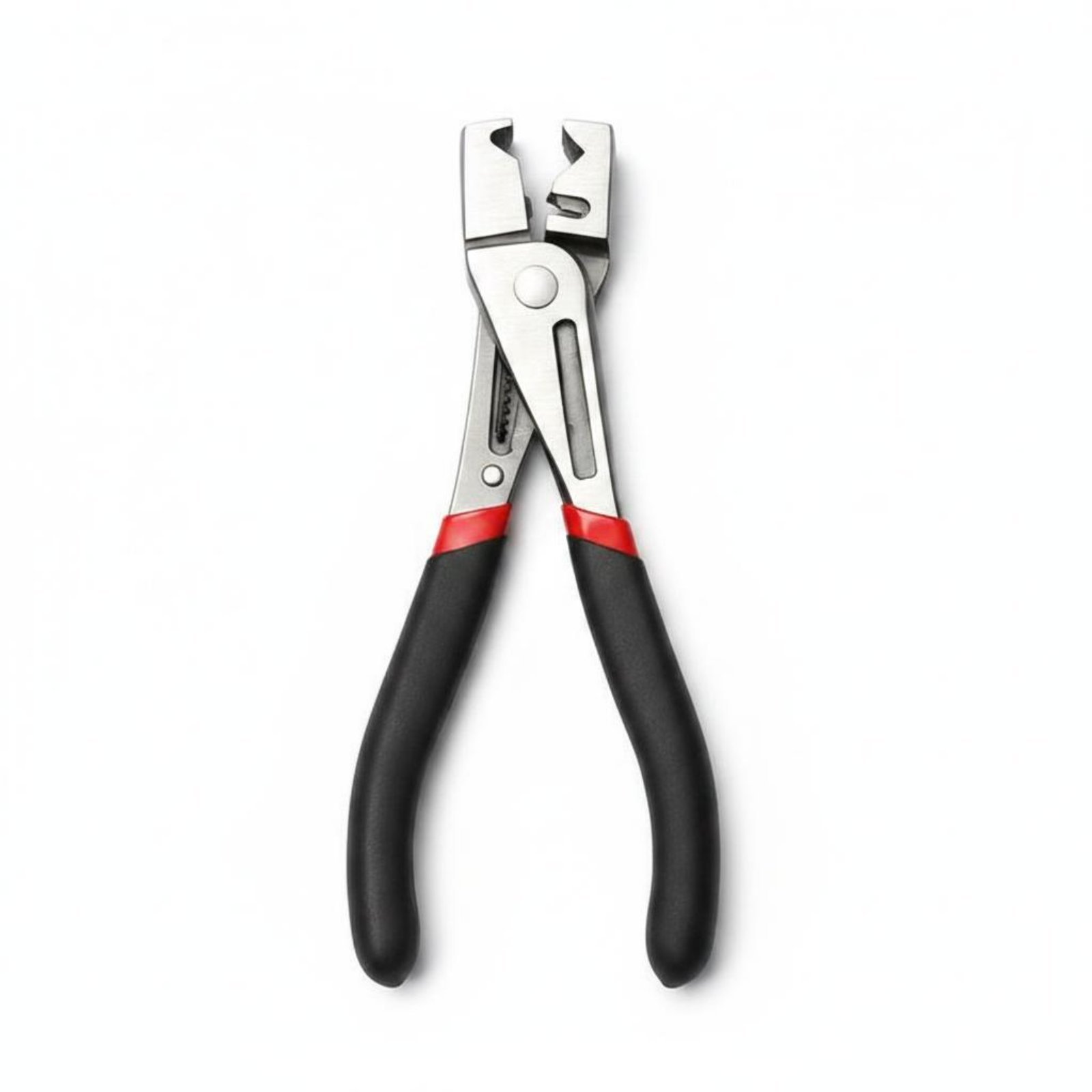
Access is just as important as size. Engine bays and undercarriage work often have awkward angles, so a specialized plier can matter more than raw force. Radiator Hose Clamp Pliers is shaped for radiator hoses, petrol lines, and air-conditioning lines, with a jaw profile made for tight engine areas. For CV and dust boot bands, use a dedicated banding tool instead of general hose pliers; CV Joint Dust Boot Clamp Plier has rotating gripping surfaces and a ratcheting mechanism, while Dust Boot Clamp Tool uses a threaded screw adjustment for controlled band tightening in cramped under-vehicle spaces.
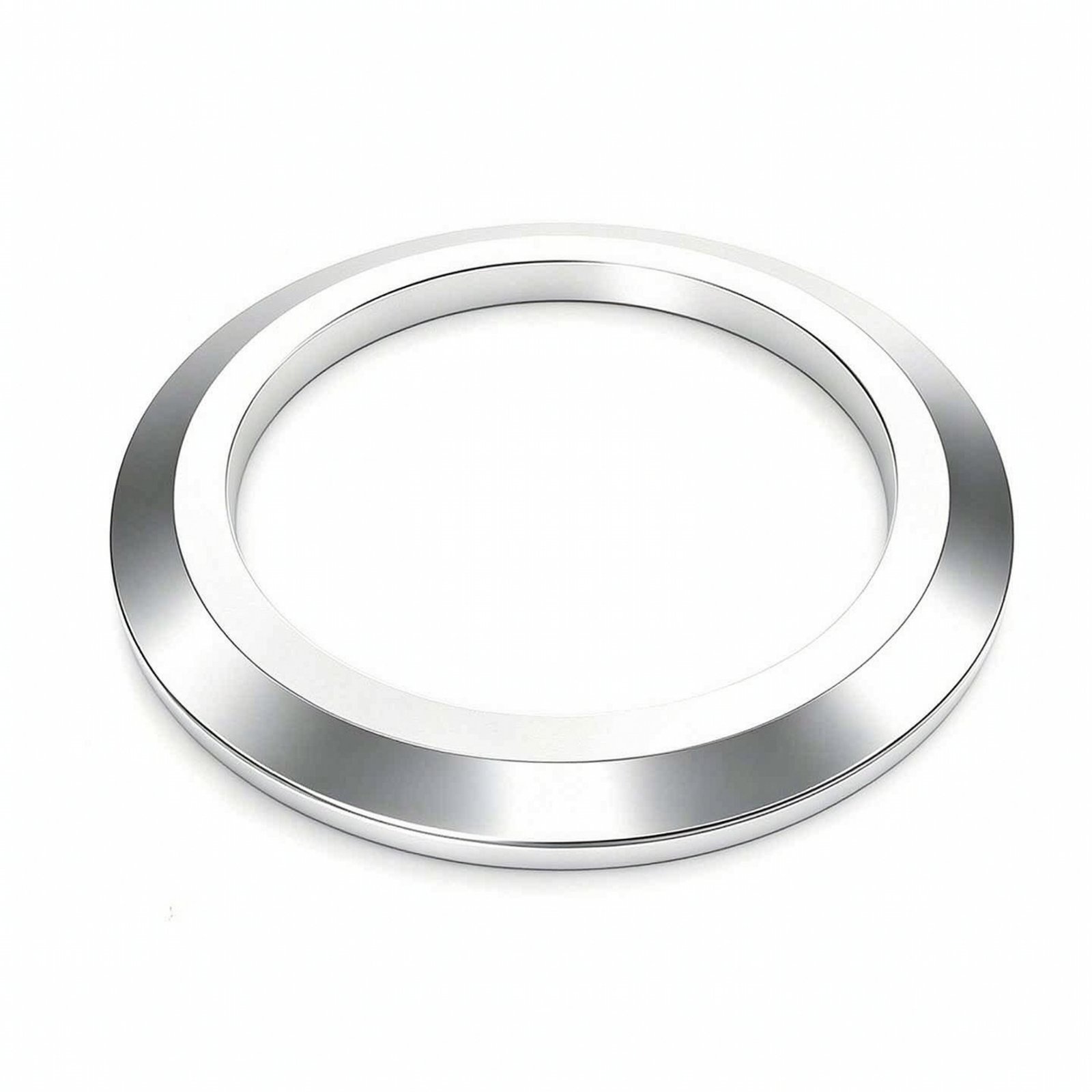
Material and environment also matter. Milking Hose Clamp is made from 304 stainless steel, which is worth noticing for damp or washdown equipment. Polished Pipe Clamp Blanking Plate is a 316 stainless steel clamp blanking plate for clamp-style piping connections, but it is a sealing fitting component rather than a hose clamp, so check that you actually need a blanking plate before choosing it.
How the pieces work together
Many buyers need more than one part because a complete setup often has a clamp, a tool to install or remove it, and sometimes a fitting that seals or mounts the system. Thinking in terms of the whole task helps you avoid buying a tool for one style and a clamp for another.
A common example is spring hose service. You may install a spring clamp from 380-Piece Double-Wire Spring Hose Clamps on a hose, then use Radiator Hose Clamp Pliers later to release and reposition it during repairs. For temporary fluid control, Screw-Adjusted Hose Clamp works alongside your existing hose clamp but does not replace it; it simply pinches the line while you disconnect or service parts nearby.
Boot and CV work is even more tool-specific. Boot Clamp Tool Sturdy and CV Joint Dust Boot Clamp Plier are for fastening and tightening boot-style bands, while Dust Boot Clamp Tool is another dedicated option with adjustable screw control for sleeve and boot clamp service. These tools are not general pipe supports and are not the right pick for standard radiator or plumbing clamps.
In piping systems, a mounting clamp and a sealing component do different jobs. Adjustable Pipe Clamp supports or secures cylindrical tubing to a structure, while Polished Pipe Clamp Blanking Plate is used in clamp-style piping assemblies where you need to close off or complete a connection. If your project involves roof or trailer equipment rather than fluid transfer, Roof Pipe Clamp Heavy Duty fits that mounting role instead of any hose clamp.
Common mistakes to avoid
The biggest mistake is choosing by appearance alone. A round clamp, a shut-off tool, a boot-band tool, and a pipe-mount bracket can all look related, but they solve different problems. If the listing describes installation and removal of clamps, that is a tool; if it describes securing a hose or pipe in normal use, that is the actual clamp or fitting.
Do not assume one clamp style works everywhere. Spring clamps are good for general hose retention, but they are not a substitute for a structural mount like Adjustable Pipe Clamp or Roof Pipe Clamp Heavy Duty. Likewise, Screw-Adjusted Hose Clamp is for temporarily sealing flexible lines during service, not for leaving in place as the final hose connection.
Another mistake is ignoring access and service method. In a crowded engine bay, Radiator Hose Clamp Pliers can be easier to place than a more generic plier. On CV boots, using a dedicated tool such as Boot Clamp Tool Sturdy or CV Joint Dust Boot Clamp Plier usually makes cleaner, more controlled clamp installation than trying to improvise with ordinary pliers.
Finally, check the listing for compatibility details that are not stated here. If your hose outer diameter, pipe standard, or connection style is unusual, confirm that the clamp range, jaw style, or piping interface matches your actual parts before ordering.
A typical kit
- 380-Piece Double-Wire Spring Hose ClampsUse this as a broad starter assortment for securing small hoses and water tubes across many repair tasks.
- Radiator Hose Clamp PliersUse this plier to remove and reinstall spring-style hose clamps in tight engine or workshop spaces.
- Screw-Adjusted Hose ClampUse this as a temporary hose shut-off tool when you need to pinch flexible lines closed during service.
- Hose Clamp PlierUse this press-type plier when you need a compact tool for marked small hose openings and controlled pressing.
- CV Joint Dust Boot Clamp PlierUse this for tightening CV joint dust boot clamps where a ratcheting, purpose-built tool is the right match.
- Adjustable Pipe ClampUse this when the job is supporting or mounting cylindrical tubing rather than clamping a soft hose.
Questions people ask
What is the difference between a hose clamp and a hose clamp tool?
A hose clamp stays on the hose and provides the holding force in normal use. A hose clamp tool helps you install, remove, tighten, or release that clamp, such as Radiator Hose Clamp Pliers for spring clamps or CV Joint Dust Boot Clamp Plier for CV boot bands.
Should I choose a spring clamp or a screw-adjusted clamp tool?
Choose a spring clamp when you need a permanent clamp that keeps tension on a hose, such as the assorted pieces in 380-Piece Double-Wire Spring Hose Clamps. Choose a screw-adjusted tool like Screw-Adjusted Hose Clamp when you need temporary shut-off control during maintenance rather than a clamp that stays on the vehicle or machine.
Can one clamp handle both automotive hoses and fixed pipe mounting?
Usually no. Soft hose retention and temporary hose shut-off are different from structural pipe support, which is why Adjustable Pipe Clamp and Roof Pipe Clamp Heavy Duty are separate from hose-focused items like 380-Piece Double-Wire Spring Hose Clamps.
How do I know if I need a special tool for CV or dust boot clamps?
If the clamp is a band around a CV boot or dust boot, a dedicated tool is usually the safer choice because those clamps tighten differently from standard hose clamps. Boot Clamp Tool Sturdy, Dust Boot Clamp Tool, and CV Joint Dust Boot Clamp Plier are examples of tools meant for that specific kind of service.
Is stainless steel always the right choice for a clamp?
Not always, but it can be a good match for wet or washdown environments. Milking Hose Clamp uses 304 stainless steel for equipment tubing, while other jobs may depend more on clamp style, adjustability, or mounting design than on stainless construction alone.
Shop the list
Everything mentioned above
Prices and delivery windows are live from our catalog.
380-Piece Double-Wire Spring Hose Clamps
Radiator Hose Clamp Pliers
Screw-Adjusted Hose Clamp
Set of 4 Screw-Adjusted Hose Clamp
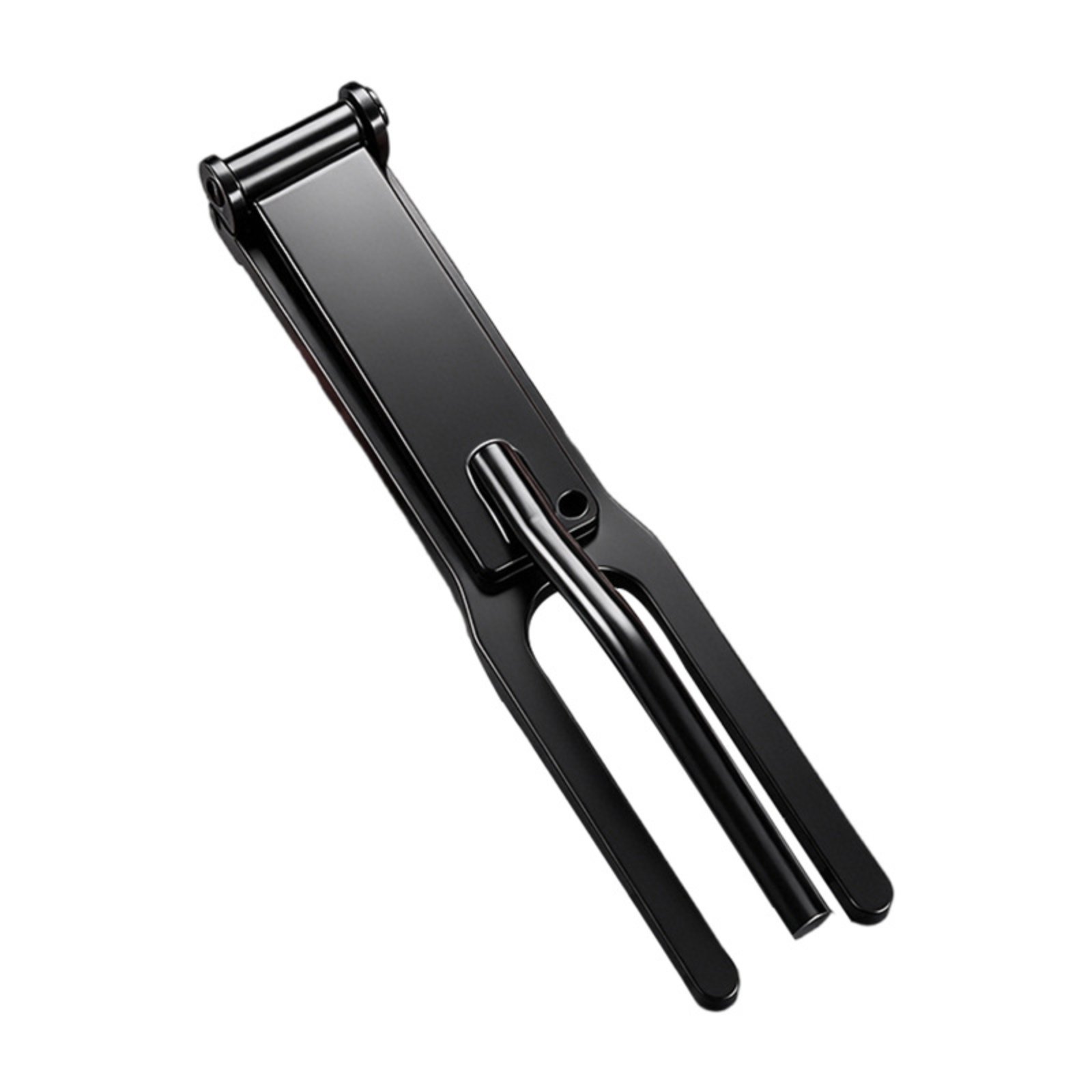
Hose Clamp Plier
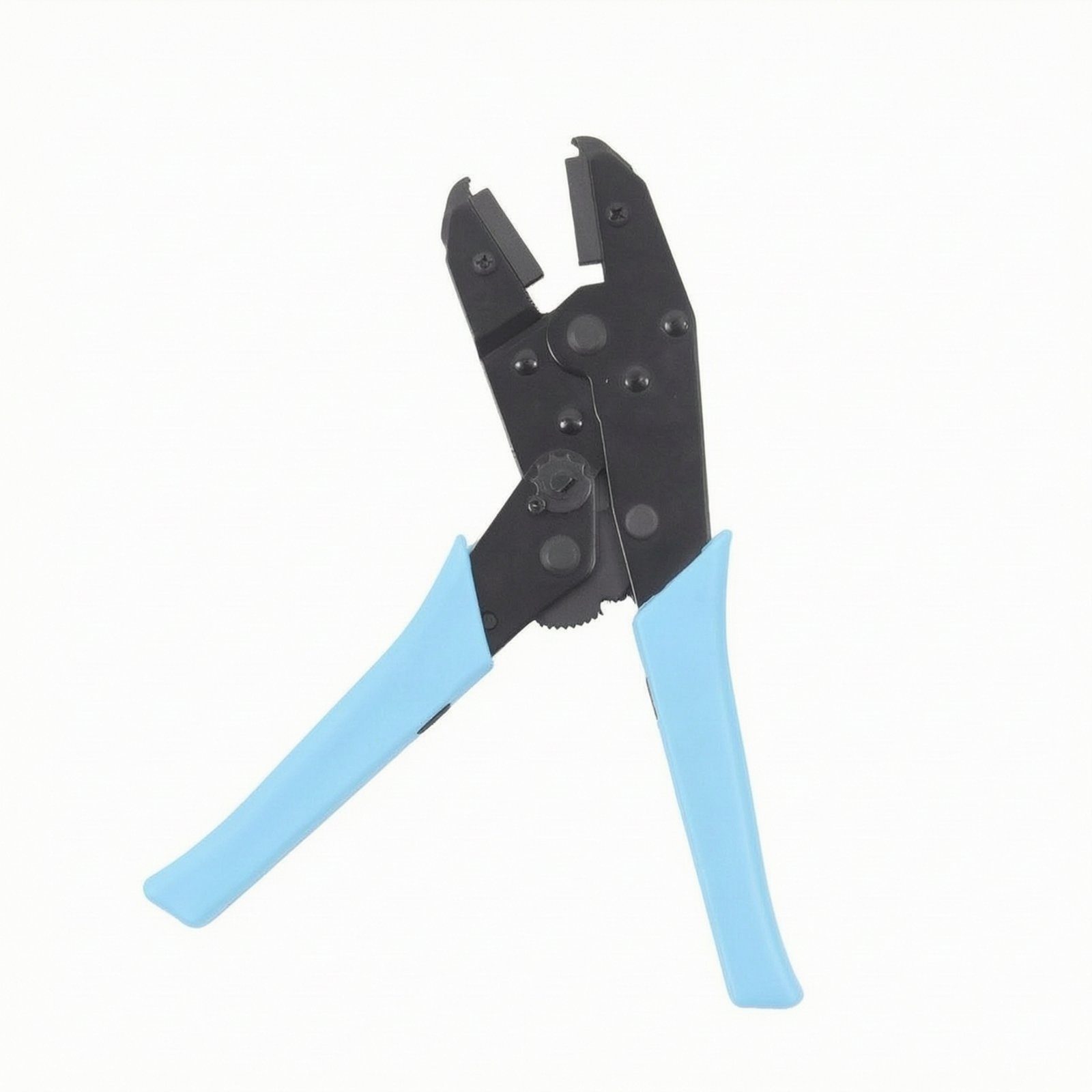
CV Joint Dust Boot Clamp Plier
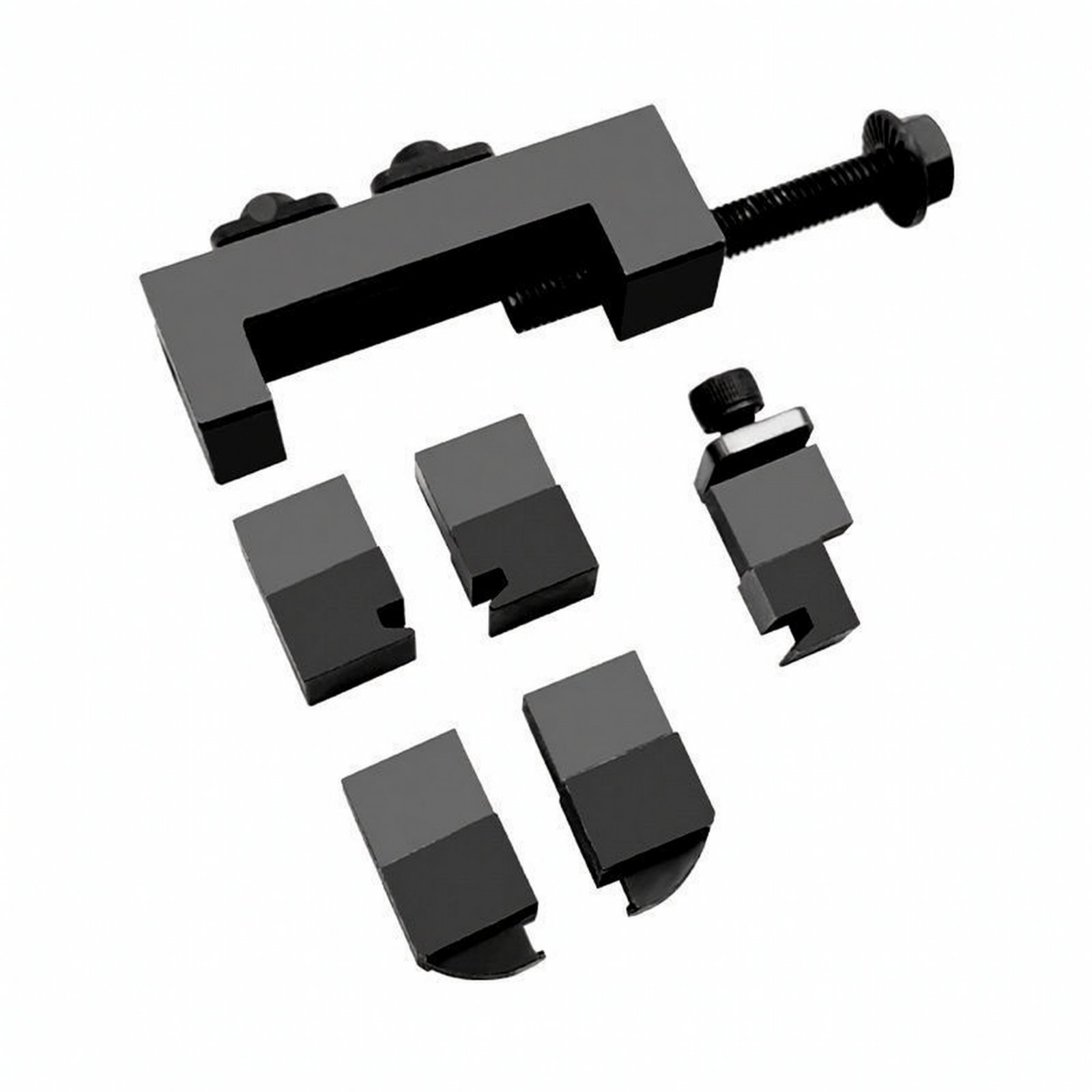
Dust Boot Clamp Tool
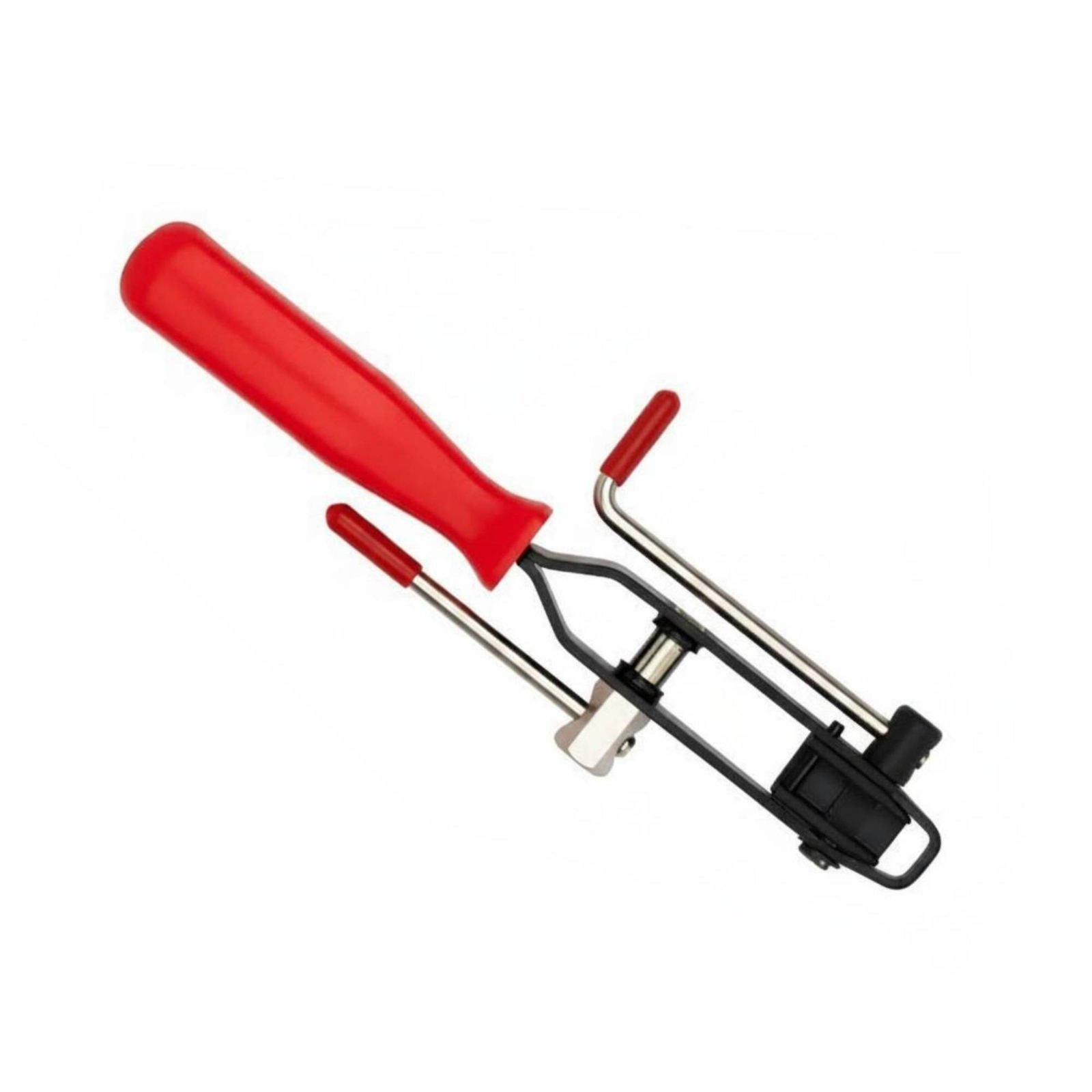
Boot Clamp Tool Sturdy
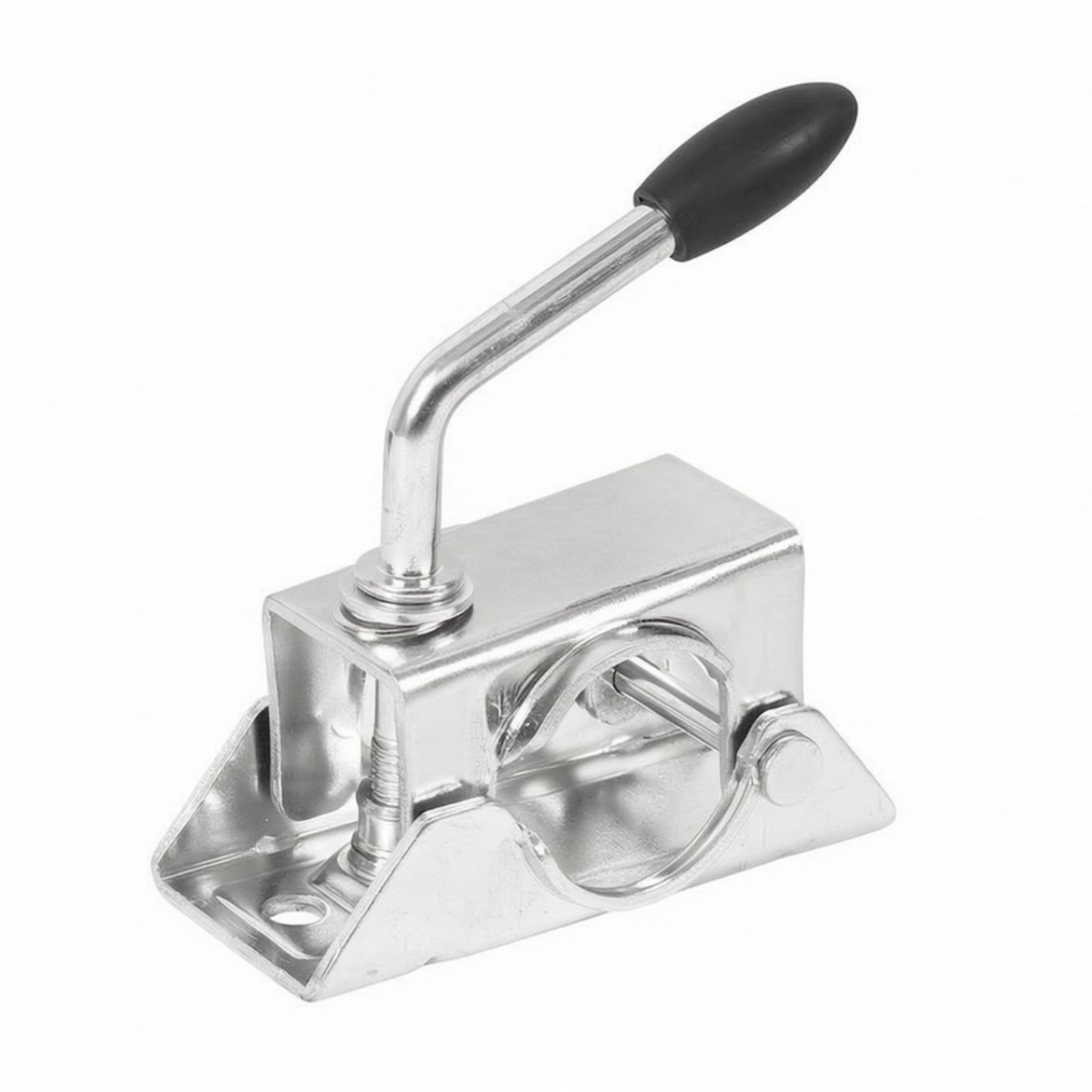
Adjustable Pipe Clamp
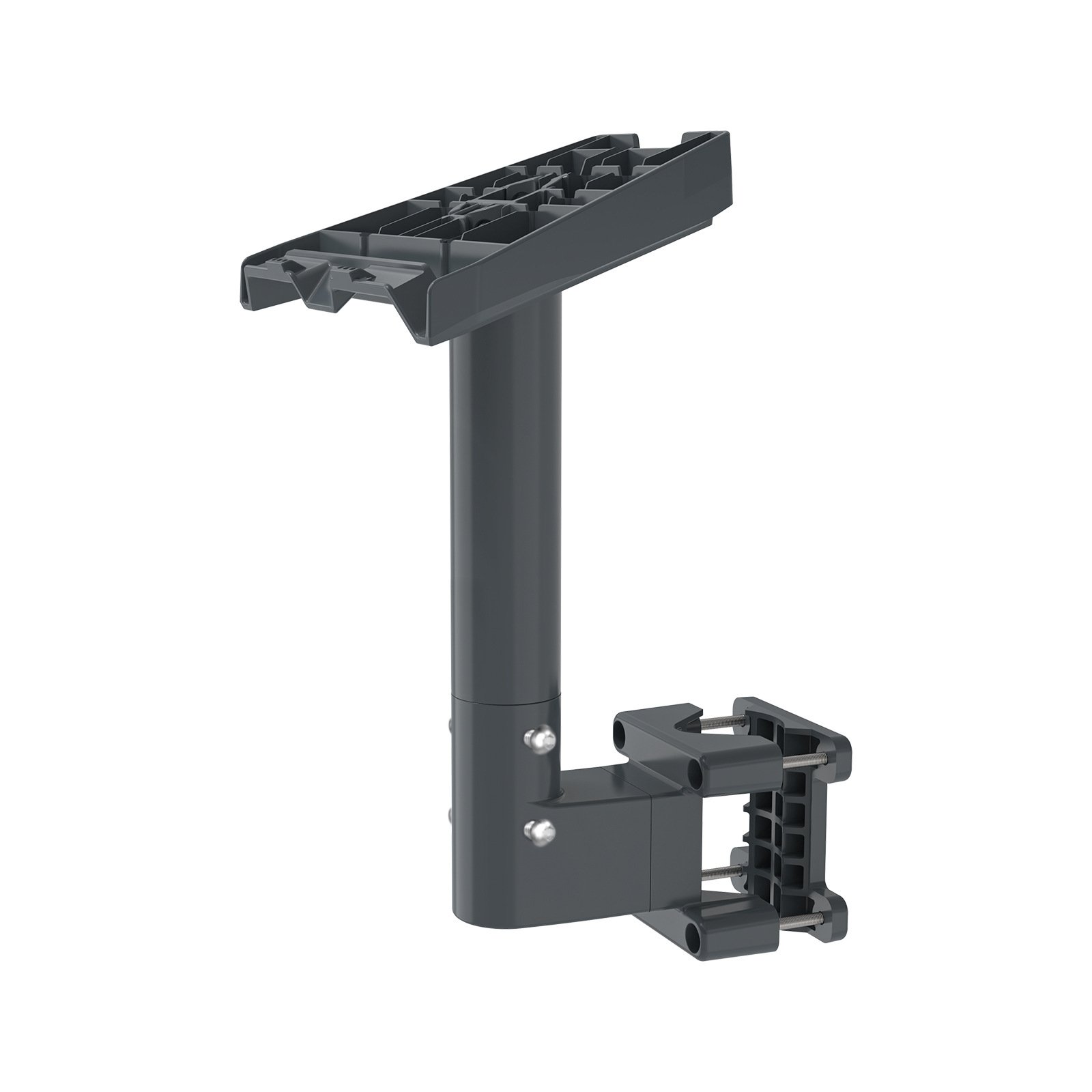
Roof Pipe Clamp Heavy Duty
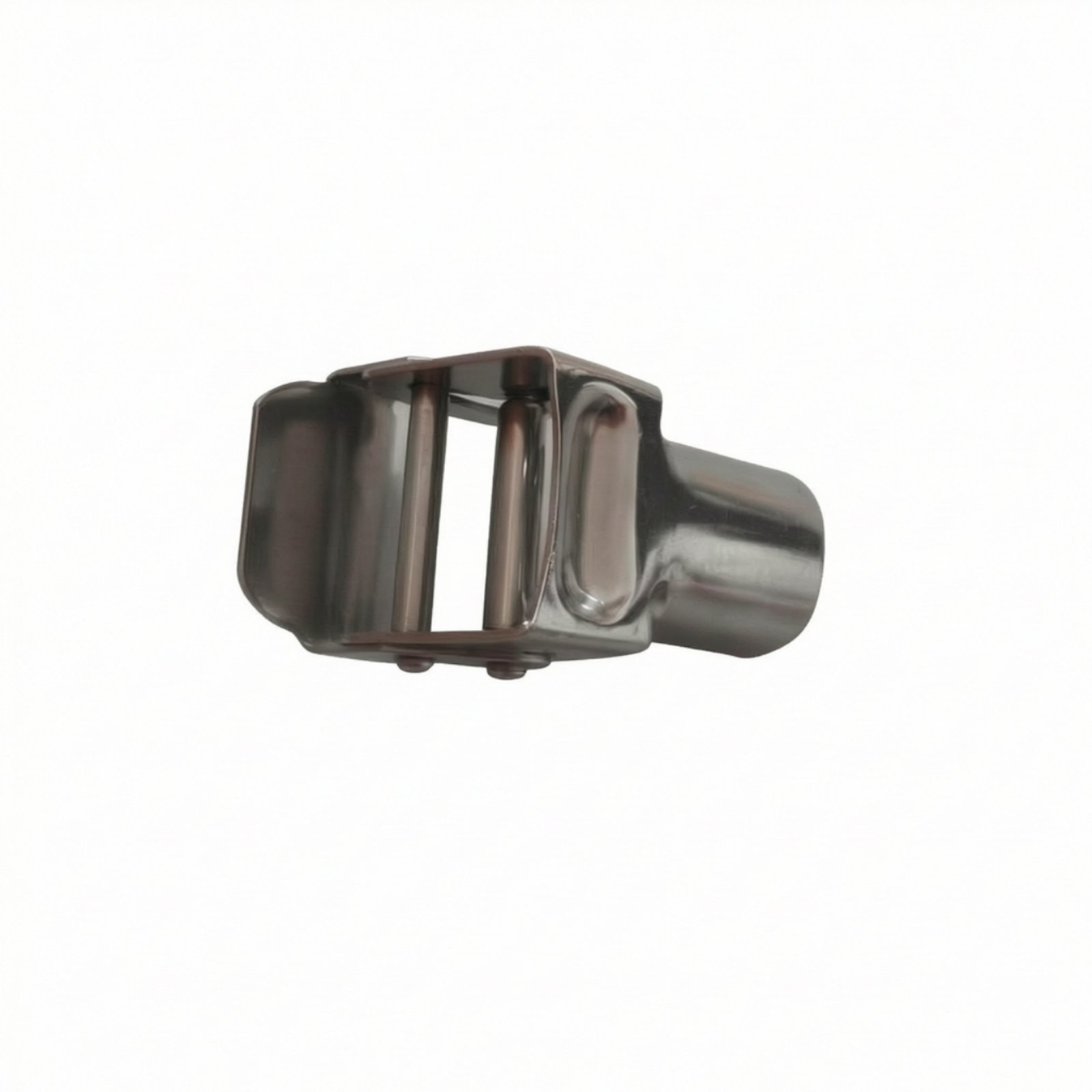
Milking Hose Clamp