Buying guide · Workshop & Tools
What sanding supplies do I need for woodworking
Short answer
For most woodworking, you need a mix of abrasives, a way to keep the abrasive flat and controlled, and some plan for dust control while you sand. Start with sanding sheets such as Waterproof Sanding Paper, then add either a hand-held sheet holder or a bench-mounted clamp, and only add air-powered sanding accessories if you already use compatible pneumatic tools and dust extraction.
Choose supplies by the kind of sanding you actually do
Start by thinking about whether you are shaping, smoothing, or final-finishing wood. Rough stock removal needs a coarser abrasive, while surface refinement and finish prep need progressively finer grits so each step removes the scratches from the one before it.
A sheet assortment such as Waterproof Sanding Paper is useful because its stated grit range runs from 60 up to 10000, so one product can cover heavy cutting, routine smoothing, and very fine finish work. It is also designed for wet and dry use, which matters if you want to reduce clogging for fine finishing, though many woodworkers will still do most sanding dry and reserve wet use for special finishing steps.
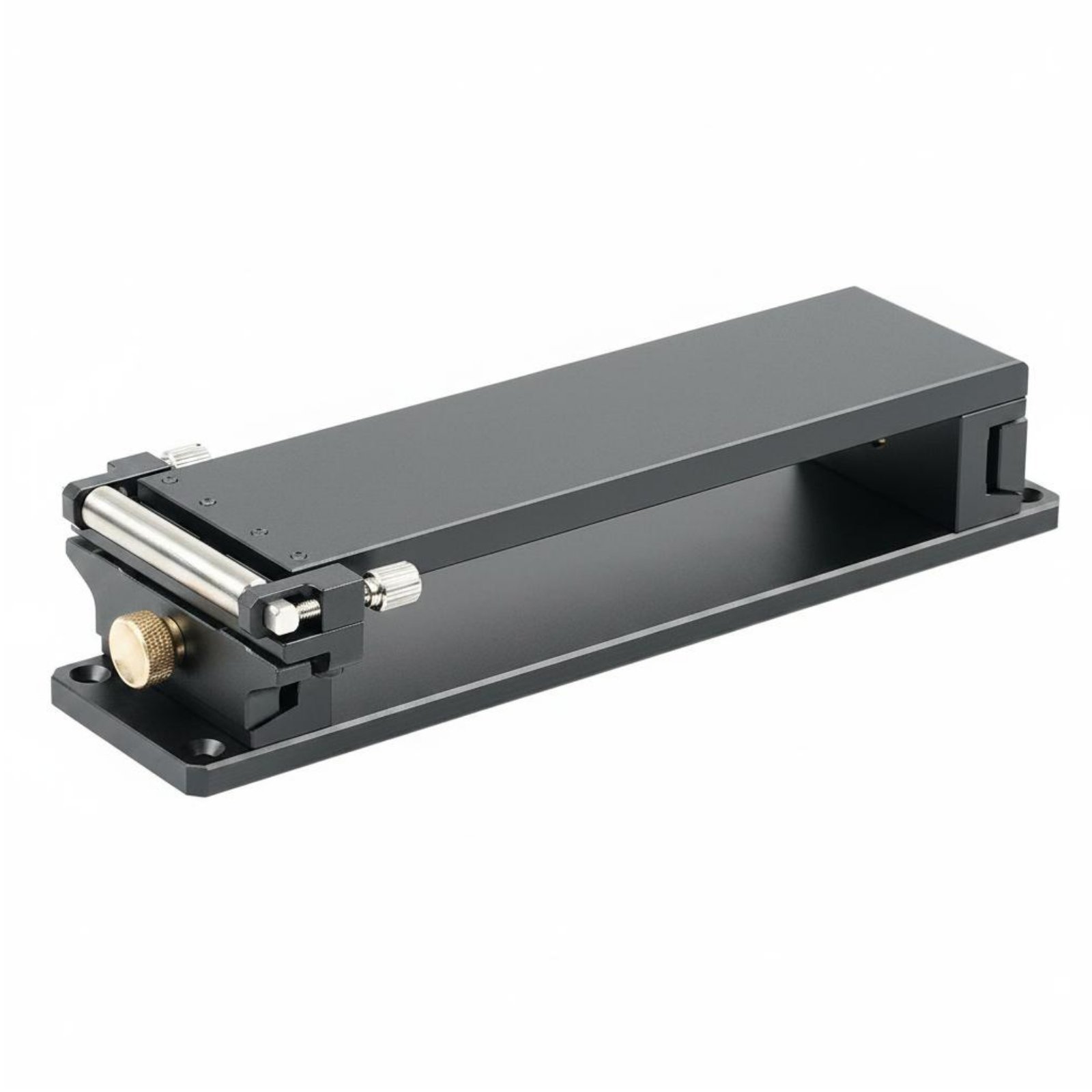
If you sand broad, flat faces by hand, a holder helps you keep pressure even instead of digging grooves with your fingertips. Adjustable Sanding Paper Holder is meant to clamp sanding paper with adjustable tension so the sheet stays taut, which is helpful when you want more control than freehand folding.
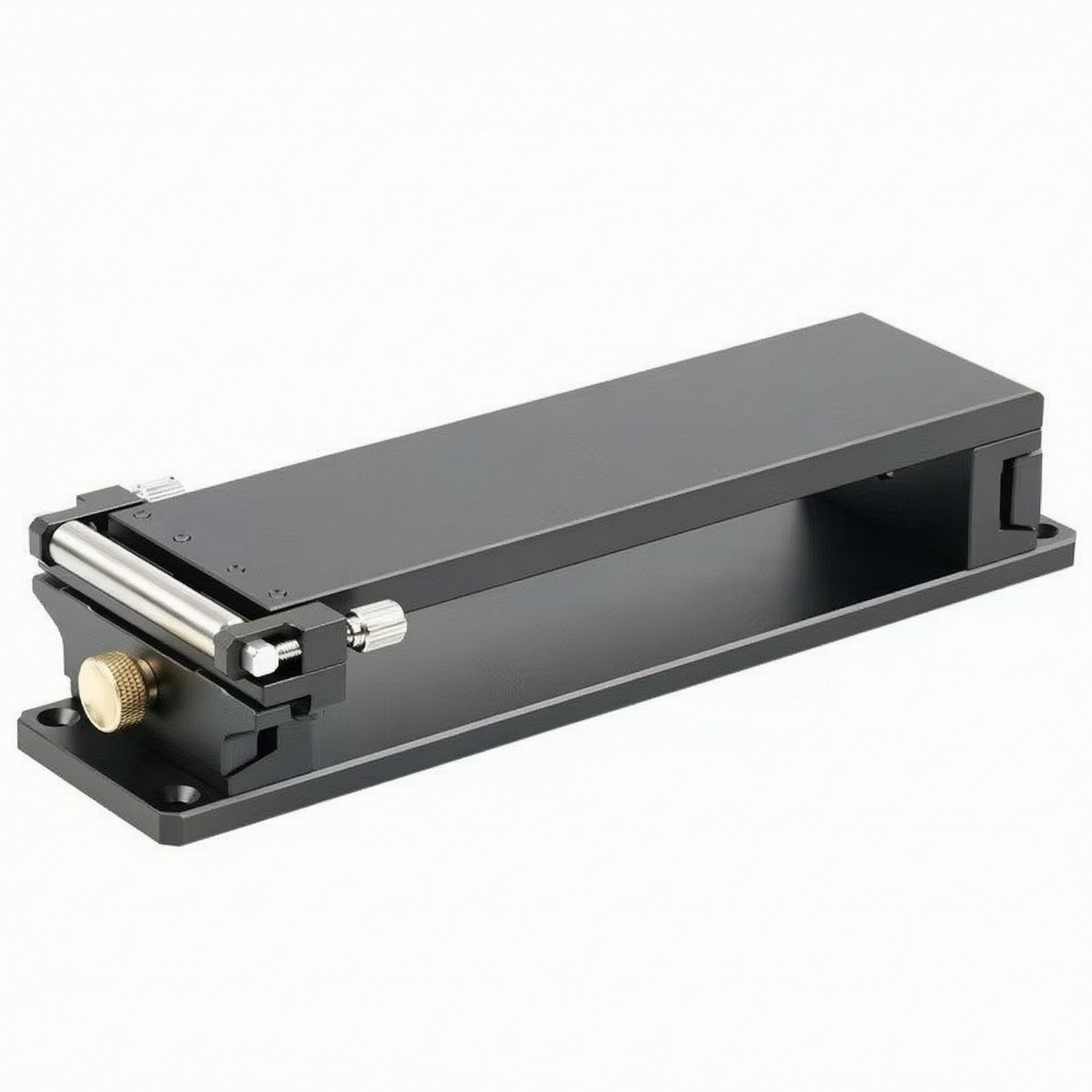
If you often true small parts or edge pieces at the bench, a fixed sanding station can be easier to use than a freehand holder. Sanding Sheet Clamp Screw-Mountable is a manual clamp-style tool with a flat working surface and bench-mounting holes, so it suits repeated edge and face work where stability matters more than mobility.
How the pieces work together in a practical setup
A simple woodworking sanding setup usually works in layers. The abrasive does the cutting, the holder or clamp keeps that abrasive flat, and dust collection keeps the surface visible so you can judge progress instead of sanding blindly.
For hand sanding, Waterproof Sanding Paper pairs naturally with either Adjustable Sanding Paper Holder or Sanding Sheet Clamp Screw-Mountable. The sheet gives you the grit progression, while the holder or clamp keeps the paper from bunching, tearing early, or leaving uneven scratch patterns.
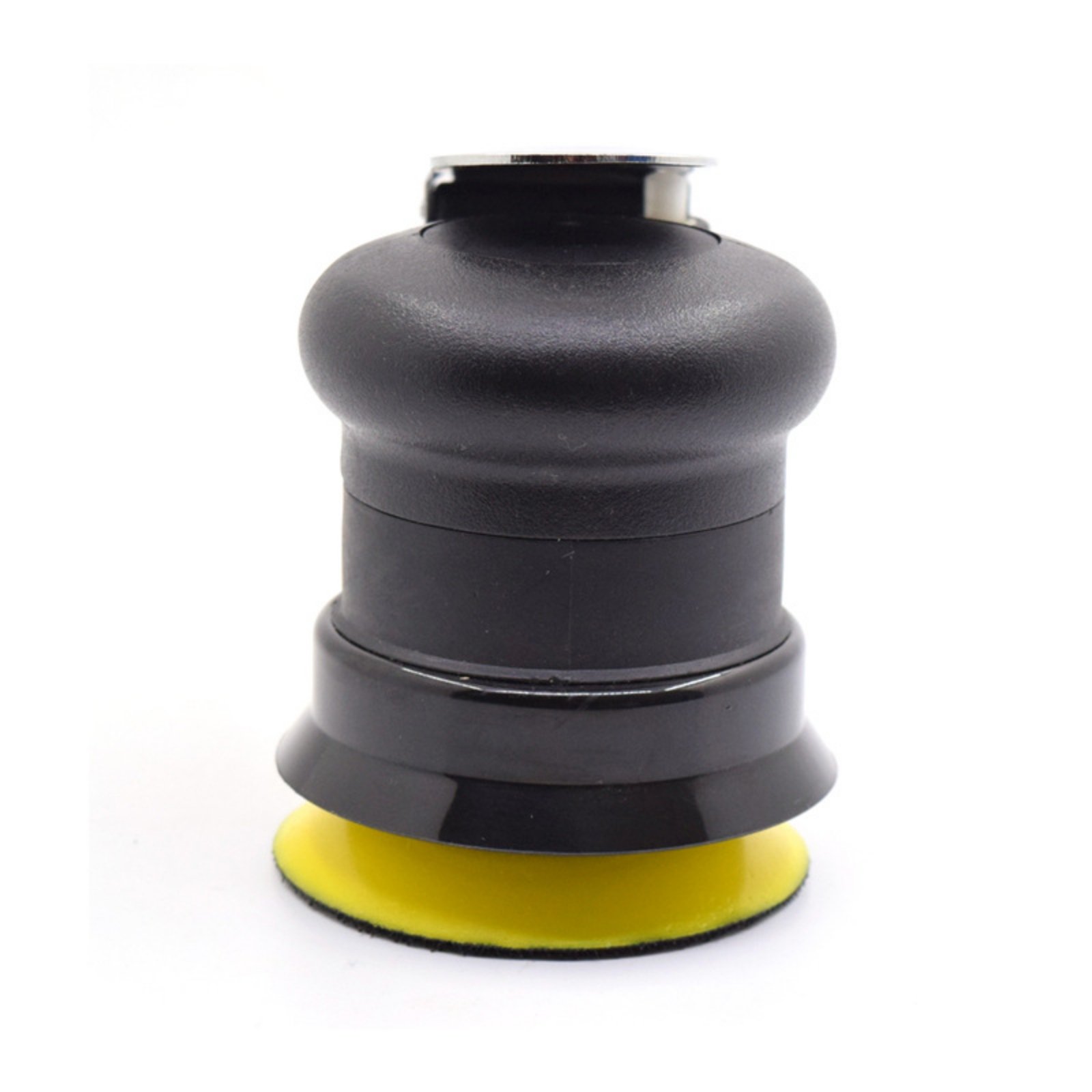
If you already use air tools for detail work, 3-Inch Pneumatic Palm Sander can help with smaller areas because it has a 3-inch (75 mm) pad, a 3 mm eccentric movement, and a hook-and-loop system for quick changes. That makes it more suitable for tight areas and controlled finish sanding than for large-panel leveling.
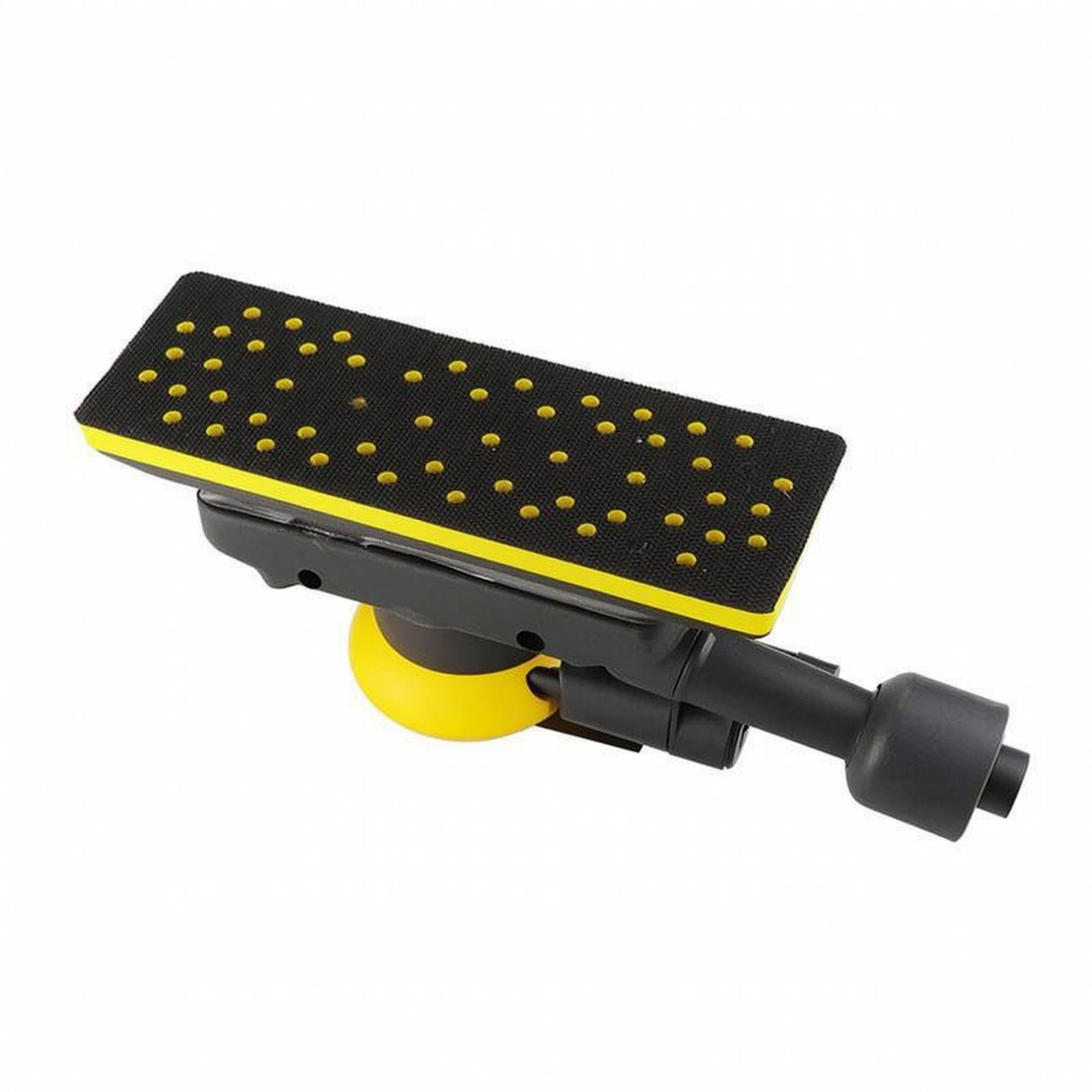
For flat work on compatible pneumatic equipment, Multi-Hole Sanding Backing Pad adds another useful piece because its hook-and-loop face holds sanding media securely and its multiple holes are intended to work with dust extraction. When a perforated pad and dust hose are both part of the system, sanding debris can clear more efficiently instead of packing under the abrasive.
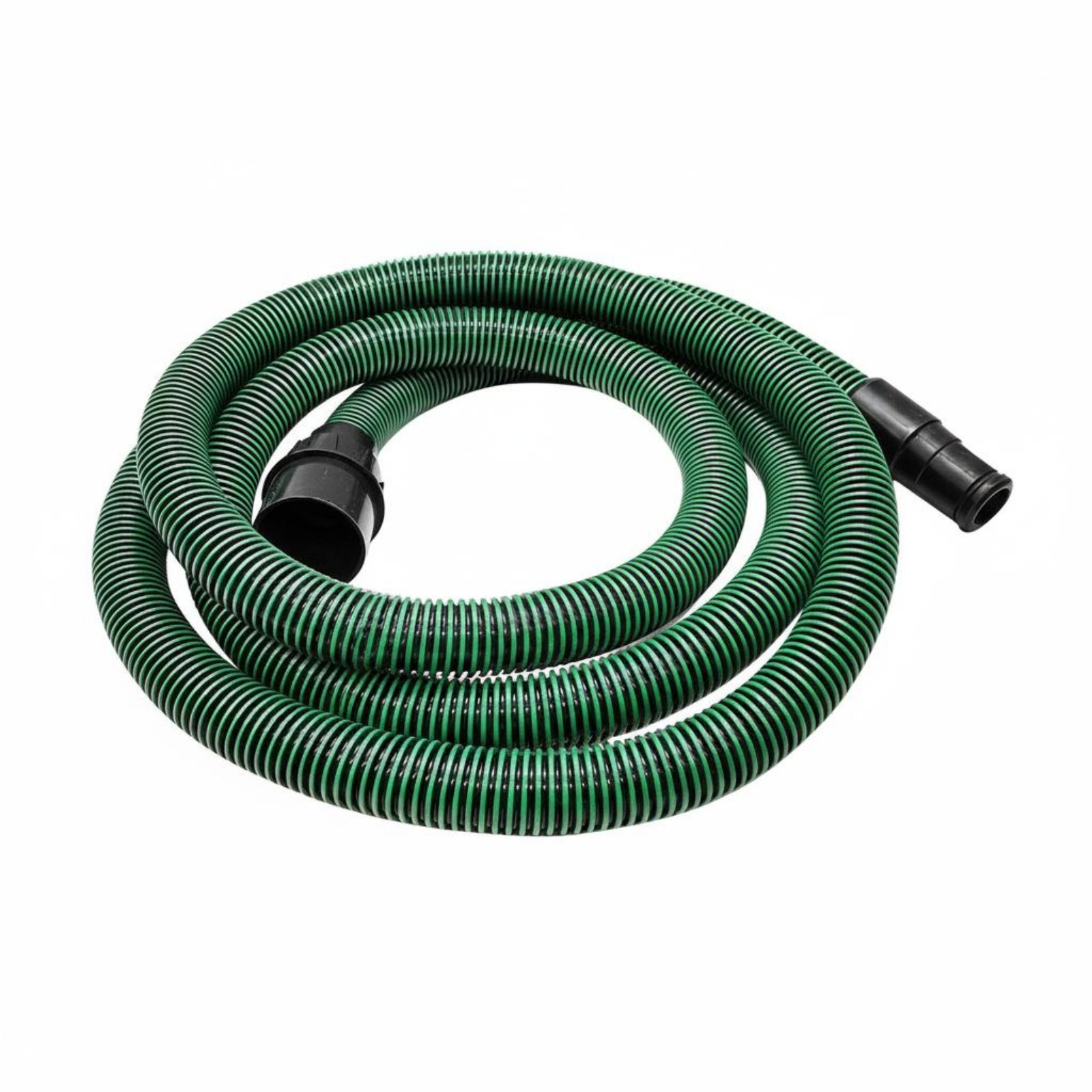
A dust hose like Vacuum Hose Universal Fit is not abrasive by itself, but it matters because sanding quality drops when dust hides scratches and loads the paper. Vacuum Hose Universal Fit is offered in a 3.5 m option and is meant to connect compatible sanding equipment to a vacuum source, so it is worth considering if your setup supports extraction.
Common mistakes to avoid when buying sanding supplies
One common mistake is buying only one grit. Wood usually sands better when you move through a sensible sequence, because jumping from very coarse to very fine leaves deep scratches behind, while using only a fine grit can make the job slow and frustrating.
Another mistake is sanding with loose folded paper for every task. Freehand sanding is sometimes fine for contours, but on flats it often rounds edges and creates uneven pressure; that is exactly where a clamping tool such as Adjustable Sanding Paper Holder or Sanding Sheet Clamp Screw-Mountable can make your results more consistent.
Do not assume every sanding accessory fits every tool. Multi-Hole Sanding Backing Pad is described as a rectangular pneumatic sander accessory, and 3-Inch Pneumatic Palm Sander is a pneumatic palm sander with its own hook-and-loop pad, so buyers should check mounting style, pad shape, and overall compatibility before ordering.
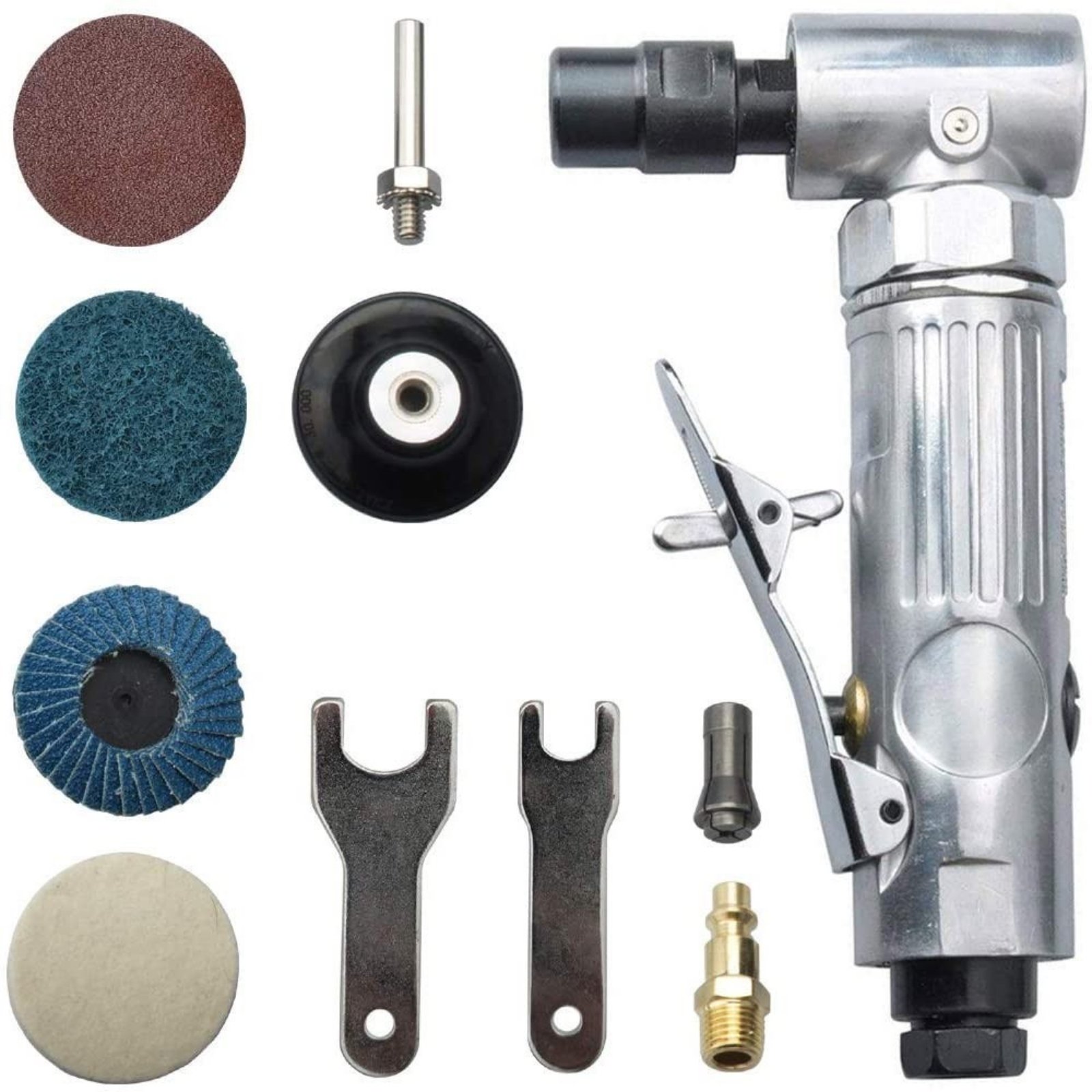
It is also easy to overbuy machine-oriented accessories when your real need is hand sanding. Angle Pneumatic Sander comes as an air angle tool kit with discs and hardware, but its description centers on grinding, blending, and polishing rather than typical wood hand-finish work, so it is more of a specialty choice than a basic woodworking starting point.
Finally, do not ignore dust management. Even if you choose hand sanding first, planning for a cleaner workspace makes it easier to see scratch patterns, judge when to change grits, and keep abrasives working longer.
A sensible starter path for most woodworkers
If you are building a first kit, begin with versatile abrasives and a way to hold them flat. Waterproof Sanding Paper covers a very broad grit range, so it can handle early smoothing and later finish prep without forcing you into a one-grit approach.
Next, choose between a portable holder and a stationary clamp based on how you work. Adjustable Sanding Paper Holder makes sense if you move around larger projects by hand, while Sanding Sheet Clamp Screw-Mountable makes sense if you want a dedicated bench setup for repeatable edge and face sanding.
Only then decide whether powered sanding belongs in your shop. 3-Inch Pneumatic Palm Sander is aimed at compact detail sanding, and Vacuum Hose Universal Fit becomes useful when you want compatible dust extraction to support visibility and cleanup.
That approach keeps the buying process practical: cover grit progression first, support flat and controlled sanding second, and add powered accessories only when they match the tools and workflow you already have.
A typical kit
- Waterproof Sanding PaperProvides the sanding sheets and grit progression needed for shaping, smoothing, and fine finishing.
- Adjustable Sanding Paper HolderHolds a sanding sheet under tension so hand sanding on flat areas stays more even and controlled.
- Sanding Sheet Clamp Screw-MountableCreates a stable bench-mounted sanding station for repeatable work on edges and small flat parts.
- 3-Inch Pneumatic Palm SanderHandles detail sanding in tighter areas if you already use compatible pneumatic tools.
- Multi-Hole Sanding Backing PadServes as a perforated backing pad for compatible pneumatic sanding setups that use hook-and-loop media and dust extraction.
- Vacuum Hose Universal FitConnects compatible sanding equipment to a vacuum source to help remove dust while you work.
Questions people ask
Do I need both a hand sanding holder and a bench-mounted clamp?
Not usually. Choose Adjustable Sanding Paper Holder if you want a portable way to keep a sheet taut in your hands, or choose Sanding Sheet Clamp Screw-Mountable if you want a stable sanding station at the bench. Some woodworkers eventually use both, but a first setup can start with one.
Is waterproof sanding paper useful for woodworking?
Yes, Waterproof Sanding Paper can still make sense for woodworking because it is designed for both wet and dry sanding and covers a very wide grit range. For most routine wood sanding you may use it dry, then decide later whether wet sanding fits your finishing process.
Should I start with a powered sander or hand sanding supplies?
For many buyers, hand sanding supplies are the simpler place to start because they cover more situations with fewer compatibility questions. If you already run air tools and want detail sanding, 3-Inch Pneumatic Palm Sander is a more logical add-on after you have sheets and a basic hand-sanding method.
How important is dust extraction for sanding wood?
It matters more than many beginners expect because dust can hide scratches, clog abrasives, and make cleanup harder. Vacuum Hose Universal Fit is intended to connect compatible sanding equipment to a vacuum source, and Multi-Hole Sanding Backing Pad is built with dust extraction holes, so those two are worth considering together if your setup supports them.
Can I use the angle air tool as my main woodworking sander?
Usually it is better to treat Angle Pneumatic Sander as a specialty tool, not the default starting point for general woodworking sanding. Its description focuses on grinding, blending, and polishing, so buyers should make sure that matches their tasks before choosing it over simpler hand-sanding supplies.
Shop the list
Everything mentioned above
Prices and delivery windows are live from our catalog.

Waterproof Sanding Paper
Adjustable Sanding Paper Holder
Sanding Sheet Clamp Screw-Mountable
3-Inch Pneumatic Palm Sander
Multi-Hole Sanding Backing Pad
Vacuum Hose Universal Fit