Buying guide · Workshop & Tools
How to choose a bench vise for a home workshop
Short answer
Choose a bench vise by matching the vise style to the kind of work you actually do, then checking mounting method, clamping range, jaw movement, and whether you need quick repositioning or delicate holding. For most home workshops, a fixed bench-mounted vise handles general work, while specialty clamps and small tabletop vises are better as supporting tools rather than your only vise.
Start with the kind of work you do most
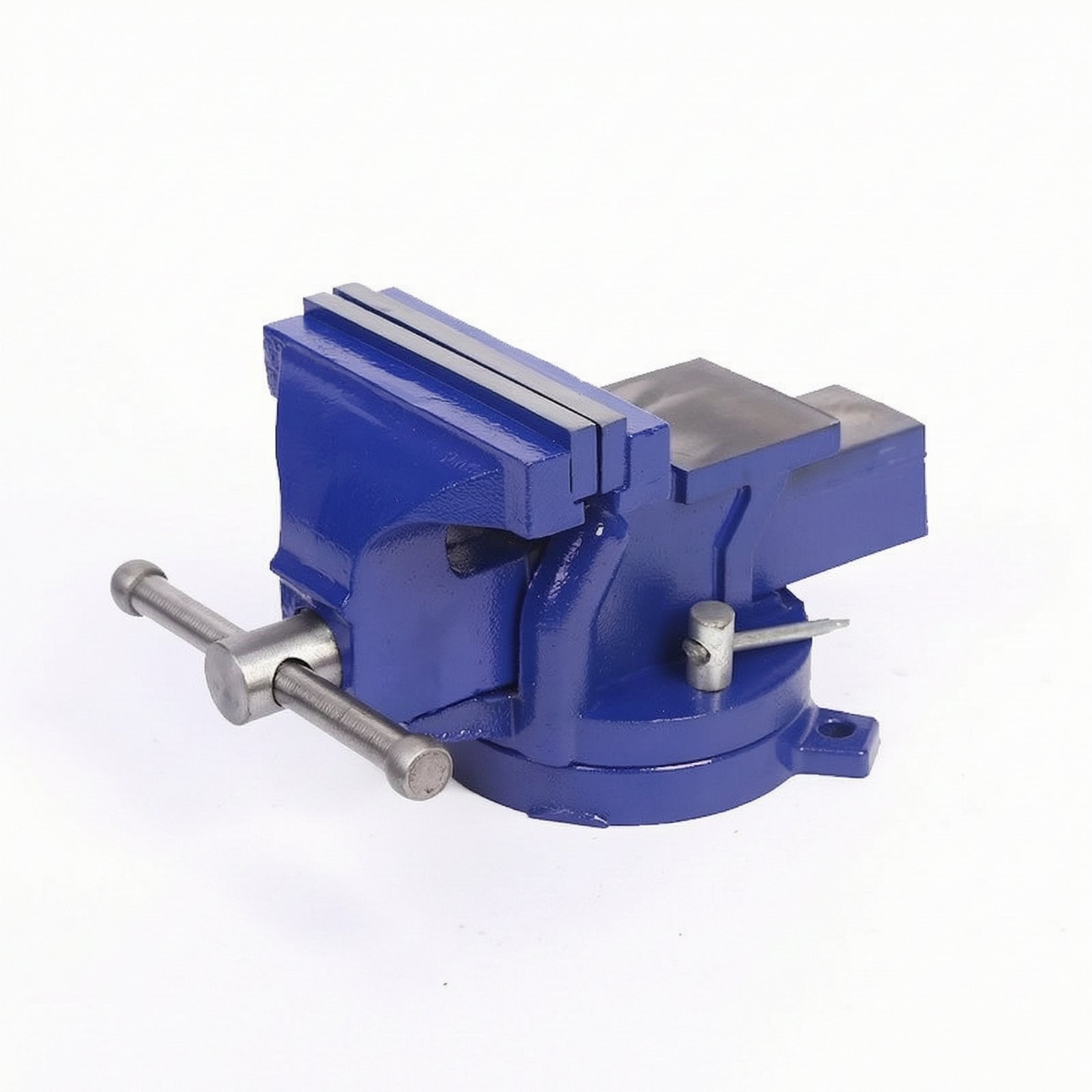
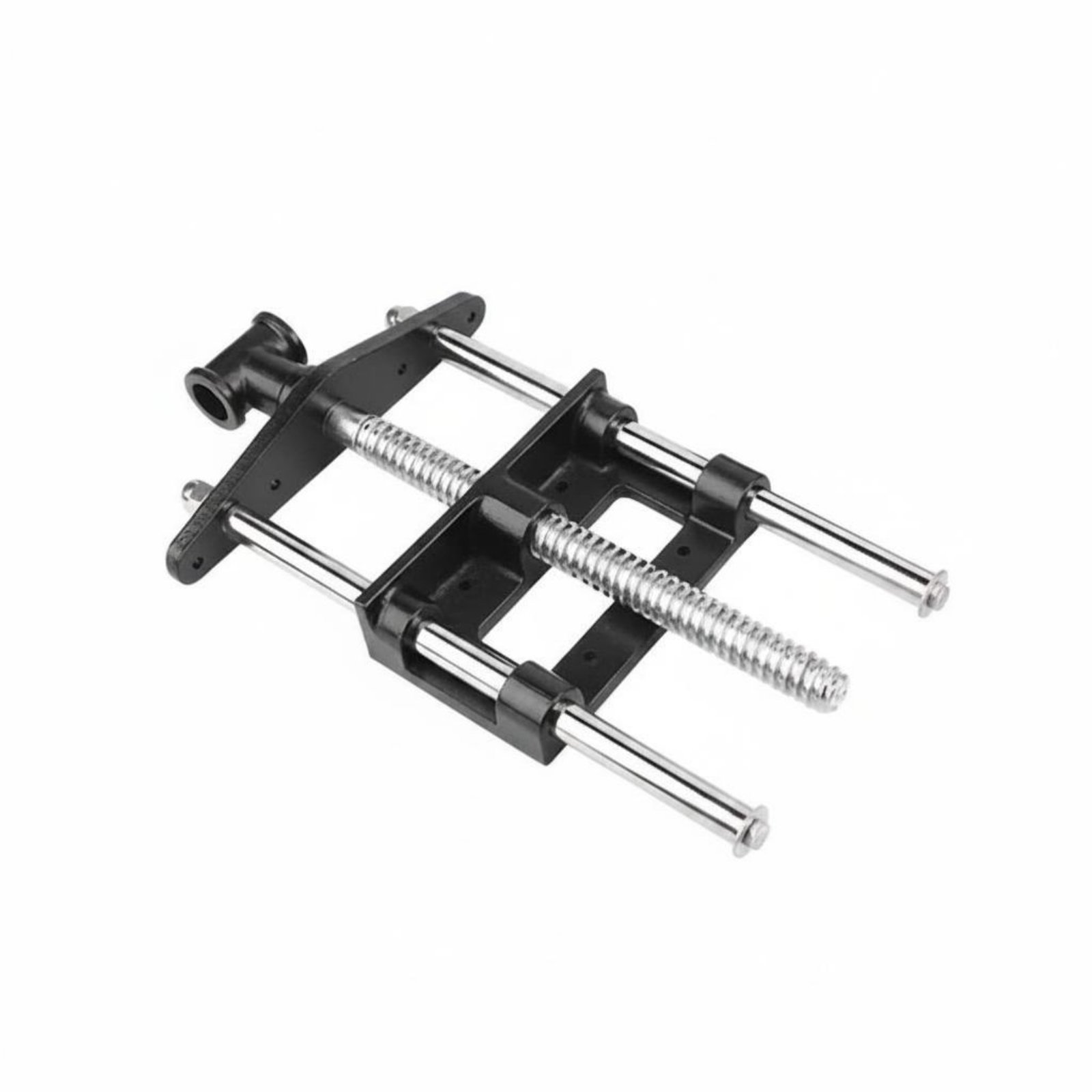
The first decision is not size alone but task type. A home shop that mainly cuts, sands, files, and assembles larger wood parts usually benefits from a bench-mounted vise with a stable body and guided jaw movement. A woodworking front vise such as Cast Iron Workbench Front Vise is made for mounting to a bench and keeping boards steady during planing, slicing, and carving, while a general bench vise such as Bench Vise with Swivel Cast Iron is more of an all-around shop tool for holding parts securely on a workbench.
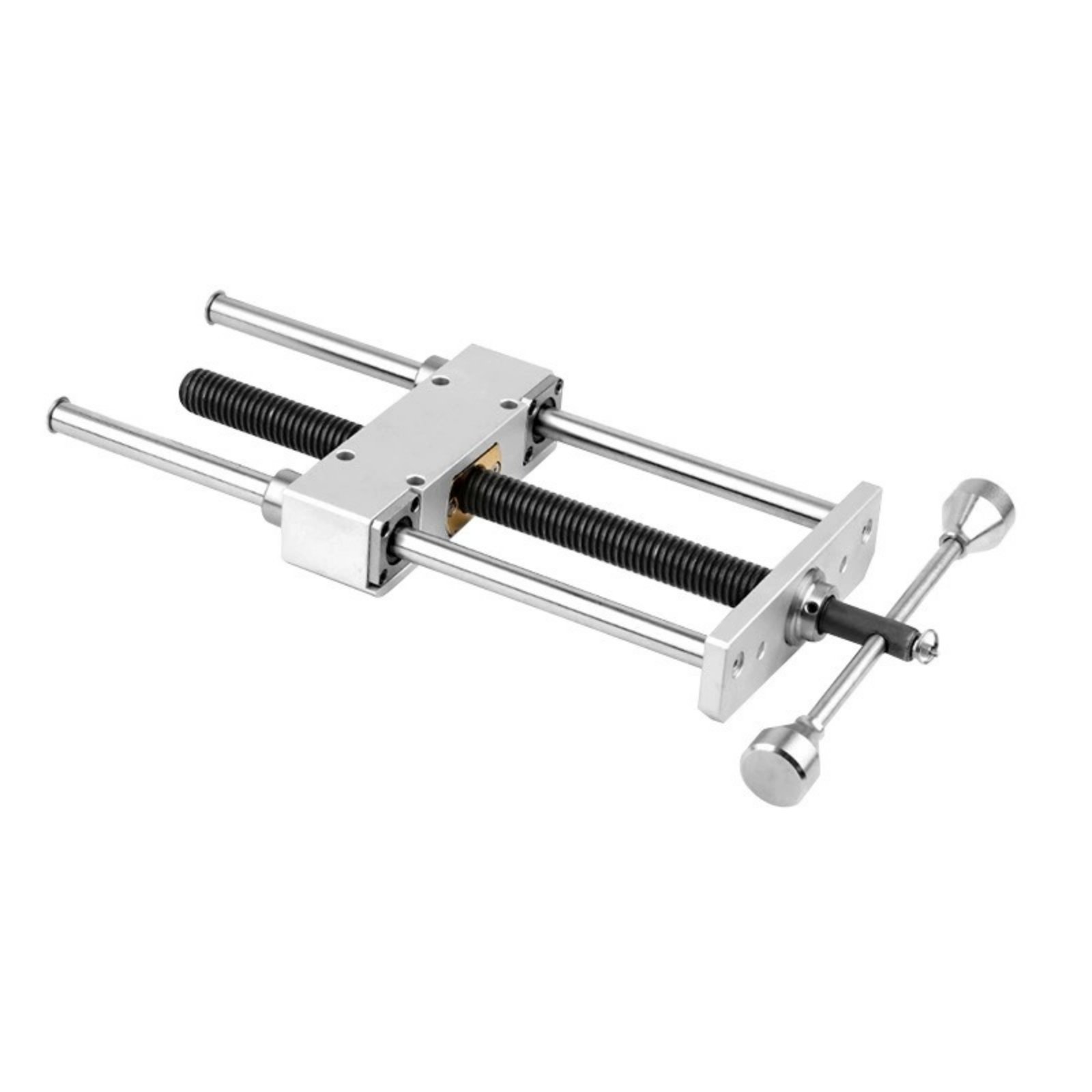
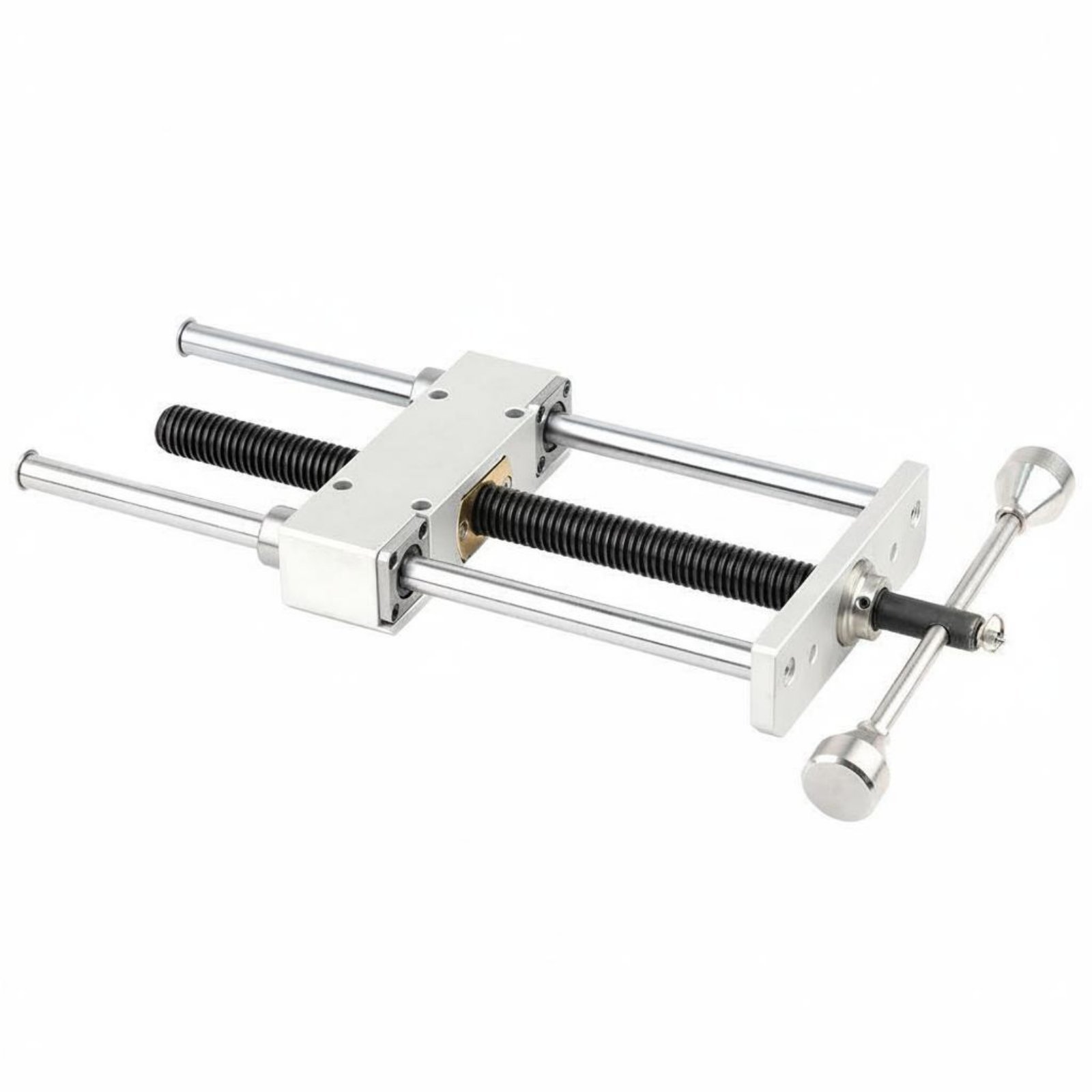
If you want a vise for broader woodworking capacity, look at stated opening range and how the moving jaw is guided. Parallel Guide Bench Vise offers a 0 to 300 mm clamping range and a 360 degree rotating handle, which is useful when you need to clamp anything from thin stock to much wider work without changing tools. If your work is mostly board holding and alignment, twin-rod or double-guide styles like Twin Rod Bench Vise or Bench Vise Double-Guide-Rod Steel can help keep the jaw travel more parallel and controlled.
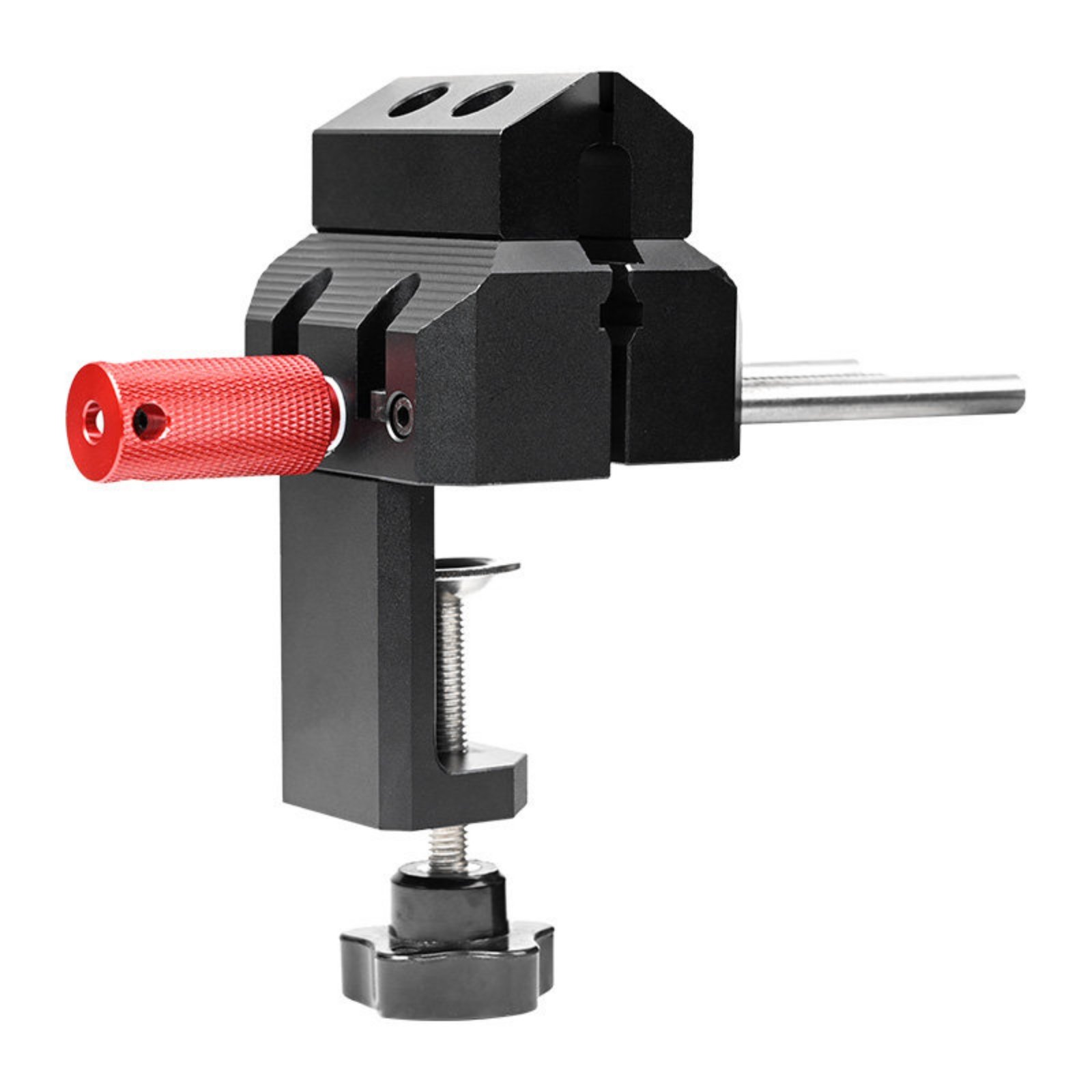
Not every home workshop needs one big vise only. Small parts, model work, and finish-sensitive pieces are often easier in a compact vise with pads or a lighter clamp that sets up quickly. Precision Tabletop Vise has a maximum jaw opening of 70 mm and mounts to tables up to 43 mm thick, which makes it more suitable for detailed bench tasks than for heavy stock.
What specs and features matter most
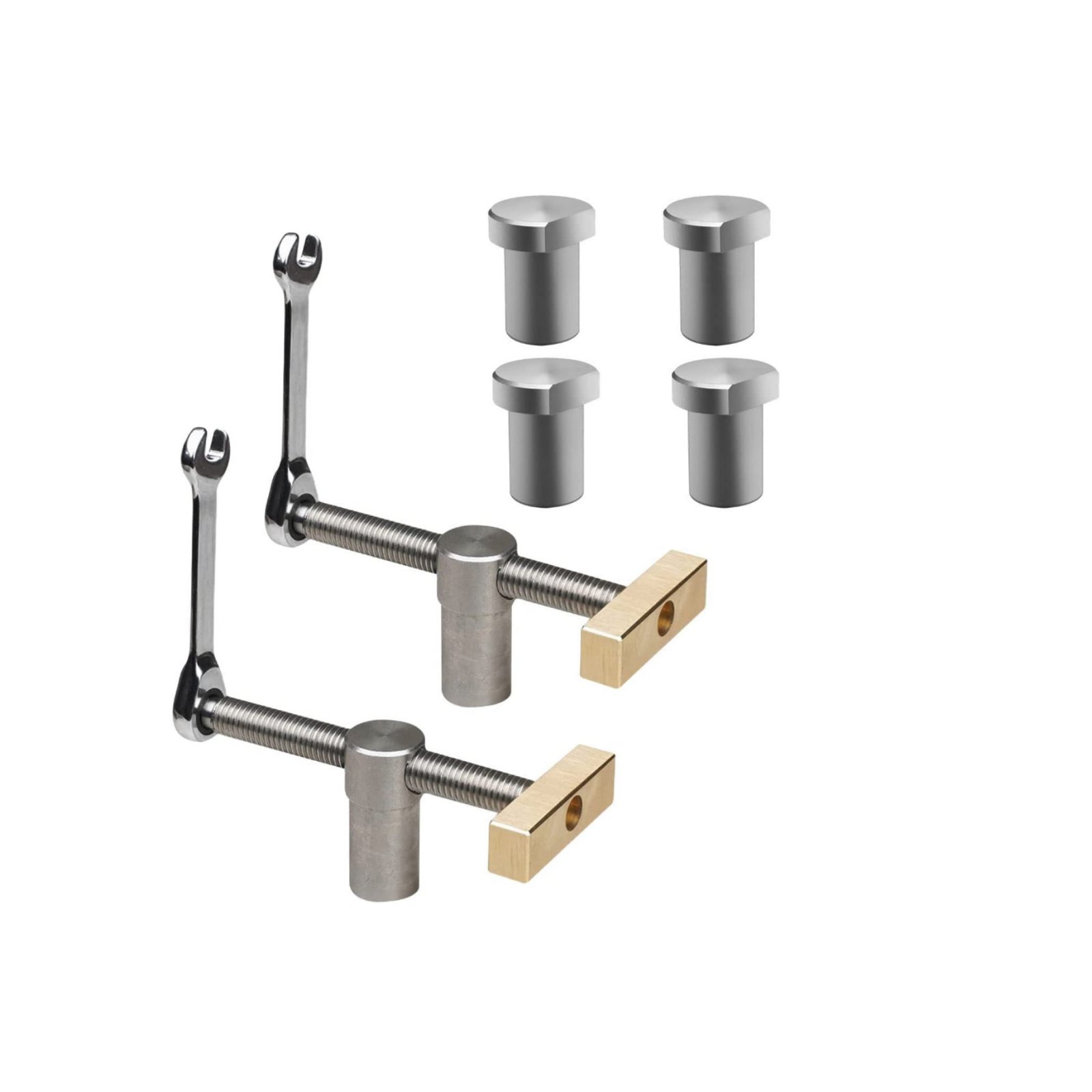
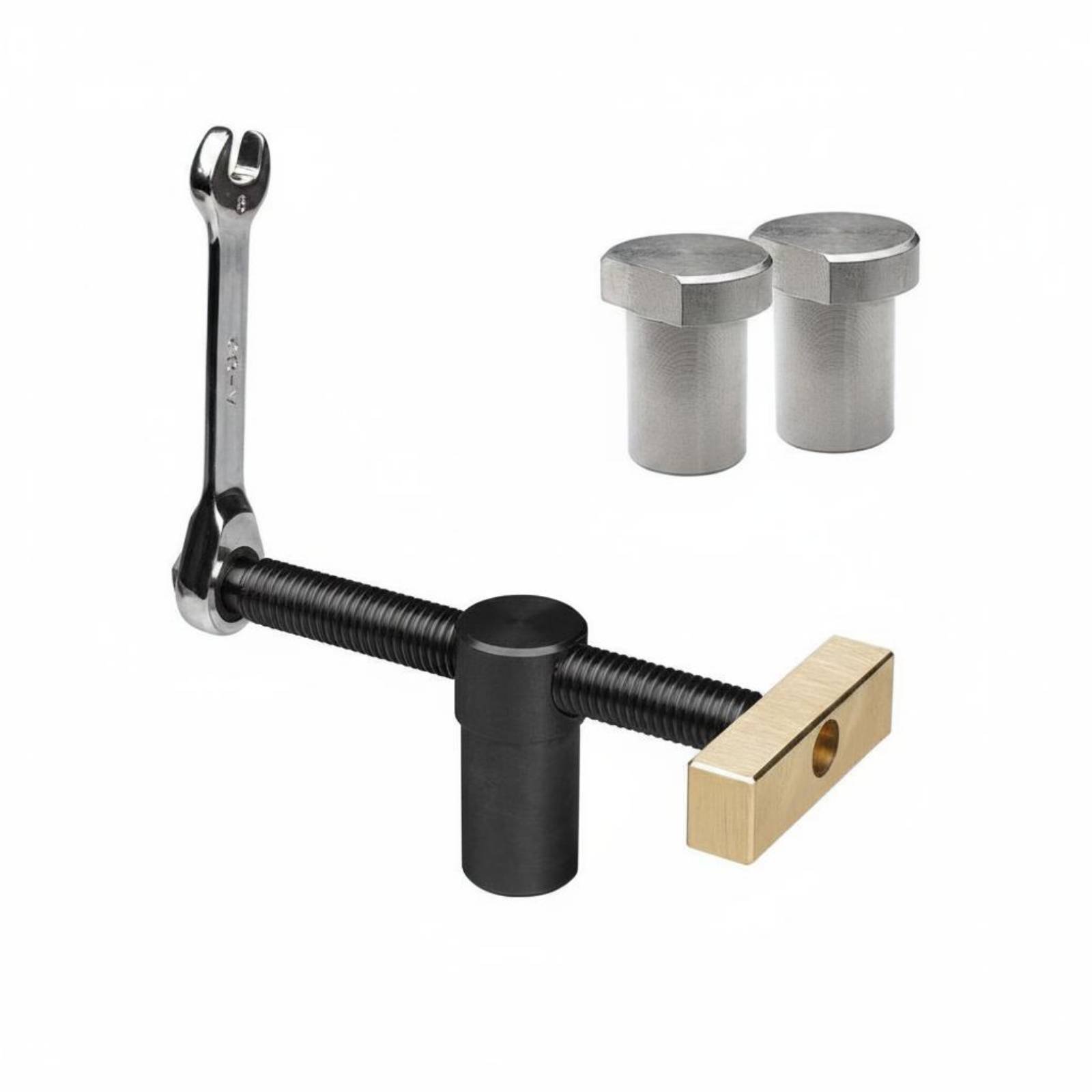
Mounting comes first because a vise is only as useful as the bench supporting it. Bench-mounted models are better for repeat work and higher clamping force, while tabletop or bench-dog style tools are more flexible but usually meant to supplement a main vise. Bench Clamp Cast Iron is built as a workbench-mounted clamp with a central threaded screw, and Ratchet Vise Clamp is a bench dog style clamp intended for use with a workbench vise setup rather than replacing one.
Jaw movement and alignment affect how confidently the vise holds the work. Front vises and twin-rod designs are especially helpful when you clamp wood near the front edge of a bench because they reduce twisting and keep pressure more even across the piece. Cast Iron Workbench Front Vise uses a double guide arrangement, and Twin Rod Bench Vise uses a twin rod structure for stable movement and better centering.
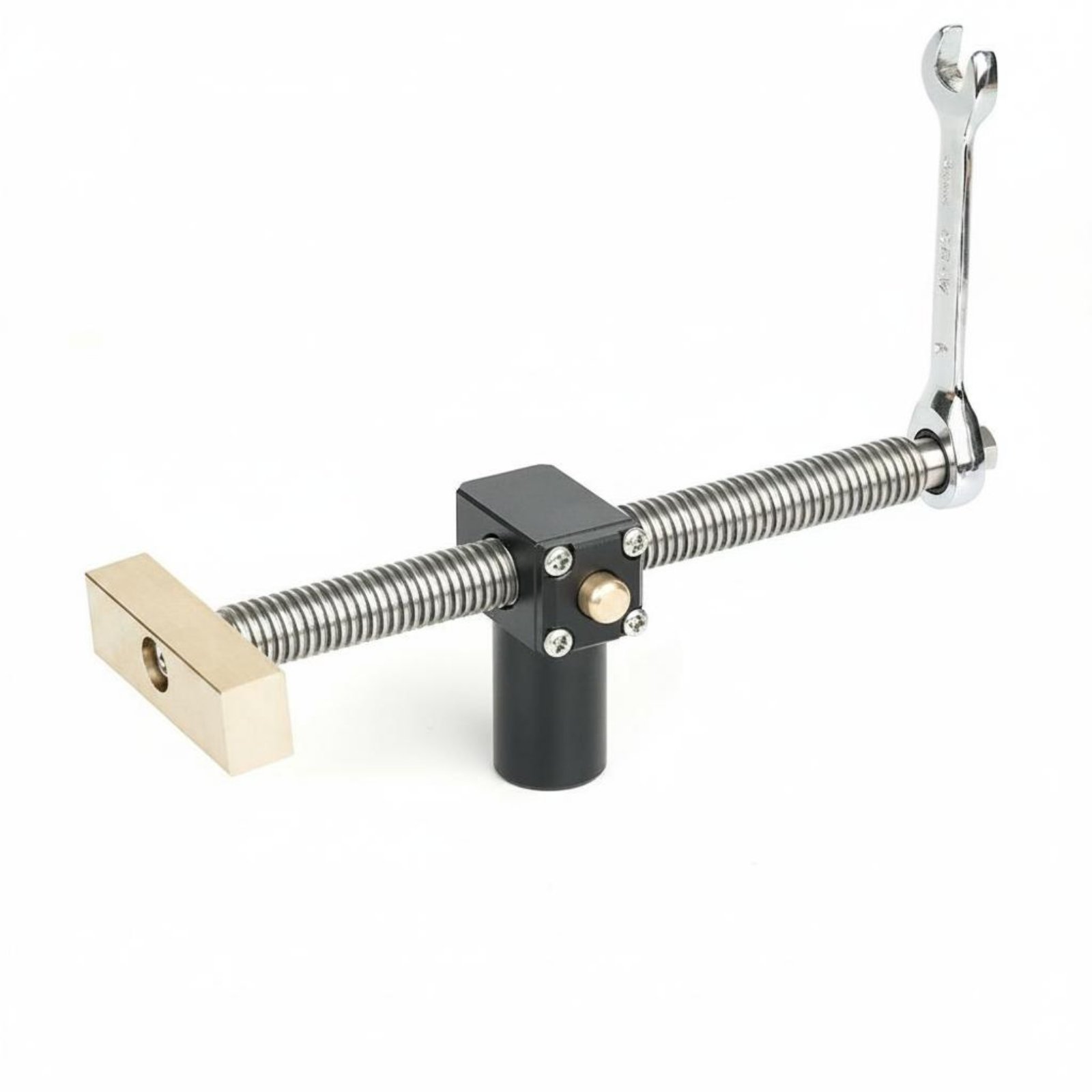
Adjustment speed matters more than many buyers expect. If you frequently switch between thin and thick parts, a quick-release design saves time and reduces the temptation to leave work only half tightened. Quick Release Vise Clamp has a 0 to 120 mm clamping range in a compact quick-release format that suits smaller bench tasks.
Material and overall mass matter because they influence how solid the vise feels under load, but you should use the listing carefully here. Cast iron and steel bodies are common for heavier bench work, while lighter mixed-metal clamps can be easier to move and store. Bench Clamp Cast Iron has a package weight of 9600 g, Twin Rod Bench Vise lists a 4.5 net weight weight, and Quick Release Vise Clamp weighs 0.28 kg, which shows the difference between a main bench vise and a compact accessory clamp.
How the pieces work together in a home workshop
A practical home setup often uses one primary vise plus one or two support clamps. The primary vise stays mounted at the bench and handles most sawing, fitting, and shaping. Support tools then solve awkward holding problems that a standard front vise cannot do well.
For example, a main bench vise like Bench Vise with Swivel Cast Iron or Parallel Guide Bench Vise handles general workholding on the bench. A bench dog clamp such as Bench Dog Clamp or Ratchet Vise Clamp works with bench holes or a vise arrangement to hold boards flat on the benchtop for sanding, routing, or edge work where a normal jaw vise can get in the way. A compact helper like Quick Release Vise Clamp can take care of short setup jobs or smaller workpieces when you do not want to move the larger vise.
This is why shoppers should think in terms of workholding coverage, not just one tool. A big front or machinist-style vise secures the work from the side, while bench-dog and tabletop tools hold work from above or in tighter spaces. If you expect to do both furniture-style wood tasks and small hobby parts, mixing a bench-mounted vise with a compact tabletop vise can make the bench much more adaptable.
Common buying mistakes to avoid
A common mistake is buying only by jaw width or by the word heavy-duty. Those clues help, but they do not tell you whether the vise mounts the way your bench allows, whether it opens wide enough, or whether it is meant for edge clamping, flat workholding, or delicate parts. Read the listing for mounting style, guide design, and intended use before deciding.
Another mistake is using specialty clamps as a substitute for a true bench vise. Bench Dog Clamp and Ratchet Vise Clamp are useful workbench helpers, but they are not the same as a fixed front vise for routine bench work. On the other hand, if your projects are mostly small crafts, buying a large bench vise first can be overkill when a compact unit like Precision Tabletop Vise may fit the work better.
Do not ignore bench strength and placement. A heavy mounted vise puts stress at the bench edge, so confirm your bench can accept the load and the mounting pattern shown in the listing. Also think about handle swing, clearance below the top, and whether a swivel base or rotating handle will be useful in your actual working position rather than just sounding convenient.
A typical kit
- Bench Vise with Swivel Cast IronUse this as a general bench-mounted vise for everyday holding, tightening, and repositioning in a home shop.
- Cast Iron Workbench Front ViseChoose this front vise when your work is mostly woodworking boards held along the front edge of the bench.
- Parallel Guide Bench VisePick this when you want a bench vise with a wide stated opening range and guided movement for larger wood pieces.
- Precision Tabletop ViseAdd this for small parts and detailed hobby work where padded jaws and a compact tabletop mount are more useful than a large vise.
- Ratchet Vise ClampUse this as a bench-dog style support clamp for holding boards on the benchtop during sanding, routing, or fitting.
- Quick Release Vise ClampKeep this as a quick-release helper clamp for smaller bench tasks and fast setup changes.
Questions people ask
What is the difference between a woodworking front vise and a regular bench vise?
A woodworking front vise is meant to mount at the bench edge and hold boards for tasks like planing, trimming, and fitting. A regular bench vise is more general-purpose and may be better when your work includes mixed materials or odd-shaped parts. The right choice depends on whether your projects are mostly board work or more general shop tasks.
Do I need a swivel base in a home workshop?
It depends on how often you work at different angles or need to reposition parts without unclamping completely. A swivel feature is handy when bench access is limited or when you move between operations often. If your work usually stays in one orientation, a fixed bench vise can be simpler and just as effective.
Is a quick-release vise worth it for home use?
Yes, if you change material thickness often or move between short tasks throughout the day. Quick-release designs reduce repeated handle winding and make setup feel less slow and fussy. If you mostly clamp similar parts for longer operations, a standard screw vise can still work very well.
Can a bench dog clamp replace a bench vise?
Usually no. Bench dog clamps are excellent support tools for holding boards flat or against stops on a benchtop, but they do not replace the all-around side clamping and fixed mounting of a true bench vise. Many woodworkers get the best results by using both together.
How much vise capacity do I really need?
Buy for the largest work you actually expect to clamp, not the biggest piece you can imagine once in a while. If the listing gives a jaw opening or clamping range, compare that with your usual stock thickness and project parts. If the range is not listed, check the product description closely and do not assume it will fit wider material.
Shop the list
Everything mentioned above
Prices and delivery windows are live from our catalog.
Bench Vise with Swivel Cast Iron
Cast Iron Workbench Front Vise
Parallel Guide Bench Vise
Precision Tabletop Vise
Ratchet Vise Clamp
Quick Release Vise Clamp
Twin Rod Bench Vise
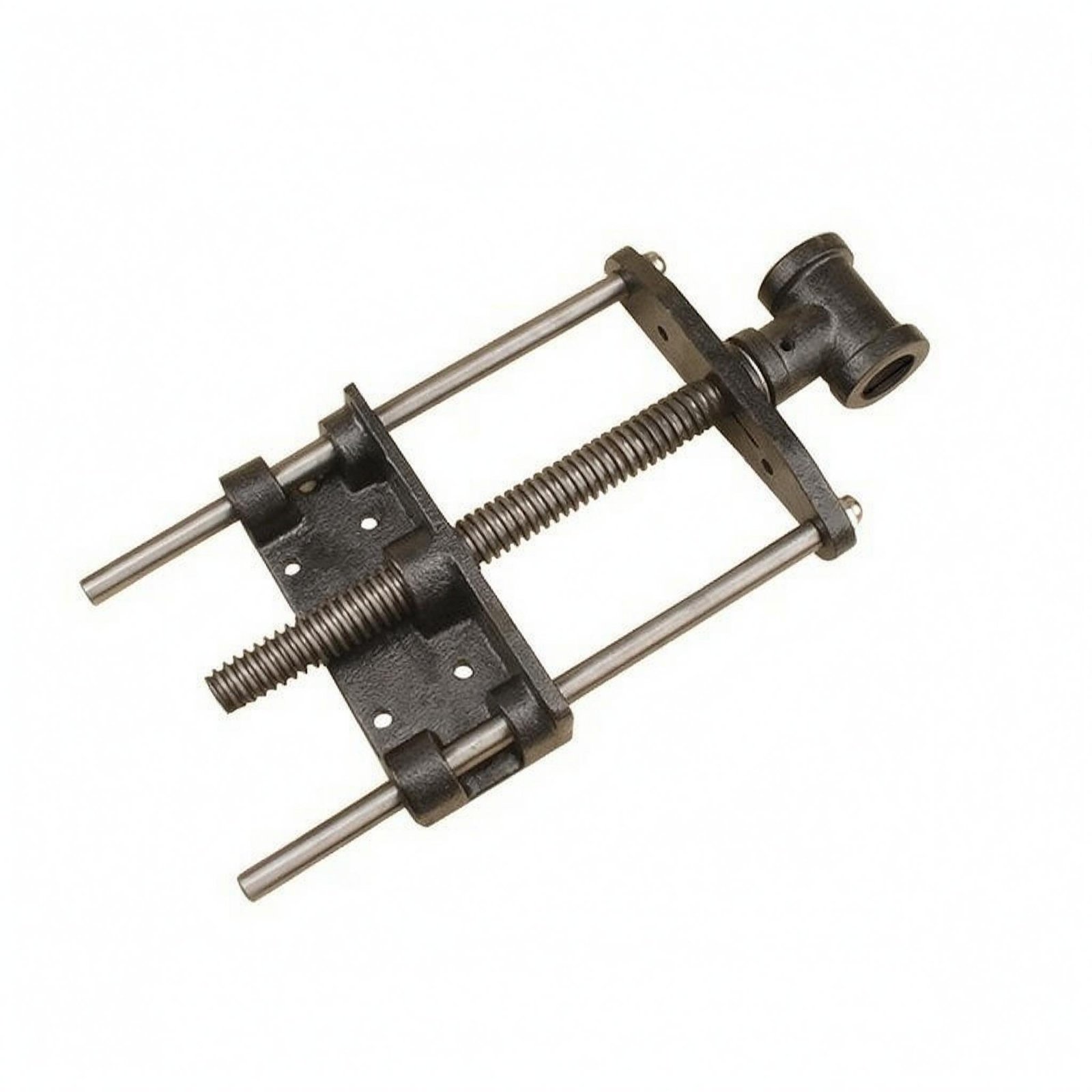
Bench Vise Double-Guide-Rod Steel
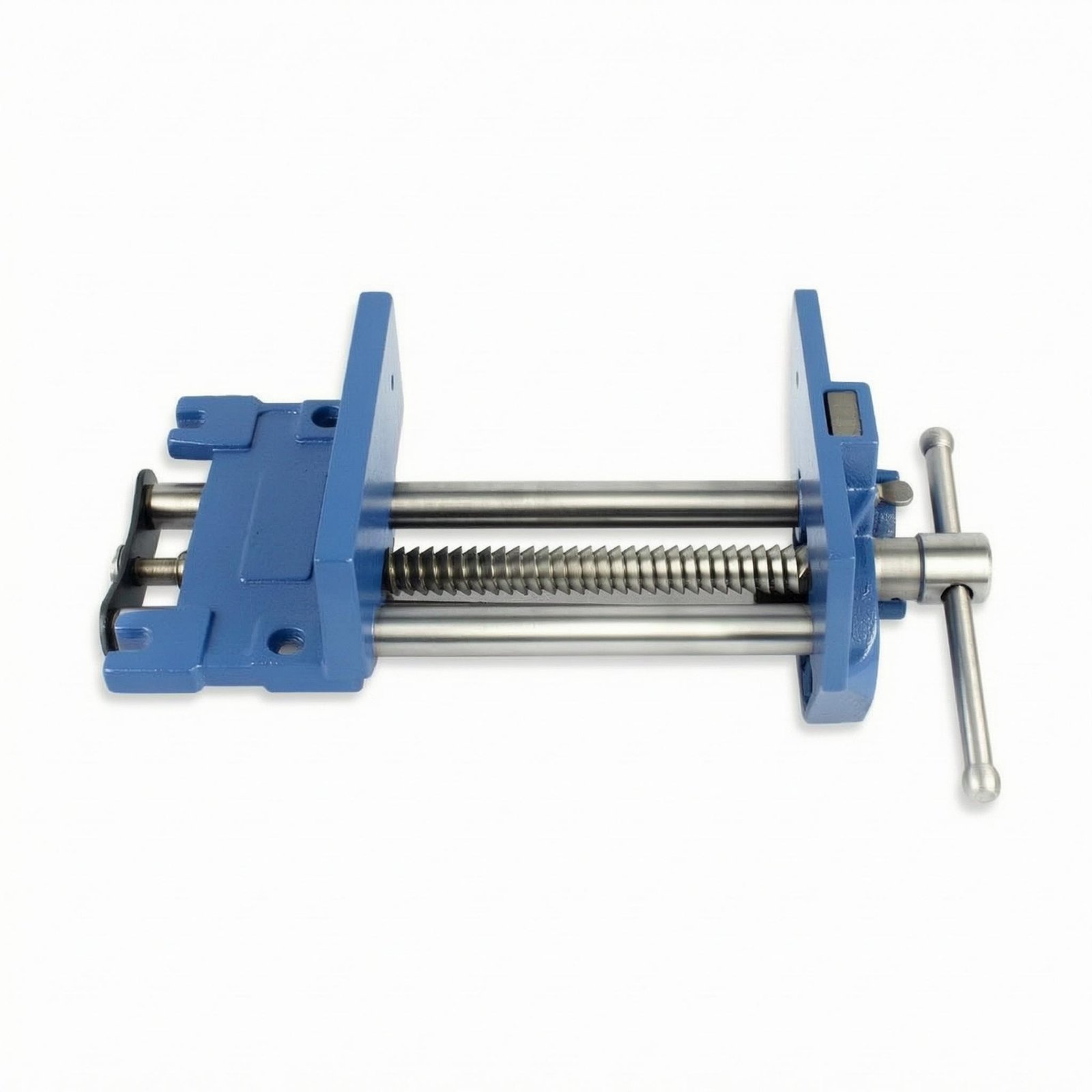
Bench Clamp Cast Iron