Buying guide · Workshop & Tools
How to pick the right replacement hinge for a door or gate
Short answer
Match the replacement hinge to the way the door or gate is built and used before you worry about finish or convenience features. The right pick depends on the mounting method, whether you need a standard swing, self-closing action, hidden hardware, or a removable hinge for service, and on whether the part is meant for doors and gates rather than furniture or specialty equipment.
Start by matching the hinge type to the job
The first step is to identify what kind of opening you are repairing. A simple replacement works only when the new part uses the same basic mounting style and motion as the old one. Look at whether the hinge is visible or concealed, whether it fastens with screws or needs welding, and whether you want the door to stay where you leave it or return closed on its own.
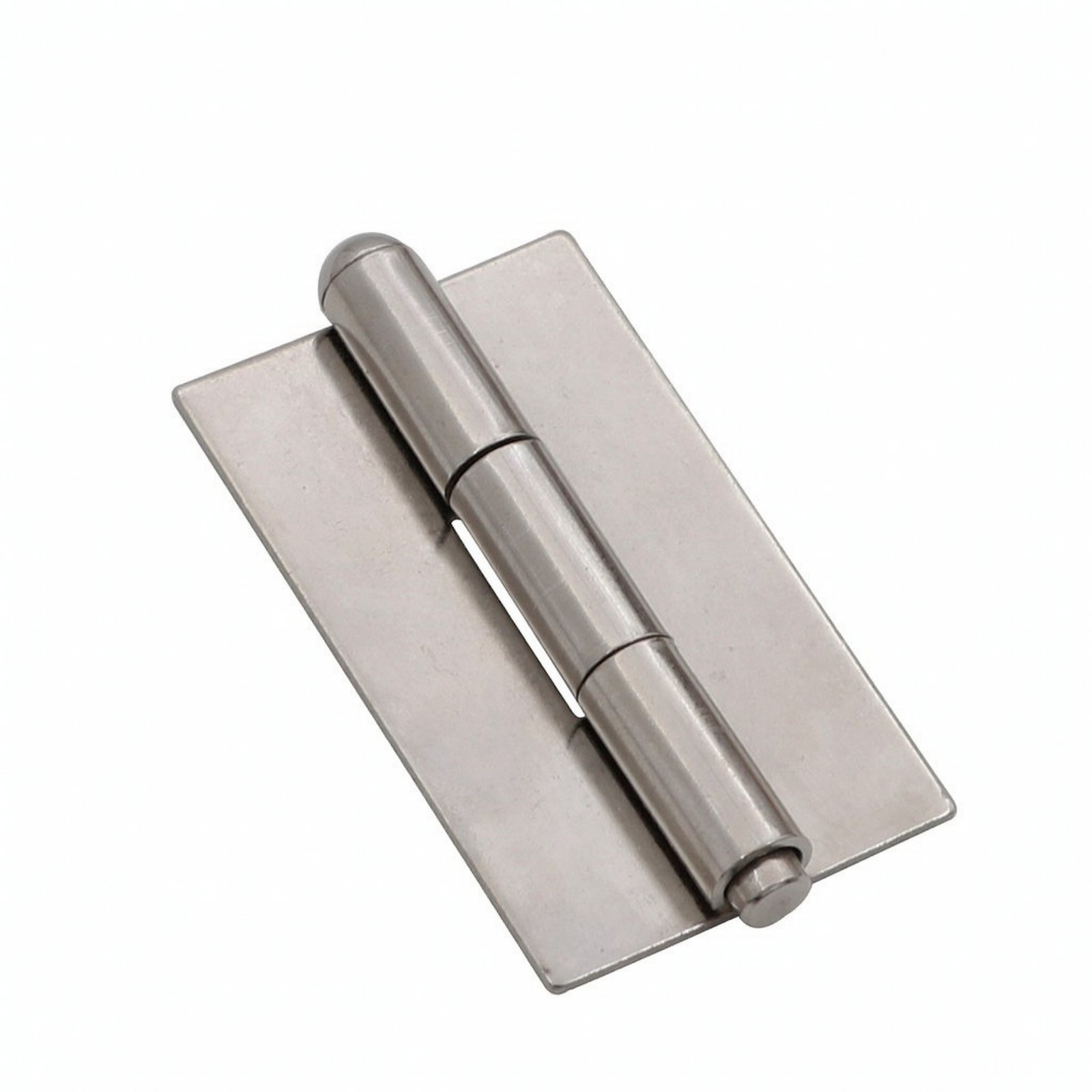
For a metal door, gate, or access panel where the original hinge was welded on, a weld-on style like Weldable Detachable Hinge is the right kind of example to consider. Weldable Detachable Hinge measures 2 x 58 x 100 mm and is built as a detachable weldable hinge, so it suits projects where easy door removal matters as much as hinge strength.
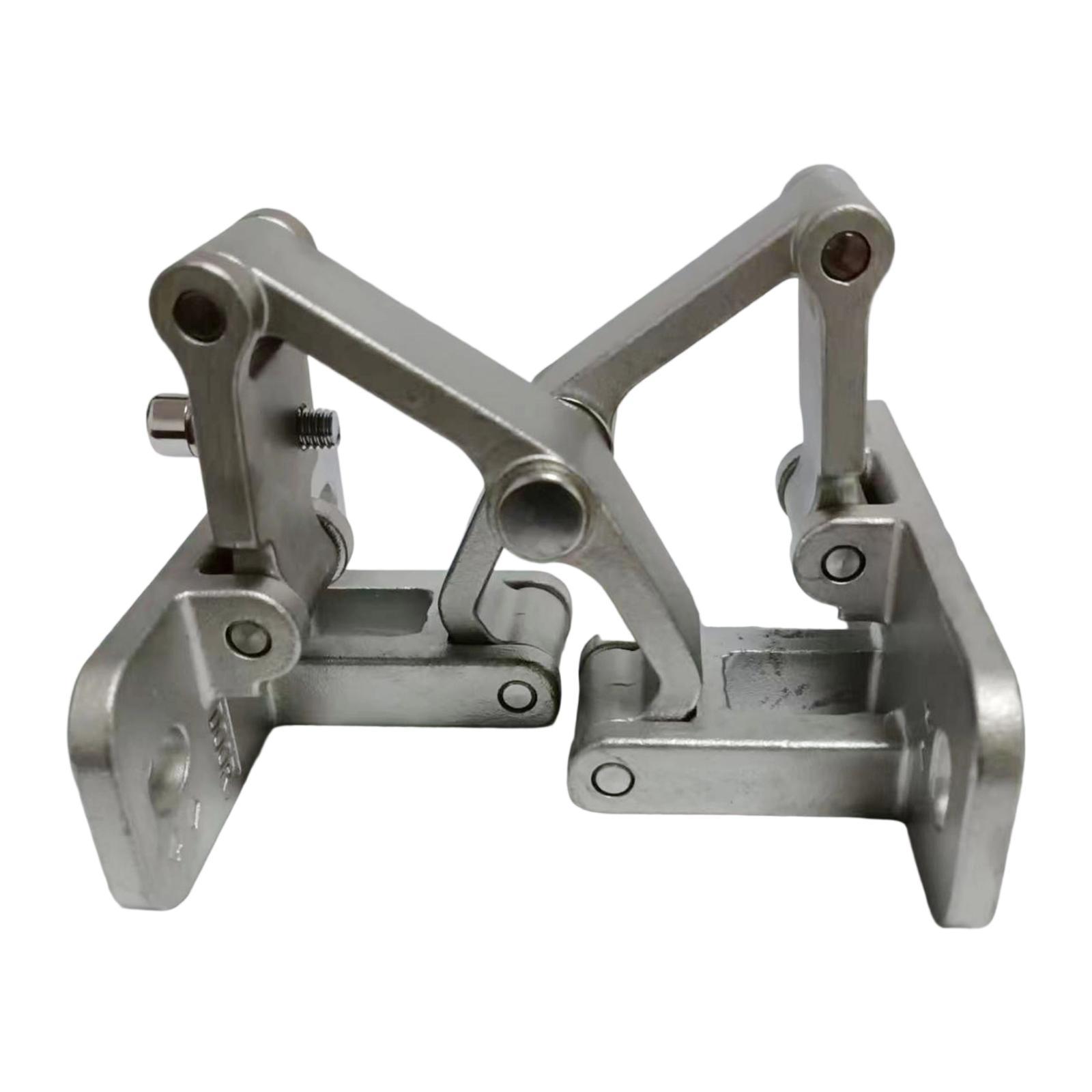
If you want the hardware hidden from view and the door is heavy, compare your needs with a concealed option like Stone Door Hinge 100Kg Max Load. Stone Door Hinge 100Kg Max Load is listed for thick doors with a 100 kg max load, which tells you this style is meant for substantial doors rather than light cabinet panels.
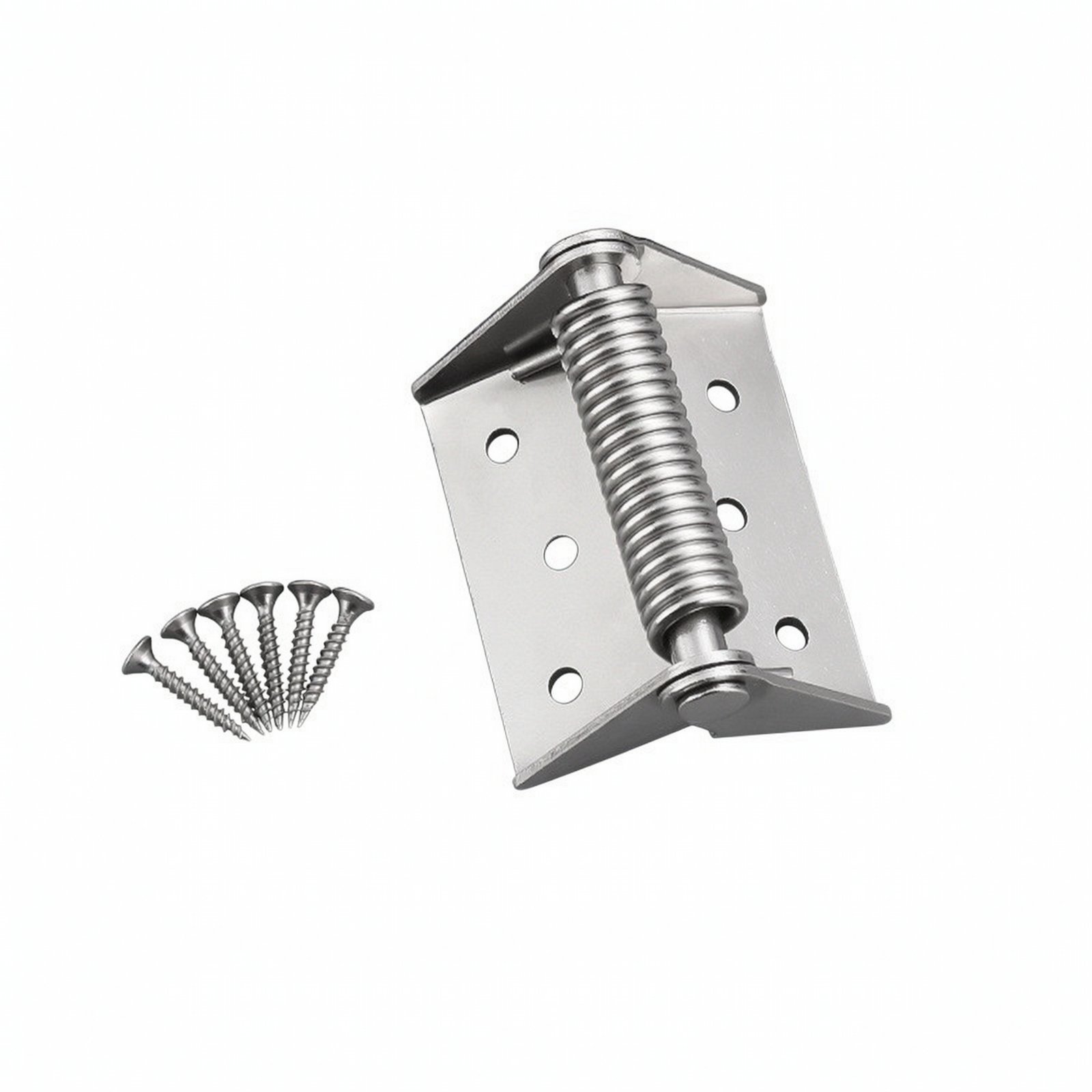
If you need the door or gate to swing shut automatically, a spring hinge such as Self-Closing Spring Hinge is the better pattern to look at than a plain butt hinge. Self-Closing Spring Hinge measures about 80 x 73 mm and includes mounting screws, so it is useful when you want self-closing action without adding a separate closer.
Check load, door construction, and installation method
Once you know the hinge style, confirm that the hinge suits the door material and the way the frame is built. A replacement has to fit the project mechanically, not just look similar in a photo. For gates and doors, pay attention to door thickness, hinge load rating if one is given, and whether the frame can accept screws or welds.
A thick door may call for hardware specifically described for that use, like Stone Door Hinge 100Kg Max Load, instead of a lighter interior hinge. If the listing gives a load figure, use it as a minimum reference and compare it with the actual weight of the door or gate before you buy.
For outdoor use or damp spaces, material matters because corrosion changes how a hinge moves over time. Weldable Detachable Hinge is described as 304 stainless steel, which makes it a sensible example for metal doors, gates, or access covers exposed to weather.
Also think about service access. A detachable hinge can make sense on equipment doors or utility gates that may need to come off later, while a spring hinge like Self-Closing Spring Hinge is more about controlling closure than making removal easy.
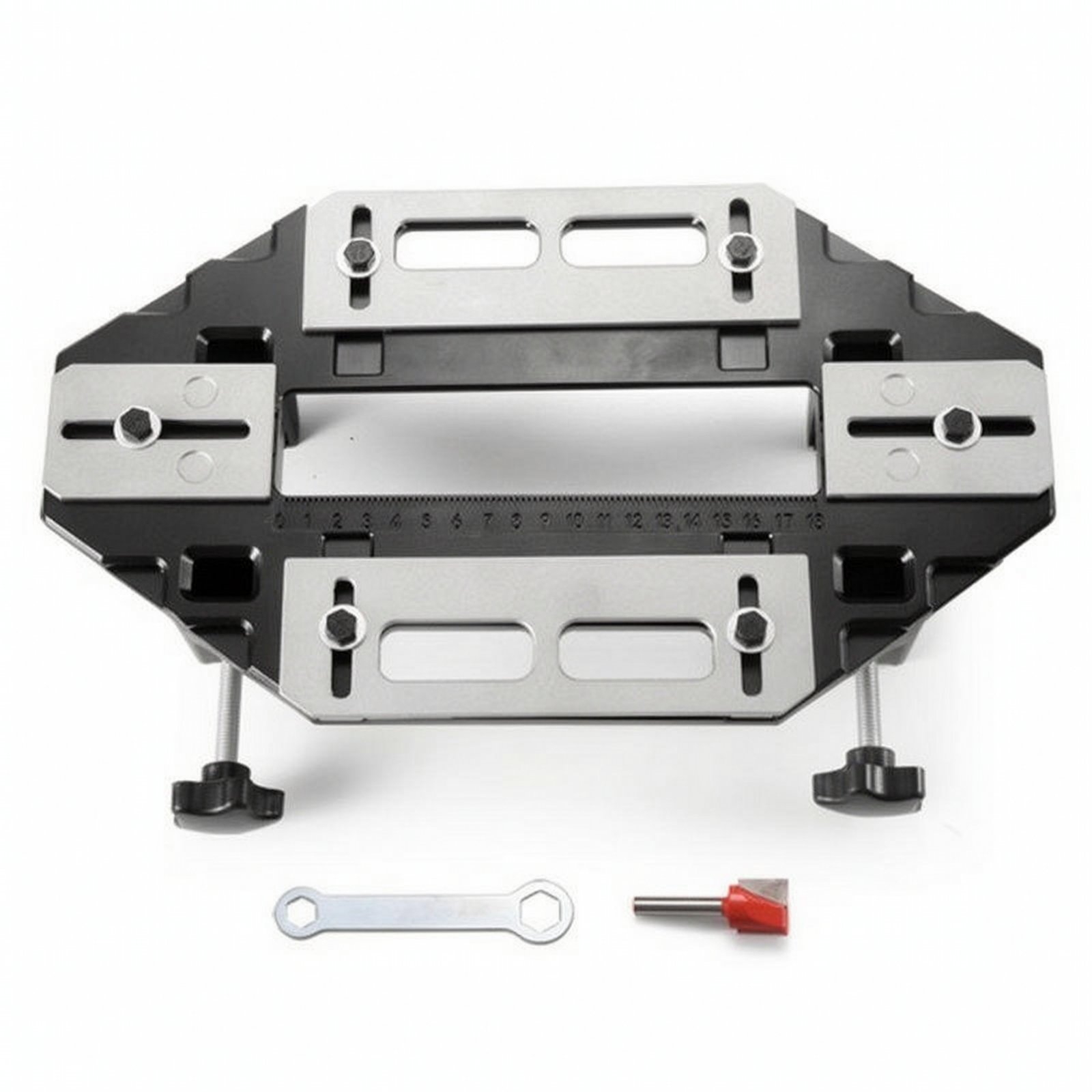
If your project involves cutting a fresh recess rather than reusing old holes, installation accuracy matters almost as much as hinge choice. Hinge Mortising Jig Adjustable is a hinge mortising jig with a maximum slot size of 18 cm, and Hinge Mortising Jig Adjustable includes a router bit with a 6.35 mm shank, so it is the kind of tool that helps when you need a clean mortise for a door hinge instead of guessing by hand.
Know how the hinge and the rest of the hardware work together
A hinge is only one part of the system. The door leaf, frame, latch, closer action, and mounting surface all have to cooperate, or even a good hinge will feel wrong in use. Before ordering, inspect the old hinge location for wear, sagging, bent metal, stripped screw holes, or a twisted gate frame, because those problems can make the replacement seem like a bad fit when the real issue is elsewhere.
A self-closing hinge like Self-Closing Spring Hinge works by adding return force at the hinge itself, so it can help a gate or light door return to the closed position after opening. That is useful when the opening should not be left ajar, but you still need to verify that the frame alignment and latch position let the door close cleanly.
A concealed heavy-duty option like Stone Door Hinge 100Kg Max Load changes the look of the installation because most of the hardware stays out of sight. That can be a good choice on a finished door where visible hinges are unwanted, but the recesses and pivot points still have to match the frame layout.
A detachable weld-on hinge like Weldable Detachable Hinge works as two matched halves joined by a removable pin arrangement. That setup is handy when you want to lift a door off for maintenance, painting, or access, especially on metal fabrications where welded plates are already part of the build.
Common mistakes to avoid when replacing a door or gate hinge
The biggest mistake is buying a hinge meant for a different category of project. Furniture, folding table, audio lid, ladder, and trailer parts may all have hinge-like motion, but they are not substitutes for a door or gate hinge just because the word hinge appears in the title.
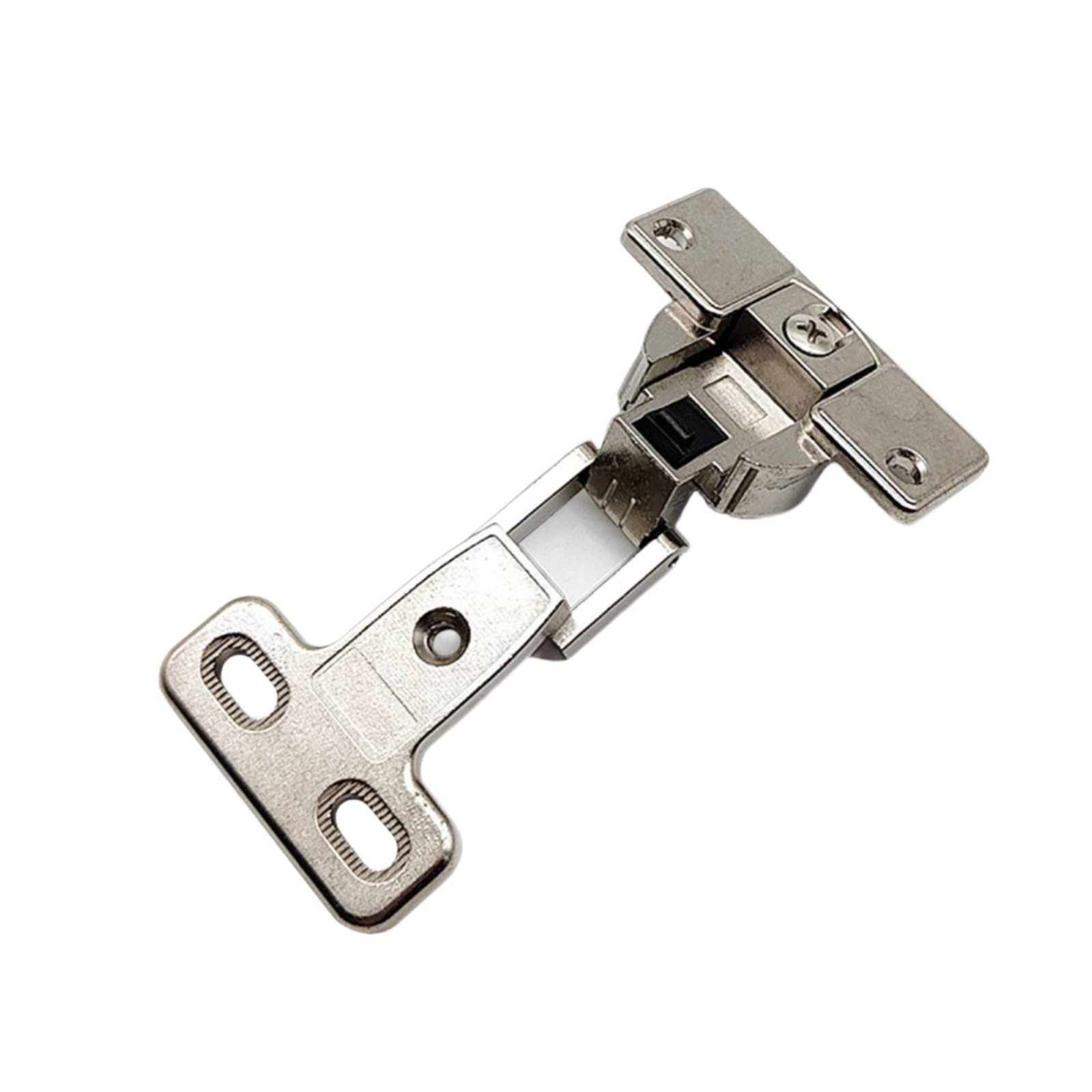
- Do not use 270-Degree Cabinet Hinge for a regular entry door or gate just because it opens wide; it is described for cabinets and folding storage doors.
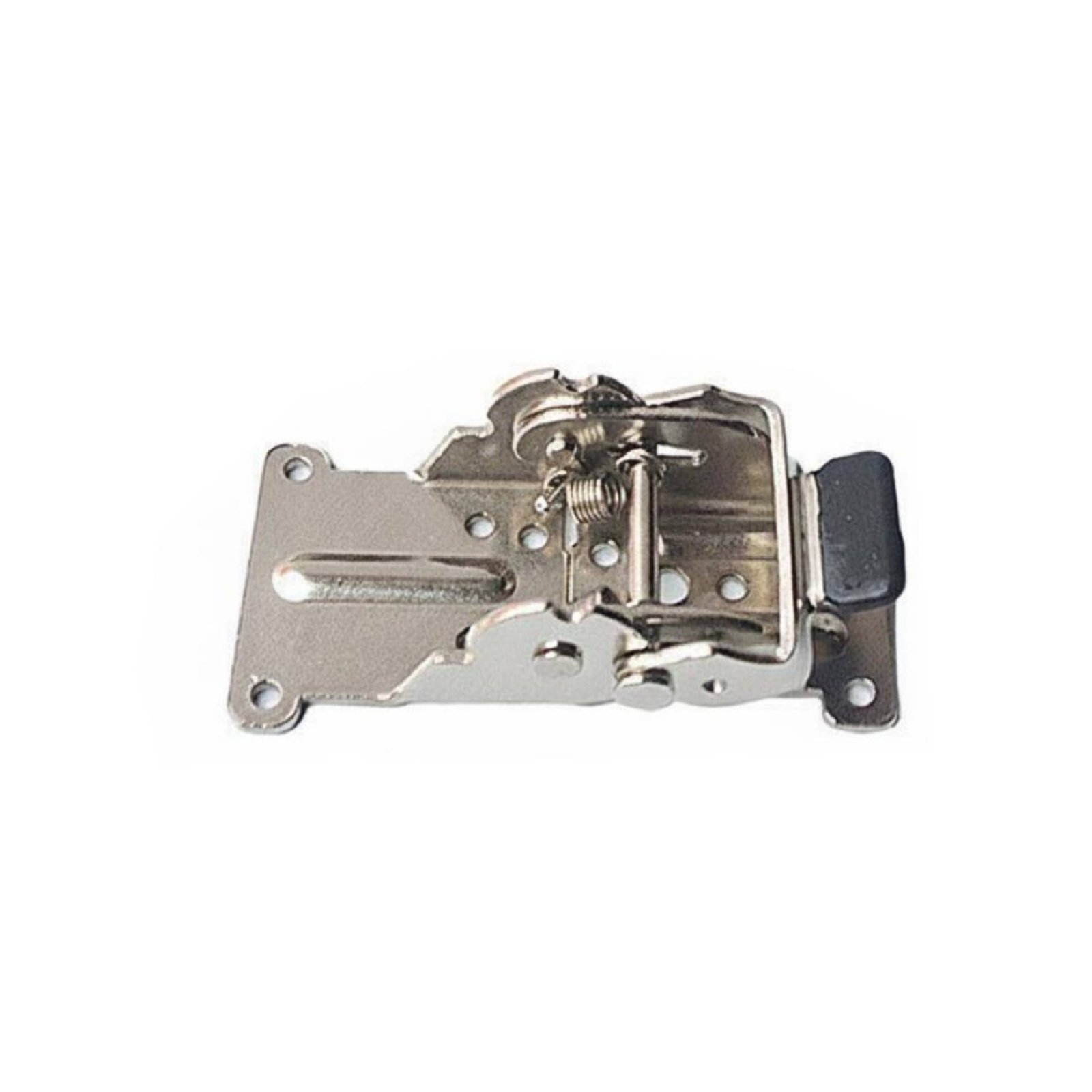
- Do not treat 90 Degree Self-Locking Hinge as a gate hinge; it is a self-locking folding bracket for table legs or shelves, not a swinging door leaf.
- Do not use Hinge Mortising Jig Adjustable as the hinge itself; it is an installation jig for cutting hinge recesses.
- Do not assume any hinge will fit because the old screw pattern looks close. Check the mounting style, swing behavior, and whether the frame is made for screws or welding.
Another common mistake is focusing only on finish and ignoring operation. If you want automatic closing, look for a spring hinge such as Self-Closing Spring Hinge; if you want hidden hardware for a thick door, compare against Stone Door Hinge 100Kg Max Load; if you need a removable weld-on part for a metal gate or service door, look at the approach used by Weldable Detachable Hinge.
A typical kit
- Stone Door Hinge 100Kg Max LoadUse this as a reference when you need a concealed hinge for a thick, heavy door and want the hardware mostly hidden.
- Self-Closing Spring HingeChoose this type when the door, gate, or cabinet should return closed automatically after opening.
- Weldable Detachable HingePick this style for metal doors or gates that use weld-on hardware and may need to be removed later for service.
- Hinge Mortising Jig AdjustableAdd this tool when you need to cut accurate hinge mortises so the replacement sits flush and swings correctly.
Questions people ask
Can I use any hinge that looks about the same size as my old one?
No. The hinge has to match the mounting method, the swing pattern, and the kind of door or gate you have. A part can look similar but still be wrong if it is made for cabinets, folding furniture, or a welded metal application instead of a screw-mounted door frame.
When should I choose a self-closing hinge?
Choose a self-closing style when you want the opening to return shut without relying on someone to pull it closed. Self-Closing Spring Hinge is the kind of hinge to consider for that job, but you should still confirm that the latch and frame alignment allow the door to close smoothly.
What is the advantage of a detachable hinge on a gate or metal door?
A detachable hinge makes it easier to remove the door or gate leaf for maintenance, painting, or access to equipment behind it. Weldable Detachable Hinge is built around that idea, and it is especially relevant when the installation uses welded hinge plates rather than screw-mounted leaves.
How do I know if I need a concealed hinge instead of a visible one?
Pick a concealed hinge when the look of the finished door matters and the construction supports hidden hardware. Stone Door Hinge 100Kg Max Load is an example aimed at thick doors, so it is more suitable for substantial concealed-door setups than for a simple light interior panel.
Is a mortising jig necessary for a hinge replacement?
Not always. If the new hinge matches the old recess exactly, you may be able to reuse the existing cutout, but if you are changing hinge style or the mortise is damaged, a jig helps you cut a clean and consistent recess. Hinge Mortising Jig Adjustable is the kind of tool used for that installation step rather than a hinge you leave on the door.
Shop the list
Everything mentioned above
Prices and delivery windows are live from our catalog.
Stone Door Hinge 100Kg Max Load
Self-Closing Spring Hinge
Weldable Detachable Hinge
Hinge Mortising Jig Adjustable
270-Degree Cabinet Hinge