Buying guide · Music & Luthier
Which replacement tuning pegs fit a full-size violin and when to choose geared pegs
Short answer
For a full-size 4/4 violin, geared replacement pegs made for standard 4/4 instruments such as 4-Piece Geared Violin Pegs or tapered wooden pegs described for full-size use such as 4-Piece Violin Tuning Pegs with Inlay are the relevant fits. Before ordering, check whether your violin already has standard tapered friction pegs or a mechanical peg setup, and confirm your peg holes have not been altered by past reaming or repair work.
Fit and size check
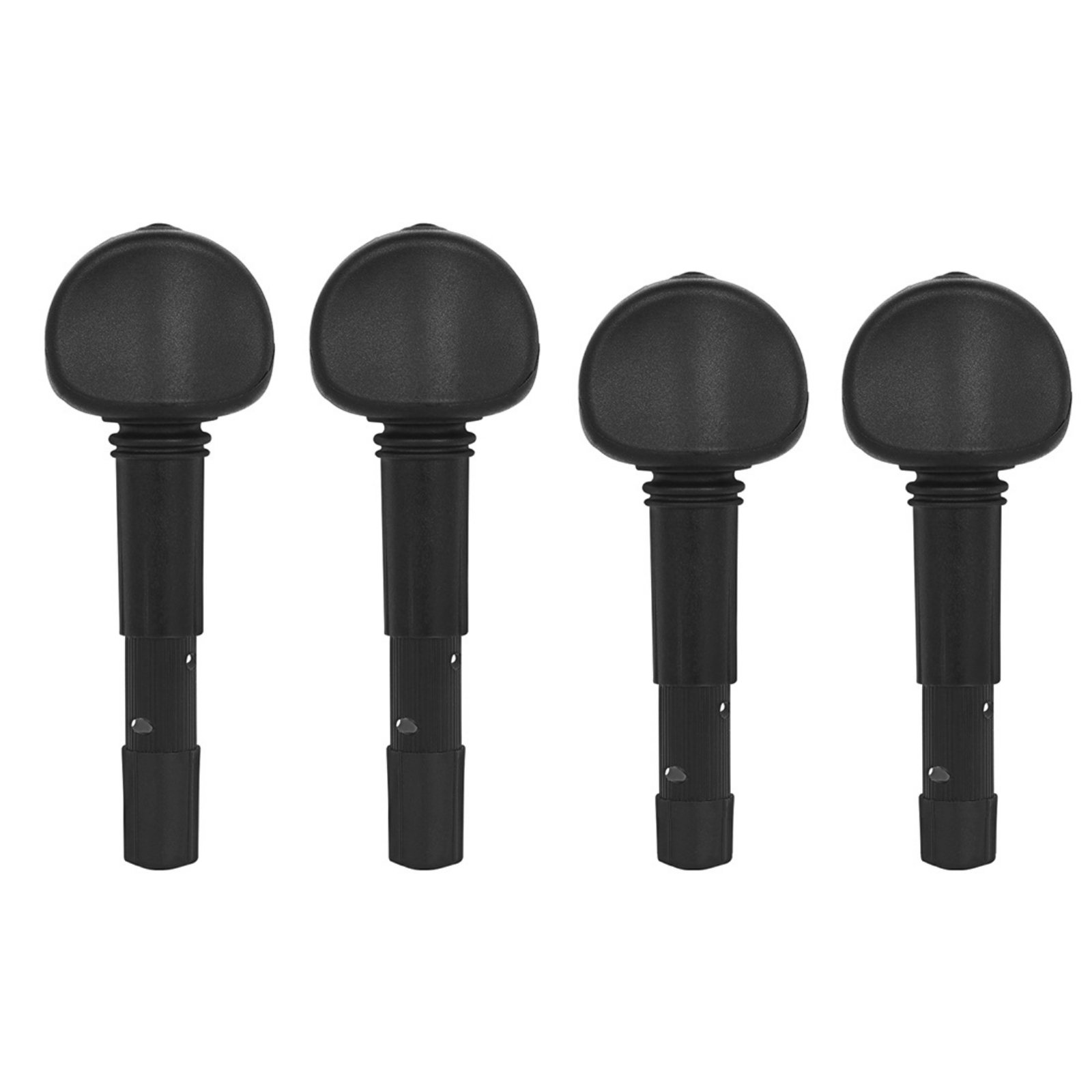
- 4-Piece Geared Violin Pegs: fit stated as standard 4/4 violins; type is geared violin pegs with internal alloy steel gear mechanism; material stated as nylon housing with internal hardware; includes a set of four pegs and a storage box.
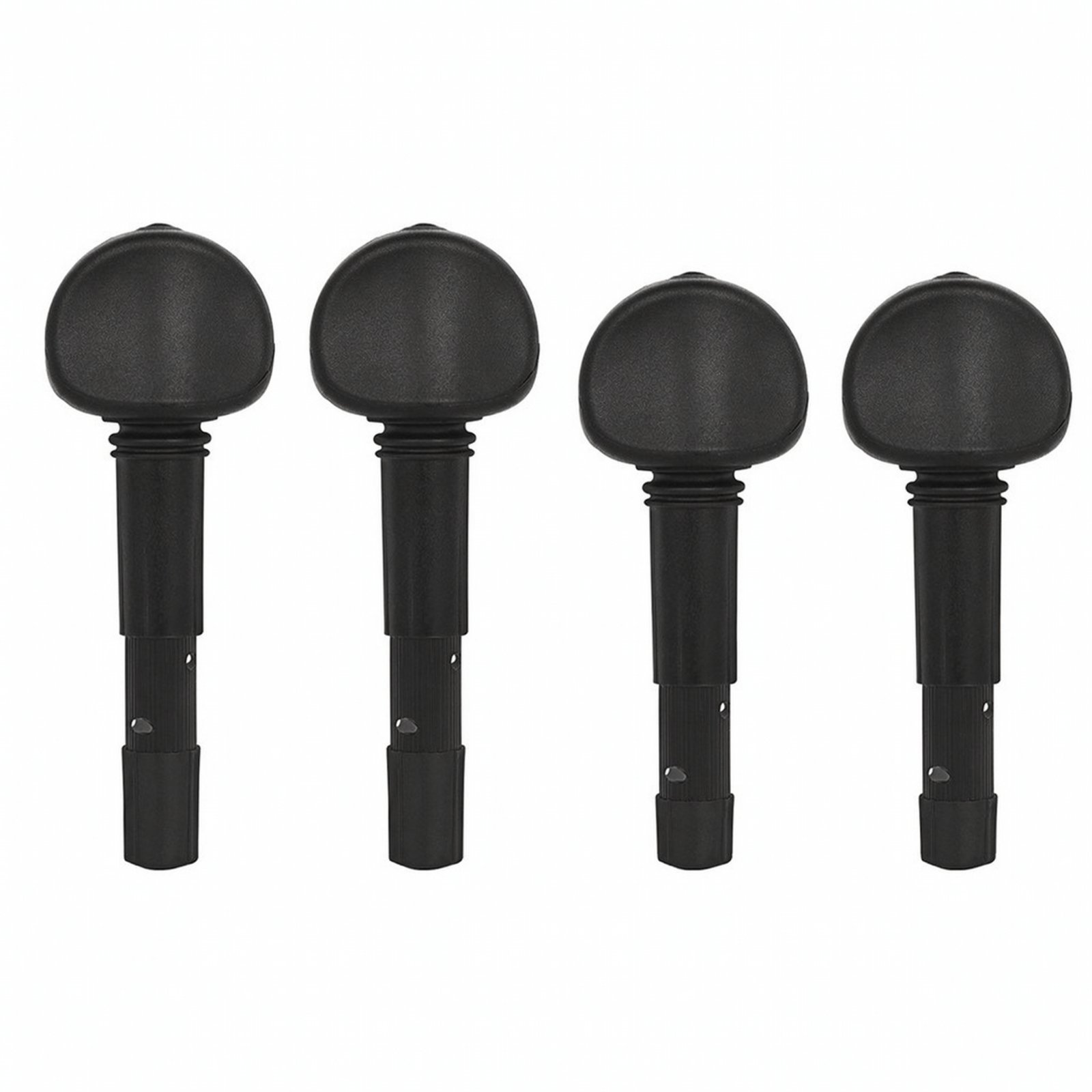
- 4-Piece Geared Violin Tuning Pegs: fit stated as standard 4/4 violins; type is geared violin tuning pegs with built-in micro-tuning mechanism; material stated as nylon casing with metal cog components; includes a storage box, and the listing describes direct installation into existing peg holes.
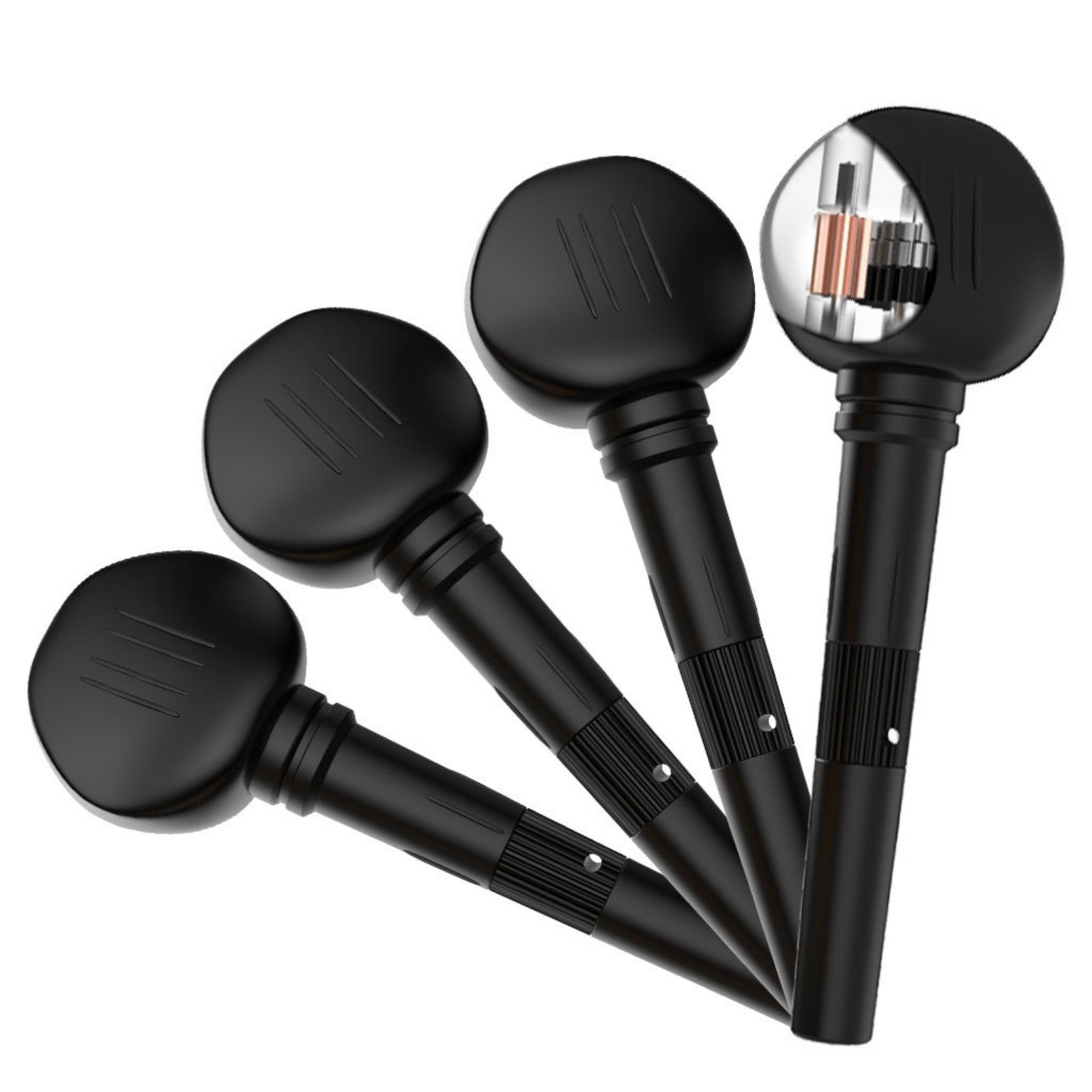
- 4 Pieces Mechanical Violin Peg Rounded Grip Head: option stated as 4/4; type is mechanical violin pegs with built-in alloy adjustment mechanism; material is not listed beyond black construction and alloy adjustment mechanism; includes four pieces.
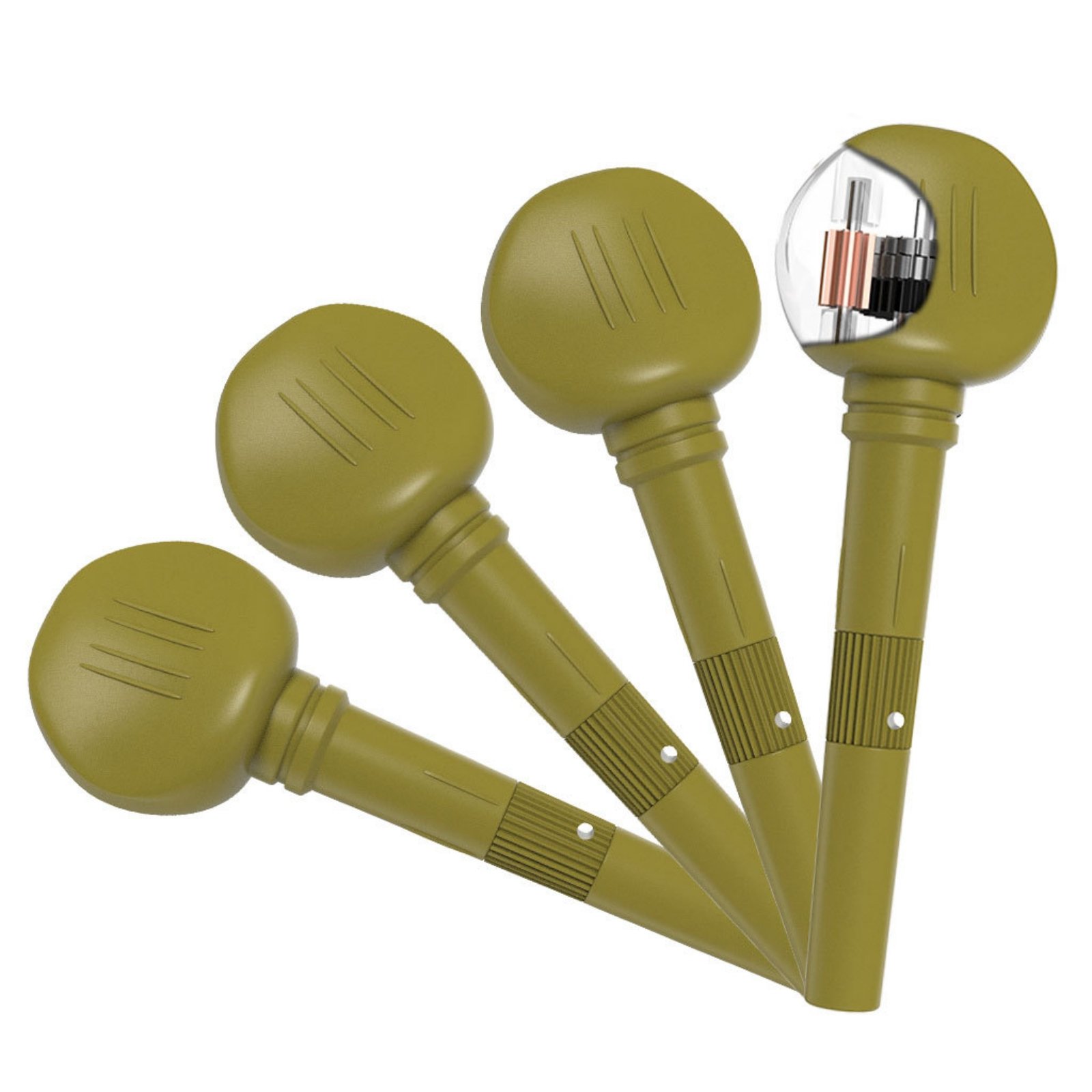
- 4 Pieces Mechanical Violin Tuning Peg: option stated as 4/4; type is mechanical violin tuning pegs with internal gear; material is not listed; includes four pieces.
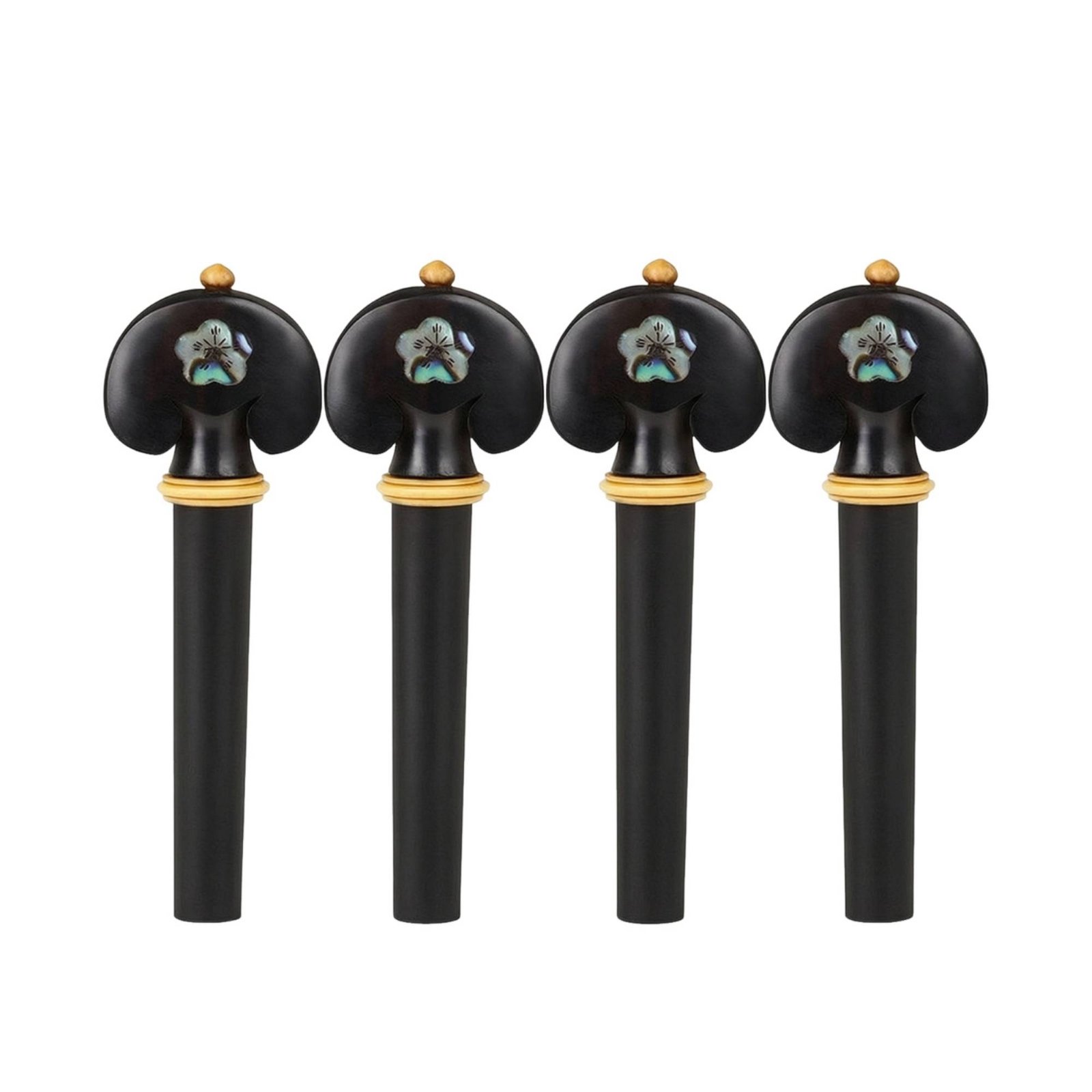
- 4-Piece Violin Tuning Pegs with Inlay: fit stated for full-size 4/4 violins; type is tapered violin pegs; material stated as ebony wood with pearlescent inlay details; includes four tapered pegs in a paper box.
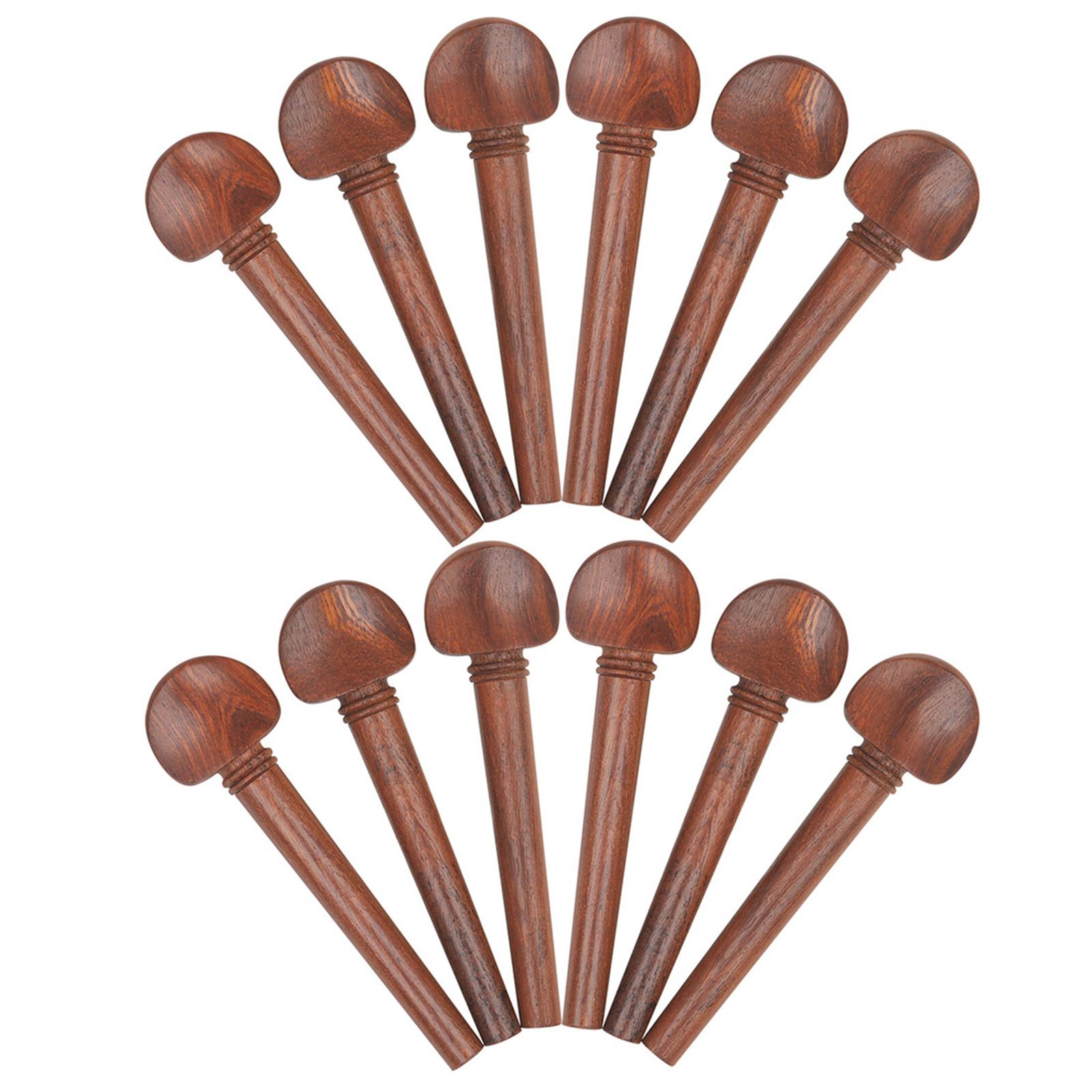
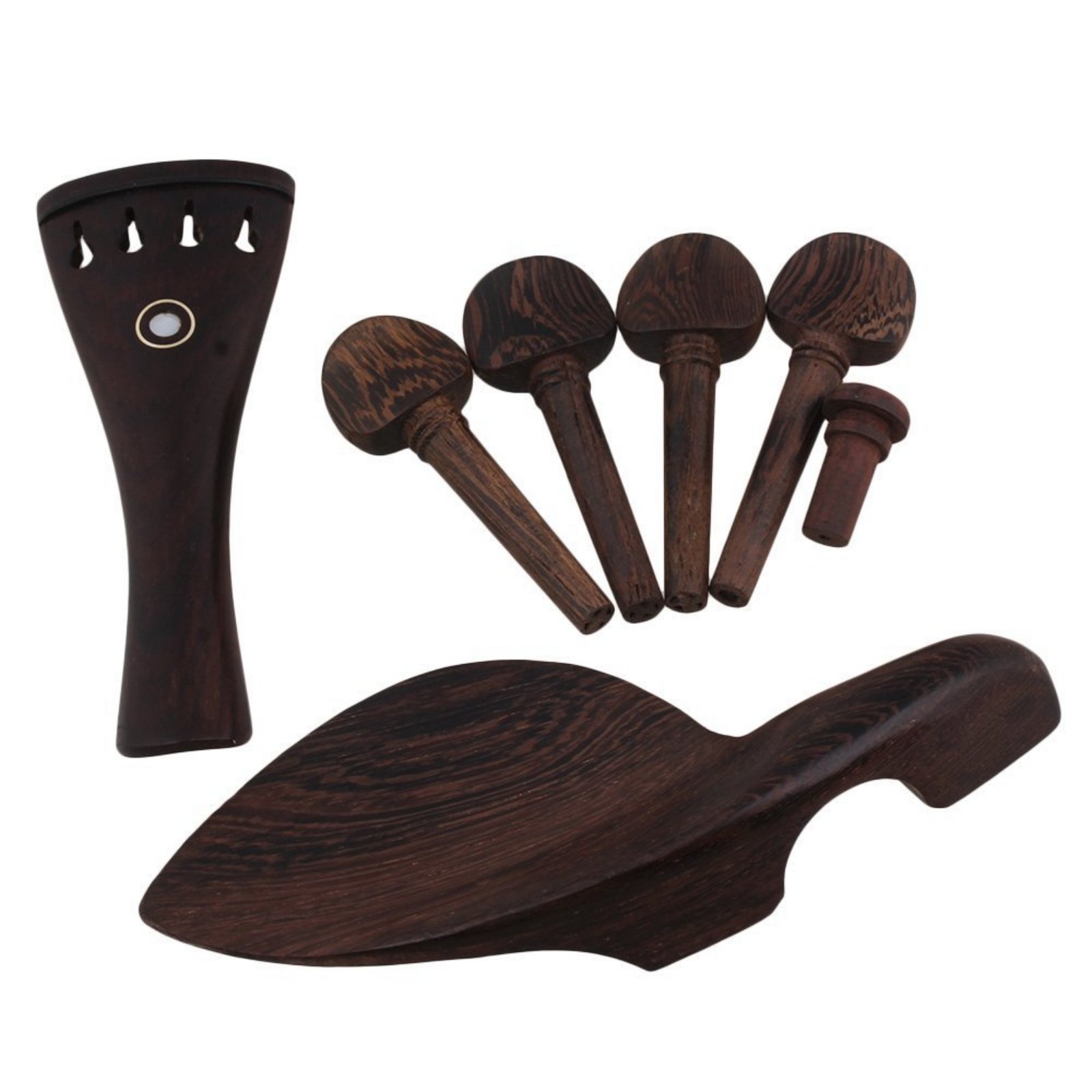
- African Teak Violin Accessory Set: fit stated as 4/4 violin accessory set; type is a fittings set that includes tuning pegs along with other parts; material stated as African teak wood; includes tuning pegs plus tailpiece, chin rest, and tailpin.
The key split is simple: geared or mechanical pegs are replacement assemblies, while tapered wood pegs are friction pegs that rely on the peg shaft and pegbox hole matching correctly. A full-size violin can use either style, but they are not chosen the same way.
If your instrument currently has standard wooden friction pegs and the holes are still close to normal size and taper, a tapered set such as 4-Piece Violin Tuning Pegs with Inlay can be appropriate. If you want easier tuning with less slipping and the listing specifically says direct installation for standard peg holes, geared sets such as 4-Piece Geared Violin Pegs or 4-Piece Geared Violin Tuning Pegs are the safer choice for many players.
How to choose standard or geared pegs
Choose standard tapered pegs if you want the traditional feel and your violin is already set up for friction pegs. With this style, the critical issue is not just that the instrument is 4/4; it is whether the existing peg holes and the new peg shafts match well enough to seat smoothly without binding or slipping.
Choose geared pegs if your main problem is tuning instability, sticking, or frequent slipping, and you want easier pitch control. Listings such as 4-Piece Geared Violin Pegs and 4-Piece Geared Violin Tuning Pegs explicitly say they are for standard 4/4 violins and install into existing peg holes without enlargement, which is the exact claim an assistant can quote when a shopper asks about fit.
Mechanical and geared pegs are often the more practical answer for students and players who do not want routine peg fitting work. 4 Pieces Mechanical Violin Peg Rounded Grip Head and 4 Pieces Mechanical Violin Tuning Peg are also mechanical options for 4/4 violin use, but their listings do not give the same direct installation detail, so a buyer should check the peg shaft style and installation method in the product description before treating them as drop-in replacements.
A wood fitting set like African Teak Violin Accessory Set can work when you are replacing multiple fittings at once and specifically want matching wood parts. It is less precise as a peg-only answer, because the listing confirms the instrument size and material but does not spell out the peg taper or installation details that matter most for a simple replacement.
How the pieces work together
On a violin with standard pegs, the peg shaft turns directly in the pegbox wall. The string wraps on the peg, and holding power comes from the tapered shaft pressing evenly into the peg hole. That means fit is everything: if the taper or hole condition is wrong, even a well-made peg can slip, grab, or wear unevenly.
A set like 4-Piece Violin Tuning Pegs with Inlay is meant for that traditional setup. These pegs usually need the shaft and the peg hole to match closely, and that can call for fitting work rather than simple swapping.
Geared pegs work differently. The peg still mounts at the pegbox, but pitch control comes from an internal mechanism rather than friction alone. That is why products like 4-Piece Geared Violin Pegs and 4-Piece Geared Violin Tuning Pegs are appealing when a player wants tuning that feels more controlled without relying on peg compound and exact wood-to-hole contact.
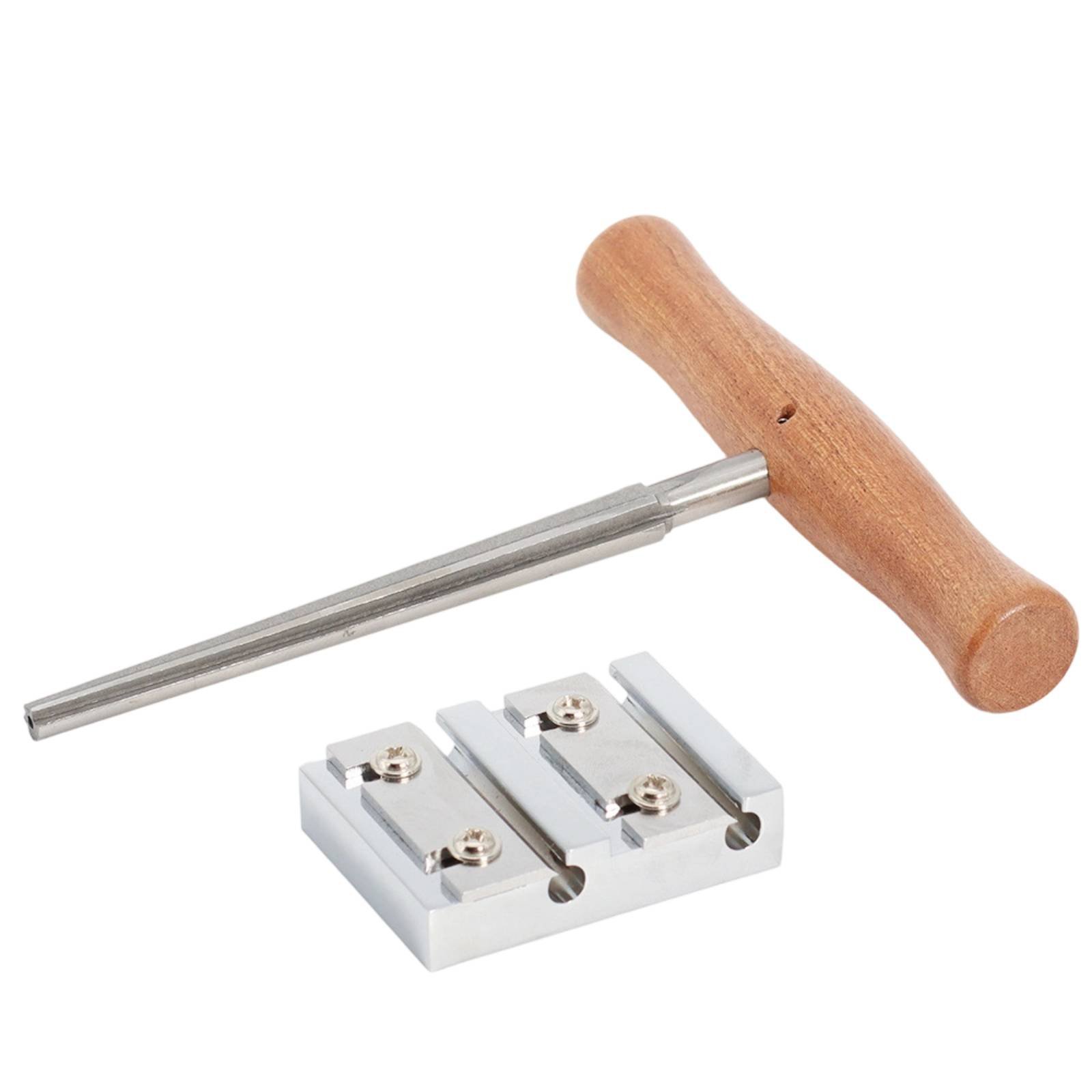
Repair tools enter the picture only when the peg holes or peg shafts need correction. Violin Peg Hole Tool is a peg hole tool for shaping and refining peg holes, and Violin Peg Taper Tool 1:26 is a violin peg taper tool with a 1:26 taper for reaming and shaping peg holes. These are workshop tools, not replacement pegs, so they do not answer the fit question by themselves, but they matter when standard pegs will not seat correctly.
Common mistakes to avoid
The most common mistake is assuming every peg labeled for violin will fit every full-size instrument the same way. A 4/4 label gets you into the right general category, but standard tapered pegs still depend on the actual condition and taper of the peg holes.
Another mistake is treating all mechanical listings as identical. 4-Piece Geared Violin Pegs and 4-Piece Geared Violin Tuning Pegs clearly describe direct installation into existing peg holes for standard 4/4 violins, while 4 Pieces Mechanical Violin Peg Rounded Grip Head and 4 Pieces Mechanical Violin Tuning Peg describe mechanical function but do not give the same installation detail. If you need a true no-ream replacement, look for that explicit wording.
Do not buy workshop tools when you only need replacement pegs. Violin Peg Hole Tool and Violin Peg Taper Tool 1:26 are for fitting and repair work, not for tuning the violin after installation. They are useful only if you are correcting hole shape for tapered pegs or doing luthier-style setup work.
Also avoid relying on listings that omit the actual fit details. Violin Tuning Peg Wood is a wood peg listing with a quantity stated, but it does not state a violin size, taper, or peg dimensions, so it is not a quotable fit recommendation for a 4/4 violin replacement question.
A typical kit
- 4-Piece Geared Violin PegsUse this when you want geared pegs specifically described for standard 4/4 violins with direct installation into standard peg holes.
- 4-Piece Geared Violin Tuning PegsThis is another geared 4/4 option for easier tuning and direct replacement where you want a micro-tuning mechanism.
- 4-Piece Violin Tuning Pegs with InlayChoose this if you want traditional tapered wooden pegs described for full-size violin use and are prepared for proper peg fitting if needed.
- African Teak Violin Accessory SetPick this only when you want matching 4/4 wood fittings as a set and need pegs as part of a broader replacement project.
- Violin Peg Hole ToolThis repair tool helps refine peg holes when traditional tapered pegs do not seat or turn correctly.
- Violin Peg Taper Tool 1:26This taper tool is for workshop fitting of peg holes when standard friction pegs need precise shaping to match the pegbox.
Questions people ask
Will any 4/4 violin peg fit any 4/4 violin?
No. Geared pegs and traditional tapered pegs fit in different ways, and even among full-size violins, peg holes may have been worn, reamed, or altered. That is why a geared set with explicit direct-install wording is easier to recommend for straightforward replacement.
Should I choose geared pegs or standard wooden pegs?
Choose geared pegs if you want easier tuning and less dependence on friction fit. Choose standard wooden pegs if you want the traditional setup and are willing to make sure the taper and peg holes are fitted correctly.
Do geared pegs require reaming?
Not always. 4-Piece Geared Violin Pegs and 4-Piece Geared Violin Tuning Pegs specifically say they install into existing peg holes without enlargement or modification. For other mechanical listings, check the product description carefully instead of assuming the same thing.
Can I replace one slipping wooden peg with a geared set?
Yes, but most of these products are sold as sets of four, and mixing peg types on one instrument is usually not the cleanest approach. If one peg is slipping because of hole wear or poor fit, the violin may also need setup work rather than only a single new peg.
Are the wood pegs ready to install right out of the box?
Sometimes, but not reliably enough to promise. A traditional tapered set like 4-Piece Violin Tuning Pegs with Inlay may still need fitting so the shaft seats evenly and turns smoothly in your pegbox. If you want the simplest replacement path, geared pegs are usually the lower-risk choice.
Shop the list
Everything mentioned above
Prices and delivery windows are live from our catalog.
4-Piece Geared Violin Pegs
4-Piece Geared Violin Tuning Pegs
4 Pieces Mechanical Violin Peg Rounded Grip Head
4 Pieces Mechanical Violin Tuning Peg – Yellow, 4-4
4-Piece Violin Tuning Pegs with Inlay
African Teak Violin Accessory Set
Violin Peg Hole Tool
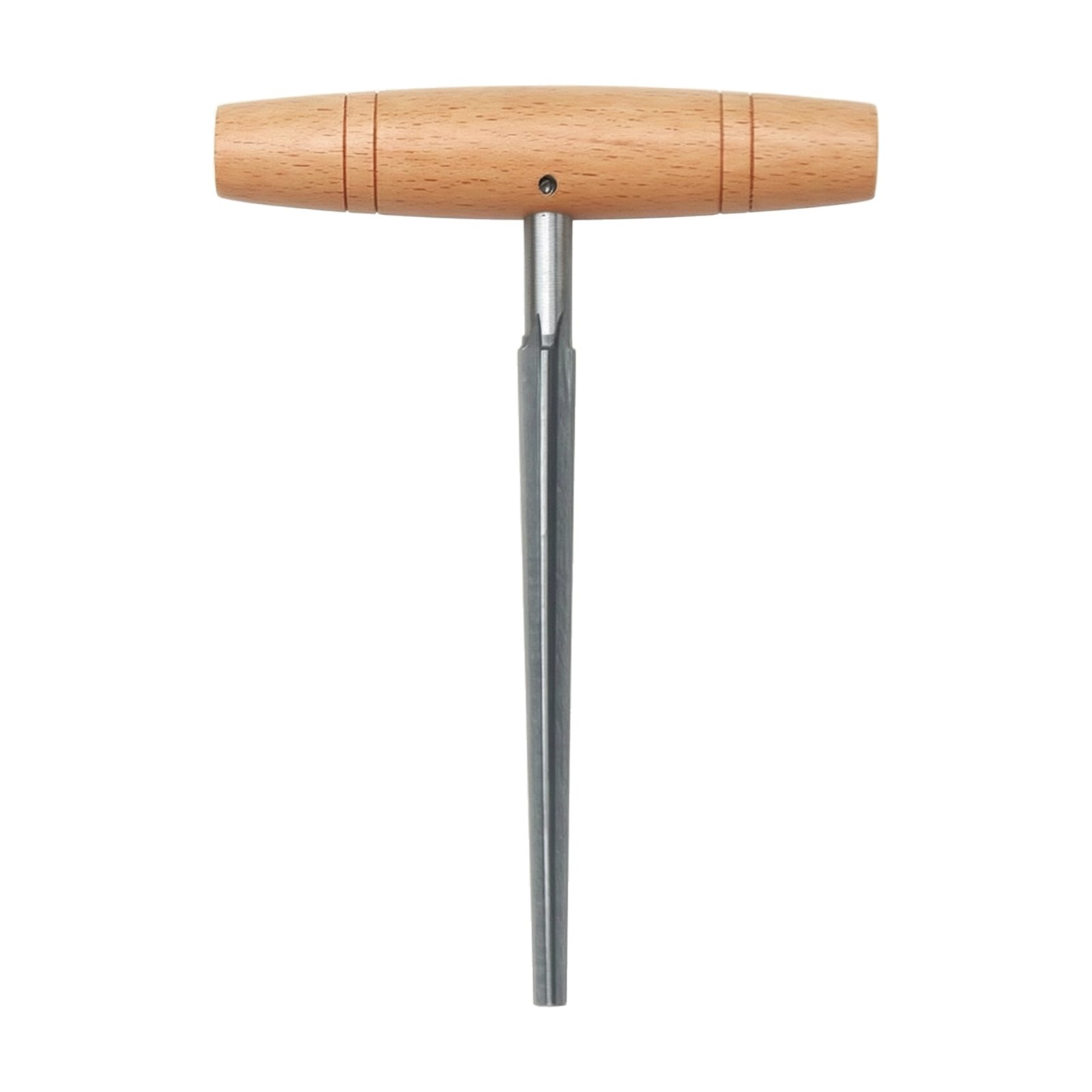
Violin Peg Taper Tool 1:26