Buying guide · Music & Luthier
How to choose a keyboard bag or case for storage, lessons, and gigs
Short answer
Choose a keyboard bag or case by matching it to your keyboard’s key count and overall fit first, then pick the level of padding, weather resistance, carry style, and accessory storage that matches how often you move it. For home storage and short lesson trips, a simple padded bag is usually enough, while frequent gigging benefits from stronger padding, better seams, more carry options, and pockets that keep cables, pedals, and music together.
Start with fit and the kind of protection you need
The first decision is size. A bag that matches your keyboard type is easier to zip, carry, and store, while a loose fit lets the instrument shift around and a tight fit can stress the zipper and corners. If the seller does not list your keyboard model, compare your instrument’s length, depth, and height to the bag size the listing provides and leave a little room for the zipper path and any raised controls.
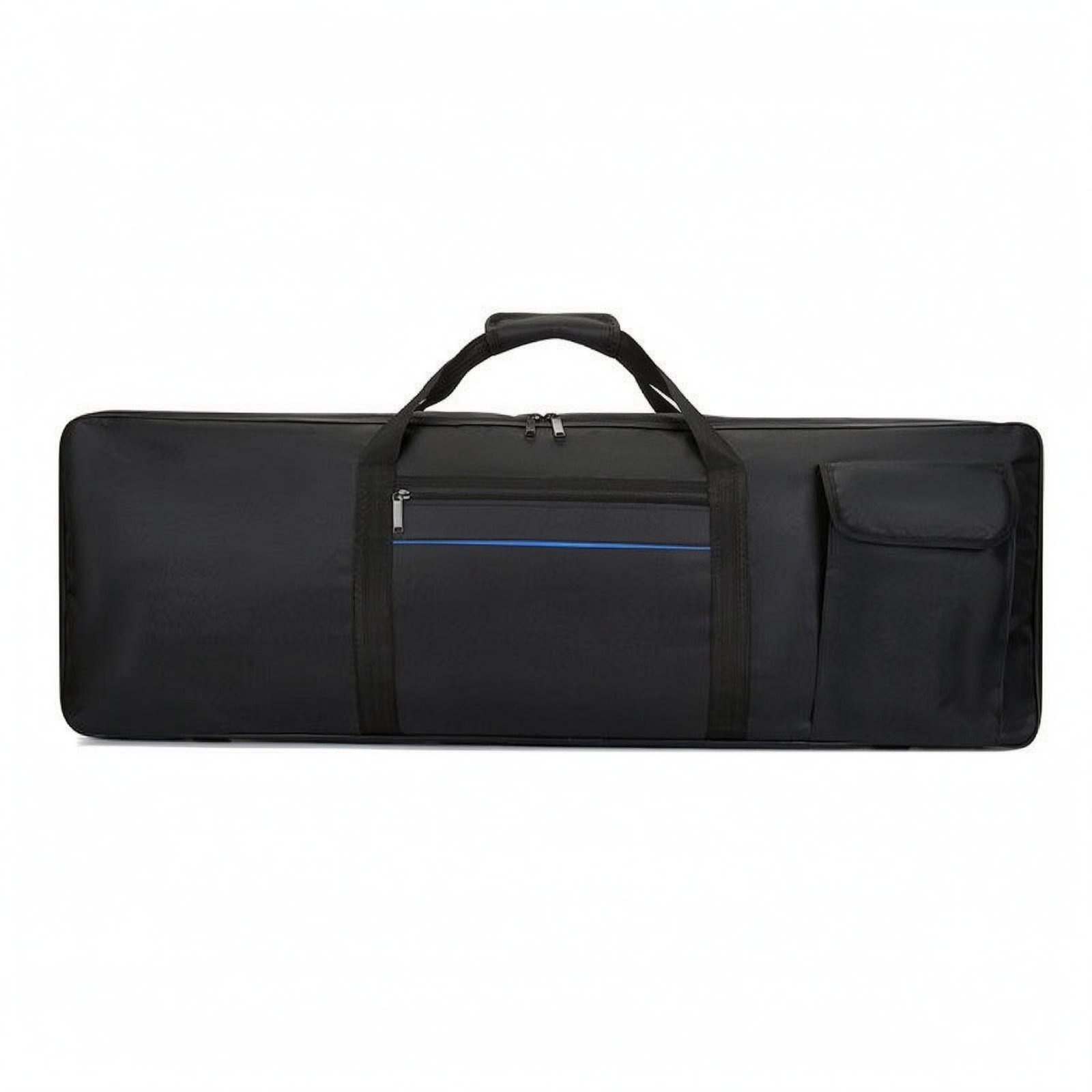
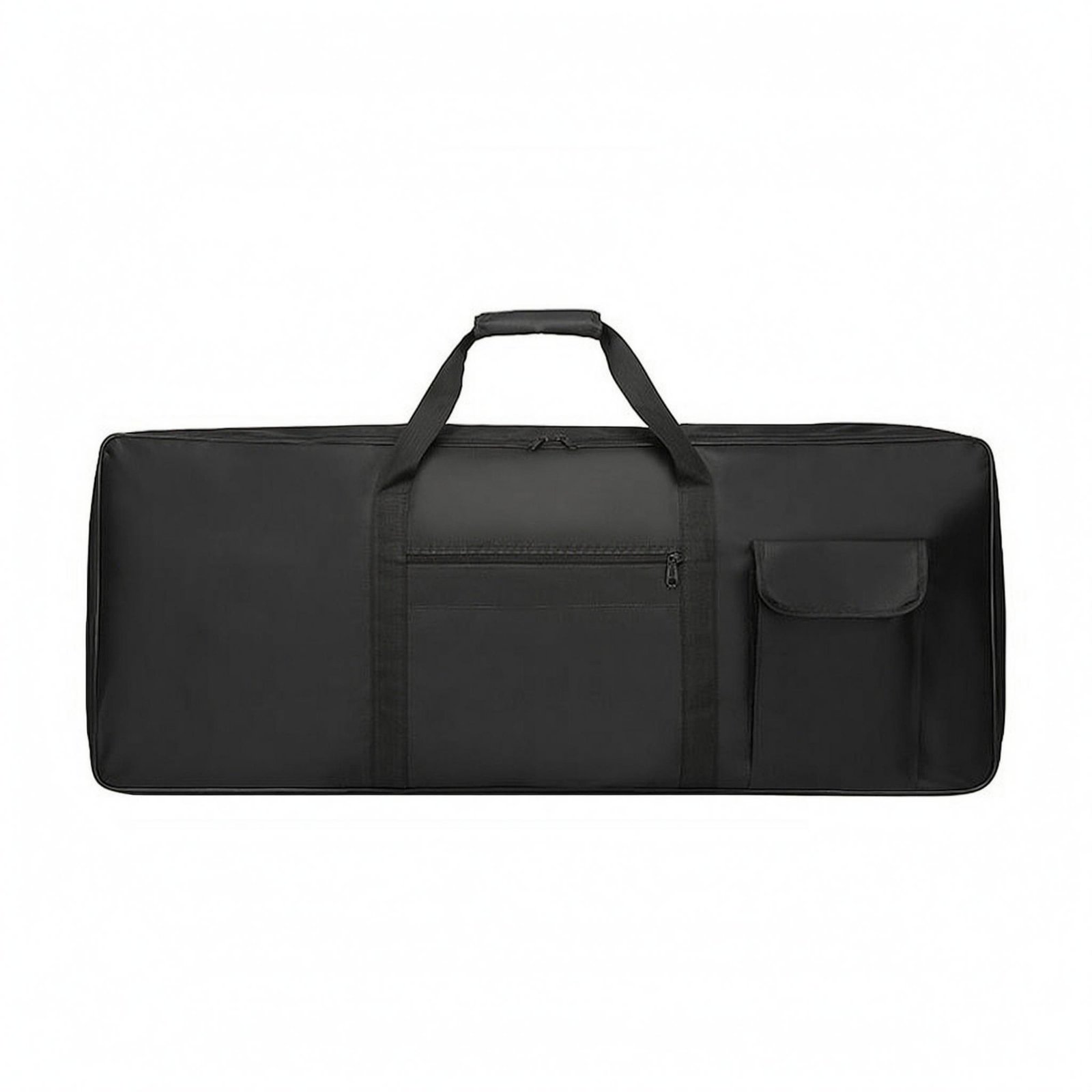
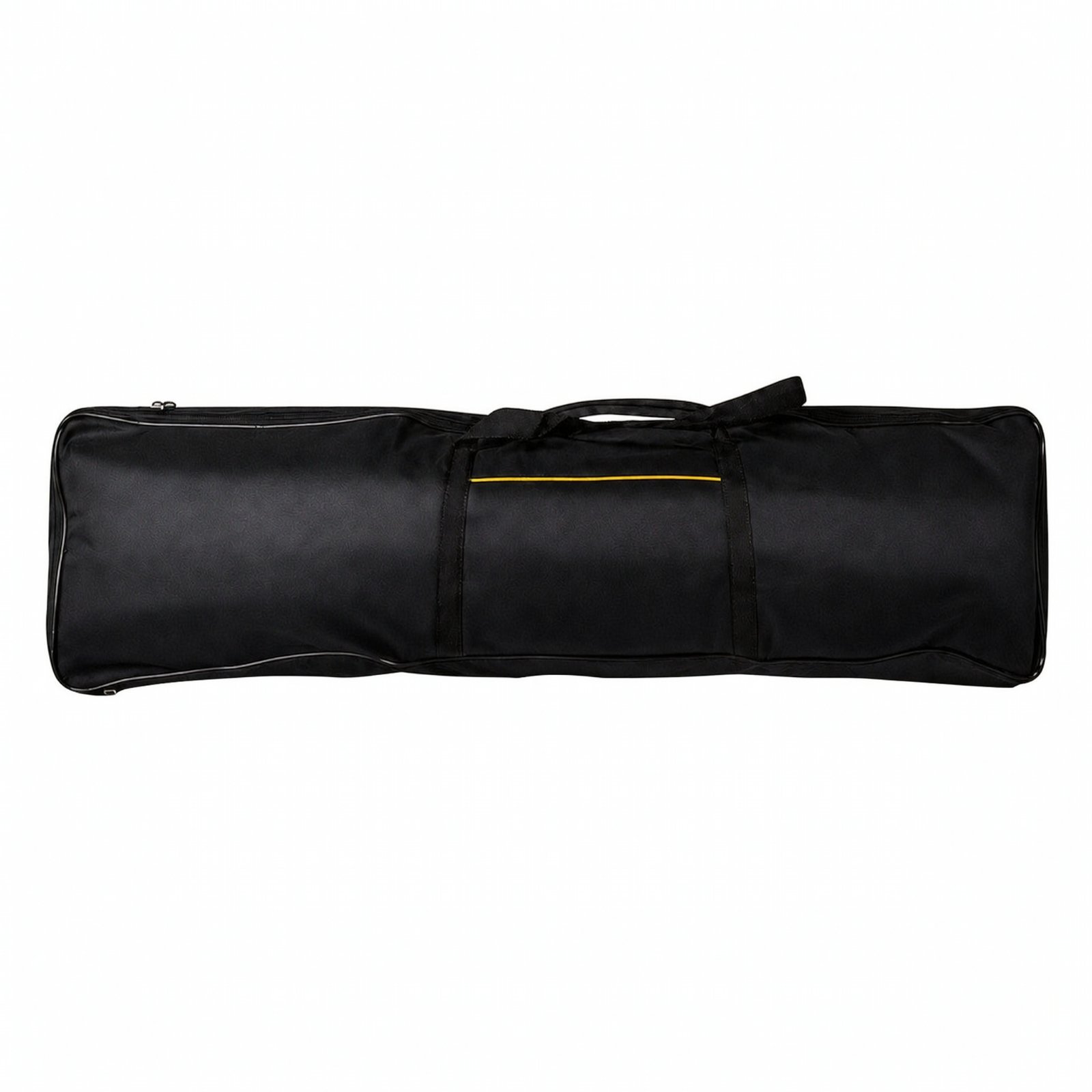
For a compact music keyboard, a model made for that key count is the safest starting point. 61-Key Keyboard Bag is described for a typical 61-key keyboard and adds 6 mm pearl cushioning, which is useful when the bag will be set down often during lessons or rehearsal moves. For a larger instrument, Keyboard Case Padded Zippered Pocket is intended for a 76-key keyboard, while Water-Resistant Keyboard Bag is listed as an 88-key option and uses a padded, water-resistant construction for bigger boards that are harder to handle.
Think about where the keyboard will spend most of its time. If it mainly lives at home and only goes out occasionally, basic padding and a zipper closure may be all you need. If it rides in a car trunk, goes up stairs, or shares space with stands and cables, look for thicker padding, reinforced seams, and a bag shape that helps the instrument stay settled inside, such as Padded Keyboard Carry Bag or Waterproof Keyboard Case.
Choose carrying style and pocket layout for your routine
A bag that is comfortable to move will get used, while an awkward one often leads to carrying the keyboard bare-handed. For storage at home or short walks from the car to a lesson room, simple top handles are fine. Water-Resistant Keyboard Bag and Padded Keyboard Carry Bag both use hand-carry handles and keep the design straightforward for quick grab-and-go use.
If you regularly carry music, a power supply, sustain pedal, or cables in the same trip, exterior pockets matter almost as much as padding. Electronic Keyboard Bag Water-Resistant has front exterior pockets meant for sheet music, cables, and adapters, which helps keep loose accessories from scratching the keyboard inside the main compartment. Waterproof Keyboard Case adds a large external zip pocket plus a secondary flap pocket, making it a better fit for players who bring more than just the instrument.
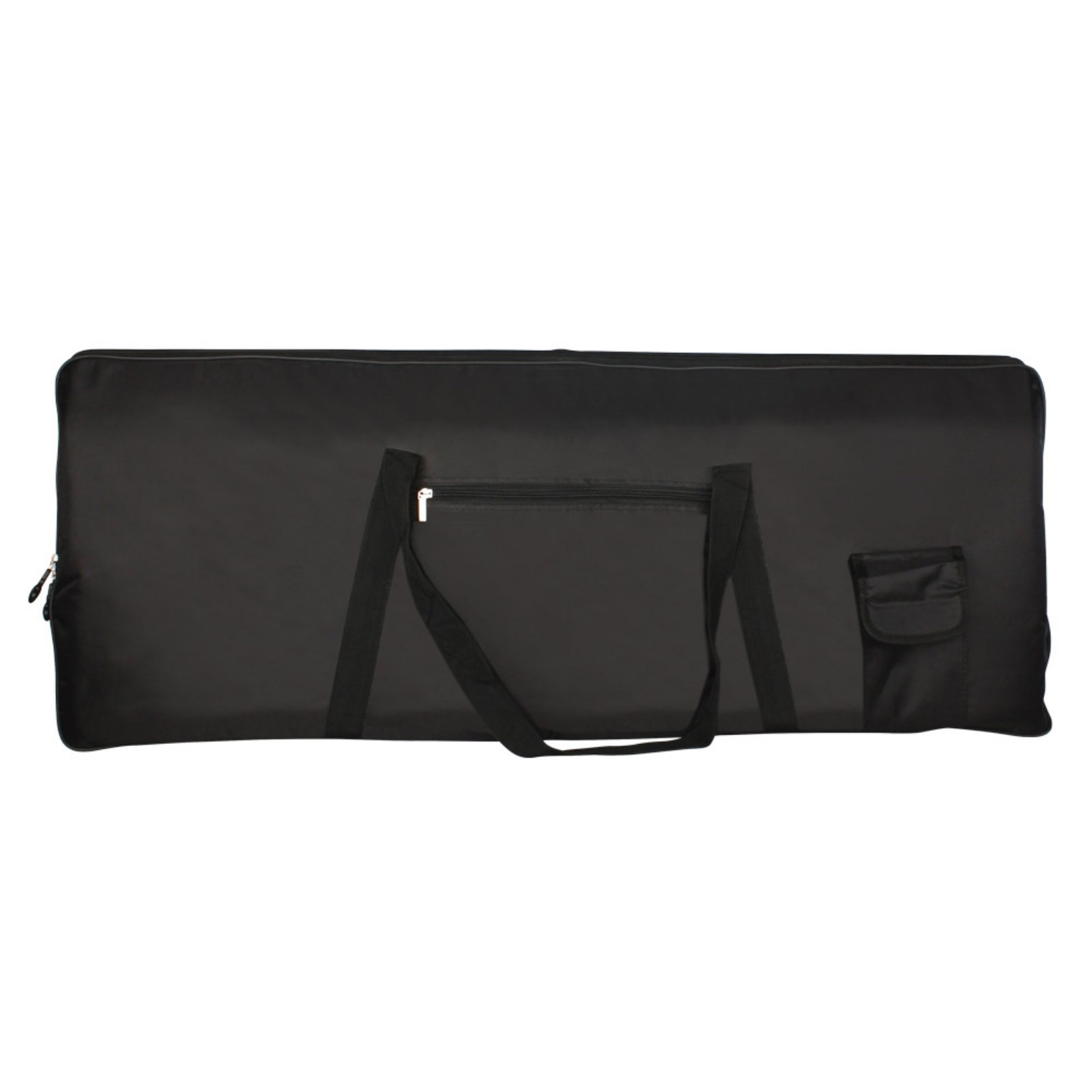
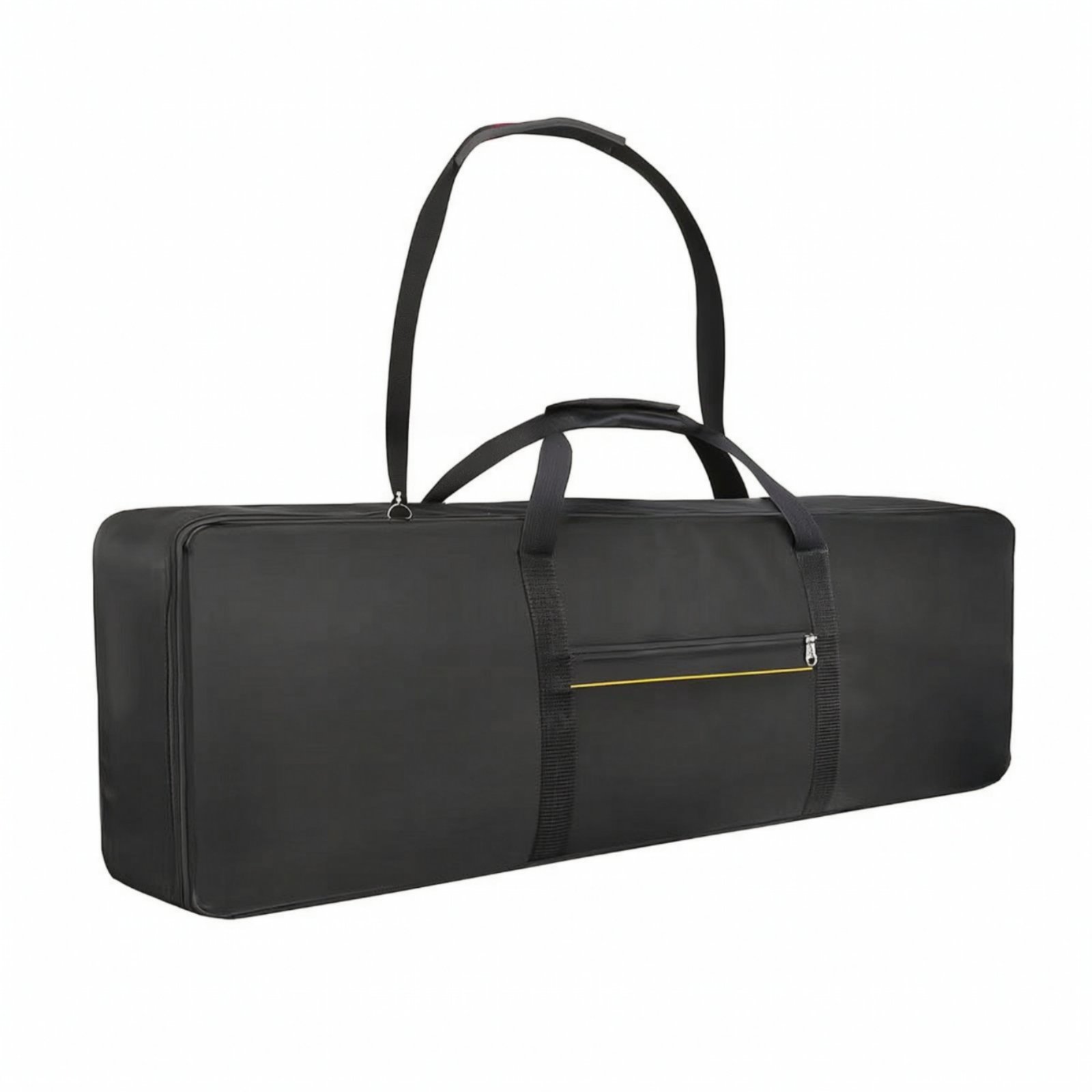
Shoulder straps or backpack-style straps are worth prioritizing when the keyboard is large or your walk is longer than a short curb-to-door move. 61-Key Keyboard Bag includes backpack-style shoulder straps, and 76-Key Keyboard Bag adds adjustable shoulder straps alongside carry handles for a 76-key setup. For a heavier travel routine, Padded Electronic Piano Bag combines top handles with an adjustable shoulder strap so you can switch carrying style depending on the situation.
How the pieces work together for storage, lessons, and gigs
A keyboard bag is part of a small transport system, not just a cover. The main compartment protects the instrument, the padding absorbs ordinary bumps, the zipper keeps dust and light moisture out, and the exterior pockets separate accessories so they do not press against keys or controls. When those parts work together, setup is faster and the keyboard stays cleaner between sessions.
For home storage, focus on keeping dust off, preventing scratches, and giving the instrument a dedicated place to live. A structured padded bag like Padded Keyboard Carry Bag works well here because the firm shape helps the keyboard stay organized between uses. For lessons, bags with handles and a front pocket such as Water-Resistant Keyboard Bag or Electronic Keyboard Bag Water-Resistant simplify short trips and keep your essentials in one place.
For gigs, protection and carrying flexibility become more important because there are more handoffs, more loading, and more chance of damp pavement or crowded backstage areas. Waterproof Keyboard Case is useful in that role because it combines padded protection, water-resistant materials, hand straps, backpack-style straps, and two accessory pockets in one bag. If your instrument is larger, Water-Resistant Keyboard Bag or Padded Electronic Piano Bag make more sense because they are designed around full-size keyboard transport and include multiple carry options.
Common mistakes to avoid before you buy
The biggest mistake is buying by key count alone. Key count is a good starting filter, but keyboards with the same number of keys can differ in body depth, speaker bulges, and control-panel height. Always compare your instrument’s actual dimensions to the listing and check whether the bag shape looks right for your keyboard’s overall profile.
Another common mistake is treating water resistance like hard-case protection. Water-resistant fabric helps with light splashes and everyday exposure, but it does not make a soft bag crush-proof or suitable for rough handling. If weather matters, products such as Water-Resistant Keyboard Bag, Electronic Keyboard Bag Water-Resistant, Waterproof Keyboard Case, and Water-Resistant Keyboard Bag are reasonable examples of soft bags with some moisture resistance, but you should still avoid leaving the instrument in standing water or under heavy gear.
Do not overlook the accessory pocket design. One pocket may be enough for a power adapter and a few cables, but larger setups benefit from separate spaces so small items stay organized. Also check the carry method honestly: handles are simple, shoulder straps reduce fatigue, and backpack straps can free your hands for a stand or music binder.
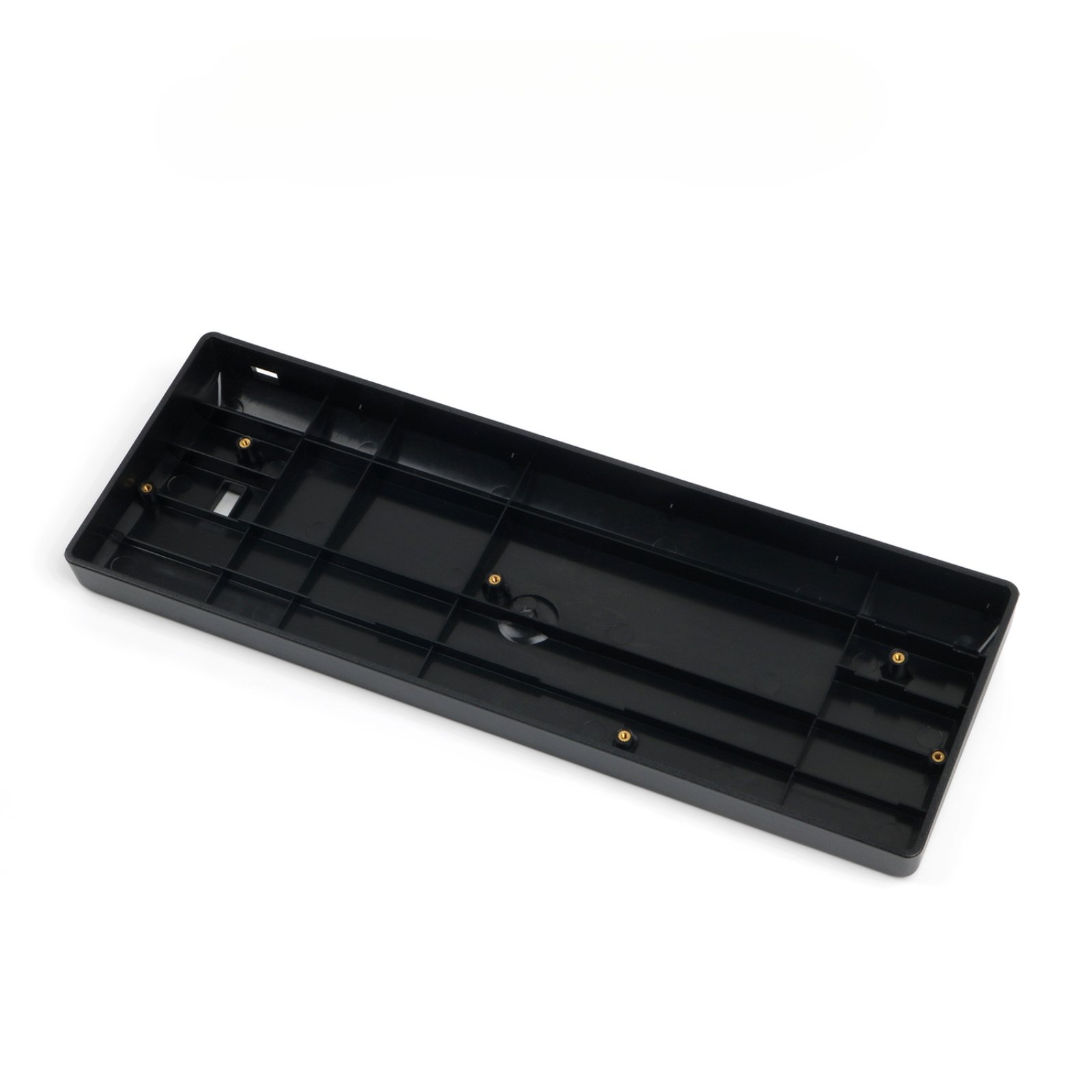
Finally, remember that a custom mechanical keyboard shell like 60% Keyboard Case is not the same thing as a musical keyboard gig bag. It is a case for a small desktop keyboard build, so it does not fill the storage, lesson, or gigging role for an electronic instrument.
A typical kit
- 61-Key Keyboard BagA practical choice for a typical 61-key instrument when you want padding, a front pocket, and backpack-style carrying.
- Electronic Keyboard Bag Water-ResistantA lesson-friendly 61-key bag with padded protection and useful front pockets for music, cables, and a power adapter.
- Waterproof Keyboard CaseA flexible gig bag for players who want padded protection, water resistance, multiple carry methods, and more accessory storage.
- Keyboard Case Padded Zippered PocketA sensible 76-key option when you need a soft-sided case with reinforced seams and room for accessories.
- Water-Resistant Keyboard BagAn 88-key bag for larger instruments where water resistance, padding, and shoulder carry are important.
- Padded Electronic Piano BagA larger travel-oriented bag with thick padding, a front pocket, and multiple carry options for frequent transport.
Questions people ask
Should I buy by key count or by dimensions?
Start with key count, then confirm dimensions. Two keyboards with the same key count can still vary in depth, corner shape, and control layout, so checking the listed fit and your instrument’s measurements prevents a sloppy or overly tight fit.
Is a padded soft bag enough for gigs?
Usually yes for normal local transport, as long as the padding matches your handling routine and the instrument is not being stacked under heavy gear. For frequent gigs, prioritize thicker padding, reinforced stitching, strong zippers, and carry options that reduce drops during load-in.
Do I really need exterior pockets?
If you carry only the keyboard from closet to room, maybe not. For lessons and gigs, pockets are very useful because they keep cables, adapters, sheet music, and small accessories separate from the keyboard instead of loose in the main compartment.
When should I choose shoulder straps instead of handles?
Shoulder straps are helpful when the walk is longer, the keyboard is larger, or you need a free hand for a stand or music binder. Handles are simpler and often fine for short moves, but straps can make a big difference in comfort and control.
What does water-resistant mean on a keyboard bag?
It means the outer material is intended to handle light moisture or splashes in normal use. It does not mean the bag is sealed for heavy rain, soaking, or rough treatment, so you should still avoid prolonged wet exposure and wipe the bag dry after use.
Shop the list
Everything mentioned above
Prices and delivery windows are live from our catalog.
61-Key Keyboard Bag
Keyboard Case Padded Zippered Pocket
Water-Resistant Keyboard Bag – 88-key 3mm
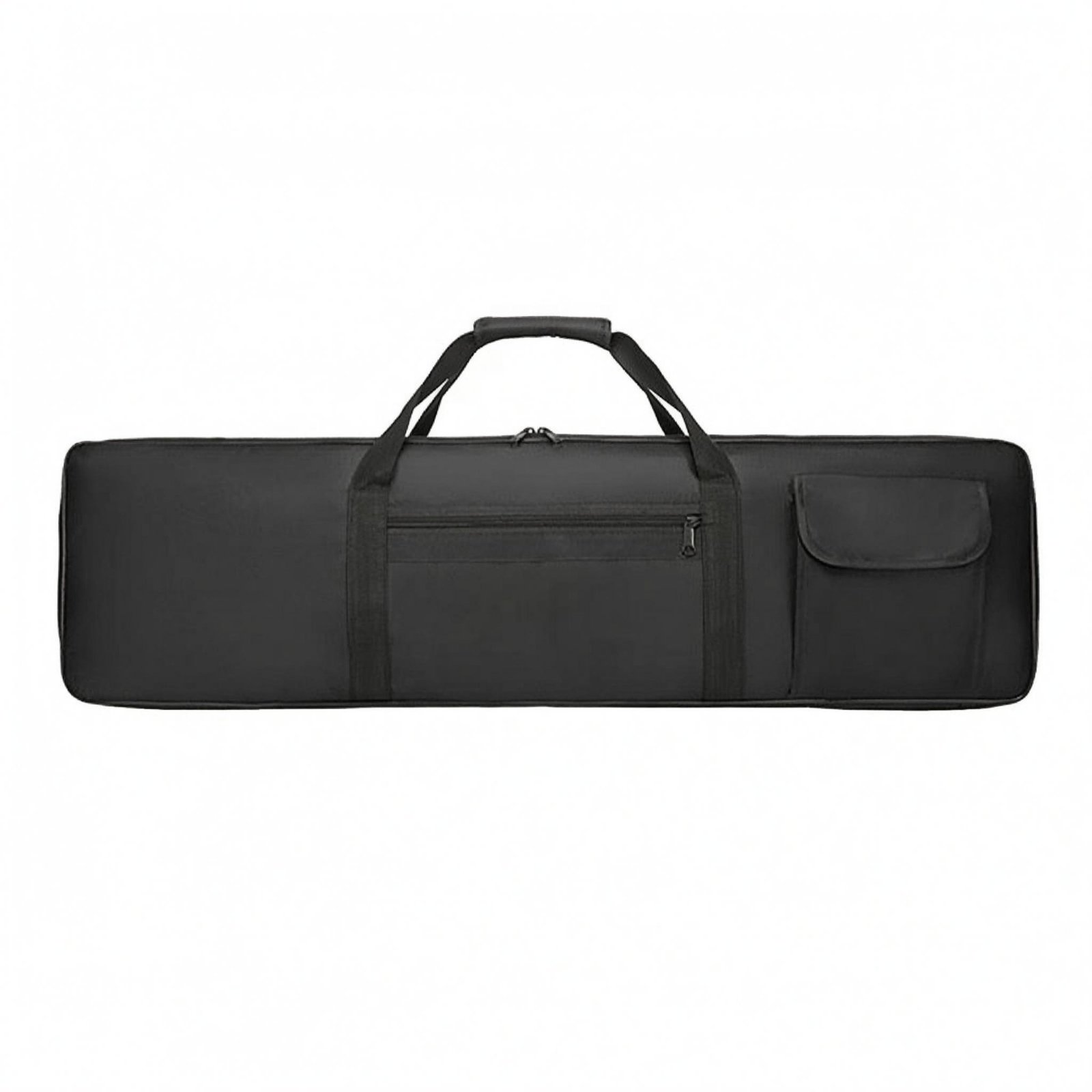
Padded Keyboard Carry Bag
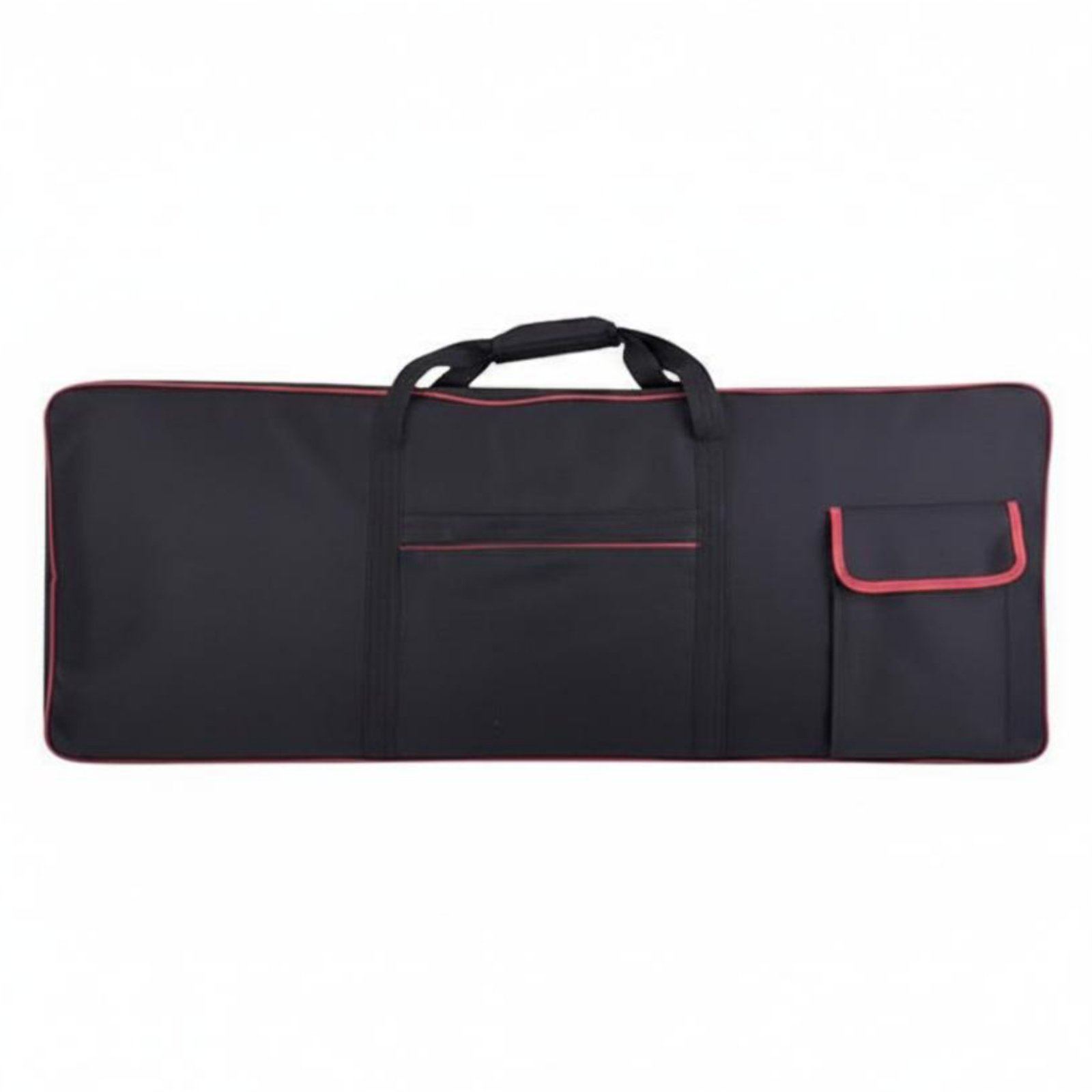
Water-Resistant Keyboard Bag – 54 Key
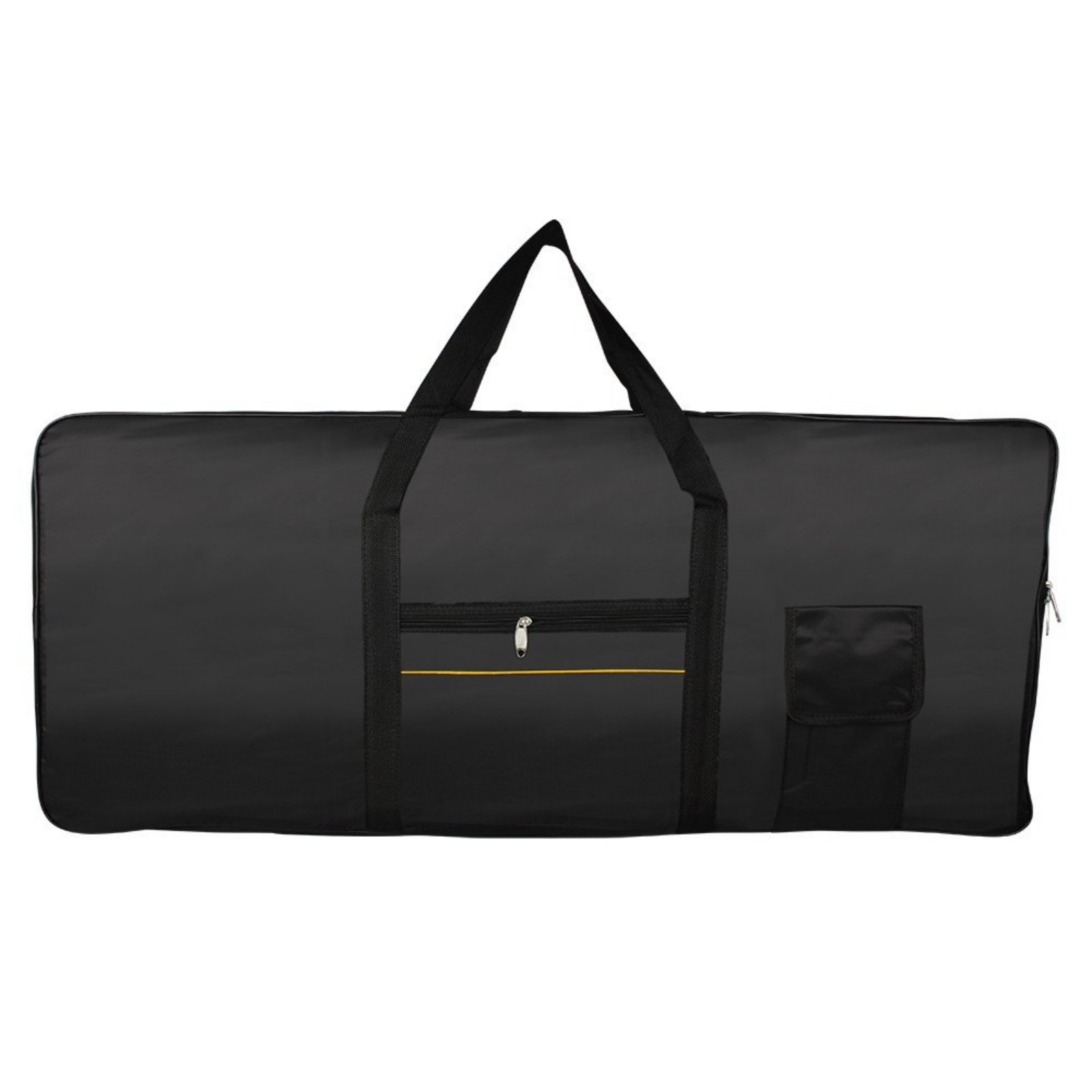
Electronic Keyboard Bag Water-Resistant
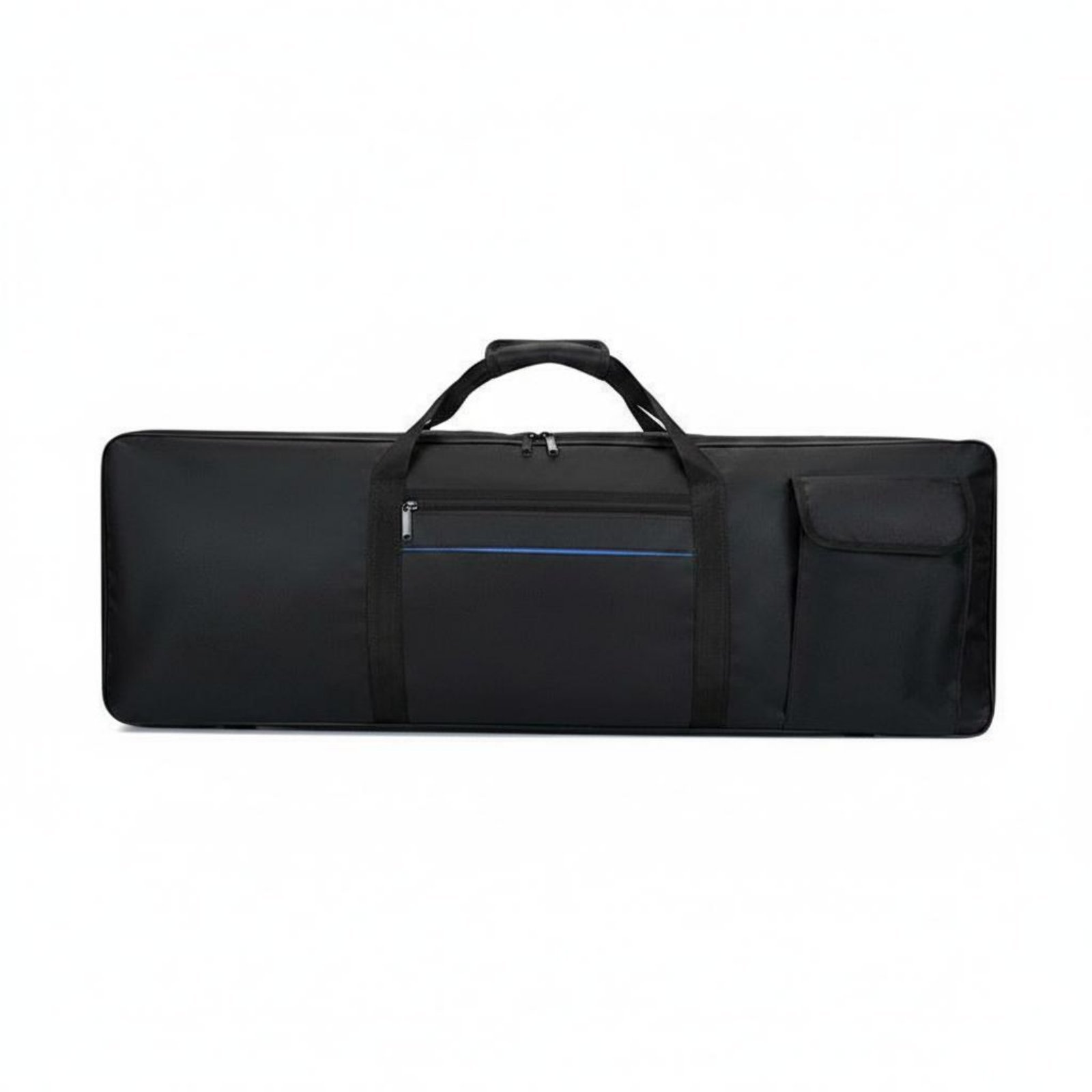
Waterproof Keyboard Case
76-Key Keyboard Bag
Padded Electronic Piano Bag