Buying guide · Music & Luthier
How to choose a flute case or carry bag for school, travel, and rehearsals
Short answer
Choose a flute case or carry bag by matching it to your flute’s hole layout first, then picking the level of protection and carrying style that fits how often you move between school, rehearsals, and travel. For daily student use, a padded bag with a handle or shoulder strap is convenient, while a hard or wood case makes more sense when you want stronger structure and better protection from bumps and pressure.
Start with fit, then match the protection level to your routine
The first check is simple: make sure the case is meant for your flute type. Several options are built around either a sixteen-hole or a seventeen-hole instrument, and that fit matters because a loose case lets sections shift around while a case that is too tight can be awkward to use. If you are not sure what your flute needs, confirm the hole count and whether your flute is full length or compact before buying.
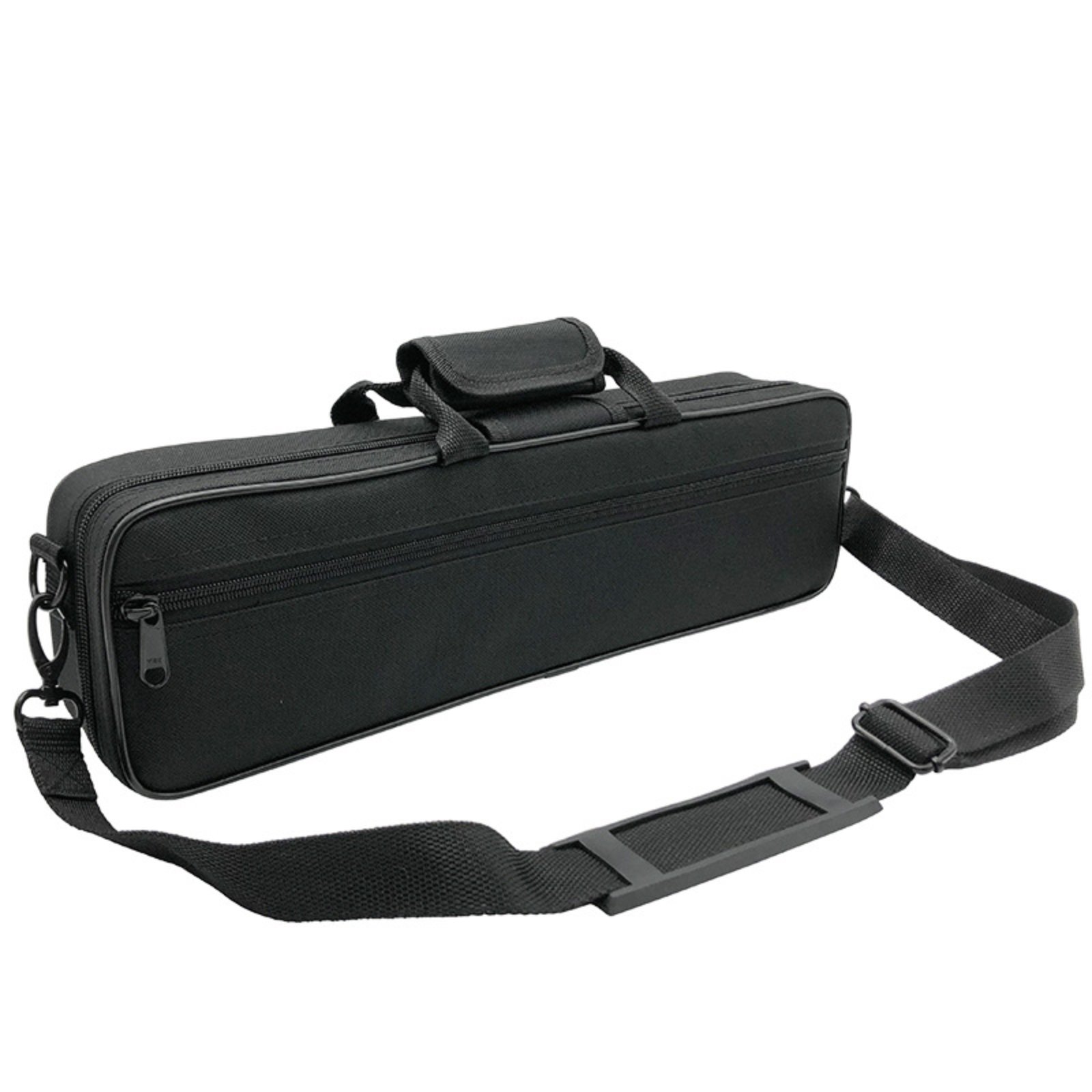
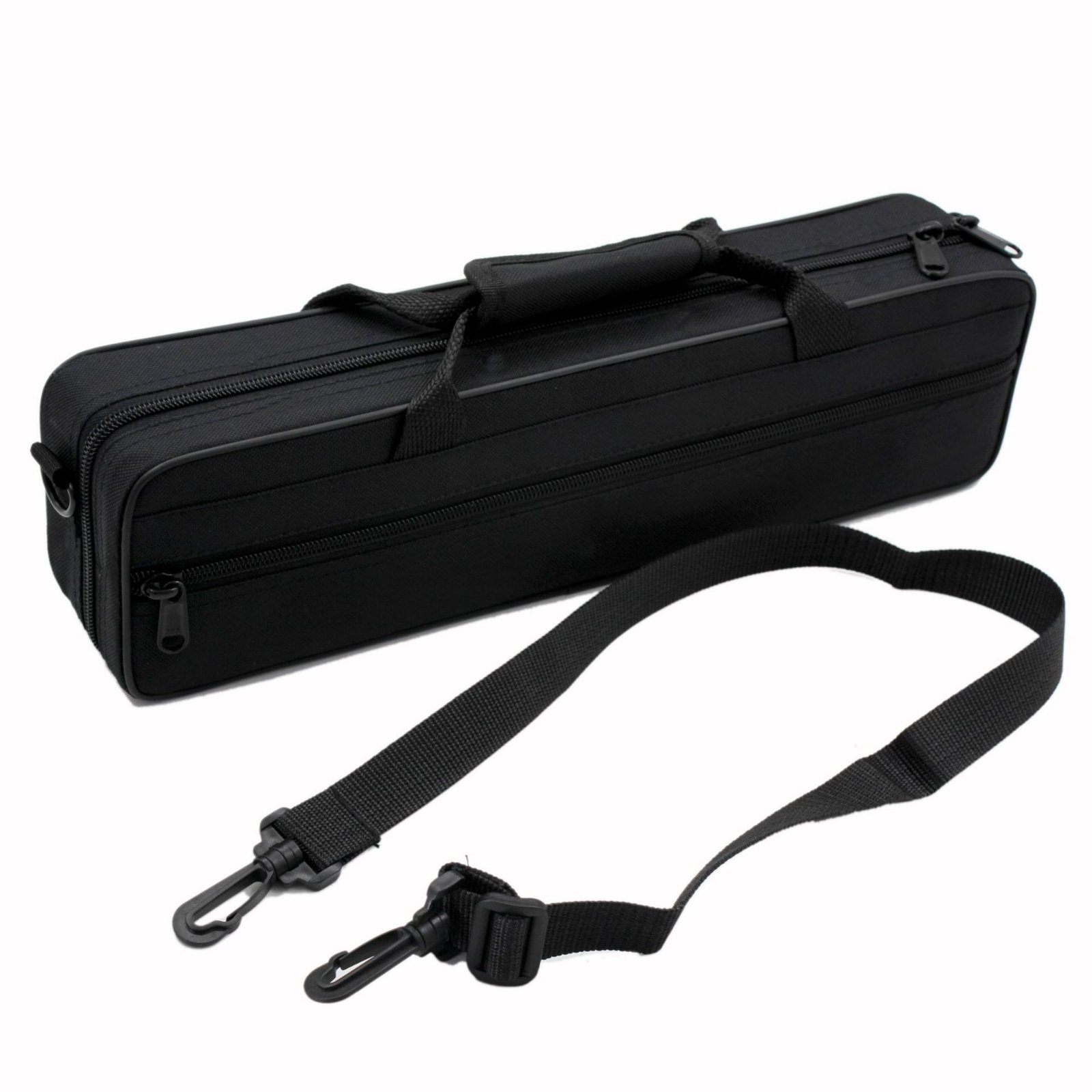
For a student moving between class and rehearsal, a soft or semi-structured bag is often the easiest choice. A case such as Soft-Lined Flutes Case is described for a seventeen-hole instrument and adds a cushioned lining, shoulder strap, handle, and front pocket, which is useful when you need one bag that is easy to grab and carry. For a sixteen-hole flute, Flutes Carrying Case with Strap is a lighter Oxford cloth carry bag with both a handle and detachable shoulder strap, plus an outer pocket for small accessories.
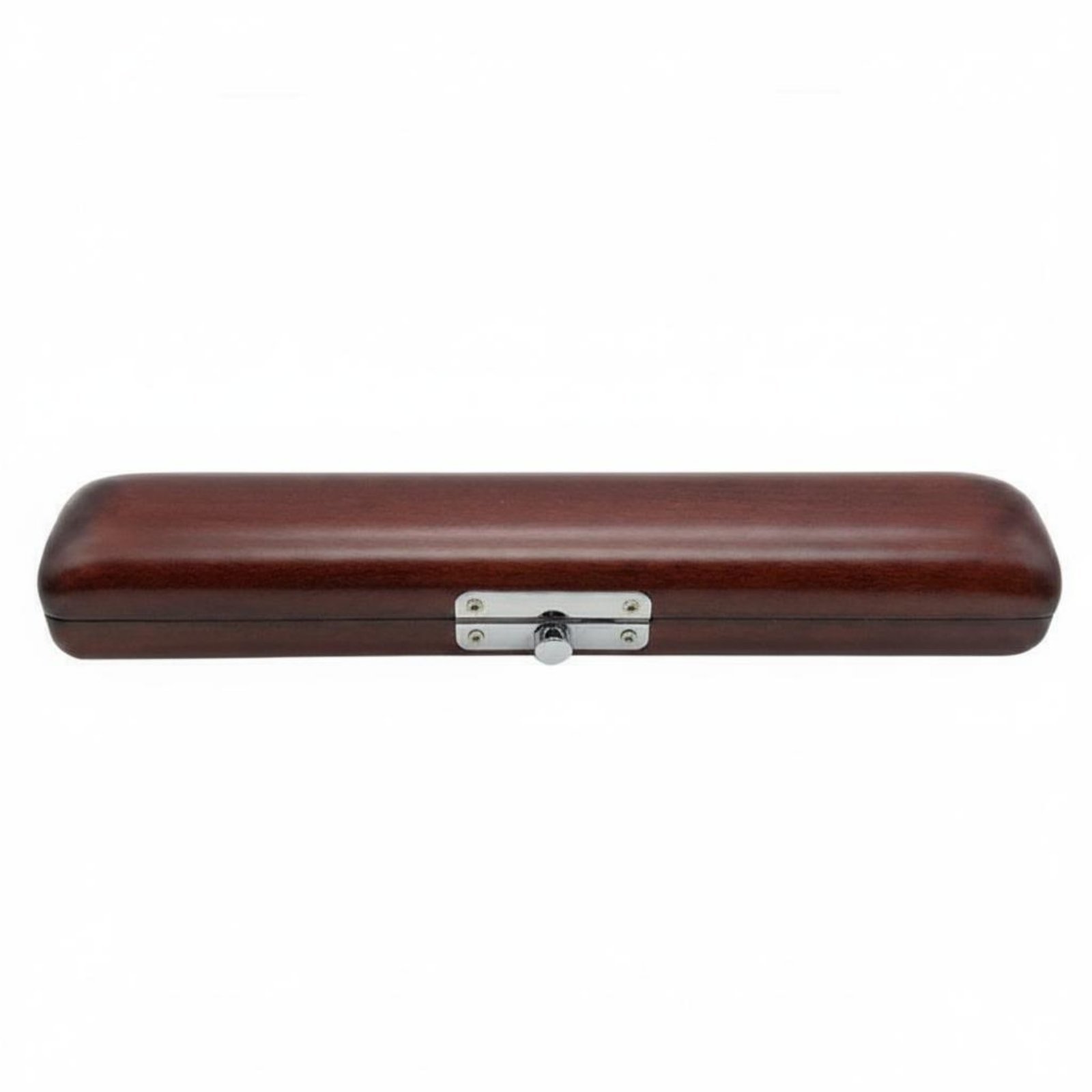
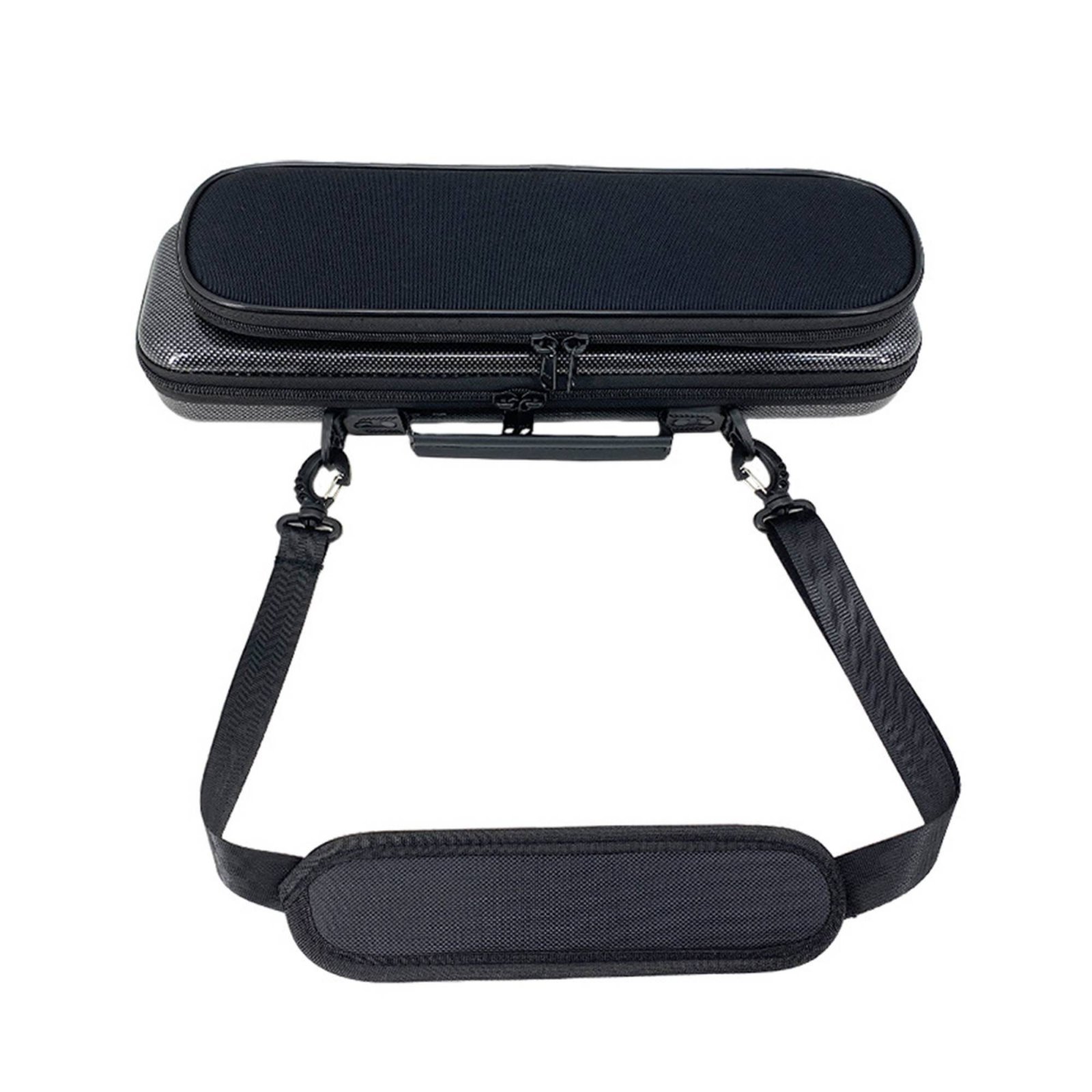
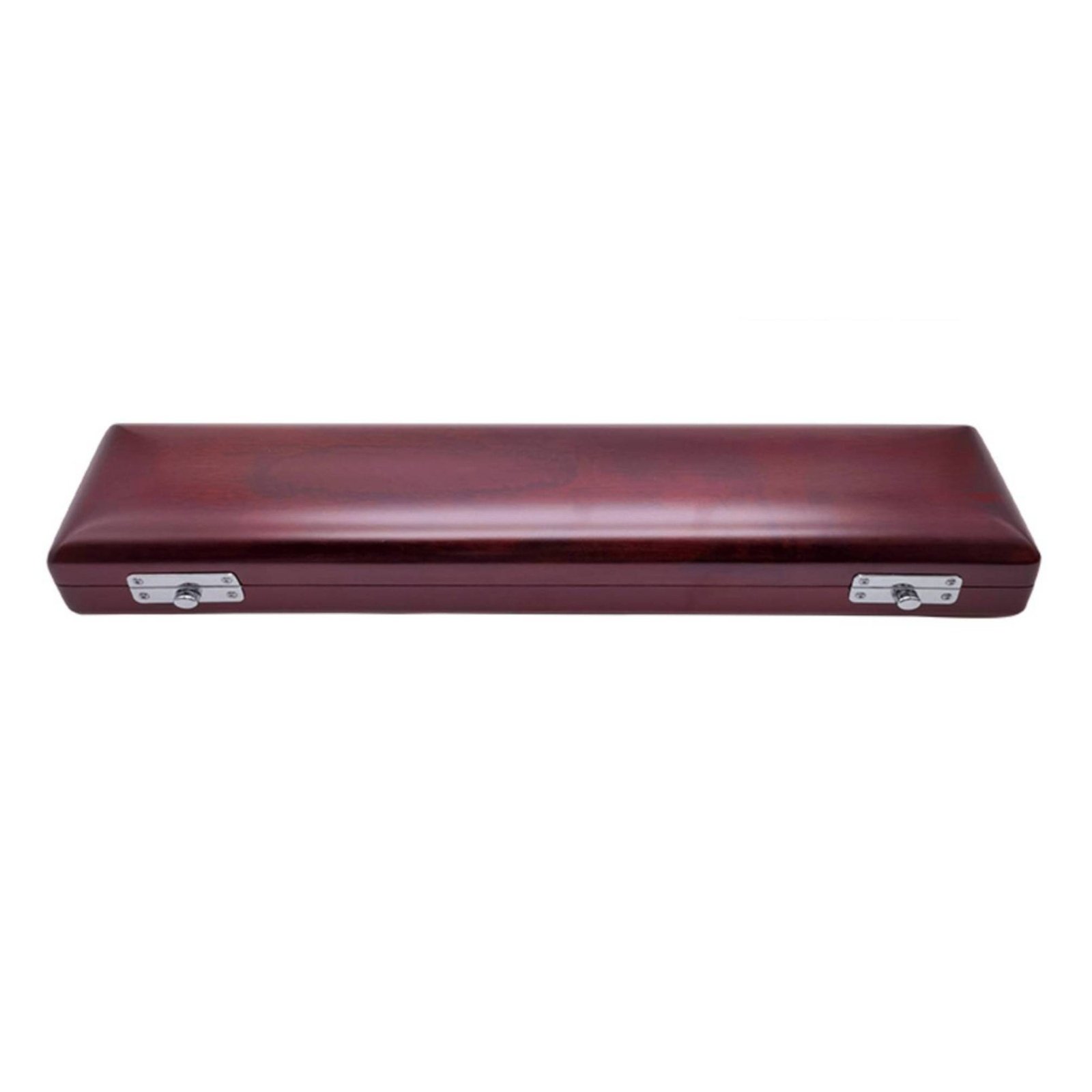
If your flute gets packed into a crowded car, bus, or shared storage area, step up to a harder shell. Waterproof 17 Hole Flute Case is built to fit both sixteen-hole and seventeen-hole flutes and uses a shock-absorbing carbon fiber and 900D Oxford cloth exterior with molded interior grooves, so it suits buyers who want more structure and weather resistance. If you prefer a classic rigid box style, Wood Flutes Case uses solid wood, metal hardware, and shaped interior compartments to keep parts separated and supported.
Features that make a case easier to live with
After fit and protection, think about the way you actually carry your flute. A shoulder strap helps when you also have books or a music stand, while a handle is better for short walks between classroom, practice room, and stage. Zippers are fast and simple for quick access, while latches and rigid lids tend to feel more secure in a hard case.
Accessory storage can save frustration. Soft-Lined Flutes Case includes a front zippered pocket for small items, and Flutes Carrying Case with Strap also gives you a separate pocket for a cleaning rod, cloth, and similar basics. If you travel with sheet music or more supplies, Waterproof 17 Hole Flute Case adds an external pocket intended for music and cleaning tools, which can reduce the need for a second bag.
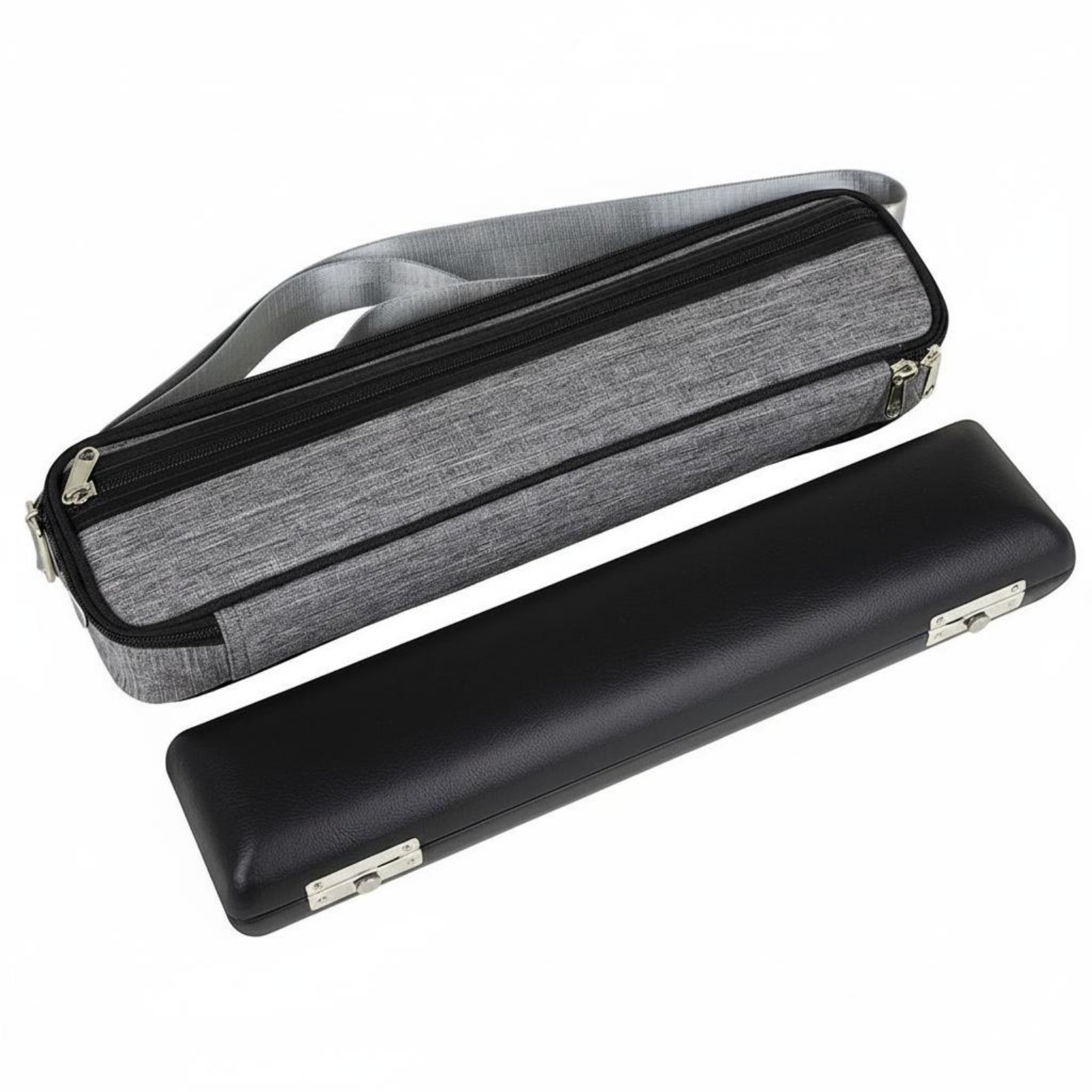
Some buyers like a two-layer approach because it combines convenience with stronger protection. Waterproof Flute Hard Case is a set with a hard inner case and a padded outer bag, plus metal locks and zippers, a handle, and an adjustable shoulder strap. That kind of setup works well if your flute often moves between home, school, and rehearsal and you want the instrument protected even when the outer bag takes most of the daily wear.
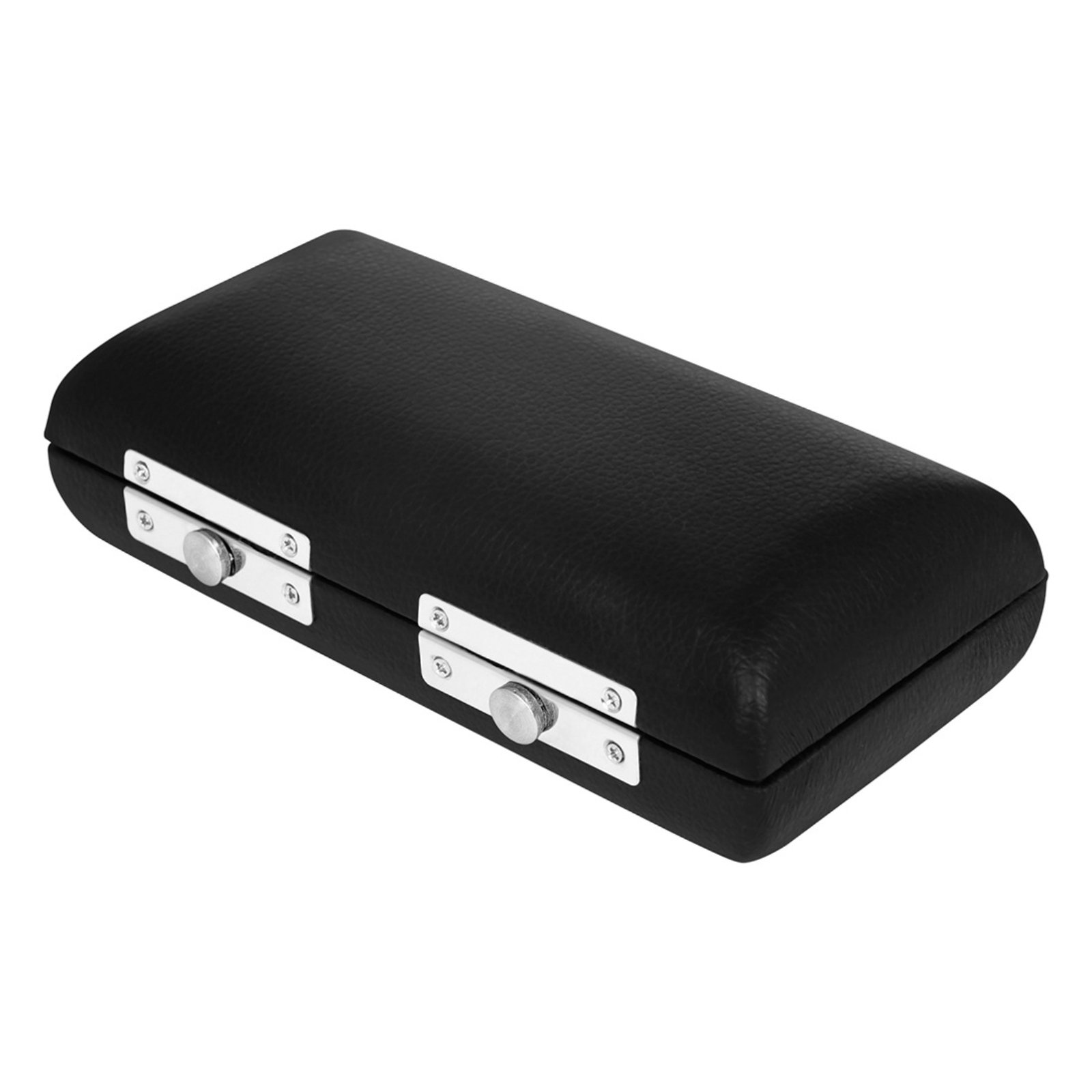
If you carry a separate headjoint, or want a backup storage option for one delicate part, a dedicated case can help keep it from rubbing against other items. Flute Headjoint Case is made for a single curved flute headjoint and has a padded interior with metal fasteners, while Maple Flute Headjoint is a solid maple headjoint box with a metal latch for tidy storage and transport.
Common mistakes to avoid
A common mistake is shopping by appearance alone. A sleek oval shell, a wood finish, or a slim canvas bag can all be good choices, but the right one depends on how much structure you need and whether the interior is shaped for your instrument. Always verify the intended flute type and look for wording about a lined or contoured interior rather than assuming every flute case fits every flute.
Another mistake is buying too little protection for the way you travel. If the flute will only be hand-carried from room to room, a padded bag can be fine. If it may be packed under other gear, left in a rehearsal stack, or moved often in transit, a stronger hard case like Waterproof 17 Hole Flute Case or a rigid wood case like Wood Flutes Case is the safer direction.
It is also easy to overlook convenience. A case without a pocket may be fine if you keep cleaning items elsewhere, but it can become annoying during school days when small accessories go missing. Likewise, if you walk long distances, a shoulder strap is more practical than a handle-only design.
Finally, do not forget special parts. If your setup includes a separate curved headjoint, storing it loose inside another bag invites scratches and knocks. A dedicated piece such as Flute Headjoint Case keeps that part organized and easier to find.
How the pieces work together for school, rehearsal, and travel
Think of your setup as a small system rather than one item. The main flute case protects the instrument body and keywork, the carry features make transport manageable, and any separate compartments or pockets keep maintenance supplies from floating around. That is why a school-friendly case often balances moderate protection with fast access and enough organization for everyday essentials.
For school and rehearsal, many players do well with one primary case that is easy to carry and quick to open. Soft-Lined Flutes Case and Flutes Carrying Case with Strap fit that role when you want a soft-sided option with a strap and storage pocket. If your routine includes more travel or busier carrying conditions, Waterproof Flute Hard Case or Waterproof 17 Hole Flute Case gives you a more protective core while still offering portable outer-bag features.
A wood case like Wood Flutes Case makes sense when you prefer a rigid shell with separated compartments and are less concerned about extra accessory storage on the outside. Then, if you also use a separate headjoint, a dedicated add-on case such as Maple Flute Headjoint or Flute Headjoint Case keeps that part from shifting and helps your whole kit stay organized.
In short, choose the main case around instrument fit and daily risk, then add storage and headjoint protection only if your routine really calls for it. That approach is usually easier and more practical than buying the heaviest case by default.
A typical kit
- Soft-Lined Flutes CaseA practical soft-sided choice for a seventeen-hole flute when you want a shoulder strap, handle, and accessory pocket for school or rehearsals.
- Flutes Carrying Case with StrapA lightweight sixteen-hole carry bag that covers daily transport and keeps small cleaning items organized in an outer pocket.
- Waterproof 17 Hole Flute CaseA more protective travel-ready case for buyers who want a structured shell, molded interior support, and room for accessories.
- Waterproof Flute Hard CaseA layered hard-case-and-gig-bag setup for students who want both stronger protection and easier carrying options.
- Wood Flutes CaseA rigid wood case suited to players who prefer a classic hard shell with shaped interior compartments.
- Flute Headjoint CaseA separate headjoint case for keeping a curved headjoint protected and organized instead of loose in a larger bag.
Questions people ask
Is a soft carry bag enough for school use?
It can be, if your flute is mostly hand-carried and not likely to be packed under heavy items. A padded option like Soft-Lined Flutes Case or Flutes Carrying Case with Strap is convenient for daily lessons and rehearsals, but a harder case is a better match if your route is rougher or storage is crowded.
Should I choose a hard case or a wood case for travel?
Pick based on the kind of travel and how much outside pressure the flute may face. Waterproof 17 Hole Flute Case is useful when you want a structured case with a more modern travel-bag style and accessory storage, while Wood Flutes Case is better for buyers who prefer a rigid wood shell with separated interior compartments.
How important is a shoulder strap?
A shoulder strap matters more than many buyers expect because it changes how easy the case is to live with during a long school day. If you often carry books, stands, or other gear, cases like Waterproof Flute Hard Case and Flutes Carrying Case with Strap are easier to manage than a handle-only case.
Do I need an accessory pocket on the case?
Not always, but it is helpful if you want one place for a cleaning rod, cloth, and a few small items. If that matters to you, Soft-Lined Flutes Case, Flutes Carrying Case with Strap, and Waterproof 17 Hole Flute Case are examples that include outside storage.
What if I have a separate curved headjoint?
Do not let it ride loose in the main bag if you can avoid it. Flute Headjoint Case is made for a single curved headjoint, and Maple Flute Headjoint is another dedicated headjoint storage option if you want that part protected on its own.
Shop the list
Everything mentioned above
Prices and delivery windows are live from our catalog.
Soft-Lined Flutes Case
Flutes Carrying Case with Strap
Waterproof 17 Hole Flute Case
Waterproof Flute Hard Case
Wood Flutes Case
Flute Headjoint Case