Buying guide · Music & Luthier
What parts and tools do I need to start building an electric guitar from scratch?
Short answer
To start an electric guitar build, you need a body or full kit, a bridge system, pickups and control hardware that match the body routing, and at least a few basic fretboard and shaping tools. If you want the simplest first project, begin with a complete assembly set like Rosewood Fingerboard Guitar Kit; if you want a truer scratch-style parts build, start with an unfinished body such as Unfinished Electric Guitar Body or Unfinished Guitar Body with Pickup Cavities and add the hardware that fits its layout.
Start with the foundation and match every later part to it
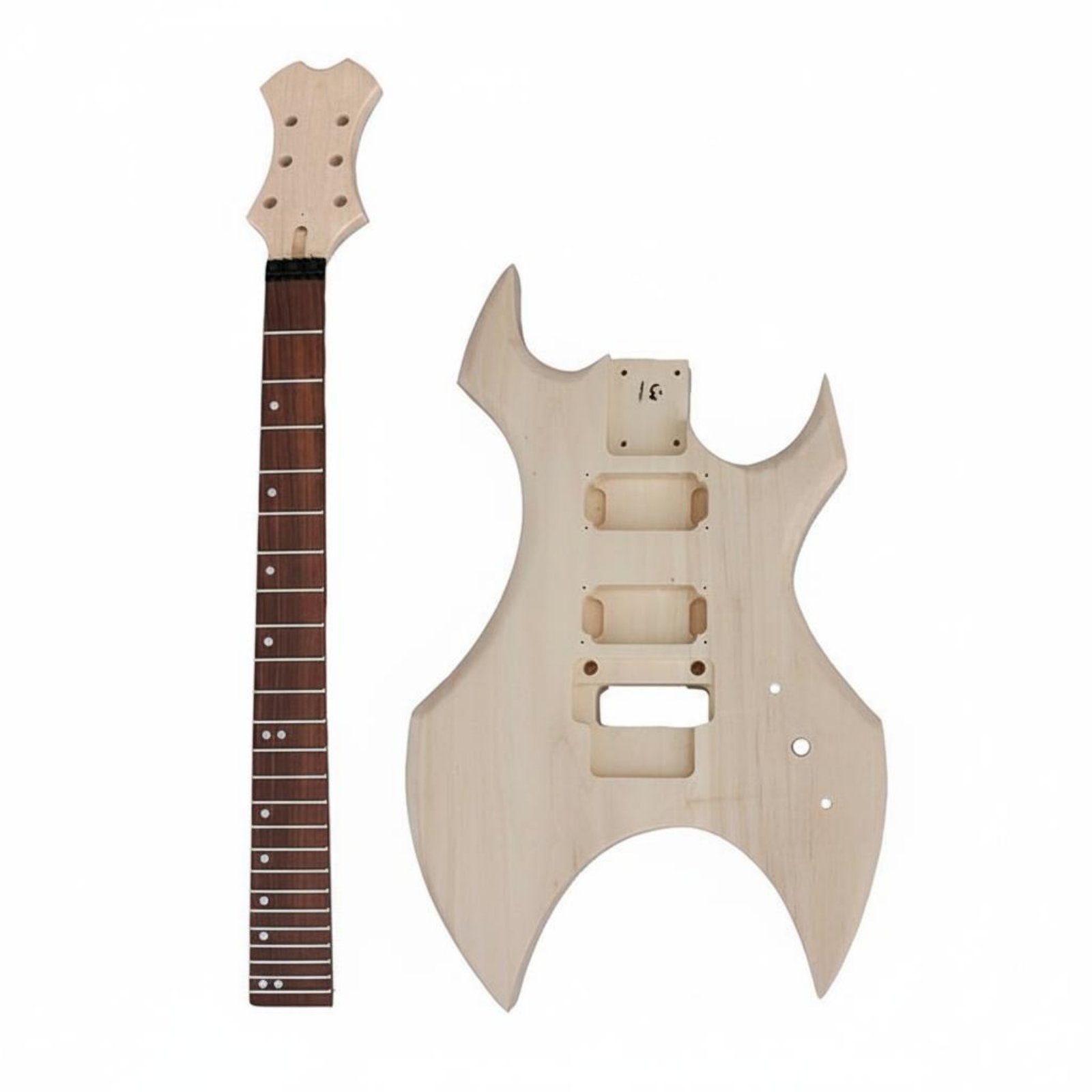
The first choice is whether you want a guided first build or a parts-based custom project. A complete assembly set such as Rosewood Fingerboard Guitar Kit is the easiest entry point because it already includes the body, neck, and the rest of the hardware needed for assembly. That reduces the risk of buying parts that do not line up with each other.
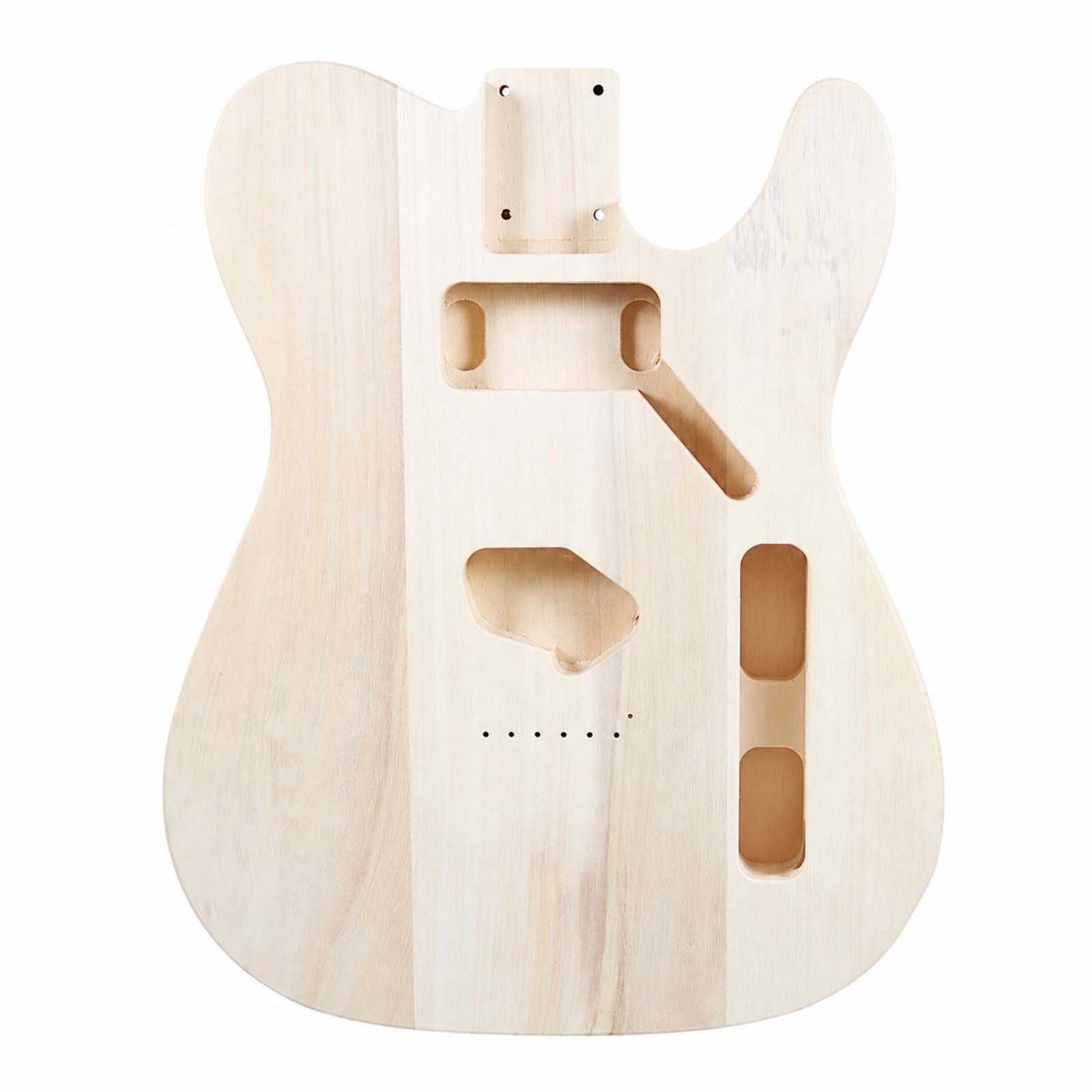
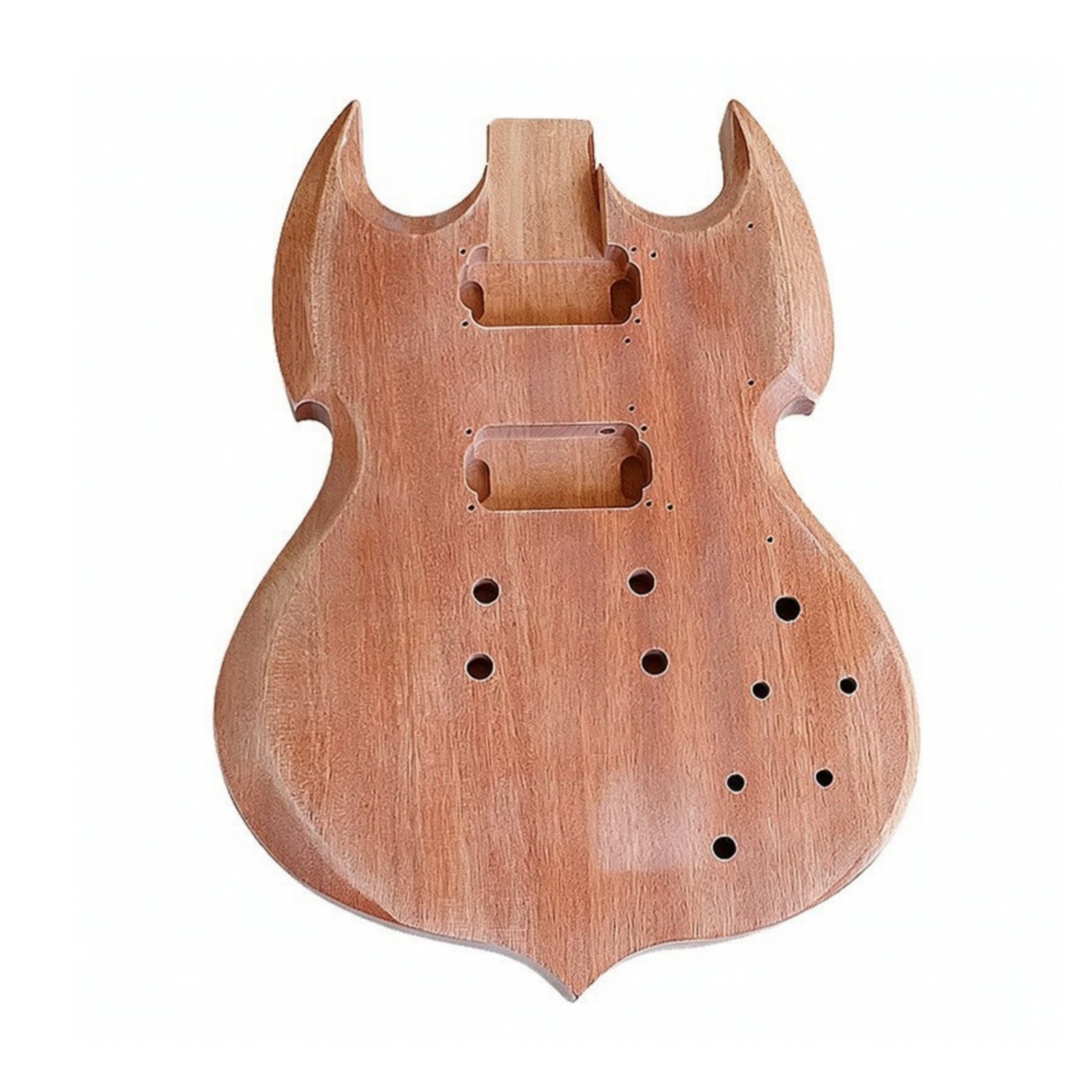
If you want to choose your own hardware and finish, begin with an unfinished body. Unfinished Electric Guitar Body is useful because its cavities, neck pocket area, screw holes, control cavity route, and side input opening are already cut, so you can focus on fit, finish, wiring, and setup instead of major routing. Unfinished Guitar Body with Pickup Cavities is another good starting point because it has pre-cut pickup cavities, pre-drilled mounting and wiring holes, and a carved neck pocket, which makes hardware planning easier.
When choosing a body, pay attention to the bridge layout and cavity style described in the listing. Electric Guitar Body is prepared with a tremolo bridge rout, so it needs a matching tremolo-style bridge plan rather than a stop-tail setup. If the listing does not clearly state the neck scale, bridge post spacing, pickup format, or pickguard pattern, treat those as check-before-you-buy items instead of assuming they are standard.
A practical rule is to let the body decide the rest of the build. Neck pocket shape, bridge route, pickup cavity shape, control cavity style, and jack position all affect what hardware will fit cleanly and how much extra woodworking you may need.
The core hardware and how the pieces work together
On an electric guitar, the bridge anchors the strings and sets the basic geometry for action and intonation. Saddles fine-tune string height and scale length, while the pickup senses string vibration and sends it through the controls to the output jack.
If your body is routed for a tremolo-style bridge and you want that feature, choose a bridge system that is intended for that layout. LP SG Guitar Bridge Replacement is a tremolo tailpiece style bridge assembly meant for certain electric guitar formats, so it is useful only when the body and mounting pattern suit that style. If you already have a compatible bridge base and only need the adjustable string contact points, 6-Piece Gold Guitar Bridge Saddles provides a set of six saddles for intonation and height tuning.
For electronics, make sure the pickup type matches the cavities and the control plan. String-Instrument Pickup Kit includes a pickup assembly with mounting plates, screws, adjustment parts, and control knobs, so it can cover much of the basic amplified hardware side of a simple build. Before buying, compare the pickup shape and mounting method to the cavity style in the body listing so you do not end up with gaps, misaligned screws, or controls that have nowhere to mount.
Think of the system as a chain: body holds the neck and hardware, bridge places the strings, saddles refine setup, pickup captures the string motion, and controls send the signal out. If one part does not match the route or drilling of the body, the whole project gets harder very quickly.
Useful tools for fretboard work, shaping, and final fitting
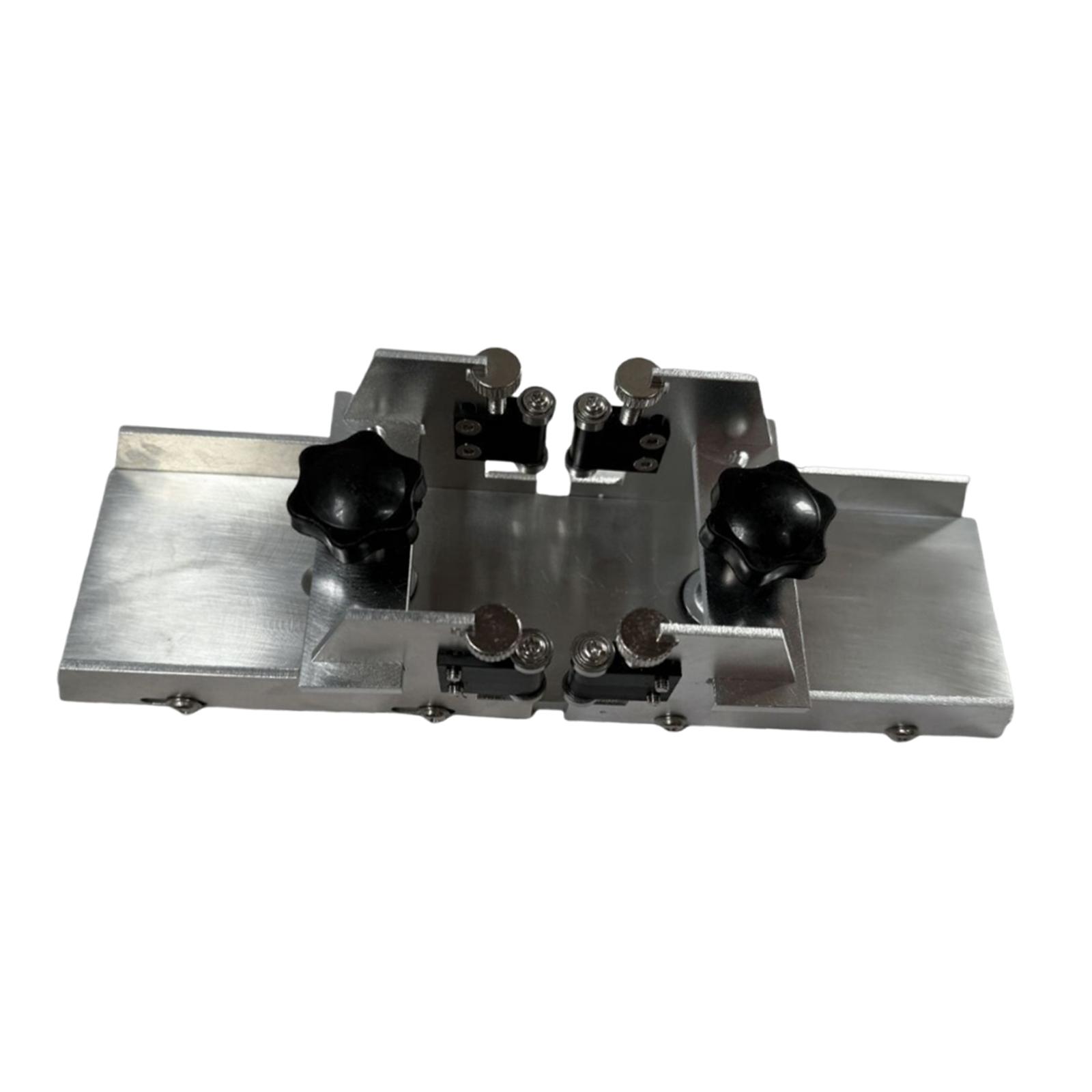
You do not need a full professional shop for a first build, but a few purpose-made tools can save time and help accuracy. If you are cutting your own fret slots in a blank fretboard instead of using a pre-slotted neck, Fret Slotting Miter Box Metal gives you a guided way to cut fret slots in fretboards; that matters because uneven slot placement affects tuning and playability across the neck.
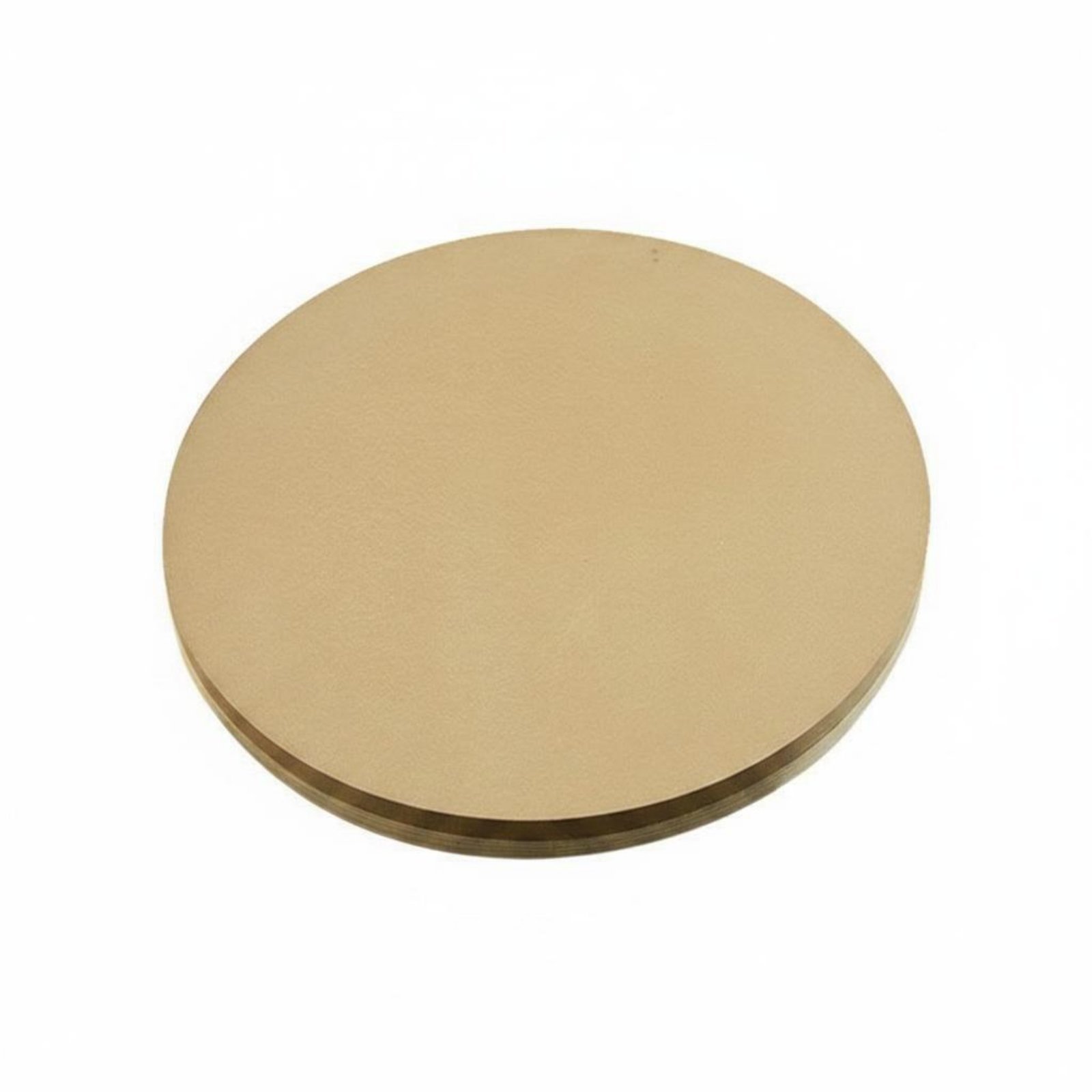
For shaping and leveling curved guitar parts, Curved Sanding Dish is a dedicated sanding plate designed for guitar body, side plates, and brace or top work. It is especially useful when you want consistent sanding over a curved surface rather than trying to freehand the shape.
If you are building for the first time, prioritize tools that solve likely beginner problems: accurate fret slotting if you are making the board yourself, controlled sanding for body prep, and basic measuring and setup tools you may already own. Read the intended-use line carefully so each tool actually supports electric guitar work rather than an unrelated job.
A starter tool plan can stay simple. The goal is not to buy every specialty item at once, but to cover the operations you are actually doing on this project.
Common mistakes to avoid on a first electric build
The biggest mistake is mixing parts before deciding on the body layout. A tremolo-routed body like Electric Guitar Body should push you toward hardware that matches that routing, while a body with pre-cut cavities and drilling like Unfinished Electric Guitar Body or Unfinished Guitar Body with Pickup Cavities should be matched to pickups and controls that physically fit those openings.
Another common mistake is buying partial hardware without checking what is still missing. 6-Piece Gold Guitar Bridge Saddles only handles the saddle portion of the string path, not the entire bridge system, while String-Instrument Pickup Kit covers pickup-related parts but does not replace the need for a compatible neck, tuners, and bridge. Read the listing to understand whether you are buying a complete assembly, a subassembly, or a replacement part.
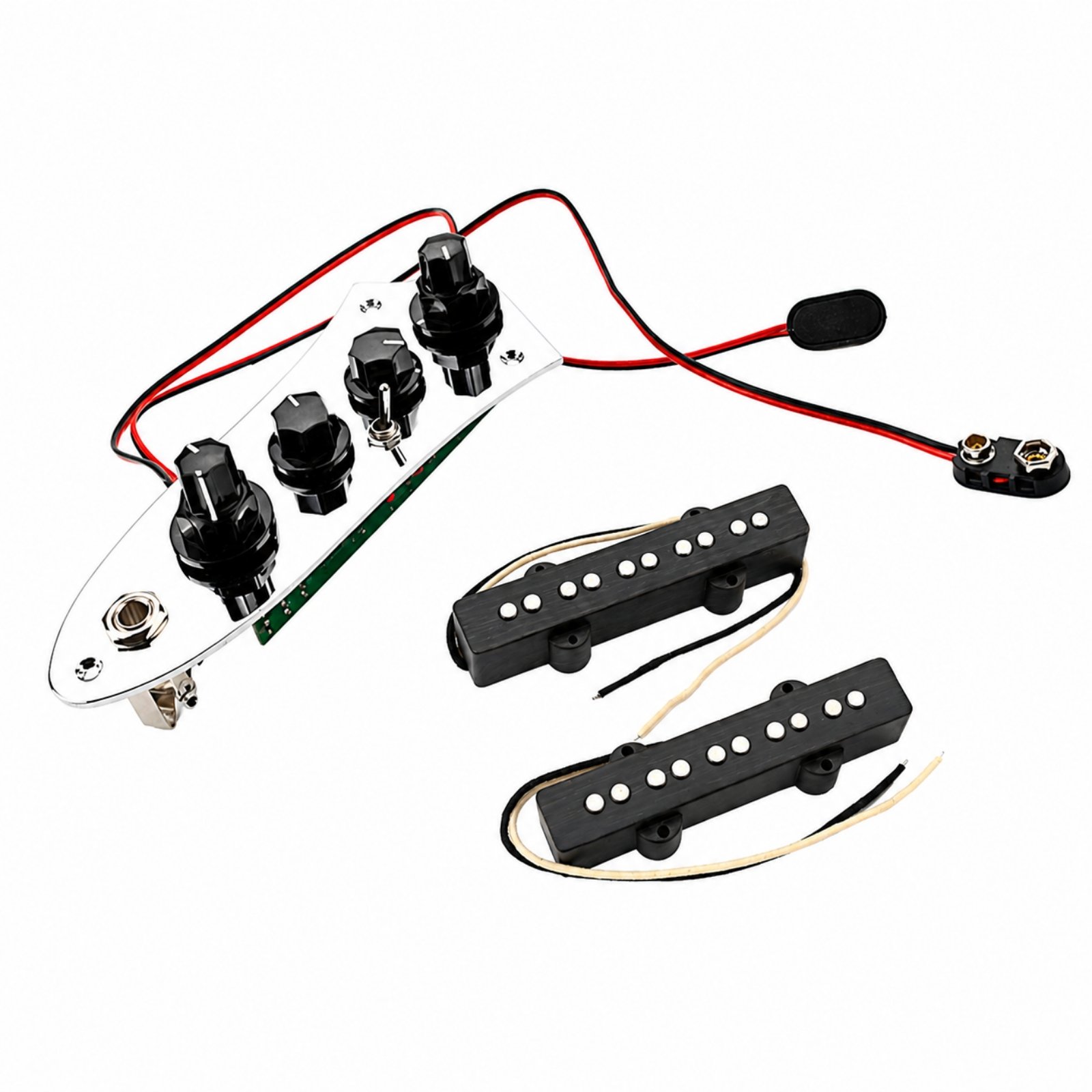
A third mistake is choosing parts from the wrong instrument family. Prewired Bass Control Plate with Pickups is a prewired bass control plate with pickups, so it is for bass work rather than a standard electric guitar build. That kind of mismatch can leave you with hardware that does not suit your body routing or your basic project goals.
For a first project, it is usually smarter to reduce unknowns. Either start with Rosewood Fingerboard Guitar Kit as an all-in-one learning project, or pick one unfinished body and build around what its routing already supports instead of trying to force unrelated hardware into place.
A typical kit
- Rosewood Fingerboard Guitar KitUse this when you want the simplest path because it gives you a body, neck, and assembly hardware in one starting package.
- Unfinished Electric Guitar BodyChoose this as a body foundation when you want pre-cut cavities and mounting areas that speed up a custom parts build.
- String-Instrument Pickup KitThis covers the pickup side of the build with mounting parts and knobs for an amplified electric setup.
- LP SG Guitar Bridge ReplacementPick this only if your body is meant for a compatible tremolo-style bridge and tailpiece arrangement.
- 6-Piece Gold Guitar Bridge SaddlesThese saddles handle string alignment and fine setup adjustments when your bridge design uses separate saddle pieces.
- Fret Slotting Miter Box MetalUse this if you are cutting fret slots yourself rather than relying on a pre-slotted neck or fretboard.
- Curved Sanding DishThis helps with controlled shaping and leveling when you are refining curved wooden parts during body prep.
Questions people ask
Is a complete guitar kit easier than buying separate parts?
Yes. Rosewood Fingerboard Guitar Kit is the easier first route because the body, neck, and hardware are already grouped for assembly, so you spend less time solving compatibility problems. Separate parts give you more control, but they also require more checking of routes, holes, and hardware fit.
Can I build an electric guitar with just an unfinished body?
Only if you also source the rest of the major parts. A body like Unfinished Electric Guitar Body or Unfinished Guitar Body with Pickup Cavities is just the foundation, so you still need a compatible neck, bridge system, electronics, tuners, finishing supplies, and setup tools. The body routing tells you a lot about what hardware will fit.
Do I need a special fret tool for a first build?
Not always. If your project uses a neck that already has a finished fretboard, you may not need Fret Slotting Miter Box Metal at all. It becomes important when you are making the fretboard yourself and need guided, repeatable fret slot cuts.
How do I know if a bridge will fit my body?
Start with the body listing and look for the bridge routing style, stud or screw locations, and whether the cavity is set up for tremolo or a fixed arrangement. Electric Guitar Body is specifically prepared with a tremolo bridge rout, so a random bridge choice could create alignment problems. If the listing is vague, confirm the mounting pattern before ordering.
Are all pickup kits suitable for a standard electric guitar?
No. String-Instrument Pickup Kit is the more relevant choice here because it is a general string-instrument pickup accessory kit, while Prewired Bass Control Plate with Pickups is a prewired bass assembly and should not be treated as a normal electric guitar set. Always compare pickup shape, mounting style, and control format to the body cavities.
Shop the list
Everything mentioned above
Prices and delivery windows are live from our catalog.
Rosewood Fingerboard Guitar Kit
Unfinished Electric Guitar Body – Tl 3-pc Poplar
Unfinished Guitar Body with Pickup Cavities
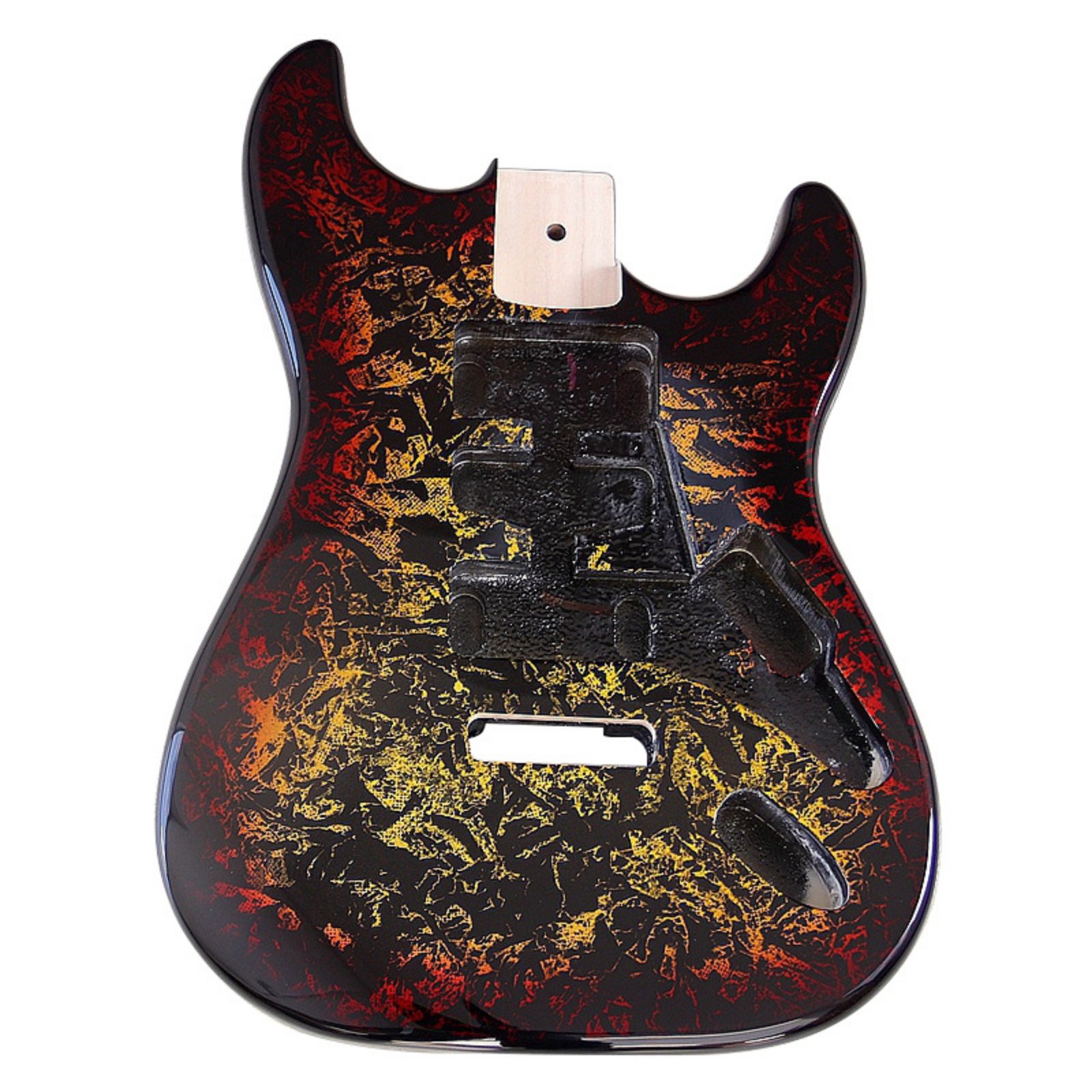
Electric Guitar Body
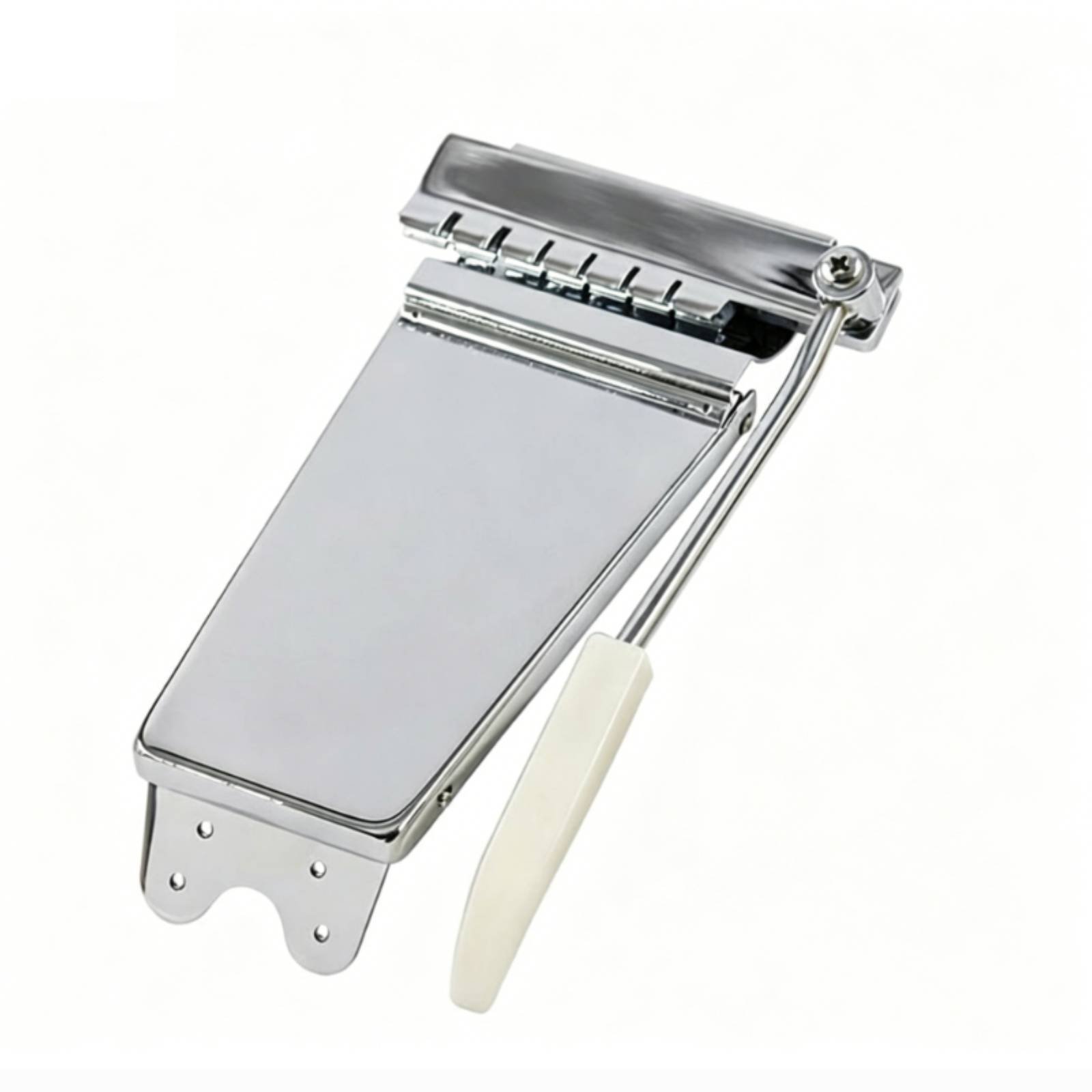
LP SG Guitar Bridge Replacement
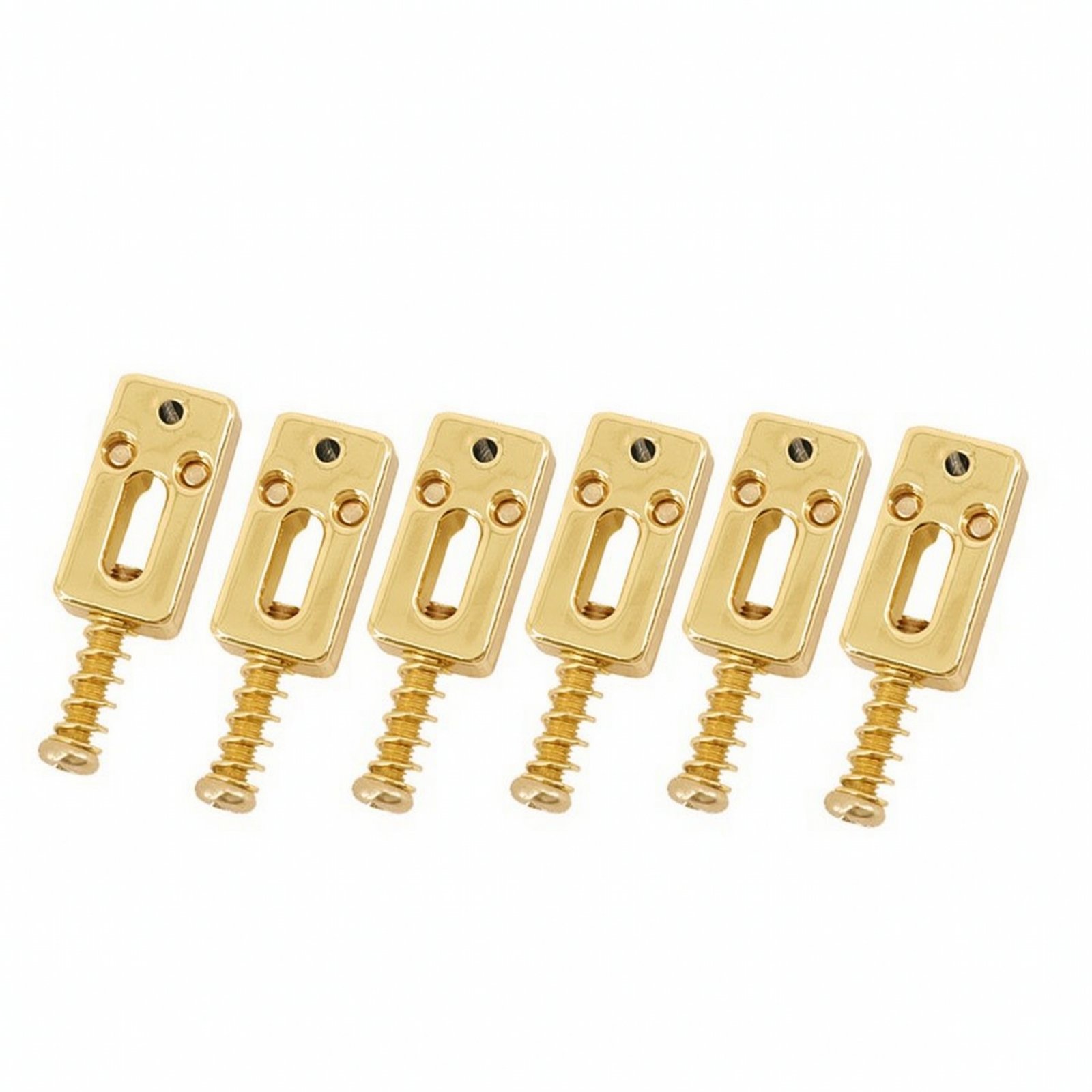
6-Piece Gold Guitar Bridge Saddles
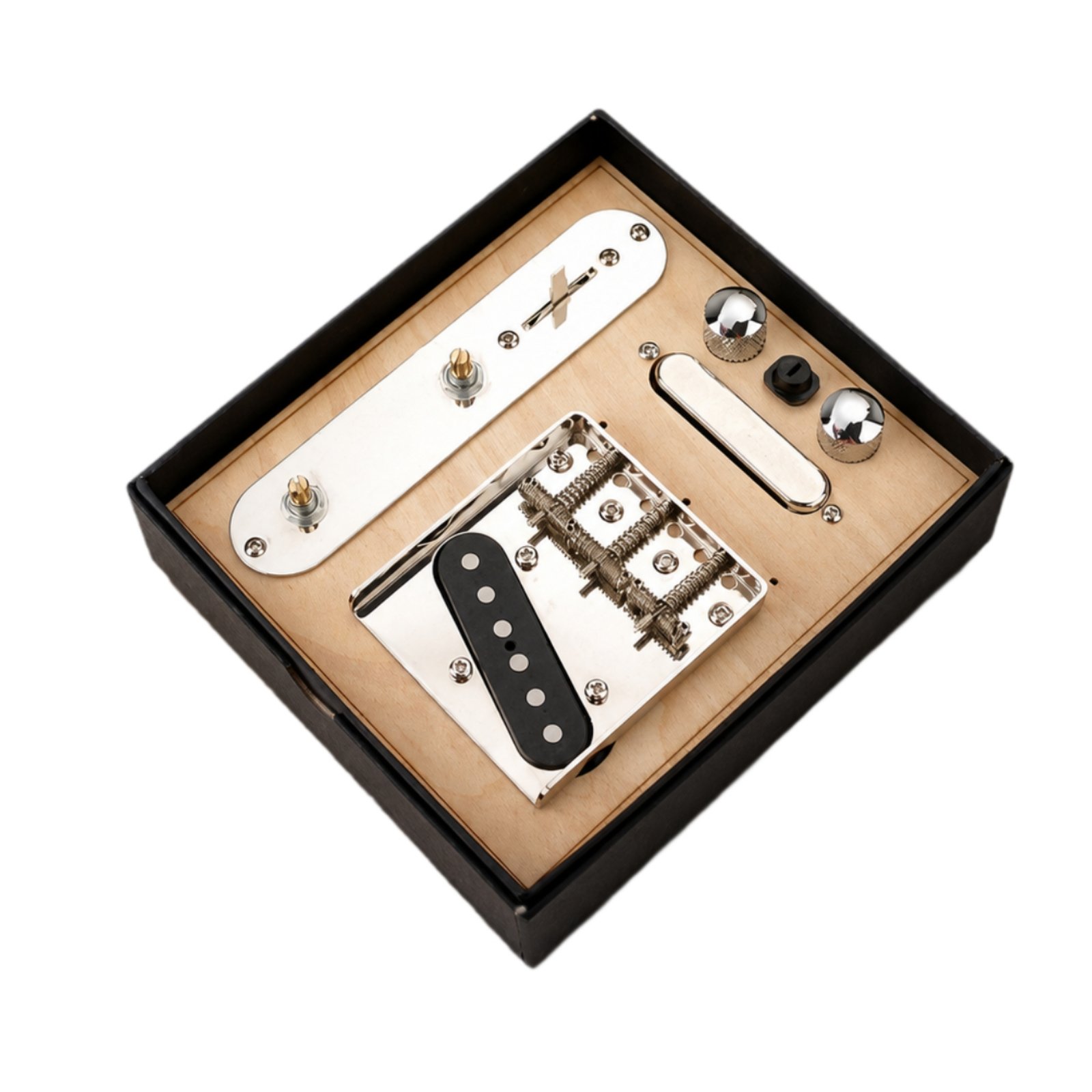
String-Instrument Pickup Kit
Fret Slotting Miter Box Metal
Curved Sanding Dish