Buying guide · Music & Luthier
What you need to carry and protect a violin and bow for lessons and commuting
Short answer
For lessons and commuting, start with a protective violin case that fits your instrument size and gives you comfortable carry options, then add either built-in bow storage or a separate bow case if your main case does not hold the bow. A soft cover cloth inside the case is a useful extra layer to reduce contact scratches and help keep out dust during daily travel.
Choose the main case around fit, protection, and how you travel
The first decision is the main violin case, because it does most of the work during commuting. Look for the right instrument size first, then decide whether you want a hard outer shell or a lighter rigid body, and finally choose the carrying style that matches how you get to lessons.
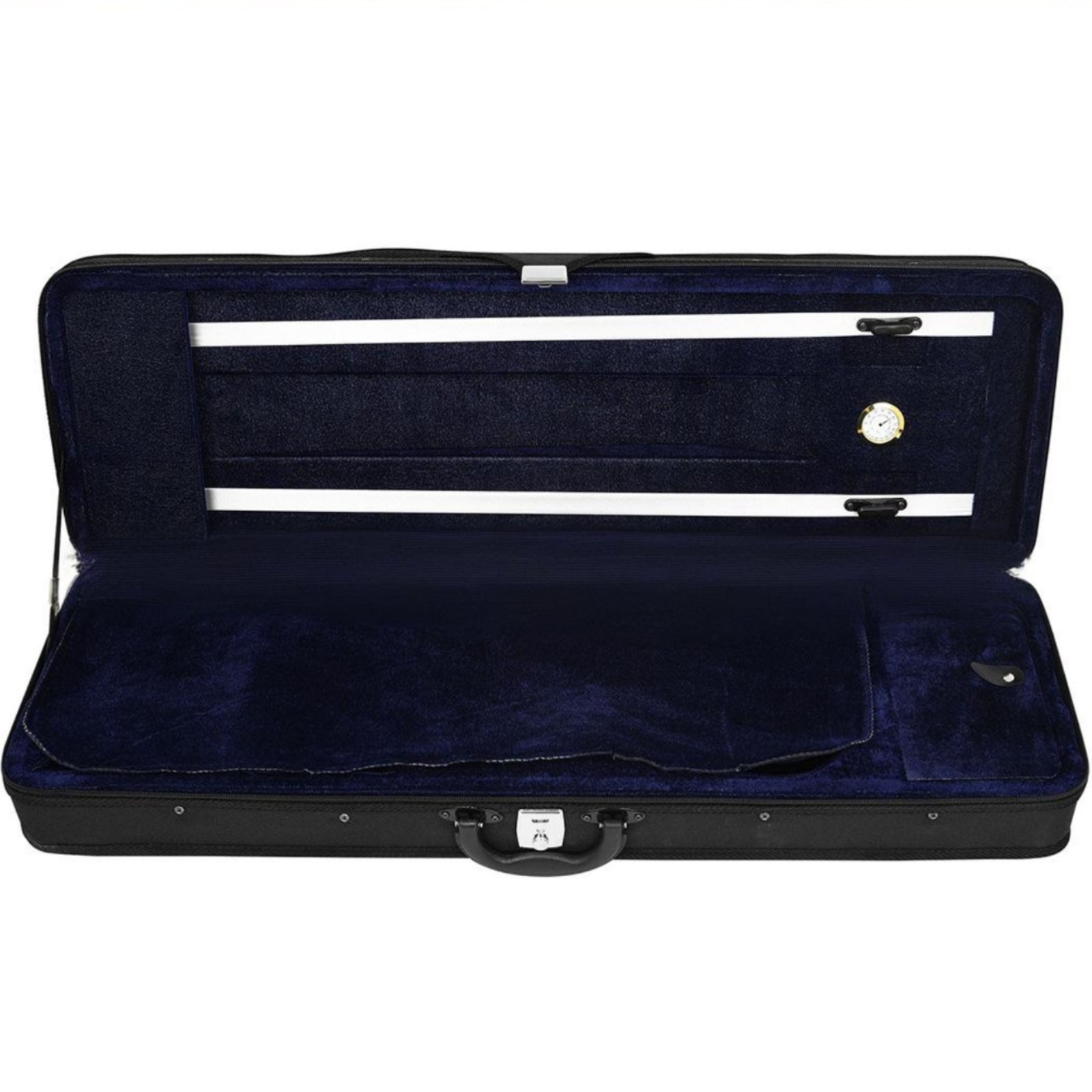
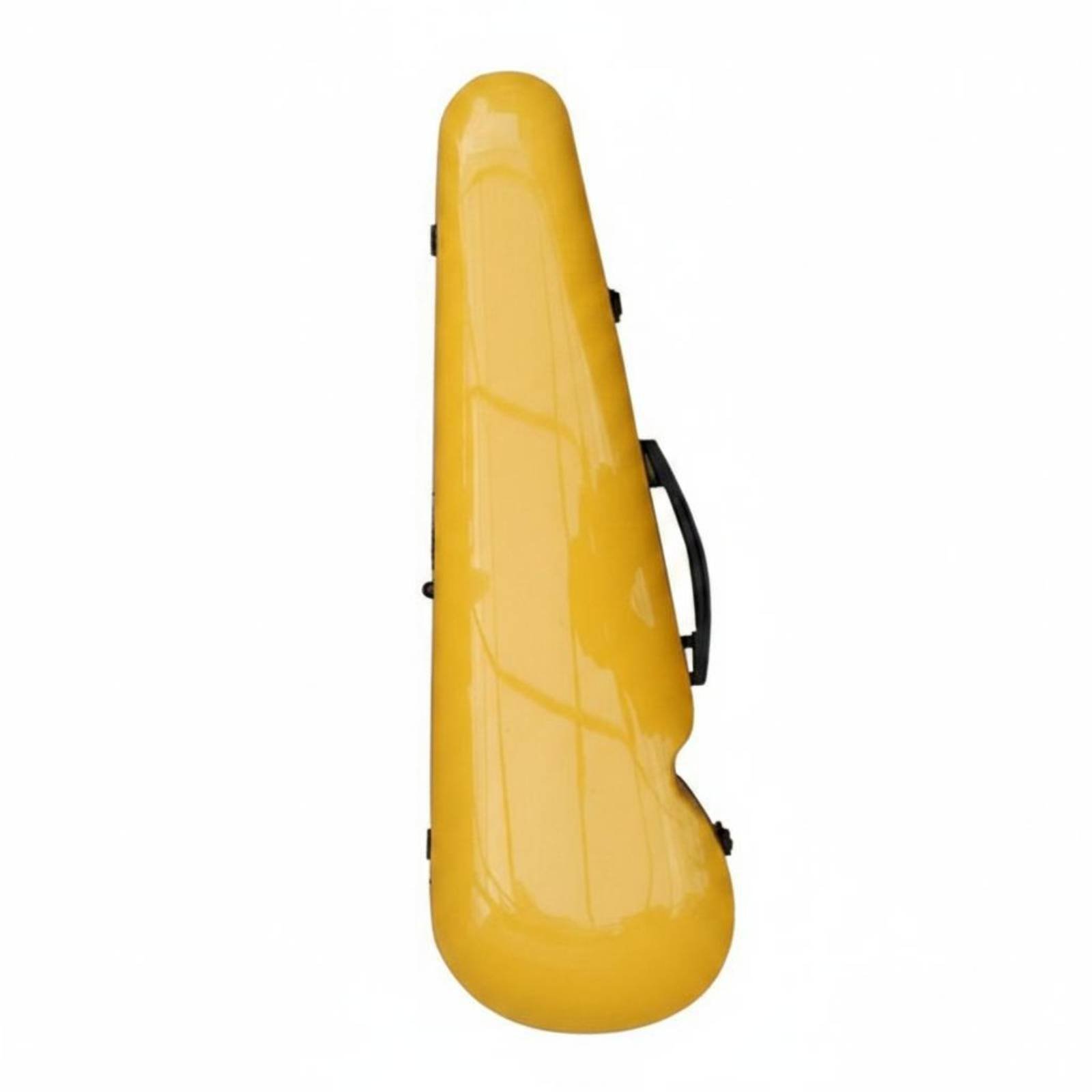
If you carry a full-size instrument, a hard case such as 4/4 Violin Hard Case or Carbon Fiber Violin Case makes sense for buses, school halls, and crowded sidewalks because both are described as protecting against bumps and pressure. If you want a lighter daily student case with weather awareness, 4/4 Violin Case with Hygrometer is made for 4/4 violin storage and includes a built-in hygrometer so you can keep an eye on changing conditions.
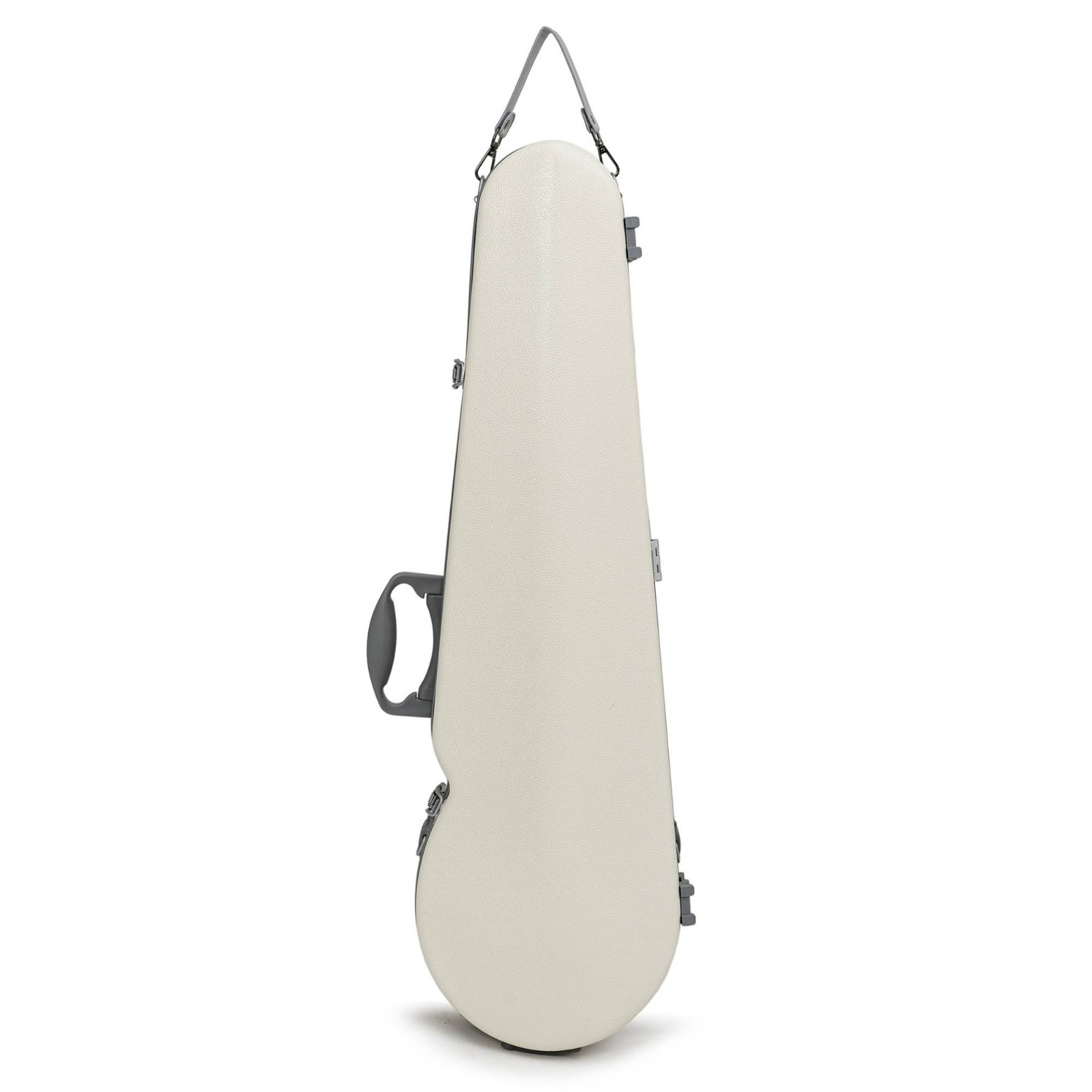
Carry style matters more than many buyers expect. Backpack or double-strap options help when you need your hands free for doors, music, or a commute, which is why Carbon Fiber Violin Case and 4/4 Violin Case with Hygrometer are practical for regular travel. If you usually carry the case by hand, a case like 4/4 Violin Hard Case still works well because it offers multiple handle and strap options.
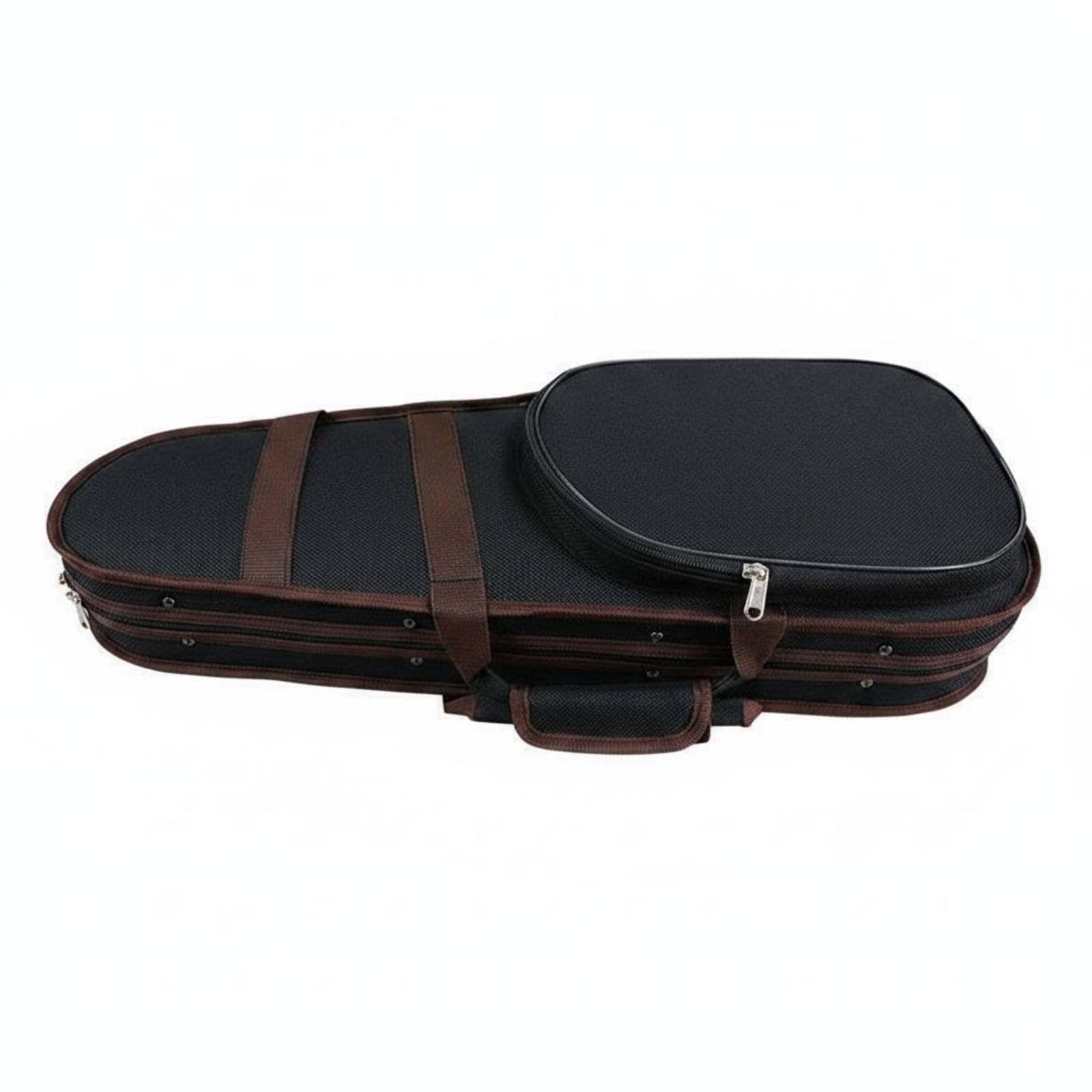
Do not forget to check whether the case actually stores the bow. Some violin cases include dedicated bow retention, while others focus on the instrument body. Hard Violin Case with Bow Holders is specifically described with bow holders, while Padded Violin Case with Straps is compact and explicitly does not accommodate a bow, so it would require a separate bow solution.
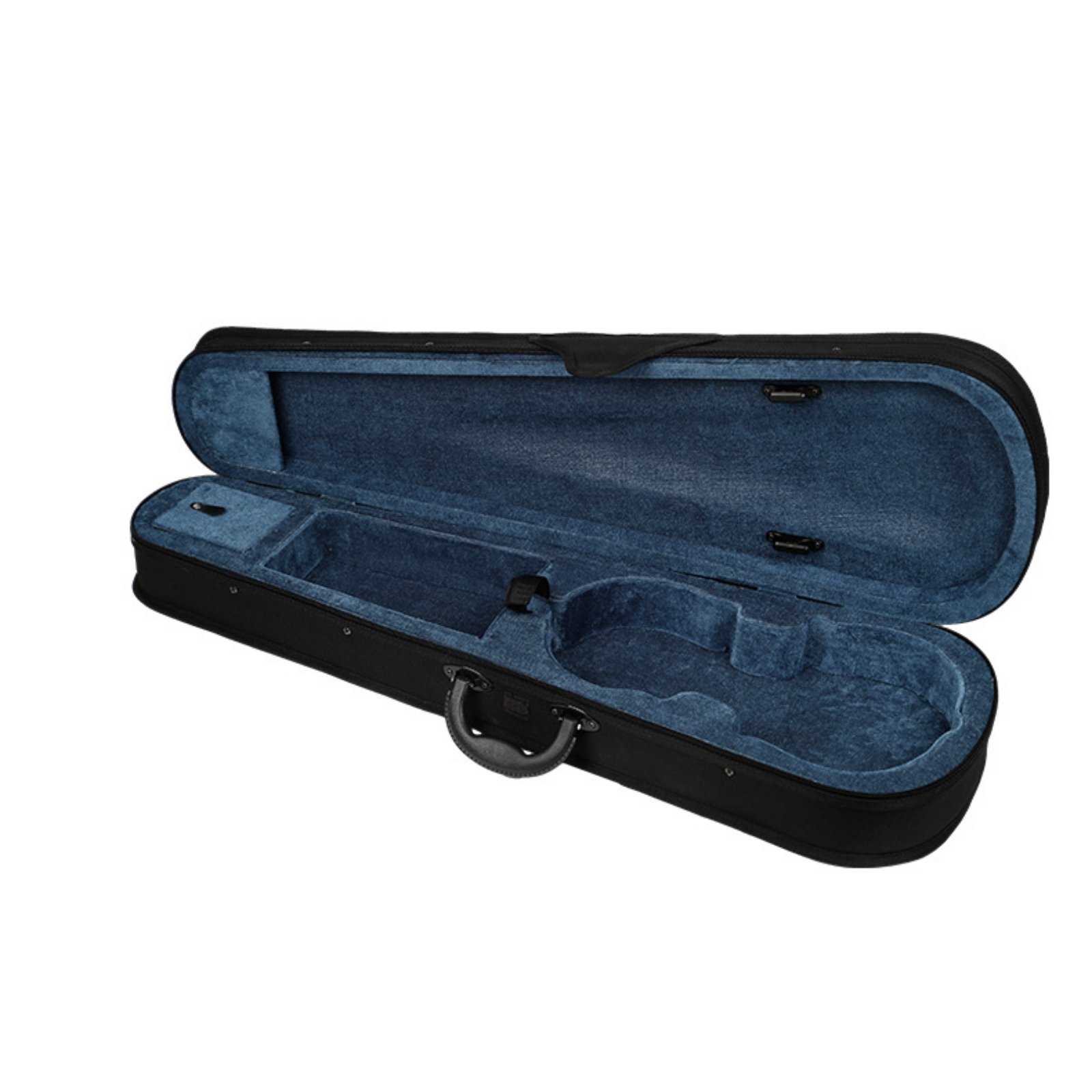
Size matching is critical. Padded Violin Case with Straps, 4/4 Violin Hard Case, Carbon Fiber Violin Case, and 4/4 Violin Case with Hygrometer are for 4/4 instruments, while Triangular Violin Case is for 3/4. A case that does not match your violin size can let the instrument shift inside or may not close properly, so always start there before comparing other features.
Protect the bow separately when the violin case does not do it well
The bow is easier to overlook than the violin, but it is also easy to damage if it rides loose or presses against other items. The safest setup is either a violin case with dedicated bow holders or a separate bow case that keeps the bow isolated from the instrument and accessories.
If your violin case already has secure bow retention, that is the simplest arrangement for lessons. Hard Violin Case with Bow Holders is built around that idea, with dedicated bow-retaining straps in the lid. That kind of setup reduces movement and keeps the bow in a predictable place when you open the case in a classroom or practice room.
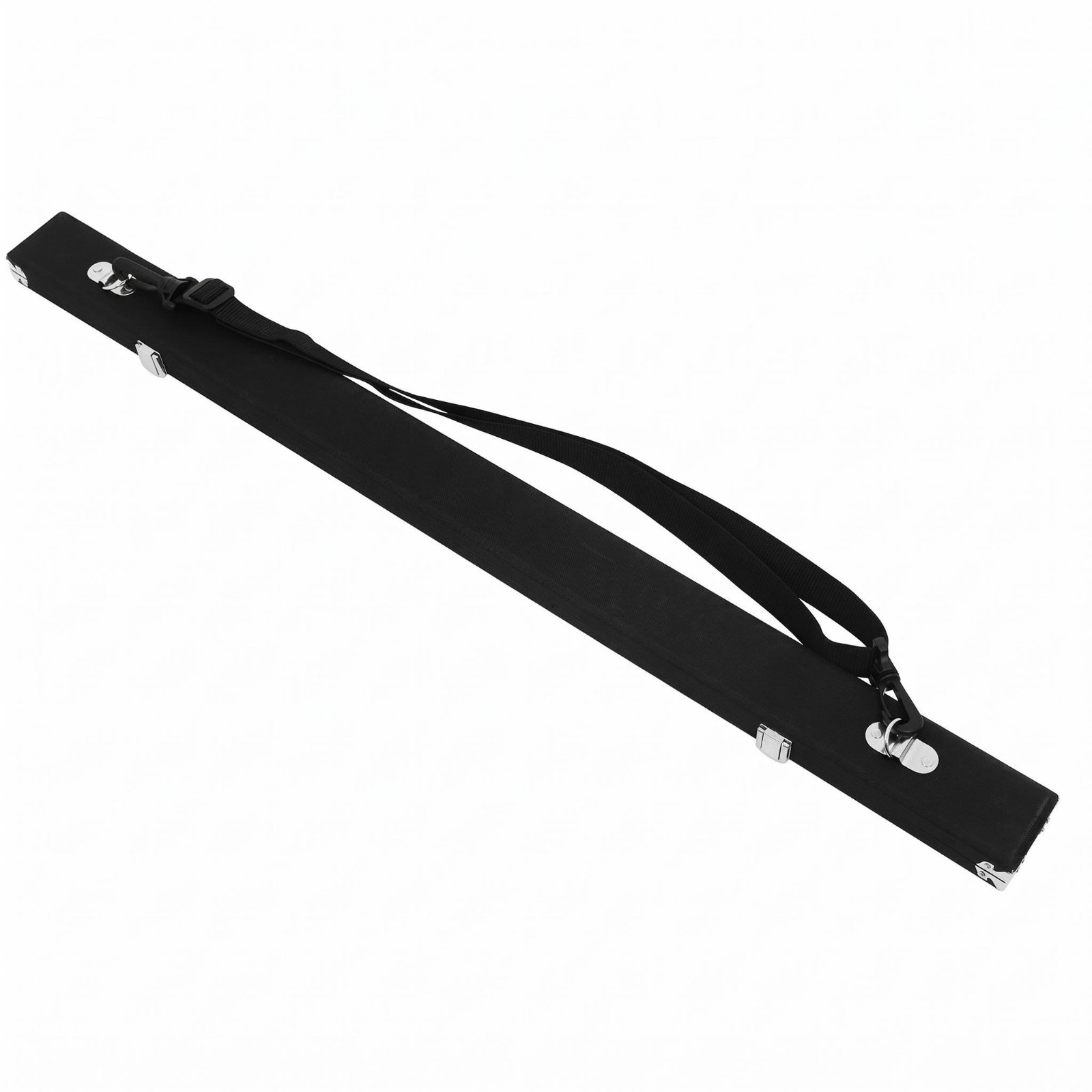
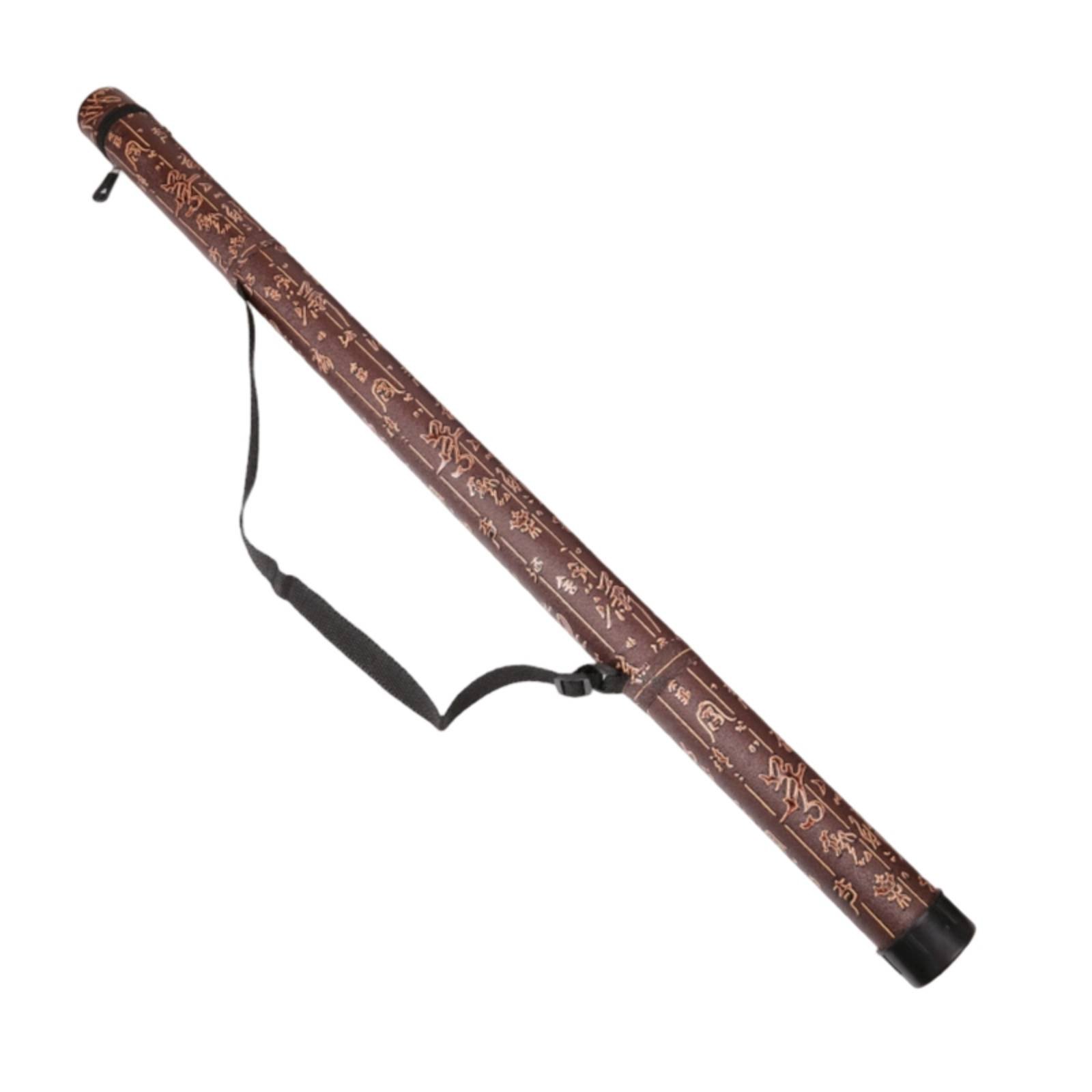
If your preferred violin case does not hold a bow, add a separate bow case. Violin Bow Case Metal Latch is a rigid bow case with a metal latch and both handle and shoulder strap carry options, which suits daily commuting and helps keep the bow separate. Waterproof Violin Bow Case is another separate option with a water-resistant outer surface, soft lining, shoulder strap, and a body measuring about 85 cm in length and 5 cm in diameter, so it is worth checking against your bow before buying.
A compact violin case can still be useful if your commute is simple and you do not mind carrying two pieces. Padded Violin Case with Straps is designed for sleek travel and measures 65 cm in length, but because it does not take a bow, it makes the most sense only when paired with a separate bow case such as Violin Bow Case Metal Latch or Waterproof Violin Bow Case.
Add soft interior protection and keep accessories organized
Once the shell and bow storage are handled, think about what touches the instrument inside the case. A soft inner layer can help protect the varnish from rubbing and can also reduce dust settling directly on the violin.
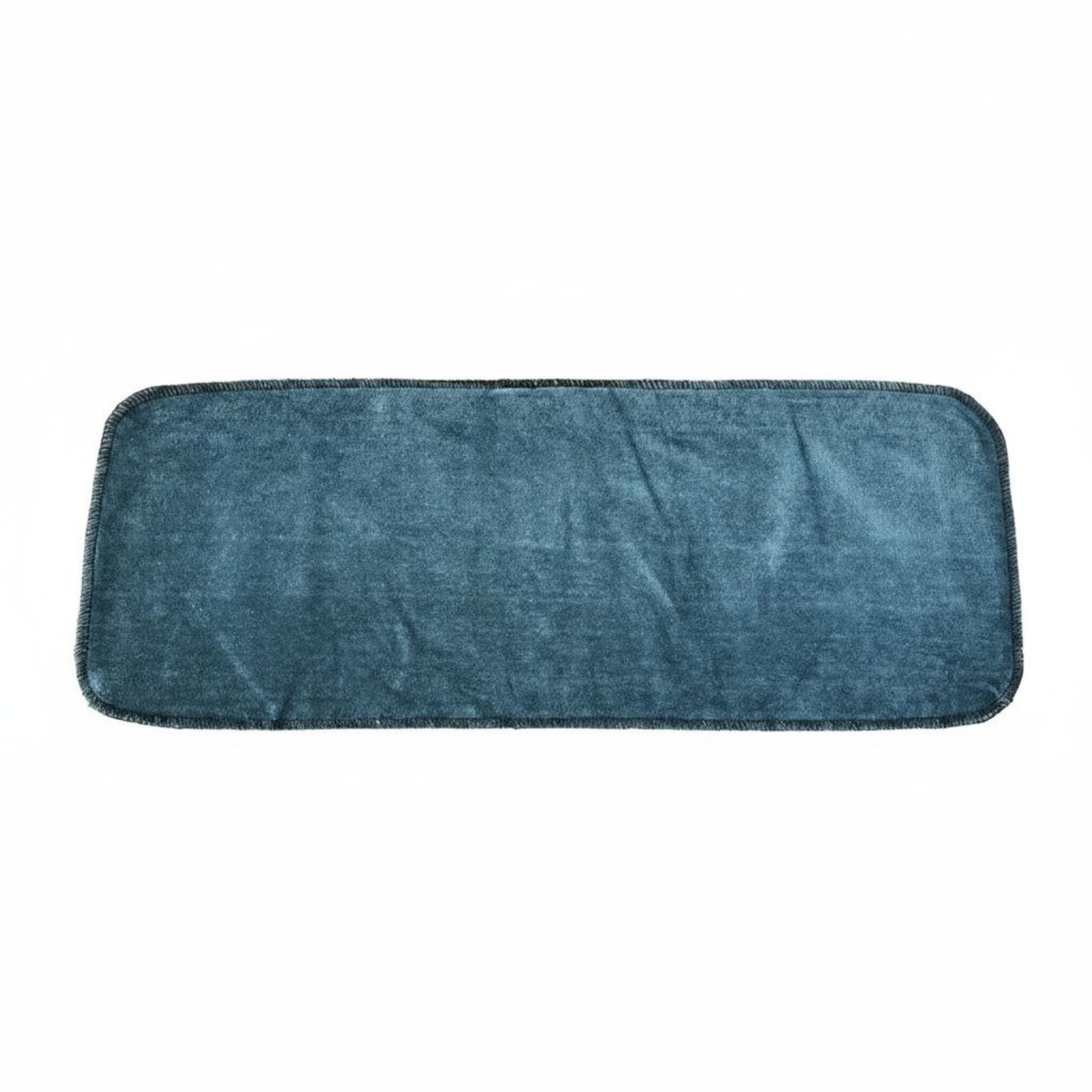
A cover cloth such as Violin Cover Cloth Velvet is meant to sit inside a hard case over the instrument. It uses a three-layer structure with velvet, sponge, and dense lining, and it is described as helping with scratch prevention, shock absorption, and blocking dust and humidity. That makes it a sensible add-on when the violin rides in a hard case every day.
Accessory organization also helps protect the instrument because loose items can shift and press against the violin or bow. Cases with shaped interiors or dedicated compartments keep gear from wandering during the trip. 4/4 Violin Case with Hygrometer has a shaped interior for stable placement, and Carbon Fiber Violin Case is described as keeping the violin organized for travel, practice, and performance.
If you carry rosin, a cloth, or small lesson items, choose a case with clear storage areas rather than dropping everything into the main compartment. That reduces contact with the violin and makes setup quicker when you arrive. The exact pocket layout is not listed for every case here, so if you carry several accessories, check interior photos and closure details before choosing.
Common mistakes to avoid when building a commuting setup
The biggest mistake is buying for appearance or shell style before confirming size and bow storage. A secure fit and practical carry method matter more in daily use than the outline of the case.
Another common mistake is assuming every violin case stores a bow. Padded Violin Case with Straps is the clearest example that this is not always true, so do not assume a violin case alone covers the full setup. If the case does not include bow storage, plan for Violin Bow Case Metal Latch or Waterproof Violin Bow Case from the start.
Some buyers also skip comfort features and then regret it on a long walk to class. Shoulder straps or backpack straps make a real difference when you are also carrying books or sheet music, so compare your routine with options like Carbon Fiber Violin Case and 4/4 Violin Case with Hygrometer.
Last, do not treat a soft interior layer as a replacement for a protective case. Violin Cover Cloth Velvet is useful inside a case, but it is not a standalone transport solution. The pieces work together: the case handles impact and carry, the bow holder or bow case protects the bow, and the cover cloth adds surface protection inside the case.
A typical kit
- 4/4 Violin Case with HygrometerMain student case for a full-size violin with shoulder straps and a built-in hygrometer for everyday commuting.
- Carbon Fiber Violin CaseHard-shell full-size case for commuters who want backpack-style carrying and firm protection from bumps and pressure.
- 4/4 Violin Hard CaseFull-size hard case with several carry options for lessons and travel when you want a rigid outer shell.
- Violin Bow Case Metal LatchSeparate bow case for setups where the main violin case does not securely store the bow.
- Waterproof Violin Bow CaseWater-resistant bow tube for carrying a bow separately when weather exposure is a concern.
- Violin Cover Cloth VelvetSoft interior cover cloth that adds scratch protection and helps keep dust off the violin inside a case.
Questions people ask
Do I need a hard violin case for commuting to lessons?
A hard or rigid-body case is usually the safer choice for commuting because daily travel brings bumps, pressure, and crowded spaces. Models like 4/4 Violin Hard Case, Carbon Fiber Violin Case, and 4/4 Violin Case with Hygrometer are all described around protective transport rather than simple storage.
Can I carry the violin and bow in one case?
Yes, if the violin case includes dedicated bow storage. Hard Violin Case with Bow Holders specifically includes bow holders, but not every case does, so check that point carefully before buying. If your preferred violin case does not hold a bow, add a separate bow case such as Violin Bow Case Metal Latch or Waterproof Violin Bow Case.
Is a separate bow case worth it for lessons?
It is worth it when your main violin case does not accommodate the bow or when you want the bow fully separated from accessories. A separate case also makes sense if you want more control over how the bow is protected during a busy commute. For example, Violin Bow Case Metal Latch offers a rigid structure and latch, while Waterproof Violin Bow Case adds a water-resistant outer surface.
What does a violin cover cloth actually do?
A cover cloth sits inside the case over the violin and adds a soft contact layer. Violin Cover Cloth Velvet is described as helping defend the varnish from scratches while also blocking dust and humidity. It is an accessory, not a replacement for the case itself, so it works best as part of a full carrying setup.
How do I know if a case will fit my violin?
Match the case size to your instrument size first. 4/4 Violin Case with Hygrometer, 4/4 Violin Hard Case, and Carbon Fiber Violin Case are for 4/4 instruments, while Triangular Violin Case is for 3/4. If your violin is not the same size as the case, keep looking rather than trying to make it work.
Shop the list
Everything mentioned above
Prices and delivery windows are live from our catalog.
4/4 Violin Case with Hygrometer
Carbon Fiber Violin Case – 4-4 Yellow
4/4 Violin Hard Case
Violin Bow Case Metal Latch
Waterproof Violin Bow Case
Violin Cover Cloth Velvet
Padded Violin Case with Straps
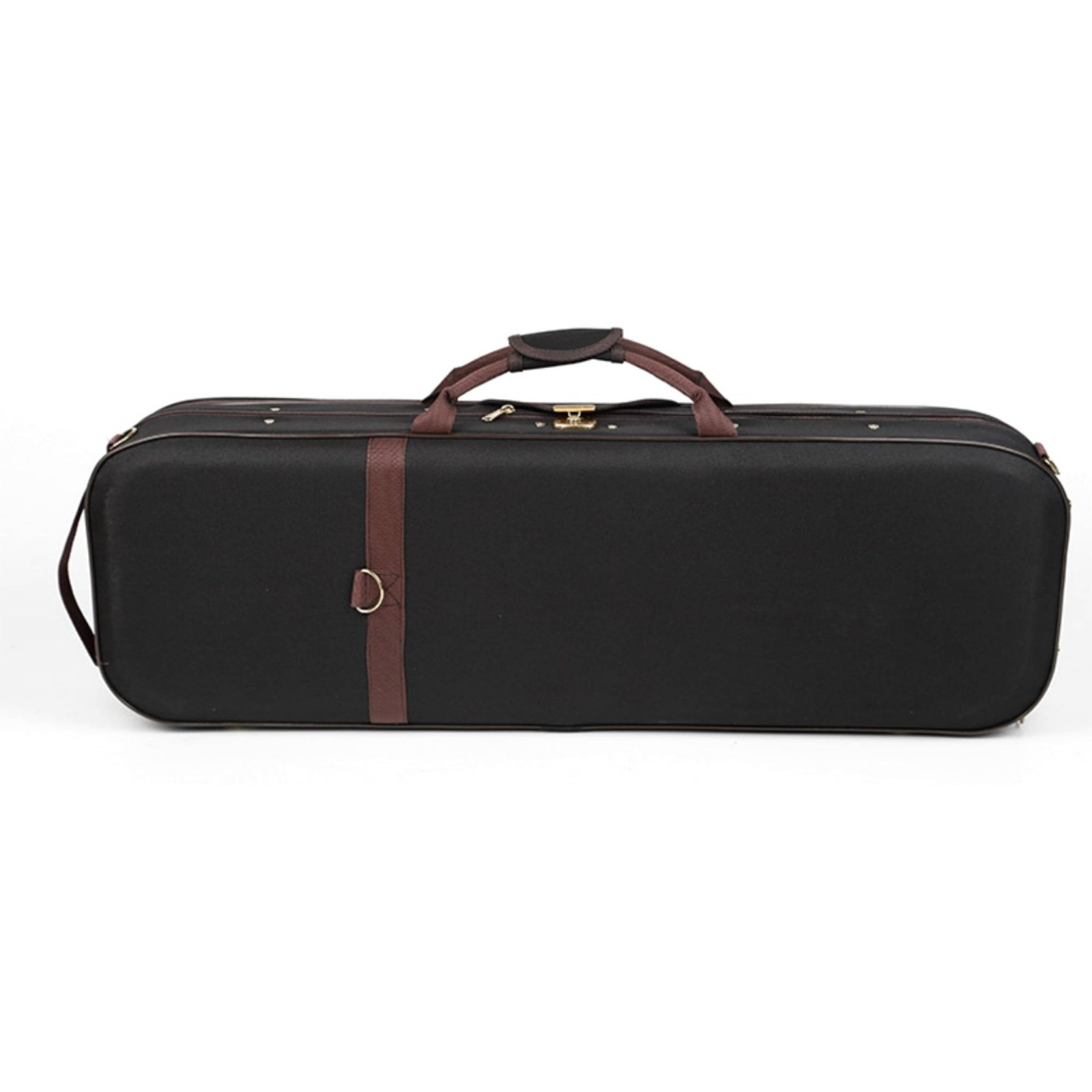
Hard Violin Case with Bow Holders