Buying guide · Music & Luthier
What parts and tools do I need to repair violin pegs, chin rests, and other fittings?
Short answer
For most fitting repairs, you need a small set of dedicated tools for peg holes and chinrest hardware, plus the actual replacement fittings that match the job. Start by identifying whether you are correcting fit, replacing worn parts, or upgrading the tuning system, then choose only the tools and parts that directly serve that repair.
Choose tools by the repair you are actually doing
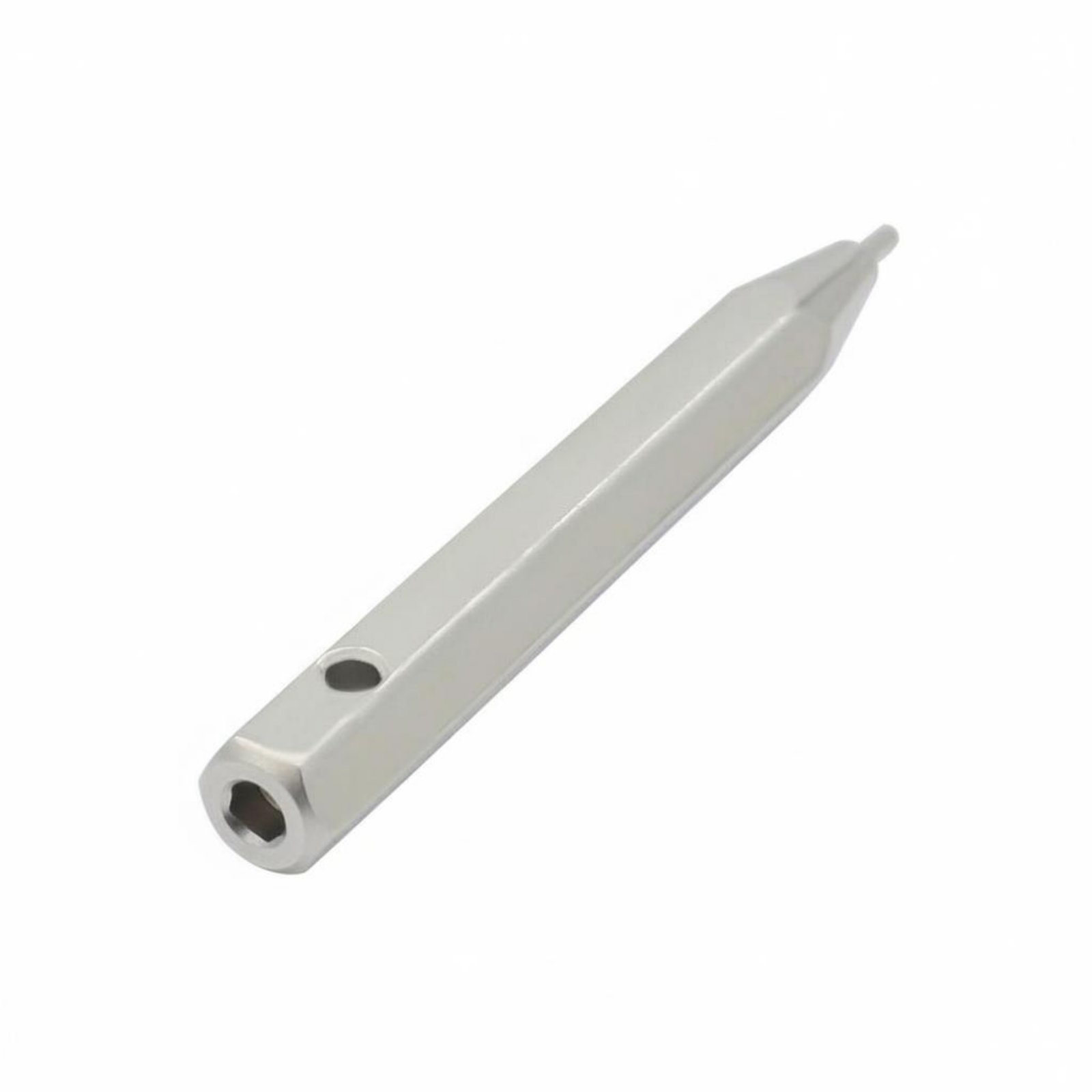
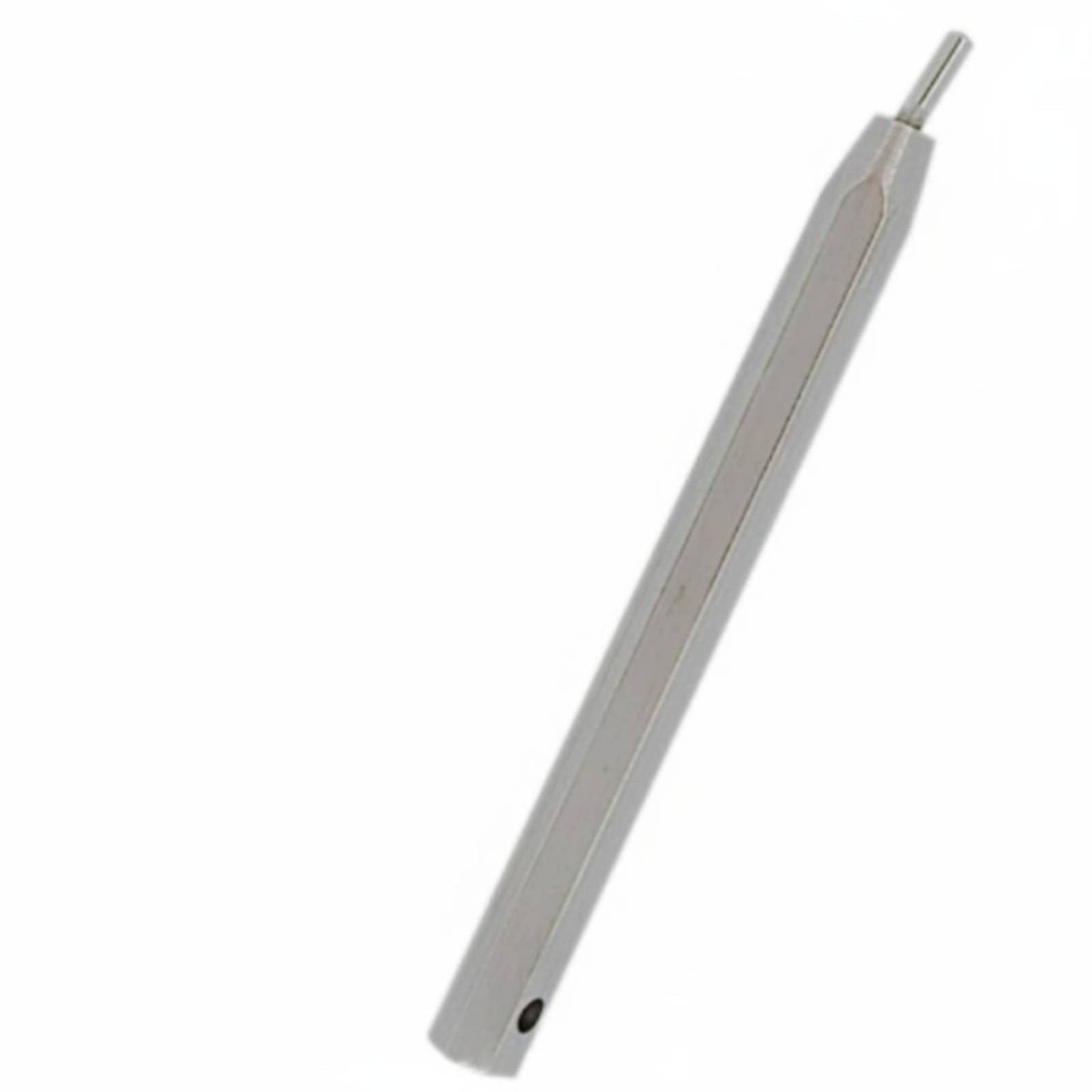
The first step is to separate hardware adjustment from wood-fitting work. If a chinrest is loose, crooked, or being replaced, use a chinrest wrench made for the clamp barrels instead of improvised pliers or a screwdriver. A tool such as Violin Chin Rest Wrench is meant for loosening and tightening chin rest screws in tight areas, while Violin Chinrest Wrench is another dedicated chinrest screw key for routine setup work on violin and viola fittings.
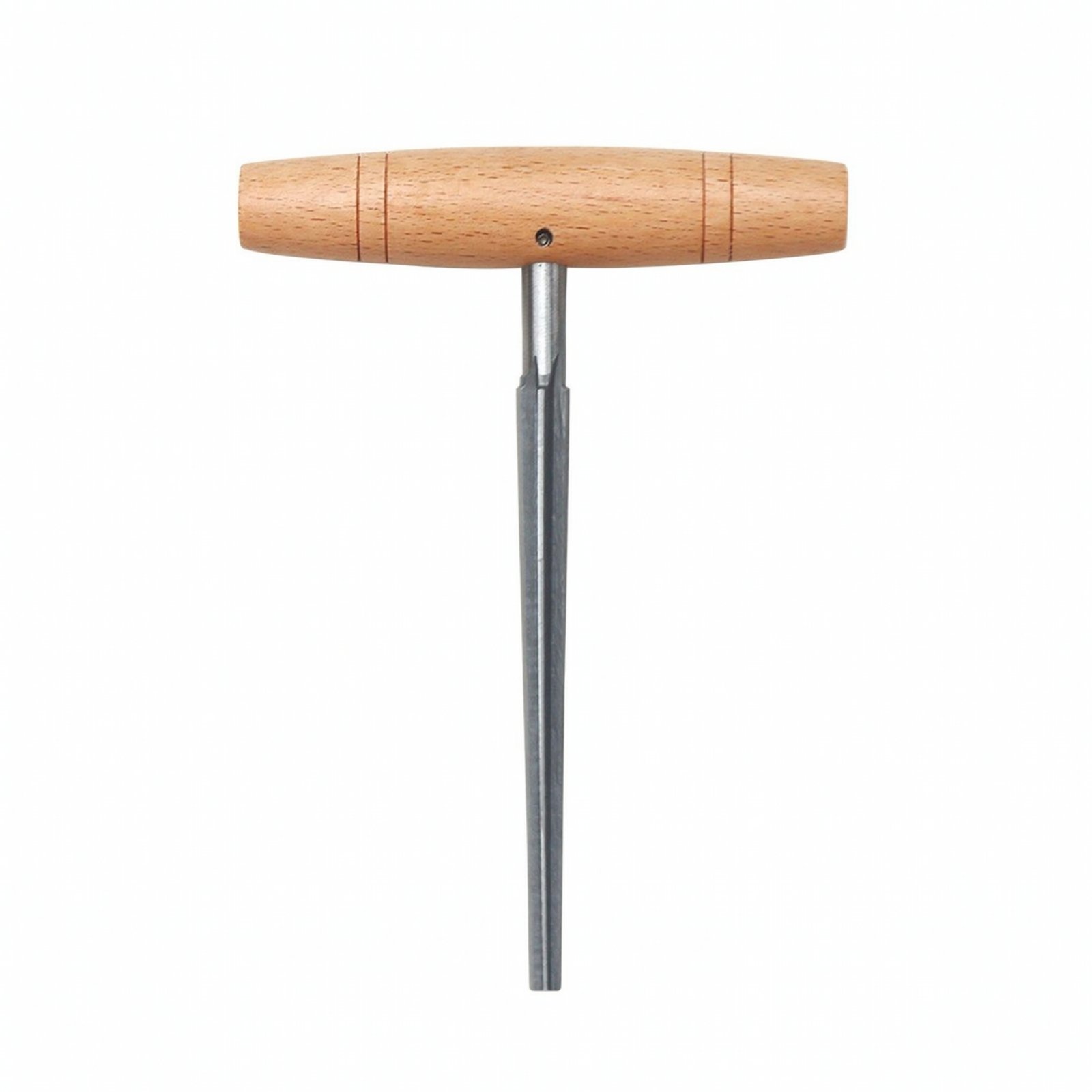
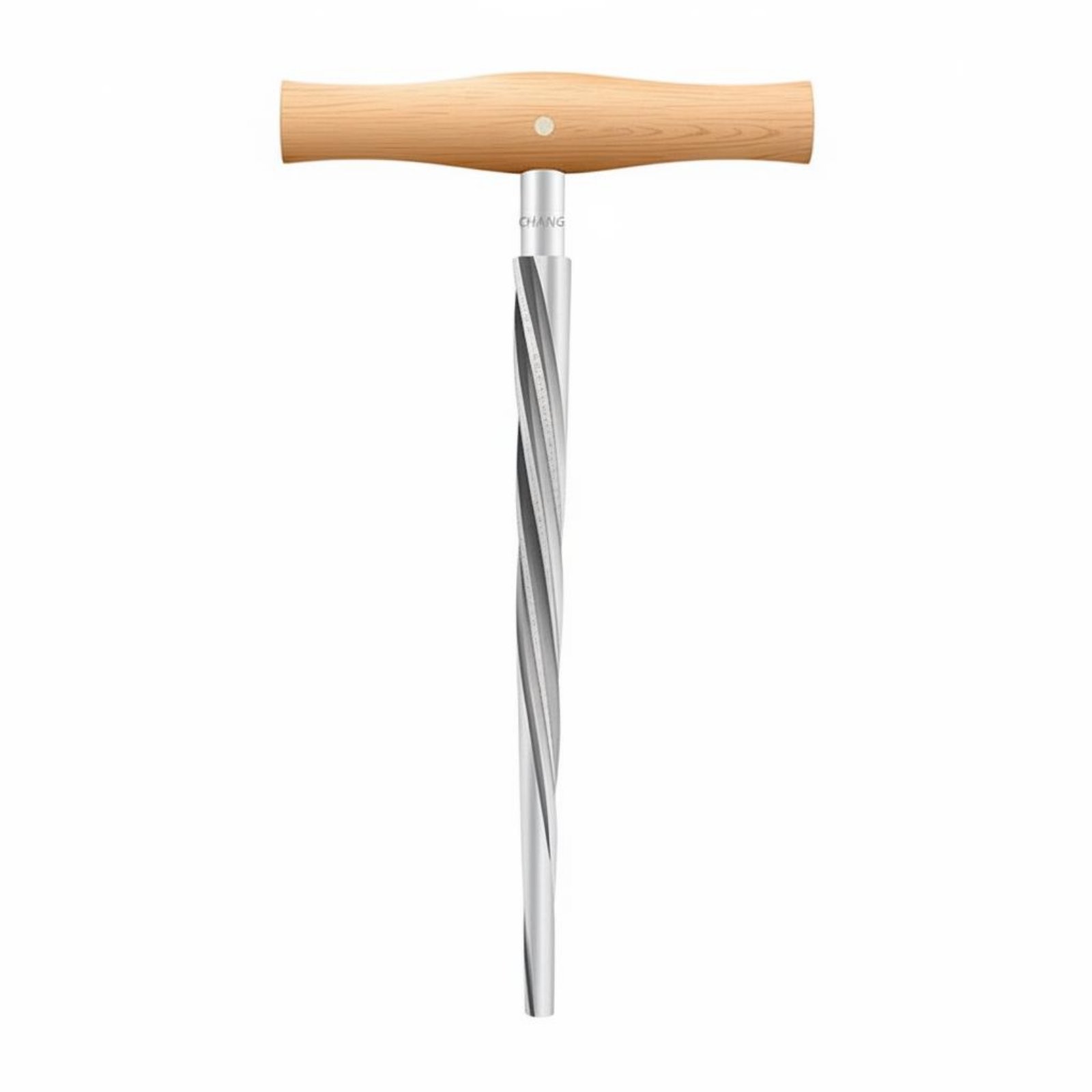
For peg problems, think about whether the issue is the peg itself or the hole it rides in. If the peg slips, binds, or turns unevenly because the hole is worn or no longer matched to the peg, a reaming tool is the normal workshop choice. Violin Peg Hole Reamer is a manual peg hole reamer for cleaning and shaping fine openings such as peg holes, and High-Speed Steel Peg Hole Reamer is an adjustable peg hole taper tool with a stated violin taper range of 1/4-1/2 for tapering peg holes.
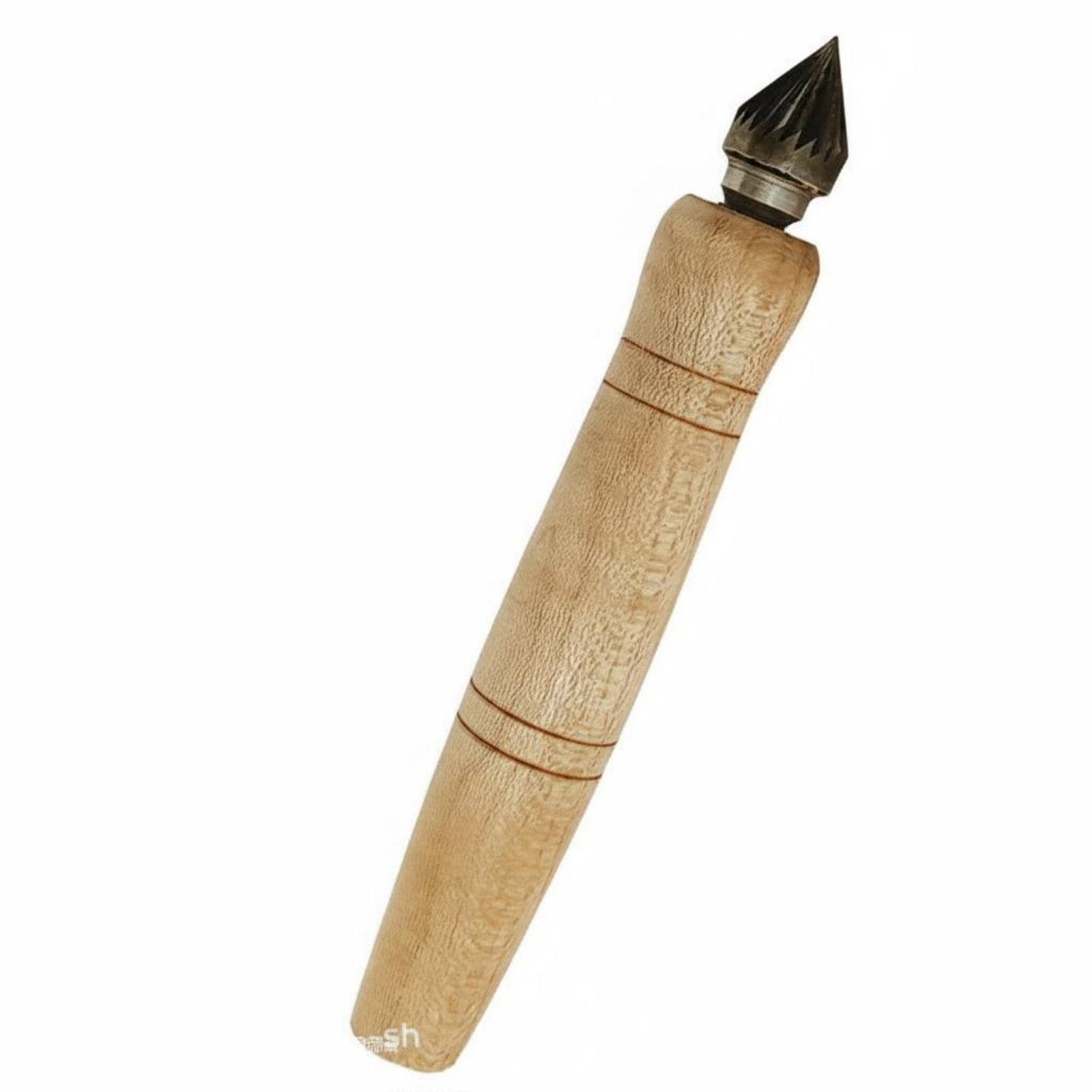
Some jobs also need edge finishing rather than major reshaping. If a tailpiece or peg hole has rough edges after fitting, a countersink-style tool can help clean the rim so parts seat more neatly. Violin Tailpiece Countersink Tool is intended for shaping and chamfering peg and tailpiece holes, so it fits that finishing role rather than the main reaming step.
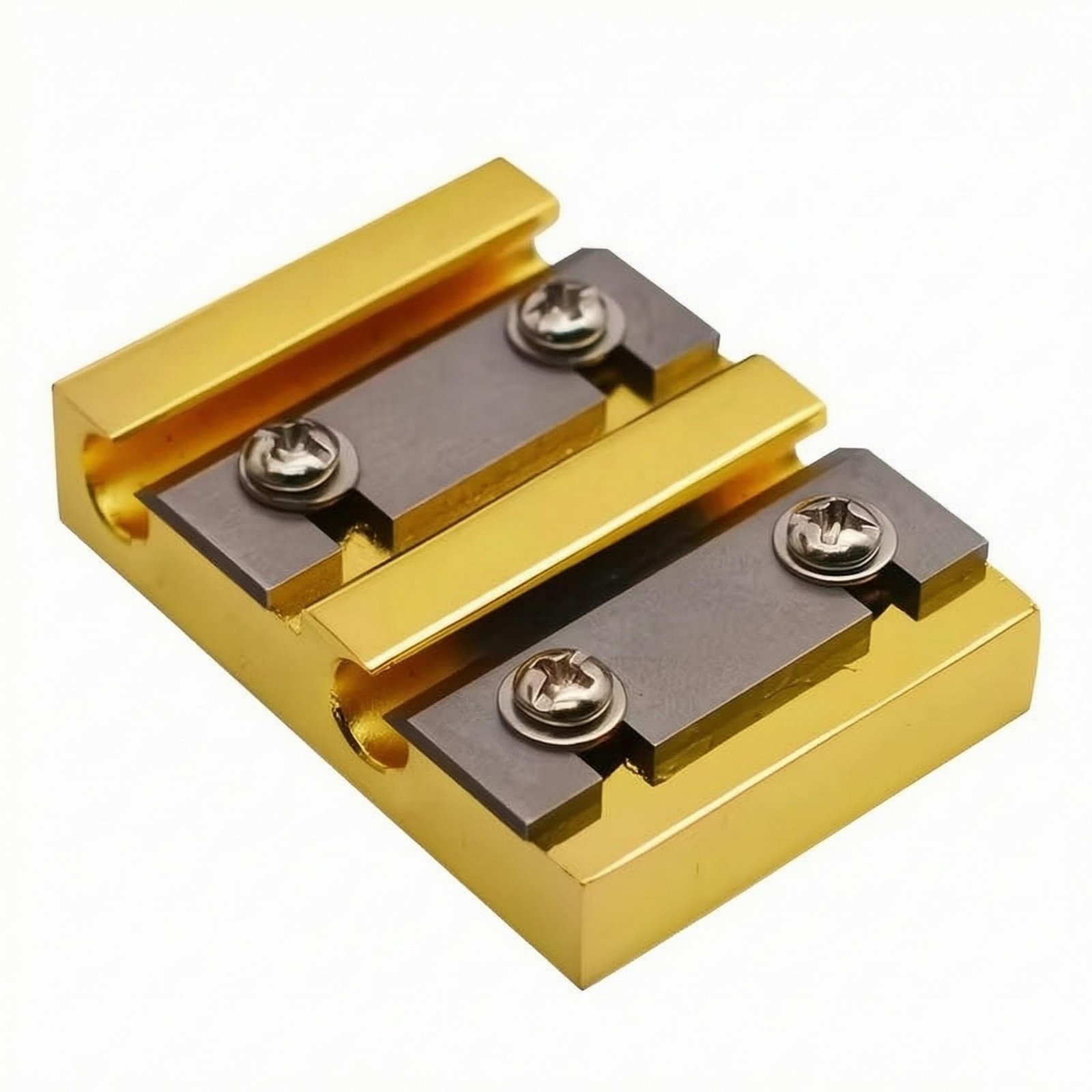
If you want a holding aid during peg maintenance, Violin Peg Repair Tool is built to support peg repair and controlled handling on 3/4/full-size/4 violins. That kind of support tool can make routine adjustments easier to manage, but it does not replace the need for the actual cutting or replacement tools when a hole or fitting is worn.
Pick replacement parts that match the symptom
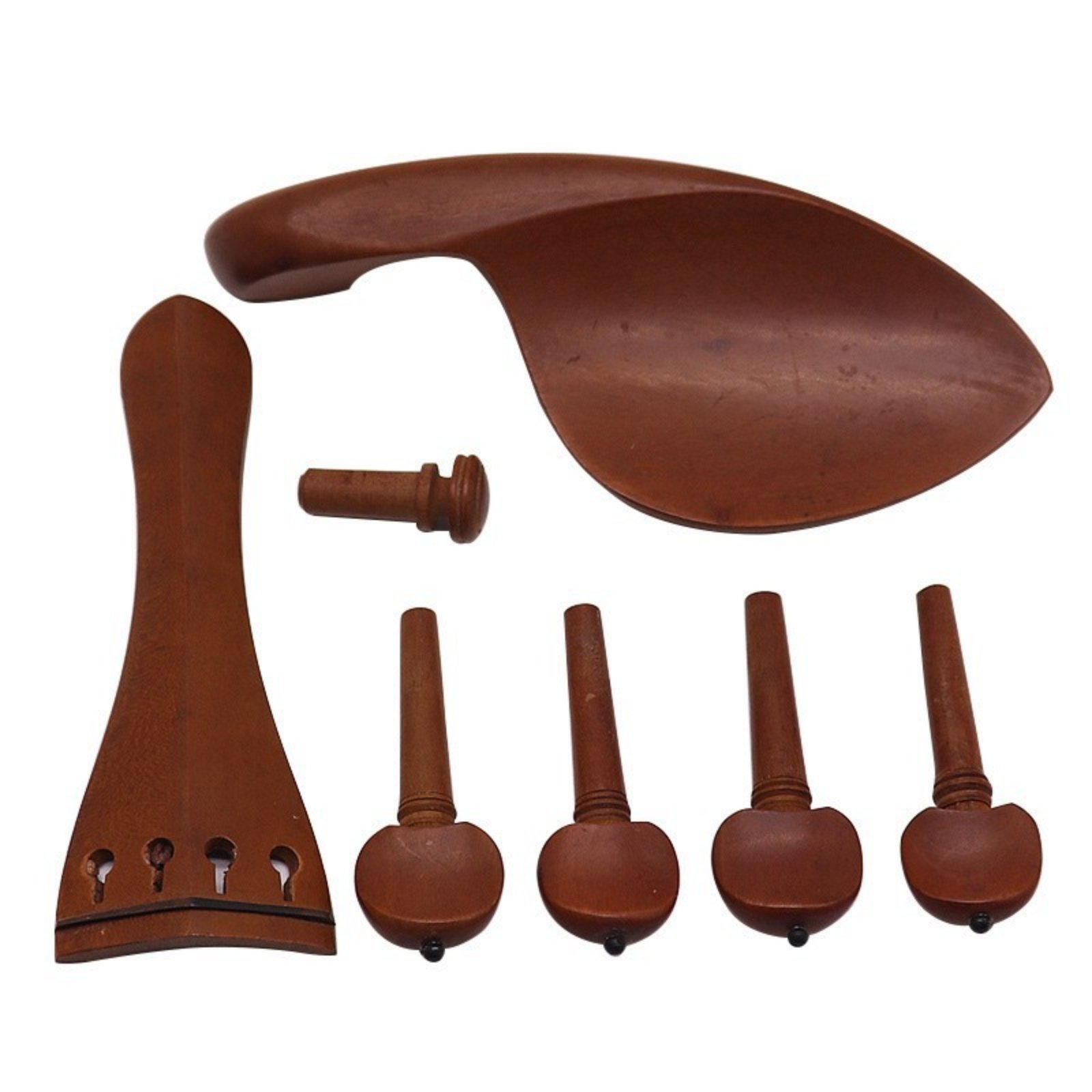
When the original fitting is cracked, stripped, missing, or simply not worth reworking, replacement parts make more sense than trying to save damaged hardware. For a traditional parts swap, Rosewood Violin Fitting Set gives you a coordinated set with a chinrest, tailpiece, four tuning pegs, and an endpin-style fitting, which is useful when several visible fittings need replacement together.
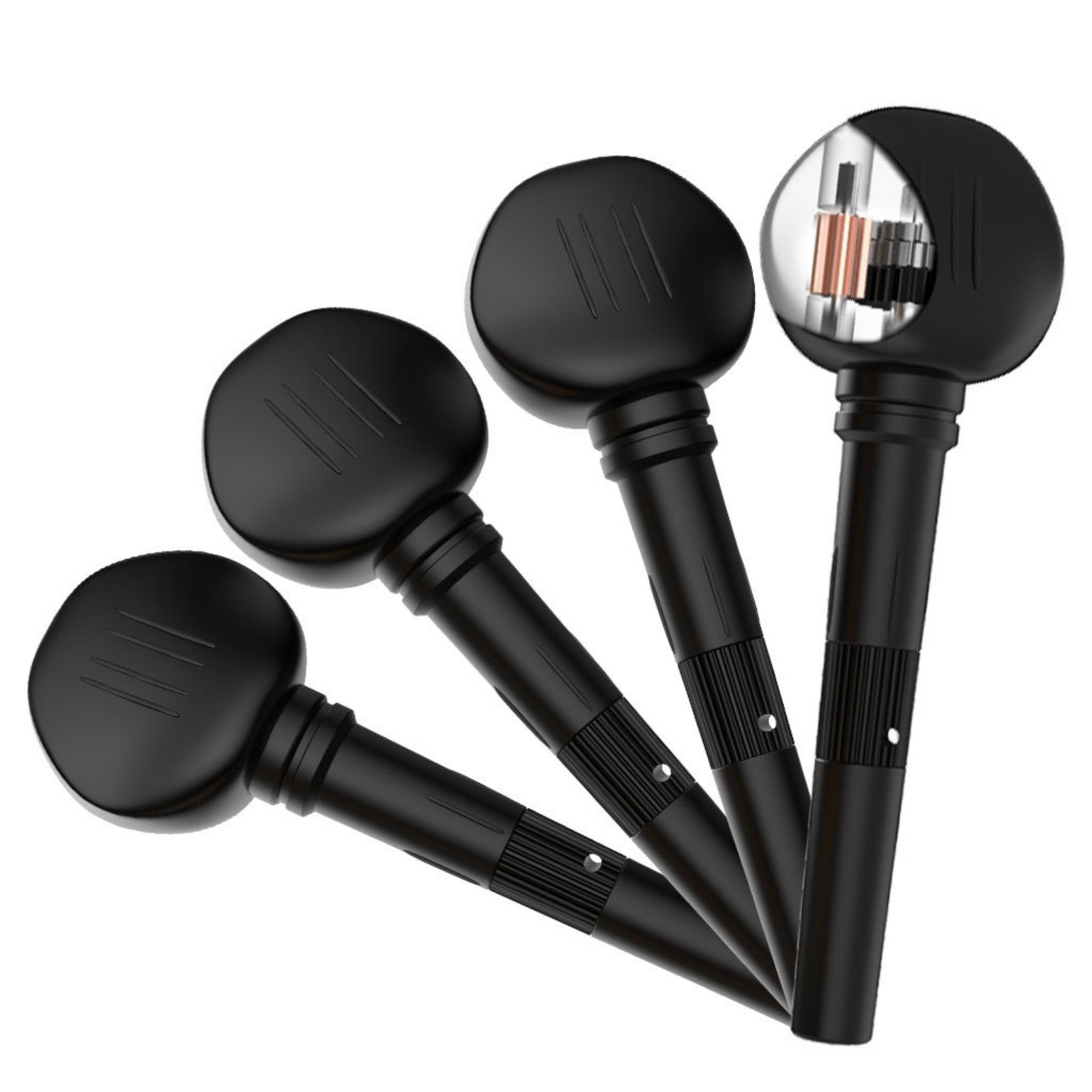
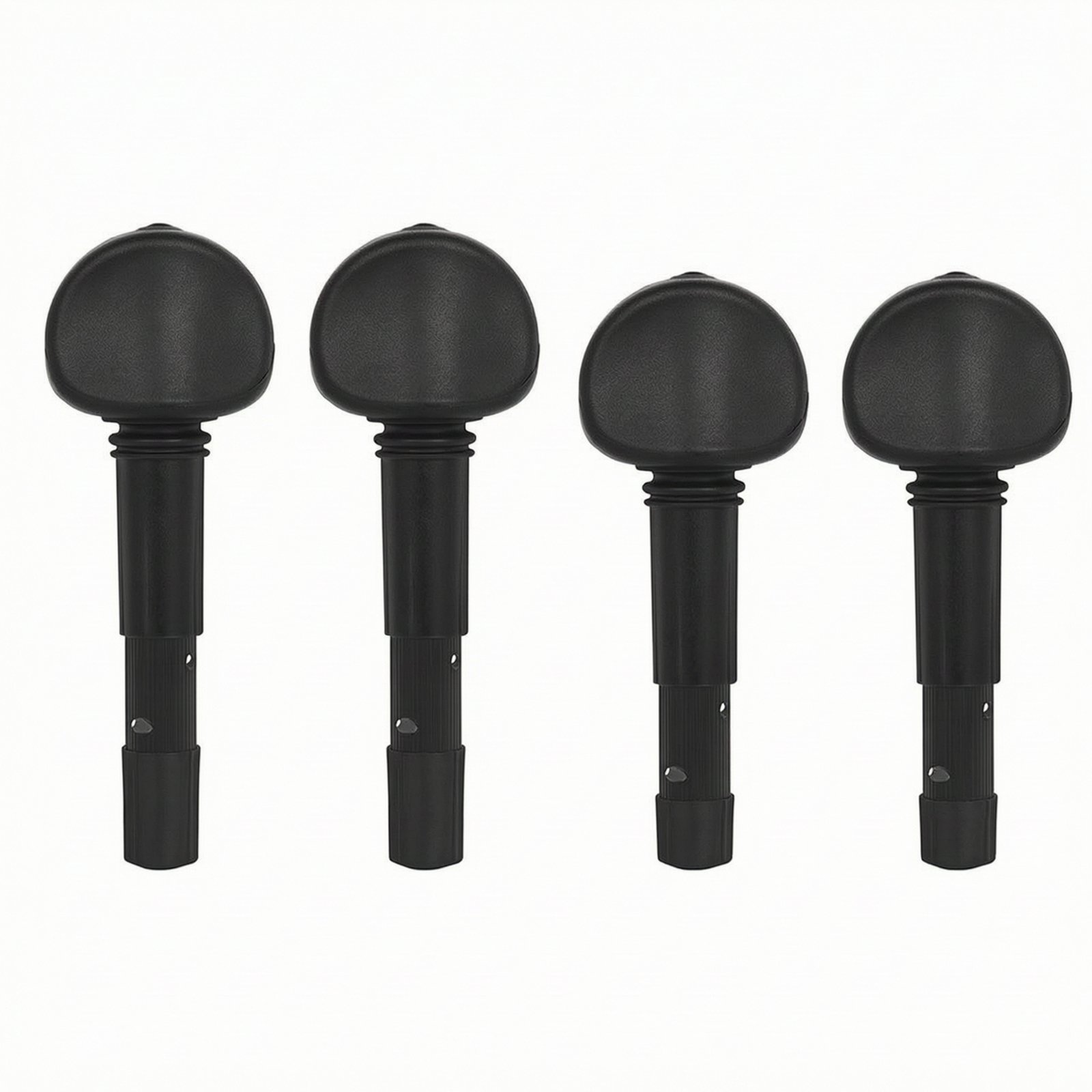
If the problem is mostly tuning behavior, mechanical pegs can be a practical alternative to standard friction pegs. 4 Pieces Mechanical Violin Tuning Peg is a set of 4/4 mechanical violin tuning pegs with an internal geared mechanism and pitch locking function, while 4 Pieces Mechanical Violin Peg Rounded Grip Head is another set of 4 pieces mechanical violin pegs for 4-4 use with a built-in adjustment mechanism. These are replacement parts, not repair tools, so they are chosen when the goal is easier tuning and more stable operation rather than preserving the original peg setup.
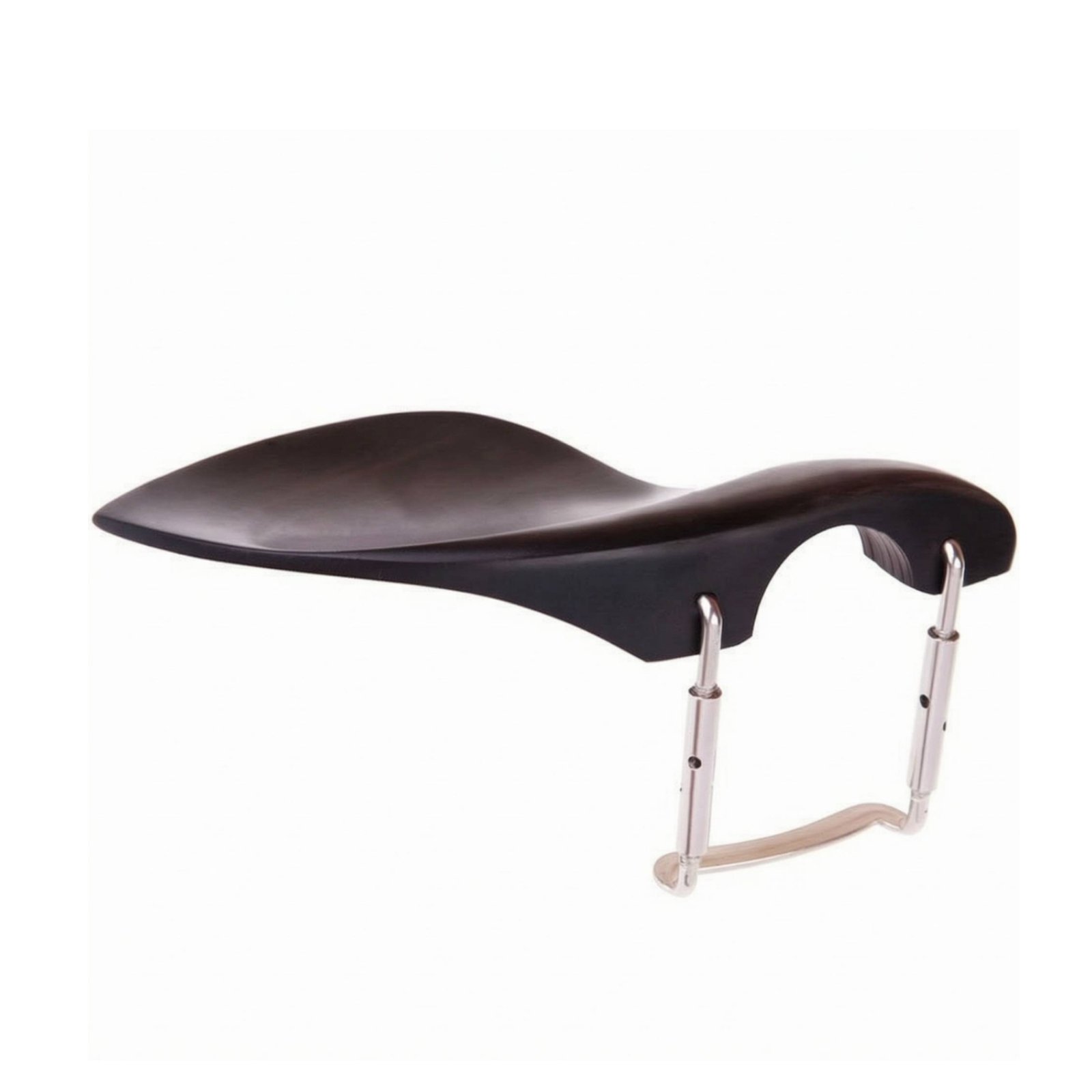
For chinrest replacement, choose a part that clearly includes mounting hardware if your old clamps or screws are damaged or missing. Ebony Violin Chin Rest is a violin chin rest with metal mounting brackets and adjustment screws, so it is useful when the rest itself is worn or the current hardware no longer holds reliably.
Think in systems rather than isolated parts. A new chinrest can still need a proper wrench for installation, and a new set of pegs may still require careful hole fitting by a reamer if the pegbox openings are not ready for the replacement parts.
How the pieces work together in a repair
A simple chinrest repair is usually the most straightforward. The chinrest part clamps to the violin with metal hardware, and the wrench is the tool that turns that hardware without forcing it from the side. In practice, a replacement like Ebony Violin Chin Rest and a dedicated key such as Violin Chin Rest Wrench are the natural pair for a chinrest job.
Peg work is a sequence. The hole is evaluated first, then shaped if needed, then the peg is fitted or replaced, and finally the action is checked for smooth turning and stable holding. Violin Peg Hole Reamer or High-Speed Steel Peg Hole Reamer handle the hole-shaping stage, while a replacement set like 4 Pieces Mechanical Violin Tuning Peg or 4 Pieces Mechanical Violin Peg Rounded Grip Head handles the final tuning function.
Some repairs cross over into related fittings. A tailpiece hole or peg hole that has rough edges may benefit from careful finishing with Violin Tailpiece Countersink Tool after the main fitting work is done. If several exterior fittings are worn at the same time, Rosewood Violin Fitting Set can refresh the visible hardware together so the chinrest, tailpiece, and pegs are replaced as a coordinated set.
If you are unsure whether the existing part is repairable, inspect for stripped threads, cracks, bent metal, or a hole that no longer supports stable seating. When the root problem is unclear, it is safer to identify the failed part first instead of buying every tool at once.
Common mistakes to avoid
A very common mistake is using household tools on chinrest clamps. They can slip, mar the hardware, and put side pressure where you need controlled turning. A proper key like Violin Chinrest Wrench is made for this task and is far safer than improvising.
Another mistake is treating every bad peg as a peg replacement problem. If the peg hole is worn, out of round, or no longer matched to the taper, a new peg alone may still bind or slip. That is why reamers such as Violin Peg Hole Reamer and High-Speed Steel Peg Hole Reamer matter: they address the fit between peg and pegbox rather than only the visible part.
Do not assume every replacement is universal beyond what the listing states. 4 Pieces Mechanical Violin Tuning Peg is specifically described for 4/4 violins, and 4 Pieces Mechanical Violin Peg Rounded Grip Head is also listed for 4-4, so you should confirm your instrument size before ordering mechanical pegs. For tools where fit details are not fully stated, check your instrument type and the taper standard you need before cutting any wood.
Finally, avoid over-cutting. Reaming and countersinking remove material, and you cannot put that wood back. Make small, controlled adjustments, test fit often, and stop once the part works smoothly and seats correctly.
A typical kit
- Violin Chin Rest WrenchUse this to loosen or tighten chinrest screws without improvising with the wrong hand tool.
- Violin Peg Hole ReamerThis is the core hand tool for cleaning and shaping peg holes during peg fitting work.
- High-Speed Steel Peg Hole ReamerChoose this when you need a taper reamer specifically for adjusting peg hole taper.
- Violin Tailpiece Countersink ToolThis handles chamfering and deburring on peg or tailpiece holes after the main fitting work.
- Ebony Violin Chin RestThis is a replacement chinrest with mounting hardware for chinrest repairs or swaps.
- 4 Pieces Mechanical Violin Tuning PegUse this set when you want to replace worn pegs with mechanical pegs on a 4/4 violin.
Questions people ask
Do I need both a chinrest wrench and a peg reamer?
Only if you are working on both systems. A chinrest wrench handles the clamp hardware, while a peg reamer addresses the wood fit of peg holes, so they solve different problems.
Can I fix slipping pegs just by installing new pegs?
Sometimes, but not always. If the peg holes are worn or mismatched, the new pegs may still not seat correctly, so the holes may need careful reaming before replacement pegs work as intended.
What is the difference between a reamer and a countersink tool?
A reamer shapes and refines the peg hole itself so the peg can fit and turn correctly. A countersink tool is more for edge finishing, chamfering, and deburring around a hole rather than establishing the main fit.
When should I replace the whole fitting set instead of one part?
A full set makes sense when several visible fittings are worn, mismatched, or being restored together. If only one item has failed, replacing just that part is usually the simpler path.
Are mechanical pegs a repair part or an upgrade?
They can be either. They replace existing pegs, but many buyers choose them specifically to reduce slipping and make tuning easier than with traditional friction pegs.
Shop the list
Everything mentioned above
Prices and delivery windows are live from our catalog.
Violin Chin Rest Wrench
Violin Chinrest Wrench
Violin Peg Hole Reamer
High-Speed Steel Peg Hole Reamer
Violin Tailpiece Countersink Tool
Violin Peg Repair Tool
Rosewood Violin Fitting Set
Ebony Violin Chin Rest – 4 4
4 Pieces Mechanical Violin Tuning Peg – Black