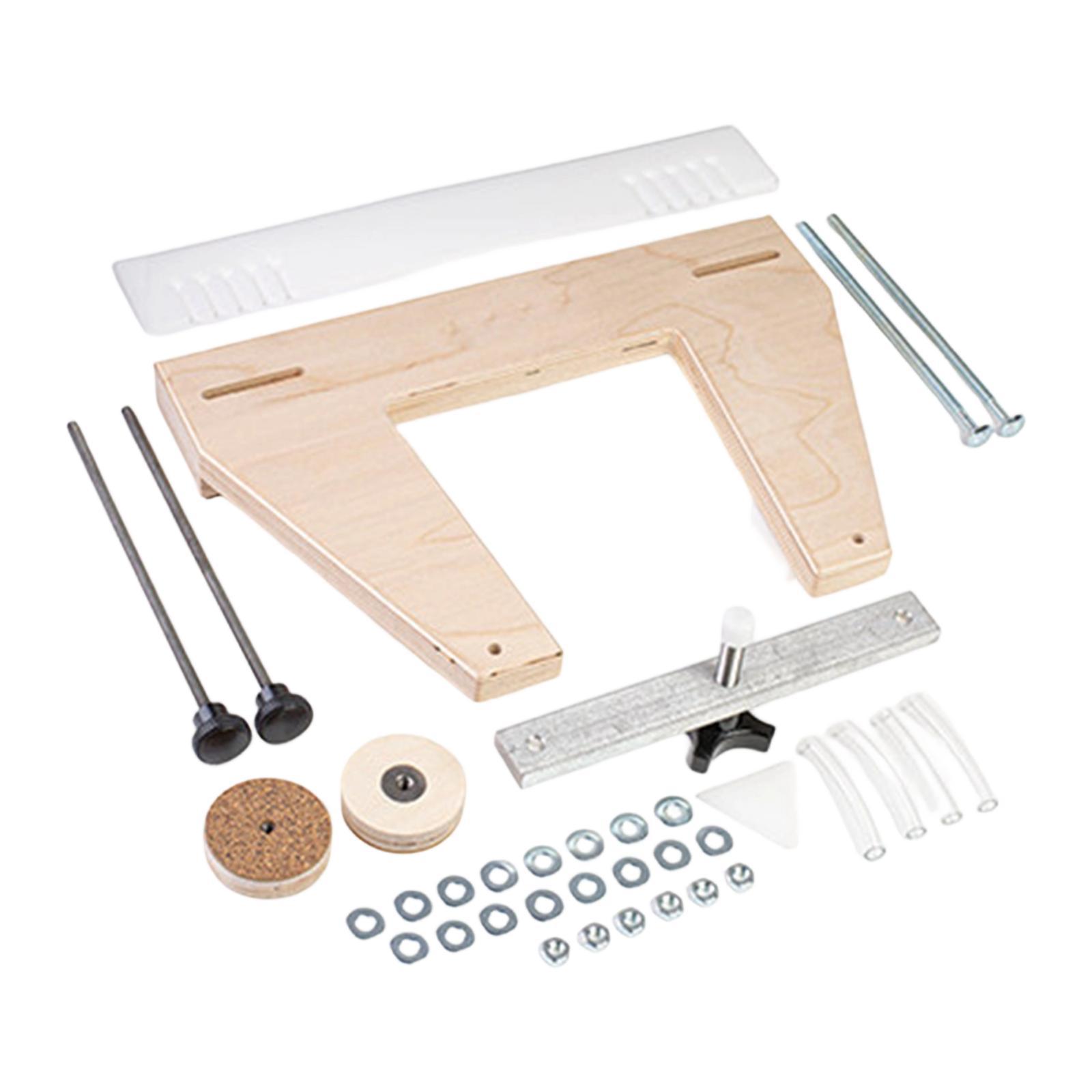
Buying guide · Music & Luthier
Tools needed for a guitar neck removal or neck reset job
Short answer
For a guitar neck removal or neck reset job, you mainly need a stable neck removal jig or jack that lets you hold the guitar securely, apply controlled pressure, and protect the finish while the joint is separated and aligned. A complete reset setup usually combines the main removal jig with a support or angle jig for shaping and checking fit, so the neck comes off cleanly and goes back on in the right position.
What tools matter most
The core tool for this job is a neck removal jig or jack. Its job is to support the body and neck, keep everything aligned, and let you add pressure slowly instead of twisting or prying by hand. For most buyers, that controlled support is the difference between a repair setup and a risky improvisation.
A dedicated reset jig such as Adjustable Guitar Neck Jig is useful because the listing describes adjustable threaded rods, tightening knobs, and padded contact points. Those features matter because neck work needs small alignment changes and steady pressure while the finish stays protected.
Another similar option is Acoustic Guitar Neck Removal Kit, which is described as an acoustic guitar neck removal kit with adjustable clamping and alignment support. That makes sense when you want to stabilize both neck and body during setup, joint inspection, and the reset process rather than only pushing the neck free.
If you want the simplest single-purpose tool, Guitar Neck Removal Jack is a neck removal jack with adjustable metal rods, a rigid bracing structure, and cushioning pads. That style is a good fit when your main need is leverage and support for careful neck separation rather than a broader bench setup.
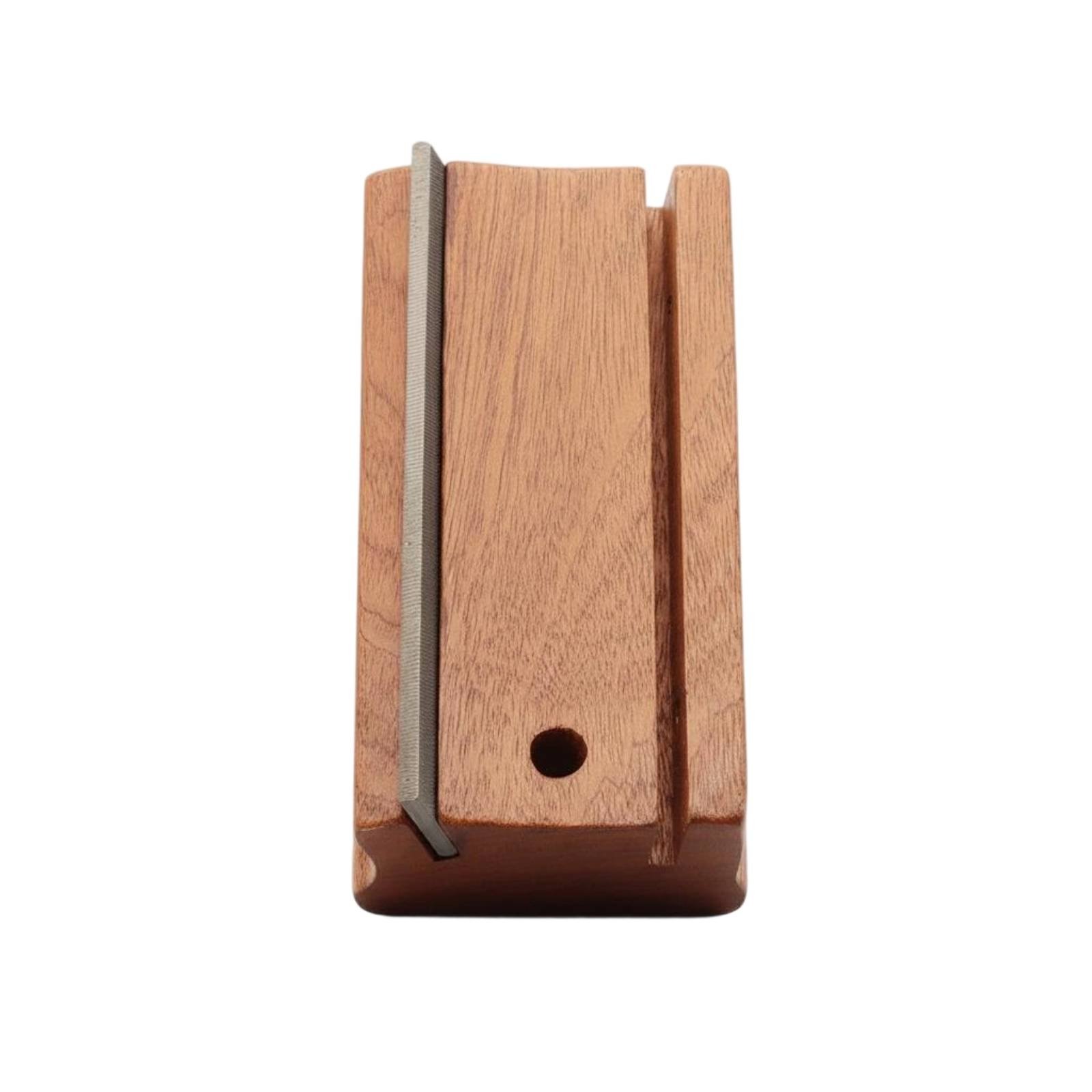
A support jig can also help after removal. 35° Guitar Neck Jig is a wood neck jig meant for filing and shaping tasks, so it is more useful for follow-up fitting work than for pulling a neck by itself.
How the pieces work together in a reset job
A neck reset is not only about getting the neck off. You also need to hold the instrument safely while the joint is examined, keep the neck and body from shifting, and then support any cleanup or fitting work before the neck is put back into position.
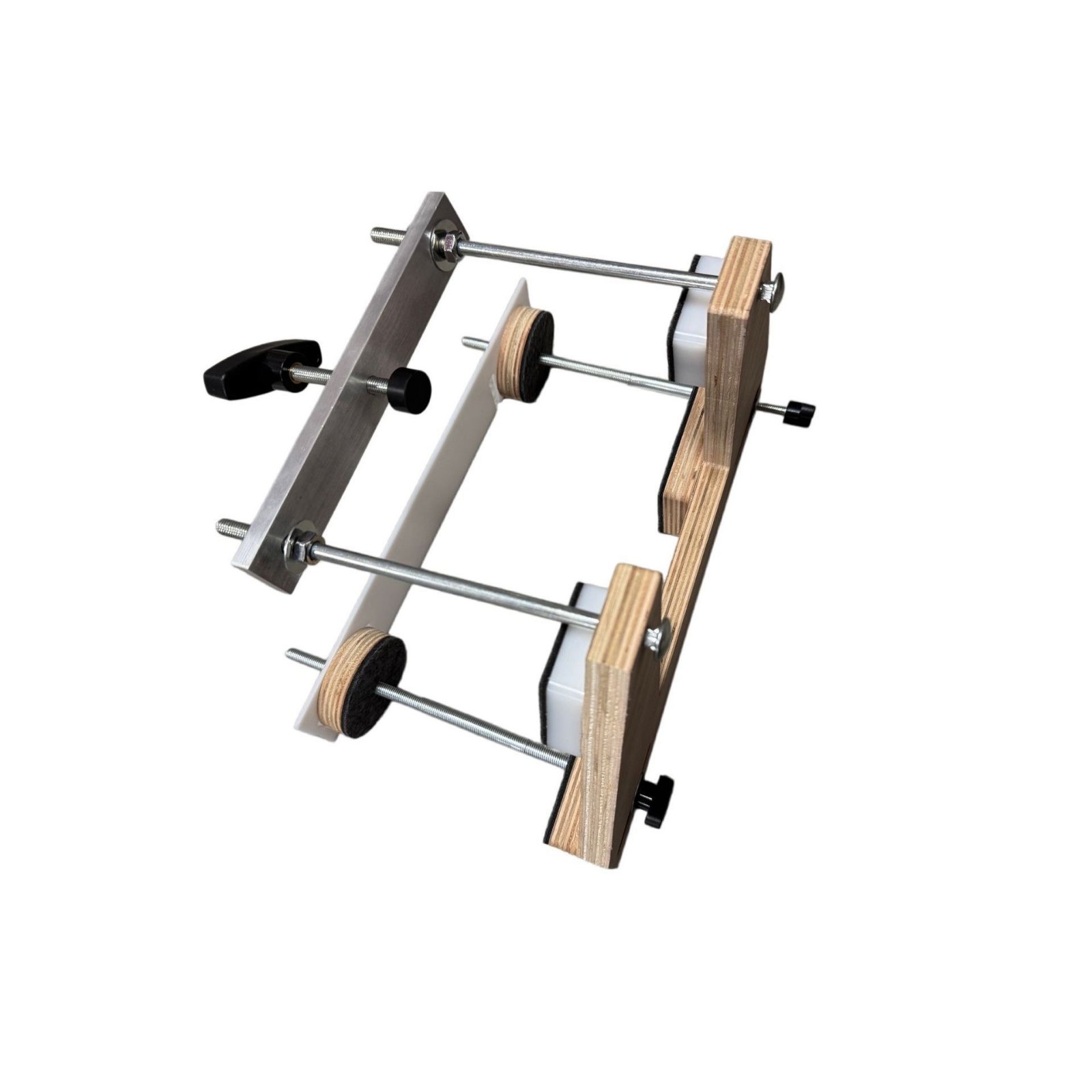
A typical workflow starts with a main jack or reset jig like Guitar Neck Reset Tool Kit or Adjustable Guitar Neck Jig. These tools are described as adjustable assemblies with rods, knobs, and padded or protected contact areas, so they are the parts that create a stable working setup and controlled pressure at the neck joint.
Once the neck is free, a support block or angle jig like 35° Guitar Neck Jig helps with controlled filing and shaping. The listing says it is designed for 35° angle work in a 2 in 1 layout, which tells you it is intended as a guiding support for bench tasks rather than as the main removal device.
Some buyers prefer a bundled starting point such as Guitar Neck Removal Tool Kit. The listing identifies it as a guitar neck removal tool kit but does not spell out the exact pieces, so it can be a convenient option only if the product description shows the clamps, supports, and contact surfaces you expect for your repair plan.
In practical terms, the removal jack handles force, the alignment jig handles positioning, and the angle or filing support handles fit and cleanup. Using each tool for its specific step lowers the chance of chipped finish, uneven pressure, or a neck that goes back on at the wrong angle.
How to choose the right setup
Choose based on the stage of work you actually need to do. If you only need controlled separation, focus on a dedicated removal jack with adjustable rods and padded contact points. If you plan to remove, inspect, and realign the neck on the bench, a fuller jig with more positioning control is usually the better match.
Look for adjustability first. Acoustic Guitar Neck Removal Kit and Guitar Neck Reset Tool Kit both describe threaded rods and hand-adjusted or sturdy knobs, which is what lets you make small pressure changes instead of forcing the joint. That matters because neck joints can release unevenly, and you want control at every step.
Look for finish protection next. Adjustable Guitar Neck Jig mentions white interface blocks and padded contact surfaces, while Guitar Neck Removal Jack mentions cushioning touch pads. Those details are important because the tool should brace the instrument without marking the surface while pressure is applied.
Then check whether you need a bench aid for fitting. 35° Guitar Neck Jig is not a substitute for a removal jack, but it does help when the job moves to filing, shaping, or angle-related support work.
If you are considering Guitar Neck Removal Tool Kit, pay attention to what the listing shows and whether it matches your workflow. The package size is 15 x 12 x 10 cm and the package weight is 1730 g, but those are shipping details, so you still need to confirm what actual repair components are included.
Common mistakes to avoid
The most common mistake is trying to remove a neck with generic clamps, hand pressure, or improvised blocks. A proper neck jack spreads force in a controlled way, while makeshift setups can push the neck sideways, bruise the finish, or create a crooked reset.
Another mistake is buying only for removal and forgetting the refit stage. A jack like Guitar Neck Removal Jack helps with separation, but a support tool such as 35° Guitar Neck Jig can still be useful when you need stable filing or shaping after the neck is off.
Do not assume every kit is equally complete. Guitar Neck Reset Tool Kit is described as a complete assembly kit with multiple clamp-like parts and small accessories, while Guitar Neck Removal Tool Kit is described more generally. If a listing is vague, check the photos and contents before you decide that it covers your whole job.
It is also easy to confuse package details with working capacity. Guitar Neck Reset Tool Kit comes in a compact 35 x 25 x 6 cm box, and Guitar Neck Removal Jack has a package size of 35 x 25 x 22 cm, but those dimensions do not by themselves tell you how the tool fits your guitar. What matters is the adjustment range, contact design, and whether the setup supports the style of neck reset you are planning.
A typical kit
- Adjustable Guitar Neck JigMain adjustable reset jig for holding the guitar securely and applying controlled pressure during neck removal.
- Acoustic Guitar Neck Removal KitAlignment-focused neck removal jig for stabilizing the neck and body while you inspect, separate, and reset the joint.
- Guitar Neck Removal JackDedicated neck removal jack for buyers who want direct leverage and bracing with cushioned contact points.
- 35° Guitar Neck JigBench support jig for filing, shaping, and angle-related follow-up work after the neck comes off.
- Guitar Neck Reset Tool KitMore complete reset kit with adjustable hardware and extra small components for a fuller repair setup.
- Guitar Neck Removal Tool KitGeneral neck removal kit option to consider if the listing contents match the exact steps in your repair workflow.
Questions people ask
Do I need a full neck reset jig, or is a neck removal jack enough?
A neck removal jack is enough when your main goal is controlled separation of the neck from the body. A fuller reset jig is usually better if you also need stable alignment during inspection, refitting, and angle correction.
What features should I look for to protect the guitar finish?
Look for padded contact points, cushioning touch pads, or interface blocks that spread pressure where the tool touches the instrument. Listings like Adjustable Guitar Neck Jig and Guitar Neck Removal Jack call out those protective features, which is a good sign for delicate work.
Is an angle jig necessary for every neck reset?
Not always. A support jig like 35° Guitar Neck Jig is most helpful when the job includes filing, shaping, or angle-related cleanup after the neck is removed, but it does not replace the main removal jack.
Can I use one of these tools on any guitar?
Do not assume universal fit. Several listings describe adjustable rods and knobs, but you should still check the product description and photos to see how the supports contact the body and neck for your instrument style.
What is the advantage of a kit over a single jack?
A kit can save time because it may include more of the small parts and support pieces needed to set up the repair. For example, Guitar Neck Reset Tool Kit is described as including multiple clamp-like components and accessories, while a single jack focuses mainly on the pressure and bracing function.
Shop the list
Everything mentioned above
Prices and delivery windows are live from our catalog.
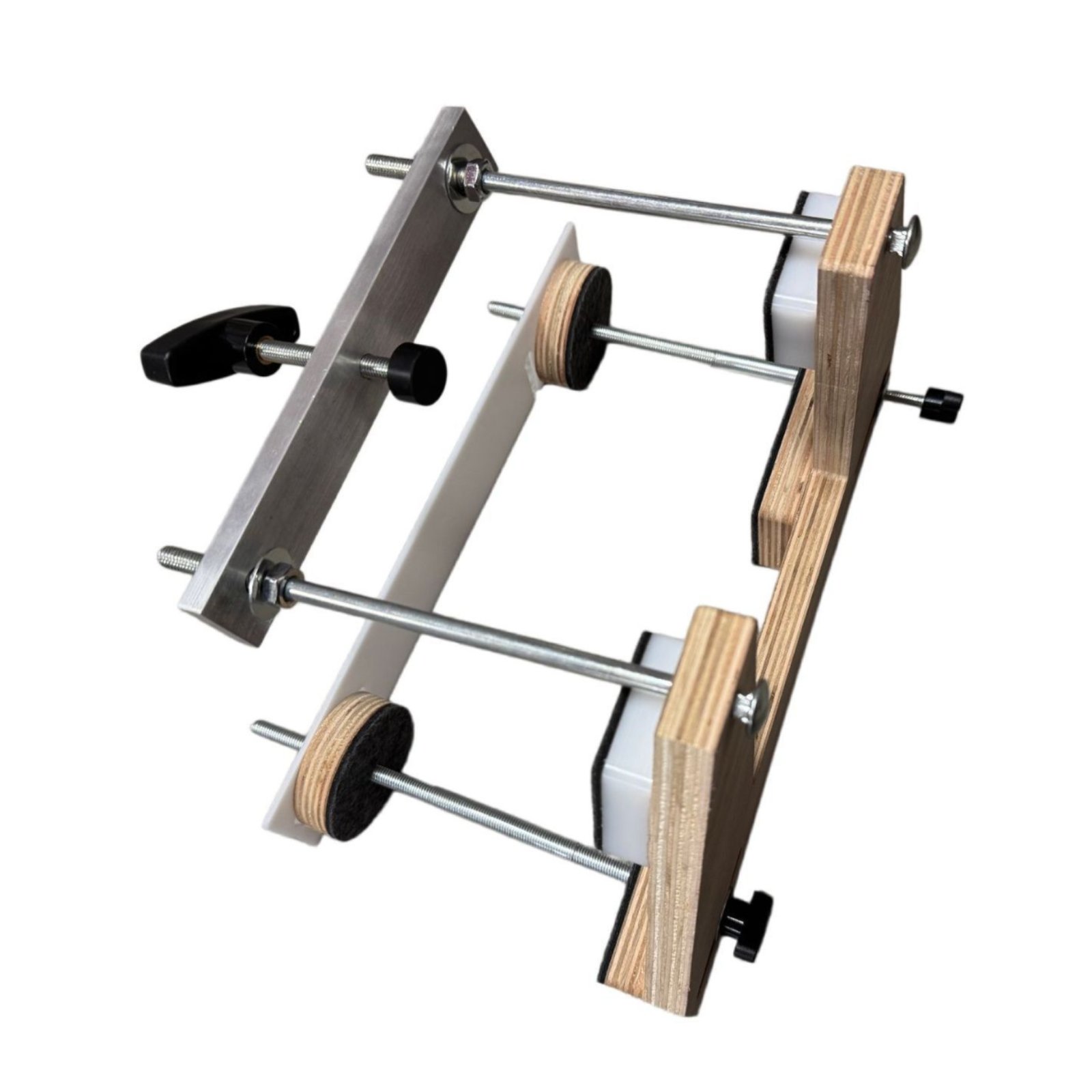
Adjustable Guitar Neck Jig
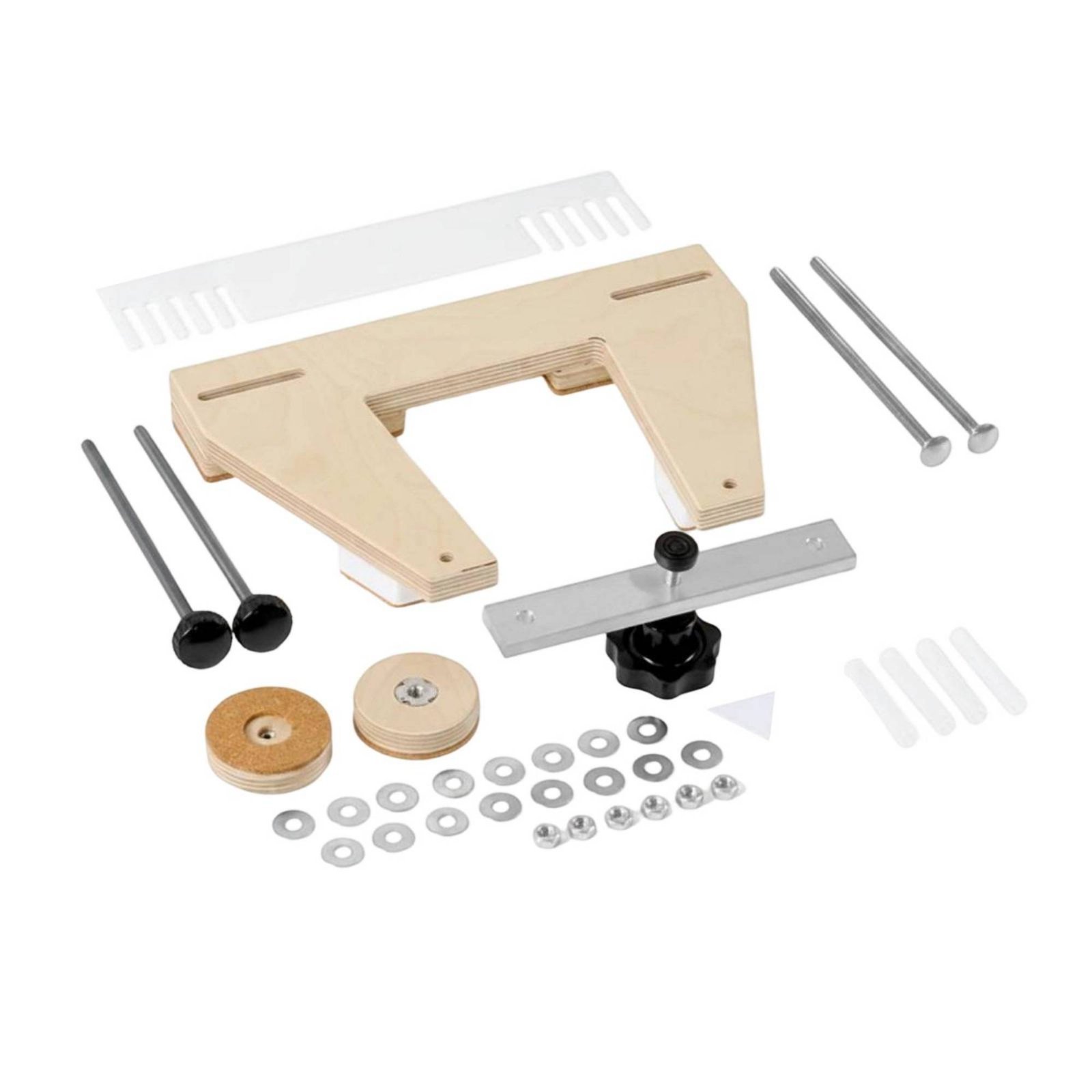
Acoustic Guitar Neck Removal Kit
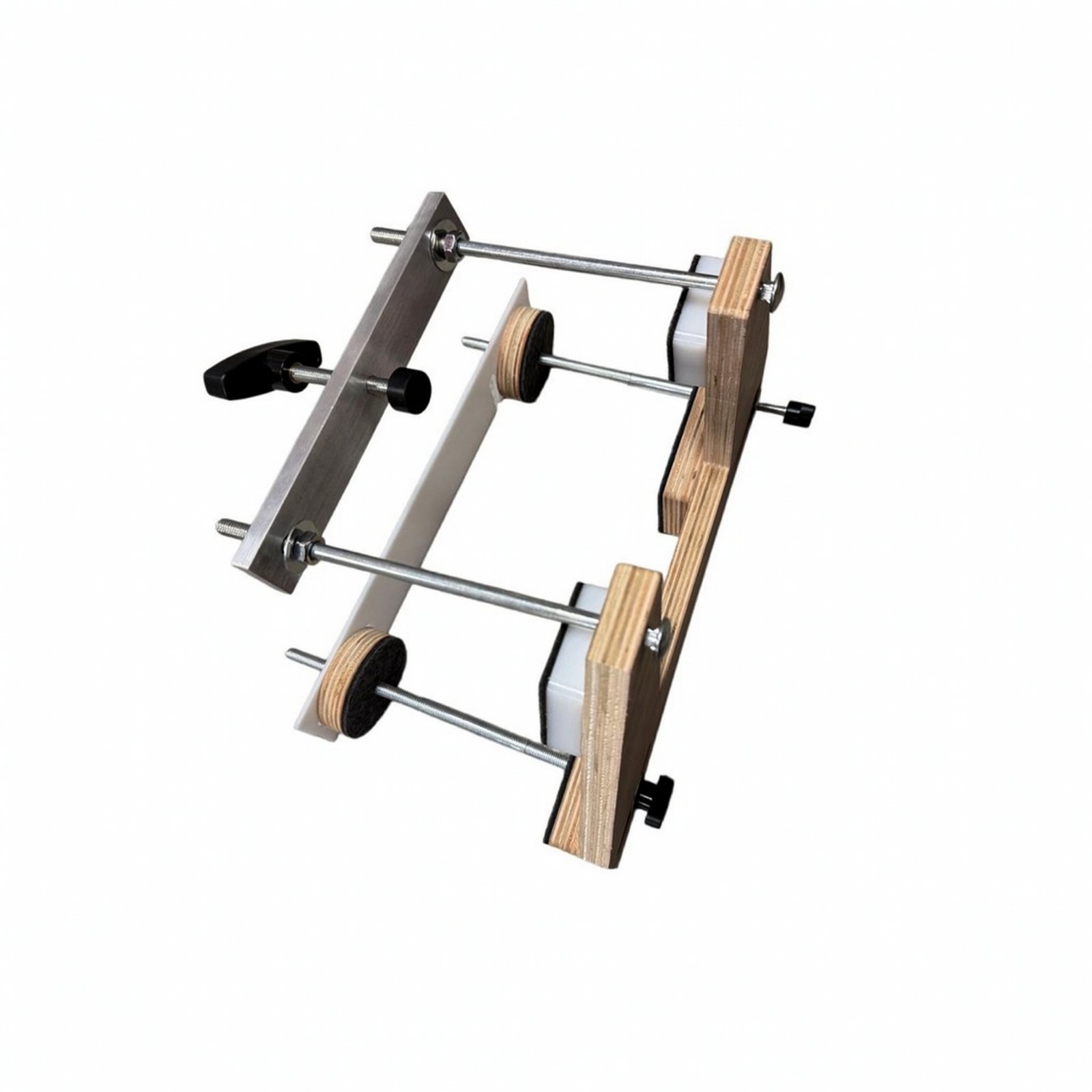
Guitar Neck Removal Jack
35° Guitar Neck Jig
Guitar Neck Reset Tool Kit