Buying guide · Music & Luthier
How to mount a guitar safely on the wall at home or in a studio
Short answer
The safest wall setup is a properly anchored hanger with padded contact points, mounted into a solid wall structure and matched to how your guitar will sit by the neck or with added body support. For most homes and studios, a locking neck hanger adds security against bumps, while a split-support or horizontal style can be useful when you want extra stability or a different display position.
Choose the hanger style for your room and your guitar
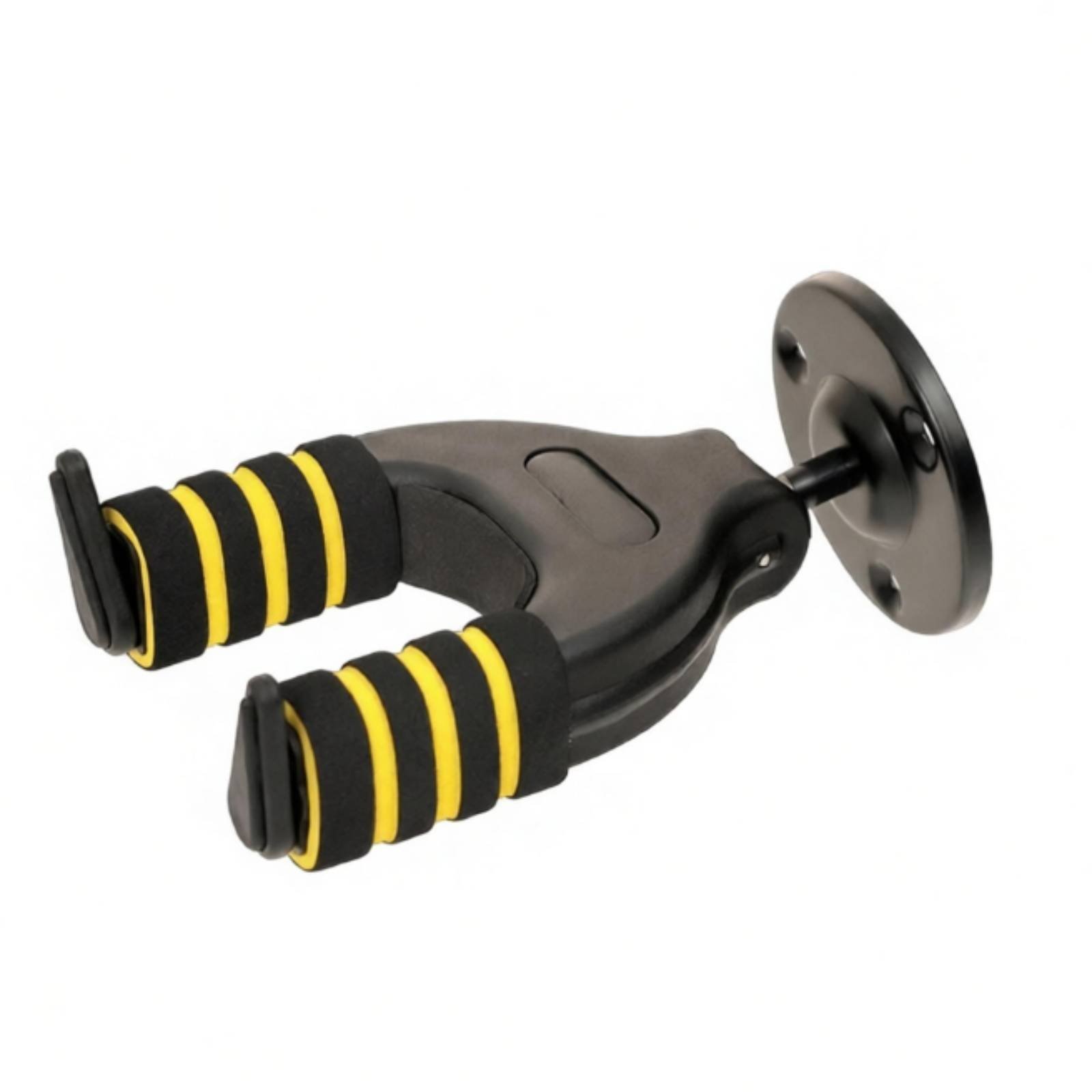
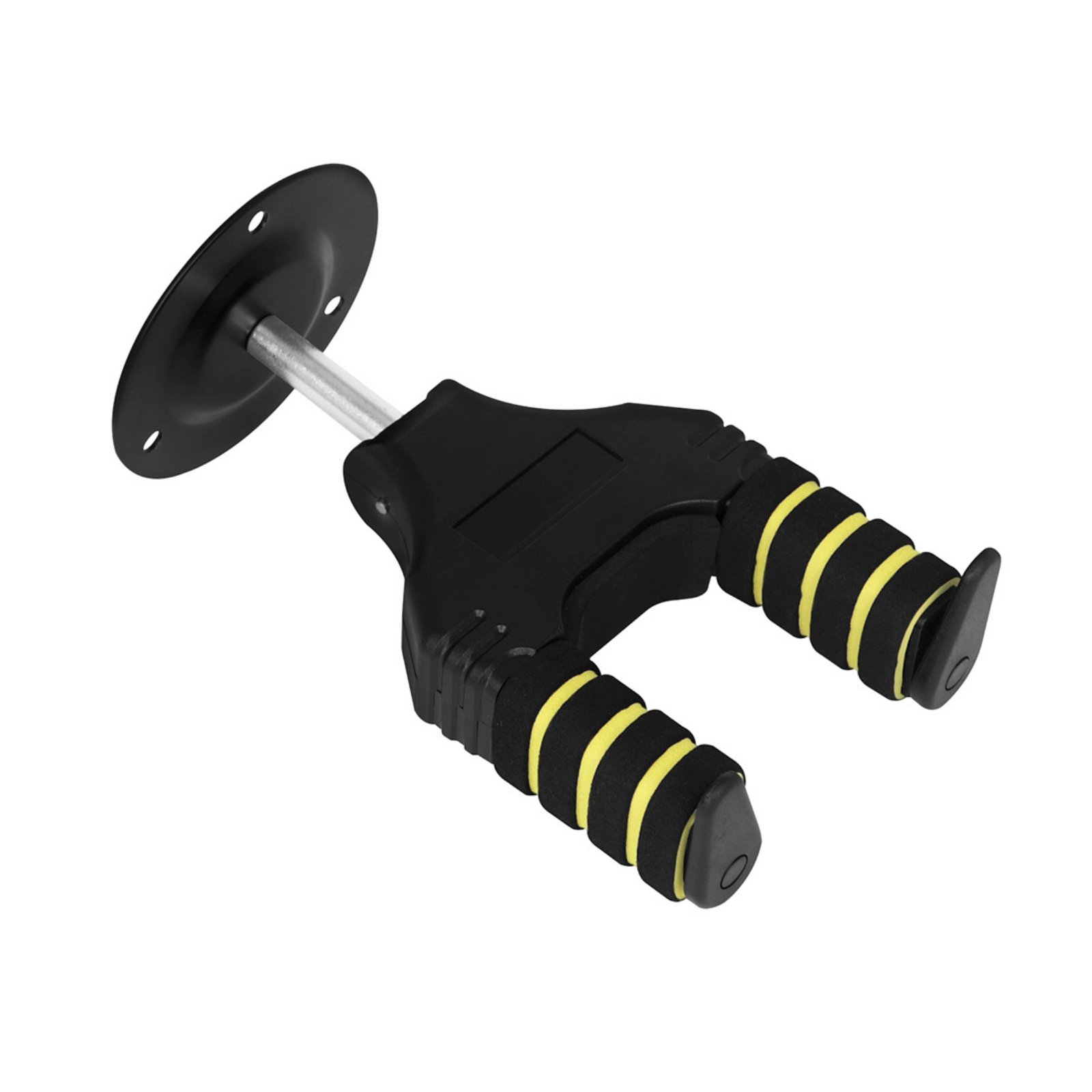
Start with the holding method, because that affects day to day safety more than appearance. A neck hanger keeps the instrument off the floor and easy to grab, but the exact design matters. A self-locking model such as Self-Locking Guitar Wall Mount adds an automatic hold when the instrument is placed on the hanger, which is helpful in busy rooms, practice spaces, or any spot where someone might brush past the guitar.
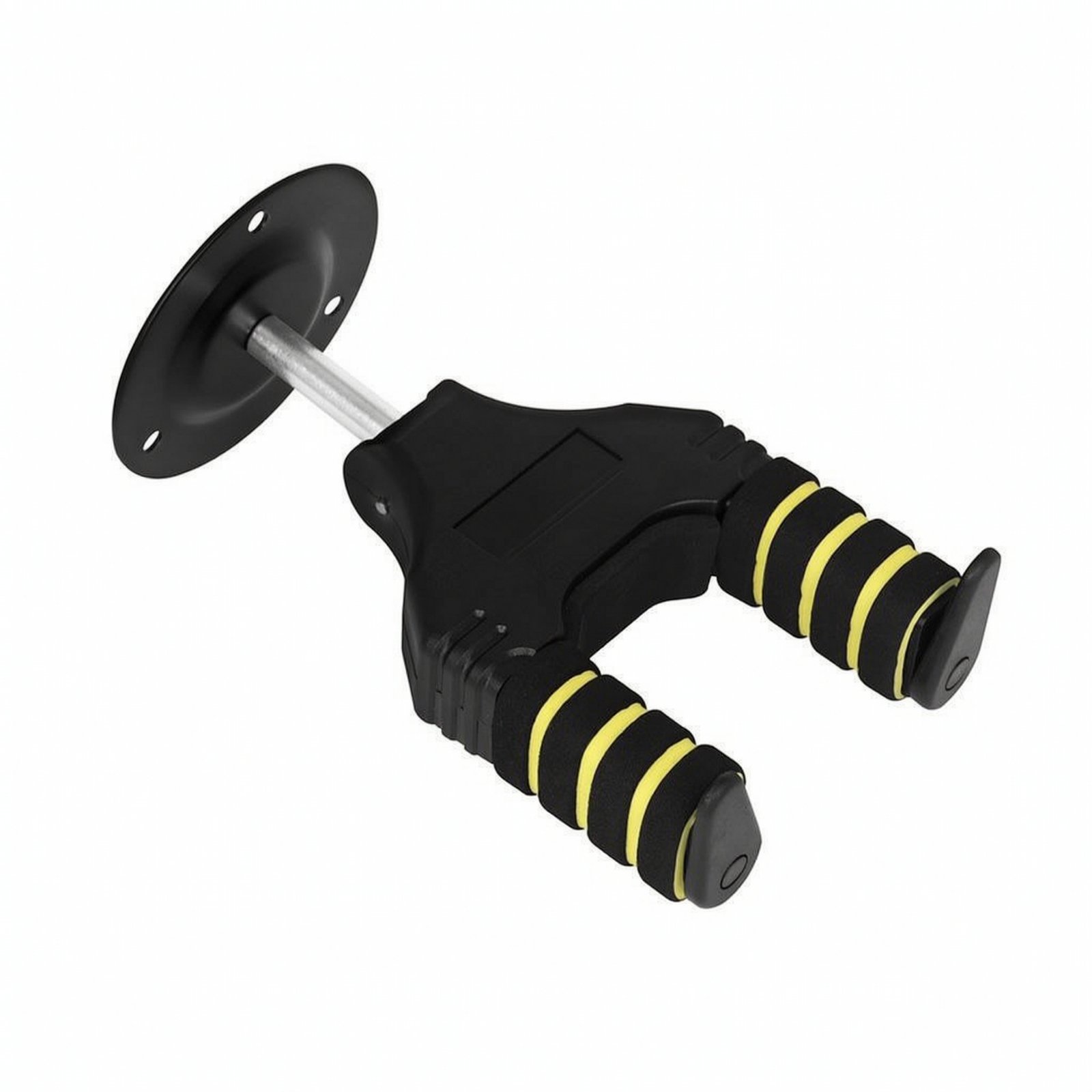
If you want a simpler neck cradle, Guitar Hanger with Padded Arms uses foam-padded arms and includes mounting hardware, so it suits a straightforward wall display where easy access matters. If you prefer a decorative look with a built-in pick slot, Guitar Wall Mount Wooden is a universal instrument hanger intended for guitars as well as smaller string instruments, but you should still confirm that the neck sits naturally in the cradle and that the wall location is solid.
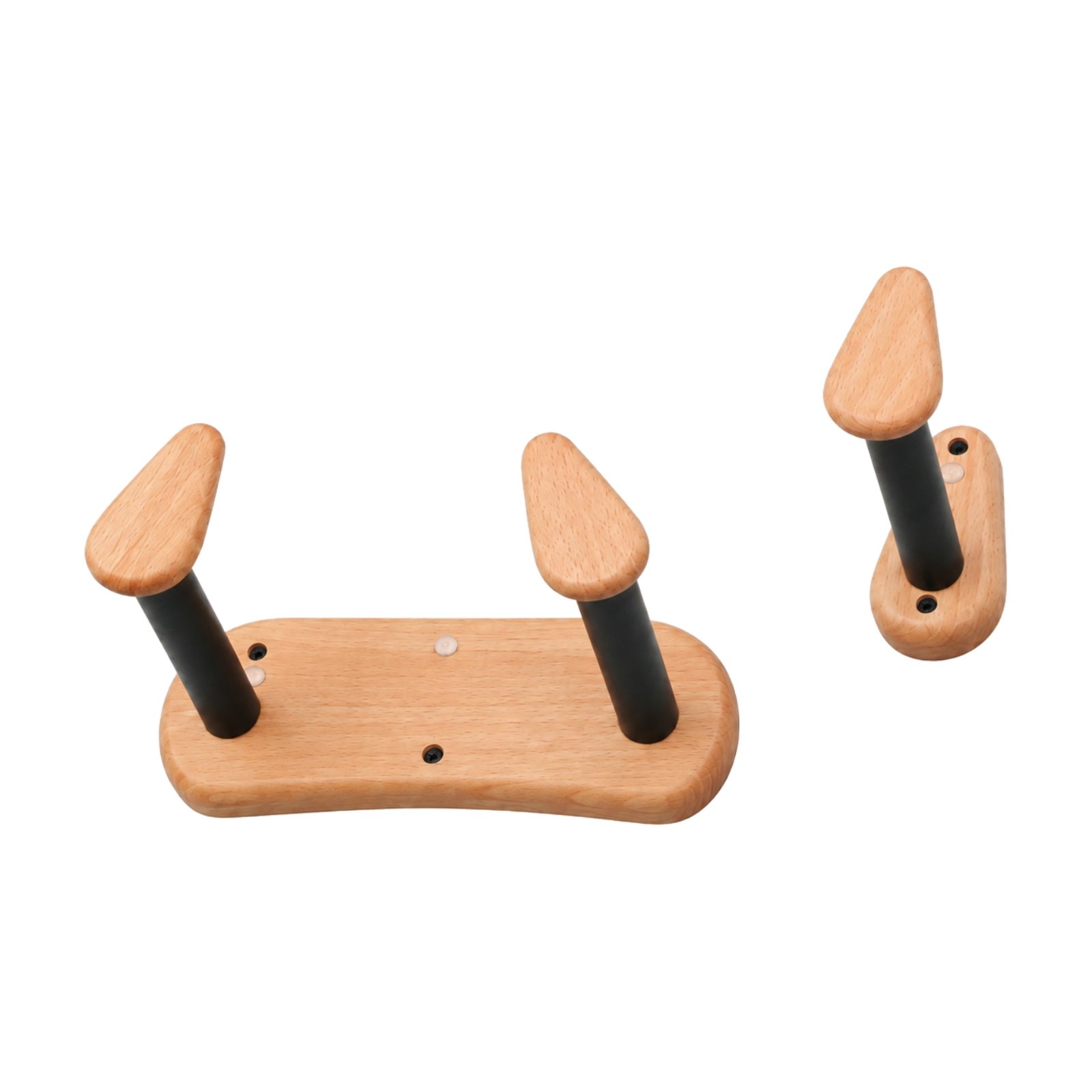
For buyers who want weight spread across more than one contact area, Guitar Wall Hanger uses a split-support layout that supports both the body and headstock. That style can make sense when you want a more settled display position or simply prefer support beyond a single neck cradle.
A different option is a horizontal display like Wall-Mounted Guitar Hanger, which holds the instrument in a side-on presentation. Choose that type only if you have enough clear wall width and you like the display angle, since placement becomes more important than with a compact vertical hanger.
What features matter for safe mounting
Look first for contact protection. Soft sponge, foam, rubber, or similar padding reduces the chance of finish marks where the hanger touches the instrument. Guitar Wall Hanger Auto Locks uses EVA foam padding on the contact faces, while Wall-Mounted Guitar Holder has cushioning pads and protected ends on the support arm; both are examples of the kind of guarded contact points that help prevent scratches and scuffs.
Next, check how the hanger keeps the guitar from shifting. Locking systems and raised end arms can add security. Self-Locking Guitar Hanger has a self-locking function that engages when supporting an instrument weighing about 0.7 kg, so it is worth considering if you want an added barrier against accidental lift-out. Guitar Wall Hanger Auto Locks also uses an automatic locking mechanism with raised-end cradle arms, which is useful in active spaces.
Then consider the wall side of the setup. Hardware included with the hanger is helpful, but included screws do not automatically mean every wall is suitable. Self-Locking Guitar Wall Mount, Guitar Hanger with Padded Arms, and Self-Locking Guitar Hanger all include mounting hardware, yet you still need to match the fasteners to your wall material and anchor into a solid structure when required. If you are mounting on drywall, plaster, masonry, or a slotted rail system, confirm that your wall and hardware combination is appropriate before drilling.
Finally, think about access and room flow. A compact neck hanger keeps the footprint small, while a larger support style may need more open wall area. Pick a spot where the headstock, tuning keys, and body will not hit shelves, corners, doors, or light switches when you hang or remove the guitar.
How the pieces work together during installation
Safe wall mounting is a system, not just a hook. The wall provides the strength, the fasteners transfer load into that wall, and the hanger shape controls how the guitar settles when placed on it. If any part of that chain is weak, the whole setup becomes less reliable.
Begin by choosing the location. You want a stable indoor wall area away from traffic paths, door swings, and places where cables, stands, or cases pile up. Mark the position so the instrument can hang freely without the lower body touching furniture or the neck leaning into trim.
Then match the hanger to the wall and the display style you want. A compact locking hanger such as Self-Locking Guitar Wall Mount or Guitar Wall Hanger Auto Locks suits a grab-and-go practice spot. A more decorative option such as Guitar Wall Mount Wooden or Wall-Mounted Guitar Holder fits a visible room display. A support-spread design like Guitar Wall Hanger changes how the instrument rests on the wall by adding body support as part of the mount.
Once installed, place the guitar gently and watch how it settles. The neck should sit fully in the cradle, the contact points should touch padded areas only, and the instrument should not twist, slide, or lean unnaturally. After mounting, lightly test stability with one hand still supporting the instrument before you trust the setup for regular storage.
Common mistakes to avoid
The biggest mistake is treating every wall as equally strong. Do not assume a screw set included with a hanger is automatically right for your exact wall. If you are unsure what is behind the surface, check first instead of guessing.
Another common mistake is choosing by looks alone. A decorative wooden base like Guitar Wall Mount Wooden can look great, but safety still depends on secure anchoring and a good fit around the neck area. Likewise, a horizontal style such as Wall-Mounted Guitar Hanger can be attractive, but it needs enough side clearance and careful placement.
Do not ignore padding and end protection. Bare or poorly protected contact points can mark the finish over time, especially if the guitar shifts during hanging or removal. Hangers like Guitar Hanger with Padded Arms and Wall-Mounted Guitar Holder show the kind of padded support you should look for.
Finally, avoid placing the guitar where people, pets, chairs, or cases can bump it. Even a locking cradle helps only if the wall position itself is sensible. Give the instrument room so that daily movement in the room does not become the real hazard.
A typical kit
- Self-Locking Guitar Wall MountUse this for a compact wall mount with a weight-based self-locking design and padded contact points.
- Guitar Hanger with Padded ArmsChoose this when you want a simple padded neck hanger with included mounting hardware.
- Guitar Wall HangerPick this when you want support at both the body and headstock instead of a neck-only hold.
- Guitar Wall Hanger Auto LocksThis works well for an active room because it combines auto locking with foam-padded contact faces.
- Wall-Mounted Guitar HangerUse this for a horizontal wall display when your space and layout suit a side-on presentation.
- Guitar Wall Mount WoodenChoose this when you want a decorative wooden hanger with universal instrument use and a pick slot.
Questions people ask
Should I choose a locking wall hanger or a standard padded hanger?
A locking hanger adds an extra layer of security if the room is busy or the guitar could get bumped during normal use. Examples include Self-Locking Guitar Wall Mount, Guitar Wall Hanger Auto Locks, and Self-Locking Guitar Hanger, while a standard padded model like Guitar Hanger with Padded Arms can still work well when mounted correctly in a low-traffic spot.
Is a neck hanger safe enough, or should I use body support too?
A neck hanger is usually fine when the cradle fits the instrument well, the contact points are padded, and the wall mounting is solid. If you prefer weight distribution across more than one area, Guitar Wall Hanger supports both the body and headstock, which can provide a more settled display position.
Can I install these on any wall surface?
You should not assume that any wall surface is suitable just because the hanger includes screws or anchors. Self-Locking Guitar Wall Mount, Guitar Hanger with Padded Arms, Wall-Mounted Guitar Holder, Wall-Mounted Guitar Hanger, and Self-Locking Guitar Hanger include hardware, but you still need to verify that the wall material and backing are appropriate for a secure installation.
Will the hanger damage the guitar finish?
Padding helps reduce that risk, but you still want to check the contact areas and make sure the guitar rests naturally without rubbing. Guitar Wall Hanger Auto Locks uses EVA foam padding, Guitar Hanger with Padded Arms has foam-padded arms, and Wall-Mounted Guitar Holder adds cushioning pads and protected ends, all of which are the kinds of features worth looking for.
What if I want the guitar to look like part of the room decor?
Then choose a hanger style that matches the display you want without giving up secure support. Guitar Wall Mount Wooden offers a decorative wooden base with a pick slot, while Wall-Mounted Guitar Hanger gives you a horizontal presentation if your wall space and layout can accommodate that style.
Shop the list
Everything mentioned above
Prices and delivery windows are live from our catalog.
Self-Locking Guitar Wall Mount
Guitar Hanger with Padded Arms
Guitar Wall Hanger
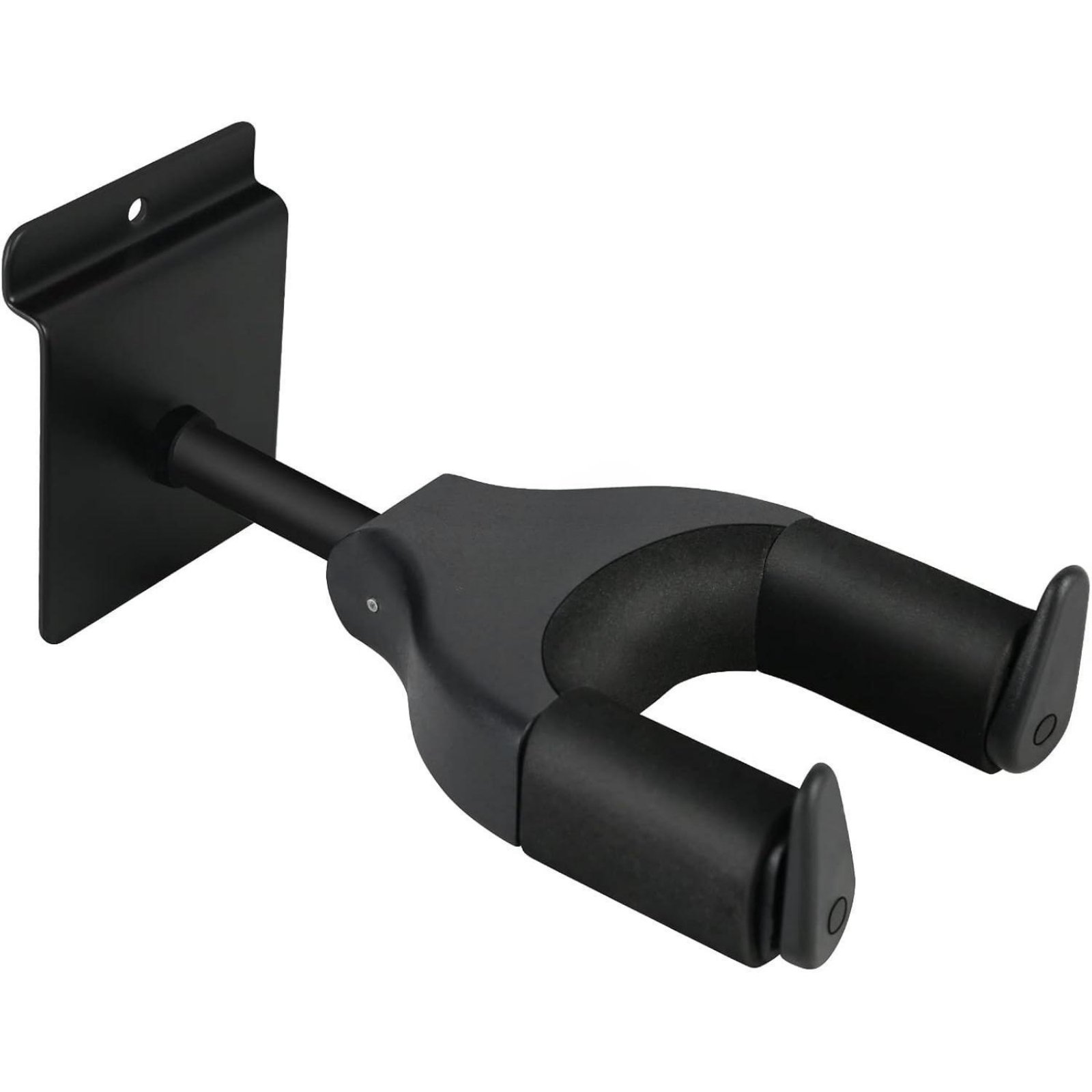
Guitar Wall Hanger Auto Locks
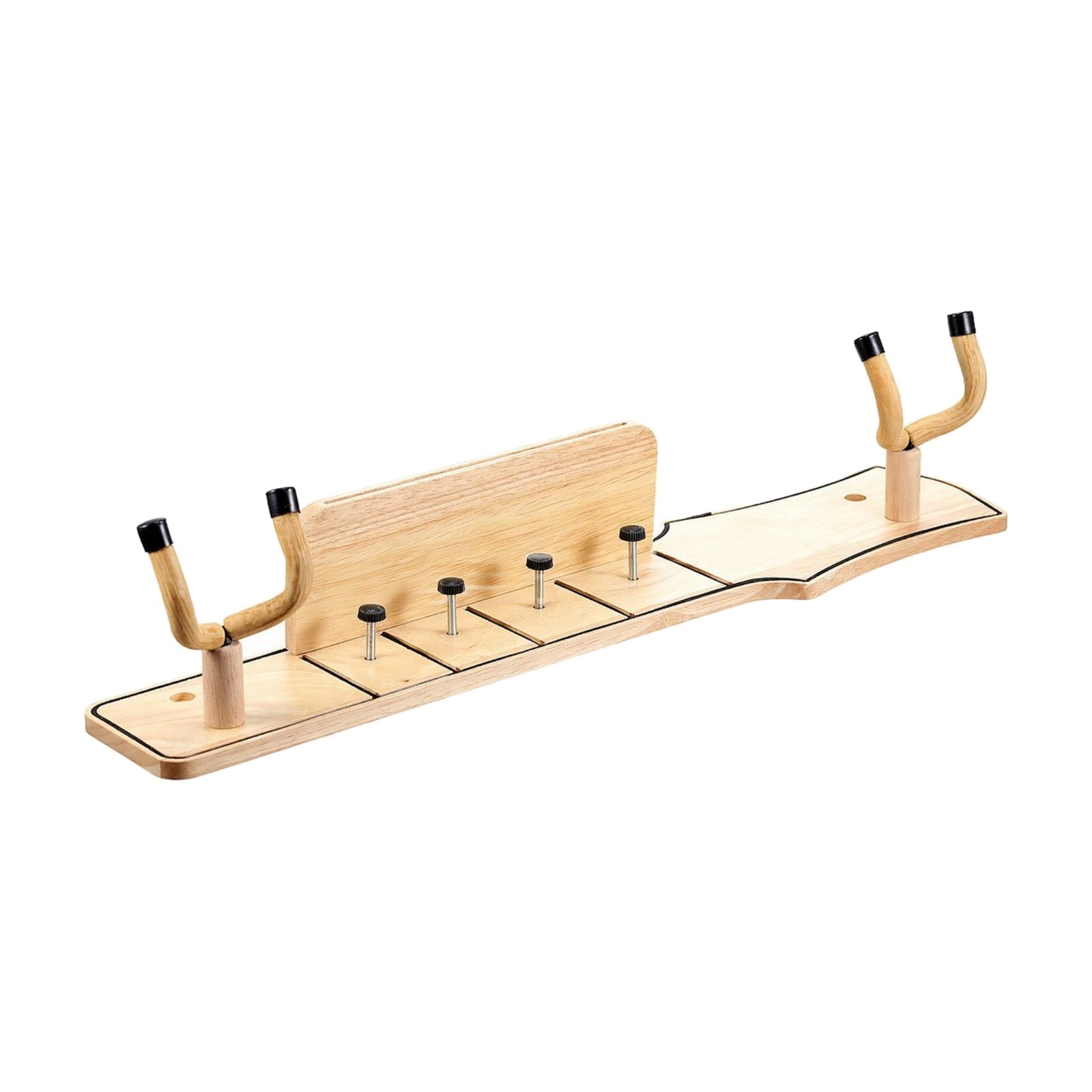
Wall-Mounted Guitar Hanger
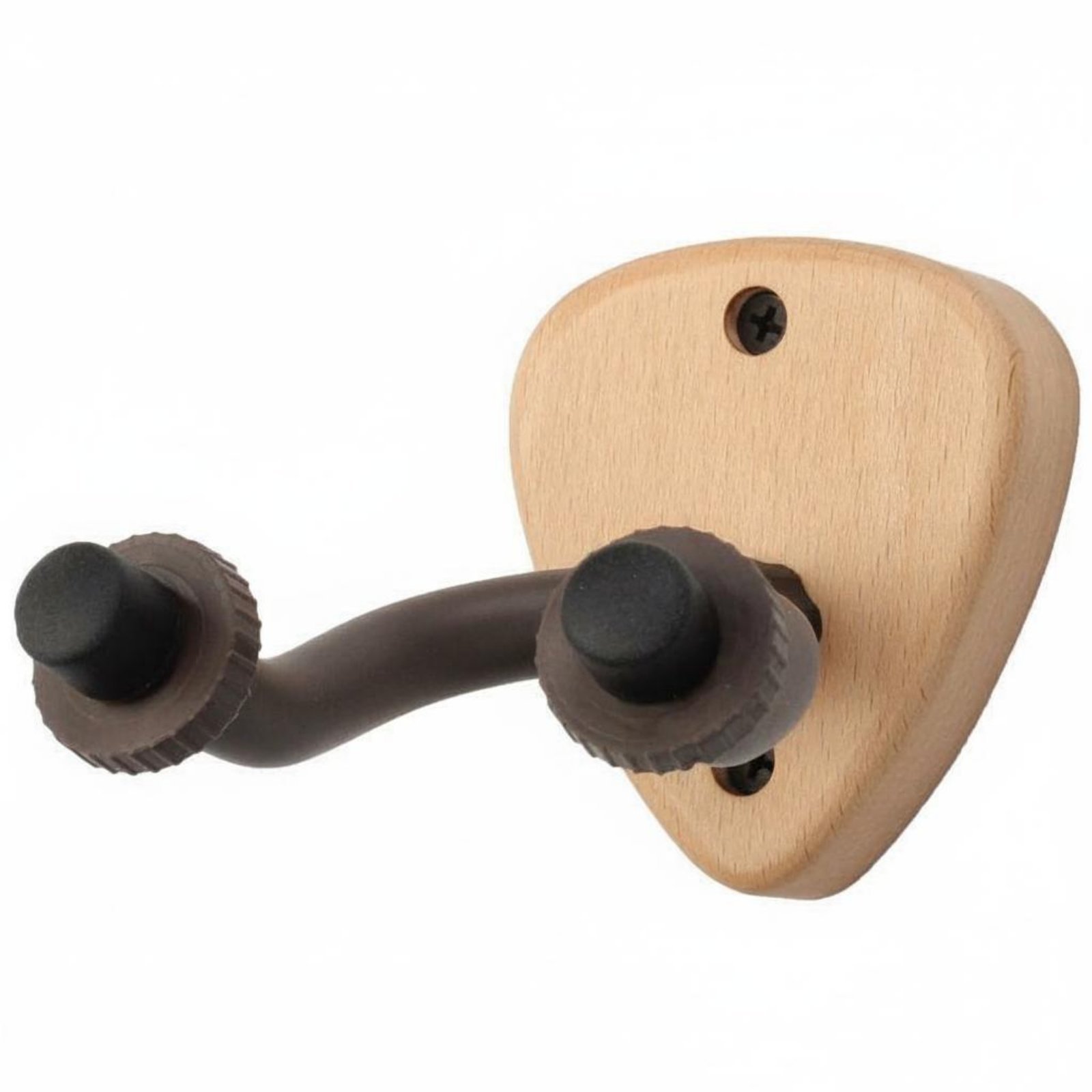
Guitar Wall Mount Wooden
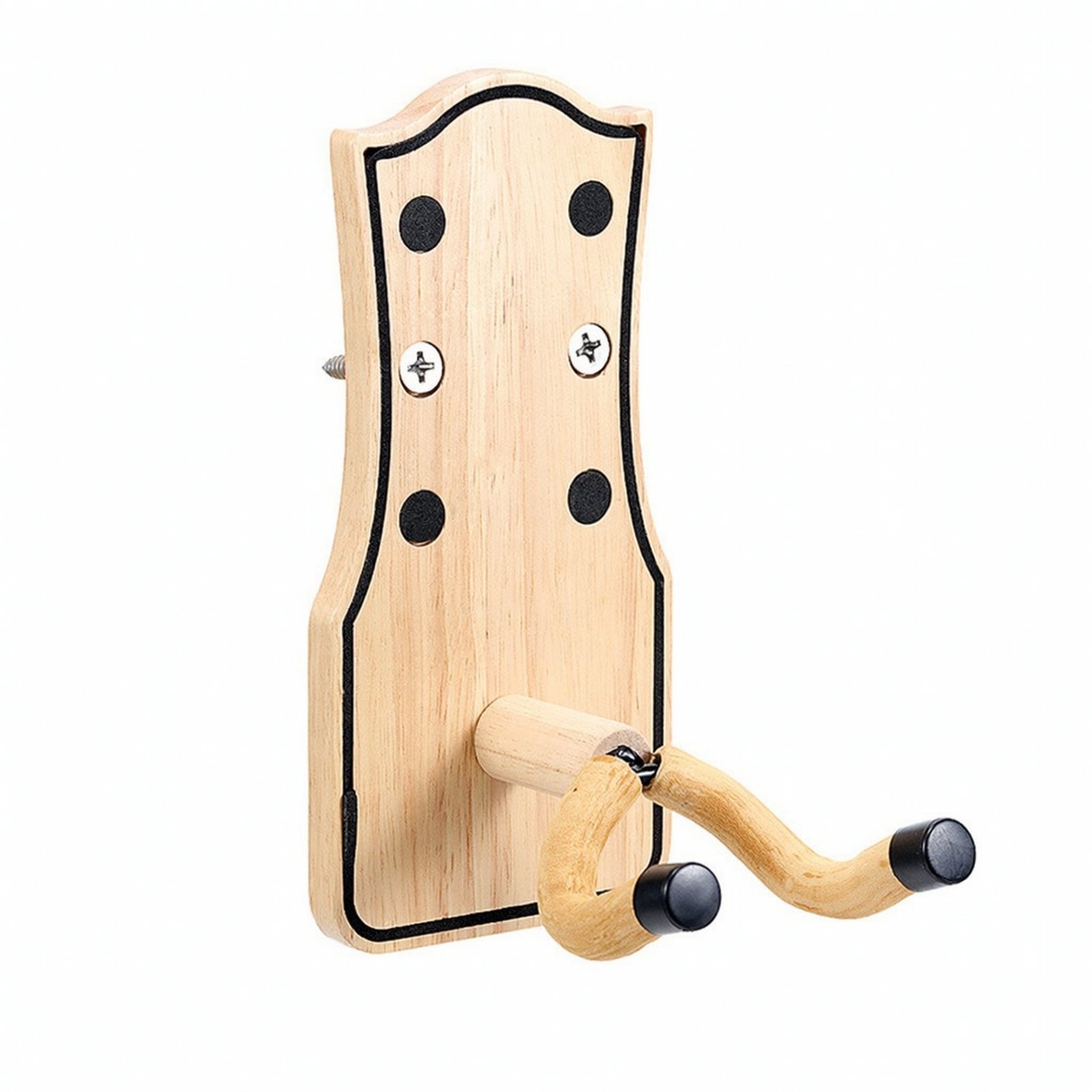
Wall-Mounted Guitar Holder