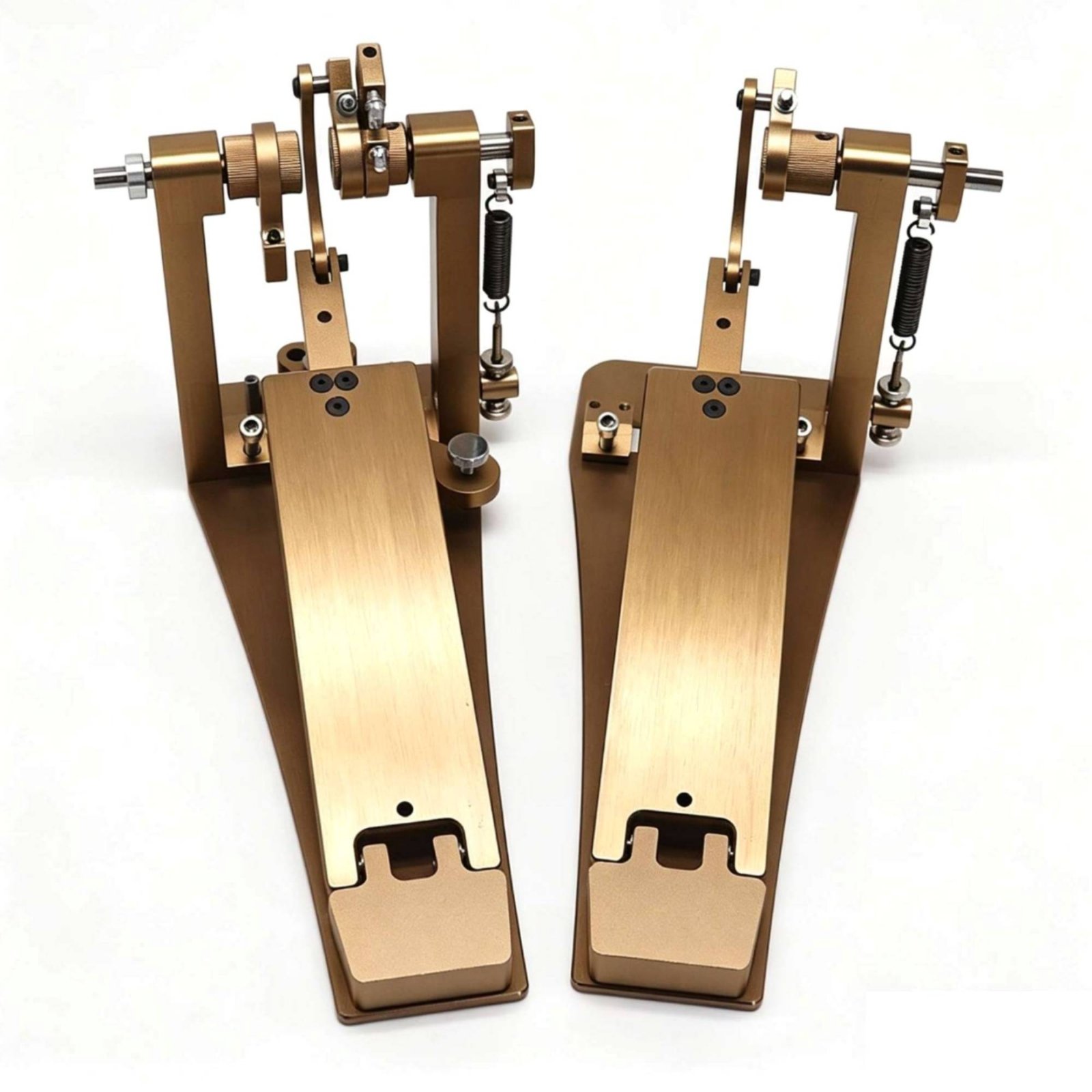
Buying guide · Music & Luthier
How to choose a bass drum pedal or double pedal for your kit
Short answer
Choose a single pedal if you want a simpler setup for everyday bass drum playing, and choose a double pedal if you need fast alternating strokes from one bass drum. Focus first on feel and adjustability, then on stability, linkage design, and whether you need practice or maintenance parts to keep the whole system working smoothly.
Start with single or double
The first choice is whether you need one footboard or a paired system. A single pedal is usually the straightforward option for a standard kit setup, while a double pedal adds a second footboard and linkage so both feet can drive one bass drum beater system.
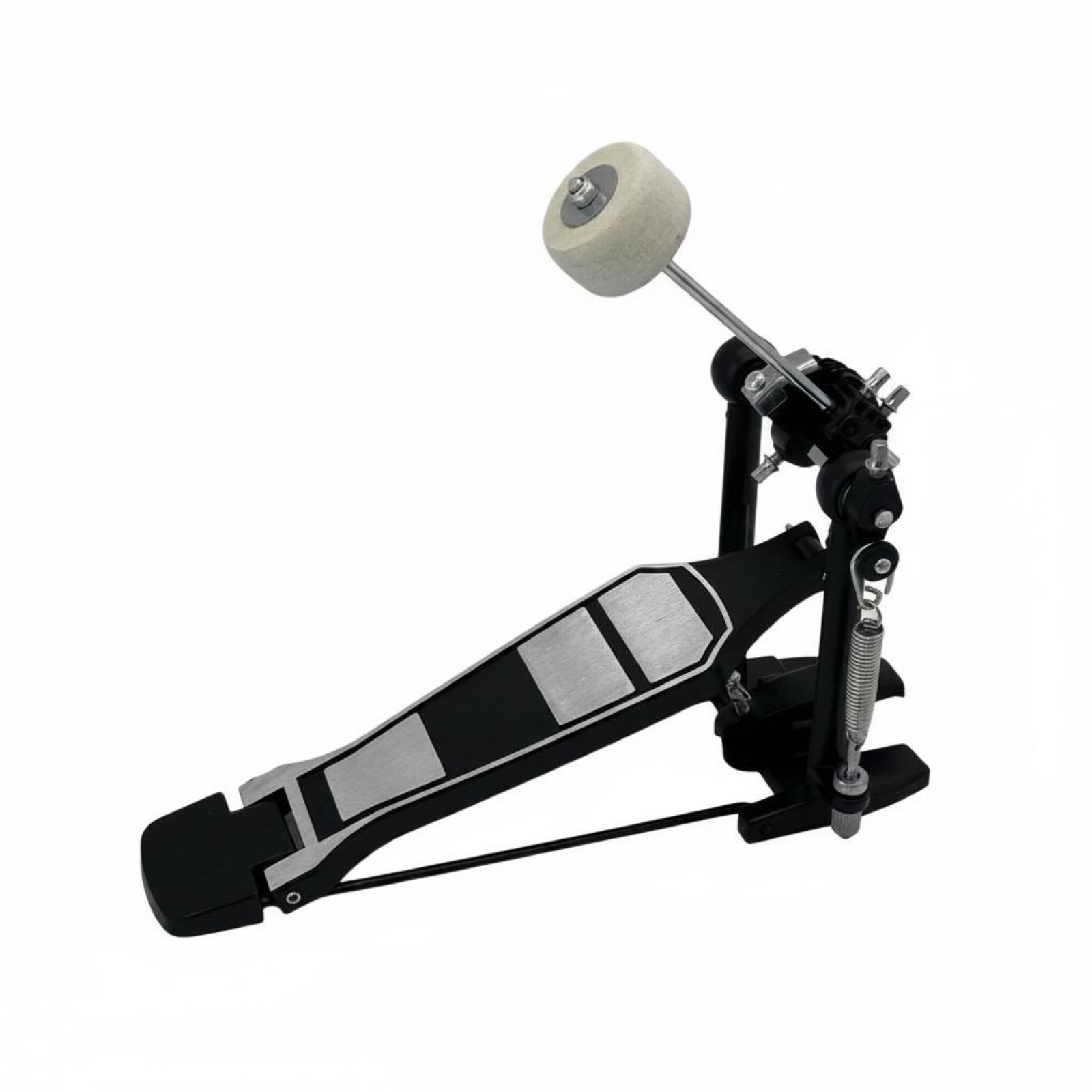
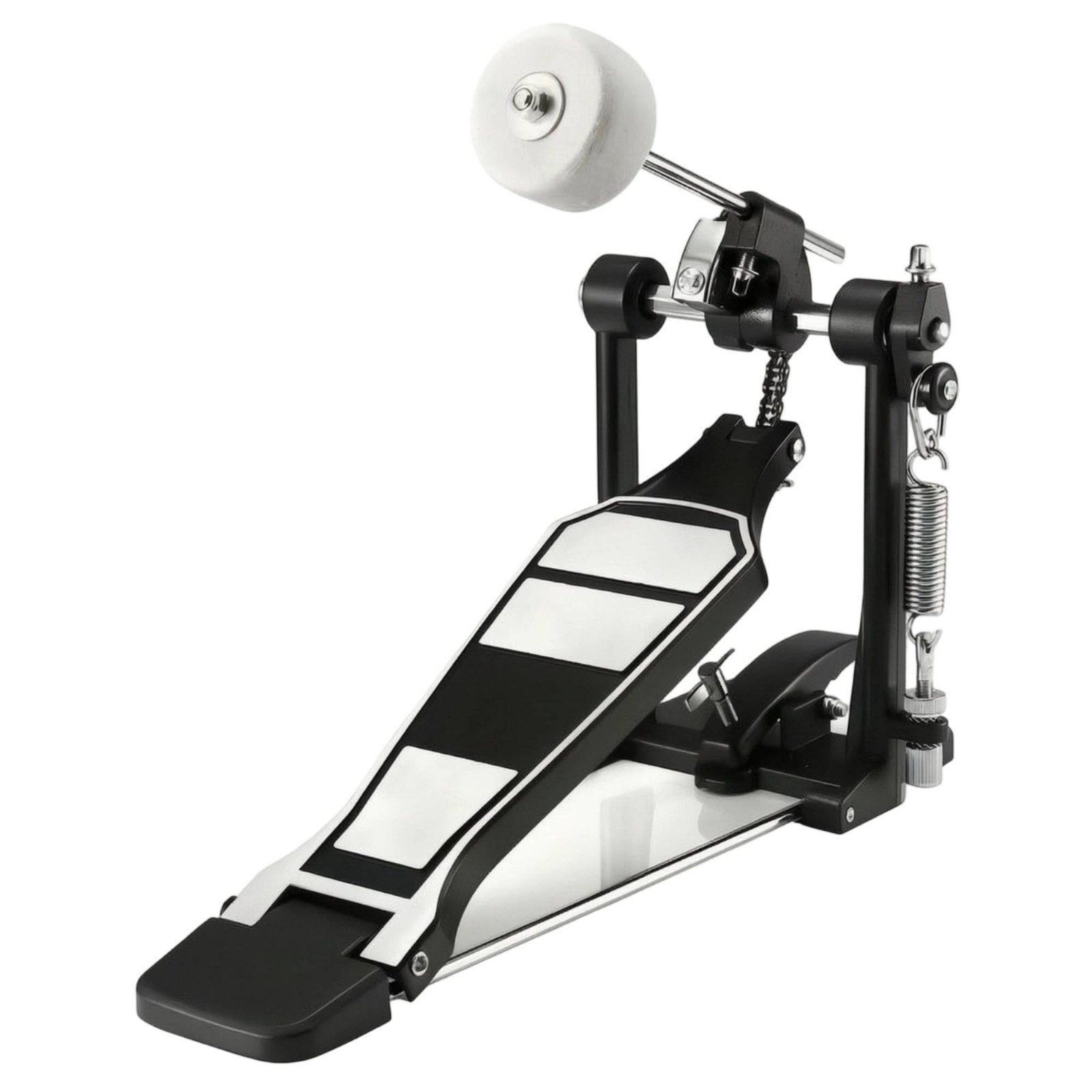
For a basic single-pedal setup, look for a pedal that gives you stable action and a return feel you can tune as your technique changes. Kick Drum Pedal Adjustable Tension is a single pedal with adjustable tension, which matters because spring feel changes how quickly the board returns under your foot. Single Bass Drum Pedal is another single pedal example with a responsive chain drive, visible return spring, and toe stop, so it shows the kind of simple control features many drummers want for practice and routine playing.
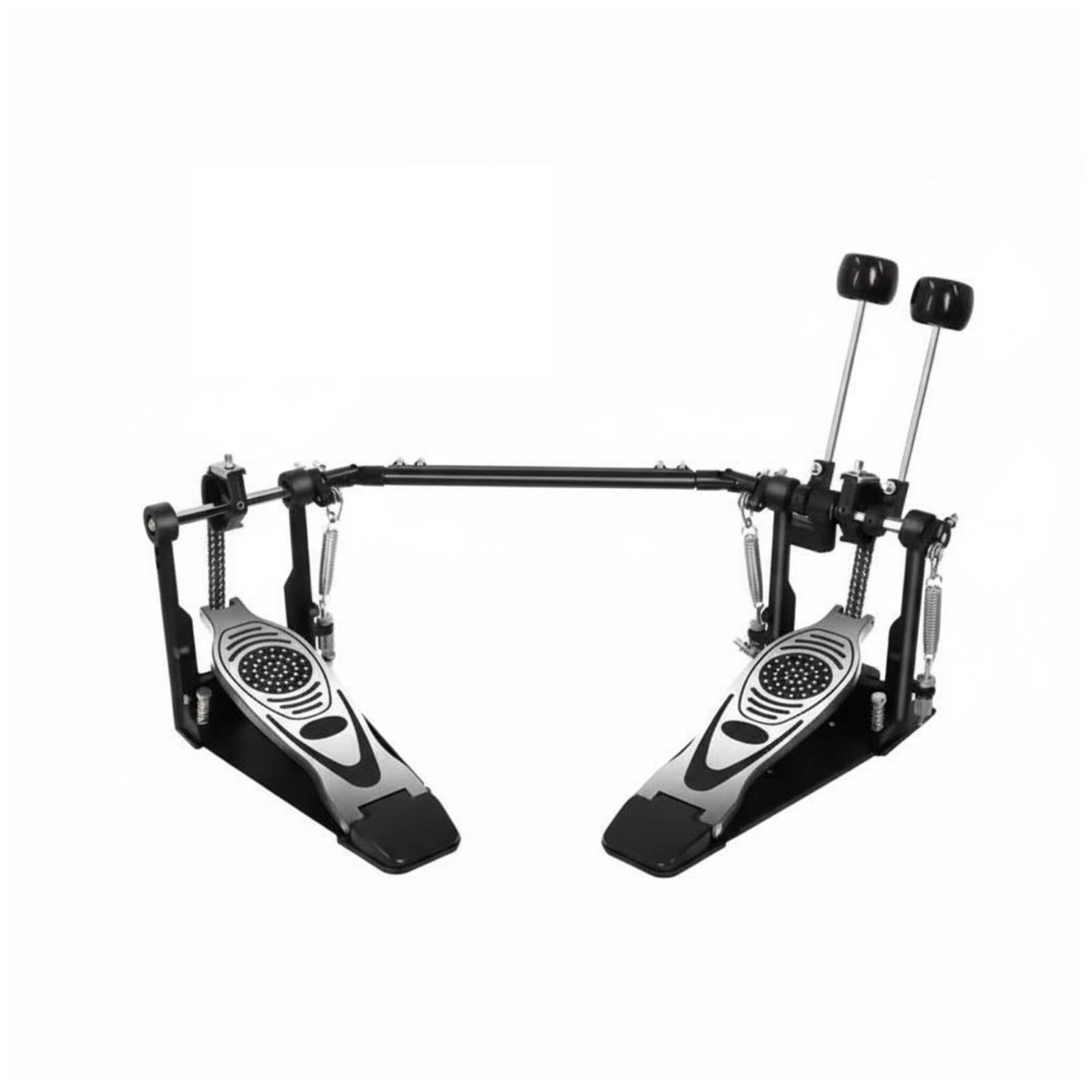
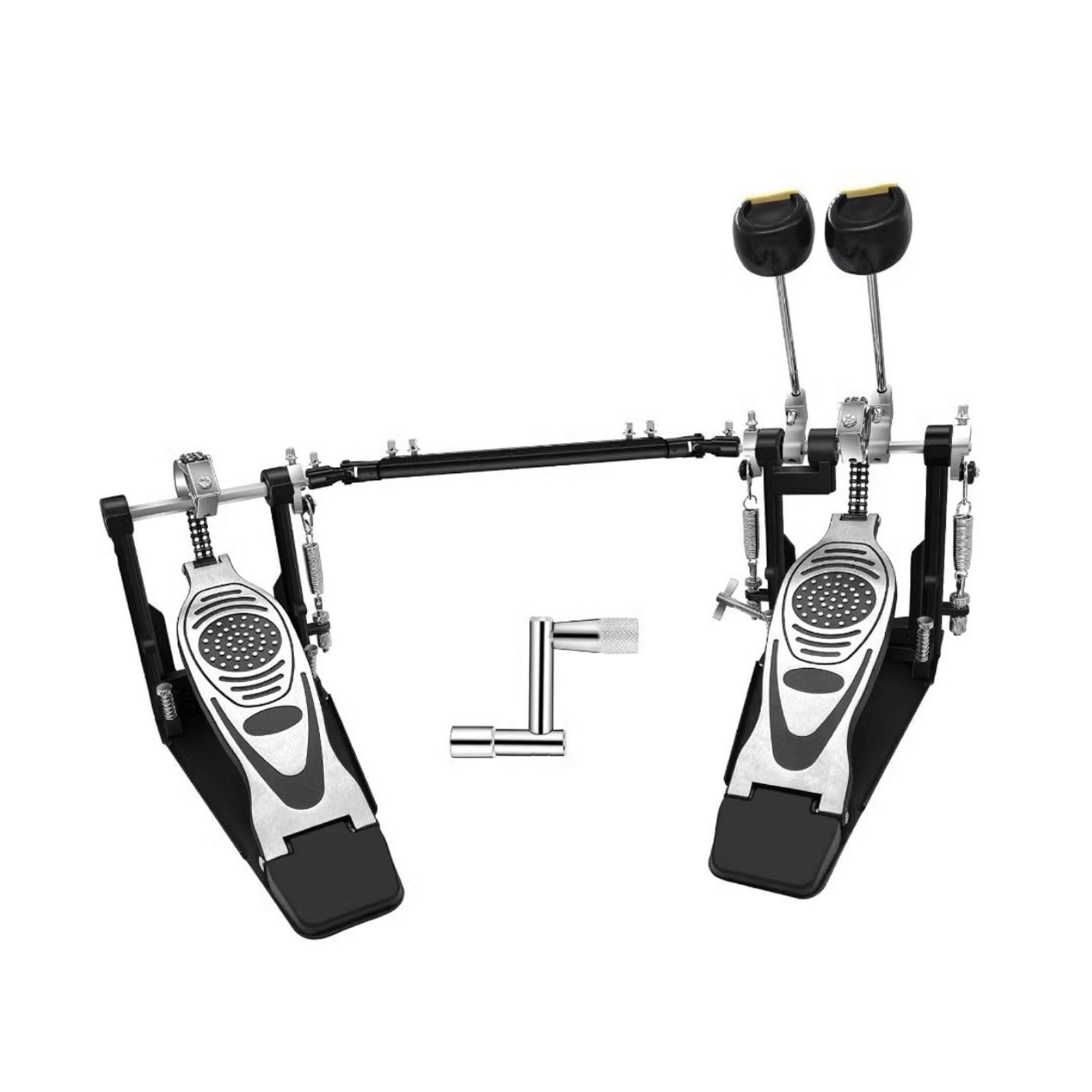
If you know you want double strokes from both feet, prioritize how the two sides connect and how easily the pedal can be tuned. Double Bass Drum Pedal offers adjustable spring tension and beater angles, which is useful when you want to tailor resistance and stroke length. Double Bass Drum Pedal Heavy-Duty is a full double-pedal assembly with an adjustable connecting rod from 35 cm to 52 cm, so it is a good example of a pedal that can adapt to different kit spacing.
For players who mainly need footwork practice before committing to a full pedal change, a training unit can be the smarter first step. Adjustable Drum Pedal Practice Pad is a dedicated pedal practice pad with an adjustable setup, and Folding Drum Footplate combines a striking pad, frame, base, and beater into one foldable practice pedal for focused foot control work without building out the whole kit.
What specs and features matter most
Feel starts with the drive and return system. Chain-driven pedals are commonly chosen because they provide direct, repeatable motion; examples here include the single Single Bass Drum Pedal and the double-chain Double Bass Drum Pedal. When a description mentions adjustable tension, that is worth paying attention to because it lets you move from a lighter, quicker feel to a firmer response as your ankle motion and control develop, as seen on Kick Drum Pedal Adjustable Tension and Double Chain Drive Pedal.
Stability matters almost as much as feel. A pedal that shifts on the floor makes timing harder and can hide technique problems. Look for features such as non-slip footboards, floor grips, or a solid base. Single Bass Drum Pedal is a good example because it combines an adjustable tension system with a ribbed non-slip footboard and heavy-duty frame, while Double Bass Drum Pedal specifically mentions secure floor grips.
On double pedals, the linkage is the key part that makes the remote footboard feel connected rather than vague. Double Bass Drum Pedal Heavy-Duty highlights a responsive chain-driven linkage and an adjustable rod, while Adjustable Drum Pedal Connecting Rod is the connecting rod itself if you are replacing only that piece rather than the whole pedal. If your current double pedal feels uneven from side to side, the connecting hardware is one of the first things to inspect.
Also think about whether you need a complete pedal or just maintenance parts. 3-Piece Bass Drum Pedal Cam Set is a 3 pieces cam accessory kit for maintaining or changing pedal response, and Drum Pedal Pull-Block Metal is a pull-block replacement part that helps connect the pedal board to the tension spring. Small parts like these can restore response when the rest of the pedal still feels right, which may be more sensible than replacing everything.
How the pieces work together on your kit
A bass drum pedal works as a chain of connected parts rather than as one isolated item. Your foot presses the board, the drive transfers that motion, the spring returns the board, and the beater strikes the head or practice surface. If any one part feels loose, sticky, or uneven, the whole action suffers.
With single pedals, setup is fairly simple: mount the pedal securely, set the spring feel, and make sure the footboard gives you stable contact. That is why adjustable single models such as Kick Drum Pedal Adjustable Tension and Single Bass Drum Pedal are useful examples when learning what features matter. With double pedals, there is more to manage because the secondary pedal depends on the linkage rod and connector hardware to transmit motion evenly.
If you are assembling or repairing a double setup, the connecting pieces deserve close attention. Adjustable Drum Pedal Connecting Rod is the drive shaft that links the two sides, and Bass Drum Connector Washers is a linkage connector with 4 screws and 4 washers used in fastening the assembly. A worn or poorly secured connector can make a double pedal feel inconsistent even when the footboards and springs seem fine.
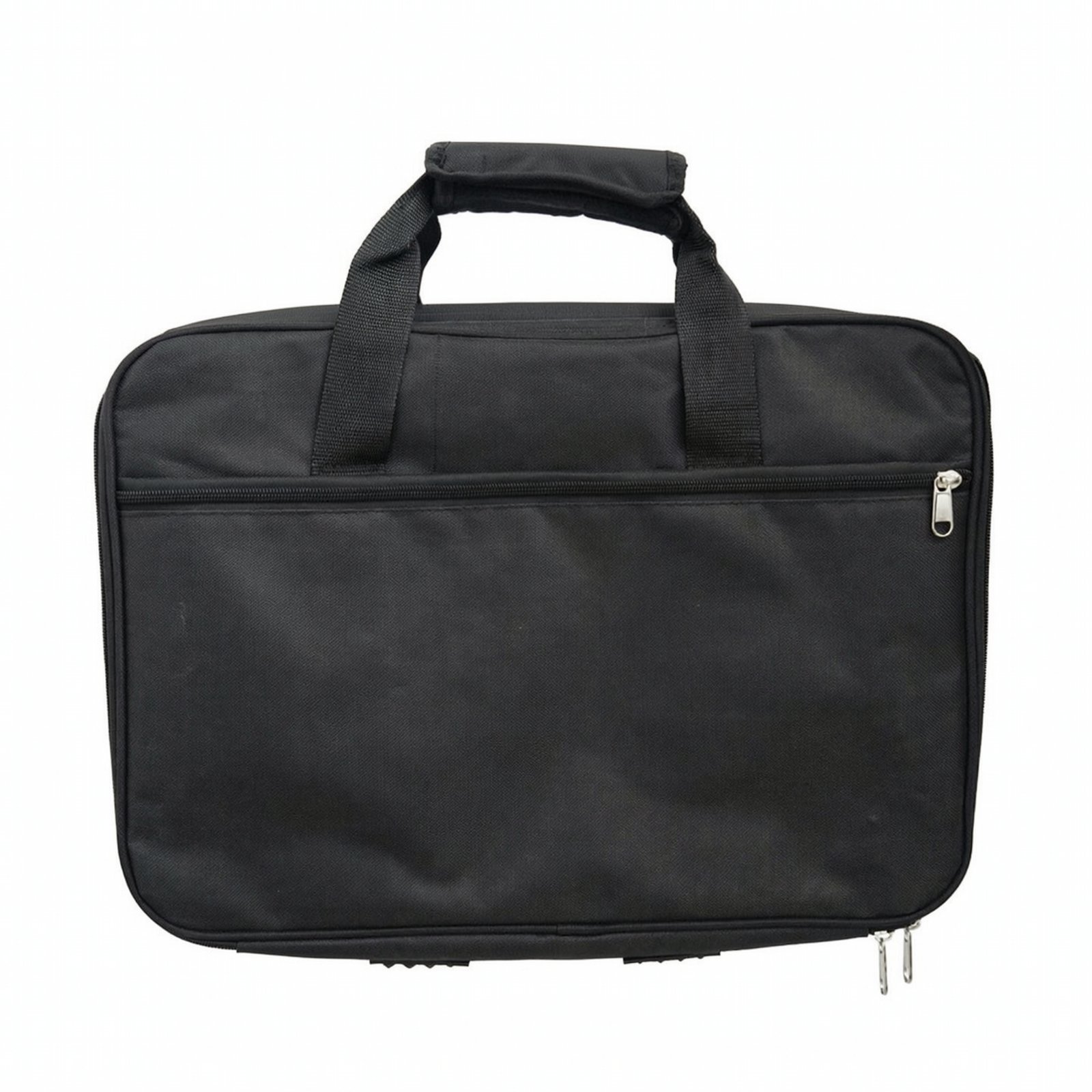
Transport and storage are part of the system too, especially with heavier double pedals. Double Bass Drum Pedal Bag is a dedicated bag with a divided interior, which helps keep the pedal and small hardware separated so rods, screws, and beaters are less likely to get mixed together. If your main need is quiet practice between rehearsals, a compact trainer like Folding Drum Footplate or Adjustable Drum Pedal Practice Pad can work alongside your main kit pedal rather than replacing it.
Common mistakes to avoid
One common mistake is buying a double pedal before deciding whether your playing actually needs it. If your goal is simply solid groove control, a single pedal such as Single Bass Drum Pedal or Kick Drum Pedal Adjustable Tension may be easier to dial in and maintain. A double pedal makes sense when you know you want patterns that use both pedals and are willing to adjust linkage and tension carefully.
Another mistake is ignoring adjustability. Players often focus on a heavy frame or appearance, but spring tension, beater angle, and linkage setup do more to shape feel than looks. Double Bass Drum Pedal is a good reminder because it includes both adjustable spring tension and beater angles, while Metal Double Bass Drum Pedal shows a double pedal with adjustable mechanics across the assembly.
Do not overlook maintenance parts when troubleshooting. If a pedal suddenly feels rough or develops slack, the issue may be a cam, connector, or pull-block rather than the whole pedal. 3-Piece Bass Drum Pedal Cam Set, Bass Drum Connector Washers, and Drum Pedal Pull-Block Metal are examples of the kinds of small hardware pieces to check before replacing a complete unit.
Finally, avoid judging a pedal only by brief hand testing. Footboard grip, return feel, and linkage smoothness show up during real playing and repeated strokes, not just a quick press. If you are unsure what feel you want, using a trainer like Adjustable Drum Pedal Practice Pad can help you learn your preferences before you commit to a full single or double pedal setup.
A typical kit
- Kick Drum Pedal Adjustable TensionA practical single pedal for drummers who want adjustable tension and a familiar starting point for everyday kit use.
- Single Bass Drum PedalA single pedal option for buyers who prioritize non-slip footboard control and a stable frame during harder playing.
- Double Bass Drum PedalA full double pedal with adjustable spring tension and beater angles for players who want to tune response and stroke.
- Double Bass Drum Pedal Heavy-DutyA double pedal choice for kits that need linkage adjustment to fit different spacing and room layouts.
- Adjustable Drum Pedal Practice PadA practice pad with pedal mount that helps you refine footwork and pedal control before changing your main kit hardware.
- Adjustable Drum Pedal Connecting RodA replacement connecting rod for restoring or customizing the link between the two sides of a double pedal.
Questions people ask
How do I know if I really need a double pedal?
Choose a double pedal if your music or practice routine calls for repeated kick patterns using both pedals on one bass drum. If most of your playing is basic groove work, a single pedal is usually easier to set up, adjust, and maintain.
Which matters more, chain drive or adjustability?
Adjustability usually matters more because it lets you tune the pedal to your own technique. A chain drive can provide solid, repeatable motion, but spring tension, beater angle, and linkage setup have a big effect on how the pedal actually feels under your foot.
Can I improve my current double pedal without replacing the whole thing?
Yes, sometimes the weak point is a small part rather than the whole assembly. If the action feels uneven or loose, inspect the connecting rod, linkage connector, cams, and spring-related parts before buying a complete new pedal.
What should beginners look for in a first bass drum pedal?
Beginners should usually start with a stable single pedal that has adjustable tension and a predictable feel. That makes it easier to build timing and ankle control without the added setup work of a double pedal.
Is a practice pedal or pad a substitute for a real bass drum pedal?
It is more of a training tool than a full substitute. A practice unit helps you work on foot control, return feel, and timing quietly, but you should still check how your main pedal behaves on your actual kit.
Shop the list
Everything mentioned above
Prices and delivery windows are live from our catalog.
Kick Drum Pedal Adjustable Tension
Single Bass Drum Pedal – Hammer
Double Bass Drum Pedal – Hammer
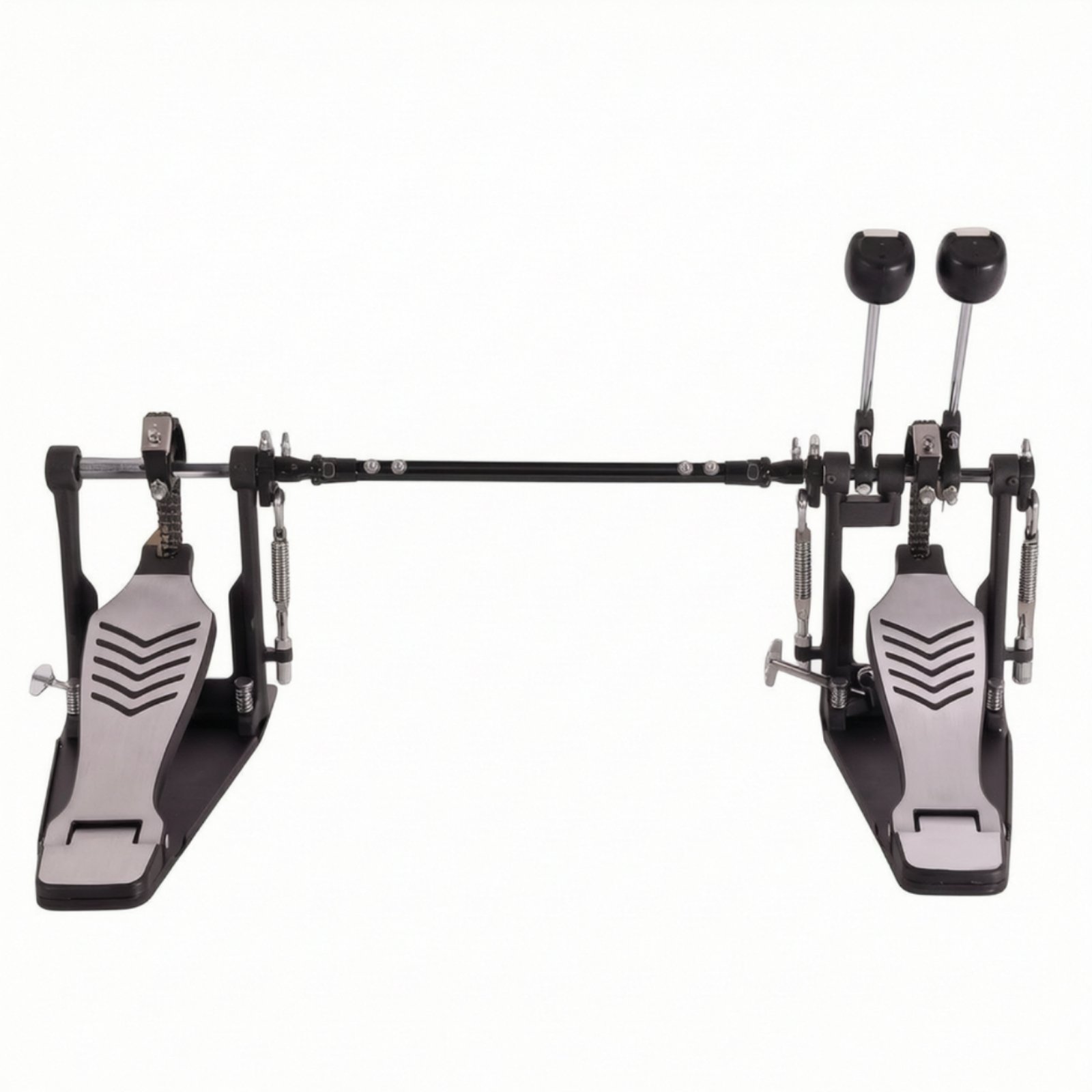
Double Bass Drum Pedal Heavy-Duty
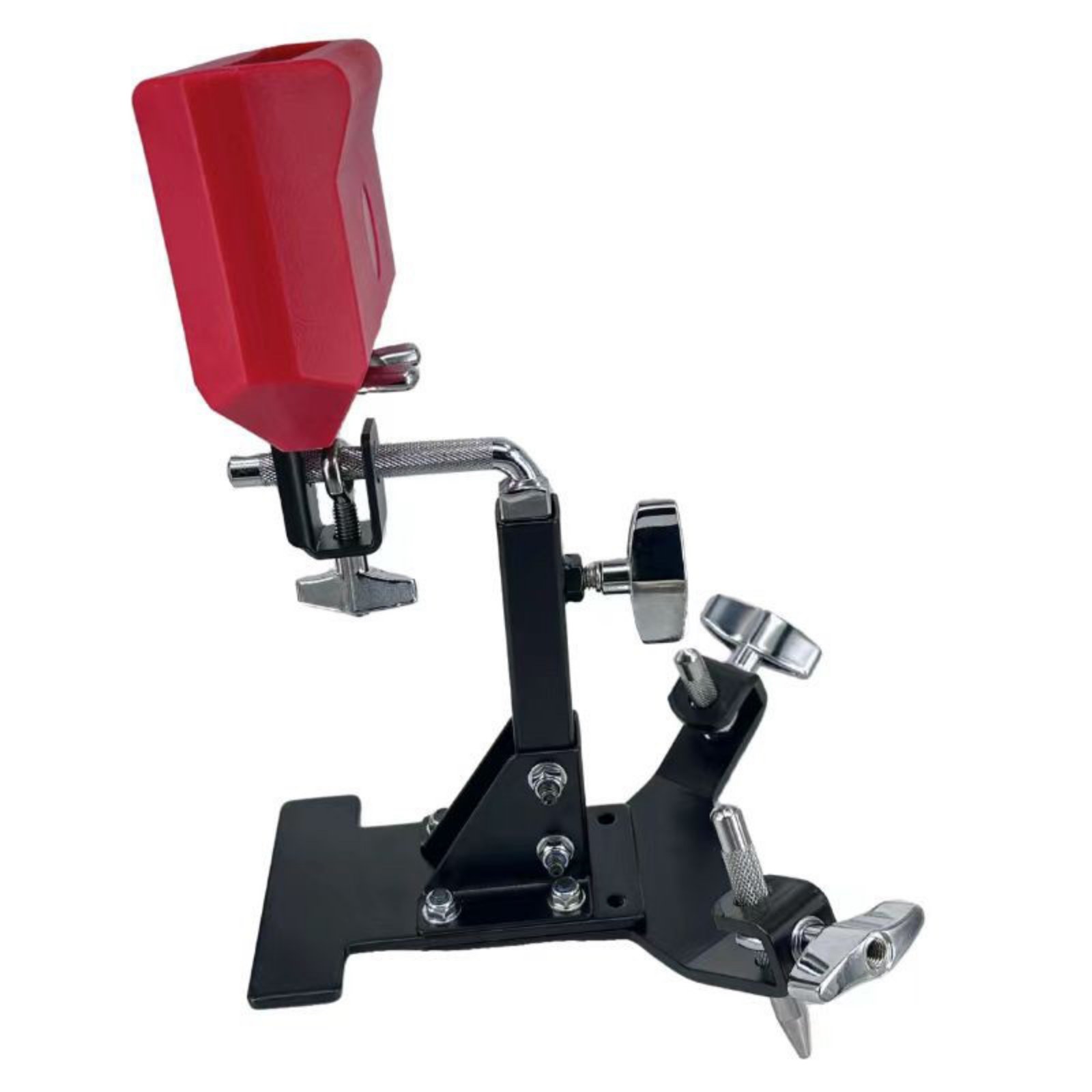
Adjustable Drum Pedal Practice Pad
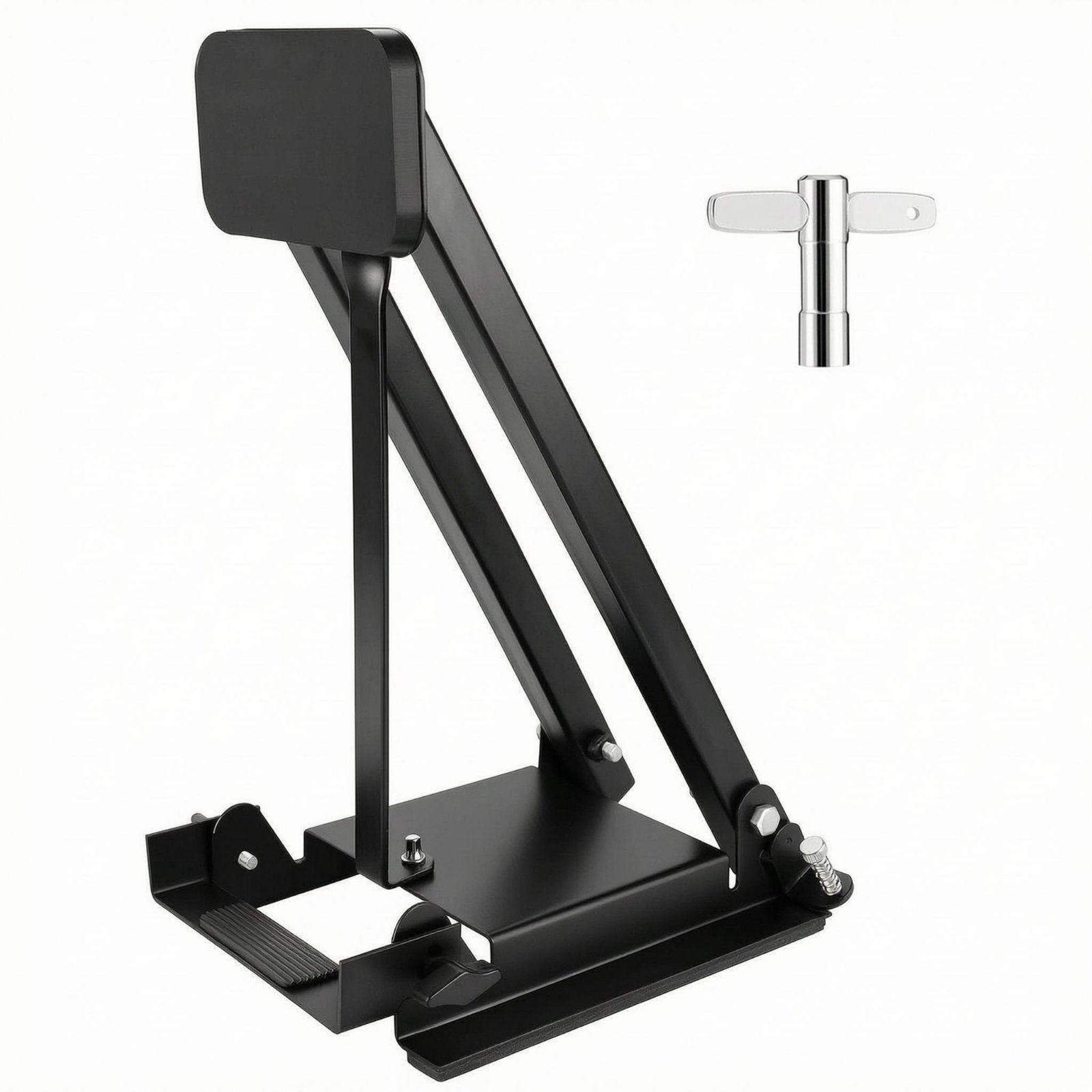
Folding Drum Footplate
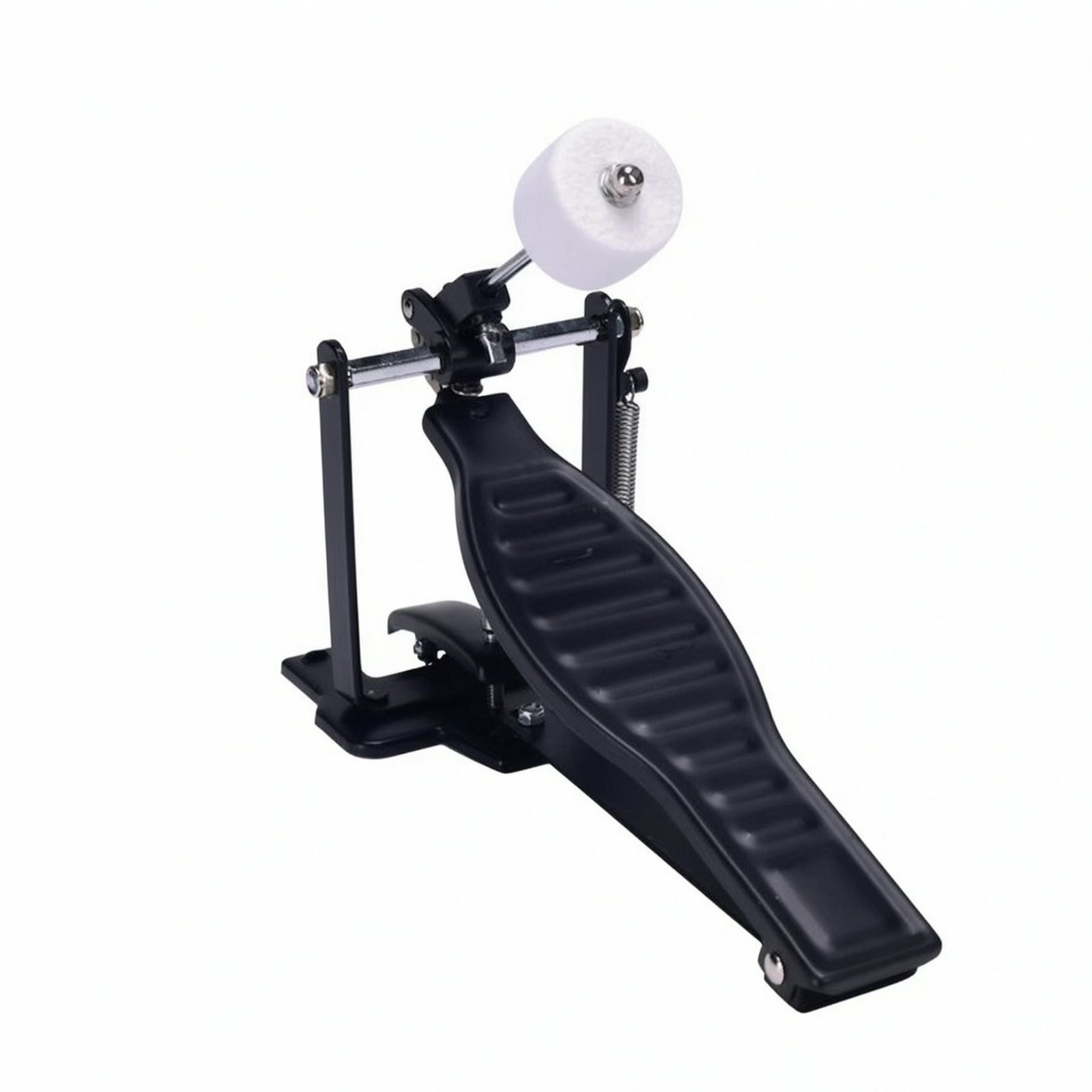
Single Bass Drum Pedal – Black
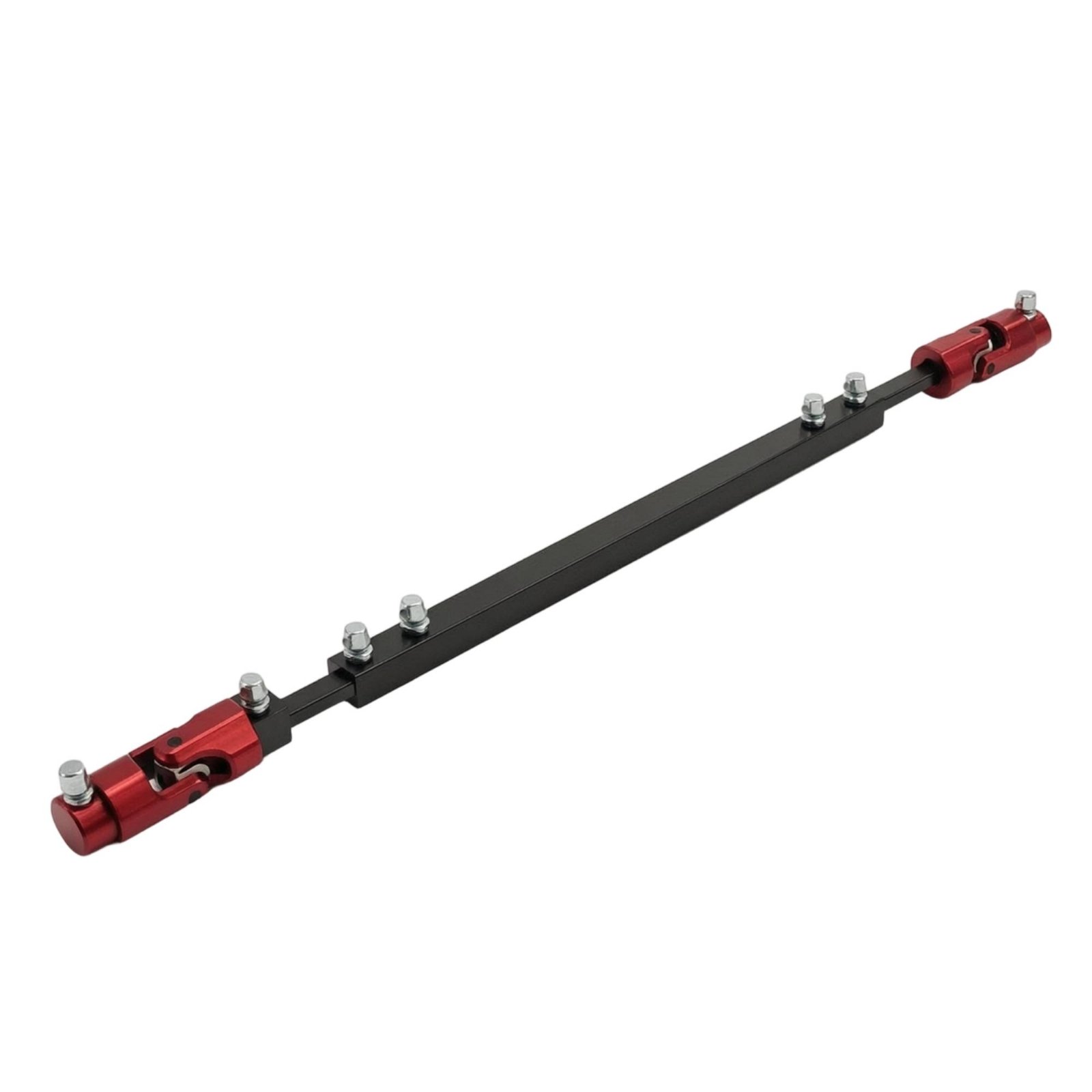
Adjustable Drum Pedal Connecting Rod
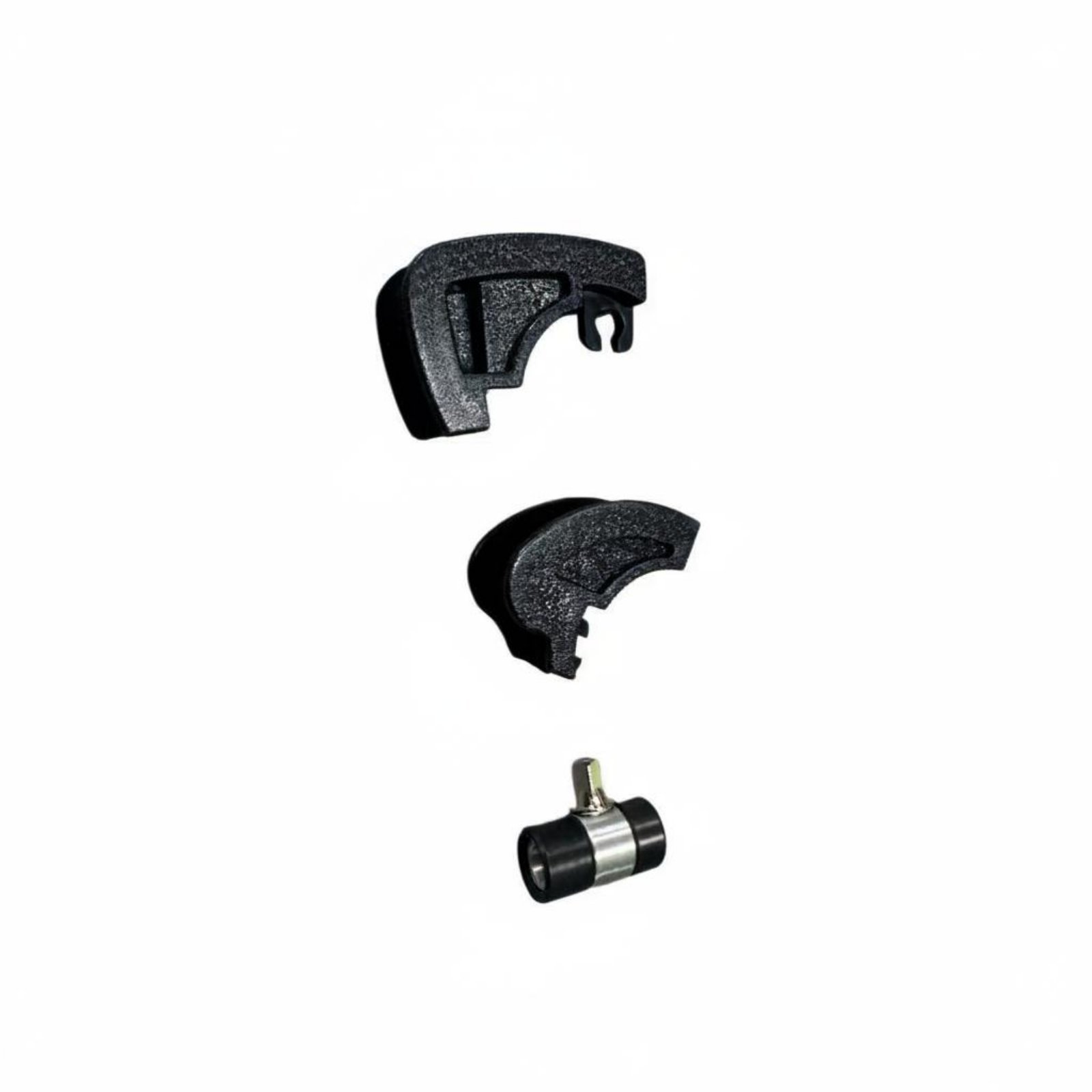
3-Piece Bass Drum Pedal Cam Set
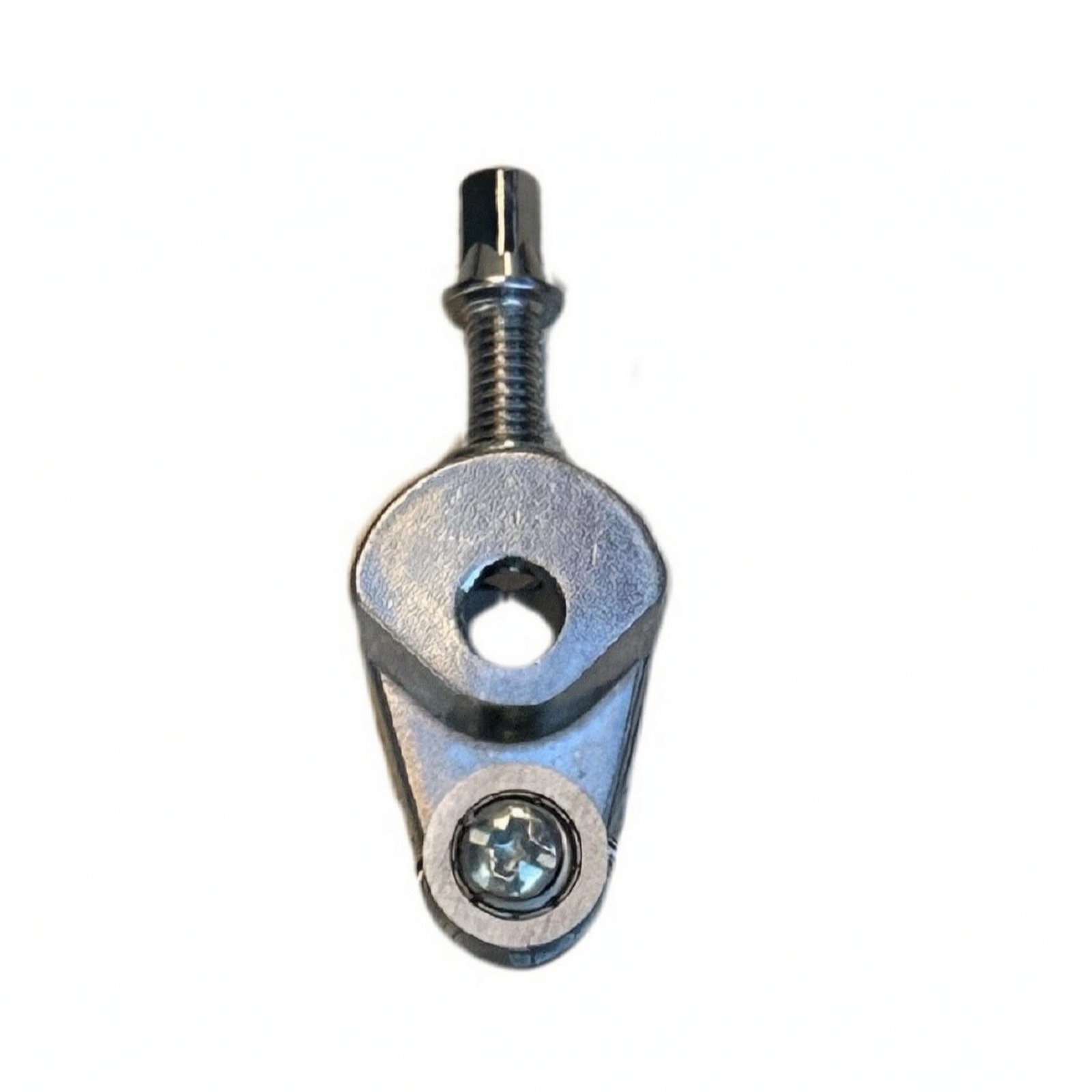
Drum Pedal Pull-Block Metal
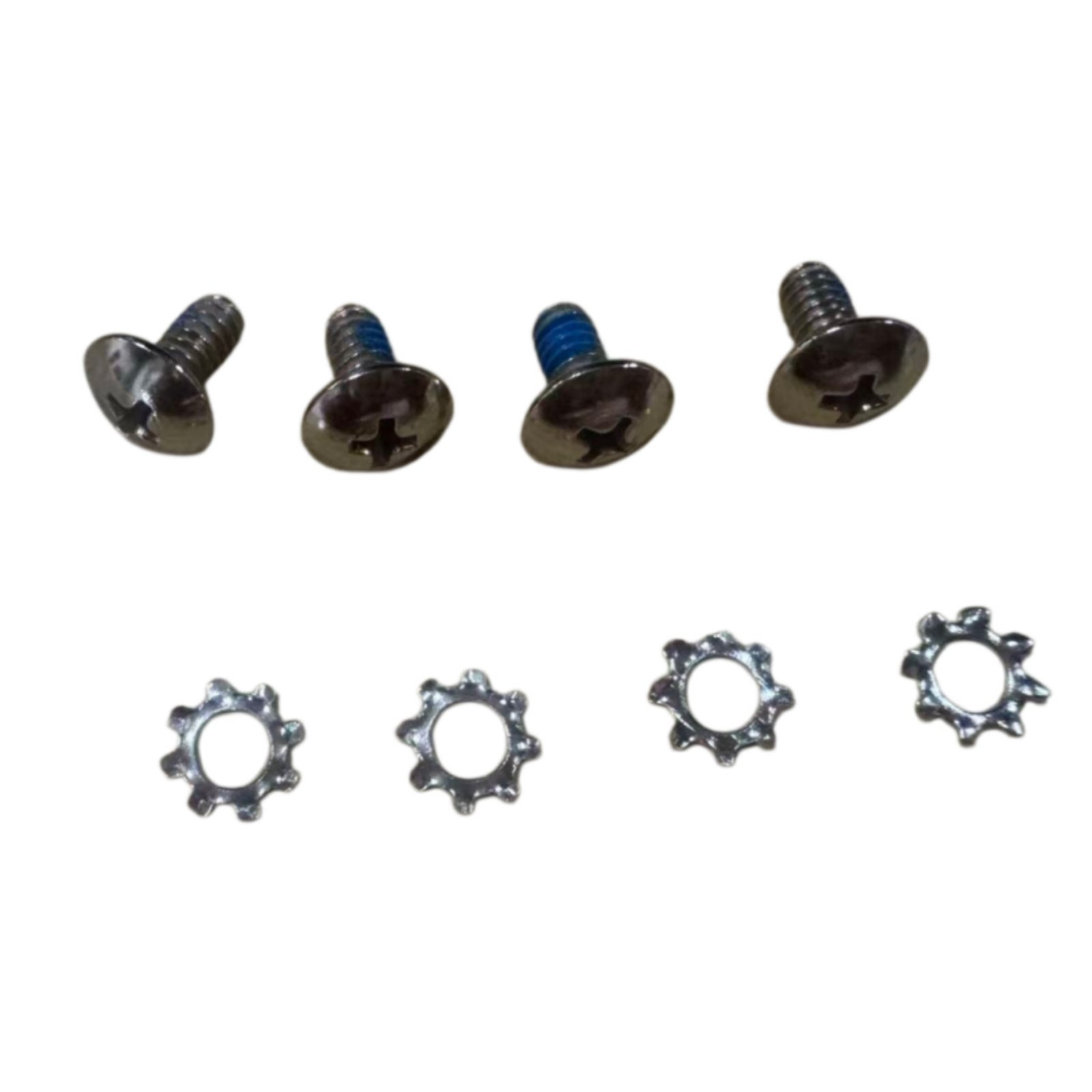
Bass Drum Connector Washers
Double Bass Drum Pedal Bag
Double Chain Drive Pedal