Buying guide · Music & Luthier
How to choose a mouthpiece and practice accessories for trumpet or cornet
Short answer
Start with a simple, standard mouthpiece that matches your current level, then add practice accessories only if they solve a specific problem such as volume control, breath training, or keeping spare parts organized. For most trumpet or cornet players, the safest setup is one everyday mouthpiece, one quiet-practice mute, and at most one training aid used for short, focused sessions rather than as a substitute for normal playing.
Choose the mouthpiece first
Your mouthpiece affects comfort, response, and how easily you can build a steady embouchure. If you are a beginner or returning player, a standard, beginner-friendly option is usually a safer starting point than a highly specialized design, because it gives you a stable baseline while you learn breath support, articulation, and tone.
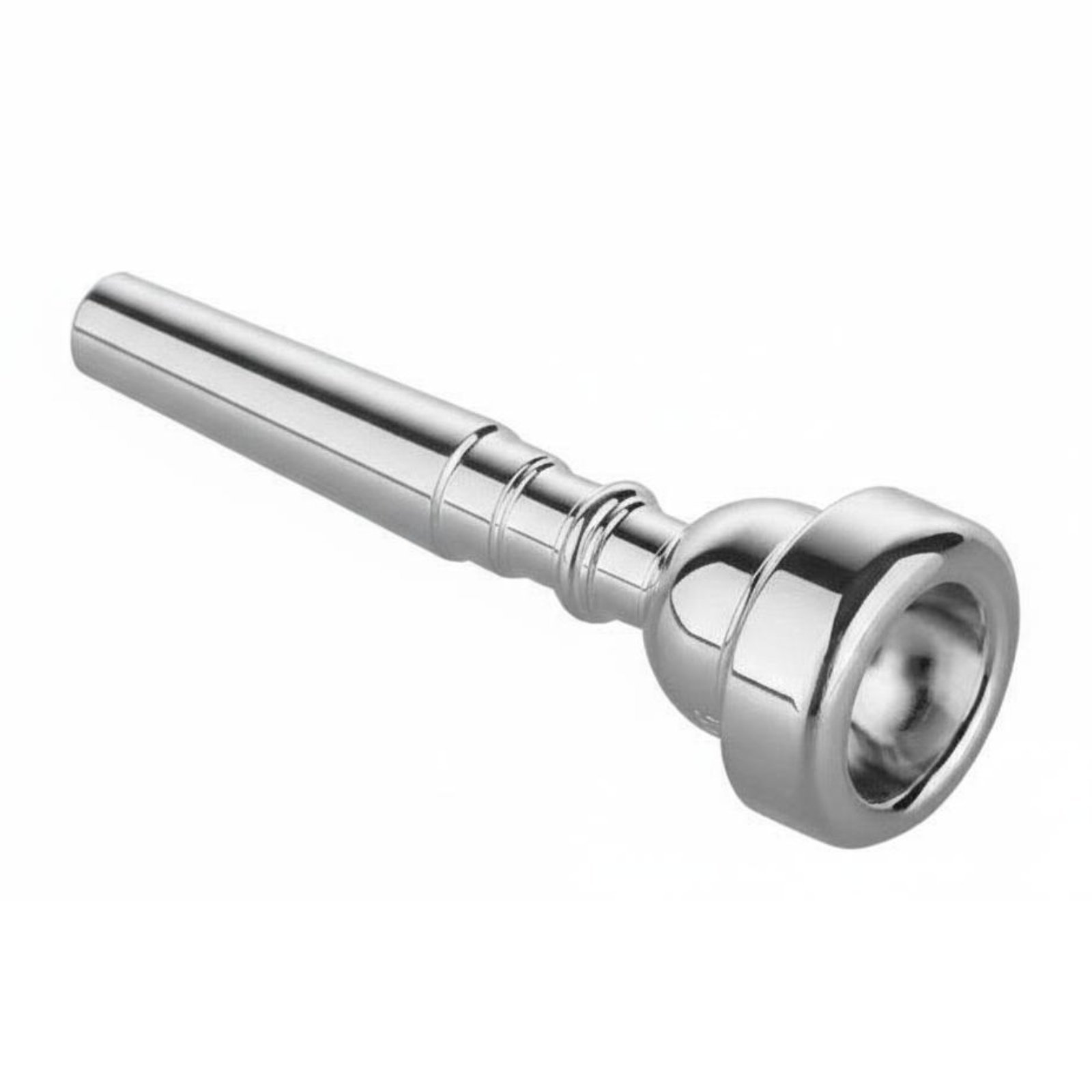
A mouthpiece such as Trumpet Mouthpiece is described as beginner friendly, with a standard cup size and a smaller opening intended to make upper notes easier to reach. That kind of description is useful when you want an easy, predictable starting point, but you should still confirm that it fits your instrument receiver securely because the listing says it fits most standard trumpet models rather than naming every instrument.
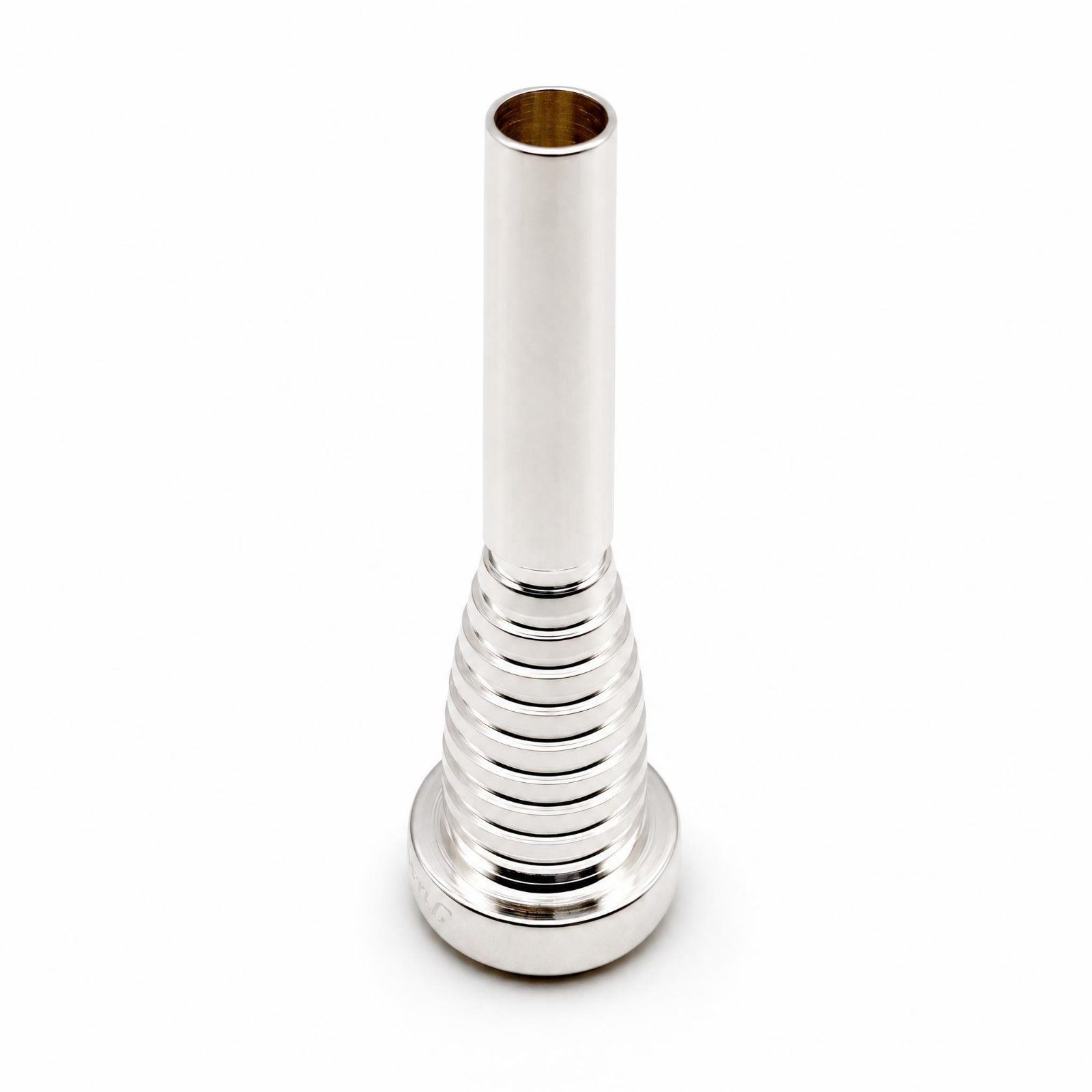
If you want another conventional option, Silver Trumpet Embouchure Piece is a 7C-style trumpet embouchure piece with an overall length of 87.8 mm, a 27.2 mm cup outer diameter, and a 16.4 mm cup inner diameter. It also has a rounded cup-shaped rim and a spiral-textured body, which may matter if grip and lip comfort are priorities during longer practice.
If you are not sure what to buy, avoid chasing tone descriptions alone. Focus first on whether the mouthpiece is presented as standard or beginner friendly, whether the rim shape sounds comfortable for your lips, and whether the fit is stated clearly enough for your trumpet or cornet.
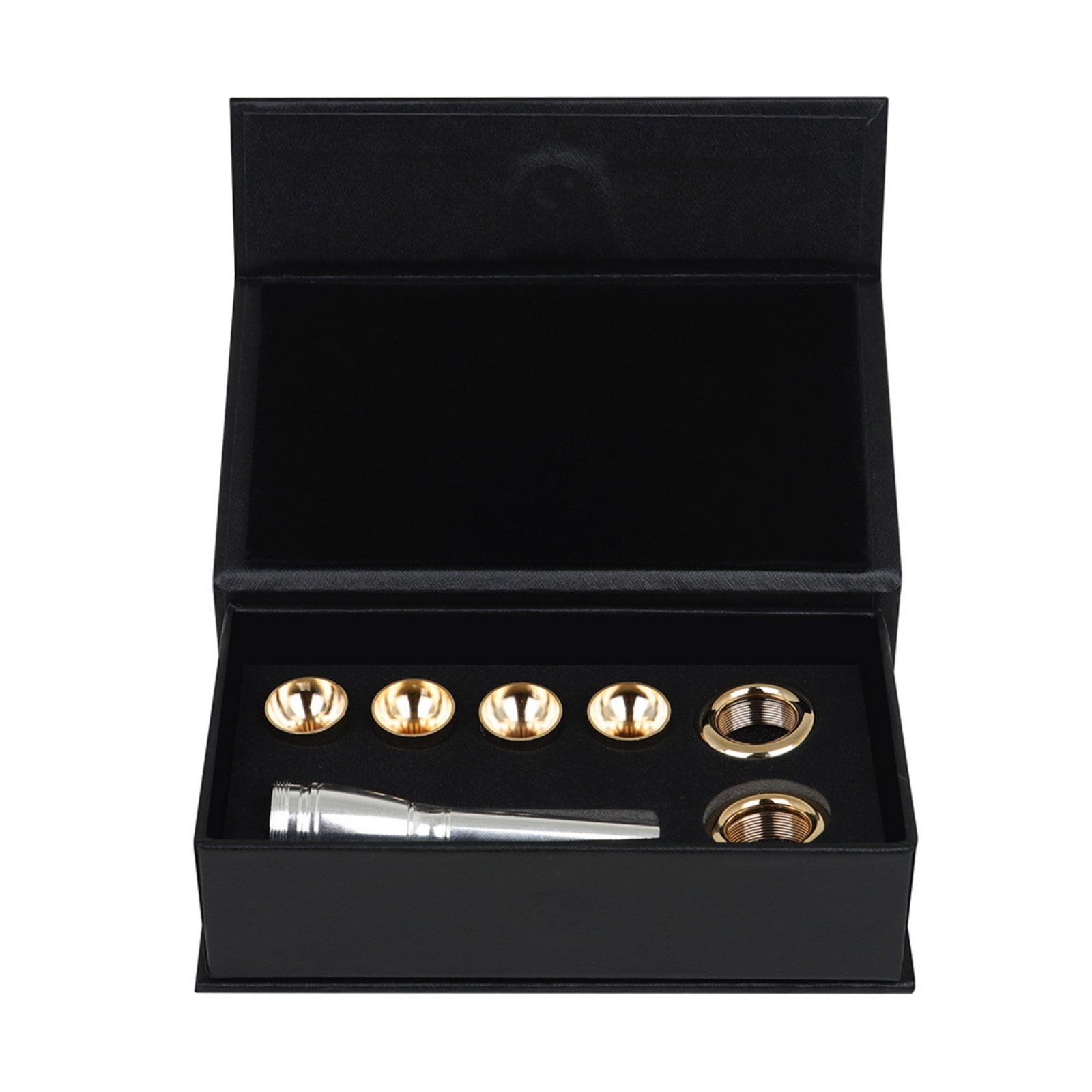
A modular setup like Trumpet Mouthpiece Kit Modular can make sense if you already know you want to experiment with interchangeable heads and rims. For a new player, though, a fixed mouthpiece is usually easier because it removes one variable and makes your daily practice feel more consistent.
Add accessories for a specific practice problem
Practice accessories work best when each one has a narrow job. Buy them to solve one issue at a time, not because they seem advanced.
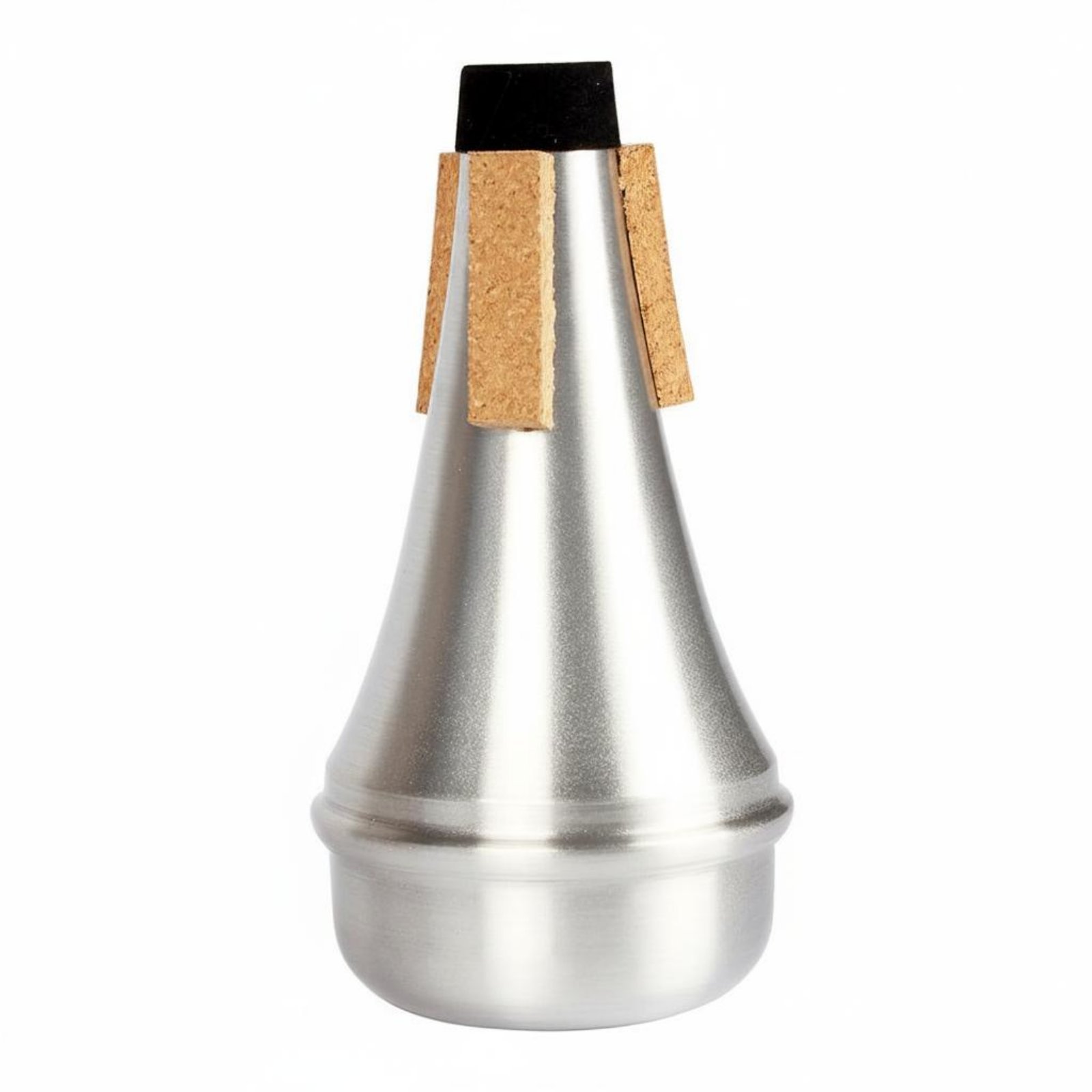
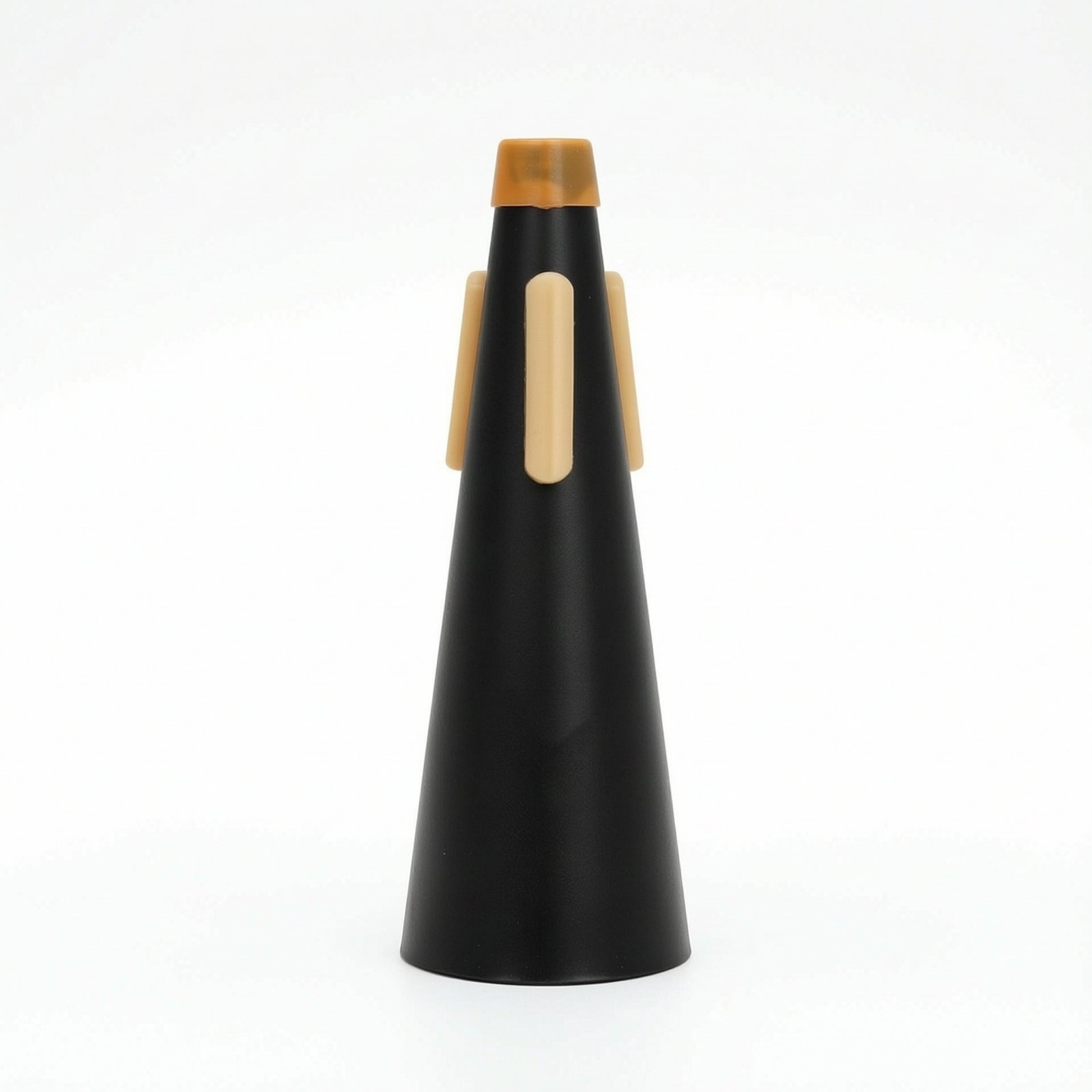
If your main problem is volume, a practice mute is the most practical add-on. Aluminum Trumpet Practice Mute is a trumpet practice mute made from aluminum alloy with cork touch points to help it sit securely in the bell, while Trumpet Practice Mute is a tapered trumpet sound reducer made of PET that is intended to lower sound output during rehearsal. Trumpet Practice Mute measures 18.1 x 6.1 x 6.1 cm and weighs 64.2 g, so the listing clearly positions it as a portable option for carrying in an instrument bag.
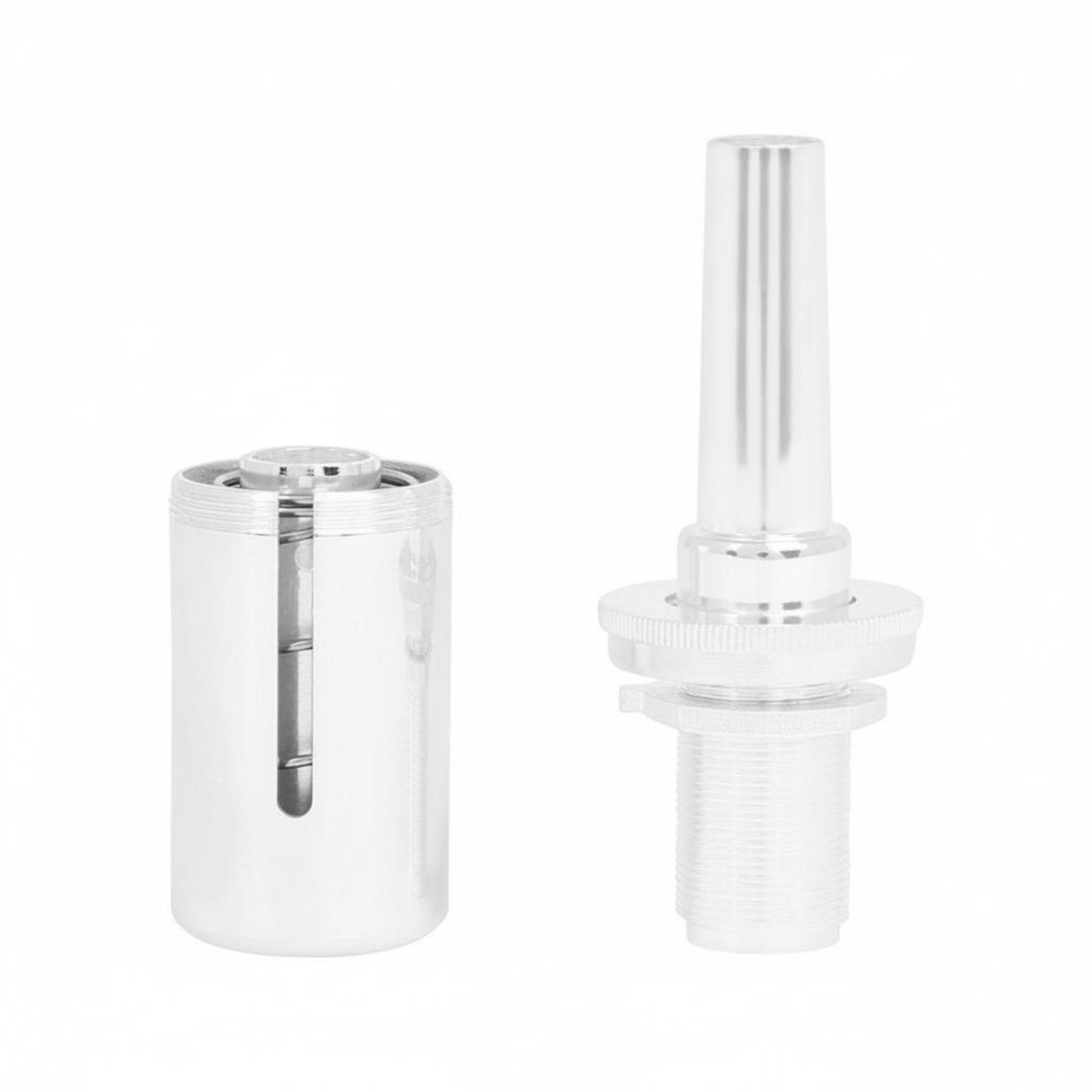
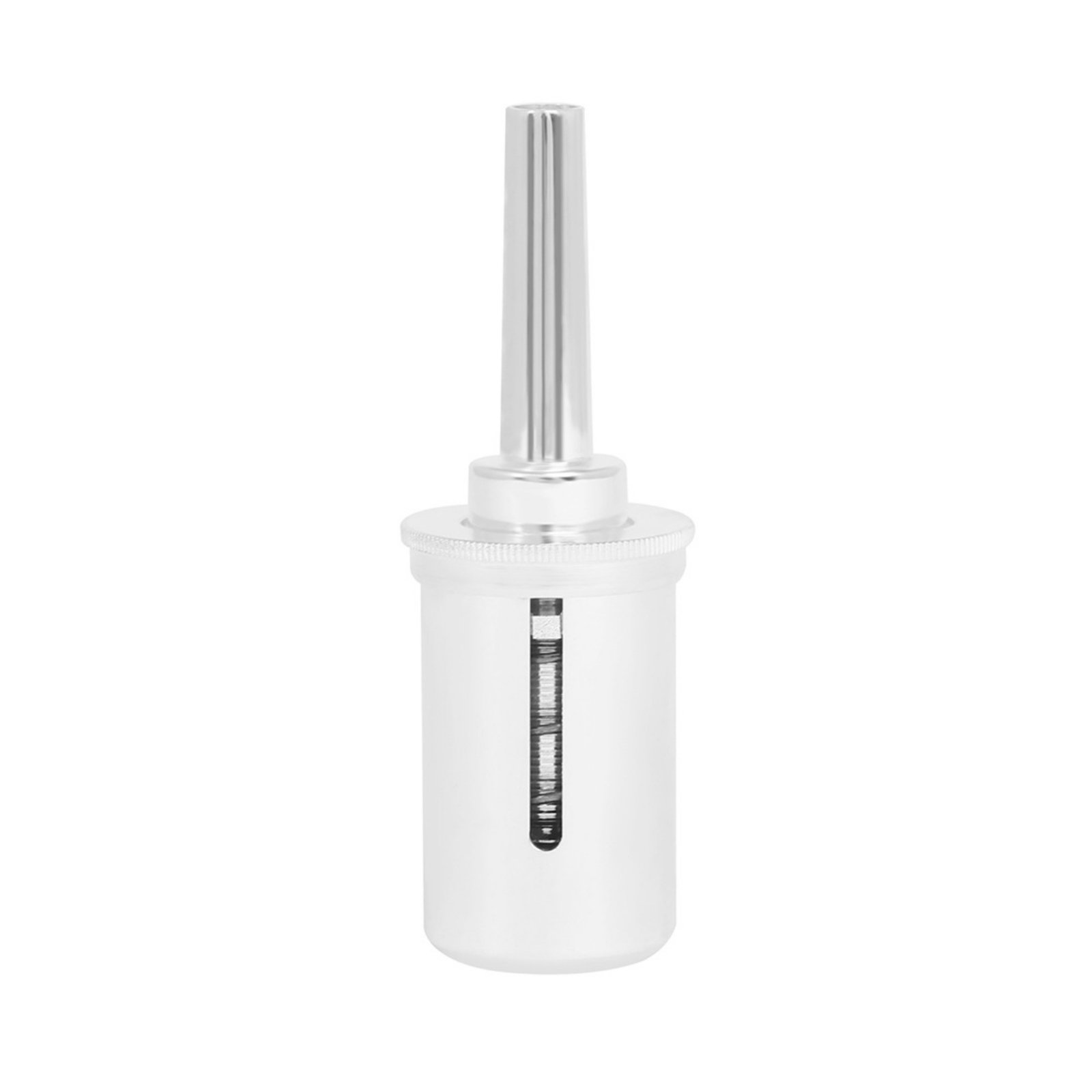
If your main problem is overblowing, excess pressure, or weak breath control, a training aid may be more useful than another mouthpiece. Trumpet Pressure Reducer is a trumpet pressure reducer that attaches at the embouchure piece area and lets you fine-tune air current resistance for breath support and endurance work. Brass Embouchure Reducer is a brass training reducer with an adjustable internal mechanism, so it may suit a player who wants to vary resistance during short drills.
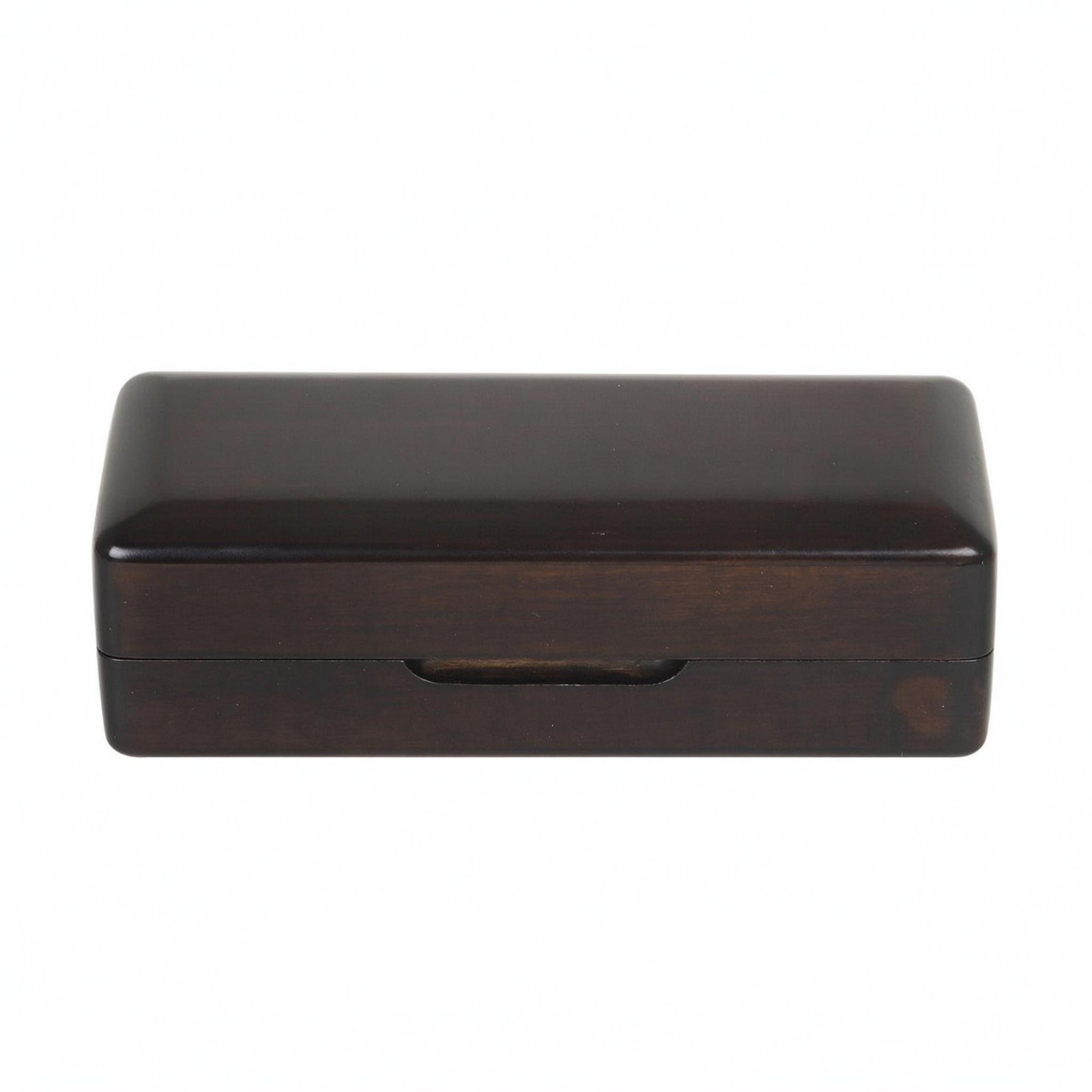
If you like to keep a spare mouthpiece in a case, storage matters too, but check the fit before you buy. Wood Saxophone Embouchure Case is described as a wood embouchure piece storage case with velvet lining, sponge cushioning, and a clasp closure, but the listing presents it as a saxophone embouchure piece case, so a trumpet or cornet player should verify internal fit rather than assume compatibility.
How the pieces work together
Think of the setup as a simple chain. The mouthpiece shapes comfort and response, the mute changes how loudly the instrument speaks, and the training aid changes how your air feels during drills.
Your everyday mouthpiece should be the center of the system. A player might use Trumpet Mouthpiece or Silver Trumpet Embouchure Piece for normal practice, then insert Aluminum Trumpet Practice Mute or Trumpet Practice Mute only when quiet practice is necessary. That keeps your main playing feel familiar while still making home practice more manageable.
Training reducers such as Trumpet Pressure Reducer and Brass Embouchure Reducer are better treated as short-session tools than full-time playing setups. They can help isolate breathing and resistance awareness, but normal playing on your regular mouthpiece is still important because tone, intonation, and articulation are learned on the actual instrument setup.
A modular option such as Trumpet Mouthpiece Kit Modular fits a different role. Instead of changing volume or resistance, it lets you compare connected mouthpiece parts and settle on a feel that suits your practice and performance routine.
Repair tools are separate from practice tools. Trumpet Embouchure Straightener is meant to recondition a dented or flattened embouchure piece rather than improve daily playing, so it belongs in a repair kit, not a starter practice kit.
Common mistakes to avoid
The first mistake is buying too many variables at once. If you change mouthpiece, add a mute, and start resistance training on the same day, it becomes hard to tell what actually helped or hurt your playing.
The second mistake is assuming every brass item fits both trumpet and cornet without checking. Some listings use broad wording like universal or standard, but receiver fit is still something to confirm before you commit to a mouthpiece.
The third mistake is using a training reducer for every session. Accessories like Trumpet Pressure Reducer and Brass Embouchure Reducer can be helpful for focused exercises, but if all your playing happens through a resistance device, you may lose perspective on normal response and tone.
Another common mistake is picking a mute only by material. The more useful clues are whether it is clearly intended as a practice mute, whether the bell fit is stabilized by features like the cork touch points on Aluminum Trumpet Practice Mute or the gripping pads on Trumpet Practice Mute, and whether you want the lightest item or just a simple quiet-practice option.
Finally, do not buy repair gear unless you need repair gear. Trumpet Embouchure Straightener can be useful when a mouthpiece has been compressed or dented, but it is not a shortcut to better sound or easier playing on a healthy mouthpiece.
A typical kit
- Trumpet MouthpieceUse this as a straightforward everyday mouthpiece if you want a beginner-oriented starting point with a standard cup size.
- Silver Trumpet Embouchure PieceChoose this as an alternative everyday mouthpiece if you want a 7C-style option with stated dimensions and a rounded rim.
- Aluminum Trumpet Practice MuteAdd this when you need to lower practice volume without changing your main mouthpiece choice.
- Trumpet Practice MutePick this as a lightweight quiet-practice mute if portability matters in your routine.
- Trumpet Pressure ReducerUse this for short breath-control sessions when you want adjustable resistance at the embouchure area.
- Trumpet Mouthpiece Kit ModularConsider this if you already know you want to compare interchangeable mouthpiece parts instead of sticking to one fixed setup.
Questions people ask
Should I start with a standard mouthpiece or a modular kit?
For most new players, a fixed mouthpiece is simpler to evaluate during daily practice. A model like Trumpet Mouthpiece gives you one stable feel, while Trumpet Mouthpiece Kit Modular is more useful once you know what kinds of interchangeable parts you want to test.
Do I need a practice mute for home use?
Only if volume is the main obstacle to regular practice. Aluminum Trumpet Practice Mute and Trumpet Practice Mute are both intended to reduce sound output, so they help when you need quieter warmups and exercises. They are convenience tools, not required for learning fundamentals.
What is the difference between a pressure reducer and a mute?
A mute changes how loudly the instrument sounds, while a pressure or training reducer changes the resistance you feel during breath work. Trumpet Pressure Reducer and Brass Embouchure Reducer are for focused control practice, whereas Aluminum Trumpet Practice Mute and Trumpet Practice Mute are for quiet practice.
Can I use trumpet accessories on cornet?
Sometimes, but you should not assume a fit without checking. Listings like Trumpet Mouthpiece use broad fit language, which is helpful, but receiver dimensions are not fully detailed for every instrument. When buying for cornet, confirm the shank fit and return to a simple standard setup if you are unsure.
Should I buy a repair straightener with my first mouthpiece?
Usually no. Trumpet Embouchure Straightener is a reshape tool for a dented or flattened embouchure piece, so it solves damage rather than improving ordinary practice. It is more relevant for someone maintaining existing gear than for a beginner building a first kit.
Shop the list
Everything mentioned above
Prices and delivery windows are live from our catalog.
Trumpet Mouthpiece – Silver, 7C
Silver Trumpet Embouchure Piece
Trumpet Mouthpiece Kit Modular
Aluminum Trumpet Practice Mute
Trumpet Practice Mute
Trumpet Pressure Reducer
Brass Embouchure Reducer
Wood Saxophone Embouchure Case