Buying guide · Music & Luthier
What you need to set up a keyboard for comfortable playing at home or on stage
Short answer
For a comfortable keyboard setup, focus on three basics: supportive seating, a pedal that matches your keyboard’s jack, and a bag that fits how often you move the instrument. If you travel with a stand, a dedicated stand bag also helps keep setup parts together and easier to carry.
Start with the parts that affect comfort most
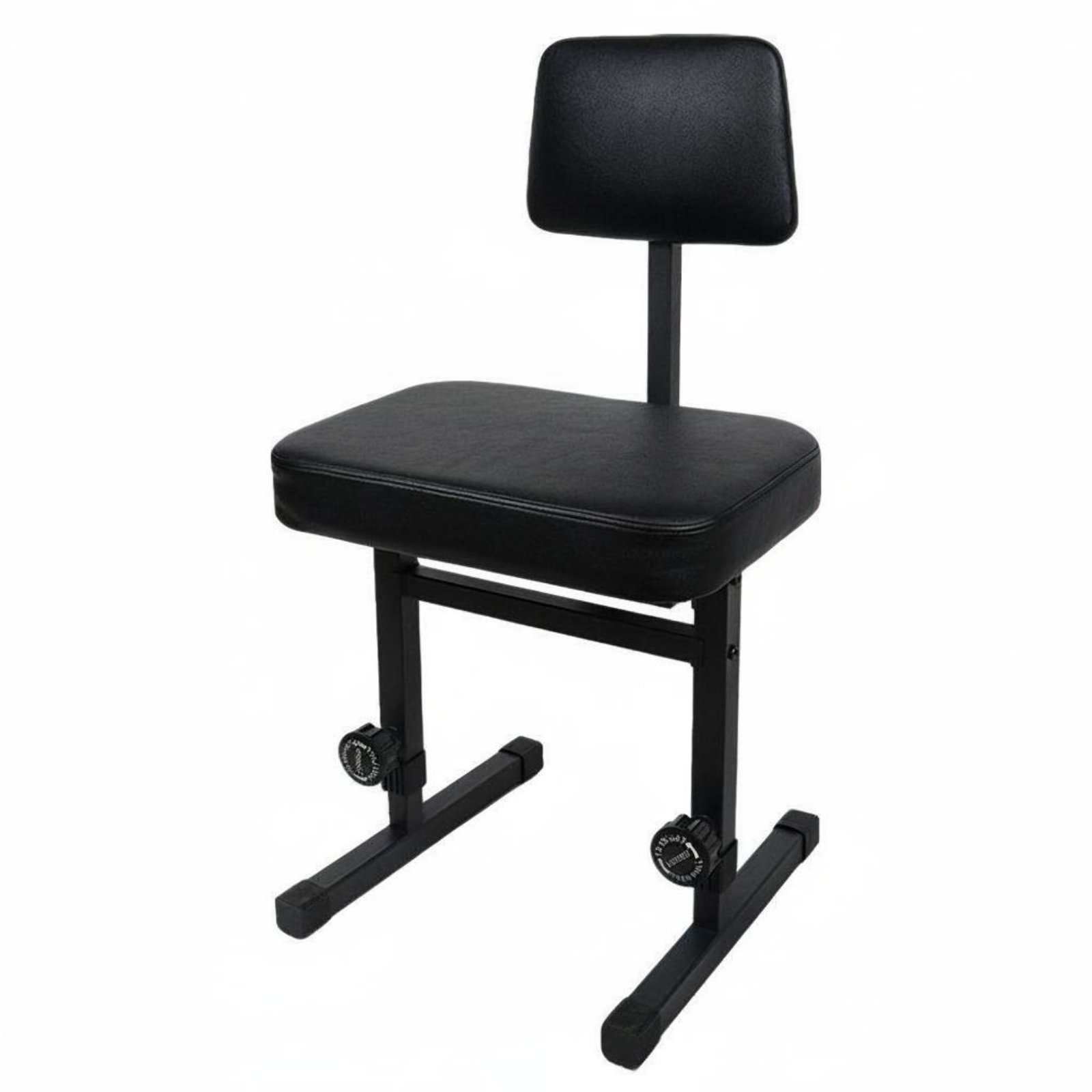
A comfortable setup starts with your body position. The seat matters because it affects arm height, leg room, and how long you can play without feeling tense. If you want more posture support for longer practice sessions, an adjustable bench with a backrest such as Piano Stool with Backrest gives you height options from 46 cm to 58 cm and uses a 7 cm cushion, which can help you line up your hands more naturally with the keys.
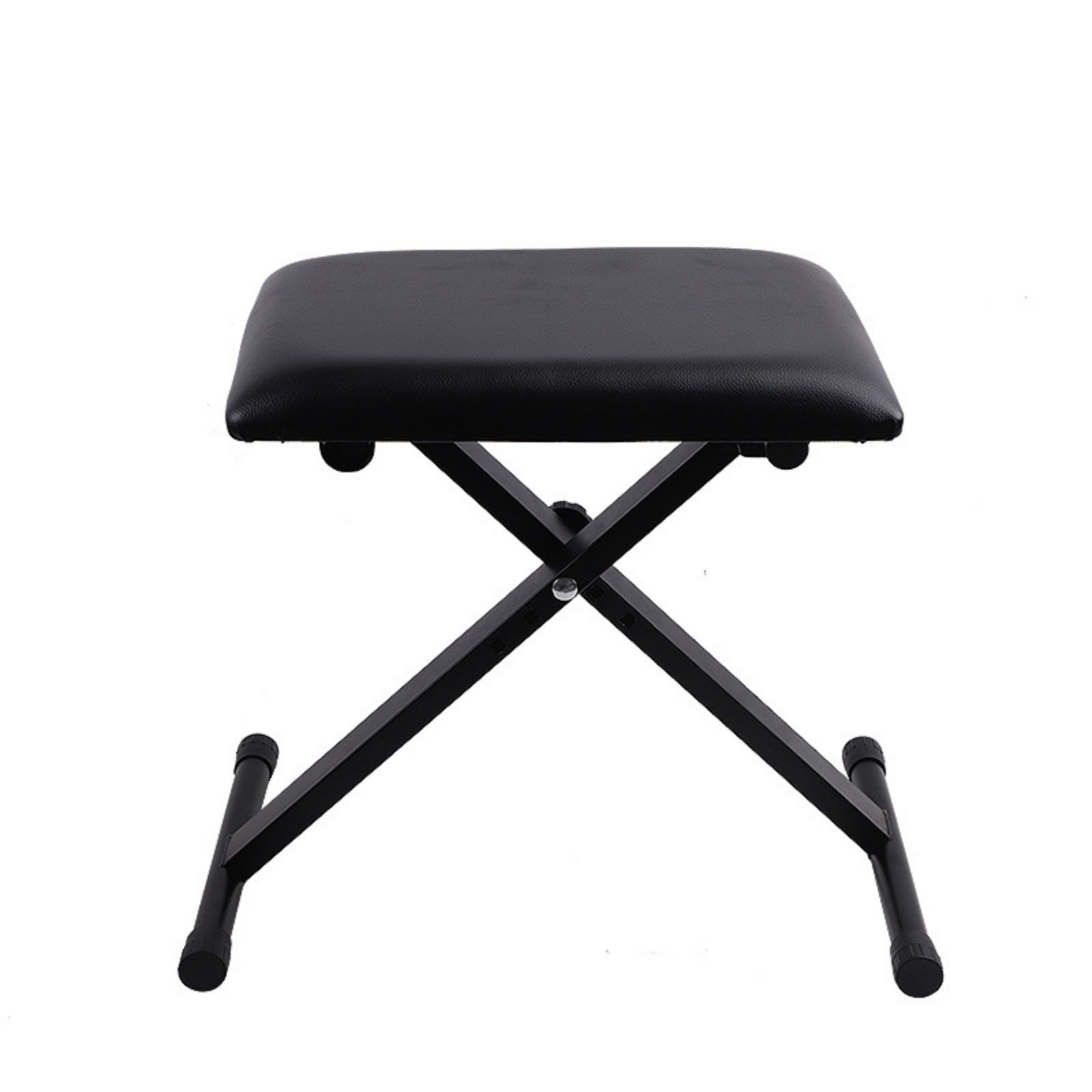
If you need something simpler and easier to store, a folding bench such as Instrument Stool Foldable Adjustable is a practical choice. It has three height positions and a foldable base, so it suits players who switch between a home room and occasional stage use.
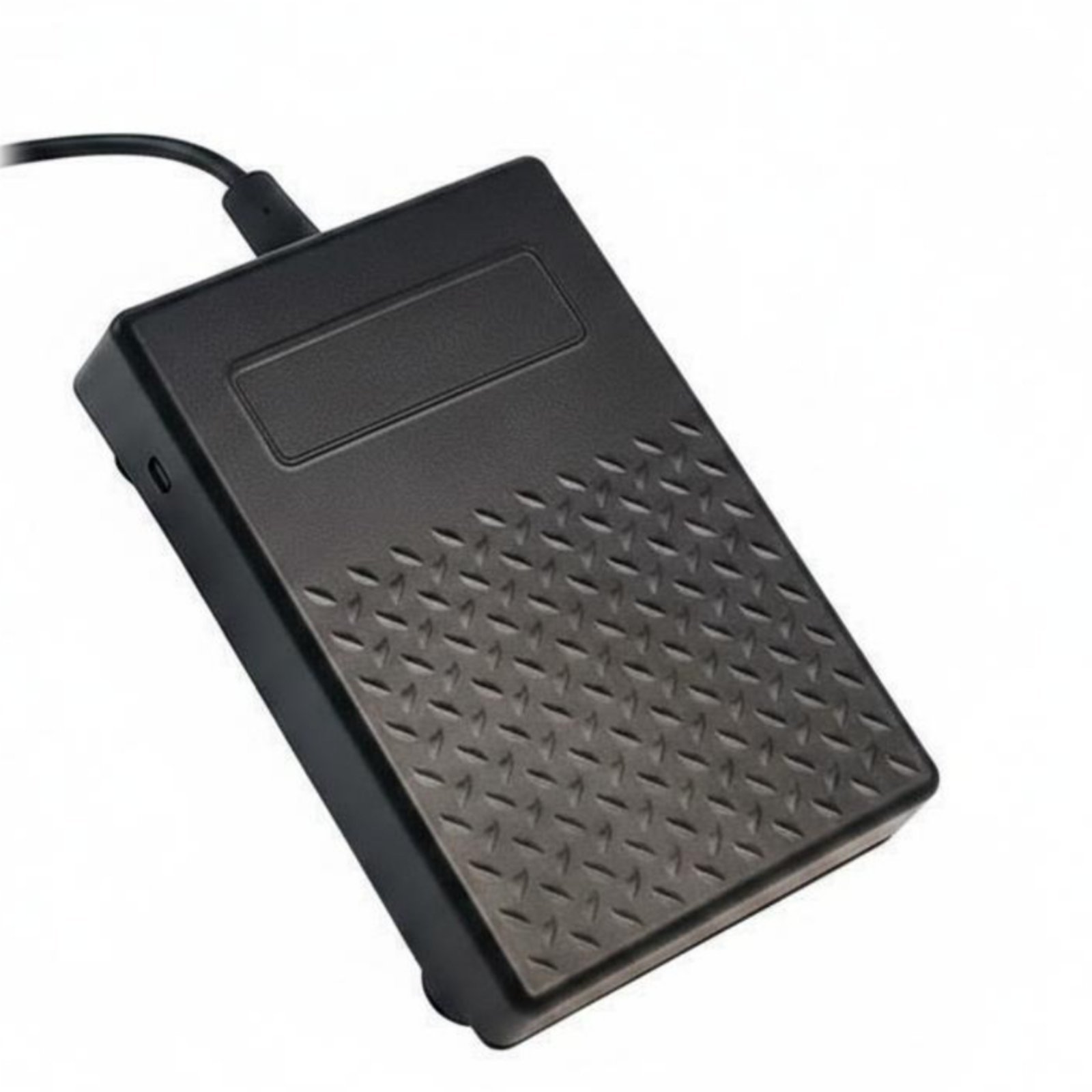
Next, think about pedal use. If your keyboard supports a sustain input, adding a sustain pedal makes playing much more natural for piano-style parts. A common example is Sustain Pedal Classic Style, which uses a 3.5 mm plug and adds a non-slip base, so it is a good fit only if your keyboard’s pedal jack matches that connection.
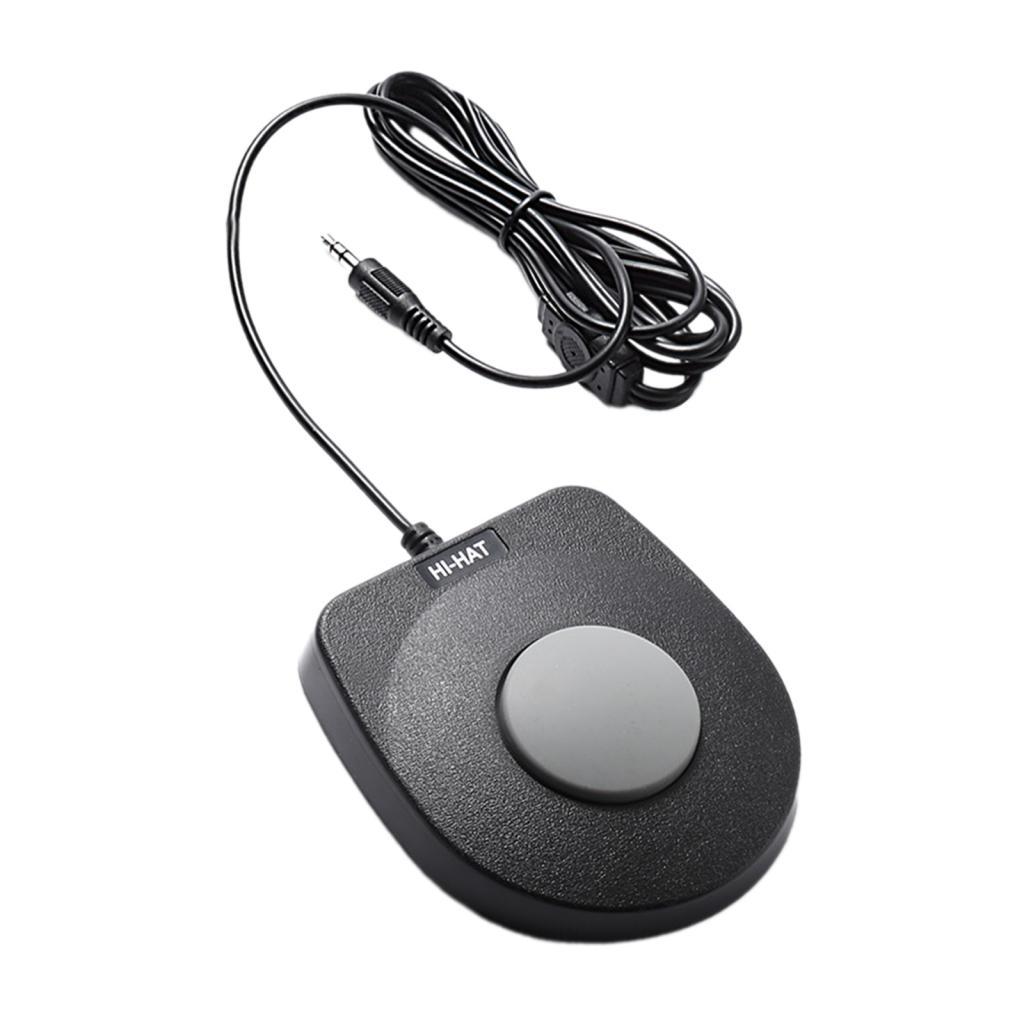
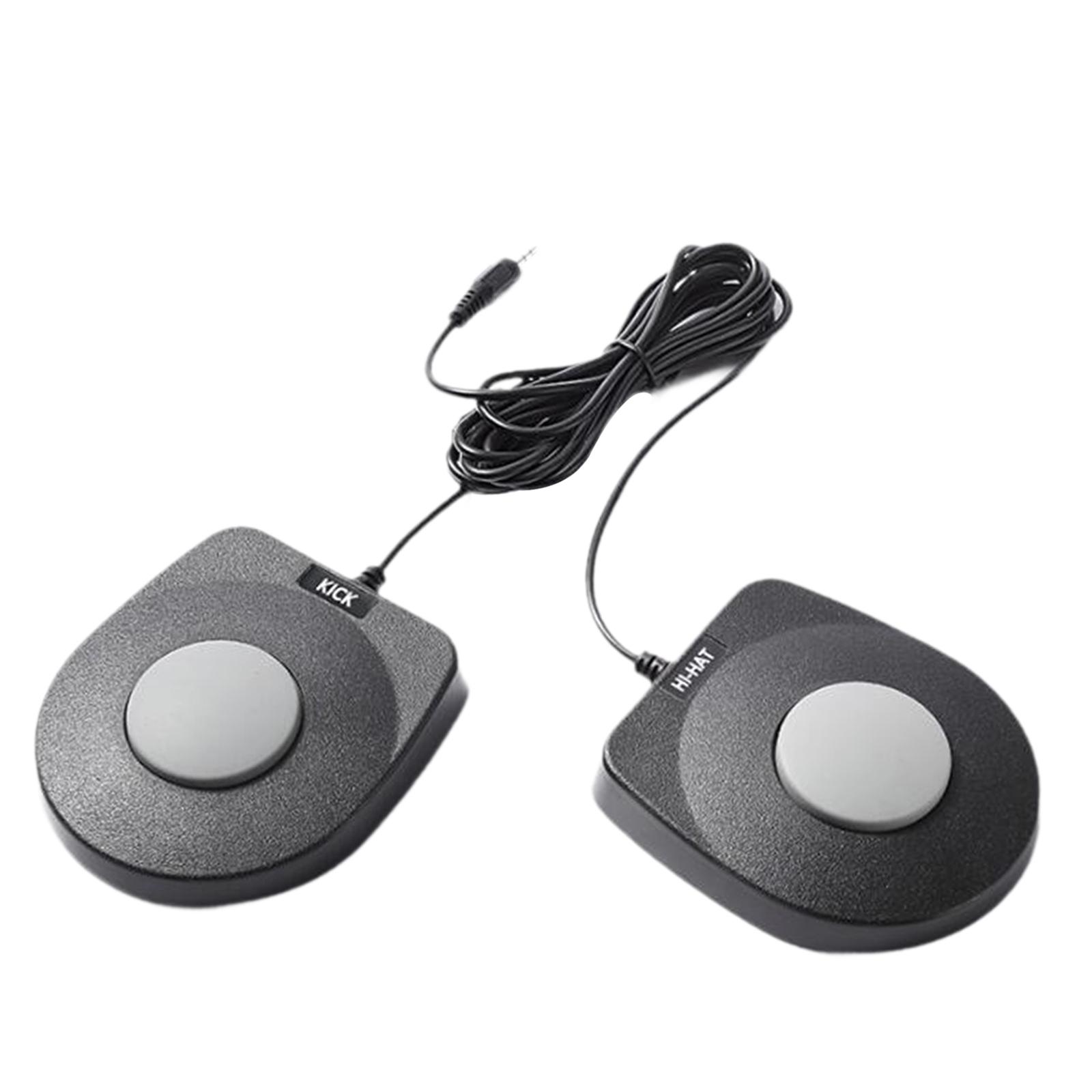
If your keyboard specifically calls for a single pedal with a 3.5 interface, Sustain Pedal 3.5 Interface is another example to compare. If you need a double-pedal style connection instead, Sustain Pedal Double 3.5 Interface may fit that use, but you should confirm the exact pedal function and jack style in your keyboard’s product description before ordering.
Choose transport and storage by your keyboard size and routine
For home use, a bag keeps dust off and gives you one place for accessories. For stage use, the bag also affects how easy load-in and load-out will feel. The main thing to check is key count and whether you want extra pockets for cables, sheet music, adapters, and pedals.
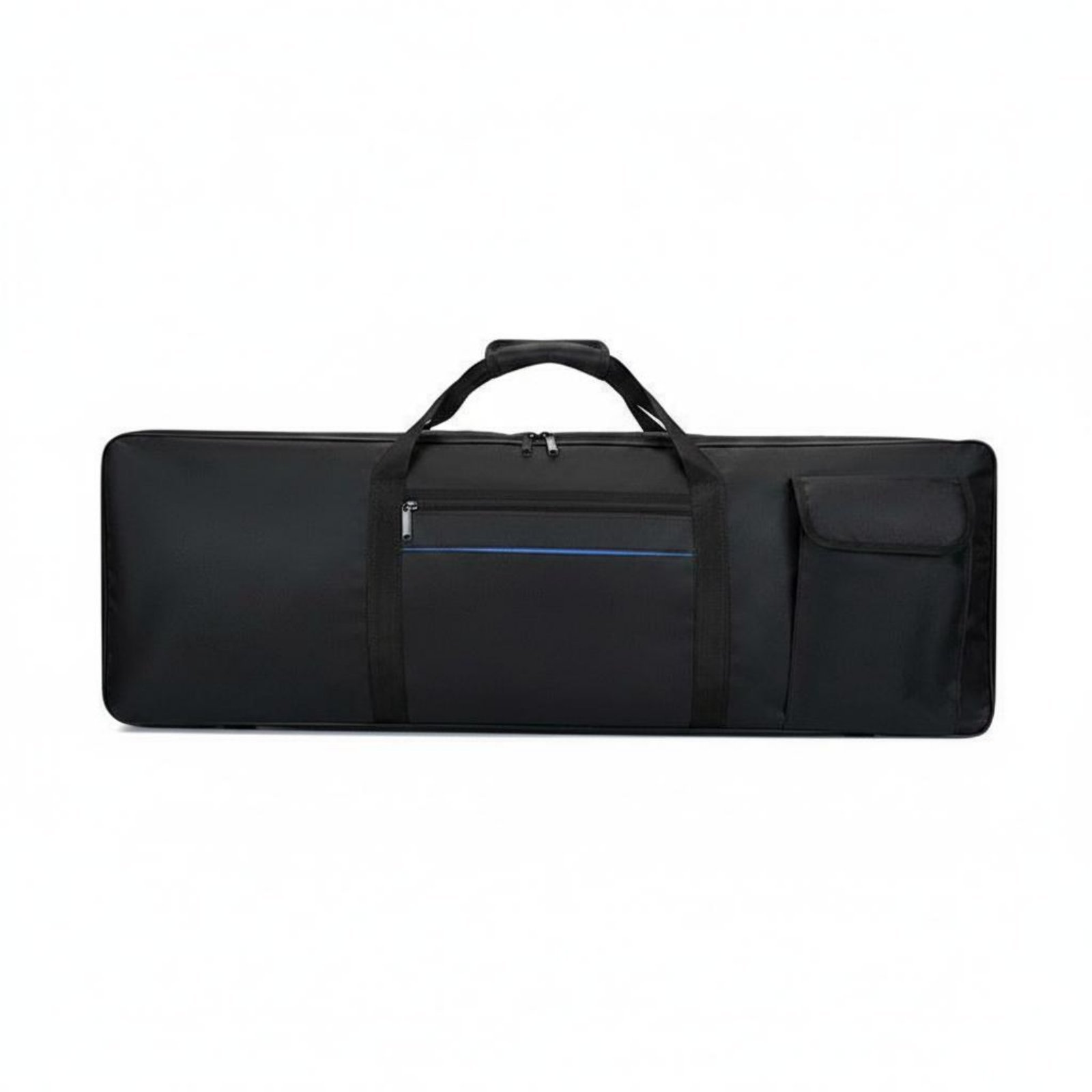
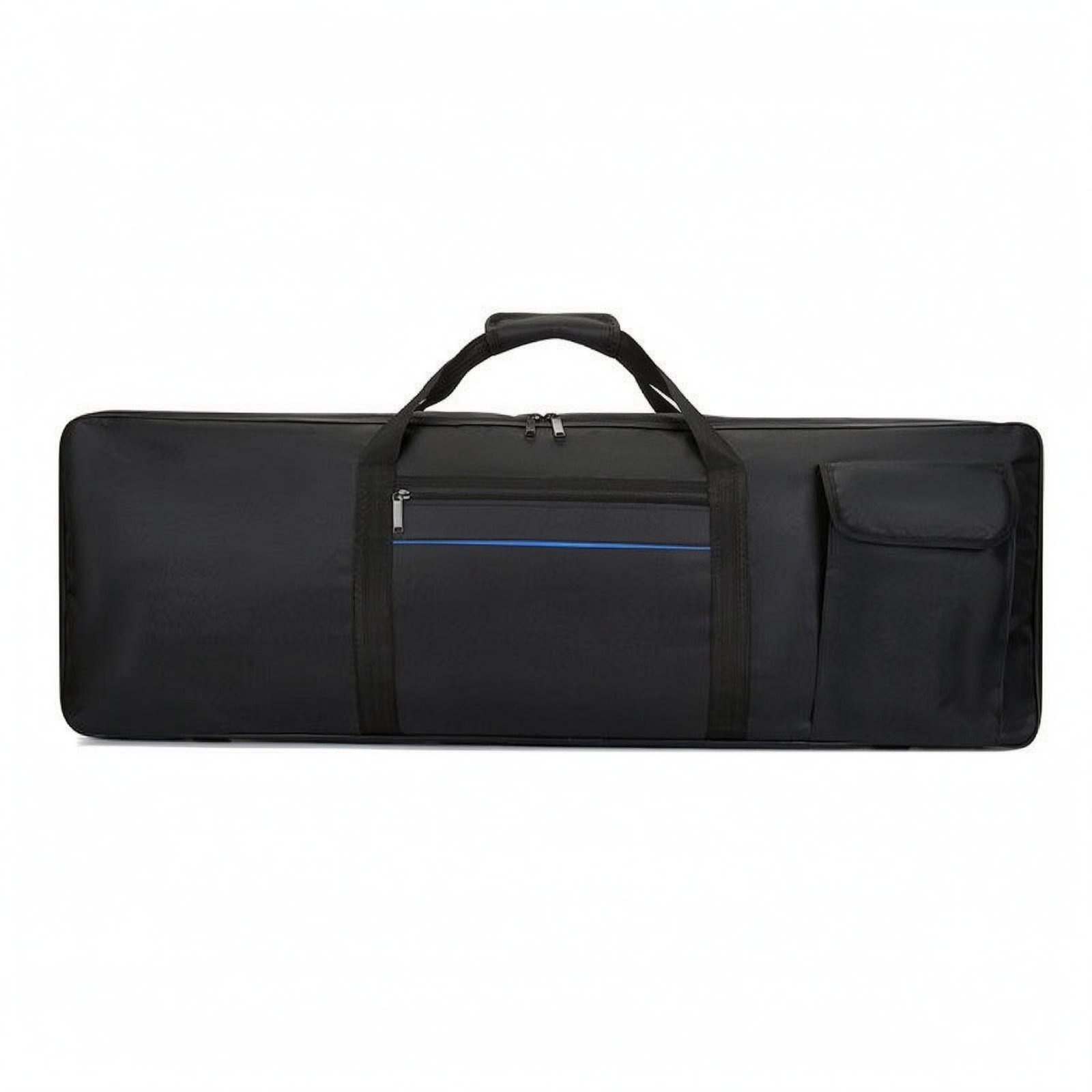
If you have a typical 61-key instrument, 61-Key Keyboard Bag is made for a 61-key keyboard and uses 6 mm pearl cushioning with a 600D Oxford cloth outer and 210D lining. It also gives you stitched handles, backpack-style shoulder straps, and a front pocket, which is helpful when you carry more than just the instrument.
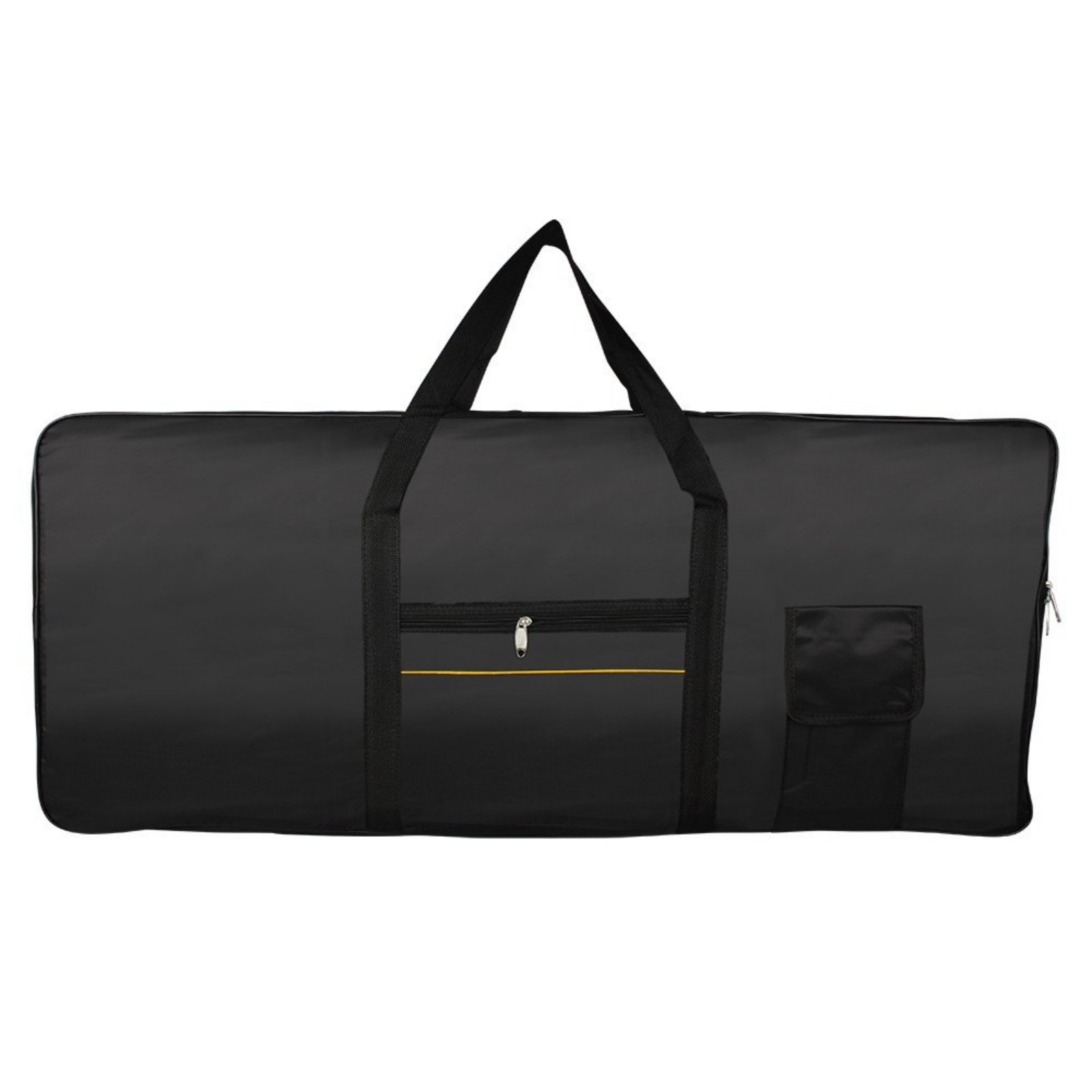
Another 61-key option is Electronic Keyboard Bag Water-Resistant, which has a padded interior, front exterior pockets, and both hand-carry and shoulder-carry straps. This type of bag suits players who want a straightforward case for lessons, rehearsal, or stage trips without adding a lot of separate pouches.
For a smaller keyboard, Water-Resistant Keyboard Bag is listed for a 54 Key instrument and adds padded, thickened construction plus an outer front pocket. If you are unsure about fit, compare your keyboard dimensions with the listing instead of assuming key count alone tells the whole story.
If you also bring an X-style stand to gigs, Keyboard Stand Bag is meant to hold an X-shaped support structure and is sized at 112 x 55 cm. A separate stand bag helps prevent the stand from scratching the keyboard or tangling with cables inside your main keyboard bag.
How the pieces work together in a practical setup
Think of the setup as a chain. The bench sets your playing height and balance, the pedal adds expressive control underfoot, and the bag keeps the instrument and accessories organized between sessions. If one part is off, the whole setup feels less comfortable even if the keyboard itself is fine.
A common home setup is a stable bench, one sustain pedal, and one padded keyboard bag. A mobile stage setup usually adds a bag with more pockets and sometimes a separate stand bag, so you can pack the keyboard, pedal, adapter, music, and stand in a repeatable way.
A setup built around Piano Stool with Backrest, Sustain Pedal Classic Style, and 61-Key Keyboard Bag makes sense for someone practicing often and transporting a 61-key keyboard regularly. A lighter and more compact approach might center on Instrument Stool Foldable Adjustable, Sustain Pedal 3.5 Interface, and Electronic Keyboard Bag Water-Resistant if you want easy storage and quicker setup.
If you are adding a pedal for the first time, check whether your keyboard expects a standard sustain footswitch or a different polarity or connector style. The listings here identify a 3.5 interface on Sustain Pedal 3.5 Interface, Sustain Pedal Double 3.5 Interface, and Sustain Pedal Classic Style, but your keyboard manual or product description should confirm the correct type before you buy.
Common mistakes to avoid before ordering
The biggest mistake is assuming any pedal fits any keyboard. Before buying a pedal, confirm the connector type and the pedal function your keyboard supports. A pedal may physically look right but still not match the input your instrument uses.
Another common mistake is buying a bag by guesswork. Key count is helpful, but shape, control-panel depth, and overall dimensions still matter. When comparing bags like 61-Key Keyboard Bag or Water-Resistant Keyboard Bag, check your keyboard’s listed dimensions and make sure you still have room for the zipper to close without stress.
Many shoppers also overlook how they will carry everything at once. If you walk farther from parking to venue, backpack straps on 61-Key Keyboard Bag or the dual carry options on Waterproof Keyboard Case can matter more than an extra pocket.
Finally, do not treat comfort as only a seat issue. If your pedal slides, your posture is awkward, or your accessories are loose in a bag, the setup becomes tiring fast. Matching the seat, pedal, and carrying method to your real routine is usually more important than adding more pieces.
A typical kit
- Piano Stool with BackrestAdjustable seating with back support for a more ergonomic playing position at home or on stage.
- Sustain Pedal Classic StyleA sustain pedal for keyboards that use a 3.5 mm pedal connection and need expressive foot control.
- 61-Key Keyboard BagA padded 61-key keyboard bag with straps and storage pockets for regular transport.
- Keyboard Stand BagA separate carry bag for an X-style keyboard stand so it stays organized and apart from the instrument.
- Instrument Stool Foldable AdjustableA foldable bench option for players who want portable seating and compact storage.
- Electronic Keyboard Bag Water-ResistantAn alternate 61-key padded bag with pockets for cables, adapters, and sheet music.
Questions people ask
Do I really need a keyboard bench, or can I use any chair?
Any chair can work short term, but a bench is easier to match to playing height and posture. Piano Stool with Backrest offers five height levels from 46 cm to 58 cm, while Instrument Stool Foldable Adjustable gives three height positions in a foldable design.
How do I know if a sustain pedal will fit my keyboard?
Check the keyboard’s pedal jack type in the product description or manual before ordering. Sustain Pedal Classic Style is described as a 3.5 mm sustain footswitch, and Sustain Pedal 3.5 Interface and Sustain Pedal Double 3.5 Interface are also listed with a 3.5 interface, so they are only suitable if your instrument matches that connection.
What kind of bag is better for home and stage use?
For mostly home use, a simple padded bag is usually enough to protect the keyboard between sessions and keep dust down. For frequent stage trips, a bag with straps and accessory pockets like 61-Key Keyboard Bag or Waterproof Keyboard Case is easier to live with because it helps you carry the instrument and small gear together.
Is a separate stand bag worth it?
It is useful if you move an X-style stand often or want to keep metal parts away from the keyboard body. Keyboard Stand Bag is made for an X-shaped support structure and is sized at 112 x 55 cm, so it can keep the stand organized instead of sharing space with the instrument.
Should I choose a bag by key count alone?
No. Key count is a starting point, but you should also compare the keyboard’s overall dimensions with the bag listing because depth and shape vary. For example, Water-Resistant Keyboard Bag is listed for a 54 Key instrument, while 61-Key Keyboard Bag and Electronic Keyboard Bag Water-Resistant are aimed at 61-key setups.
Shop the list
Everything mentioned above
Prices and delivery windows are live from our catalog.
Piano Stool with Backrest
Instrument Stool Foldable Adjustable
Sustain Pedal Classic Style
Sustain Pedal 3.5 Interface
Sustain Pedal Double 3.5 Interface
61-Key Keyboard Bag
Electronic Keyboard Bag Water-Resistant
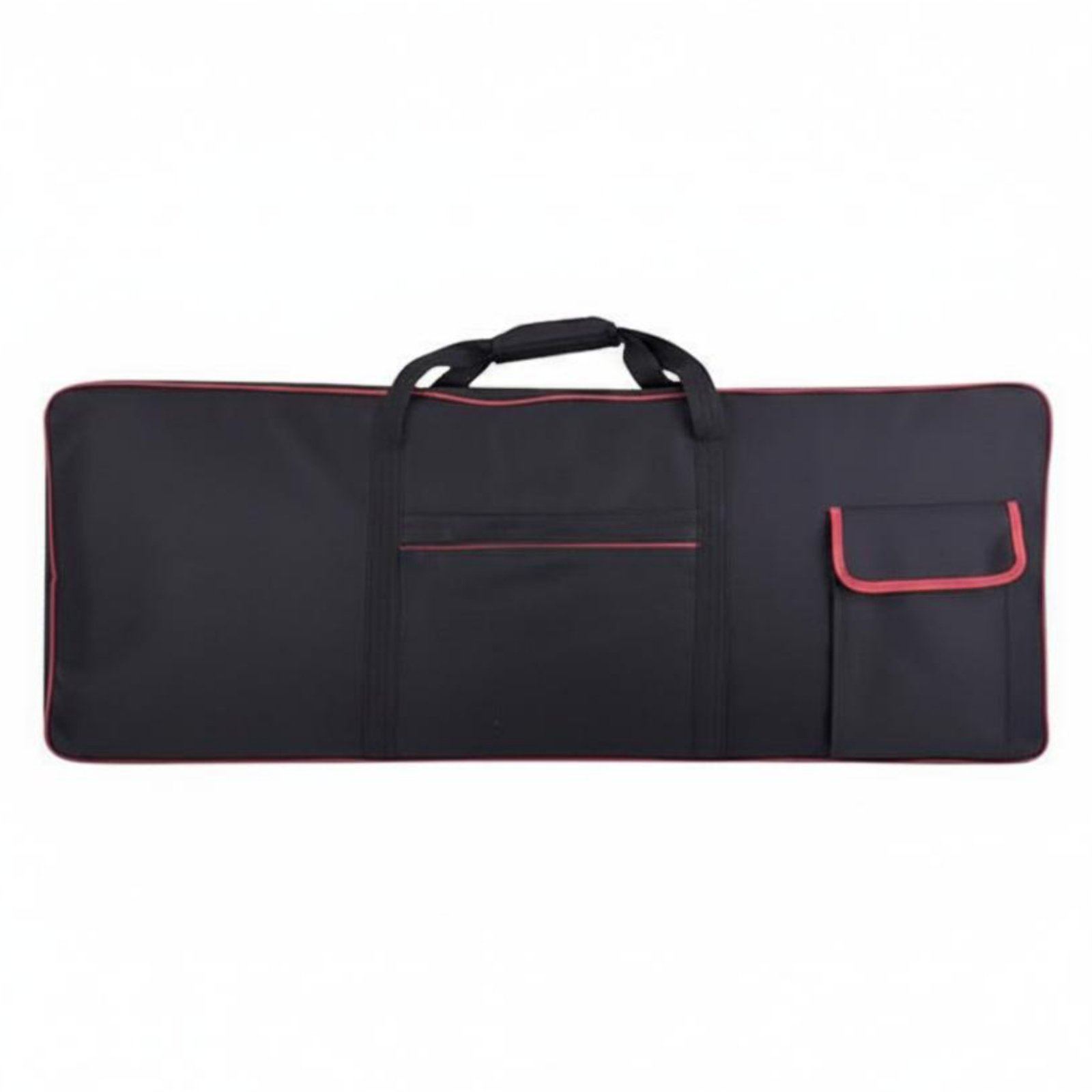
Water-Resistant Keyboard Bag – 54 Key
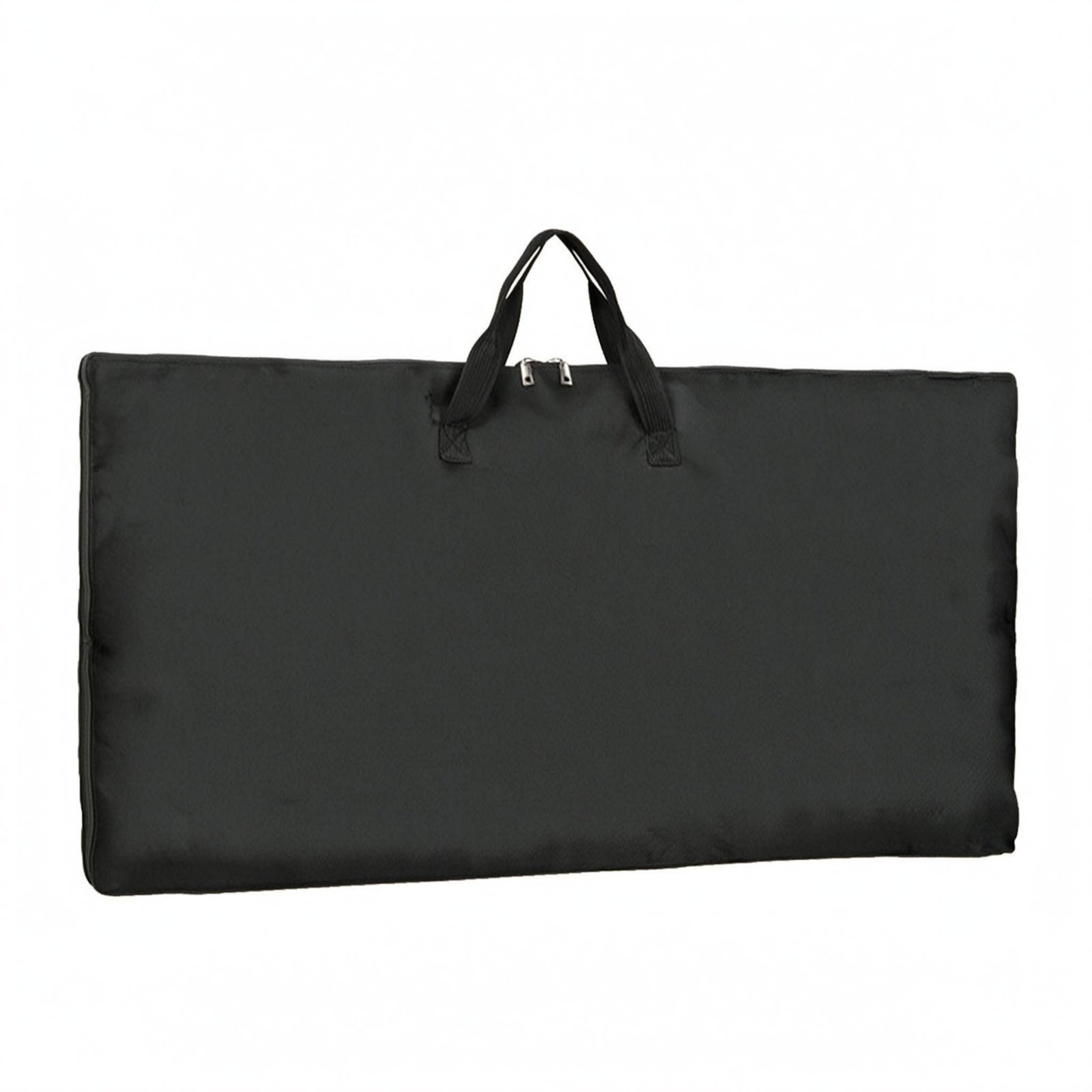
Keyboard Stand Bag