Buying guide · Sewing & Crafts
Do I need a yarn winder and swift, and how do I pick one?
Short answer
You do not always need both: a yarn winder is most useful if you often buy yarn in hanks or want neat center-pull cakes, while a yarn holder or spindle stand is enough if you mostly work from ready-to-use balls. Pick based on the yarn form you buy, how much setup you want, and whether you need winding at a table, smooth feeding while stitching, or both.
When you need a winder, a swift substitute, or neither
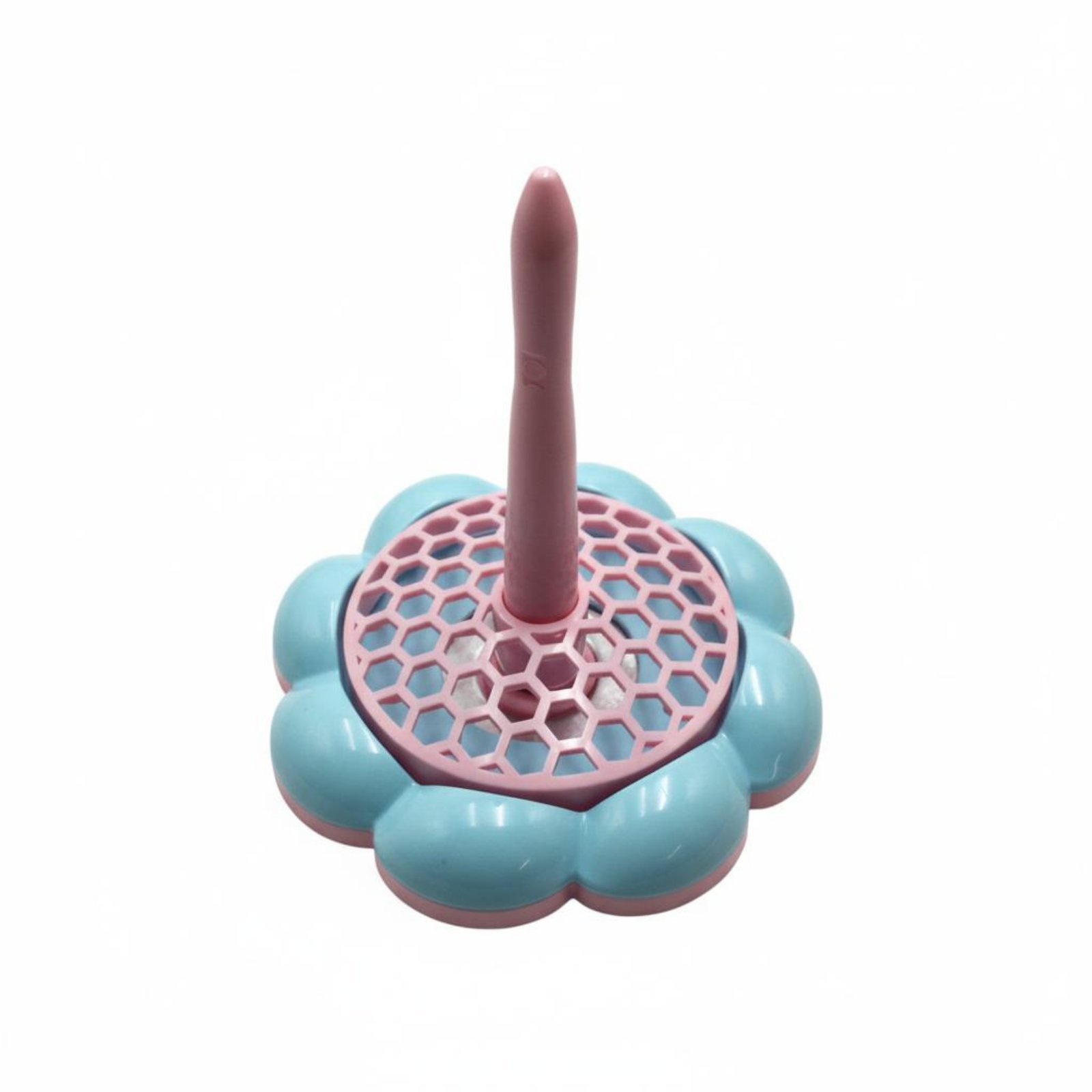
Start with the yarn you actually bring home. If your yarn already comes in balls or cakes, you may not need a yarn winder at all; a holder that lets the yarn turn smoothly can be enough to stop rolling, tangling, and dirt from the floor. A rotating stand such as Rotating Yarn Holder or Rotating Yarn Holder helps feed yarn evenly while you knit or crochet, which solves a different problem than winding.
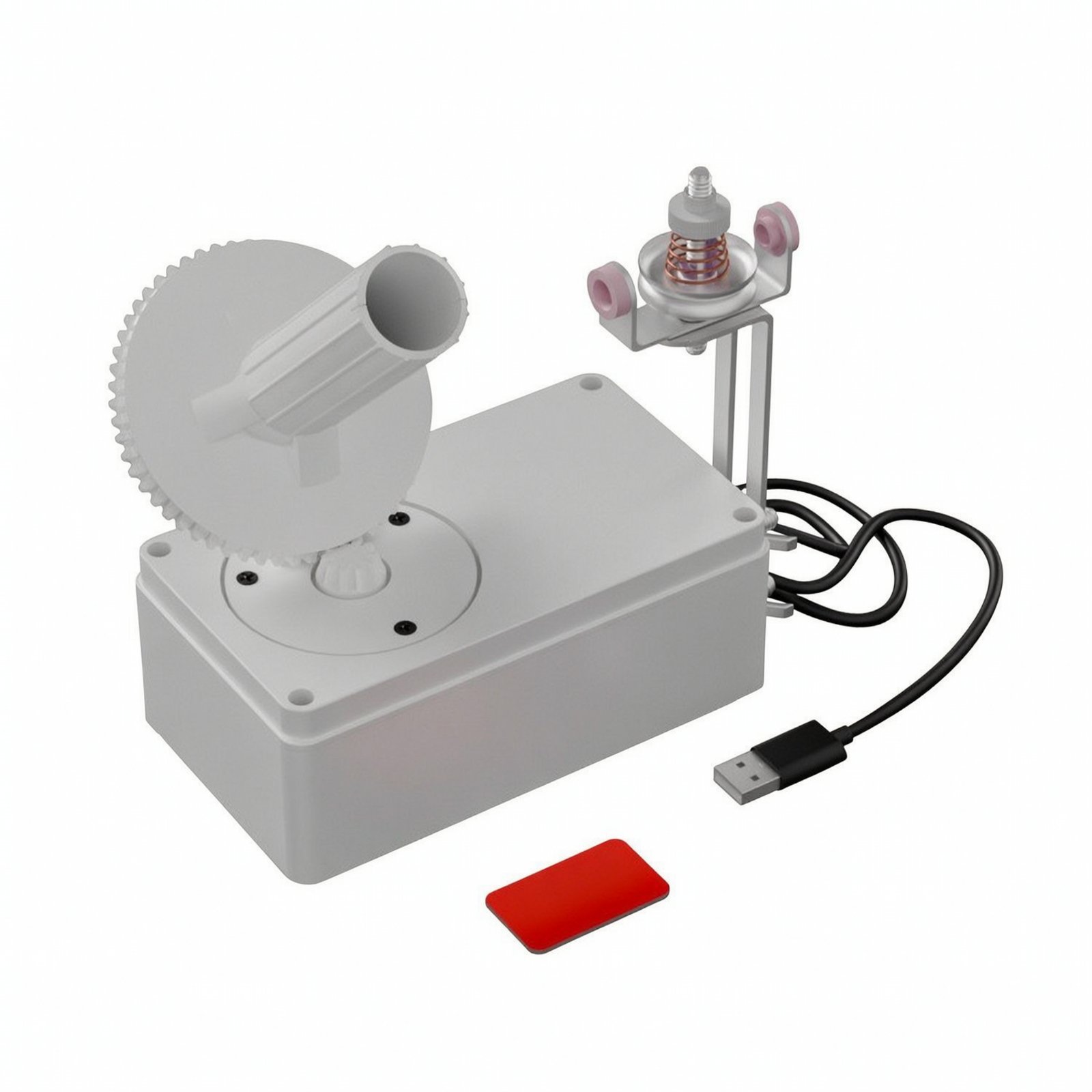
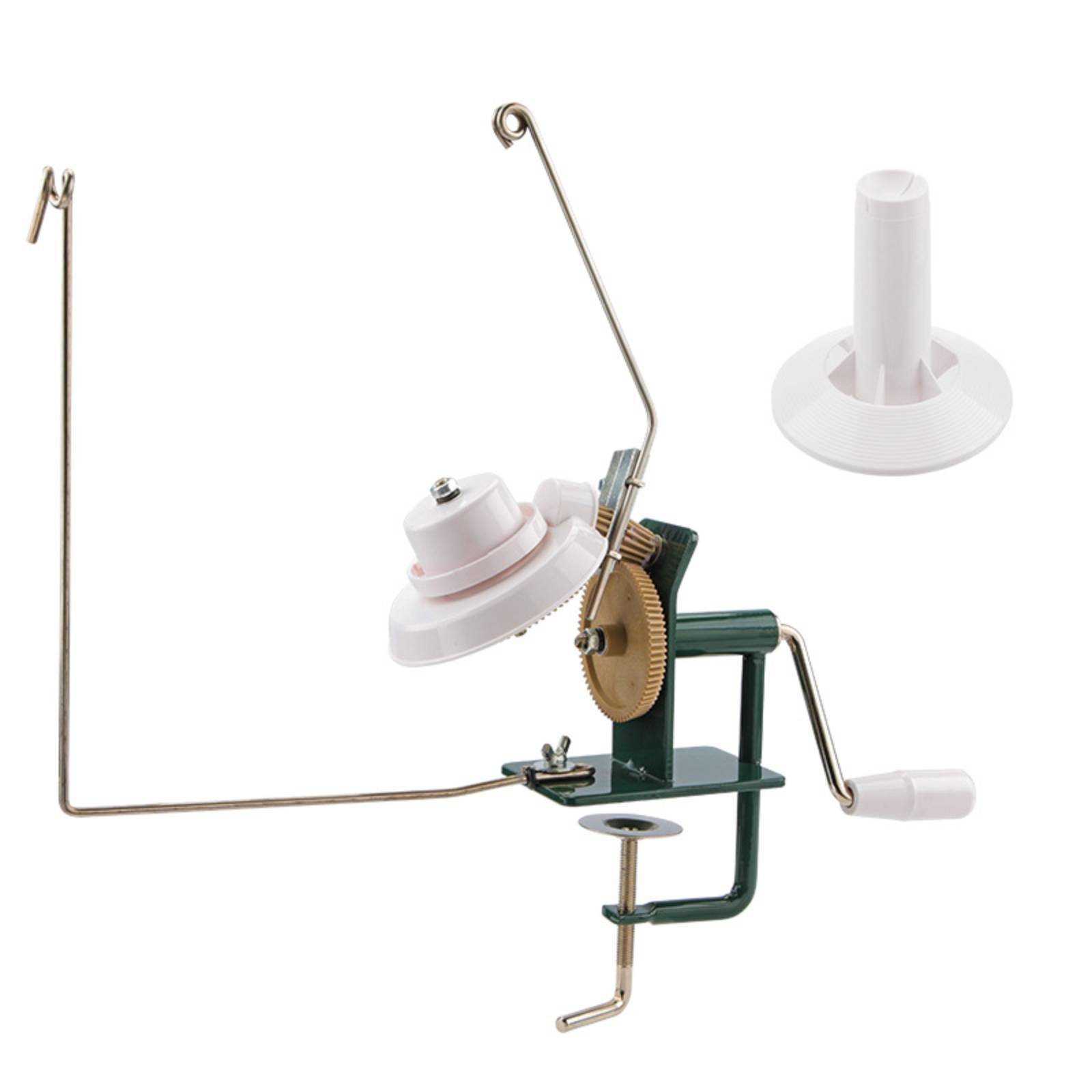
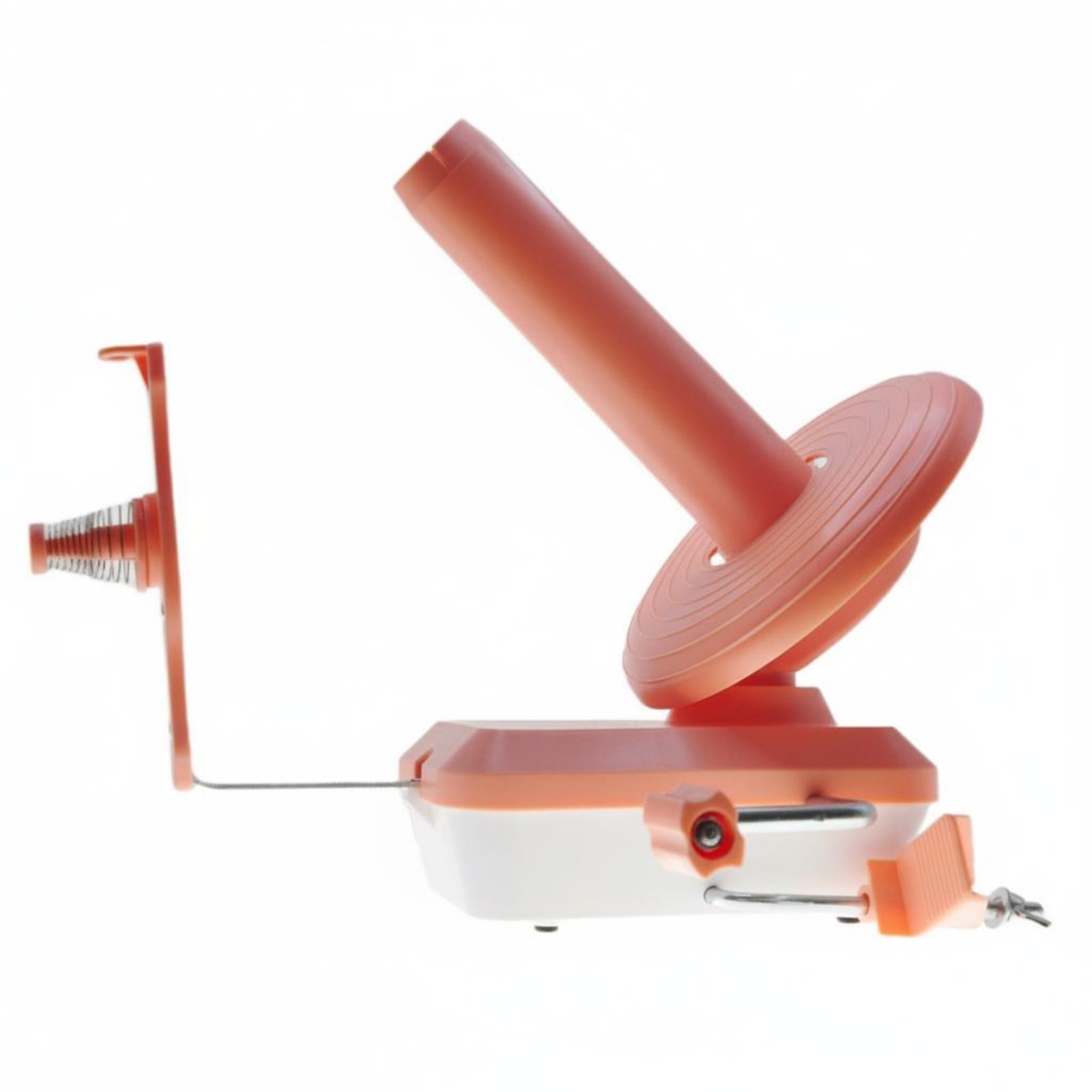
A yarn winder matters when you want to turn loose skeins into a shape that is easier to use and store. If you want center-pull cakes without hand cranking, Electric Yarn Winder is described as a 5V USB-powered winder and is meant to wind loose skeins into cakes under 150 grams. If you prefer manual control and do not want a powered tool, Large Yarn Winder or Adjustable Hand Crank Yarn Winder fit the job of turning hanks or skeins into tidy cakes while you control the pace.
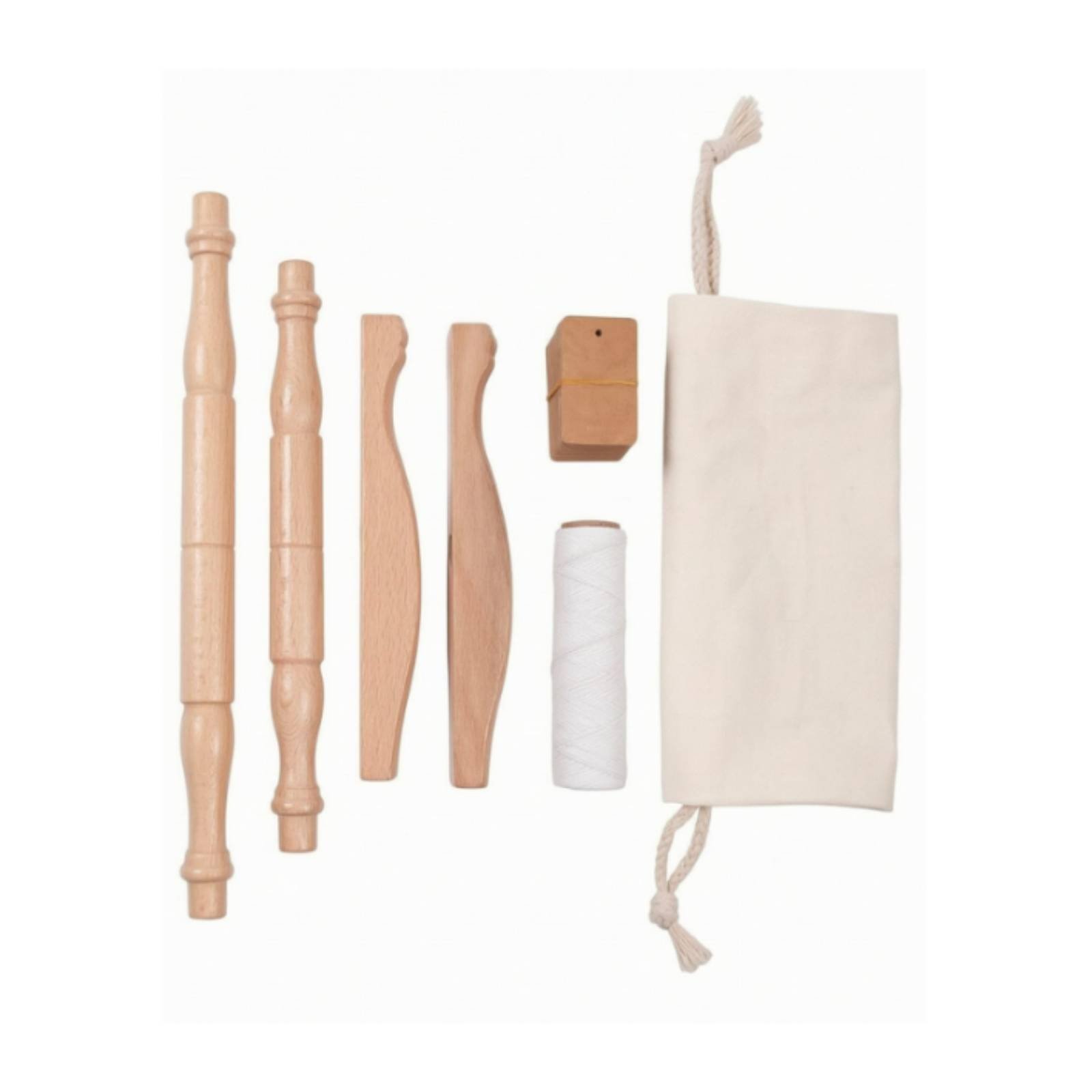
A true swift is not in this selection, so if you regularly buy twisted hanks, check the listing of any winder to see whether it must be paired with a separate unwinding tool. The closest related item here is Wood Spinning Tool Niddy Noddy, which is a niddy noddy style skein winder for making neat skeins rather than a tabletop swift for opening a hank during cake winding.
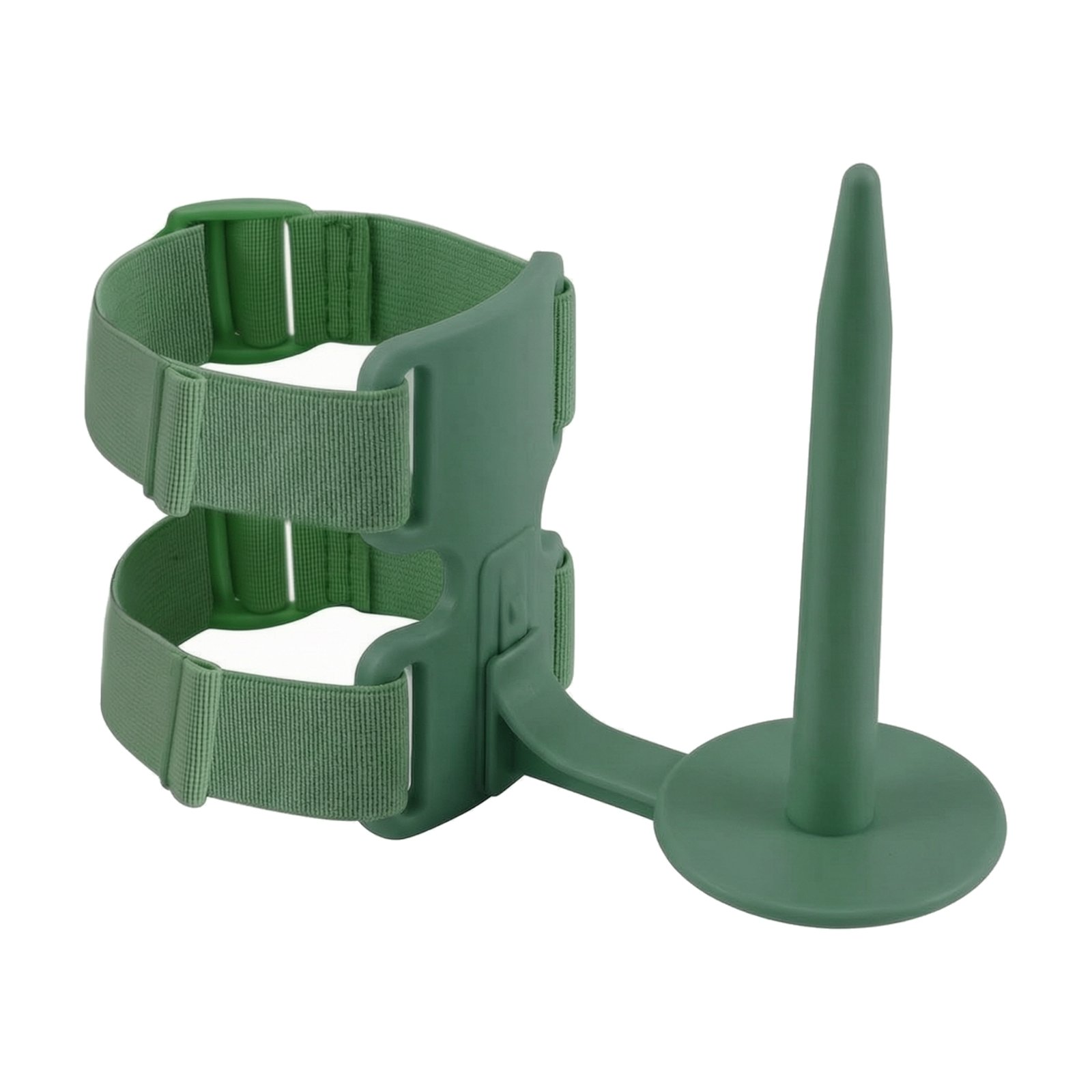
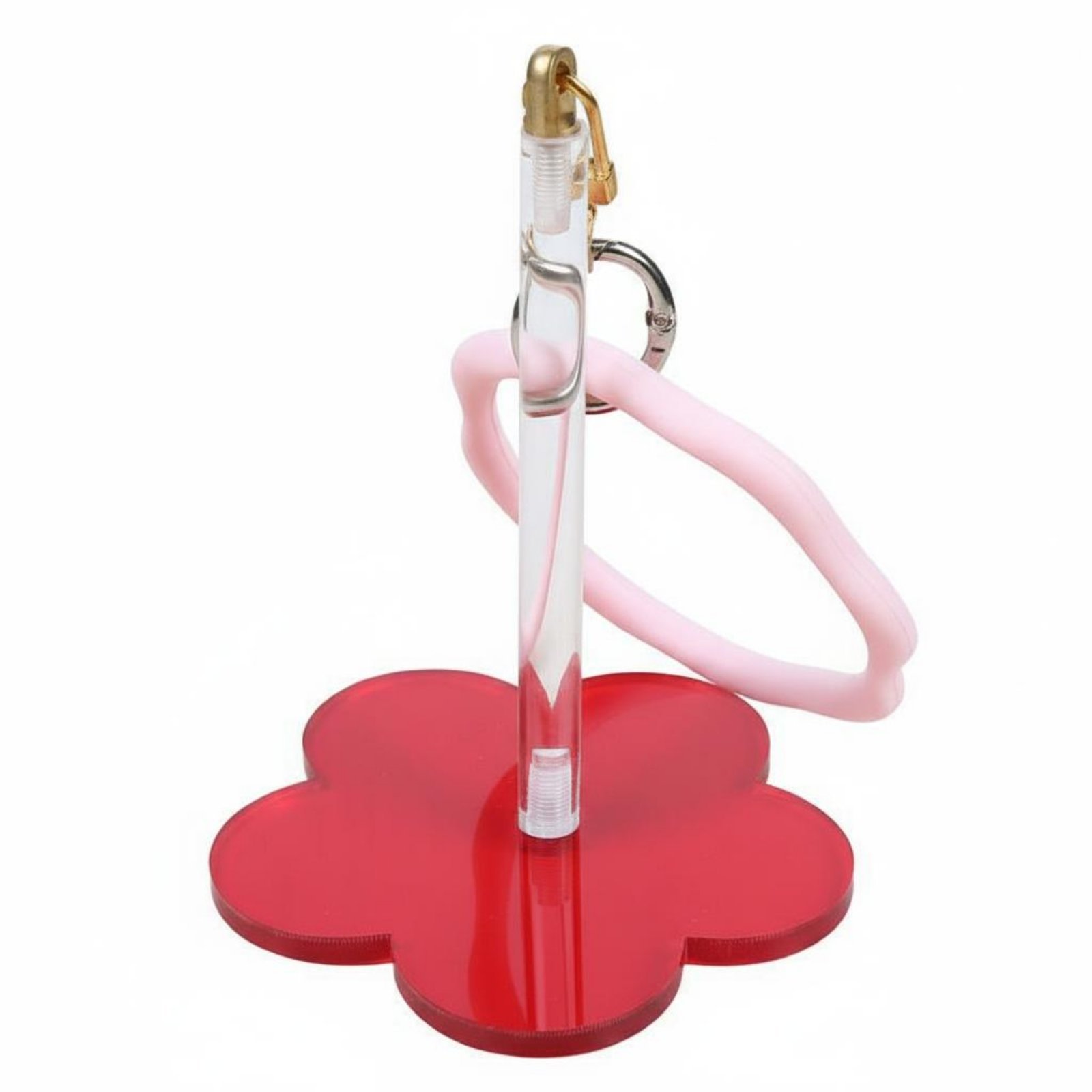
If you mainly craft on the couch, in class, or on the go, a wearable holder can be more useful day to day than a winder. Arm Yarn Holder rotates 360 degrees on the arm, and Wrist Yarn Holder uses a detachable silicone wrist strap so the yarn stays close while you move.
How to choose the right type and features
Choose the tool by workflow first, then by convenience features. For winding, think about power, capacity, mounting, and control. Electric Yarn Winder removes hand effort and adds a vertical thread guide with a tension assembly, so it suits crafters who want more repeatable feeding. Large Yarn Winder uses a clamp for tables up to 1.5 inches thick, which is important if your craft table has a thicker edge or apron. Adjustable Hand Crank Yarn Winder also clamps to a table and the listing says up to 5.5 cm thick, so it is worth checking your table before choosing.
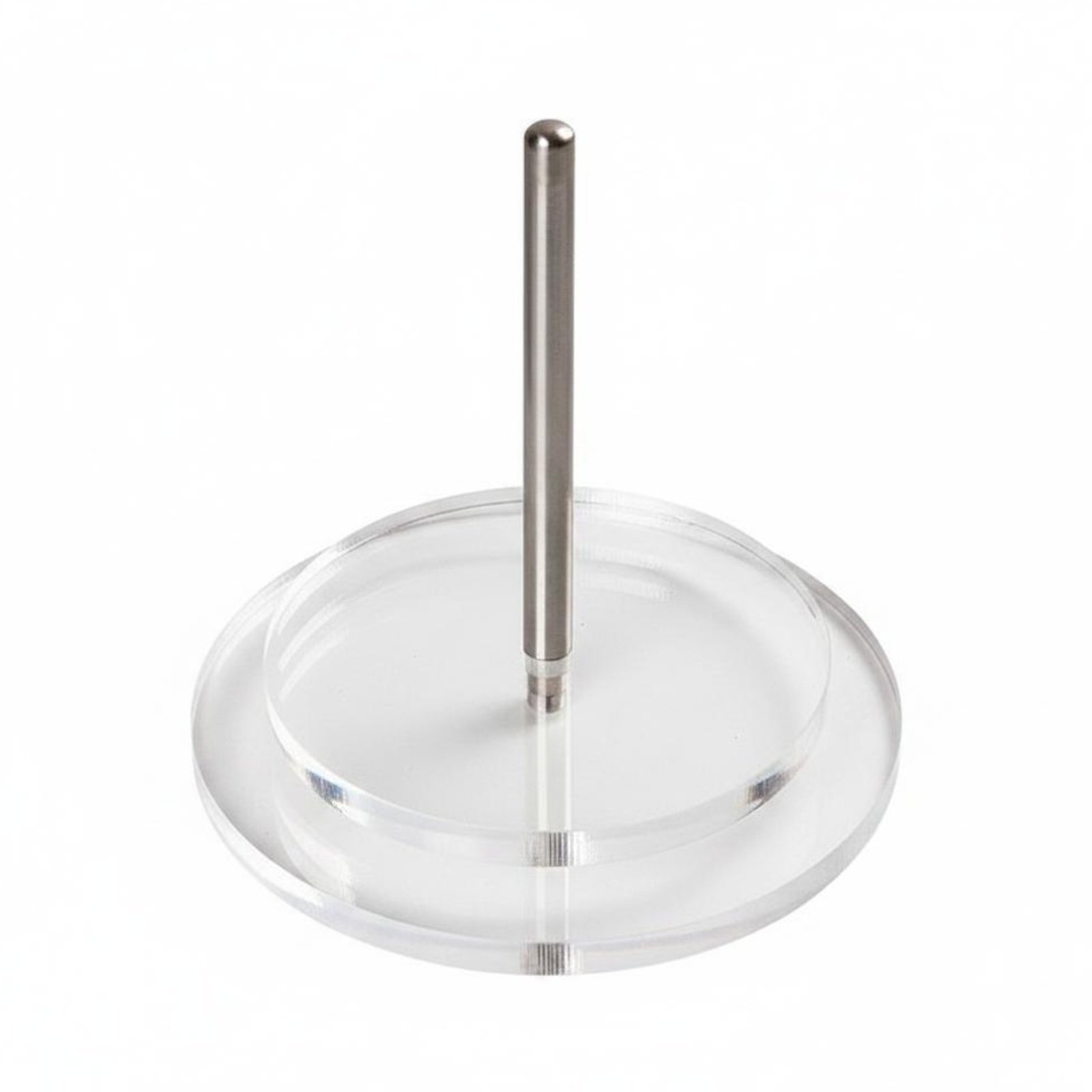
For yarn feeding during stitching, look at how the holder rotates and where it sits. Rotating Yarn Holder has a built-in bearing and a wide flower-shaped base, which makes sense for a stable tabletop setup. Rotating Yarn Holder uses acrylic and steel with a stable base and is meant to accommodate various ball sizes, so it is a practical pick when you want a dedicated stand by your chair.
Wearable holders are about portability and freedom of movement rather than desk setup. Arm Yarn Holder weighs only 51 g, so it is aimed at travel or moving around the house while keeping both hands free. Wrist Yarn Holder is listed with a short 10 cm option and a package weight of 72 g, which points to a compact travel-friendly tool, but you should still check the strap fit and how you like to hold your work.
If you handle handspun yarn or want to make skeins for storage, washing, or labeling, Wood Spinning Tool Niddy Noddy fills a different role from a ball winder. The listing includes cord, 100 paper cards, a cloth storage bag, and an instruction sheet, which makes it more of a skein-prep kit than an everyday yarn feeder.
How the pieces work together in a real setup
Think of winding and feeding as two separate stages. A yarn winder changes the yarn into a more usable form for storage and later stitching. A holder or spindle stand then keeps that ball or cake feeding smoothly while you work. If you buy yarn in hanks, the full system is usually an unwinding tool plus a winder for prep, then a holder for use at the chair or table.
A simple home setup could be Adjustable Hand Crank Yarn Winder for manual cake winding and Rotating Yarn Holder beside your project for smooth feeding afterward. If you dislike repetitive cranking, Electric Yarn Winder can handle the winding step, and a holder like Rotating Yarn Holder can keep the finished yarn under control during knitting or crochet.
For portable crafting, skip the tabletop pieces and use a wearable holder. Arm Yarn Holder and Wrist Yarn Holder both aim to stop the yarn ball from wandering while you work away from a desk. That is helpful on trips, at appointments, or anytime you change seats often.
For handspinners or anyone rewinding into skeins, Wood Spinning Tool Niddy Noddy belongs before storage or finishing, not in place of a cake winder. It helps shape yarn into skeins, while the winders are meant to make balls or cakes and the holders are meant to dispense yarn during stitching.
Common buying mistakes to avoid
The biggest mistake is buying a winder when what you really need is a smoother yarn feed during stitching. If your yarn is already in usable balls, a tabletop or wearable holder may solve the tangling problem with less setup. On the other hand, if you often untwist hanks by hand, a holder will not replace a proper winding workflow.
Another common mistake is ignoring table compatibility. Clamp-style winders need a suitable table edge, so check your tabletop thickness and shape against listings like Large Yarn Winder and Adjustable Hand Crank Yarn Winder before ordering. Also think about where you will store the tool between sessions, since a compact wearable holder takes much less room than a larger tabletop winder.
Do not assume every yarn tool does the same job because the names sound similar. Wood Spinning Tool Niddy Noddy is for making skeins, not center-pull cakes. Electric Yarn Winder is an electric cake winder with a stated yarn weight limit, so if you routinely wind larger amounts at once, check whether you will need to split the yarn into smaller batches.
Finally, avoid chasing extra features you will not use. A phone slot or multi-skein organizer can be helpful in some craft rooms, but if your main need is one smooth-running strand, rotation quality and stability matter more than storage extras.
A typical kit
- Electric Yarn WinderElectric winder for turning loose skeins into center-pull cakes with less hand effort.
- Adjustable Hand Crank Yarn WinderManual cake winder for shoppers who want hand control and a clamp-on table setup.
- Rotating Yarn HolderTabletop rotating holder that keeps a yarn ball feeding smoothly during knitting or crochet.
- Rotating Yarn HolderStable acrylic spindle stand for dispensing yarn neatly at a work surface.
- Arm Yarn HolderArm-mounted holder for portable crafting where a tabletop stand is inconvenient.
- Wood Spinning Tool Niddy NoddySkein-forming tool for handspun or rewound yarn when you need neat skeins rather than cakes.
Questions people ask
Can I use a yarn winder without a swift?
Sometimes, but it depends on how the yarn is packaged. If the yarn is already in a ball or a loose skein that can feed cleanly, a winder may be enough; if it is in a twisted hank, you will usually want a separate unwinding tool to avoid tangles. None of these listings is a true swift, so check the product description of your yarn prep tools before assuming a complete setup.
What is the difference between a yarn holder and a yarn winder?
A yarn holder dispenses yarn smoothly while you stitch, helping stop rolling and tangles at your chair or table. A yarn winder changes yarn from one form to another, usually into a ball or center-pull cake for storage and easier use later. Many crafters need only one of those jobs solved, not both.
Should I choose an electric or manual winder?
Choose electric if you want less hand effort and a simpler repetitive winding process. Electric Yarn Winder is useful if you want powered winding, while Adjustable Hand Crank Yarn Winder and Large Yarn Winder give you more direct pace control and do not require USB power. Choose based on how often you wind yarn and whether cranking bothers your hands.
What if I mostly crochet away from a desk?
A wearable holder is often more useful than a tabletop stand in that case. Arm Yarn Holder is designed for the arm, and Wrist Yarn Holder is worn on the wrist, so both keep the yarn close while you move around. That can be more practical than packing a clamp-on winder or desk stand.
Do I need a large-capacity winder?
Only if you regularly prepare bigger project quantities or work with a wide range of yarn weights. Large Yarn Winder is described as a large-capacity manual winder, while Electric Yarn Winder specifically mentions cakes under 150 grams. If the listing does not clearly state the amount it handles, assume you should verify before buying.
Shop the list
Everything mentioned above
Prices and delivery windows are live from our catalog.
Electric Yarn Winder
Adjustable Hand Crank Yarn Winder
Large Yarn Winder
Rotating Yarn Holder – Pink
Rotating Yarn Holder – Large
Arm Yarn Holder
Wrist Yarn Holder