Buying guide · Sewing & Crafts
How to store jewelry so it does not tangle
Short answer
The best way to keep jewelry from tangling is to separate each type, hang chains vertically when possible, and use divided or slotted storage for pieces that should not touch. Open trays are helpful for daily rotation, but the most reliable setup combines wall or stand storage for necklaces with compartment boxes for rings, earrings, and bracelets.
Choose storage that keeps each piece separate
Tangling happens when chains, clasps, and loose small pieces share the same space. The simplest fix is to give every category its own place: necklaces get hung or laid out individually, rings go into slots, and bracelets go into separate sections or around supports that keep their shape.
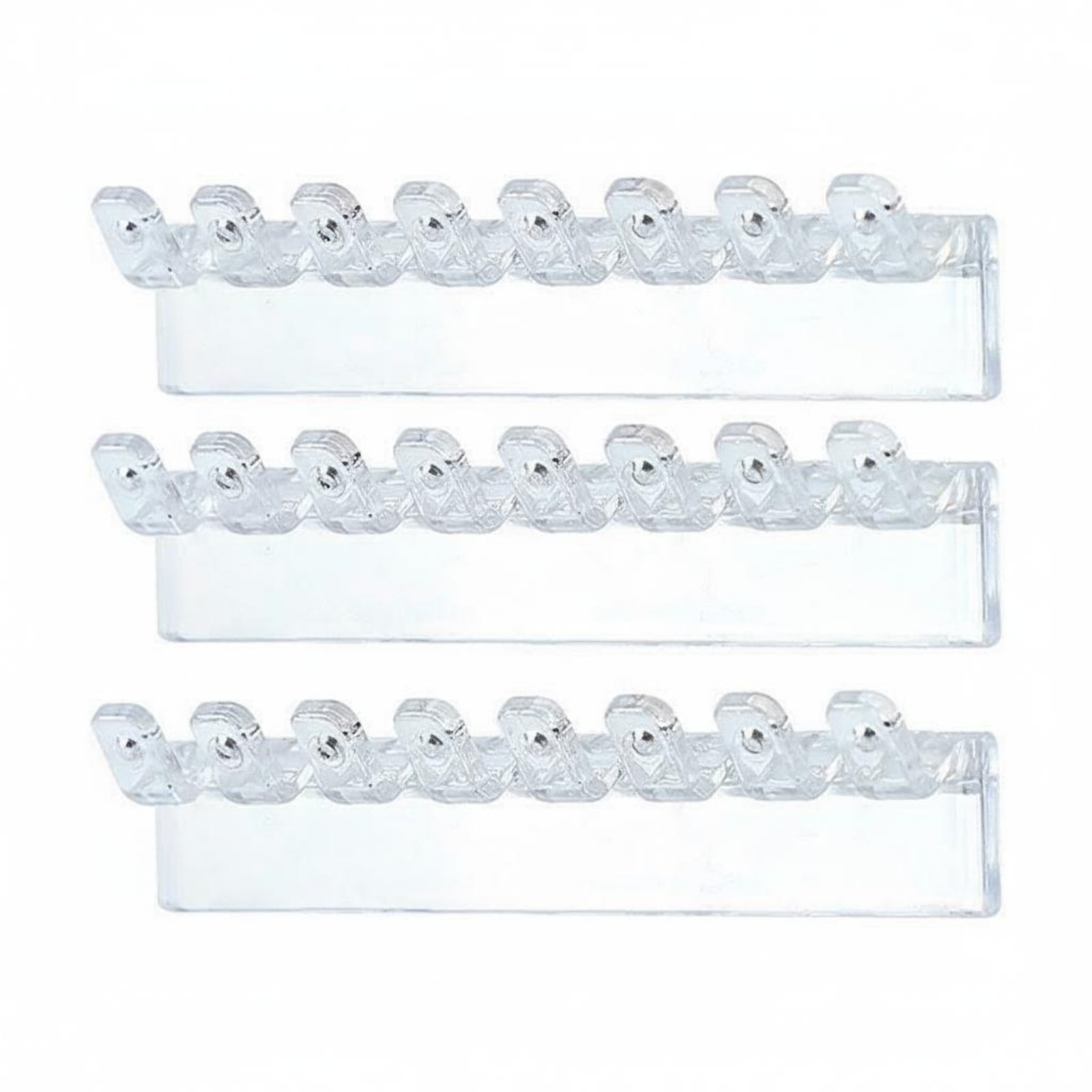
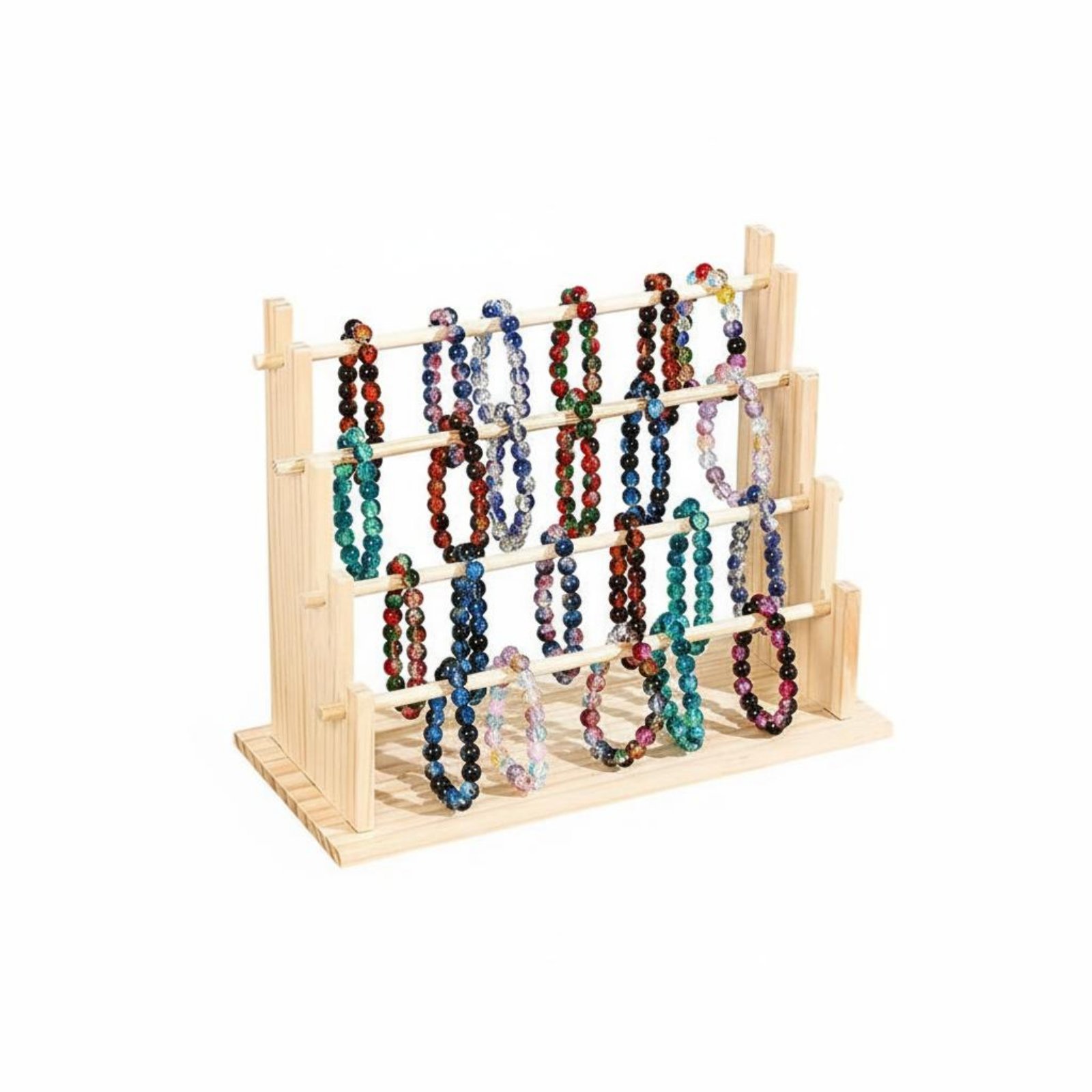
For necklaces and light bracelets, vertical storage is usually the easiest way to stop knots before they start. A wall option such as 3-Piece 8-Hole Jewelry Holder works well because each strip has 8 holes, letting you spread pieces out instead of stacking them. If you prefer a tabletop organizer, Wooden Bracelet Holder Organizer is useful because its multi-layer stand is intended for bracelets, bangles, and necklaces where visibility helps you avoid crossing chains.
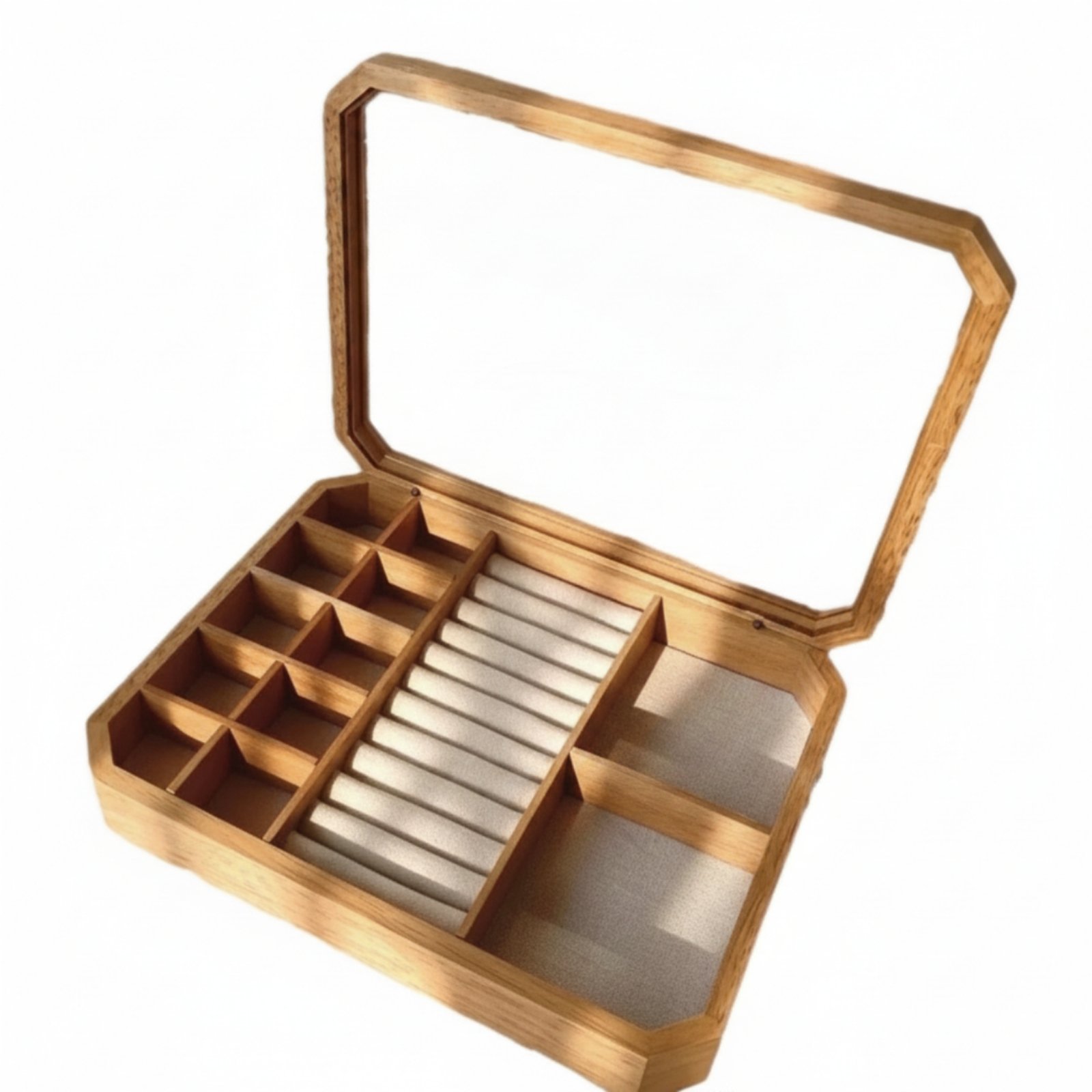
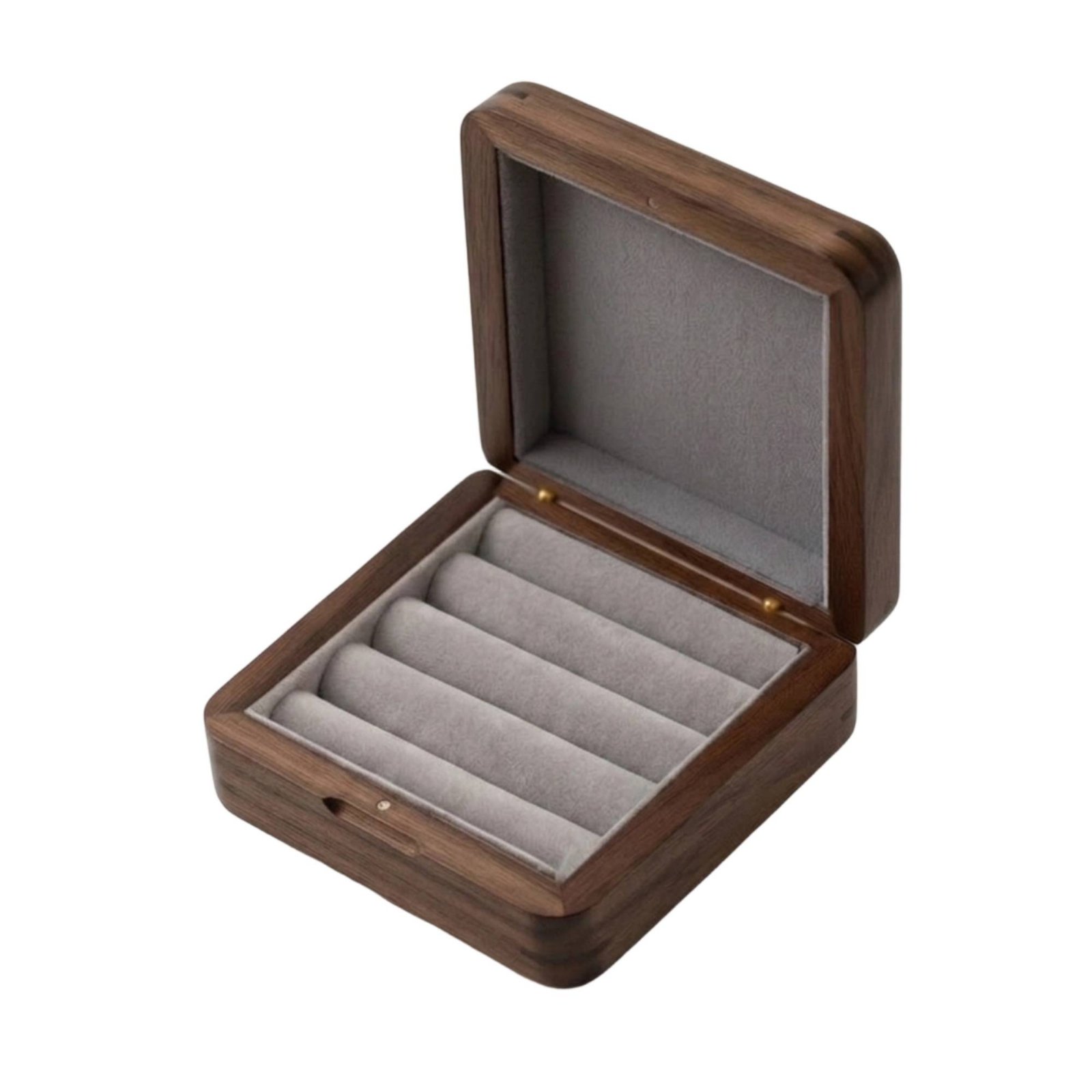
For pieces that are better enclosed, look for dividers and soft lining. Wooden Jewelry Box with Compartments has multiple small sections, a central roll area, and larger open sections, which makes it practical when your collection includes different shapes that need different support. If your main issue is rings and small items mixing together, Soft Lined Rings Box gives you dedicated slots in a compact 10 x 10 x 4.5 cm box, so small pieces stay upright instead of sliding into chains.
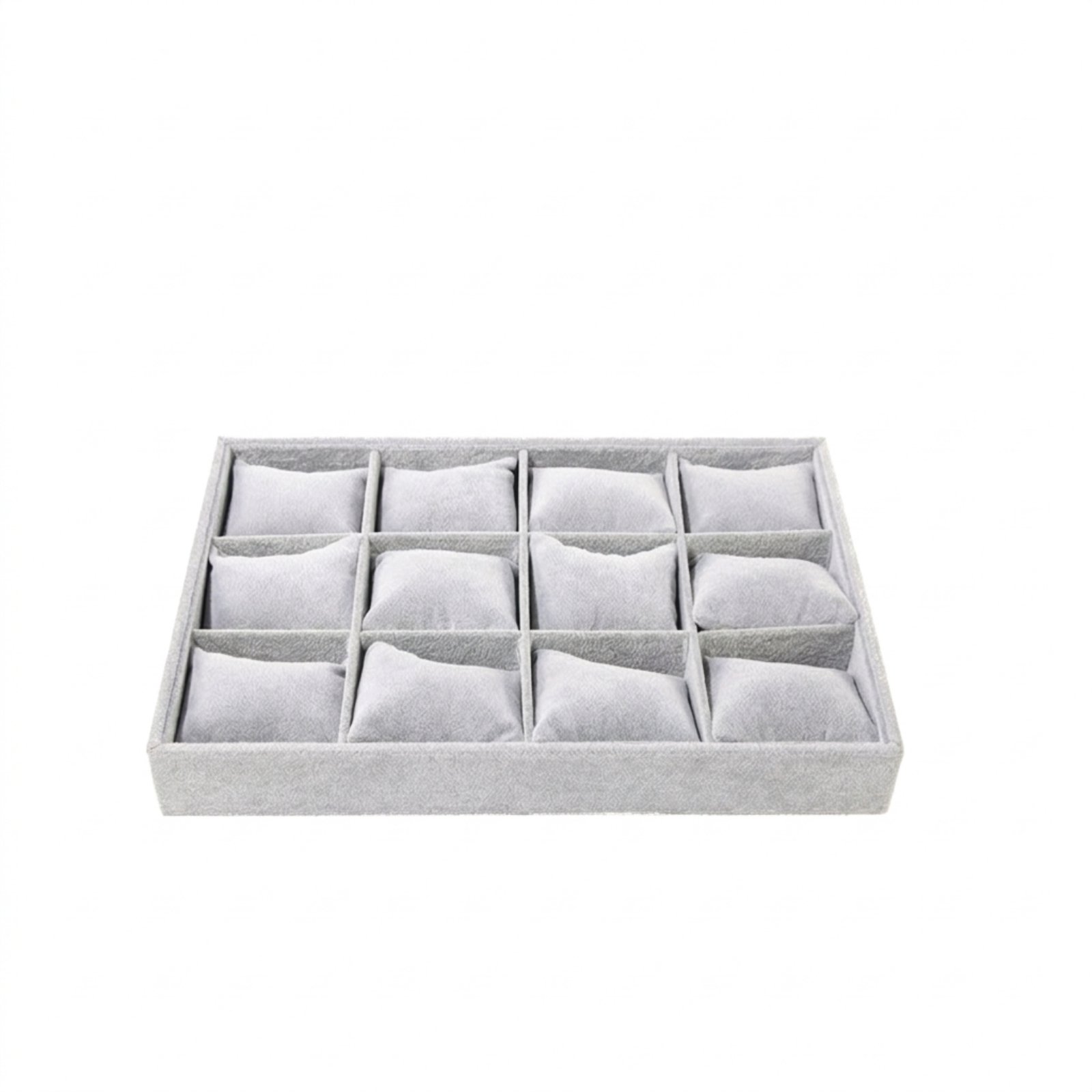
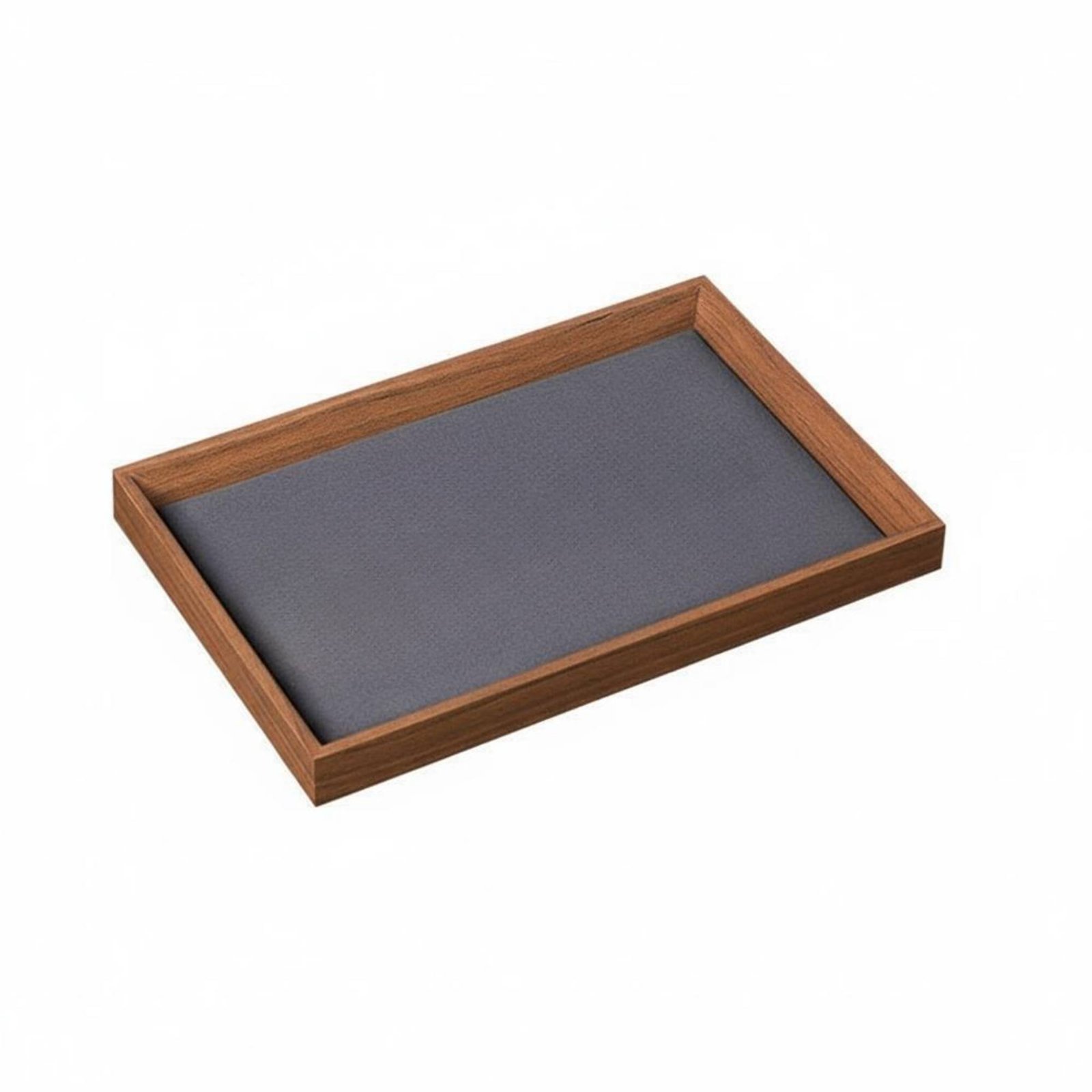
Open trays are still useful, but they work best for short-term staging rather than deep storage. A flat tray like Wooden Jewelry Display Tray can hold the pieces you wore today so you can sort them before putting them away. For bracelets or watches that benefit from a shaped support, Watch Tray with Pillows offers a 12 compartment layout with pillow inserts that separate items and reduce rubbing.
Match the storage style to the jewelry you own
The best setup depends less on appearance and more on how your jewelry behaves. Fine chains, layered necklaces, and pieces with delicate pendants are the most likely to knot, so they should be stored alone or with enough space that clasps cannot catch another chain.
If you own many necklaces, prioritize hanging storage first and box storage second. Wood Wall Hanger Key Rack uses wall space and has multiple hooks, which helps keep longer pieces apart instead of coiled together in a drawer. A wall-mounted layout also makes it easier to fasten clasps before storing, which reduces snagging.
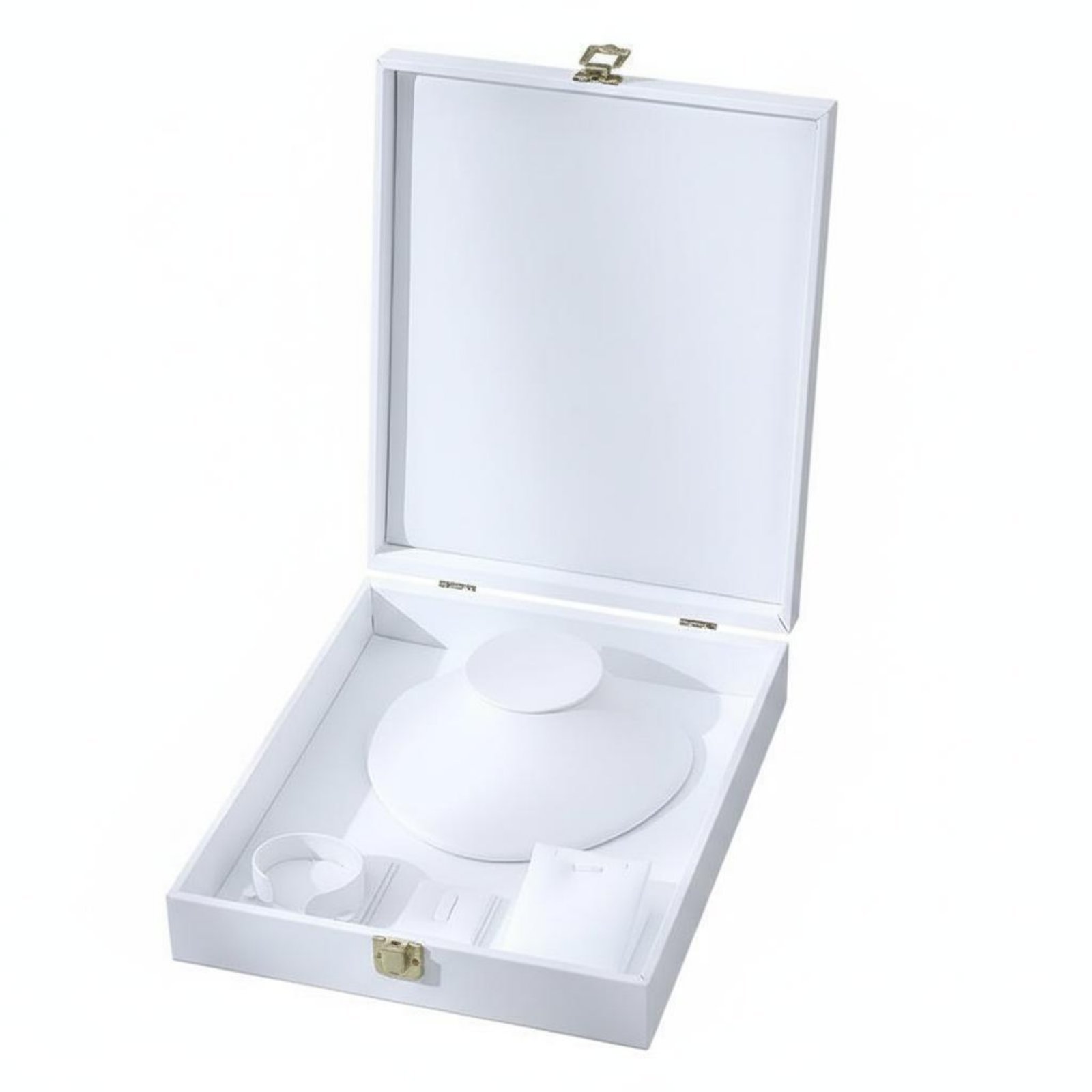
If your collection is mixed, a compartment box creates order quickly. Jewelry Organizer Box with Clasp is arranged with a raised display stage plus lower compartments for rings, earrings, bracelets, and necklaces, so different forms do not pile together. Wooden Jewelry Box with Compartments is another good example when you want a clear lid and visible sections, since seeing everything at once makes it less likely you will toss one chain on top of another.
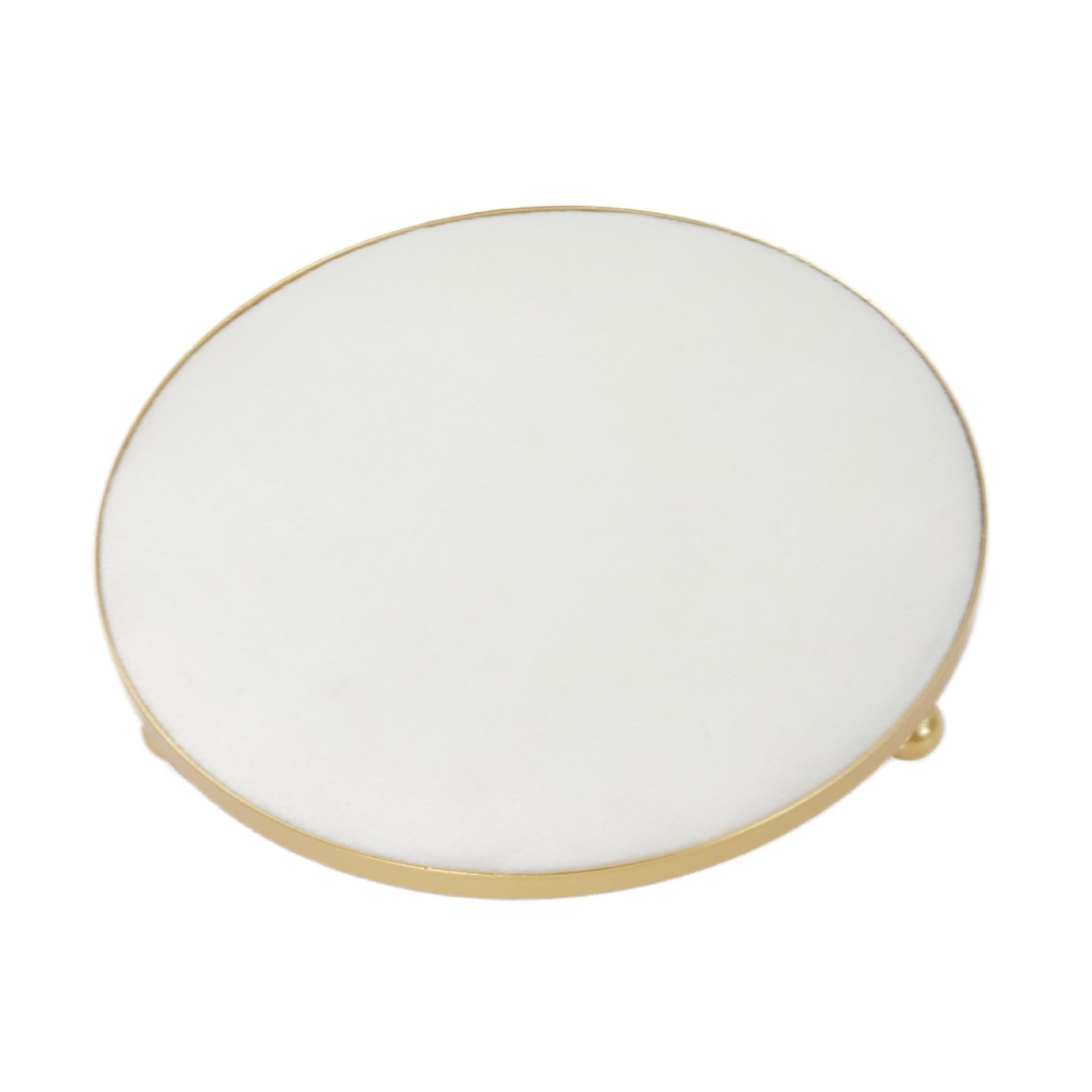
For everyday jewelry you remove at night, use a landing spot so pieces do not end up in a heap on a dresser. Jewelry Display Tray is a shallow round tray measuring 15 cm across and 2.5 cm high, which suits temporary placement for a watch, a bracelet, or one necklace while you decide where it belongs. The key is to keep that tray from becoming long-term mixed storage; if several chains start sharing it, tangles return.
How the pieces work together in a practical setup
A no-tangle system usually has three zones: a quick-drop surface for tonight, a visible place for chain pieces, and protected compartments for everything else. This approach is easier to maintain than trying to make one container do every job.
Start with a small tray near where you get ready. Wooden Jewelry Display Tray or Jewelry Display Tray can catch the pieces you just took off so they are not dropped into a pile. Then move necklaces and pendants to a hanging area such as 3-Piece 8-Hole Jewelry Holder or Wood Wall Hanger Key Rack, where each piece can hang by itself and stay visible.
Next, assign enclosed storage to the items that do not need to hang. Wooden Jewelry Box with Compartments works as the main box for mixed jewelry because its divided interior separates rings, earrings, bracelets, and necklaces. If you have a lot of rings, pair it with Soft Lined Rings Box so ring bands are stored in dedicated slots instead of competing for space in larger sections.
Bracelets and bangles often fit better on supports than in flat piles. Watch Tray with Pillows uses pillow inserts to cradle pieces and keep them from shifting into one another, while Wooden Bracelet Holder Organizer keeps bracelets visible and easy to sort. When every type has a designated home, putting jewelry away takes less effort, which is what really prevents tangles over time.
Common mistakes that lead to knots and damage
The biggest mistake is storing chains together just because the box closes. A lid protects from dust, but it does not stop tangling unless the interior also separates pieces. That is why divided storage is more useful than one open compartment.
Another common mistake is using decorative trinket boxes for all jewelry. Small figurine boxes can be fine for a pair of earrings or one ring, but they usually do not organize chains well because the interior is compact and not divided. If you are considering a decorative option, use it only for tiny items and keep necklaces in a hanger, stand, or divided organizer instead.
It is also easy to overcrowd open trays. A tray should help you sort, not become a permanent pile. If chains overlap, move them to hanging storage or separate compartments right away.
Finally, do not choose by looks alone. Before buying, check whether the organizer has hooks, slots, pillows, or dividers that match the jewelry you actually wear. A tidy system only works when the storage shape supports the jewelry shape.
A typical kit
- 3-Piece 8-Hole Jewelry HolderUse these wall-mounted strips to hang necklaces and bracelets separately so chains stay visible and less likely to knot.
- Wooden Bracelet Holder OrganizerThis foldable stand gives bracelets, bangles, and some necklaces their own visible place instead of stacking them.
- Wooden Jewelry Box with CompartmentsMake this your main enclosed organizer for mixed jewelry because the divided interior separates different item types.
- Soft Lined Rings BoxStore rings and other very small pieces in dedicated slots so they do not migrate into chain storage.
- Watch Tray with PillowsUse the pillow compartments for bracelets, bangles, watches, or other pieces that need support and separation.
- Jewelry Display TrayKeep this shallow tray as a temporary drop zone for the pieces you remove daily before you return them to long-term storage.
Questions people ask
Should necklaces be hung up or laid flat?
Hanging is usually better for preventing tangles because each chain stays separate and visible. Flat storage can also work, but only when each necklace has its own compartment or enough space that clasps cannot catch another piece.
Are jewelry trays enough to stop tangling?
A tray helps if you use it as a staging area for a small number of pieces. It is not enough for long-term necklace storage unless the tray has clear separation, because shared flat space still lets chains overlap.
What kind of box is best for rings and earrings?
Look for slots or divided sections rather than one open cavity. Rings stay easier to find and better protected when they are upright in slots, and earrings are less likely to scratch other pieces when they have their own compartment.
Can I keep bracelets and necklaces in the same organizer?
Yes, if the organizer separates them well. Hanging stands, hook storage, and compartment trays can all work, because the main goal is to keep clasps, chains, and curved bracelet shapes from hooking into each other.
Is wall storage safe for jewelry?
It can be very practical for light pieces because it uses vertical space and keeps each item visible. Just make sure the hooks or holes fit the jewelry securely and reserve heavier or delicate items for padded trays or lined boxes if needed.
Shop the list
Everything mentioned above
Prices and delivery windows are live from our catalog.
3-Piece 8-Hole Jewelry Holder
Wooden Bracelet Holder Organizer
Wooden Jewelry Box with Compartments
Soft Lined Rings Box
Watch Tray with Pillows – Gray
Jewelry Display Tray – Beige
Wooden Jewelry Display Tray
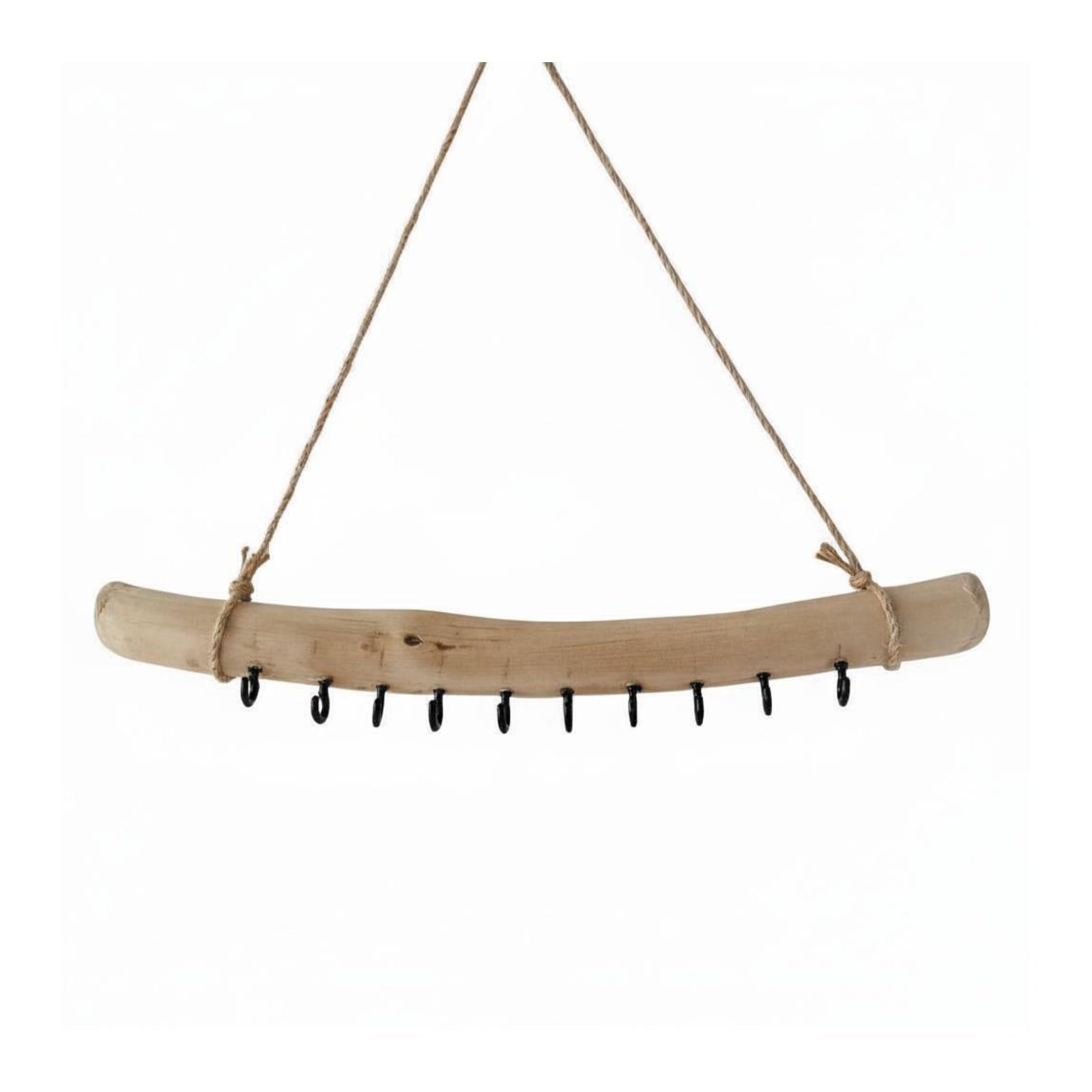
Wood Wall Hanger Key Rack