Buying guide · Sewing & Crafts
How to check and regulate a mechanical watch's accuracy at home
Short answer
The practical home method is to measure the watch in several positions with a timing machine, then make only very small regulator changes while the movement is held securely and recheck after each change. If your watch has no simple regulator index or the readings show beat error or unstable amplitude instead of a steady rate issue, stop and service the movement rather than forcing an adjustment.
What you need to check accuracy safely
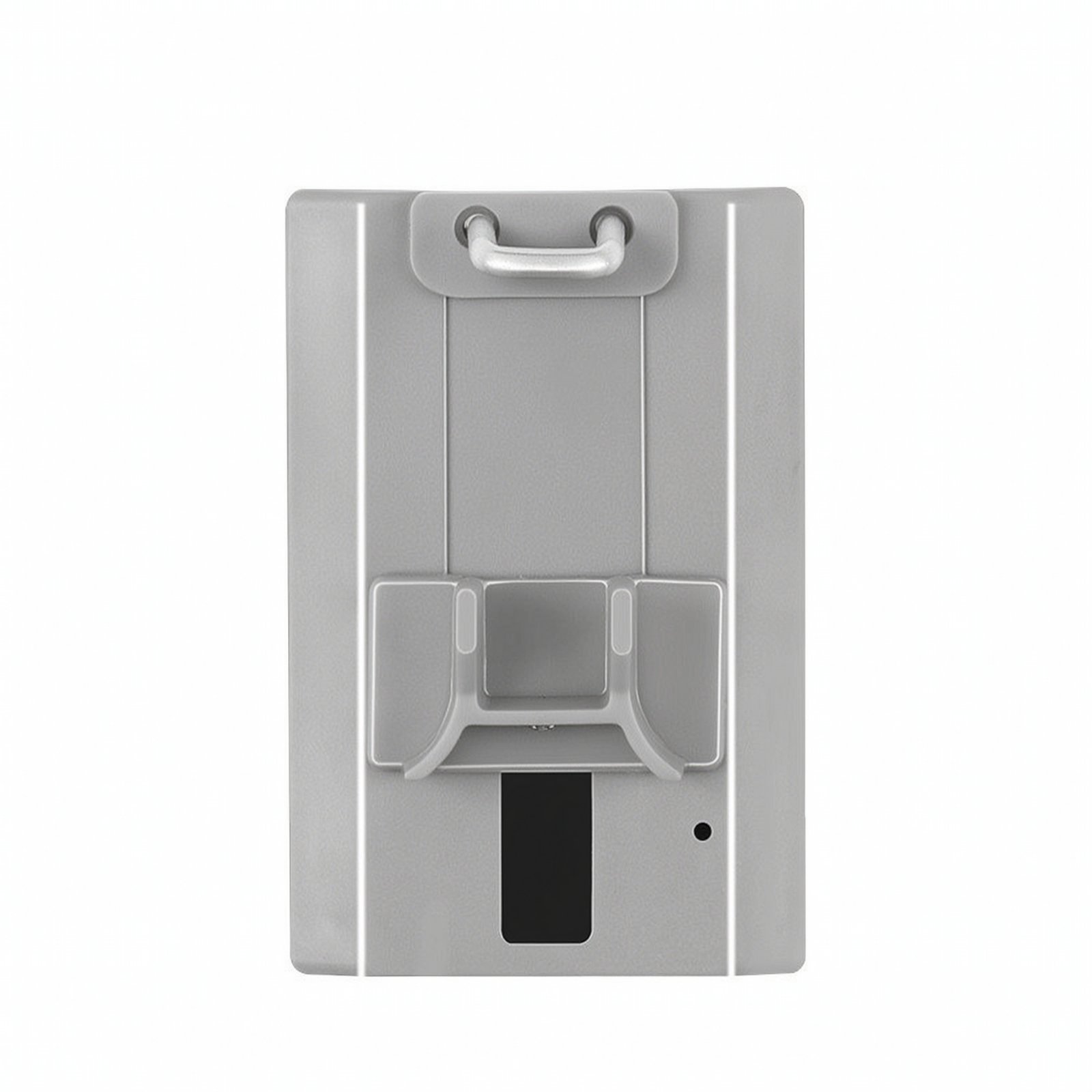
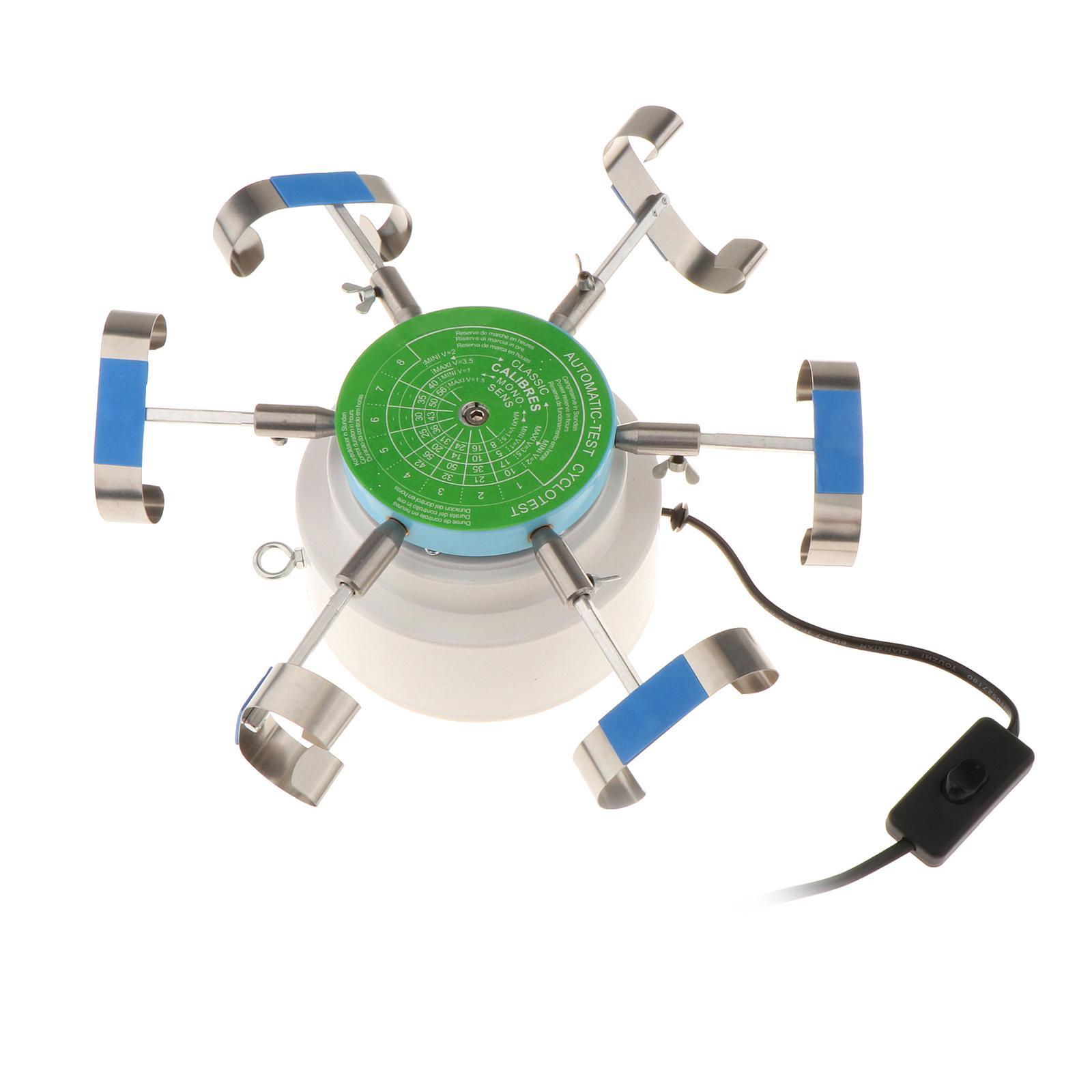
Start with a tester and a stable way to hold the movement. A timing machine such as Watch Timing Machine is the key tool because it lets you hear and measure the watch rate instead of guessing from daily wear. If you prefer a bench unit with household power, Automatic Watch Tester 110V is another tester option; check the listing and your workspace power setup before buying.
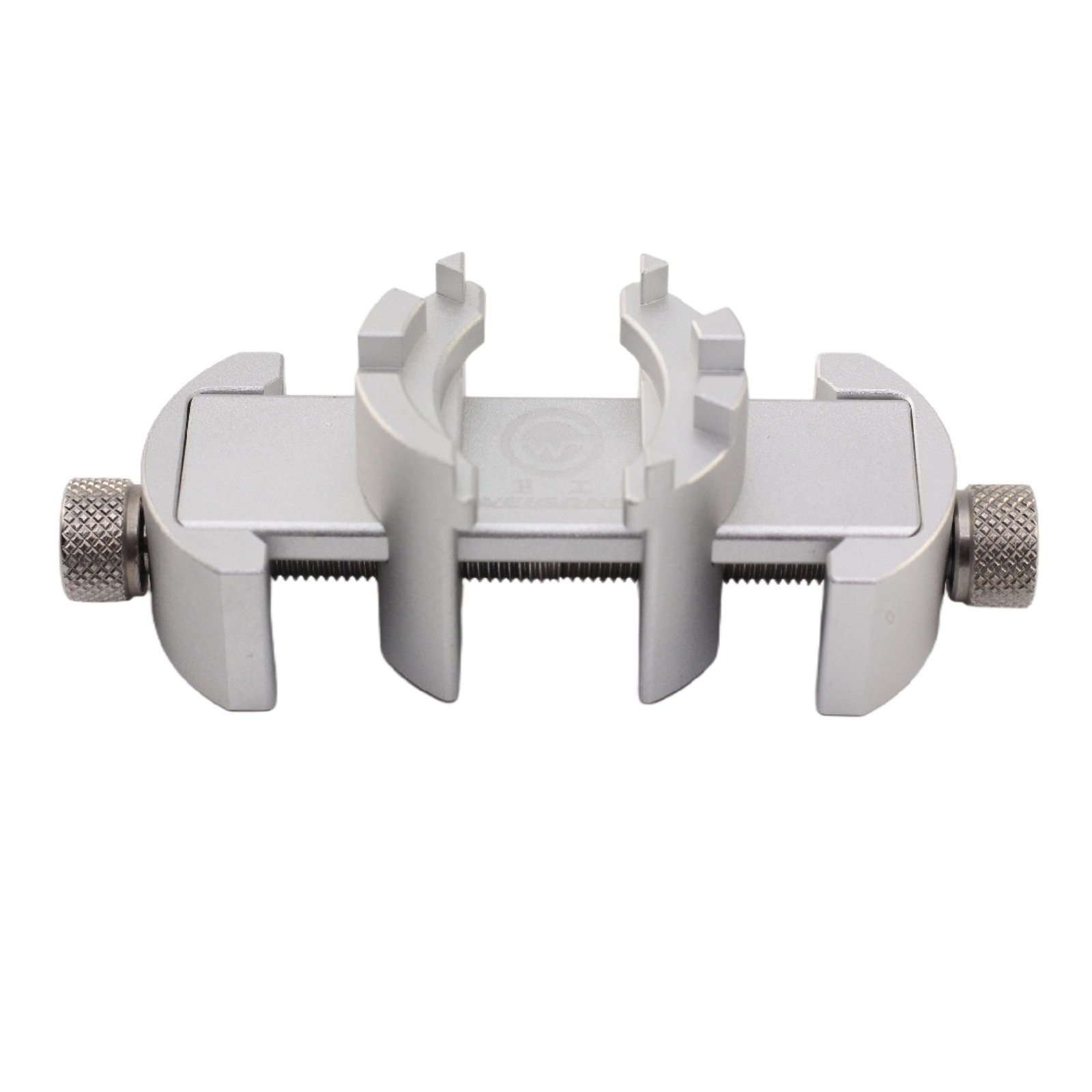
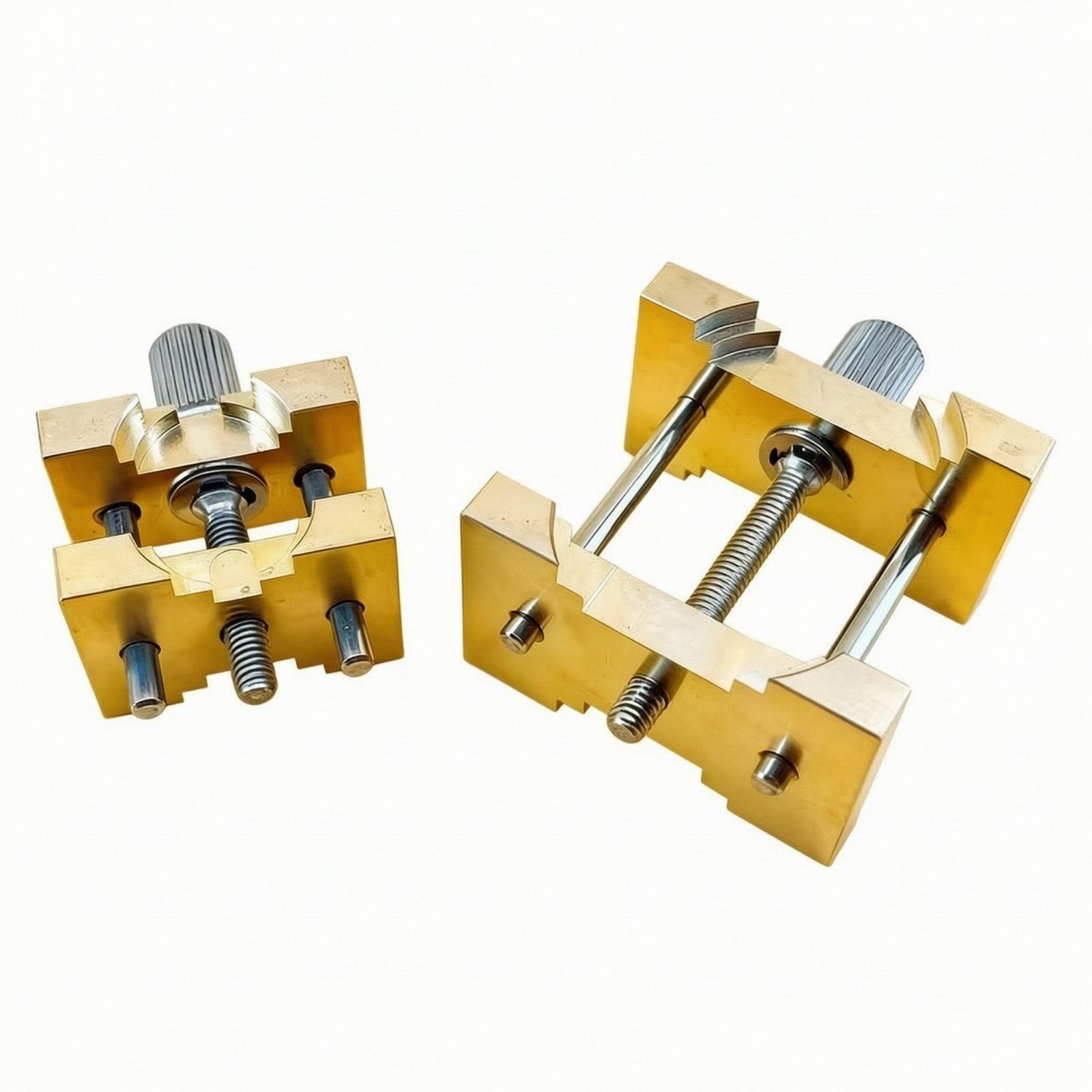
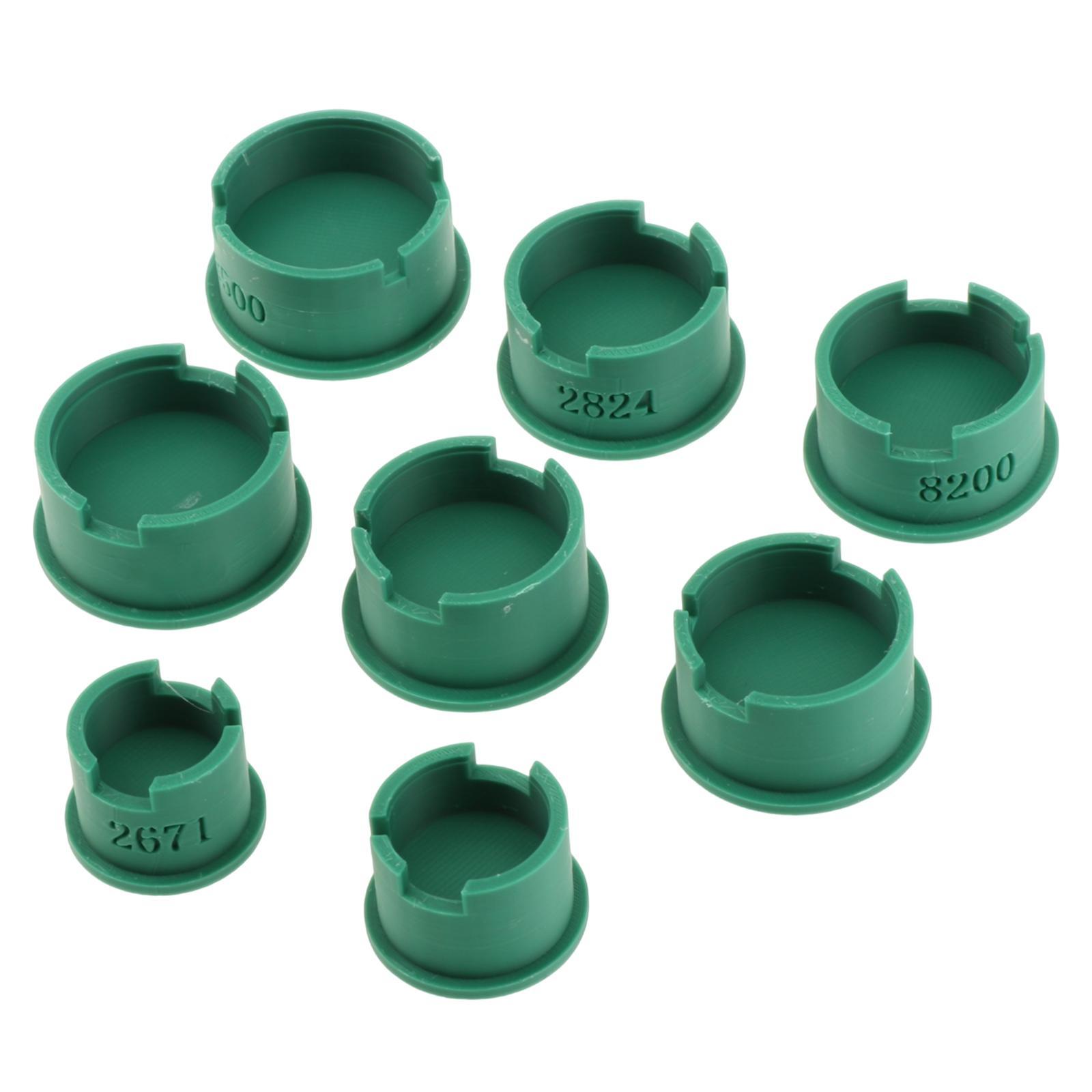
To regulate anything, the movement has to stay still while you work. An adjustable holder like Watch Movement Holder Adjustable is useful because it clamps the movement for inspection and small regulator changes, while Adjustable Watch Movement Holder gives another adjustable holder style with a screw and knob layout for fitting different movement sizes. If you work on several common movement sizes and want multiple bases ready at the bench, Watch Movement Holder 8Pcs provides 8Pcs and the listing names several movement types to compare against your watch.
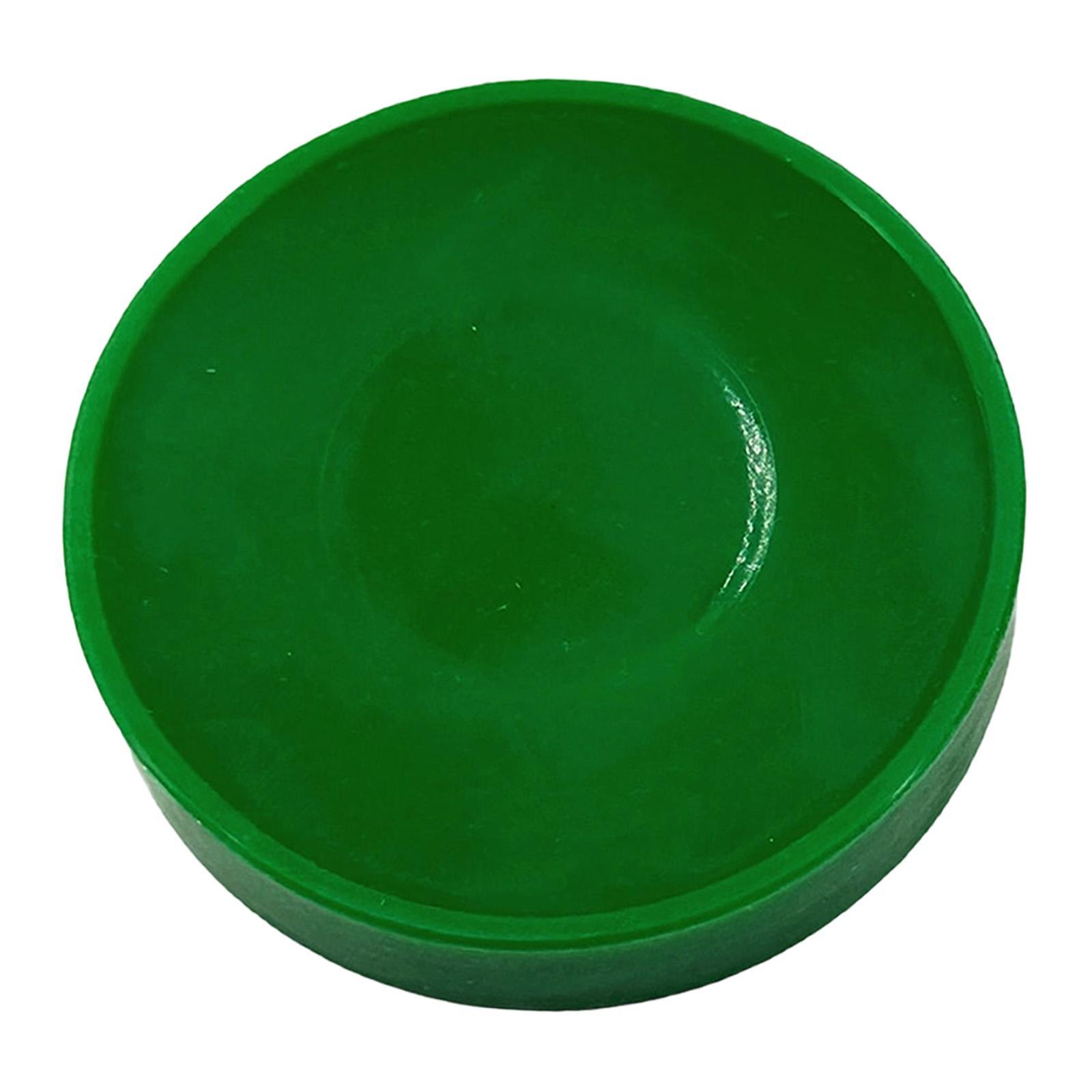
A soft support under the case helps prevent slips when opening the watch or resting parts. Watch Case Cushion Pad lists a 7.5cm cushion pad, which is helpful when the movement is still in the case or when you need a non-marring place to set the watch down.
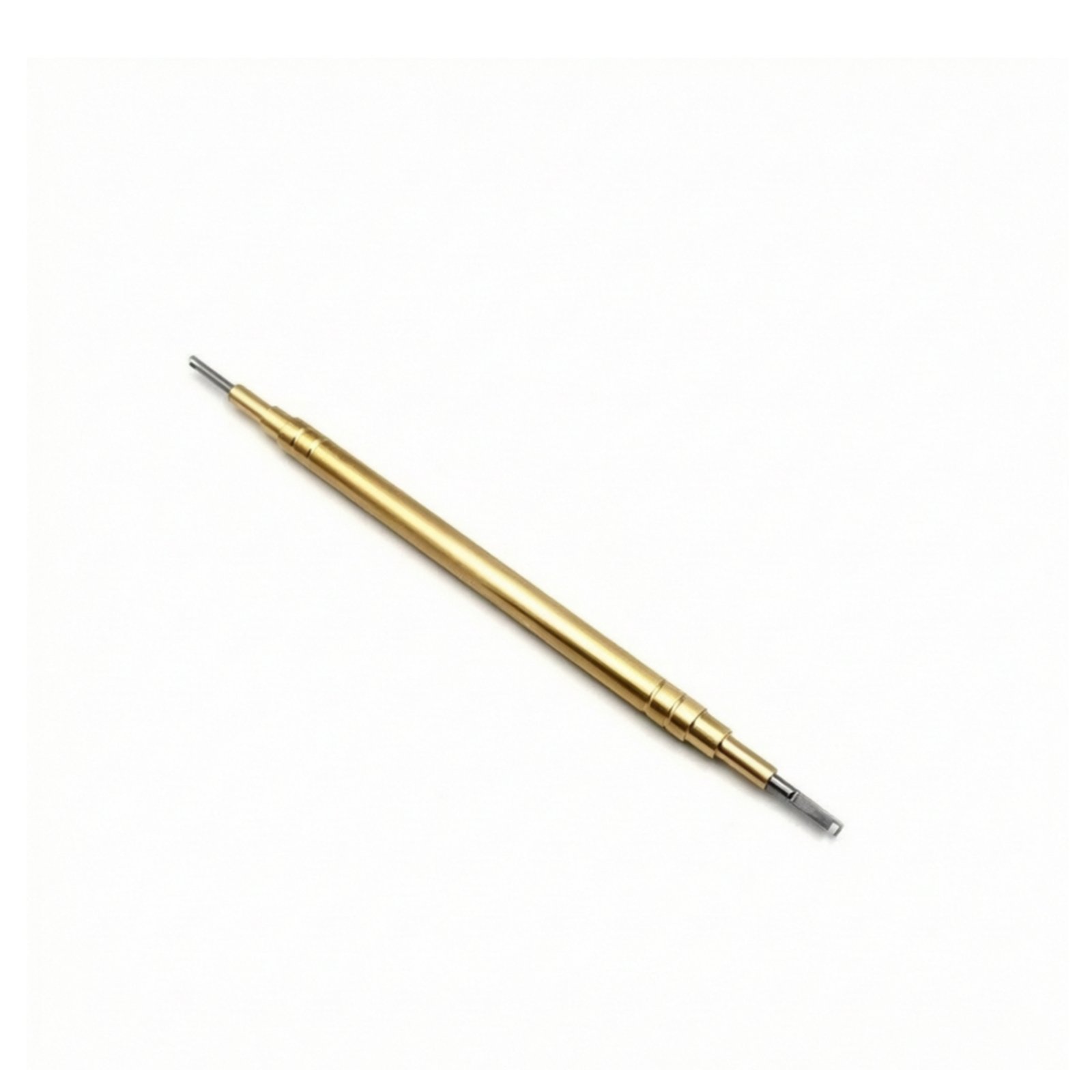
If you expect to remove the balance assembly, use a dedicated tool rather than improvised tweezers. Double Ended Balance Wheel Tool is meant for balance wheel disassembly and installation, but balance-side work is not required for simple rate checks and should only be done if the listing matches the repair you already know how to perform.
How the checking and regulating process works
First, fully wind the watch and let it run a short while so the rate settles. Then place the watch on Watch Timing Machine or Automatic Watch Tester 110V and record readings in several positions, because a watch that looks fast in one position can look slow in another. Your goal is not a perfect single snapshot but a repeatable pattern.
If the watch shows a stable rate error and your movement has a regulator index, open the case, secure the movement in Watch Movement Holder Adjustable or Adjustable Watch Movement Holder, and move the regulator only a tiny amount. Reassemble enough to test again, then repeat until the change is where you want it. Small moves matter, so patience is part of accuracy.
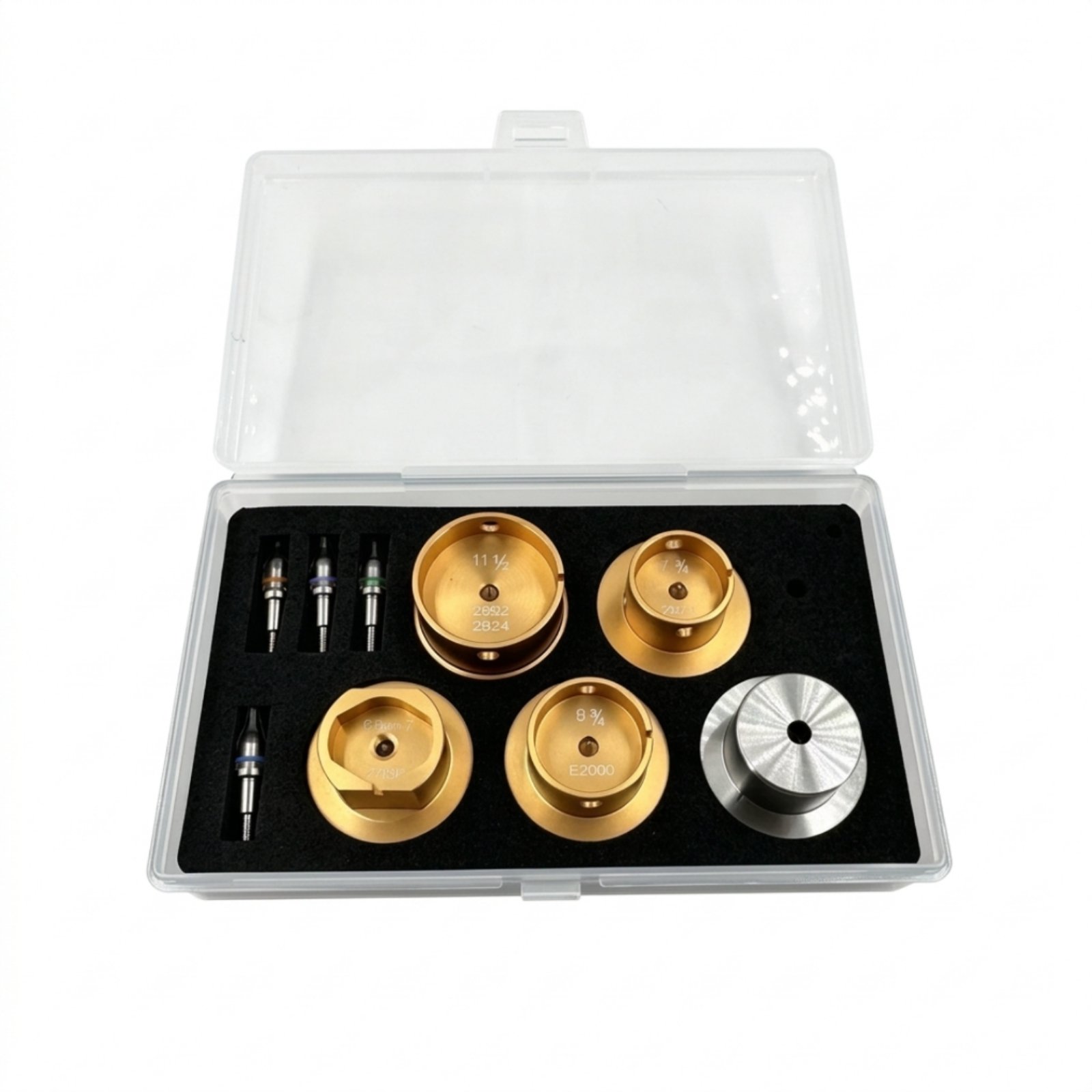
The pieces work together in a simple chain. The tester tells you what the watch is doing, the holder keeps the movement from twisting while you adjust it, and the cushion pad such as Watch Case Cushion Pad protects the case and dial side during handling. If you swap hands or disturb the motion works while working, a movement seat kit like Watch Movement Seat can help keep parts organized and aligned, but that is beyond basic rate regulation.
If the watch has no regulator index and uses free-sprung regulation, home adjustment is usually not the right first step. In that case, use Watch Timing Machine only to document behavior and compare positions, then decide whether the watch needs cleaning, demagnetizing, or professional adjustment.
What to look for when choosing tools
Choose the tester first, because rate measurement drives every next decision. Watch Timing Machine is described as a compact timing instrument with a built-in holder and USB input, which suits a small home bench and quick checks. Automatic Watch Tester 110V is a larger automatic watch tester and specifically lists 110V, so it makes more sense if you want a dedicated bench machine and your outlet matches that requirement.
Choose the holder based on how broadly you work across movements. Watch Movement Holder Adjustable is a general adjustable vise style, which is the safest starting point when you do not yet know which holder shape you prefer. Watch Movement Holder 8Pcs is useful if the movement family in your watch matches the listing and you want several dedicated bases on hand. Watch Movement Seat may be attractive if you want a holder set with organized storage and the listed movement slots match your watch.
Avoid very specialized holders unless your movement truly matches the listing. A holder such as Metal Watch Movement Holder is specifically for one movement family, which can be excellent for that exact job but limiting if your watch uses something else. The same rule applies to any holder that names only one or two movement types in the description.
Only buy balance tools if you already understand balance-side work. Double Ended Balance Wheel Tool can be helpful for removal and installation, but it is not a shortcut for regulating accuracy and it will not fix problems caused by dirt, low power, or poor beat.
Common mistakes to avoid at home
The biggest mistake is adjusting before measuring. Without readings from Watch Timing Machine or Automatic Watch Tester 110V, you cannot tell whether the watch is simply positional, low on power, or actually out of regulation.
Another common mistake is making large regulator moves. Secure the movement in Watch Movement Holder Adjustable or Adjustable Watch Movement Holder, make a tiny change, and test again. Overshooting back and forth often leaves you worse off than where you started.
Do not confuse a rate problem with a service problem. If the trace is erratic, the watch starts and stops, or the reading changes wildly with no clear pattern, changing the regulator may hide the symptom for a moment but will not solve the cause.
Avoid unnecessary balance or hairspring handling. Tools like Double Ended Balance Wheel Tool exist for delicate work, but touching the balance assembly when you only needed a timing check adds risk. Also avoid buying a movement-specific holder unless the listing clearly matches your movement; if not, choose a general holder or compare your movement against the product description before ordering.
A typical kit
- Watch Timing MachineUse this timing machine to measure rate and compare positions before and after any adjustment.
- Watch Movement Holder AdjustableThis adjustable movement holder keeps the movement stable while you make careful regulator changes.
- Adjustable Watch Movement HolderA second adjustable holder option for shoppers who want a screw-and-knob style fixing base.
- Watch Case Cushion PadThis cushion pad gives the watch case a soft resting surface during opening, handling, and reassembly.
- Watch Movement Holder 8PcsA multi-base holder set is handy if you work on several listed movement types and want quick bench support.
- Automatic Watch Tester 110VChoose this tester if you want a dedicated bench machine and your setup matches its 110V power requirement.
Questions people ask
Can I regulate a mechanical watch accurately without a timing machine?
You can estimate daily gain or loss by comparing to a reference time source, but regulation is much slower and less precise that way. A timing machine like Watch Timing Machine lets you see whether the problem is steady rate, position sensitivity, or something more serious before you touch the regulator.
Do I need to remove the movement from the case to regulate it?
Not always. Some watches allow access to the regulator without fully removing the movement, and a soft rest like Watch Case Cushion Pad helps when the case is still involved. If the movement must come out, secure it in Watch Movement Holder Adjustable or Adjustable Watch Movement Holder so you are not adjusting while it shifts around.
What if the watch runs differently dial up, crown up, and on the wrist?
That is normal to some degree, which is why you should test in several positions on Watch Timing Machine or Automatic Watch Tester 110V. Regulate based on the overall pattern you actually wear, not just the single position that looks best on the machine.
How do I know whether a holder will fit my movement?
Read the listing for movement types and compare them to your watch before ordering. A general holder like Watch Movement Holder Adjustable is a safer first choice, while a set like Watch Movement Holder 8Pcs or a seat kit like Watch Movement Seat is useful when the listed movement families match your project.
Should I buy balance wheel tools for basic home regulation?
Usually no. Basic rate checking and small regulator changes do not require removing the balance, so a tool like Double Ended Balance Wheel Tool is only for more advanced service steps. If your watch needs balance or hairspring work, that often means the issue is beyond simple home regulation.
Shop the list
Everything mentioned above
Prices and delivery windows are live from our catalog.
Watch Timing Machine
Automatic Watch Tester 110V
Watch Movement Holder Adjustable
Adjustable Watch Movement Holder – Copper
Watch Movement Holder 8Pcs
Watch Case Cushion Pad
Watch Movement Seat
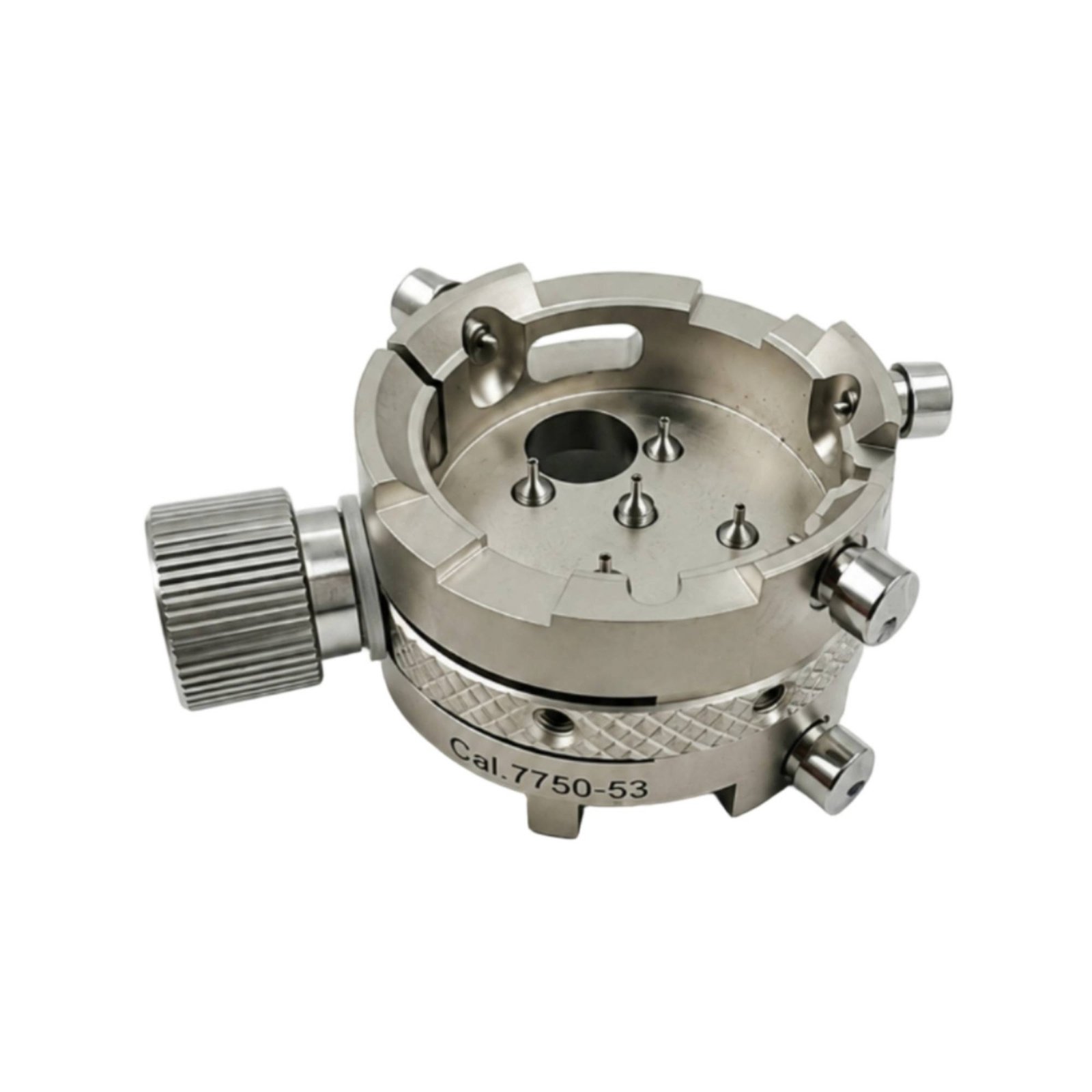
Metal Watch Movement Holder