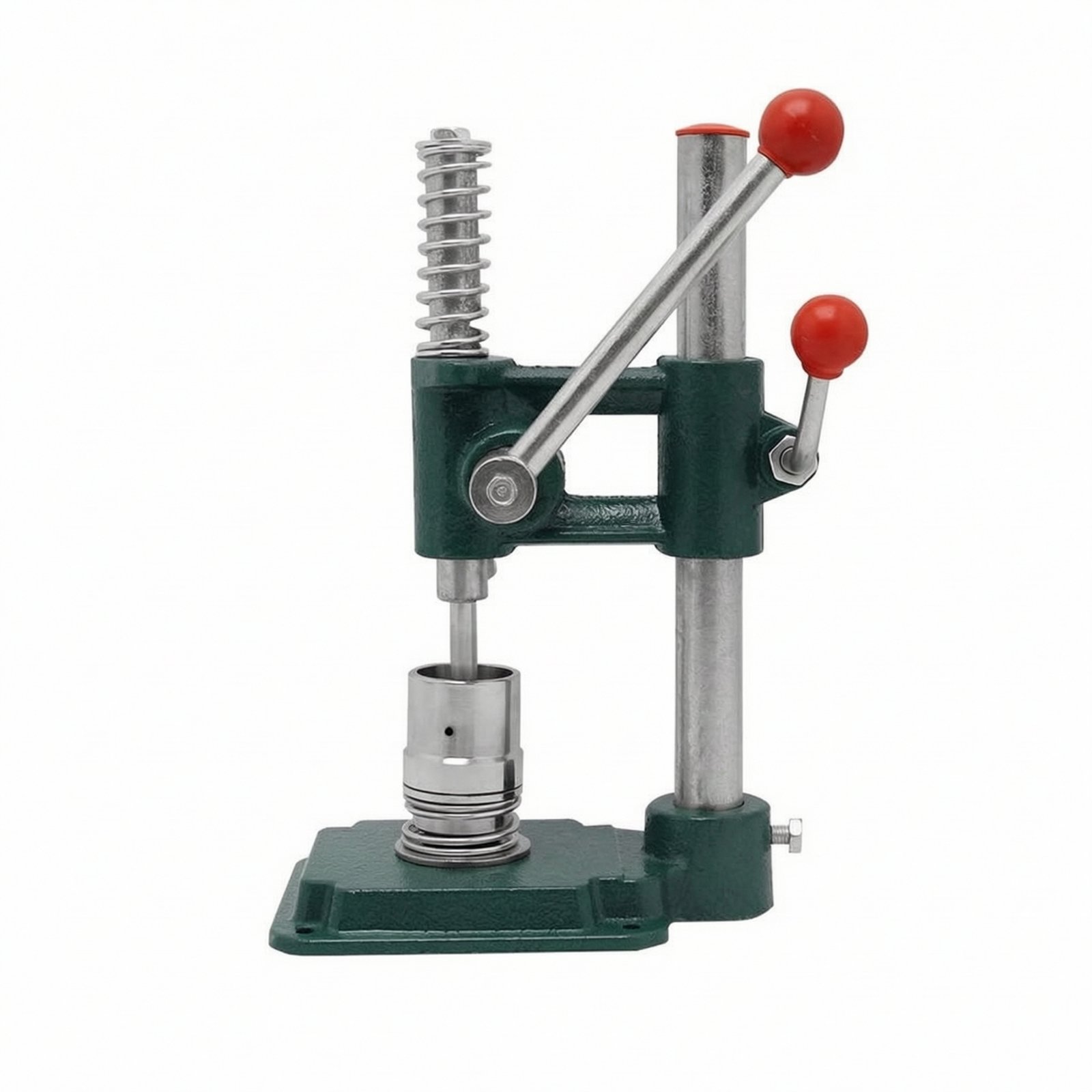
Buying guide · Sewing & Crafts
What size manual die-cutting or embossing press is suitable for paper crafts, leather pieces, and small handmade projects
Short answer
For paper crafts and embossing, a compact machine with an 8.5 cm working opening such as Manual Die Cutting Machine is the right size, while small leather pieces and mixed craft jobs fit better on a flatbed or die press such as Manual Stamping Press. Before ordering, check your material width, die footprint, die height, and whether you need embossing plates, flat dies, or punch tools.
How to choose the right press size
Start with the material and the kind of cut you need. Paper crafting and embossing usually call for a roller-style craft machine that accepts cutting plates and feeds material through a narrow slot. Leather pieces, stamped tags, and small handmade parts usually need a press that pushes straight down onto a die or stamp, because that layout handles thicker stacks and firmer materials better.
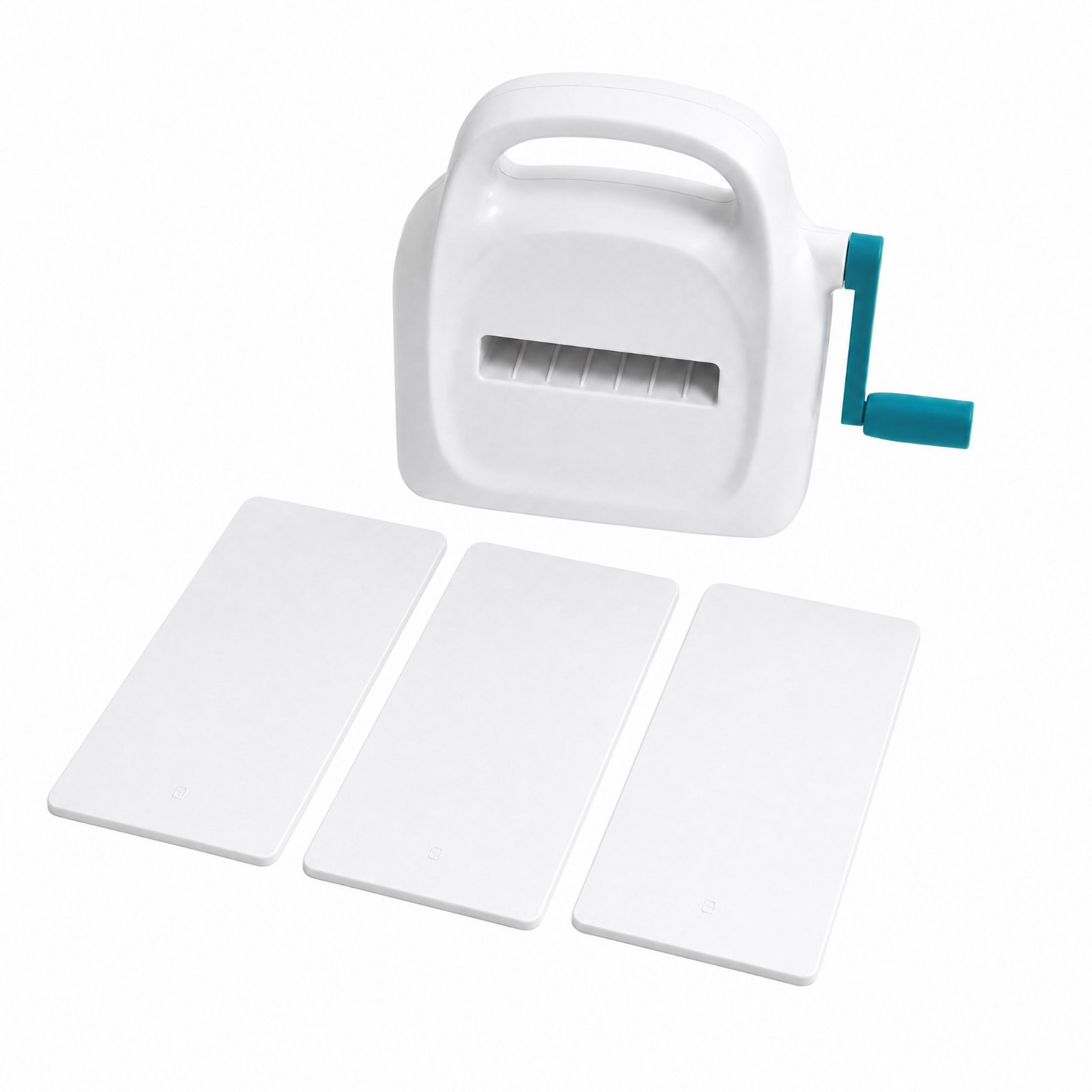
If your main job is cards, scrapbook pages, labels, and decorative embossing, look first at the opening width and whether the listing clearly says it cuts paper and cardstock. Manual Die Cutting Machine states an 8.5 cm-wide working opening and says it processes paper and cardstock with included cutting plates, so it is the most direct fit for paper craft use.
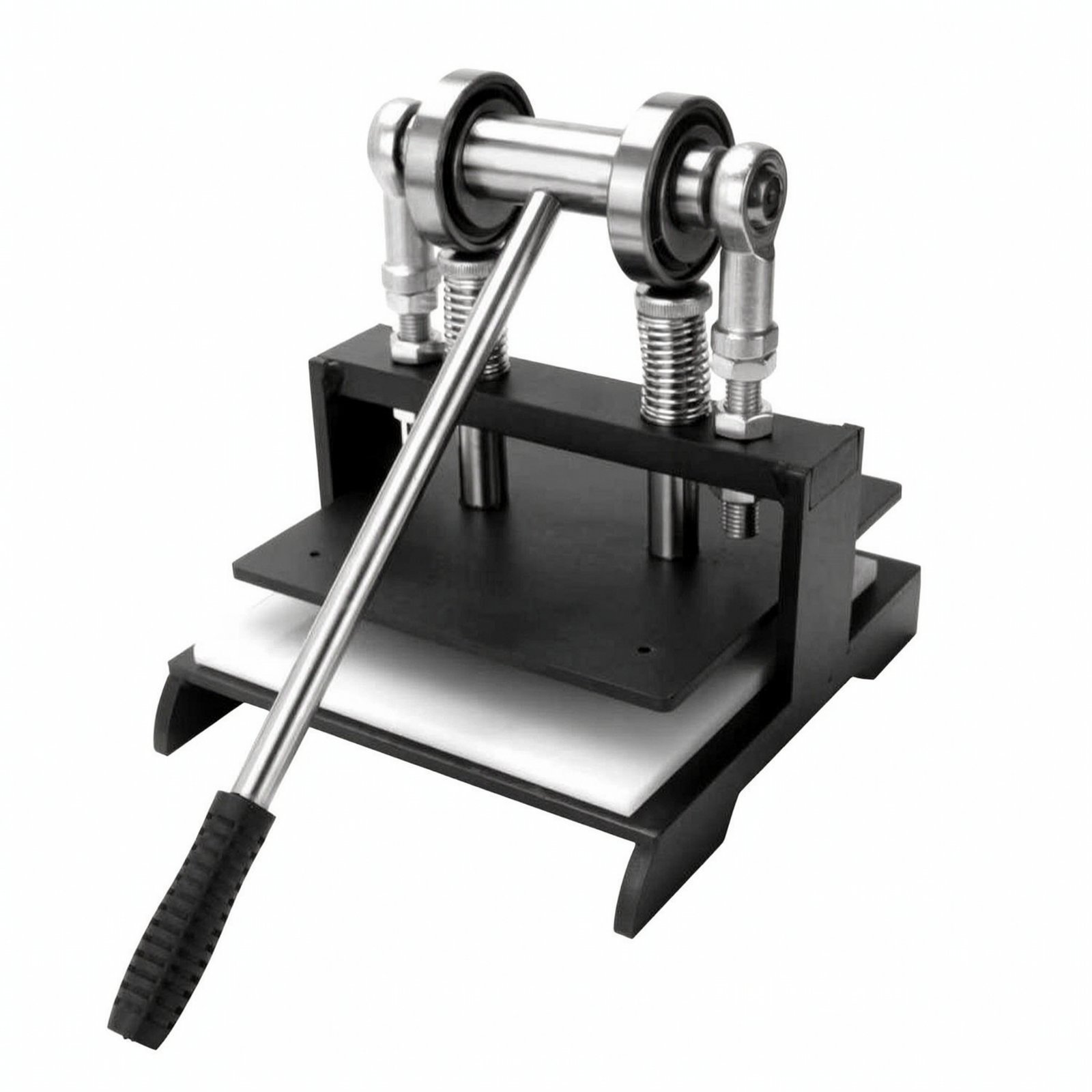
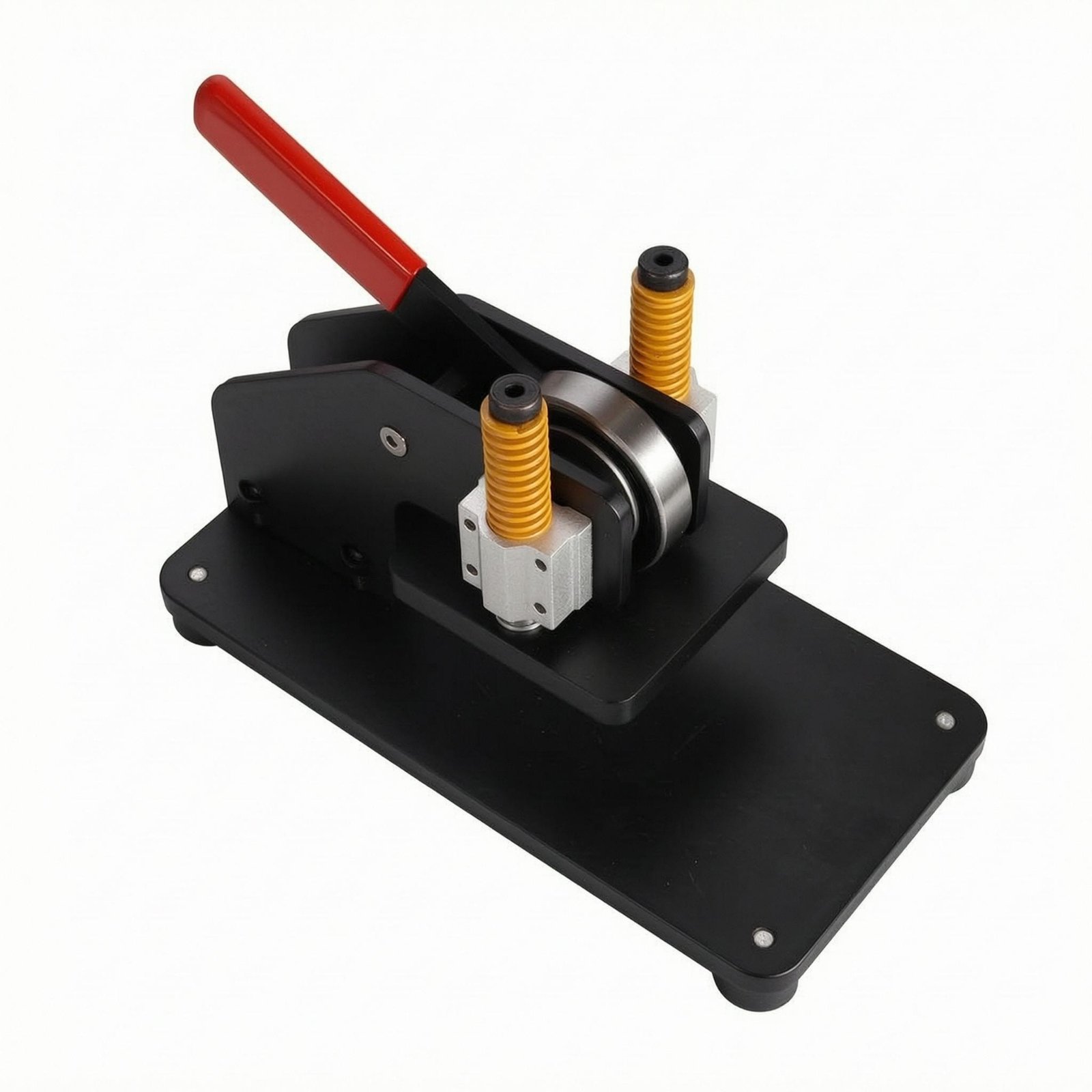
If your main job is leather pieces and other small flat materials, look for a stated work area, pressing force, or space between the upper plate and worktable. Manual Die Cutter Carbon Steel gives a 100 mm x 100 mm work area, about 45 mm stroke, and approximate 1 ton pressing force, which makes it a practical size for small dies rather than large panels. Manual Stamping Press is also aimed at leatherwork and lists up to 1 ton of pressing force with 40 mm between the upper plate and worktable, so it suits small flat dies and stamps where you need a simple up-and-down press.
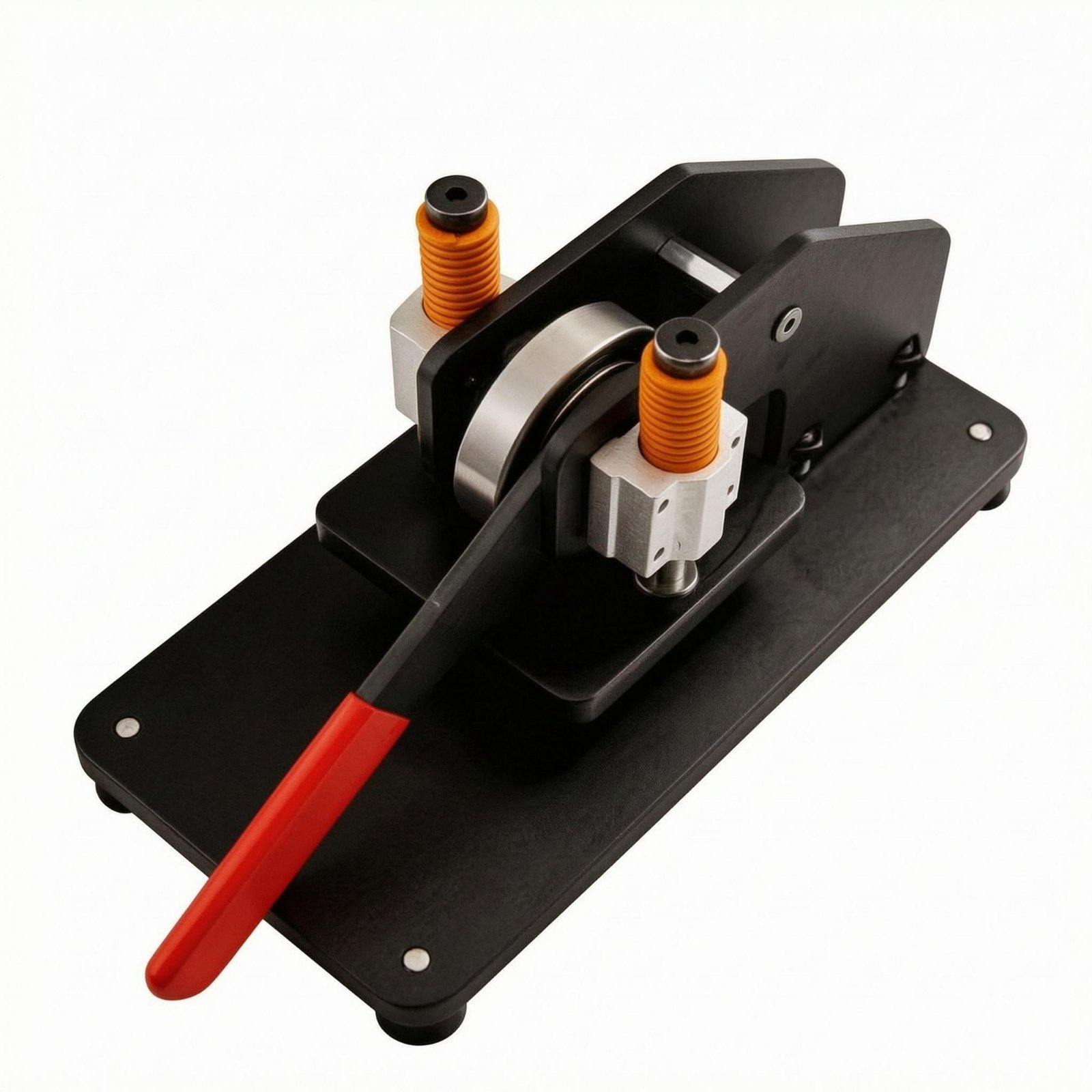
For mixed hobby use, think about the die shape and how you position the work. A flatbed style like Manual Stamping Press is easier to understand for flat dies and stamps. A compact die press like Manual Die Press is better when you already know your die height and soft material thickness, since the listing gives a shown cutting height of 23.8 mm, a 10 mm pad board, and an indicated cutting capacity of about 11 mm soft material.
Fit and size check
- Manual Die Cutting Machine: manual die-cutting and embossing machine; stated for paper and cardstock; 8.5 cm-wide working opening; measures 15.5 cm high by 15.5 cm wide; includes cutting plates; material not listed.
- Manual Stamping Press: manual flatbed die-cutting and stamping press; stated for leather and craft materials; up to 1 ton pressing force; 10 mm strokes adjustment range; 40 mm between upper plate and worktable; approximately 23 cm wide by 22 cm deep with a 20 cm feed width; material stated as black metal frame; included accessories not listed.
- Manual Die Cutter Carbon Steel: manual die-cut press; stated for leather cutting and smaller jobs; 100 mm x 100 mm work area; about 45 mm stroke; approximate 1 ton pressing force; material stated as carbon steel with black coated body; included accessories not listed.
- Manual Die Press: manual die press; stated for pressing and cutting small dies and soft materials; shown cutting height of 23.8 mm; 10 mm pad board; indicated cutting capacity of about 11 mm soft material; material stated as carbon steel; included accessories not listed.
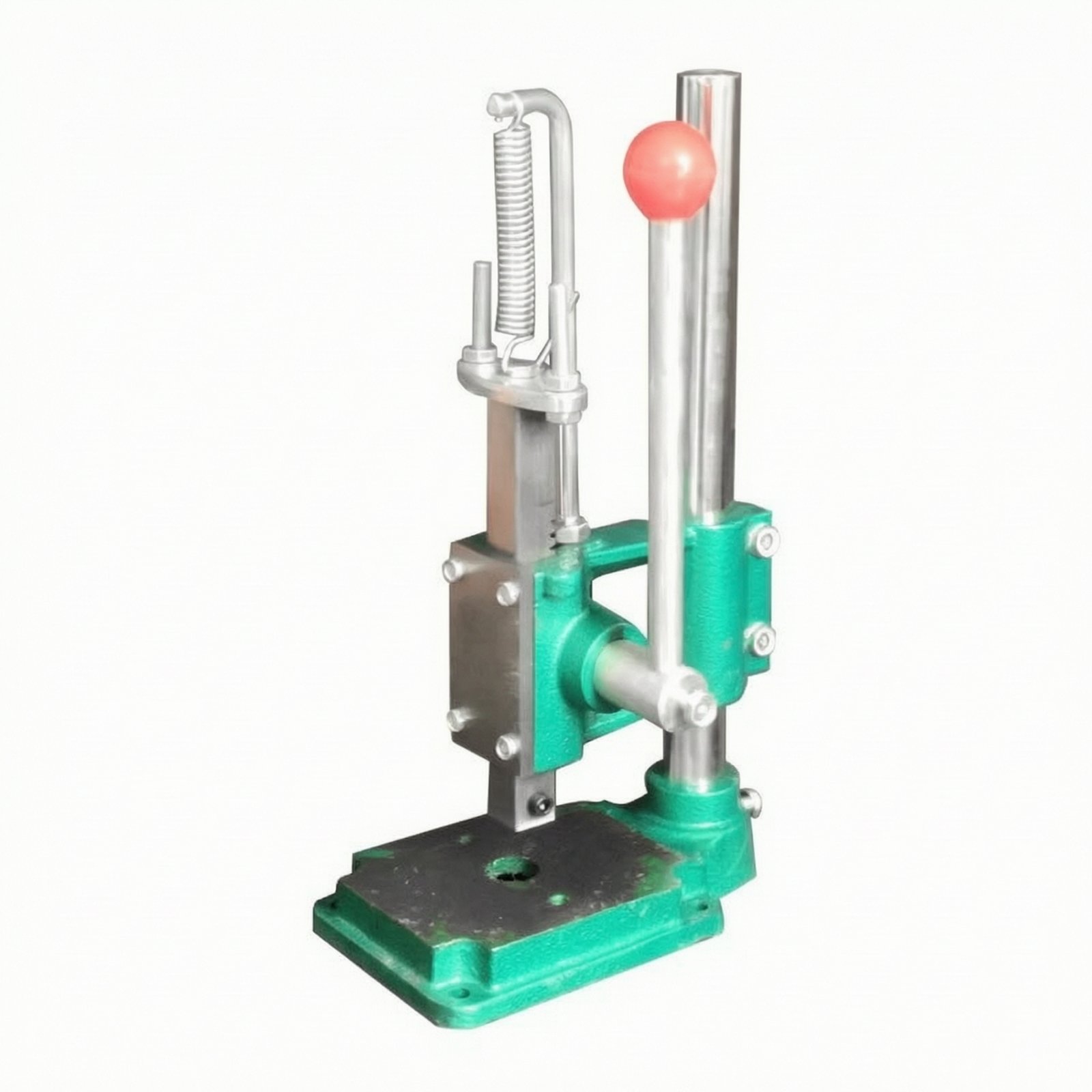
- Manual Die-Cutting Press with Spring Return: manual die-cutting press with spring return; stated for precision punching and die-cutting applications; 350 mm high, 200 mm long, and 110 mm wide; worktable 130 mm by 103 mm with 10 mm mounting holes; press force 160 kg with 57 mm or 70 mm slide travel; material stated as metal body; included accessories not listed.
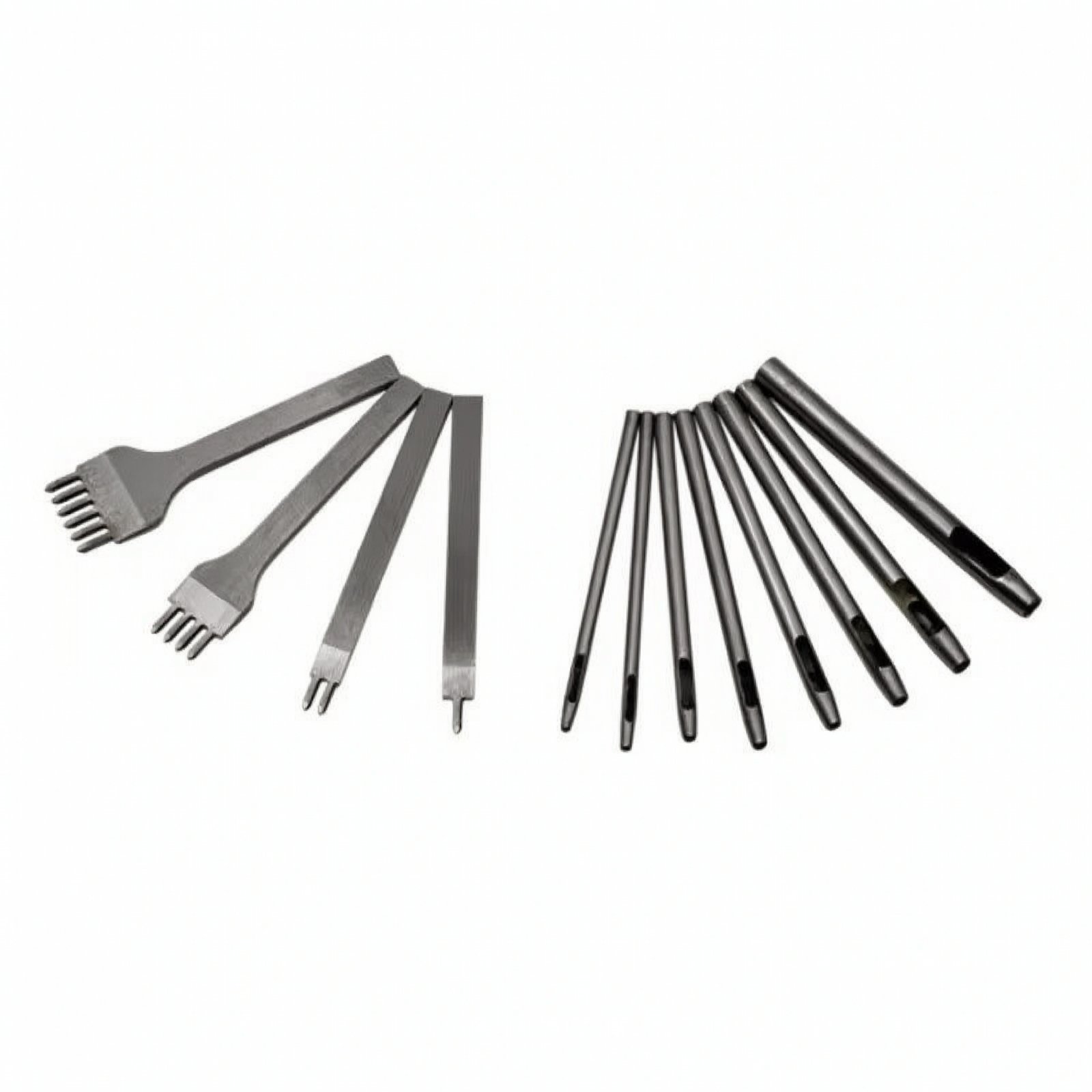
- Vertical Press Machine with Punch Set: vertical press machine; stated for punching, stamping, cutting, riveting, crimping, and forming; standard 11 mm tool holder hole, 50 mm slide travel, and 88 mm throat depth; includes a 4-piece diamond awl set and an 8-piece punch set; material stated as black metal body; flat die-cut or embossing plate size not listed.
Products that do not directly fit paper die-cutting and embossing are the general arbor-style press Manual Arbor Press and the punch-oriented vertical press Vertical Press Machine with Punch Set unless your project specifically uses separate tooling. They can press or form, but their listings do not say they take craft cutting plates for paper embossing the way Manual Die Cutting Machine does.
How the pieces work together
A manual craft die-cutting setup works as a matched system: the machine frame provides pressure, the die provides the shape, and the work surface or cutting plates support the material. If any one part is the wrong size, you either cannot feed the project in or you do not get an even cut.
With a roller-style paper machine such as Manual Die Cutting Machine, the width of the opening controls the largest plate stack and material width you can pass through. That is why opening width matters more than raw pressing force for paper crafts. If the design is wider than the opening, it simply will not fit.
With flatbed and lever presses such as Manual Stamping Press or Manual Die Cutter Carbon Steel, the useful size is controlled by the work area, daylight, and stroke. The die must fit on the table, the material stack and die height must fit under the upper plate, and the stroke must be enough to complete the cut or stamp. For leather and dense handmade pieces, this style is usually more suitable than a small embossing machine because it applies direct downward pressure.
Tool-holder presses like Vertical Press Machine with Punch Set work differently. They are better for fitted punches, awls, or stamping tools mounted in the holder, not broad flat dies for sheet-style cutting. If you plan to cut shapes from leather with clicker-style dies or emboss paper with plate sandwiches, check the listing for flatbed support and included plates rather than assuming any press will do the same job.
Common mistakes to avoid
The most common mistake is buying by overall machine size instead of usable opening or work area. A compact body can still be too small for your die, and a heavy frame does not help if the throat, opening, or plate spacing is wrong for the project.
Another mistake is mixing paper embossing needs with leather cutting needs. Manual Die Cutting Machine is clearly aimed at paper and cardstock, so it is the safer choice when your priority is decorative paper work. Manual Stamping Press and Manual Die Cutter Carbon Steel are the better direction when you need to press flat dies into leather or other craft materials.
Do not assume a general workshop press is automatically a die-cutting press. Manual Arbor Press is described for pressing, punching, bending, riveting, and assembly with tooling attachment, but the listing does not provide a craft work area, die opening, or embossing plate system. That makes it a tool-platform press, not the clearest ready choice for paper crafts.
Also avoid guessing on die height or material thickness. If your die stack is tall, compare it with the stated clearance and adjustment range on Manual Stamping Press, or with the cutting-height information on Manual Die Press. If the listing does not state compatibility with your dies, measure your current setup before ordering.
A typical kit
- Manual Die Cutting MachineUse this for paper crafts, cardstock cuts, and embossing where opening width and included cutting plates matter most.
- Manual Stamping PressUse this for small leather pieces and flat stamping jobs that need direct downward pressure on a worktable.
- Manual Die Cutter Carbon SteelChoose this when you want a small tabletop die-cut press with a stated work area for compact leather or craft dies.
- Manual Die PressPick this when you need a compact hand press and want the listing to state cutting height and soft-material capacity.
- Manual Die-Cutting Press with Spring ReturnConsider this for small punching and die-cutting tasks where a spring-return press and fixed worktable are useful.
Questions people ask
Is a paper embossing machine strong enough for leather?
Usually not by default. Manual Die Cutting Machine is specifically described for paper and cardstock with cutting plates, while Manual Stamping Press is the listing that directly says leather and craft materials.
What is the most important size to check first?
For paper machines, check the working opening because that limits plate and material width. For lever and flatbed presses, check the work area, stroke, and the gap under the pressing head so your die and material stack can fit.
Can I use a general arbor press for craft die cutting?
Only if your tooling setup matches it. Manual Arbor Press is a general hand press for workshop operations, but the listing does not state a paper-feed opening, flatbed die system, or craft cutting plates, so it is not the clearest choice for scrapbooking or ready-to-run leather die work.
Which type is better for mixed small handmade projects?
If your projects include both leather pieces and light stamping, a flatbed press such as Manual Stamping Press is the safer middle ground. If your projects are mostly paper embellishment, tags, and embossed card fronts, Manual Die Cutting Machine matches that use better.
Do I need to worry about die height and material thickness?
Yes, especially with leather and thicker craft materials. Manual Die Press gives cutting-height and soft-material guidance, and Manual Stamping Press gives plate spacing and adjustment range, which are the kind of details you should compare with your die stack before ordering.
Shop the list
Everything mentioned above
Prices and delivery windows are live from our catalog.
Manual Die Cutting Machine
Manual Stamping Press
Manual Die Cutter Carbon Steel
Manual Die Press
Manual Die-Cutting Press with Spring Return
Vertical Press Machine with Punch Set