Buying guide · Sewing & Crafts
What tools a beginner needs for jewelry making
Short answer
A beginner needs a small, practical starter set that covers holding, cutting, shaping, layout, and simple finishing rather than a large bench full of specialty tools. Start with a stable workholding surface, one good pair of pliers, a way to plan bead or wire layouts, and add shaping or setting tools only for the techniques you actually want to learn.
Start with the core jobs you need to do
The easiest way to choose beginner jewelry tools is to think in terms of jobs, not tool names. Most first projects come down to holding the work steady, cutting or bending wire, laying out parts, flattening or shaping metal, and sometimes making holes or finishing a setting.
For steady support, a bench pin or clamp is usually the first upgrade because it gives you a place to hold pieces while you saw, file, drill, or finish. A simple option such as Bench Pin Saw Vise Clamp is aimed at sawing, finishing, and drilling, so it fits the basic bench tasks many beginners try first. If you want a larger portable table clip style support, Bench Pin Clamp Accessory is another way to create a dedicated handwork area on a table.
For basic assembly and wire work, a multipurpose plier is more useful than a very specialized hand tool. Zinc-Coated Wire Cutting Pliers is described for trimming wire and handling small components, which makes it a practical first pick when you expect to cut, grip, bend, and form simple loops in one session.
If your projects are bead-heavy, layout control matters as much as cutting. Wooden Bead Tray is a bead tray for arranging bracelet and jewelry layouts before stringing, helping you test patterns and keep parts from wandering while you work.
If your projects are more metal-focused, add one shaping surface. Jewelry Stamping Block provides a stamping and flattening surface and is meant to absorb force while protecting the work area, which is useful when you need a firm base for texturing, flattening, or basic forming.
Choose tools that match the style of jewelry you want to make
Beginners often buy for every possible technique at once, but the smarter approach is to match tools to the work you expect to do in the next few projects. If you mainly want to make jump rings, wrapped connectors, or repeatable loops, a looping mandrel is more useful than a setting tool. Jewelry Wire Wrapping Rod Set includes interchangeable rods at 1.2 mm, 1.6 mm, 3.2 mm, 4.2 mm, and 5.2 mm, so it helps you make consistent loop sizes instead of shaping every coil by eye.
If you want to work with thin sheet metal and need neat openings for findings, a manual punch can save time and produce cleaner results than improvised methods. Sheet Metal Screw Punch makes 1.5 mm and 2 mm holes and is intended for soft metals up to about 0.65 mm thick, so it suits light sheet work where controlled manual pressure is enough.
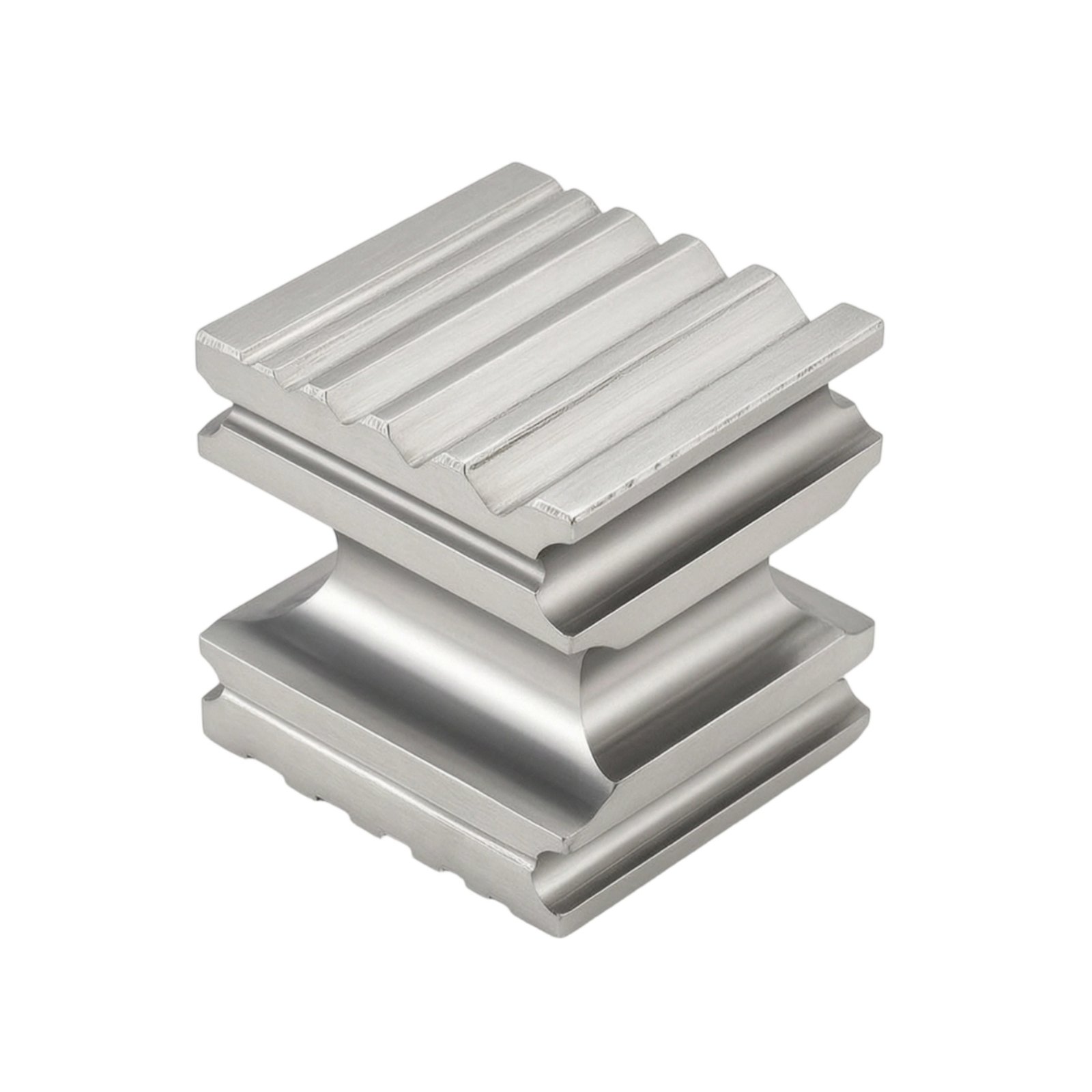
If shaping curves and bends is the goal, choose a forming surface meant for that task. Jewelry Forming Block has machined grooves and rounded recesses that help guide wire and small metal parts into repeatable shapes.
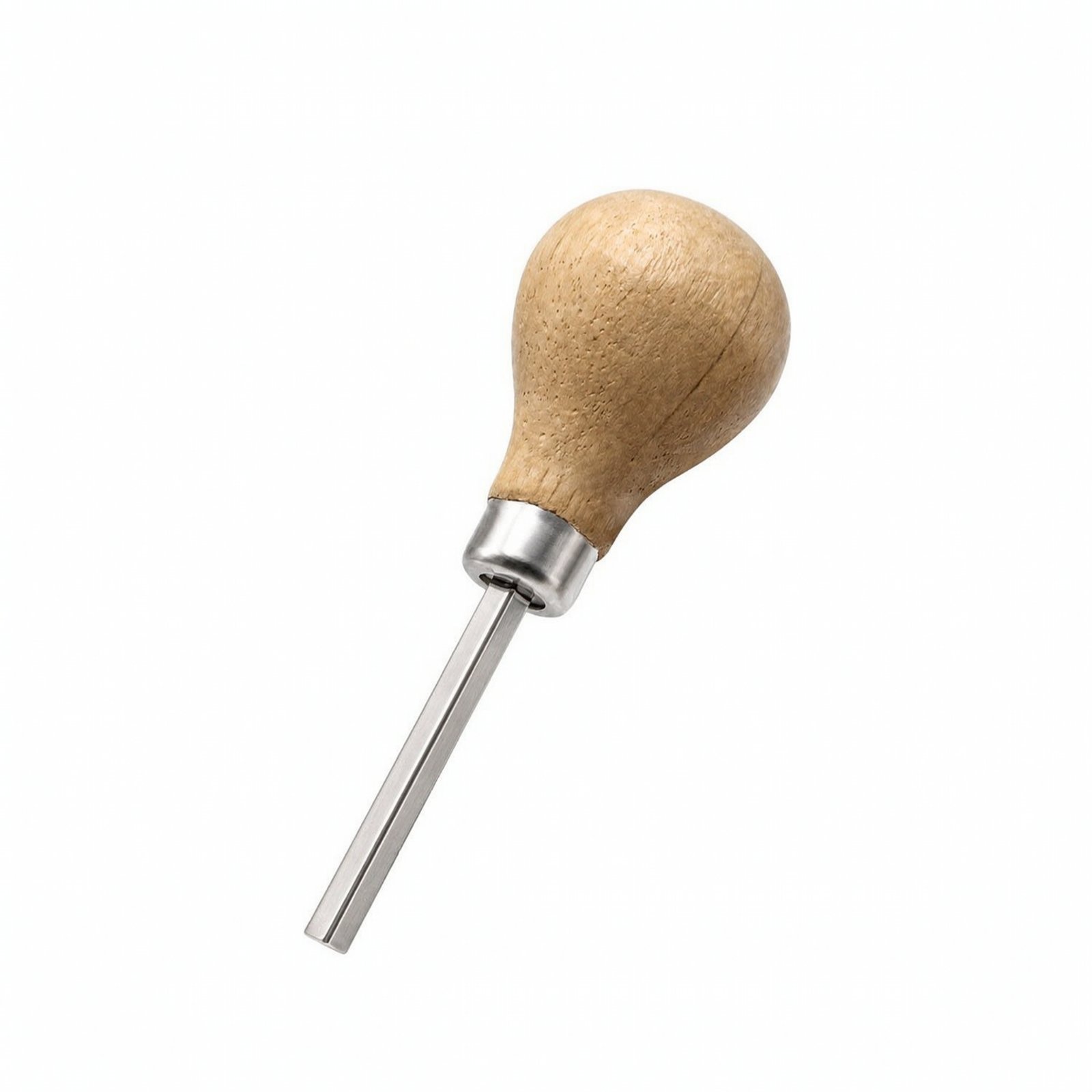
If you want to try stone setting or bezel finishing, add a dedicated pusher only when you are ready for that technique. Jewelry Setting Push Tool is made to push metal edges over a stone with controlled pressure, which is useful for finishing bezels but not necessary for simple wire, bead, or chain projects.
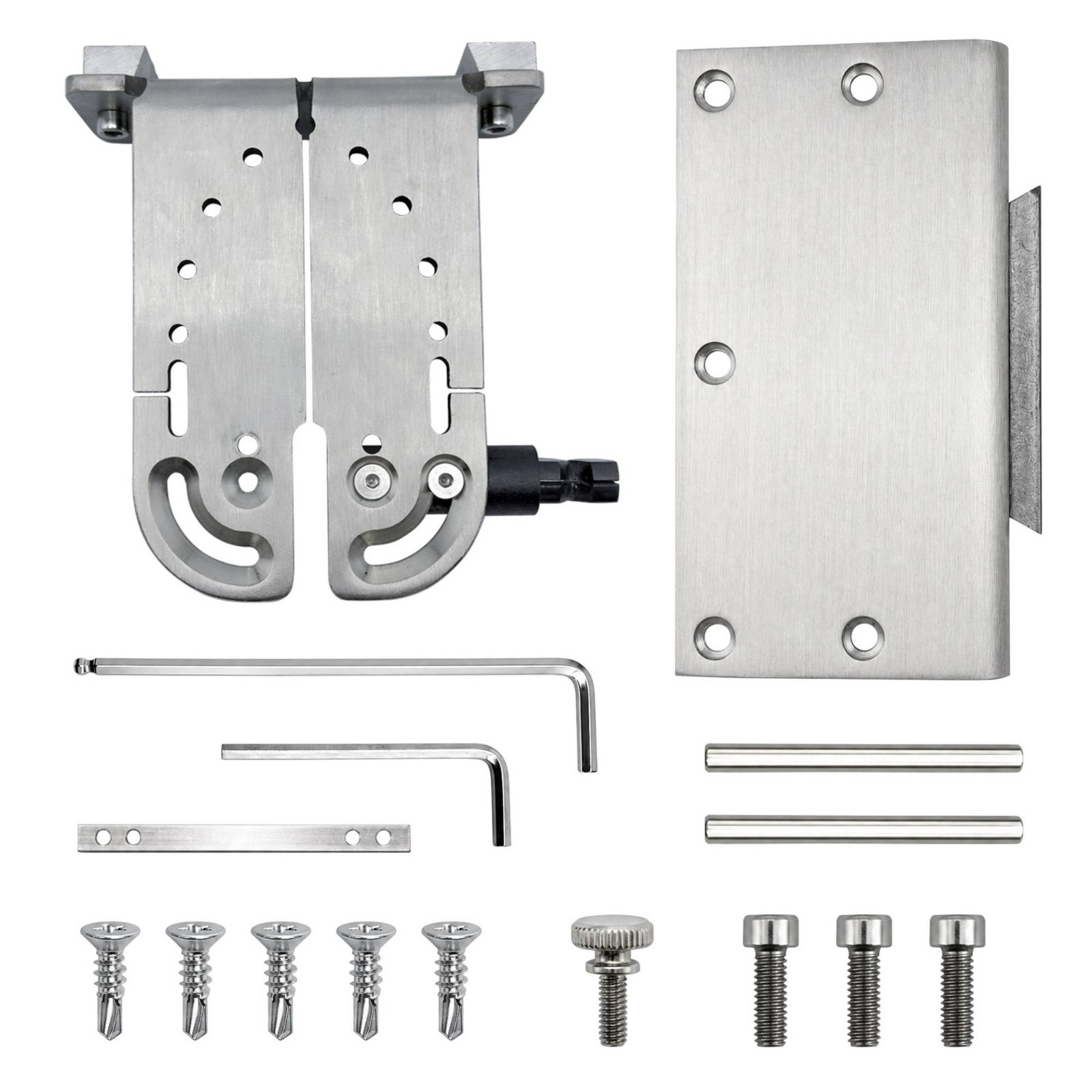
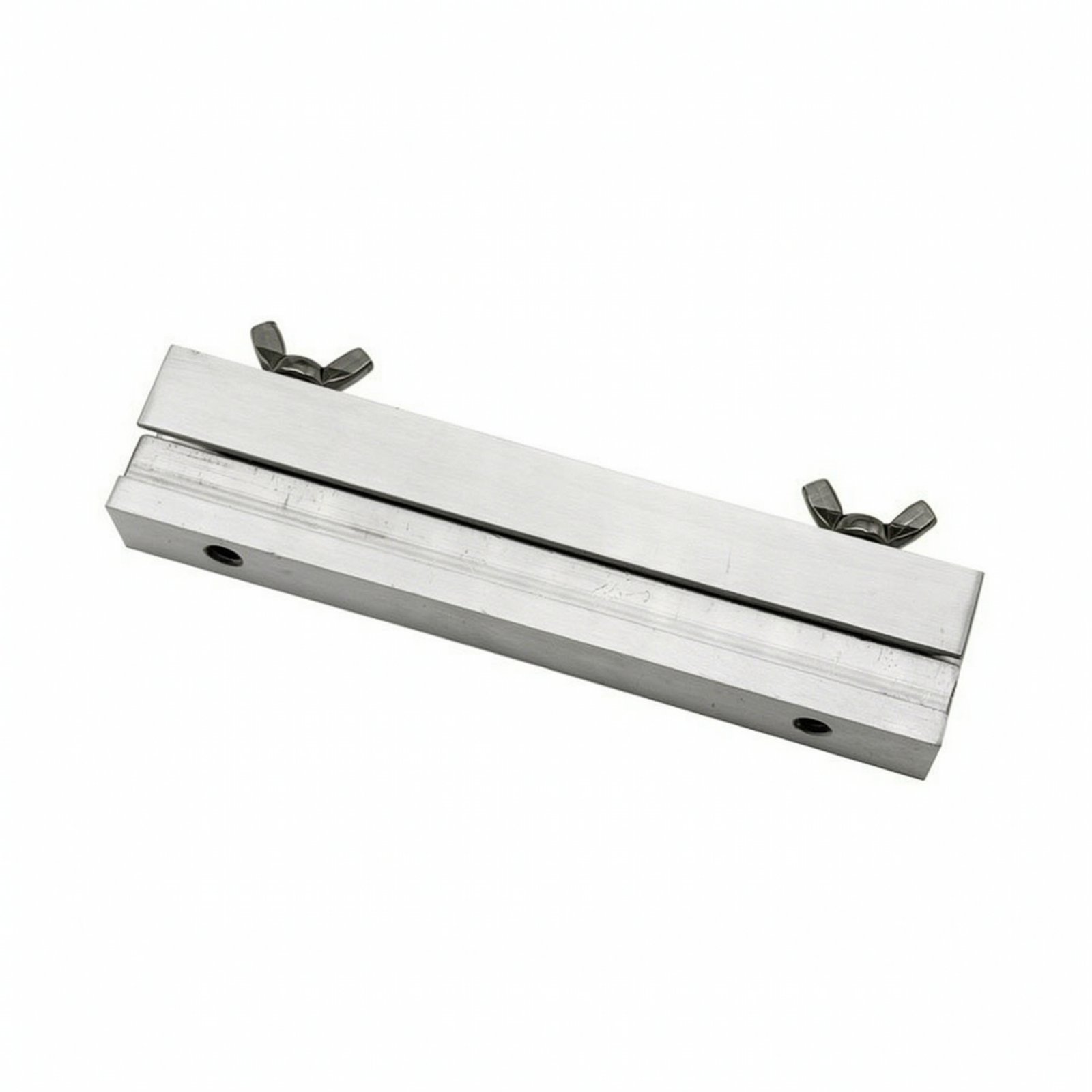
More advanced holding accessories also exist, but they make more sense after you know where your workflow needs help. Stainless Steel Jewelry Bench Clamp and Thumb-Screw Clamping Fixture are both workholding tools for keeping small parts stable, and they become more valuable once your pieces are getting smaller, more detailed, or harder to grip safely by hand.
How the pieces work together in a beginner setup
A good starter bench works like a sequence. You begin by planning the design, then secure the material, then cut or form it, and finally do any shaping or finishing.
For a bead or bracelet project, you might start on Wooden Bead Tray to arrange the pattern, then use Zinc-Coated Wire Cutting Pliers to trim wire or handle small findings. If you need repeatable loops or jump rings for connectors, Jewelry Wire Wrapping Rod Set helps create matching shapes so the finished piece looks more even.
For a simple metal project, you would first secure your work with Bench Pin Saw Vise Clamp or Bench Pin Clamp Accessory, then use Sheet Metal Screw Punch if the design needs clean holes in soft sheet. After that, Jewelry Stamping Block or Jewelry Forming Block can support flattening, shaping, or light forming depending on whether you need a flat striking surface or guided grooves.
If you later move into bezel work, Jewelry Setting Push Tool is a finishing tool rather than a starting tool. It comes into the process after the piece is made and the stone is placed, when you need to push the metal edge down neatly and with control.
This is why most beginners do not need every bench accessory immediately. One holding tool, one general plier, one layout or forming aid, and one technique-specific add-on usually teach more than a crowded toolbox.
Common buying mistakes to avoid
The most common mistake is buying highly specialized tools before learning the basic hand motions. A setting pusher, press, or precision clamp can be very useful, but if you are still learning to cut, grip, bend, and hold parts steadily, those tools may sit unused.
Another mistake is ignoring workholding. Beginners often focus on cutters and shaping tools but forget that jewelry work becomes much easier when the piece stays put. A bench support like Bench Pin Saw Vise Clamp or Bench Pin Clamp Accessory can improve control and safety more than adding another niche hand tool.
It is also easy to overestimate what one tool can handle. For example, Sheet Metal Screw Punch is intended for soft metals and its stated capacity is limited, so check your material before assuming it will punch every sheet you own.
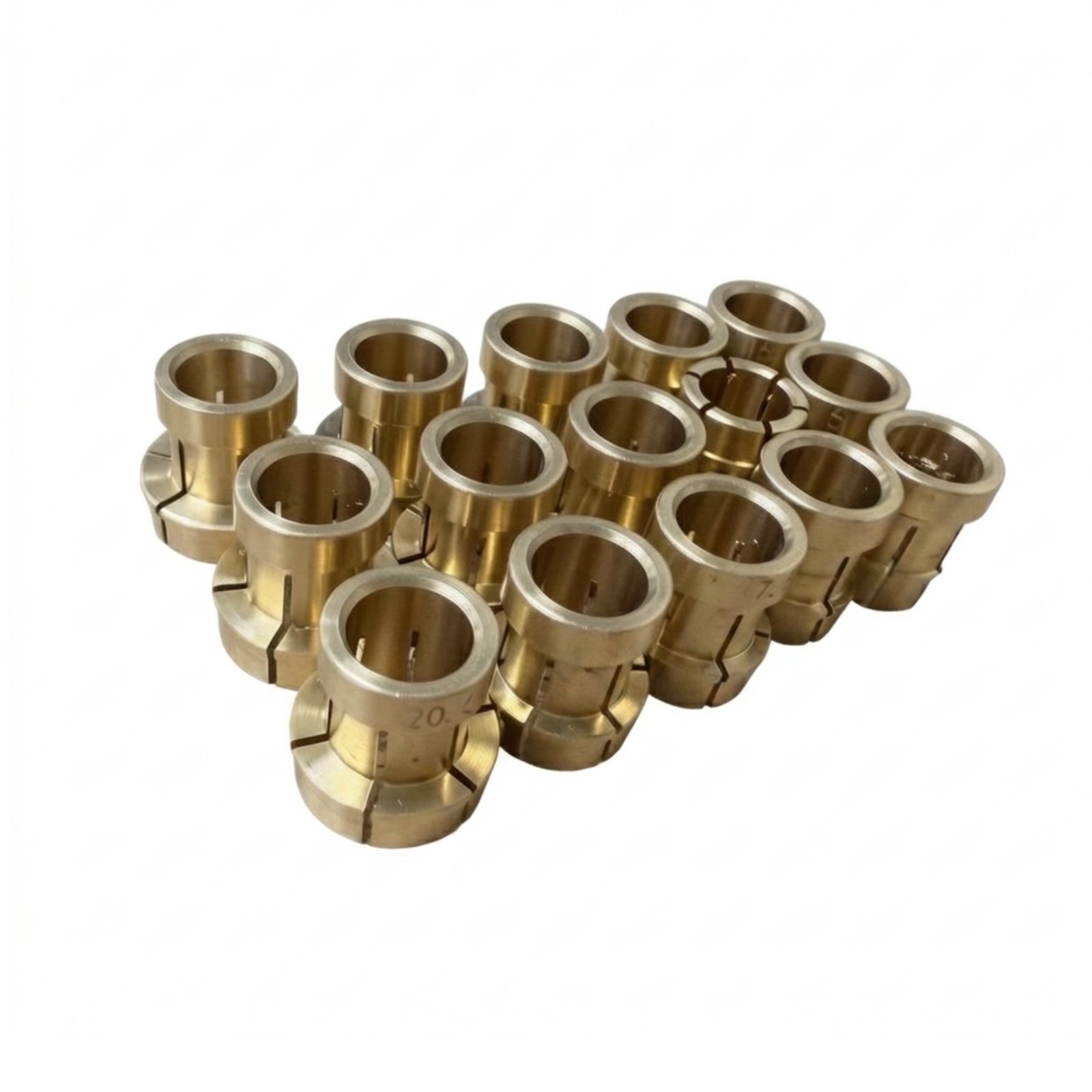
Do not assume all clamps hold every shape equally well. If you are considering fixtures such as Stainless Steel Jewelry Bench Clamp, Thumb-Screw Clamping Fixture, or the brass collet set 15-Piece Brass Precision Collet Rings, check the shapes and sizes of the pieces you plan to hold and whether the tool is an accessory for a setup you already have.
Finally, avoid building a kit around heavy bench equipment too early. A beginner can learn a lot with simple handheld and bench-supported tools, then add more specialized forming or pressing gear only after repeated projects show a clear need.
A typical kit
- Bench Pin Saw Vise ClampProvides a basic bench pin and clamp point so a beginner can hold work more steadily for sawing, finishing, and drilling.
- Zinc-Coated Wire Cutting PliersHandles the everyday jobs of trimming wire, gripping small parts, and bending components during assembly.
- Wooden Bead TrayKeeps beads and findings organized while you test layouts before stringing or final assembly.
- Jewelry Stamping BlockGives you a firm surface for flattening, texturing, and basic stamping or shaping practice.
- Jewelry Wire Wrapping Rod SetHelps make consistent loops, coils, and jump rings when you start working with wire.
- Jewelry Setting Push ToolAdds a simple finishing tool for beginners who want to try bezel setting after learning basic assembly.
Questions people ask
Do I need a bench pin right away?
Yes, if you plan to saw, file, drill, or do any detail work by hand, a bench support makes learning much easier. It helps keep the piece stable and gives your hands a repeatable working position instead of chasing the part around the table.
Can I start with only one pair of pliers?
For many first projects, yes. A general jewelry plier such as Zinc-Coated Wire Cutting Pliers can cover cutting, gripping, and light bending, which is enough for simple wire, bead, and repair tasks while you learn what you do most often.
What if I only want to make beaded bracelets and necklaces?
Focus on layout and simple handling tools first. A tray like Wooden Bead Tray and a basic plier will do more for beadwork than metal-forming tools you may not use yet.
Do beginners need a metal punch or forming block?
Only if your projects involve sheet metal or shaped wire parts. Sheet Metal Screw Punch is useful when you need neat holes in soft sheet, while Jewelry Forming Block makes more sense when you need guided bends and shaped forms.
Is a bezel pusher necessary for all jewelry making?
No. Jewelry Setting Push Tool is specific to setting and finishing bezels, so it is worth adding when you begin stone-setting work, not as a universal first purchase.
Shop the list
Everything mentioned above
Prices and delivery windows are live from our catalog.
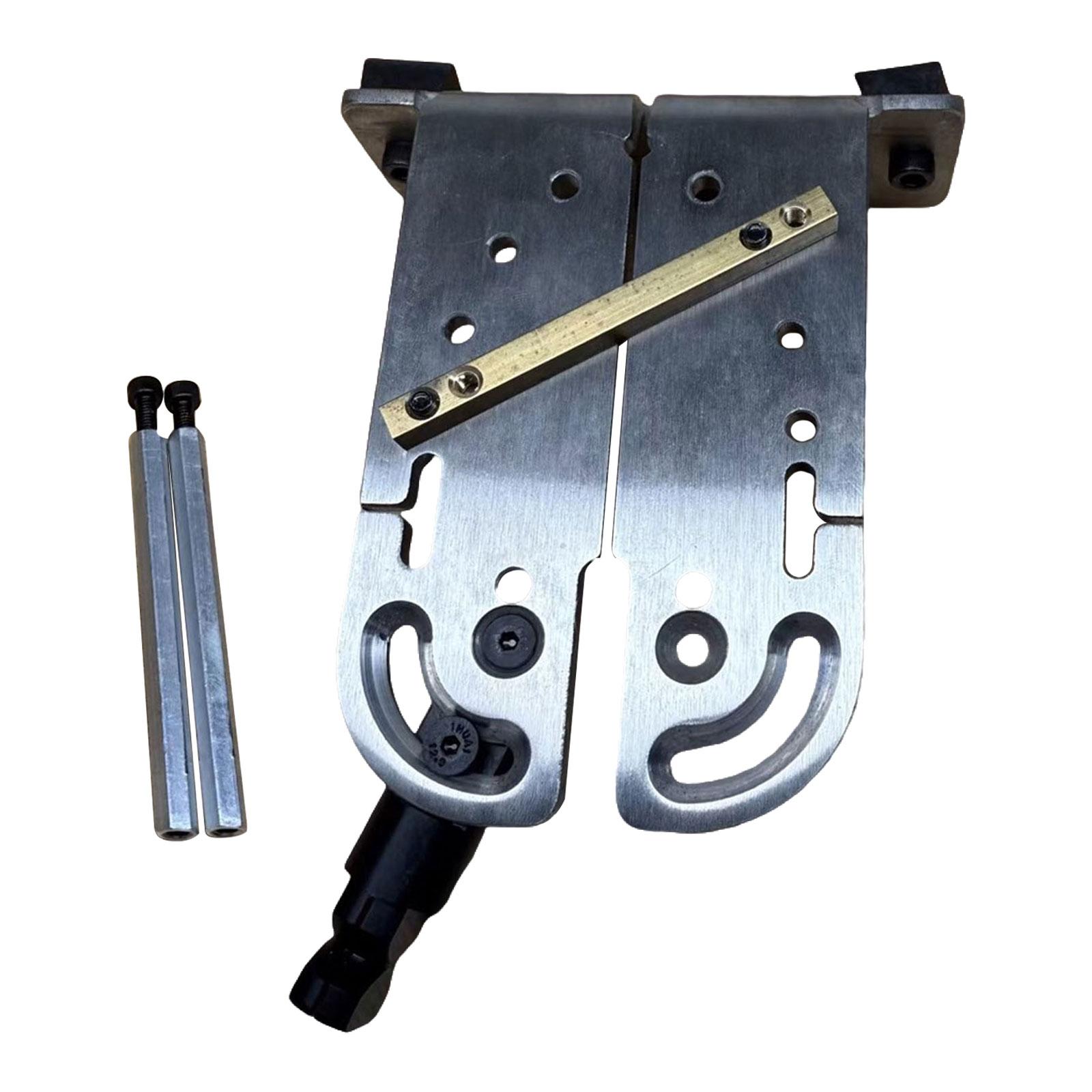
Bench Pin Saw Vise Clamp
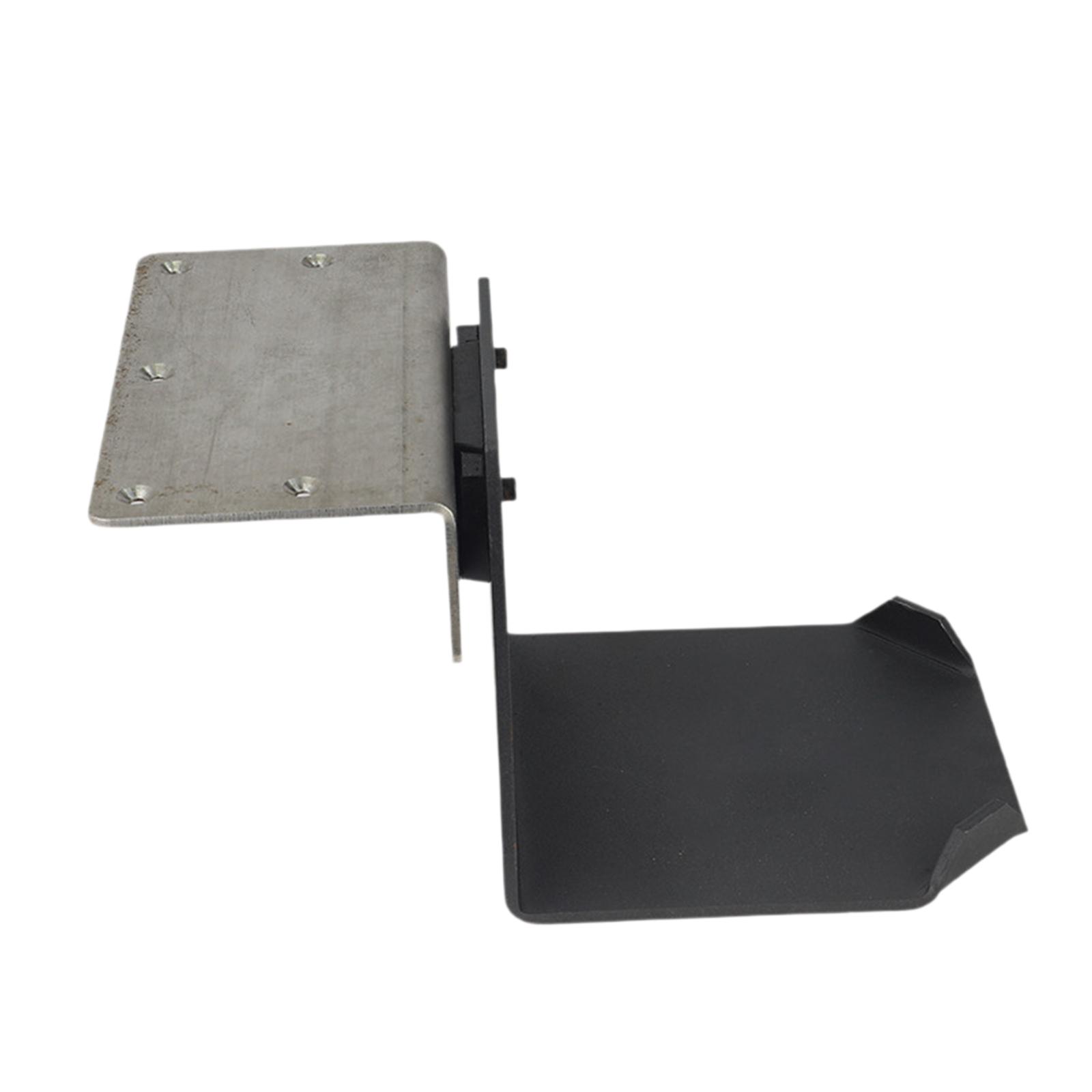
Bench Pin Clamp Accessory
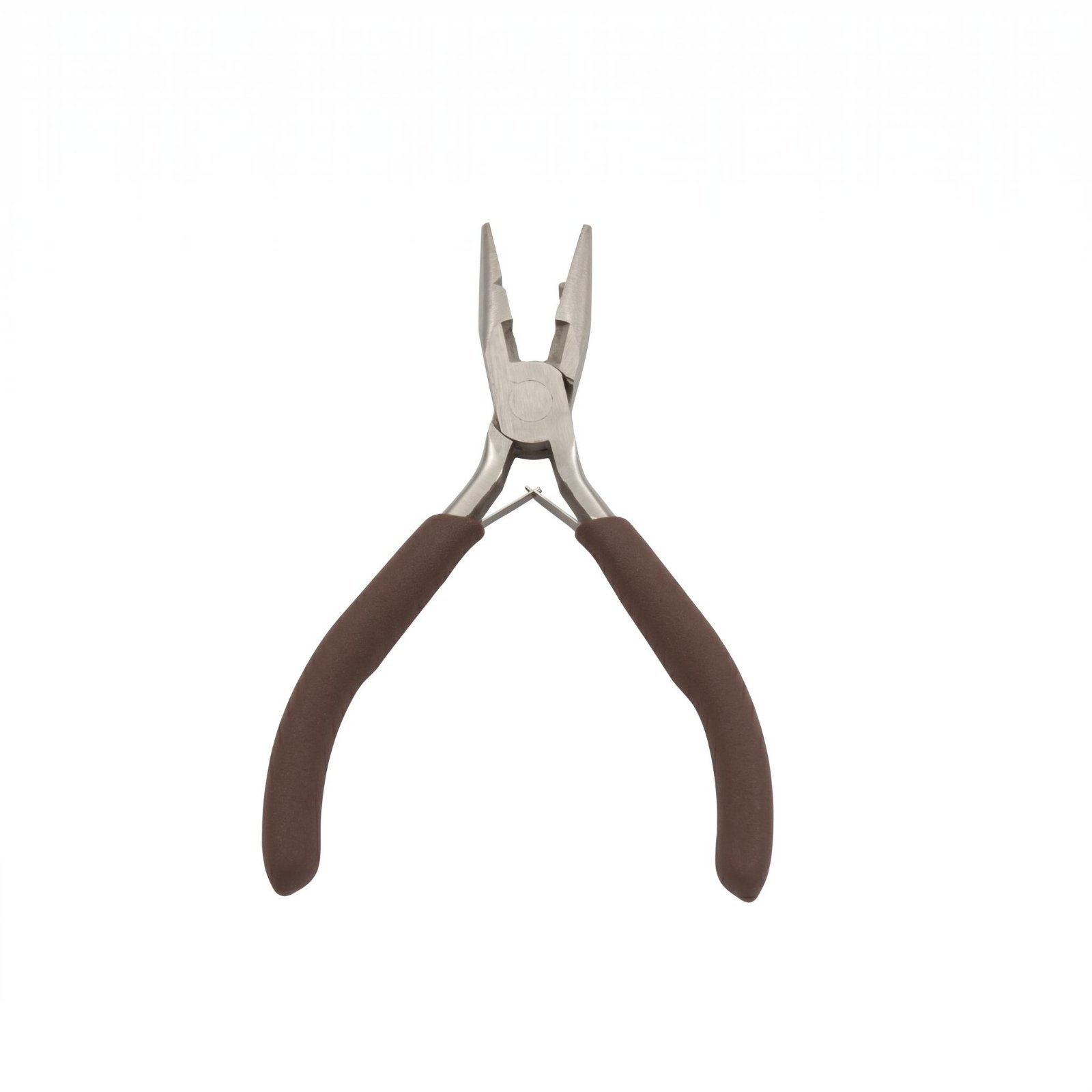
Zinc-Coated Wire Cutting Pliers
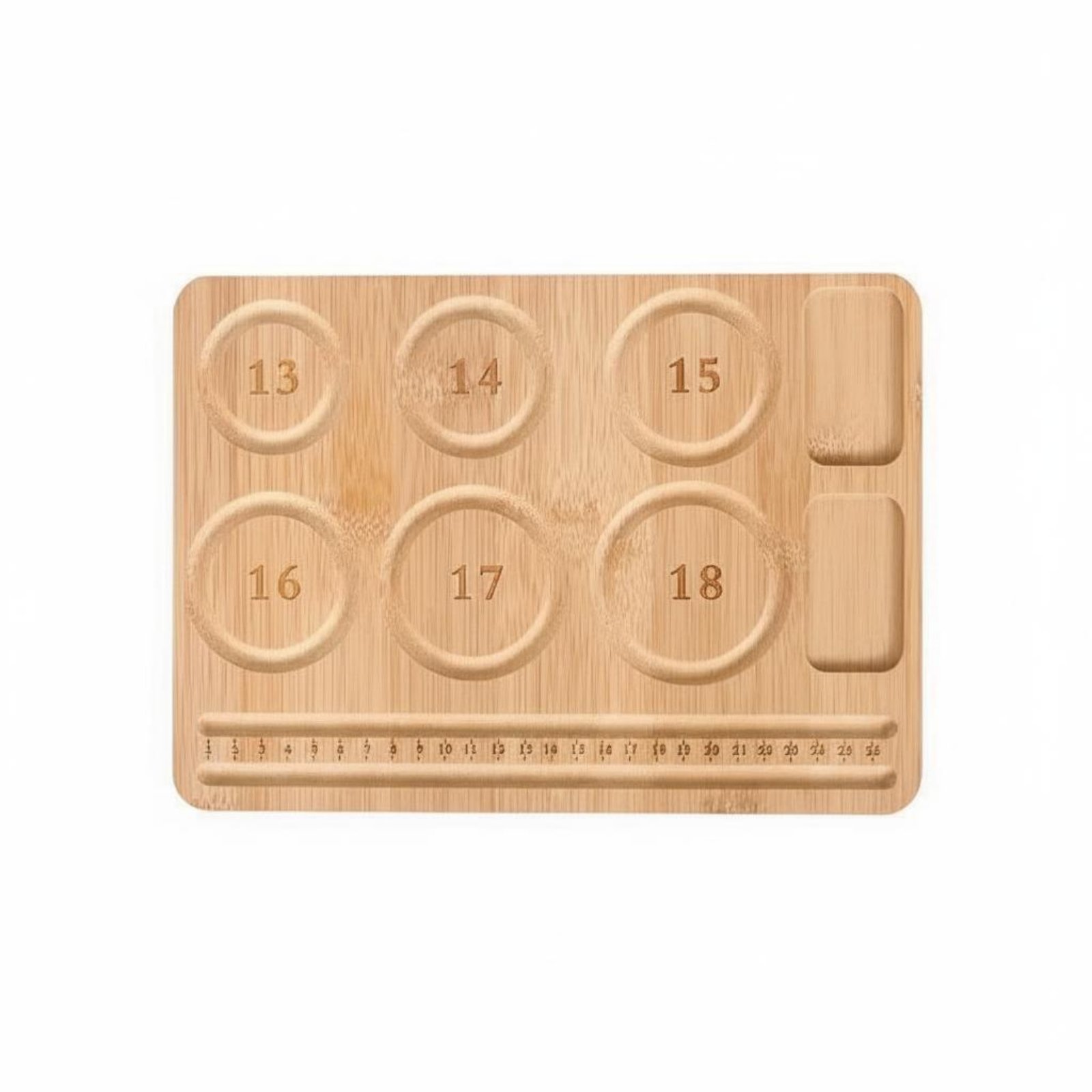
Wooden Bead Tray
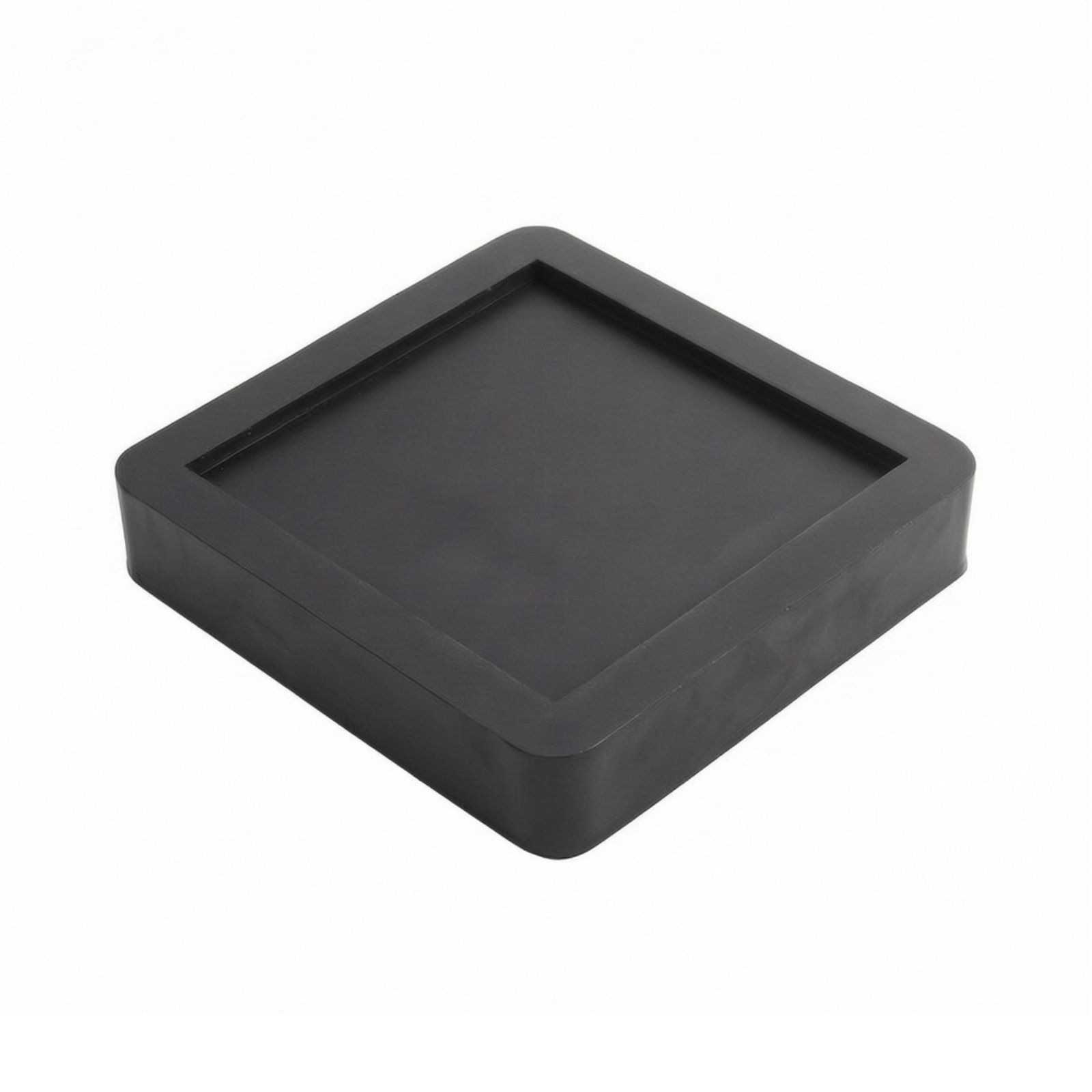
Jewelry Stamping Block – Rubber
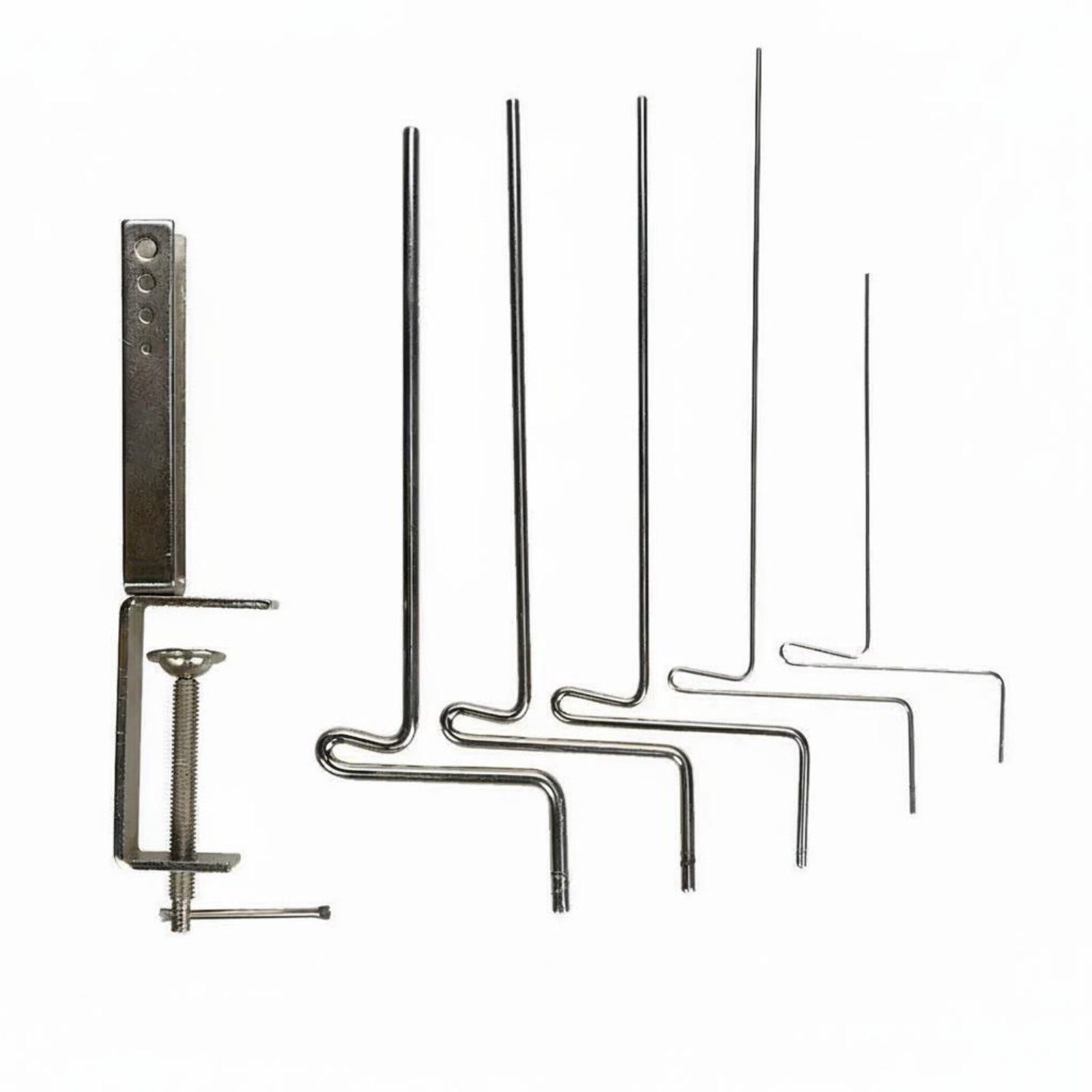
Jewelry Wire Wrapping Rod Set
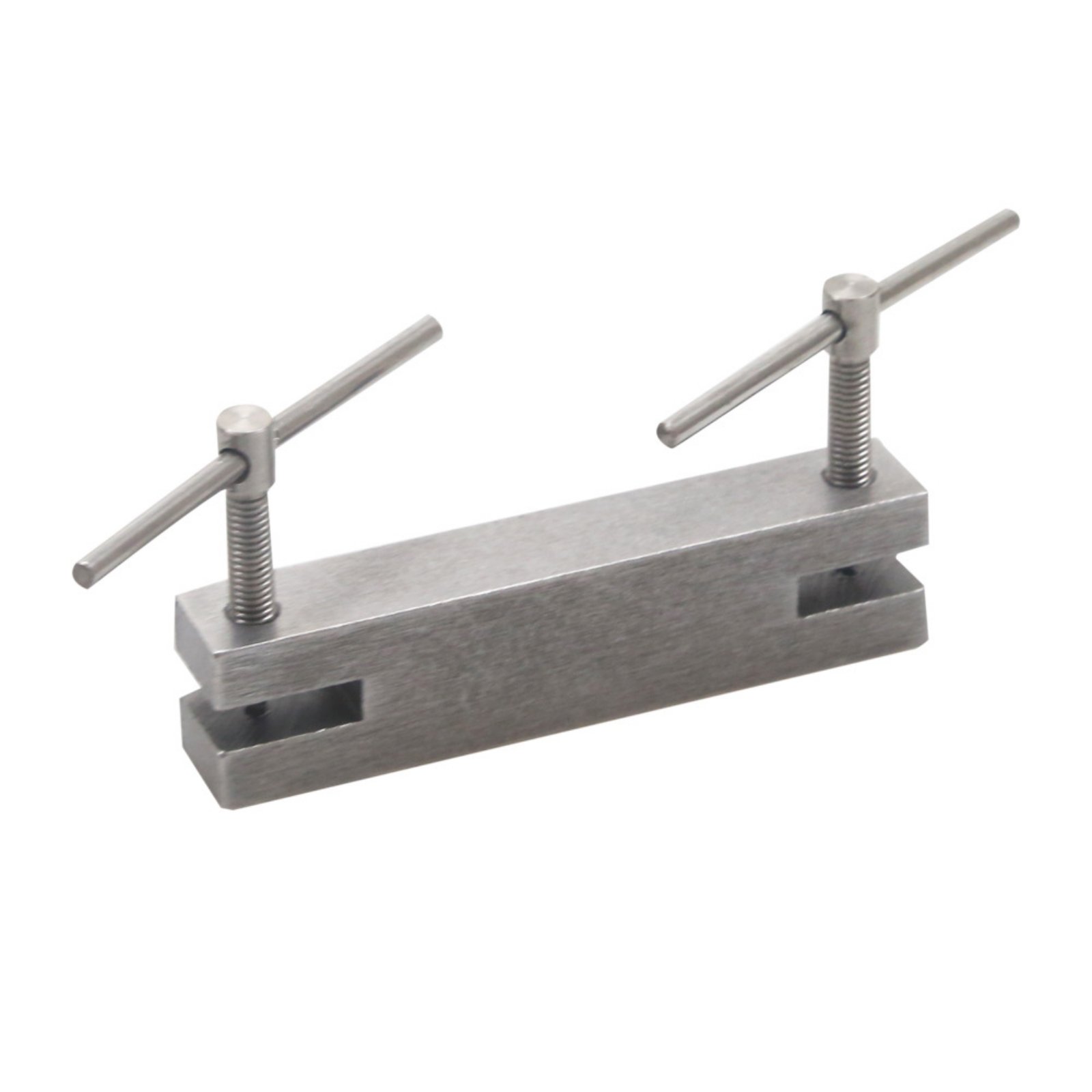
Sheet Metal Screw Punch
Jewelry Forming Block
Jewelry Setting Push Tool
Stainless Steel Jewelry Bench Clamp
Thumb-Screw Clamping Fixture