Buying guide · Sewing & Crafts
How to choose a weaving loom as a beginner
Short answer
A beginner should choose a loom by matching it to the kind of project they actually want to make, because beadwork, square motifs, rope braiding, and tapestry-style fabric all need different setups. Start with the simplest frame that gives stable tension and enough working area for your first projects, then add small tools that help you pass yarn, shape rows, and keep materials organized.
Start with the kind of weaving you want to learn
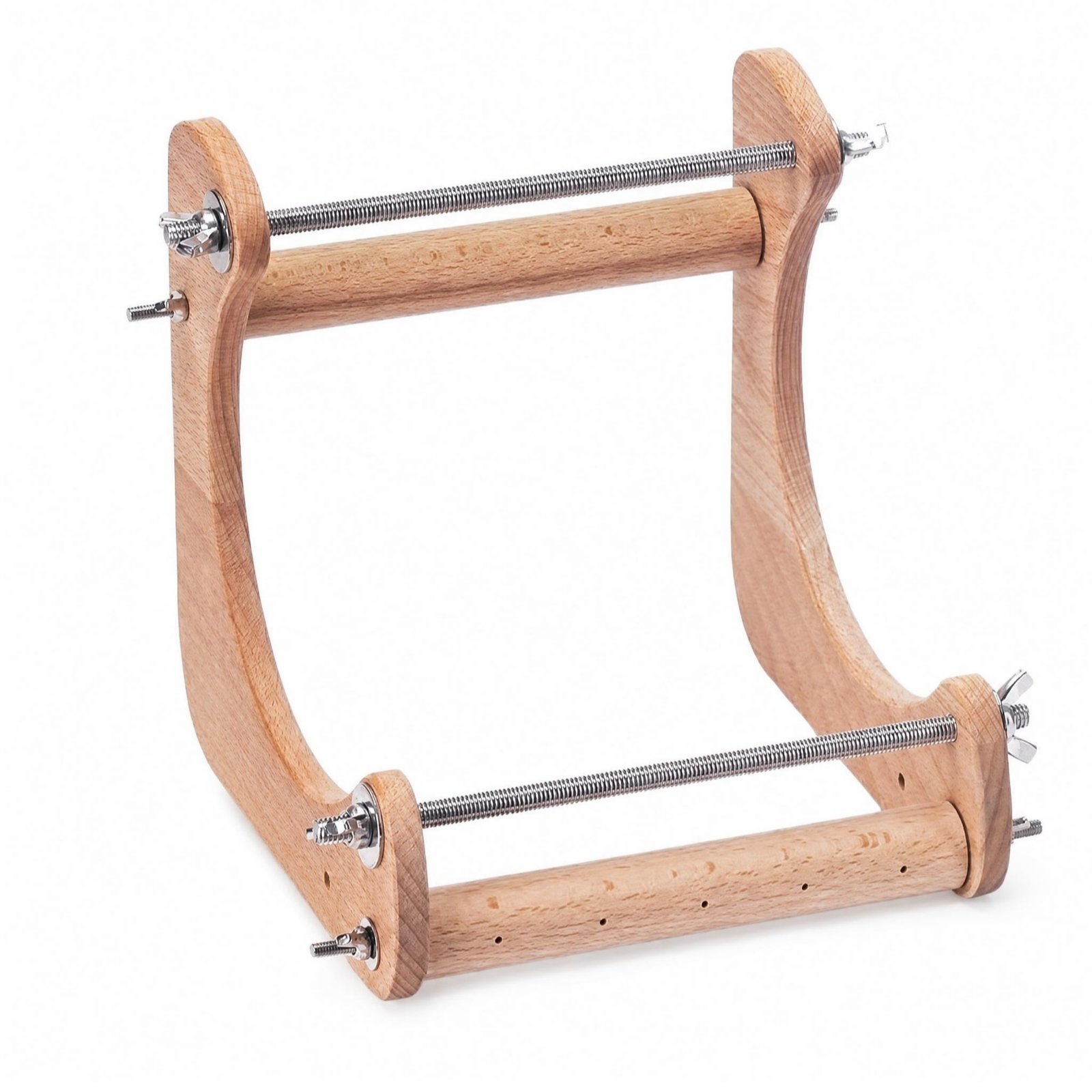
The first step is deciding what you want to make, because “weaving loom” can mean very different tools. If your goal is bracelets or bead jewelry, a bead loom is easier to learn on than a general textile frame because it is built to keep many fine threads lined up. For that kind of work, Metal Threaded Bead Loom is designed specifically for bracelet and jewelry making, with adjustment hardware that helps maintain even tension and a compact working area.
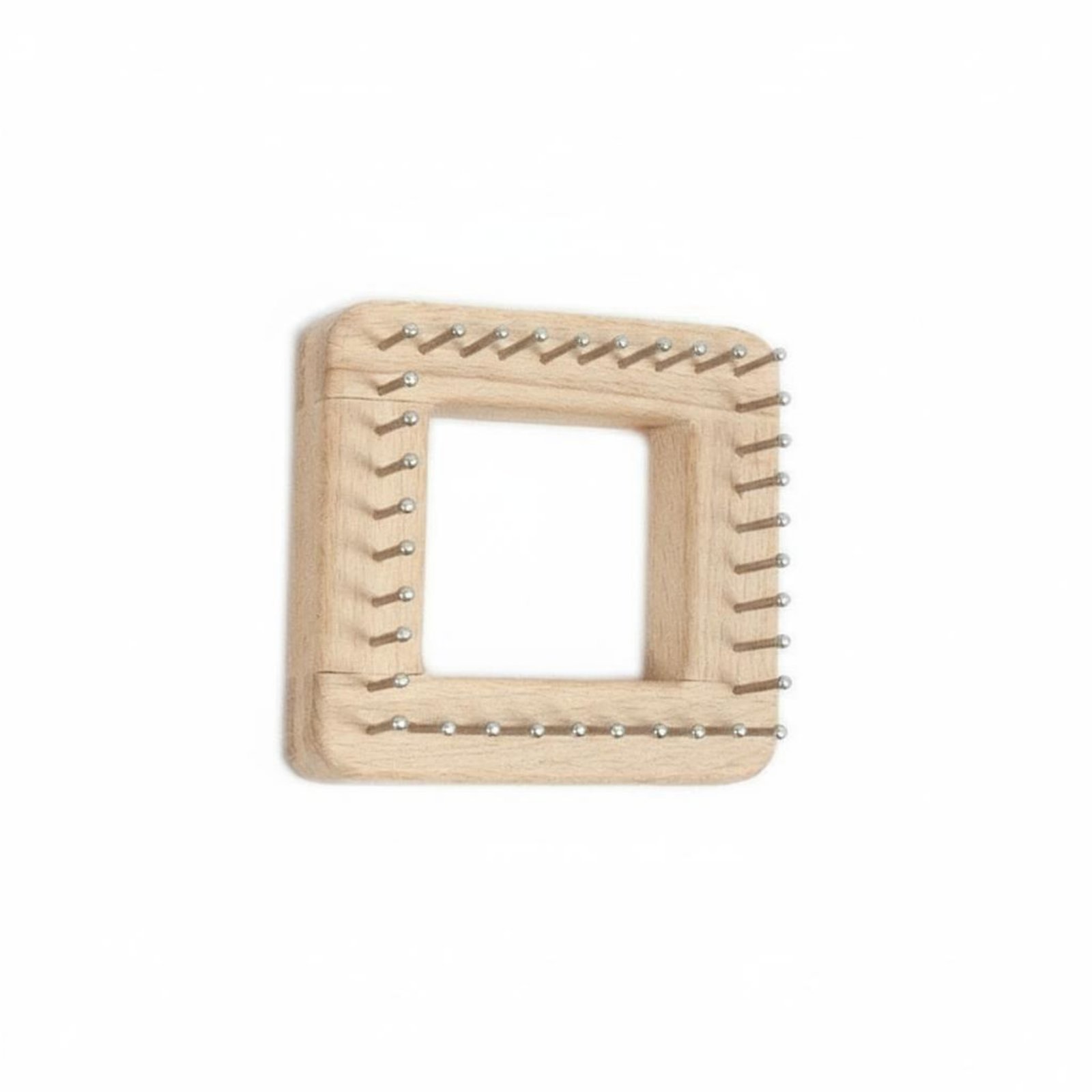
If you want to make small woven squares such as coasters or practice swatches, a peg-style board is easier to understand than a large frame. Square Weaving Loom is a square loom with evenly spaced metal pegs, which helps a beginner see the path of the yarn and repeat the same steps without much setup.
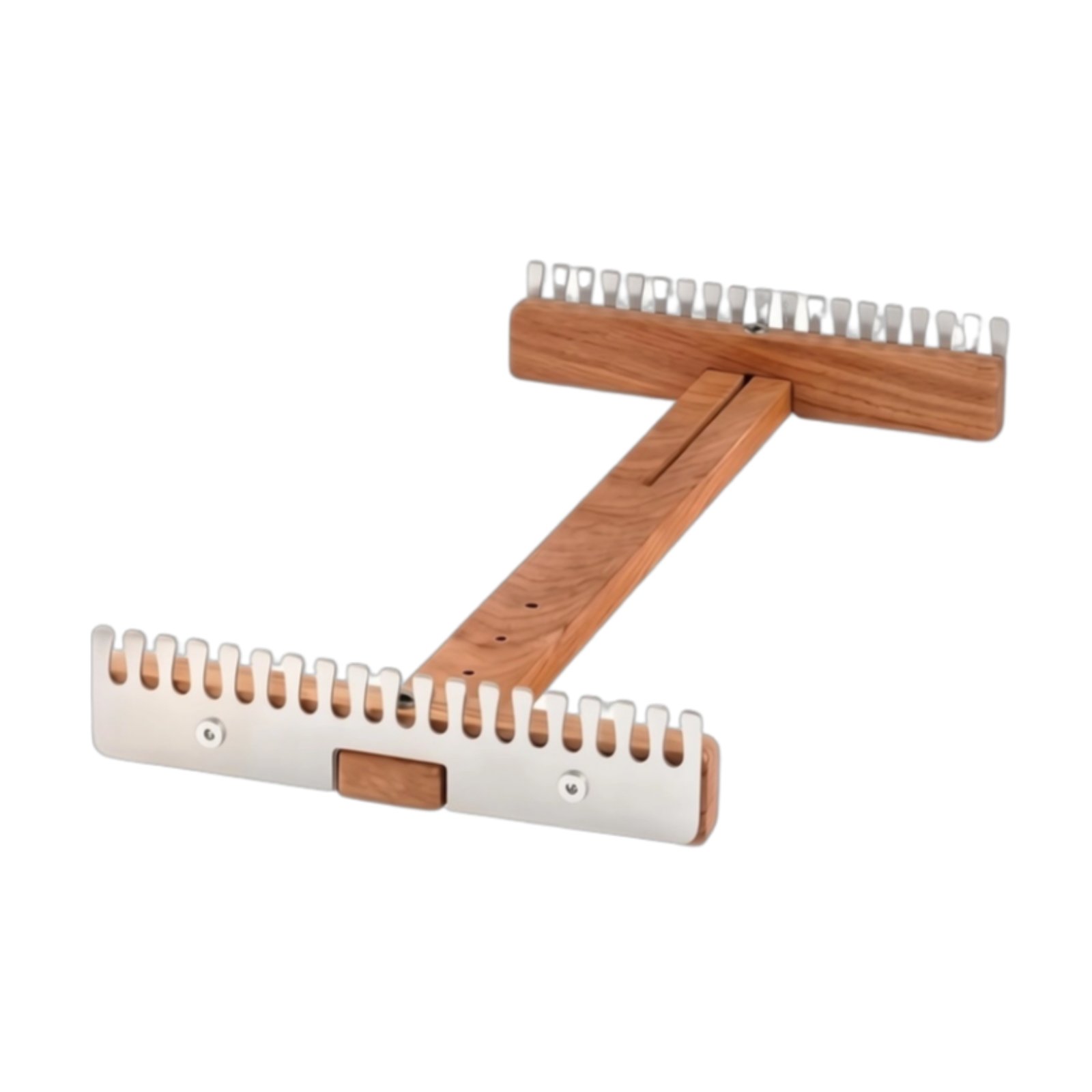
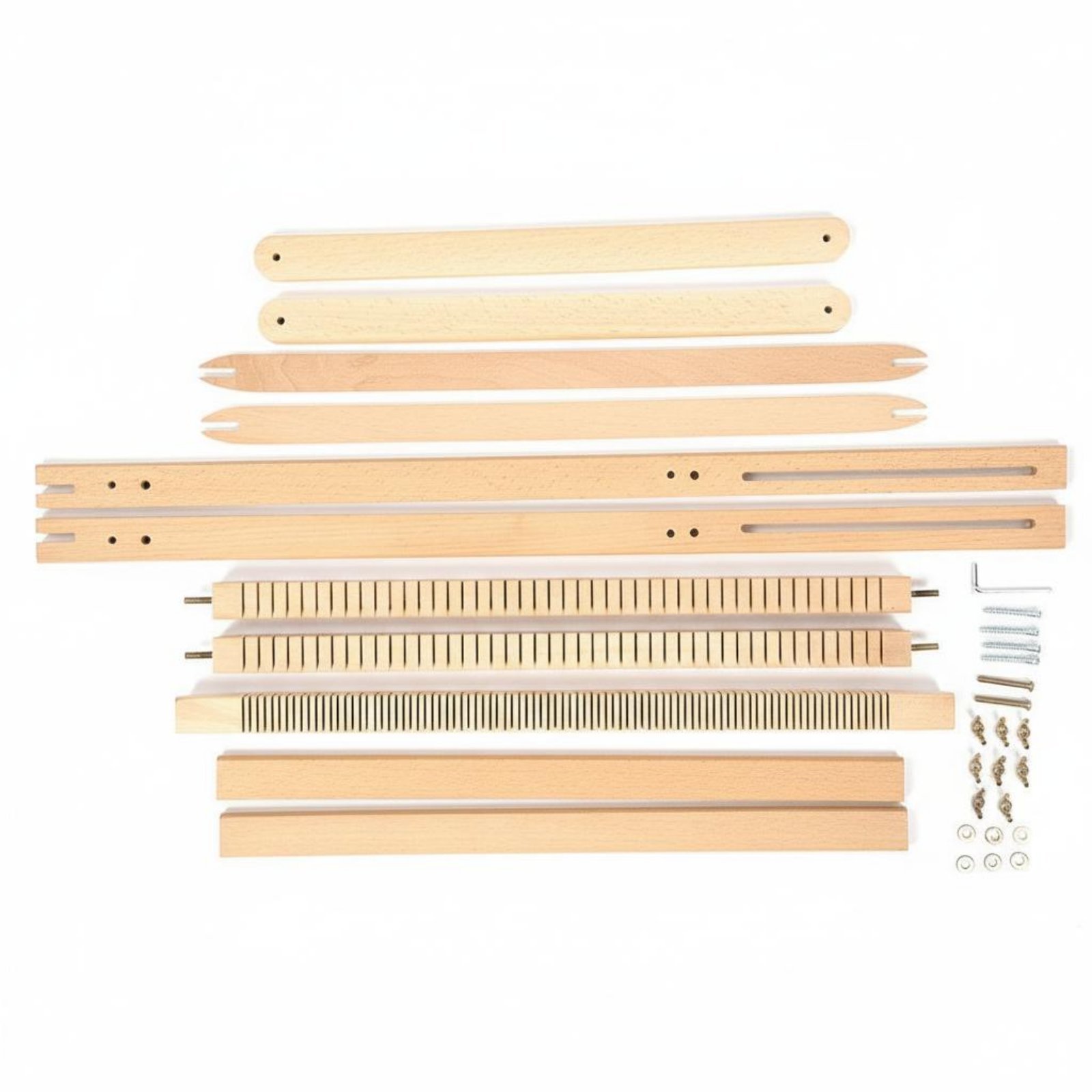
If you want wall hangings, scarves, or simple tapestry practice, a frame loom gives you more flexibility with yarn and texture. DIY Weaving Frame with Metal Pins has an adjustable length ranging from 3.46 inches to 11.77 inches, so it suits very small practice pieces and somewhat larger beginner projects without forcing you to commit to one format. If you already know you want a larger tapestry-style setup, Wooden Tapestry Loom is an adjustable wooden frame intended for wall hangings and scarves, but a bigger frame also means more warp setup and more material to manage.
If you are mainly interested in cords, braids, or rope-style crafts rather than flat fabric, a rope holder is the better starting point. Wooden Braiding Loom is a compact wooden braiding loom that fixes rope or thread in place, which is useful when your main challenge is keeping strands from slipping while you work.
What features matter most for a first loom
Beginners usually do better with a loom that keeps tension steady without a lot of troubleshooting. Look for a frame that clearly separates where the threads go and that does not snag yarn. Smooth wood, evenly spaced pegs or pins, and simple adjustment hardware all matter because they reduce frustration while you are still learning basic hand movements.
Adjustability is helpful, but only when it is easy to understand. DIY Weaving Frame with Metal Pins combines a wooden frame with rounded metal pins and a simple adjustable span, which makes it a practical learning tool when you want to test different project widths. For beadwork, Metal Threaded Bead Loom uses metal threaded rods and adjustment hardware at both ends, which is useful because even bead rows depend on even thread tension.
Think about working area, but do not assume bigger is always easier. A compact tool can help you finish a first project faster and learn the full process from setup to finishing. Metal Threaded Bead Loom measures 20 cm x 20 cm x 18.5 cm with a sixteen cm lower span, which suits detailed bead projects, while Wooden Tapestry Loom comes in a larger frame format and package size of 71 x 14.2 x 4.5 cm, so it makes more sense when you already know you want longer woven pieces.
It also helps to think about how you will pass yarn through the warp. A shuttle such as Beech Wood Weaving Shuttle is useful on textile looms because it carries yarn smoothly through the threads and helps you keep a more consistent rhythm. After each pass, a comb tool can help pack and neaten the rows; 8-Piece Wooden Weaving Combs is an 8-piece wooden weaving comb set with multiple shapes for tighter areas, wider sections, and fringe work.
How the loom, yarn, and tools work together
A loom holds the warp, which is the set of threads kept under tension. You then pass another yarn or cord across those threads to build the fabric, bead strip, braid, or decorative panel. If the loom is stable but the yarn is awkward for the project, weaving still feels hard, so the materials should match the tool.
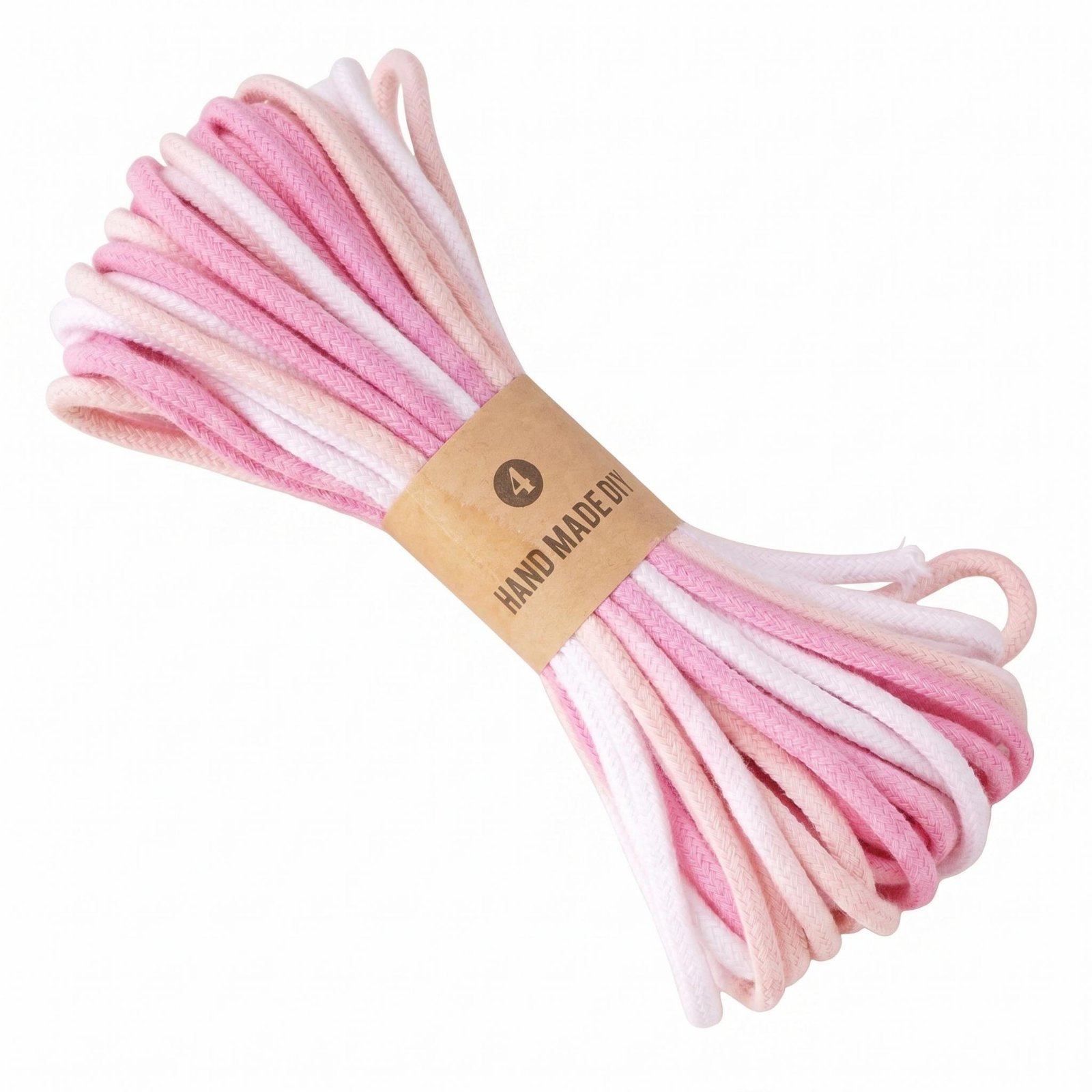
For soft decorative weaving or beginner experiments with texture, a cord such as 4mm Gradient Cord can be useful because it is made for knotting, wrapping, and weaving, and each bundle provides 10 m for small to medium projects. That kind of cord makes more sense on a general weaving or braiding setup than on a bead loom, where finer thread is usually needed. On a compact square board like Square Weaving Loom, thicker materials can help a beginner see each step clearly, while on an adjustable tapestry frame like DIY Weaving Frame with Metal Pins or Wooden Tapestry Loom, you can explore plain rows, texture, and simple shapes.
Accessories also make the learning process smoother. Beech Wood Weaving Shuttle helps carry yarn through the warp without rough dragging by hand, and 8-Piece Wooden Weaving Combs helps you beat rows into place and groom fringe at the end. If you work with several yarns or threads, 6-Piece Blank Yarn Cone Cores gives you six cardboard cone cores for winding and labeling materials, which makes setup and color changes easier to track.
In practice, the pieces support one another: the loom provides structure, the shuttle moves the weft, the comb tidies and packs it, and the cones keep your yarn organized before and during the project. When each part has a clear job, a beginner spends less time untangling and more time learning technique.
Common beginner mistakes to avoid
A common mistake is buying a loom before deciding on the project type. A bead loom, a square peg loom, a tapestry frame, and a braiding holder are all useful, but they solve different problems. Choosing Metal Threaded Bead Loom for bracelet work makes sense; choosing it for scarves does not.
Another mistake is starting too large. A bigger frame can look more versatile, but it also asks you to manage more warp threads, more yarn, and a longer finishing process. Many beginners learn faster on a compact option like Square Weaving Loom or an adjustable small frame like DIY Weaving Frame with Metal Pins, then move up once they understand tension and edge control.
Some buyers focus only on the loom and forget the handling tools. Weaving by hand without a shuttle or comb is possible, but it can make rows uneven and slow. Adding Beech Wood Weaving Shuttle and 8-Piece Wooden Weaving Combs keeps the process simpler and gives you better control while you learn.
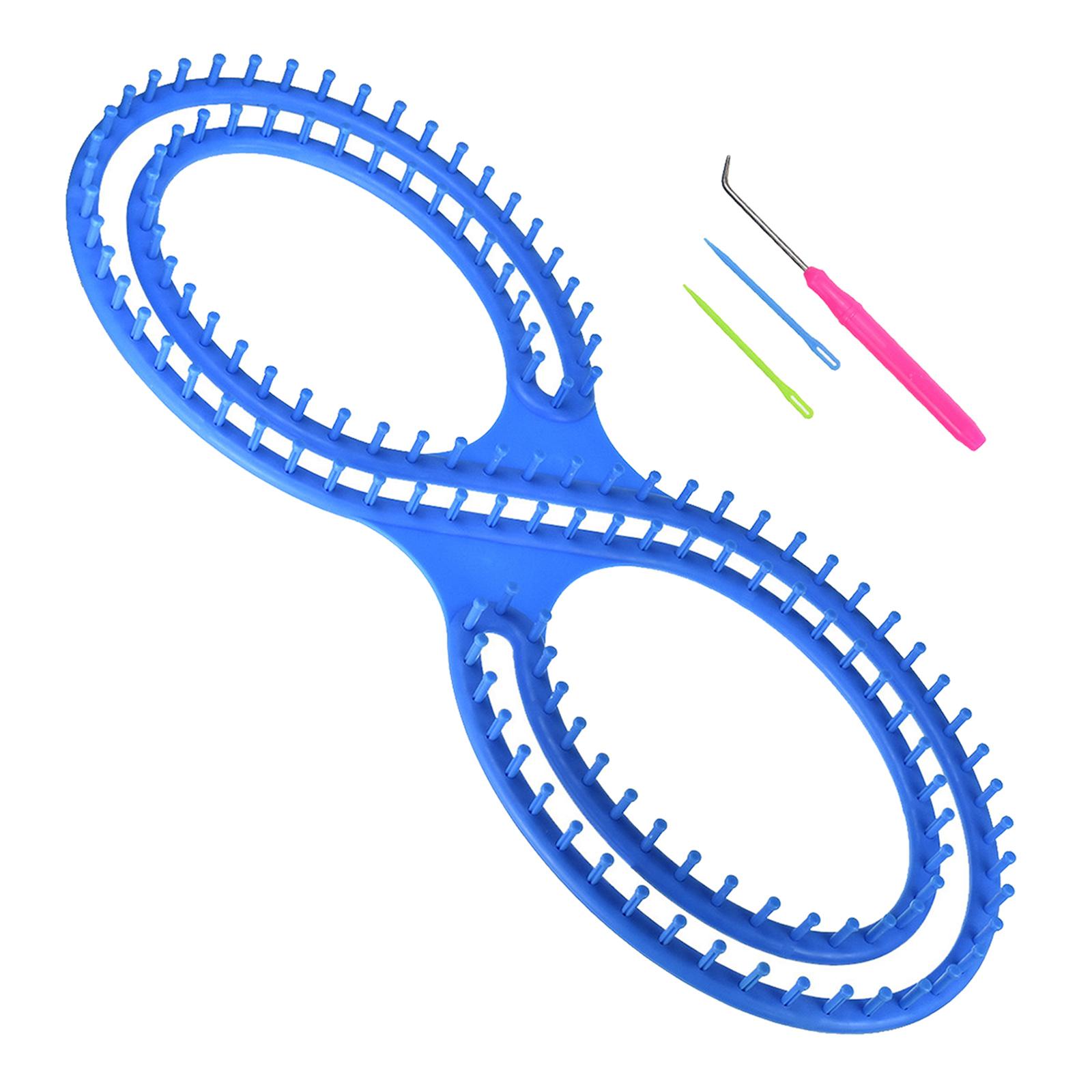
Finally, do not guess from package details alone. For example, 8 Shape Knitting Loom Kit is described as a knitting loom kit and the listing tells you to compare the listed size and specifications with your intended use before ordering, so check carefully whether its format matches the kind of making you want to do. When the listing does not clearly state the exact weaving method, treat that as a prompt to confirm the project fit rather than assuming it will cover every beginner need.
A typical kit
- DIY Weaving Frame with Metal PinsA flexible beginner frame for learning basic warp-and-weft weaving on small textile projects.
- Beech Wood Weaving ShuttleA shuttle that carries yarn through the warp more smoothly than pulling it by hand.
- 8-Piece Wooden Weaving CombsA set of comb tools for packing rows neatly and shaping fringe during finishing.
- 4mm Gradient CordA soft cord option for decorative beginner weaving, knotting, and texture practice.
- 6-Piece Blank Yarn Cone CoresCone cores that help you wind, separate, and label yarn or thread for cleaner setup.
- Metal Threaded Bead LoomA dedicated loom for beginners who want to start with bead bracelets or other jewelry work.
Questions people ask
What is the easiest type of loom for a complete beginner?
The easiest loom is usually the one that matches the project you already have in mind. For small fabric practice, DIY Weaving Frame with Metal Pins or Square Weaving Loom is easier to understand than a specialized bead or braiding tool, while Metal Threaded Bead Loom is easier if your real goal is bracelet beadwork.
Should I buy a large loom first so I do not outgrow it?
Usually no. A large loom can be useful later, but it also makes setup slower and mistakes harder to spot. Many beginners learn more quickly on a smaller or adjustable frame such as DIY Weaving Frame with Metal Pins, then move to Wooden Tapestry Loom once they know they enjoy larger projects.
Do I need extra tools besides the loom?
A loom alone can get you started, but a couple of simple tools make learning smoother. Beech Wood Weaving Shuttle helps pass yarn through the warp, and 8-Piece Wooden Weaving Combs helps even out rows and finish fringe more neatly.
What kind of yarn or cord should a beginner use?
Choose a material that fits both your loom and the style of project. 4mm Gradient Cord is a soft 4mm cord supplied in 10 m bundles, which is practical for small decorative weaving, macrame-style experiments, and rope-based crafts, but for bead loom work you should check for thread that suits fine bead weaving instead.
How do I know if a loom is for weaving, knitting, or braiding?
Read the project description more closely than the product title. Wooden Braiding Loom is aimed at braiding and rope holding, Metal Threaded Bead Loom is for bead jewelry weaving, and 8 Shape Knitting Loom Kit is listed as a knitting loom kit, so the right choice depends on the technique you want to learn rather than the general word “loom” alone.
Shop the list
Everything mentioned above
Prices and delivery windows are live from our catalog.
Metal Threaded Bead Loom
DIY Weaving Frame with Metal Pins
4mm Gradient Cord
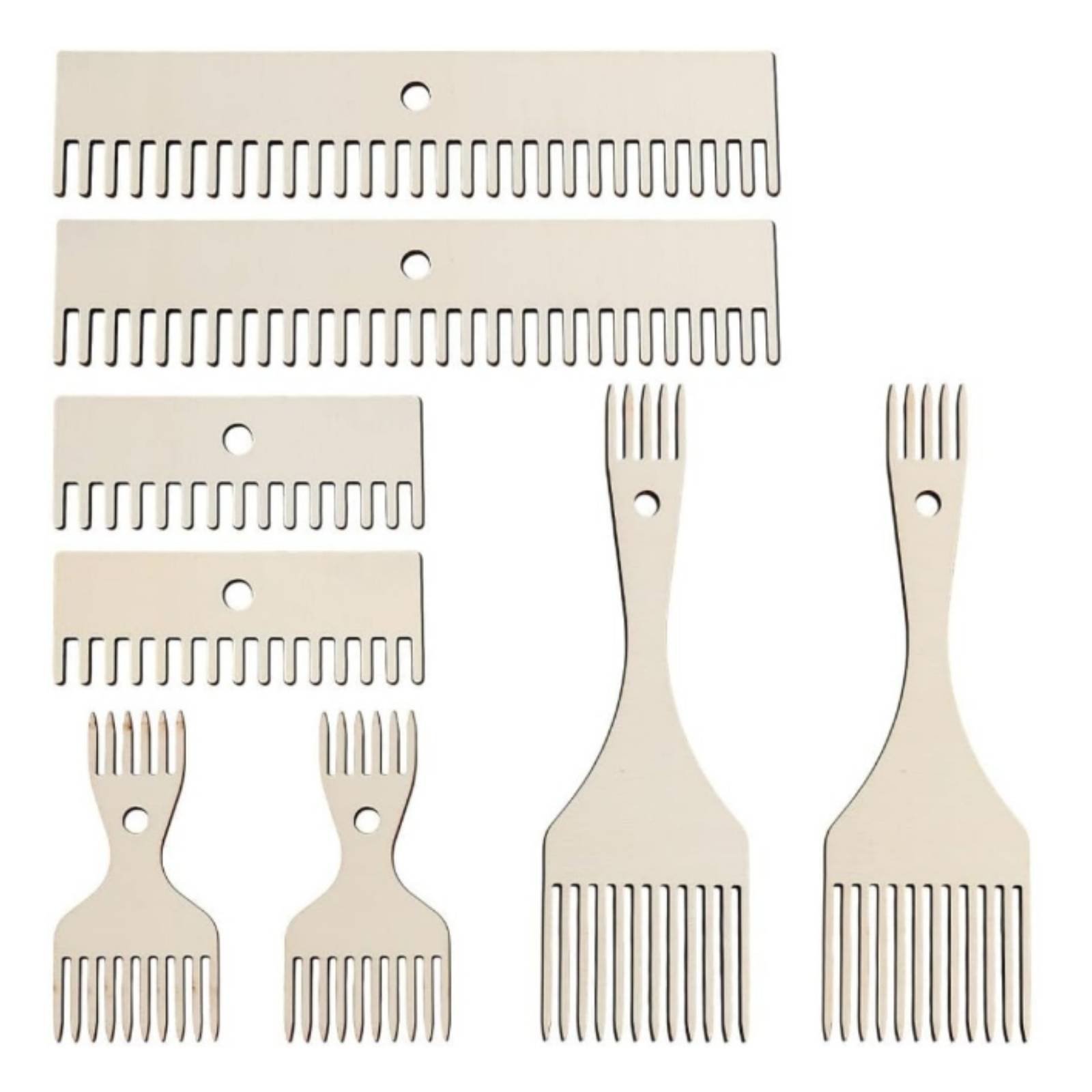
8-Piece Wooden Weaving Combs
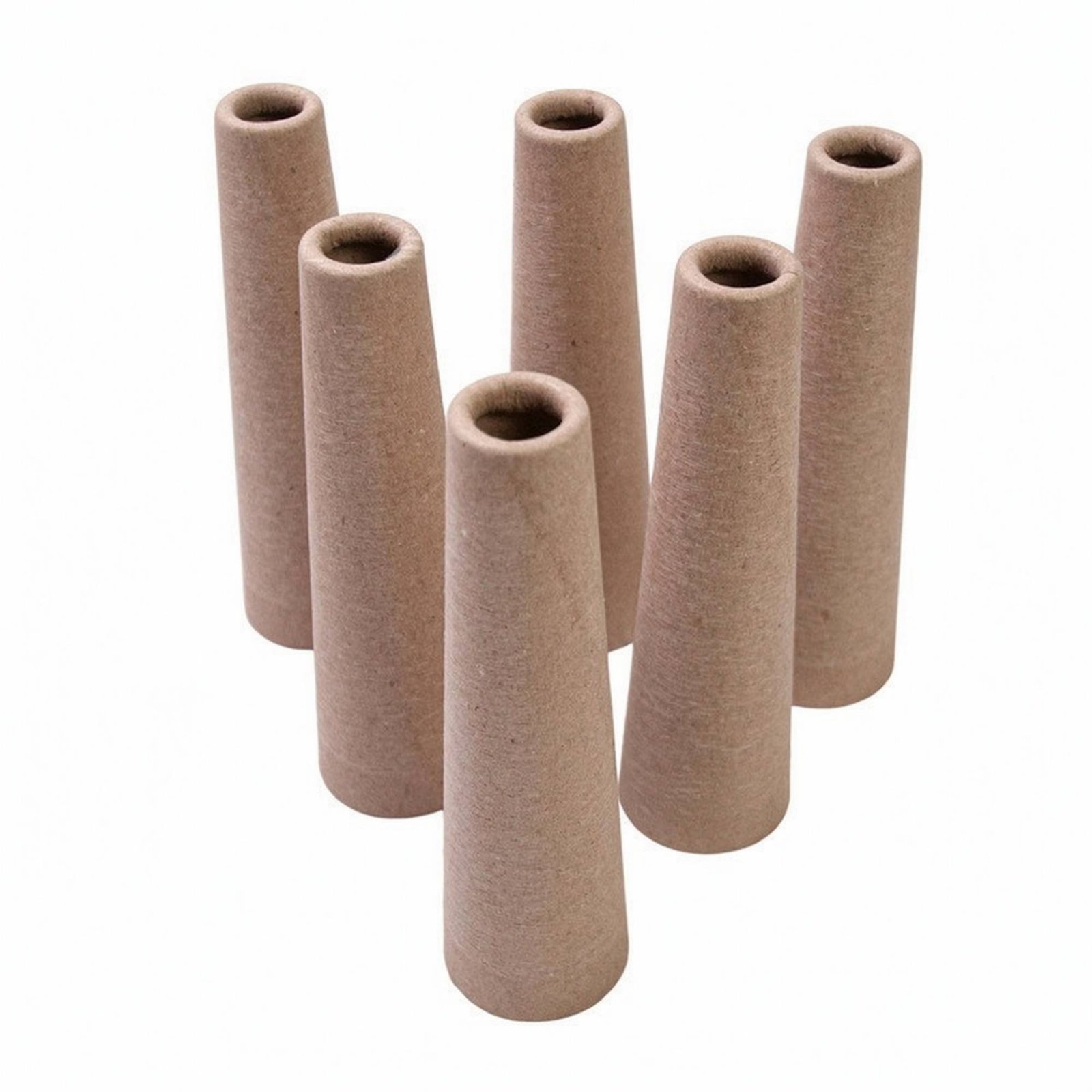
6-Piece Blank Yarn Cone Cores
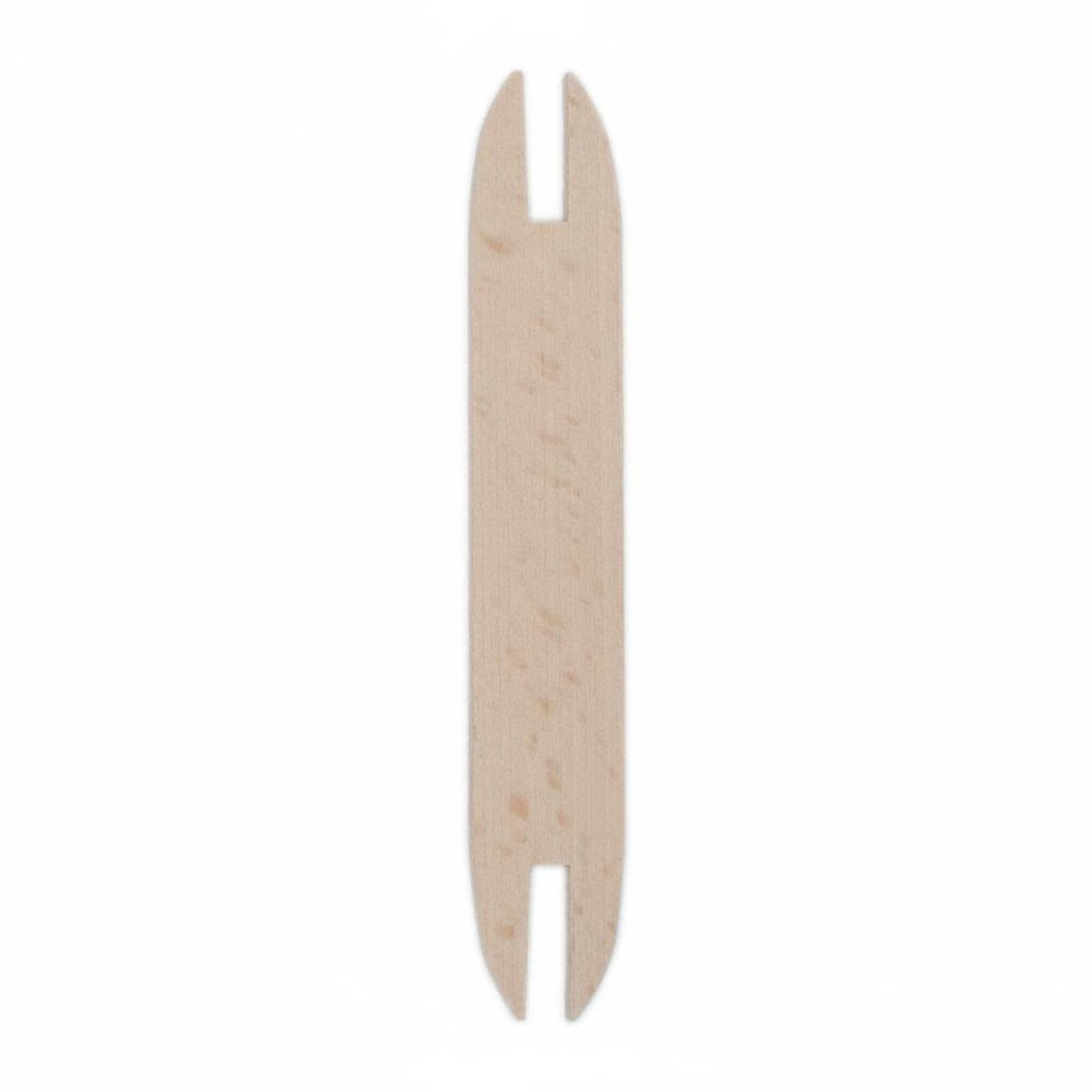
Beech Wood Weaving Shuttle
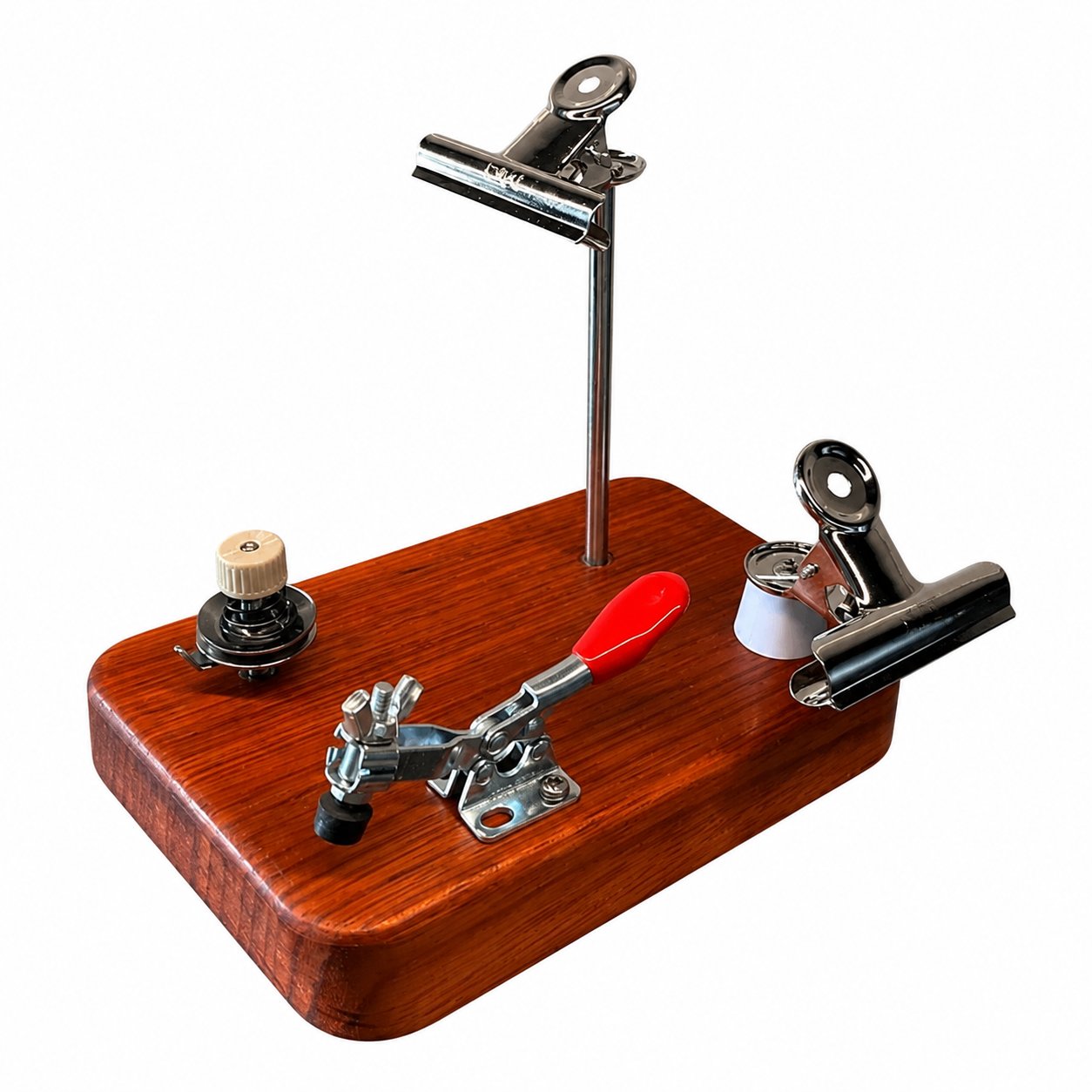
Wooden Braiding Loom
Square Weaving Loom
Wooden Tapestry Loom