Buying guide · Sewing & Crafts
Which presser feet do I actually need for my sewing machine?
Short answer
Most home sewers only need a small core set: a standard everyday foot, an edge-finishing foot, and one specialty foot that matches the kind of projects you actually make. Start with the jobs you repeat most often, then add helpers for binding, tricky feeding, or thicker layers only if your machine and attachment system match the listing.
Start with the jobs you sew most often
The right answer is usually fewer feet than people expect. If you mostly sew simple seams, hems, repairs, and basic garment work, begin with a general-purpose foot such as Presser Foot Universal. A standard replacement or universal-style foot handles the everyday work that fills most sewing time, so it is the foundation before adding niche attachments.
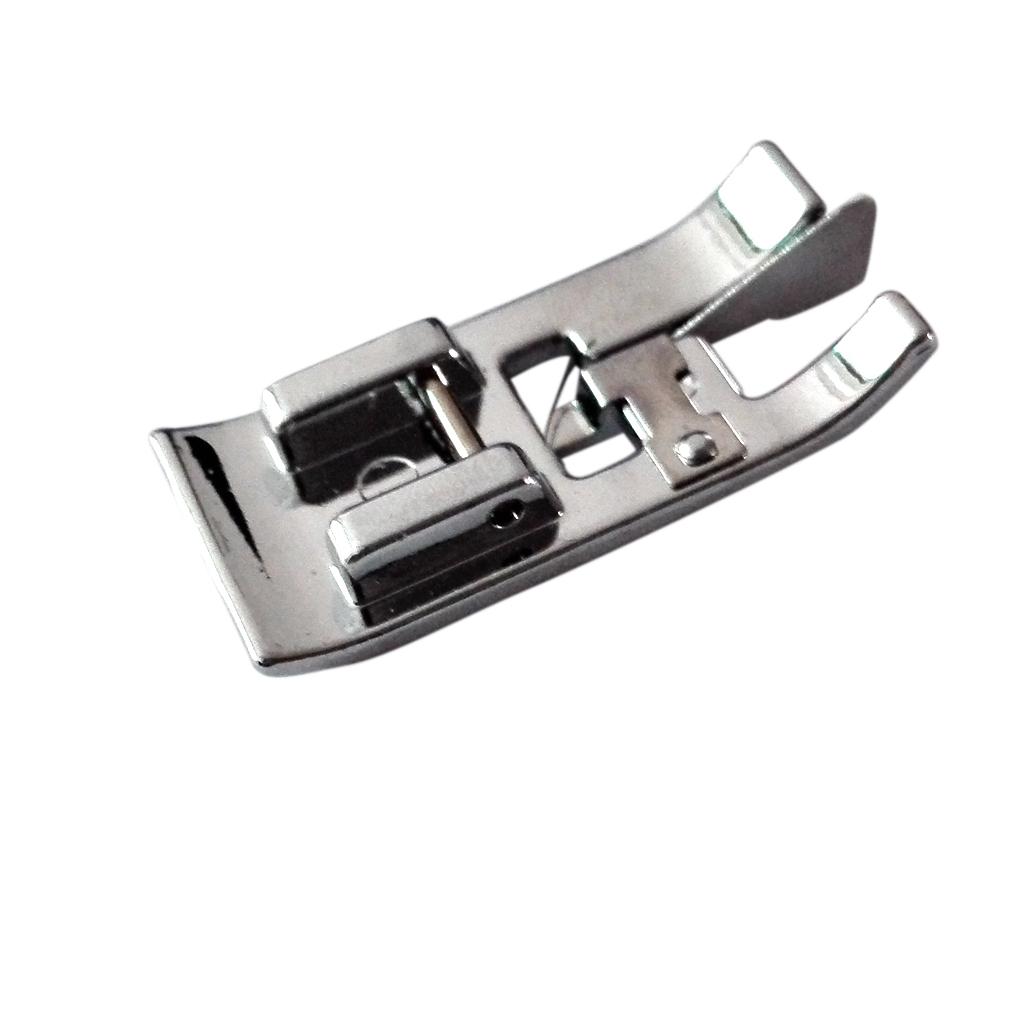
If you want cleaner raw edges on woven fabric, an overcast foot such as Overcast Presser Foot is the next useful step. Its role is edge finishing, so it makes sense for garments, home decor, and projects where fraying is the main problem.
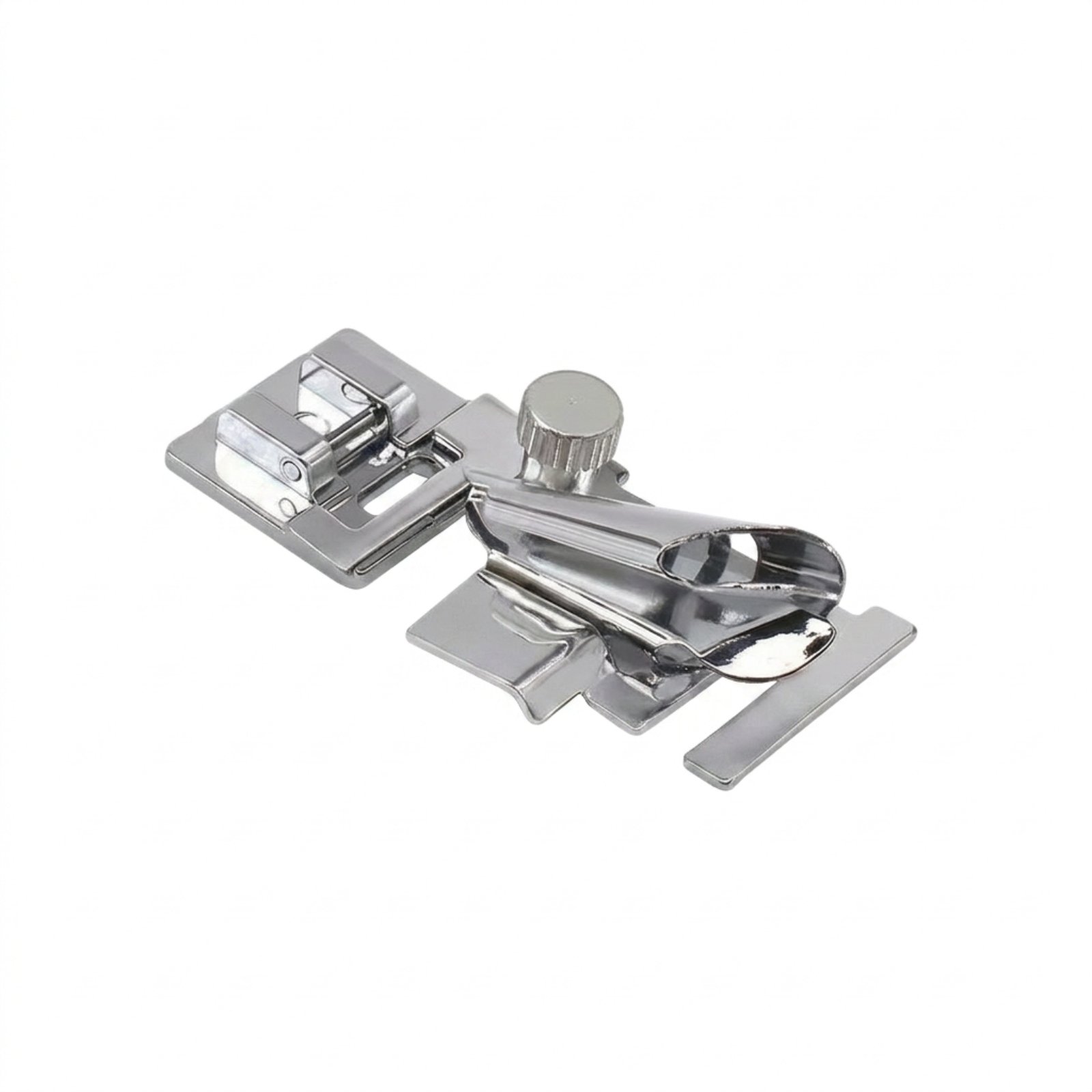
If you regularly apply binding to fabric edges, a binder foot such as Bias Tape Binder Presser Foot Metal is more useful than a random assortment of specialty feet. Bias Tape Binder Presser Foot Metal is described as a dedicated metal attachment for domestic multi-function sewing machines, and its built-in guide helps fold, feed, and bind edges more consistently.
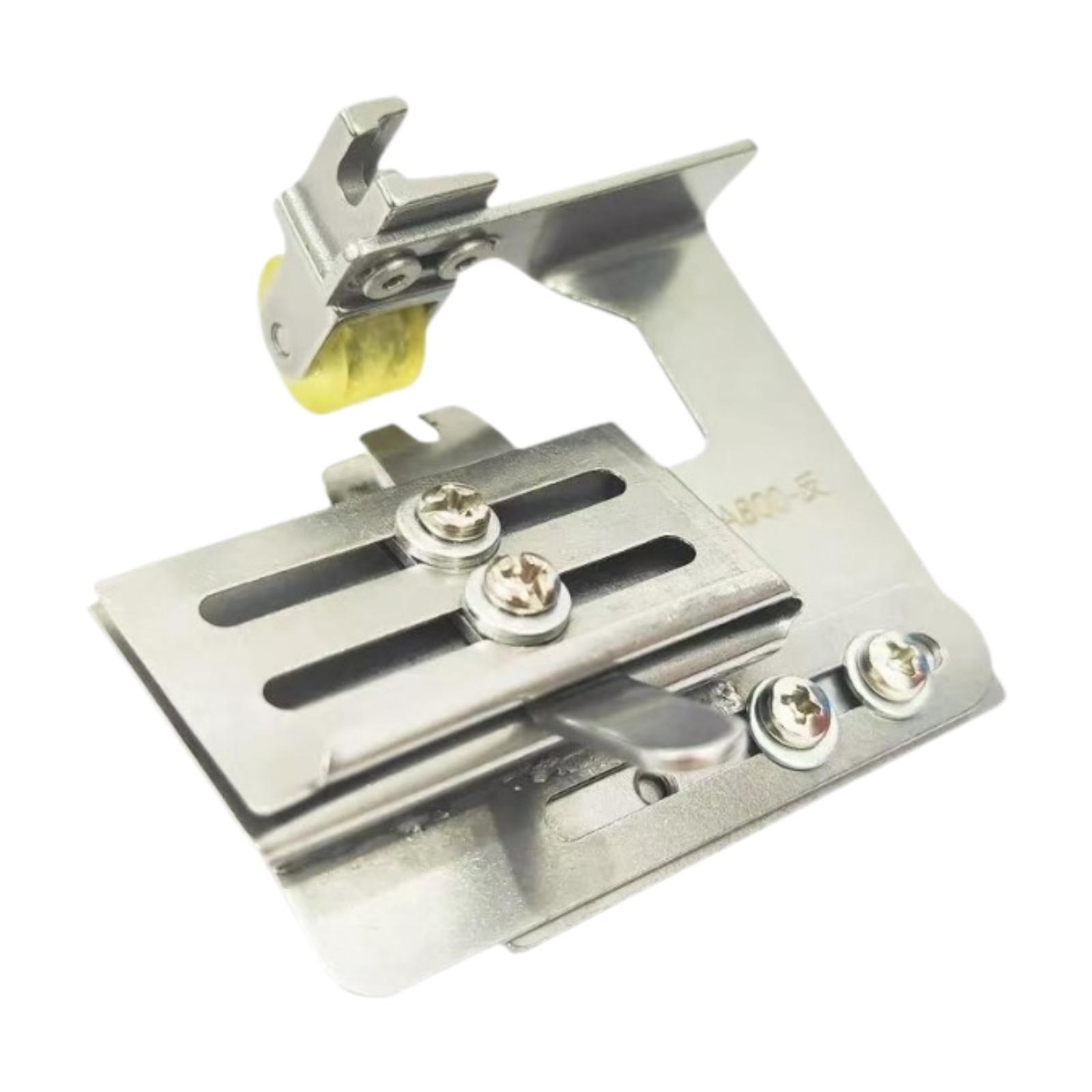
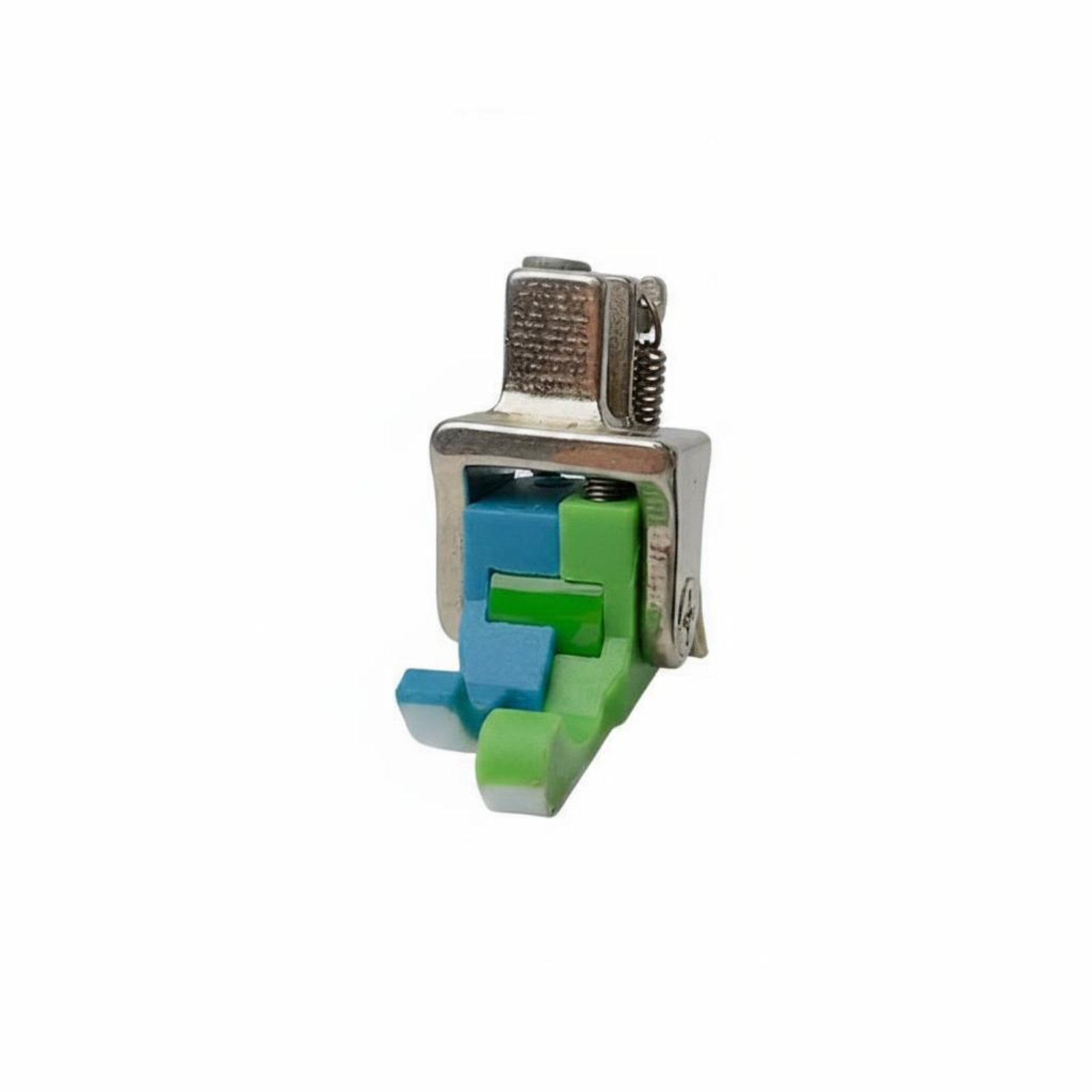
For sewing that struggles over bulky seams, uneven layers, or sticky materials, a high-low or roller style foot can be worth adding. High-Low Presser Foot is meant to help material glide and feed more smoothly, which is a very different need from simple edge finishing or basic straight sewing.
How the pieces work together on a real machine
Think of the foot system as a small chain of parts rather than one isolated accessory. The presser foot itself contacts the fabric, but it may also rely on the correct holder, shank style, and machine type, so checking the listing matters before you order.
A holder such as Presser Foot Holder for Thick Fabric can matter if your work often involves thick fabric, quilting, or embroidery. In that setup, the holder supports the foot choice by keeping the attachment system suited to heavier or layered work, while the actual sewing behavior still comes from the foot you install.
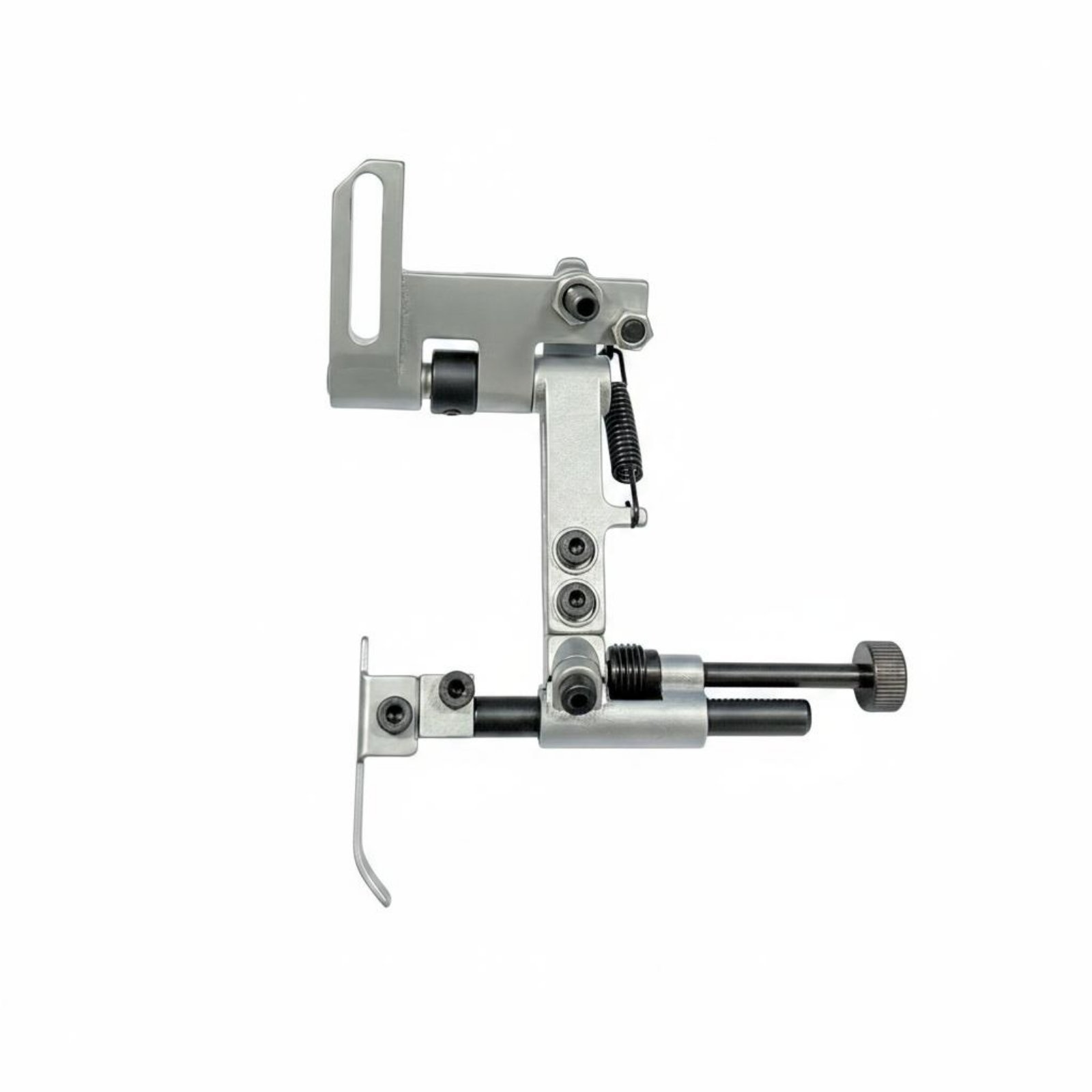
Guide accessories can also support accuracy instead of replacing the foot. Steel Seam Guide Attachment is an industrial seam guide attachment meant to keep seams aligned on heavy-duty work, so it pairs with a suitable industrial setup when straight tracking matters more than decorative capability.
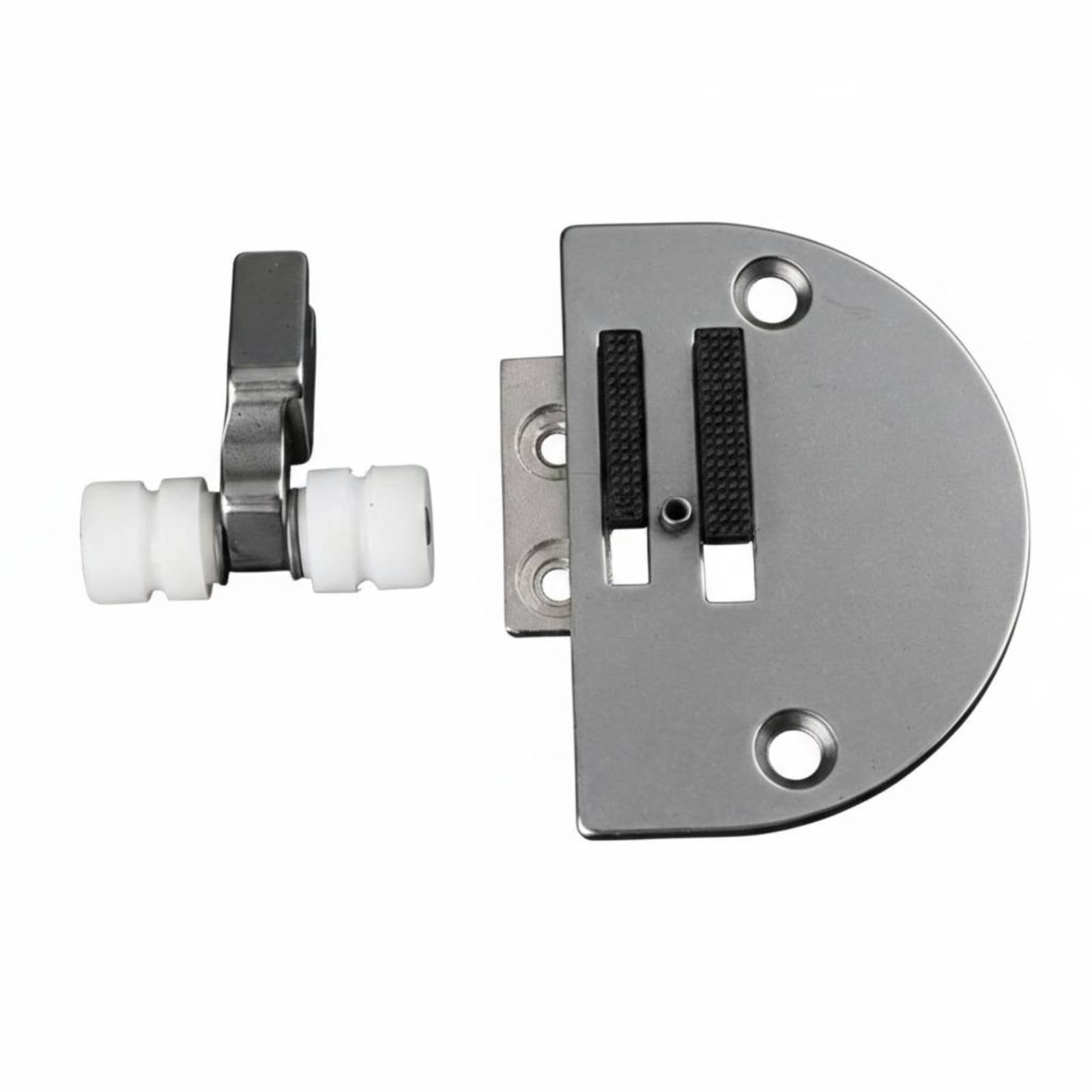
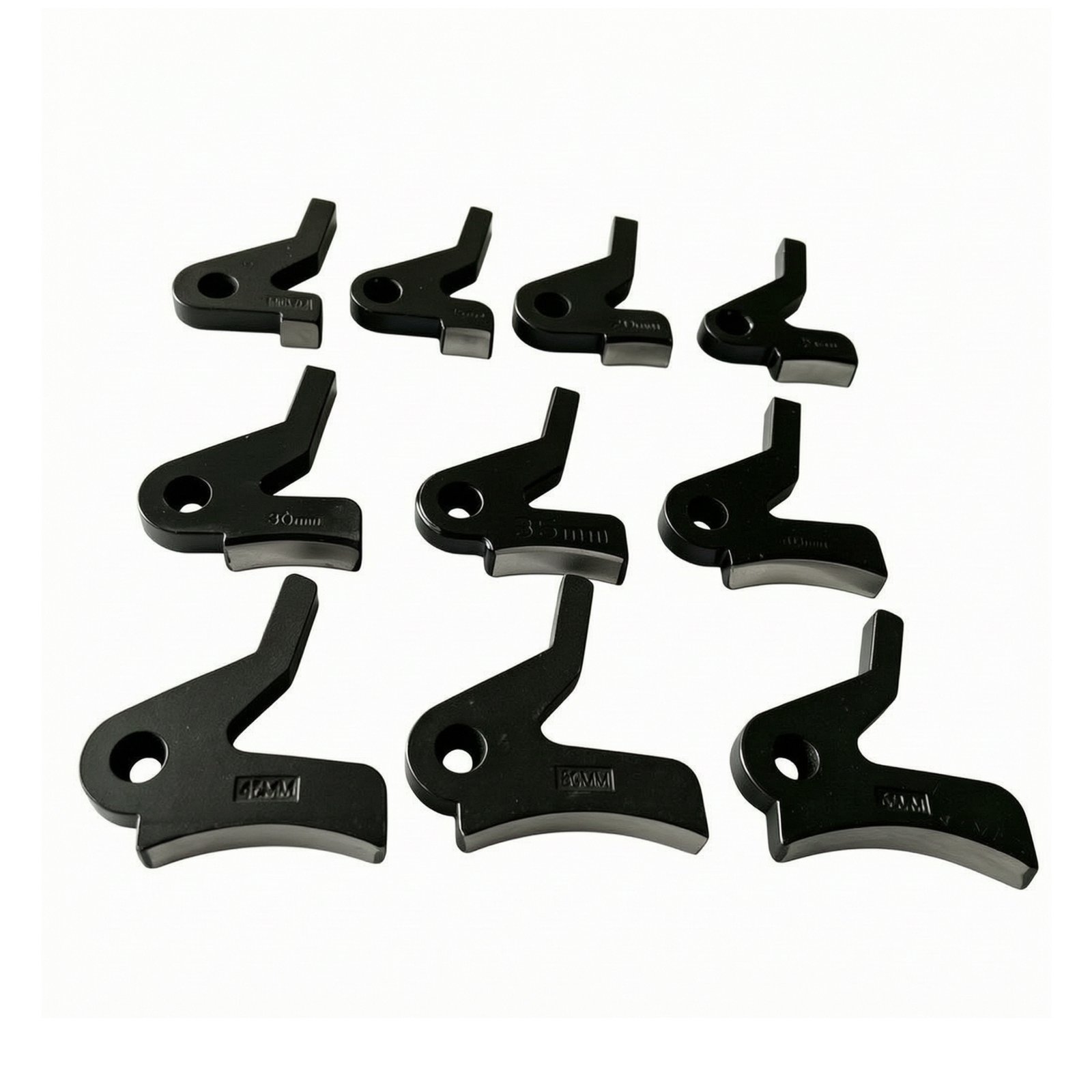
Some specialty systems are not general presser feet at all, even if the listing uses similar language. 4-Piece Garment Template Plate Set is a template stitching plate set for template-based sewing, so it belongs in a repeatable pattern workflow rather than a basic starter kit. 10-Piece Steel 1Y-140 Presser Foot is for skiving equipment rather than regular home sewing, so it fits leather edge-thinning work instead of everyday garment construction.
What to check before buying
Compatibility comes first. A listing may say universal, domestic, industrial, flat-bed, or multi-function, and those terms are more important than the foot category alone because the wrong mounting style can leave you with a part that does not attach correctly.
Material handling is the next key question. If your issue is fraying edges, look at Overcast Presser Foot before chasing heavy-duty parts. If your issue is drag, sticking, or crossing bulky seams, High-Low Presser Foot is the more relevant type. If your issue is folded edge binding, Bias Tape Binder Presser Foot Metal is the purpose-built option.
Project type should guide whether you buy only a foot or also a support part. Quilters and embroidery users may need to check whether a holder like Presser Foot Holder for Thick Fabric is required by their machine setup, while template sewing users should look at systems like 4-Piece Garment Template Plate Set instead of assuming a basic presser foot will do the same job.
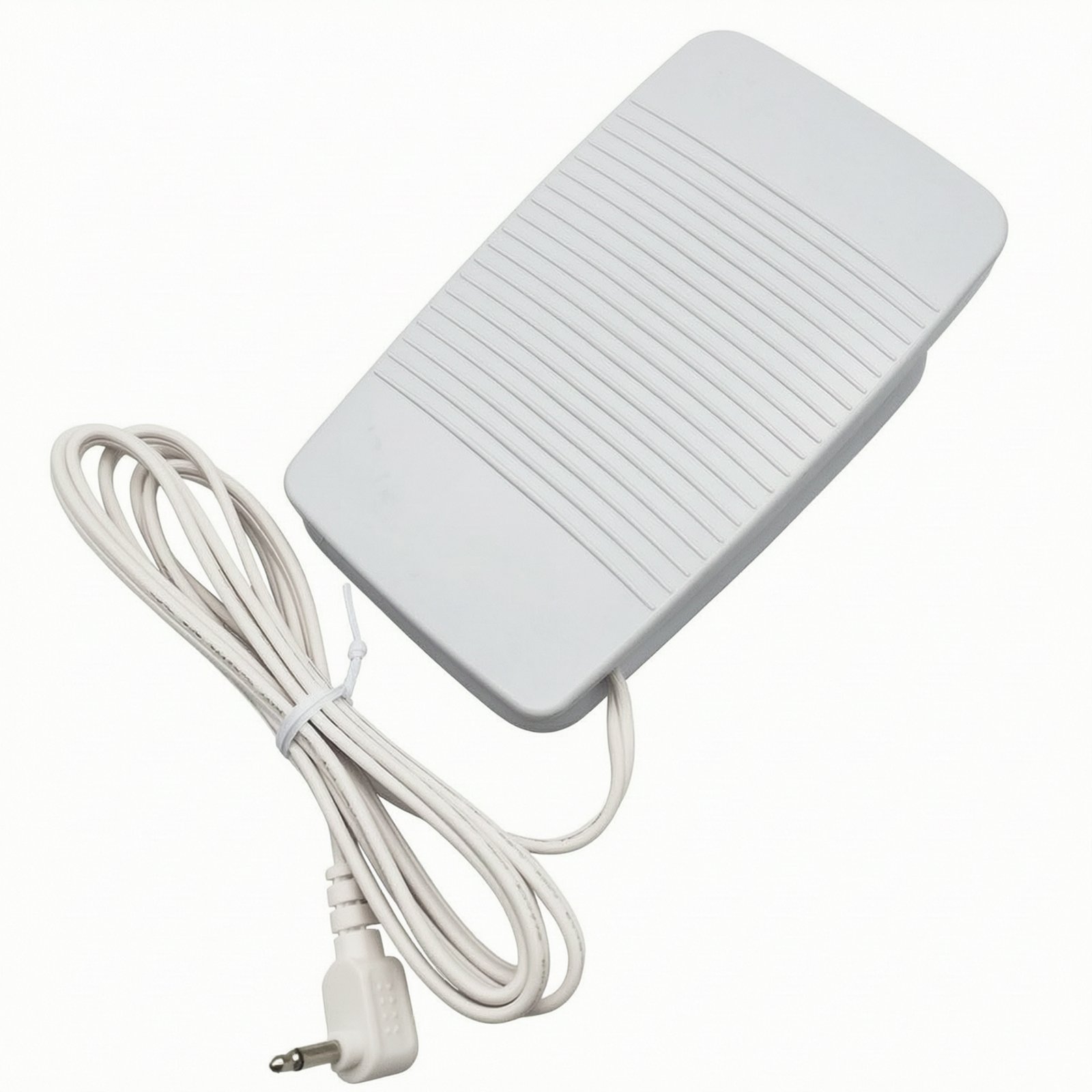
Physical details in the listing can help when you compare space and handling. Bias Tape Binder Presser Foot Metal is listed at 5.5 cm long and 2.1 cm wide, which tells you it is a compact binding attachment rather than a large guide assembly. Sewing Machine Foot Pedal with Cord measures 15 cm x 9 cm x 5 cm and weighs 215 g, but that item is a foot controller, not a presser foot, so it solves speed control problems rather than stitch formation or fabric handling.
Common mistakes to avoid
The biggest mistake is buying a foot for a problem you do not actually have. Many shoppers collect specialty feet before they have covered the basic needs of straight sewing and raw-edge finishing, when a simple combination of Presser Foot Universal and Overcast Presser Foot would handle most of their work.
Another common mistake is mixing home and industrial parts without checking the machine type. High-Low Presser Foot and Steel Seam Guide Attachment are described for industrial flat-bed or heavy-duty use, while Bias Tape Binder Presser Foot Metal is described for domestic multi-function machines, so they should not be treated as automatically interchangeable.
It is also easy to confuse presser feet with controls and accessories. Stitching Machine Foot Controller and Sewing Machine Foot Pedal with Cord are foot controllers for operating machine speed, not presser feet. They may be useful replacement parts if your pedal has failed, but they will not improve edge finishing, binding, or feeding on their own.
Finally, do not assume a niche workshop part belongs in a normal sewing kit. 10-Piece Steel 1Y-140 Presser Foot is for skiving-machine work, and 4-Piece Garment Template Plate Set is for template stitching workflows, so each should be bought only when that exact task is part of your setup.
A typical kit
- Presser Foot UniversalThis is the everyday general-purpose foot to cover routine seams, repairs, and simple construction work.
- Overcast Presser FootThis foot is the practical add-on for overcasting and cleaner raw-edge finishing on common sewing projects.
- Bias Tape Binder Presser Foot MetalThis binding attachment helps fold and guide bias tape or edge binding more consistently on compatible domestic machines.
- High-Low Presser FootThis roller-style foot is the specialist choice when uneven layers, slippery surfaces, or bulky seams are causing poor feeding.
- Presser Foot Holder for Thick FabricThis holder supports thick-fabric, quilting, or embroidery setups when your machine needs the matching foot support part.
- Steel Seam Guide AttachmentThis seam guide attachment is for heavy-duty aligned stitching where straight tracking matters on industrial-style work.
Questions people ask
Do I need a whole set of presser feet to get started?
Usually no. Most people can sew a lot with a basic everyday foot like Presser Foot Universal and then add Overcast Presser Foot if fraying edges are a recurring issue. Specialty feet make sense when you can point to one repeated problem they solve.
Is a universal presser foot enough for most home sewing?
For basic construction, yes, it often is. Presser Foot Universal is the kind of foot to start with, but you should still compare the mounting style and machine requirements in the product description before ordering. Universal wording is helpful, but it is not a substitute for fit checking.
What is the difference between an overcast foot and a bias binder foot?
They solve different jobs. Overcast Presser Foot is for finishing raw fabric edges, while Bias Tape Binder Presser Foot Metal is for folding and feeding binding around an edge with the help of its guide. If you do not apply binding often, the overcast foot is usually the more broadly useful one.
Will a specialty foot help with thick seams and sticky fabric?
That is the kind of problem a roller-style option is meant to address. High-Low Presser Foot is described to improve gliding and feeding on challenging materials and uneven layers, so it is more relevant than an edge-finishing foot when the fabric drags or bunches.
Are foot pedals and presser feet the same kind of part?
No. Items like Stitching Machine Foot Controller and Sewing Machine Foot Pedal with Cord control machine speed with your foot, while a presser foot sits at the needle area and helps manage the fabric during stitching. If your machine runs poorly because the pedal failed, a controller may help, but it will not replace a sewing foot function.
Shop the list
Everything mentioned above
Prices and delivery windows are live from our catalog.
Presser Foot Universal
Overcast Presser Foot
Bias Tape Binder Presser Foot Metal
High-Low Presser Foot

Presser Foot Holder for Thick Fabric
Steel Seam Guide Attachment
4-Piece Garment Template Plate Set
10-Piece Steel 1Y-140 Presser Foot
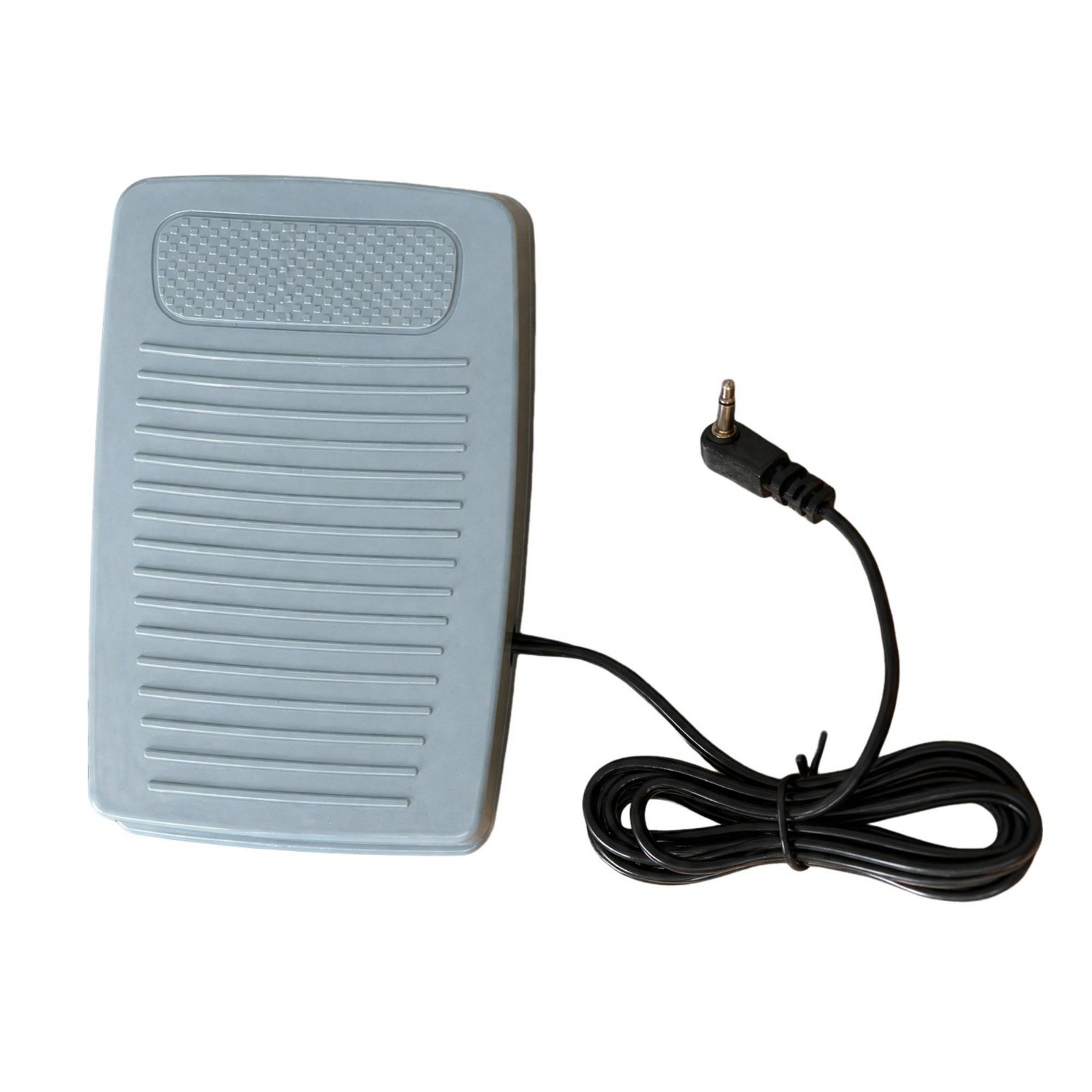
Sewing Machine Foot Pedal with Cord