Buying guide · Sewing & Crafts
Which cutting and measuring tools make sewing more accurate
Short answer
The most helpful tools are the ones that control layout before you cut, keep lines true while you draft, and support fabric so it stays square while you sew. For most sewing setups, that means pairing a straight cutting ruler, a curve ruler, a spacing ruler, and a stable work or pressing surface, then adding a seam guide if your machine and project call for it.
What to look for in accurate sewing tools
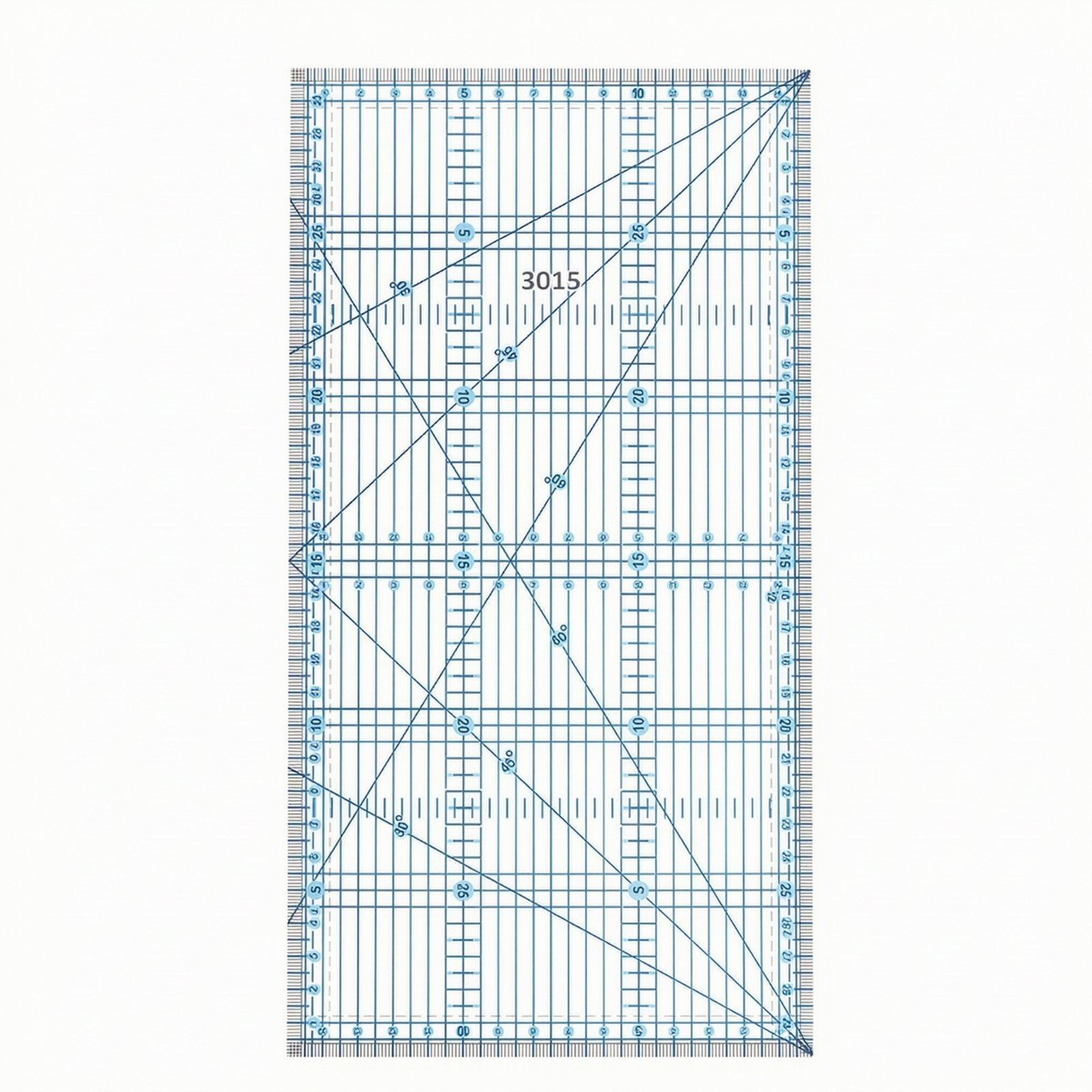
Accuracy starts with visibility. A ruler is easier to trust when you can clearly see both the markings and the fabric or pattern lines underneath it, which is why transparent tools are especially useful for cutting and drafting. A straight layout ruler such as Quilting Ruler with Angle Lines is helpful because it combines grid lines, centimeter markings, and angle markings, so you can align fabric grain, check corners, and guide cuts with less guessing.
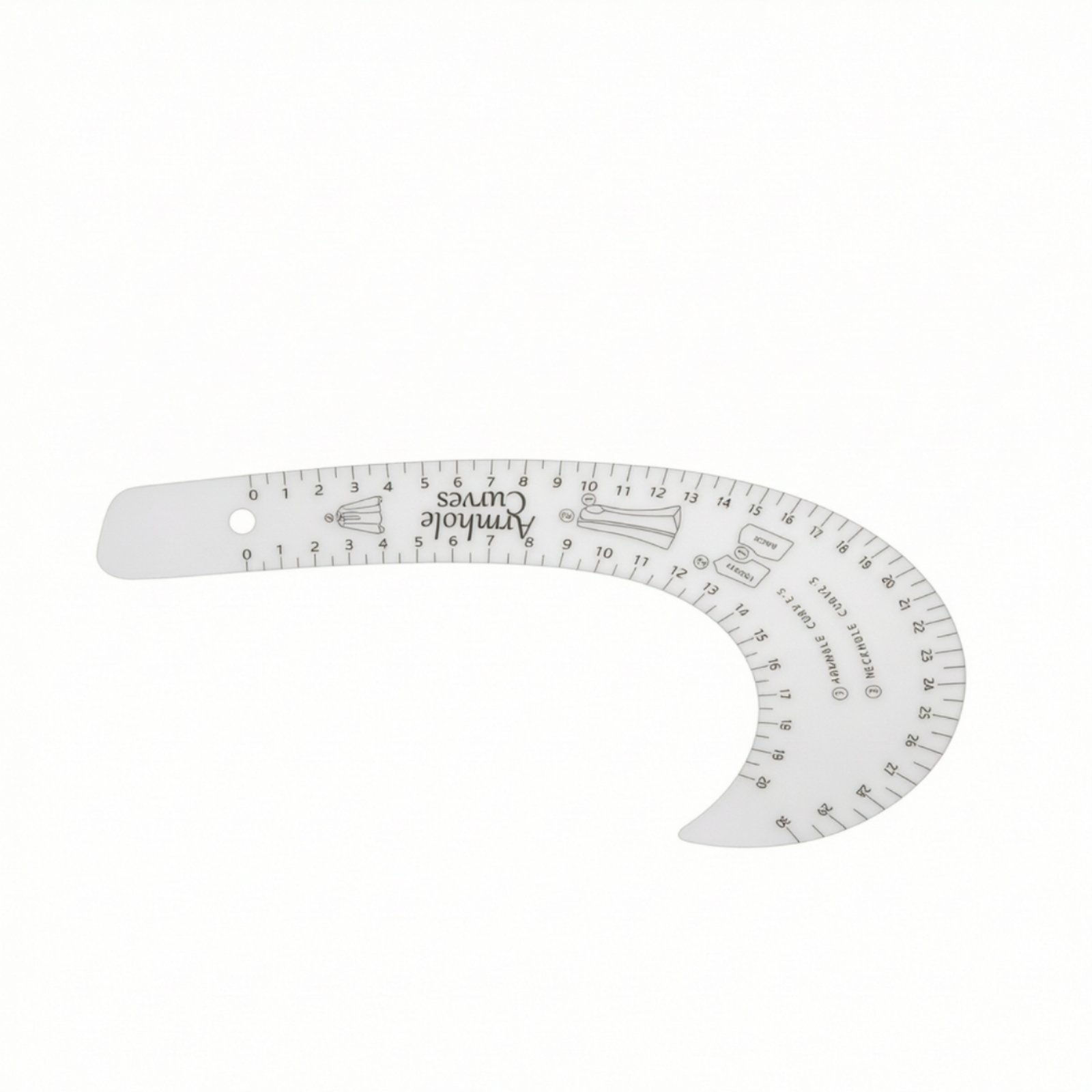
Curves need a different tool from straight cuts. A curve ruler such as Curved Armhole Curve Ruler is meant for shaping armholes, necklines, sleeves, and other rounded pattern areas where a straight ruler would force awkward joins. Its printed graduations and visible acrylic body help you smooth the line before cutting, which matters because rough drafting often turns into puckers or mismatched seams later.
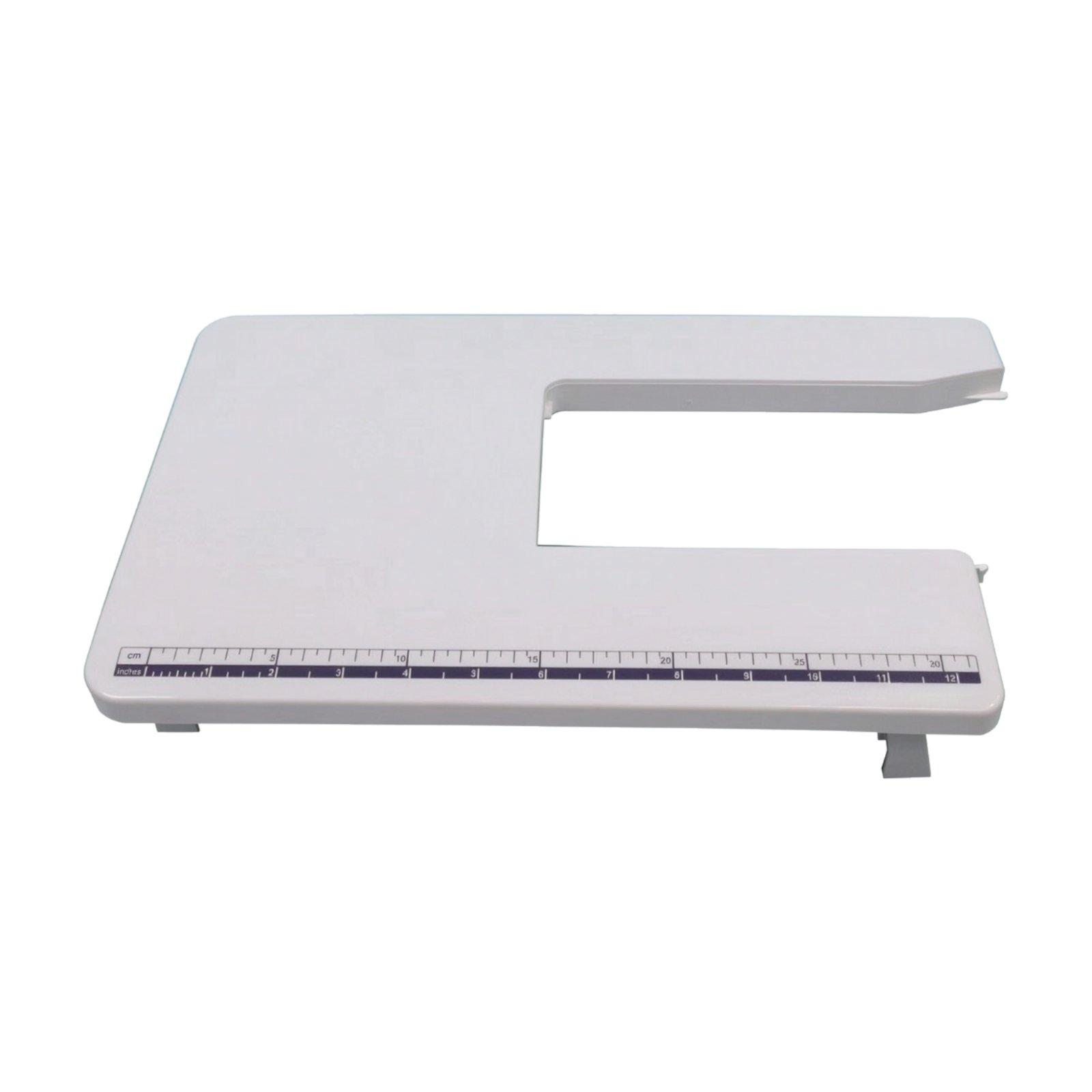
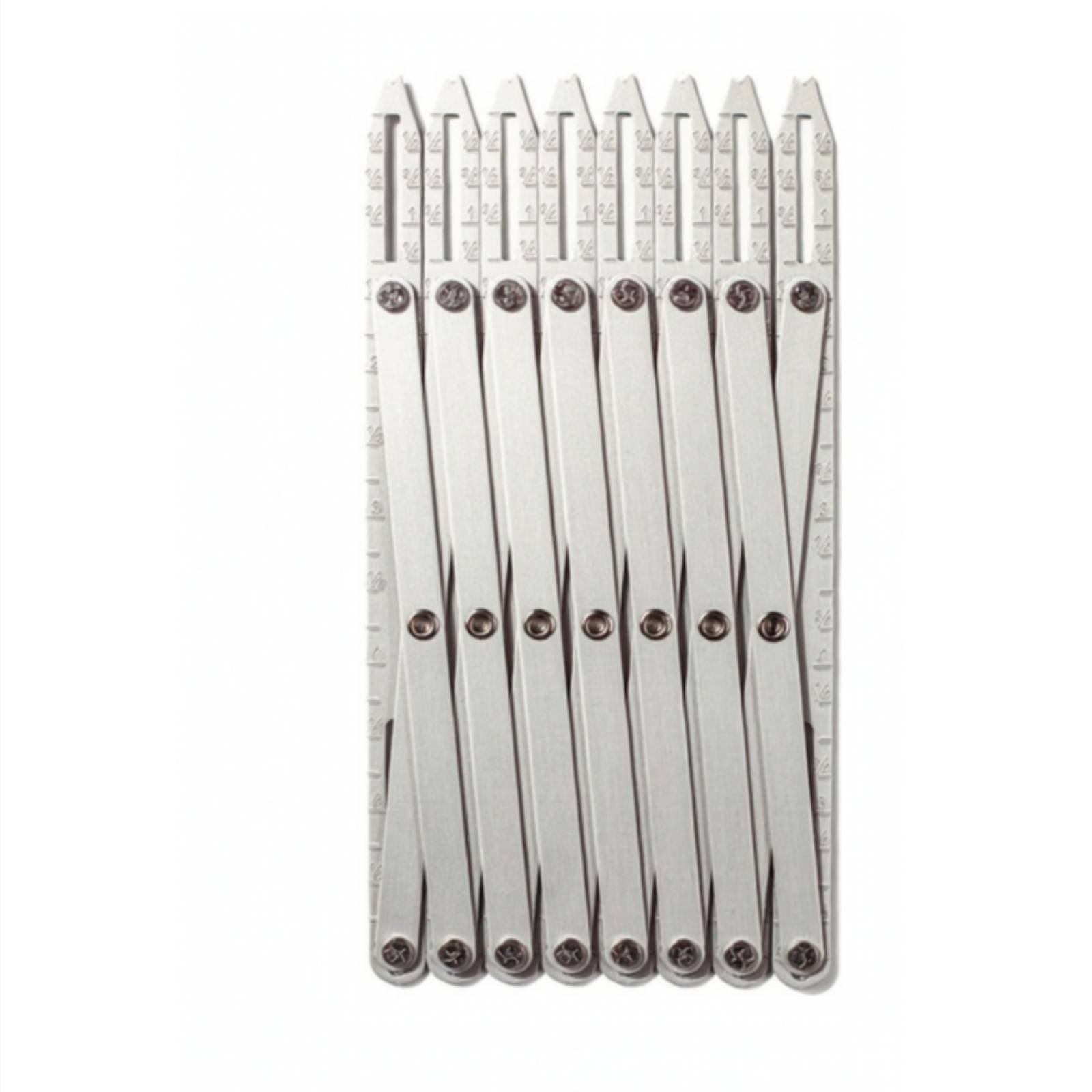
Repetitive placement is another common source of error. An equal-spacing tool like Foldable Sewing Ruler helps when you need evenly spaced marks for buttons, pleats, or repeated reference points; it extends to a full 60 cm and folds down to about 15 × 8 cm, so it can handle both larger layout tasks and compact storage. If your machine setup needs more support while stitching, Sibling Stitching Device Extension Table White adds a larger work surface and includes a printed measuring guide on the front rim, which can help with quick checks while positioning fabric.
How the pieces work together in a sewing workflow
Think of these tools as a chain. First you measure and mark, then you draft any straight or curved lines, then you cut, press, and sew while keeping the fabric supported. When each step uses the right tool, small layout errors do not build into large fit or seam problems.
For straight edges, patchwork units, and general trimming, Quilting Ruler with Angle Lines is the kind of ruler you use at the cutting stage. For shaped areas on garment patterns, Curved Armhole Curve Ruler takes over so the line stays continuous instead of turning into short straight segments. For repeated intervals, Foldable Sewing Ruler helps you distribute marks evenly rather than measuring each gap separately, which reduces compounding mistakes.
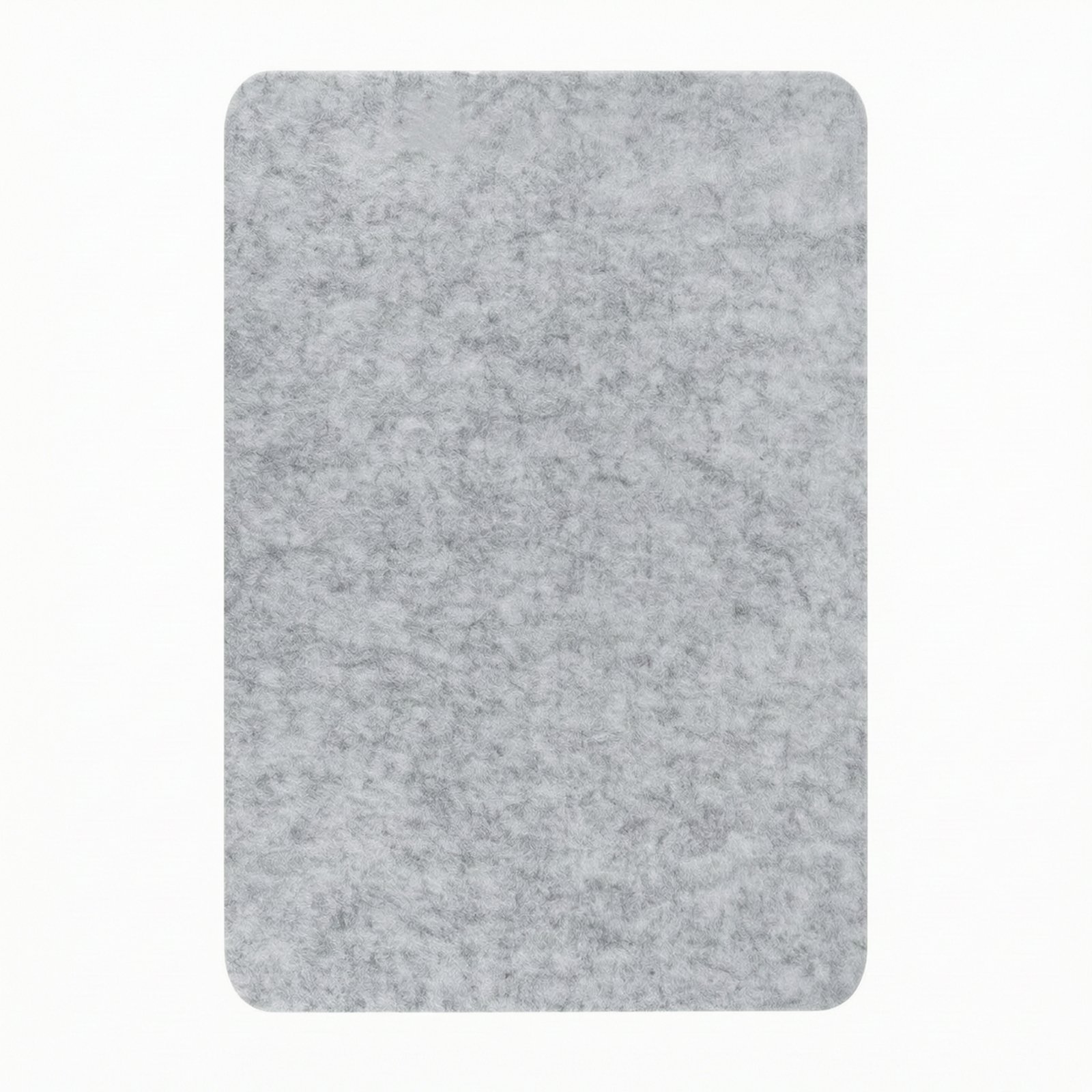
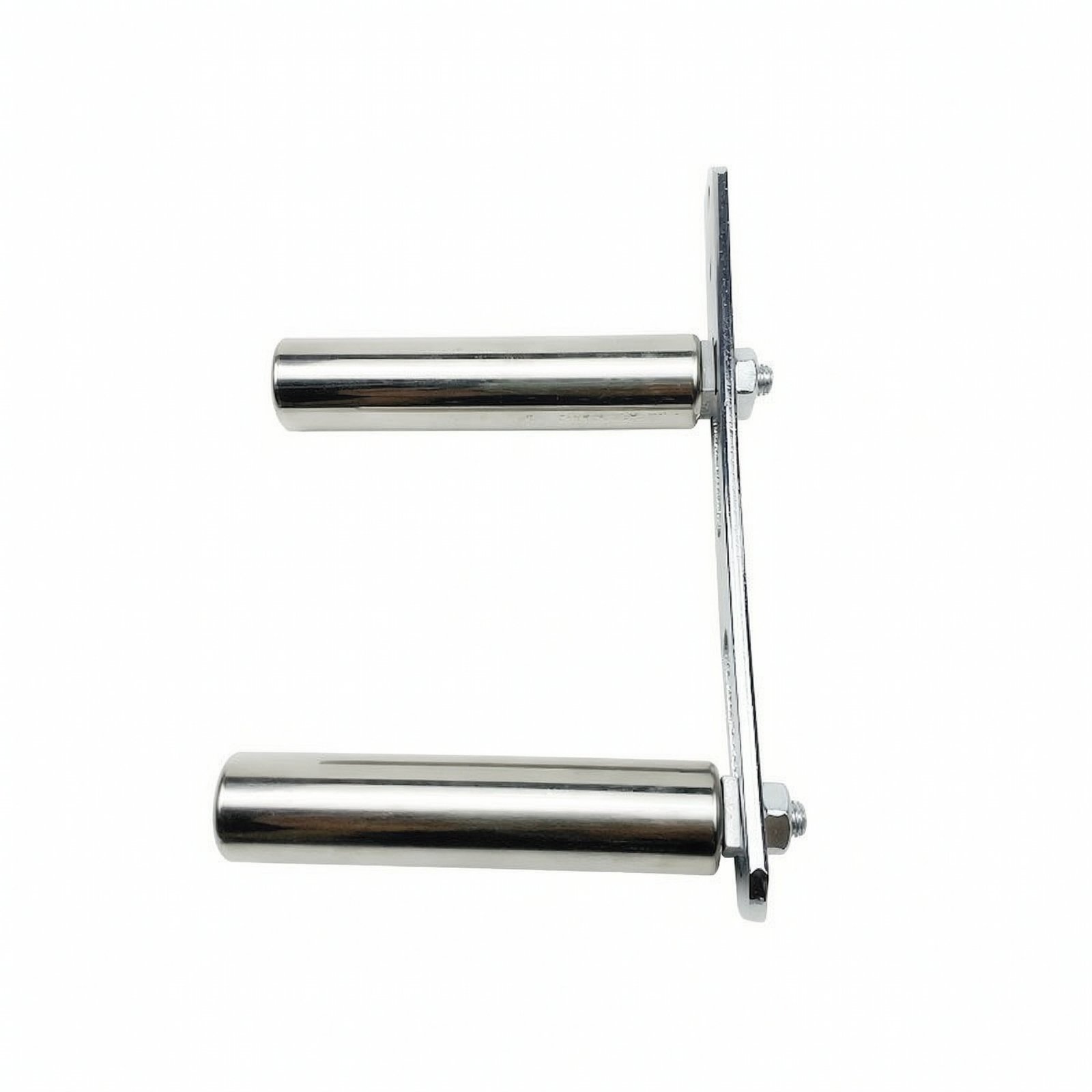
Pressing is part of accuracy too because fabric that shifts or holds a distorted crease is harder to cut and sew correctly. Felt Ironing Mat provides a stable non-slip pressing surface, and its 1/2-inch (12 mm) felt construction is intended to retain heat while protecting the table underneath. During sewing, Sibling Stitching Device Extension Table White helps support larger pieces around the needle area, and Elastic Sewing Guide Rack can guide tubular sections like cuffs and pant legs on compatible flatbed machines so the material stays positioned for even seams.
Common mistakes that reduce accuracy
One common mistake is trying to use one ruler for every job. Straight rulers are good for grids, seam allowances, and clean cuts, but they are poor substitutes for a dedicated curve tool. If your project includes garment shaping, use a curve ruler such as Curved Armhole Curve Ruler instead of bending a straight ruler or freehanding the shape.
Another mistake is measuring once and assuming repeated placements will stay consistent by eye. Uneven spacing shows up quickly on buttons, tucks, and decorative details. A spacing tool like Foldable Sewing Ruler is made for those repeatable intervals, so you do not have to recalculate each mark from scratch.
Sewers also lose accuracy when fabric hangs off the machine or shifts during pressing. Large or heavy sections can pull out of alignment if they are not supported, which is where Sibling Stitching Device Extension Table White can help by expanding the sewing surface. Pressing on an unstable area can also distort the piece before stitching, so a dedicated mat such as Felt Ironing Mat is worth considering.
Finally, avoid assuming every machine accessory fits every machine. Elastic Sewing Guide Rack is described as a flatbed machine attachment, and Sibling Stitching Device Extension Table White is listed for specific household machine series, so check your machine style and fit details before buying.
Choosing the right mix for your projects
If you mainly sew quilts, home decor, or projects with many straight cuts, start with a straight cutting ruler and a stable pressing surface. Quilting Ruler with Angle Lines is aimed at patchwork and cutting layout work, while Felt Ironing Mat helps keep pieces flat and well pressed between cutting and stitching.
If you sew garments, add a dedicated curve ruler early. Curved Armhole Curve Ruler is especially relevant for armholes, necklines, and sleeve shaping, and it can also help when altering patterns that need a cleaner transition through a curved seam. For garments with repeated placement points, Foldable Sewing Ruler is useful because it is designed around equal spacing rather than general line drawing.
If your main accuracy problem shows up at the machine rather than on the cutting table, focus on fabric control and support. Sibling Stitching Device Extension Table White can make handling larger pieces easier by giving them more surface area near the machine, and Elastic Sewing Guide Rack is worth a look for cuffs or pant legs if you use a compatible flatbed setup. The right combination depends less on skill level than on where your errors usually happen: layout, shaping, pressing, or feeding.
A typical kit
- Quilting Ruler with Angle LinesUse this as the main straight ruler for measuring, aligning, and guiding accurate cuts on patchwork and general sewing fabric.
- Curved Armhole Curve RulerUse this for smooth curved drafting on armholes, necklines, sleeves, and alteration lines where a straight ruler falls short.
- Foldable Sewing RulerUse this to set repeated marks at even intervals for buttons, pleats, and other layout tasks that need consistent spacing.
- Felt Ironing MatUse this as a stable pressing surface so fabric stays flatter and more predictable before final cutting and stitching.
- Sibling Stitching Device Extension Table WhiteUse this to support fabric at the machine and make quick front-edge measurements while positioning larger pieces.
- Elastic Sewing Guide RackUse this as a machine guide for cuffs and pant legs when you need more controlled feeding on a compatible flatbed setup.
Questions people ask
Do I need both a straight ruler and a curve ruler for sewing?
If you only do basic straight seams and simple rectangular projects, a straight ruler may cover most of your measuring and cutting needs. But for garment work, a dedicated curve tool like Curved Armhole Curve Ruler makes it much easier to draft and refine armholes, necklines, and other shaped edges accurately.
What tool helps most with uneven button spacing or repeated marks?
A spacing ruler is the most direct solution because it is made to distribute points evenly instead of forcing you to remeasure each gap. Foldable Sewing Ruler is intended for equal-spacing layout work, so it suits button placement, garment marking, and other repeated intervals.
Can pressing tools really improve cutting accuracy?
Yes, because fabric that is wrinkled, stretched, or shifting is harder to measure and cut precisely. Felt Ironing Mat is designed as a non-slip felt pressing surface, which can help pieces stay flatter and more stable before you move to cutting or stitching.
Will an extension table make my seams straighter?
It can help when your fabric is dragging or hanging off the machine, because unsupported material often pulls the seam line off course. Sibling Stitching Device Extension Table White is meant to add working surface around compatible machines, which can improve control during feeding and positioning.
Are machine guides universal?
No, and that is important to verify before purchase. Elastic Sewing Guide Rack is described for flatbed machines, while Sibling Stitching Device Extension Table White lists specific compatible household machine series, so check your machine style and fit details instead of assuming either will mount correctly.
Shop the list
Everything mentioned above
Prices and delivery windows are live from our catalog.
Quilting Ruler with Angle Lines
Felt Ironing Mat
Curved Armhole Curve Ruler
Elastic Sewing Guide Rack
Foldable Sewing Ruler