Buying guide · Sewing & Crafts
How to organize craft supplies in a small space
Short answer
The easiest way to organize craft supplies in a small space is to sort by item size and how often you use it, then assign each group to a container that matches the job. Keep tiny parts in divided clear boxes, move active tools into vertical or hanging storage, and reserve one portable tote or box for projects you carry from place to place.
Start by sorting supplies by size, frequency, and where you use them
Small spaces get messy fast when every tool goes into one catch-all bin. Before buying organizers, separate supplies into a few simple groups: tiny parts that mix easily, hand tools you grab often, longer tools that roll around, and project materials you want to carry together.
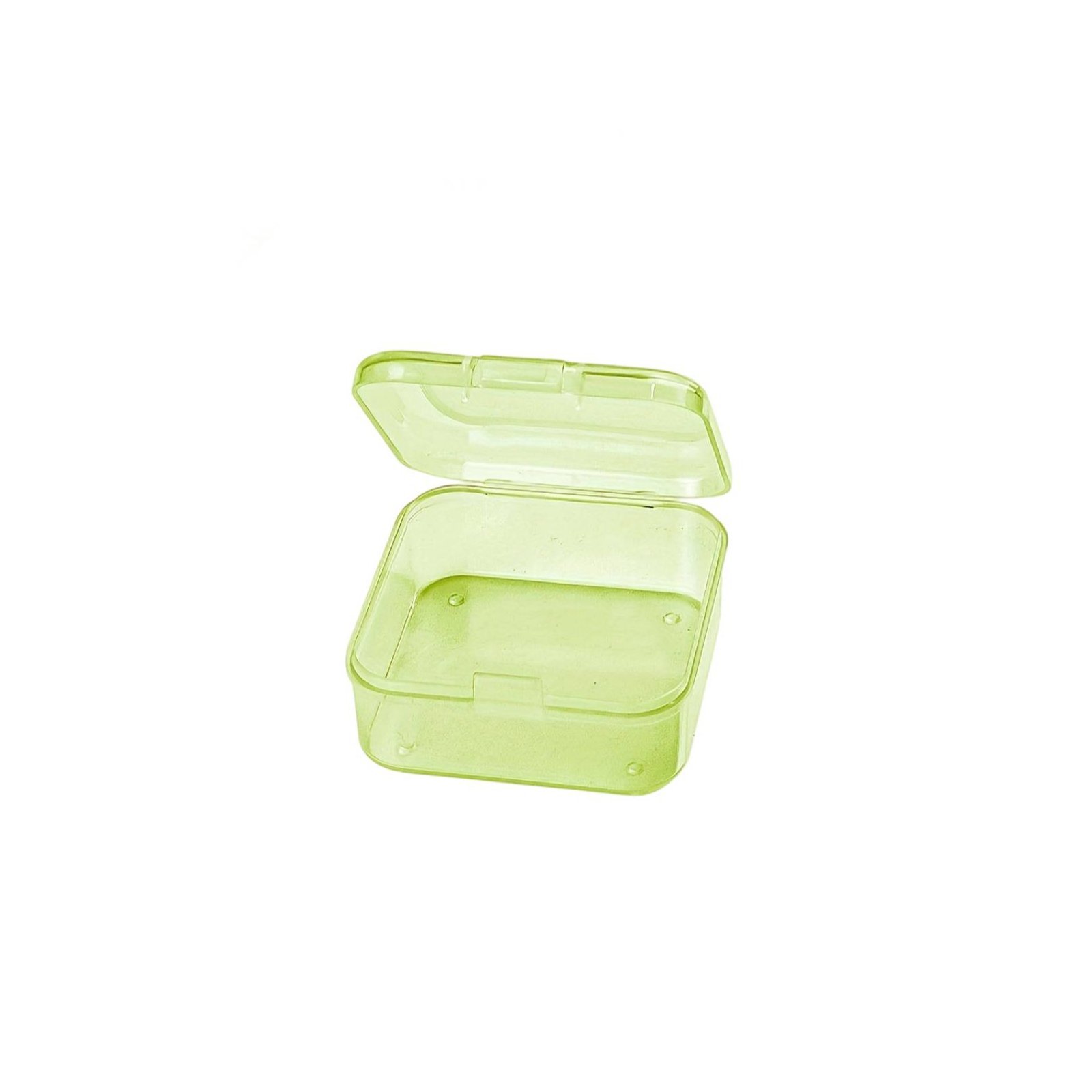
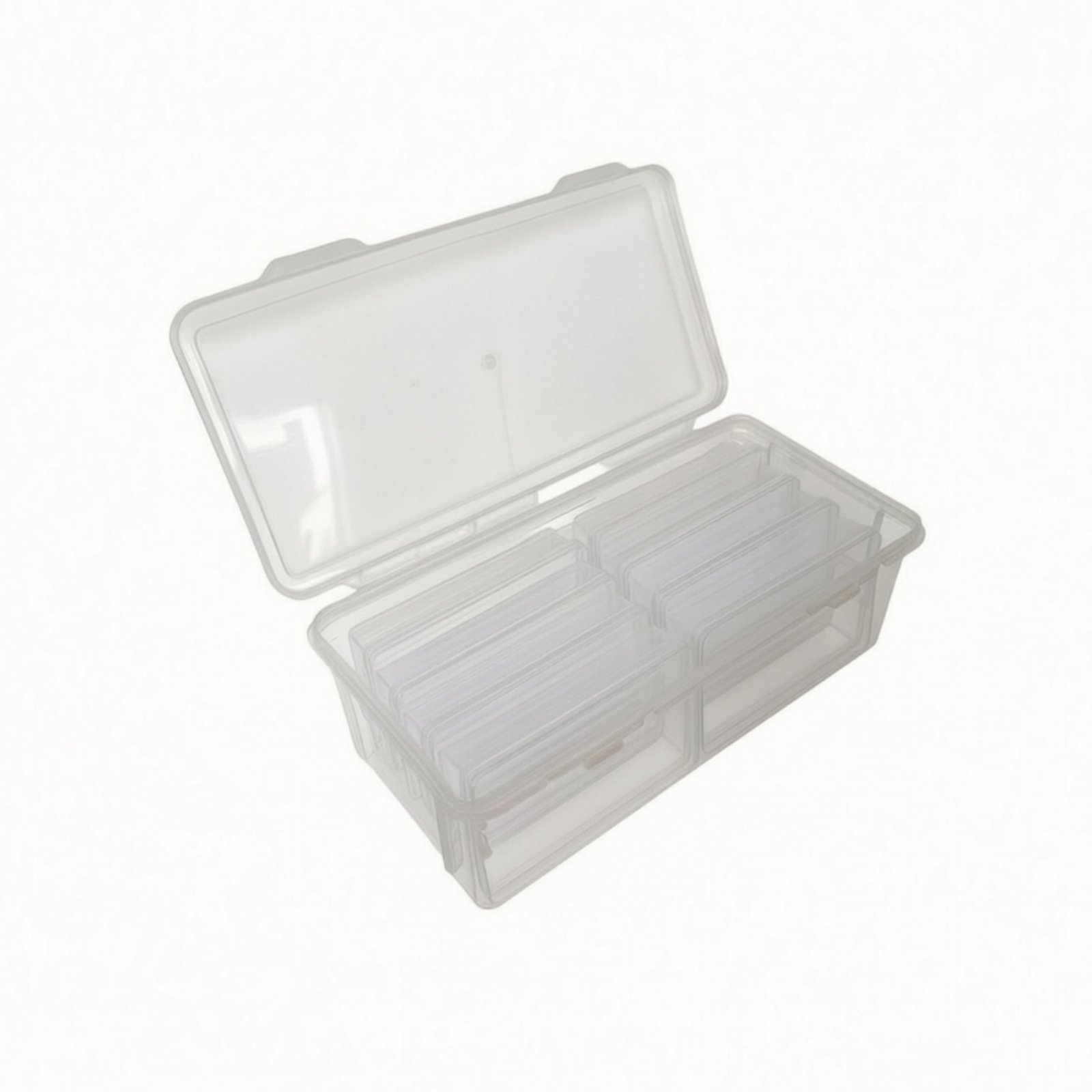
For loose beads, sequins, findings, buttons, and other tiny pieces, use divided or lidded clear containers so you can see what you have without opening everything. A compartment box such as Bead Storage Box with Lid helps keep similar items separated, while a mini hinged box like Bead Storage Container Transparent is useful for very small categories or leftovers from one project.
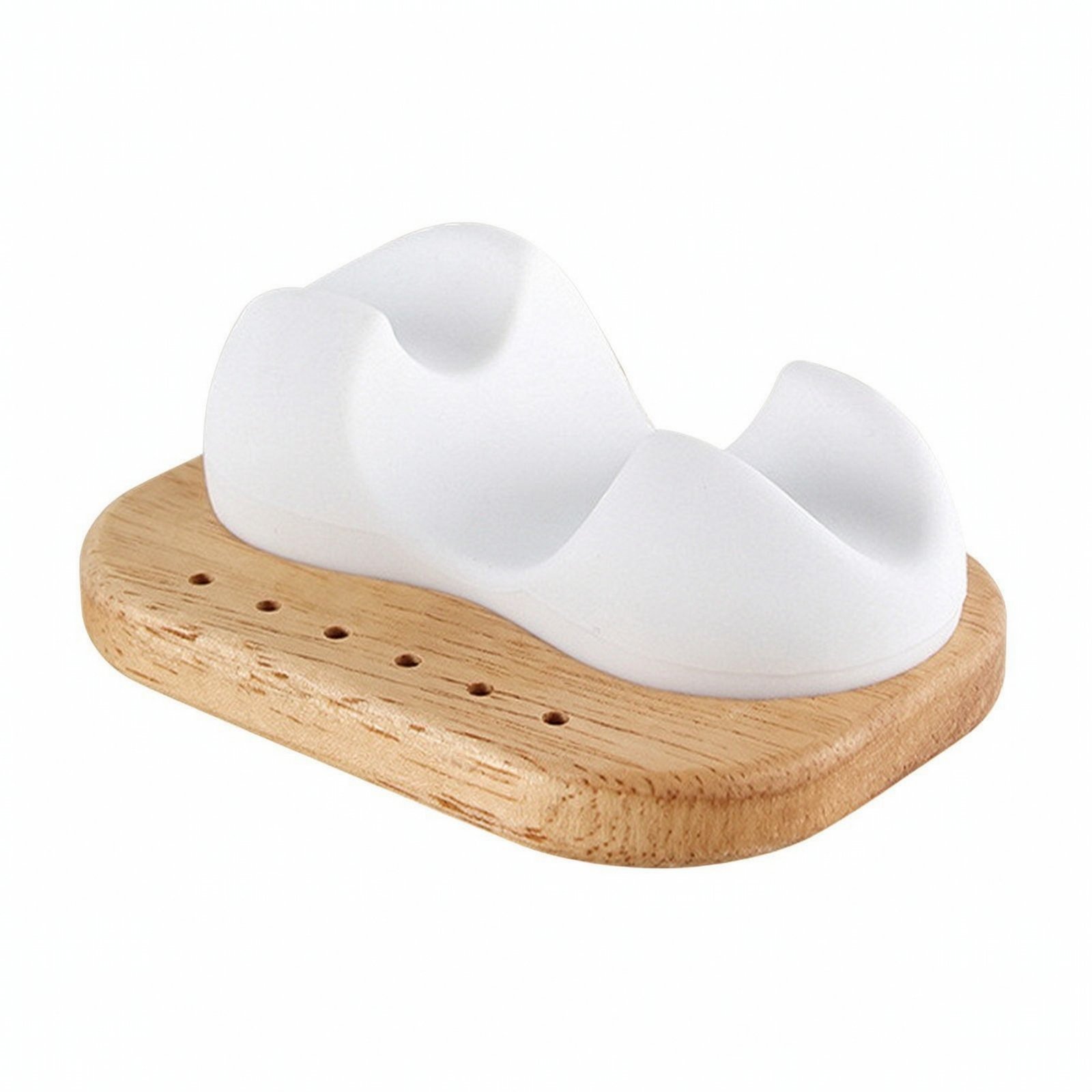
For tools you use every session, look for upright desktop storage instead of flat trays. A holder such as Nail Brush Organizer keeps brushes, pens, and similar narrow tools from rolling under other supplies, which matters a lot when your work surface is small.
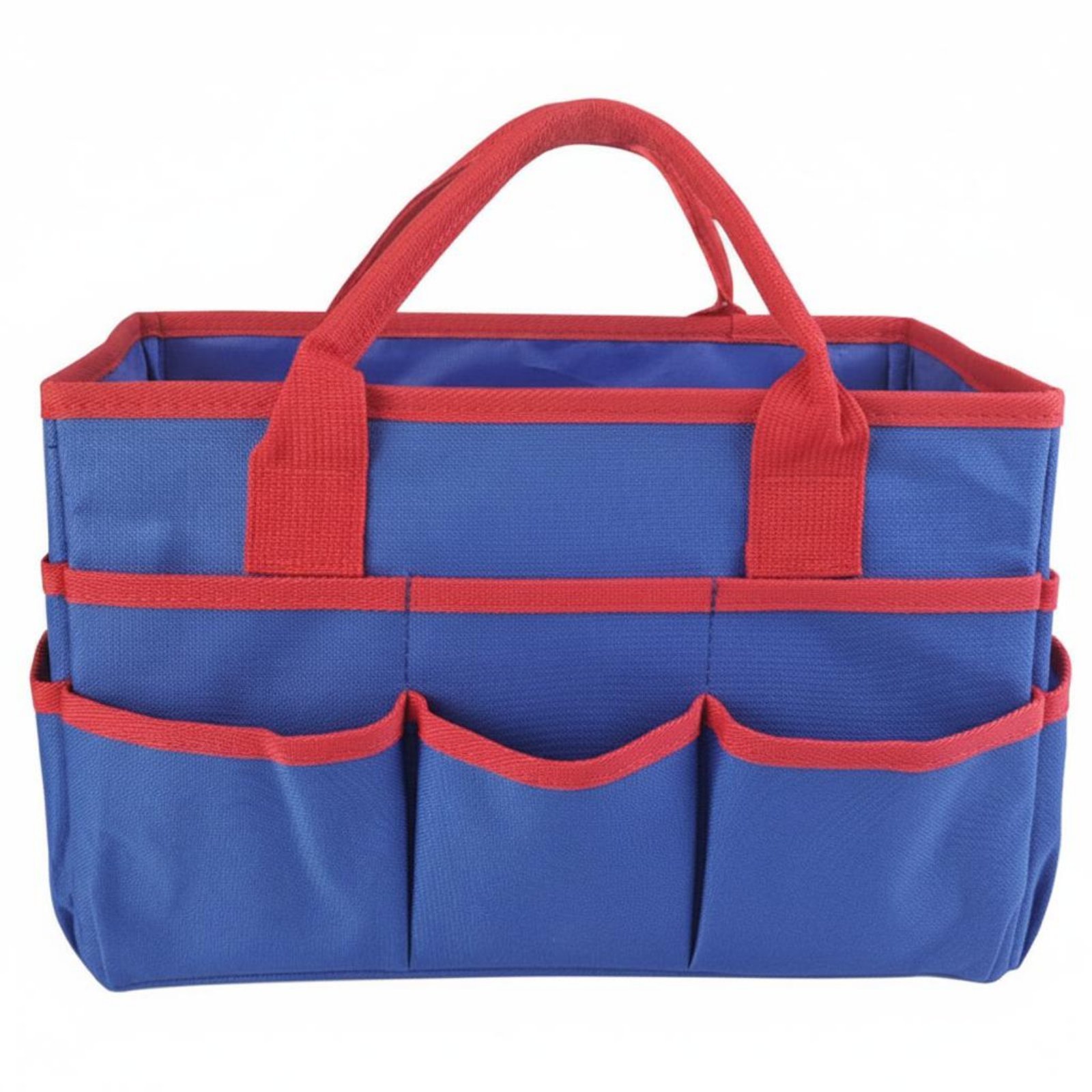
If you move between the kitchen table, a craft corner, and classes, a soft portable organizer is often more practical than several loose containers. Art Supply Storage Tote Bag uses heavy-duty 600D Oxford cloth and has a large central compartment plus 10 external pockets, which makes it easier to keep frequently used items grouped but still visible.
Choose storage that uses vertical space and hidden edges
In a tight room, the goal is not only storing more, but storing smarter. Look for organizers that stack neatly, sit compactly on a desk, or use side space that would otherwise go to waste.
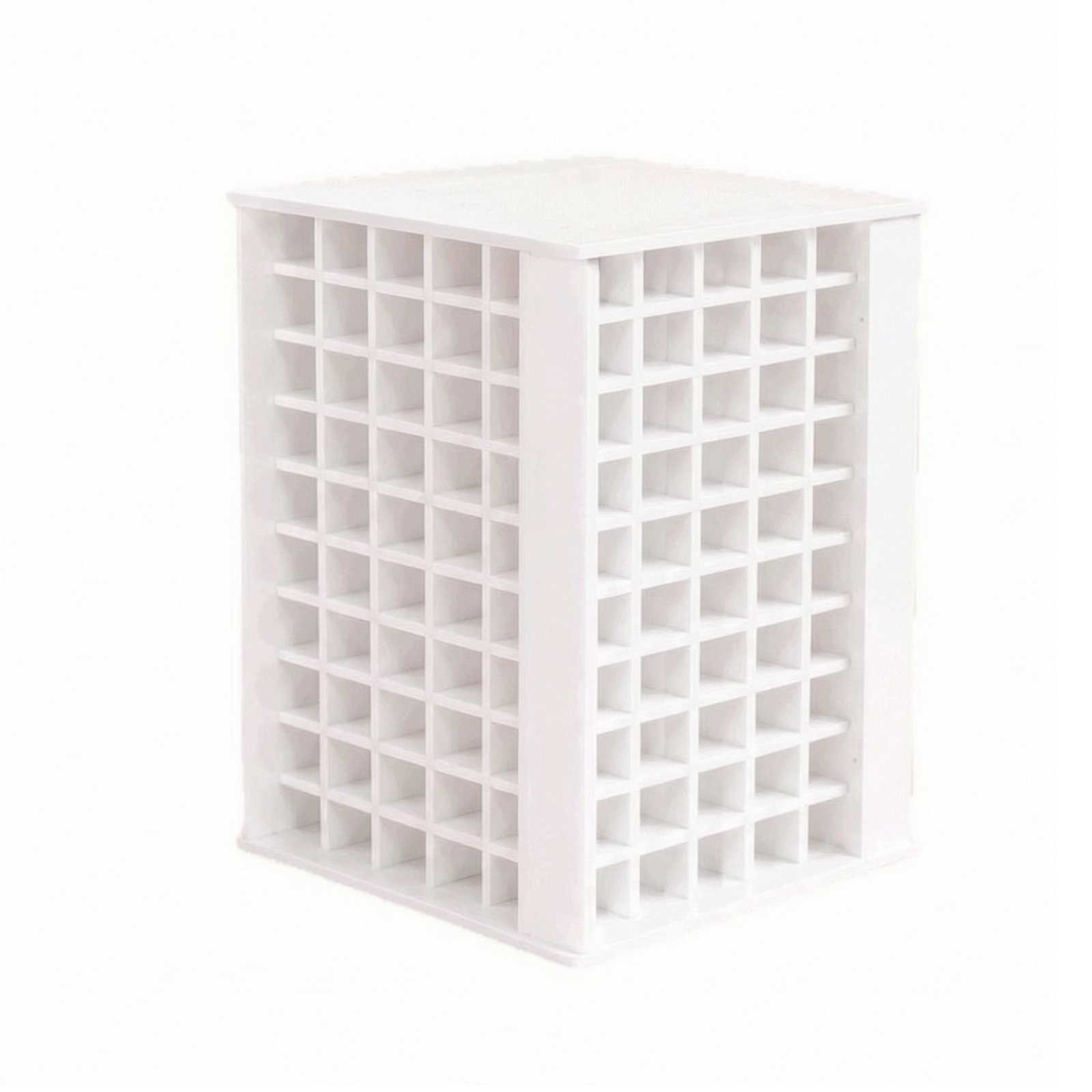
A rotating desktop unit can help if you have many tiny categories and one fixed worktable. 240-Compartment Craft Organizer has 240 individual compartments and a concealed base turntable with 360-degree rotation, so you can reach supplies from different sides without spreading containers across the whole desk. This type of organizer works best when you craft in one main spot and want a visible inventory.
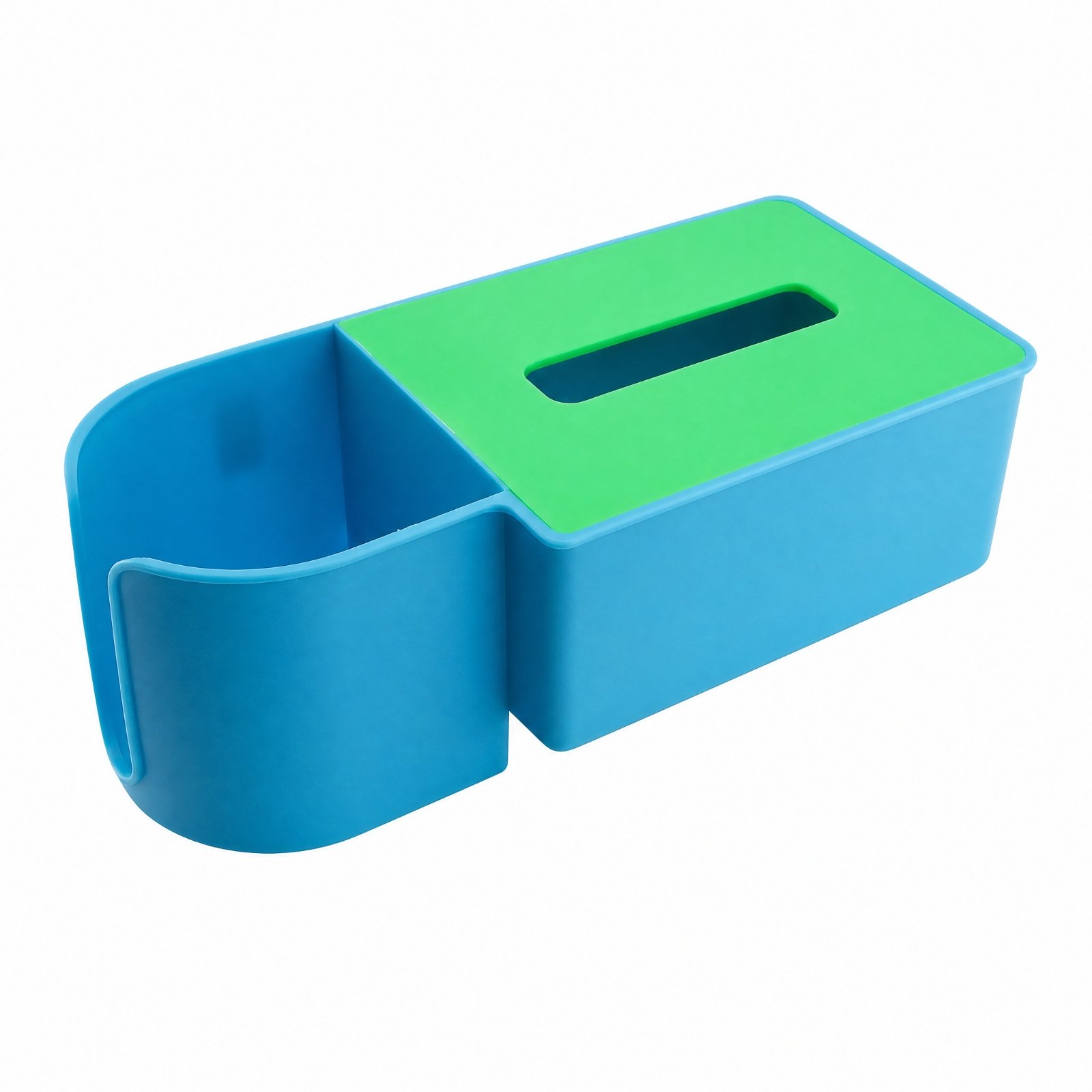
If your main hobby area is a sewing table, side-mounted storage can free up the top surface for actual work. Sewing Machine Side Storage Box attaches with two metal mounting clips and shifts common tools off the tabletop into multiple compartments, which is useful when scissors, snips, clips, and other essentials keep crowding your hands.
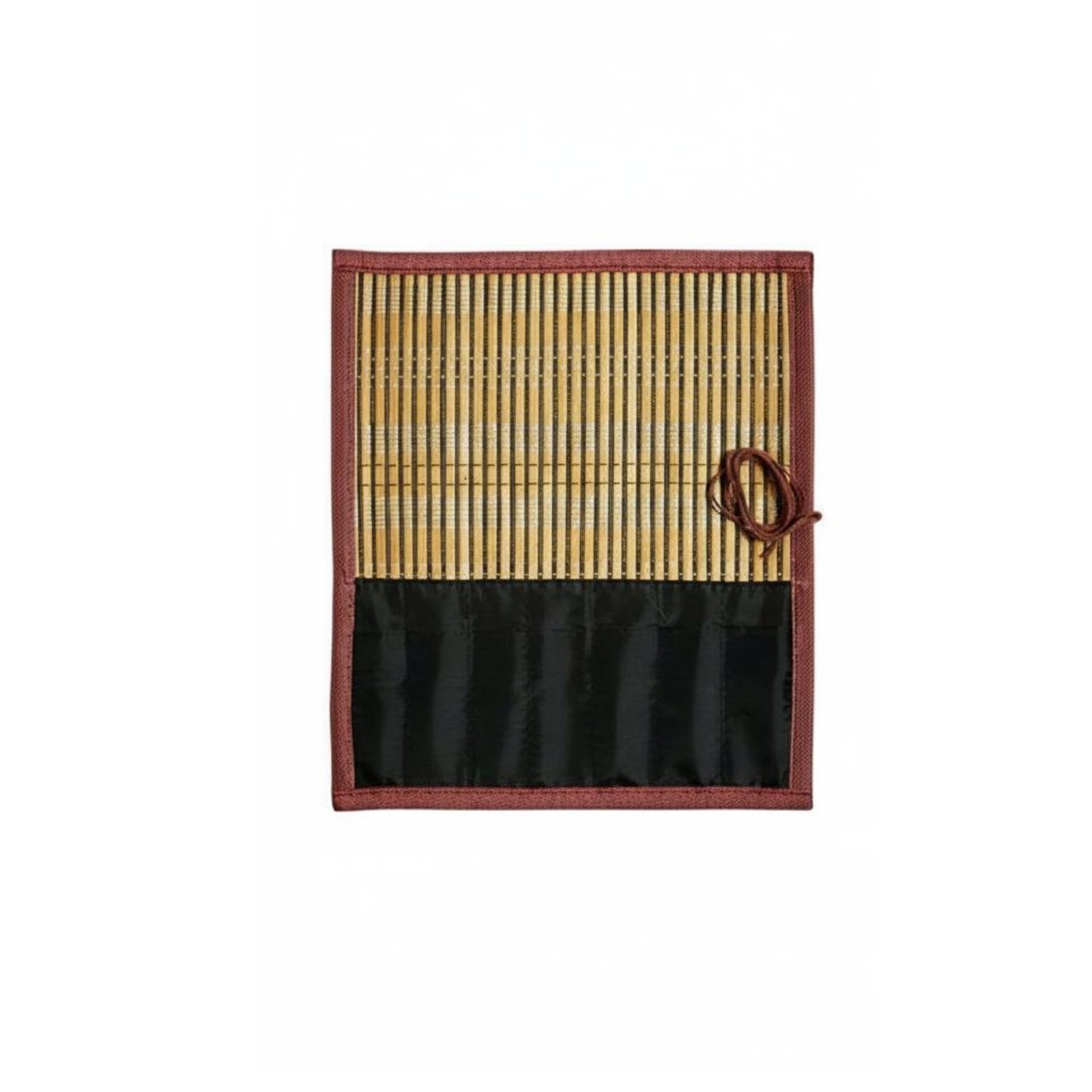
For brush-based hobbies, long tools store better in formats that protect tips and keep lengths separate. Calligraphy Brush Roll is a bamboo roll with divided compartments and a tie strap, so it suits artists who need to store brushes compactly and carry them without crushing the ends.
When choosing among these formats, think about your habits first. Visible storage helps if you forget what you own, while enclosed storage helps if dust, spills, or shared living space are the bigger problem.
Build zones so the pieces work together
A small craft setup works better when each organizer has one job. Instead of expecting one product to hold everything, combine a few complementary types into zones: one for tiny parts, one for active tools, one for transport, and one for overflow or specialty supplies.
For example, you might keep all tiny embellishments in Bead Storage Box with Lid and Bead Storage Container Transparent, place everyday brushes and pens in Nail Brush Organizer, and carry current project materials in Art Supply Storage Tote Bag. That setup keeps the table clearer because each kind of item returns to a predictable home.
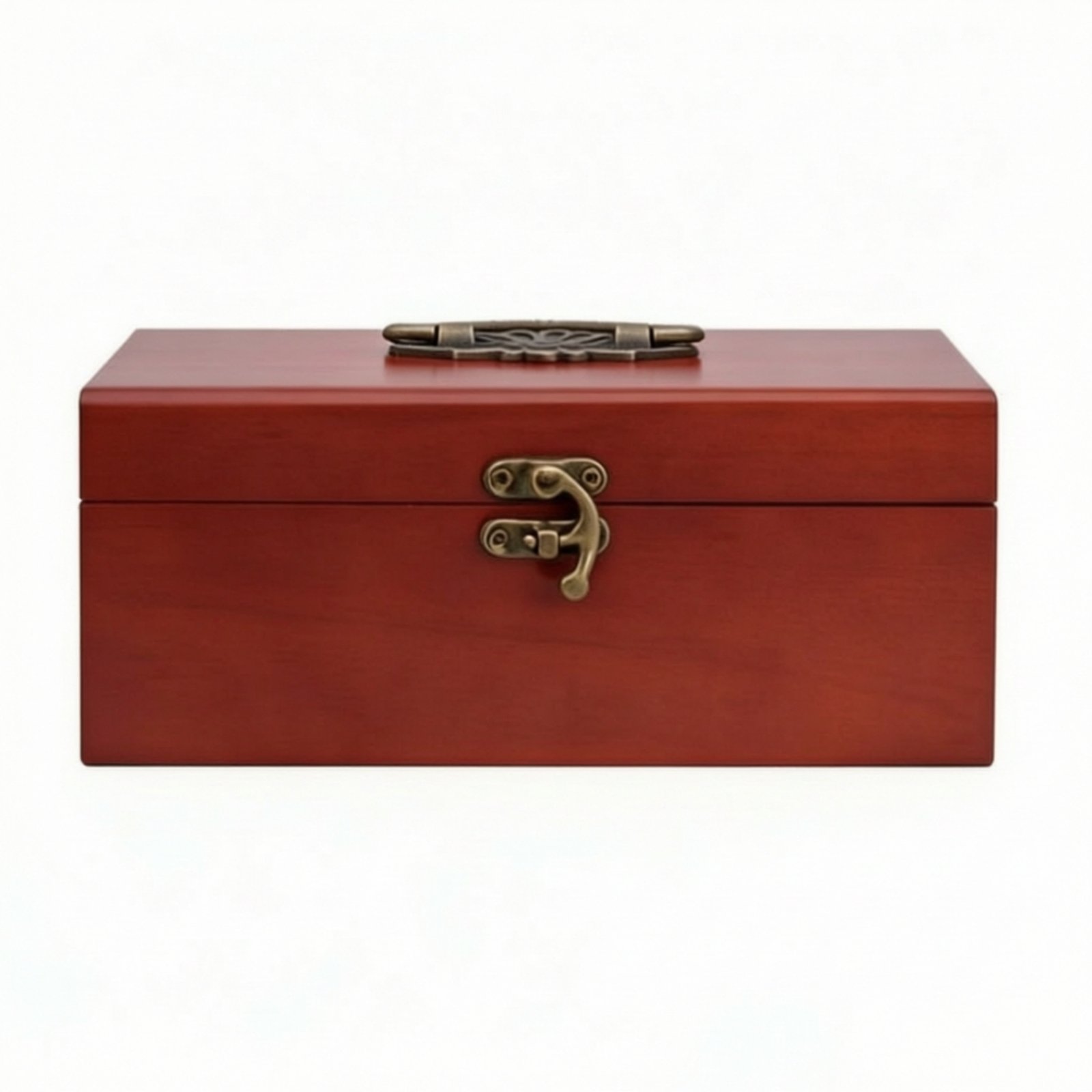
If you sew, a deeper box can hold fabric accessories, floss, and less-used tools, while a hanging organizer keeps the current essentials close at hand. Wooden Sewing Box with Handle has an interior compartment measuring 21.5 x 13 x 9.5 cm, so it makes sense as a home base for supplies that do not need to stay out all the time, while Sewing Machine Side Storage Box handles the items you reach for during a session.
The same logic applies to art supplies. A brush roll protects and groups long tools, a desk holder keeps the tools in current use upright, and a tote gathers a project when you need to put everything away quickly. Small-space organization is really about reducing decision-making: when each item type has one obvious home, cleanup gets faster and clutter stops spreading.
Common mistakes to avoid in a small craft area
The most common mistake is buying one big container first and hoping it will solve everything. Large open bins often hide small items, create tangled tools, and force you to empty half the container just to find one thing.
Another mistake is choosing opaque storage for tiny supplies you need to identify quickly. Clear organizers such as Bead Storage Box with Lid and Bead Storage Container Transparent are useful because visibility reduces duplicate buying and wasted time searching.
Avoid filling your main work surface with storage that could live above, beside, or off the edge of the table. A side-hanging option like Sewing Machine Side Storage Box or a compact upright holder like Nail Brush Organizer often improves workflow more than adding another box on the desktop.
Do not mix delicate long tools with heavy metal items or bulky supplies. Brush tips, pens, and similar tools stay in better condition when stored in a dedicated holder or roll such as Calligraphy Brush Roll instead of loose inside a crowded box.
Finally, do not organize by vague labels like craft stuff or misc. Organize by task and frequency instead: current tools, refill stock, tiny findings, cutting tools, and travel kit. That simple structure is easier to maintain, especially in apartments, shared rooms, and temporary workspaces.
A typical kit
- Art Supply Storage Tote BagPortable main caddy for current projects, with pockets that separate grab-and-go tools from bulkier supplies.
- Bead Storage Box with LidClear divided box for beads, buttons, findings, and other tiny items that should not mix together.
- Bead Storage Container TransparentMini lidded case for very small parts, leftovers, or specialty items you want contained inside a drawer or tote.
- Nail Brush OrganizerDesktop holder that keeps brushes and pen-shaped tools upright or laid in place so they stay visible and do not roll away.
- Sewing Machine Side Storage BoxSide-mounted organizer that moves everyday sewing or craft tools off the tabletop to free working room.
- Calligraphy Brush RollProtective roll for brushes and other long tools when you need compact storage or safe transport.
- Wooden Sewing Box with HandleDeeper home-base box for overflow supplies and less-used sewing or handwork tools kept off the desk until needed.
Questions people ask
What is the first step if my supplies are already piled together?
Start by making only a few categories: tiny loose pieces, everyday tools, long delicate tools, and project materials. Once you see those groups, it becomes much easier to match each one to a container type instead of trying to solve the whole mess at once.
Should I use one large organizer or several smaller ones?
Several smaller organizers usually work better in a small space because they prevent mixing and let you store items where they are actually used. One large box can still be helpful for overflow or transport, but tiny parts and active tools usually need their own dedicated storage.
Are clear containers really better for craft supplies?
For small parts, yes, because visibility saves time and reduces accidental duplicates. If you prefer hidden storage for a tidier look, consider keeping clear boxes inside a drawer, cabinet, or tote so you get both quick identification and a cleaner room.
How do I keep my desk usable when I craft in a shared space?
Prioritize organizers that store upward, hang off the side, or pack away quickly after a session. A portable tote for the active project, plus a tool holder or hanging organizer for the items in use, makes cleanup much faster when the table needs to return to everyday use.
What is the best way to store brushes and pens without damaging them?
Keep them in a holder or roll designed to separate long tools rather than tossing them into a deep box with heavy items. That helps prevent rolling, bent tips, and the frustration of digging through clutter every time you need one brush.
Shop the list
Everything mentioned above
Prices and delivery windows are live from our catalog.
Art Supply Storage Tote Bag
Bead Storage Container Transparent
Bead Storage Box with Lid
Nail Brush Organizer
Calligraphy Brush Roll
Wooden Sewing Box with Handle
Sewing Machine Side Storage Box