Buying guide · Boating & Diving
How to choose an anchor for a kayak or small boat
Short answer
Choose an anchor by matching the anchor style to the bottom and water conditions you actually use, then make sure the rest of the setup lets you deploy, retrieve, and secure it safely. For most kayaks and small boats, that means picking either a compact folding anchor for general holding or a sand anchor for beach and shallow water, then adding the right connection, tie-down, and retrieval pieces.
Start with the bottom and the kind of boat you use
The right anchor depends less on looks and more on where you stop: mud, sand, weeds, rock, river current, or a calm cove. For a kayak or very small boat, a compact anchor is usually easier to store and handle, while a larger small-boat setup may benefit from bow-mounted hardware that keeps the line and anchor path controlled.
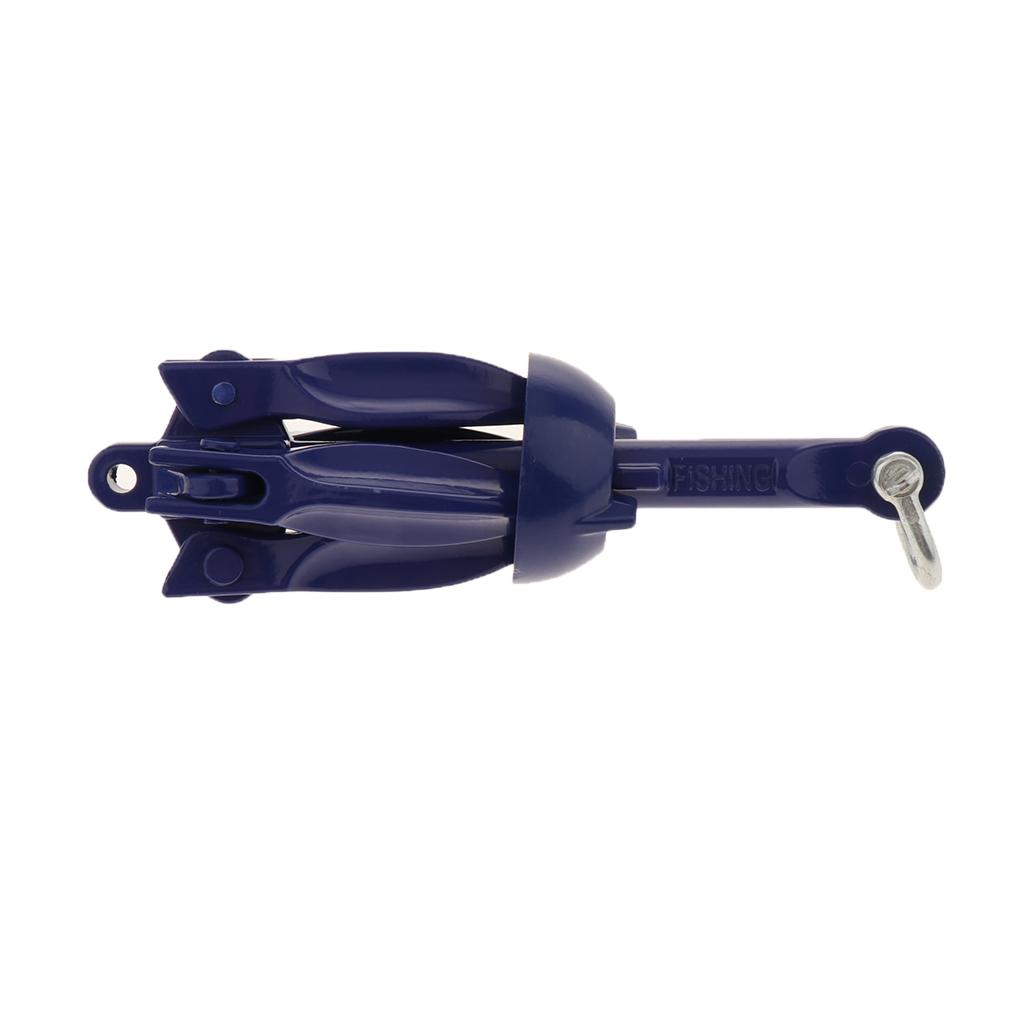
A folding option such as Aluminum Folding Anchor System makes sense when you want a compact anchor for a canoe, kayak, raft, sailboat, or small fishing boat. Its listing also shows a compact package size of 18 x 8 x 5 cm and package weight of 0.25 kg, which is a reminder that small craft usually need gear that is easy to stow and carry.
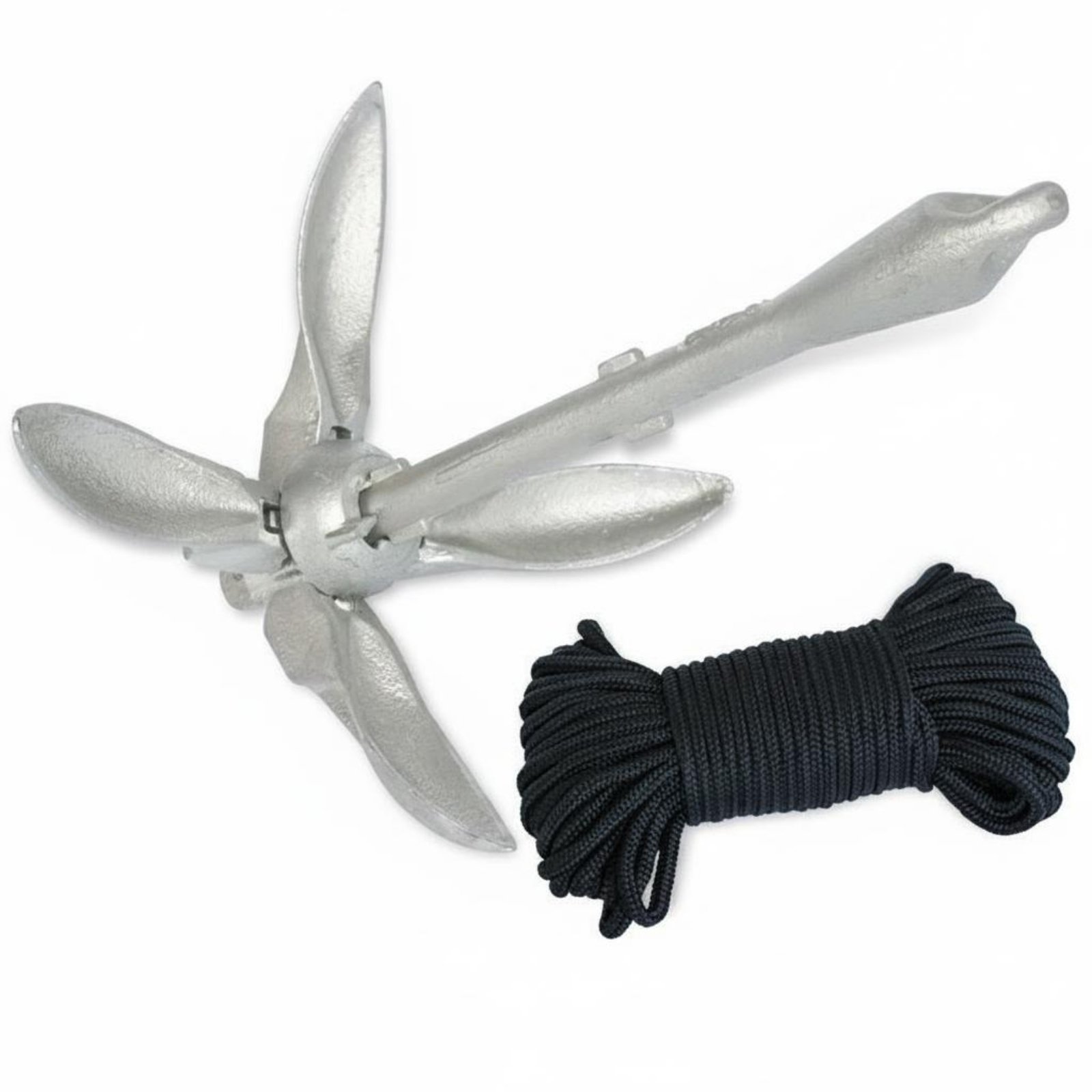
If you use an inflatable or other small craft in rivers, harbors, or calm water, Inflatable Boat Anchor is a more complete anchor set with a foldable steel anchor, and the listing includes 20 meters of rope and a 3.2 kg anchor weight. That kind of ready-to-use package is helpful if you do not already have line and want a simple general-purpose setup.
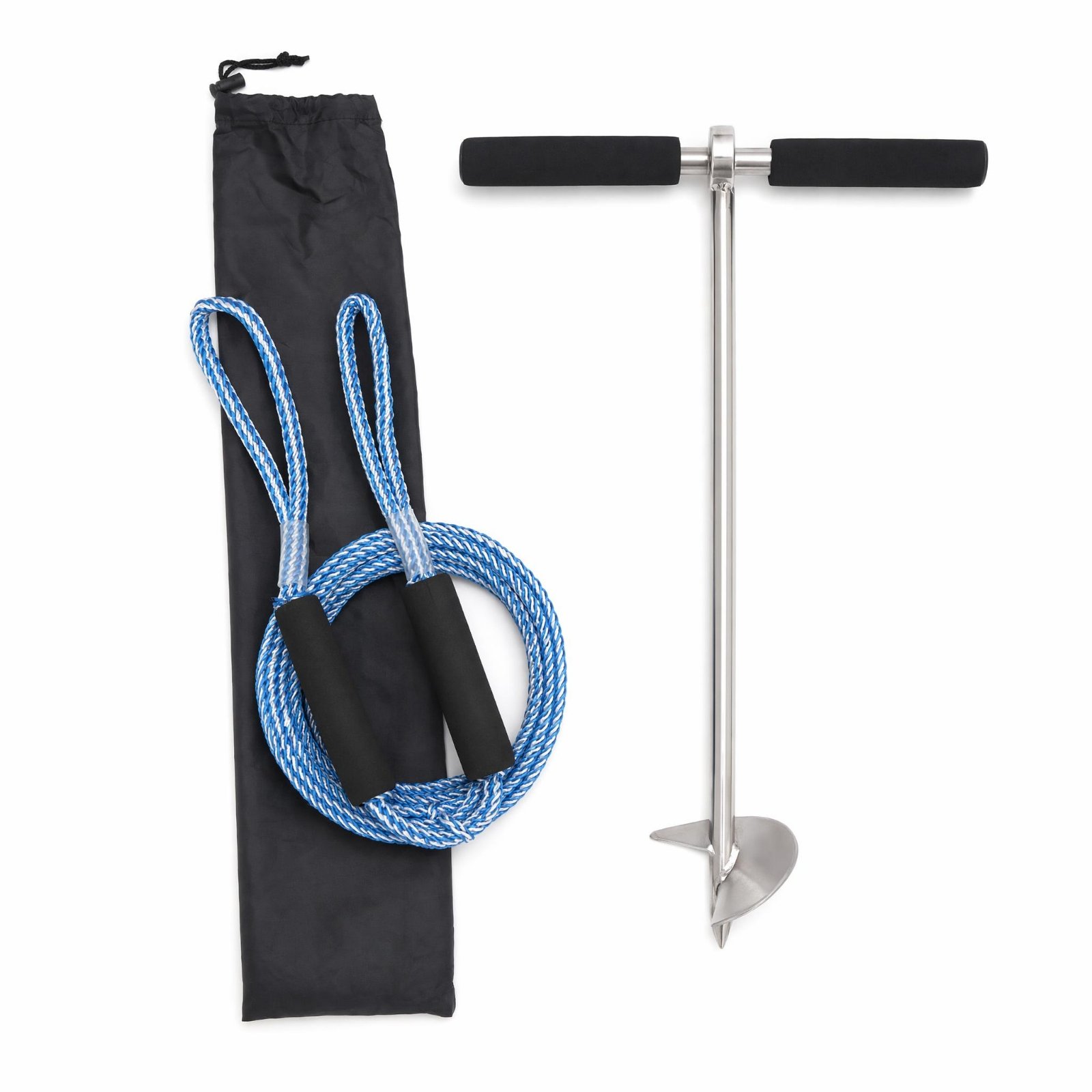
For beaching and shallow water, a sand anchor works differently from a traditional fluke or folding anchor. Stainless Steel Sand Anchor Kit is designed for shallow water and beach use, and its listing specifies an 18 inch shaft with a T-handle and pointed base, which is useful when you want to drive the anchor into sand instead of relying on a dragging anchor to set.
Choose the supporting hardware that makes anchoring easier
An anchor works as a system, not as a single part. You may need a connection fitting between anchor and line, deck attachment points for the line on a kayak, and sometimes a bow roller or bracket on a small boat so the anchor deploys and retrieves without scraping the deck edge.
A swivel connector helps when the anchor or line tends to twist during use. 316 Stainless Steel Anchor Connector is a 316 stainless steel anchor connector with a swivel design intended to join anchor line and chain more securely and allow smoother movement, which can reduce line twist and make retrieval less awkward.
For kayaks, attachment points matter because the line must lead to a secure spot on deck. Boat Pad Eye 5mm gives you 6 pieces of pad eyes in a 5 mm size, which can be useful for tie-down points or routing an anchor line on a kayak if the hull already supports that kind of hardware.
On a small boat with a bow anchor setup, a roller bracket can protect the hull edge and guide the anchor. 316 Stainless Steel Anchor Roller Bracket has a compact anchor roller that measures about 165 mm long and about 50 mm high at the roller section, so it is better suited to a modest bow area than oversized hardware would be. If you need a longer support style, Stainless Steel Anchor Bracket is listed at 390 mm long and 46 mm wide, which gives you another fit to compare against your bow space and anchor shape.
Some boat owners prefer a more substantial deck-mounted guide. Double-Roller Anchor Bracket is a double-roller bracket intended for anchors in the 5-10kg range, so it is generally more relevant to a small boat than to a kayak, and the listing should be checked carefully before choosing it for a compact craft.
Common mistakes to avoid
The most common mistake is buying by anchor style alone and ignoring how you will actually mount, stow, and retrieve it. A kayak angler who launches from a beach often needs a very different setup from a small skiff that stores its anchor at the bow.
Another mistake is assuming any metal fitting will match your anchor line or your boat layout. With connectors, rollers, and brackets, check the listing for dimensions, mounting pattern, and intended position on the boat, then compare those details to your bow, deck, and line setup before ordering.
Do not add heavy bow hardware to a kayak unless your boat truly has a place for it and you want that kind of permanent setup. Parts like 316 Stainless Steel Anchor Roller Bracket or Stainless Steel Anchor Bracket are more at home on a small boat with a defined bow mounting area than on a simple paddle craft.
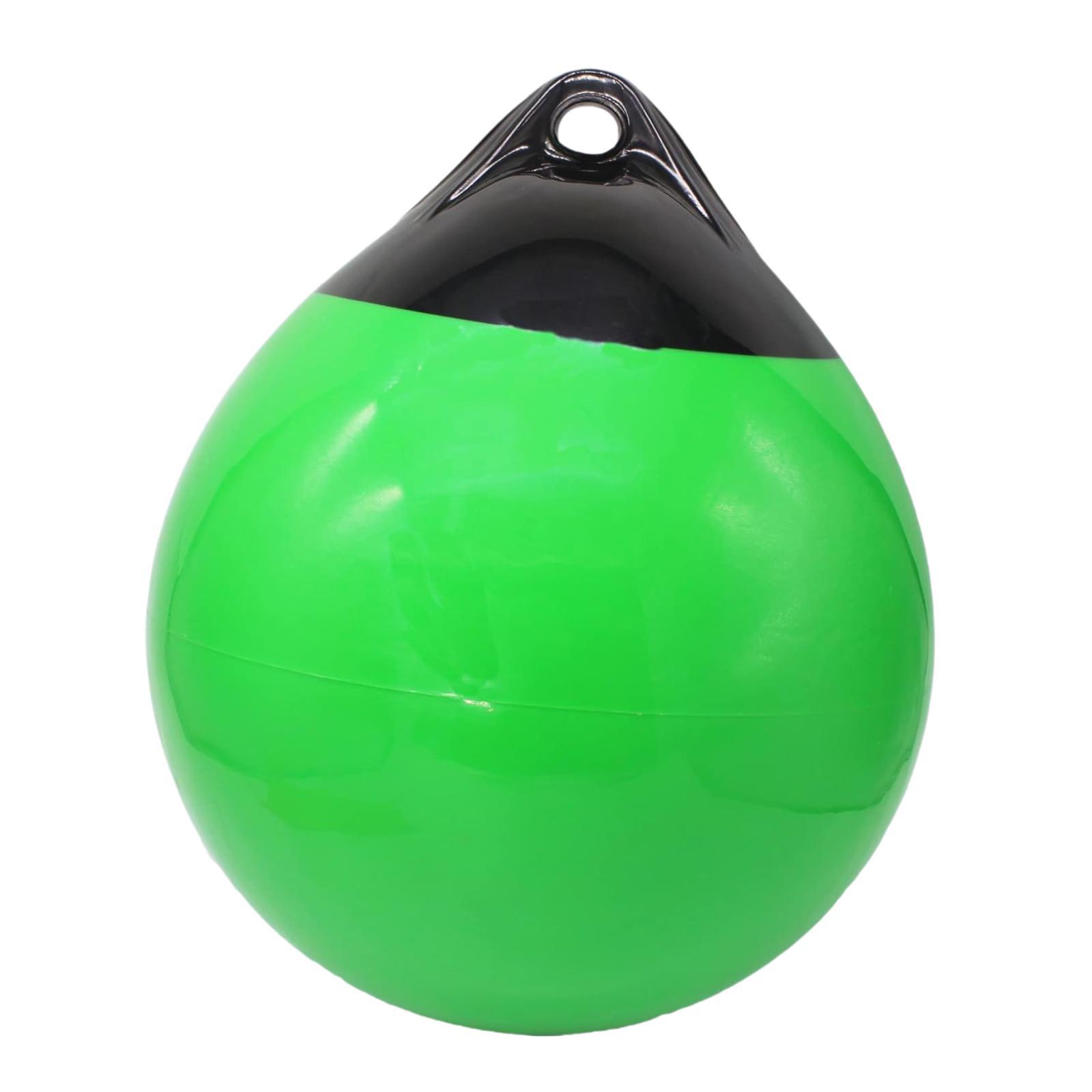
It is also easy to overlook retrieval aids. A buoy such as Boat Buoy Ball or PVC Boat Ball Float can help mark or manage an anchor line, but you should still confirm size, buoyancy, and how you plan to rig it instead of assuming any float will work the same way in every setup.
Finally, avoid guessing about conditions. If you mainly stop in soft sand, use a sand-specific option such as Stainless Steel Sand Anchor Kit; if you need a compact all-around anchor for a small paddle craft, start with a folding design such as Aluminum Folding Anchor System or a ready-made set such as Inflatable Boat Anchor.
How the pieces work together in a practical setup
For a basic kayak setup, the anchor provides holding power, the line runs to a secure deck point, and the whole system must be easy to release and retrieve. A simple approach is a compact anchor like Aluminum Folding Anchor System paired with secure tie-down points such as Boat Pad Eye 5mm, with a float added only if you want help spotting or recovering the line.
For shallow beach stops, Stainless Steel Sand Anchor Kit changes the system because it is pushed into the bottom instead of dropped and set like a conventional anchor. In that case, the included rope in the kit handles the connection job, and a buoy is optional rather than essential.
For a small boat with a bow anchoring position, the system is usually anchor, line, possible connector, and a bow guide. Inflatable Boat Anchor can serve as the anchor set, 316 Stainless Steel Anchor Connector can help manage connection and rotation if your setup benefits from a swivel, and 316 Stainless Steel Anchor Roller Bracket can guide the anchor over the bow more cleanly.
If you want a marker or retrieval helper, a float like Boat Buoy Ball can be added to the line system after you confirm the rigging method you want to use. The key is to build a setup that fits your craft, your storage space, and the bottom conditions you use most often, rather than copying a larger-boat arrangement onto a kayak.
A typical kit
- Aluminum Folding Anchor SystemCompact folding anchor for kayaks, canoes, rafts, and other small craft where storage space is tight.
- Inflatable Boat AnchorGeneral small-boat anchor set that includes rope, making it a straightforward starting point for calm water use.
- Stainless Steel Sand Anchor KitShallow-water and beach anchor for sand where a driven anchor is the intended style of hold.
- 316 Stainless Steel Anchor ConnectorSwivel connector that helps join anchor line and chain while reducing twist in the system.
- Boat Pad Eye 5mmDeck pad eyes that create practical tie-down or routing points for anchor line on a kayak.
- 316 Stainless Steel Anchor Roller BracketCompact bow roller bracket that guides anchor deployment and retrieval on a small boat.
- Boat Buoy BallAnchor buoy option for marking or helping manage an anchor line during retrieval.
Questions people ask
What anchor style is usually simplest for a kayak?
A compact folding anchor is usually the easiest starting point because it stores neatly and suits small paddle craft. Aluminum Folding Anchor System is the clearest example here because it is listed for canoe, kayak, raft, and similar small boats.
When should I choose a sand anchor instead of a regular anchor?
Choose a sand anchor when you mostly stop in shallow sandy areas or on the beach. Stainless Steel Sand Anchor Kit is built for that job, so it makes more sense there than a general folding anchor that is meant to grab by shape and weight.
Do I need a swivel connector for a small boat anchor?
Not always, but it can help if your line twists, your anchor rotates during retrieval, or you are using a line-and-chain arrangement. 316 Stainless Steel Anchor Connector is meant to improve that connection and allow smoother movement in the system.
Can I mount a bow roller on a kayak?
Usually only if the kayak has a suitable mounting area and you specifically want a more permanent bow setup. Hardware like 316 Stainless Steel Anchor Roller Bracket and Stainless Steel Anchor Bracket is generally more appropriate for a small boat bow than for a simple paddle craft.
What else do I need besides the anchor itself?
At minimum, you need a secure way to attach and manage the line on your craft. On a kayak that may mean deck attachment points such as Boat Pad Eye 5mm, while a small boat may also benefit from a connector and a bow guide depending on how the anchor is stored and deployed.
Shop the list
Everything mentioned above
Prices and delivery windows are live from our catalog.
Aluminum Folding Anchor System
Inflatable Boat Anchor
Stainless Steel Sand Anchor Kit
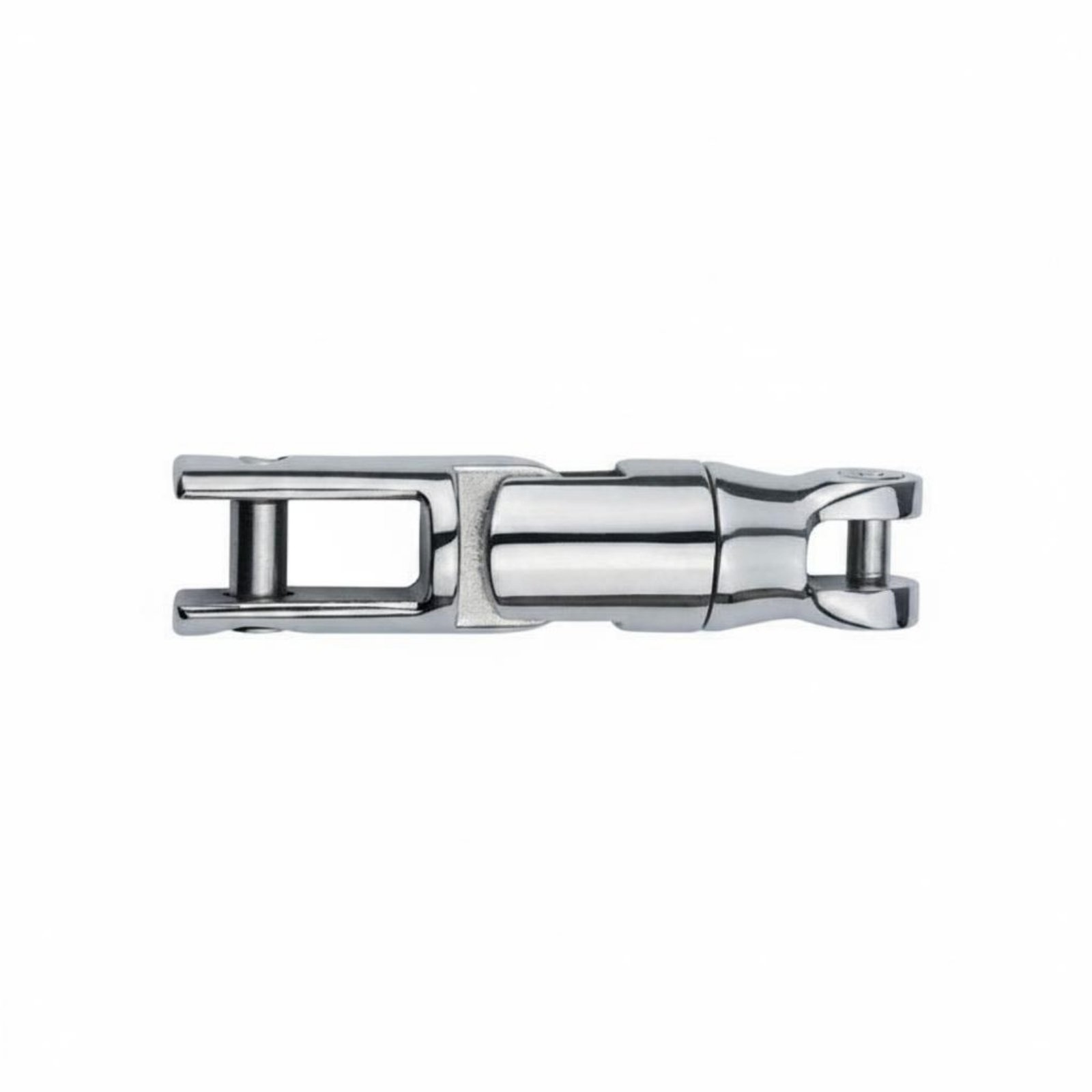
316 Stainless Steel Anchor Connector – 6-8 Three-pc
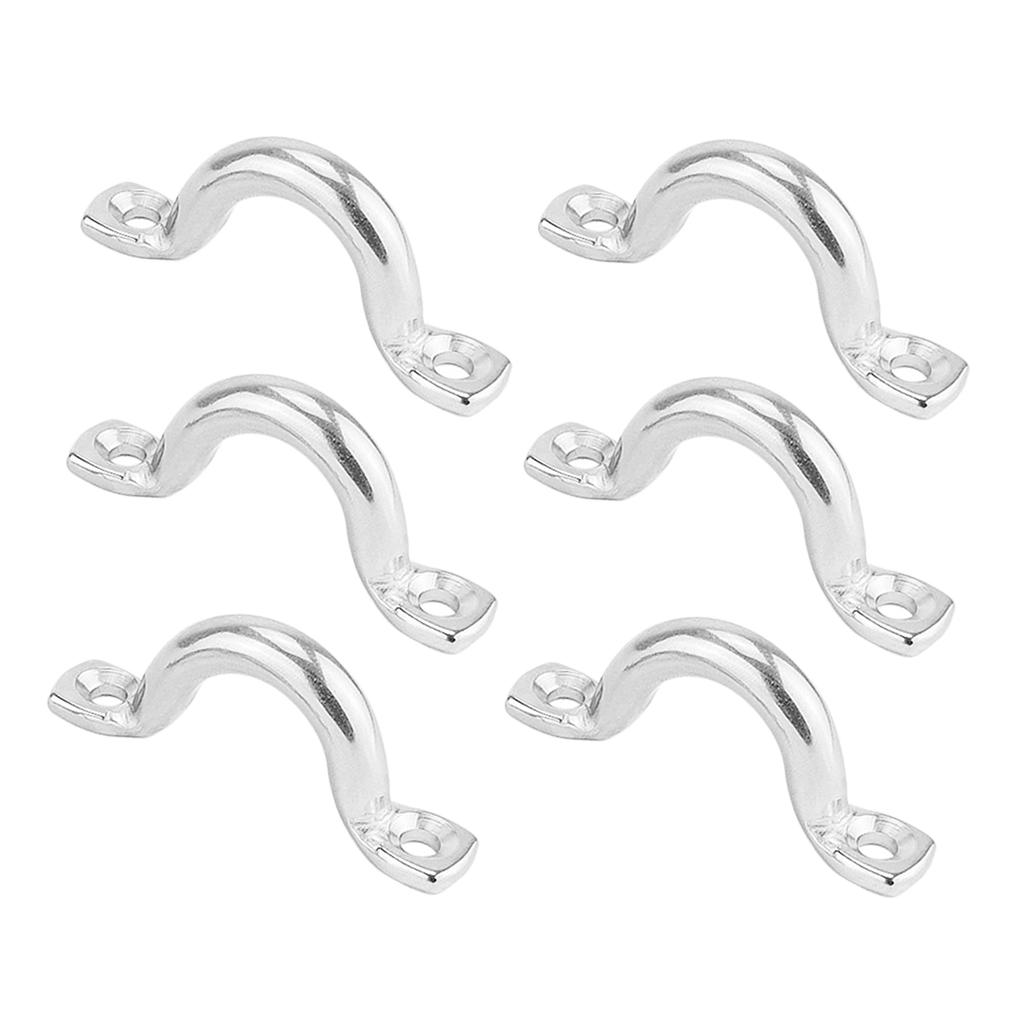
Boat Pad Eye 5mm
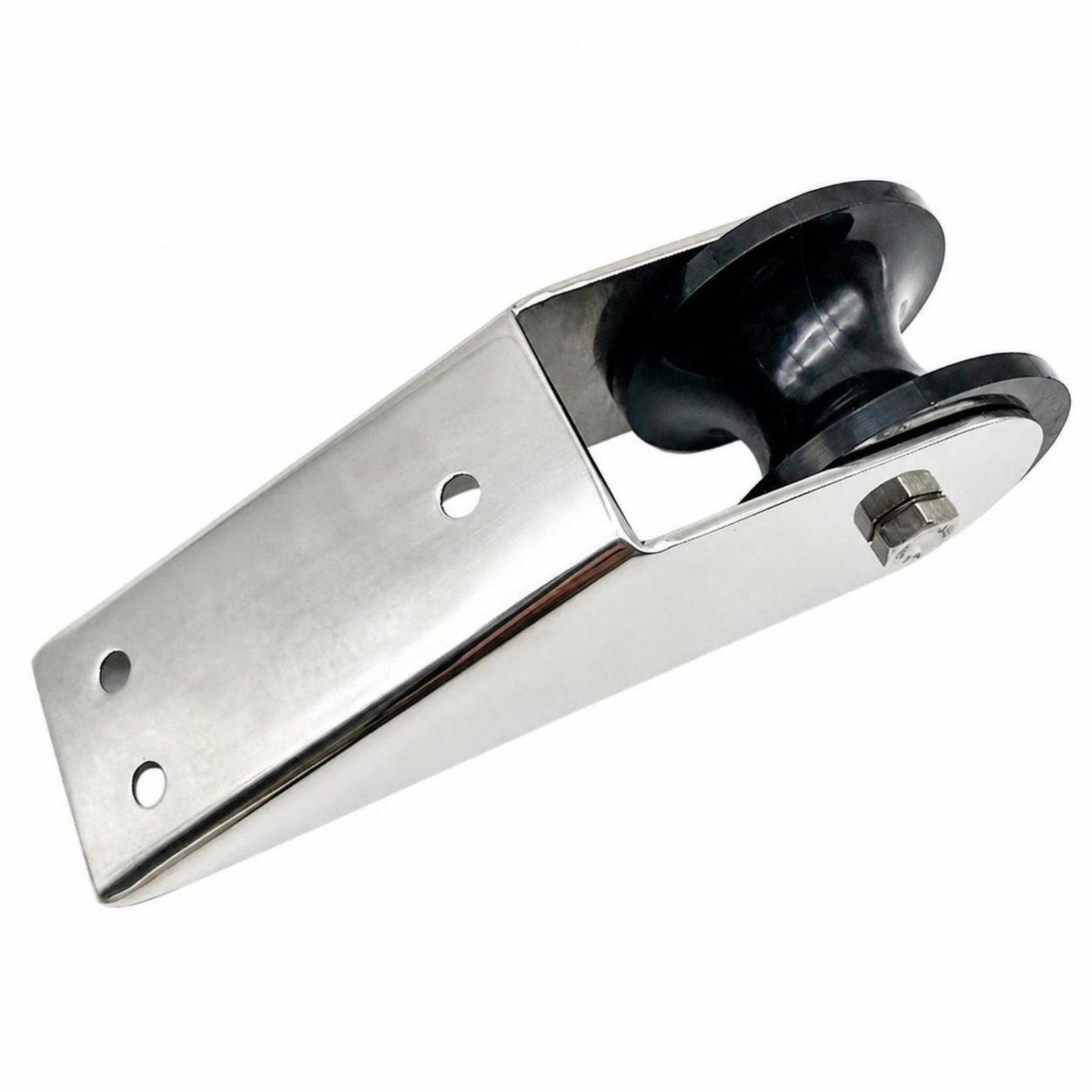
316 Stainless Steel Anchor Roller Bracket
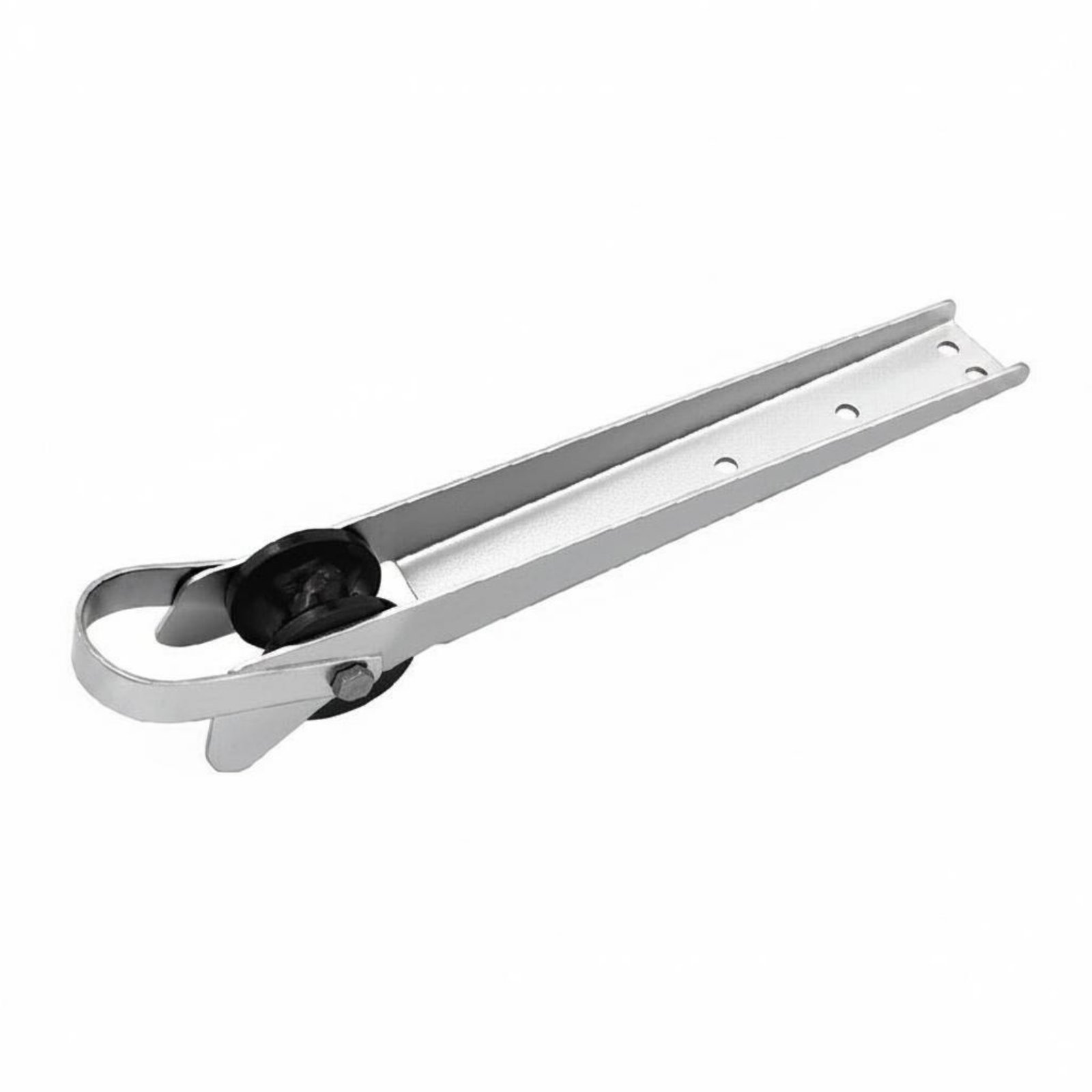
Stainless Steel Anchor Bracket
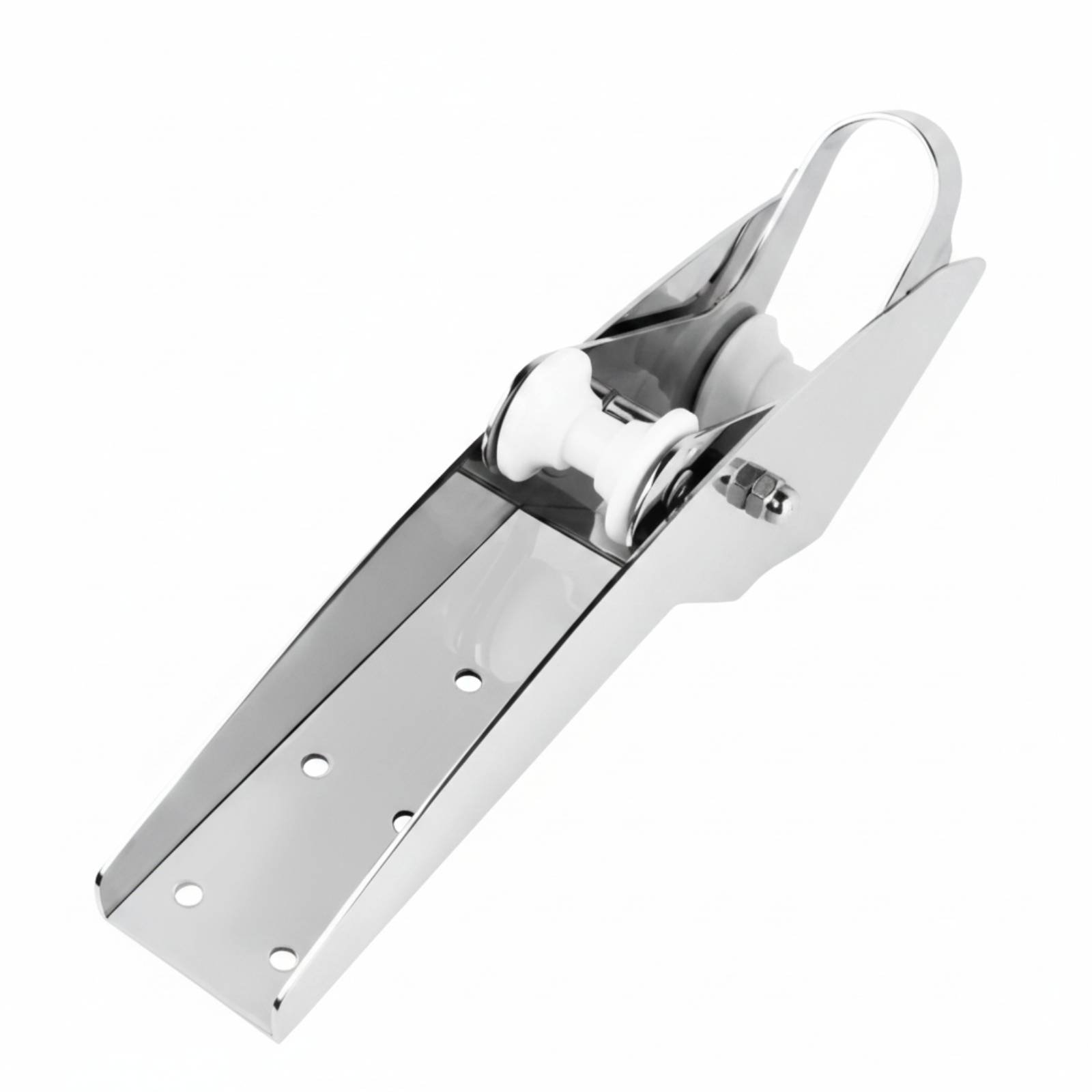
Double-Roller Anchor Bracket
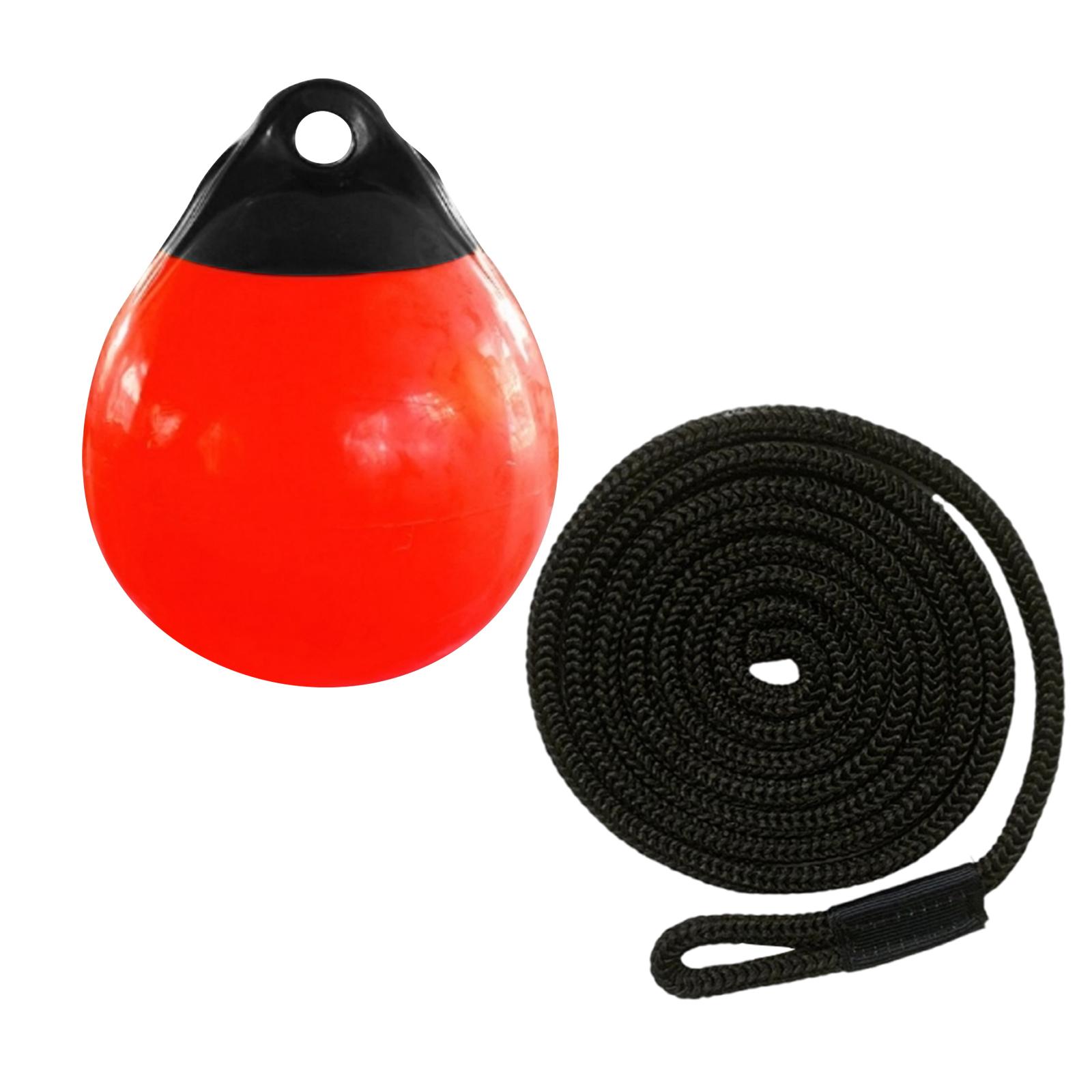
Boat Buoy Ball