Buying guide · Boating & Diving
How to choose a comfortable kayak or paddleboard seat for longer outings
Short answer
For longer outings, choose a seat that supports your back, stays planted on the deck, and matches how your kayak or board is rigged so you are not fighting posture or fit the whole time. A high backrest, secure adjustable attachment, and enough padding to spread pressure matter more than fancy extras, while a simple cushion works best only if you already have good back support from the craft itself.
Start with support, not just softness
Longer paddles get uncomfortable when your hips and lower back carry all the load, so the first thing to judge is how the seat supports your posture. A seat with a backrest is usually the better choice for touring, fishing, or casual all-day use because it helps you sit upright without constantly bracing your core.
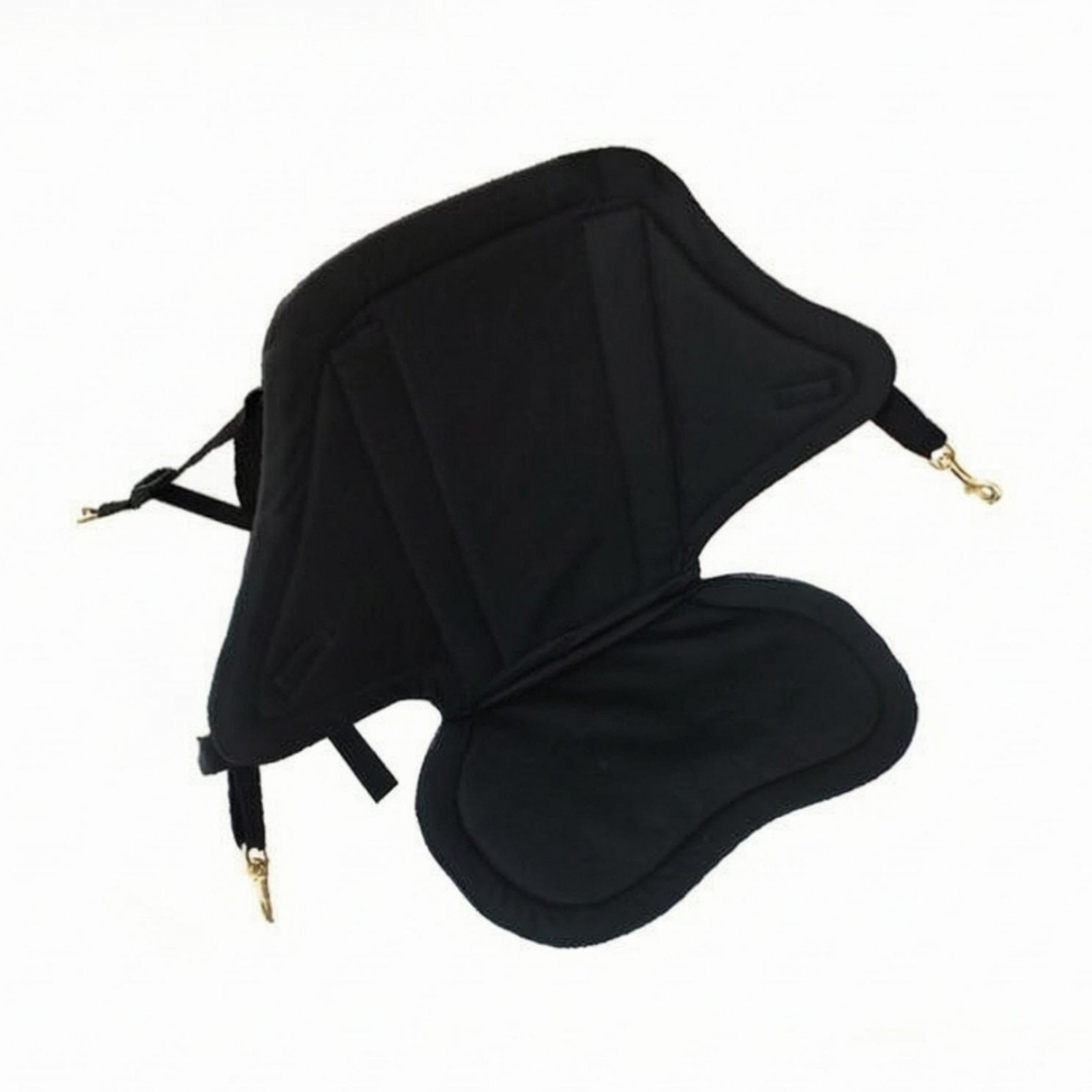
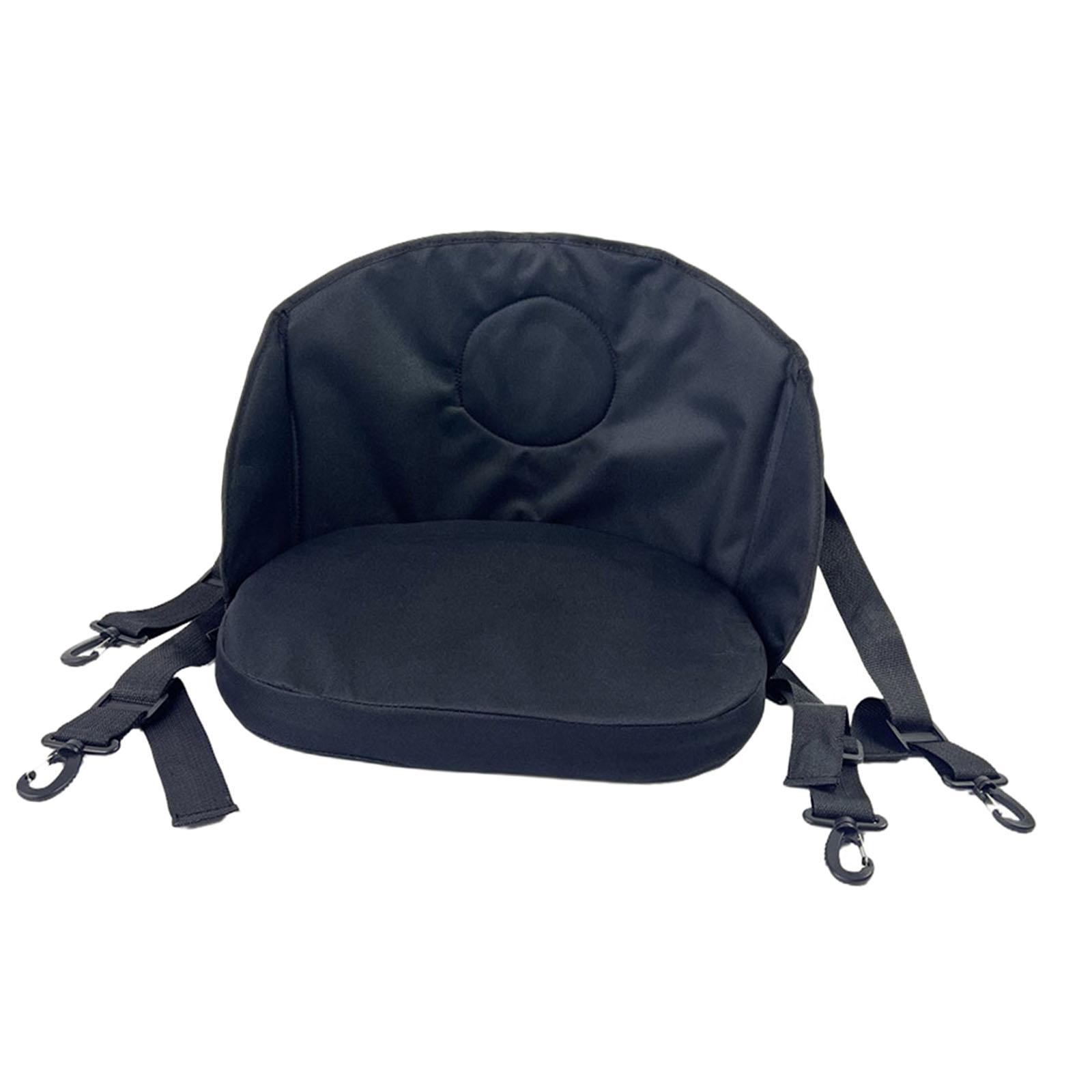
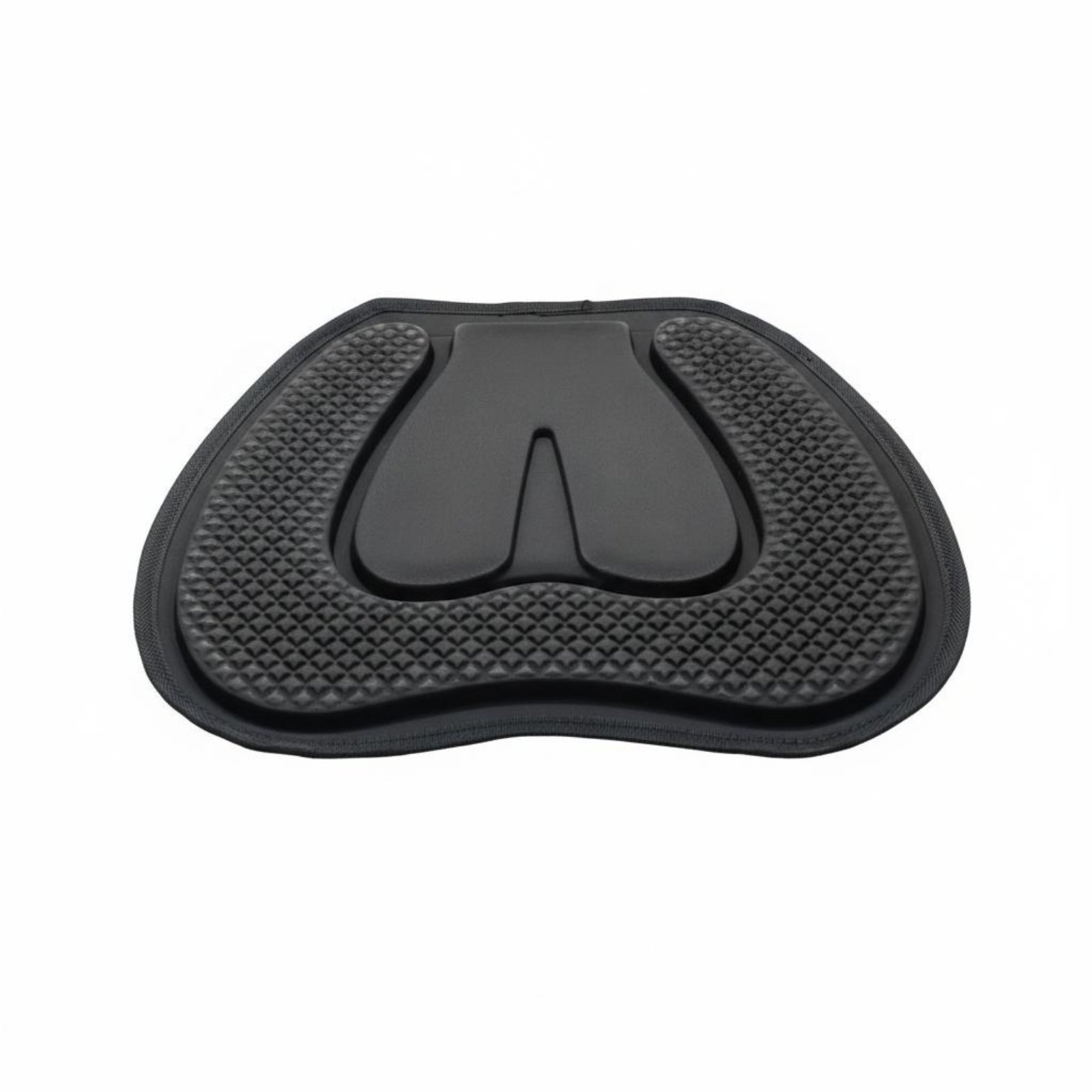
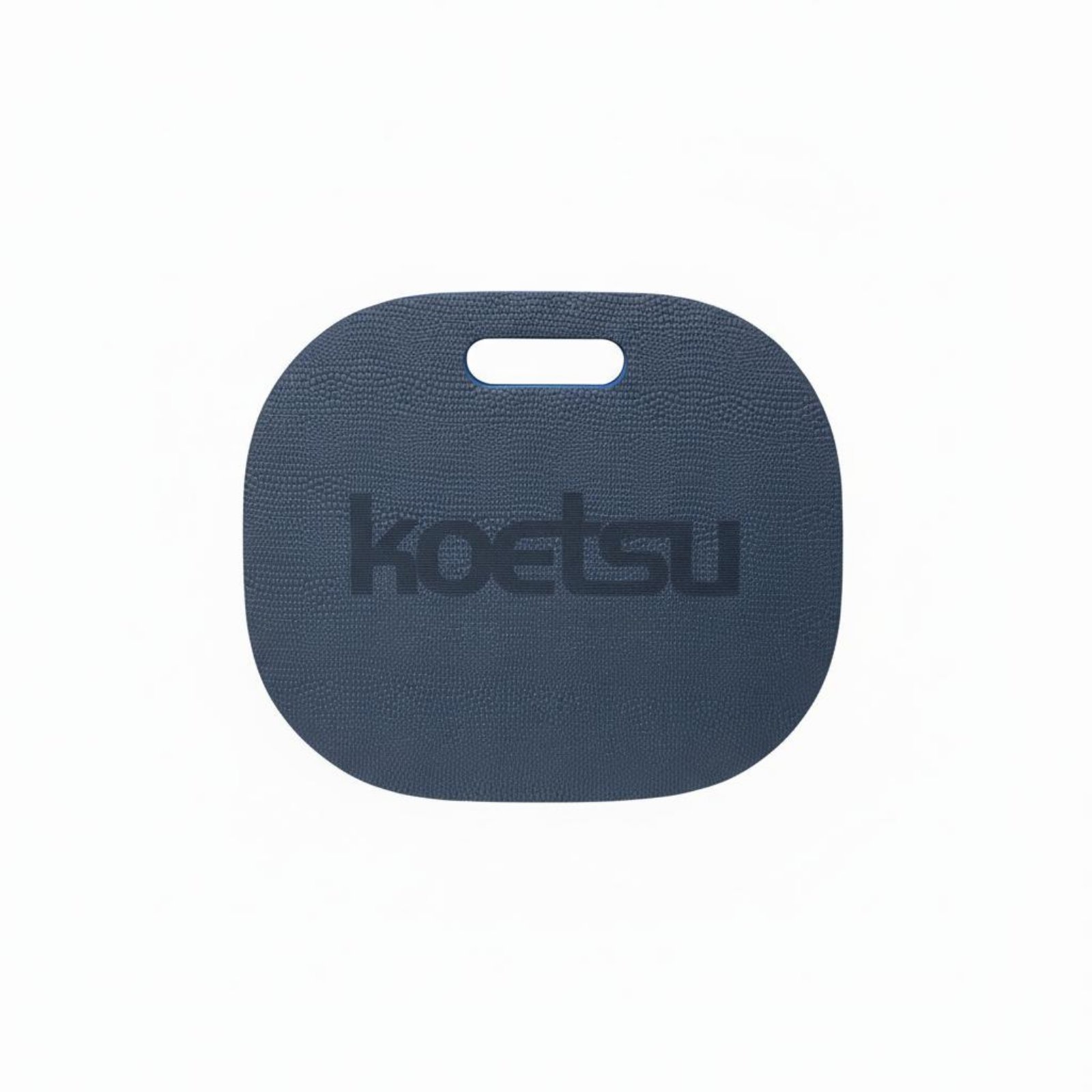
If you want a more traditional kayak-style setup, a back-support seat like Kayak Seat With Back Support or Padded Kayak Seat makes sense because both are meant to add upper-body support rather than only cushion the deck. If your craft already has a molded sitting area but feels hard, a pad like Kayak Seat Cushion can reduce pressure points, but it will not replace the posture help of a full backrest.
Inflatable styles can be a good match when portability matters. Inflatable Kayak Seat is described as easy to inflate and deflate, and Inflatable Kayak Seat Cushion adds a built-in pump and drain opening for faster setup and pack-down. Seats with non-slip or anti-slip surfaces, such as Inflatable Kayak Seat Cushion and Waterproof Paddleboard Seat, are especially helpful on wet boards because comfort drops fast if you keep sliding forward.
If you prefer a more structured sitting position, look at seats with a taller back or firmer frame support. High Back Kayak Seat is described with a tall contoured backrest, while Adjustable Kayak Seat uses an aluminum alloy frame and side tension straps to tune recline, which can feel more chair-like than a soft cushion.
Match the seat to your craft and attachment points
A comfortable seat still fails if it does not mount securely. Before you buy, check where your board or kayak has attachment points, how many straps the seat uses, and whether the seat is intended for a kayak, paddleboard, or both.
Many of these seats rely on straps and clips to stay in place. Adjustable Padded Kayak Seat has multiple straps and attachment points for adapting to different paddle craft, and Paddleboard Fishing Seat specifically mentions a universal attachment system with clips for most D-rings on inflatable stand-up paddleboards and kayaks. That makes them better choices when you need flexibility across more than one craft.
Seat shape also matters. Inflatable Kayak Seat Cushion is sized at about 45 x 48 x 11 cm with a 45 x 45 cm base, so it is worth comparing that footprint with your board deck or seating area before ordering. Detachable Kayak Backrest measures 62 cm wide and 67 cm high, with a 42 cm seat width, 38 cm upper width, 25 cm lower section, and 4 cm marked section, so it may suit paddlers who want broader back coverage but should still be checked against available deck space and your paddling stroke.
For paddleboards, stability is part of fit. A lower-profile inflatable or deck seat can feel more natural if you still want to switch positions, while a raised framed option can improve visibility for fishing but may feel less connected to the board. For kayaks, especially sit-on-top layouts, secure front and rear straps help keep the seat from shifting during turns and reentry.
Think about how the pieces work together on long trips
Comfort comes from the whole setup, not one part in isolation. Your seat, deck surface, attachment hardware, and paddling position all affect whether you finish the day relaxed or sore.
A full seat with back support spreads effort between your hips and back, while a separate pad mainly softens the base. For example, Kayak Seat Cushion uses dense EVA and a 4 cm three-layer thickened structure for shock absorption, so it is useful when the problem is a hard seat pan or deck. A back-support model such as Adjustable Padded Kayak Seat or Waterproof Paddleboard Seat does more to help posture during steady cruising, fishing, or photo stops where you remain seated for longer stretches.
Surface grip matters too. Inflatable Kayak Seat combines thick PVC construction with a non-slip EVA foam surface, and Waterproof Paddleboard Seat has an EVA anti-slip surface to help reduce sliding on wet watercraft decks. That grip works together with the straps: if either one is weak for your setup, you may keep readjusting instead of paddling.
Portability and setup affect real-world comfort more than many buyers expect. If you launch often and want quick transitions, inflatable seats like Inflatable Kayak Seat or Inflatable Kayak Seat Cushion are easier to carry and store. If you mostly fish or stay seated in one position, a more rigid option like Adjustable Kayak Seat may be worth the extra bulk because the recline and elevated support can feel steadier once installed.
Common mistakes to avoid
The biggest mistake is buying for padding alone. Soft foam feels nice at first, but on longer outings poor back support, a bad seat angle, or weak attachment causes more fatigue than a firm seat that keeps you aligned.
Another common mistake is assuming any universal seat will fit every deck well. Even when a listing says universal, you should still compare the seat shape, strap layout, and your craft's tie-down points. This is especially important with seats like Paddleboard Fishing Seat, which depend on D-rings, and larger backrest cushions like Detachable Kayak Backrest, which take up more space.
Do not overlook surface grip and ventilation. A slick seat can force you to brace constantly, and a less breathable seat may feel clammy in warm weather. If airflow matters to you, Adjustable Padded Kayak Seat and Adjustable Kayak Seat both mention mesh-style or breathable mesh construction.
Finally, avoid overbuilding your setup if your use is simple. If you only need relief from a hard seat, a compact cushion like Kayak Seat Cushion may be enough. But if your main issue is back fatigue, go straight to a proper seat with back support rather than trying to solve it with a pad alone.
A typical kit
- Adjustable Padded Kayak SeatA versatile padded seat with backrest and multiple attachment points for paddlers who want secure support on longer trips.
- Padded Kayak SeatA padded back-support seat for sit-on-top kayaks, canoes, fishing boats, and even paddleboards when you want a simpler strap-on option.
- Waterproof Paddleboard SeatAn inflatable backrest seat with anti-slip surface that suits wet paddleboard or kayak decks where grip matters.
- Paddleboard Fishing SeatA detachable paddleboard-oriented seat with adjustable straps and clips for boards that already have D-rings.
- Adjustable Kayak SeatA framed chair-style seat for buyers who want more elevated, tunable support for fishing or long seated sessions.
- Kayak Seat CushionA thick EVA cushion for reducing pressure on hard seating areas when you do not need a full backrest.
Questions people ask
Is a high back seat always better for long outings?
Usually, a higher backrest helps on long trips because it supports your upper body and reduces the effort needed to sit upright. It is not always better for aggressive paddling, though, because very tall backs can interfere with torso rotation on some setups. The right choice depends on whether comfort while cruising matters more than an unrestricted stroke.
Should I choose an inflatable seat or a padded fixed-shape seat?
Choose inflatable if easy storage, transport, and quick setup are important to you. Choose a more padded or framed seat if you want a more planted, consistent sitting position and do not mind carrying a bulkier item. For many paddleboard users, inflatable seats are an easy way to add comfort without taking much room when packed.
Can I use the same seat on both a kayak and a paddleboard?
Sometimes, but only if the attachment system works with both craft. Look closely at the straps, clips, and whether your board or kayak has compatible anchor points. A listing may say universal, but your actual deck layout still decides whether the fit will be secure and comfortable.
Do I need a separate cushion if I already have a seat with a backrest?
Not always. Many full seats already combine base padding with back support, so adding another cushion can raise you too much or make the setup less stable. A separate cushion makes more sense when the craft is hard underneath and your current seat still feels harsh after proper adjustment.
What matters most for paddleboard seats in choppy or wet conditions?
Grip and attachment security matter most because sliding around quickly becomes tiring and can affect balance. A non-slip or anti-slip surface helps, but the straps and clips need to hold the seat in the right position as well. On a board, a comfortable seat is really a system of deck traction, secure mounting, and back support working together.
Shop the list
Everything mentioned above
Prices and delivery windows are live from our catalog.
Kayak Seat With Back Support
Padded Kayak Seat
Kayak Seat Cushion – Blue
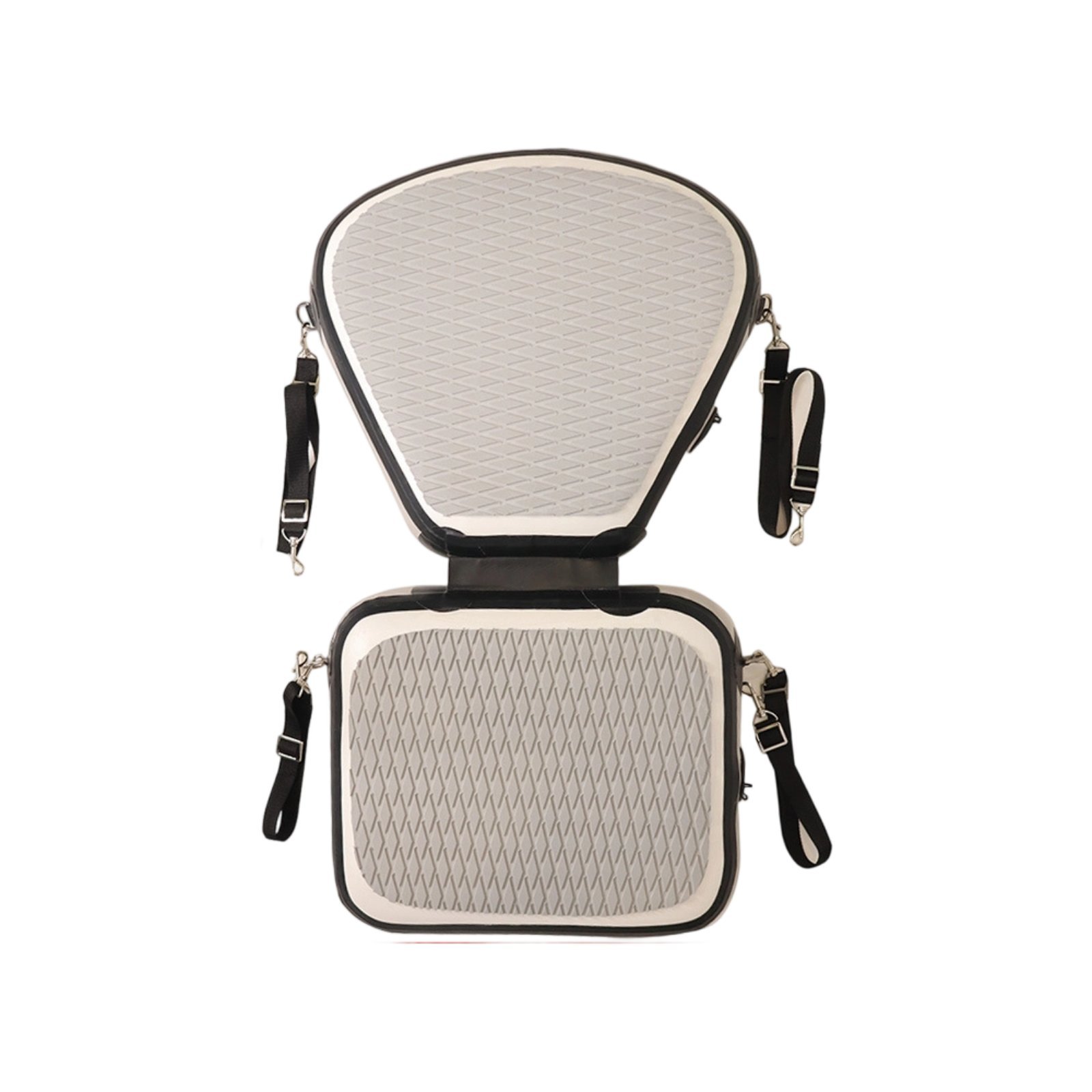
Inflatable Kayak Seat – Gray, Size L
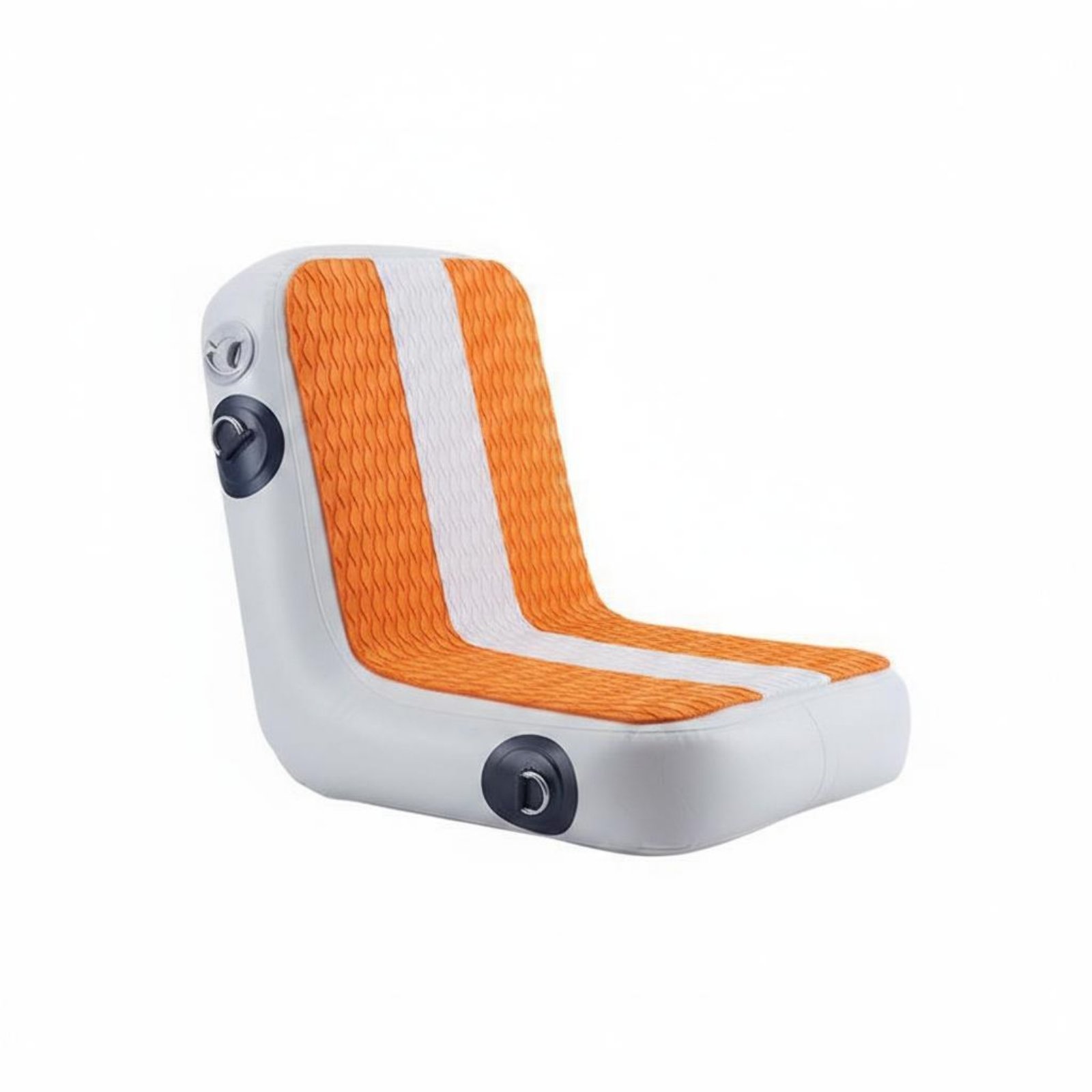
Inflatable Kayak Seat Cushion
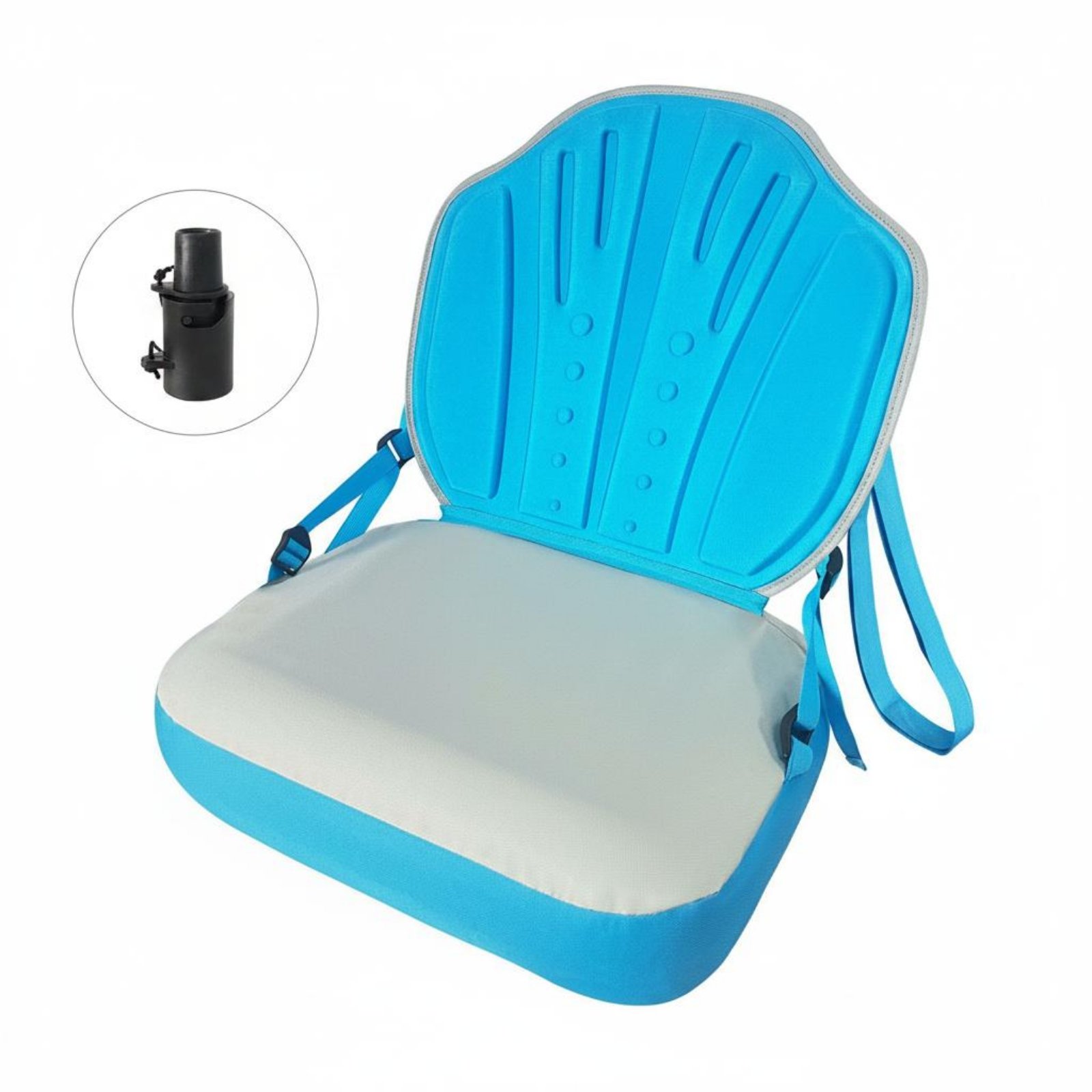
High Back Kayak Seat
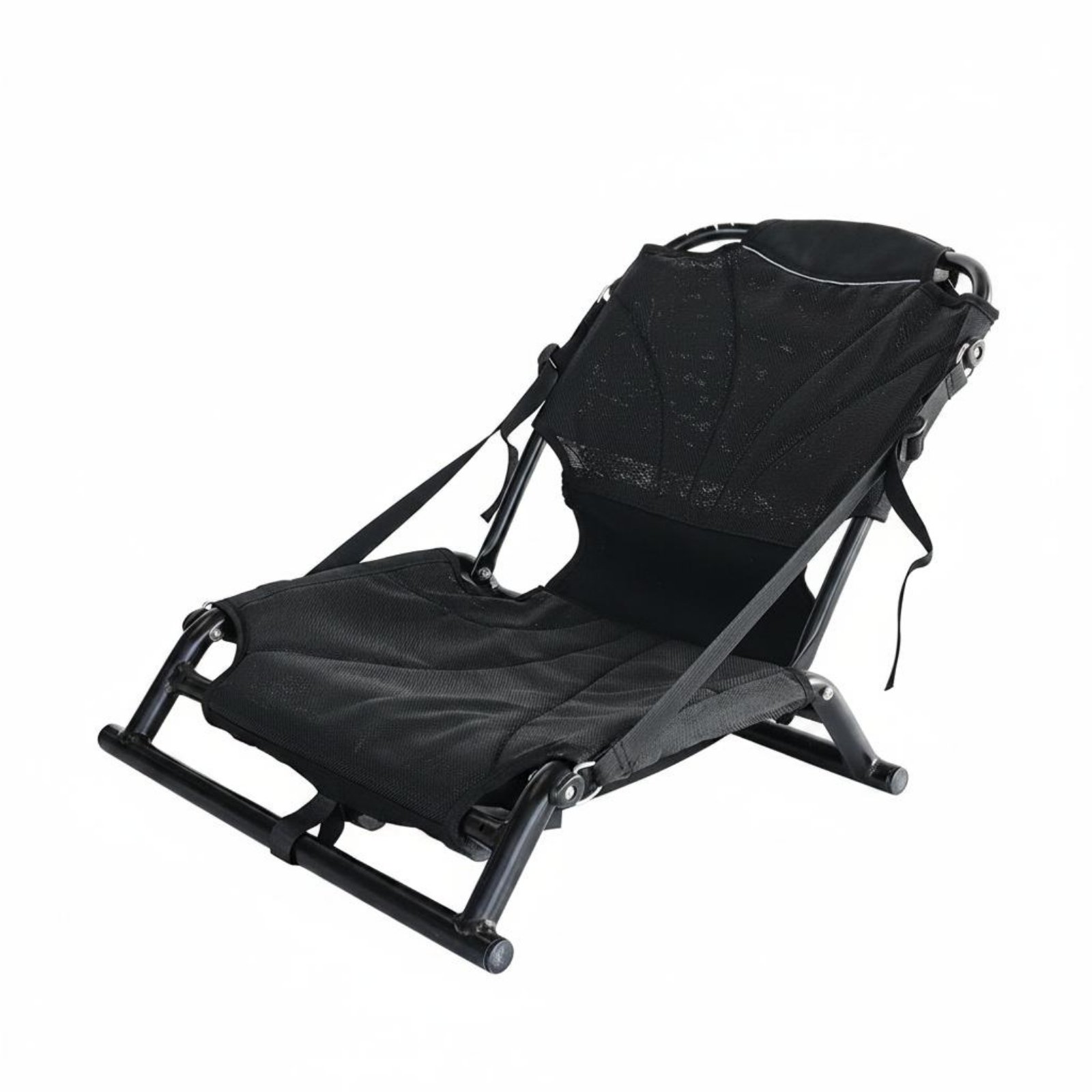
Adjustable Padded Kayak Seat
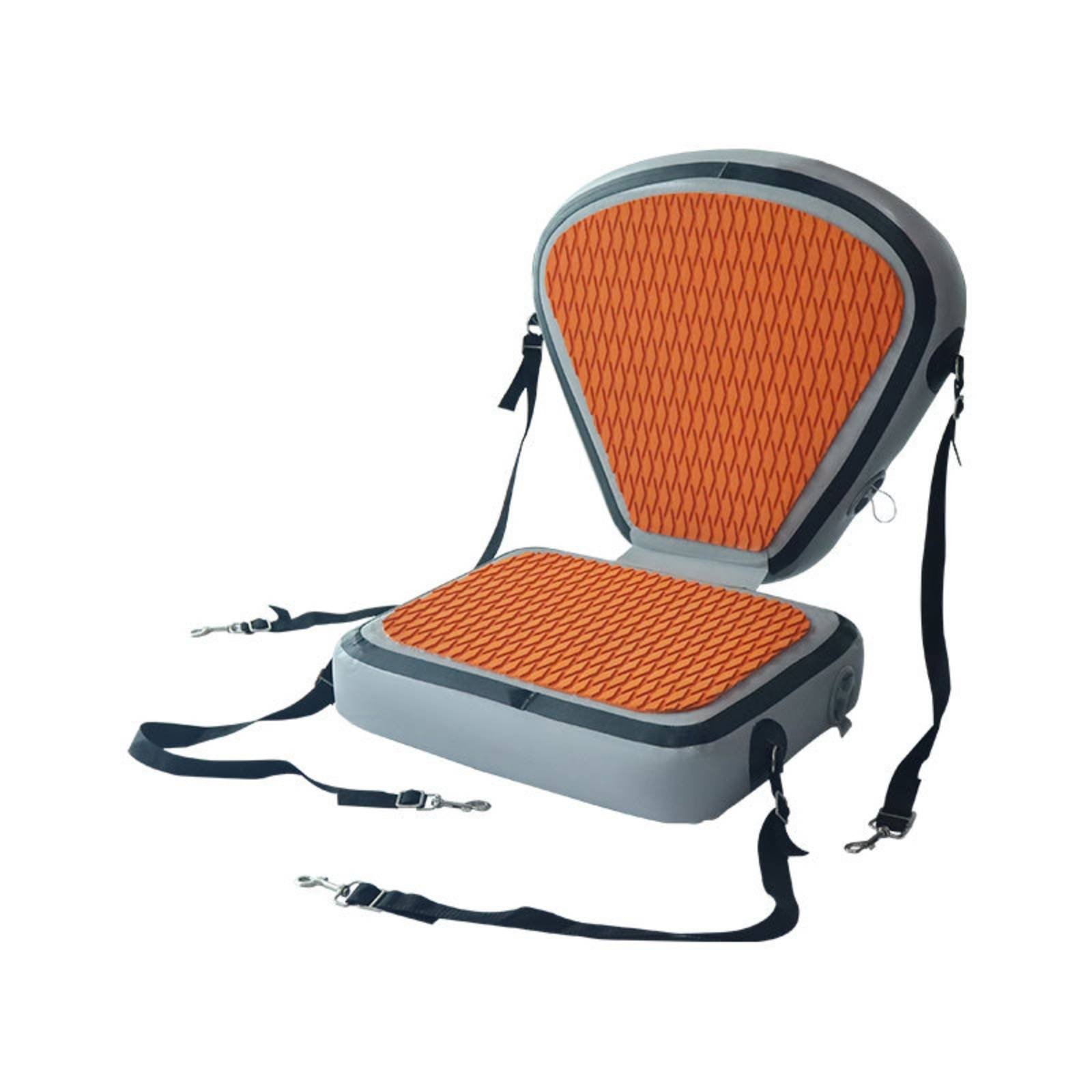
Waterproof Paddleboard Seat
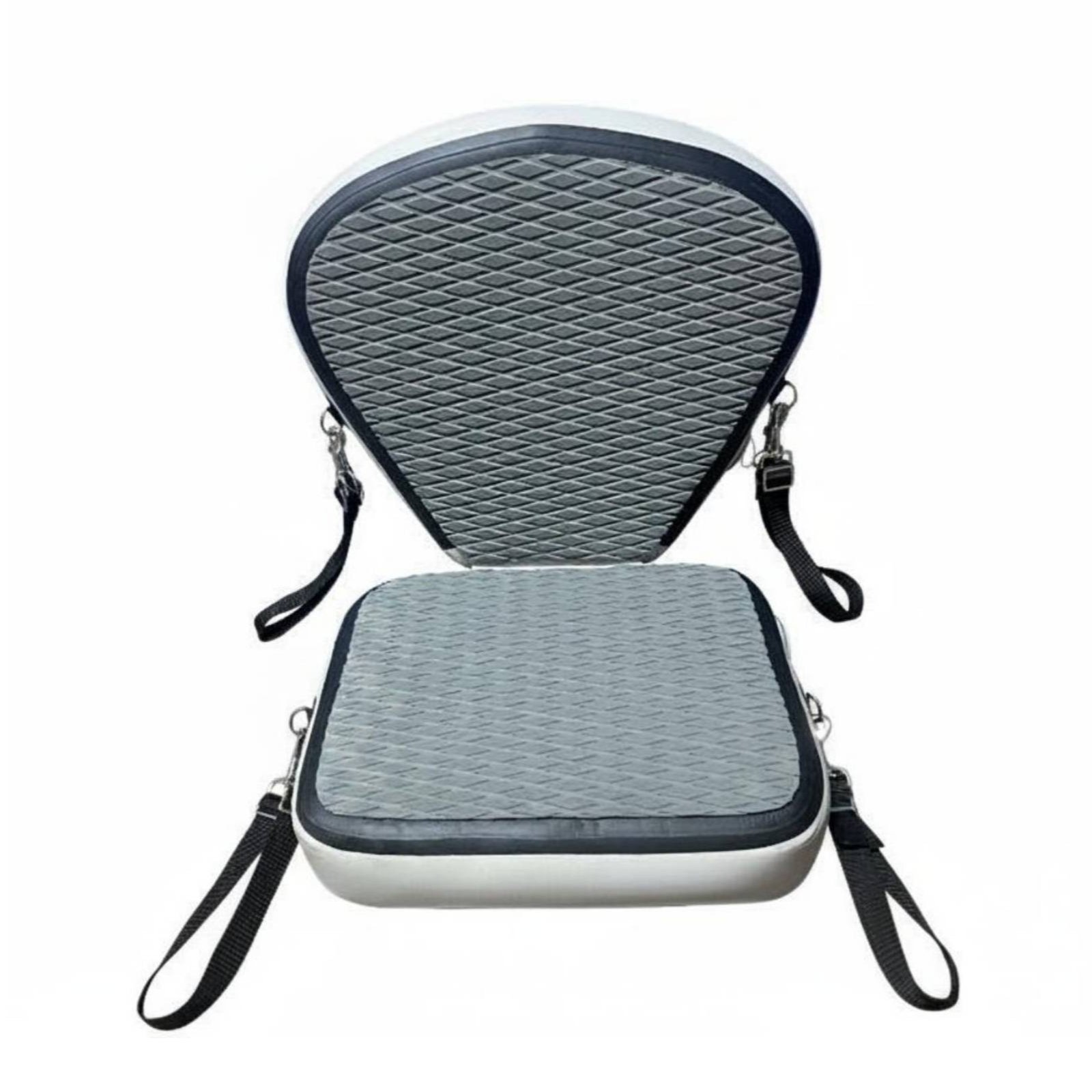
Paddleboard Fishing Seat
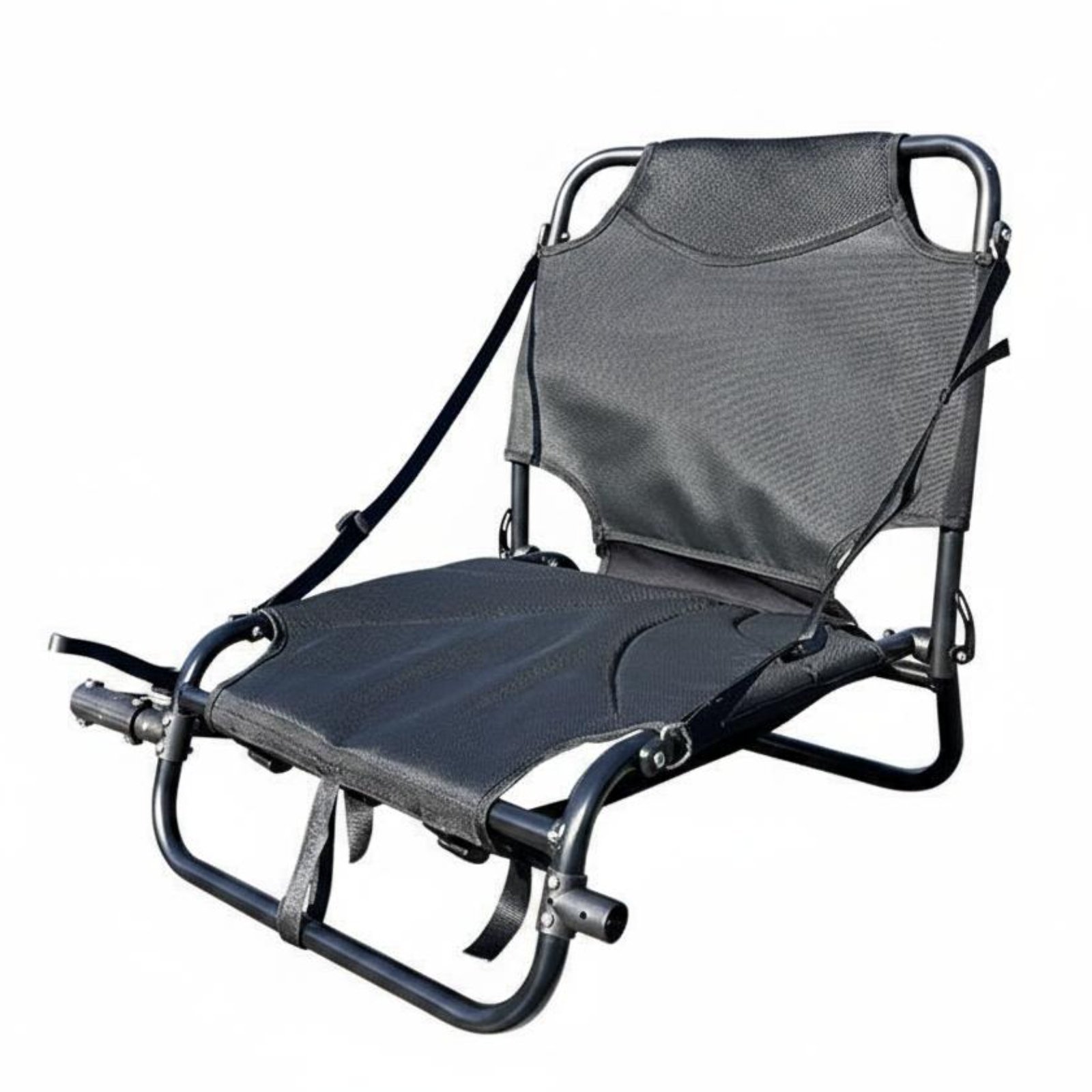
Adjustable Kayak Seat