Buying guide · Boating & Diving
How to choose a replacement propeller for a small outboard motor
Short answer
Choose a replacement propeller by matching the hub style and spline or tooth count first, then confirming the prop size and power range listed for your motor so the new part fits and loads the engine correctly. For a small outboard, a direct-fit aluminum or stainless prop matched to your motor’s intended horsepower range is usually the safest choice, while shafts and repair tools only matter if you are fixing damage beyond the prop itself.
Start with fit before you think about material
The first job is making sure the propeller will actually mount on your motor. Check the hub style, whether the center is splined or a round bore, and any tooth or spline count shown in the product description or your old prop. If those details do not match, the prop may not install at all or may fit loosely and wear quickly.
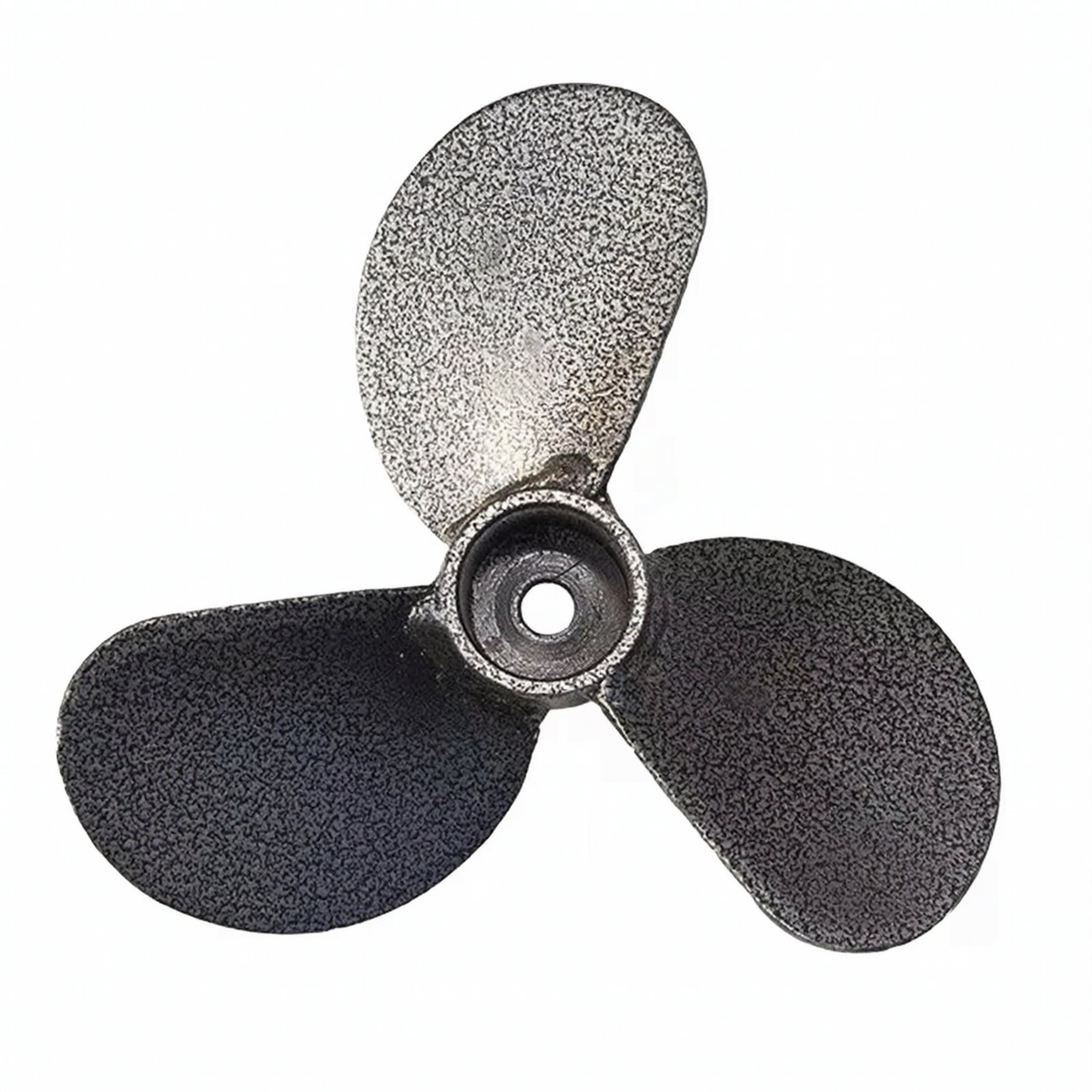
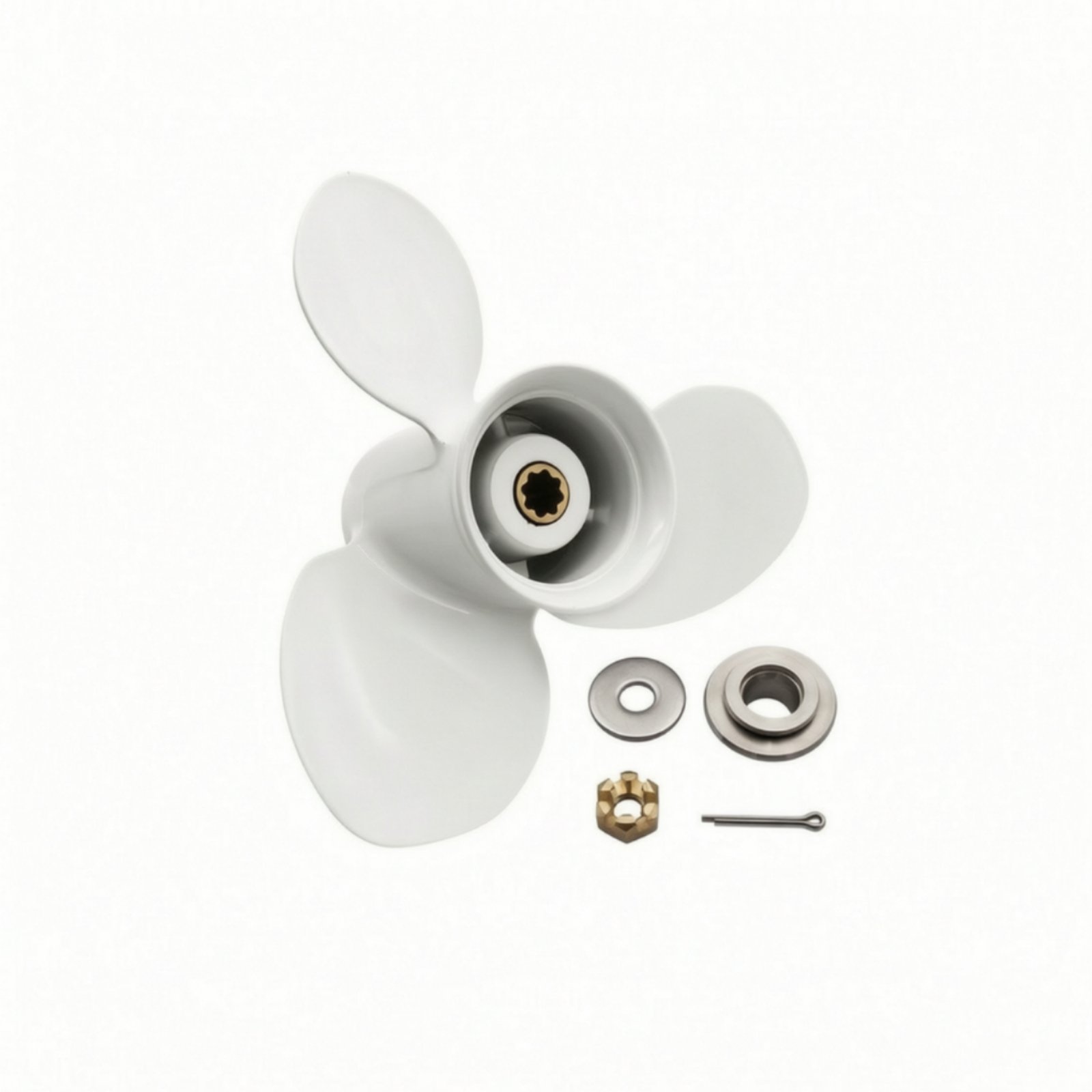
For small outboards, the safest replacements are the ones that state a clear power range or a specific small-motor application. Boat Propeller for 7.5 Motors is described for 7.5HP motors with a 12-teeth center, which is the kind of listing detail you want when replacing a prop on a compact engine. Aluminum Alloy Propeller with Mounting Hardware is listed for 9.9-20hp and includes mounting hardware, which can simplify a basic swap when your old hardware is worn or missing.
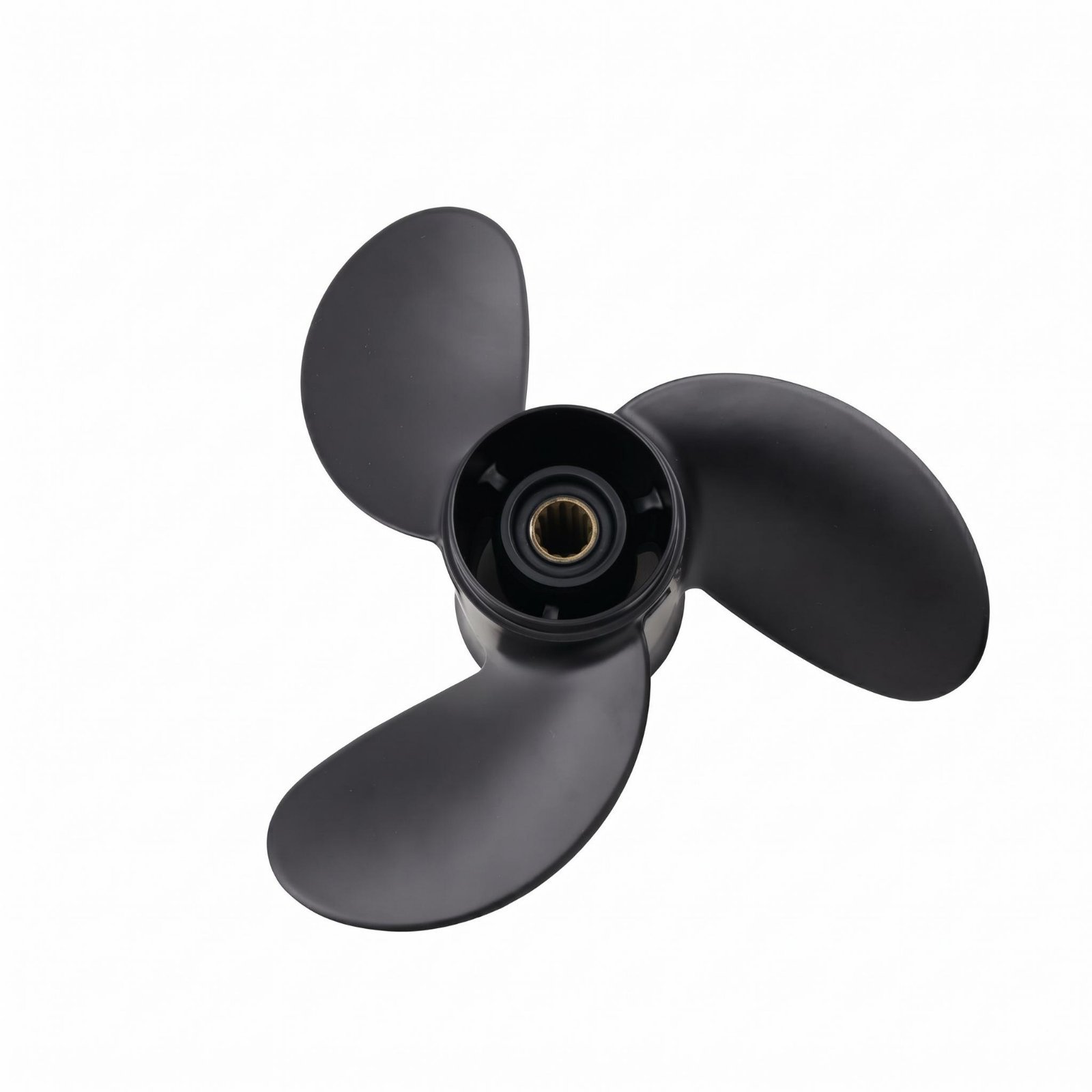
If the listing gives prop size, compare it with your current prop and your motor’s recommendation. Outboard Propeller is sized for 8.9 x 8.5 applications, so it is only a good example when your setup calls for that same size. If your old prop has unreadable markings, use your motor’s manual or the existing hub dimensions to confirm what size and mount style belong on the engine before you order.
Choose material and blade style for the way you use the boat
After fit, think about how you use the boat. Aluminum alloy props are a practical everyday choice for many small outboards because they are light and commonly used as direct replacements. Outboard Propeller uses aluminum alloy, and Aluminum Alloy Propeller with Mounting Hardware is also aluminum alloy, making them sensible examples for routine boating where you want a straightforward replacement rather than a heavy-duty upgrade.
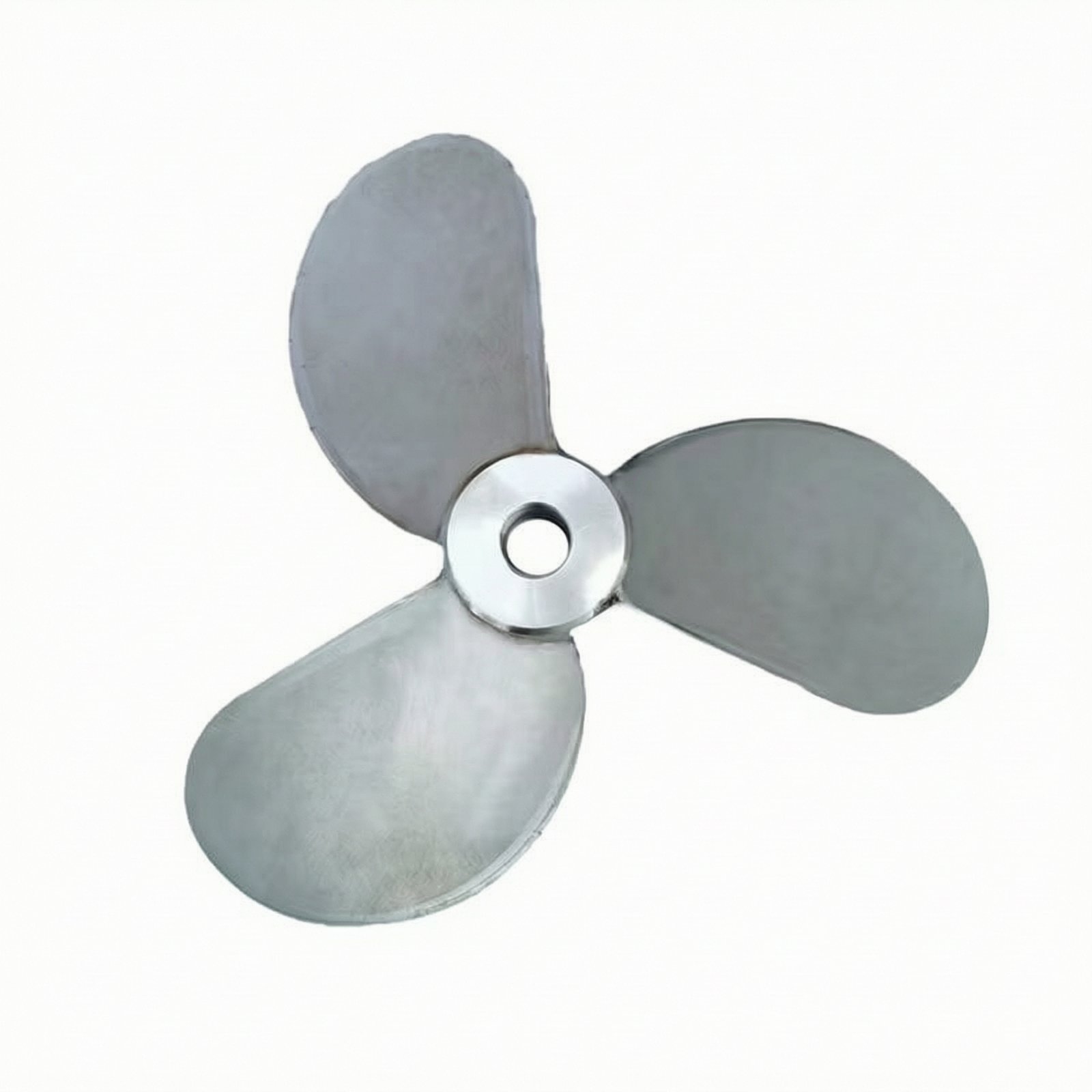
Stainless steel can make sense when you want extra durability, but it is only a fit if the power range and hub details match your motor. Boat Propeller Stainless Steel is a stainless prop intended for 15HP setups and uses a 16 mm hub opening with a 200 mm diameter, so those dimensions must match your motor and shaft arrangement before it is a viable choice. On a truly small outboard, do not assume stainless is automatically better if the listing is aimed at a different engine size.
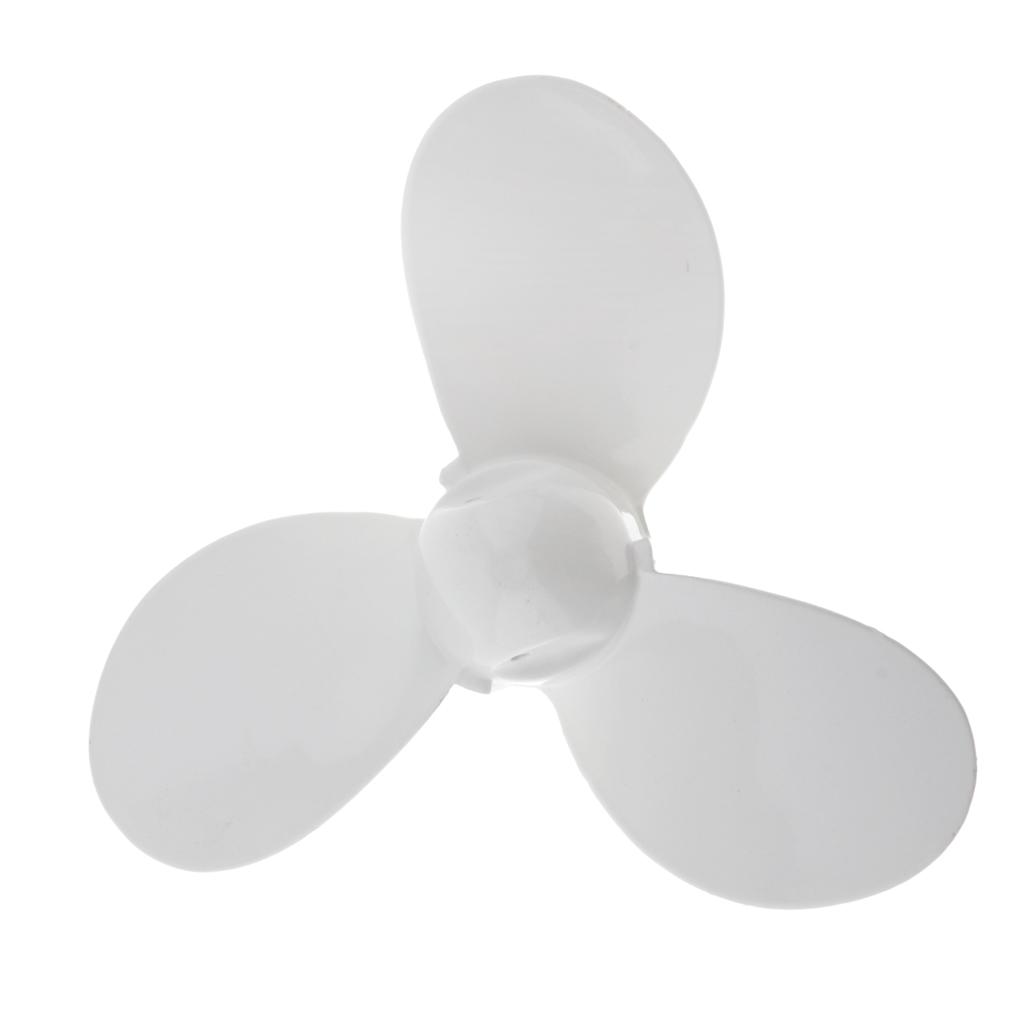
Blade count also changes how the boat feels. A standard 3-blade prop is common for general use, and listings like Boat Propeller 3 Blade and Aluminum Alloy Propeller with Mounting Hardware reflect that familiar layout. More blades can change thrust and handling, but for a small outboard the main priority is still correct fit and engine load, not chasing a different blade count without confirming compatibility.
Avoid the common buying mistakes
The most common mistake is buying by appearance alone. Two props can look almost the same but have different hub shapes, tooth counts, spline patterns, or size markings, and any of those differences can make the replacement unusable.
Another mistake is choosing only by broad engine type words like outboard or marine. A listing may say it is for outboards, but that does not mean it fits every small motor. Boat Propeller 3 Blade is described for an outboard engine and mentions 2/4 stroke use, but the listing does not give enough hub detail to treat it as a universal match; you would still need to compare the mount and prop dimensions with your old part.
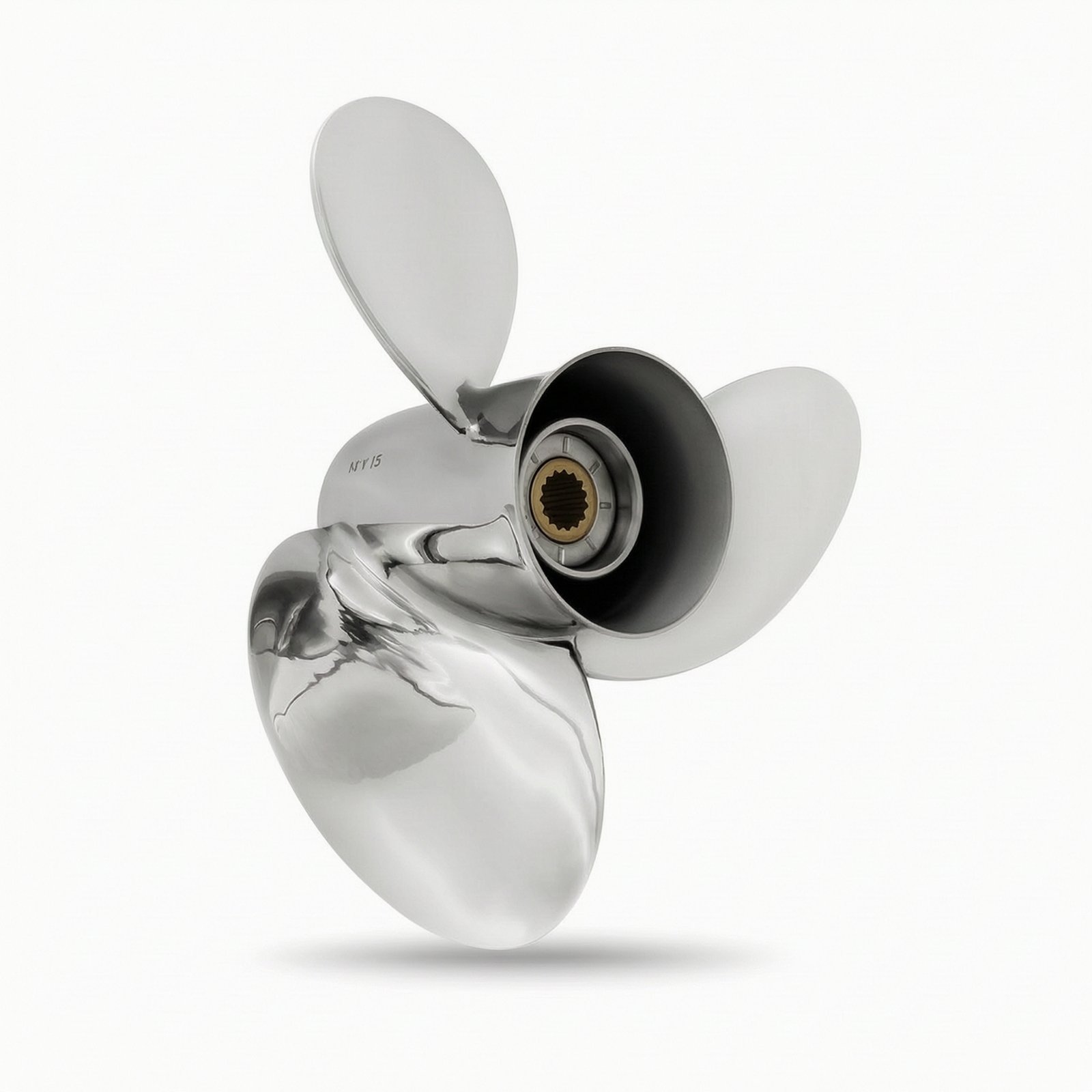
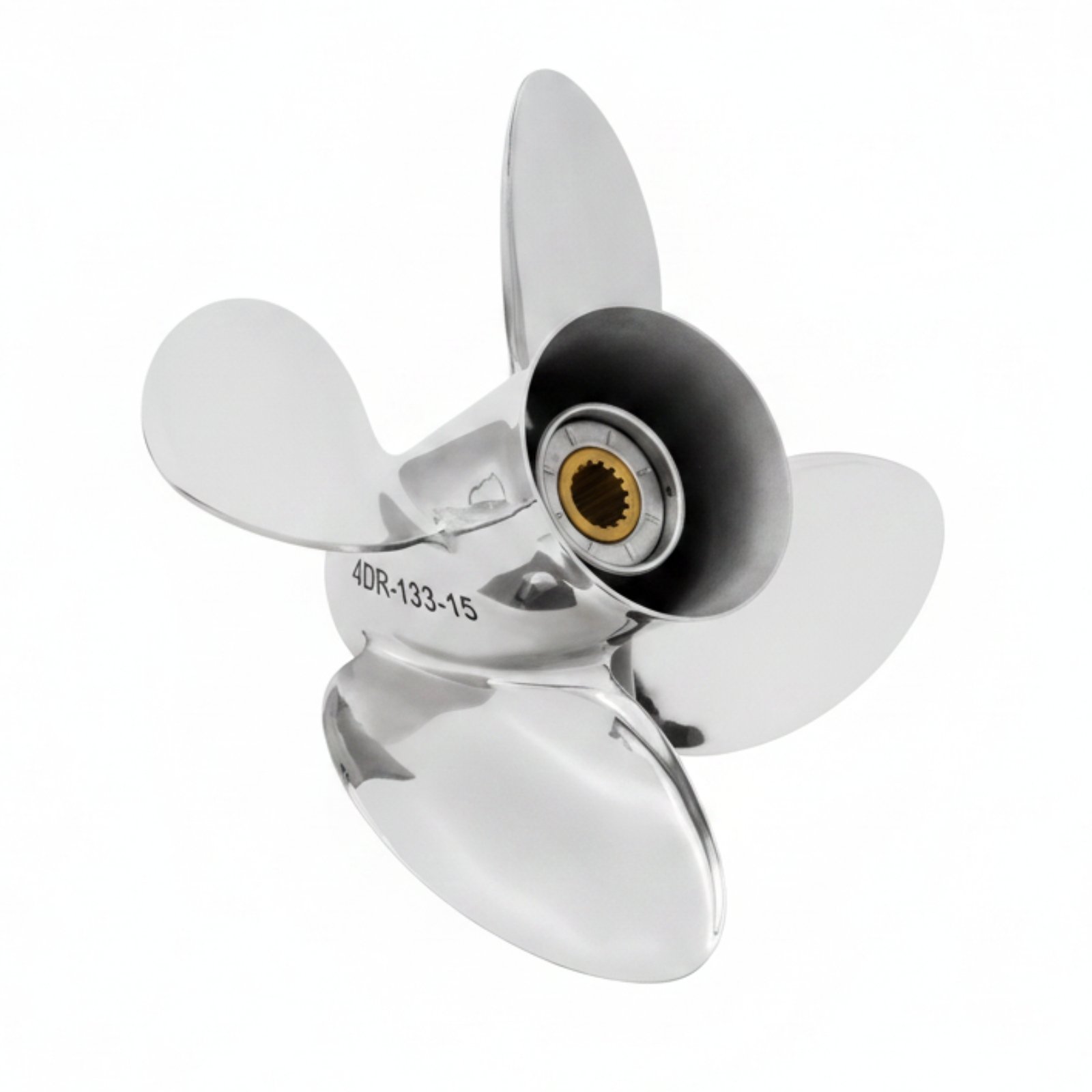
It is also easy to buy a prop meant for a larger engine. Examples like Polished Stainless Steel Propeller and Stainless Steel Propeller clearly target higher power ranges than most small portable outboards, so they are useful as reminders to stay inside the horsepower range shown in the listing. If your motor is small, a prop intended for a much larger engine can cause fit problems or poor performance even if the pictures seem close.
Finally, do not forget the hardware and surrounding parts. If the old prop was damaged by impact, inspect the shaft and mounting parts before installing a new propeller, because a bent or worn drivetrain part can make a fresh prop vibrate or fail early.
How the prop, shaft, and hardware work together
A propeller is only one part of the drive system. The engine turns the drive shaft, the shaft transfers that rotation to the prop hub, and the blades turn that power into thrust. If any link in that chain is worn, mismatched, or damaged, the boat may lose efficiency or shake under load.
When the shaft is suspect, a part such as Outboard Propeller Drive Shaft shows what to look for: a replacement drive shaft with a splined section for drivetrain engagement. It is listed for 25-30 power capacity applications, so it is not a general small-outboard pick, but it is a good example of why you should inspect more than the prop if the lower unit took a hit.
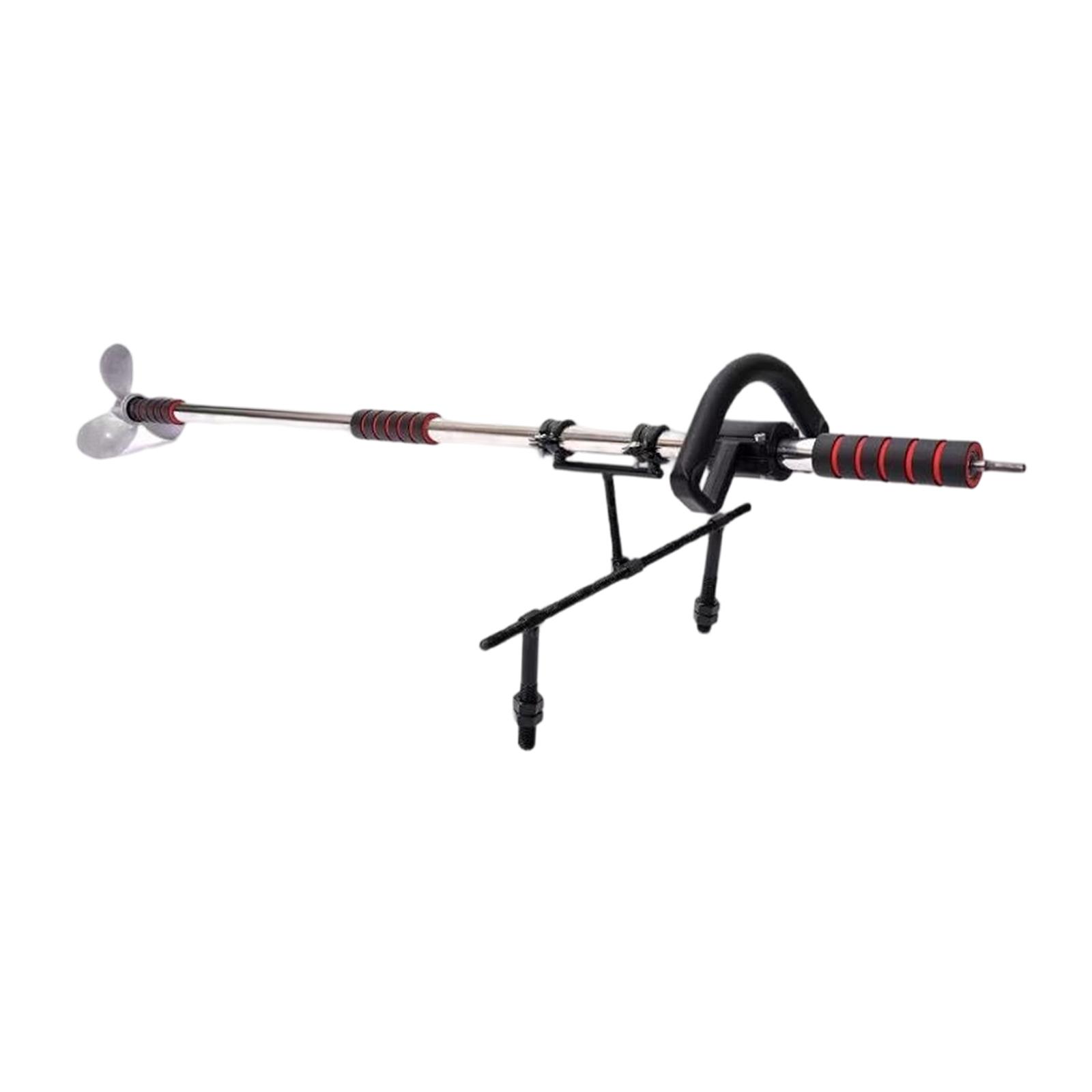
For minor edge damage, a repair tool can help restore a prop instead of replacing it right away, but only if the prop is otherwise sound. Boat Propeller Repair Tool 1m is a propeller repair tool with a listed size of 1m, intended as a shop aid rather than a replacement prop. If the hub is worn, the bore is damaged, or the prop no longer matches the original fit specs, repair is not the right path and a correct replacement prop is the better move.
A typical kit
- Boat Propeller for 7.5 MotorsA direct replacement example for a small 7.5HP motor when the 12-teeth hub detail matches your old prop.
- Aluminum Alloy Propeller with Mounting HardwareA compact aluminum alloy replacement with mounting hardware for small outboards in the listed power range.
- Outboard PropellerAn aluminum alloy prop option for setups that specifically call for the listed 8.9 x 8.5 application size.
- Boat Propeller Stainless SteelA stainless option for compatible 15HP setups when the listed hub opening and diameter match your motor.
- Outboard Propeller Drive ShaftA drive shaft replacement for cases where prop damage may have also affected the shaft connection.
- Boat Propeller Repair Tool 1mA repair tool for correcting minor prop damage when the original prop is still structurally worth saving.
Questions people ask
What details from my old prop should I check before ordering?
Check the hub style first, including whether it is splined or a round bore, plus any tooth count or size marking on the prop. Then compare the engine power range and any listed prop dimensions with the replacement. If those markings are missing, use the motor manual or measure the old hub carefully and match that against the product description.
Is aluminum or stainless steel better for a small outboard?
For many small outboards, aluminum is a practical replacement material because it is commonly used for routine boating and direct-fit repairs. Stainless can be a good choice when the listing clearly matches your motor, but the stronger material does not matter if the hub and size are wrong. Fit always comes before material.
Can I use a prop that is listed for a wider horsepower range than my motor?
Only if your motor falls inside that range and the hub details also match. A listing aimed at a larger motor family may still be wrong for your shaft or gearcase. When in doubt, choose the product description that most clearly matches your motor’s power and mounting details instead of assuming a broad range will work.
Do I need mounting hardware with the propeller?
Not always, but it can be helpful if your current hardware is worn, missing, or damaged. A kit that includes hardware can make installation easier and reduces the chance of reusing questionable parts. If the listing does not include hardware, inspect your existing pieces before reassembly.
Should I replace the shaft if I am replacing the prop?
Usually no, unless there are signs of impact damage, abnormal vibration, or visible wear where the prop mounts. A fresh prop will not solve a bent or worn shaft problem. If the old prop was struck hard, inspect the shaft and related parts before assuming the prop alone is the issue.
Shop the list
Everything mentioned above
Prices and delivery windows are live from our catalog.
Boat Propeller for 7.5 Motors
Aluminum Alloy Propeller with Mounting Hardware
Outboard Propeller
Boat Propeller Stainless Steel
Boat Propeller 3 Blade
Polished Stainless Steel Propeller
Stainless Steel Propeller
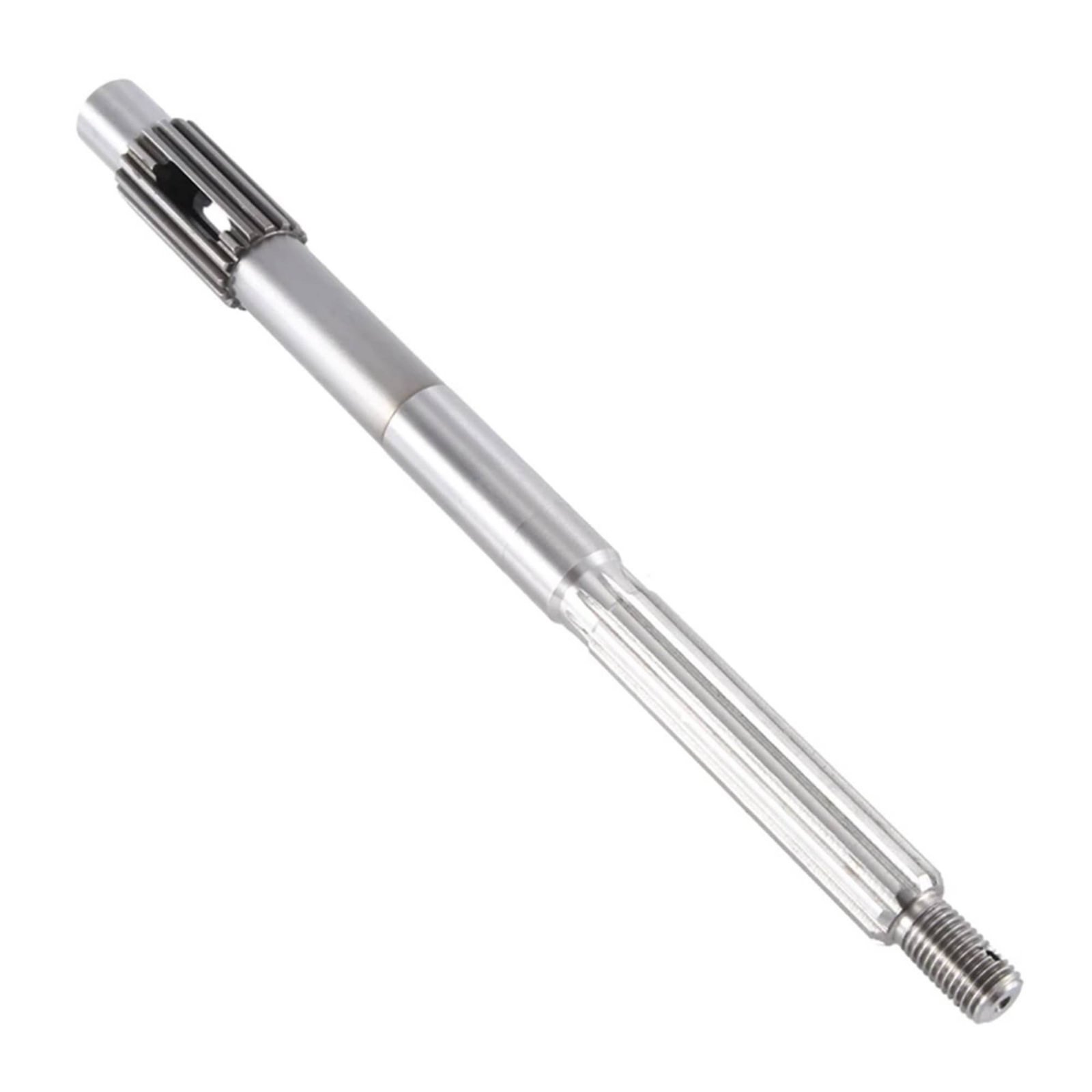
Outboard Propeller Drive Shaft