Buying guide · Boating & Diving
How to add a boarding ladder for easier boat access
Short answer
Add a boarding ladder by matching the ladder style to where it will mount, then prioritize secure footing, corrosion-resistant construction, and a stowed position that does not block the deck. For most boats, the right choice is usually an under-deck slide-out ladder, a fold-down transom ladder, or a ladder that hooks or brackets onto the stern or swim platform.
Choose the ladder style for your mounting area
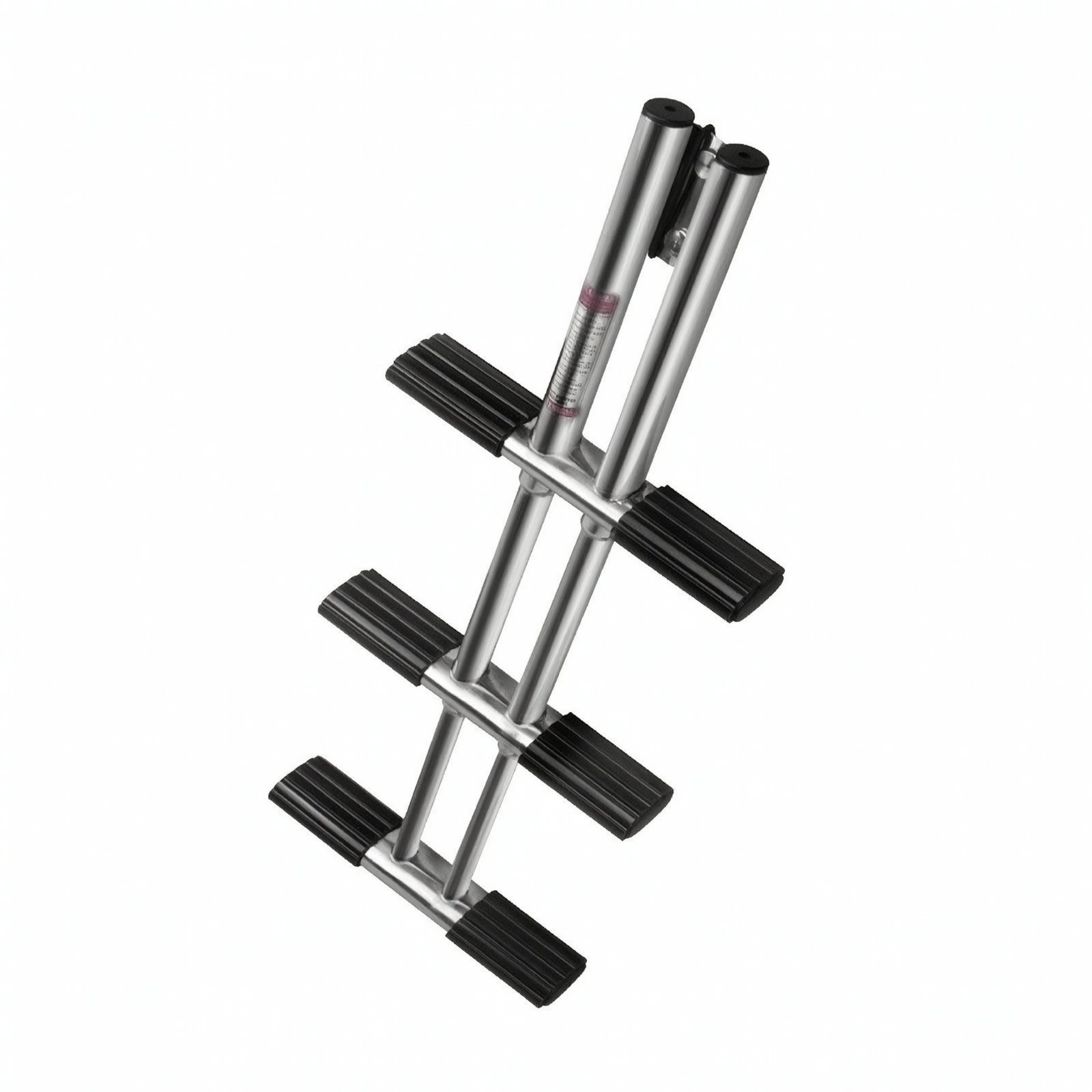
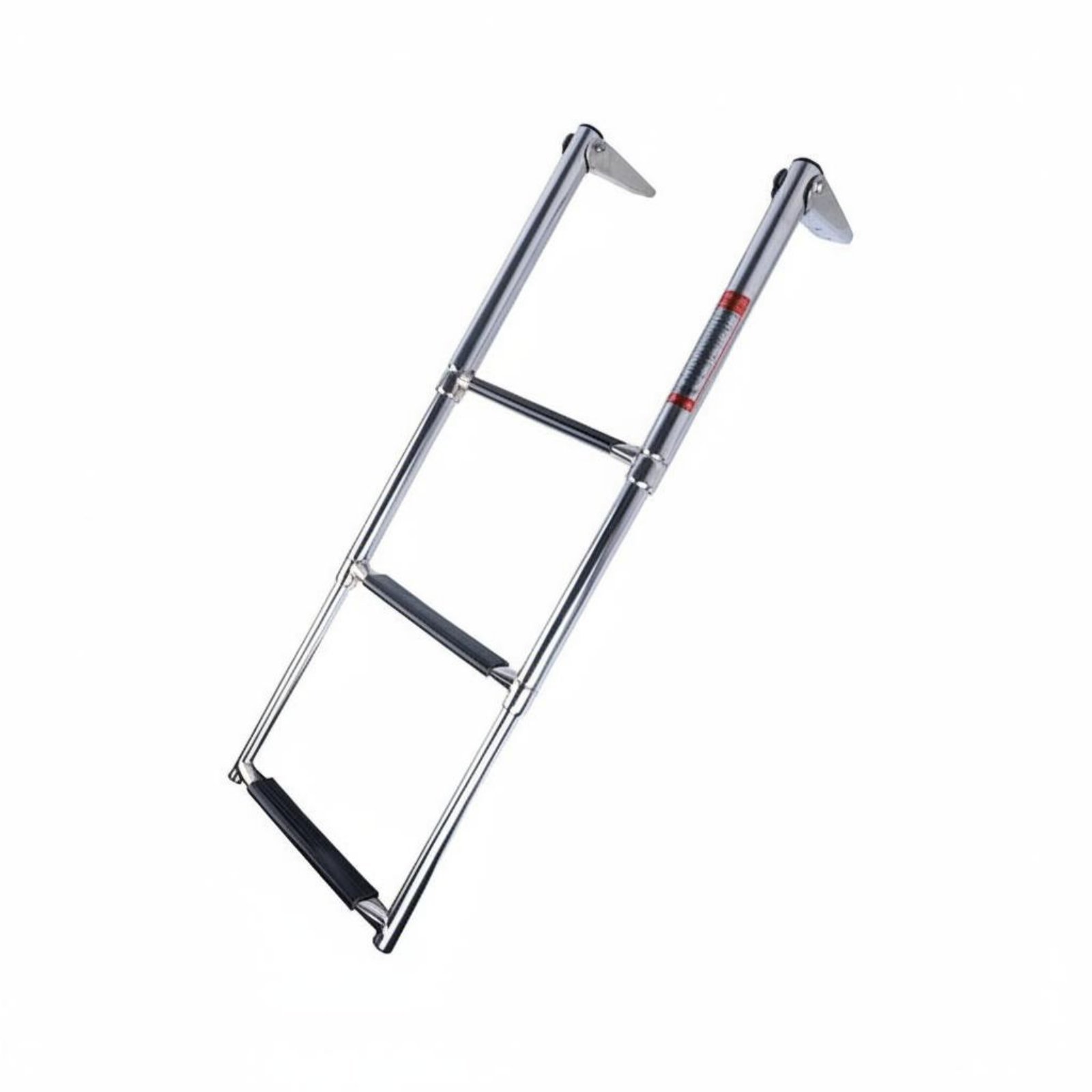
Start by deciding where the ladder will live when it is not in use. On many boats, the easiest choice is a fold-down or telescoping ladder mounted on the transom or swim platform because it stays with the boat and is ready quickly. A compact example is Stainless Steel Boat Ladder, which is a 3-step telescopic ladder meant for swim decks or transoms and includes mounting hardware.
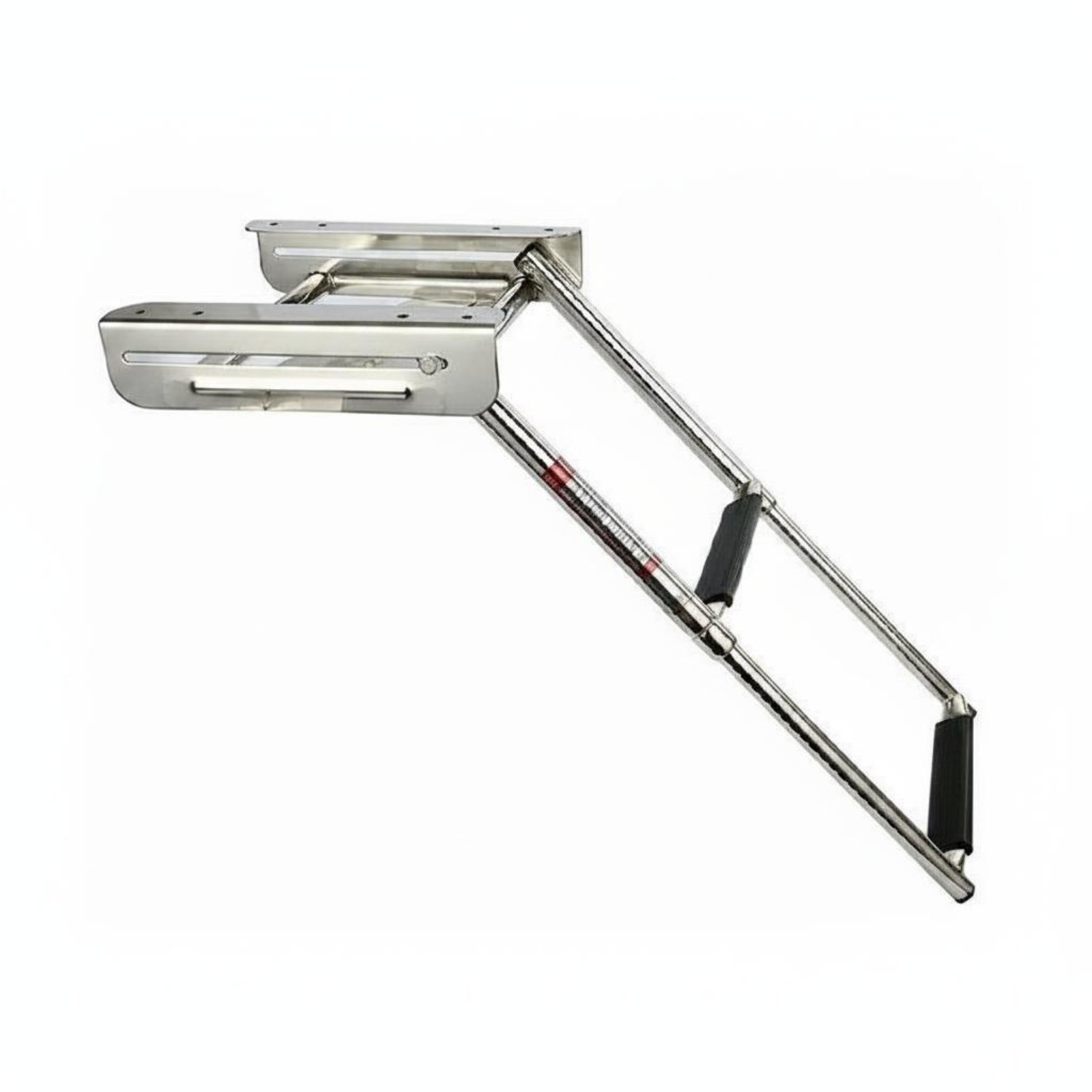
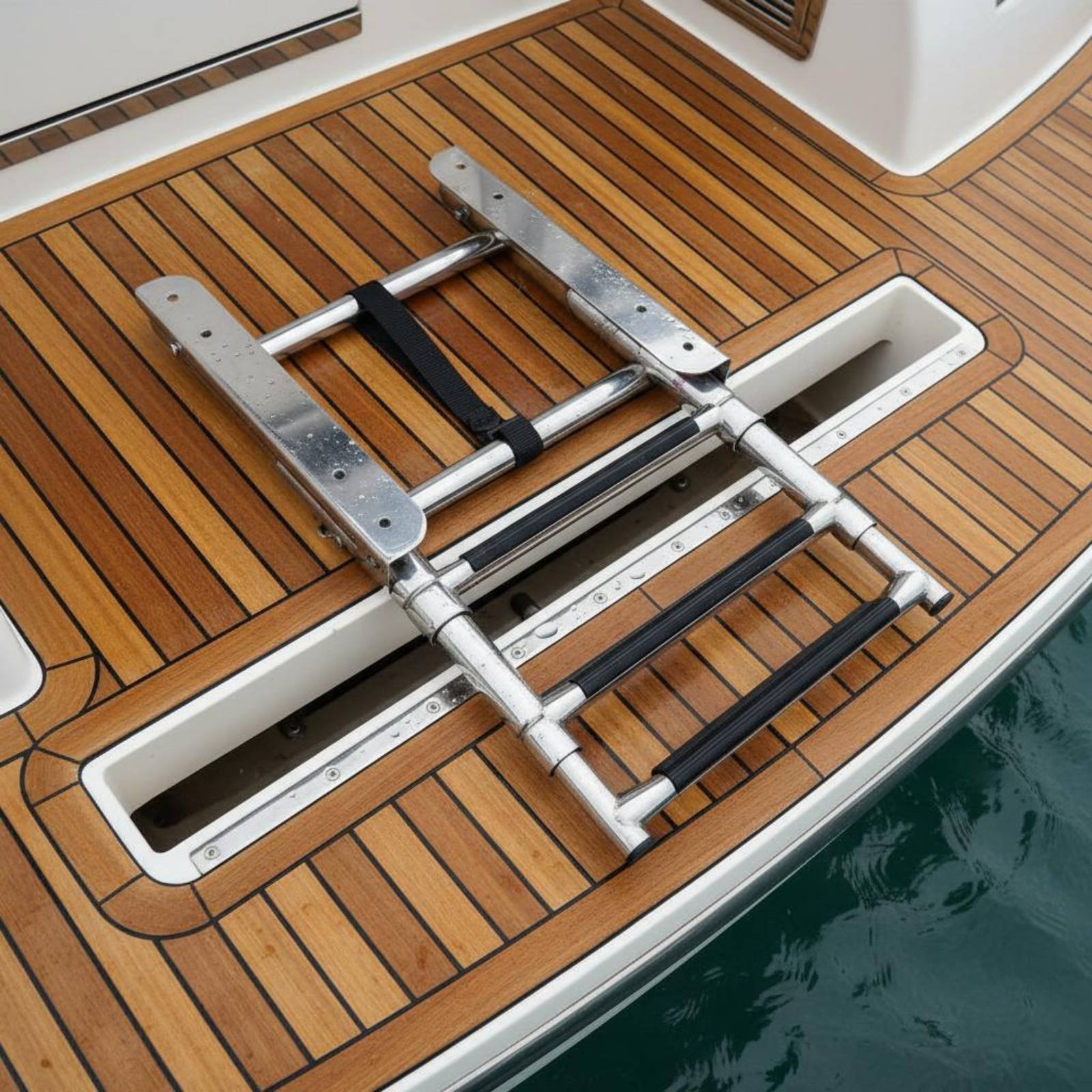
If you want the cleanest deck surface, look at an under-mount slide-out style. 2-Step Extendable Boat Ladder is a 2-step under-mount ladder that is designed to fit under a swim grid or deck, while Rust-Resistant Extending Boat Ladder is a 3-step under-swim ladder with a sliding rail system that tucks away when retracted. These designs are useful when you do not want a ladder sitting on top of the deck.
For boats that need more reach and a simple fold-away setup, a stern-mounted ladder such as Stainless Steel Boarding Ladder can make boarding easier because it combines a folding, retractable layout with a curved upper handhold. If you already have a ladder point or need to create one on the stern, Transom Ladder Bracket is a transom ladder bracket intended to provide a stable connection point on a swim deck or stern.
Before buying, check the mounting surface shape, thickness, and access behind the mounting area. Also confirm whether the ladder must clear trim pieces, rails, or a motor when folded or extended, because a good ladder on the wrong surface can still be awkward to use.
What features matter most when boarding from the water
The most important feature is traction. Wet feet, a rocking boat, and a narrow step can turn a simple climb into a slip hazard, so look for anti-slip step sleeves, ribbed covers, or textured step surfaces. Stainless Steel Boat Ladder uses grooved anti-slip rubber sleeves, Rust-Resistant Extending Boat Ladder has non-slip black rubber sleeves on each step, and Stainless Steel Boat Access Ladder uses black ribbed anti-slip foot steps.
The next thing to check is how the ladder supports your body as you climb. Some ladders mainly provide footholds, while others also help your hands find a secure grip. Stainless Steel Boarding Ladder is useful for this because it has a curved upper handhold, and 4-Step Stainless Steel Boat Ladder includes upright side rails and top mounting hooks and brackets that are meant to keep the ladder firmly attached during boarding.
Material also matters, especially in a marine environment. Several options here use 304 stainless steel, including 2-Step Extendable Boat Ladder, Rust-Resistant Extending Boat Ladder, and Transom Ladder Bracket. That tells you the ladder or bracket is intended for harsh saltwater exposure, but you should still rinse hardware and inspect fasteners because the mounting area often ages differently than the ladder itself.
Finally, think about deployment. A ladder that is easy to extend and retract will be used more often and stowed more neatly. Slide-out and telescoping ladders are convenient when you want a low-profile installation, while foldable ladders are straightforward if you want quick visual access and easier cleaning around the mount.
How the ladder, bracket, and hardware work together
A boarding setup works as a system, not as a single part. The ladder gives you the rungs and side support, the mount or bracket transfers your weight into the boat structure, and the fasteners keep everything aligned when the boat moves. If one part is weak or poorly placed, the whole setup will feel unstable even if the ladder itself is well made.
In a direct-mount setup, the ladder bolts to the transom, deck edge, or swim platform. That is the idea behind products like Stainless Steel Boat Ladder and Stainless Steel Boat Access Ladder, both of which are described for secure installation with included mounting hardware. In a bracketed setup, a dedicated mount such as Transom Ladder Bracket creates the attachment point, which can help when the stern needs a cleaner interface or when you are replacing worn mounting hardware.
When the ladder folds, retracts, or slides, make sure its travel path stays clear. 2-Step Extendable Boat Ladder uses an under-deck sliding design, and Rust-Resistant Extending Boat Ladder uses a sliding rail system, so both need room to extend and retract without hitting drains, trim, or the hull edge. Folding styles need clearance above or behind the mount so the ladder can stow without rubbing against seats or hatches.
It is also smart to think about who will use the ladder. A simple two-step under-mount design can be enough for some boats and boarding situations, but some users will prefer more rungs or a more obvious upper grab point. That is why stern ladders with visible top hooks or handholds are often easier for swimmers to locate and use from the water.
Common mistakes to avoid before drilling or mounting
A common mistake is picking a ladder only by how compact it looks. Compact storage matters, but easy boarding matters more, so make sure the ladder style actually suits how people re-enter the boat. A ladder hidden neatly under the deck is great only if users can reach and deploy it without strain.
Another mistake is ignoring the difference between ladder types. 2-Step Extendable Boat Ladder is meant as an under-mount ladder, while 4-Step Stainless Steel Boat Ladder uses top mounting hooks and brackets. Those are not interchangeable ideas, so check whether your boat has the right edge, deck underside, or stern face for the design you choose.
Do not assume all mounting hardware included with a ladder will suit every boat surface. Even when a ladder like Stainless Steel Boat Access Ladder includes mounting hardware, you should still confirm hole placement, backing support, and whether you need sealant or reinforcement for your particular hull or platform.
Finally, avoid placing the ladder where it interferes with boarding flow. Keep it away from areas where lines, covers, or a motor could snag feet or block the ladder when folded. A ladder should be easy to reach from the water and easy to stow without becoming something people trip over on deck.
A typical kit
- Stainless Steel Boat LadderUse this when you want a straightforward telescopic ladder for a swim deck or transom with anti-slip steps and included mounting hardware.
- Rust-Resistant Extending Boat LadderChoose this for an under-mount slide-out setup when you want a cleaner deck surface and a tucked-away boarding ladder.
- Stainless Steel Boarding LadderPick this if a visible folding ladder with a curved upper handhold would make climbing back aboard easier.
- Transom Ladder BracketAdd this when you need a dedicated transom attachment point for a stern or swim-deck ladder setup.
- Stainless Steel Boat Access LadderThis fits buyers who want a foldable stainless steel boarding ladder with anti-slip steps and included mounting hardware.
Questions people ask
Should I choose a fold-down ladder or an under-mount ladder?
Choose a fold-down ladder if you want quick access and a ladder that is easy to see and grab from the water. Choose an under-mount ladder if keeping the deck clear matters more and your boat has a suitable underside mounting area for the ladder to slide out cleanly.
Do I need a separate bracket to install a boarding ladder?
Not always. Some ladders are described with their own mounting hardware, while a separate part like Transom Ladder Bracket is useful when you need a dedicated transom connection point or are building a mounting arrangement around the stern or swim deck.
What makes a boarding ladder easier and safer to use?
Look first for non-slip step surfaces, because wet feet are the main challenge during re-entry. After that, focus on a stable mount and some form of upper support, such as side rails, top hooks, or a handhold that helps you shift weight onto the boat.
Is stainless steel enough for saltwater use?
It is a good starting point, and several of these ladders are specifically described for harsh saltwater environments. You should still rinse the ladder and inspect the mounting points, because corrosion resistance in the ladder does not eliminate wear at fasteners or on the boat surface.
How do I know if a ladder will fit my boat?
Check the mounting style first, then inspect the actual space where the ladder will fold, slide, or hook into place. Also verify that the ladder can deploy without hitting nearby hardware and that the mounting area is strong enough to support a person climbing aboard.
Shop the list
Everything mentioned above
Prices and delivery windows are live from our catalog.
Stainless Steel Boat Ladder
2-Step Extendable Boat Ladder
Rust-Resistant Extending Boat Ladder
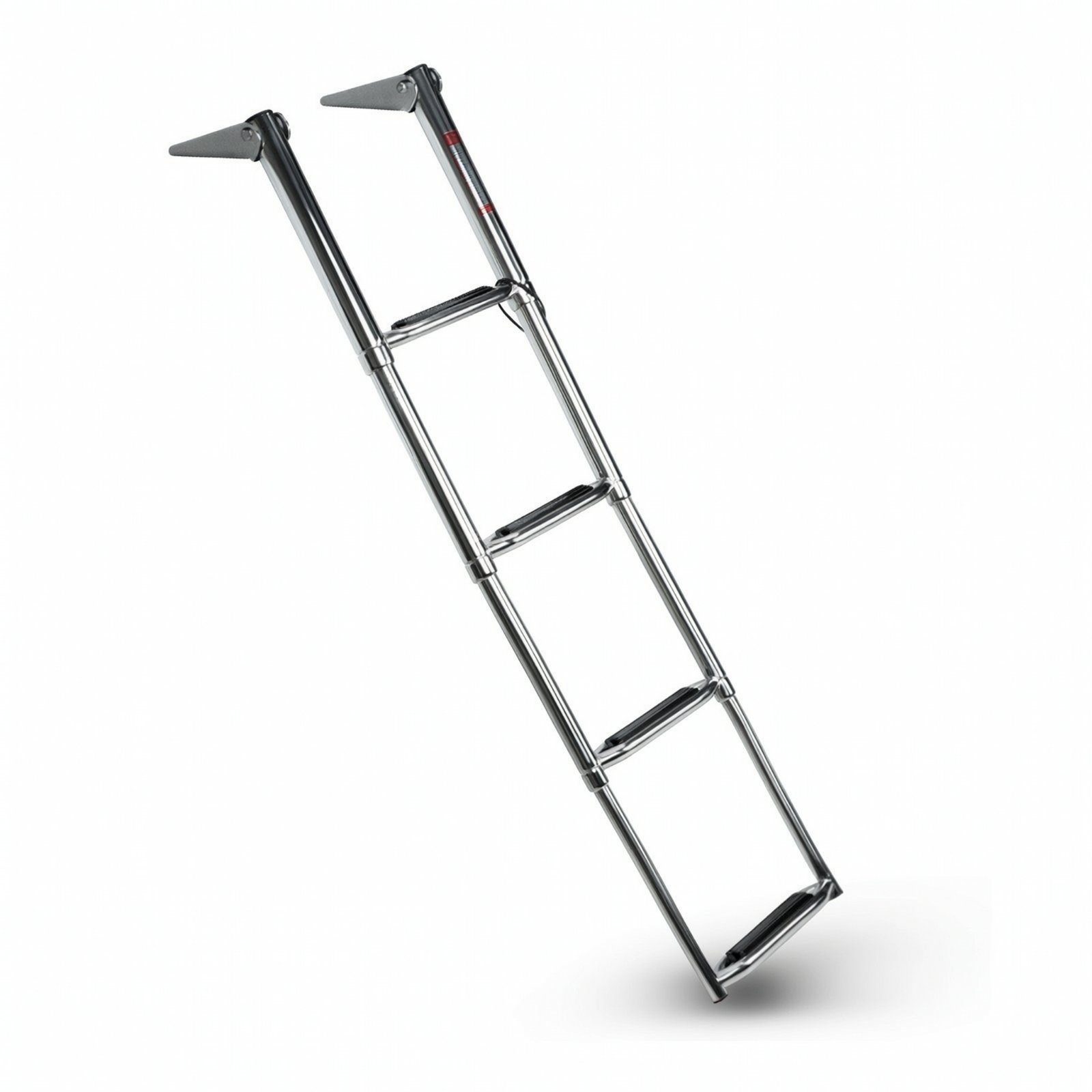
4-Step Stainless Steel Boat Ladder
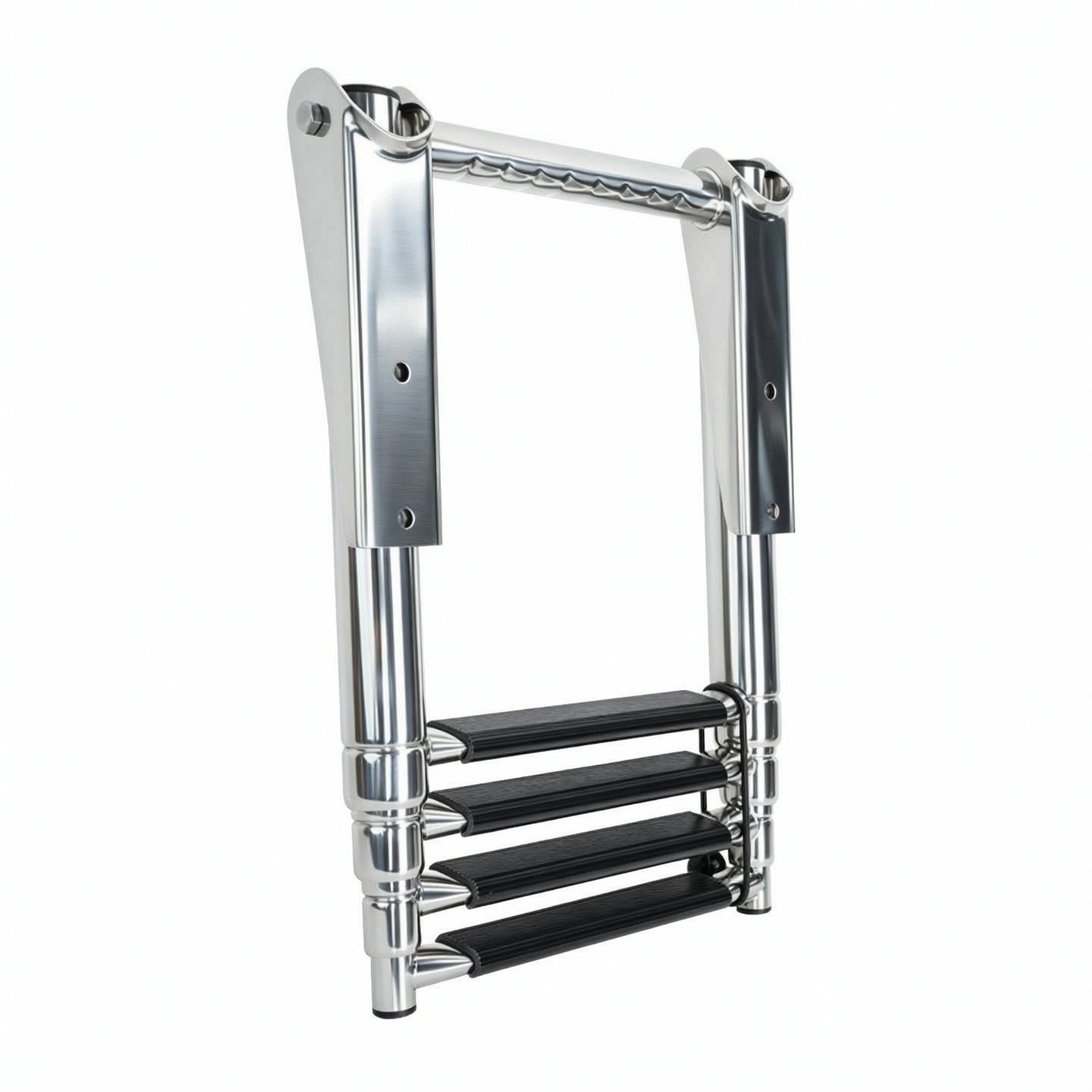
Stainless Steel Boarding Ladder
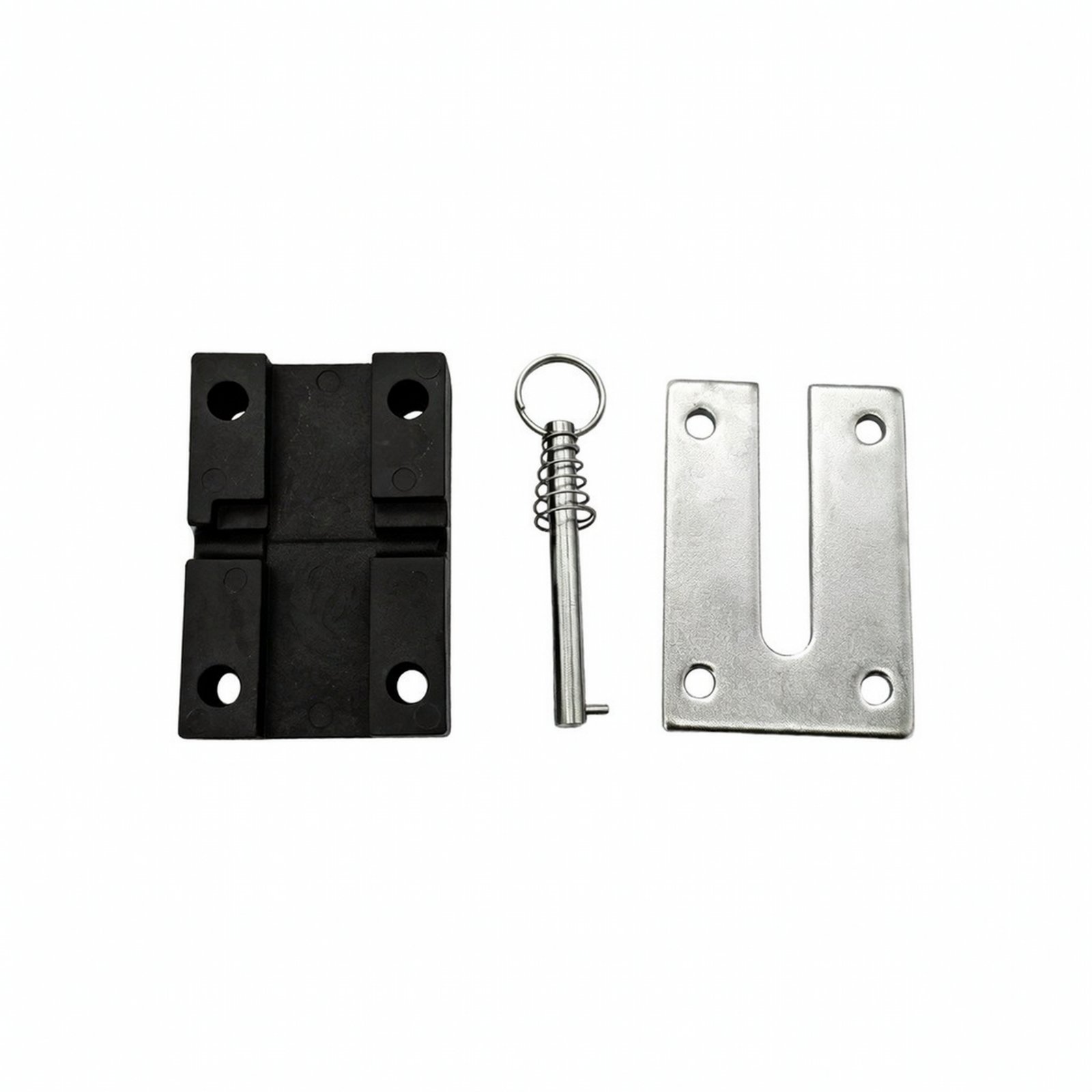
Transom Ladder Bracket