Buying guide · Boating & Diving
How to store a kayak or paddleboard neatly at home without damaging it
Short answer
Store a kayak or paddleboard on a padded rack or stand that supports it securely, keeps it off the floor, and matches the space you actually have. For neat home storage, choose between a wall rack for saving floor space, a freestanding stand when you cannot mount into a wall, or a multi-level stand if you need to organize more than one craft.
Start with the storage style that fits your space
The cleanest setup depends on whether your main problem is floor clutter, limited wall area, or having more than one boat or board to store. A good storage solution should hold the craft in a stable position, keep it from sliding or tipping, and avoid hard contact points that can leave marks.
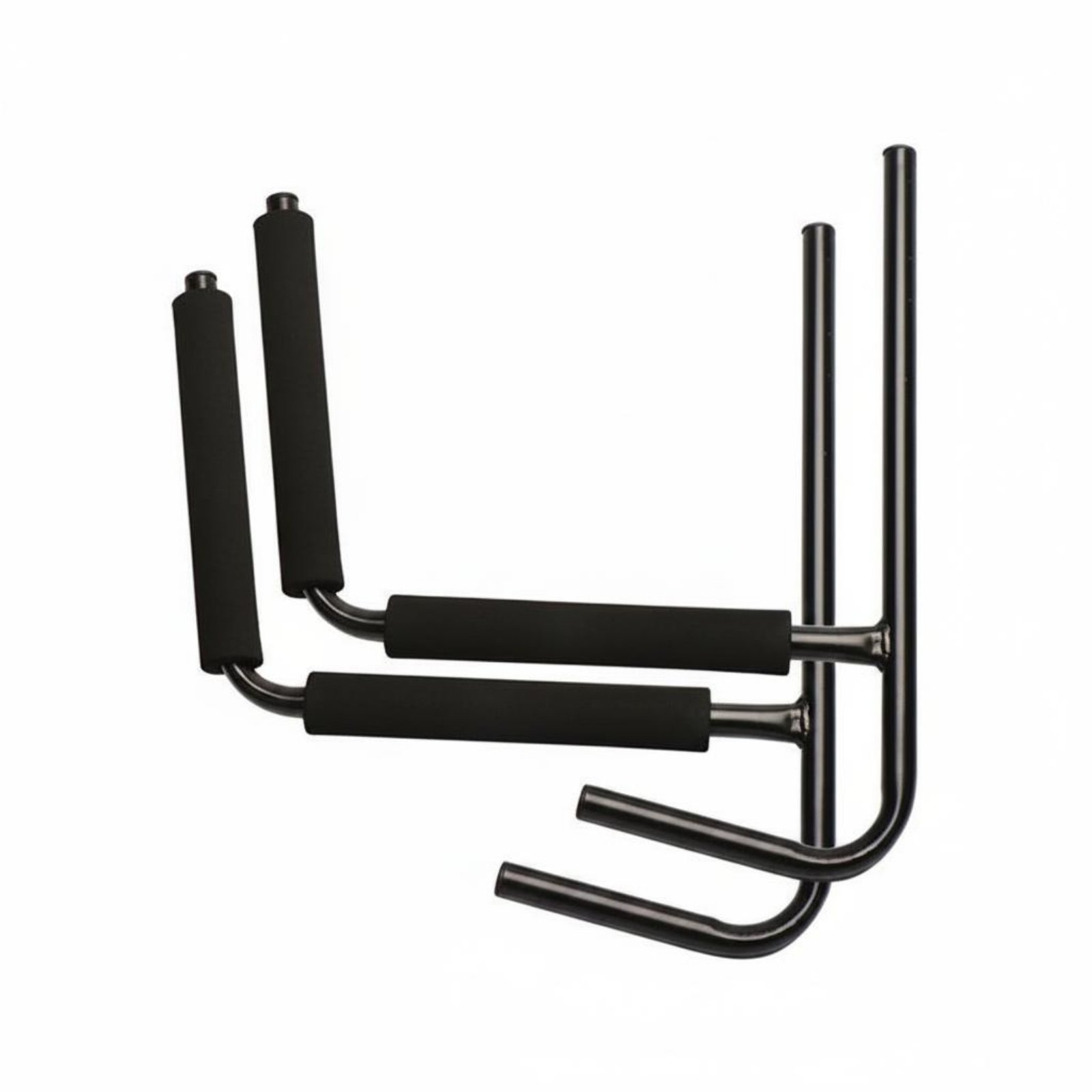
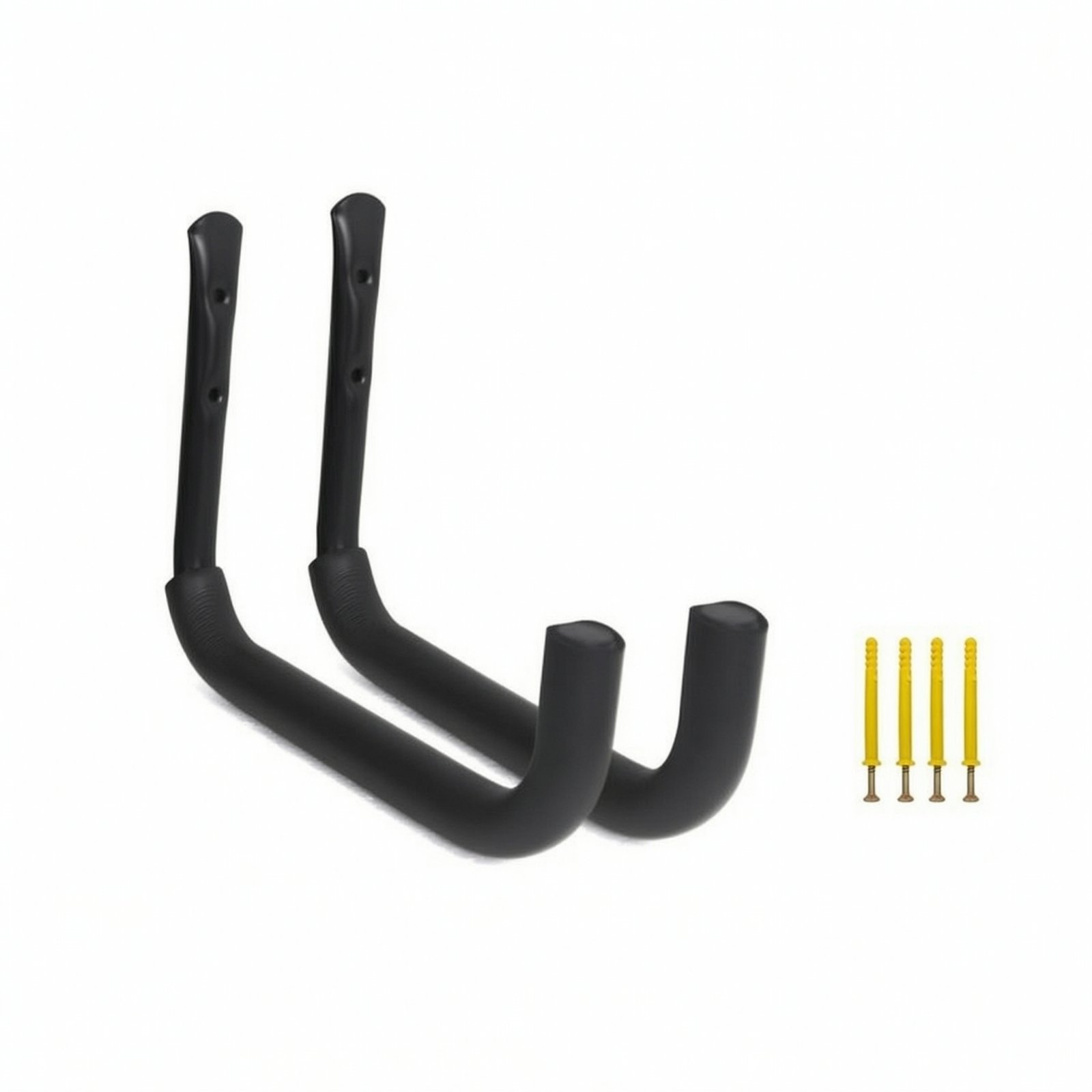
If you want to free up floor space, a wall rack is usually the most efficient choice. Kayak Wall Rack Easy to Install is a wall-mounted rack meant for kayaks, surfboards, and similar gear, with foam-covered contact points that help reduce scratches and pressure marks. Kayak Storage Rack is another wall option with thick EVA padding on a curved hook and included mounting screws, which is useful when you want a straightforward install in a garage, boathouse, or trailer.
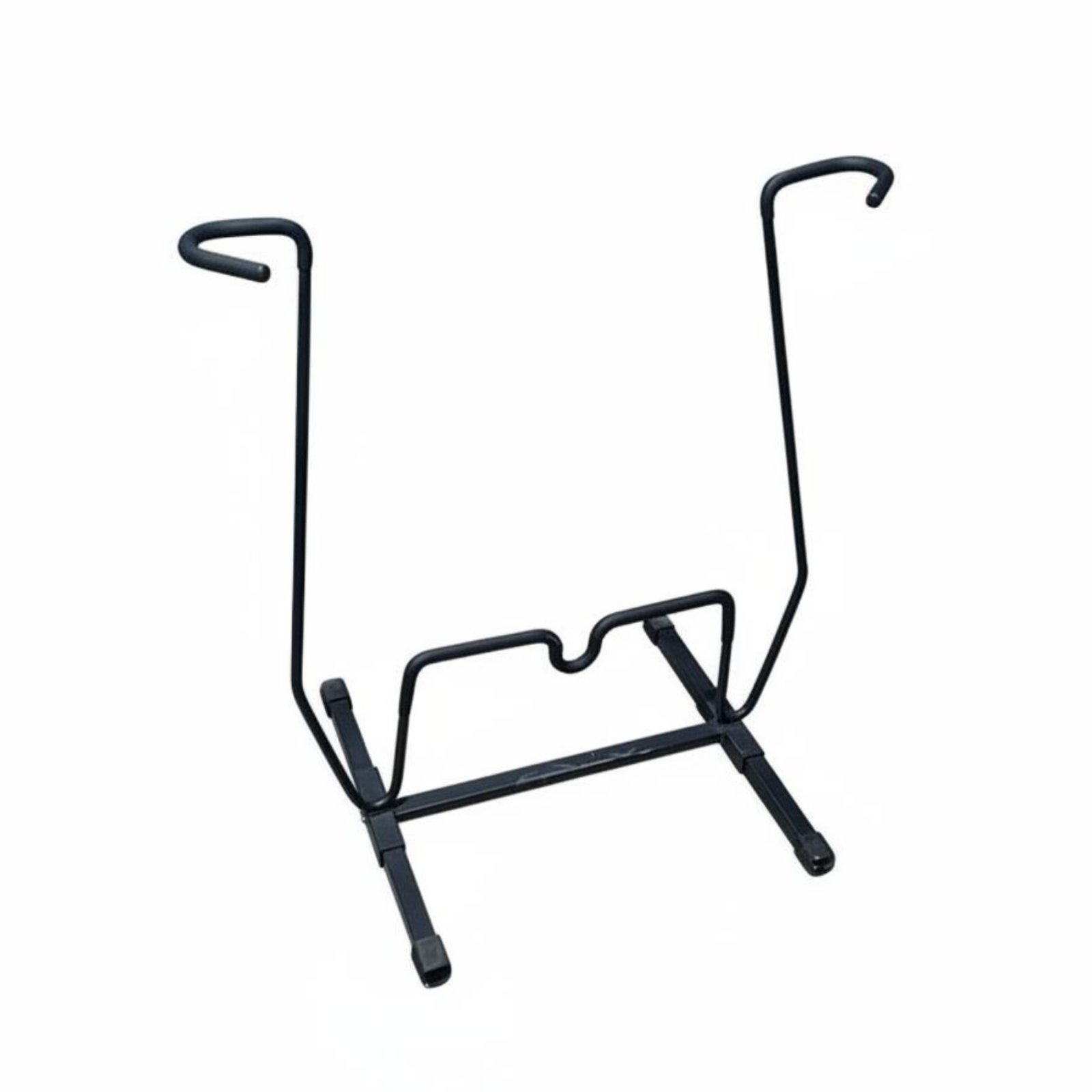
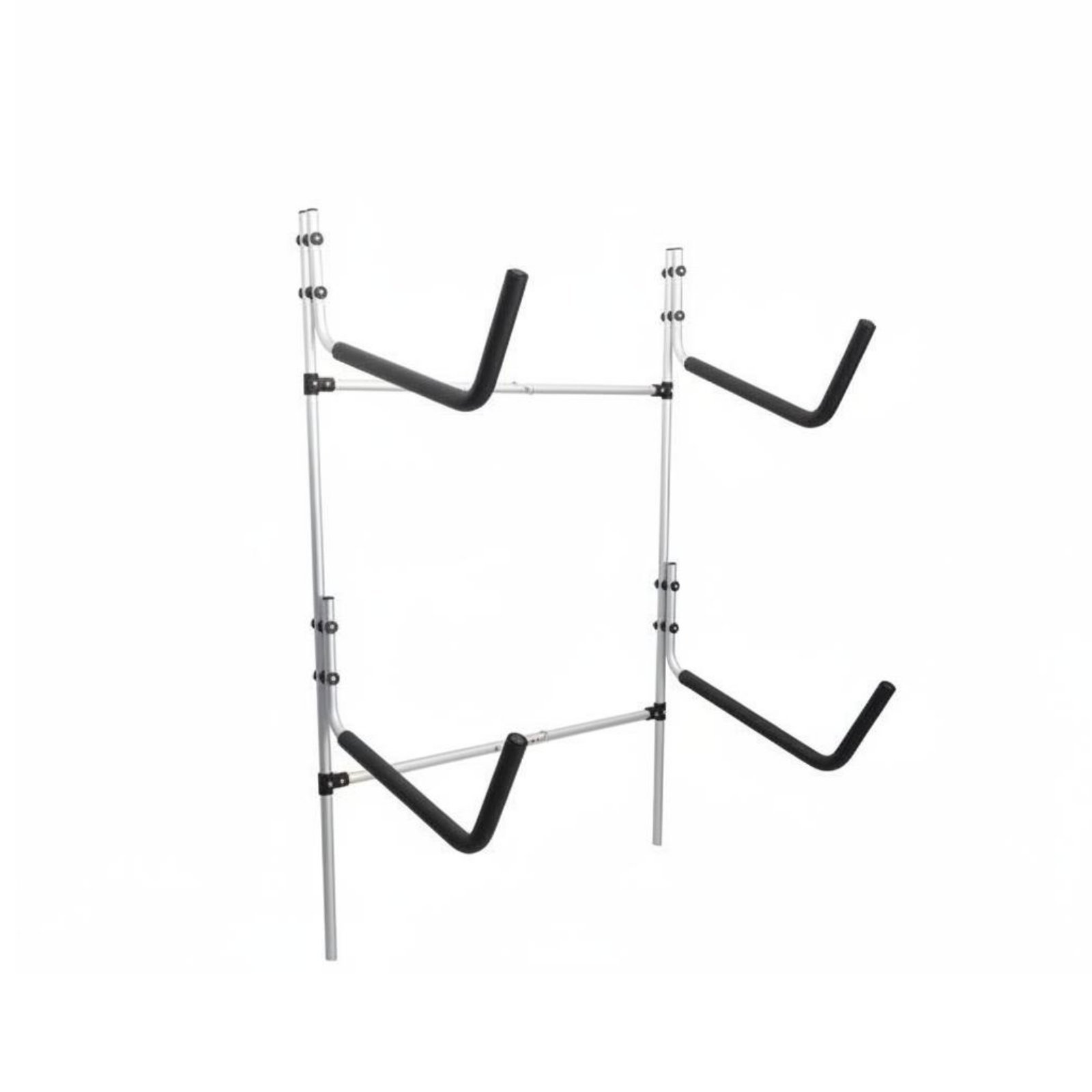
If wall mounting is not practical, a freestanding stand avoids drilling and can be moved more easily as your layout changes. Vertical Board Rack is a freestanding vertical board rack designed to keep a paddleboard upright, which makes sense for a corner or open floor area where you want the board accessible without leaning it against a wall. For households with multiple watercraft, Double Kayak Storage Stand offers a 2 tier freestanding layout that is designed to hold two full-sized craft while keeping the storage footprint more organized than separate single stands.
When you compare these types, think about your real use pattern. A wall rack keeps walkways clearer, a vertical freestanding stand suits renters or flexible spaces, and a double stand is the easier way to keep two hulls separated instead of stacked awkwardly against each other.
What features prevent dents, scratches, and awkward load points
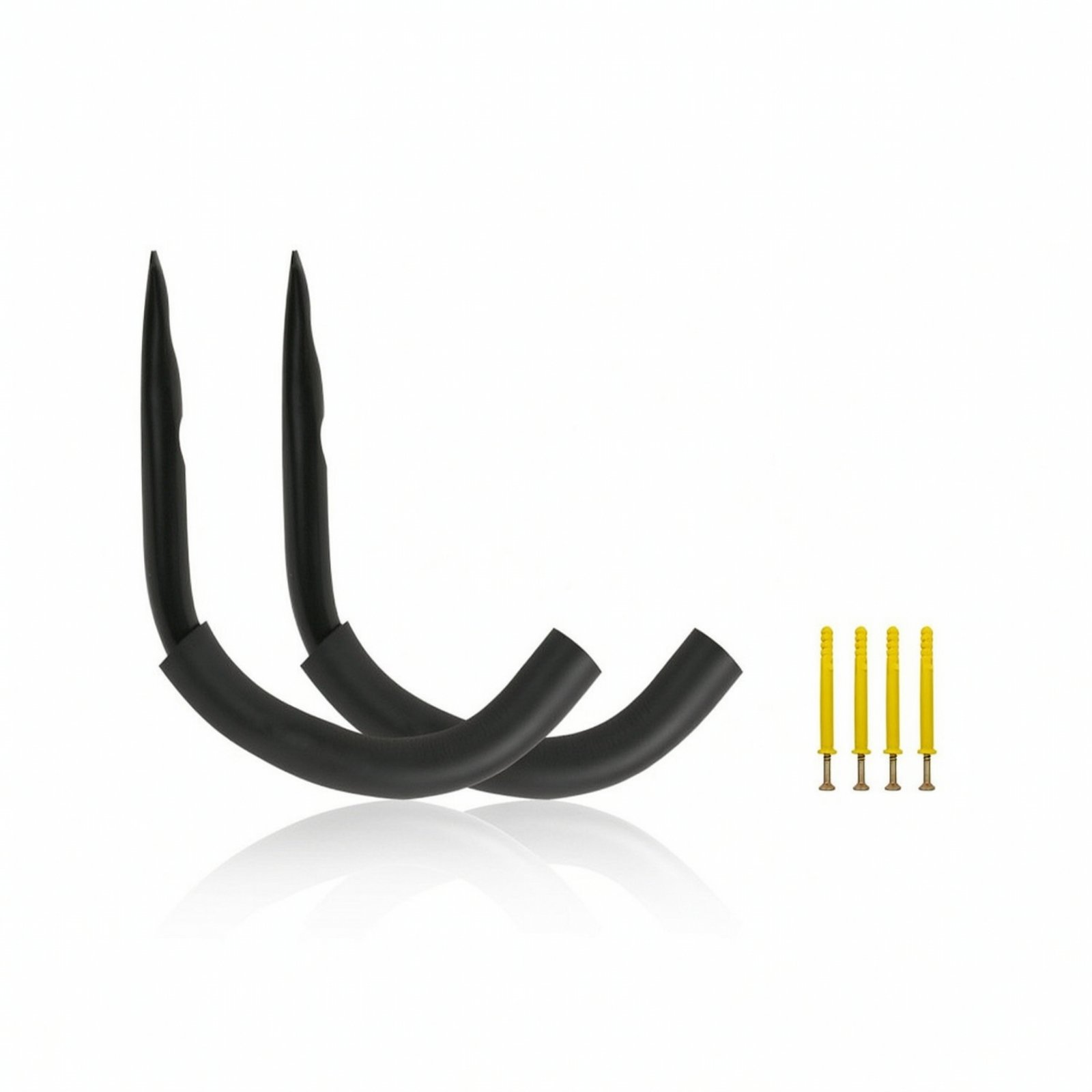
The first feature to look for is padding wherever the craft touches the rack. Padding spreads contact more gently and helps avoid cosmetic damage from repeated storage. Padded Kayak Rack has thick EVA padding on all touch areas, and Kayak Storage Rack uses thick EVA padding on its hook surfaces, so both are examples of racks designed to reduce rubbing at the support points.
The second feature is stable construction. A rack should not flex, shift, or wobble under normal storage use because movement can create wear over time. Kayak Wall Rack Easy to Install uses iron with welded joints, while Vertical Board Rack uses aluminum in a freestanding frame; either approach can work well when the rack is installed or placed correctly and the craft is loaded carefully.
The third feature is shape and orientation. An open frame can make loading easier across different board sizes, while a vertical upright stand can turn corner space into useful storage. Padded Kayak Rack is described with an open frame structure for boards and small watercraft, and Vertical Board Rack is built around upright board storage rather than a leaned-against-the-wall approach.
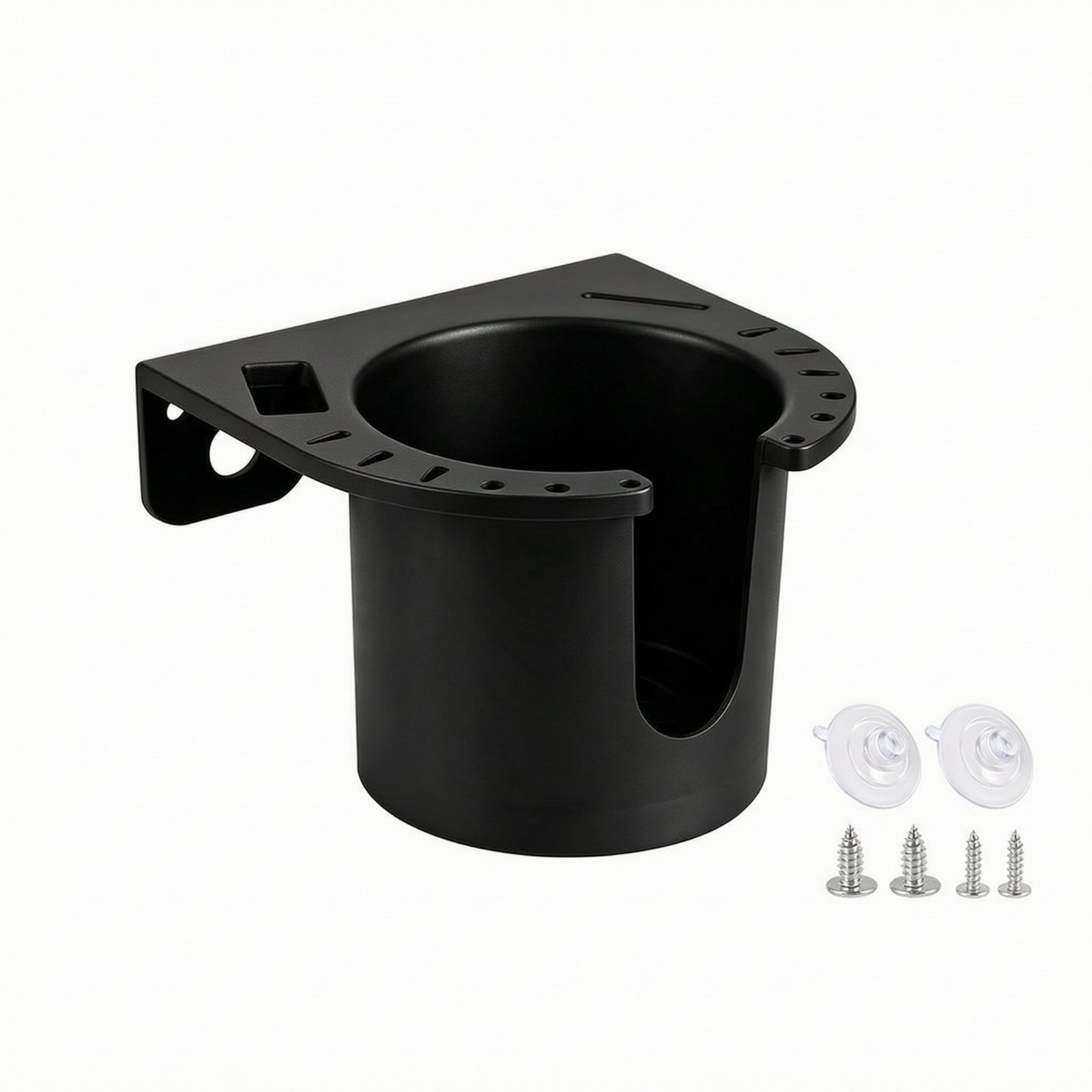
Also think about the support layout around your equipment. If you keep paddles, leashes, or small accessories scattered nearby, they can end up scraping the hull when you move things in and out. Fishing Storage Holder is not a boat rack, but its slotted open-top holder can help keep hooks, lures, and tools contained so they are not left around your storage area where they can snag or scratch nearby gear.
Common storage mistakes to avoid
A very common mistake is leaning a kayak or paddleboard directly against a wall for long periods. That may look convenient, but it can slide, fall, or rest on a small contact area that is less controlled than a rack with padding. A purpose-built support such as Kayak Wall Rack Easy to Install or Kayak Storage Rack gives the craft a more consistent resting position.
Another mistake is choosing a rack style before checking where it will actually go. Wall racks only work well if you have suitable wall space and are willing to mount hardware. If that is uncertain, a freestanding option like Vertical Board Rack or Double Kayak Storage Stand is often the safer plan because it avoids forcing a wall solution into a space that does not suit it.
Some buyers also underestimate how messy the area around the rack can become. Loose fishing tools, hardware, and accessories can turn a neat setup into a hazard. If your storage spot also doubles as a work area, using Fishing Storage Holder to corral small tackle or tools can reduce clutter around the larger rack and make loading the boat or board less awkward.
Finally, do not assume every wall rack works the same way for every craft. Check the contact shape, the amount of padding, and the type of gear the product description says it is meant to hold. If a listing does not state the load rating, spacing, or wall material requirements, verify those details before installing rather than guessing.
How the pieces work together in a tidy home setup
Think of your storage as a small system rather than one item by itself. The main rack or stand carries the boat or board, the padding protects touch points, the mounting or floor position keeps the setup stable, and a small accessory holder keeps loose gear from creating clutter around the larger craft.
For a simple single-board setup, Vertical Board Rack can serve as the main upright storage point, especially if you want to use a corner and avoid wall mounting. For a wall-based setup, Padded Kayak Rack or Kayak Storage Rack handles the main storage job while leaving more floor area open for bins, shoes, or drying mats.
For a household with more than one craft, Double Kayak Storage Stand is the kind of stand that helps separate boats into their own levels so they are not piled together. That is usually neater and easier on the equipment than improvising with one support point and a wall.
Then add a small organizer if your area also stores fishing or launch gear. Fishing Storage Holder can keep sharp or awkward little items in one place so the larger rack area stays clear. The result is not just tidier; it also makes it easier to lift the craft in and out without bumping it into tools or dragging it across the floor.
A typical kit
- Kayak Wall Rack Easy to InstallA wall-mounted rack for getting a kayak or similar gear off the floor while adding foam-covered contact points.
- Kayak Storage RackA padded wall rack with included screws for a straightforward home storage setup.
- Vertical Board RackA freestanding upright stand for storing a paddleboard neatly when wall mounting is not an option.
- Double Kayak Storage StandA two-level freestanding stand for organizing multiple boats or boards in one storage area.
- Padded Kayak RackA compact padded wall rack that suits buyers who want an open-frame support for boards or smaller watercraft.
- Fishing Storage HolderA small accessory holder that keeps sharp fishing tools and loose gear from cluttering the main storage area.
Questions people ask
Is wall storage or freestanding storage better for home use?
Wall storage is usually better when your goal is to clear floor space and keep a garage or shed easier to walk through. Freestanding storage is better when you cannot drill into a wall, want something movable, or need a quick setup without committing to one location.
Do I need padding on the rack?
Yes, padding is one of the most useful details because it reduces rubbing and hard contact where the craft rests. Foam or EVA-covered contact points are especially helpful for long-term storage because they help limit scratches and pressure marks.
Can I store more than one kayak on the same setup?
Yes, but it is much cleaner and safer to use a stand designed for more than one craft instead of stacking them loosely. A two-level stand keeps each boat in its own position, which makes access easier and reduces contact between hulls.
What if I rent and cannot mount hardware into the wall?
A freestanding stand is the practical choice in that case. It lets you organize the board or boat neatly without drilling, and you can reposition it later if you rearrange the room or move.
Can I just lean my kayak or paddleboard in a corner?
You can for very short periods, but it is not the neatest or safest long-term method. Leaning gear can lead to slips, falls, and uneven contact, while a purpose-built rack keeps it in a more controlled position.
Shop the list
Everything mentioned above
Prices and delivery windows are live from our catalog.
Kayak Wall Rack Easy to Install
Kayak Storage Rack
Vertical Board Rack
Double Kayak Storage Stand
Padded Kayak Rack