Buying guide · Boating & Diving
Safety gear for freediving or spearfishing from shore or a small boat
Short answer
You need a highly visible surface marker float as your core safety item, and you should add only support gear that clearly improves buoyancy control, organization, and handling for your exact style of diving. For shore entries and small-boat dives, prioritize visibility, grab points, simple attachment options, and weight systems that can be released quickly rather than adding bulky accessories that do not solve a real safety need.
Start with visibility and surface support
For freediving or spearfishing, the first piece to choose is a float or marker buoy that keeps you easy to spot from the surface. A buoy gives boat traffic, your partner, and the person watching from shore or the boat a clear point to track, and it also gives you something to hold during rest intervals, fish handling, or gear checks.
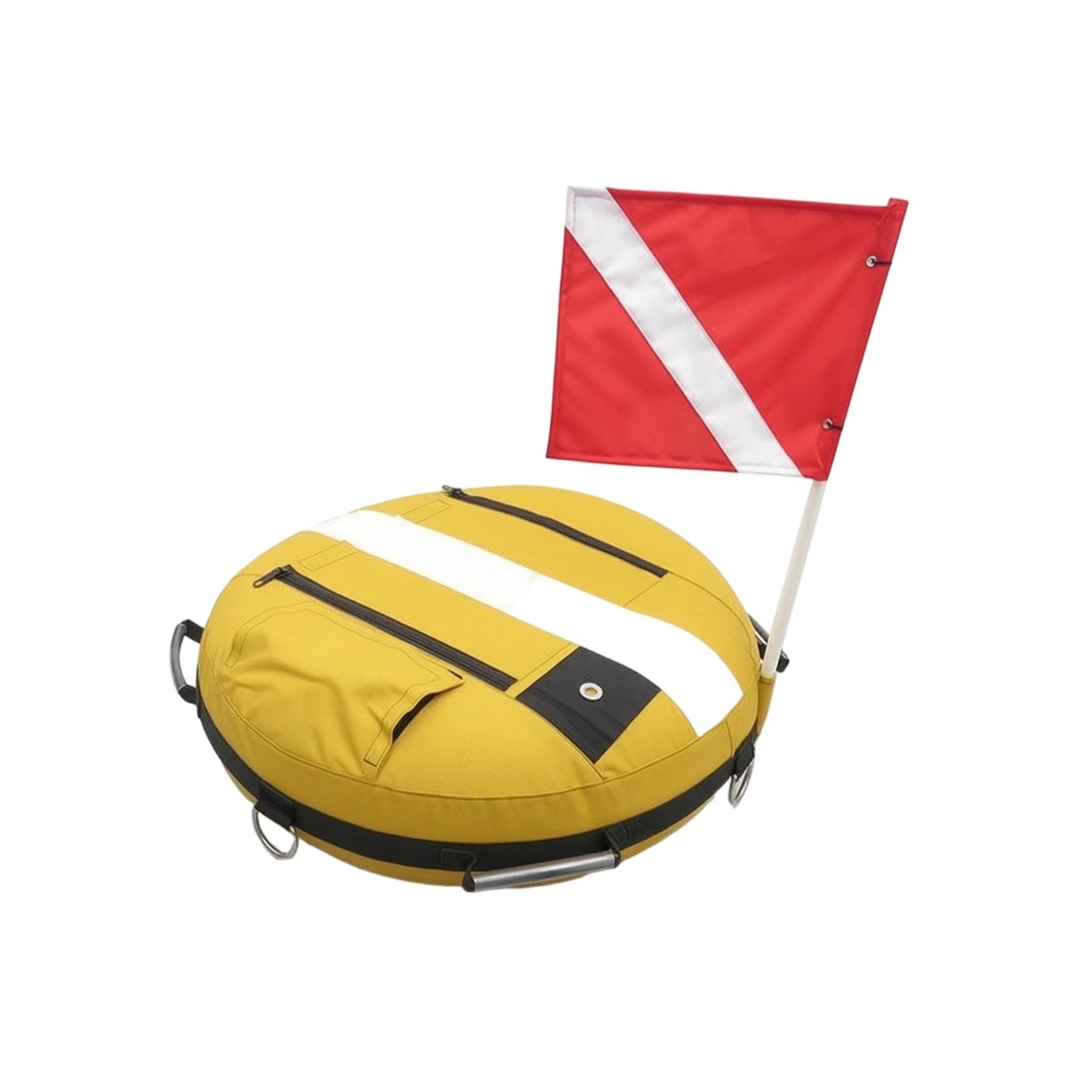
A full-size option such as Inflatable Dive Buoy with Flag is useful when you want a surface marker with a flag, handles, and attachment points in one setup. The listing says the flag measures 33 x 26 cm and the buoy inflates to 75 cm diameter and 20 cm height, which makes it a strong choice when visibility is the main concern.
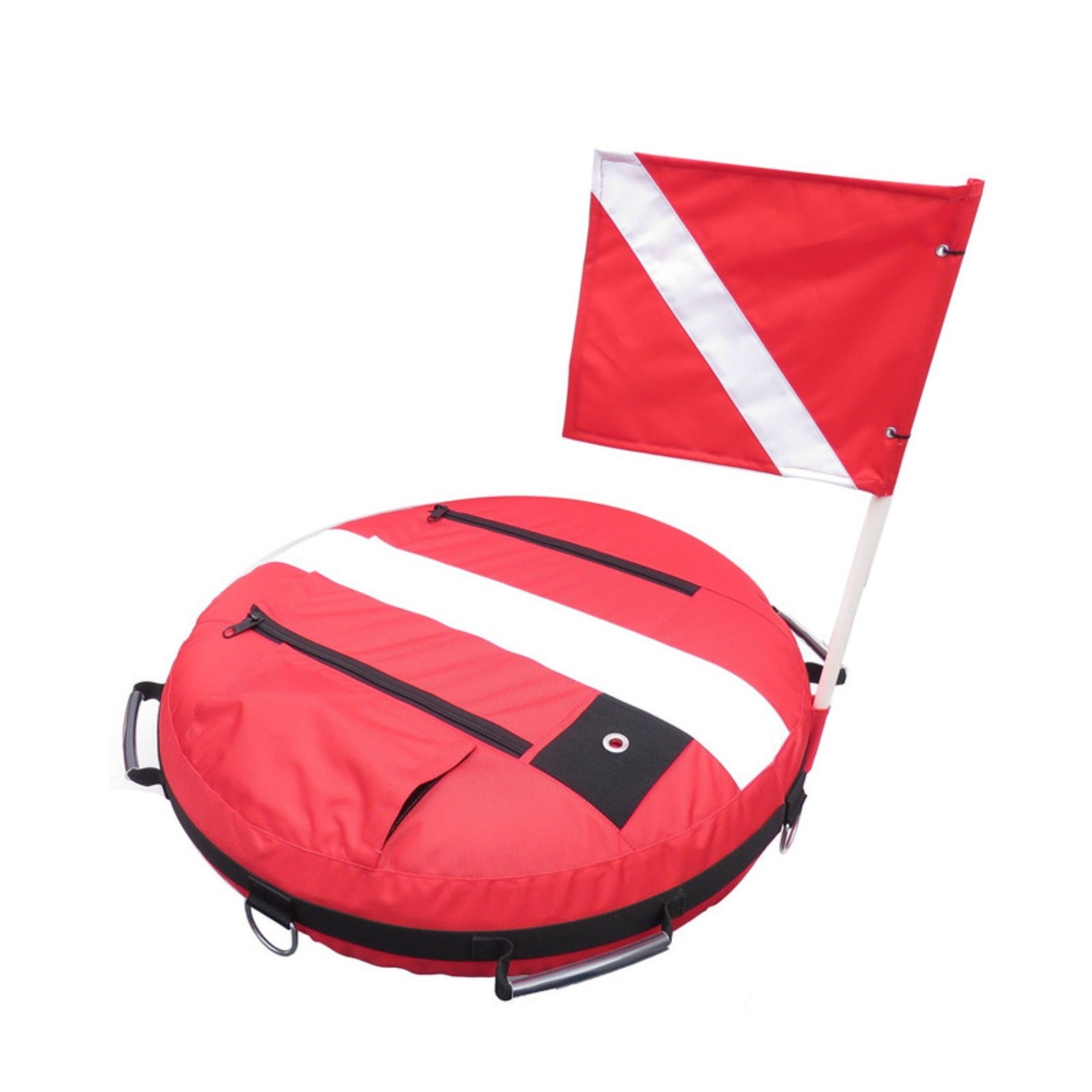
If you want a large float without a flag, Inflatable Dive Buoy has a round body measuring 75 x 20 cm, a red-and-white high-visibility surface, and both mouth and inflator-style inflation options. That combination matters because a float is only helpful if it is easy to deploy, easy to see, and sturdy enough to keep working through repeated trips.
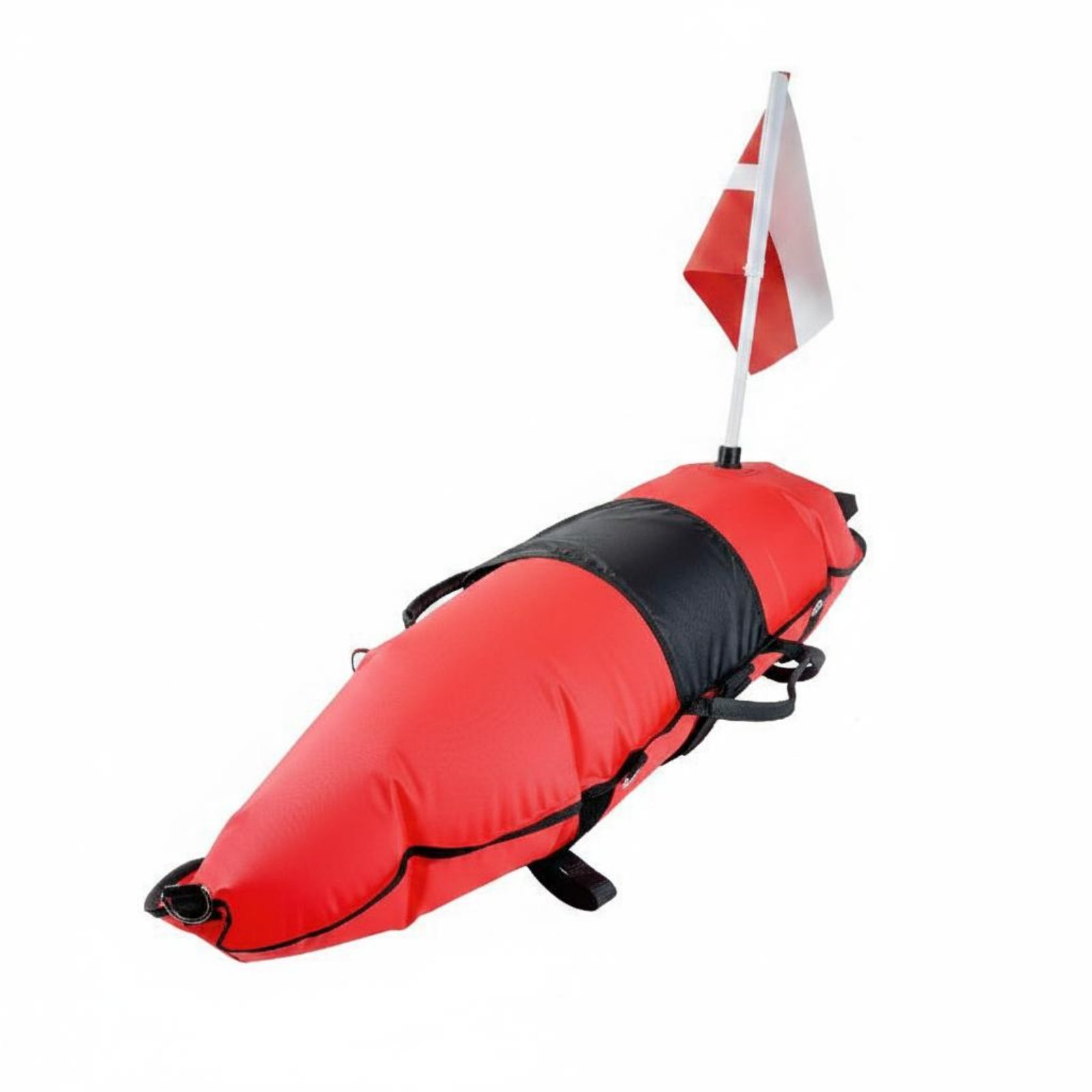
A simpler general-purpose marker such as Inflatable Dive Buoy can make sense for lighter shore sessions or as a secondary float on a small boat. If you are looking at any float listing, check for bright color, sturdy grab points, and secure places to clip or tie gear, because those details affect real-world safety more than appearance.
Choose weight carriage carefully and keep release simple
Weight systems can improve control in the water, but they are only a safety upgrade if they are secure, well placed, and easy to ditch. For freediving and spearfishing, avoid adding extra ballast just because a pouch is available; carry only what your training and conditions call for, and make sure you can remove it quickly if something goes wrong.
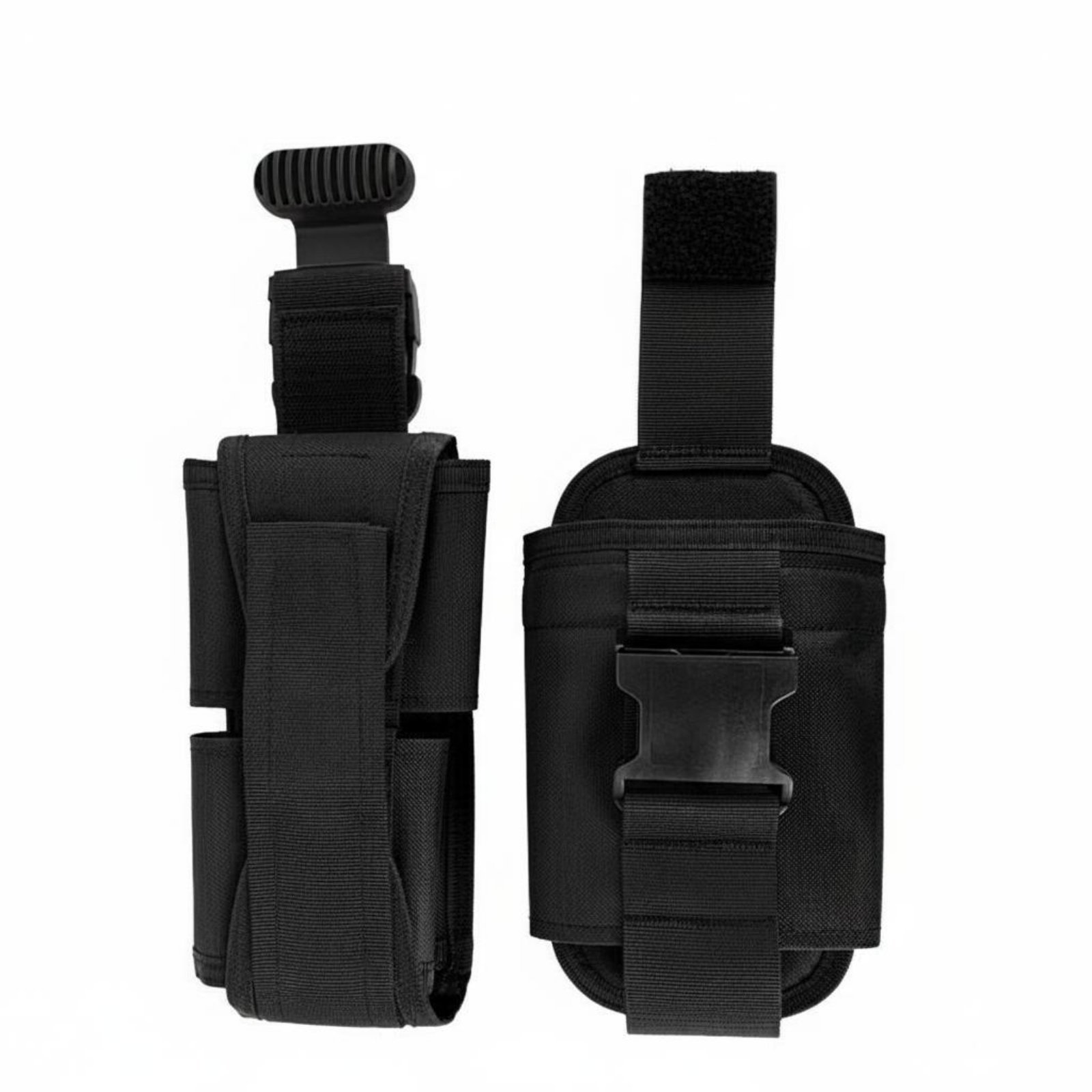
A releasable option such as Quick Release Weight Pocket is worth considering because the listing specifically calls out a quick release configuration for fast weight removal. That is the feature to prioritize when you are comparing weight pockets, since emergency release matters more than storage convenience.
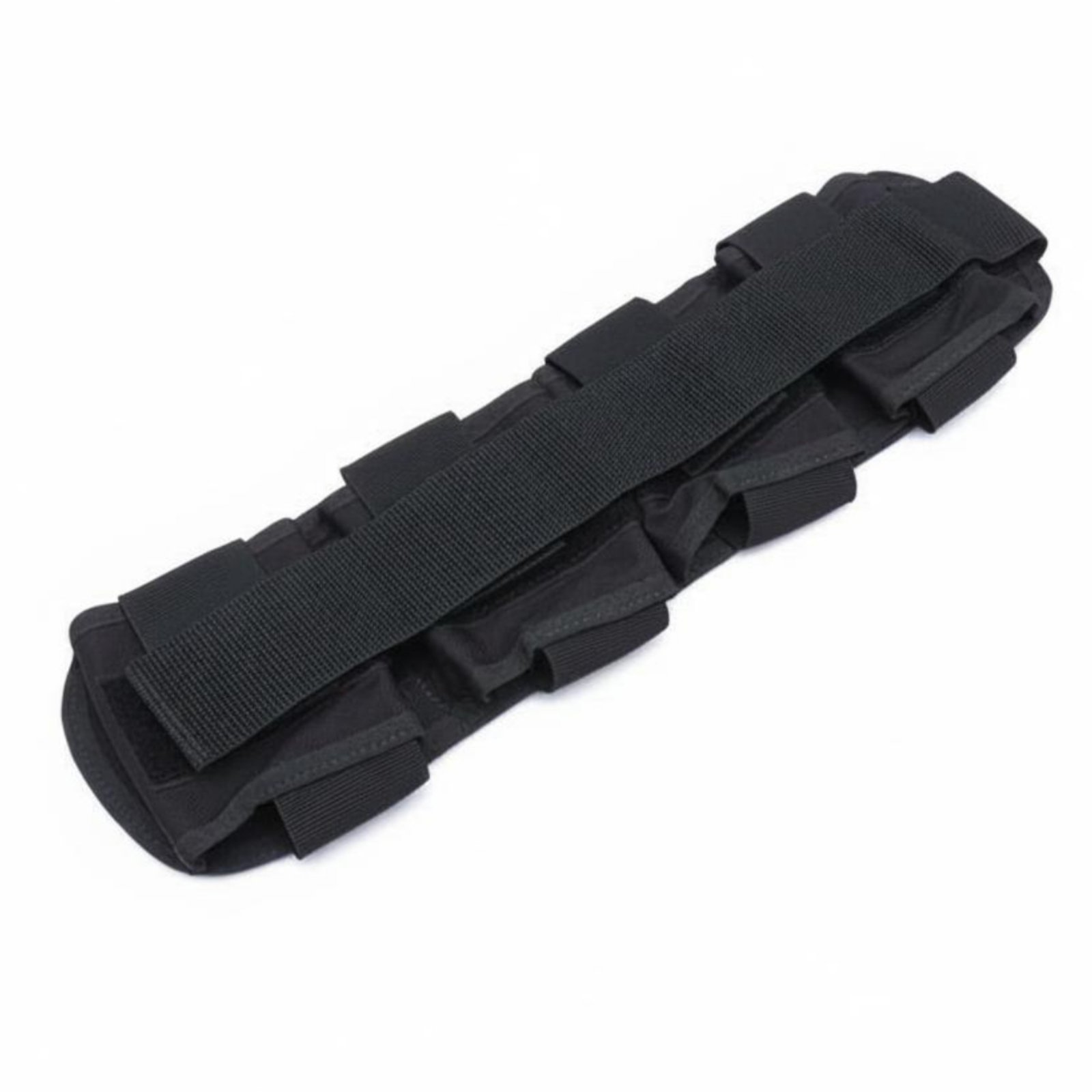
If your setup needs more structured weight placement, 4-Piece Side Mount Weight Bag is designed as a side-mount weight pouch with a sleek 45 x 11.5 x 4.5 cm profile and 4 x 2 kg capacity. That kind of organized load distribution can help trim, but only if it matches the harness or rig you already use.
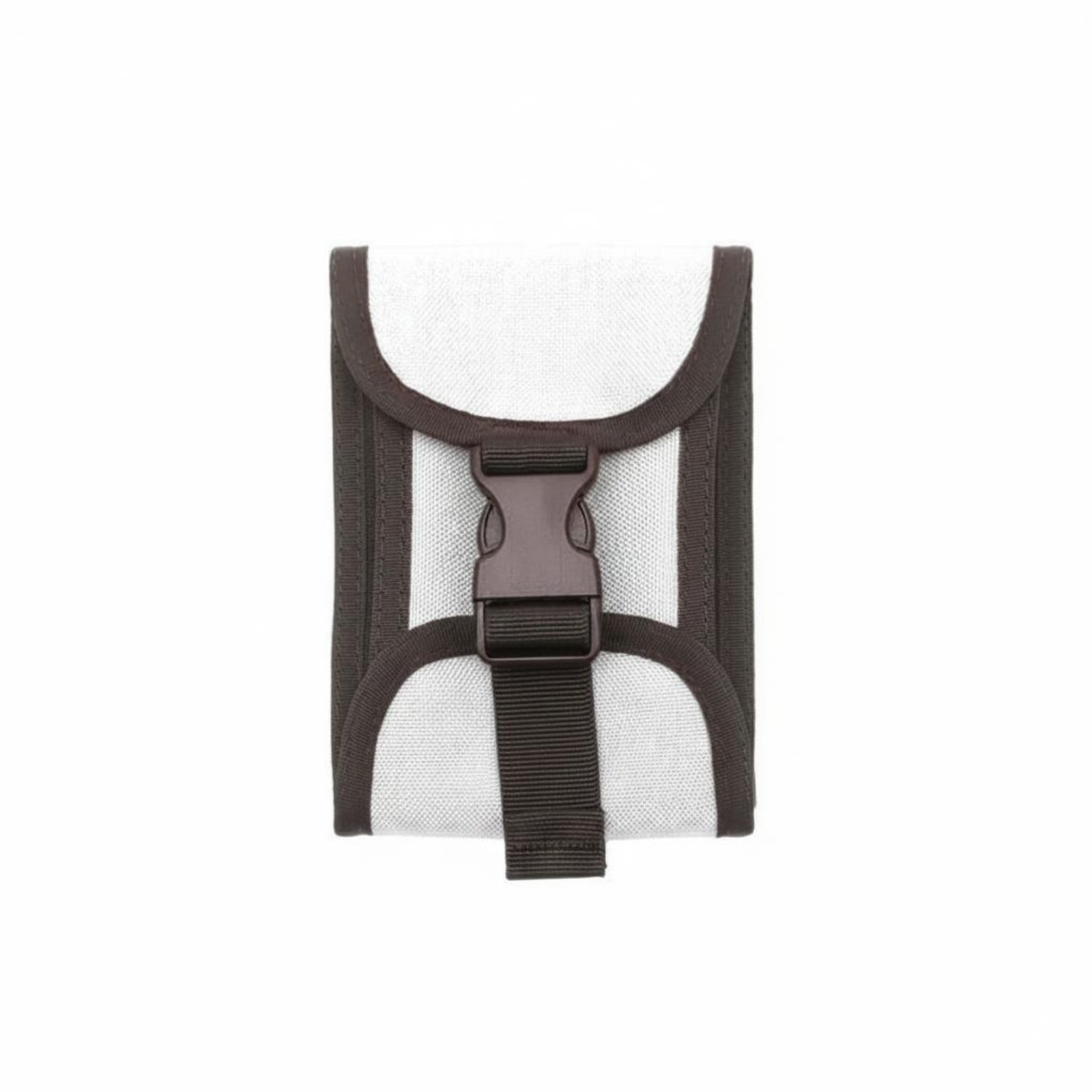
Another option, Dive Weight Pocket, is intended for attachment at a backplate wing waist area. For a shopper, the key point is to confirm exactly where the pocket mounts on your equipment and whether that location still allows clean movement, comfortable kicking, and immediate access to release or adjust ballast.
How the pieces work together on shore and small-boat dives
A practical safety kit works as a system. Your float marks your location and gives you a visible recovery point, your weight pocket supports controlled buoyancy if you truly need ballast, and your carry bag keeps the gear together so you are less likely to forget a key piece during a rushed launch.
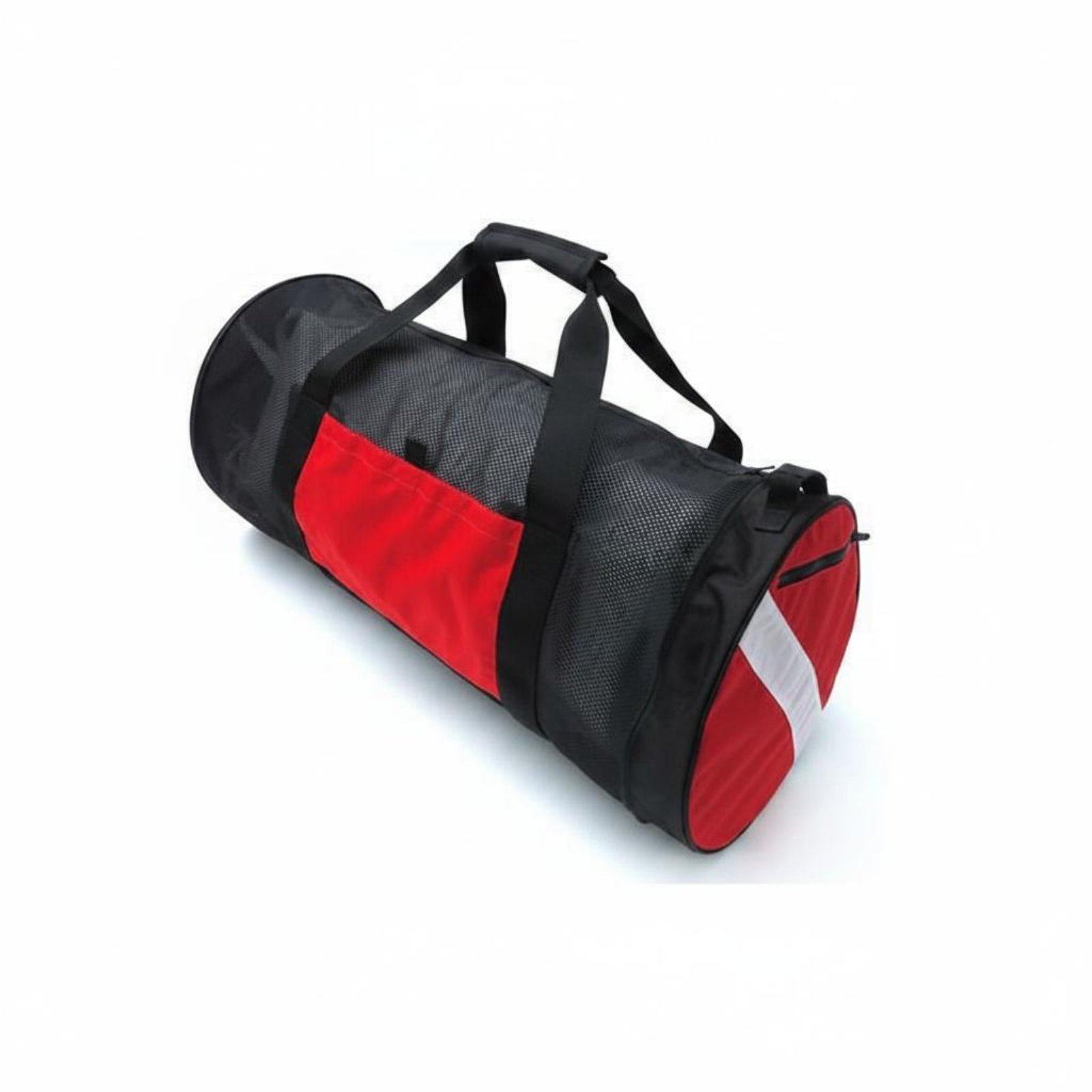
For transport and wet gear management, Underwater Diving Mesh Bag is useful because the mesh design vents damp gear and the main compartment is listed at 78L with an 80 cm length. That kind of bag helps you separate the safety-critical items you must have ready at the entry point from the items that can stay packed until needed.
If you mainly carry long fins and want a narrower bag for beach walks or boat loading, Long Fins Bag is a straightforward option to check. The listing is basic, so confirm the fit for your fins and how you plan to organize smaller items like your float line, belt, gloves, or knife before you rely on it as your only gear bag.
A simple setup for many divers is one main buoy, one weight solution if needed, and one bag that makes pre-dive checks easy. That approach keeps the deck or shoreline staging area tidy and reduces the chance of loose gear getting tangled, dropped, or left behind.
Common mistakes to avoid
The biggest mistake is treating any buoy as optional. If you are diving from shore or a small boat, surface visibility is not a luxury item; it is the first thing that helps others avoid you and find you.
Another mistake is choosing a float without checking how you will actually use it. Some divers need a flag, some need more grab area, and some need stronger tie points for clipped gear. Match the buoy to your diving pattern instead of assuming every surface marker does the same job.
Be careful with compact markers like Inflatable Dive Marker. The listing gives a compact size of 1.8 x 15 cm and highlights packability, so it may be easier to carry, but that is not the same as a larger rest float for repeated surface recovery between dives.
Do not confuse storage gear with safety gear. A bag such as Underwater Diving Mesh Bag or Long Fins Bag helps organization, but it does not replace a visible float or a properly planned weighting setup.
Finally, do not buy a weight pouch unless the mounting method matches your current equipment and your training level. If the listing does not clearly show attachment style, release method, or intended position on your rig, pause and verify those details before ordering.
A typical kit
- Inflatable Dive Buoy with FlagPrimary surface marker for divers who want a highly visible buoy with an included flag and places to hold or clip gear.
- Inflatable Dive BuoyLarge rest and marker buoy for open-water use when you want a visible float with sturdy construction and simple inflation options.
- Quick Release Weight PocketQuick-release ballast pocket for divers who need a safer way to carry and ditch weight when conditions change.
- 4-Piece Side Mount Weight BagStructured side-mount weight pouch set for organized ballast placement when your harness setup is designed for that style.
- Underwater Diving Mesh BagMain mesh carry bag for keeping wet gear together, ventilated, and easier to check before a shore or boat entry.
- Long Fins BagLong-fin gear bag for simpler transport when your priority is carrying fins and a few core dive items.
Questions people ask
Do I really need a float if I am diving close to shore?
Yes, a visible surface marker is the main safety item in this group. Shore divers can still be hard for boaters, paddlers, or even their own support person to track, so a buoy is usually the first thing to buy.
When should I choose a buoy with a flag?
A flag can improve visibility, especially where surface traffic is a concern. If you expect busy water or want a more obvious marker, a float like Inflatable Dive Buoy with Flag gives you that feature in one setup.
Should I add weight pockets for freediving or spearfishing?
Only if you already know you need ballast for your suit, water conditions, and diving style. If you do use weights, prioritize a system with a clear release method, such as Quick Release Weight Pocket, and make sure it mounts securely to gear you already own.
Can a compact marker replace a larger float?
Usually not for the same job. A compact item like Inflatable Dive Marker may be easier to pack, but a larger buoy is generally more useful for resting, handling gear, and staying easy to spot through a full session.
What bag should I use for shore entries or a small boat?
Use a bag that keeps wet gear contained and makes it easy to separate must-have safety items from the rest of your kit. Underwater Diving Mesh Bag is a good example because the mesh build helps ventilation, while Long Fins Bag suits divers who mainly need long-fin transport.
Shop the list
Everything mentioned above
Prices and delivery windows are live from our catalog.
Inflatable Dive Buoy with Flag
Inflatable Dive Buoy – Outer Diameter 75
Inflatable Dive Buoy – Orange
Quick Release Weight Pocket
4-Piece Side Mount Weight Bag
Dive Weight Pocket
Underwater Diving Mesh Bag
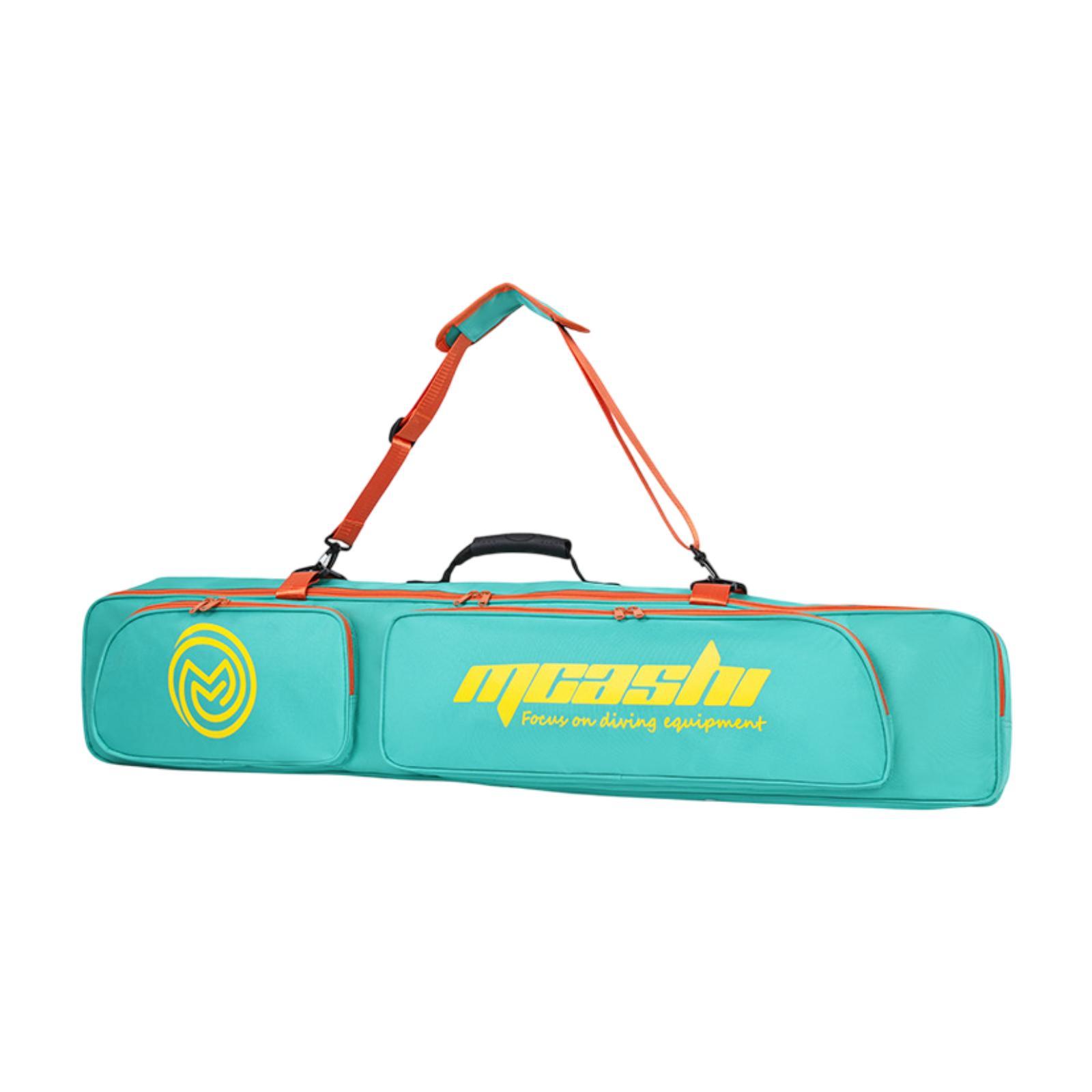
Long Fins Bag