Buying guide · Fishing & Camping
What you need to start fly tying
Short answer
To start fly tying, you need a way to hold the hook securely, a tool to control thread, cutting and handling tools, and enough basic materials to practice simple patterns. A starter kit can cover most of that at once, but it helps to understand when a rotary vise, pedestal base, or specialty tools make your setup easier and more precise.
Start with the core tools
The first thing to solve is hook control. A fly tying vise holds the hook so both hands are free for thread, feathers, hair, and trimming. If you are deciding between styles, think about how you want to work: a simple bench vise is fine for learning basic wraps, while a rotary design makes it easier to inspect the far side of the fly and keep proportions even as you build.
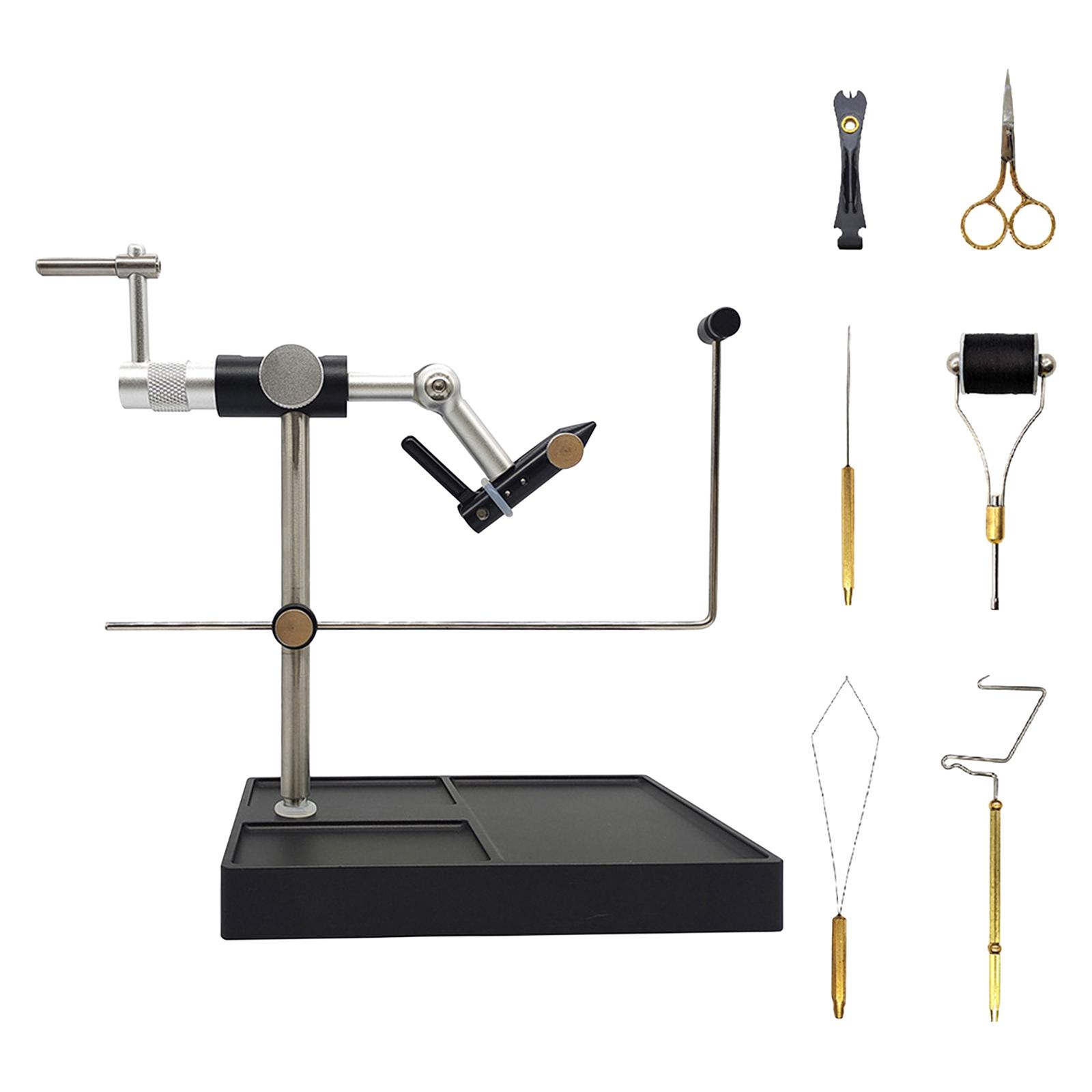
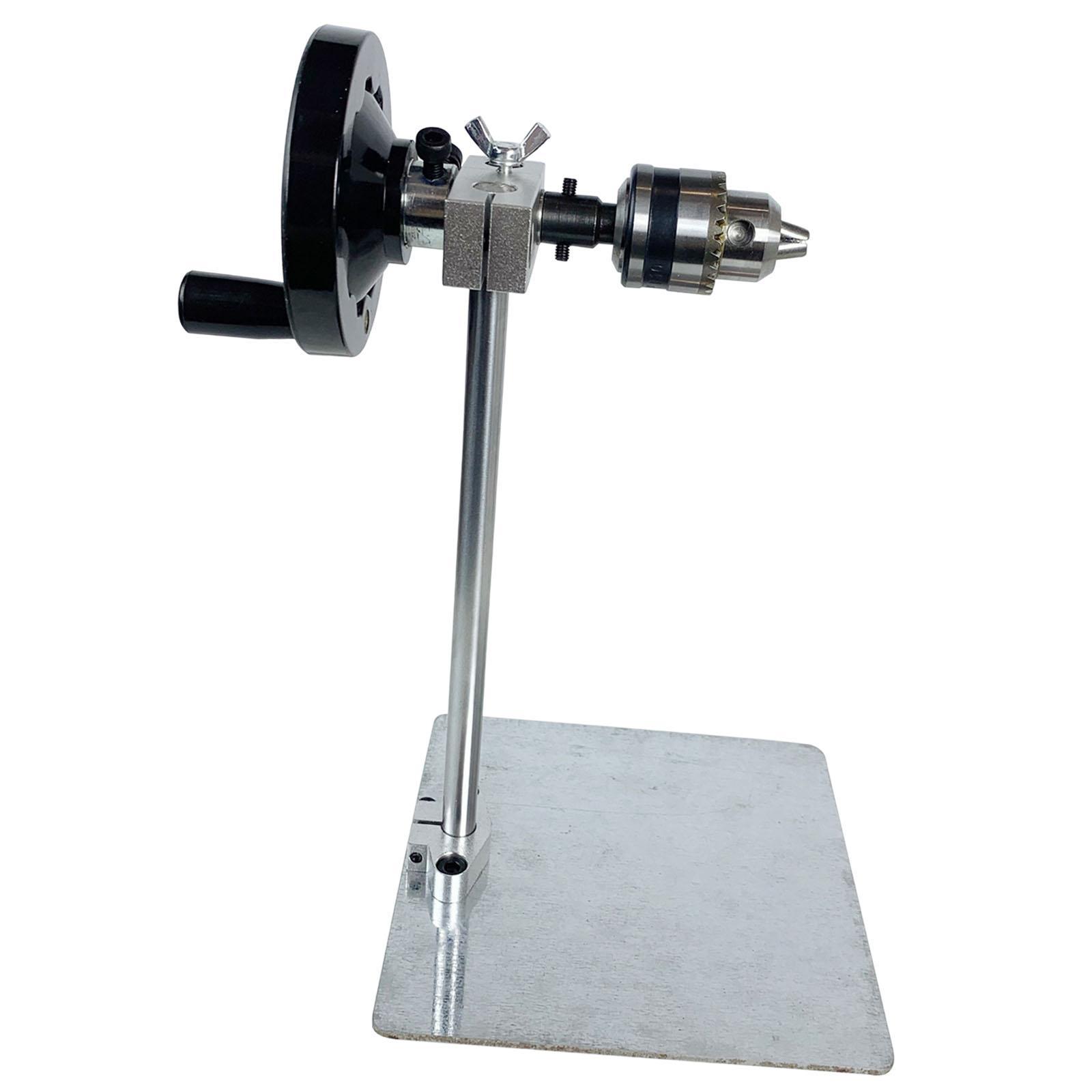
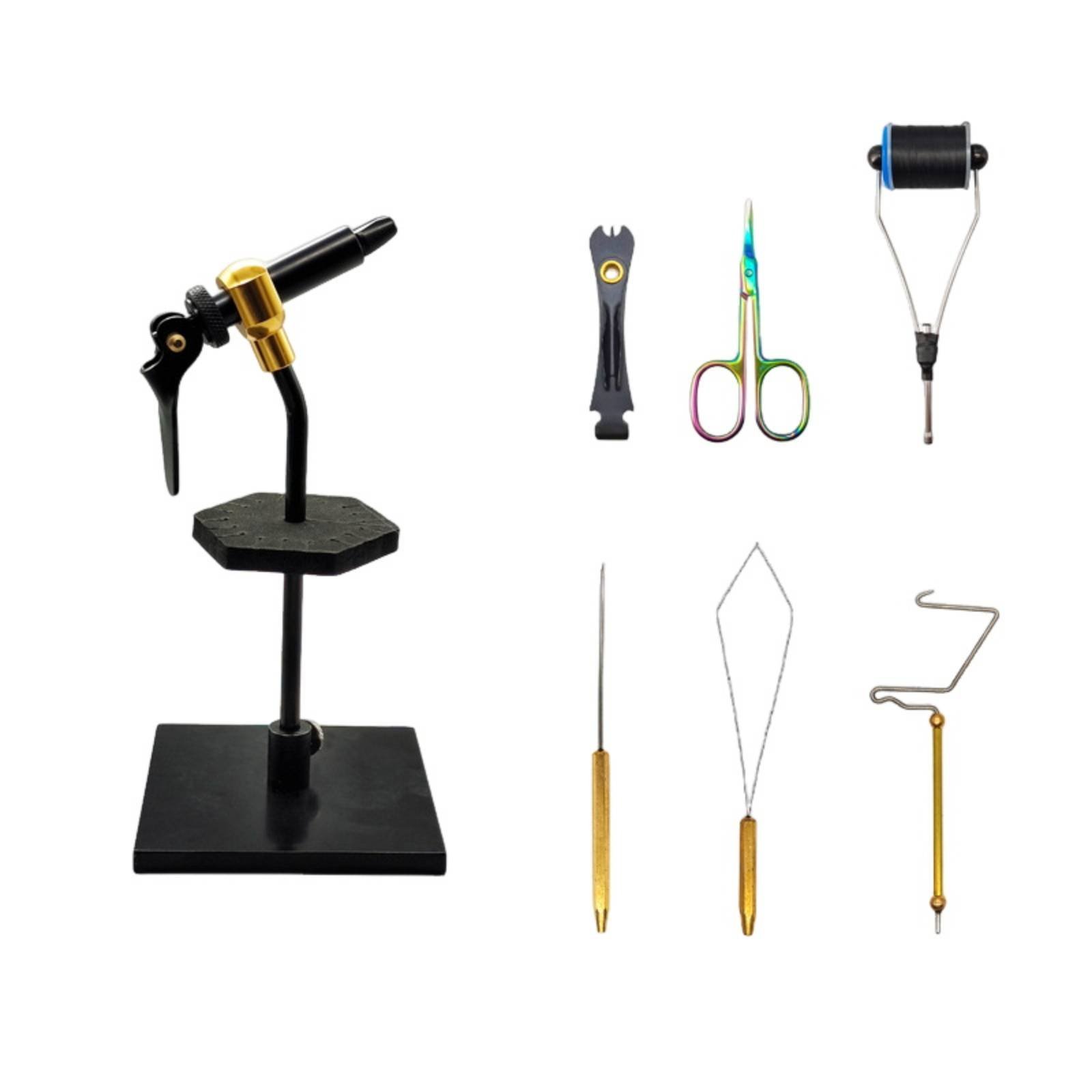
A general starter option such as Fly Tying Set is useful when you want one purchase that gets you tying right away, but you should still check that the included tool mix matches the flies you want to learn first. If you want a dedicated vise first and plan to add tools over time, Fly Tying Vise gives you a standalone hook-holding starting point.
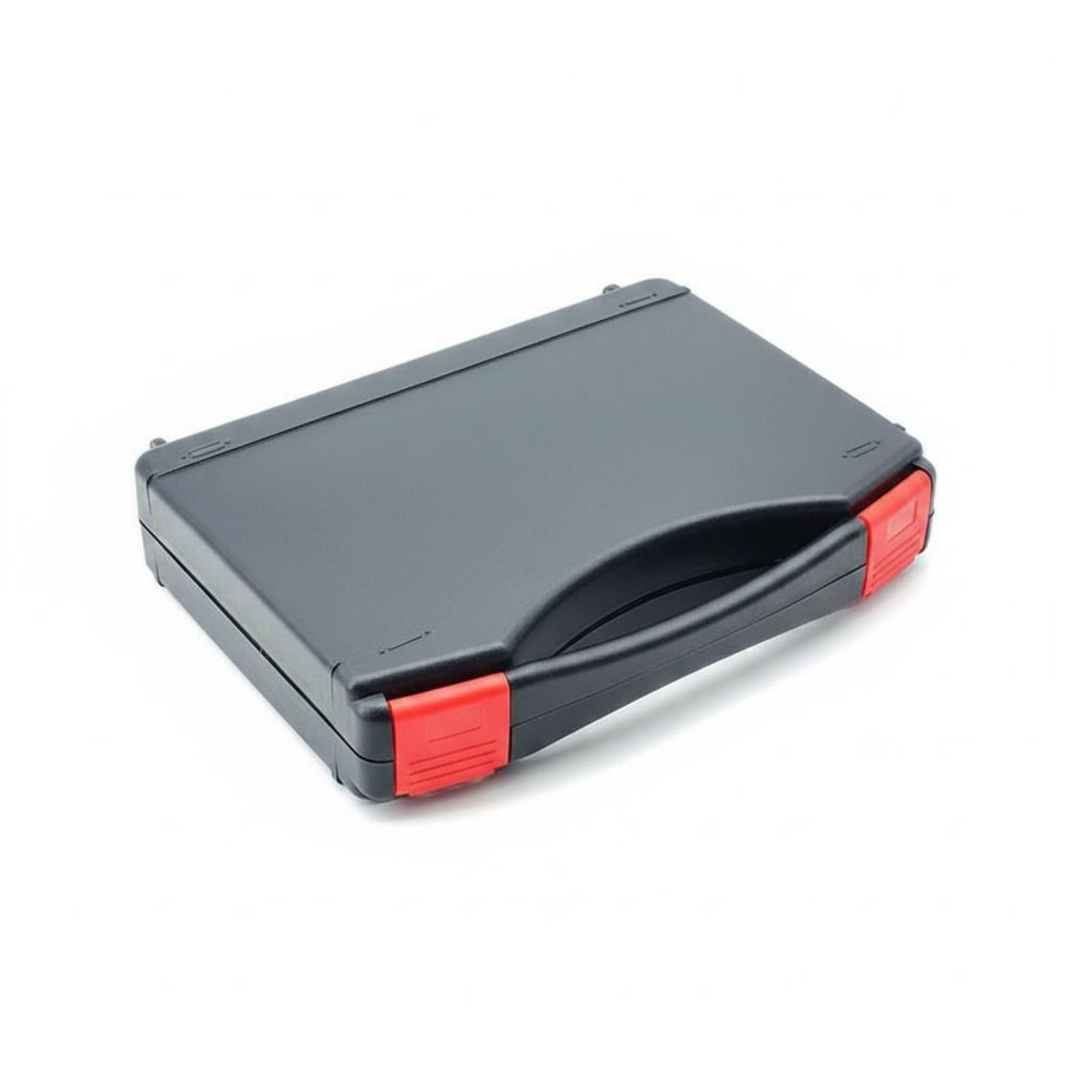
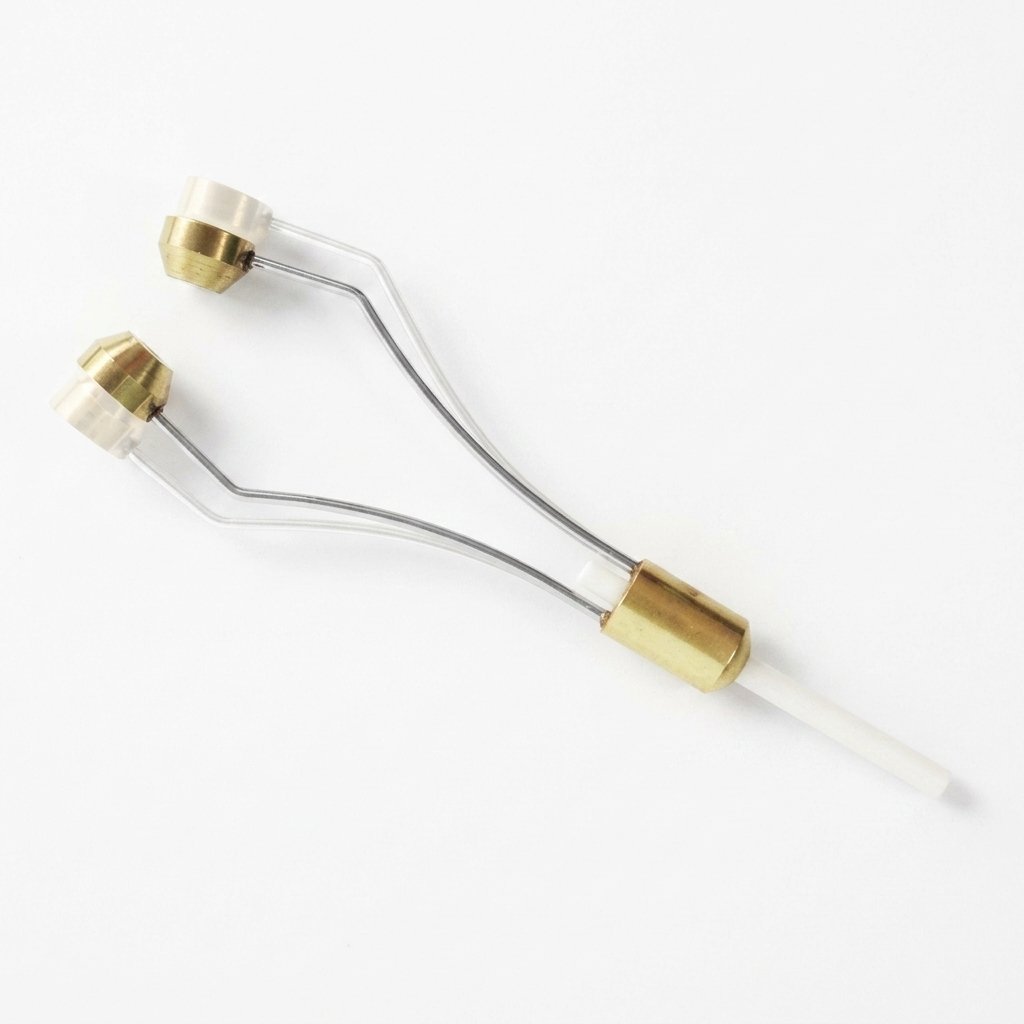
A bobbin holder is the other tool most beginners should not skip. Fly Tying Bobbin Holder uses a ceramic tube to help thread feed smoothly with less fraying, which matters because clean thread tension is what keeps materials in place while you learn. After that, a materials-and-tools case like Fly Tying Materials Kit can make sense if you want a more organized beginner setup instead of piecing together separate small items.
When choosing, focus on stability, smooth thread handling, and whether the set helps you perform the basic jobs: hold the hook, feed thread, cut and place materials, and keep the bench organized. Those functions matter more at the start than specialty features you may not use for a while.
Choose features based on how you will tie
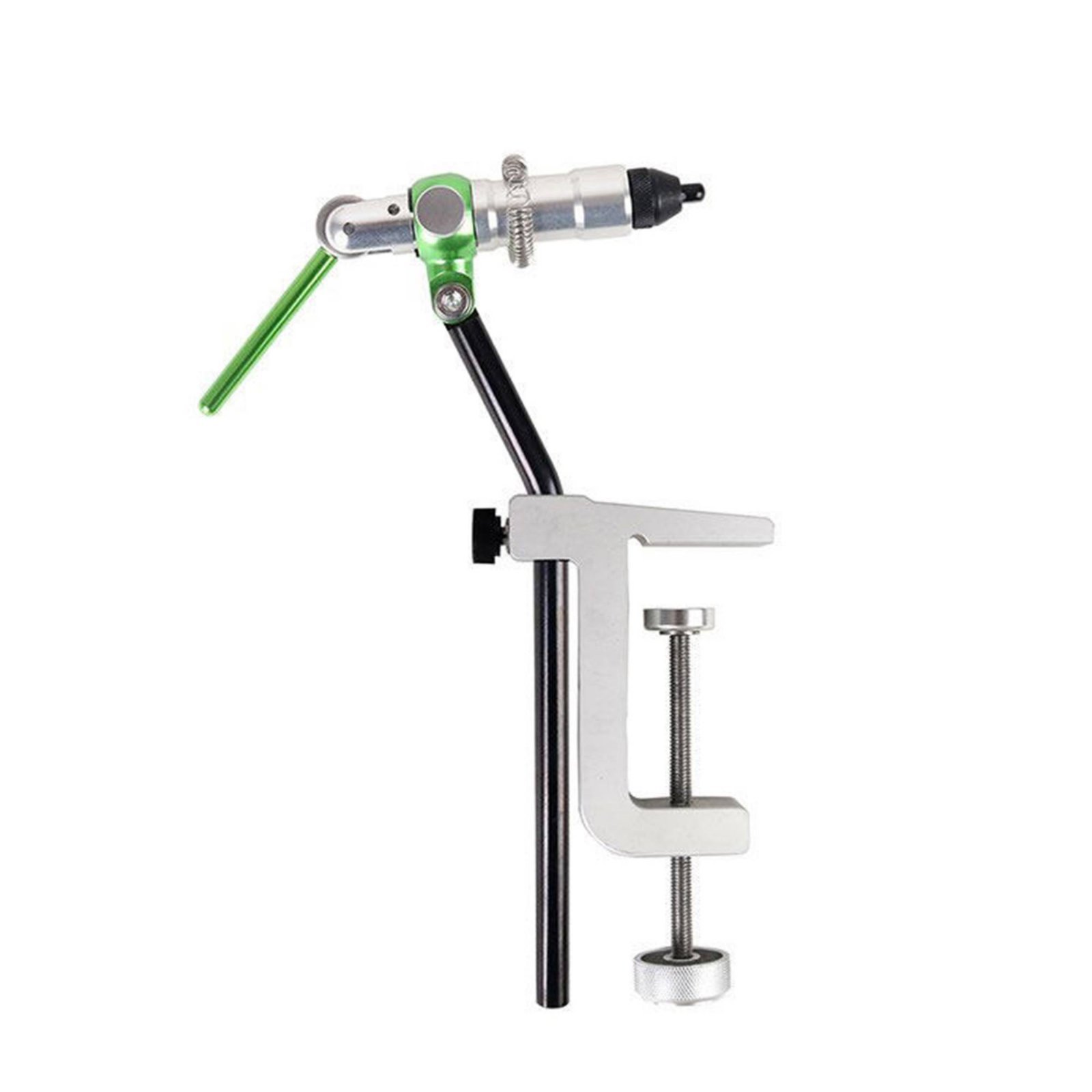
If you expect to tie a variety of patterns and want easier access around the hook, a rotary vise is a practical upgrade. Rotary Fly Tying Vise has a 360-degree rotating head, adjustable jaw tension, and a clamp base, so it suits a bench where you can attach it securely and turn the fly to view all sides without removing the hook.
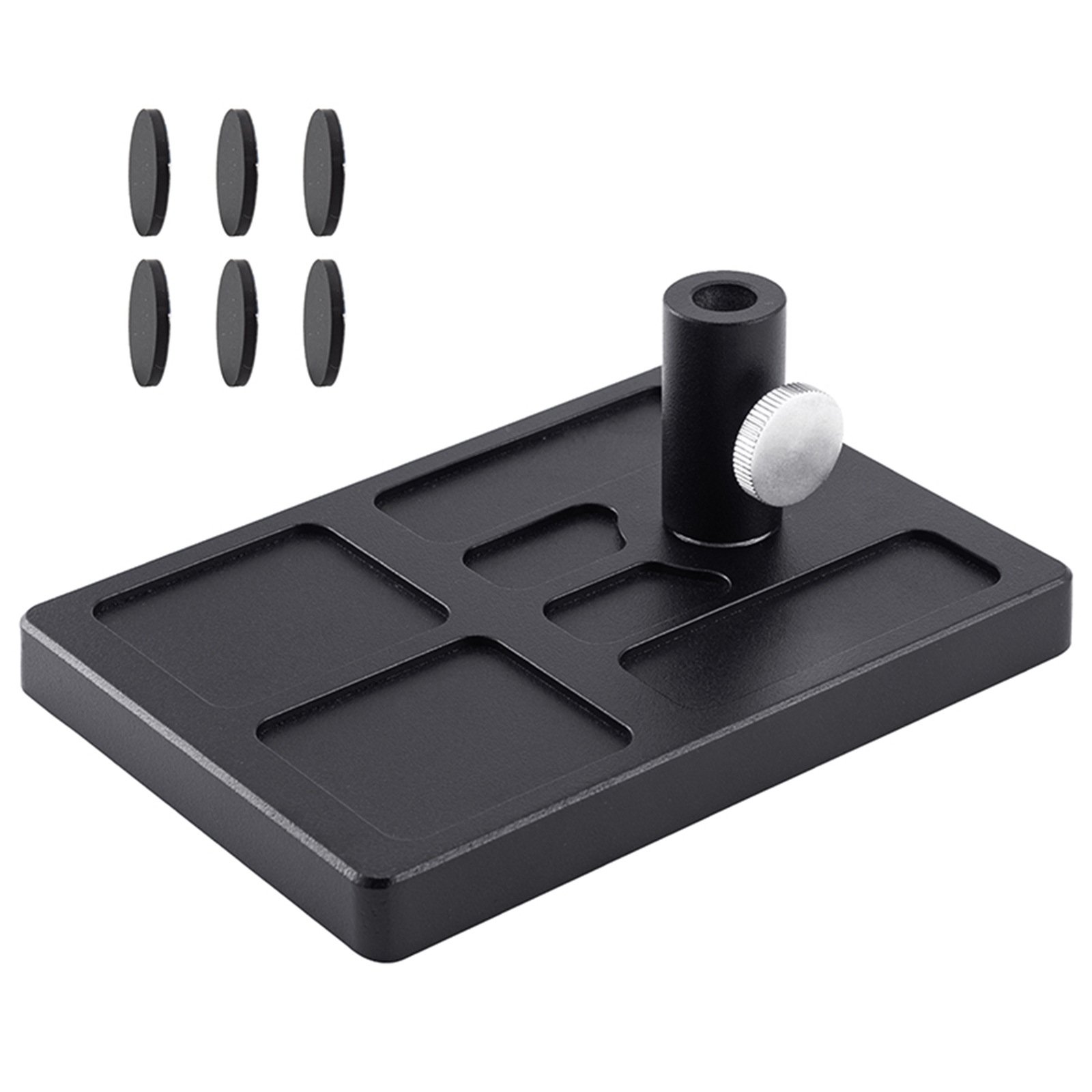
If you prefer a freestanding setup on a desk or table, look at pedestal-style support. Fly Tying Vise Storage uses a weighted desktop base, which can be easier for beginners who do not want to clamp onto furniture. A separate pedestal platform such as Fly Tying Vise Pedestal Base can also help if you already have a compatible vise head and want more stability plus small recessed compartments to keep hooks and beads from wandering around the bench.
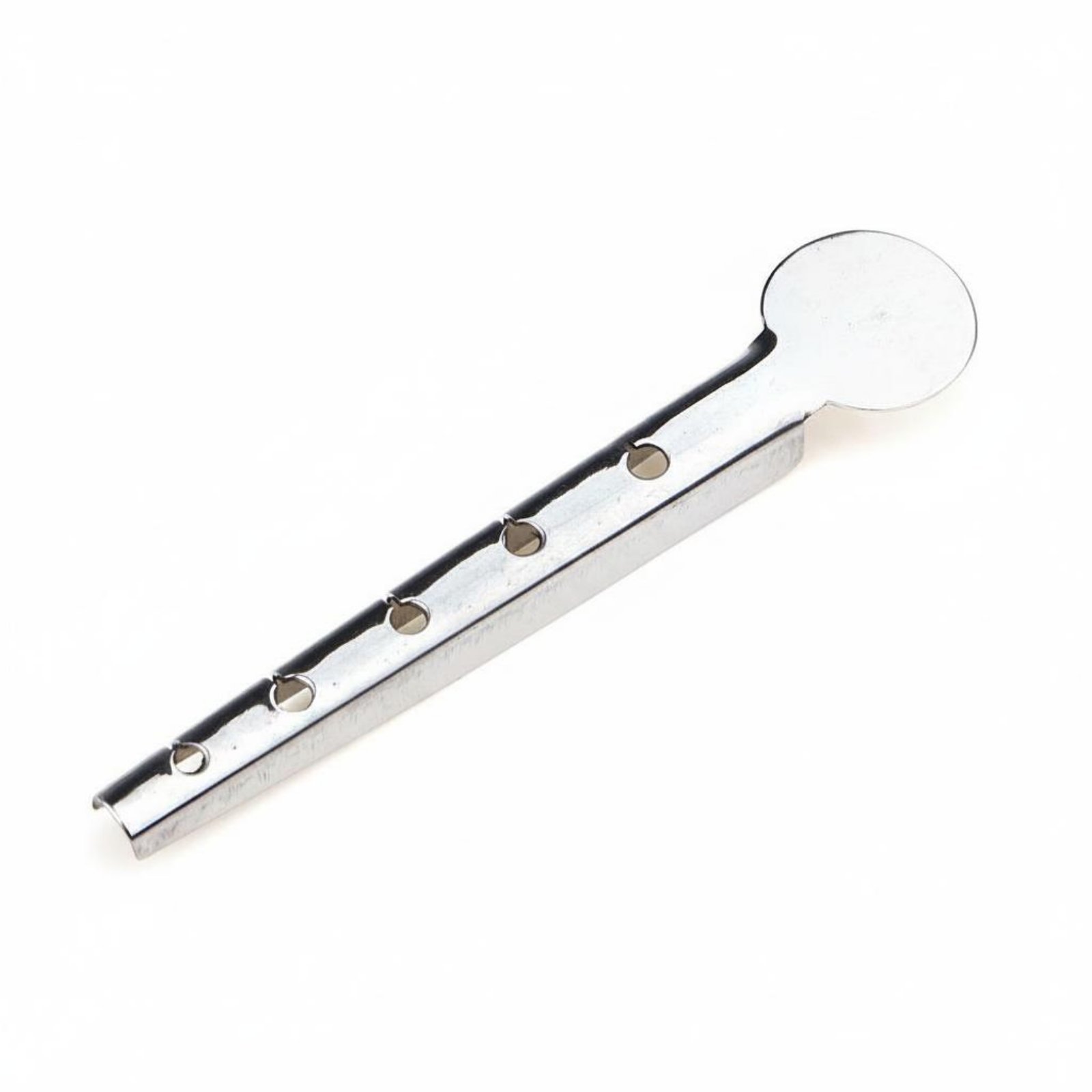
Materials control becomes more important once you begin tying flies with hair wings, tails, or collars. Multi-Hole Hair Stacking Tool is a hair stacker that helps align tips so bunches of hair or feather material sit neater before you tie them in. It is not the first tool to buy before a vise and bobbin, but it becomes very useful once you start working on cleaner, more consistent profiles.
The main idea is to match the setup to your workspace and learning style. Clamp vises favor a fixed bench, pedestal bases favor portability and quick setup, and specialty tools help once you have the basic process under control.
How the pieces work together
Fly tying follows a simple sequence. The vise secures the hook, the bobbin holder carries the tying thread and lets you wrap it under control, and your other tools position or trim materials as each part of the fly is built. A material kit or starter set helps because it keeps those steps from stalling while you hunt for missing essentials.
For example, you might clamp a hook in Rotary Fly Tying Vise or set up on Fly Tying Vise Storage, then use Fly Tying Bobbin Holder to start a thread base and bind in tail or body material. If you are tying with hair, Multi-Hole Hair Stacking Tool helps align the tips before you transfer the bundle to the hook and secure it with thread wraps.
If organization is a weak point on your bench, a bundled case such as Fly Tying Materials Kit or a general set like Fly Tying Set can keep the workflow simpler because the essential pieces stay together. If your main concern is bench stability, Fly Tying Vise Pedestal Base supports a tidier, steadier working area by giving the vise a dedicated platform and spaces for small parts.
Thinking in this order helps you buy smarter: first secure the hook, then manage thread, then add material-handling and organization tools. Once those jobs are covered, you can practice proportion, tension, and neat finishing without fighting the setup.
Common beginner mistakes to avoid
A very common mistake is buying specialty accessories before covering the basics. A hair stacker or added base is helpful, but not before you have a reliable vise and a bobbin holder. Start with the core workflow, then add tools that solve real problems you notice while tying.
Another mistake is choosing a vise without thinking about where it will sit. A clamp style like Rotary Fly Tying Vise needs a suitable table edge, while a desktop option like Fly Tying Vise Storage is better if you tie on mixed surfaces or want a setup you can move around. If a vise feels unstable, your wraps and proportions usually suffer.
Beginners also tend to buy broad kits without checking what is actually included. With Fly Tying Set and Fly Tying Materials Kit, compare the listed setup with the flies you want to learn and confirm that the tools you expect are there rather than assuming every accessory is included.
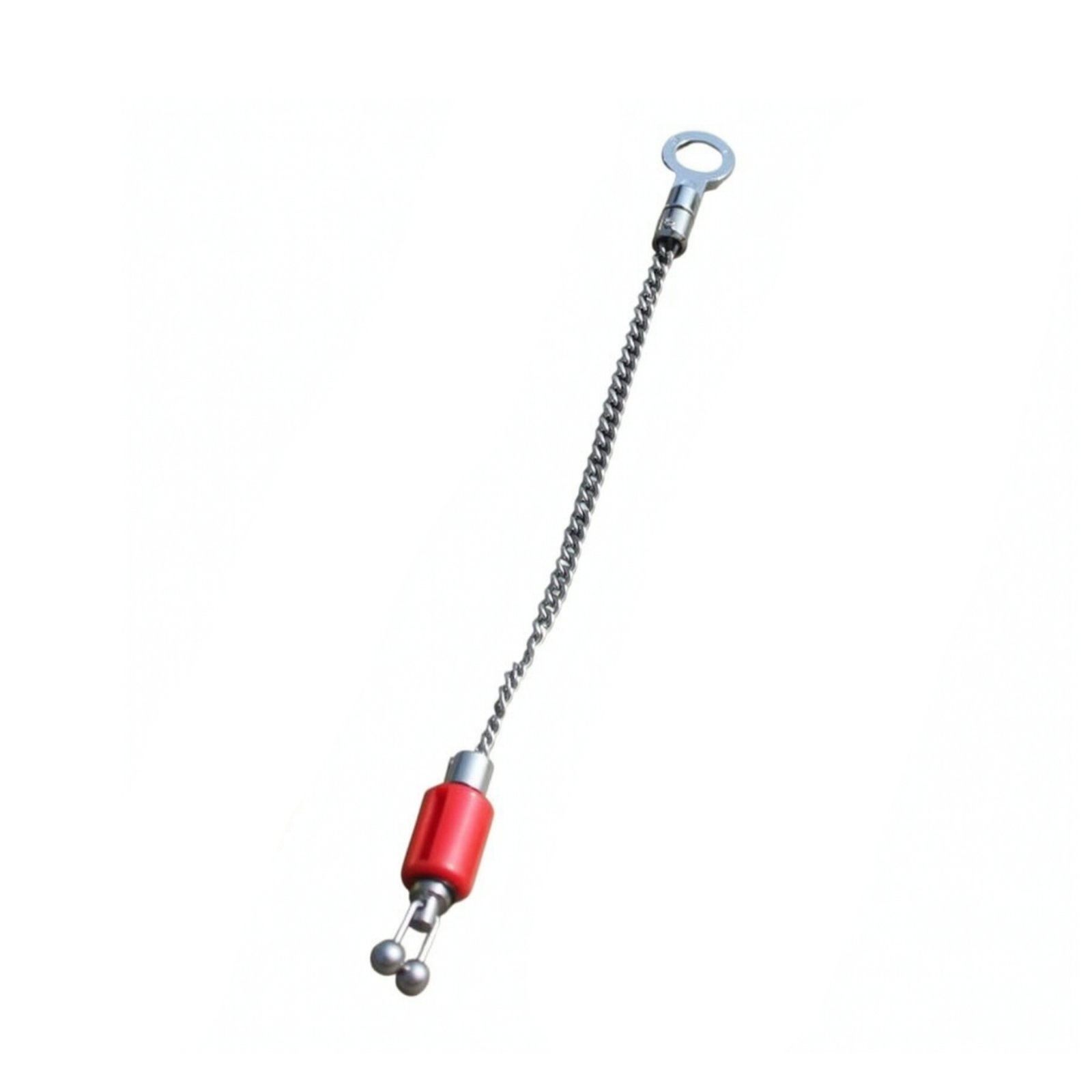
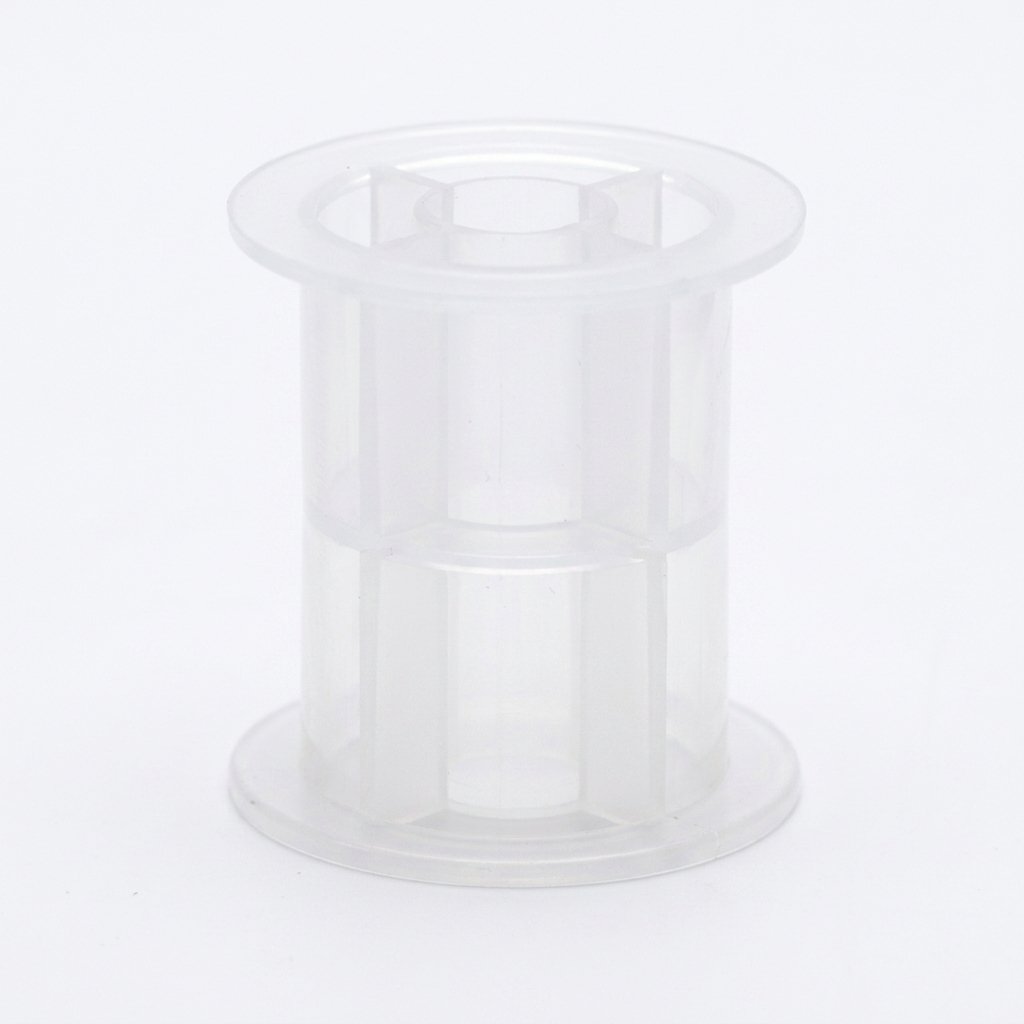
Finally, avoid unrelated tackle. PP Injection Molded Fly Tying Bobbin Spool is an empty bobbin spool intended for winding line, and Fishing Bobbin with Chain is a fishing bobbin with chain used as an indicator, so neither replaces a fly tying bobbin holder for thread control at the vise. Reading the intended function carefully keeps your first bench focused and usable.
A typical kit
- Rotary Fly Tying ViseUse this as the main vise if you want rotary access around the hook while tying different patterns.
- Fly Tying Bobbin HolderUse this to hold and dispense tying thread smoothly while you build and secure each material layer.
- Fly Tying Materials KitUse this as a starter case for basic tools and materials when you want a more complete bench setup in one package.
- Multi-Hole Hair Stacking ToolUse this to align hair or feather tips before tying them in for cleaner wings, tails, and collars.
- Fly Tying Vise Pedestal BaseUse this pedestal base if you need a steadier work surface and a place to keep small tying parts organized.
Questions people ask
Do I need a full kit, or can I start with just a few tools?
You can start with a vise, a bobbin holder, and enough basic materials to practice simple flies. A kit is convenient because it reduces guesswork, but it is not required if you prefer to build your bench step by step.
Is a rotary vise necessary for a beginner?
No, but it is very helpful. A rotary model makes it easier to inspect the fly from all sides and can improve consistency while you learn thread control and proportions.
What is the difference between a clamp vise and a pedestal setup?
A clamp vise attaches to the edge of a bench or table, so it depends on having a suitable work surface. A pedestal setup sits on top of the bench and is easier to move, which many beginners find more convenient.
What does a bobbin holder do in fly tying?
It holds the spool of tying thread and lets you apply thread with control and steady tension. That matters because thread is what locks most materials to the hook and builds the foundation of the fly.
Should I buy a hair stacker right away?
Only if you know you will tie patterns that use hair or need neatly aligned tips. It is useful, but it is an accessory rather than a first-purchase essential compared with a vise and bobbin holder.
Can fishing bobbins or spare spools replace a fly tying bobbin holder?
Usually no, because they are built for different jobs. For tying at the bench, you want a dedicated bobbin holder that feeds thread smoothly and gives you direct control over wraps and tension.
Shop the list
Everything mentioned above
Prices and delivery windows are live from our catalog.
Fly Tying Set
Fly Tying Vise
Rotary Fly Tying Vise
Multi-Hole Hair Stacking Tool
Fly Tying Vise Storage
Fly Tying Materials Kit
Fly Tying Bobbin Holder
PP Injection Molded Fly Tying Bobbin Spool
Fly Tying Vise Pedestal Base