Buying guide · Fishing & Camping
How to choose a fishing tackle bag, backpack, or waist pack
Short answer
Choose the carry style that matches how you fish first, then check organization, weather protection, and how much structure you need to protect your gear. Waist and chest packs favor mobility and quick access, backpacks suit longer walks and larger loads, and dedicated tackle or rod bags make more sense when protection and transport matter more than constant access.
Pick the carry style around how you move and fish
Start with your fishing pattern, not the look of the bag. If you change spots often and keep a small working selection of tackle, a waist or chest pack is usually easier to fish from because your tools stay close and you do not need to set the bag down often. If you walk farther or carry extra tackle, a backpack usually feels more comfortable because it spreads the load and leaves your hands free. If your main goal is moving rods or protecting gear in transit, a dedicated tackle or rod bag is often the right match.
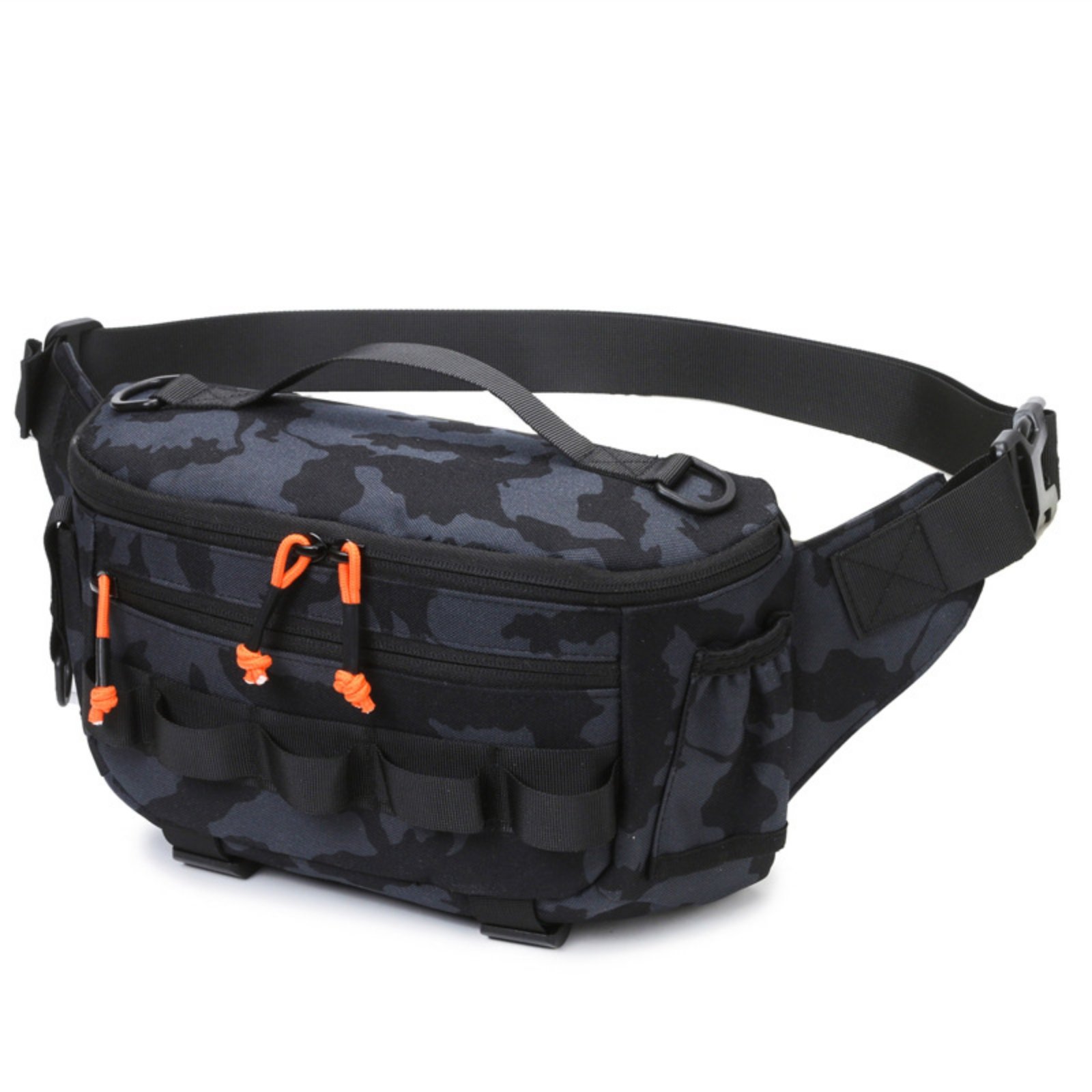
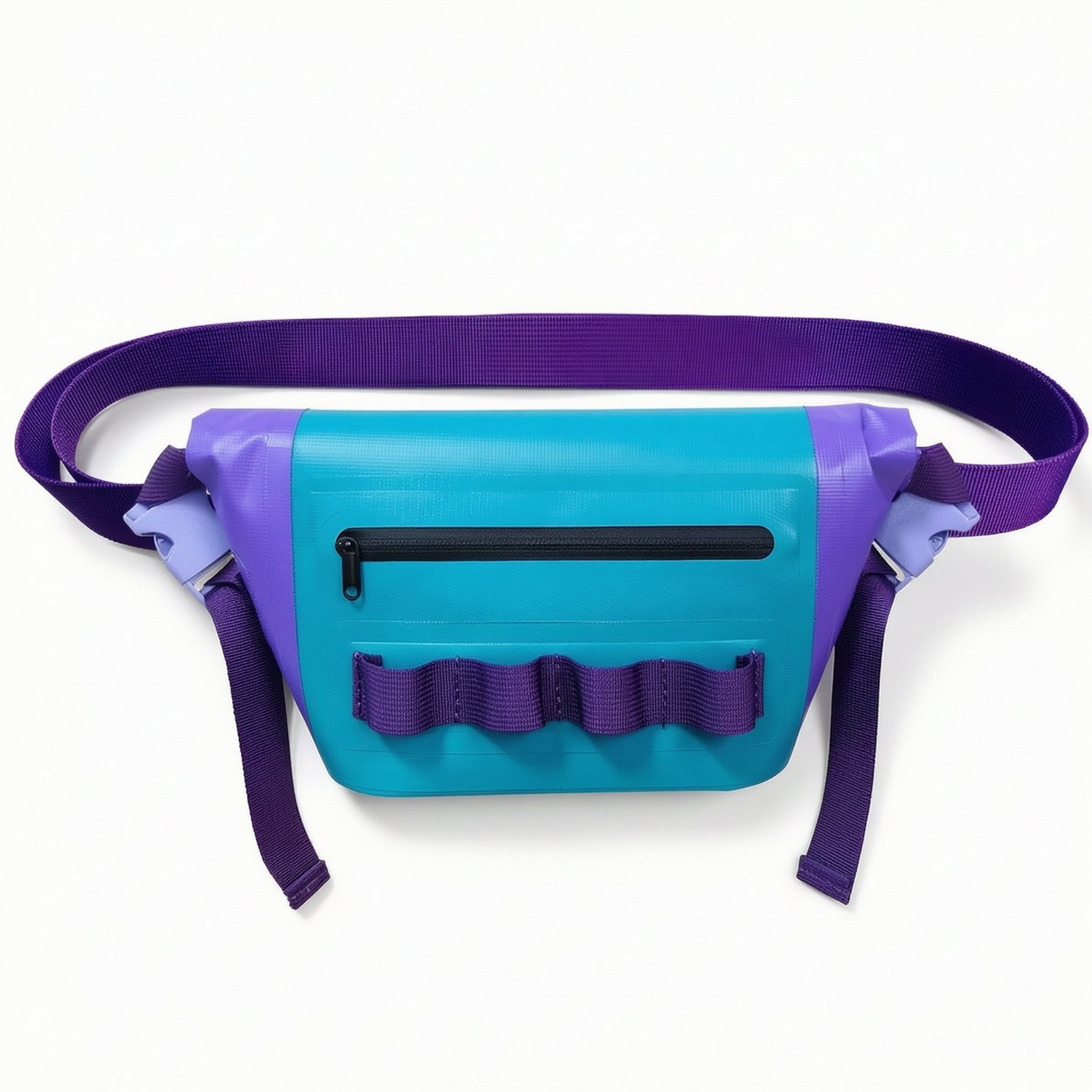
For quick access and light carry, a waist pack like Large Capacity Fishing Waist Pack is designed for lures, tools, and small essentials, and it can be worn at the waist or crossbody. If you want a compact waterproof option for a lighter essentials-only setup, Waterproof Fishing Waist Bag is built as a waist pack that also converts to crossbody carry.
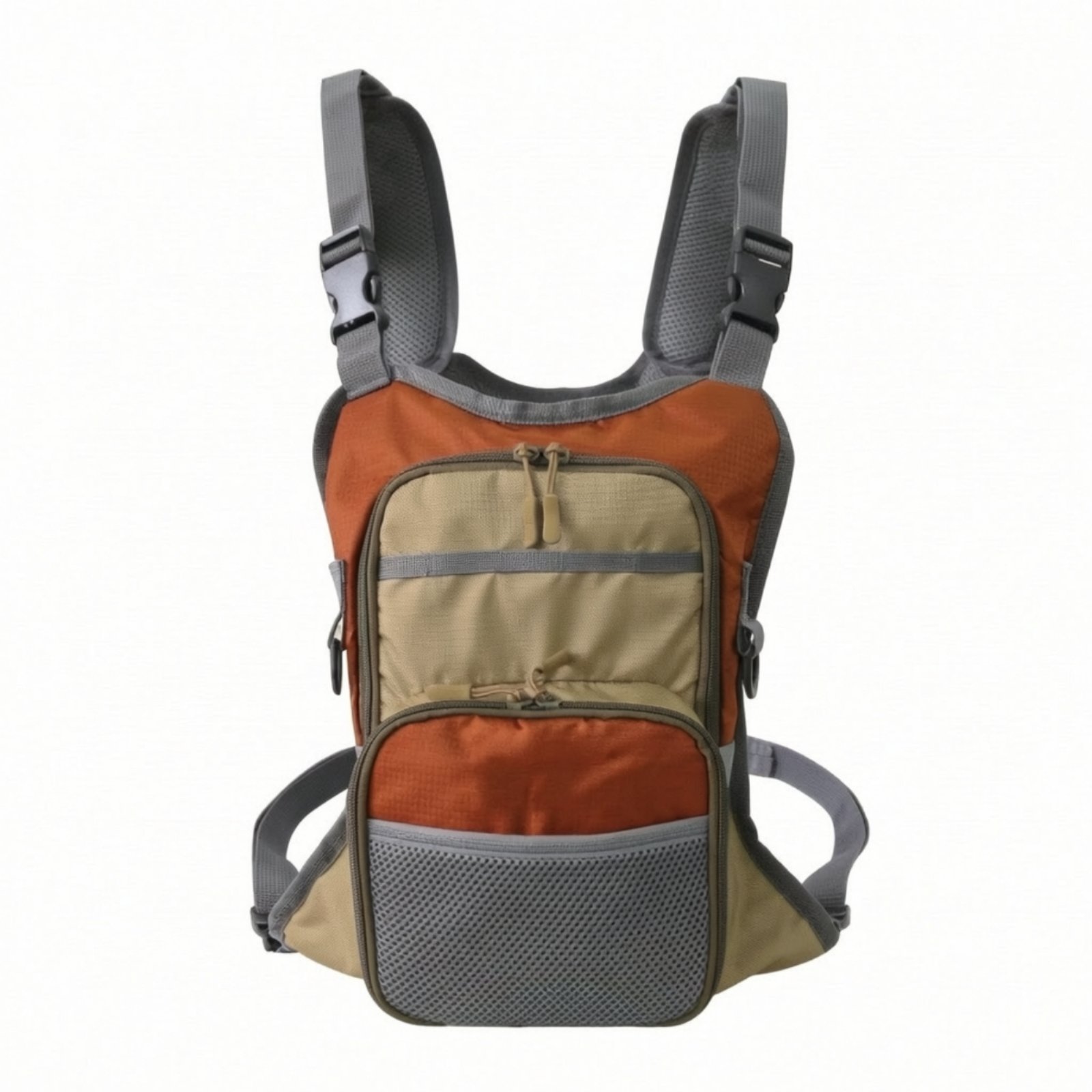
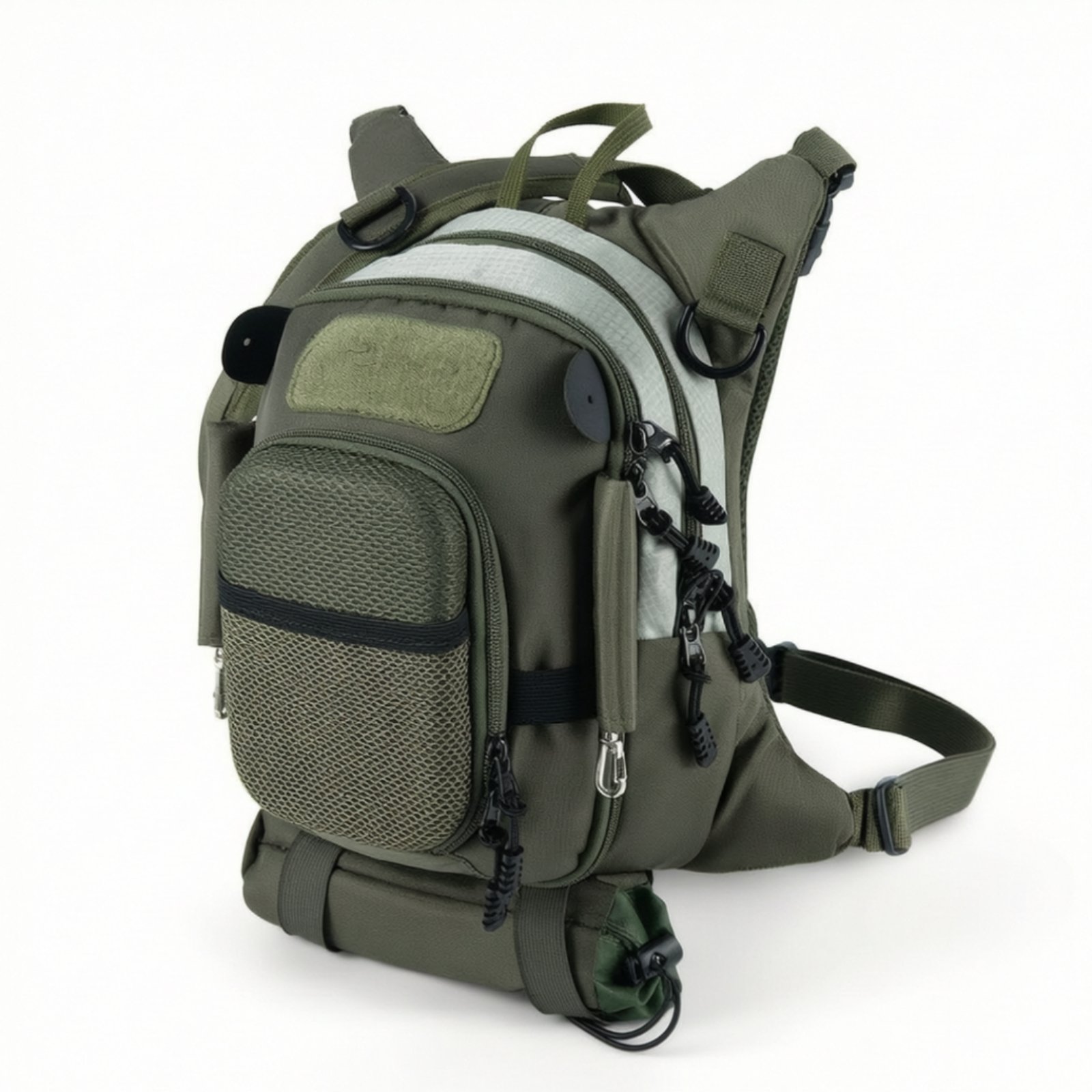
Chest packs are useful when you want gear in front of you instead of on your side or back. Fishing Chest Pack Breathable is organized around that idea, with multiple zippered pockets plus attachment details such as a rod holder and plier holder. If you wade or want a more locked-in fit, Tackle Chest Pack adds a waist belt, breathable back panel, and a removable foam fly pad.
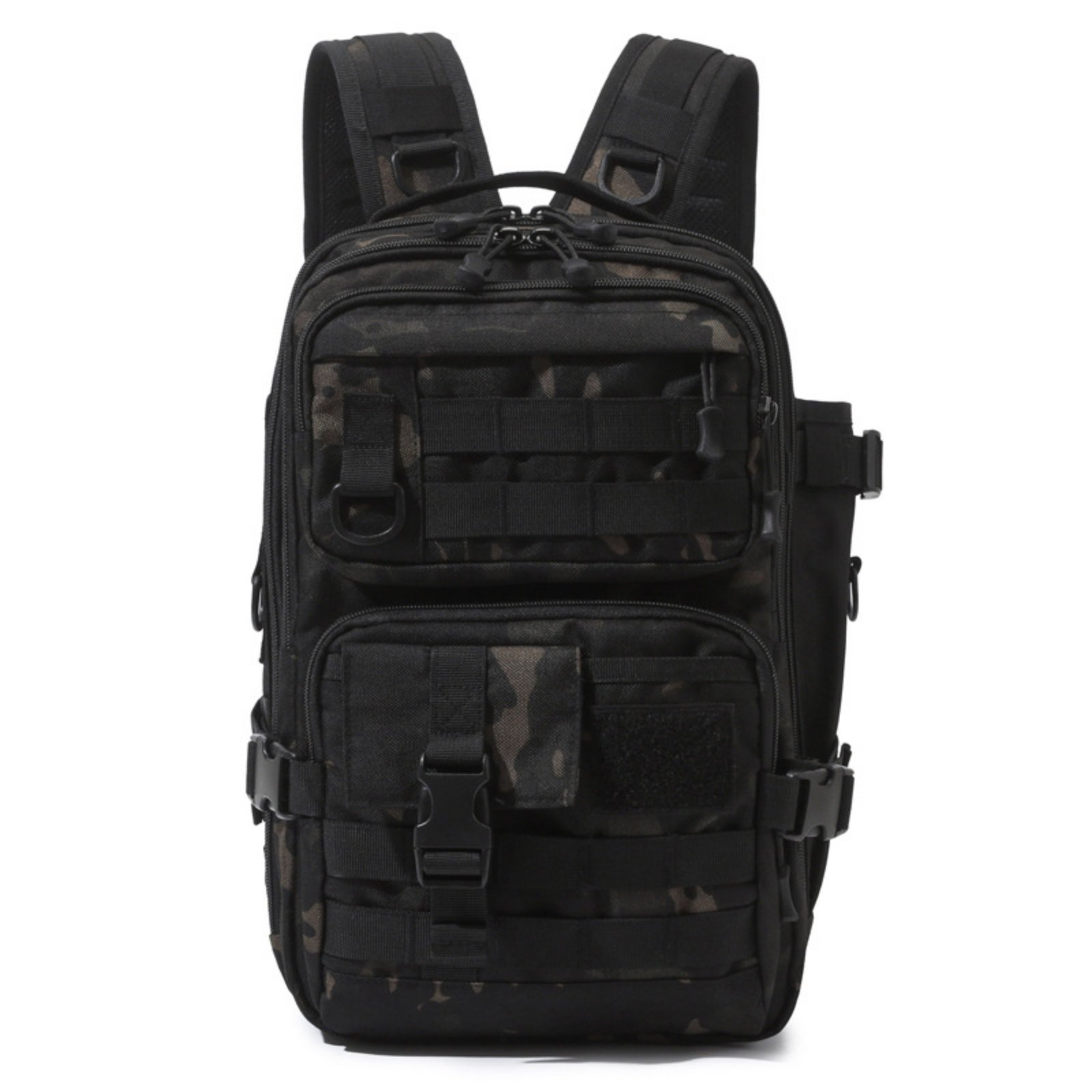
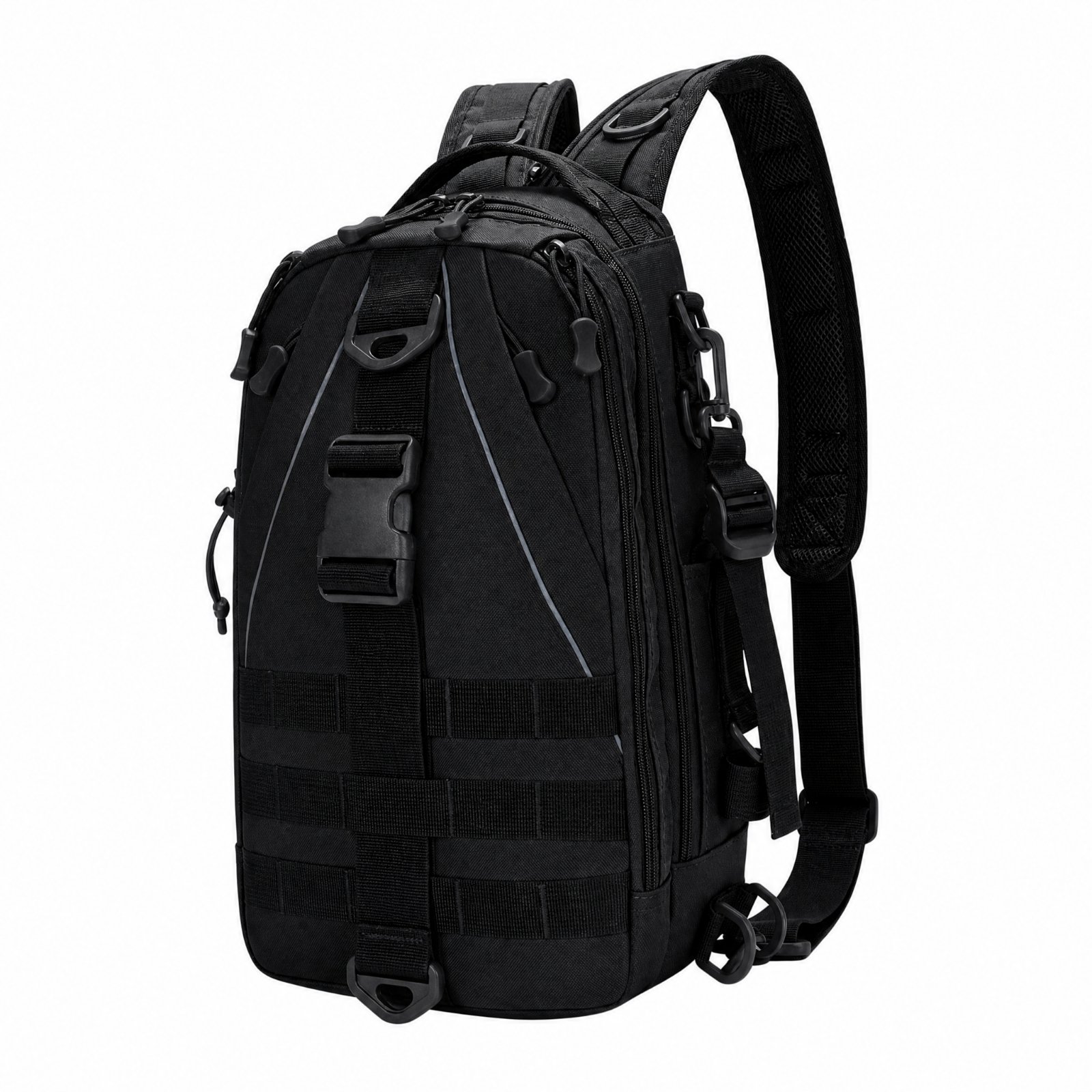
Backpacks make more sense once your load grows beyond the basics. Waterproof Fishing Backpack is laid out as a fishing backpack with multiple compartments, padded adjustable shoulder straps, and attachment points for extra small gear. If rod carry is part of your routine, Weather-Resistant Fishing Backpack is described with a rod-carrying arrangement and external attachment points, which is useful when you want one bag to handle more of the trip.
Focus on organization, protection, and comfort
Good organization matters more than maximum space. A bag with separate pockets and attachment points is usually easier to live with than one big open compartment because it lets you separate hooks, line, tools, and personal items. Think about how you reach for gear during a session. If you change lures often, fast front access matters more than extra room for backup items.
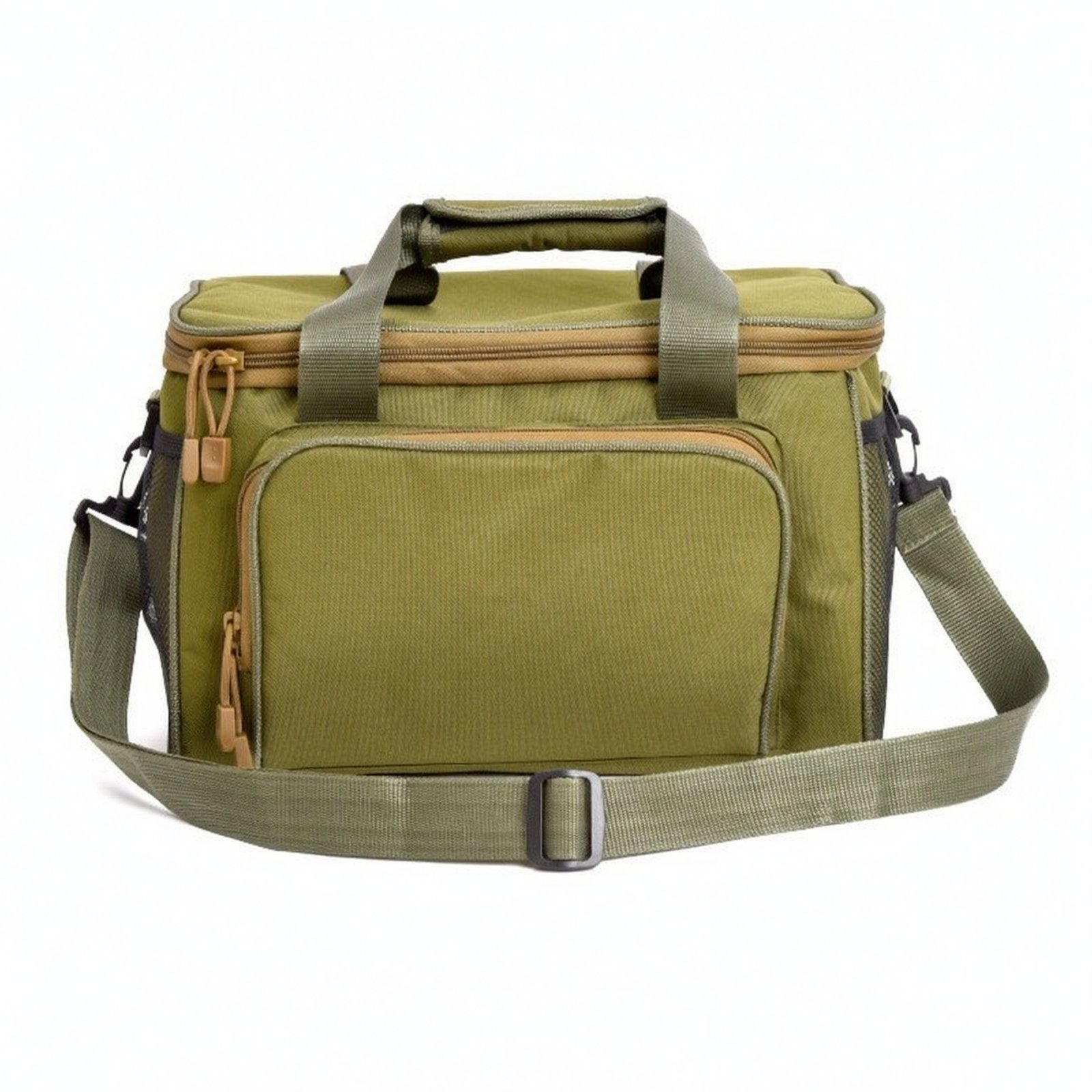
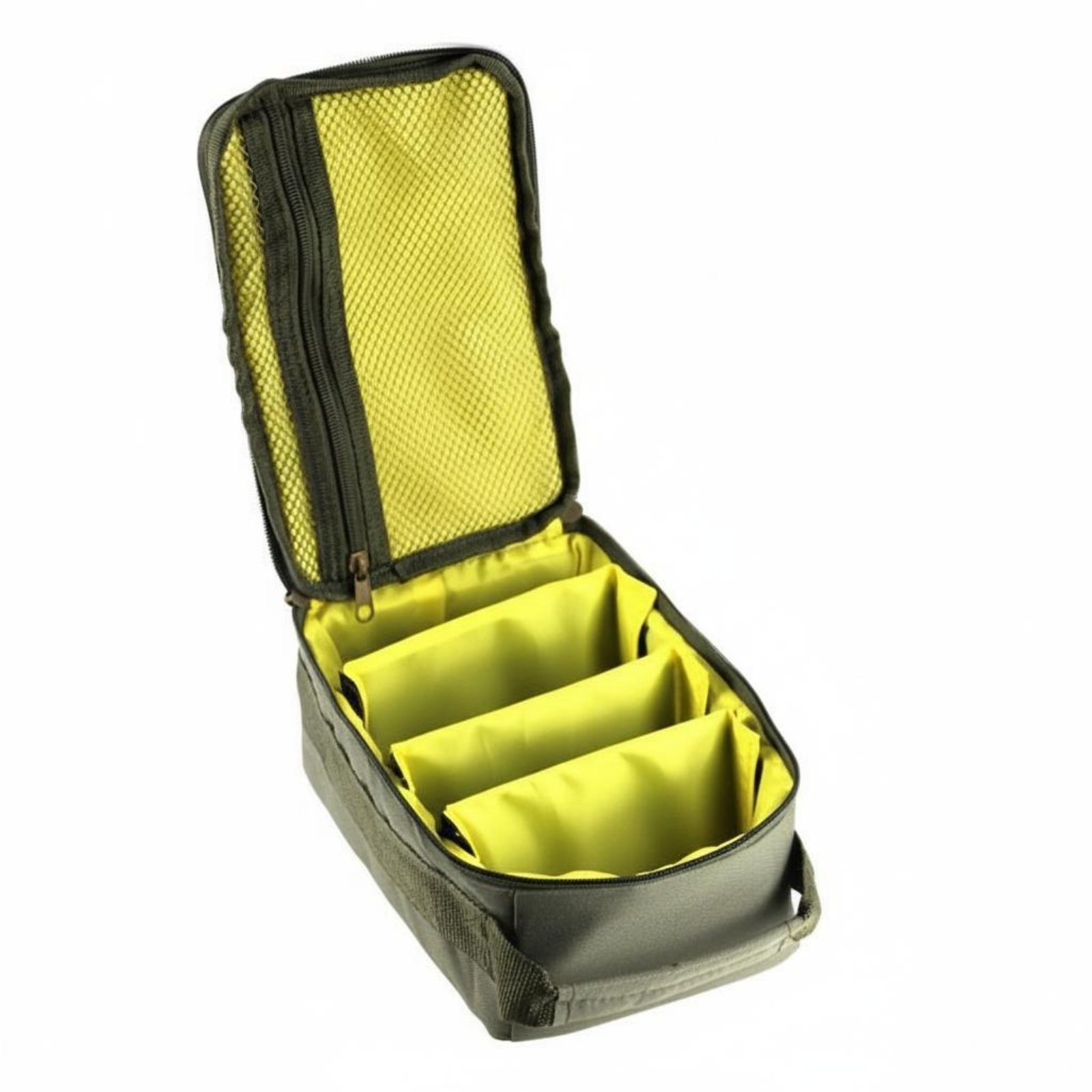
Structure is important when you carry delicate gear. Fishing Tackle Storage Bag uses a hard-sided shape to help protect contents and keep the bag from collapsing. For smaller gear that needs its own protected space, Utility Bag Multi-Compartment has adjustable dividers and padded walls, so it works well as a compact organizer for reels, tools, or fragile accessories inside a larger main bag.
Weather protection depends on where you fish. A listing that mentions waterproof or water-resistant construction is helpful around splashes, wet grass, or light rain, but you should still think about closure design and how exposed the bag will be. Waterproof Fishing Backpack uses water-resistant materials and a coated build, while Tackle Chest Pack combines water-resistant cloth with a hard shell for added protection in rough outdoor use.
Comfort becomes more important as the day gets longer. Adjustable straps, a stable shape, and a carry position that suits your body matter more than fancy extras. A chest pack like Fishing Chest Pack Breathable keeps weight close to your torso for active fishing, while a larger backpack such as Weather-Resistant Fishing Backpack is a practical choice when your normal load includes more than a few boxes and tools.
How to build a practical setup
Many anglers do well with a simple system instead of asking one bag to do everything. Use one main bag for the bulk of your gear, then add a smaller organizer for items that need protection or a fixed place. That makes it easier to repack after each trip and easier to switch techniques without rebuilding your whole setup.
A common approach is to use a backpack or shoulder-style tackle bag as the main carrier, then place a compact organizer inside it. Waterproof Fishing Backpack or Fishing Tackle Storage Bag can serve as the main bag, while Utility Bag Multi-Compartment can keep reels, small tools, or delicate accessories separated from the rest of your tackle.
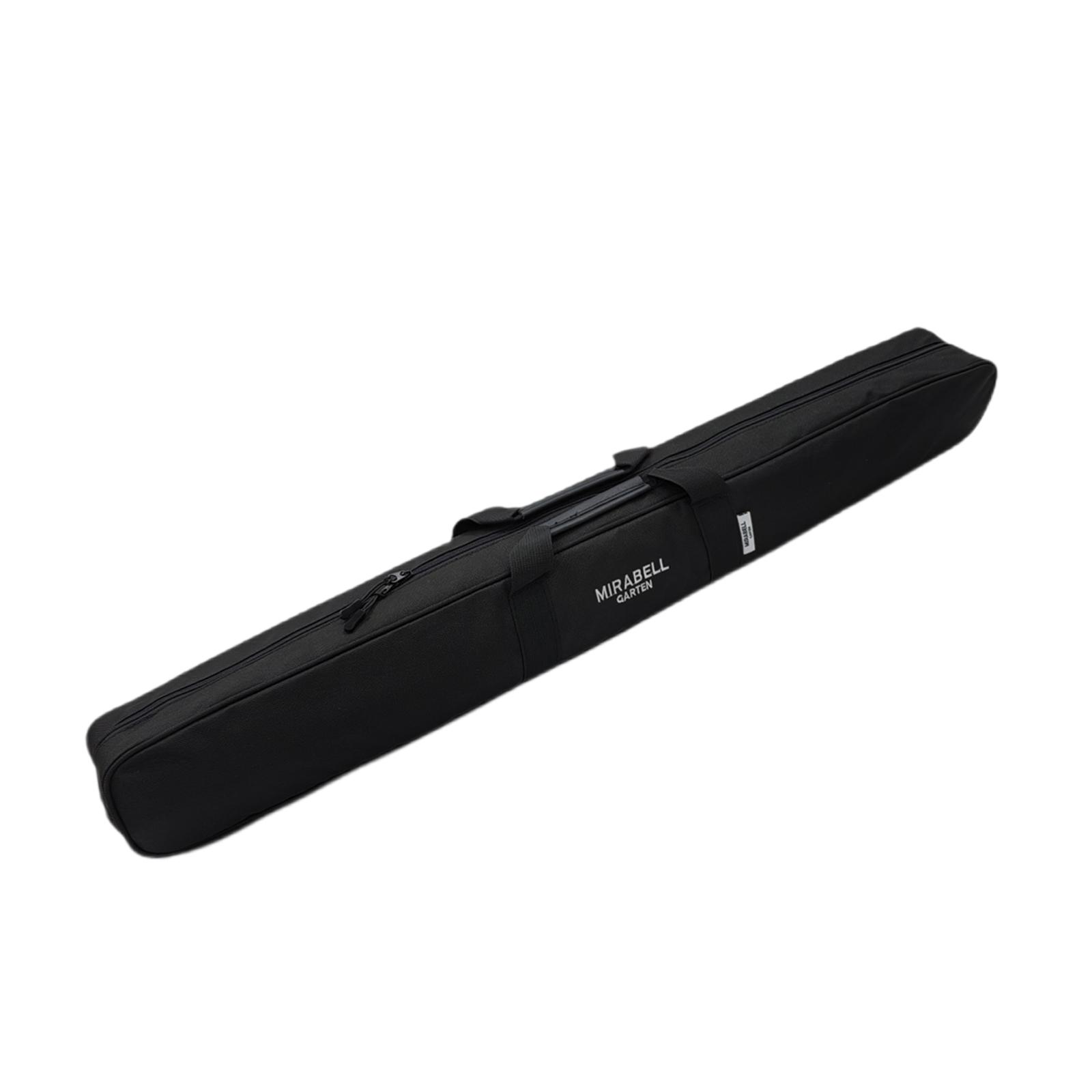
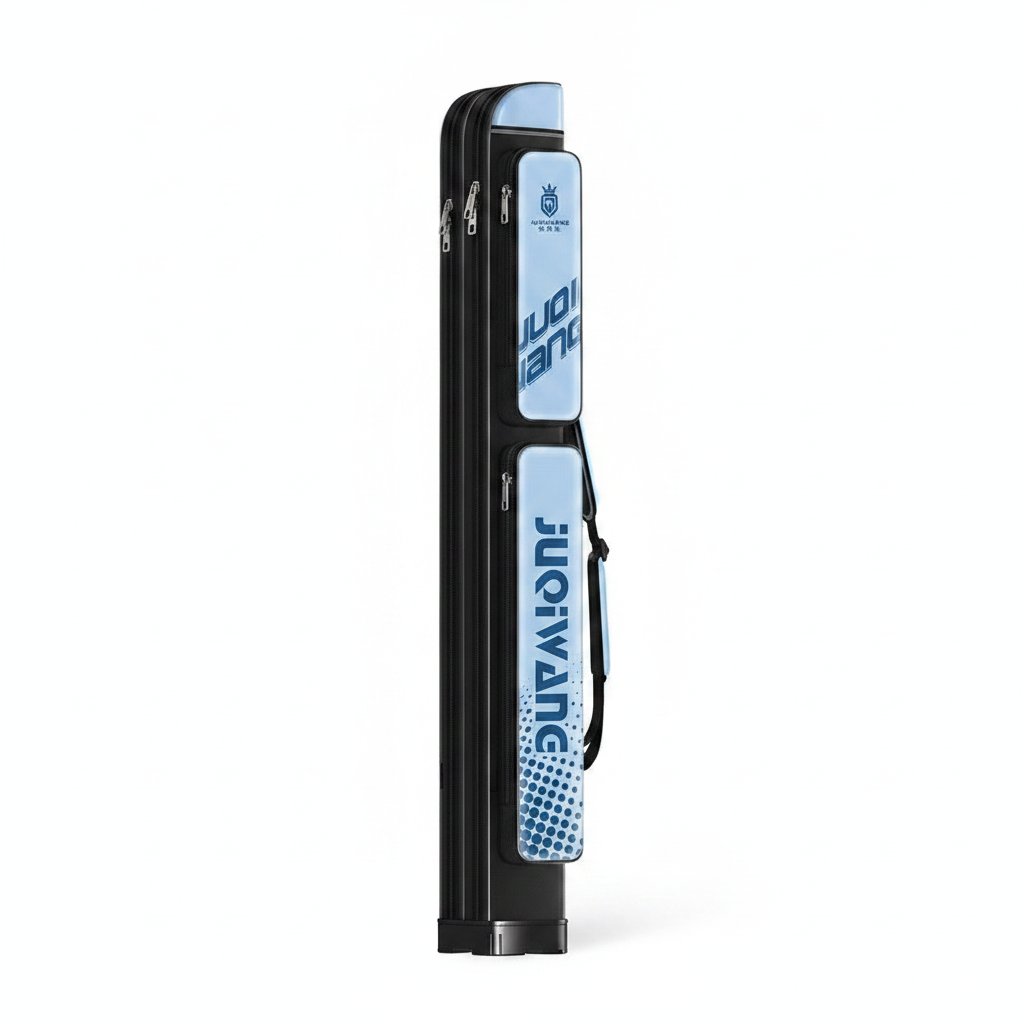
If you fish actively and travel light on the water, split transport from fishing access. Keep rods in a dedicated carrier such as Fishing Rod Bag Waterproof or Fishing Rod Bag, then fish from a lighter body-worn pack such as Fishing Chest Pack Breathable or Large Capacity Fishing Waist Pack. That approach often feels less bulky than trying to cast and move with a full-size bag.
For a more stationary bank setup, a support item can help keep rods organized while your main bag handles tackle. Fishing Rod Holder + Tackle Backpack combines a tackle backpack with a telescopic rod holder, which suits anglers who want a more organized shore setup while waiting on multiple lines or changing rigs.
Common mistakes to avoid
Do not buy by appearance alone. A roomy bag can still be frustrating if it lacks separate pockets for small tools or if you must take it off every time you need pliers. Decide first whether you want access in front of you, at your side, or on your back, and choose the style that matches that habit.
Do not assume every water-resistant bag will keep contents dry in every situation. If you fish in heavy rain or very wet conditions, check the listing closely and consider using internal pouches for items that must stay especially dry. It is better to verify the protection level than to guess.
Another mistake is overlooking fit. A large backpack is only worth it if you truly carry enough gear to fill it, and a small waist pack is only helpful if your core kit really fits. Lay out your usual tackle, tools, and personal items before ordering so you can compare your needs with the listing’s storage description.
Finally, always compare the listed dimensions with the gear you plan to carry. Fishing Rod Bag is listed at 1.25 m, and Fishing Rod Bag Waterproof has a package size of 34 x 25 x 2 cm, so check those details against your rod sections and intended storage use before you order.
A typical kit
- Large Capacity Fishing Waist PackA waist or crossbody bag for anglers who want fast access to a small working set of lures, tools, and essentials.
- Fishing Chest Pack BreathableA chest pack that keeps often-used tackle and tools in front of you for active fishing and frequent gear changes.
- Waterproof Fishing BackpackA fishing backpack for day trips when you need more organized storage and better comfort over longer walks.
- Fishing Tackle Storage BagA structured tackle bag for anglers who want a protected main compartment and simple shoulder carry.
- Utility Bag Multi-CompartmentA compact organizer that helps protect reels, tools, or small fragile accessories inside a larger bag.
- Fishing Rod BagA dedicated rod bag for keeping rods and related gear separate from your main tackle setup during transport.
Questions people ask
Should I choose a waist pack or a backpack for bank fishing?
Choose a waist pack if you move often and fish with a small working kit. Choose a backpack if you carry extra tackle, clothing, food, or other gear and need better comfort over a longer walk.
Are chest packs only for one style of fishing?
No. They are useful any time you want small tools and tackle in front of you for fast access. They are especially handy when you do not want to swing a bag around from your side or remove a backpack to reach gear.
Do I need a separate rod bag?
Only if rod transport is one of your main problems. If your rods need better protection in the car or while walking to the water, a dedicated rod bag is often easier and safer than trying to attach rods to a general tackle bag.
When does a structured tackle bag make sense?
It makes sense when you want the bag to hold its shape and give your gear more protection during transport and storage. A softer body-worn pack usually makes more sense when mobility and quick access are the priority.
What is the biggest mistake people make when choosing a fishing bag?
Buying more capacity than they really use is a common mistake. An oversized bag gets heavy, shifts around more, and can make it harder to find small items quickly, so match the bag to your normal trip instead of your biggest possible load.
Shop the list
Everything mentioned above
Prices and delivery windows are live from our catalog.
Large Capacity Fishing Waist Pack
Waterproof Fishing Waist Bag
Fishing Chest Pack Breathable
Tackle Chest Pack
Waterproof Fishing Backpack
Weather-Resistant Fishing Backpack
Fishing Tackle Storage Bag
Utility Bag Multi-Compartment
Fishing Rod Bag Waterproof
Fishing Rod Bag – Sky Blue, Double Layer