Buying guide · Fishing & Camping
How to choose a cooler or insulated bag for camping food and drinks
Short answer
Choose a hard cooler when you need stronger cold retention, better spill control, and easier ice management, and choose an insulated bag when lower weight, easier packing, and flexible carrying matter more. For camping, the right pick usually comes down to trip length, how many people you are feeding, whether you need leak resistance, and how easy the cooler is to carry and clean at camp.
Start with the kind of camping trip and what you are packing
The first step is deciding whether you need a rigid cooler or a soft insulated bag. A hard cooler usually makes more sense for longer camp stays, raw ingredients, and lots of loose ice because the structure protects food better and usually seals more securely. A soft bag is often easier for day trips, short overnights, packed lunches, and drink runs because it is lighter to carry and easier to fit around other gear.
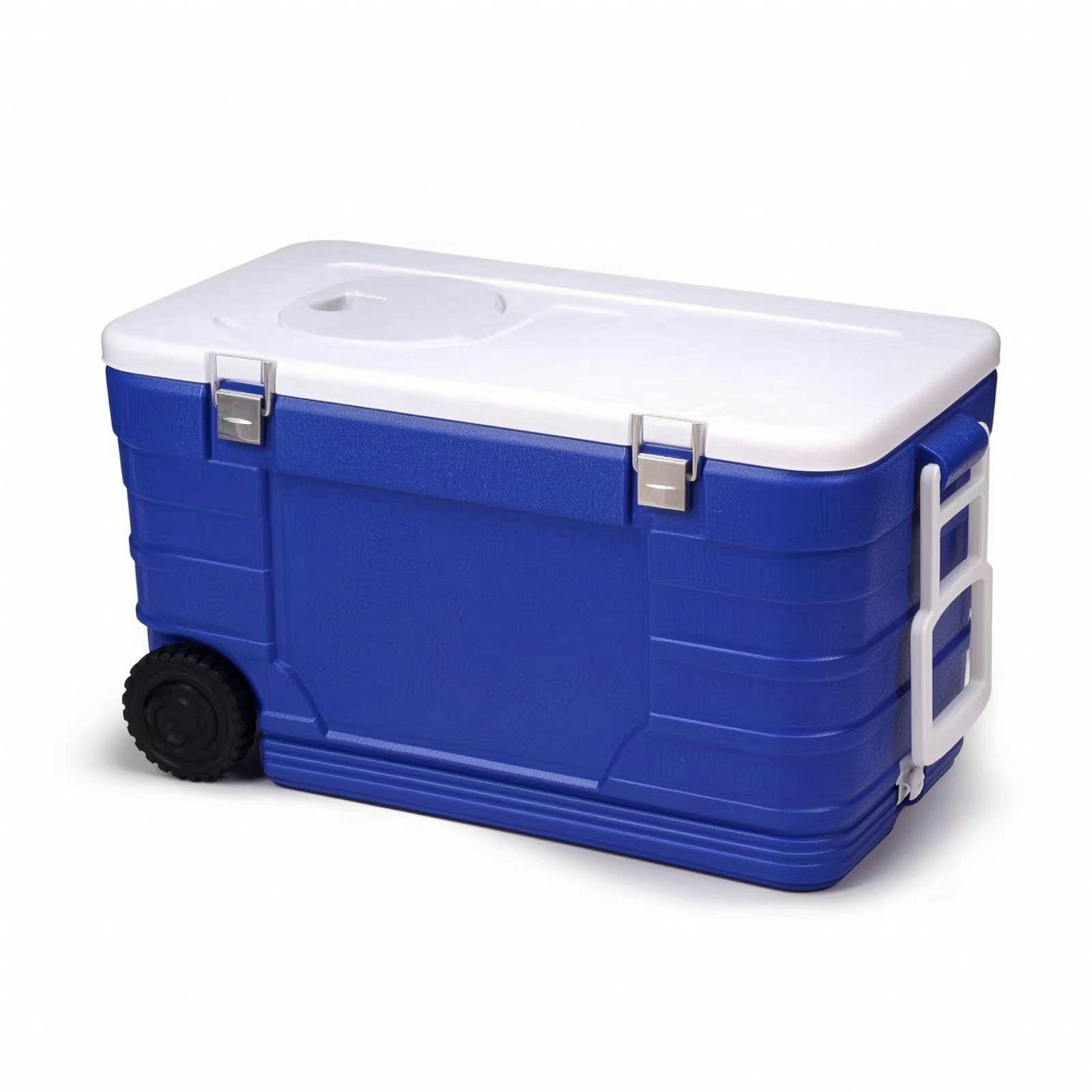
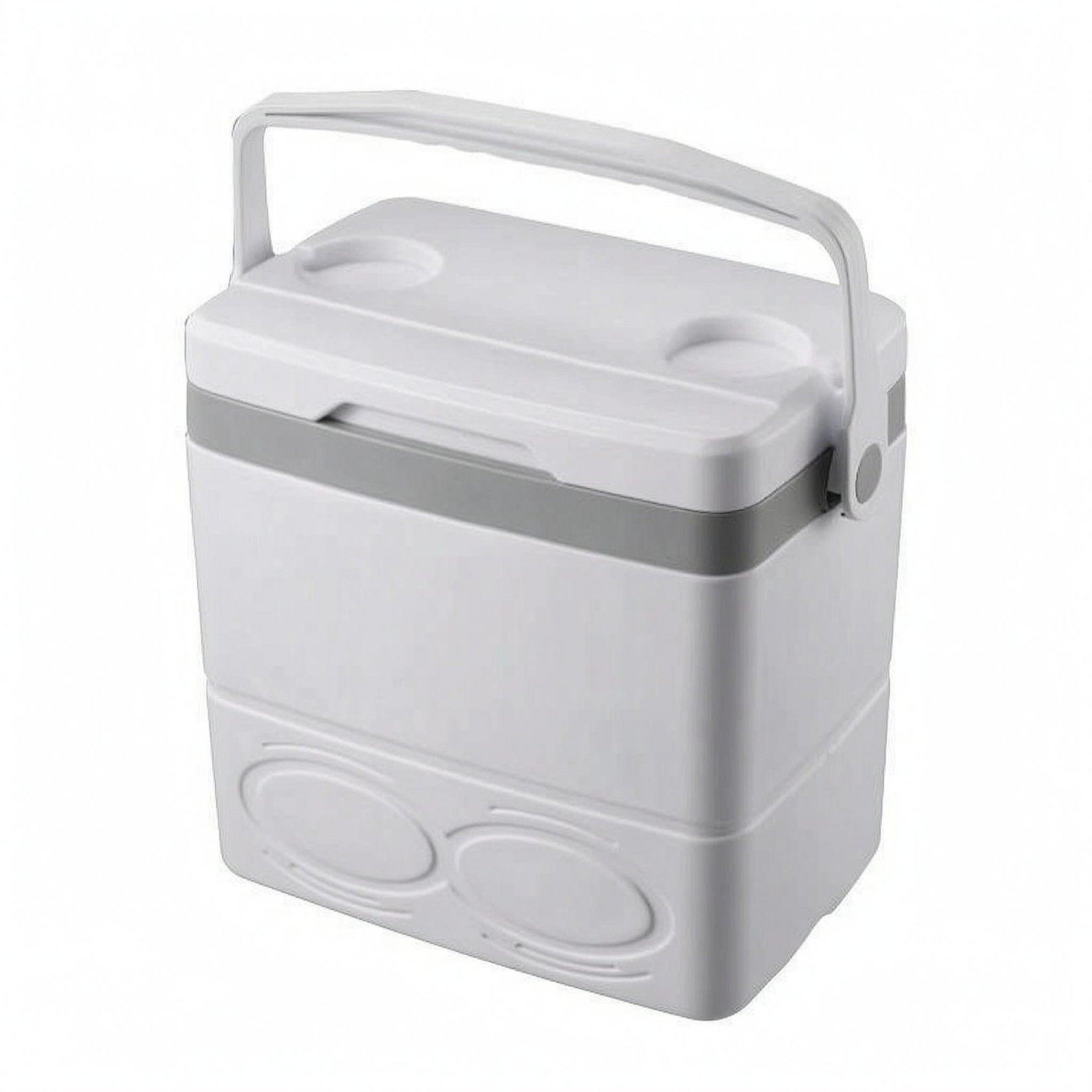
Capacity is one of the biggest buying factors. If you are packing for a group, a larger chest such as Insulated Container with Ice Pack with 52L capacity gives you room for food, drinks, and ice in one place. If you want a more compact hard option for a smaller load, Insulated Ice Chest offers 19L and includes 8 ice packs, which is useful when you want a tidy setup without relying only on loose ice.
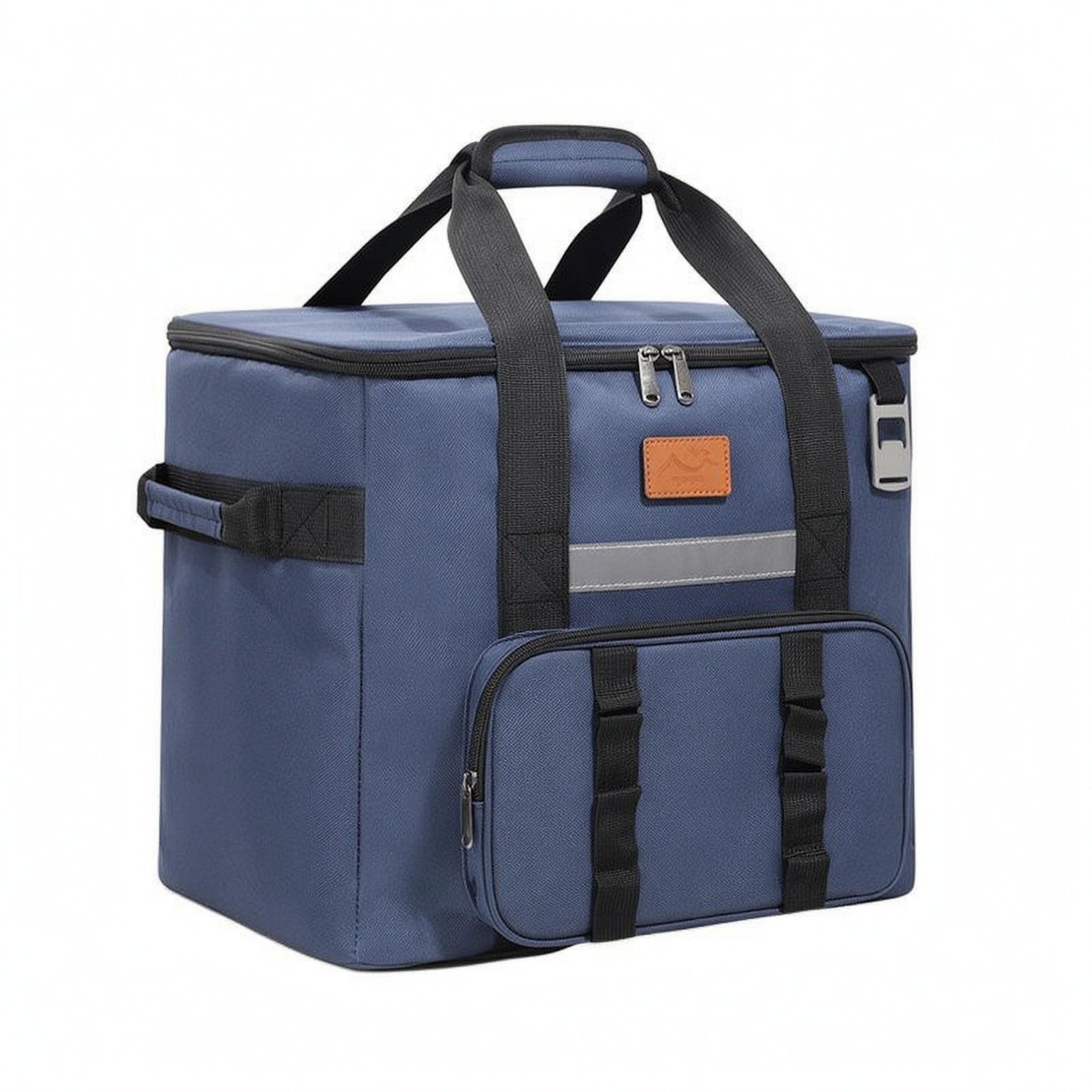
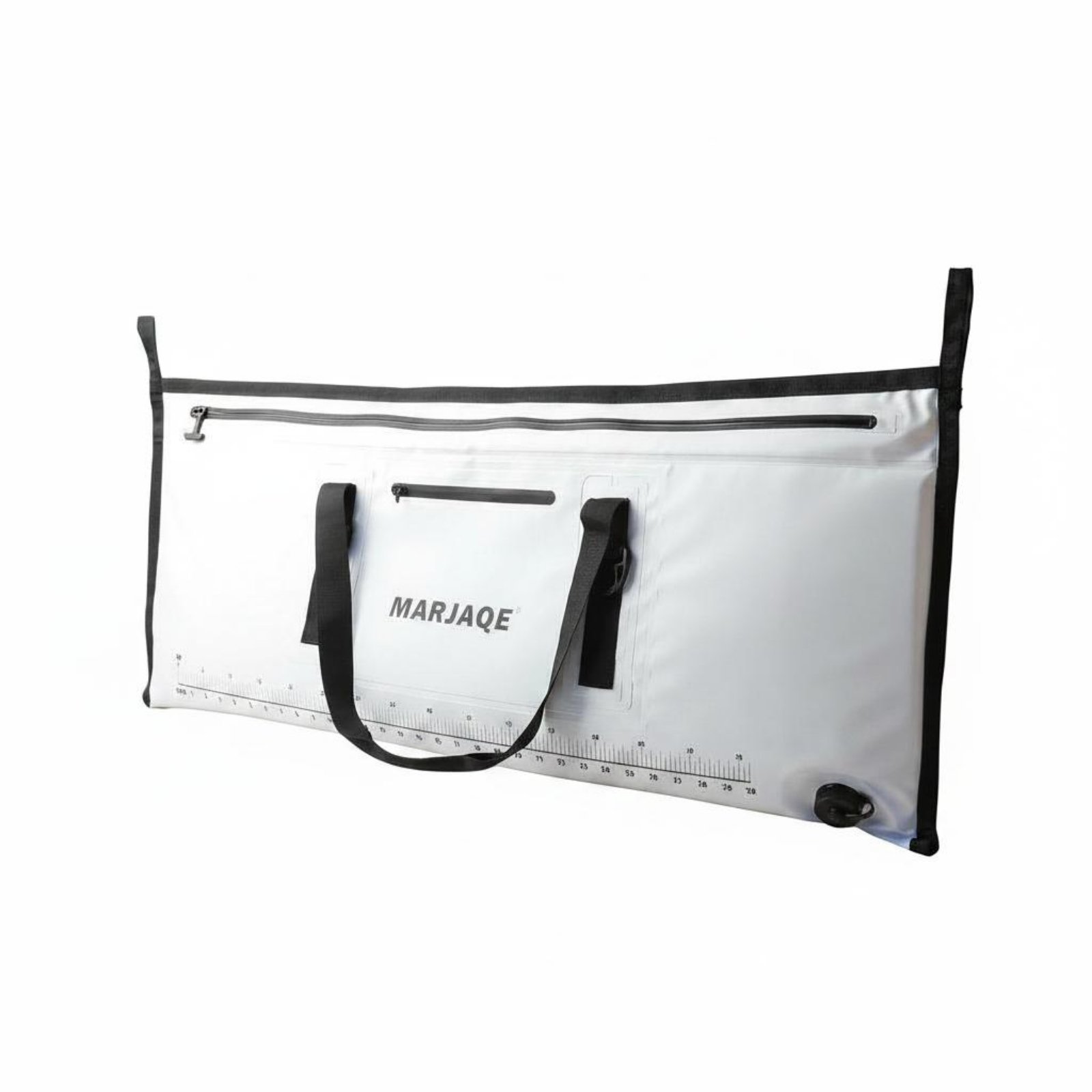
Soft bags can still handle a lot when the shape fits your packing style. Insulated Chiller Bag lists 40 L capacity and room for 46 beverage containers, so it suits picnic-style packing with drinks and prepared food stacked together. If you want a bag mainly for fish, seafood, or other wet items that may drip, Sea Fishing Chiller Bag has approximate 40 L capacity and a leakproof build aimed at containing meltwater during transport.
Think about what you will open most often. A chest with quick-access features can waste less cold air during the day, while a zippered bag may be better if you want to sort sandwiches, fruit, and cans in layers or separate containers.
Which specs and features matter most
Insulation type matters, but only when it matches your use. For tougher camping use, Insulated Container with Ice Pack uses an HDPE outer, PU foam insulation, and a food-grade inner liner, plus a drain outlet for easier cleanup after ice melts. On a smaller scale, Insulated Ice Chest uses expanded polystyrene insulation, a PP liner, a hinged lid, sealing gasket, and locking latch, all of which point to a more secure cold box style rather than a simple tote.
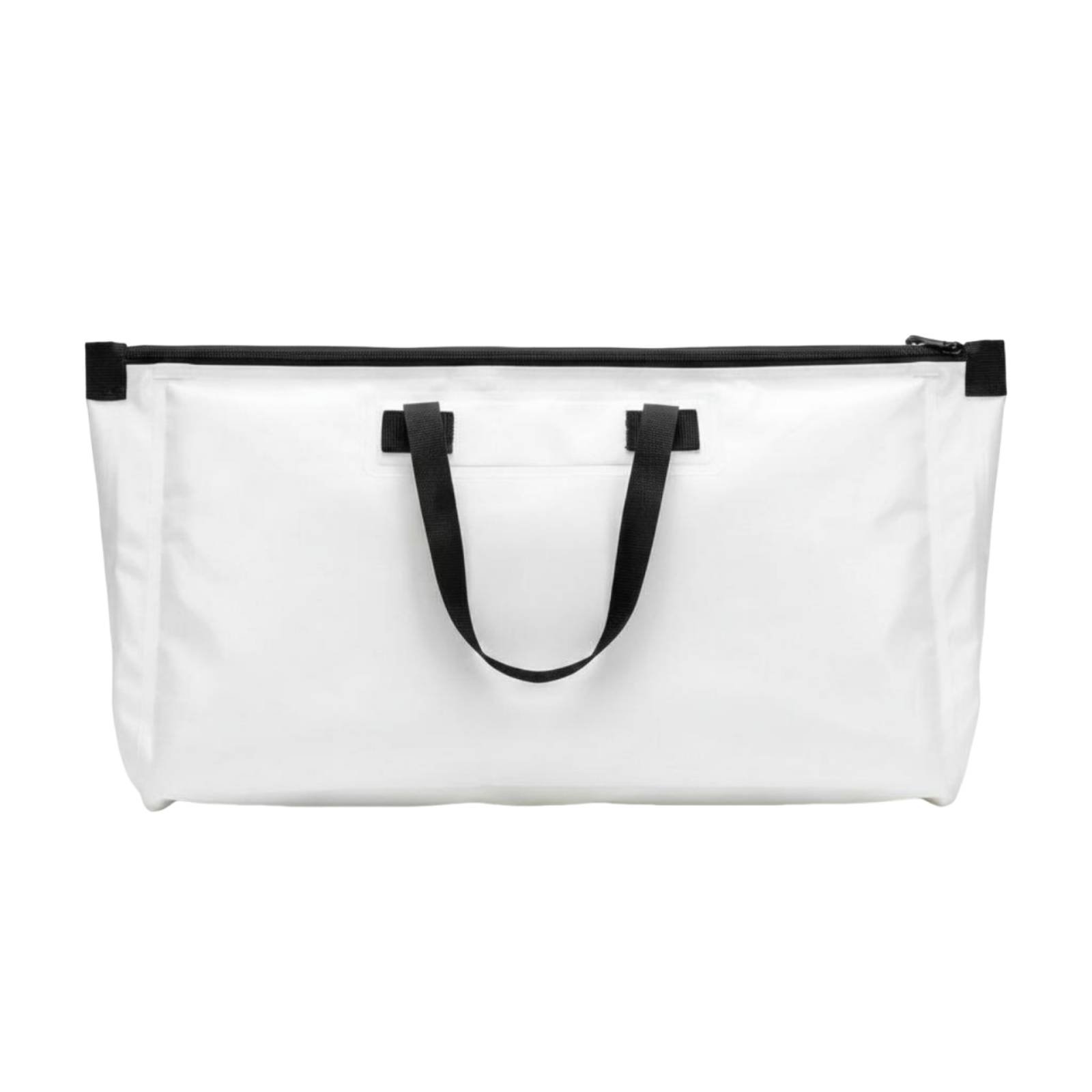
For soft coolers, pay attention to whether the bag is just insulated or also built to resist leaks and wet conditions. Insulated Carp Bag Large Capacity is made from PVC and described as waterproof, which is helpful around damp campsites, wet grass, or boat use. Sea Fishing Chiller Bag goes further with 10 mm NBR thermal padding, 0.5 mm 500D PVC material, a sealed zipper, and a drainage outlet, so it is a stronger choice when you expect meltwater, fish odor, or frequent rinsing.
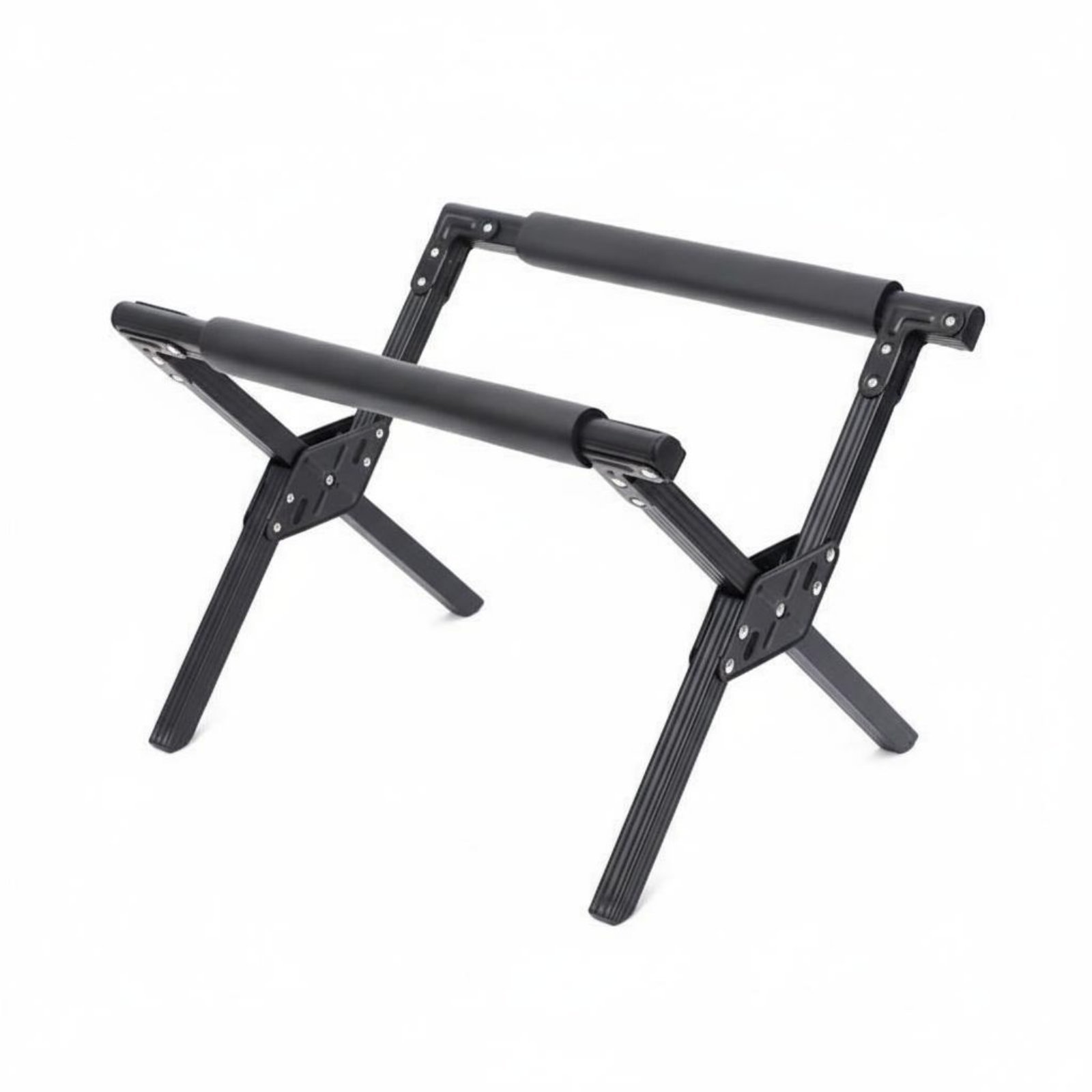
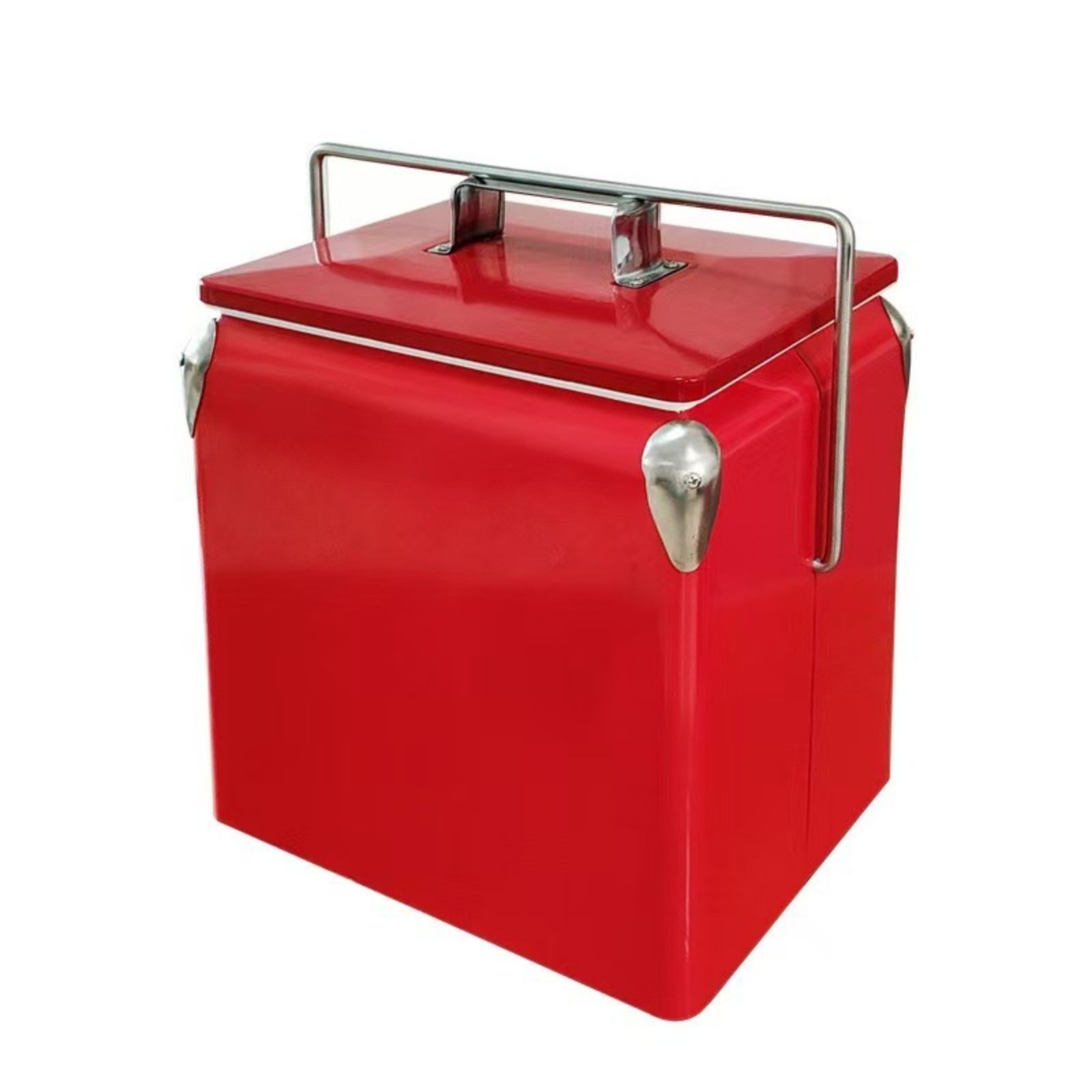
Carrying design also matters more than many buyers expect. Chilling Container Insulated has a top handle and compact chest shape for lifting in and out of a vehicle, while Insulated Chiller Bag gives you long straps, a padded top grip, and side handles for more ways to move it from car to table. If the loaded cooler will sit at camp for days, an accessory like Foldable Ice Chest Stand can keep it off the ground, which helps with cleaner access and less contact with damp dirt.
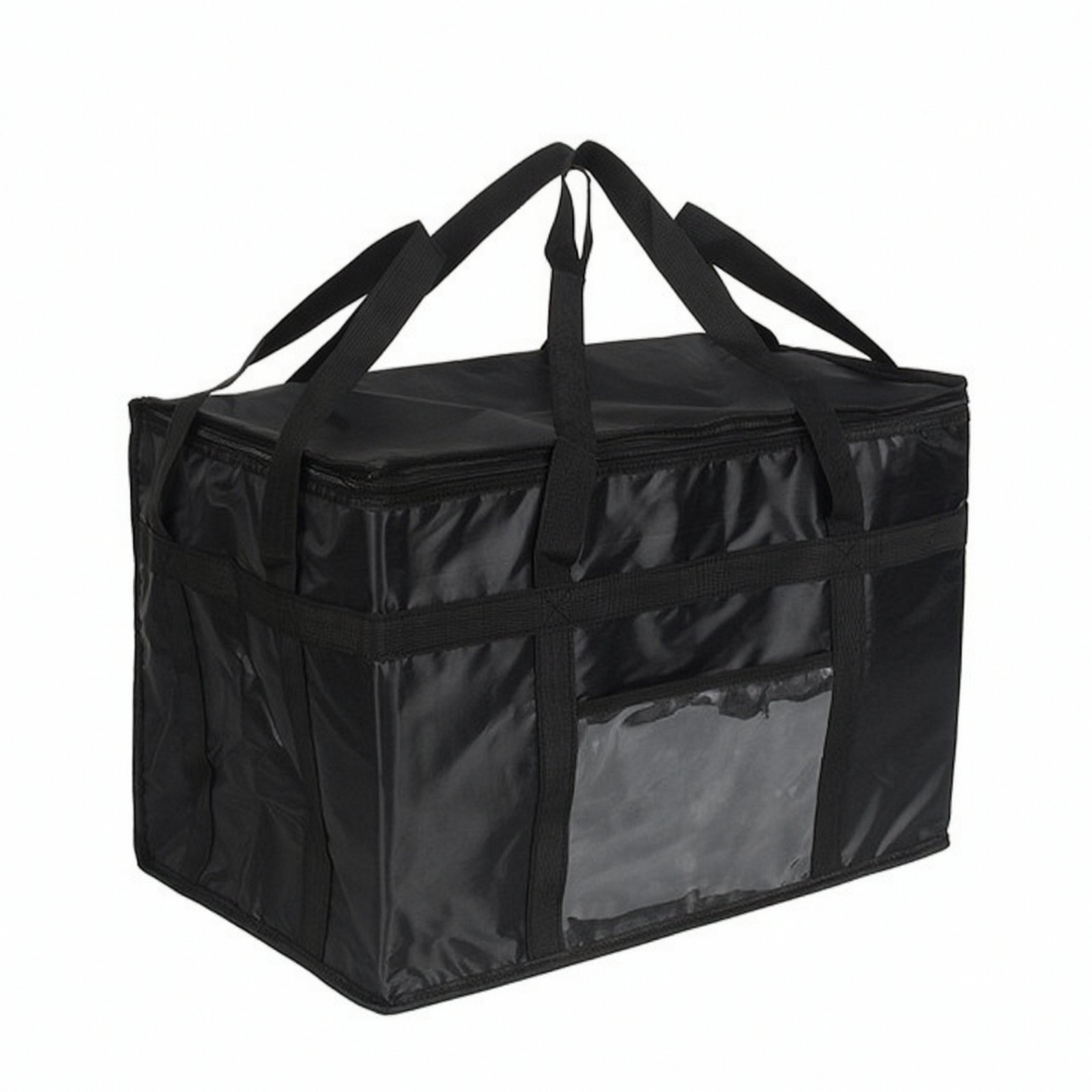
Organization features can make daily camp use easier. Insulated Carp Bag Large Capacity adds an outer mesh pocket for small items, and Insulated Food Delivery Bag includes a transparent front pocket that can hold a list, napkins, or small utensils. These details do not replace cold performance, but they do make the setup easier to live with.
How the pieces work together at camp
A good camp cooling setup is often more than one item. Many campers use a main cooler for ice, meat, dairy, and anything that must stay colder, then pair it with a smaller insulated bag for the day’s drinks or lunch. That reduces how often the main cooler is opened and helps the cold last longer.
For example, Insulated Container with Ice Pack can work as the base cooler for the campsite, while Insulated Chiller Bag handles lunch, snacks, and drinks for a short hike, the beach, or a drive from camp. If you want a compact all-in-one chest rather than a big base cooler, Insulated Ice Chest can serve as the main cold box for a shorter trip.
Wet and dry items should be separated whenever possible. A dedicated wet bag like Sea Fishing Chiller Bag or Insulated Carp Bag Large Capacity can keep fish, seafood, or melting ice away from bread, produce, and packaged meals. For camp organization, Foldable Ice Chest Stand raises a cooler or water container off the ground so you are not bending down as much and the bottom stays cleaner.
If your camping style is more car-based and less about carrying long distances, a rigid chest such as Chilling Container Insulated is often easier to load with ice and stack around. If you expect frequent carrying from parking area to picnic table or shelter, a soft bag may be less awkward.
Common mistakes to avoid
One common mistake is buying by appearance instead of use case. A bag that looks roomy may still be a poor choice if you need a sealed lid, better leak control, or easy draining. Likewise, a hard chest can be the wrong choice if you only need to carry a few meals and do not want the extra bulk.
Another mistake is ignoring cleanup. If you plan to use loose ice, raw food, or freshly caught fish, check for leakproof materials, sealed closures, and drain features rather than assuming every insulated bag handles water equally well. Sea Fishing Chiller Bag and Insulated Container with Ice Pack are good examples of designs that specifically mention drainage support.
Do not forget lifting and storage. Package size and package weight can give you a rough sense of how bulky an item may be before packing. Insulated Container with Ice Pack has package size 69.5 x 41.5 x 39.5 cm and package weight 6900 g, so it is more of a serious camp cooler than a casual tote. Insulated Chiller Bag has package size 42 x 38 x 12 cm and package weight 564 g, which points to a much easier item to stash in a vehicle when not in use.
Finally, avoid overfilling. Even a large cooler works better when you leave enough room to arrange ice packs or ice around the food, keep fragile items from being crushed, and access what you need without digging through the whole load every time.
A typical kit
- Insulated Container with Ice PackUse this as the main campsite cooler when you need a large hard-sided chest for group food, drinks, and ice.
- Insulated Ice ChestChoose this compact hard cooler for shorter trips, smaller groups, or as a secondary cold box.
- Insulated Chiller BagThis soft insulated bag is a practical grab-and-go option for prepared food, snacks, and drink runs away from camp.
- Sea Fishing Chiller BagPick this leak-focused insulated bag when you need to carry fish, seafood, or other wet items that may create meltwater.
- Insulated Carp Bag Large CapacityThis waterproof insulated bag is useful when you want a flexible cooler bag for damp camping or fishing conditions.
- Foldable Ice Chest StandAdd this stand to keep your cooler off the ground for cleaner access and better campsite organization.
Questions people ask
Should I get a hard cooler or a soft insulated bag for camping?
Get a hard cooler if cold retention, structure, and spill control matter most. Get a soft insulated bag if you want something lighter, easier to pack, and simpler to carry for short trips or day use.
Is a leakproof bag important for camping food and drinks?
Yes, especially if you use loose ice, carry raw food, or pack fish and seafood. A leak-focused design like Sea Fishing Chiller Bag is more useful when you expect meltwater, while a standard insulated tote may be fine for sealed drinks and packed meals.
How much capacity do I really need?
Think in terms of people, meals, and whether drinks share the same cooler with food. Insulated Container with Ice Pack offers 52L for larger shared loads, while Insulated Ice Chest at 19L makes more sense for a smaller setup or as a secondary cooler.
Are extra features like drains and quick-access openings worth it?
They are worth it when you use the cooler often over a full camp day. A drain makes cleanup easier after ice melts, and a quick-access opening can help reduce full-lid openings, which is useful when people are grabbing drinks throughout the day.
Can I use one cooler for everything?
You can, but two-zone packing often works better. Many campers keep the main perishables in a hard cooler and use a separate insulated bag for the day’s drinks or lunch so the main cold storage stays closed more often.
Does a cooler stand actually help?
It can help more than expected in car camping or base-camp setups. Foldable Ice Chest Stand keeps the cooler up off dirt and damp ground, which makes access easier and keeps the campsite a little more organized.
Shop the list
Everything mentioned above
Prices and delivery windows are live from our catalog.
Insulated Container with Ice Pack
Insulated Ice Chest – 19L White
Insulated Chiller Bag – Navy Blue
Sea Fishing Chiller Bag
Insulated Carp Bag Large Capacity
Foldable Ice Chest Stand
Chilling Container Insulated