Buying guide · Fishing & Camping
How to store and carry fishing rods safely for travel or home
Short answer
Use a protective case or bag for transport, then keep rods separated, supported, and out of the way when you get home or ride to the water. The safest setup is usually a travel case for the rods themselves plus a simple holder system that matches where you keep them, such as a vehicle interior, chair, bank, or boat.
Start with the kind of protection your rods actually need
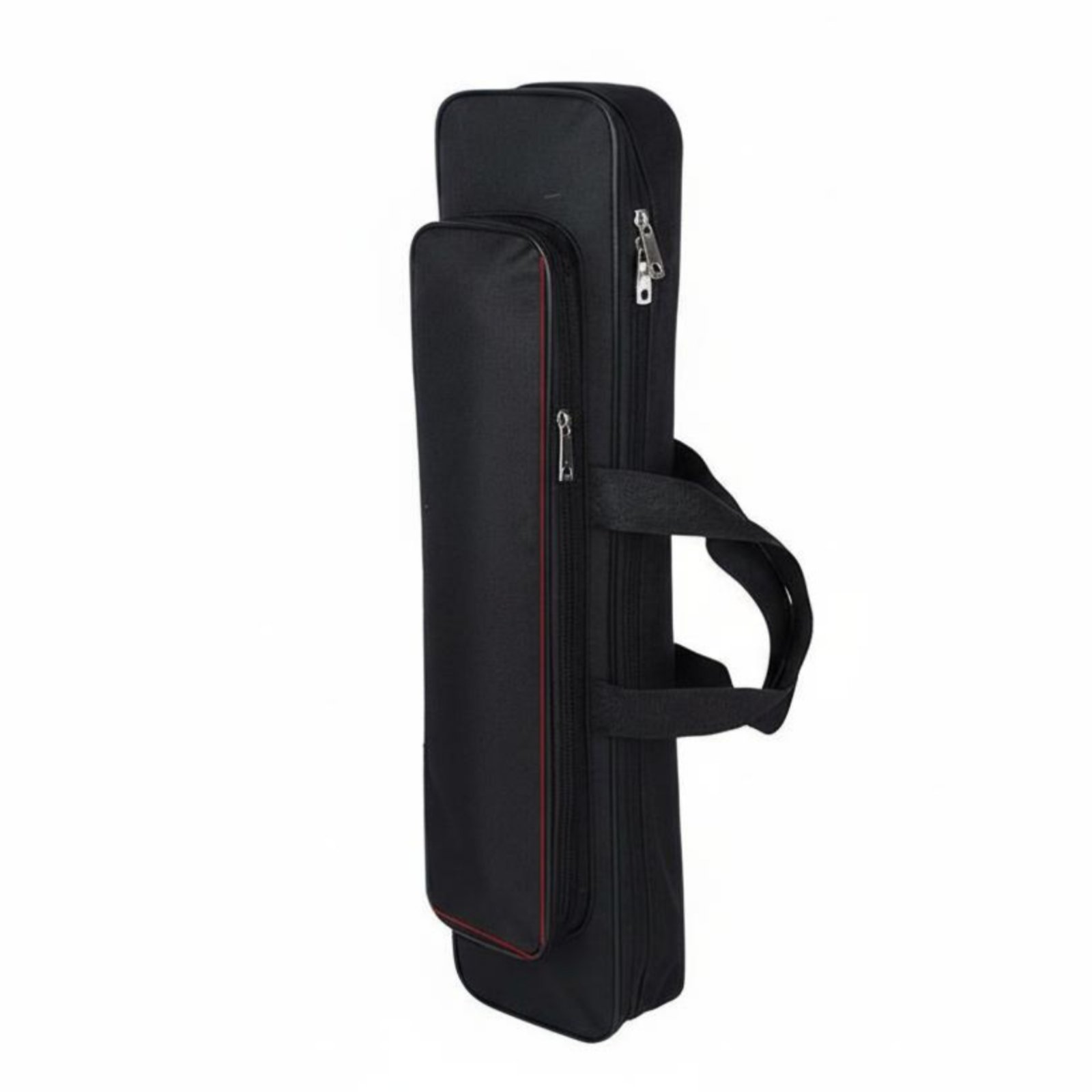
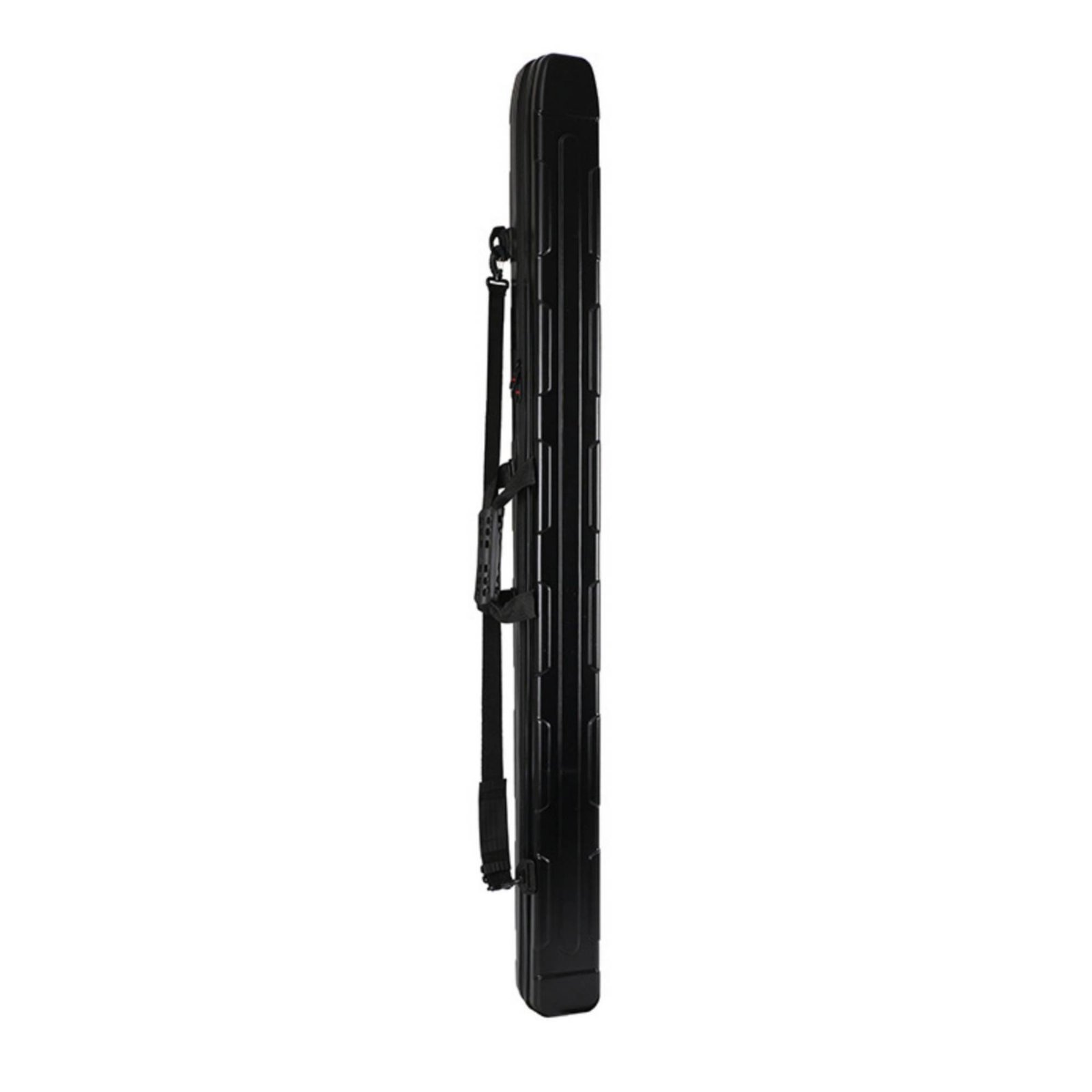
The first choice is soft bag versus more rigid case protection. If your rod is short, telescopic, or part of a compact setup, a bag such as Water-Resistant Fishing Rod Bag makes sense because it is built as a short rod bag with a waterproof inner coating, reinforced shape, a main compartment, and side pockets so the rod is not loose with tools. If you want more structure for transport, Fishing Rod Bag Waterproof is a waterproof rod bag with a strong outer layer meant to protect against scratches, pressure, and everyday bumps while still being easy to carry by hand or shoulder strap.
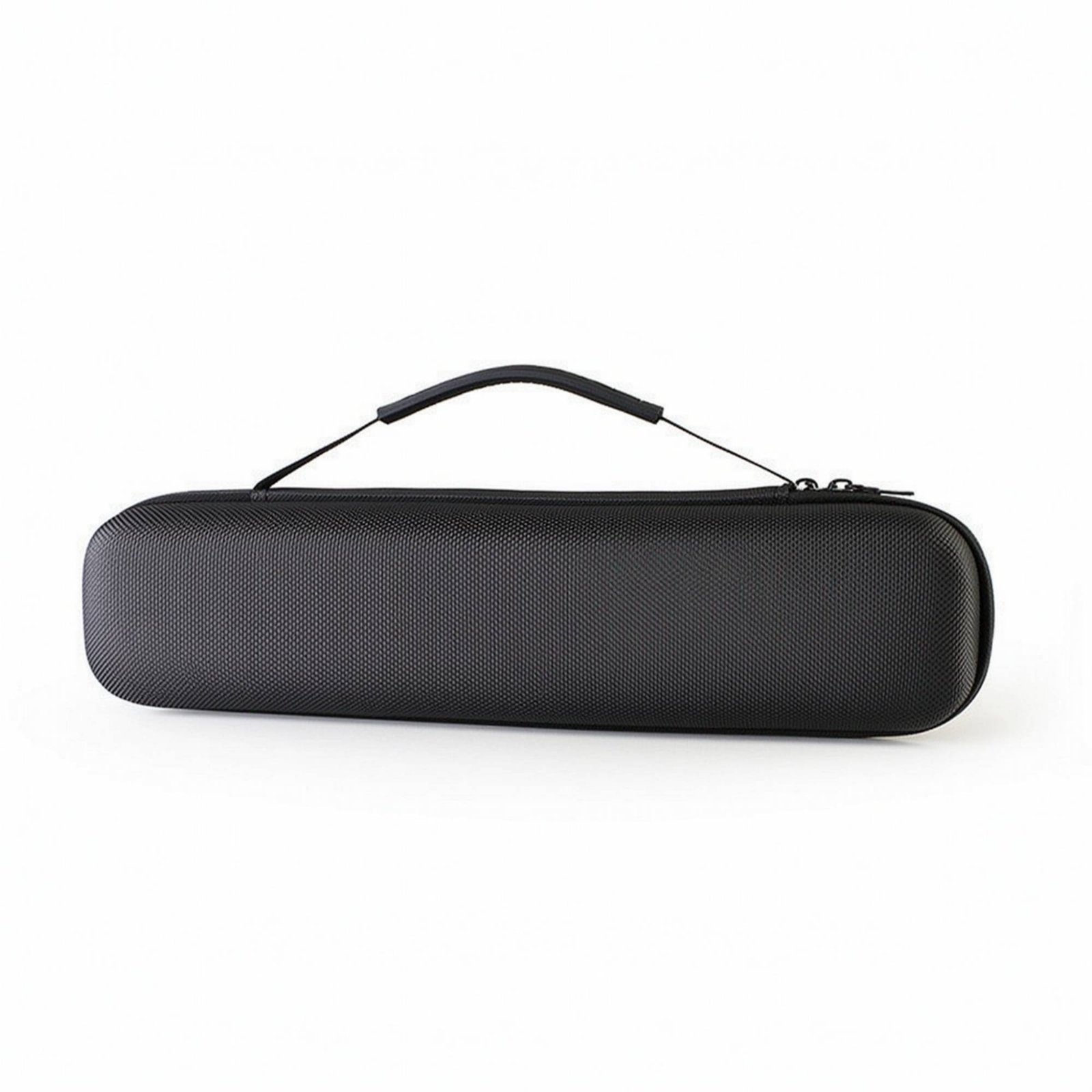
For a compact rod, reel, or delicate accessories that need their own protected space inside a larger loadout, Hard Fishing Rod Case is useful because it has a rigid shell, inner lining, elastic retaining strap, and mesh pocket to keep smaller pieces from knocking together. Hard Fishing Rod Case measures 34.5 cm long, 8.5 cm wide, and 6.5 cm high, and the product weight is 160 g, so it suits a small tackle-and-rod accessory bundle rather than a full-length rod.
When comparing cases and bags, look for these practical features first:
- A shape that matches your rod style, especially short or telescopic rods versus longer travel rods
- Enough internal separation that guides, tips, and handles are not rubbing together
- Water resistance for damp travel conditions, while remembering that water resistance is not the same as crush protection
- Carry options that suit how you move gear from house to vehicle to shoreline
- Simple organization so tools are not packed against the rod blank
How storage and carry pieces work together
Safe rod storage usually works as a small system rather than a single product. A rod bag or case protects the rod during movement, while a holder or rack keeps it stable when you are waiting, rigging, cleaning up, or storing gear between trips.
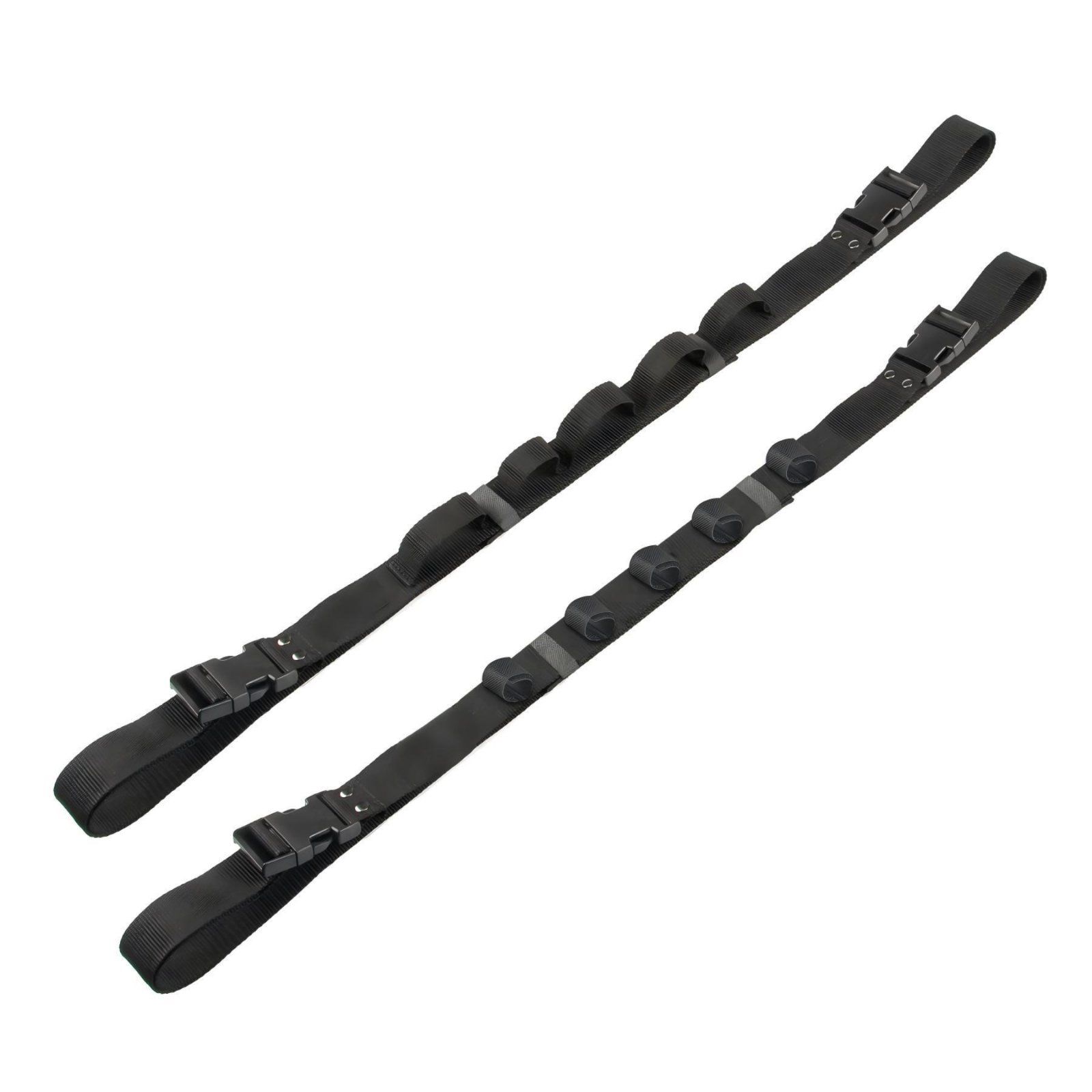
Inside a vehicle, 2-Piece Adjustable Vehicle Fishing Rod Holder keeps rods overhead instead of on the floor, where they get stepped on, slammed by doors, or bent under other gear. 2-Piece Adjustable Vehicle Fishing Rod Holder includes two adjustable overhead straps with hook-and-loop sections, loops, and buckles, so it is a good travel choice when you want rods organized inside the cabin.
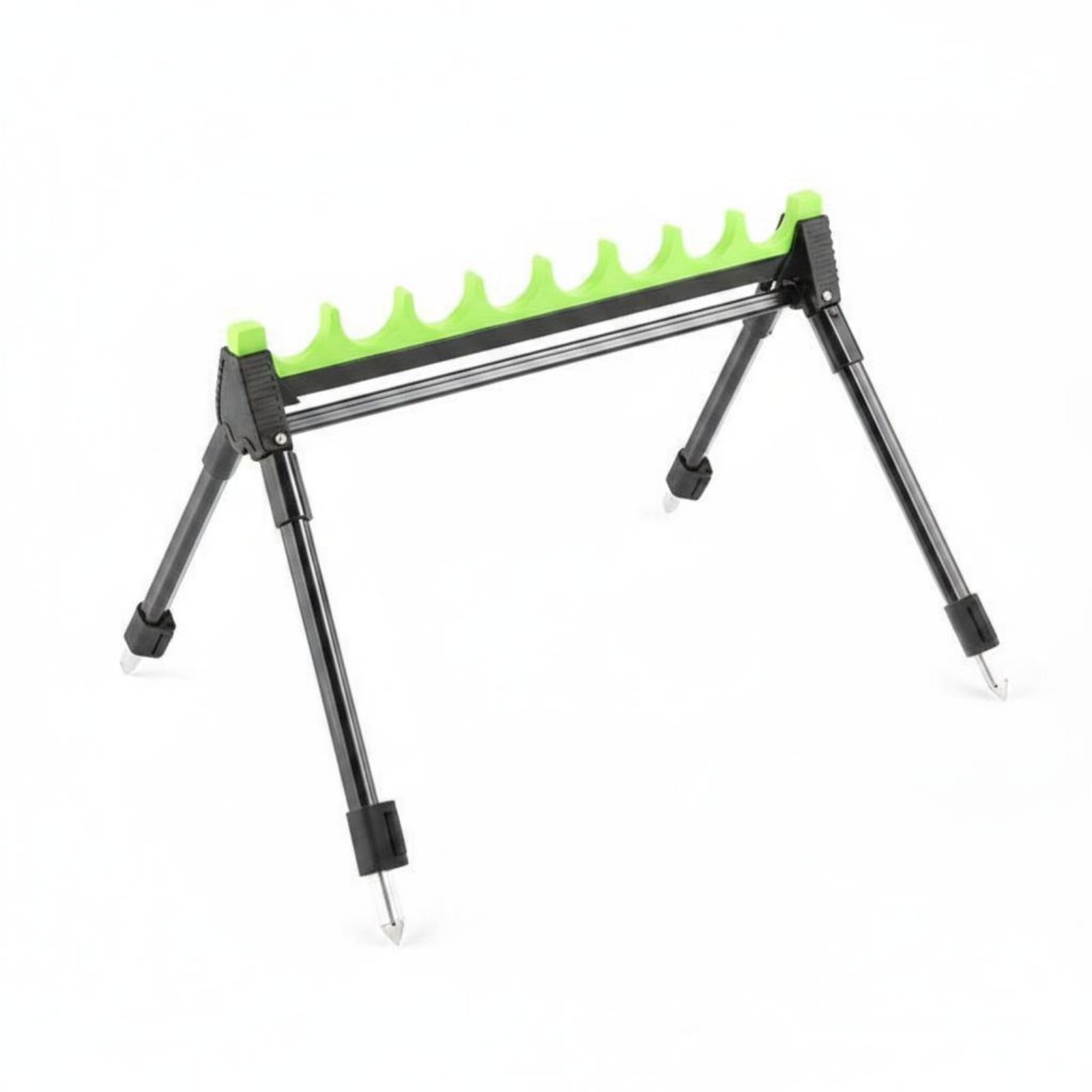
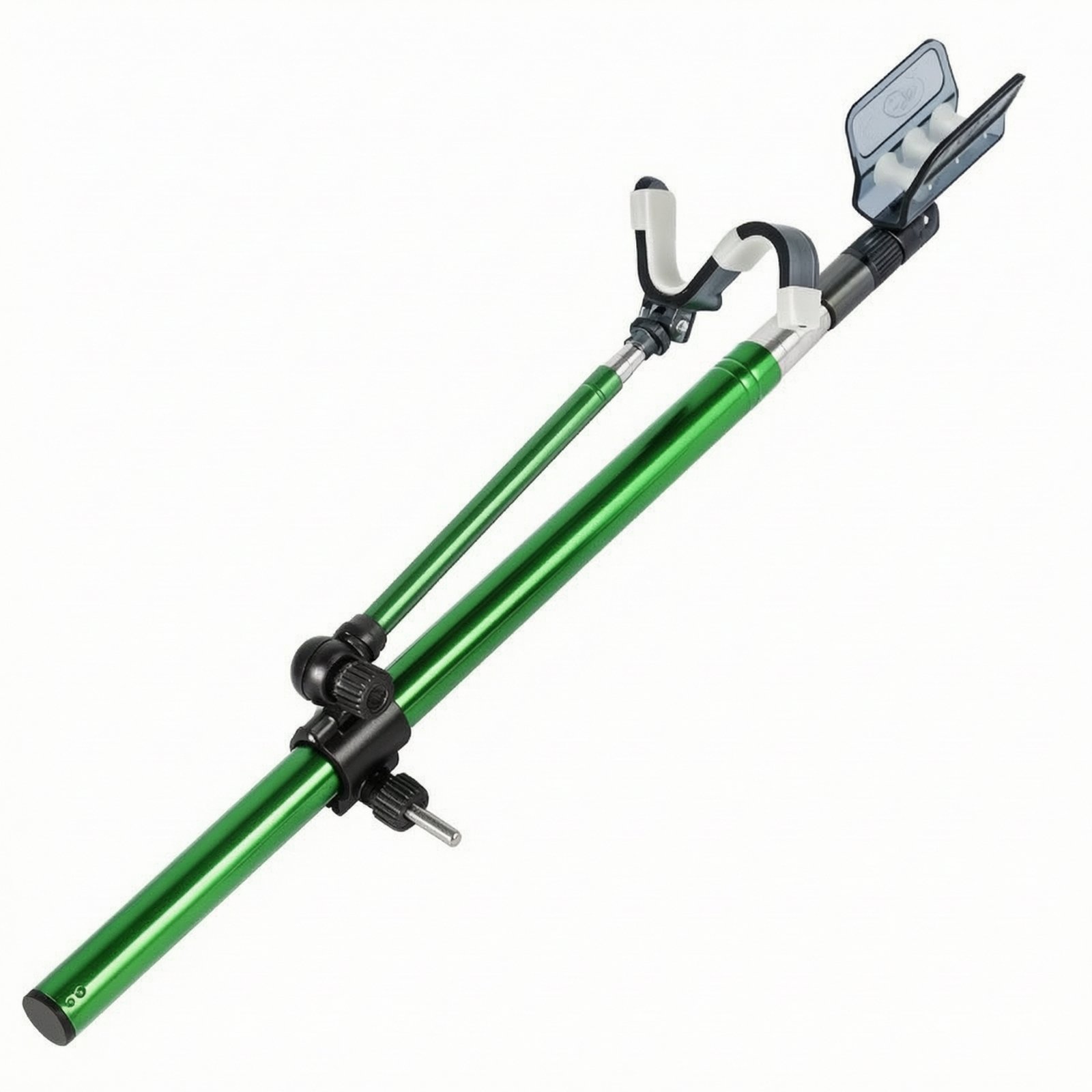
At home or on a trip, temporary holders matter because damage often happens during stops, not while actively fishing. On shore, Telescopic Fishing Rod Holder is a foldable rack that keeps several rods upright and separated, and its EVA slot padding helps reduce scratches where the rods rest. On a chair or fishing box, Fishing Rod Holder gives you a non-ground support that mounts to those surfaces and uses a detachable head with a cushioning contact area, which is helpful when you need one rod parked securely while you rig another.
Think of the pieces this way:
- Case or bag: protects during carrying and home storage
- Vehicle holder: prevents rods from sliding around in transit
- Bank, chair, or box holder: keeps rods off the ground during setup and pauses
- Rack or multi-rod holder: separates several rods so guides and tips do not tangle
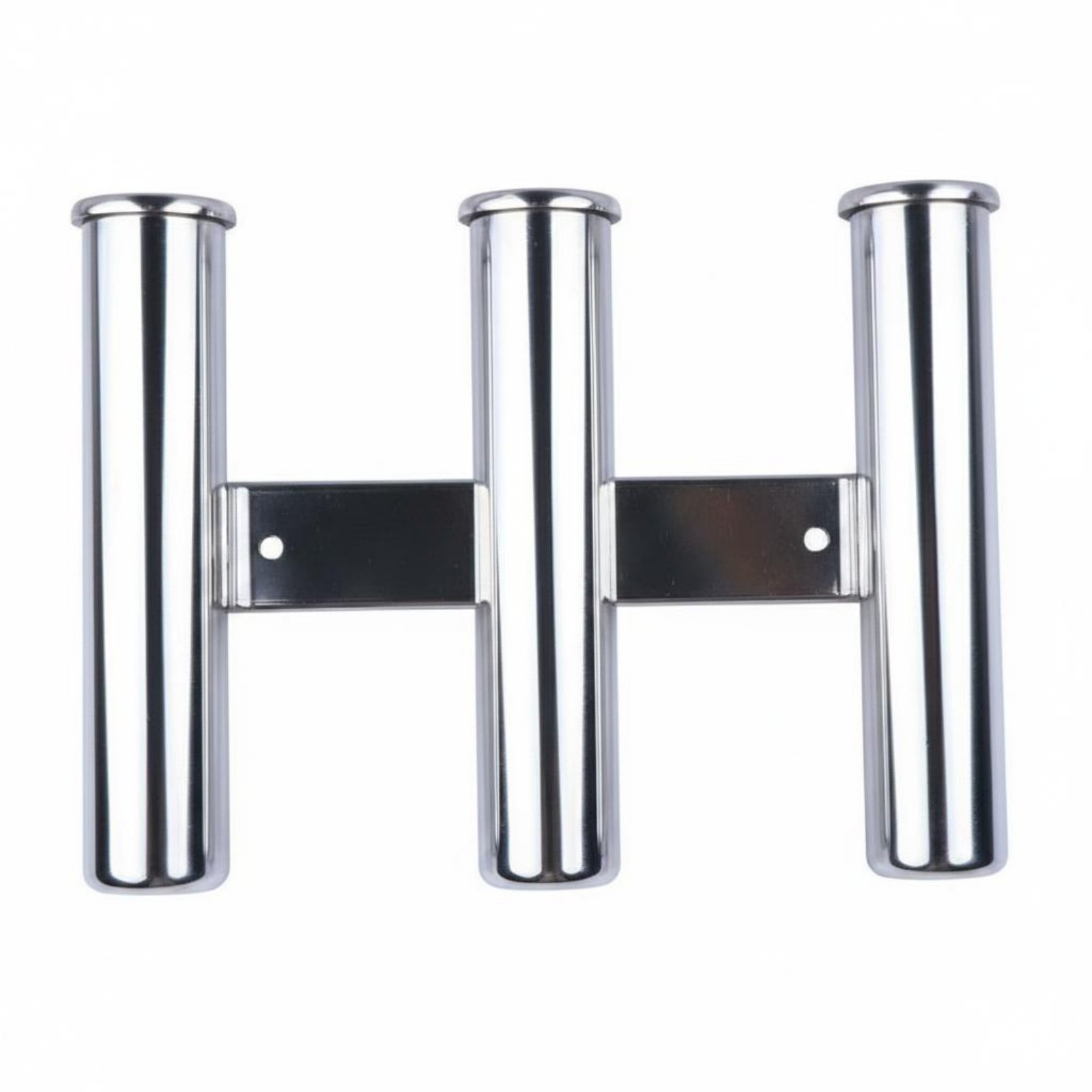
If you fish from a boat or keep rods ready on board, a dedicated holder can also be part of safe storage. Stainless Steel Rod Holder keeps multiple rods upright in separate tubes, which helps avoid tangles and accidental knocks in a tighter fishing area.
Mistakes that cause damage
A common mistake is choosing only for water resistance and forgetting impact protection. A soft bag is useful for keeping rods together and shielding them from dampness, but if the rods may be pressed under other gear, a more structured option is often safer.
Another mistake is letting rods ride loose in the vehicle. Rods on seats, floors, or cargo areas can snag, bounce, and get crushed by coolers or tackle boxes; an overhead carrier like 2-Piece Adjustable Vehicle Fishing Rod Holder solves that by moving them up and away from heavy gear.
Many anglers also damage rods during breaks by leaning them against a wall, chair, or tailgate. A holder such as Fishing Rod Holder or a rack such as Telescopic Fishing Rod Holder is safer because it supports the rod in a repeatable position instead of relying on balance.
Watch out for these buying mistakes:
- Picking a short case for a rod that cannot break down to fit it
- Assuming any holder fits every mounting point; check whether you need ground, chair, box, rail, or vehicle mounting
- Packing tools, weights, or pliers loose against a rod blank inside one compartment
- Storing several rods together without any separation at the guides and tips
- Forgetting to check whether your home storage spot is safe from foot traffic, pets, or falling items
Choosing for home, travel, bank, or boat use
For home storage, the key is separation and support. If your rods are compact or broken down, a bag like Water-Resistant Fishing Rod Bag or Fishing Rod Bag Waterproof keeps dust, bumps, and clutter away; then a rack or holder can keep the packed rods upright and out of walkways between trips.
For road trips, prioritize a case for direct rod protection plus a cabin storage method. Fishing Rod Bag Waterproof is a good example of a protective carry case for transit, while 2-Piece Adjustable Vehicle Fishing Rod Holder helps keep rods suspended overhead so they do not shift with luggage.
For bank fishing, choose holders based on where the support comes from. If you want a freestanding multi-rod station, Telescopic Fishing Rod Holder suits that role; if your setup centers on a chair or fishing box, Fishing Rod Holder is built to mount there instead of going into the ground.
For boat use, separate tube storage is often the tidy answer when carrying several setups. Stainless Steel Rod Holder uses a 4 tube layout, which makes each rod easier to grab without crossing lines or handles. If you need a clamp style for rails instead, check the mounting surface, the holder angle adjustment, and how firmly it locks before you buy.
A typical kit
- Fishing Rod Bag WaterproofUse this as the main travel case when you want a more protective rod bag for carrying rods between home, vehicle, and water.
- Water-Resistant Fishing Rod BagChoose this compact bag for short or telescopic rods when you want organized storage with easy shoulder carry.
- Hard Fishing Rod CaseAdd this rigid small case to protect compact rod gear or accessories that should not bump around inside a larger bag.
- 2-Piece Adjustable Vehicle Fishing Rod HolderMount these inside a vehicle to keep rods overhead and off the floor during road travel.
- Telescopic Fishing Rod HolderSet this up on shore or at camp to keep multiple rods upright, separated, and easier to manage.
- Fishing Rod HolderUse this on a chair or fishing box when you need a stable temporary resting place instead of leaning a rod against something.
Questions people ask
Is a soft rod bag enough for safe travel?
It can be enough when the main risk is light bumps, dampness, and keeping rods together neatly. If the rod may be pressed under other gear or carried in crowded conditions, a more structured case is the safer choice.
What is the safest way to carry rods in a car?
Keep them secured so they cannot slide, bounce, or get trapped under heavier gear. An overhead interior carrier like 2-Piece Adjustable Vehicle Fishing Rod Holder is useful because it moves rods off the floor and helps prevent accidental stepping or crushing.
How should I store rods at home between trips?
Keep them out of walkways, away from falling objects, and separated so guides and tips do not tangle. A bag or case protects them from dust and bumps, and a holder or rack keeps them from being leaned against walls where they can fall.
Do I need a holder if I already have a rod bag?
Usually yes, because the bag protects rods during transport but does not help much while you are rigging, taking breaks, or staging gear. A holder gives the rod a stable resting place so it is not balanced on a chair, tailgate, or the ground.
What should I check before buying a rod holder?
First match the holder to where it mounts: vehicle, chair, box, shore, rail, or boat deck area. Then check whether it separates rods well, cushions contact points, and adjusts in a way that suits how you actually fish and store your gear.
Shop the list
Everything mentioned above
Prices and delivery windows are live from our catalog.
Water-Resistant Fishing Rod Bag
Fishing Rod Bag Waterproof – Black, 126
Hard Fishing Rod Case
2-Piece Adjustable Vehicle Fishing Rod Holder
Telescopic Fishing Rod Holder – Small 8-hole
Fishing Rod Holder – Green, 1.7M