Buying guide · Fishing & Camping
How to choose a sleeping pad or camp mattress for tent camping
Short answer
Choose based on your camping style first: a closed-cell foam pad is simple and weather-tolerant, a self-inflating mat balances comfort and setup ease, and a larger air mattress makes the most sense for car camping or shared tent use. For most tent campers, the right pick comes down to how much cushioning you want, how much space you have in the tent, and whether quick setup, moisture protection, or packability matters more.
Start with your camping style and comfort needs
The easiest way to narrow the field is to decide whether you want simple insulation from the ground, a more cushioned sleeping surface, or a mattress-like feel. If you hike to camp and want fewer moving parts, a foam pad is often the most straightforward option. If you drive to camp or prioritize comfort over simplicity, a self-inflating or fully inflatable mat usually gives a softer night’s sleep.
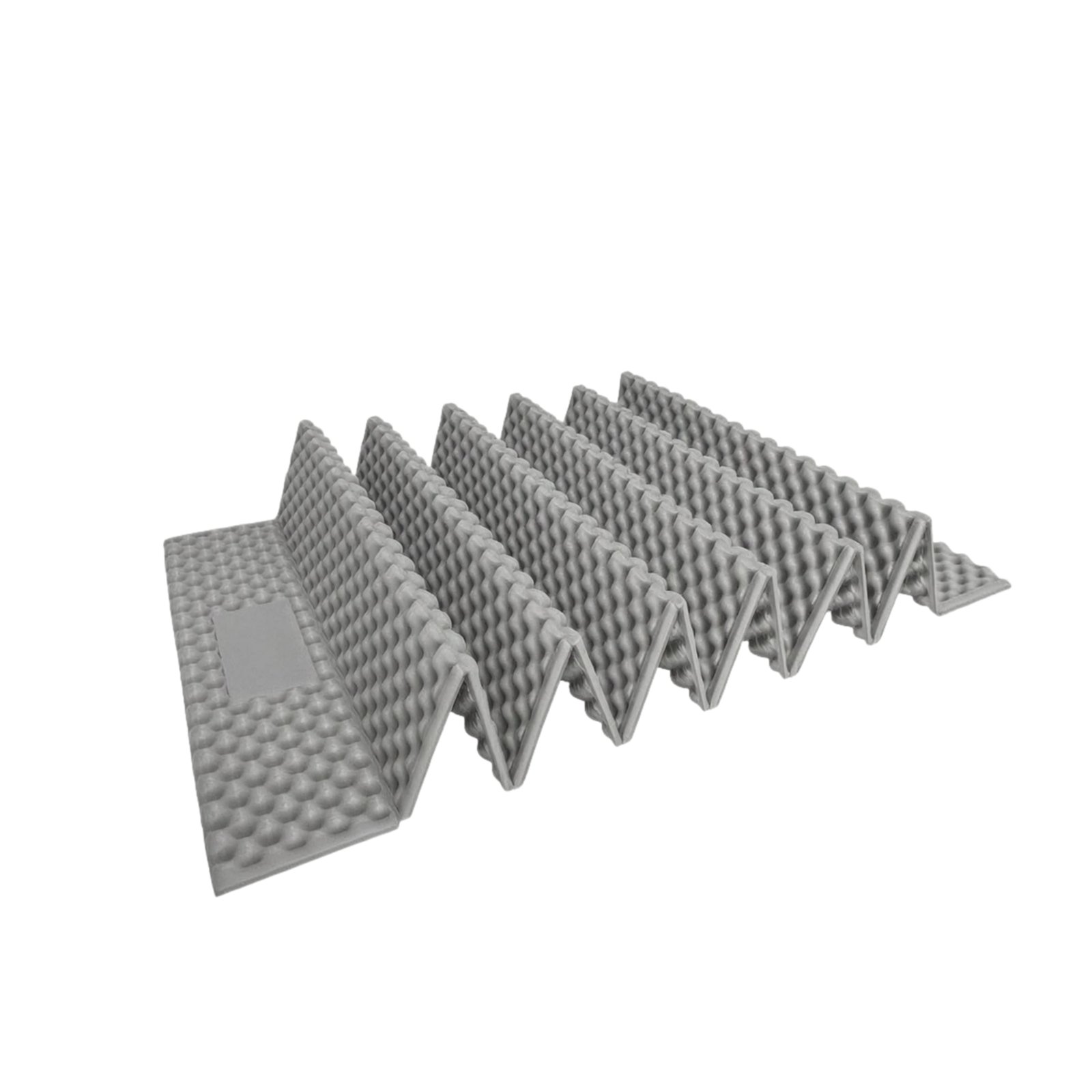
A foam option such as Foldable Foam Sleeping Pad uses closed foam with a reflective layer to help block ground dampness and retain warmth. That makes it a practical choice for campers who want a pad that unfolds fast, does not depend on valves, and can also double as a sit pad or picnic mat.
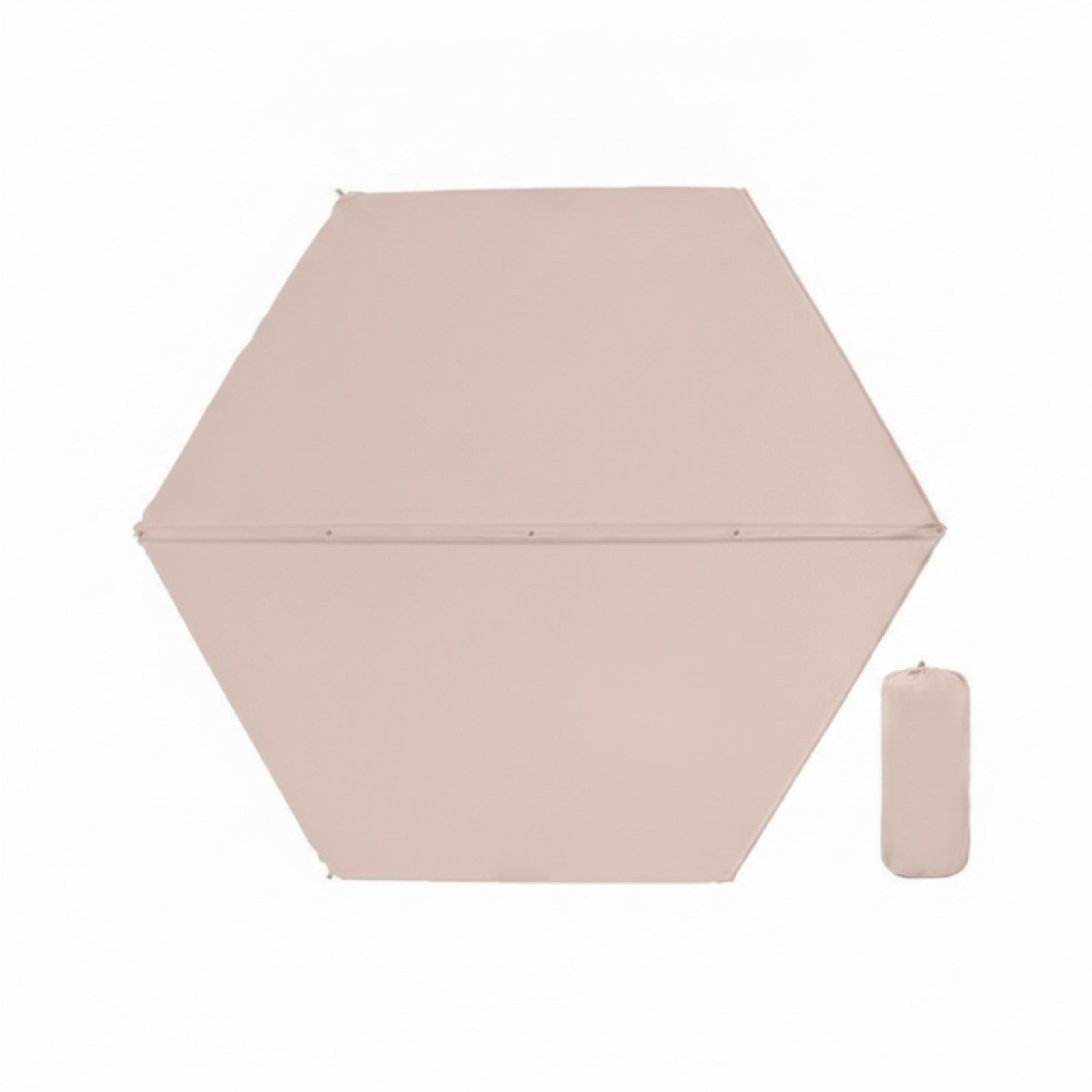
A self-inflating style like Self-Inflating Camping Mat with Storage Bag adds more cushioning with a stated thickness of 2.5 cm, which can feel noticeably more comfortable on hard ground than a basic foam pad. If you want a middle ground between rugged simplicity and plush comfort, this type is often the most balanced place to start.
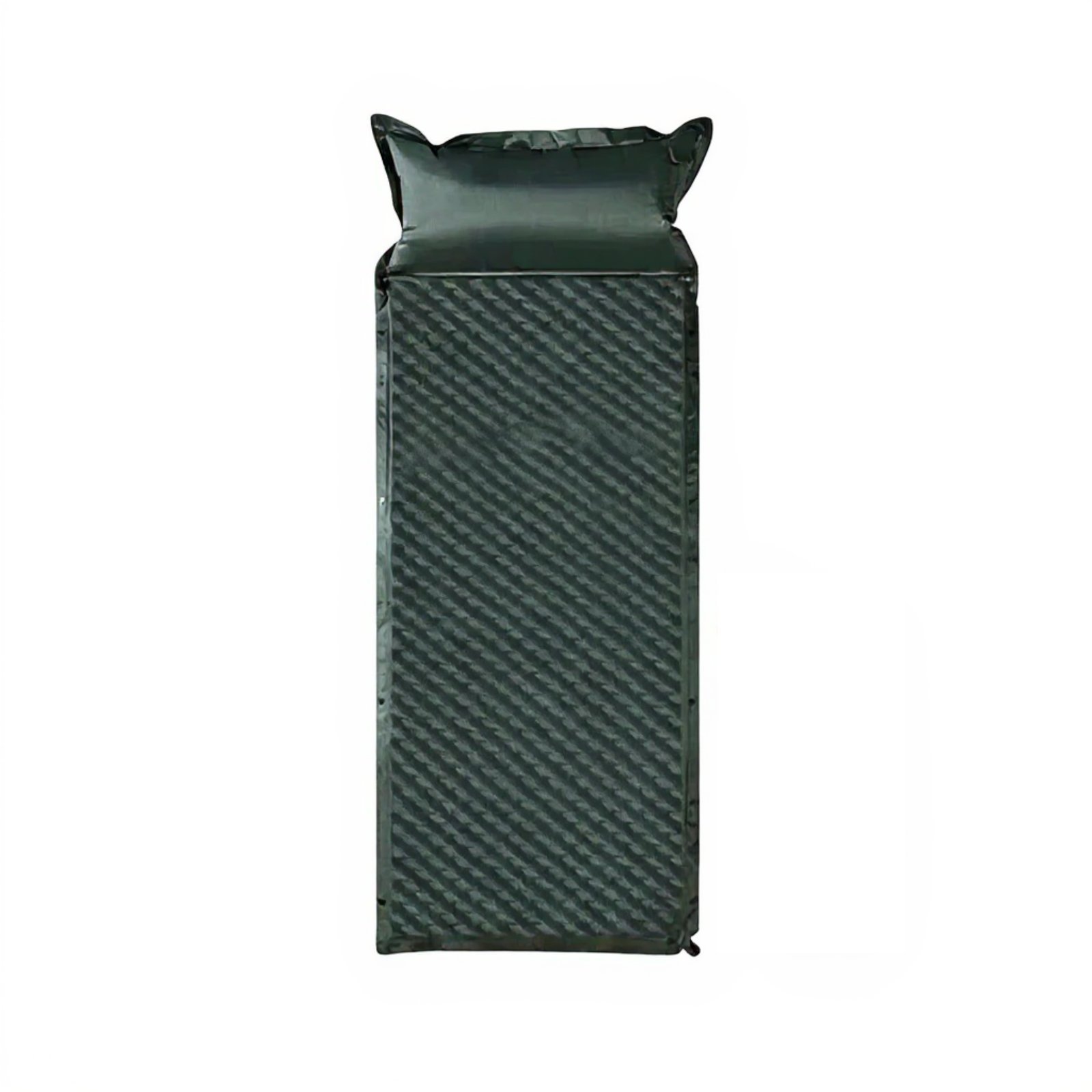
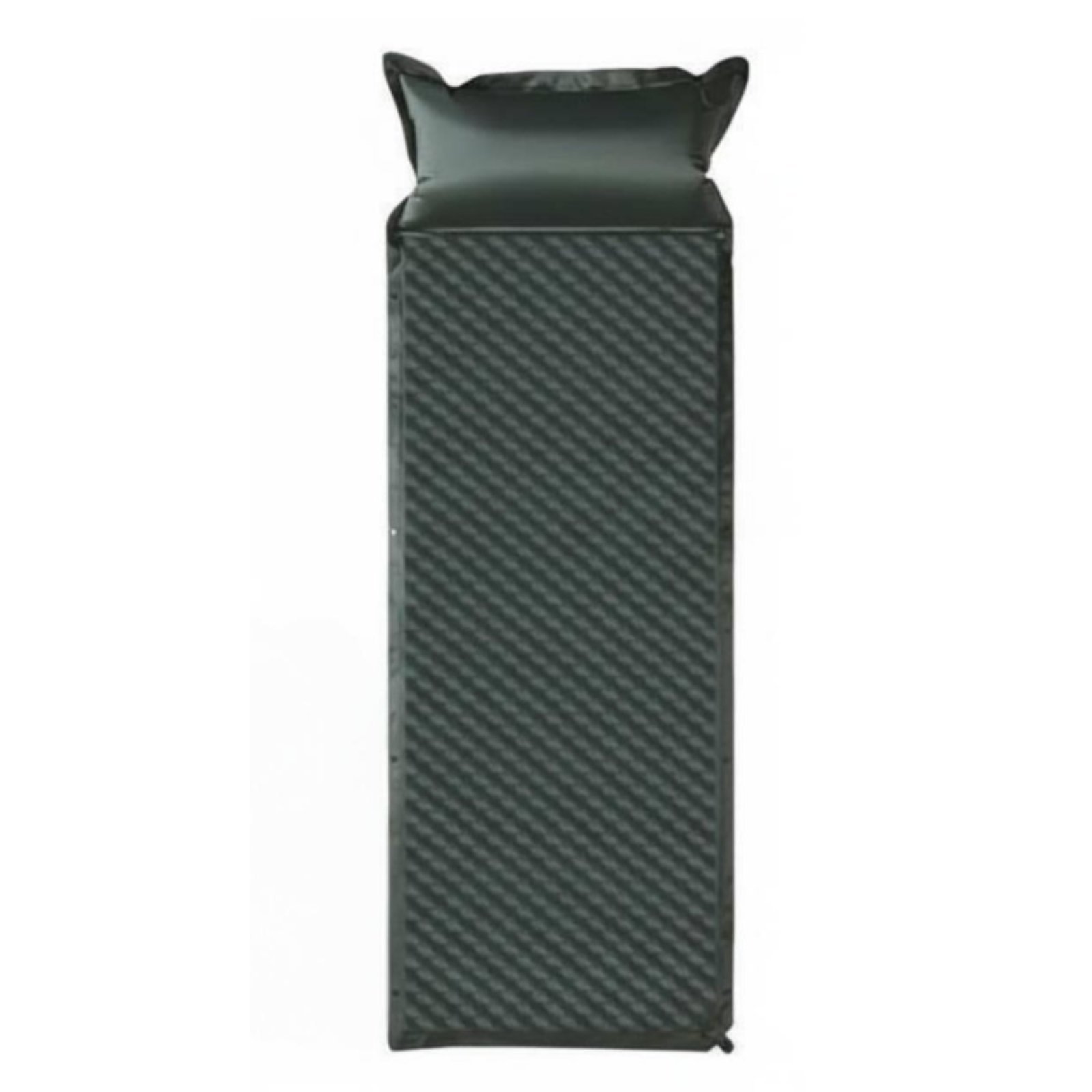
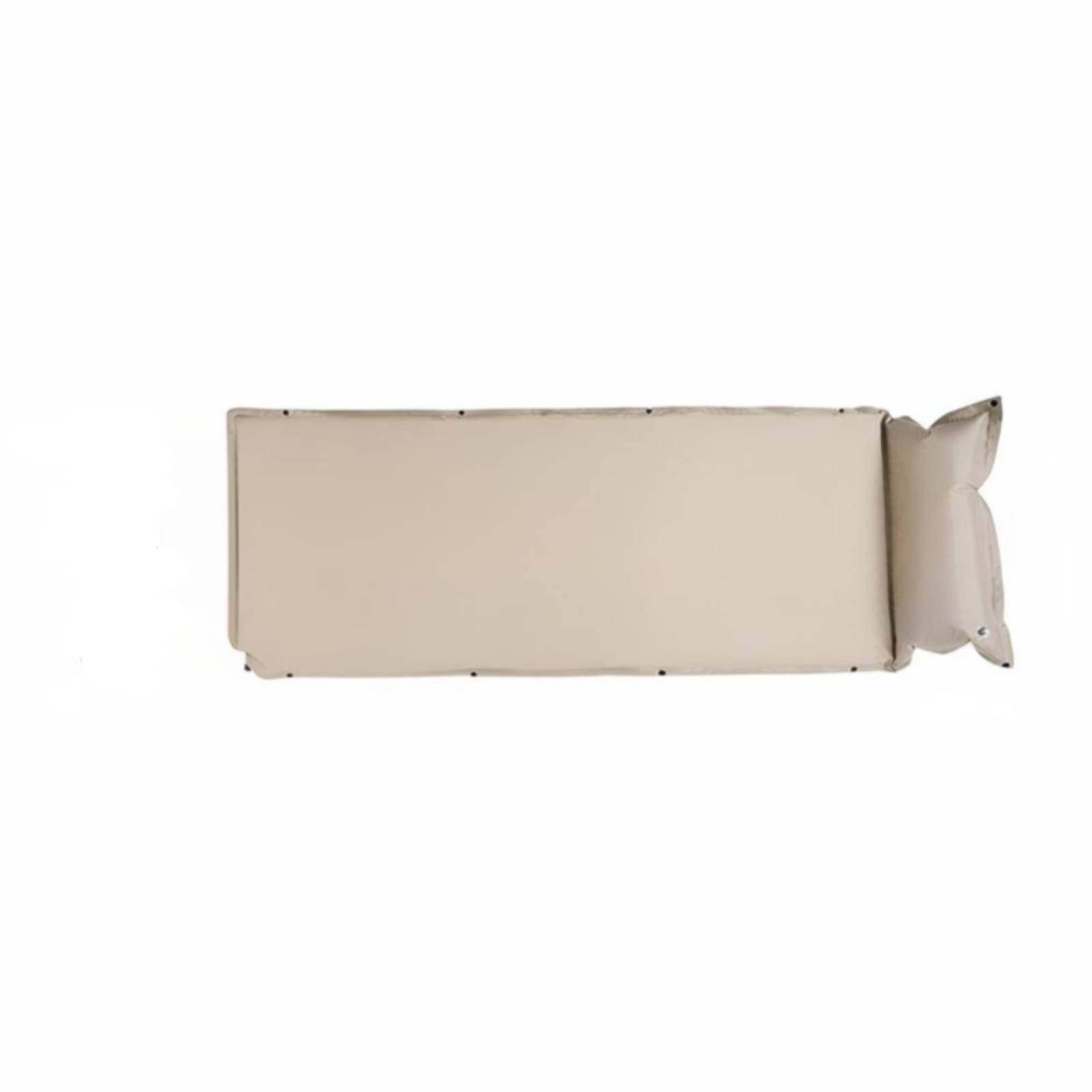
If you want a compact single-person inflatable with an attached pillow, both Automatic Inflatable Camping Mattress and Automatic Inflatable Mattress are listed with a 3 cm thick pad and an integrated adjustable pillow. That kind of design suits solo tent camping when you want more comfort than foam but still want a pad that folds down for transport.
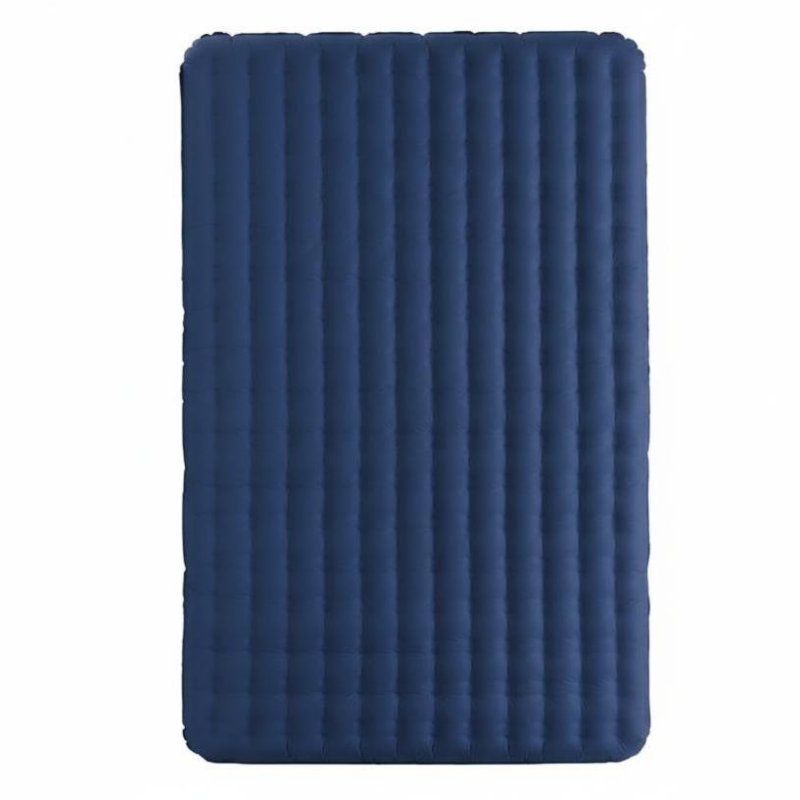
For campers who want a true mattress feel or sleep with a partner, thickness and sleeping area matter more. 12cm Inflatable Mattress is listed as about 208 x 136 cm with a 12 cm thick design for two people, while Outdoor Inflatable Mattress is listed at 2 m x 1.8 m for 3-4 people, so these are more appropriate for large tents and car camping than for minimalist trips.
Which features matter most when comparing pads and mattresses
Look first at construction type, then at moisture handling, then at convenience features. Closed-cell foam is valued for low fuss and reliability. Self-inflating and automatic-inflating designs are easier to set up than a basic air bed, but they still depend on valves and seals, so it is worth checking the listing for inflation method and whether storage straps or a bag are included.
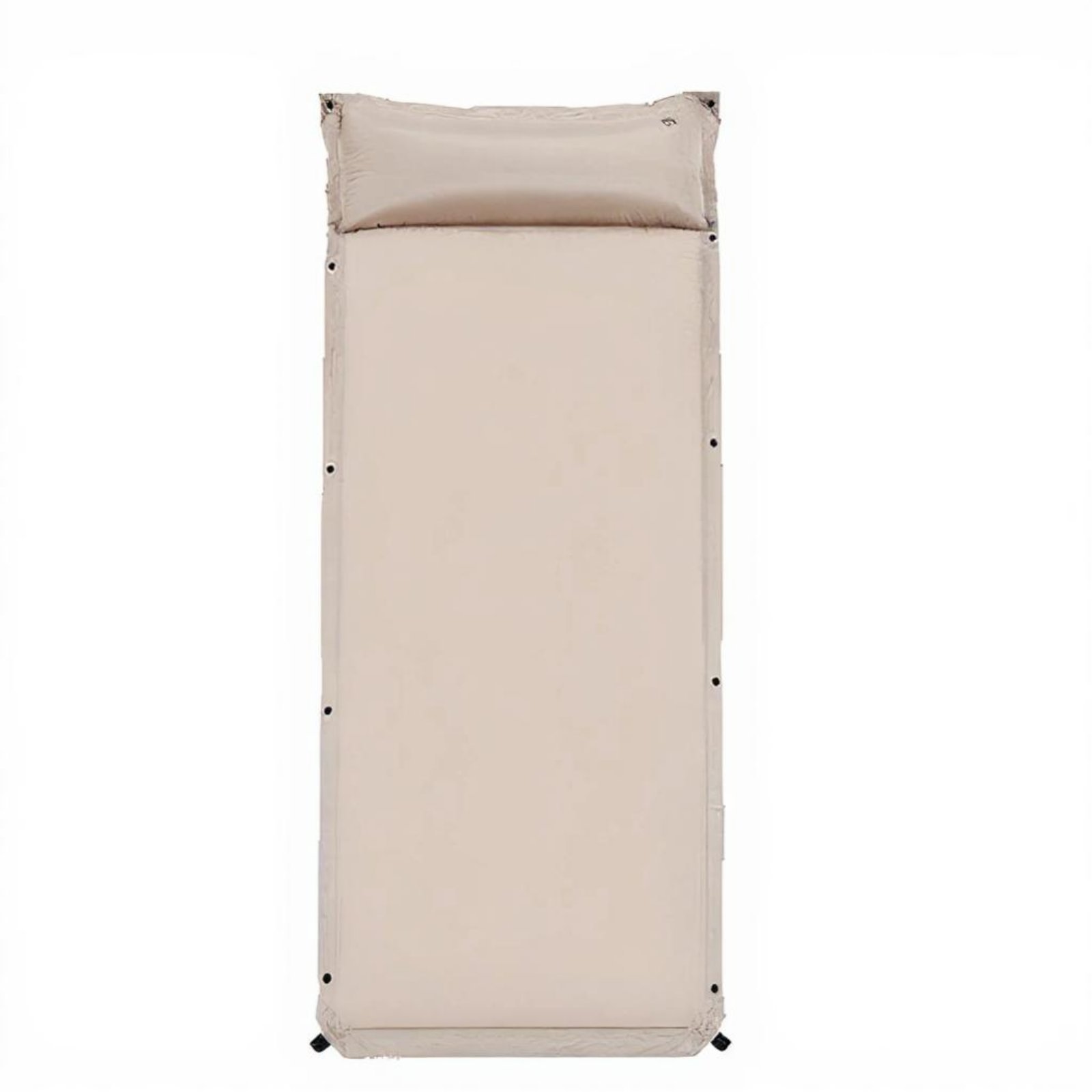
Moisture resistance is especially important in tent camping because even a dry-looking site can hold cold and damp near the ground. Inflatable Camping Mattress is described as a thickened, moisture-resistant automatic-inflating mattress, and Inflatable Mattress Moistureresistant adds both moisture-repellent and non-slip design points. Those details can matter if you camp on tent floors that tend to collect condensation or if you move around in your sleep.
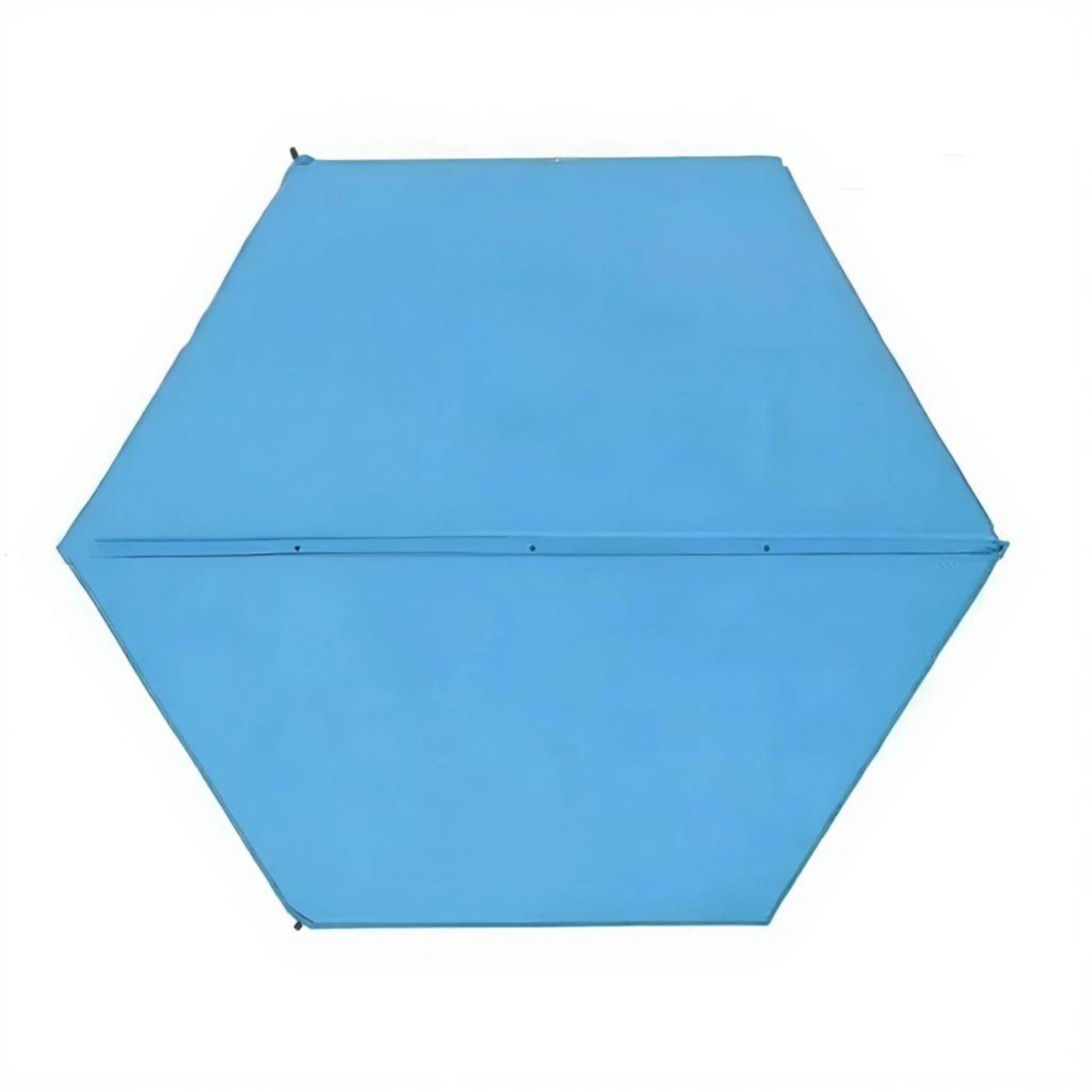
Shape and layout also affect how the pieces work inside the tent. A standard single pad leaves room for bags and shoes, while a wider mat or multi-person mattress can fill most of the floor. Tent Floor Mat Waterresistant is a hexagonal automatic-inflating tent floor mat in a large 3 cm option, so it may suit campers trying to cover more of the floor area rather than just support one sleeper.
Some pads are meant to connect with others. Inflatable Camping Mattress and Inflatable Mattress Moistureresistant both mention splicing, which is useful if you sometimes camp solo and sometimes want to join pads together. That flexibility can be more adaptable than buying one very large mattress if your group size changes from trip to trip.
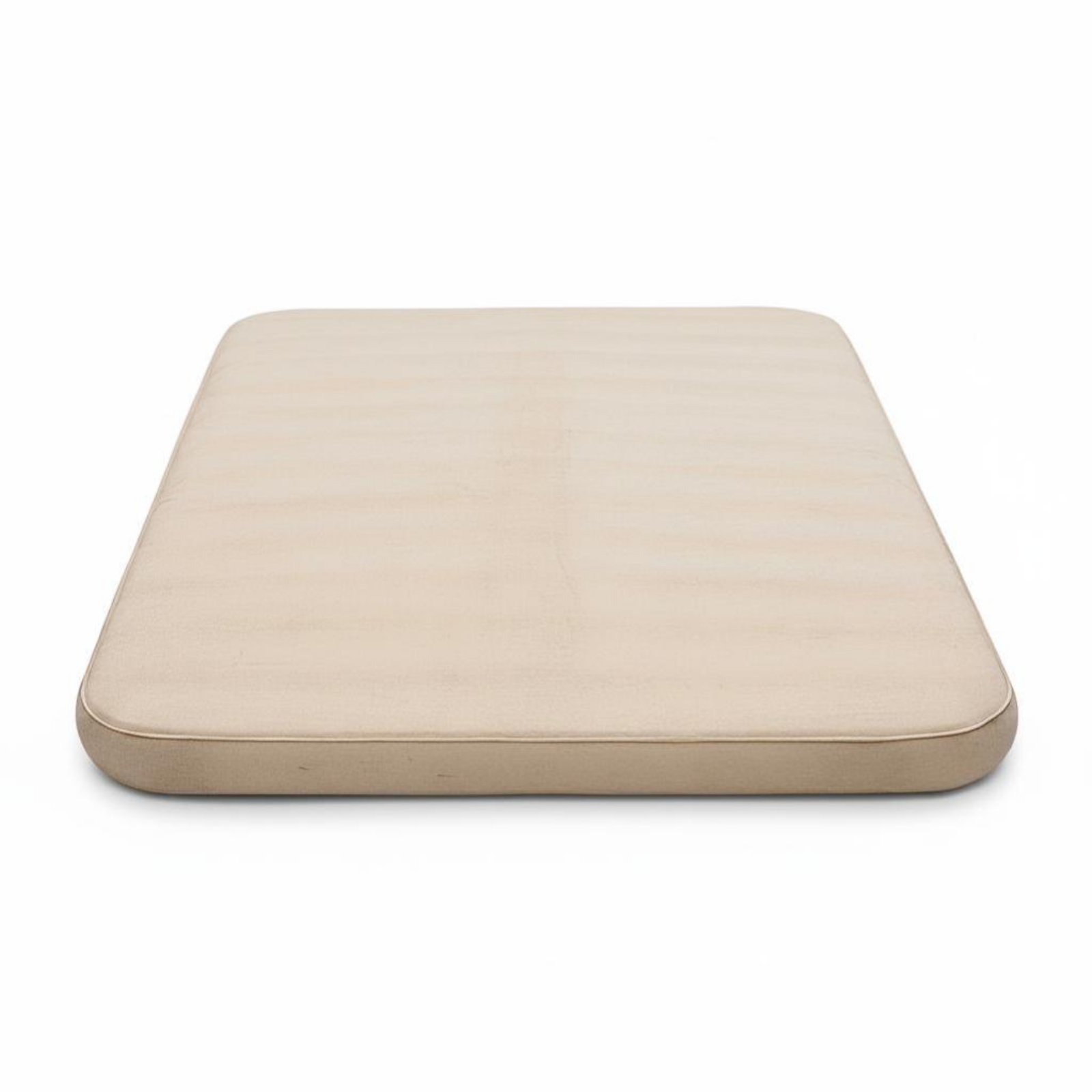
If you want a thicker self-inflating feel with sponge support, Inflatable Mattress Sponge Design is listed in a 200 x 73 x 6 cm option. A mat in that range can suit campers who find very thin pads too firm but do not want an oversized group mattress.
How the pad, tent floor, bedding, and storage work together
A sleeping pad or camp mattress does more than add softness. It separates you from the colder tent floor, reduces the effect of small bumps under the tent, and creates a more stable base for your sleeping bag or blanket. The better that base matches your body size and tent layout, the easier it is to sleep without sliding off the side or bunching your bedding.
Think about your whole sleep system instead of only the mattress. A thin but reliable pad may be enough if your sleeping bag and clothing are already warm, while a thicker mattress can improve comfort if you sleep on your side or camp on uneven ground. If you share a tent, decide whether you want one large surface or separate pads that can be moved independently.
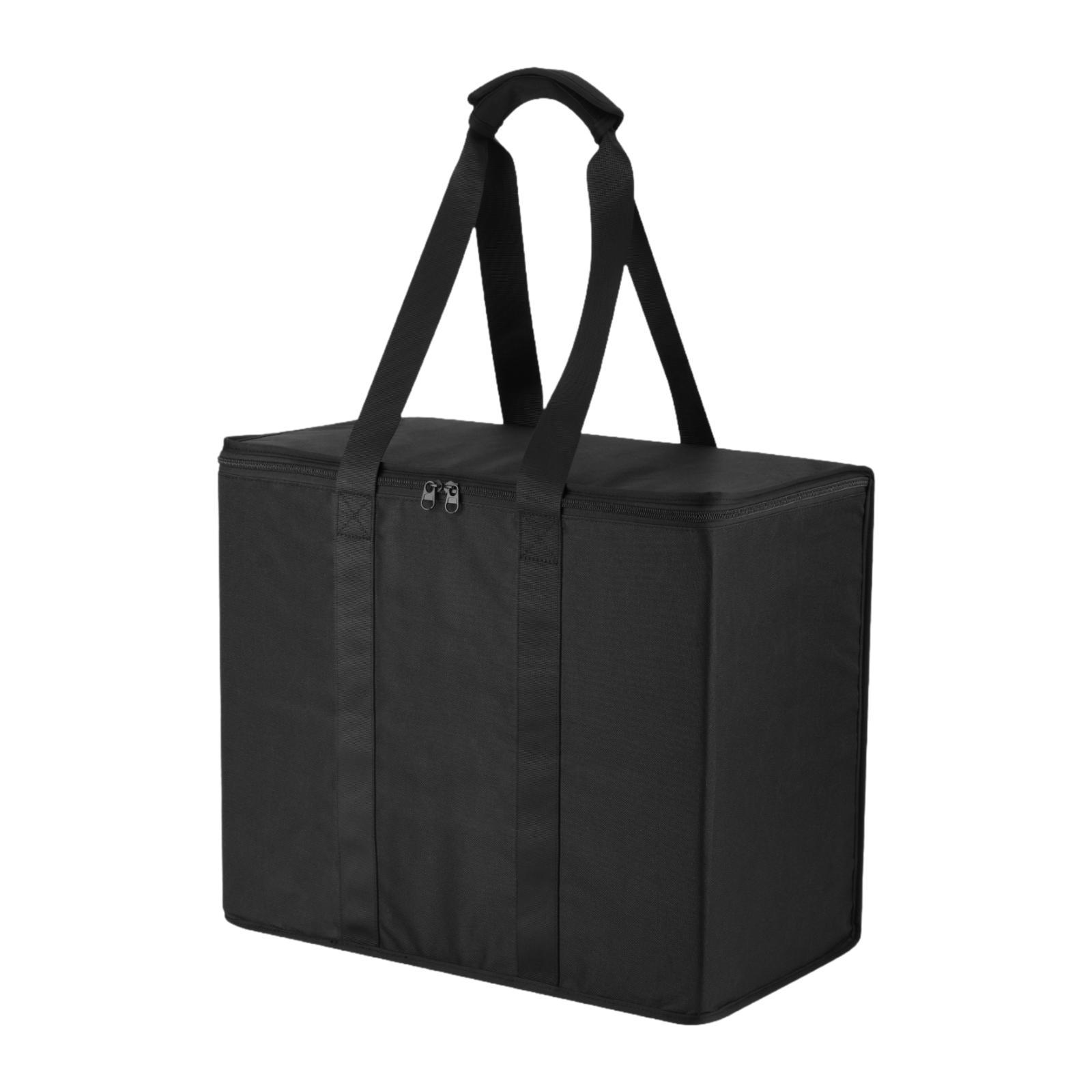
Storage matters too, especially if you camp often and want to keep your gear organized between trips. A carrying or storage piece like Air Mattress Storage Bag can help keep an air mattress or related accessories contained when packed away, but check the listing dimensions before assuming it will fit your mattress model.
When packing, remember that listed package size and package weight describe the shipping package, not necessarily how the item feels in use. For example, Self-Inflating Camping Mat with Storage Bag has a package weight of 3500 g, while Foldable Foam Sleeping Pad has a package weight of 400 g, which hints at the difference between a cushioned self-inflating mat and a simple foam pad when you carry and store them.
Common mistakes to avoid before you order
One common mistake is buying by thickness alone. A thicker mattress can feel more comfortable, but it also takes more tent space and is usually better suited to drive-up camping. Before choosing a wide or multi-person model, make sure the tent floor will still leave room for gear and access to the door.
Another mistake is overlooking setup style. Foam is almost instant, while self-inflating and automatic-inflating pads trade simplicity for comfort. If you want the least maintenance, a foam option like Foldable Foam Sleeping Pad is easier to manage than a product that relies on valves and air retention.
Some shoppers also assume every inflatable is equally suitable for backpack-style use. Package weight can help set expectations: Outdoor Inflatable Mattress has a package weight of 5800 g and is intended as a large shared mattress, while Automatic Inflatable Mattress has a package weight of 1400 g and fits a more portable solo role.
Finally, do not assume included accessories or exact materials beyond what the listing states. If details like valve type, fabric feel, repair support, or stored dimensions matter to you, check the product description carefully before ordering rather than guessing from the photos.
A typical kit
- Foldable Foam Sleeping PadA simple foam pad for campers who want quick setup, ground insulation, and fewer parts to manage.
- Self-Inflating Camping Mat with Storage BagA self-inflating mat that balances comfort, warmth from the ground, and easy fold-up storage.
- Automatic Inflatable MattressA portable single sleeping pad with an adjustable built-in pillow for solo tent camping.
- Inflatable Mattress MoistureresistantA moisture-repellent single pad that can be joined with another for flexible tent layouts.
- 12cm Inflatable MattressA thicker double mattress for two campers who want more of a bed-like surface in a larger tent.
- Outdoor Inflatable MattressA wide group mattress for family or shared tent camping where floor coverage and shared sleeping space matter most.
Questions people ask
Is a foam pad or an inflatable mat better for tent camping?
It depends on whether you value simplicity or cushioning more. A foam pad like Foldable Foam Sleeping Pad is straightforward and less fussy, while an inflatable or self-inflating pad usually feels softer and can do a better job smoothing out hard ground.
How thick should my camp mattress be?
Choose thickness based on comfort needs and tent space, not on thickness alone. For example, Self-Inflating Camping Mat with Storage Bag is listed at 2.5 cm, Automatic Inflatable Mattress is listed at 3 cm, and 12cm Inflatable Mattress is listed at 12 cm, so each serves a different style of camping from basic ground cushioning to a more bed-like feel.
What if I camp with a partner sometimes but solo on other trips?
A pad with splicing can be a smart compromise because it gives you flexibility. Inflatable Camping Mattress and Inflatable Mattress Moistureresistant both mention the ability to combine pads, which can be easier to fit into different tents than always bringing one large mattress.
Do I need a built-in pillow?
Not necessarily, but some campers like the convenience and the reduced packing. Automatic Inflatable Camping Mattress and Automatic Inflatable Mattress both include an integrated adjustable pillow, which can simplify your setup if you do not want to pack a separate camp pillow.
How do I know if a large mattress will fit my tent?
Compare the mattress dimensions in the listing with your tent floor dimensions before ordering. Outdoor Inflatable Mattress is listed at 2 m x 1.8 m and 12cm Inflatable Mattress at about 208 x 136 cm, so both need more floor area than a typical single pad.
Shop the list
Everything mentioned above
Prices and delivery windows are live from our catalog.
Foldable Foam Sleeping Pad
Self-Inflating Camping Mat with Storage Bag
Automatic Inflatable Camping Mattress
Automatic Inflatable Mattress
12cm Inflatable Mattress
Outdoor Inflatable Mattress
Inflatable Camping Mattress
Inflatable Mattress Moistureresistant
Tent Floor Mat Waterresistant
Inflatable Mattress Sponge Design